




These Change and Development in Industrial Society handwritten notes turn the whole chapter into clean, handwritten pages for fast last-minute revision. They follow the 2026-27 CBSE syllabus and Chapter 5 of Social Change and Development in India. Students get the two sectors, the liberalisation examples, and the key terms in a pen-on-paper format that is easy to skim before a test.
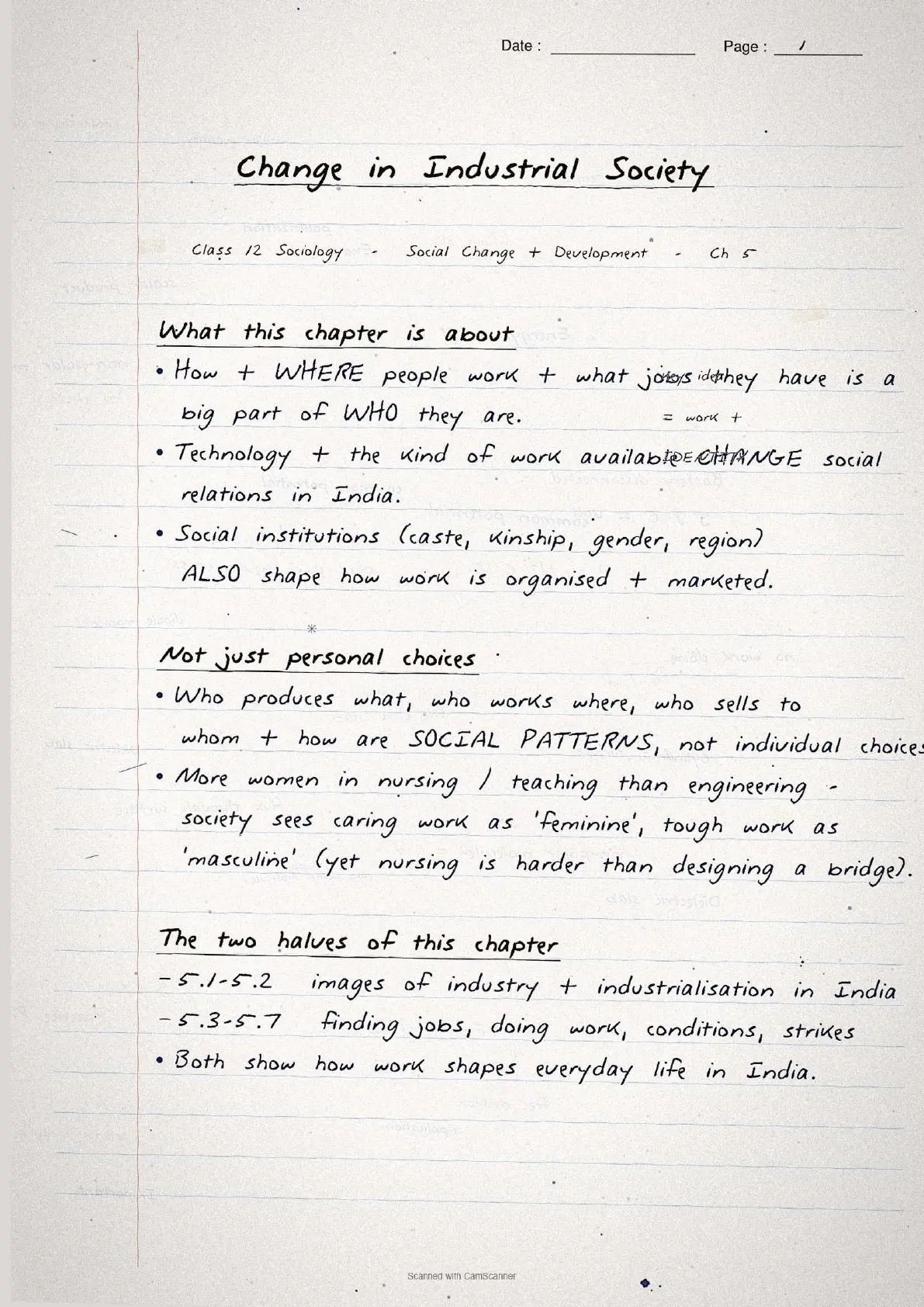
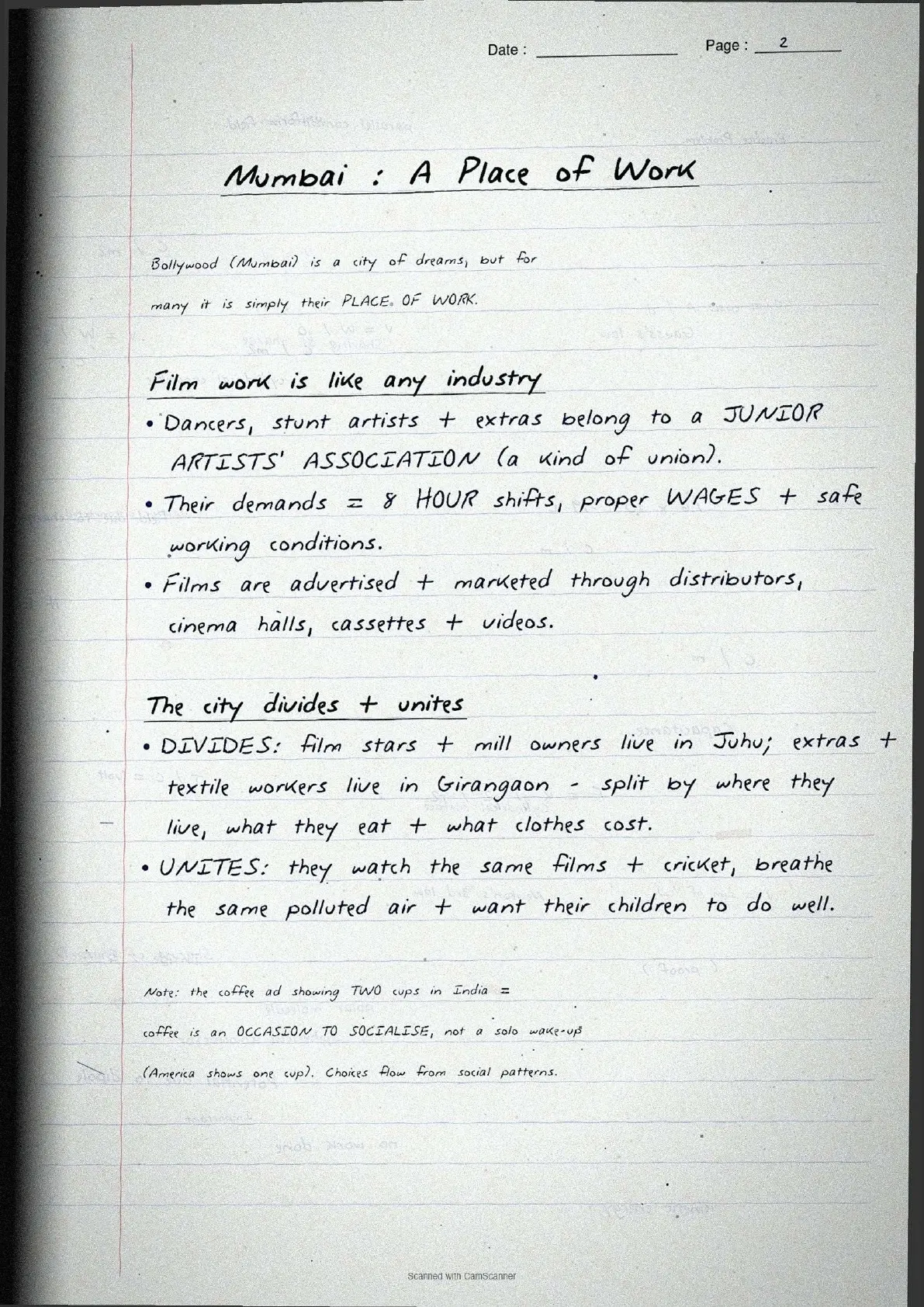
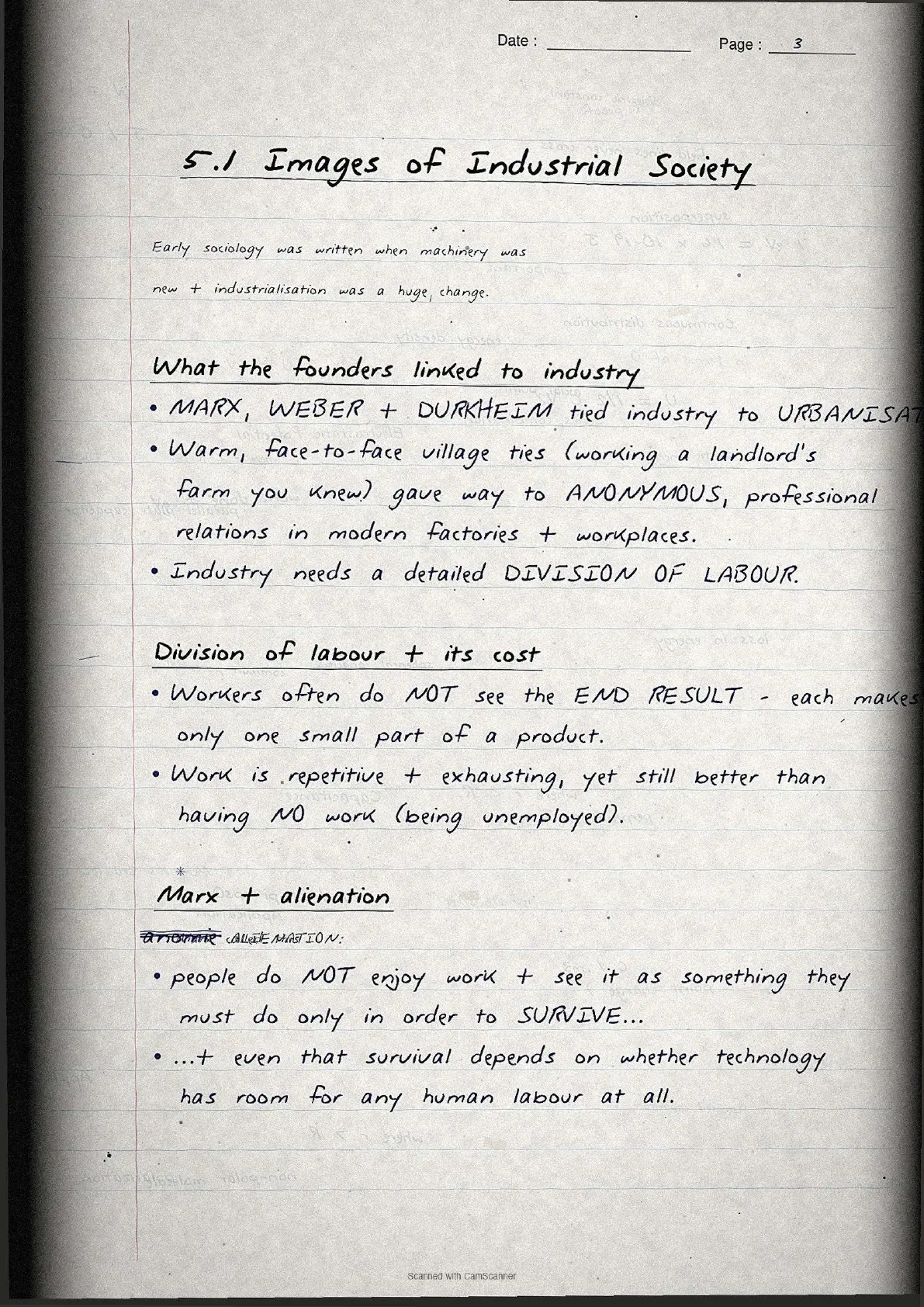
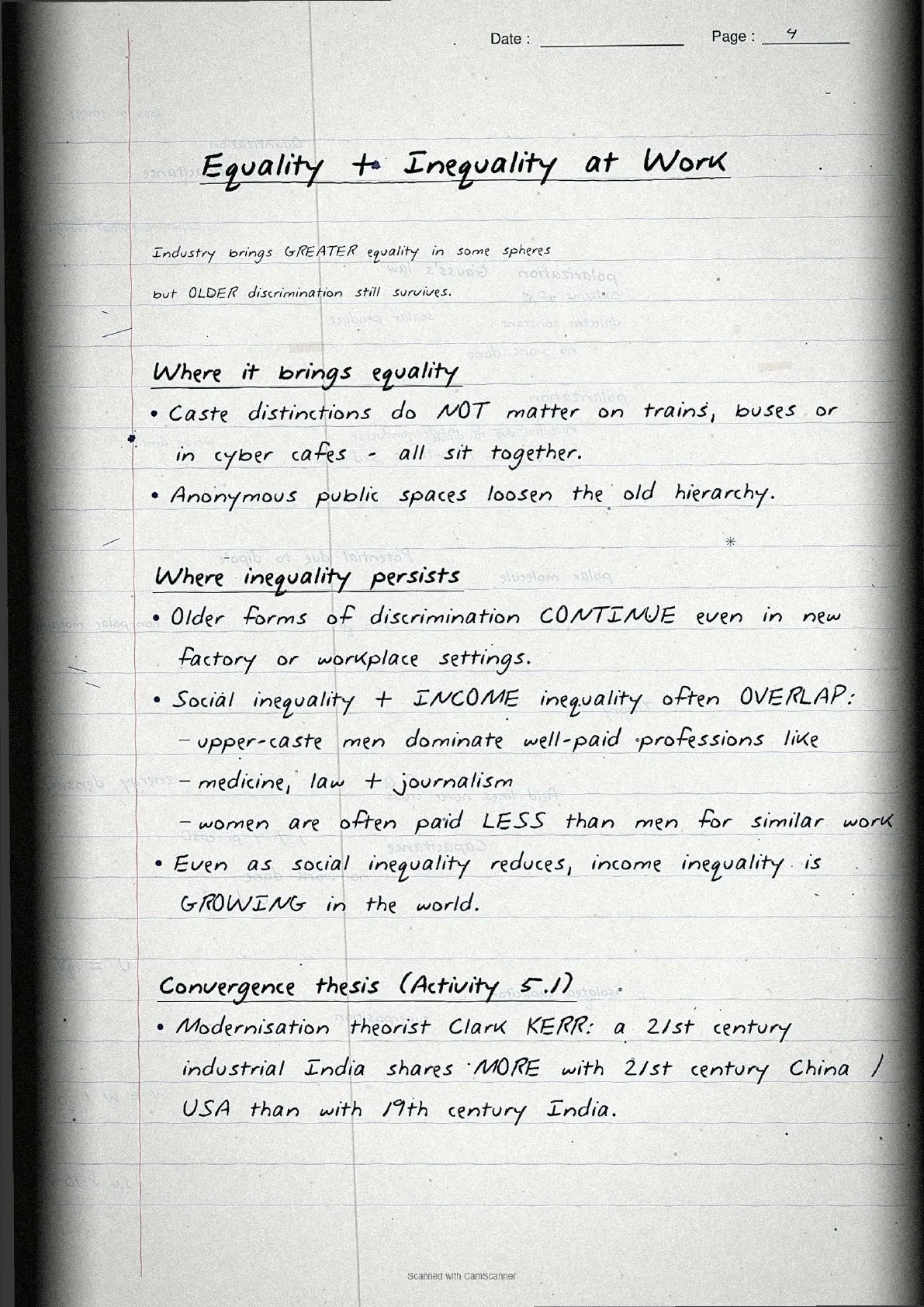
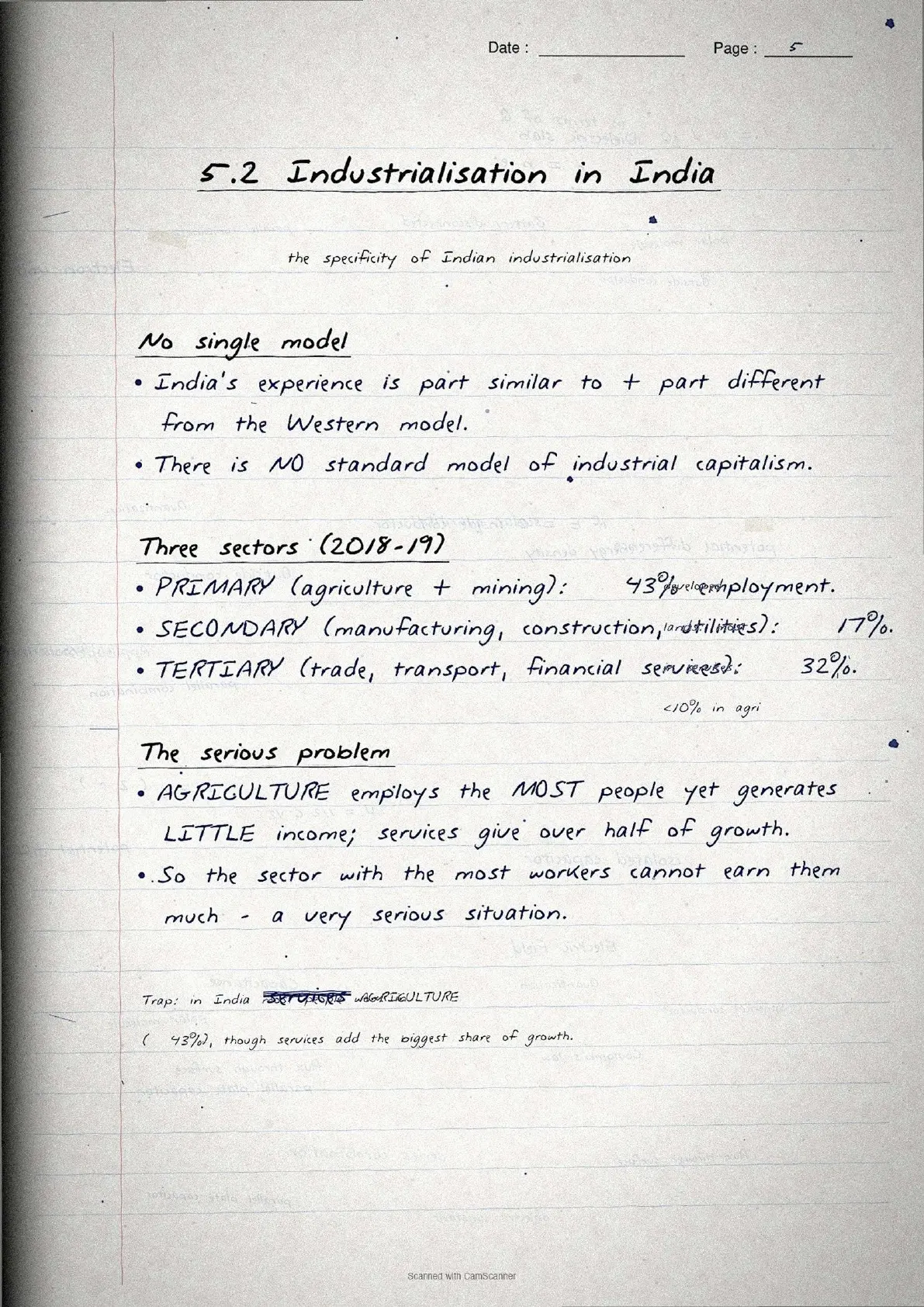
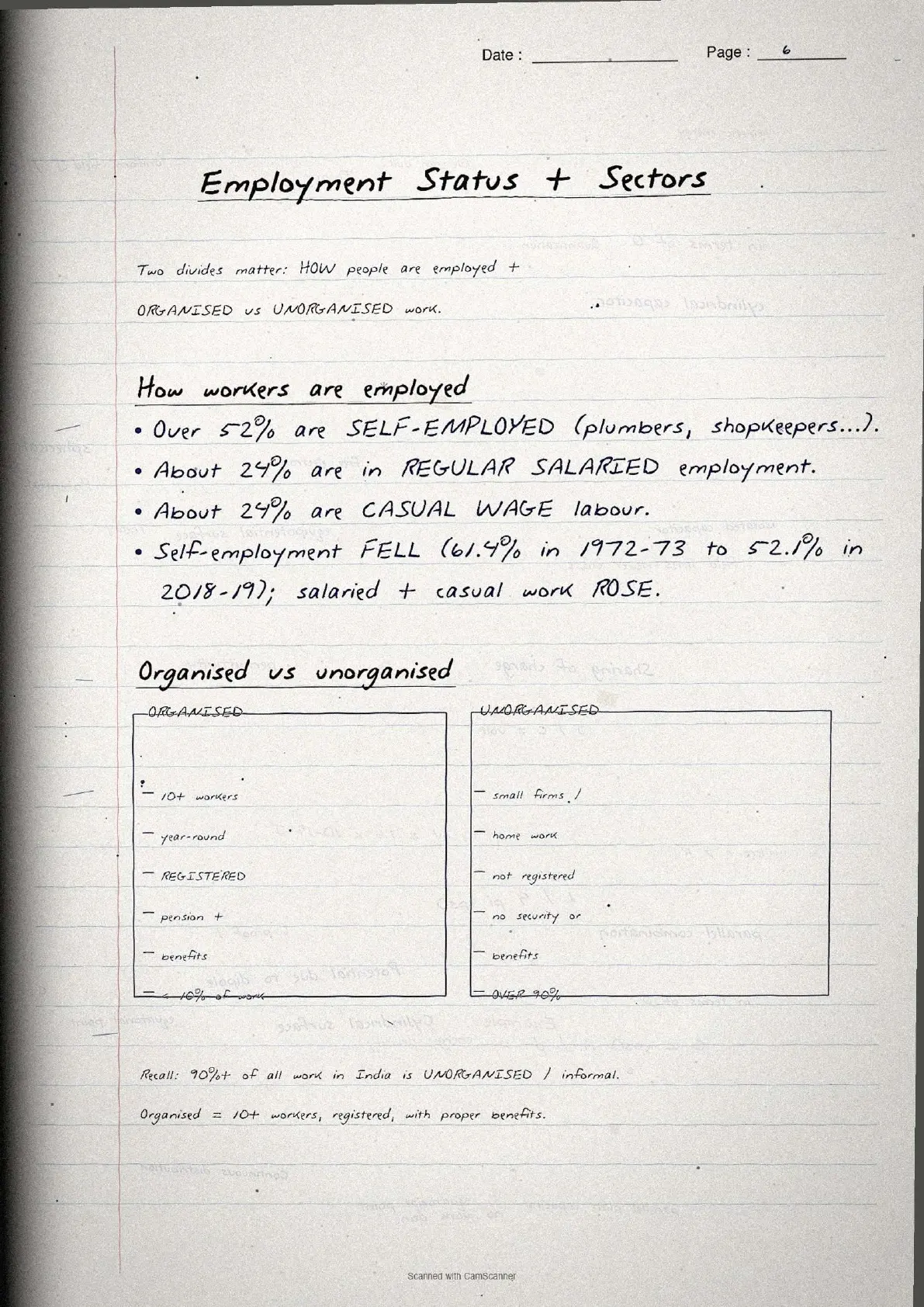
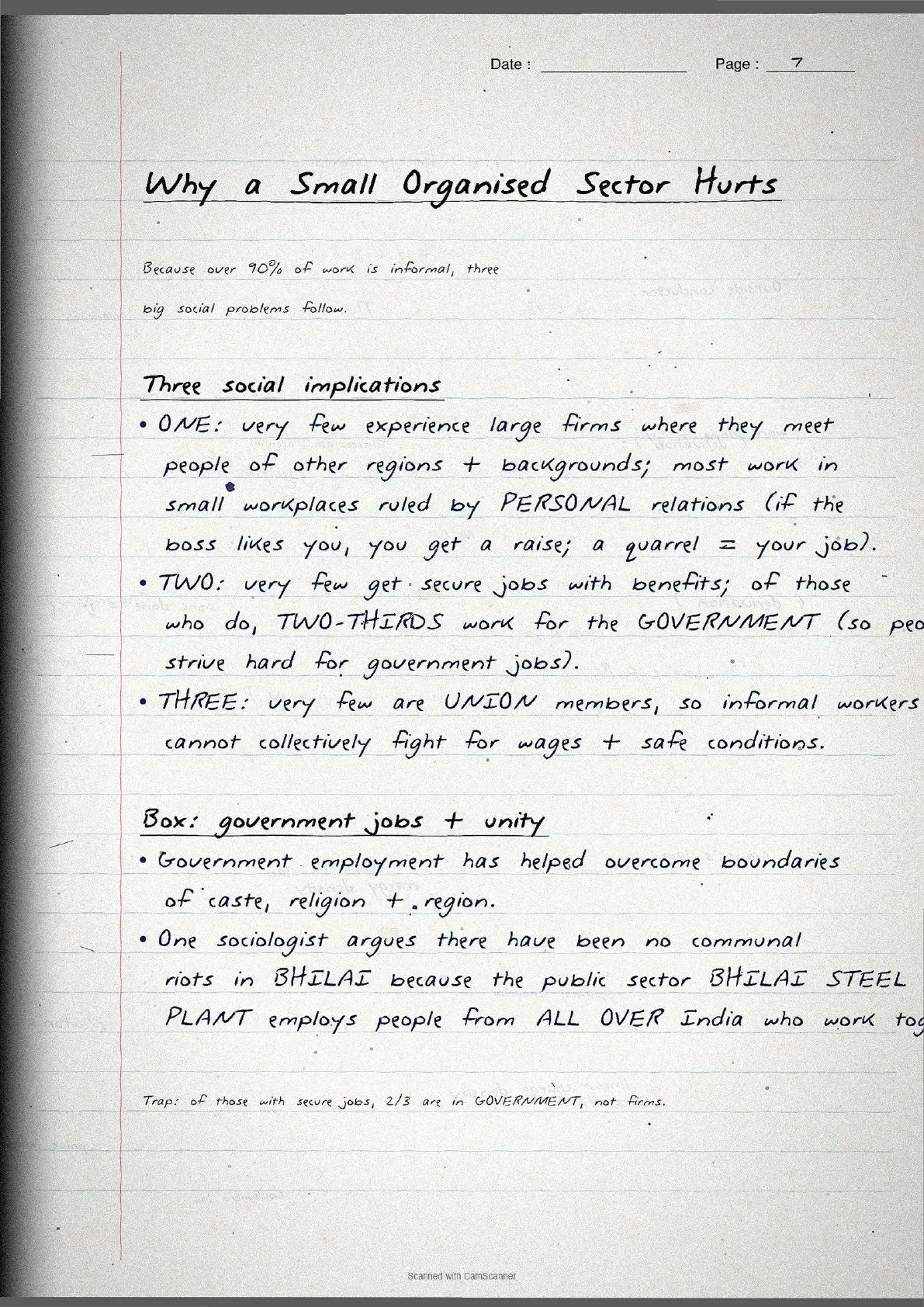
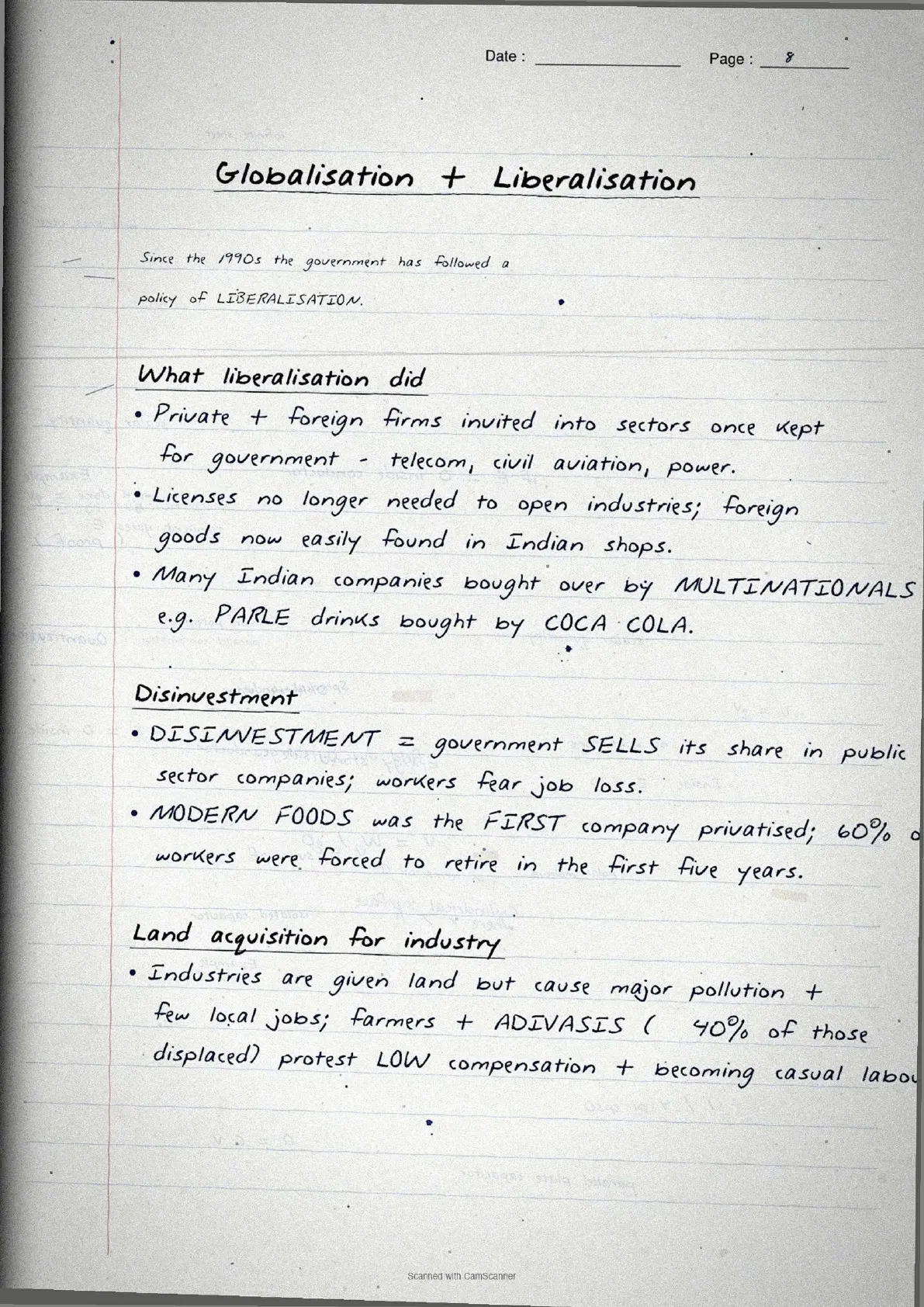
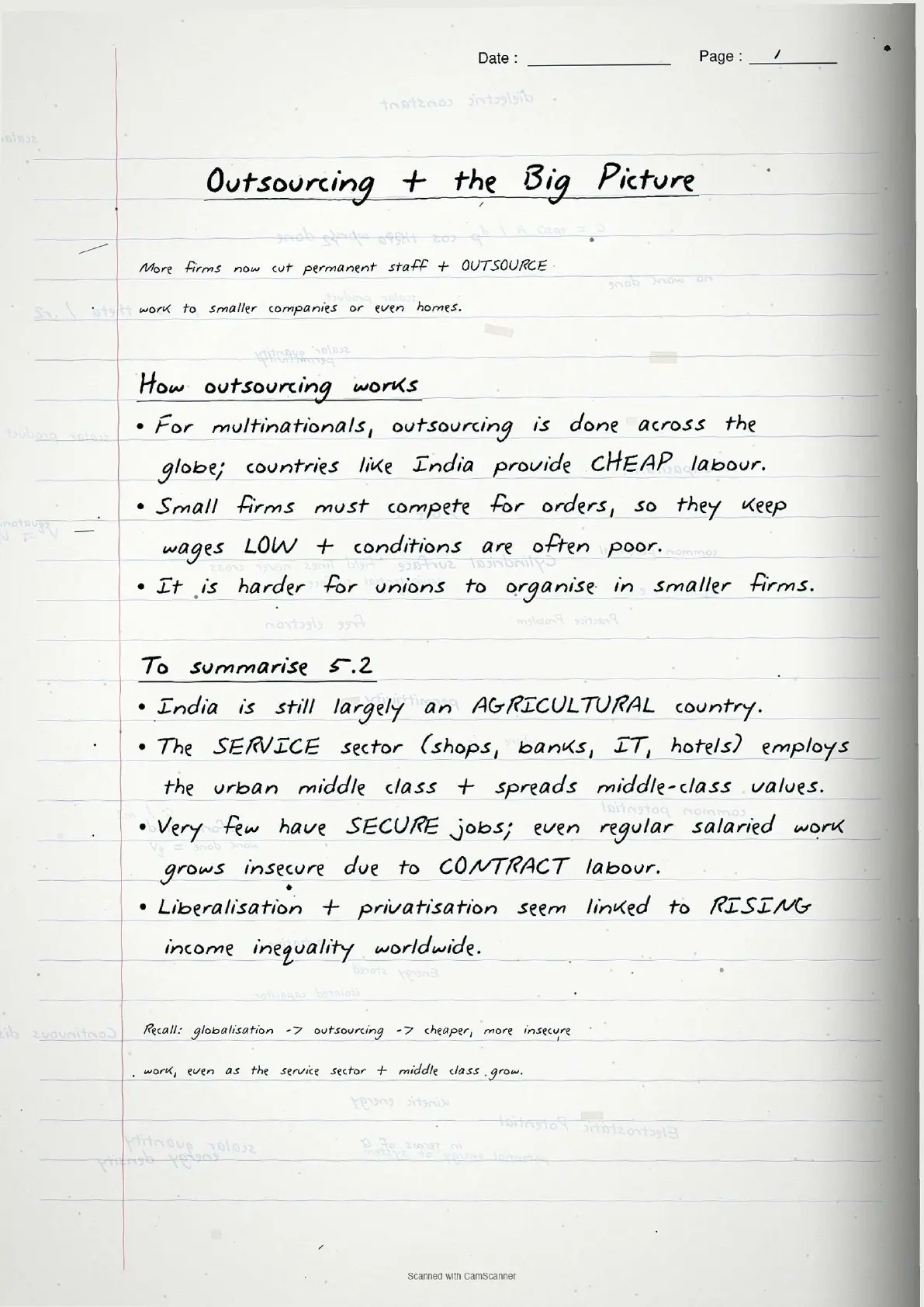
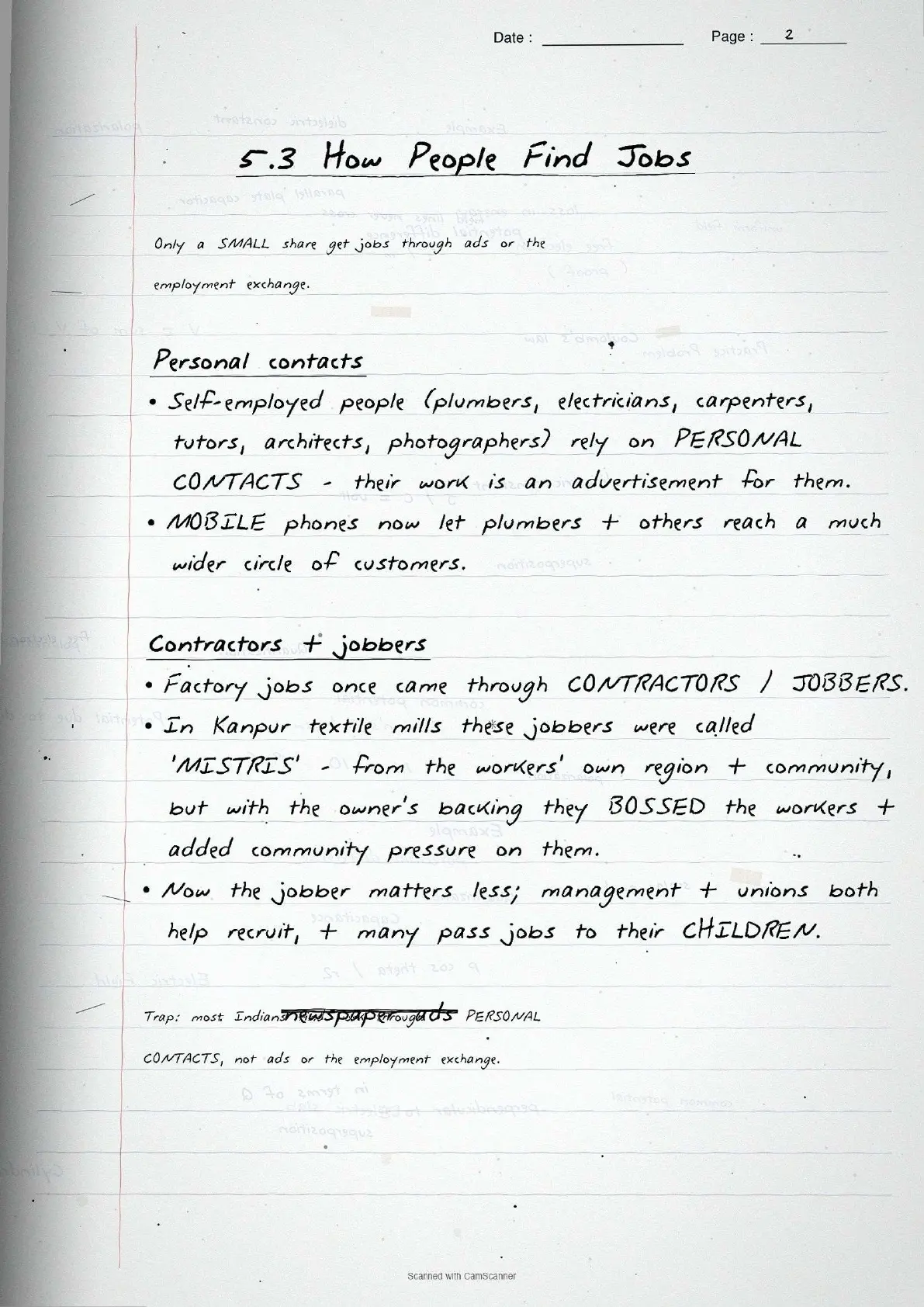
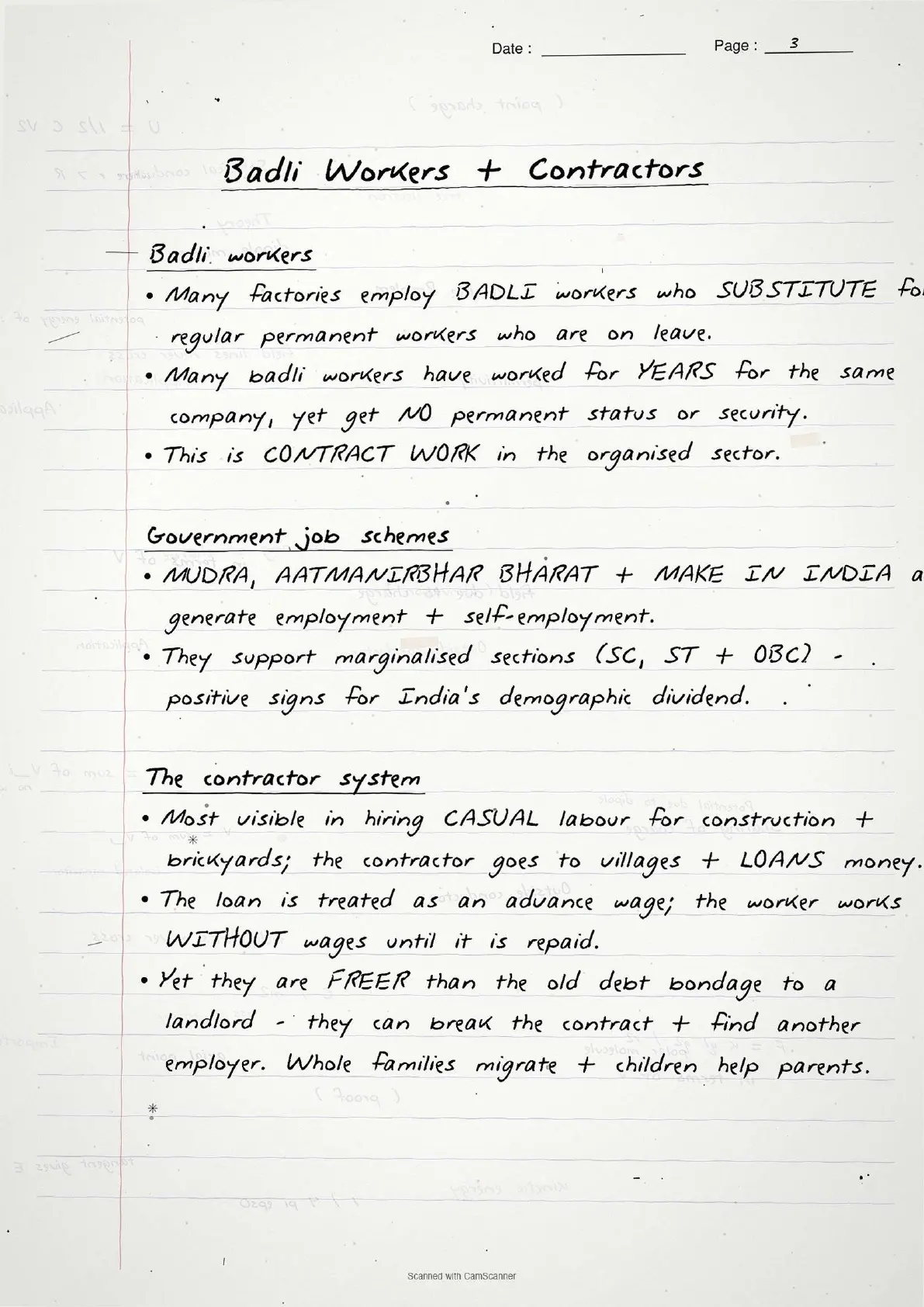
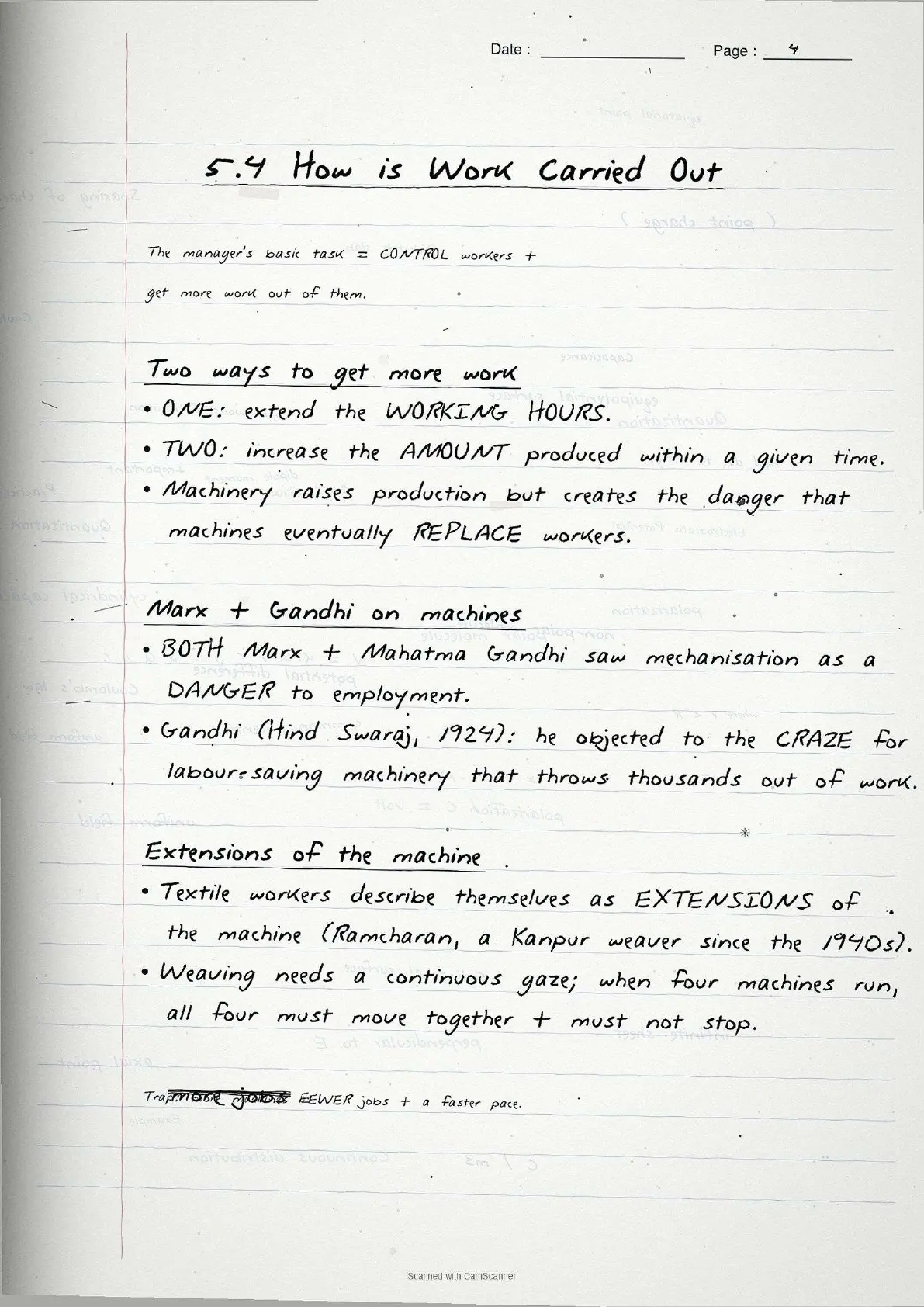
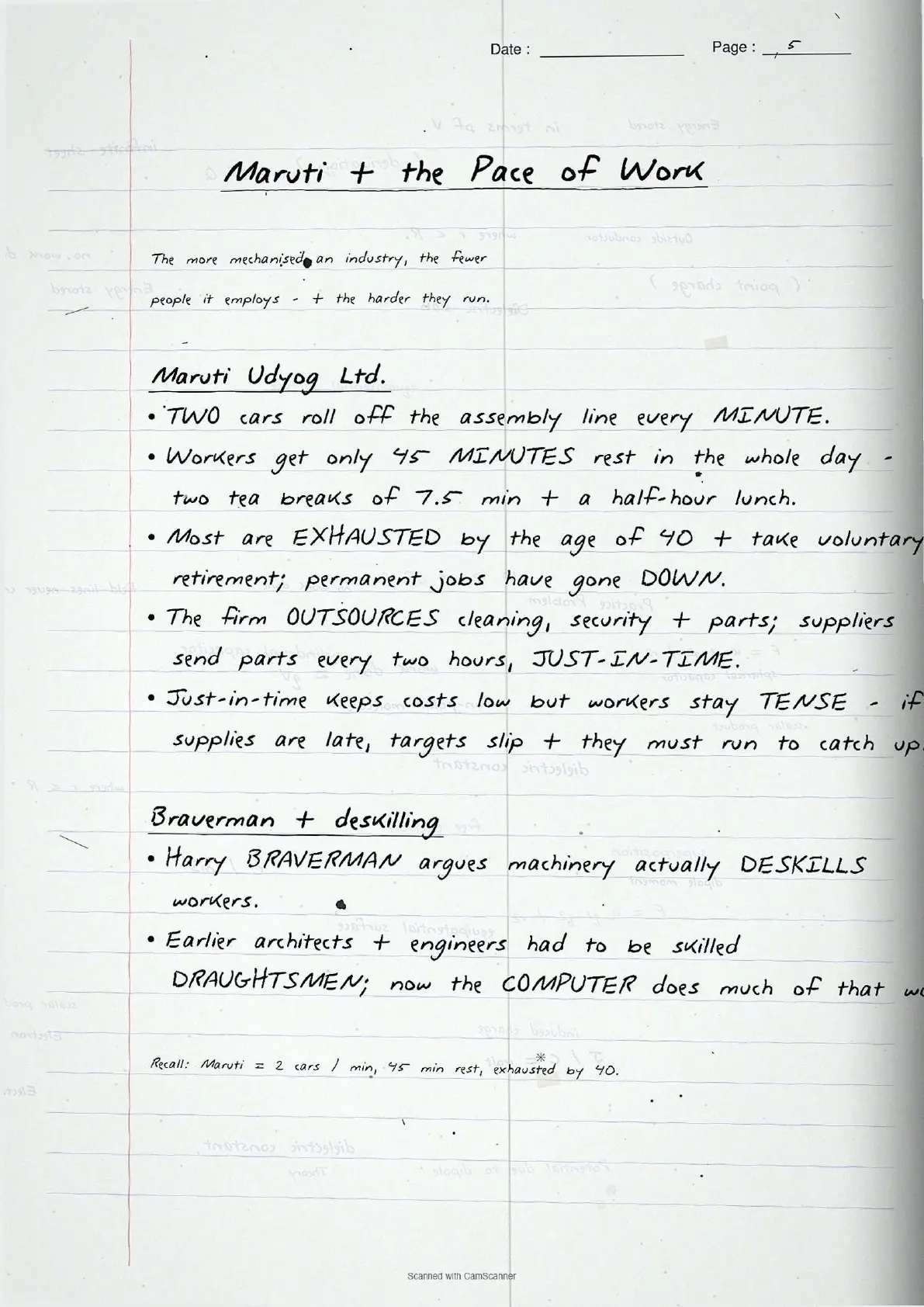
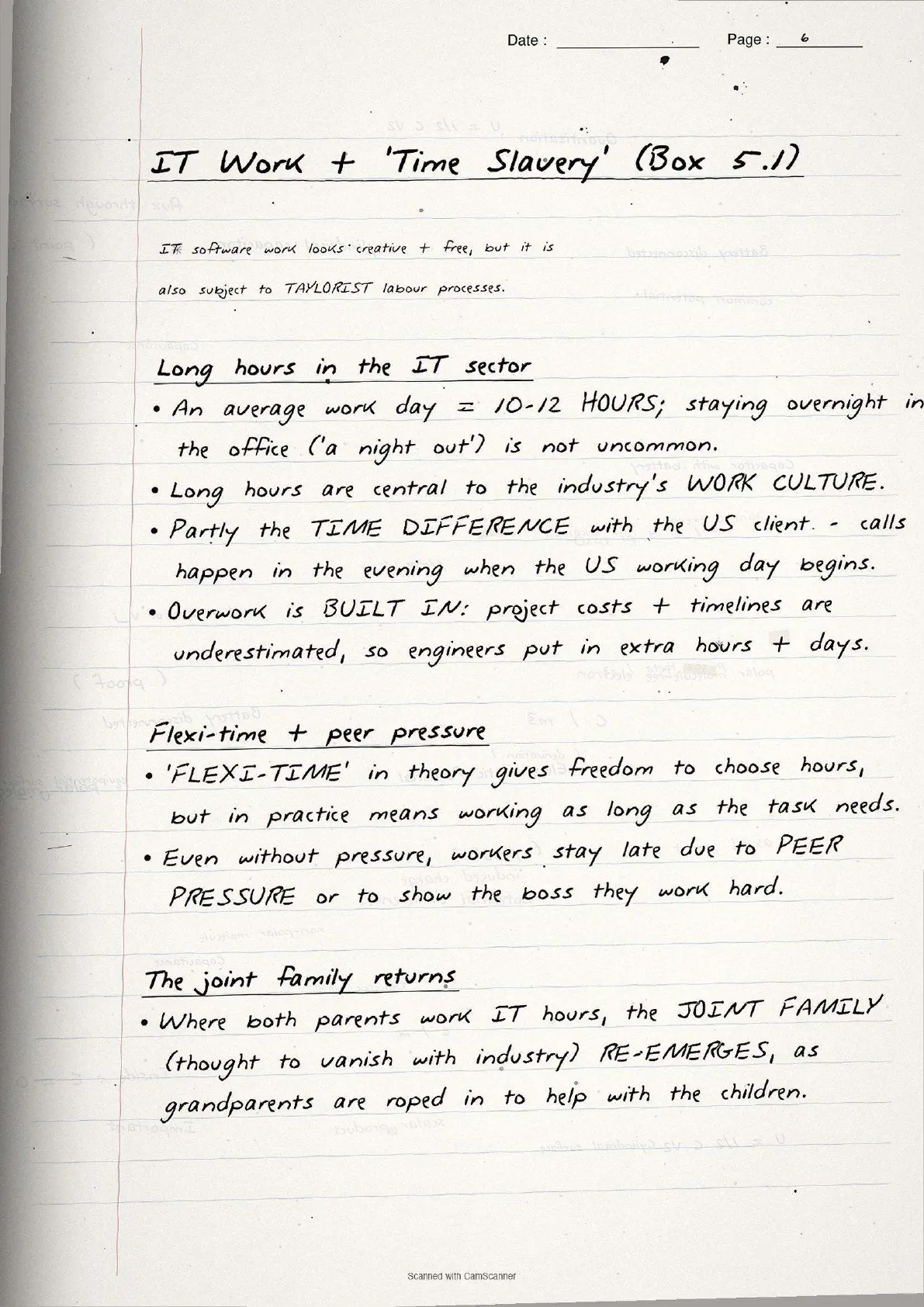
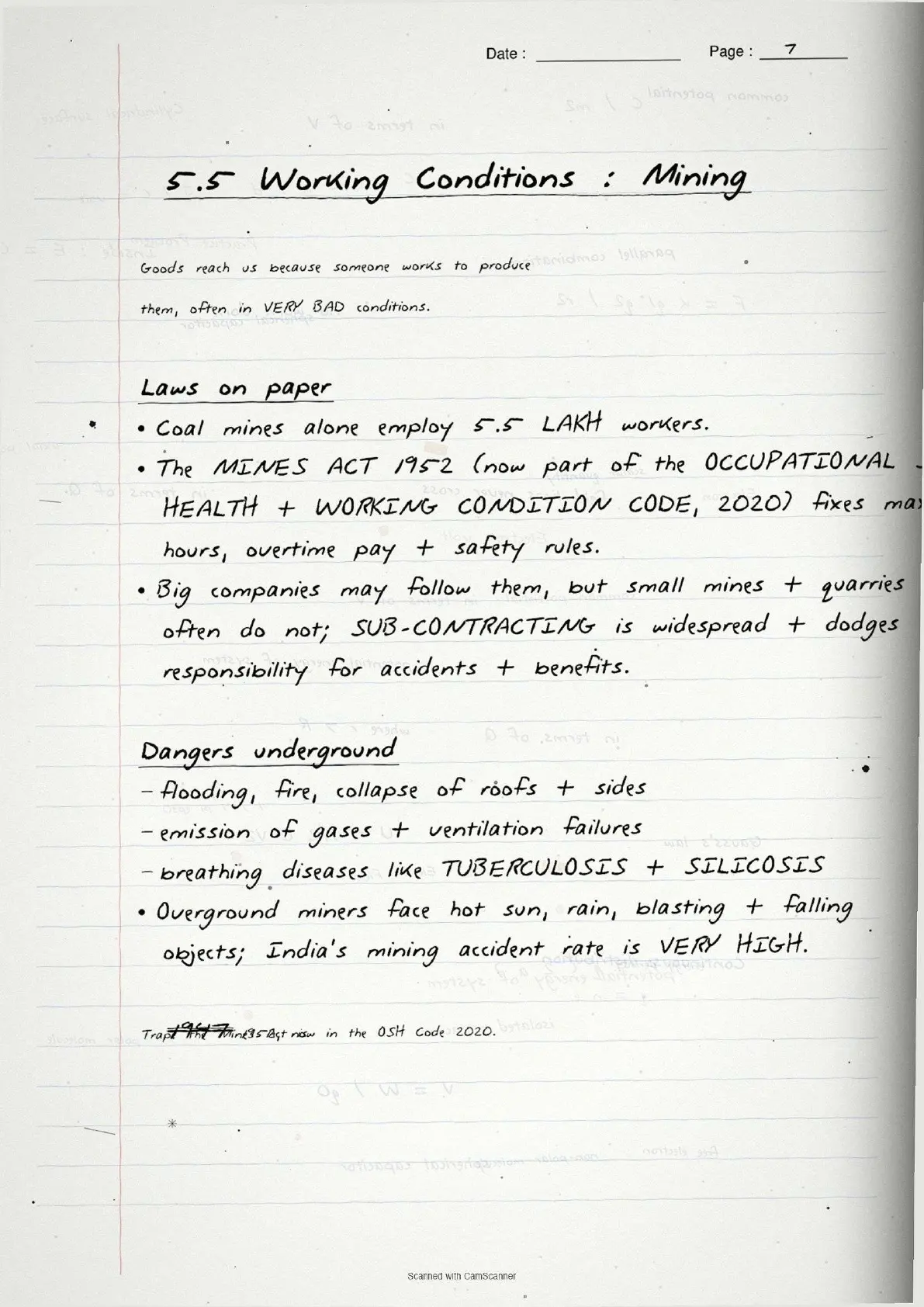
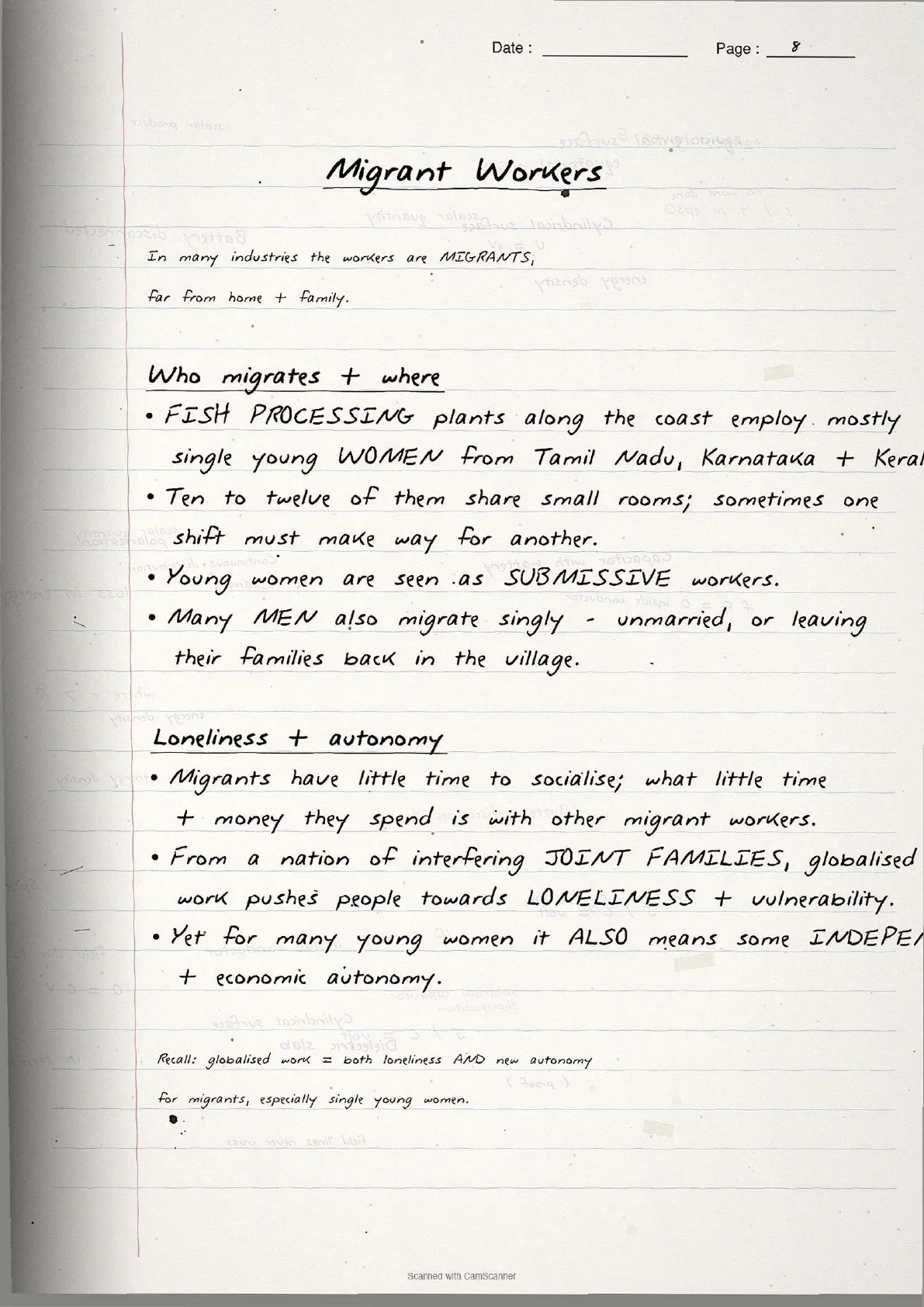
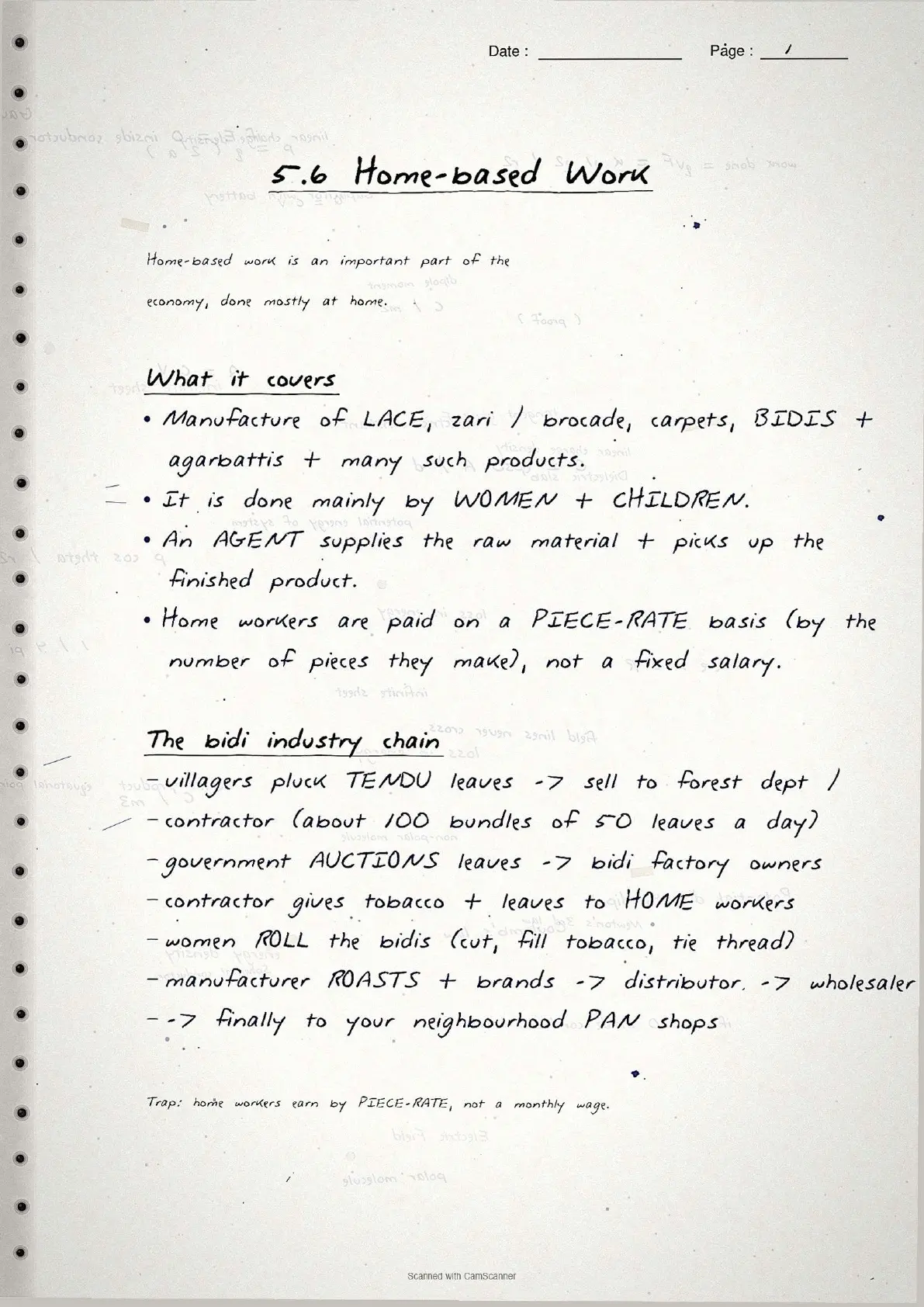
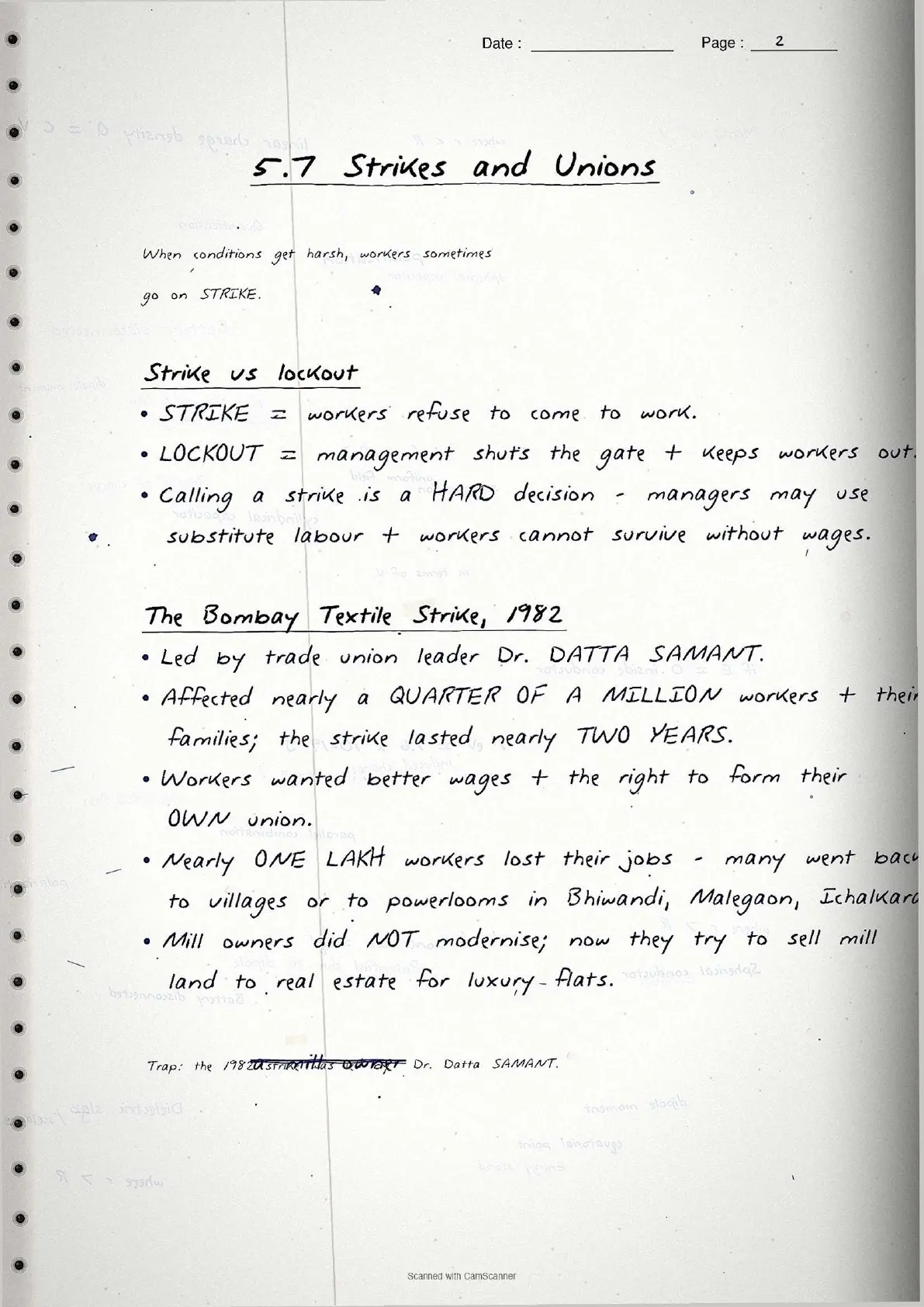
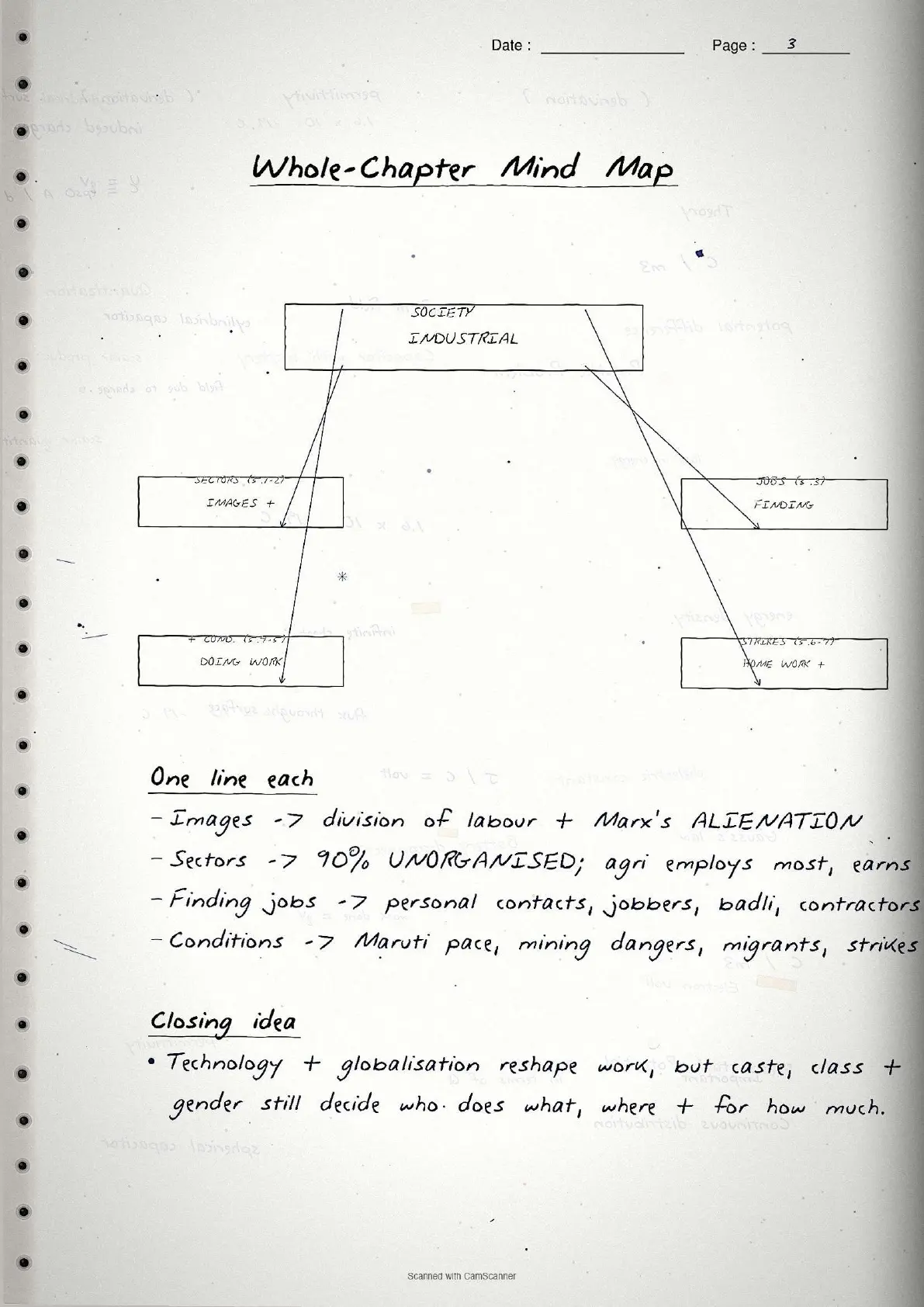
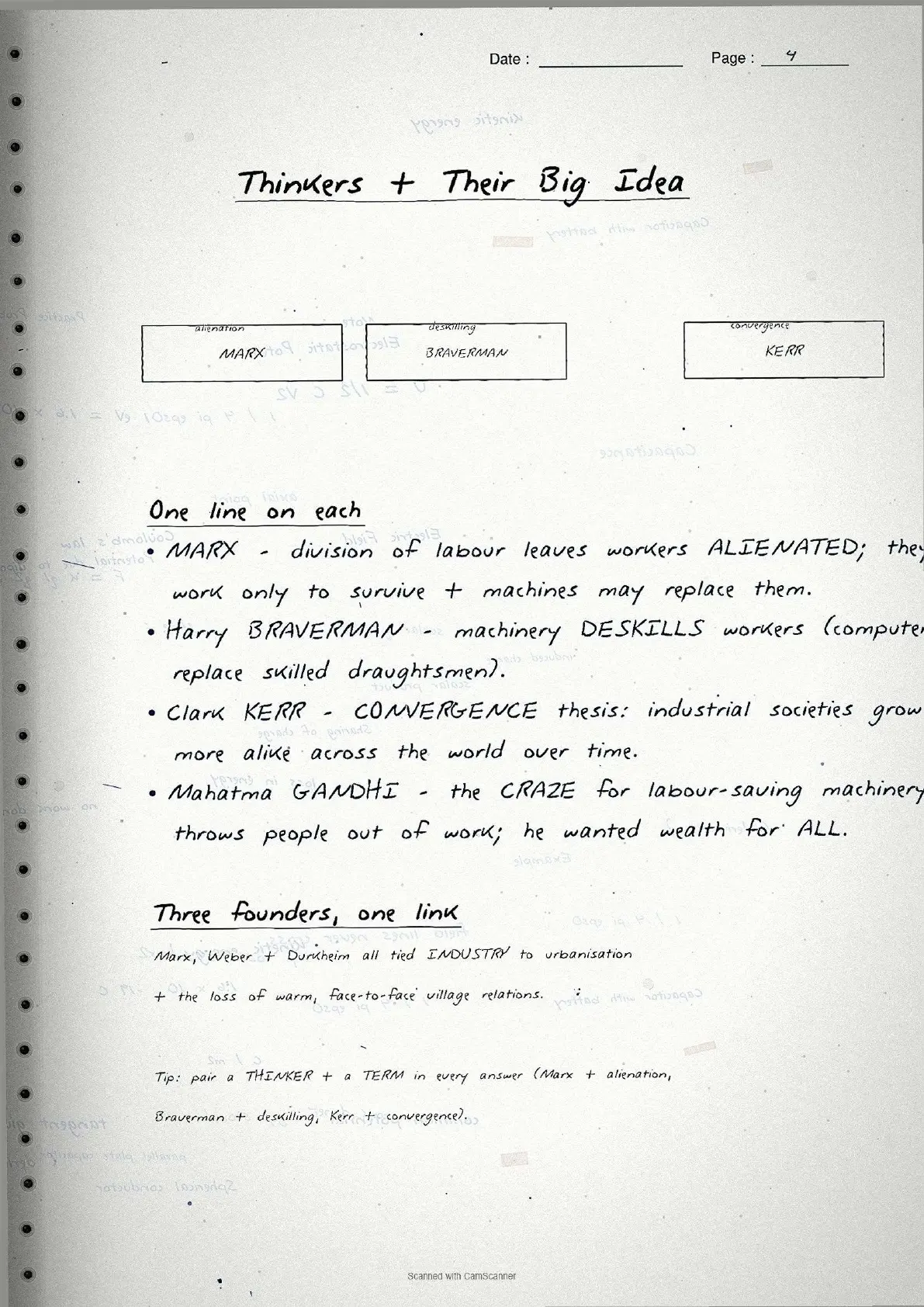
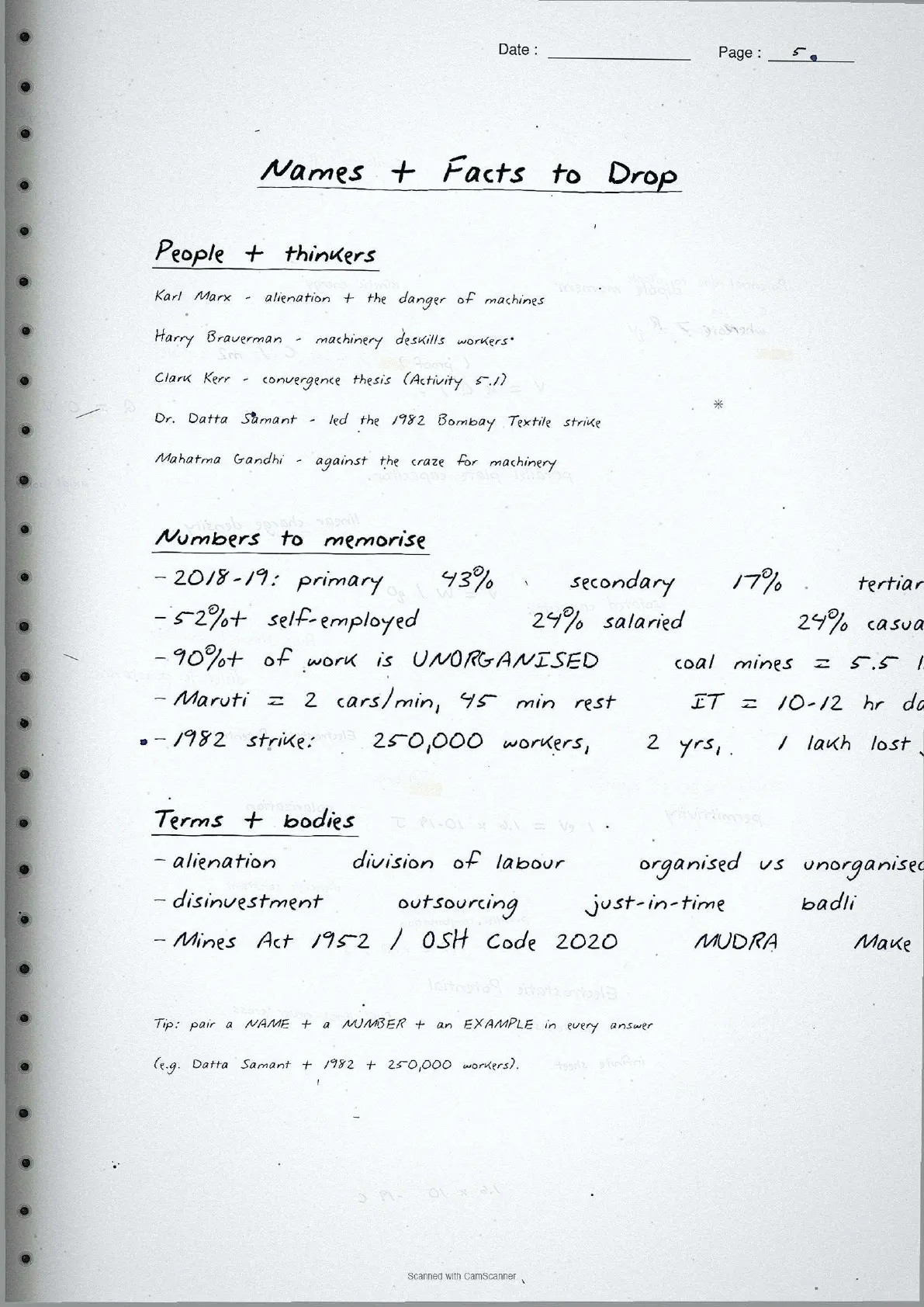
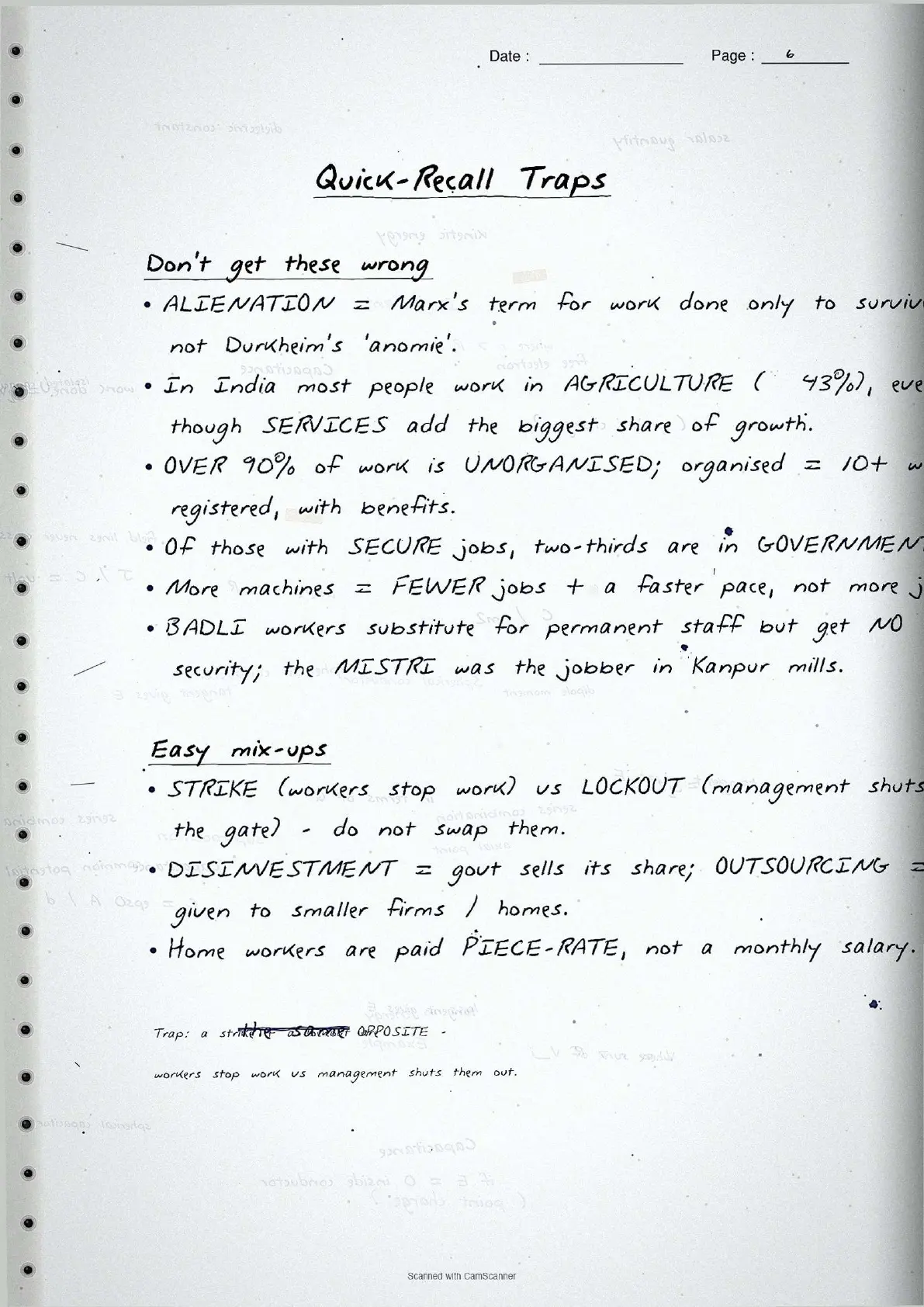
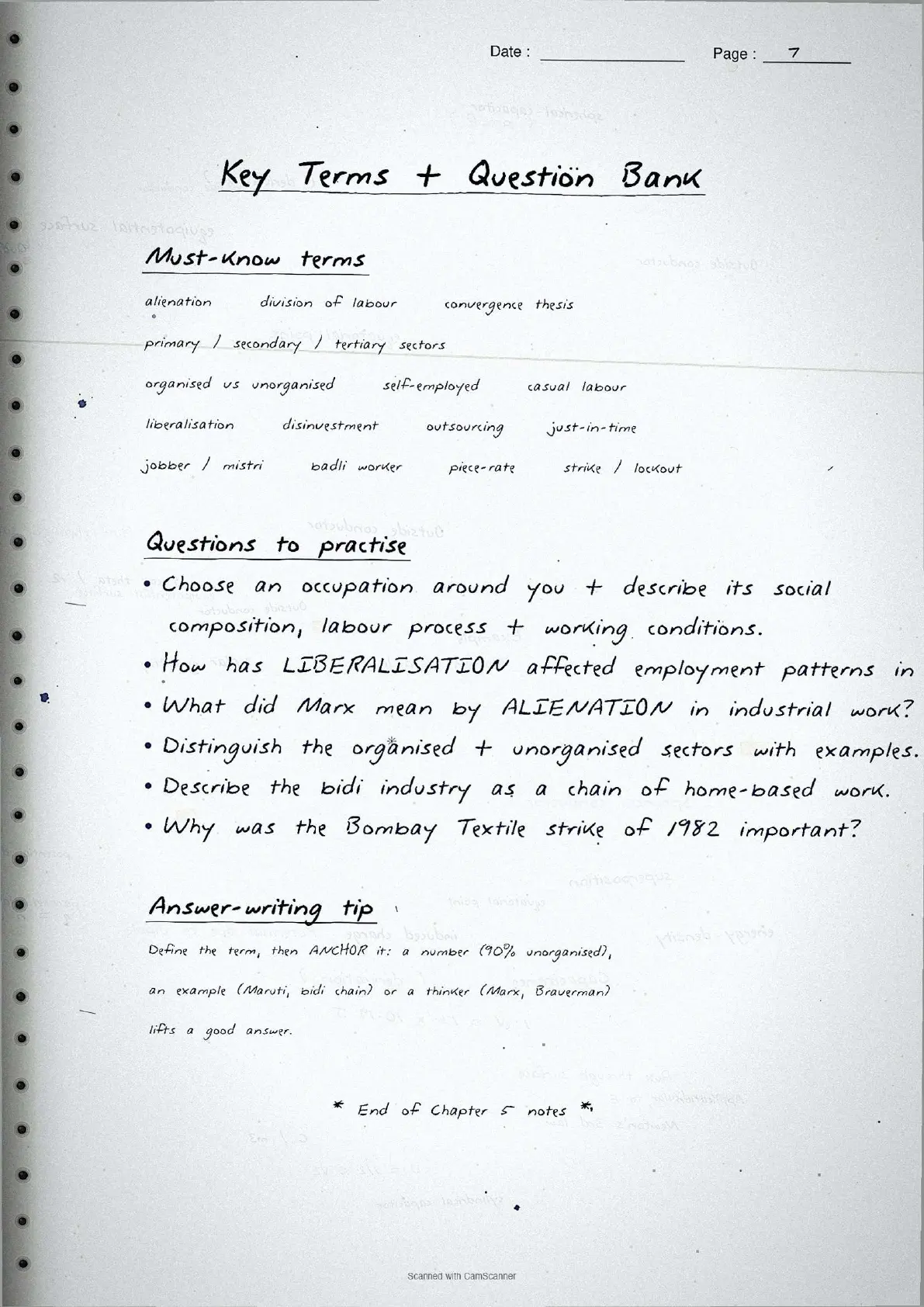
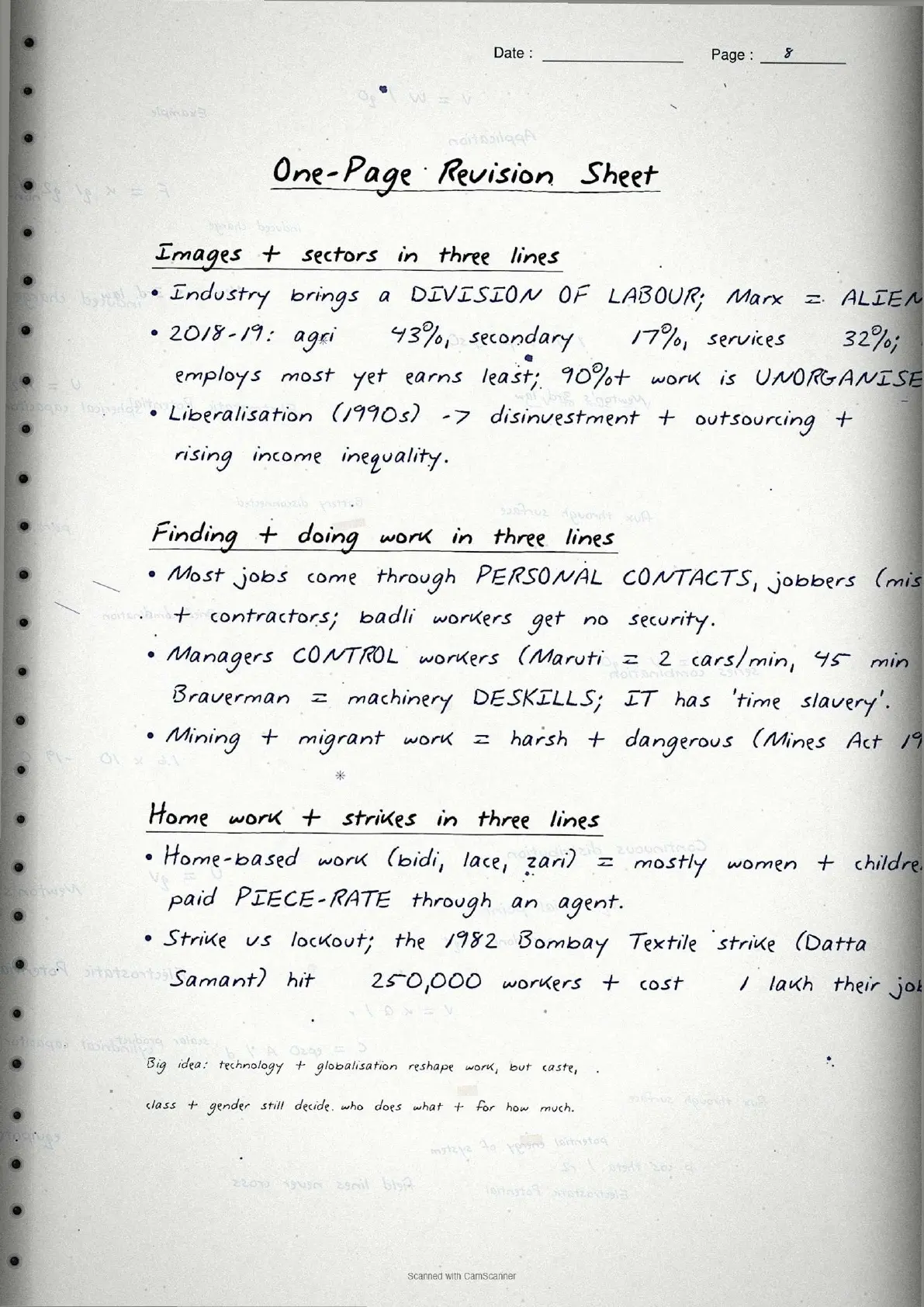
- Handwritten pages with boxed key terms and a labelled work-change timeline.
- This Class 12 Sociology chapter usually carries 5 to 6 marks in the board paper.
- Pairs with the NCERT Solutions, Notes and Book PDF linked lower on this page.
These Change and Development in Industrial Society handwritten notes are prepared from the official NCERT Social Change and Development in India textbook and checked against the last five years of CBSE board papers.
Student Feedback: In a Collegedunia poll of 8,420 Class 12 Sociology students taken before the 2026 boards, 67% of students said handwritten notes for Change and Development in Industrial Society felt faster to revise on a phone than typed notes. Most students used them for a final read on exam morning.
Source: 2026-27 Class 12 Sociology student poll. Sample of 8,420 students from CBSE schools across 12 states.
What Is Inside These Change and Development in Industrial Society Handwritten Notes
These handwritten notes cover the full chapter in a handwritten format, so students can flip through them like their own revision pages. Each page boxes the key terms and underlines the names and examples that examiners look for. The list below shows what the pages contain.
- Sectors: a page on industrialisation and the two sectors, with the over 90% figure boxed.
- Work life: a labelled page on how jobs are found and what working conditions are like.
- Liberalisation: a before-and-after page with the Parle and Modern Foods examples.
- Key terms: a glossary page with each term in one short line.
The aim is a set of pages that look like a topper's own notebook, so the chapter feels familiar and quick to revise. Students who skim these once a day in the last week usually recall the two sectors and the liberalisation examples without effort. The glossary card below shows the boxed-term style used across the pages.
Topic-by-Topic Walk Through the Handwritten Pages
The pages run in the same order as the NCERT chapter, so they are easy to follow alongside the textbook. Reading them in order builds the chapter step by step, from industrialisation to liberalisation.
- Page 1: industrialisation, social relations, and the organised and unorganised sectors.
- Page 2: how people find jobs through family, caste and contacts, with examples boxed.
- Page 3: working conditions in factories, mines, the IT sector and home-based work.
- Page 4: liberalisation since the 1990s and its effect on employment.
The key takeaway across the pages is that how and where people work shapes who they are, and liberalisation traded secure jobs for insecure ones. Each page ends with a one-line recap, so a quick flip is enough for a final revision. The timeline below maps the work-change milestones drawn on the pages.
How to Use These Handwritten Notes for Revision
Handwritten notes work best as a final revision layer, not a first read. Used in the right order, they fix the chapter in memory faster than re-reading the textbook. The steps below show the simplest way to use them.
- First read the NCERT chapter or the typed Notes to learn the content.
- Then skim these pages once a day to keep the examples and terms fresh.
- Cover the boxes and try to recall each key term before you check it.
- On exam morning, read only the boxed terms and the one-line recaps.
Used this way, the notes turn into a fast recall tool rather than a fresh source of information. Students who follow this order usually feel calmer in the exam because the pages already look familiar. Keep them with the typed Notes for a full revision set.
Common Mistakes to Avoid in This Chapter
A few slips cost marks every year. The handwritten pages flag them in red so they are hard to miss. Fixing these is the quickest way to lift a score.
- Calling all Indian work organised when over 90% is unorganised.
- Turning the liberalisation answer into a general essay instead of staying on jobs.
- Forgetting to label the four parts (a, b, c, d) when describing an occupation.
- Mixing up disinvestment with plain privatisation of every firm.
- Treating work as purely economic and ignoring caste, gender and region.
Students who fix these five points usually move from average to high marks on the long answers. The boxed reminders on the pages are there to catch each slip before the exam.
How These Handwritten Notes Pair with the Solutions and Book PDF
These handwritten notes are for revision. To prepare fully, students should use them alongside the other resources for the same chapter, all linked in the table below.
| Resource | Best used for |
|---|---|
| Change and Development in Industrial Society Class 12 NCERT Solutions | Full point-wise answers to both exercise questions |
| Change and Development in Industrial Society Class 12 Notes | A typed one-page summary with all key terms |
| Change and Development in Industrial Society NCERT Book PDF | Reading the original NCERT chapter text |
Tip: learn the chapter from the typed Notes first, then use these handwritten pages for daily recall in the last week before the exam.
All Handwritten Notes for Class 12 Sociology
The table links the Handwritten Notes for every chapter in both Class 12 Sociology books, so students can move across the course in one click. Change and Development in Industrial Society is highlighted.
| Chapter | Handwritten Notes |
|---|---|
| Indian Society | |
| Chapter 1 | Introducing Indian Society |
| Chapter 2 | The Demographic Structure of the Indian Society |
| Chapter 3 | Social Institutions - Continuity and Change |
| Chapter 4 | The Market as a Social Institution |
| Chapter 5 | Patterns of Social Inequality and Exclusion |
| Chapter 6 | The Challenges of Cultural Diversity |
| Social Change and Development in India | |
| Chapter 1 | Structural Change |
| Chapter 2 | Cultural Change |
| Chapter 3 | The Constitution and Social Change |
| Chapter 4 | Change and Development in Rural Society |
| Chapter 5 | Change and Development in Industrial Society |
| Chapter 6 | Globalisation and Social Change |
| Chapter 7 | Mass Media and Communications |
| Chapter 8 | Social Movements |
FAQs on Change and Development in Industrial Society Handwritten Notes
Change and Development in Industrial Society Class 12 Handwritten Notes Common Questions
Ques. Where can I download the class 12 sociology chapter 5 handwritten notes PDF?
Ans. You can download the Change and Development in Industrial Society Class 12 Sociology handwritten notes PDF directly from this page. It is free, follows the 2026-27 NCERT, and covers the whole chapter in a handwritten style.
Ques. Are these handwritten notes enough to revise the chapter?
Ans. They are best for quick, last-minute revision. For full preparation, pair them with the typed Notes and the NCERT Solutions for both exercise questions, both linked on this page.
Ques. What topics do the handwritten pages cover?
Ans. The pages cover industrialisation and the two sectors of work, how people find jobs and their working conditions, and how liberalisation since the 1990s changed employment, with key terms boxed throughout.
Ques. How should I use handwritten notes before the exam?
Ans. Learn the chapter from the NCERT or typed Notes first, then skim these pages once a day to keep the examples and terms fresh. On exam morning, read only the boxed terms and the one-line recaps for a fast final pass.
Ques. Do these notes follow the 2026-27 syllabus?
Ans. Yes. The handwritten notes are prepared from the official NCERT Social Change and Development in India textbook for the 2026-27 CBSE syllabus and checked against recent board papers.



Comments