




These Notes for Class 12 Sociology Chapter 5 Change and Development in Industrial Society give a clear, short summary of the whole chapter, set to the latest 2026-27 CBSE syllabus. They cover industrialisation in India, the organised and unorganised sectors, how people find jobs, working conditions, and how liberalisation changed employment. Students can use them for fast revision before the board exam.
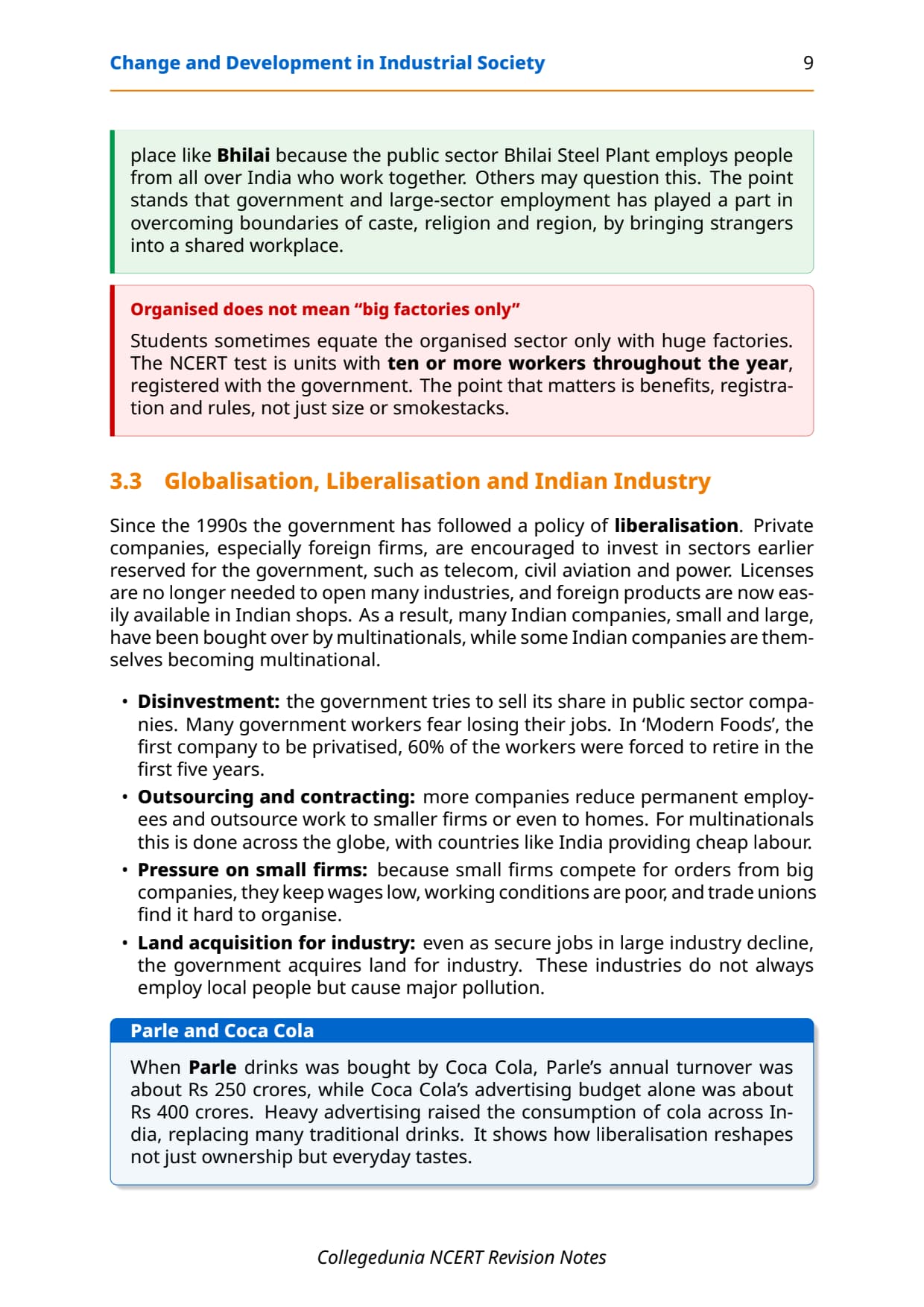
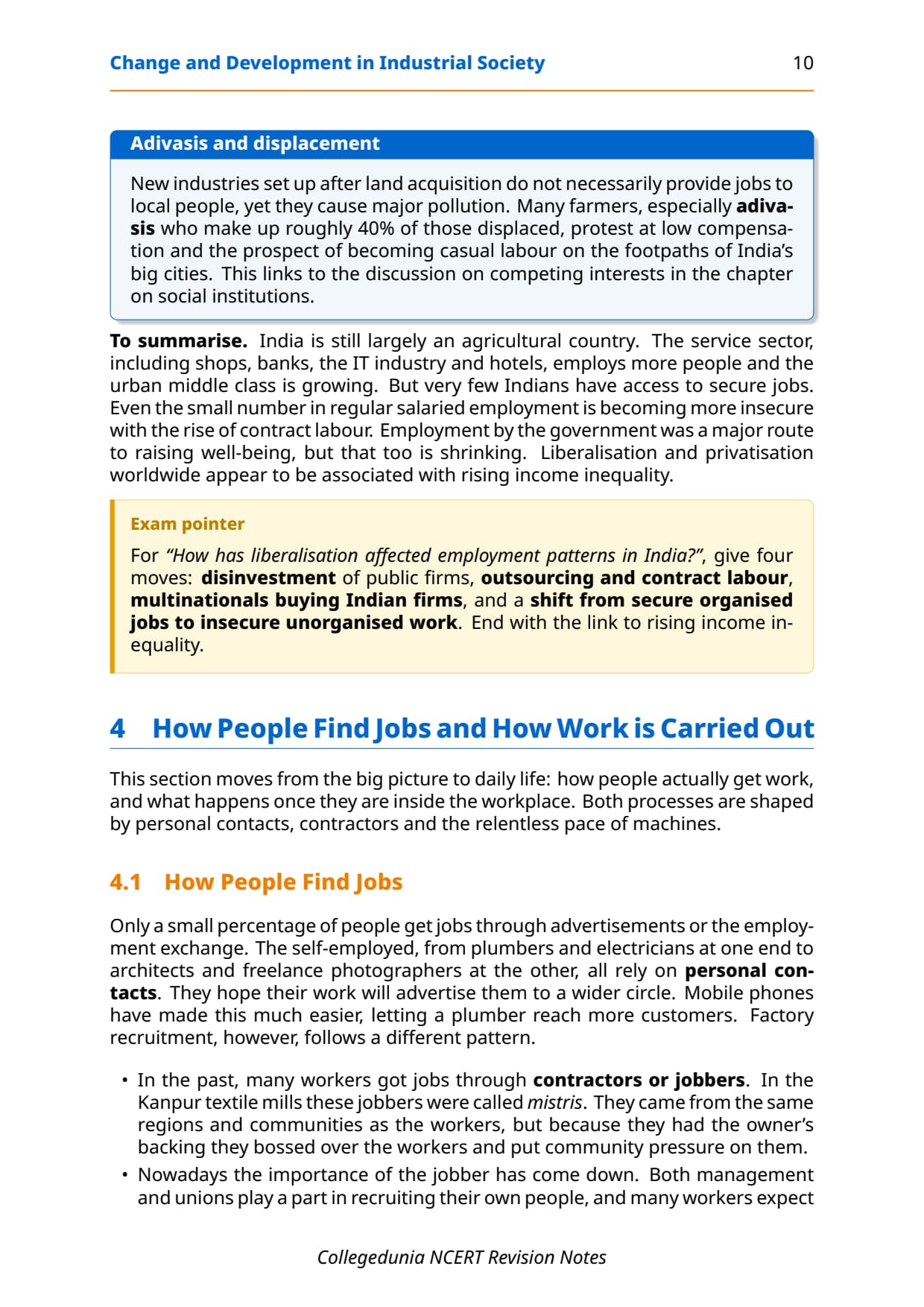
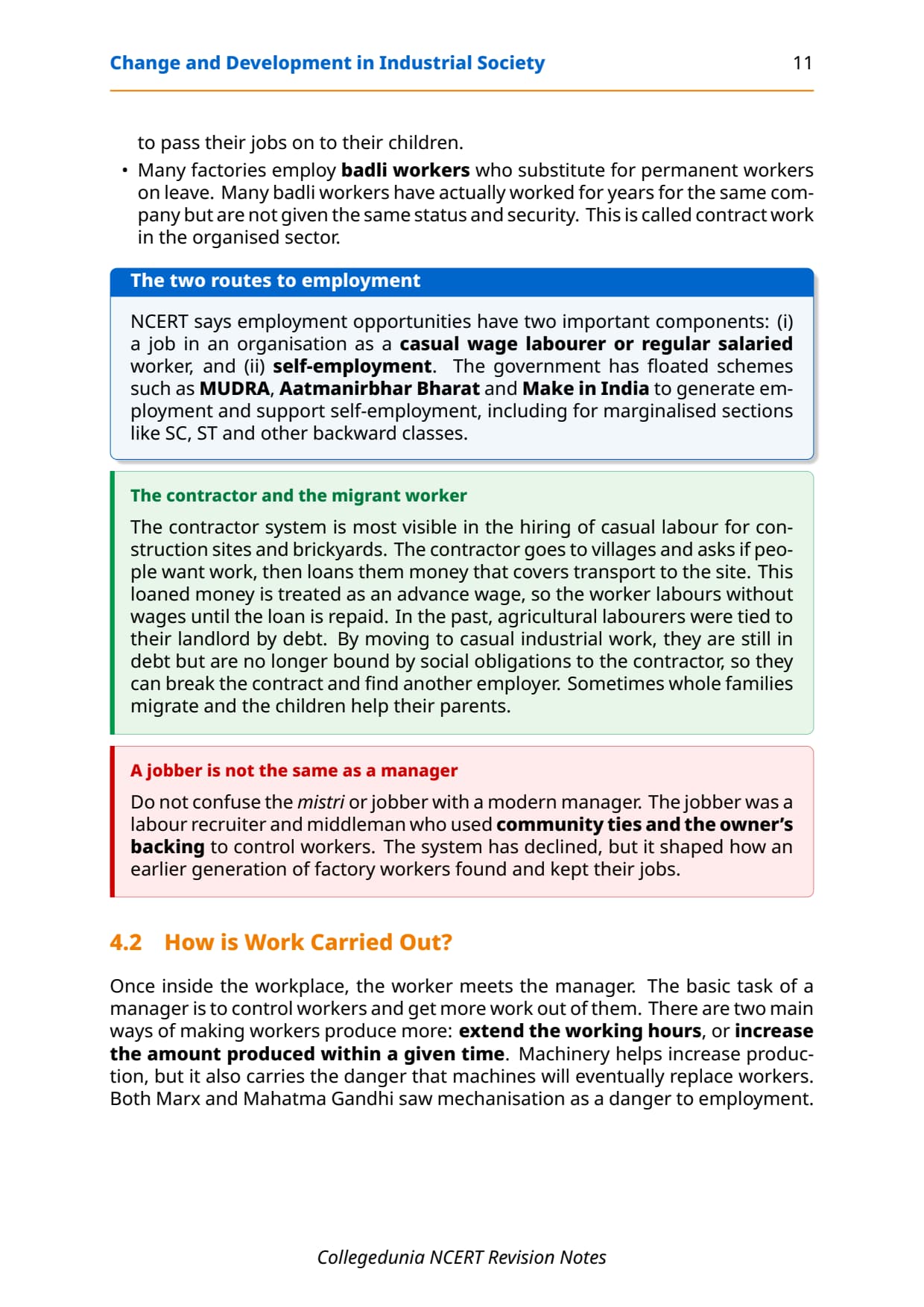
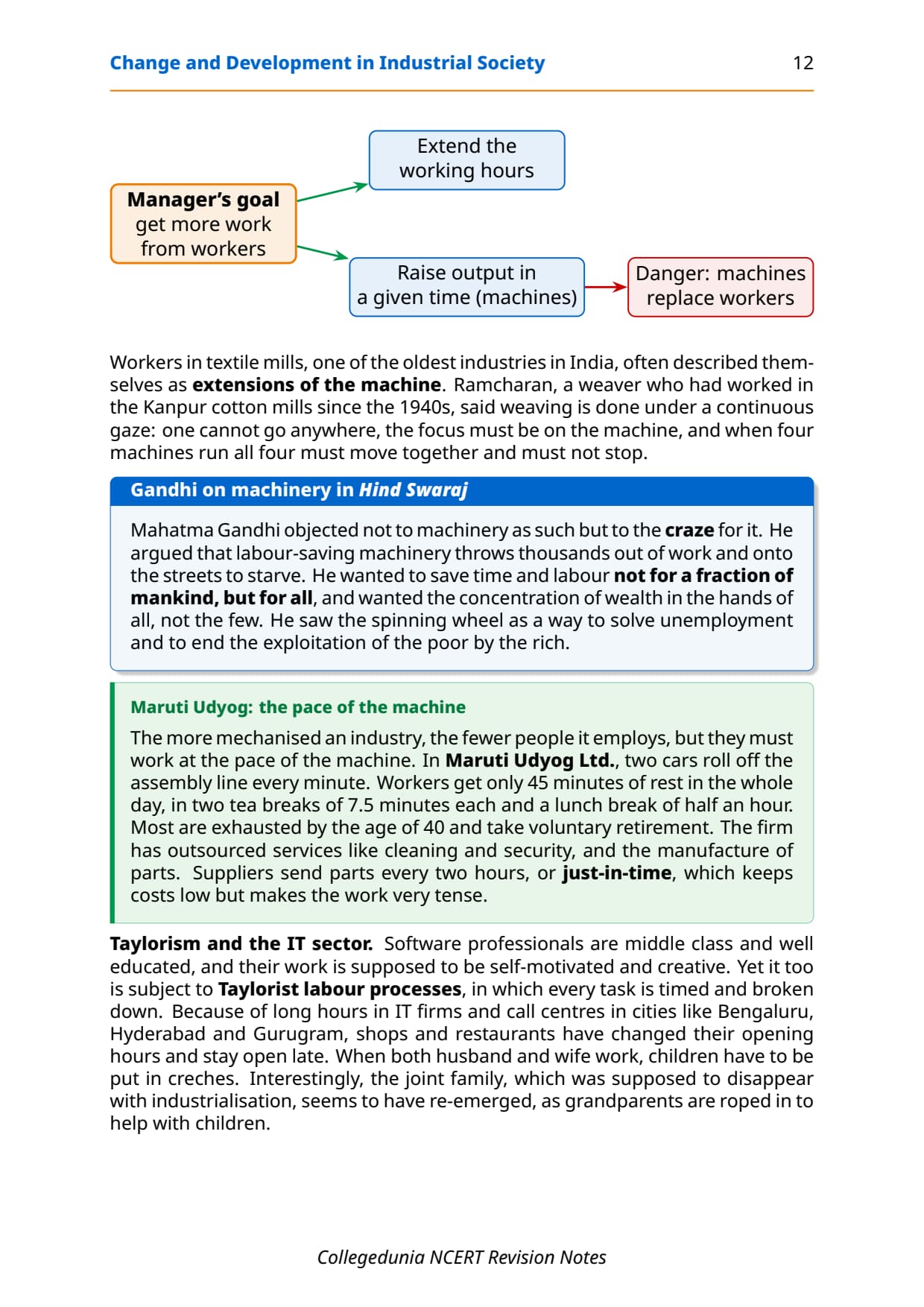
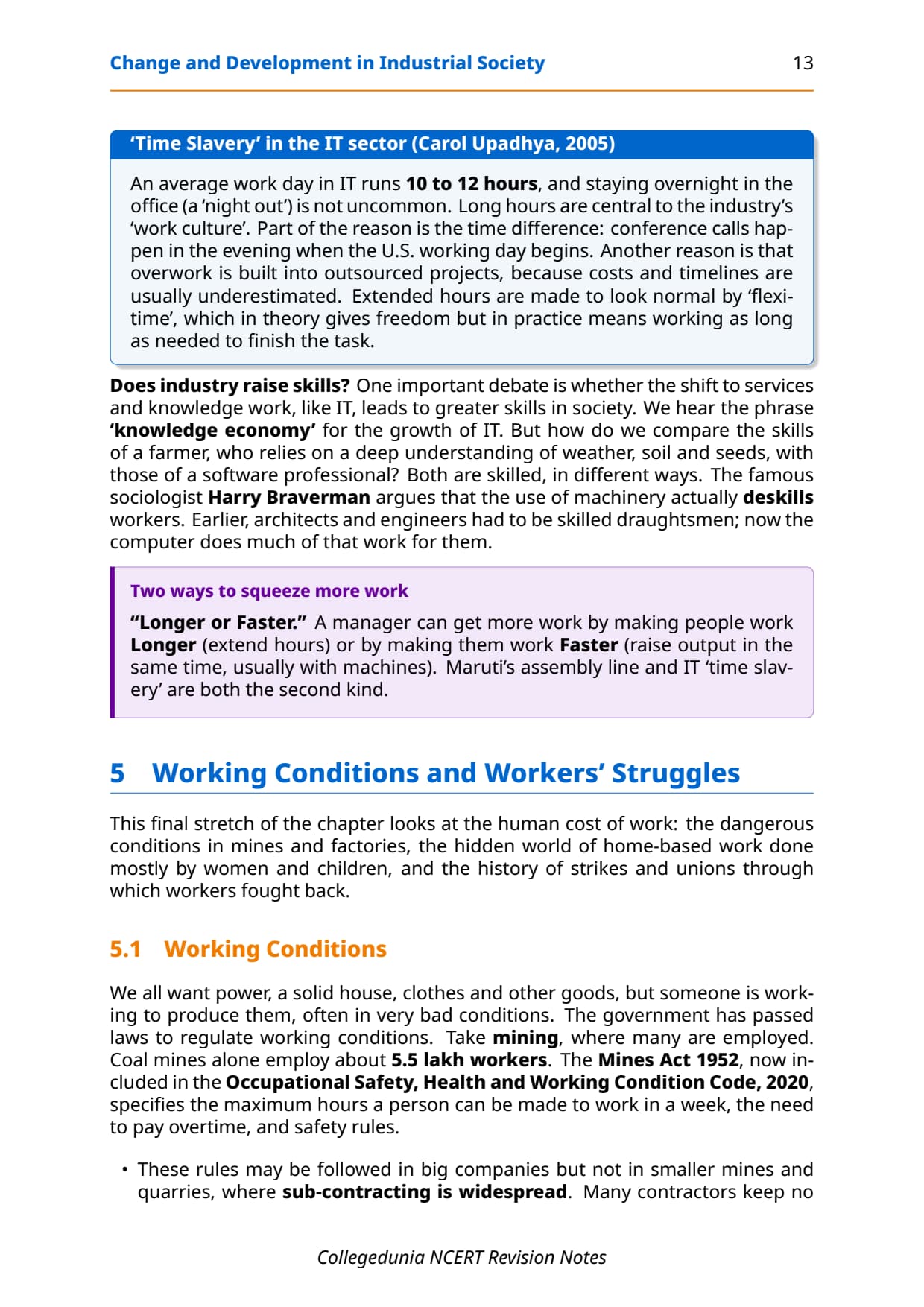
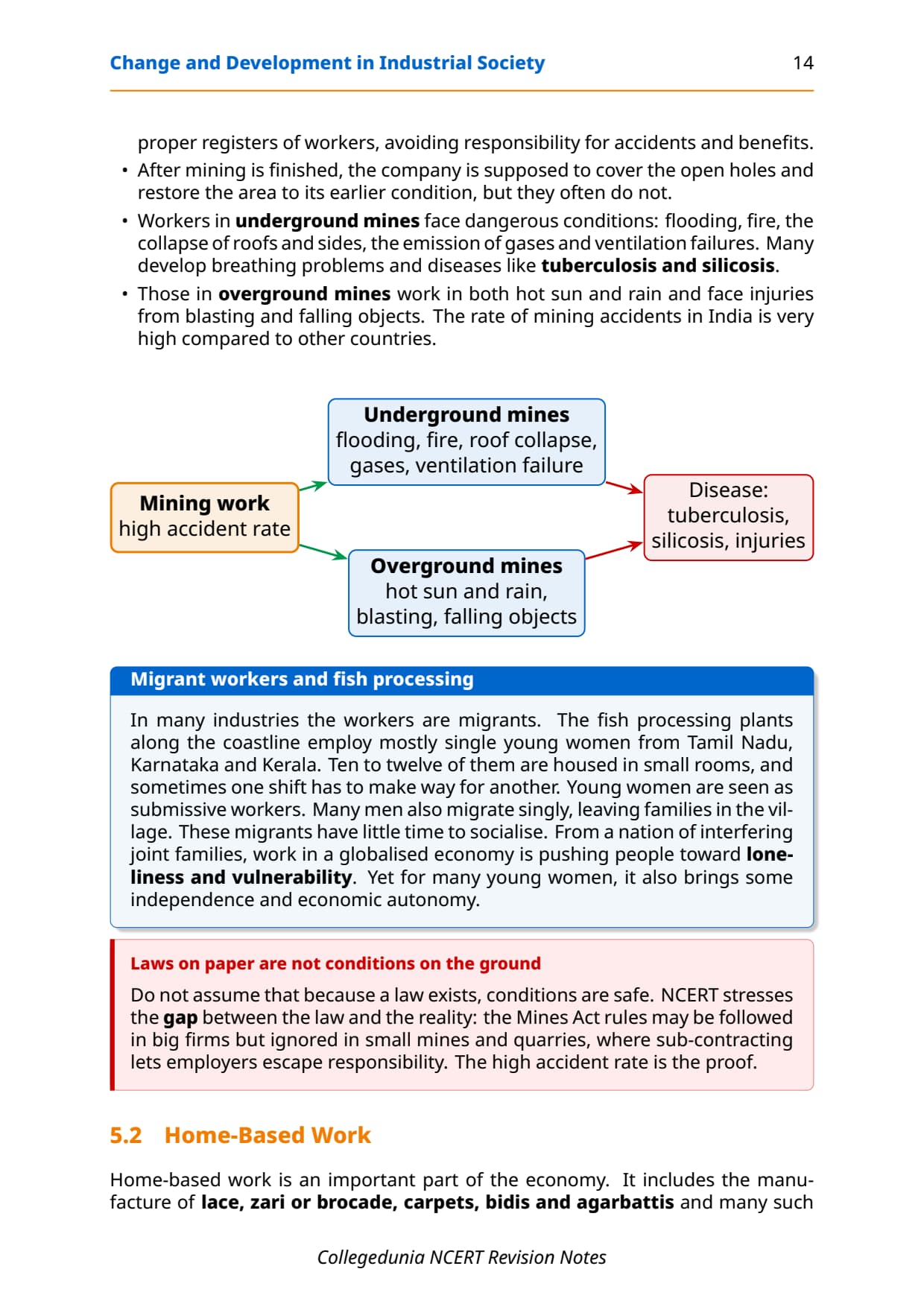
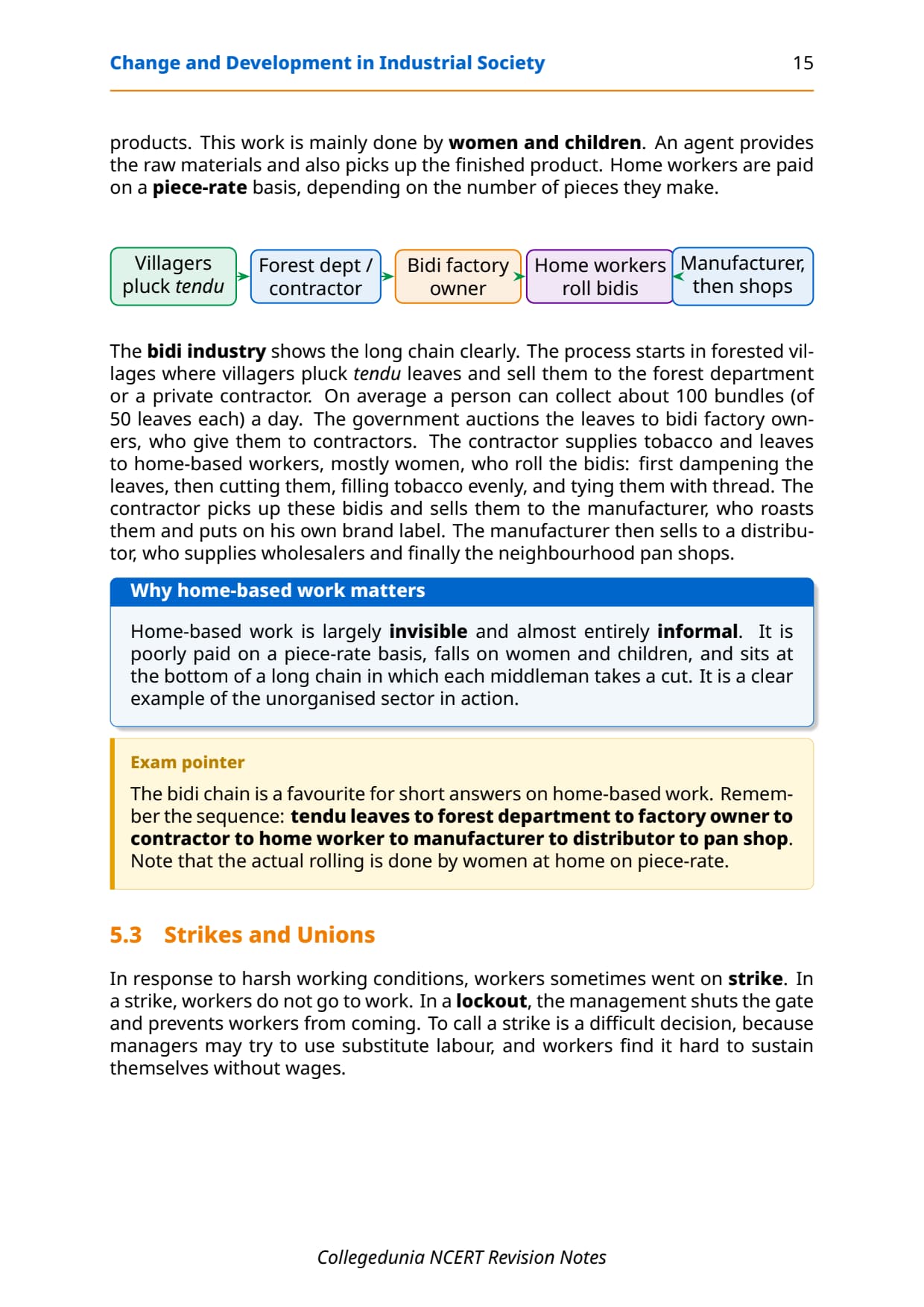
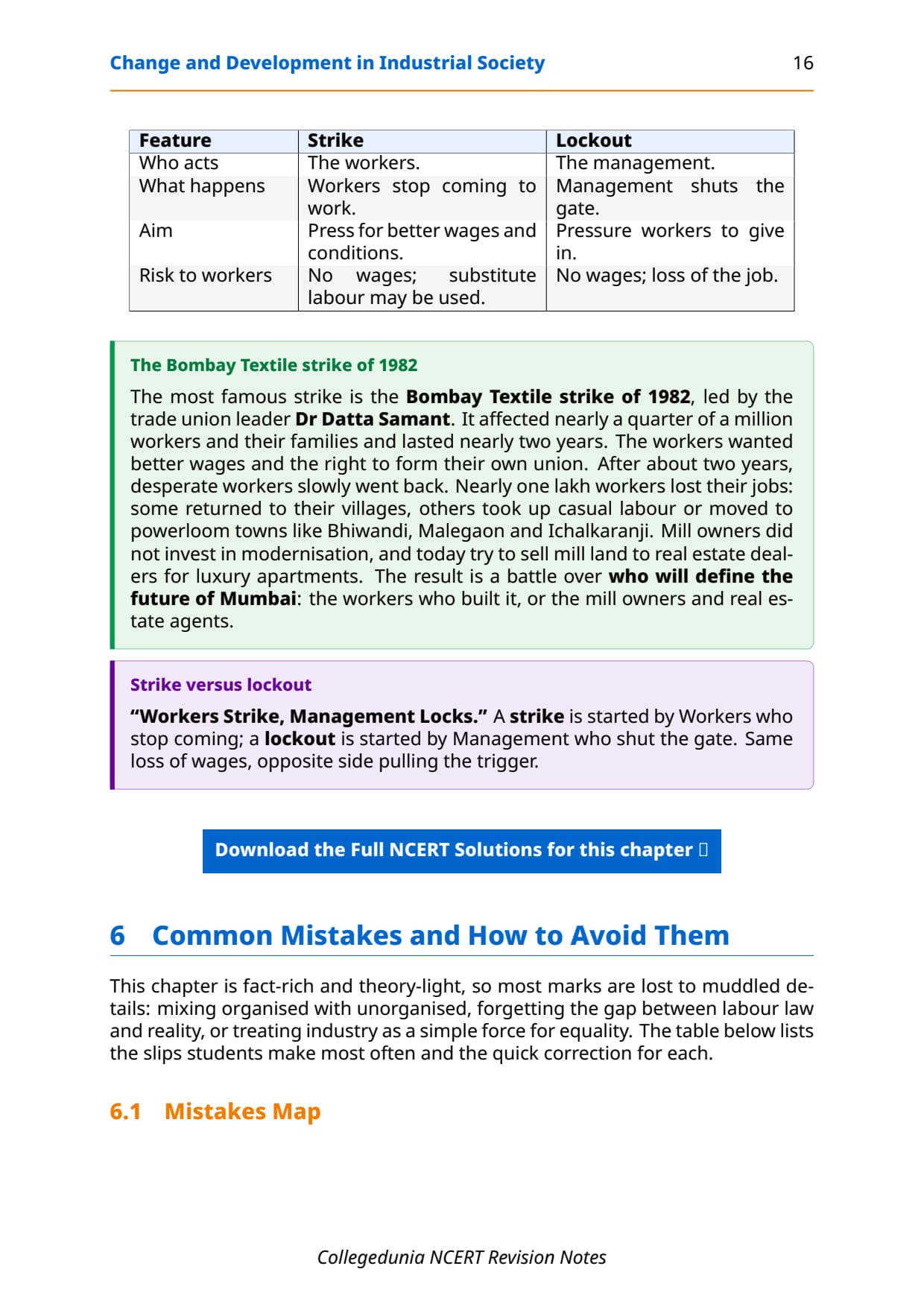
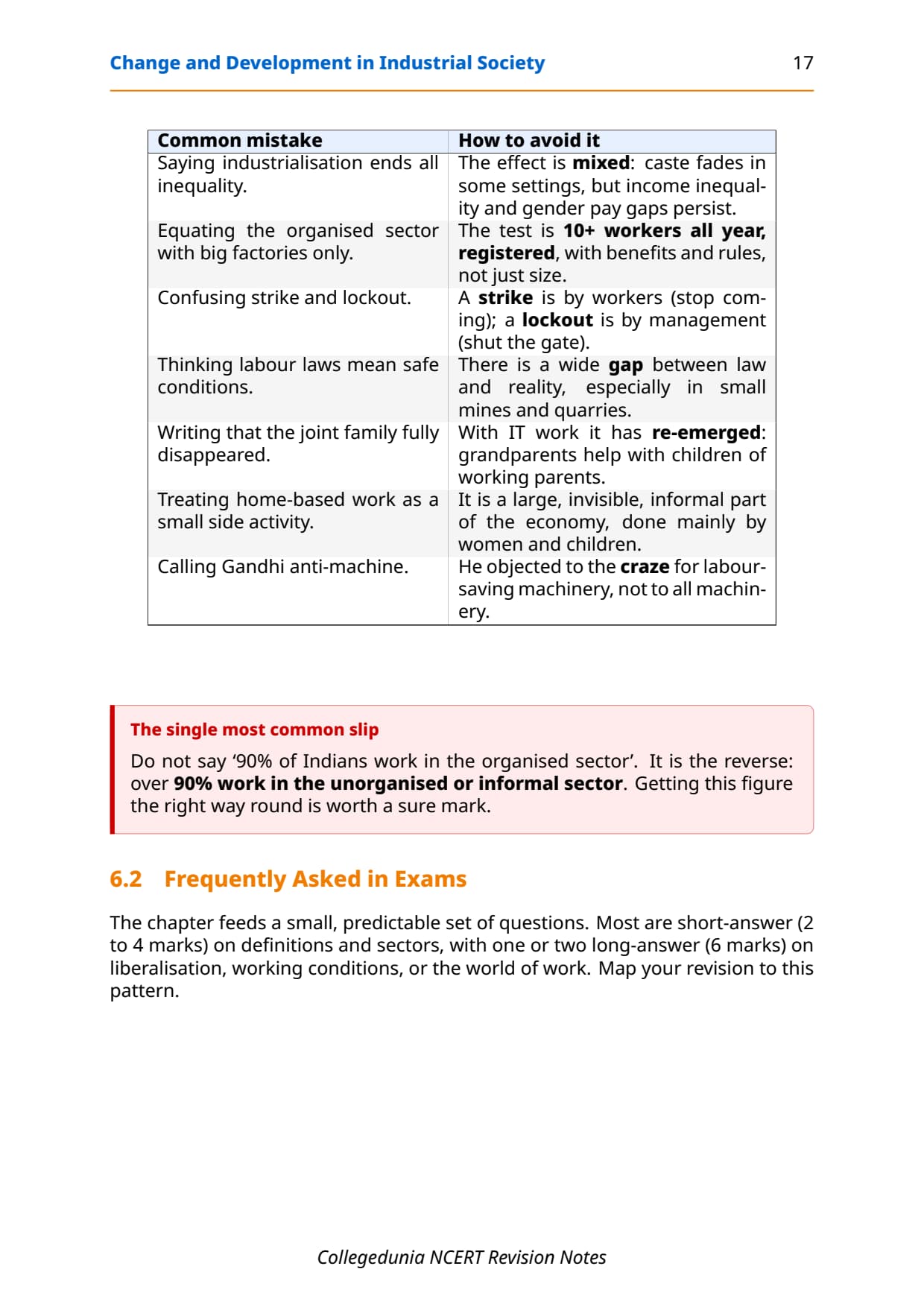
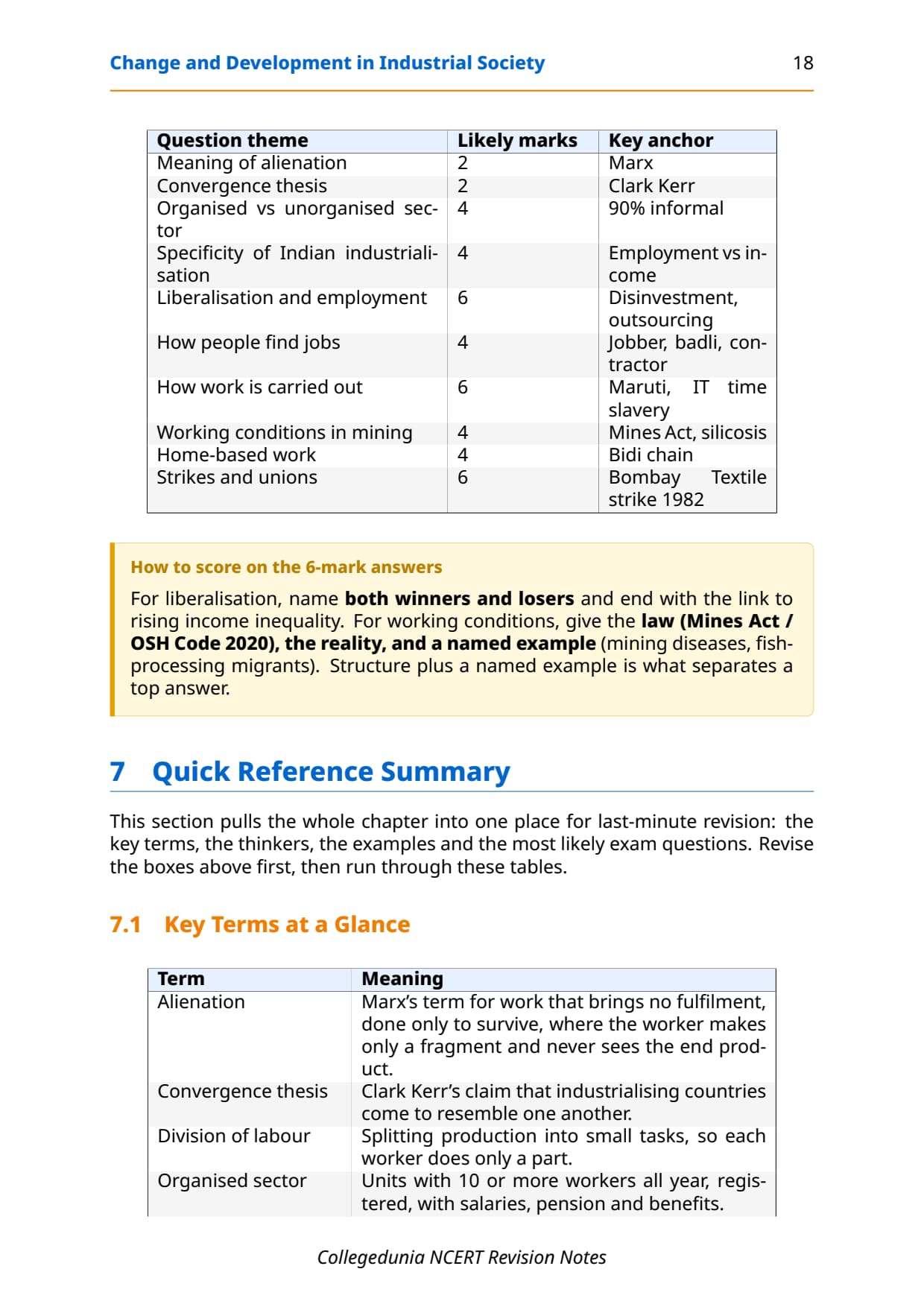
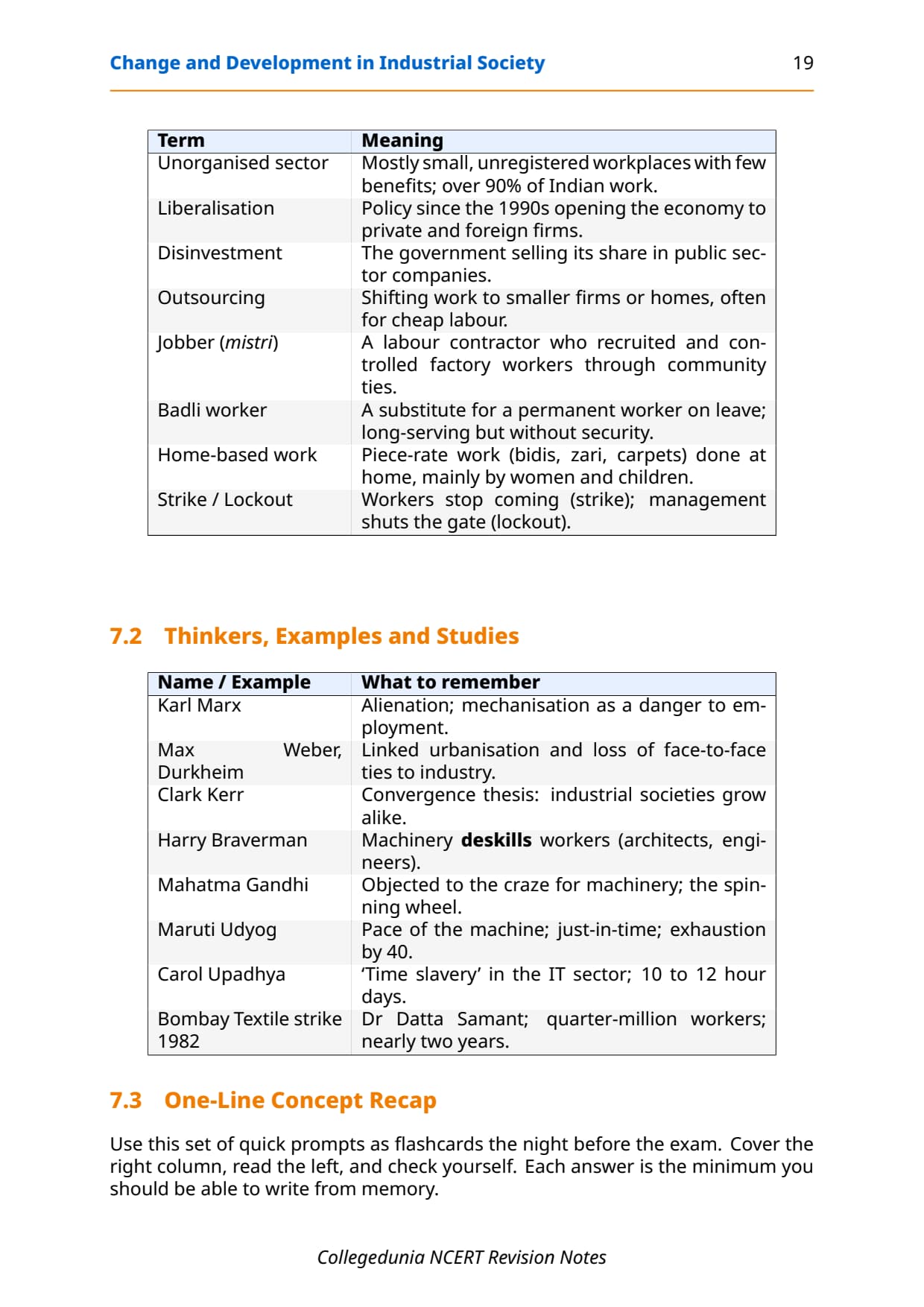
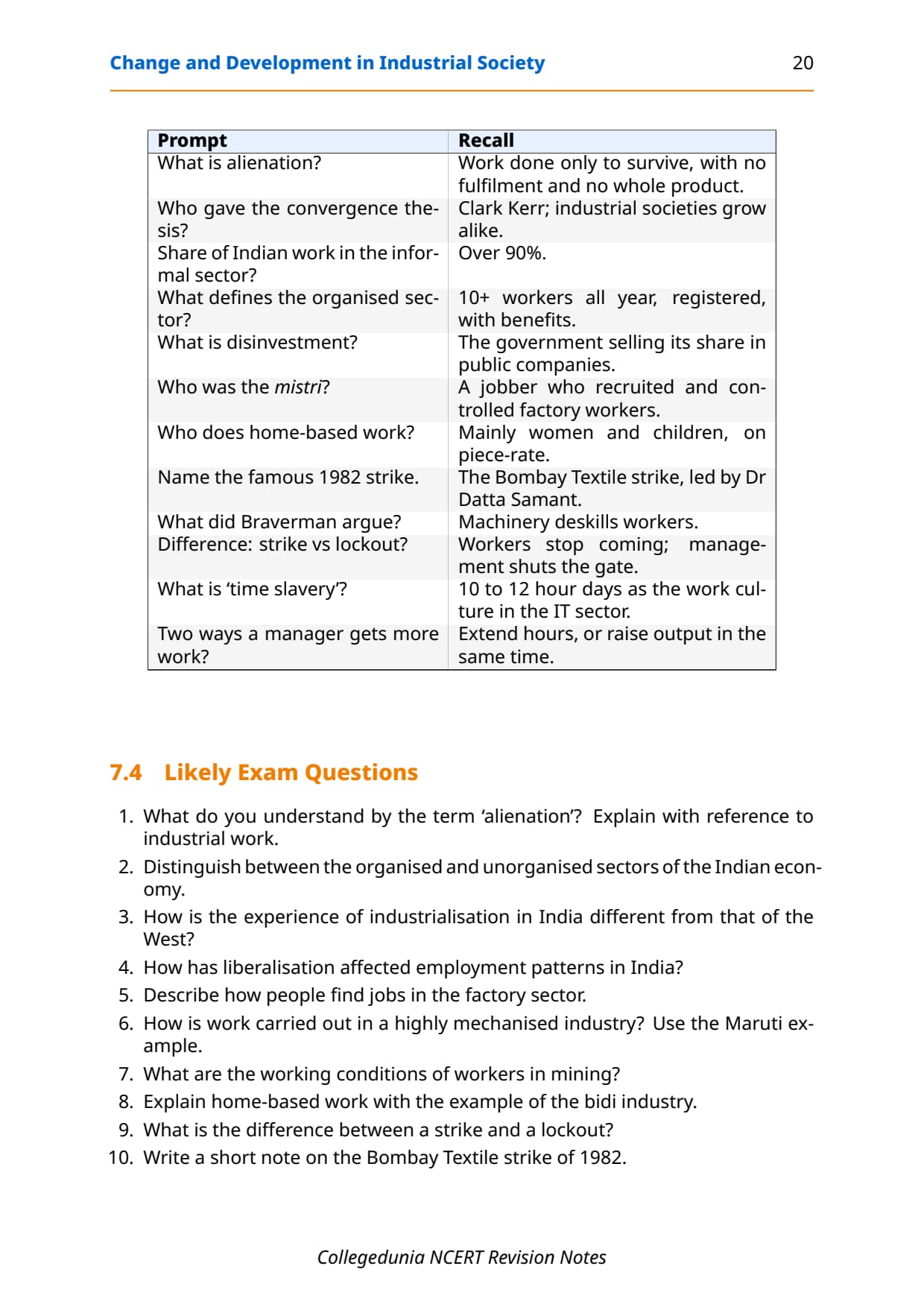
- One-page summary of every topic in Social Change and Development in India Chapter 5.
- This Class 12 Sociology chapter usually carries 5 to 6 marks per board paper.
- Pairs with the NCERT Solutions, Handwritten Notes and Book PDF linked lower on this page.
These Class 12 Sociology Chapter 5 Notes are written by subject experts from the official NCERT Social Change and Development in India textbook, in plain English for quick board revision.
Student Feedback: In a Collegedunia poll of 8,420 Class 12 Sociology students taken before the 2026 boards, 70% of students said a one-page summary of Change and Development in Industrial Society helped them remember the liberalisation examples far better than re-reading the textbook. Most students wanted the key terms listed in one place, which these Notes do.
Source: 2026-27 Class 12 Sociology student poll. Sample of 8,420 students from CBSE schools across 12 states.
Change and Development in Industrial Society Class 12 Notes Overview
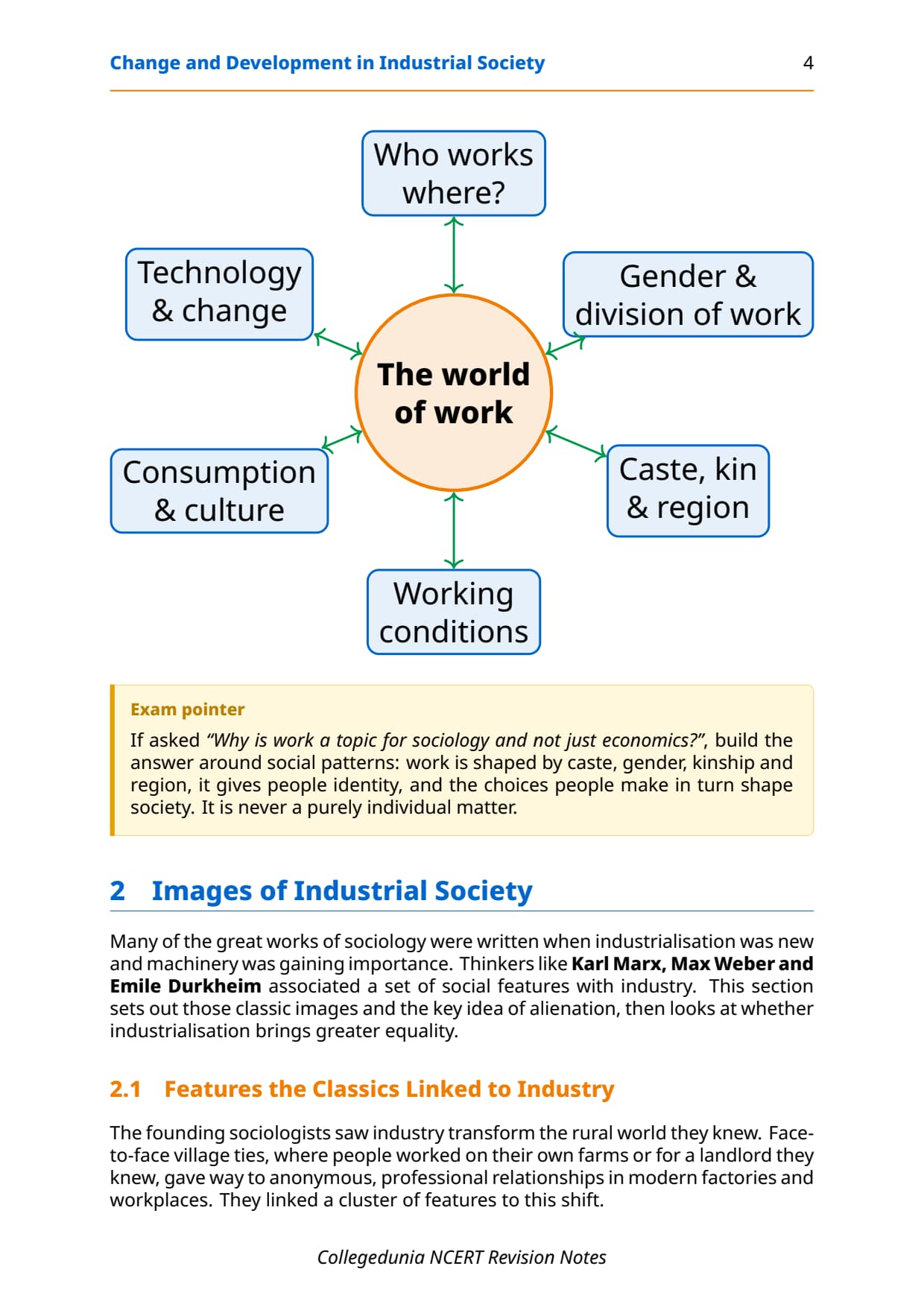
Change and Development in Industrial Society is the fifth chapter of Social Change and Development in India. The big idea in these Notes is that work shapes who people are, and that the kind of jobs available decides social relations. To revise the chapter quickly, students can split it into three blocks, which these Notes follow in order.
- Sectors: how the organised and unorganised sectors differ in pay and security.
- Work life: how people find jobs and what their working conditions are like.
- Liberalisation: how the 1990s policy shifted jobs from secure to insecure.
Keeping these three blocks separate is the fastest way to revise. A student who can recall the two sectors, one example of how a job is found, and one liberalisation example has the spine of almost every answer in Change and Development in Industrial Society class 12 notes.
Industrialisation and the Two Sectors of Work
The first block explains industrialisation and sorts all Indian work into two sectors. These Notes lay out the key points to memorise so students can write them fast in the exam.
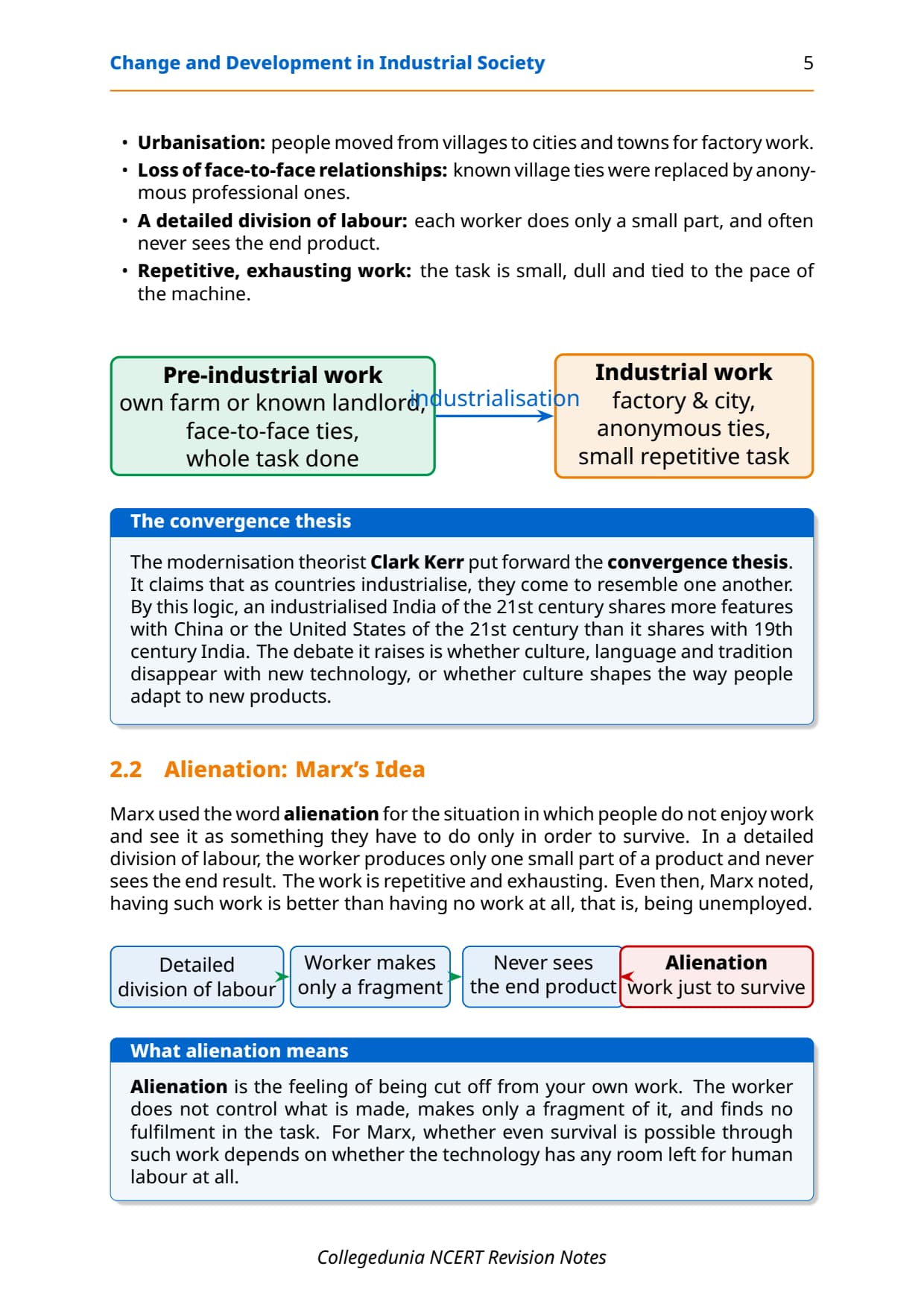
- Industrialisation: the shift to machine-based production, which changes social relations and the kind of work available.
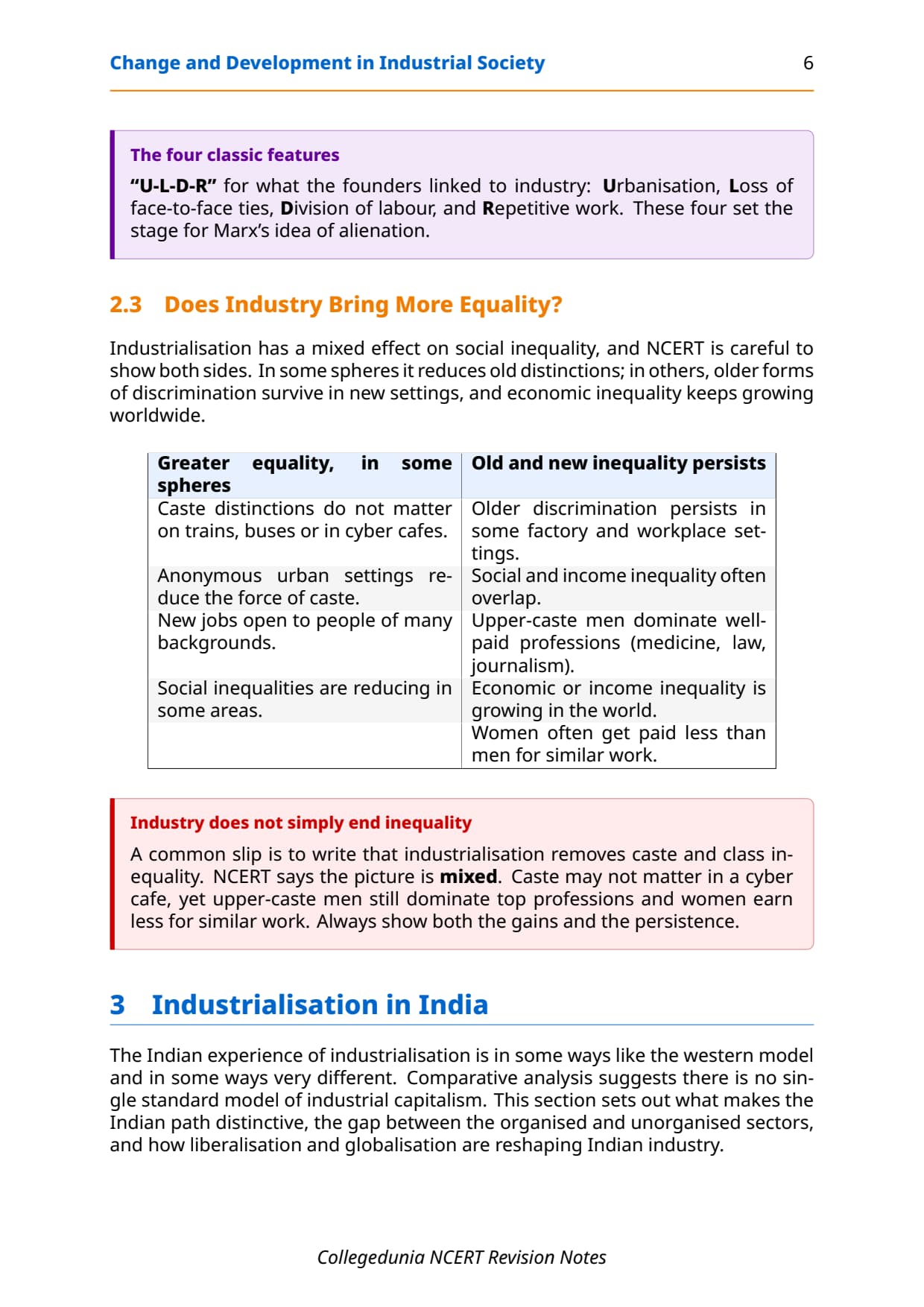
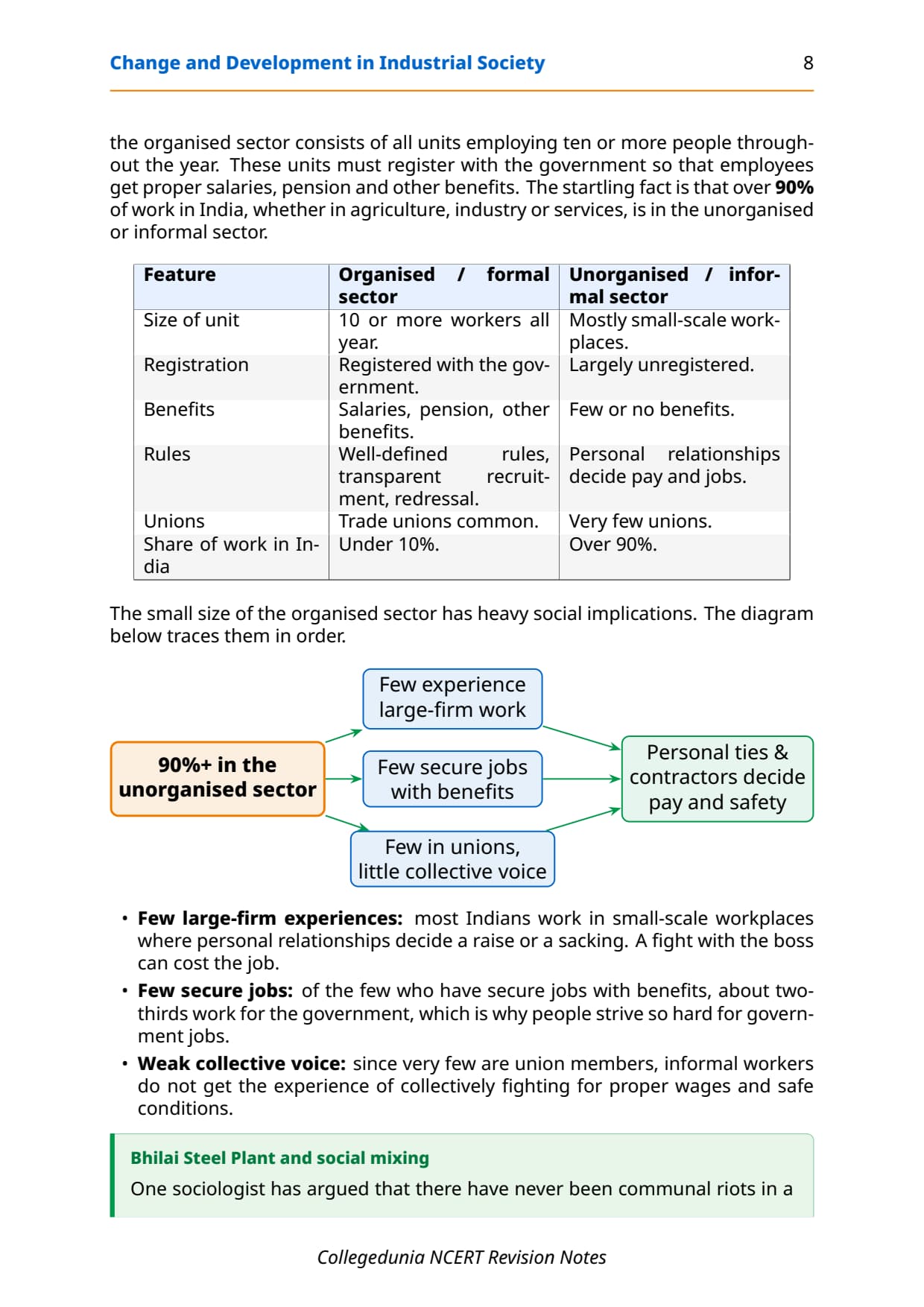
- Organised sector: registered units with ten or more workers, with fixed salaries, pensions and security.
- Unorganised sector: small, often home-based work with no security, holding over 90% of all workers.
- Alienation: when people do not enjoy work and see it only as a way to survive.
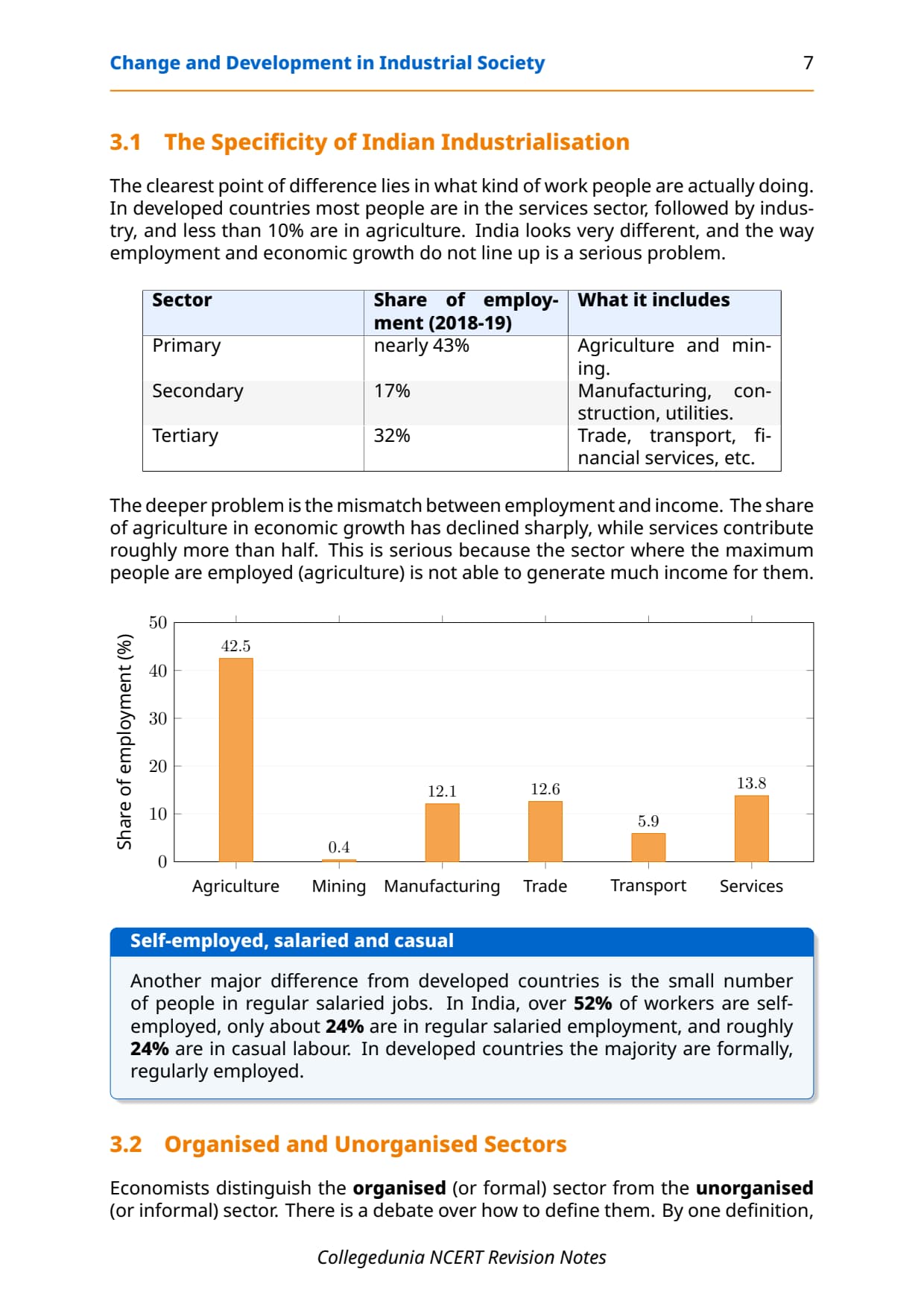
The point to hold on to is that most Indian work is unorganised, so most workers have no security. Whenever an answer needs an example, name the sector first, then describe the pay and safety that follow. The concept card below sums up the chapter's core terms for quick revision.
How People Find Jobs and Working Conditions
The second block is the most exam-heavy part of the chapter. It studies how Indians actually get work and what that work is like. These Notes keep the key facts in one list for fast recall.
- Finding work: people get jobs through family, caste, kin and personal contacts, not only open hiring.
- Factory work: the Maruti assembly line is fast and mechanised, with barely 45 minutes of rest a shift.
- Home-based work: bidi rolling is done by women and children, paid by the piece with no employer.
- Mines and IT: conditions range from dangerous underground work to long, target-driven computer hours.
The honest revision point is that how and where people work shapes their whole social life. In an answer, tie the type of job to the social group that does it, then to the pay and safety that follow. The change-map below traces how Indian industrial work has shifted over time.
Liberalisation and the Shift in Employment
The third block covers liberalisation, the policy that reshaped Indian jobs after the 1990s. The clean way to revise this is as a before-and-after, which these Notes set out in a table.
| Channel of change | What to recall |
|---|---|
| Takeovers | Multinationals buy Indian firms, such as Parle bought by Coca Cola. |
| Disinvestment | Government sells public sector shares; 60% of Modern Foods workers retired in five years. |
| Outsourcing | More contract and home-based work, fewer permanent jobs, weaker unions. |
| Service growth | IT, banks and shops add jobs and grow the urban middle class. |
The line to lock in is that liberalisation traded secure jobs for insecure ones. The economy grew and the middle class expanded, yet ordinary workers felt less safe, because growth and security are not the same thing. This single idea answers most long questions in the chapter.
Change and Development in Industrial Society Key Terms to Memorise
A handful of terms appear in nearly every answer. Learning them word for word saves time and avoids the most common mix-ups. The list below is the core glossary for the chapter.
- Industrialisation: the shift to machine-based production that changes social relations.
- Organised sector: registered units of ten or more workers with security and benefits.
- Unorganised sector: small, insecure work that holds over 90% of Indian workers.
- Liberalisation: the 1990s policy opening India to private and foreign firms.
- Disinvestment: the government selling its share in public sector companies.
Students who can write these five terms in one line each are ready for the class 12 sociology chapter 5 important questions on definitions. Keep them on a single flashcard for the night before the exam.
Quick Revision and Last-Minute Recall
For a fast final pass, these Notes boil the chapter down to a few anchor facts. Reading them the night before the exam fixes the examples and the definitions without re-reading the whole chapter.
- Over 90% of Indian work is in the unorganised sector.
- Liberalisation: 1990s, traded secure jobs for insecure contract work.
- Parle bought by Coca Cola; 60% of Modern Foods workers retired after disinvestment.
- Maruti line: barely 45 minutes of rest a shift, burnout by 40.
- Always tie the type of job to the social group that does it.
Students who memorise these five anchors usually answer the short questions with no hesitation. Pair the anchors with the key-terms glossary above for a complete one-page revision.
How These Notes Pair with the Solutions and Book PDF
These Notes summarise the chapter. To prepare fully, students should use them alongside the other resources for the same chapter, all linked in the table below.
| Resource | Best used for |
|---|---|
| Change and Development in Industrial Society Class 12 NCERT Solutions | Full point-wise answers to both exercise questions |
| Change and Development in Industrial Society Handwritten Notes | Last-minute, one-shot revision in a scanned notebook style |
| Change and Development in Industrial Society NCERT Book PDF | Reading the original NCERT chapter text |
Tip: read these Notes first, then attempt the NCERT Solutions on your own, and check the model answers last. That order builds memory faster than copying answers straight away.
All Notes for Class 12 Sociology
The table links the Notes for every chapter in both Class 12 Sociology books, so students can move across the course in one click. Change and Development in Industrial Society is highlighted.
| Chapter | Notes |
|---|---|
| Indian Society | |
| Chapter 1 | Introducing Indian Society |
| Chapter 2 | The Demographic Structure of the Indian Society |
| Chapter 3 | Social Institutions - Continuity and Change |
| Chapter 4 | The Market as a Social Institution |
| Chapter 5 | Patterns of Social Inequality and Exclusion |
| Chapter 6 | The Challenges of Cultural Diversity |
| Social Change and Development in India | |
| Chapter 1 | Structural Change |
| Chapter 2 | Cultural Change |
| Chapter 3 | The Constitution and Social Change |
| Chapter 4 | Change and Development in Rural Society |
| Chapter 5 | Change and Development in Industrial Society |
| Chapter 6 | Globalisation and Social Change |
| Chapter 7 | Mass Media and Communications |
| Chapter 8 | Social Movements |
FAQs on Change and Development in Industrial Society Class 12 Notes
Change and Development in Industrial Society Class 12 Sociology Notes Common Questions
Ques. Where can I download the class 12 sociology chapter 5 Notes PDF?
Ans. You can download the Change and Development in Industrial Society Class 12 Sociology Notes PDF directly from this page. It is free, follows the 2026-27 NCERT, and gives a one-page summary of the whole chapter.
Ques. What are the main topics in Change and Development in Industrial Society class 12 notes?
Ans. The Notes cover three blocks: industrialisation and the two sectors of work, how people find jobs and their working conditions, and how liberalisation since the 1990s changed employment patterns in India.
Ques. What is the difference between the organised and unorganised sectors?
Ans. The organised sector has registered units of ten or more workers with fixed salaries, pensions and security. The unorganised sector covers small, often home-based work with no security, and it holds over 90% of all Indian workers.
Ques. How did liberalisation change jobs in India?
Ans. It opened India to private and foreign firms, leading to multinational takeovers, disinvestment of public companies, and a rise in outsourcing and contract labour. The service sector grew, but secure permanent and government jobs declined.
Ques. Are these Notes enough for the board exam?
Ans. The Notes are best for revision and quick recall. For full marks, pair them with the NCERT Solutions for the two exercise questions and read the original NCERT chapter once, both linked on this page.



Comments