




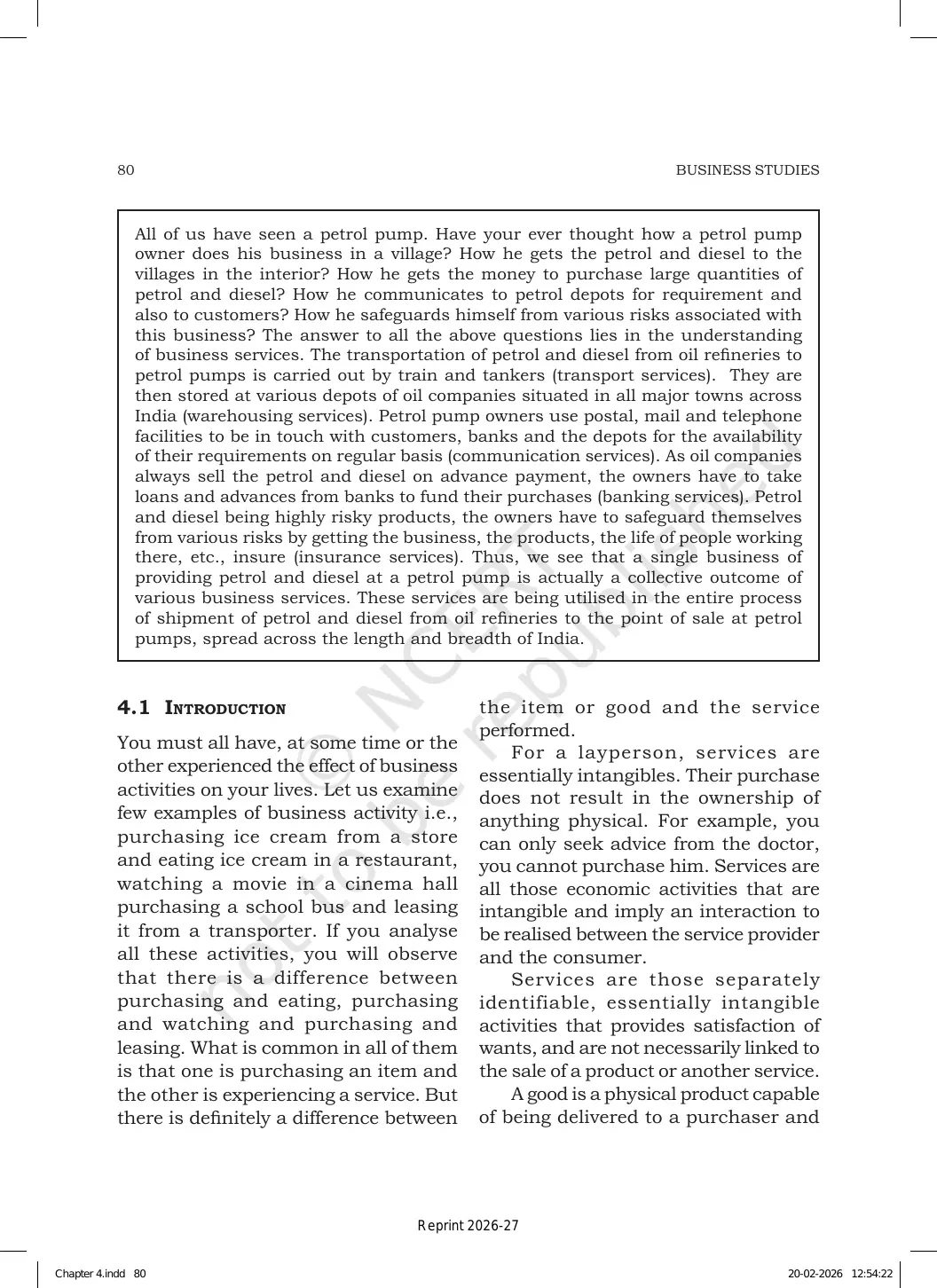
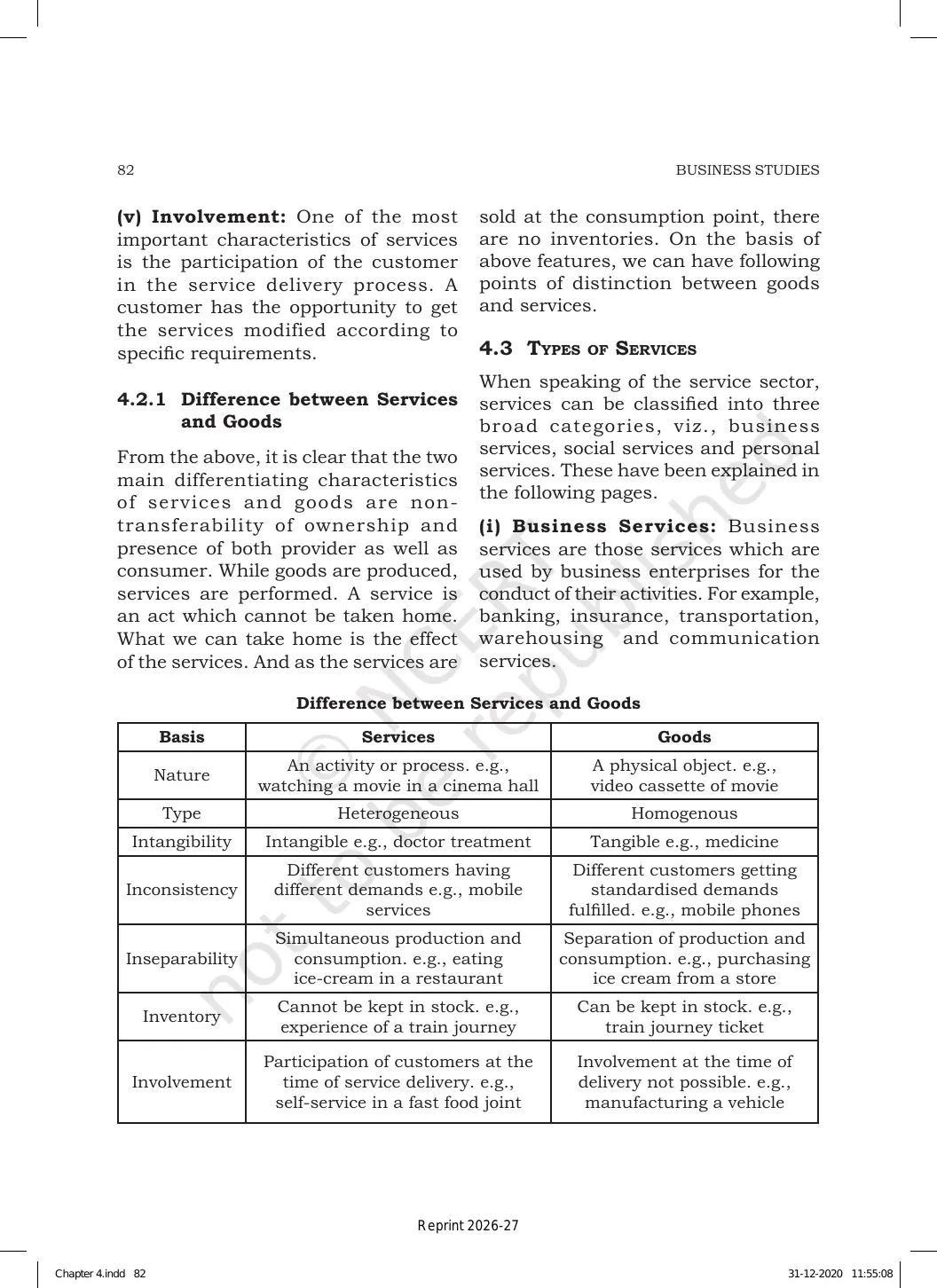
The NCERT Class 11 Business Studies Chapter 4 Business Services PDF explains banking, insurance, transport, warehousing and communication. It follows the 2026-27 textbook and shows how each service supports trade and industry.
- Core focus: five services that help businesses operate smoothly.
- Exam focus: banking terms, insurance principles and service comparisons.
- Best use: read the PDF and build one service-wise revision chart.
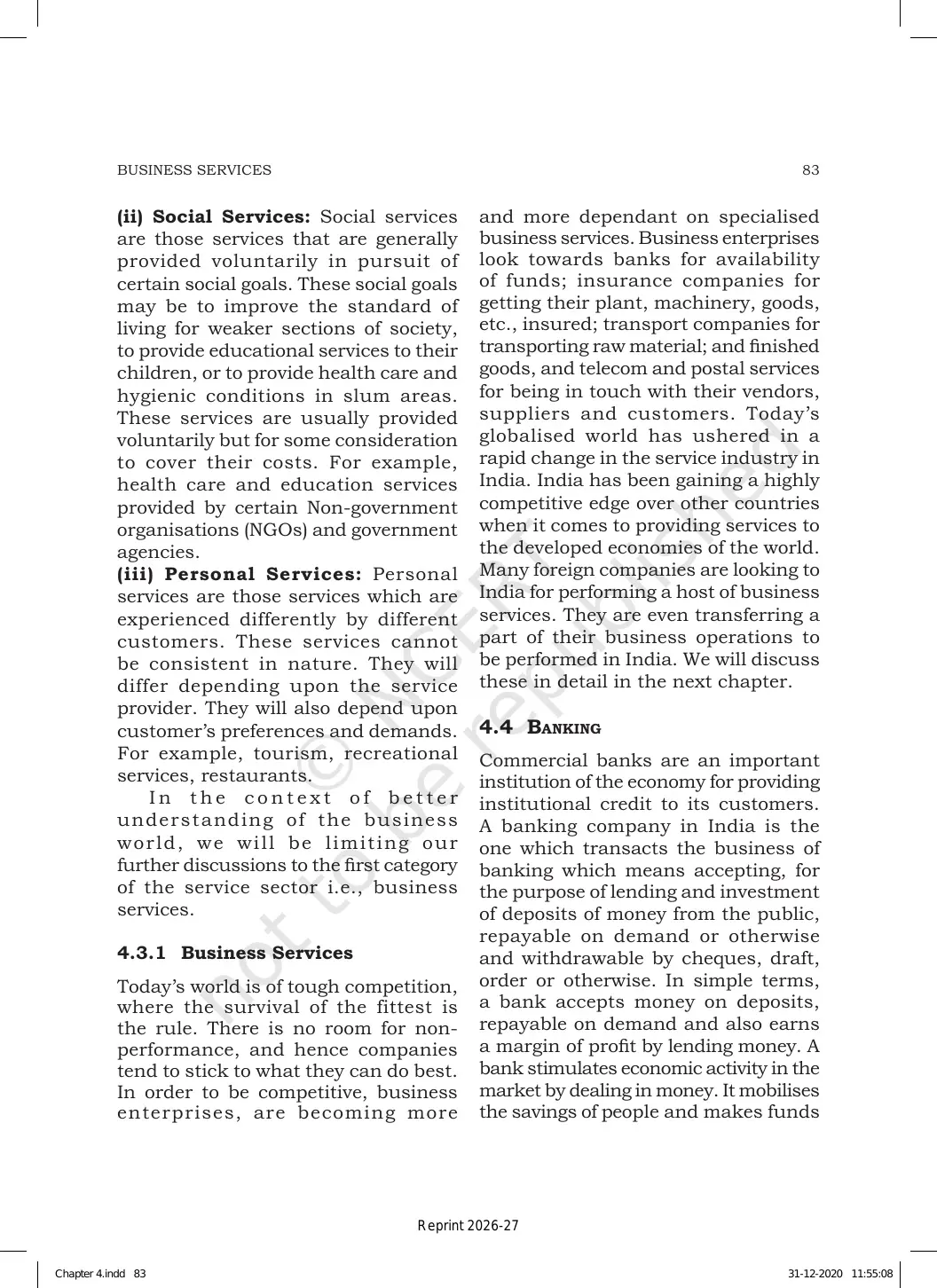
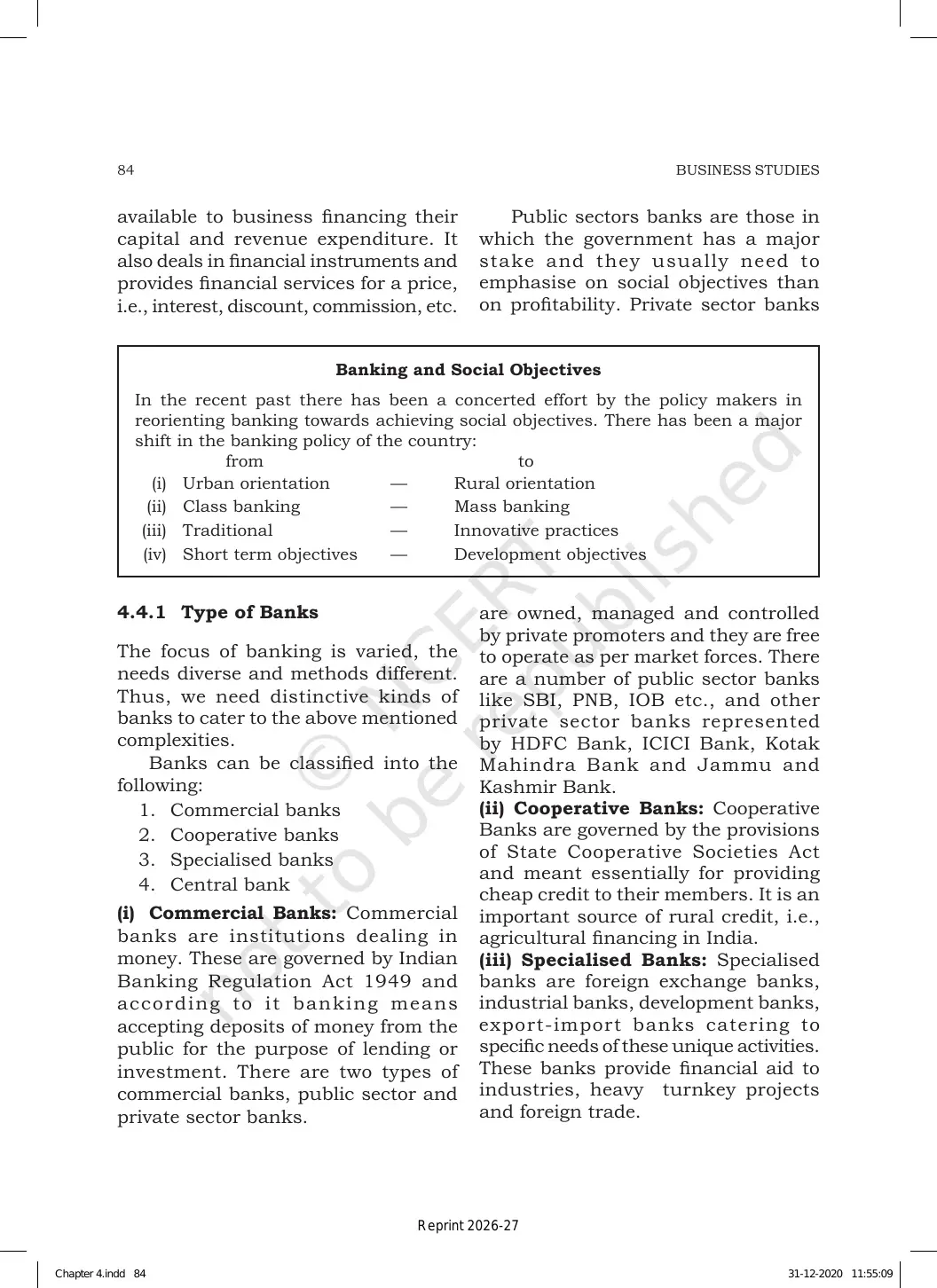
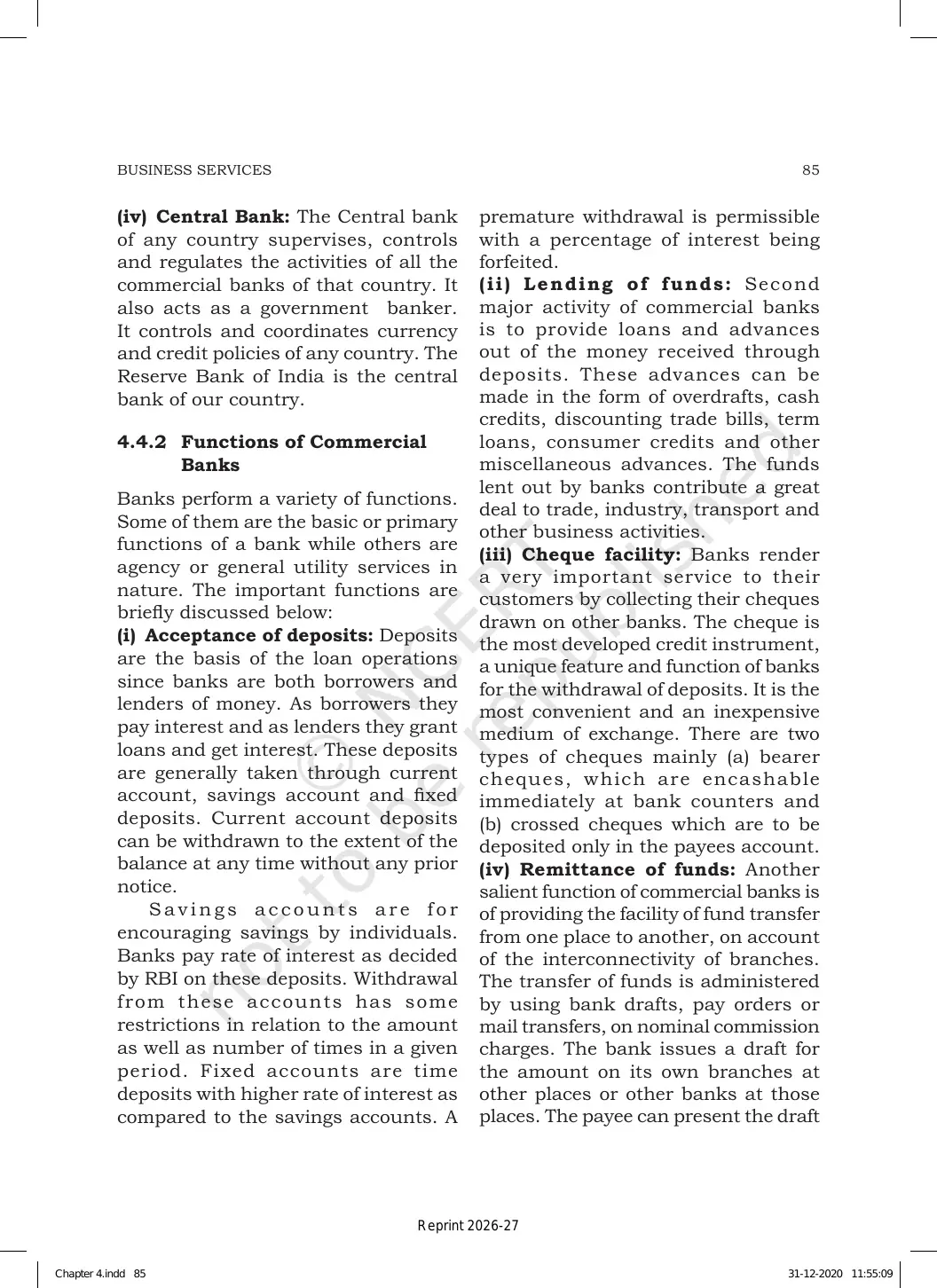
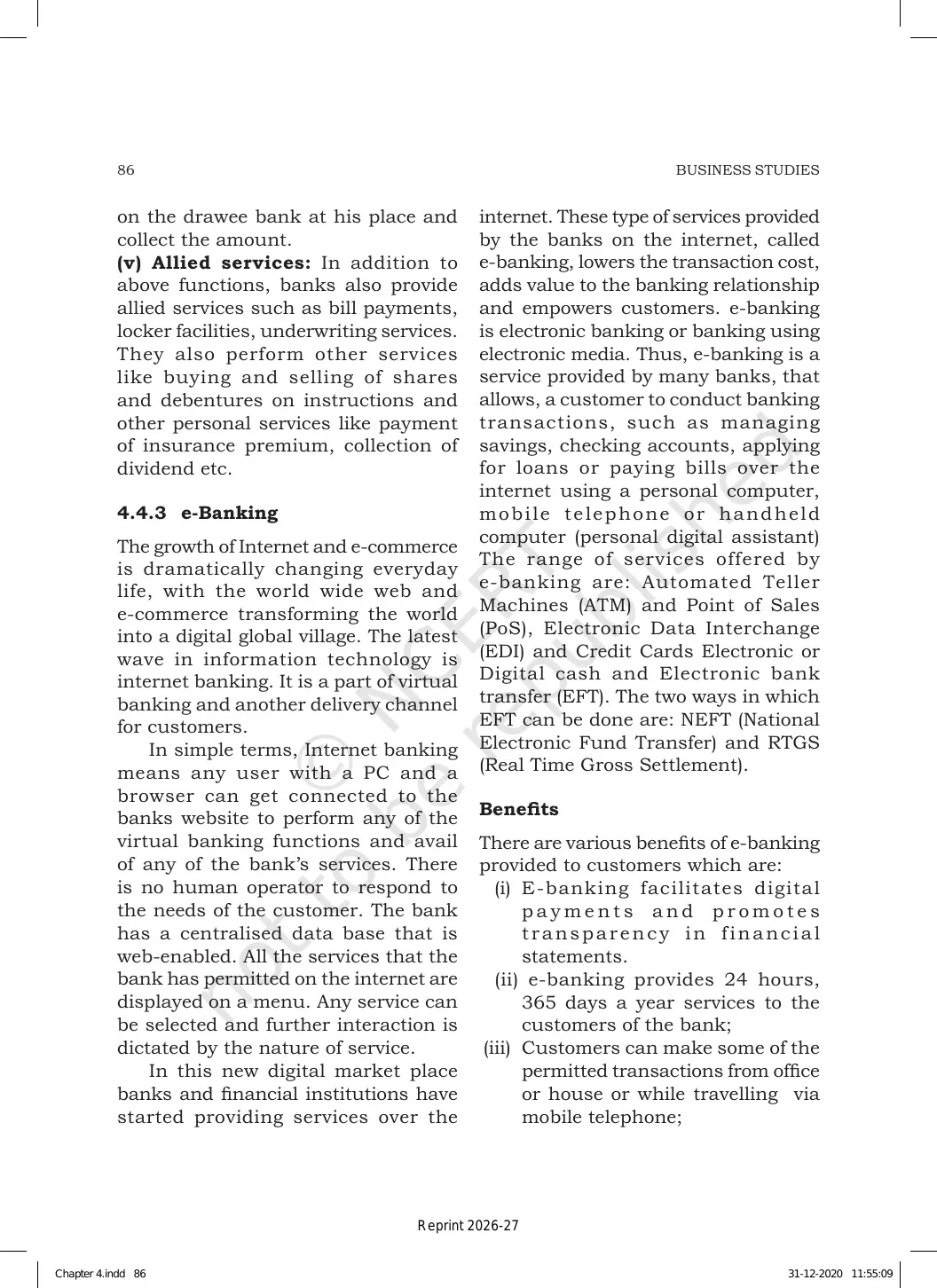
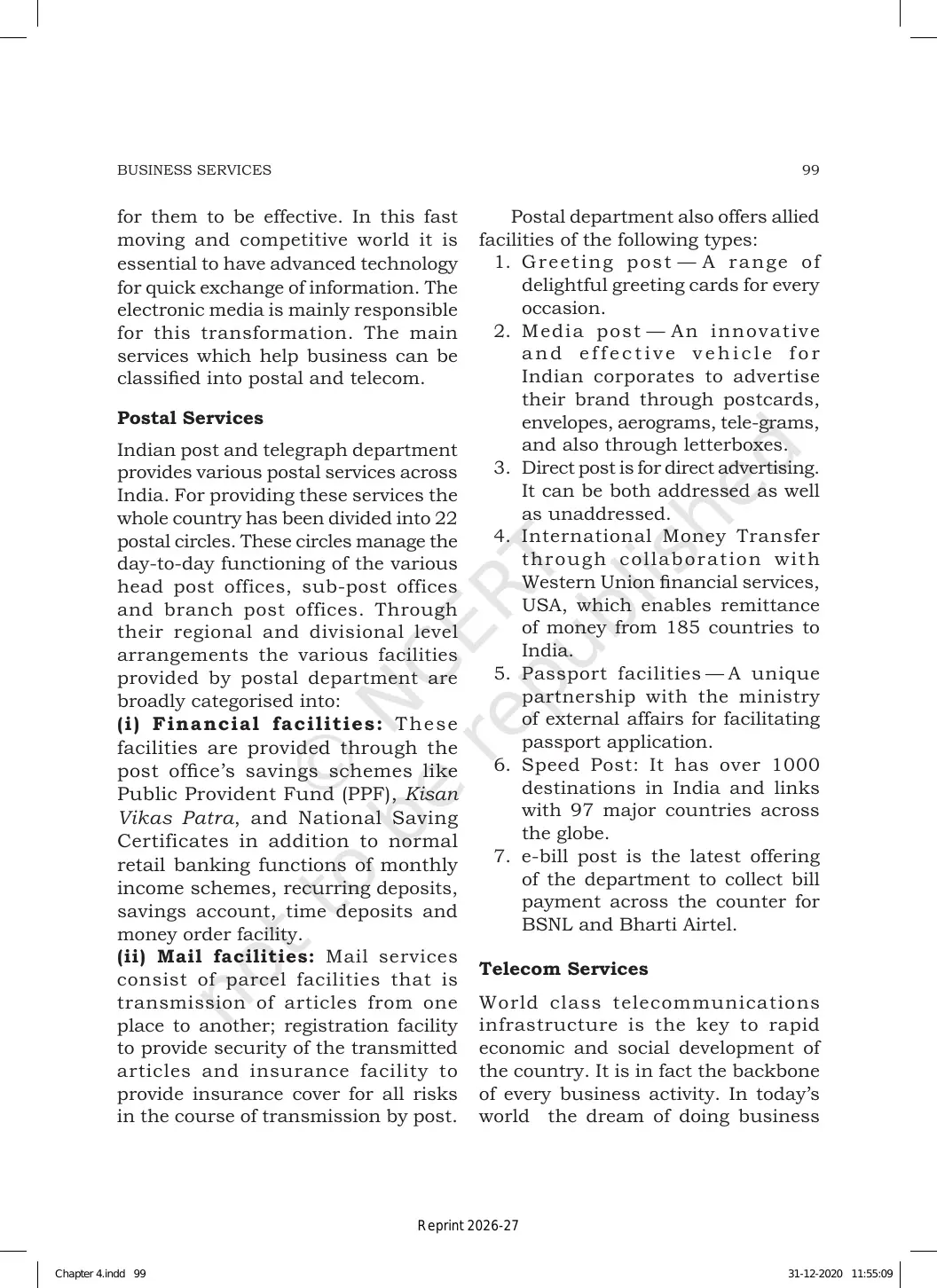
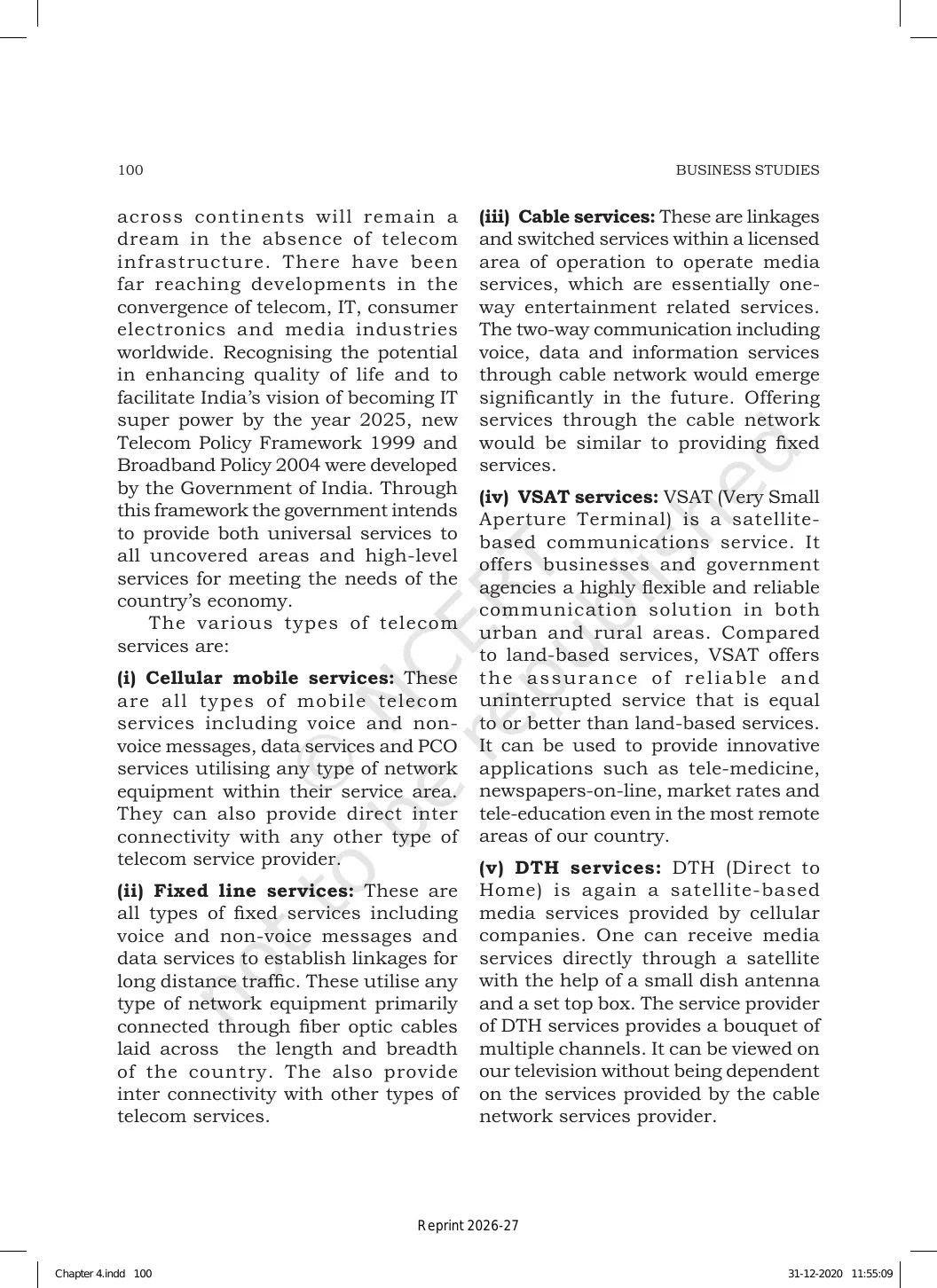
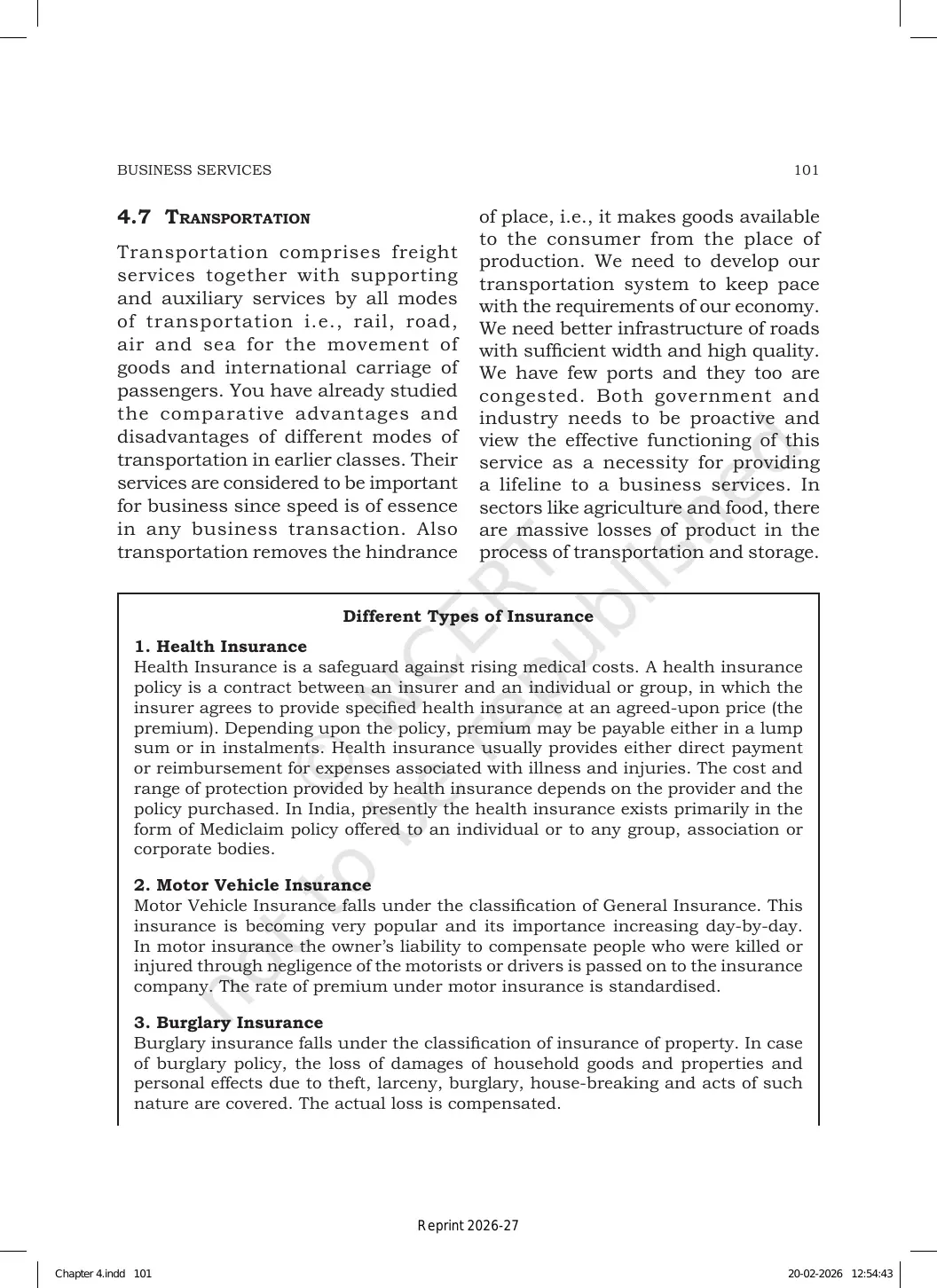
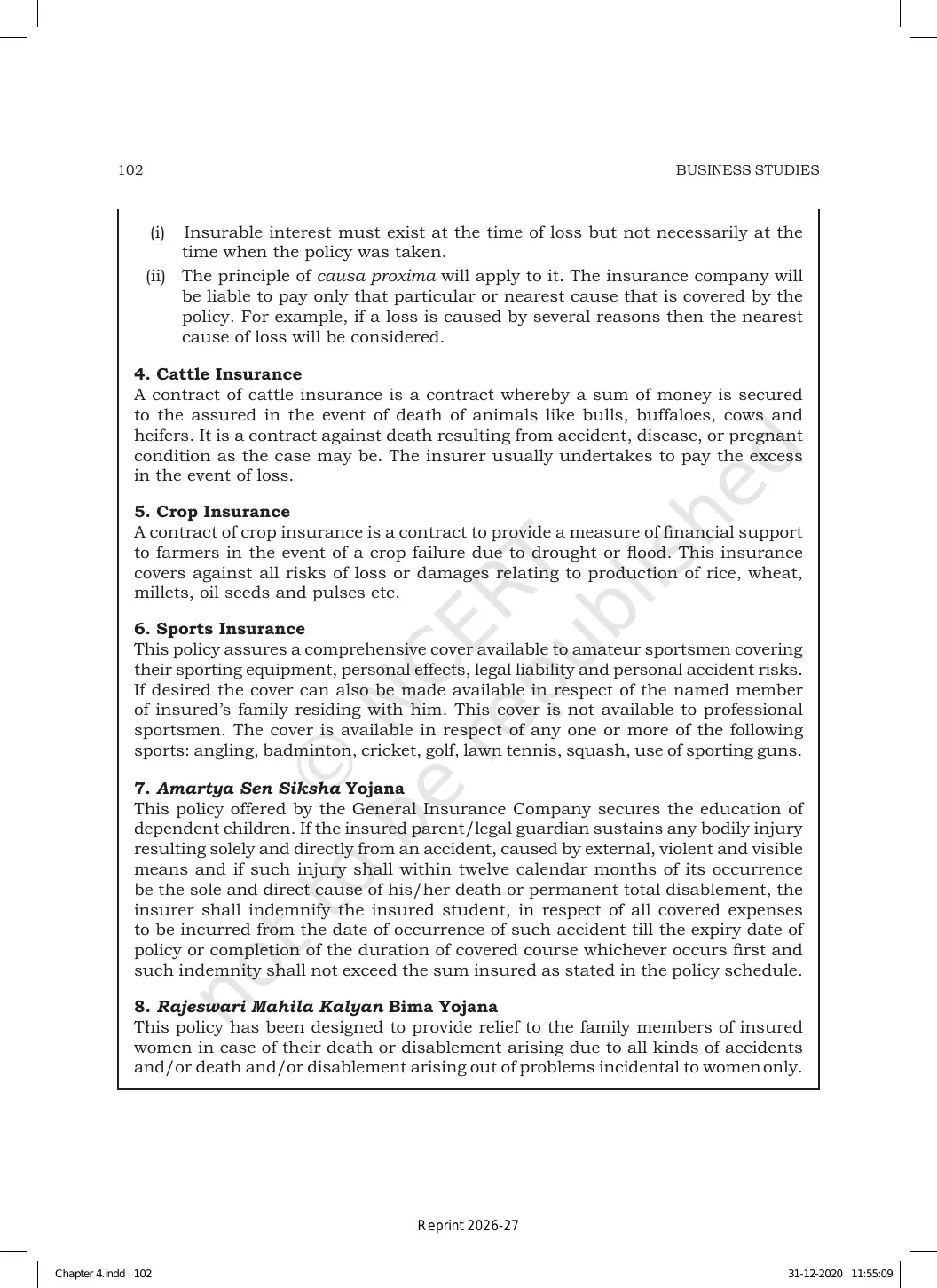
This Collegedunia guide follows the 2026-27 NCERT Business Studies textbook and keeps every explanation tied to the official chapter.
Student Feedback: In a Collegedunia poll of 10,000 students, most students said a five-part service chart made this chapter easier to revise.
Business Services Covered in the Class 11 NCERT PDF
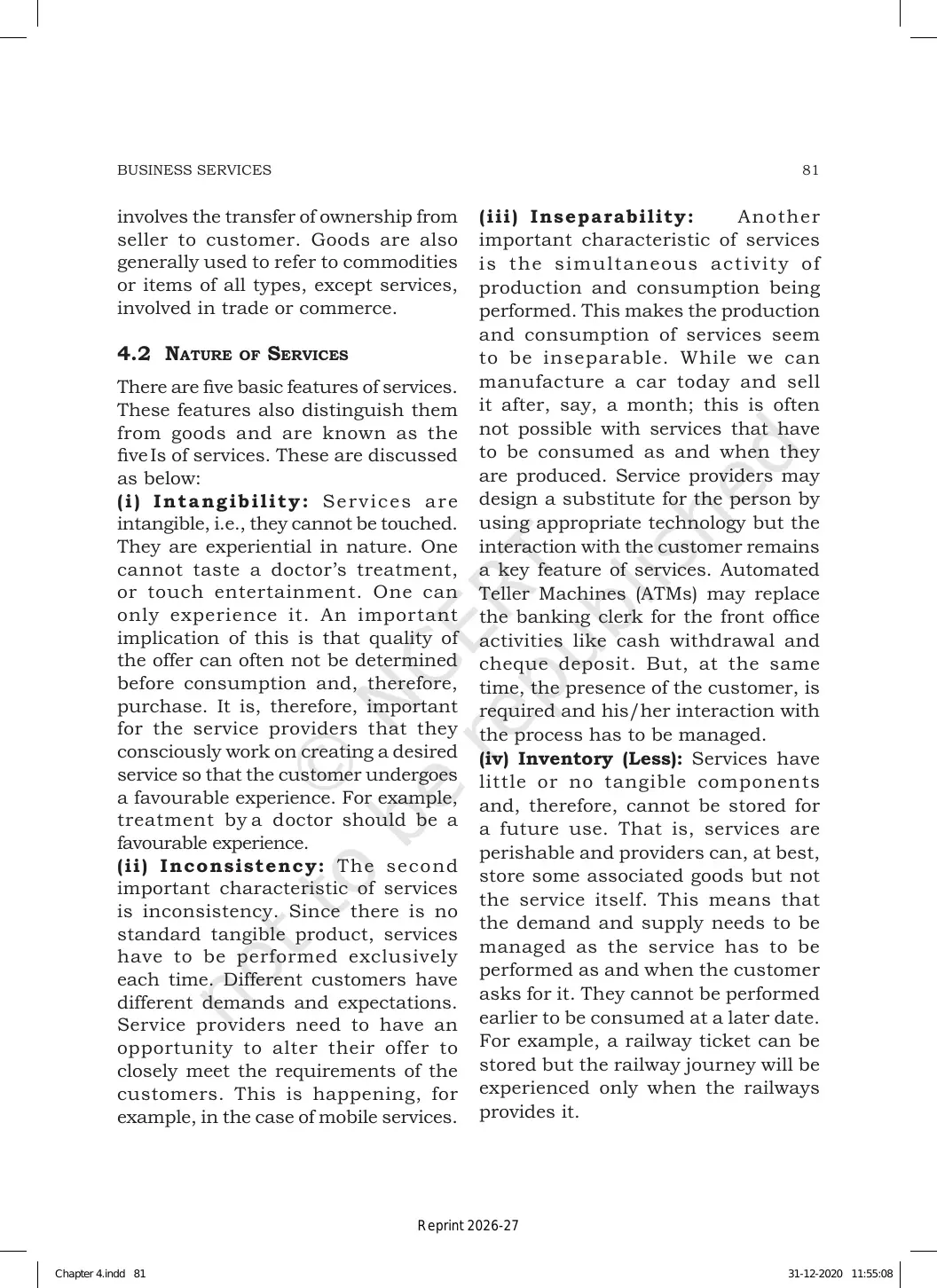
Business services help firms produce, sell and deliver goods. They do not usually create a physical product. Instead, they support money flow, risk protection, movement, storage and information exchange.
| Service | Main purpose | Common example |
|---|---|---|
| Banking | Accept deposits, make payments and provide credit | Current account and business loan |
| Insurance | Protect against specified risks | Fire and marine policies |
| Transport | Move goods and people | Road, rail, air and water transport |
| Warehousing | Store goods safely until needed | Private and bonded warehouses |
| Communication | Carry business information | Postal and telecom services |
A business may need all five services in one transaction. A seller can borrow money, insure goods, store them, transport them and track delivery.
Business Services Explained for Class 11
Source: Magnet Brains on YouTube
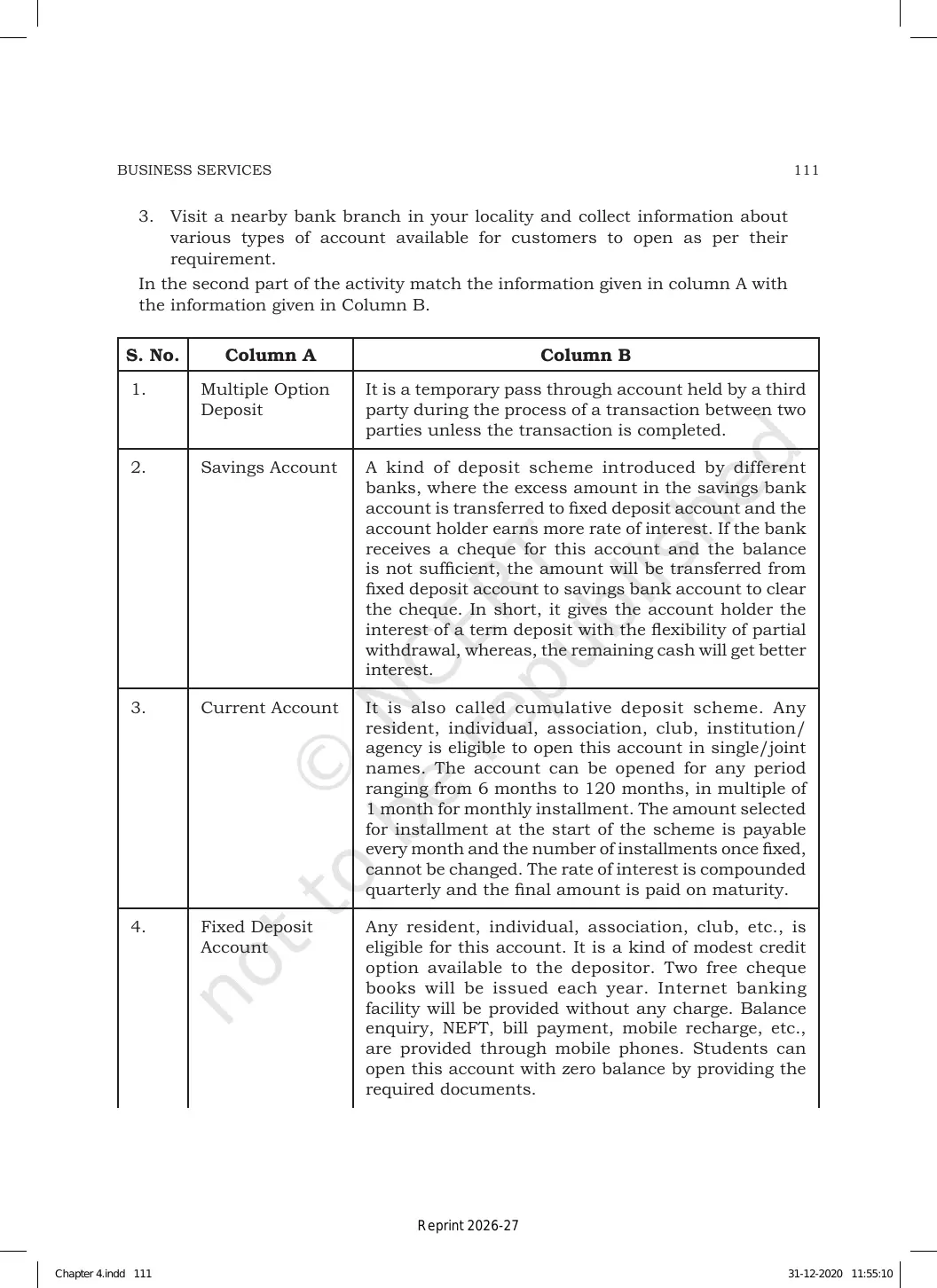
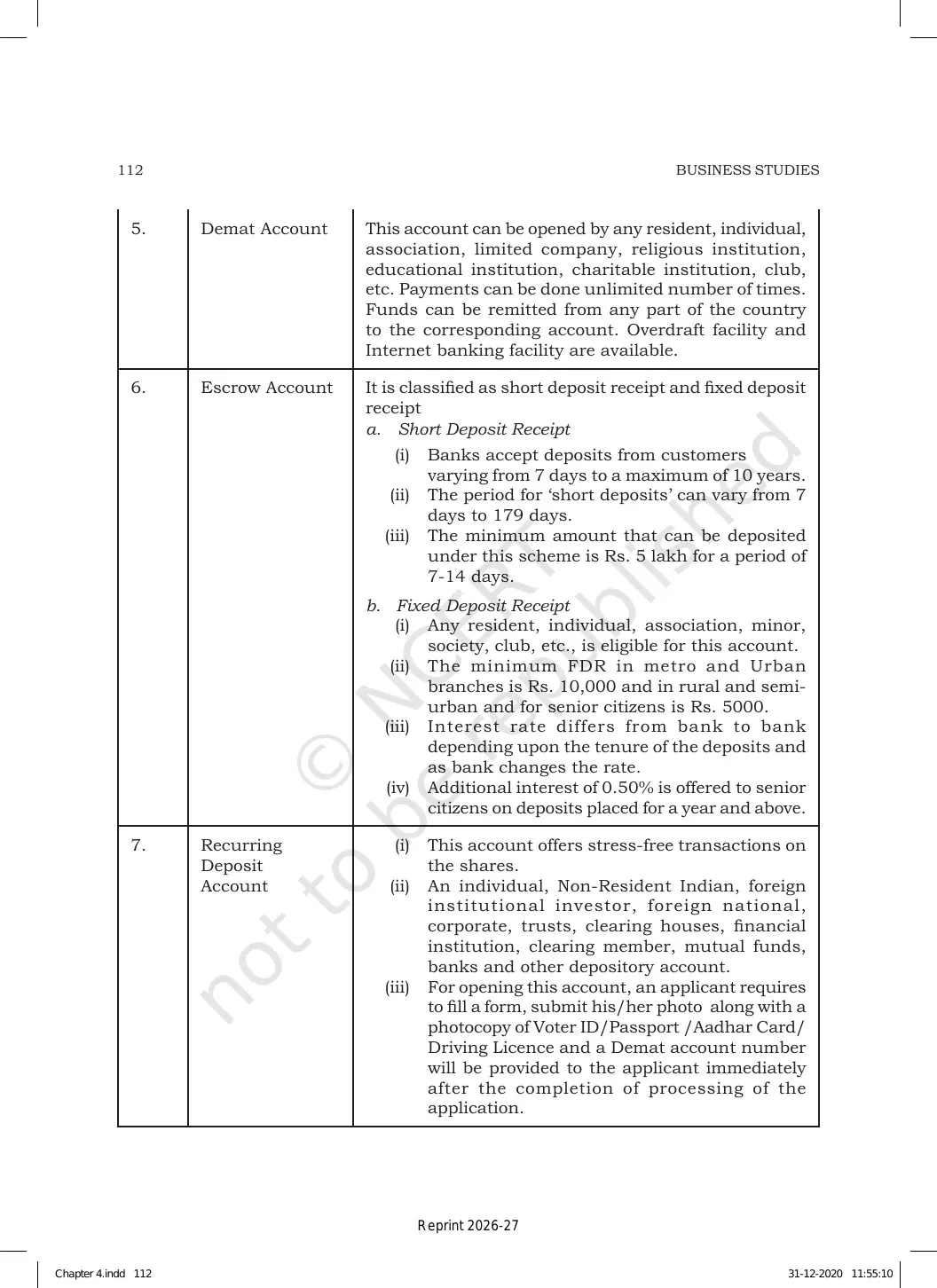
Banking Services and Common Class 11 Account Types
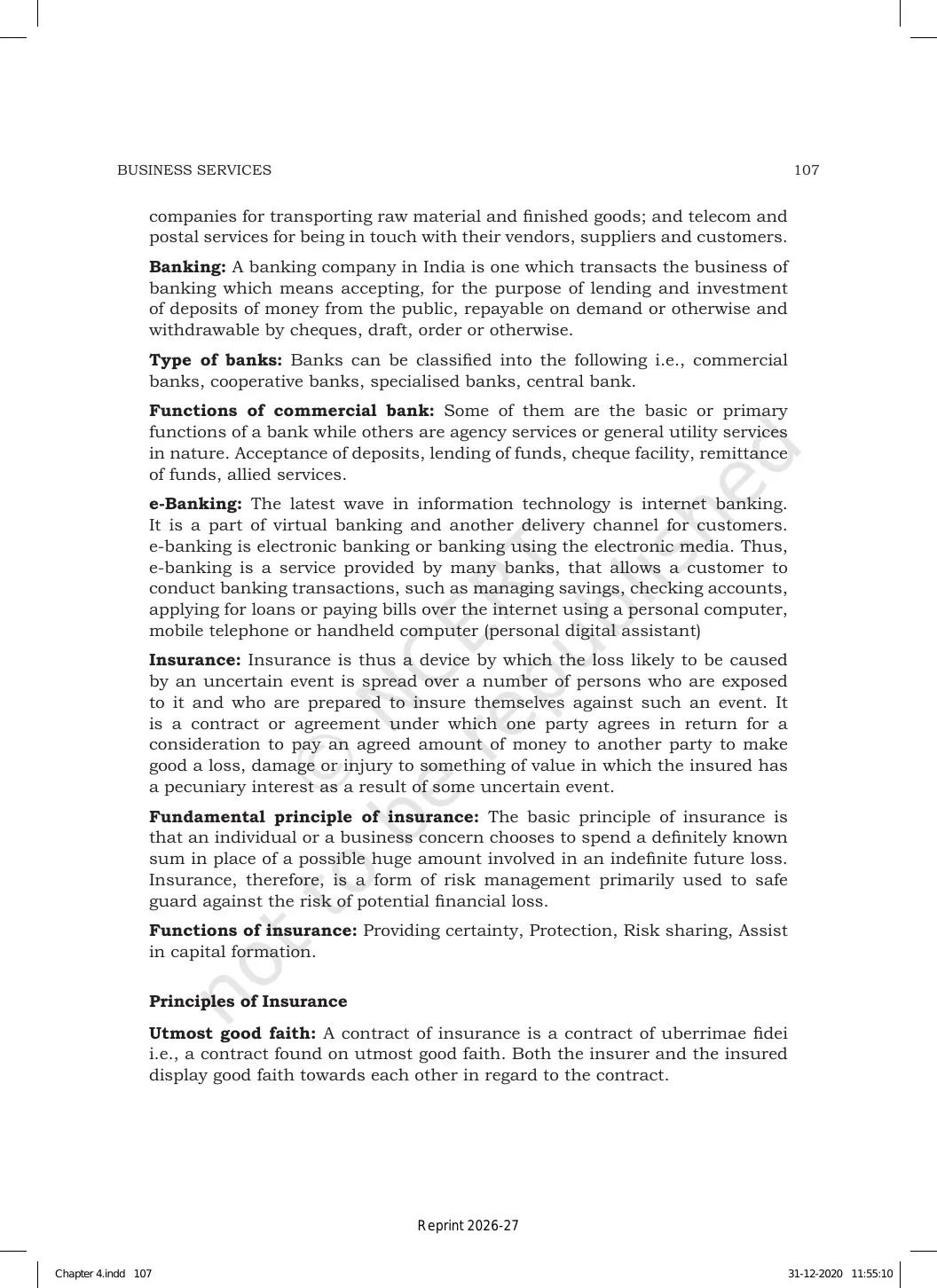
Banks connect people who save money with businesses that need funds. They also support payments and collections. NCERT groups bank services into deposits, lending and supporting services.
- Savings account: suits individuals who save and make limited withdrawals.
- Current account: supports frequent business payments and receipts.
- Fixed deposit: keeps money for a set period at a stated return.
- Recurring deposit: builds savings through regular fixed deposits.
- Bank credit: includes loans, overdrafts, cash credit and bill discounting.
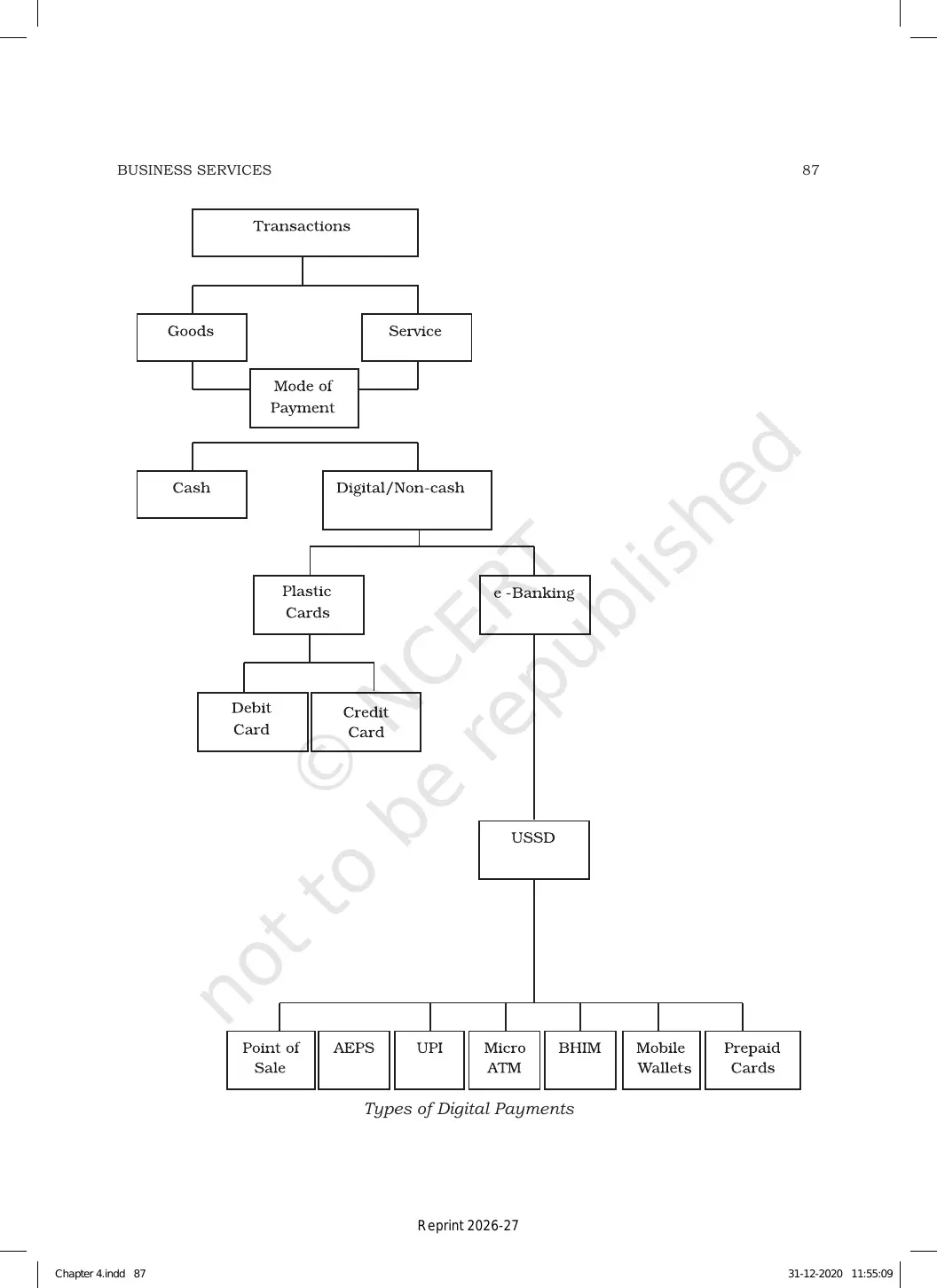
Electronic banking lets customers use services without visiting a branch. Cards, mobile banking and electronic transfers make business payments faster.
Five Types of Business Services at a Glance
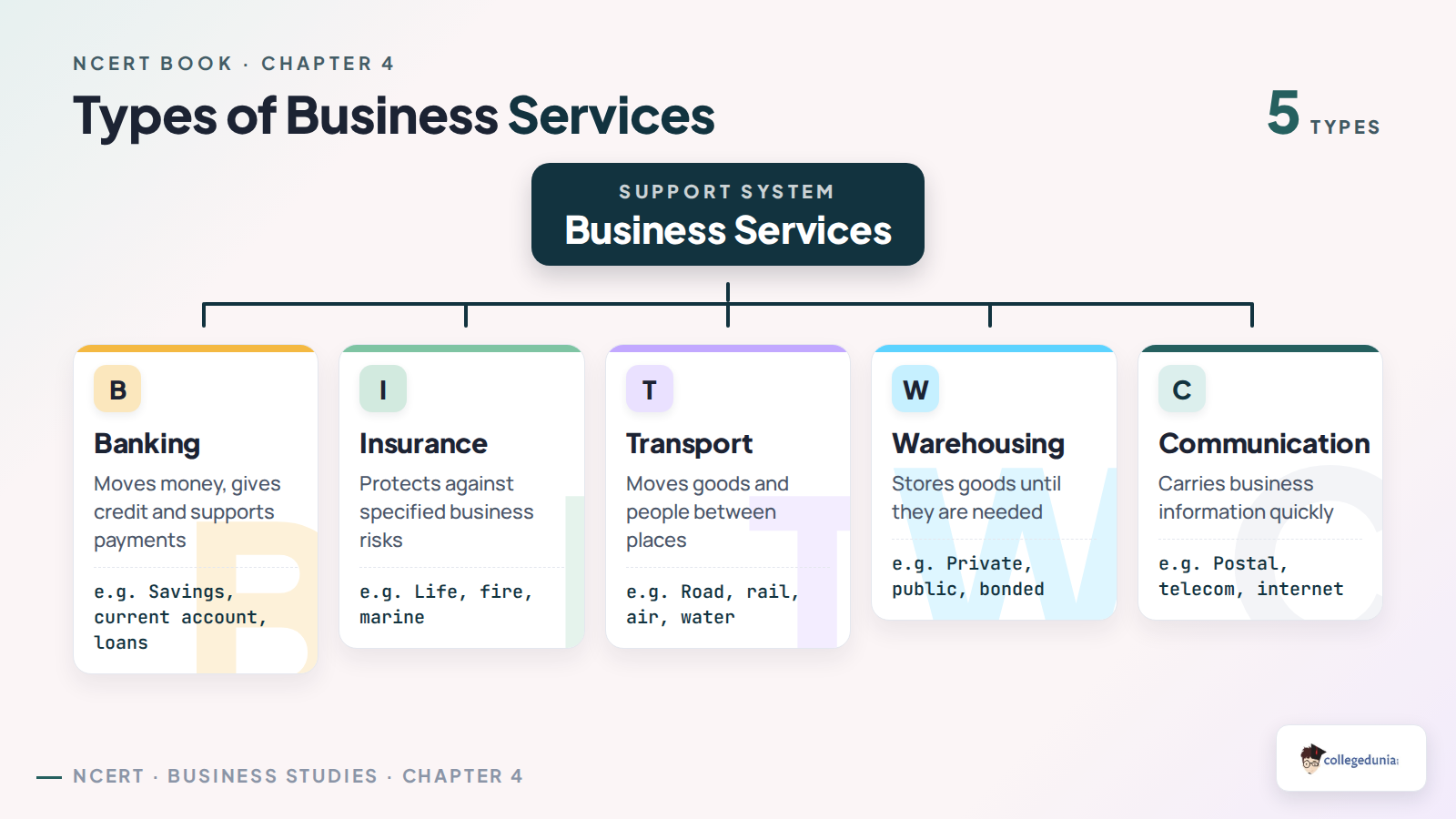
The chart links every service with its main function. Use it before reading the detailed textbook sections. It also helps with one-mark identification questions.
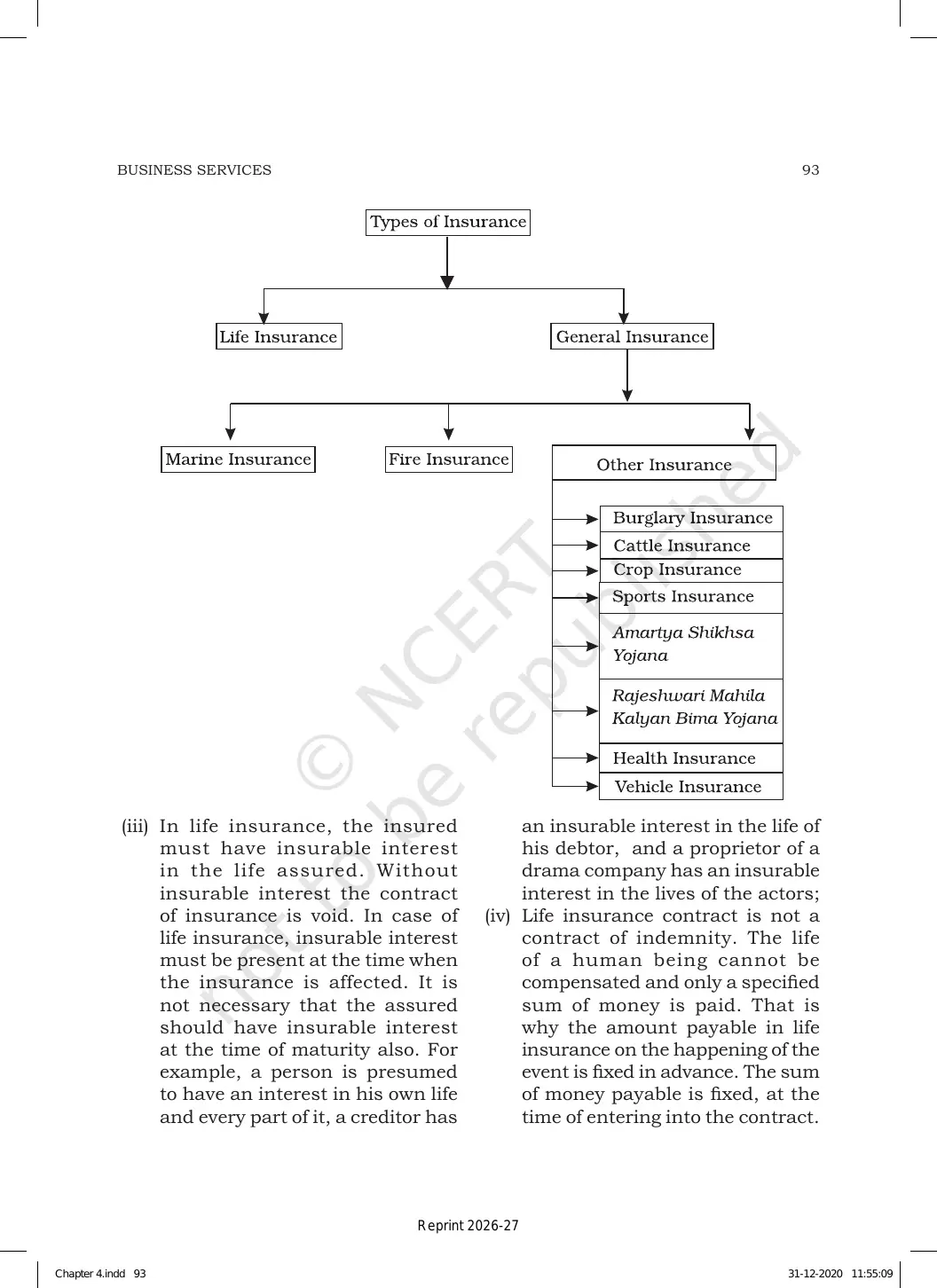
Insurance Principles and Types of Business Risk Cover
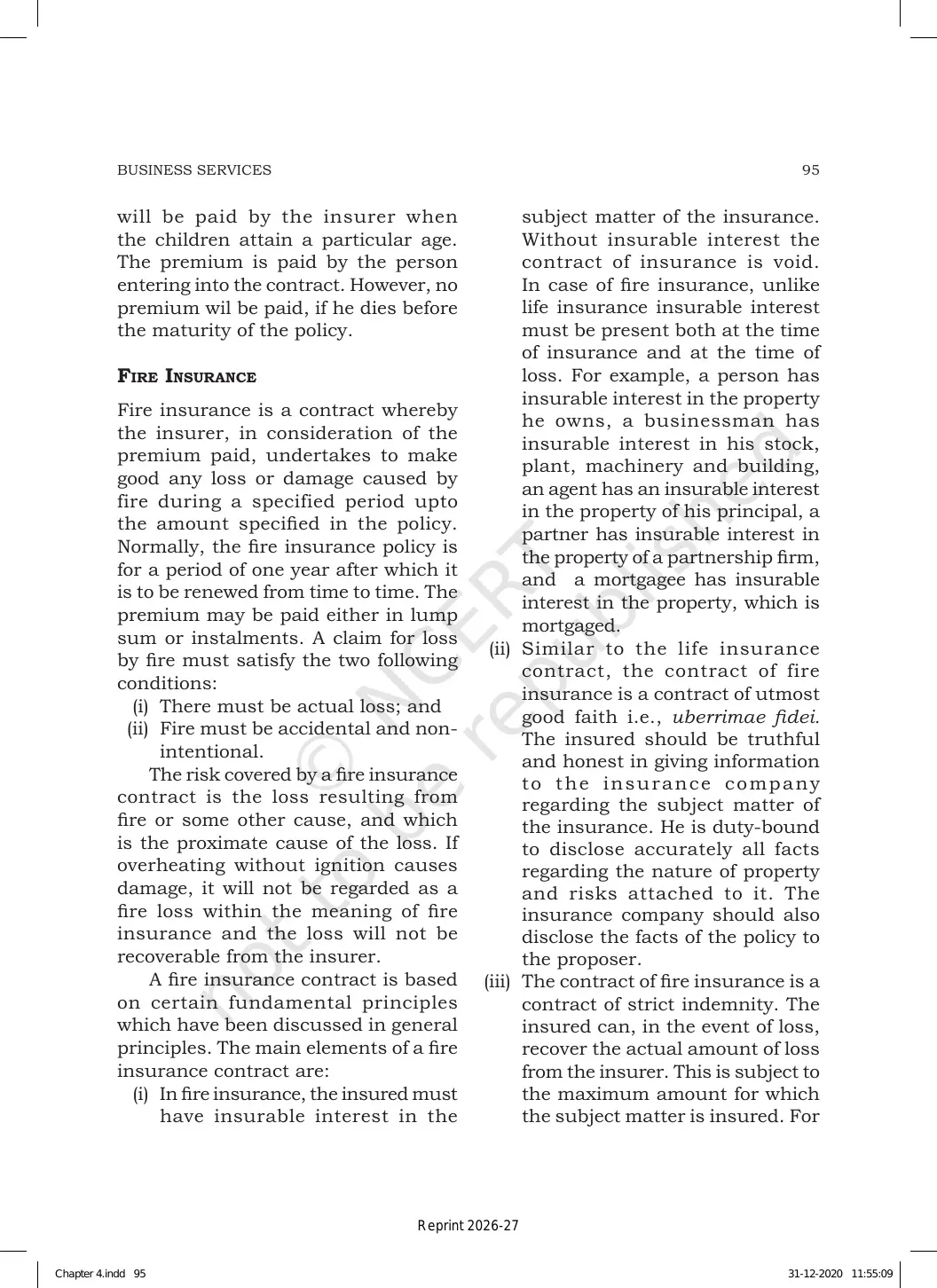
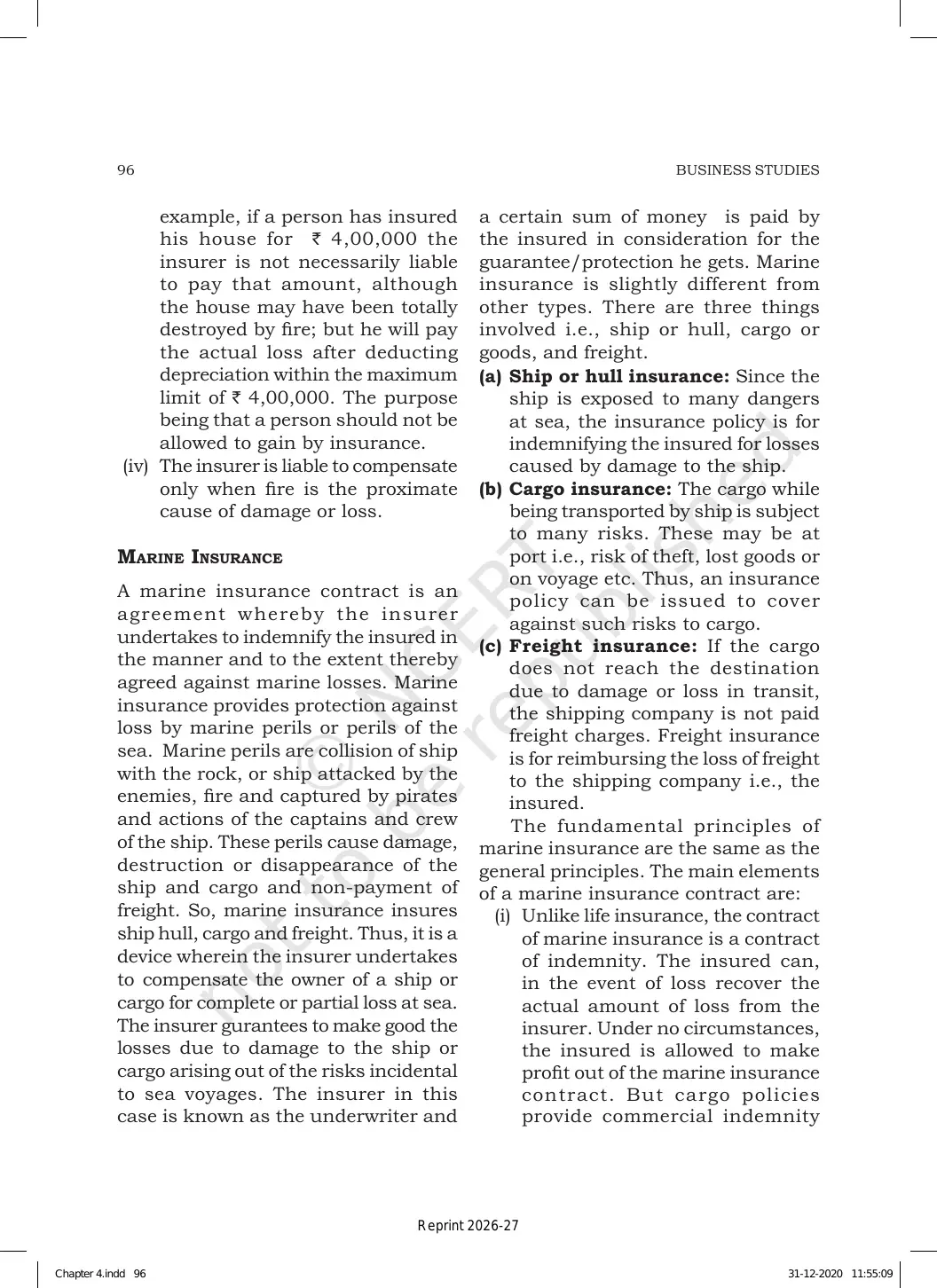
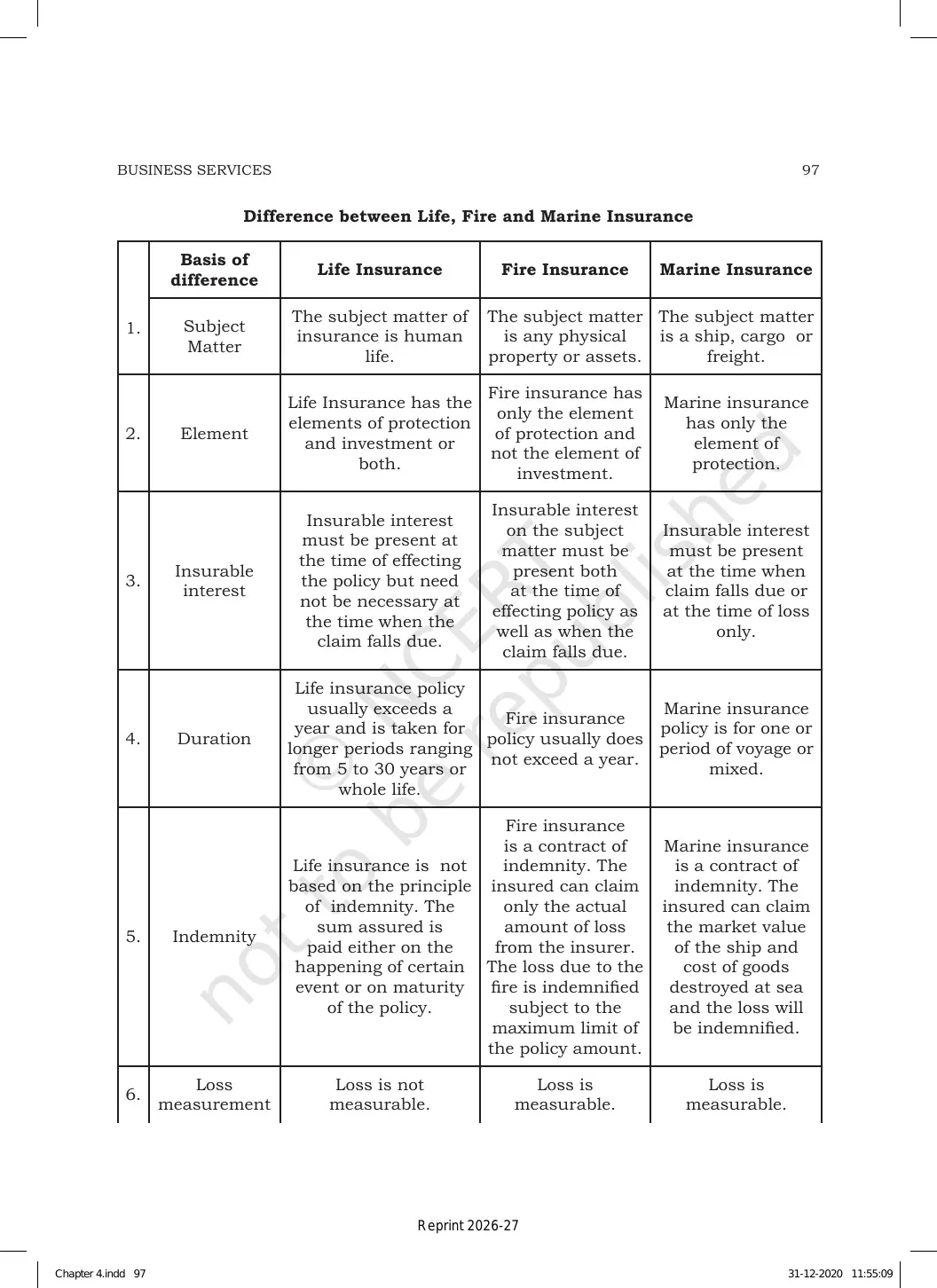
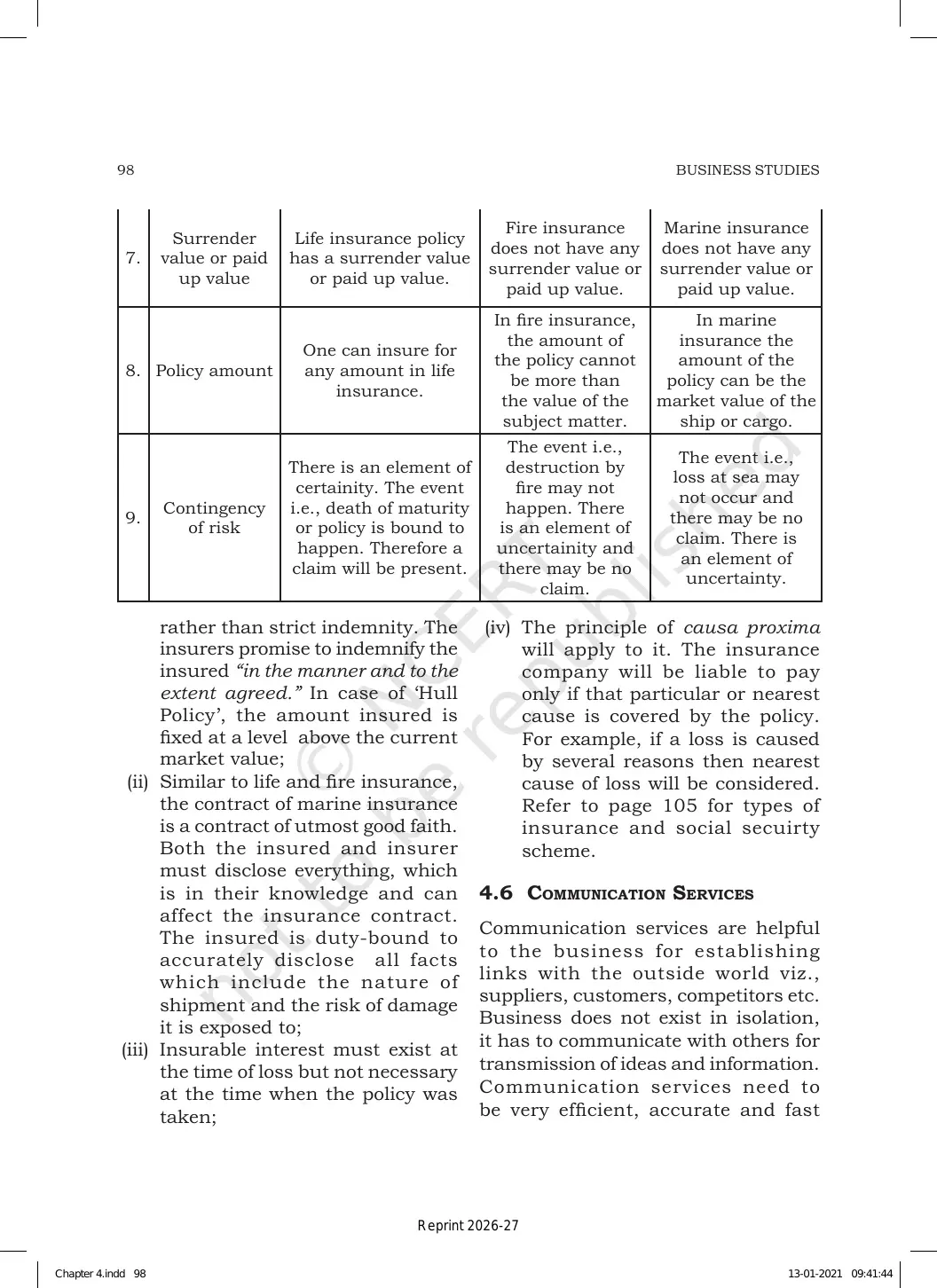
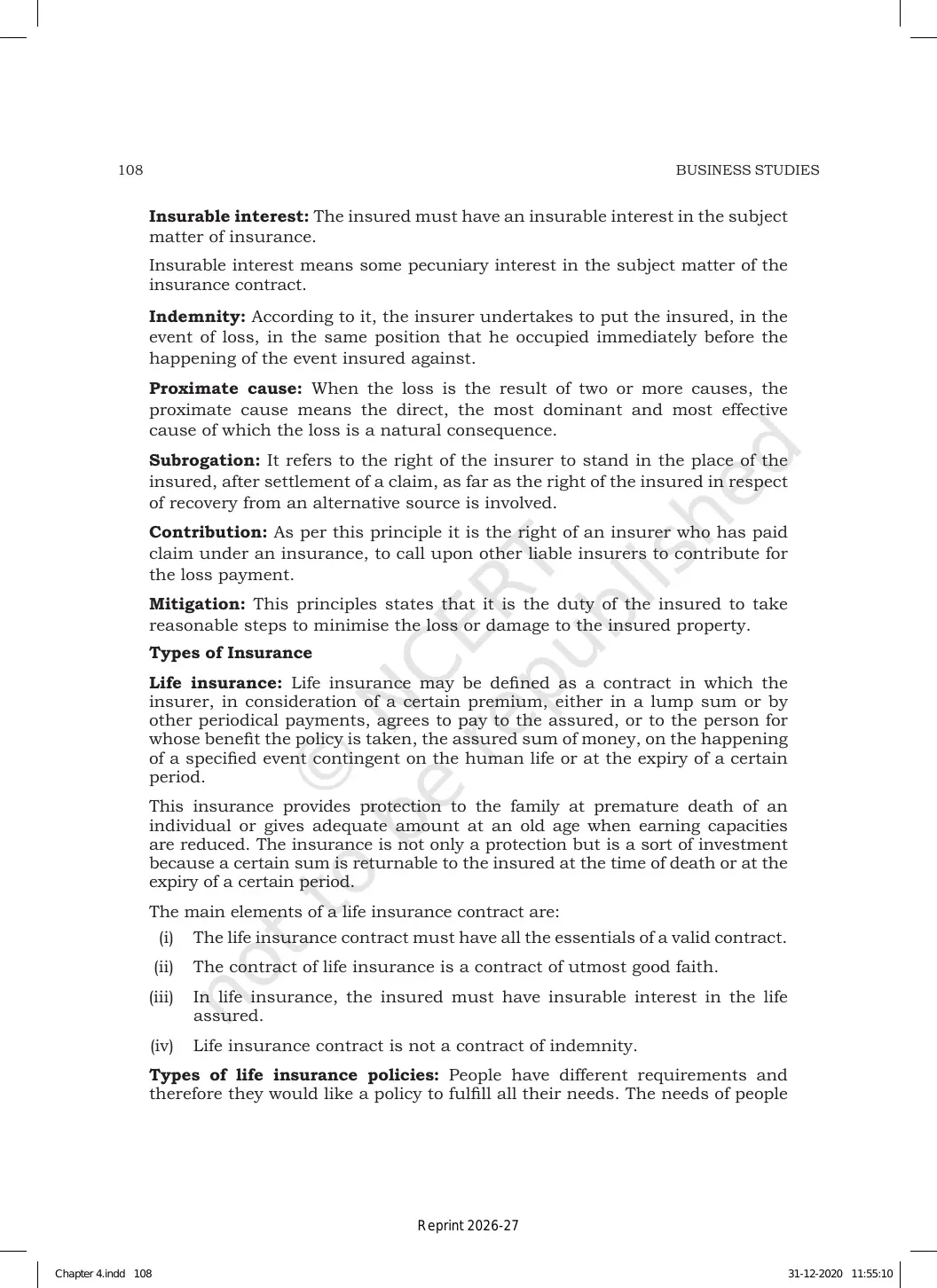
Insurance transfers a specified risk from the insured person to the insurer for a premium. The policy states the covered risk, period and conditions. Different policies protect life, property and goods in transit.
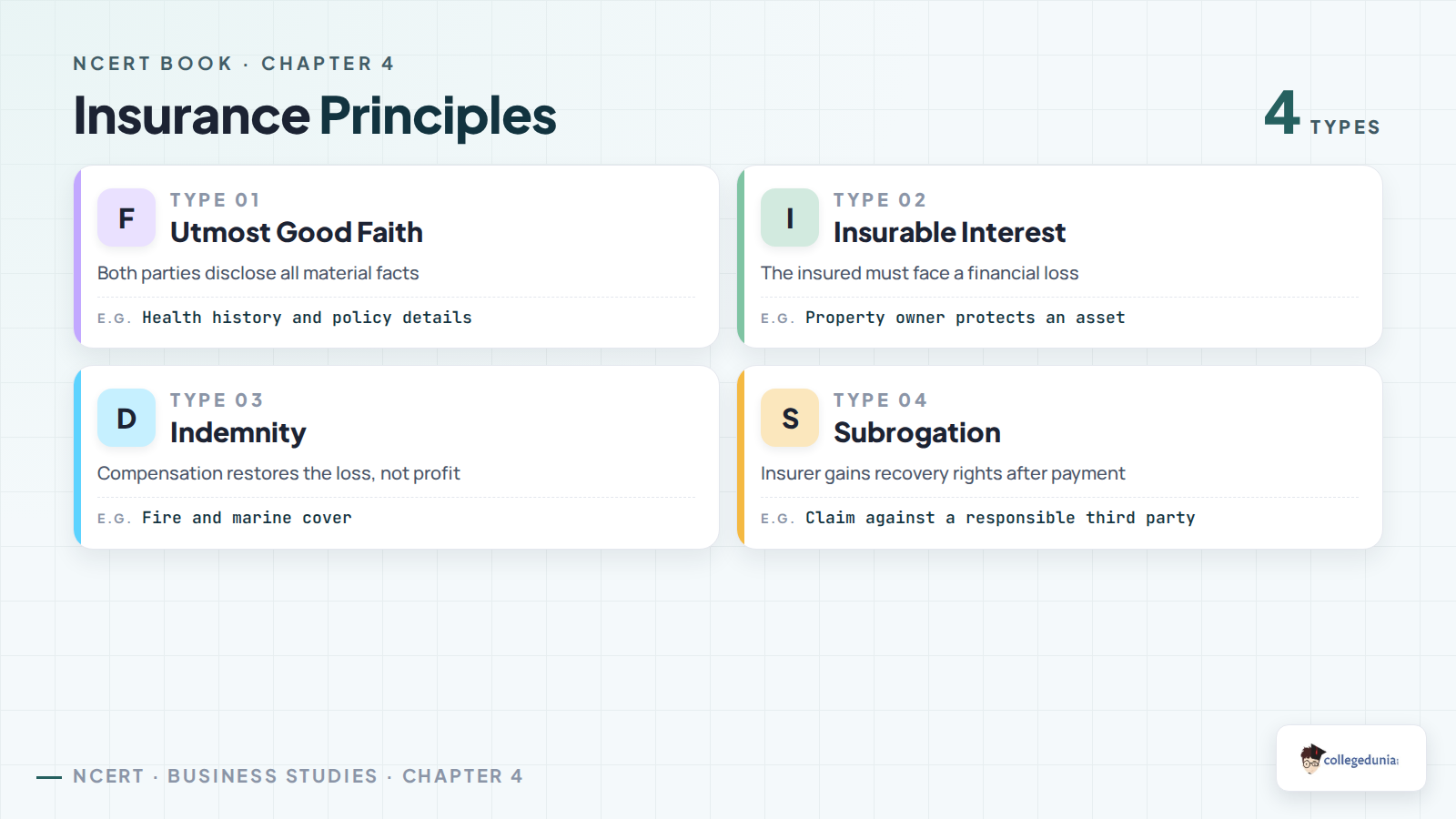
- Life insurance: pays on death or maturity under the policy terms.
- Fire insurance: covers specified fire-related loss to insured property.
- Marine insurance: covers risks linked with ships, cargo and freight.
Insurance protects against loss but does not remove the chance of loss. Students should separate risk protection from risk prevention.
Transport, Warehousing and Communication Support for Trade
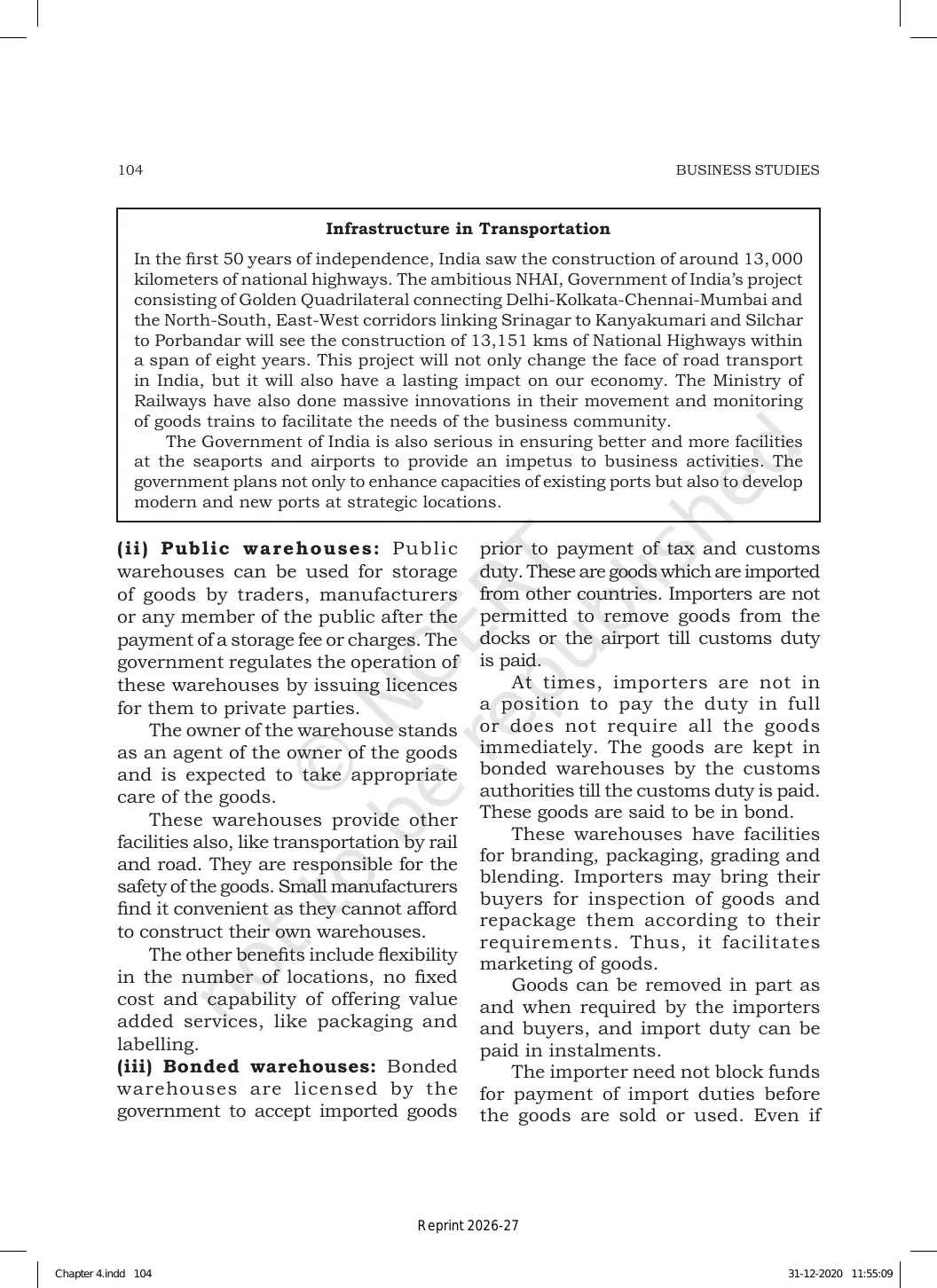
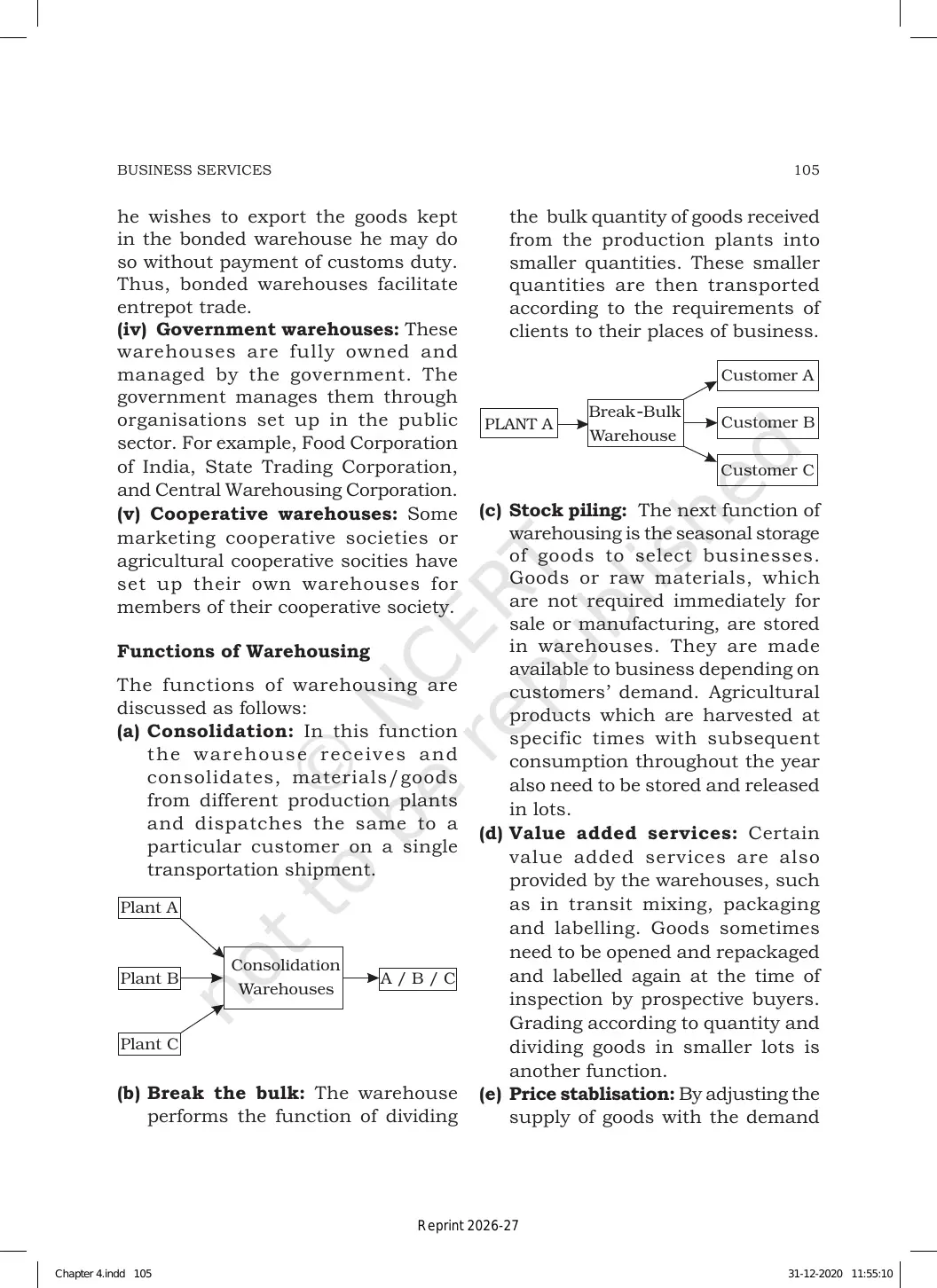
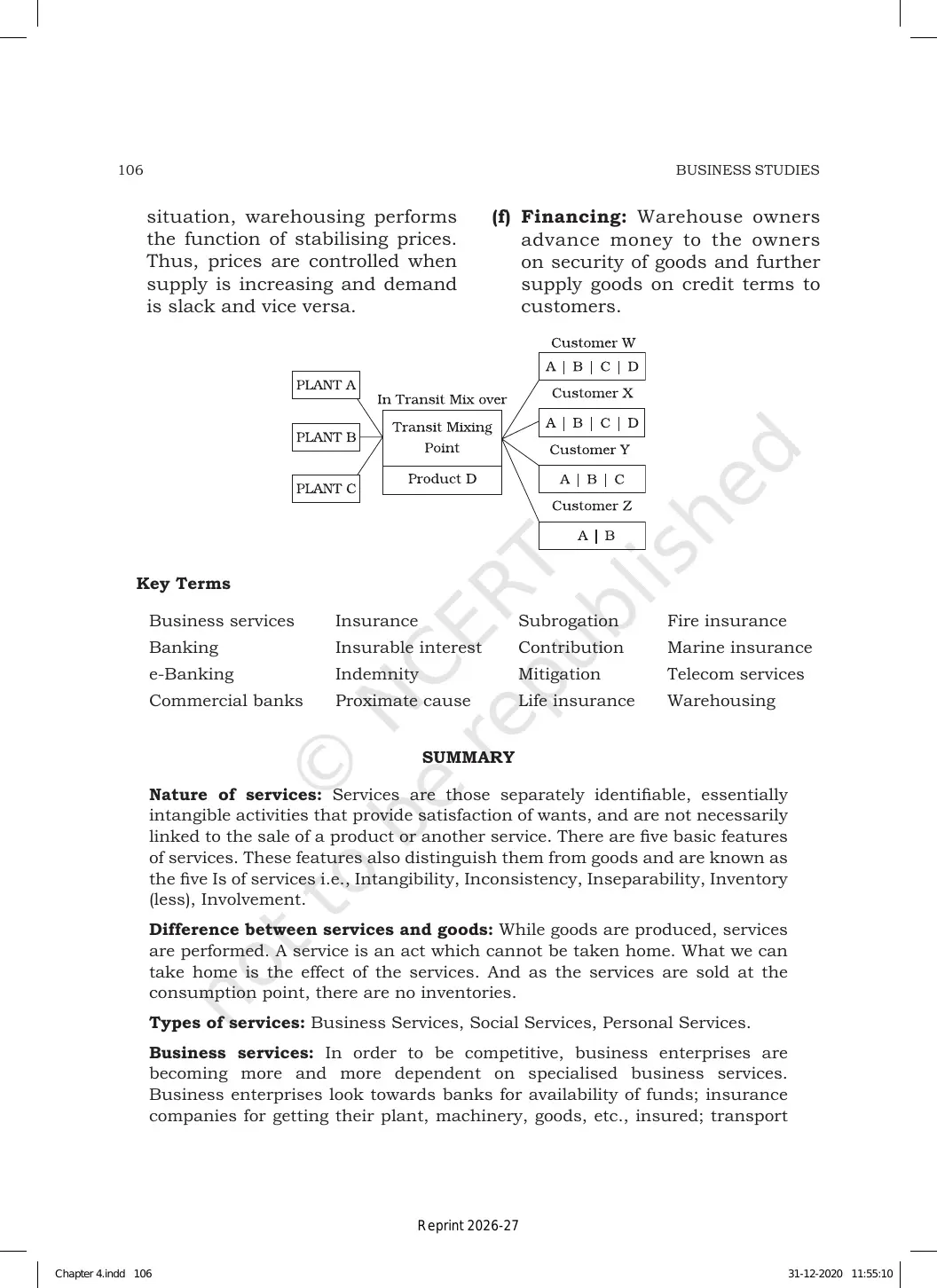
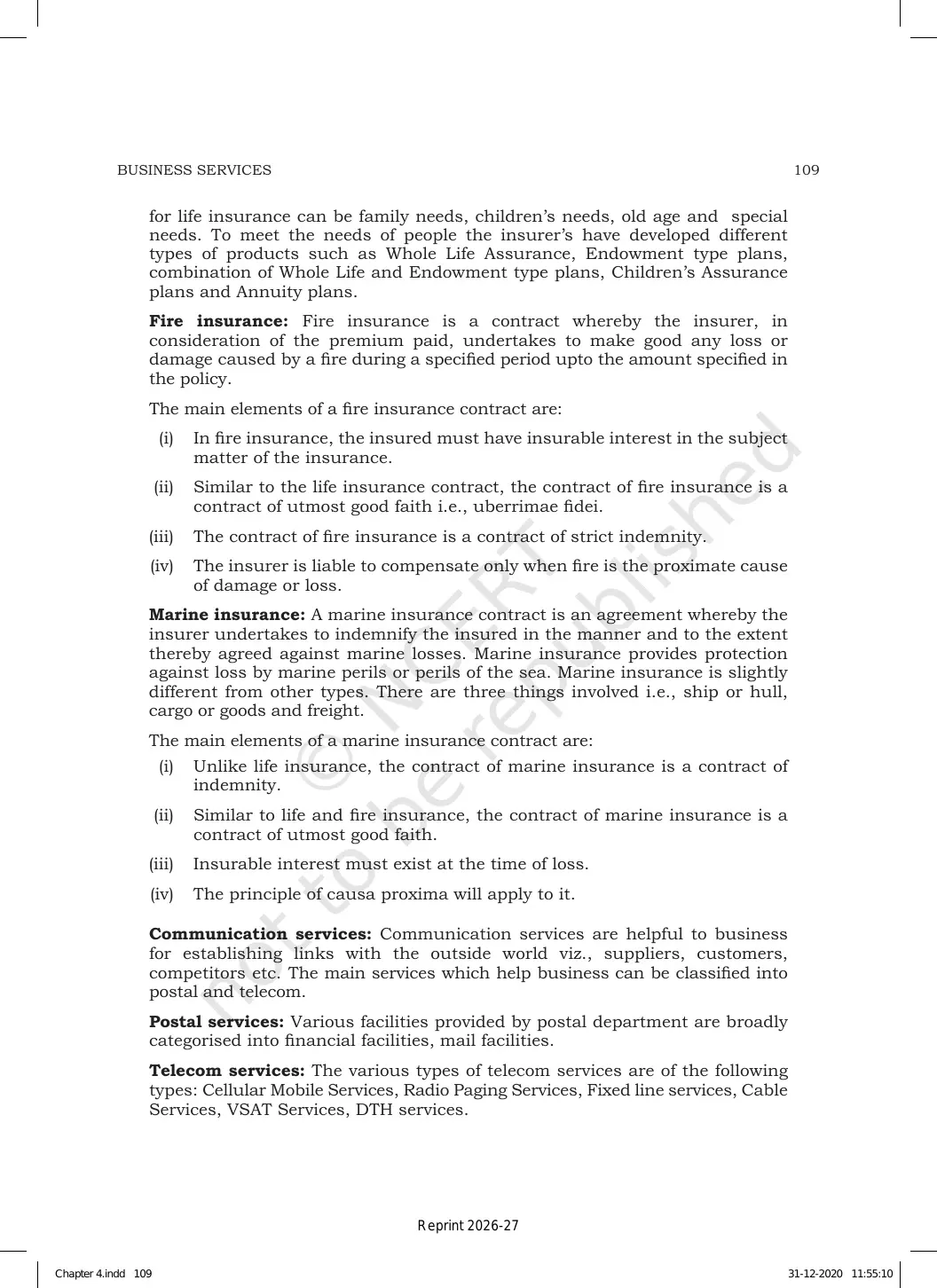
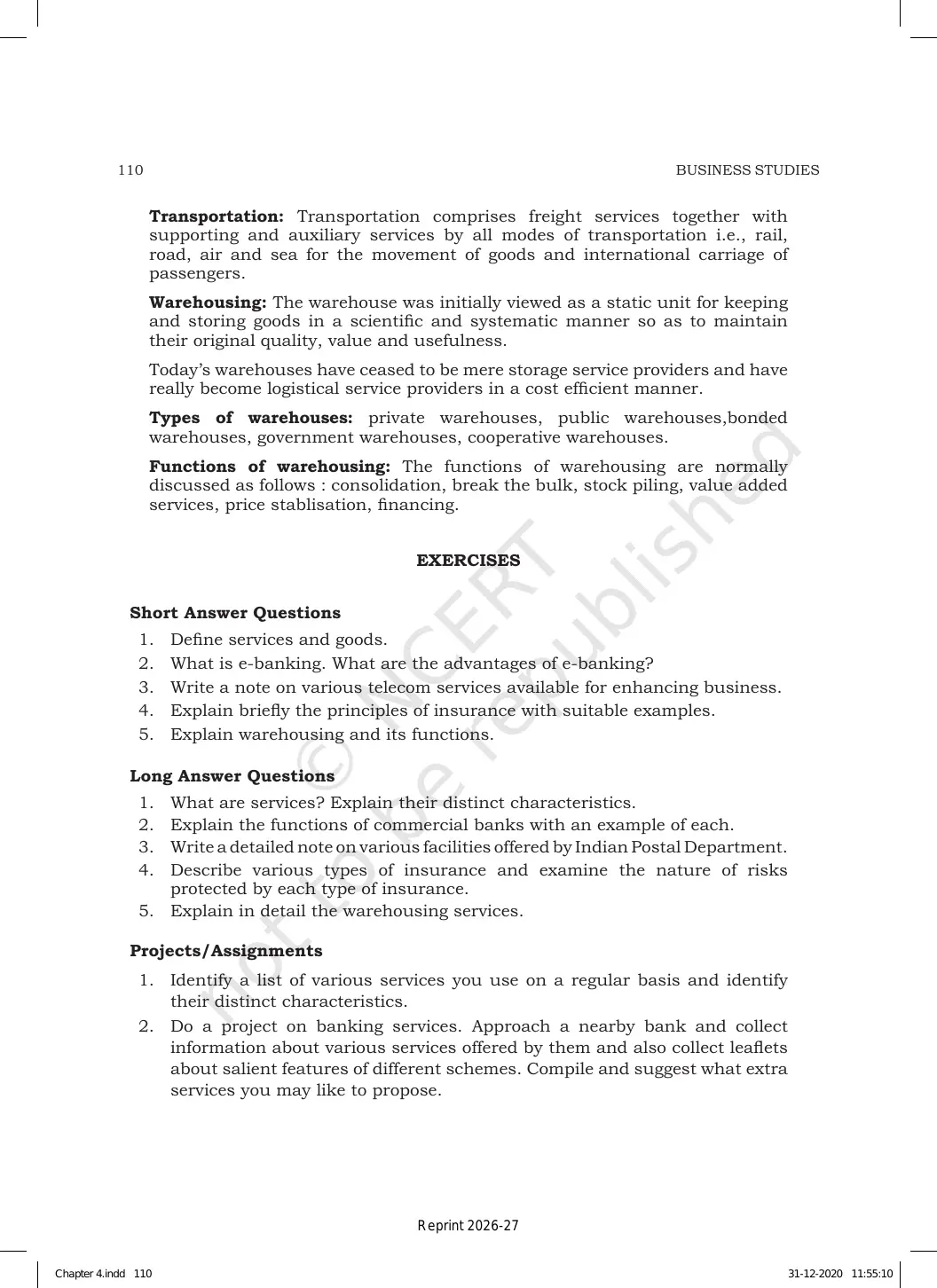
Transport removes the place barrier by moving goods. Warehousing removes the time barrier by storing goods until demand arises. Communication connects a firm with customers, suppliers and employees.
| Service | Barrier removed | Business value |
|---|---|---|
| Transport | Place | Connects production centres with markets |
| Warehousing | Time | Balances seasonal production and demand |
| Communication | Information delay | Supports orders, decisions and customer contact |
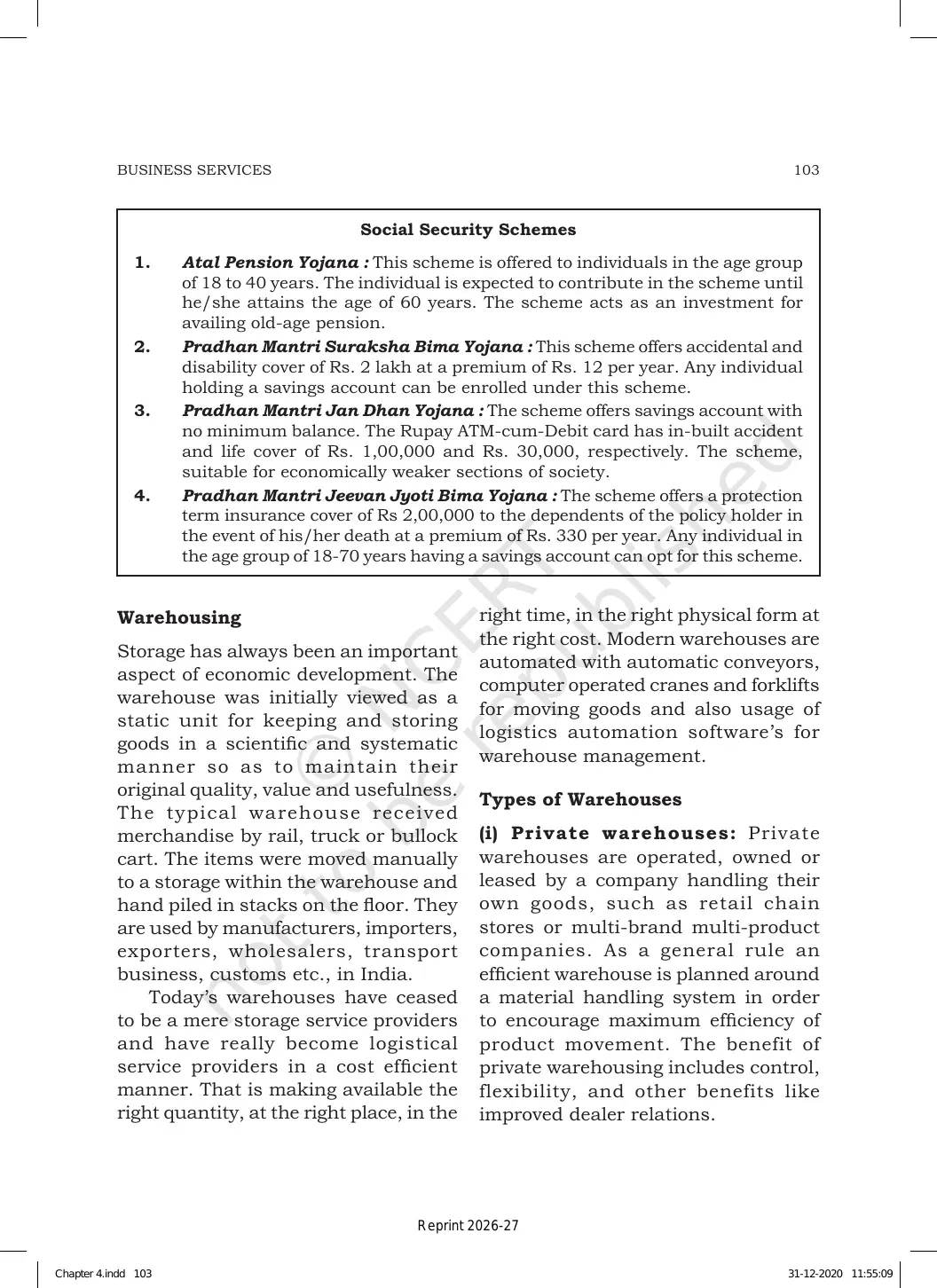
Bonded warehouses store imported goods before customs duty is paid. This feature makes them different from ordinary private warehouses.
How to Study the Business Services Chapter
Use three short passes. First, learn the purpose of each service. Next, study the named banking and insurance terms. Last, connect each term with a business example.
- Make five columns for banking, insurance, transport, warehousing and communication.
- Add two functions and two examples under each service.
- Revise insurance principles through short situations.
- Practise differences such as savings versus current accounts.
Write the business clue before naming the service. This keeps case-based answers clear and gives the examiner a reason for your choice.
Business Services Class 11 Related Resources
Use the textbook first. Then choose a shorter resource for answers or final revision.
| Resource | Best use |
|---|---|
| Business Services Class 11 NCERT Solutions | Check textbook answers and case-based points |
| Business Services Class 11 Notes | Revise definitions and service features |
| Business Services Class 11 Handwritten Notes | Use for a quick final recap |
All Class 11 Business Studies NCERT Book Chapters
These links follow the order of the Class 11 Business Studies textbook.
Business Services Business Studies NCERT Book FAQs
Ques. What does Class 11 Business Studies Chapter 4 cover?
Ans. It covers banking, insurance, transport, warehousing and communication services used by businesses.
Ques. What are business services?
Ans. Business services are supporting activities that help firms produce, sell and deliver goods or other services.
Ques. Which bank account is mainly used by businesses?
Ans. Businesses commonly use current accounts because they allow frequent deposits, payments and withdrawals.
Ques. What is the principle of indemnity?
Ans. It means insurance compensation restores the actual covered loss and does not let the insured earn a profit.
Ques. What is a bonded warehouse?
Ans. A bonded warehouse stores imported goods before customs duty is paid and released.
Ques. How should students revise Business Services?
Ans. Compare each service by purpose, features and examples, then practise short case-based identification questions.



Comments