



Education Journalist | Study Abroad Lead
Hint: Copper is a chemical element having 29 as atomic number. Represented by the symbol Cu, it is a malleable metal and a good electric conductor. Iron has the atomic number 26 and is represented by the symbol Fe.
Solution:
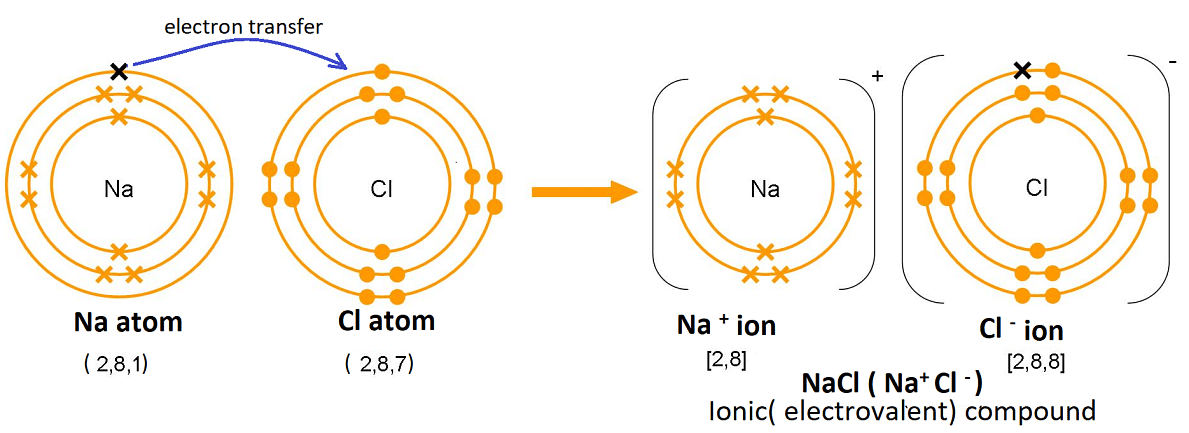
Valency is the number of electrons that an atom lose or gain in order to attain noble gas electronic configuration.
Valency Definition
Valency in chemistry is the measure of its ability to combine with other atoms and form chemical molecules or compounds.
Variable Valency
- Elements that exhibit more than one valency are known to have variable valency.
- Due to different conditions of a chemical reaction, sometimes an element undergoes change of valency.
- Hence, copper, tin, and lead are known to exhibit variable valency.
Valency of Copper
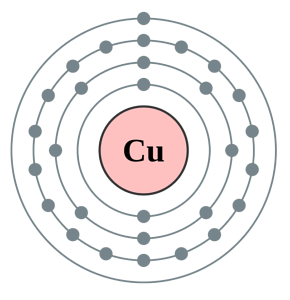
Copper is a chemical element with atomic number 29.
- Hence, the electronic configuration of copper is 1s22s22p63s23p64s13d10.
- Therefore, the valency of copper ion is 1 and 2.
Valency of Iron
The atomic number of chemical element iron is 26.
- The electronic configuration of iron is 1s22s22p63s23p64s23d6.
- Therefore, the valency of iron is 2 and 3.
Iron and copper both have variable valency as they exhibit involvement of electrons from the outermost shells and vacant d orbitals in reactions.
Also Check:



Comments