



Content Curator
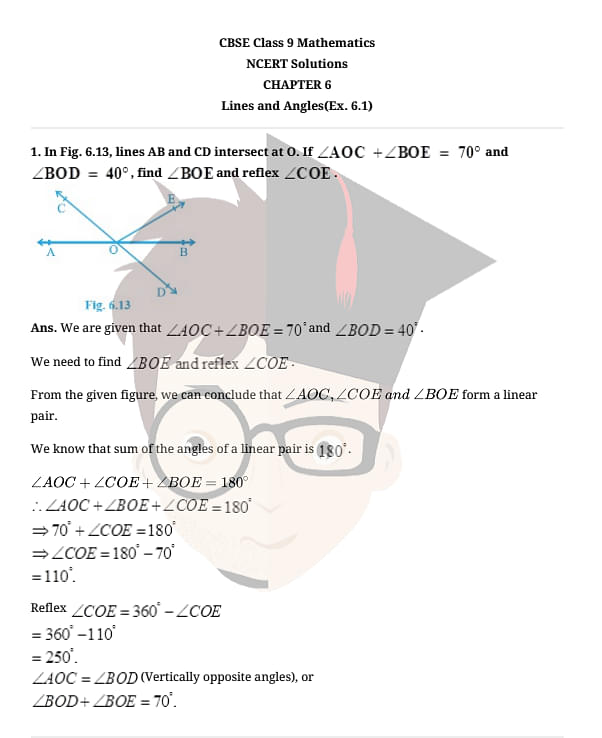
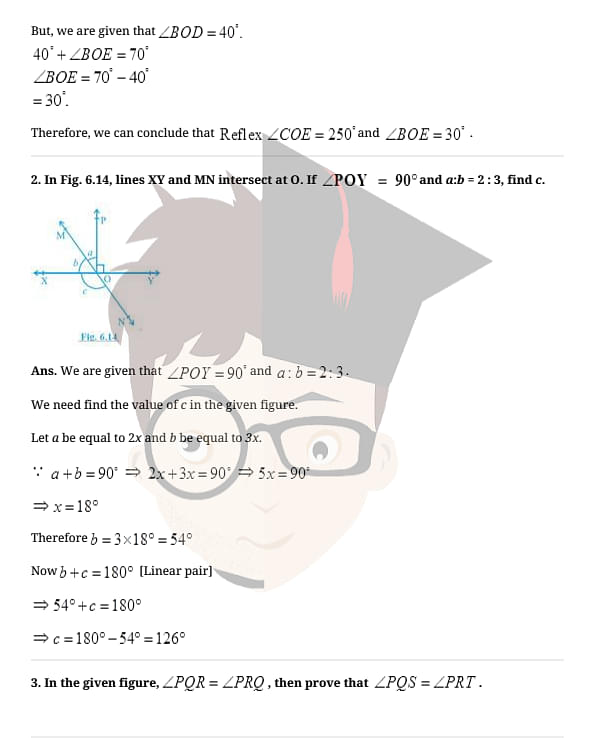
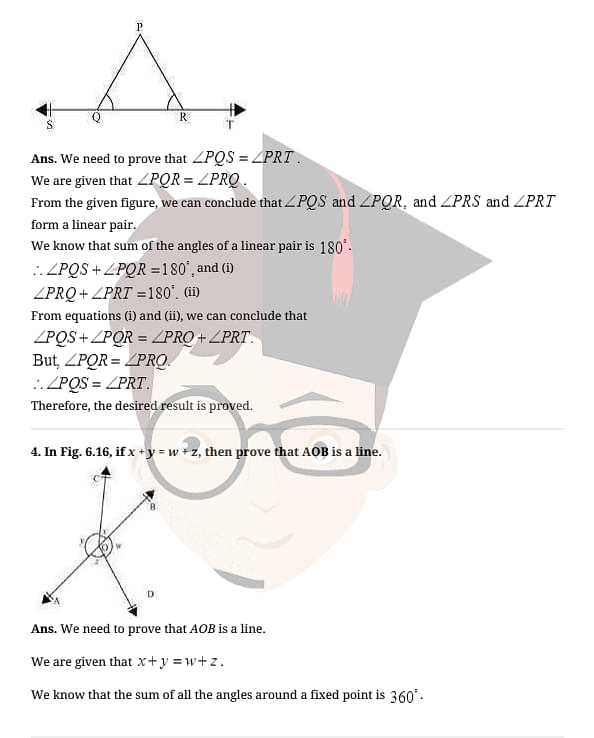
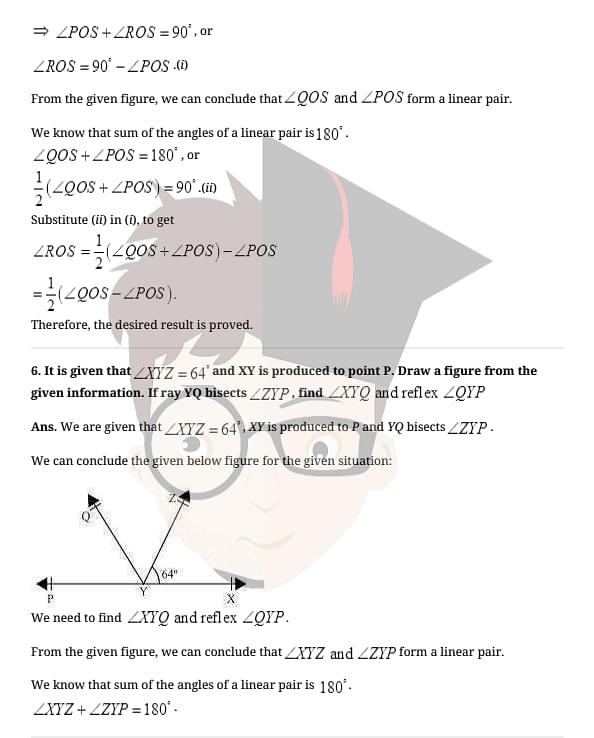
NCERT Solutions for Class 9 Maths Chapter 6 Lines and Angles Exercise 6.1 Solutions are based on types of angles, intersecting and non-intersecting lines.
Download PDF: NCERT Solutions for Class 9 Maths Chapter 6 Exercise 6.1 Solutions
Check out NCERT Solutions for Class 9 Maths Chapter 6 Exercise 6.1 Solutions


Read More: NCERT Solutions For Class 9 Maths Chapter 6 Lines and Angles
Exercise Solutions of Class 9 Maths Chapter 6 Lines and Angles
Also check other Exercise Solutions of Class 9 Maths Chapter 6 Lines and Angles
- NCERT Solutions for Class 9 Maths Chapter 6 Lines and Angles Exercise 6.2 Solutions
- NCERT Solutions for Class 9 Maths Chapter 6 Lines and Angles Exercise 6.3 Solutions
Also Check:
Also check:



Comments