




The Framing the Constitution PDF is the official NCERT chapter on the making of the Indian Constitution from Themes in Indian History Part III. This page lets students download the original Chapter 12 text and debate extracts for the 2026-27 CBSE syllabus. Reading the source chapter is the best way to understand the Constituent Assembly debates behind every exam answer.
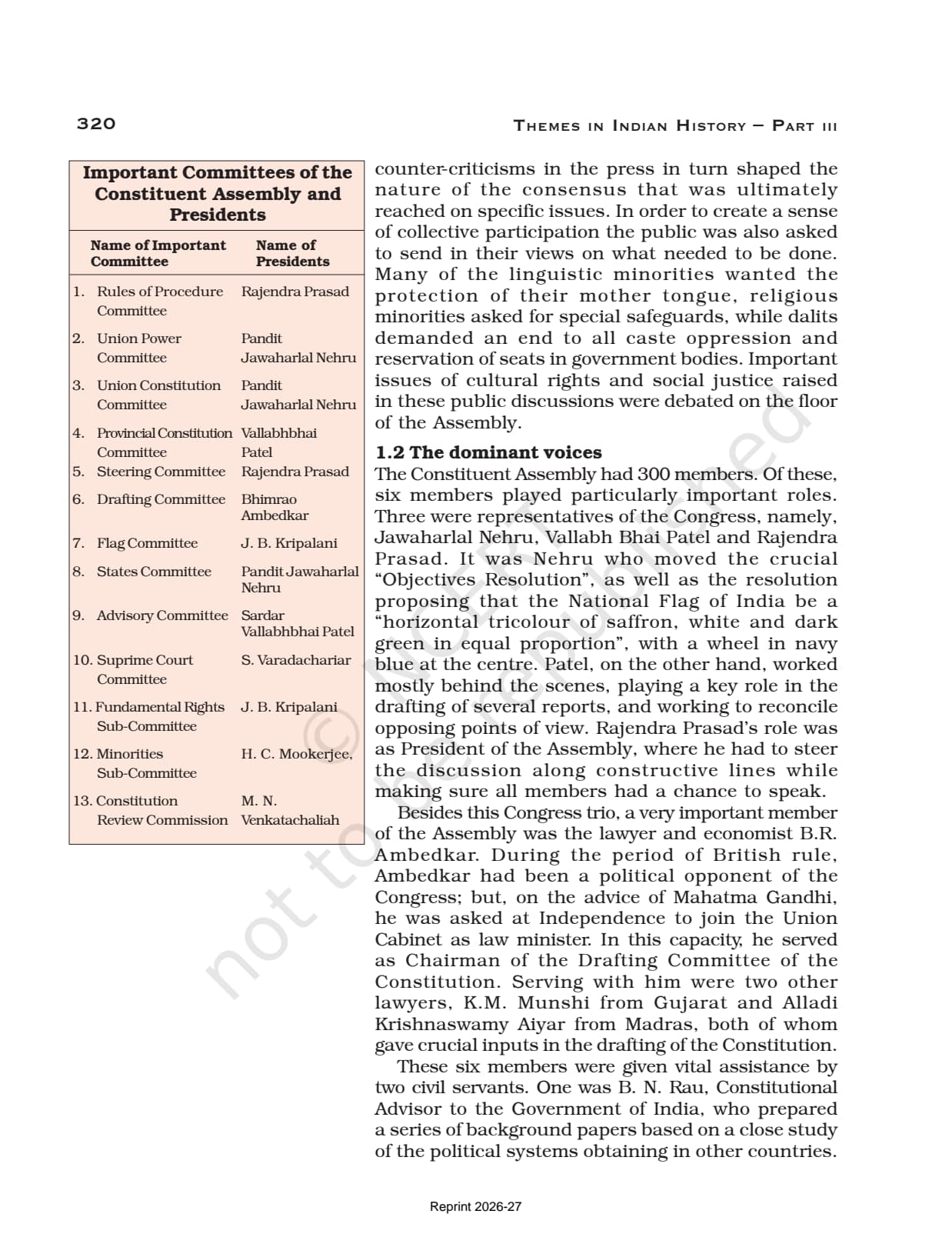
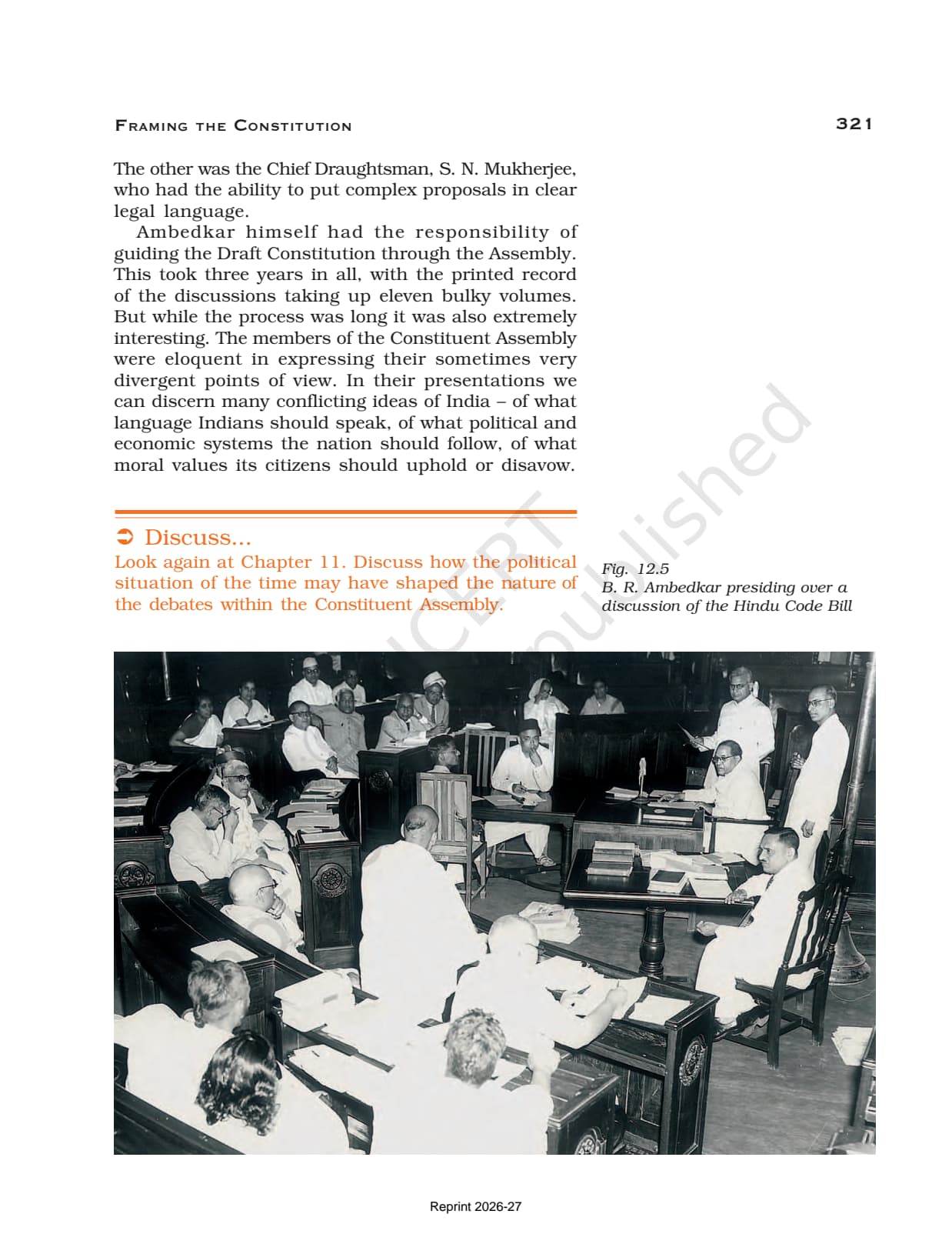
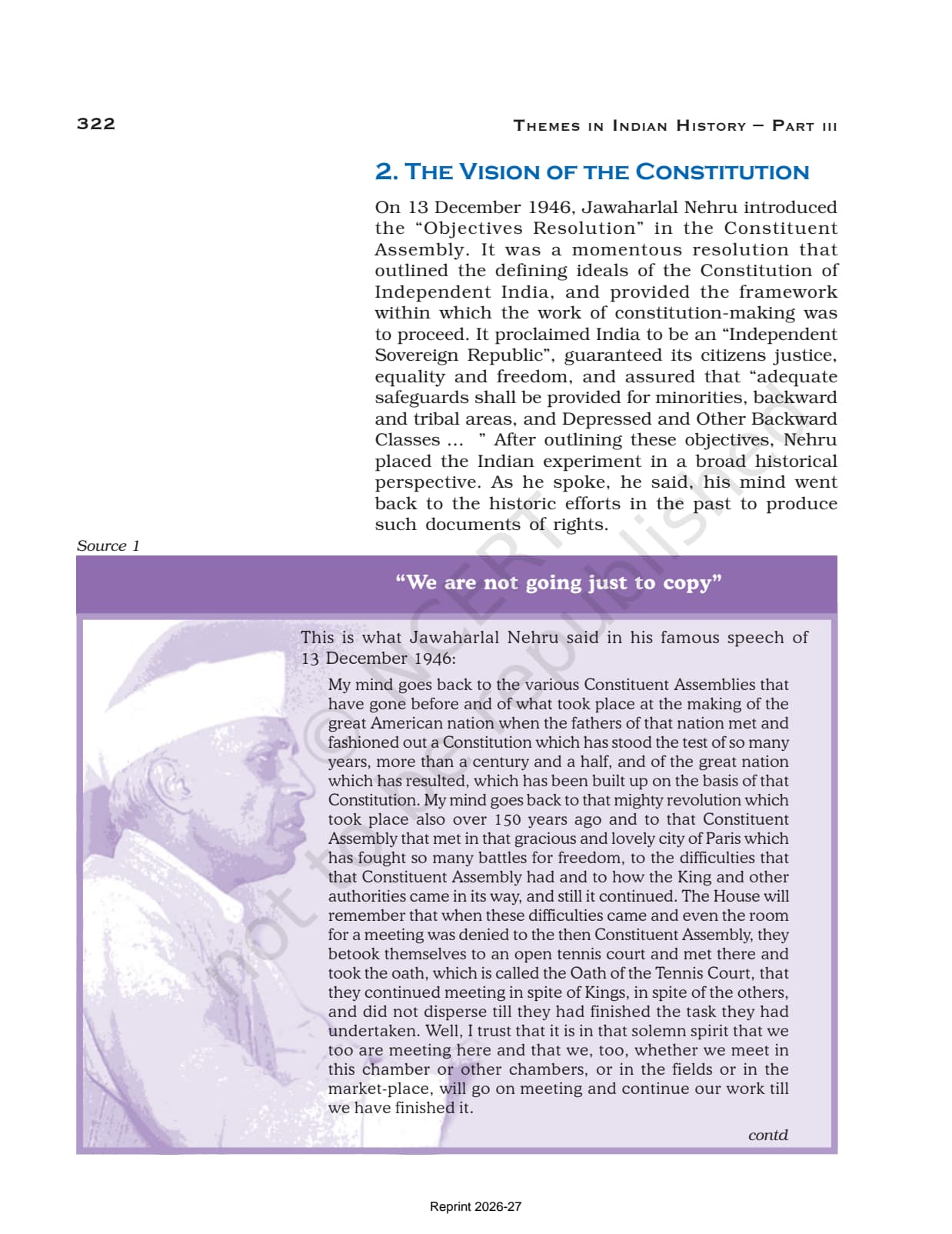
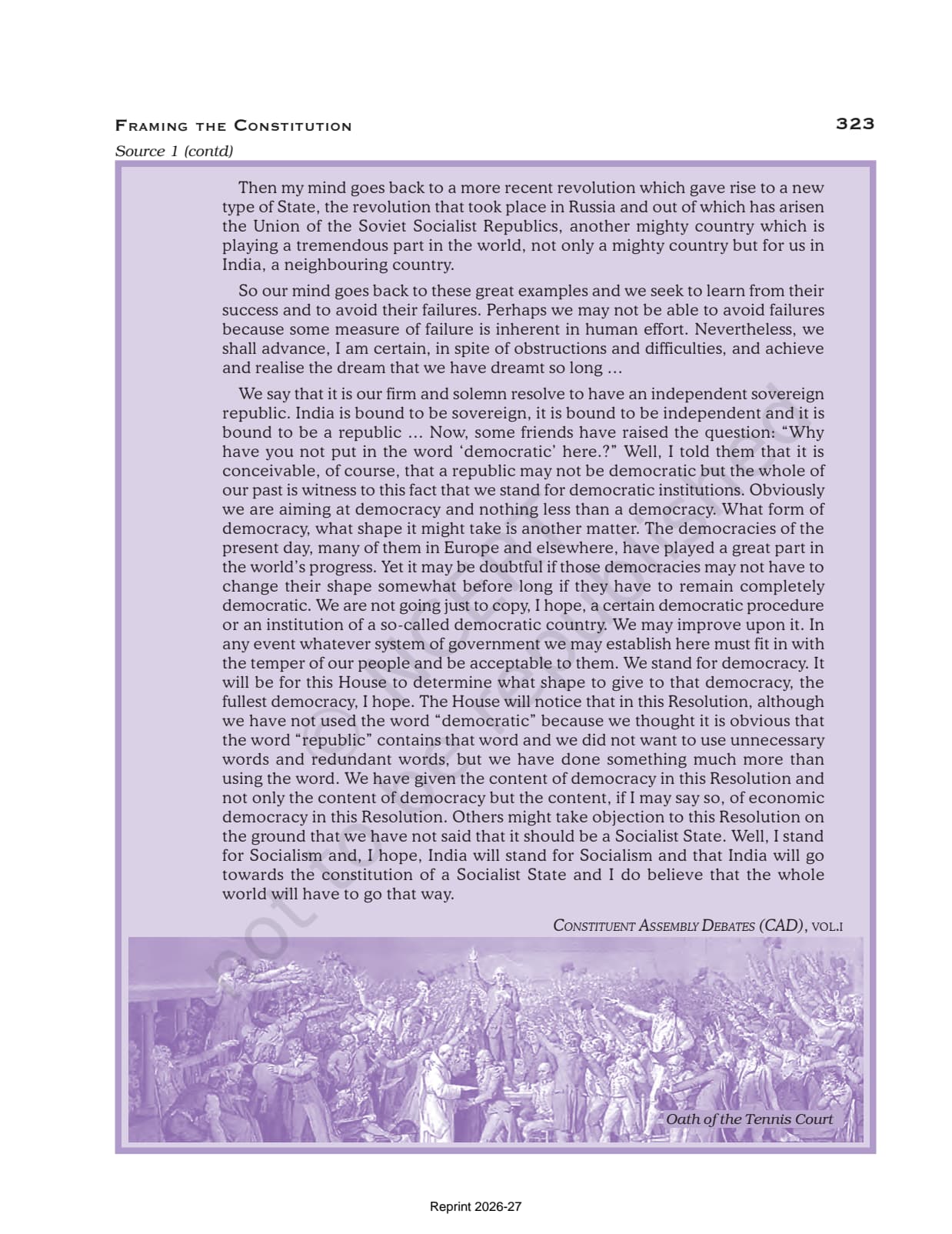
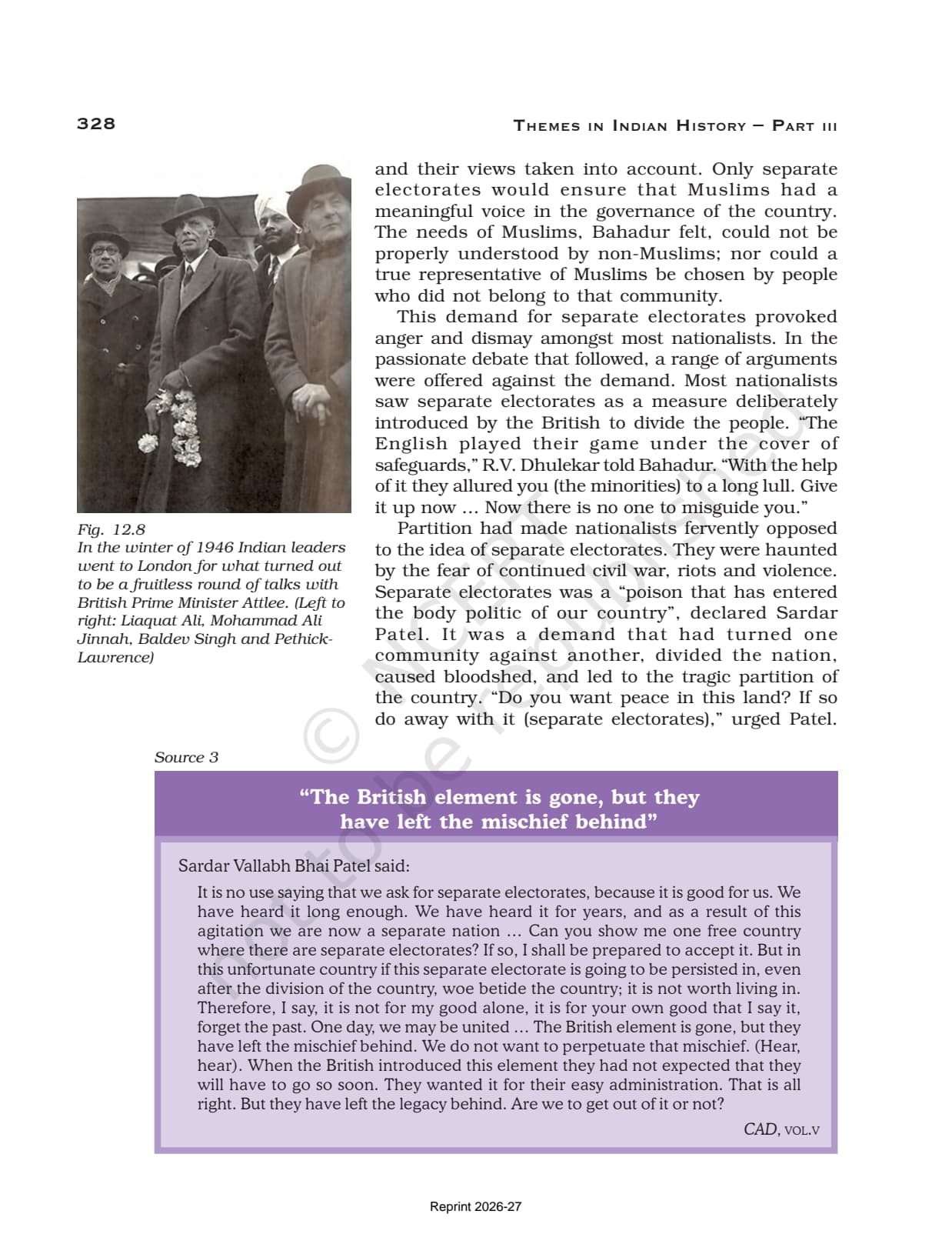
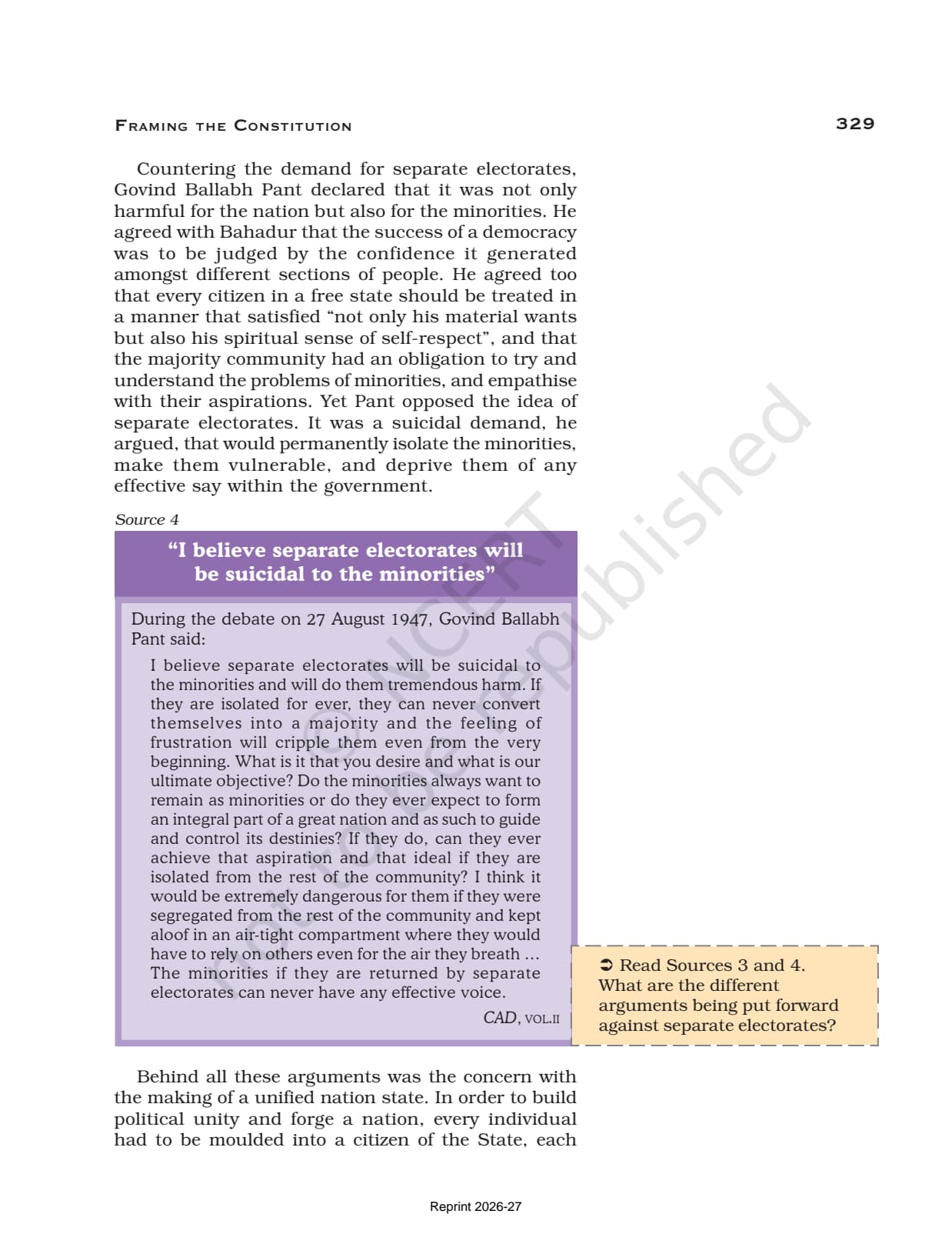
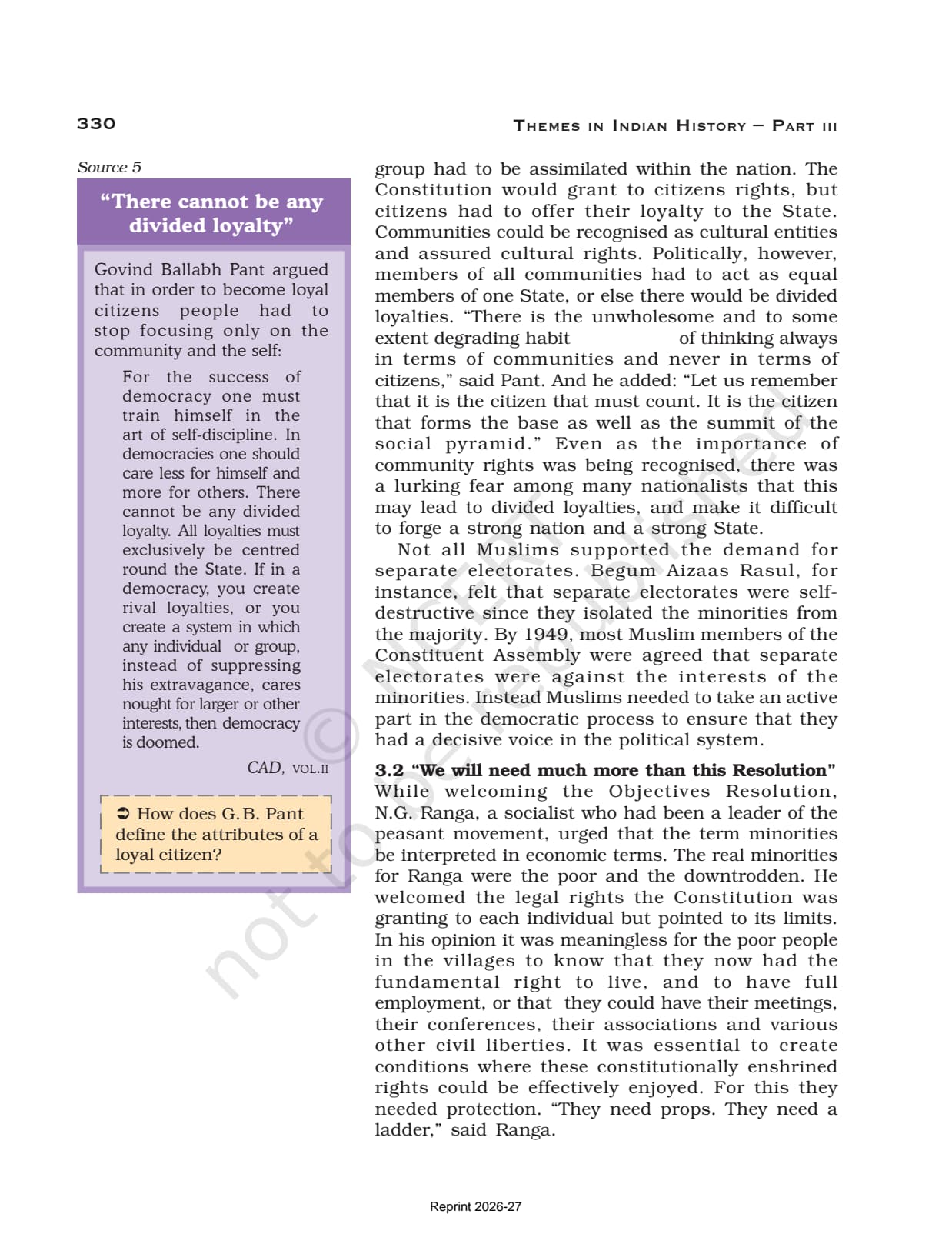
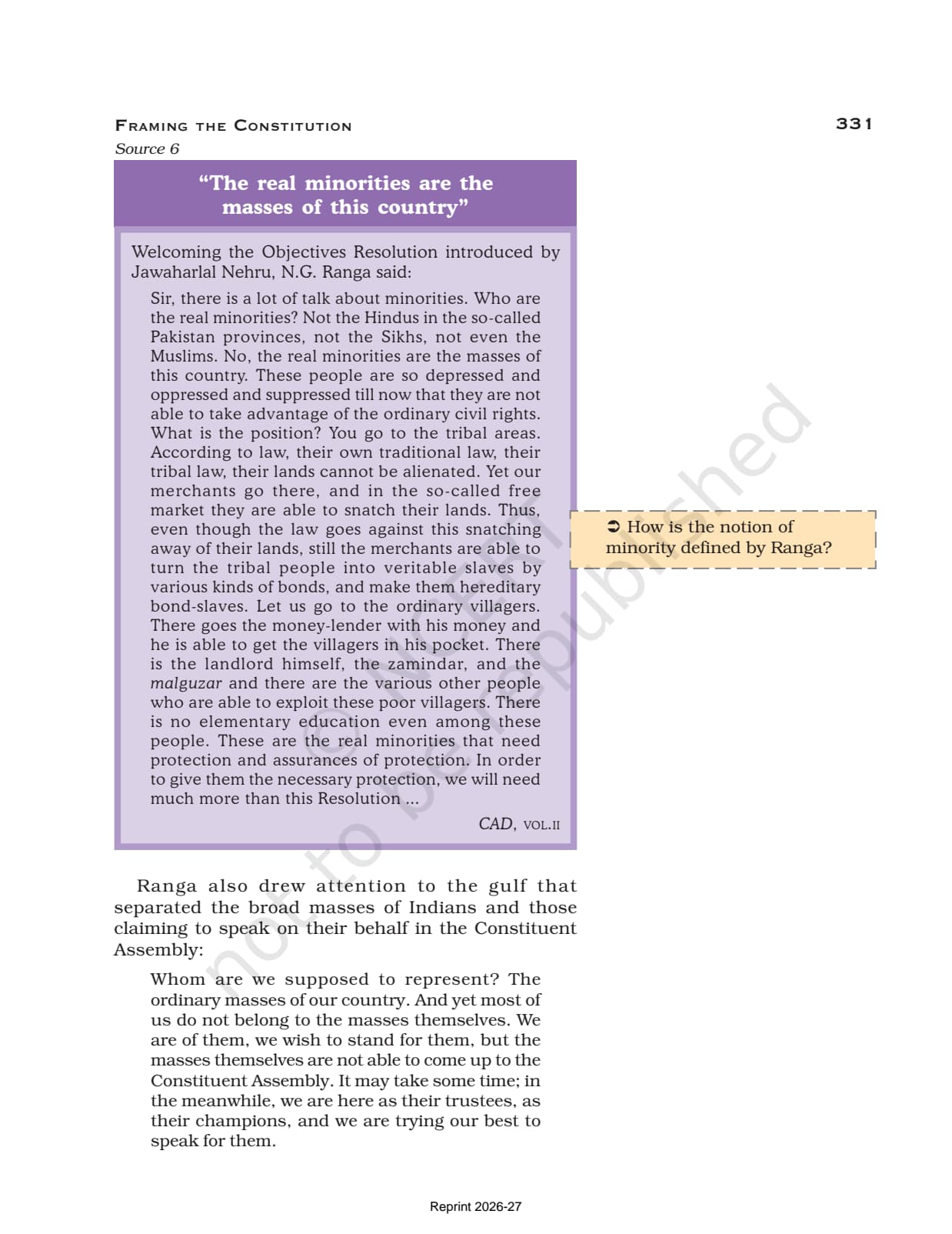
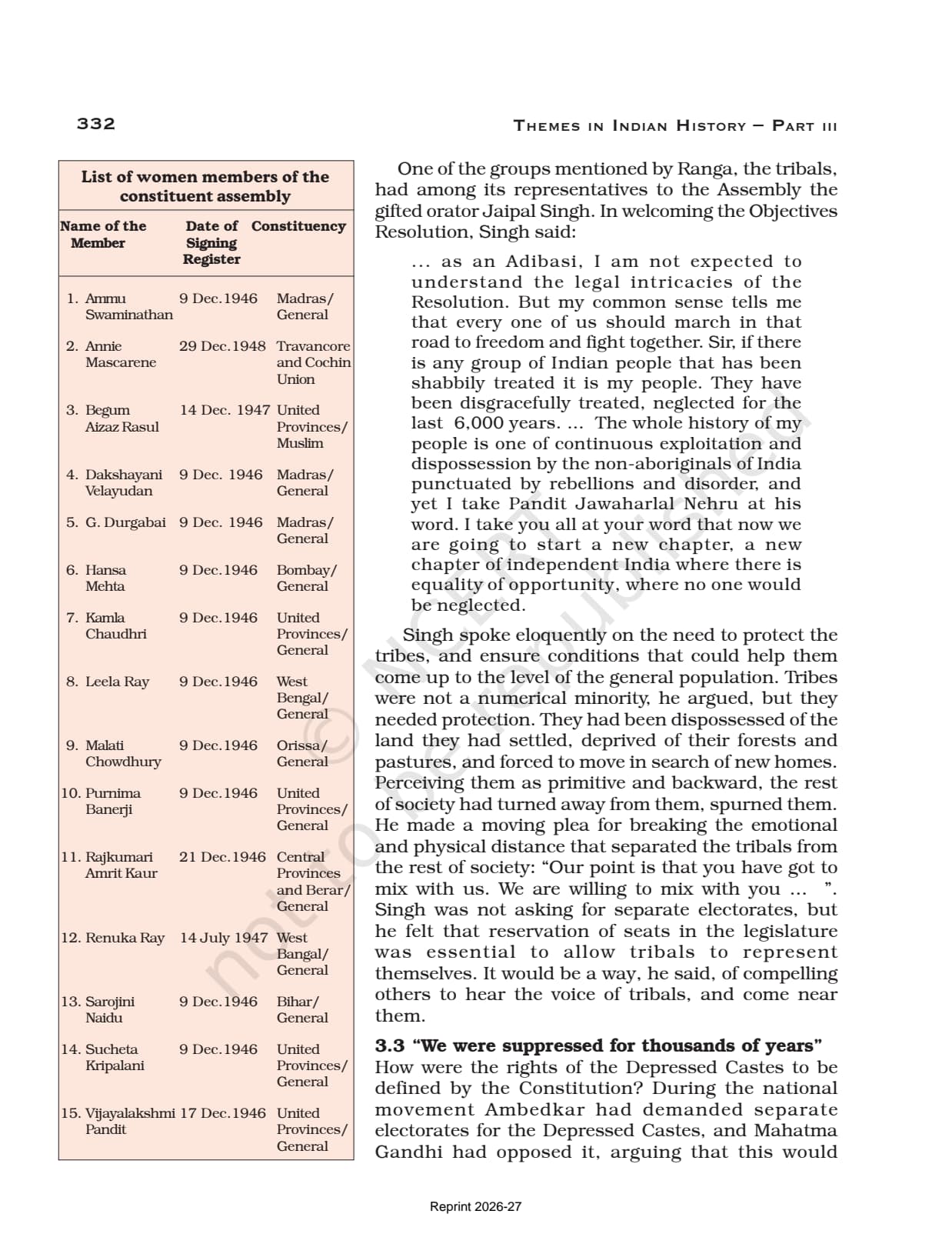
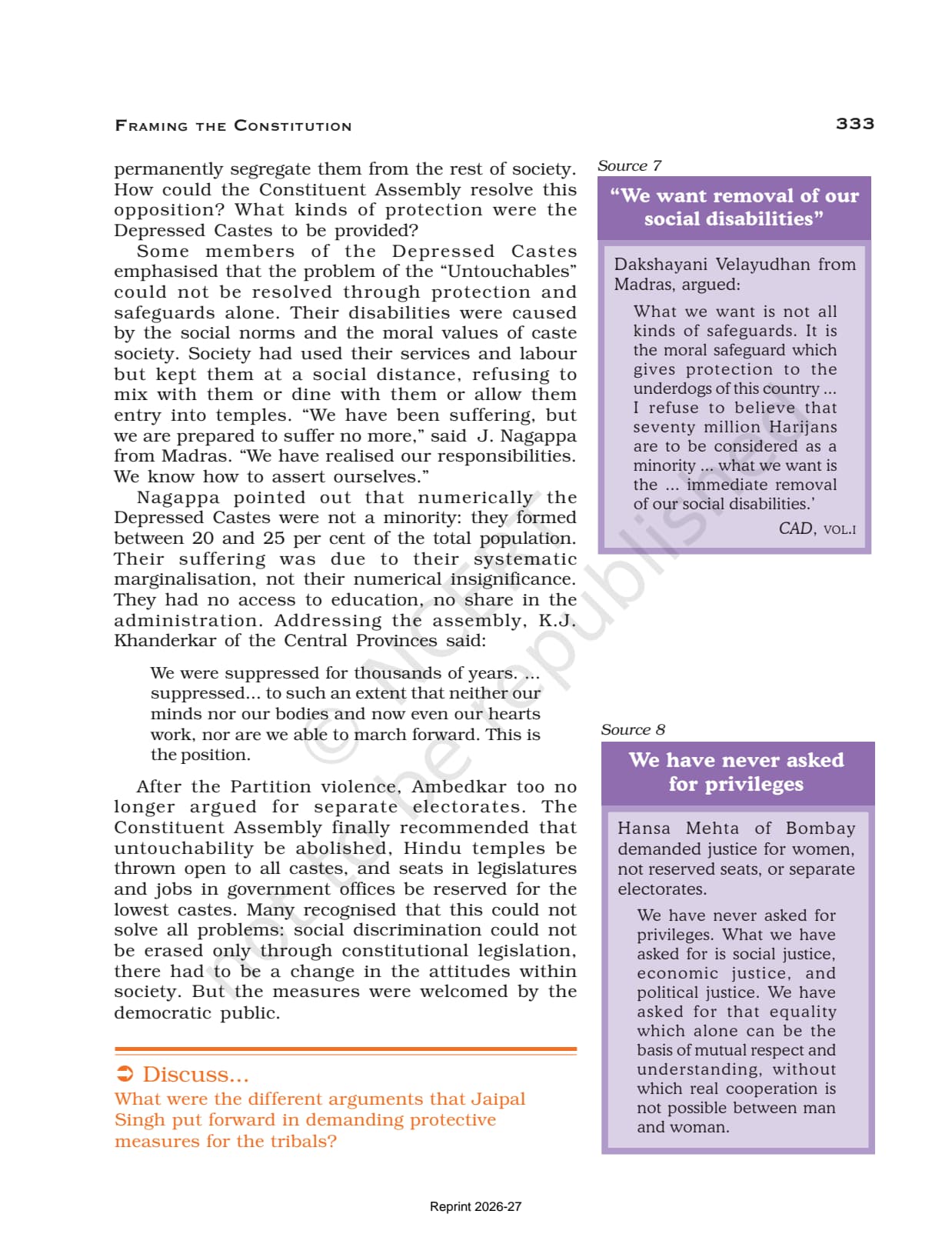
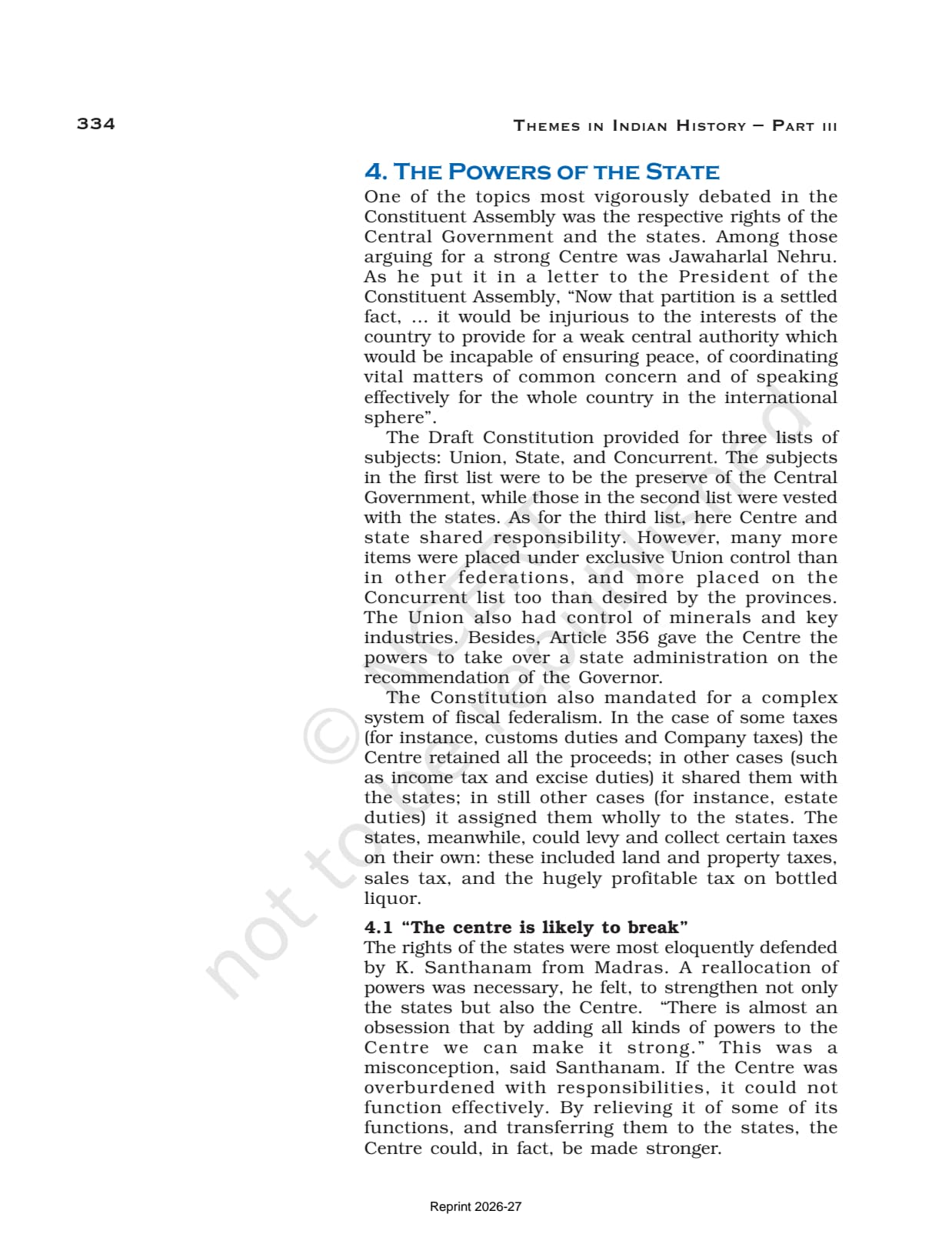
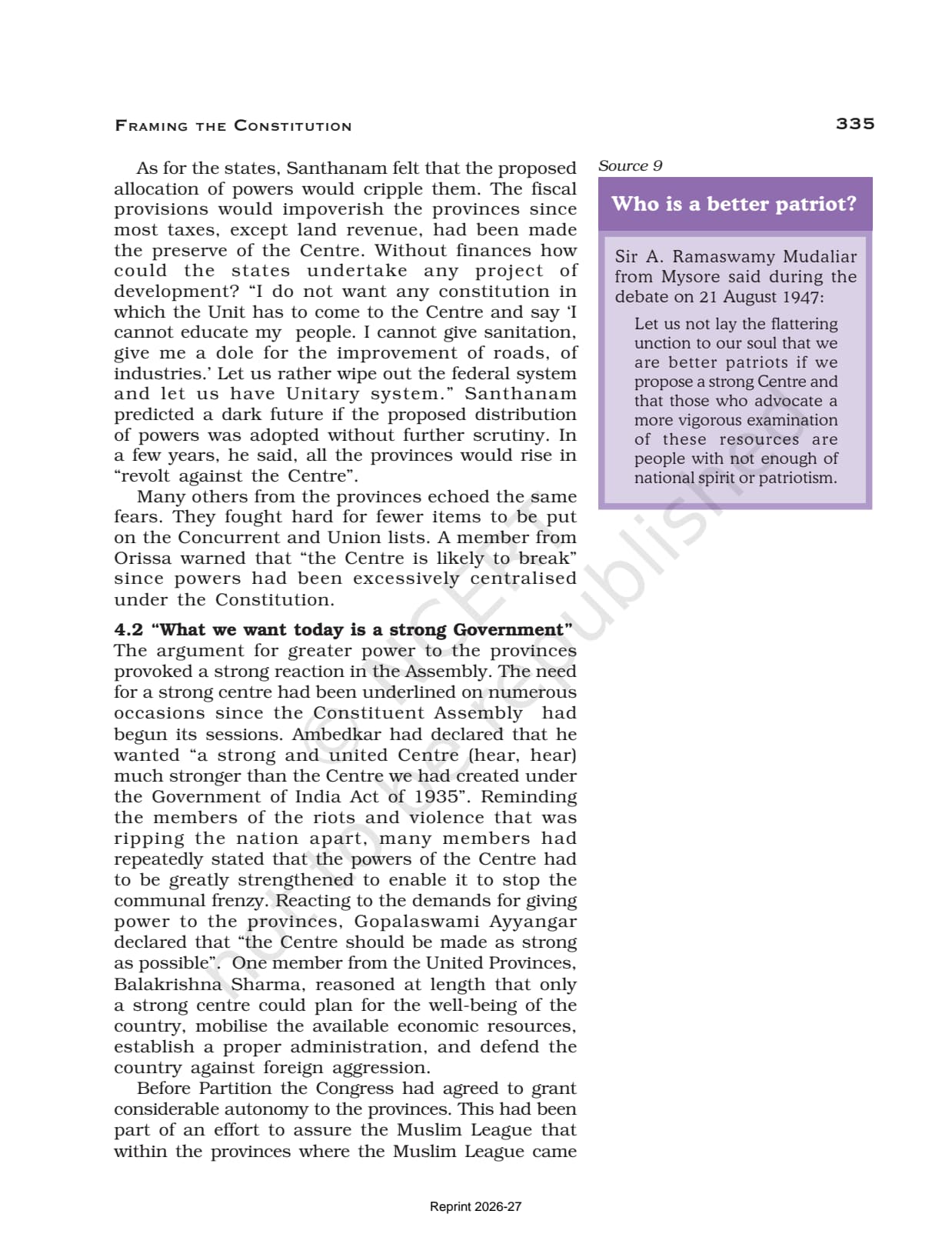
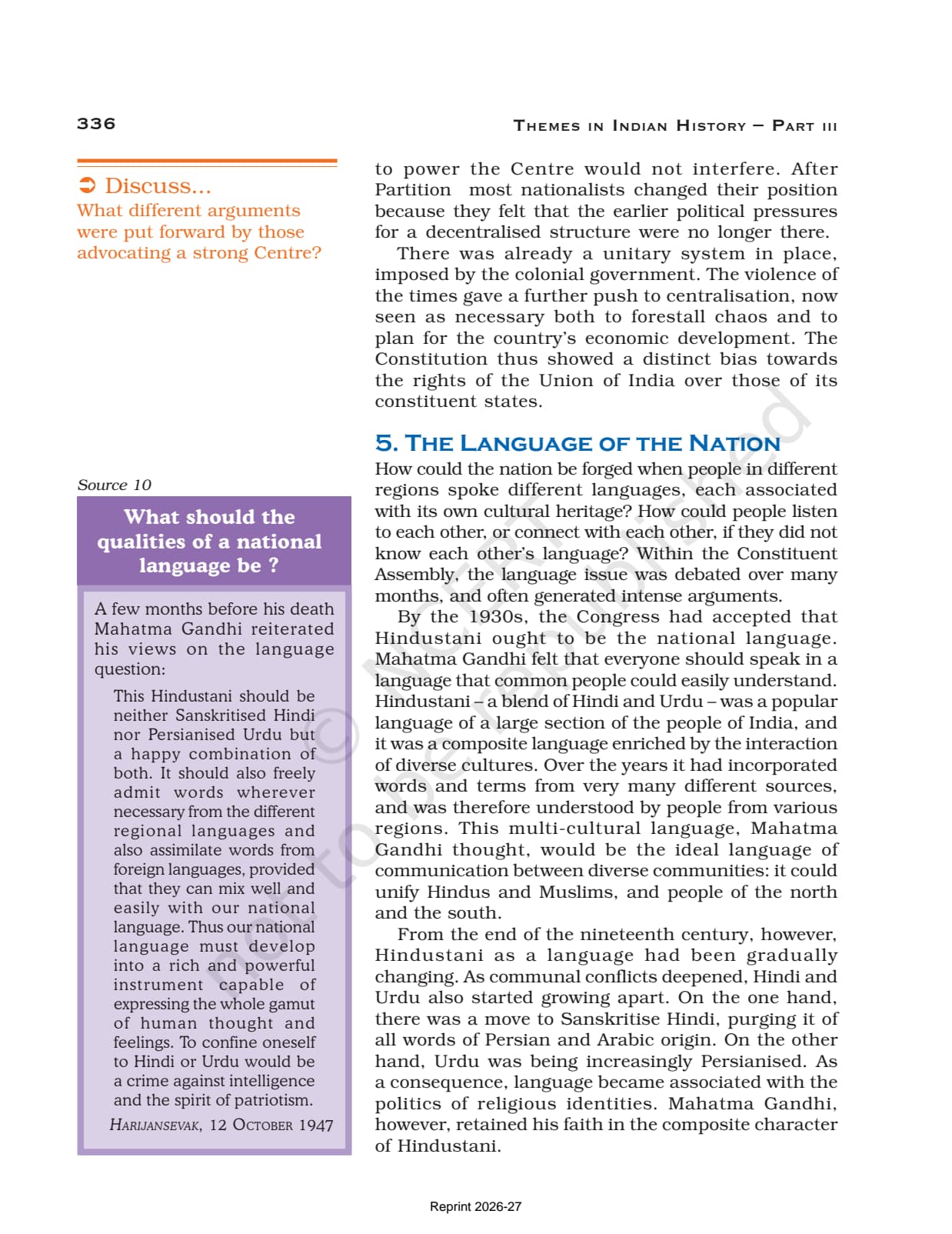
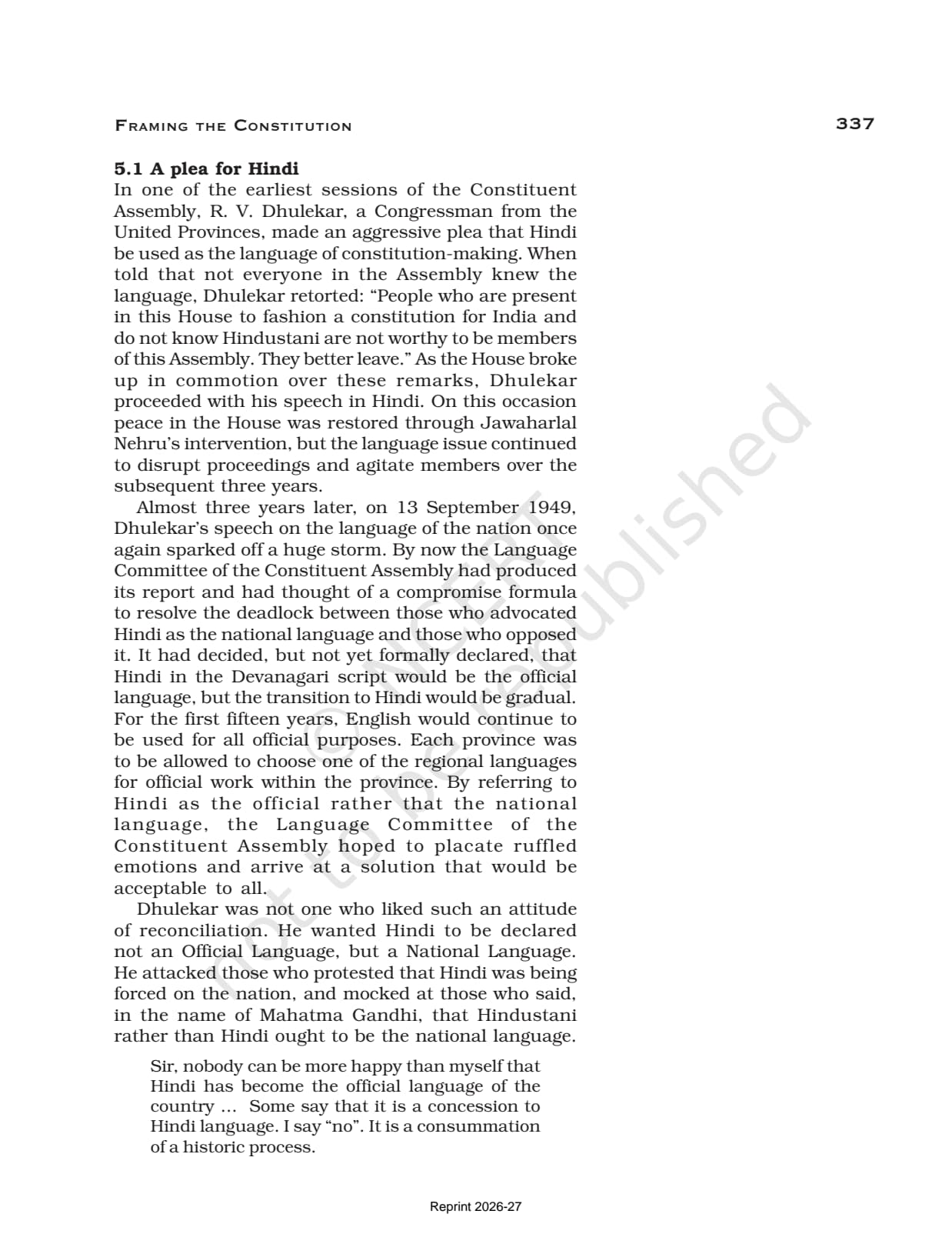
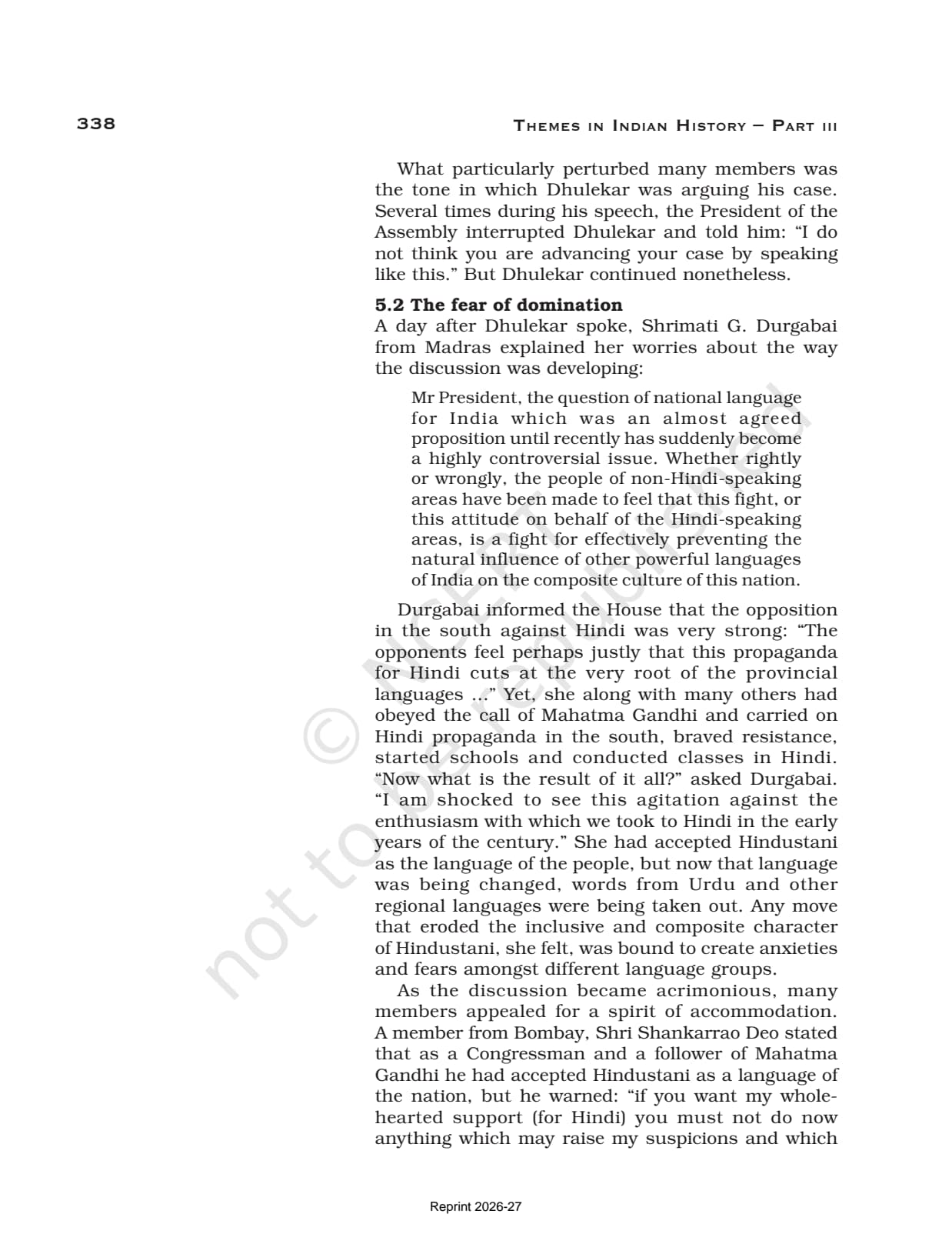
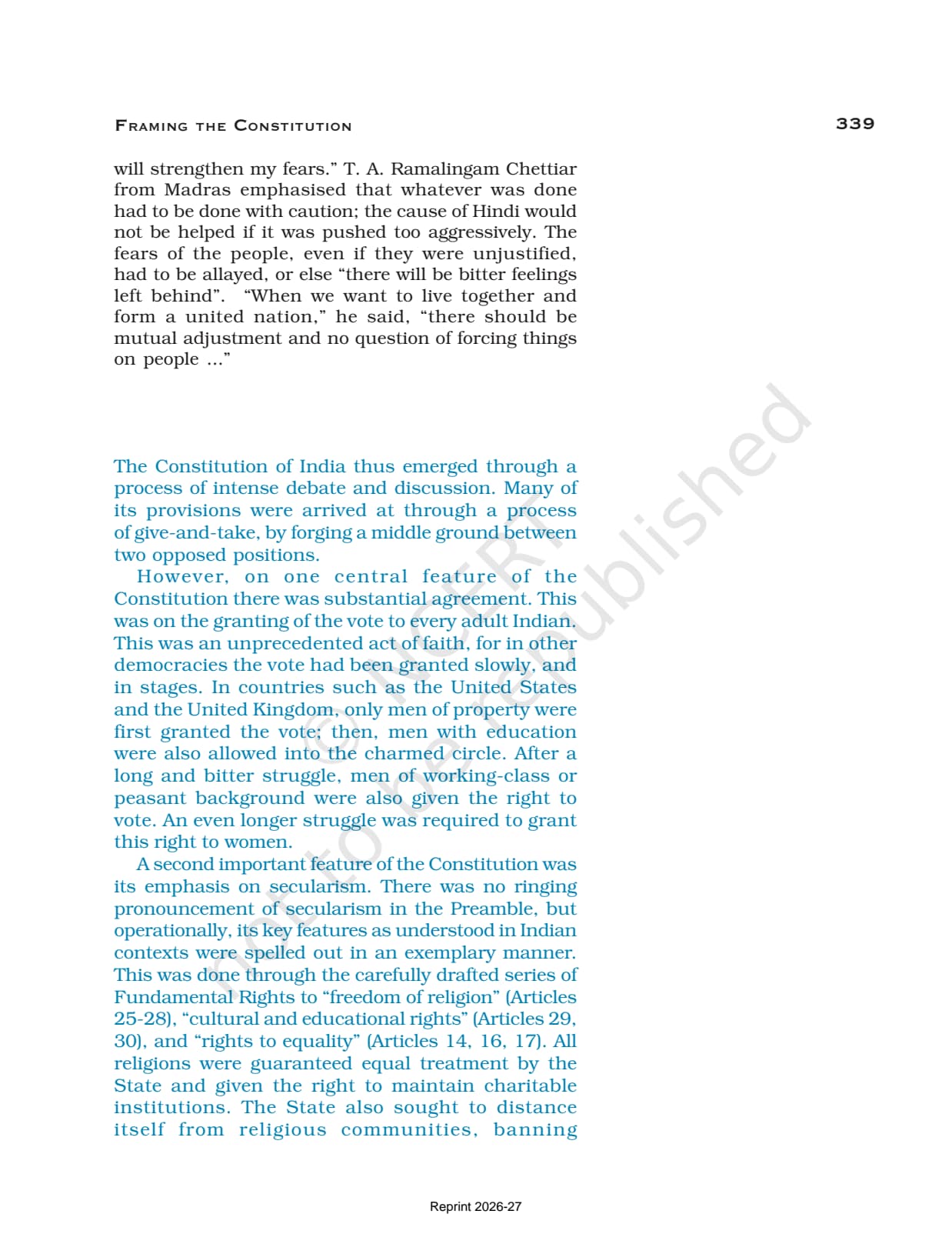
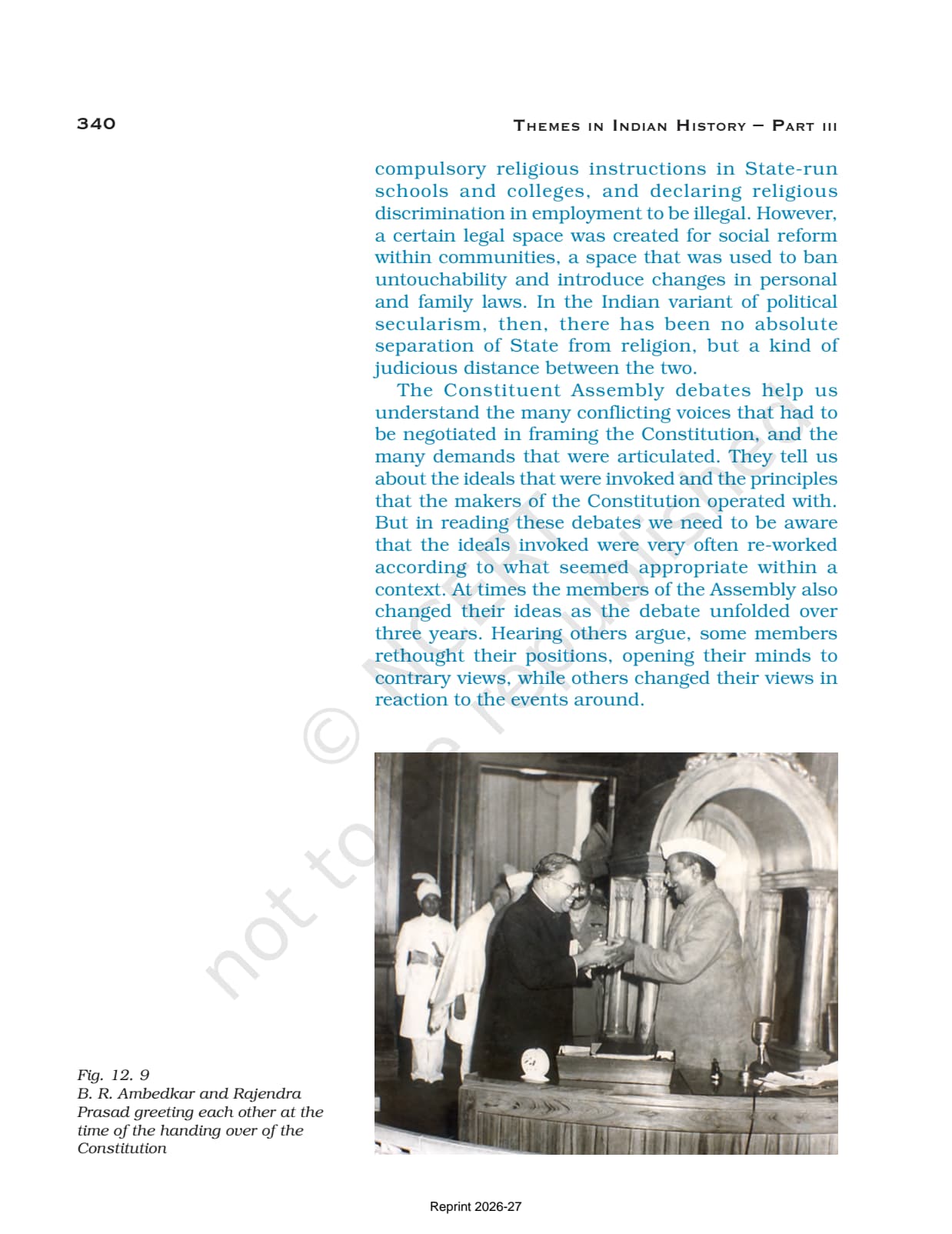
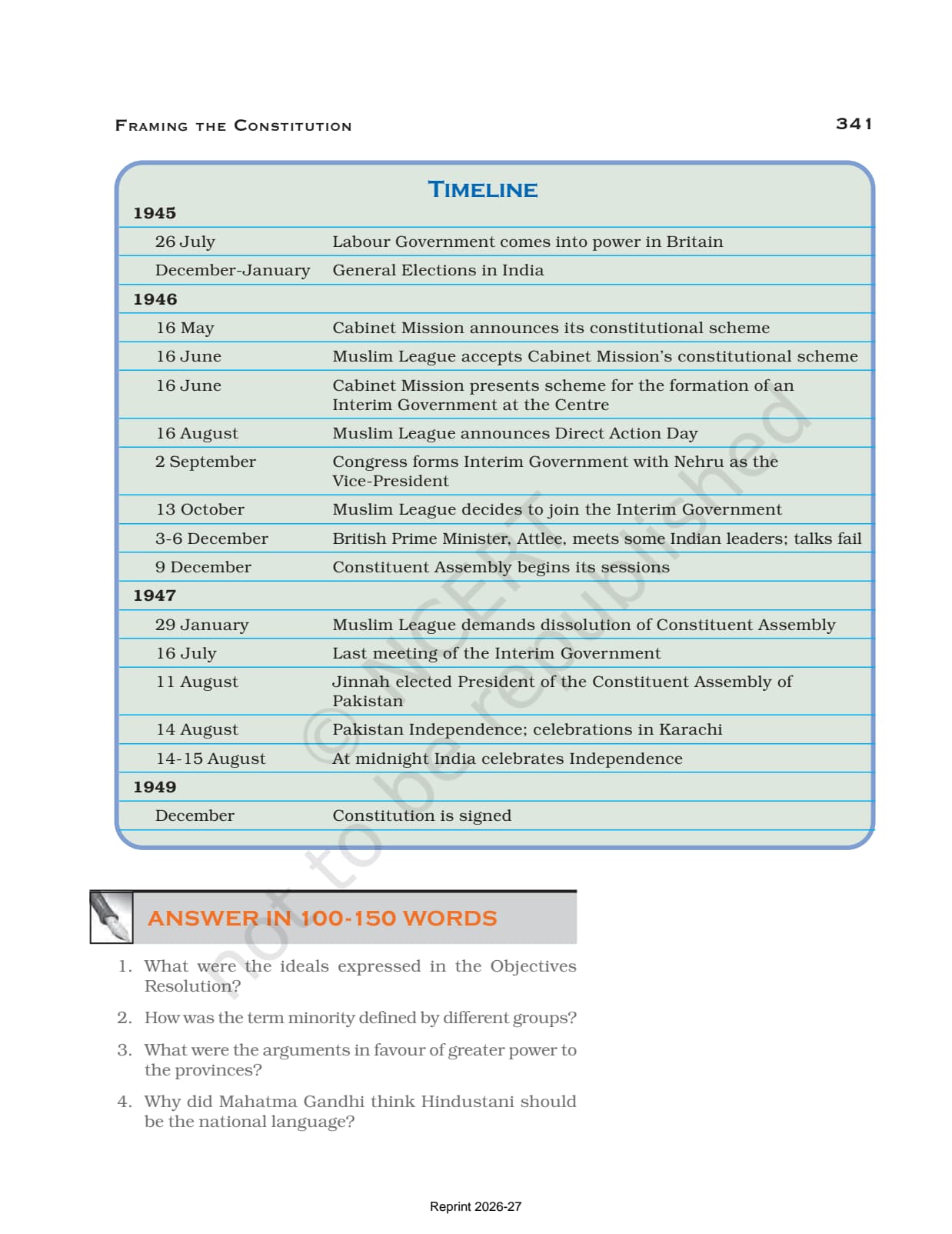
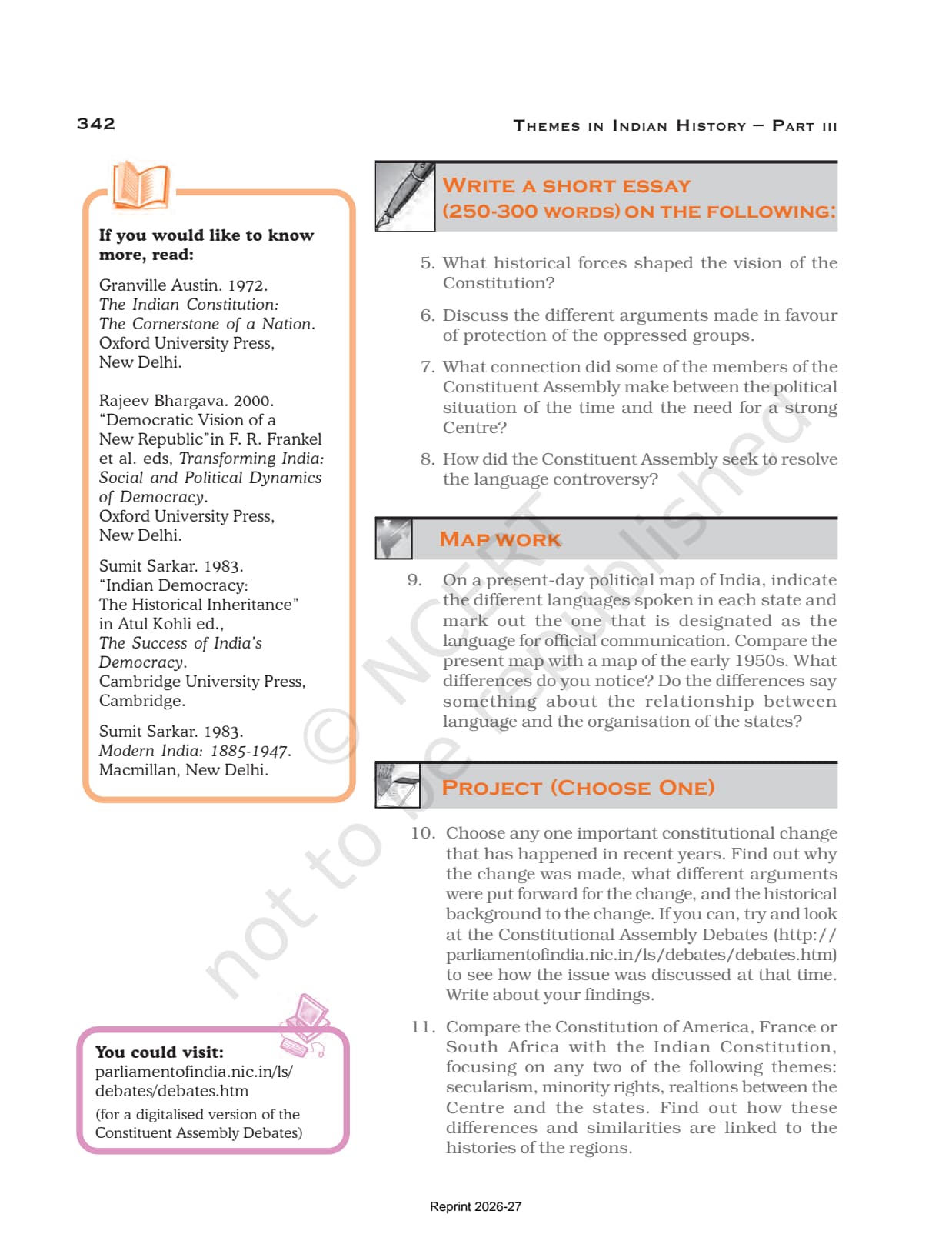

- Official NCERT chapter with the original photographs and Constituent Assembly Debate extracts.
- This Class 12 History chapter usually carries 6 to 8 marks in the board paper.
- Pairs with the NCERT Solutions, Notes and Handwritten Notes linked lower on this page.
This is the official NCERT Framing the Constitution chapter from Themes in Indian History Part III, offered for free download in the 2026-27 edition.

Student Feedback: In a Collegedunia poll of 7,690 Class 12 History students before the 2026 boards, 67% of students said they kept the official NCERT chapter PDF open while solving source-based questions, because the answers come straight from the chapter's own debate extracts.
Source: 2026-27 Class 12 History student poll. Sample of 7,690 students from CBSE schools across 12 states.
What the Framing the Constitution NCERT Chapter Covers
Framing the Constitution is the last chapter of Themes in Indian History Part III. It studies how the Constituent Assembly made the Indian Constitution between 1946 and 1950. The chapter is special because almost all its evidence comes from one source, the Constituent Assembly Debates, the printed record of what members said.
The chapter is organised around its big debates:
- Objectives Resolution introduces the ideals that became the Preamble.
- Powers introduce the tug between a strong Centre and stronger provinces.
- Rights introduce the protection of minorities and oppressed groups.
- Language introduces the Hindi question and the compromise that settled it.
Reading the original NCERT text matters because the debate extracts and captions in the class 12 history chapter 12 pdf are exactly what CBSE quotes in source-based questions. A student who knows the chapter's own examples can answer those passages with confidence.
Chapter Highlights and Important Extracts
The NCERT chapter is rich with photographs and debate extracts that the exam often refers to. Knowing what each one shows helps students answer source-based questions quickly. The table below lists the highlights students should study in the original chapter PDF.
| Highlight | Why it matters |
|---|---|
| Objectives Resolution | Nehru's resolution of 13 December 1946 that became the Preamble. |
| The minorities debate | Extracts from Pocker Bahadur, Ranga and Jaipal Singh on who is a minority. |
| The strong-Centre debate | Extracts linking Partition to the demand for a strong Centre. |
| The language question | The compromise of calling Hindi the official, not national, language. |
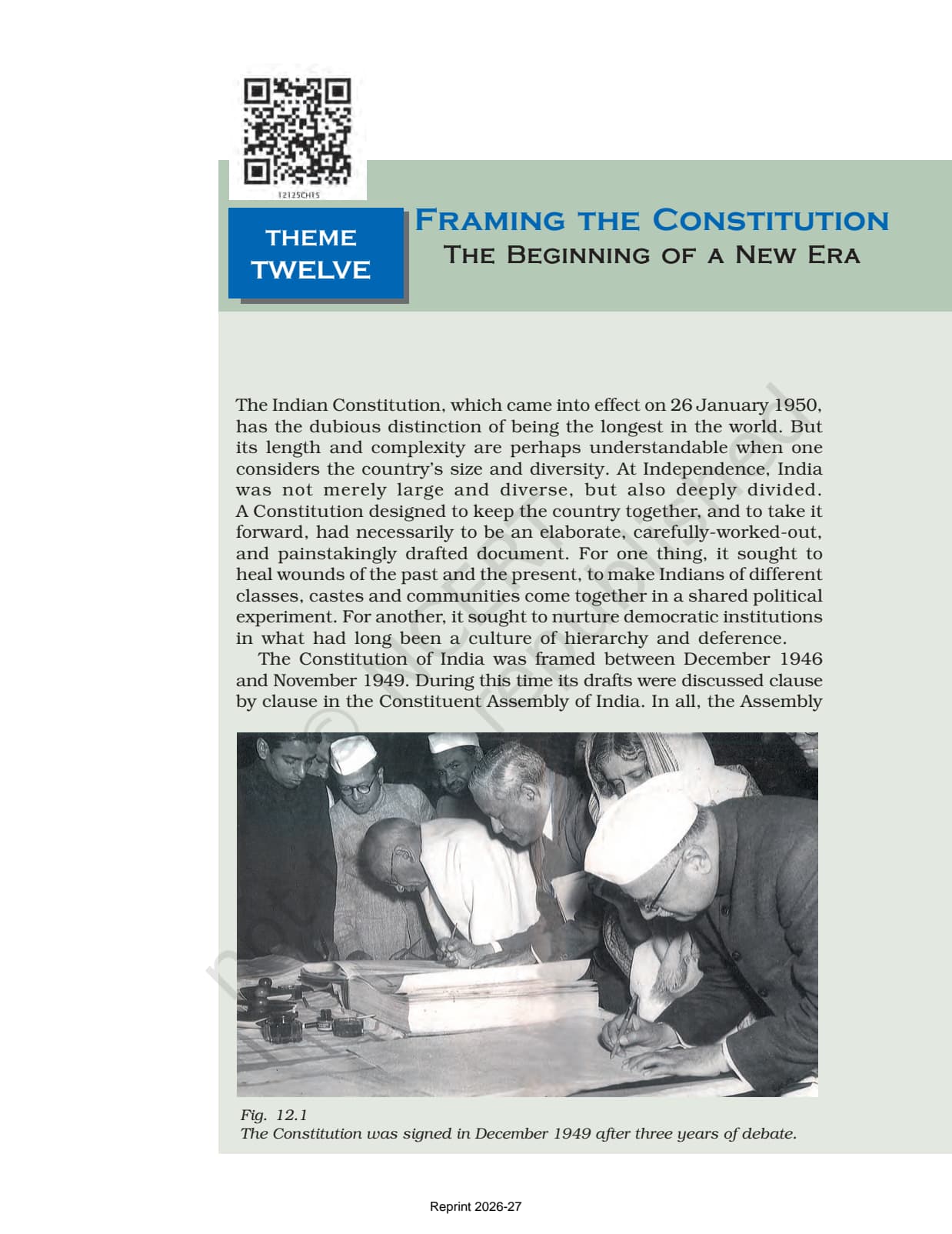
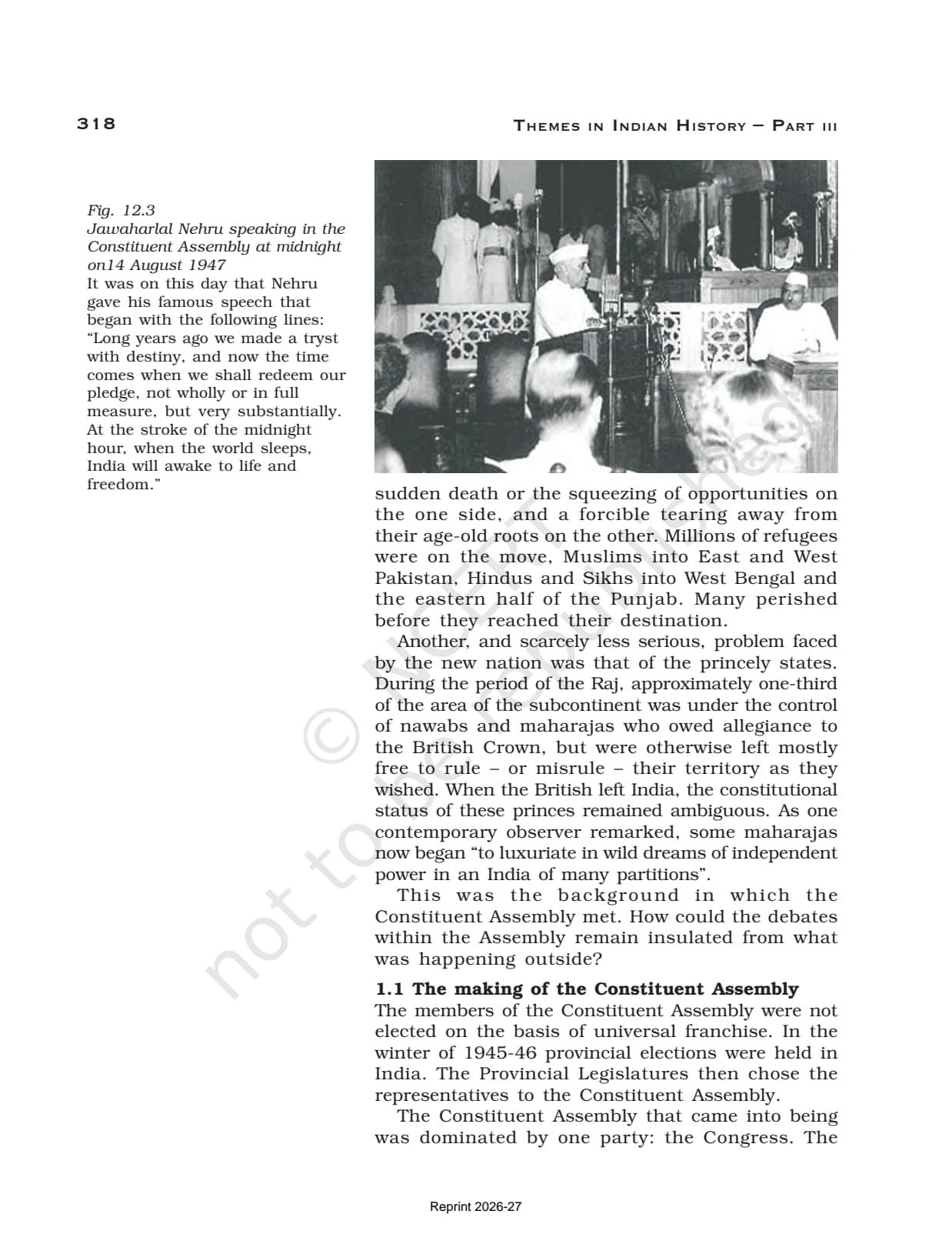
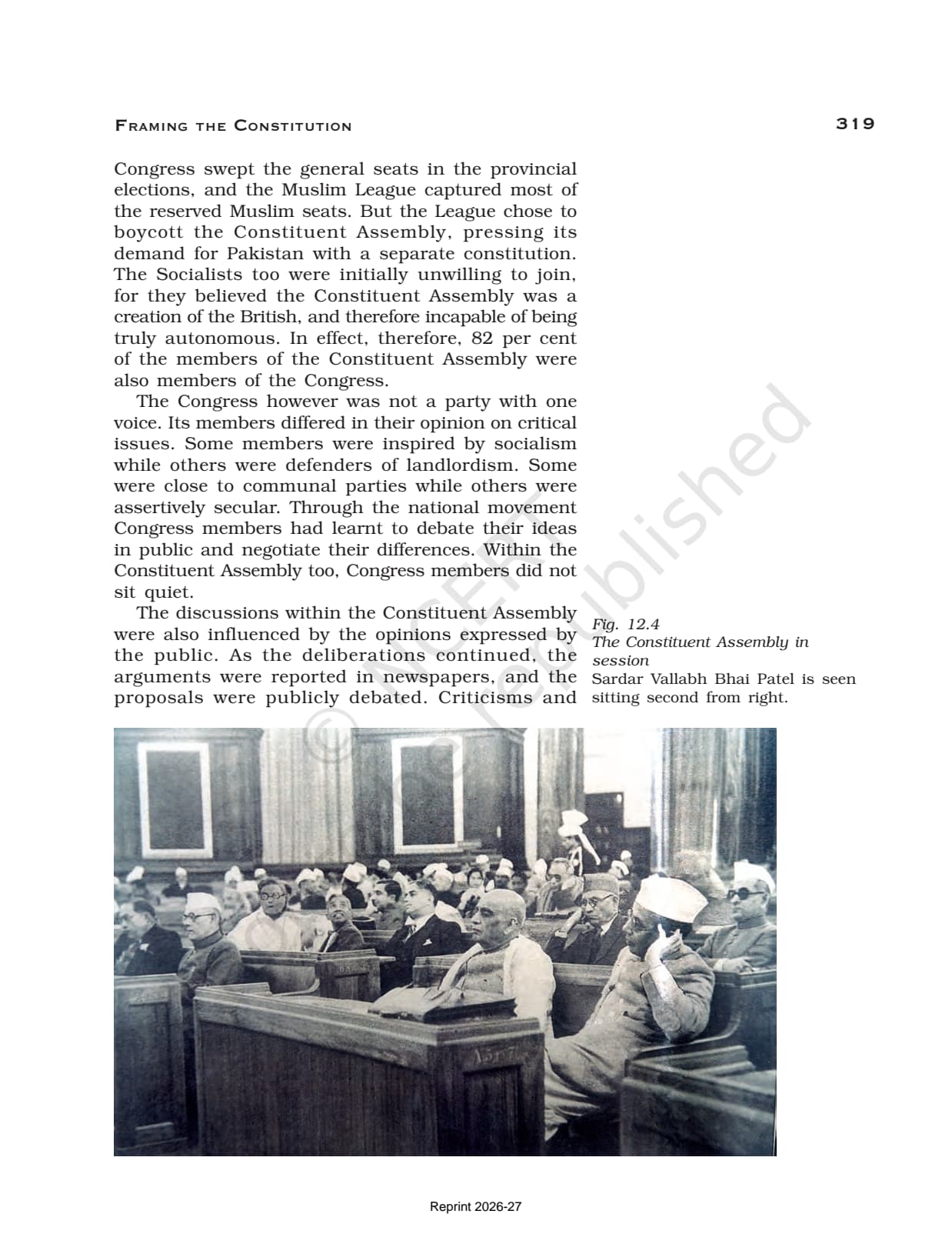
| Assembly photographs | Images of the Assembly in session and members signing the Constitution. |
The chapter also gives the timeline from 1946 to 1950 that students often need for a one-mark fact. One point to mark while reading is that the Objectives Resolution later became the Preamble of the Constitution. That single line from the chapter is the heart of the vision answer, and it appears almost every year.
The Key Debates in the Chapter
The chapter devotes whole sections to the debates over powers, minorities and language. These sections feed the short and long answers, so reading them in the original NCERT helps students quote the right speakers. The lists below show what the chapter covers under each debate.
- Powers: Santhanam for the provinces; Ambedkar and Ayyangar for a strong Centre after Partition.
- Minorities: Pocker Bahadur (religious), Ranga (the masses), Jaipal Singh (tribals), Nagappa (Depressed Castes).
- Oppressed groups: reservation of seats, economic support, dignity, and equality for women.
- Language: Gandhi on Hindustani, the Language Committee, and Hindi as the official language.
The chapter explains that once Partition was settled, many members swung from wide provincial autonomy to a strong Centre. It also covers the language compromise, where Hindi was called the official language to "placate ruffled emotions". Because these examples are drawn straight from the debates, the chapter 12 history class 12 ncert book is the most reliable place to learn them.
How the Chapter Reads the Constituent Assembly Debates
The chapter is unusual because it builds the whole story from one source, the debates. NCERT explains how historians read these speeches to understand the choices the framers made. Reading these pages in the original chapter helps students write balanced, source-based answers.
- Reading speeches: the chapter quotes members directly, then explains what their words reveal.
- Historical forces: the national movement, social reform, earlier reforms, world revolutions and Partition.
- The vision: the fusion of liberal democracy with the demand for social and economic justice.
- An Indian path: Nehru's insistence that India would "not just copy" other constitutions.
The chapter shows that the Constitution grew out of India's own movement, reforms and the shock of Partition, not from borrowing wholesale. It ends with the Constitution being adopted on 26 November 1949 and coming into force on 26 January 1950. Reading these closing pages in the official PDF gives students the wording NCERT itself uses, which scores best in the board paper.
How to Download and Use the NCERT Chapter PDF
The chapter PDF is free and easy to use on any device. Students can save it for offline reading and pair it with the solutions and notes. The steps below show how to get the most out of the framing the constitution pdf during revision.
- Download: tap the download card above to save the official Chapter 12 PDF to your device.
- First read: read the chapter once end to end, marking the debate extracts and photographs.
- Source practice: keep the PDF open while attempting source-based questions, since the passages come from it.
- Revision: use the chapter alongside the notes to fix dates and the speaker-and-stand list.
Many students search for the class 12 history chapter 12 pdf the night before a test so they can revise offline. A saved copy means the debate extracts and figures are always at hand. After reading the chapter, move to the solutions to check that your answers match the model points, then use the notes for a final quick recall.
How the Book PDF Pairs with the Solutions and Notes
The NCERT Book PDF is the source text. To prepare fully, students should use it with the other resources for the same chapter, all linked in the table below. Read the chapter, fix the ideas with the notes, then test yourself with the solutions.
| Resource | Best used for |
|---|---|
| Framing the Constitution NCERT Solutions | Step-by-step answers to all 11 back-exercise questions |
| Framing the Constitution Class 12 Notes | Quick chapter summary with all dates and debates in one place |
| Framing the Constitution Handwritten Notes | Last-minute, one-shot revision in a scanned notebook style |
Tip: read the chapter PDF first, then attempt the solutions on your own, and only then check the model answers. Reading the source text before the answers builds far stronger source-based skills.
All Class 12 History NCERT Book PDFs by Chapter
The table links the NCERT chapter PDFs for every chapter in Themes in Indian History so students can move across the book in one click. Chapter 12 is highlighted.
| Chapter | NCERT Book PDF |
|---|---|
| Chapter 1 | Bricks, Beads and Bones |
| Chapter 2 | Kings, Farmers and Towns |
| Chapter 3 | Kinship, Caste and Class |
| Chapter 4 | Thinkers, Beliefs and Buildings |
| Chapter 5 | Through the Eyes of Travellers |
| Chapter 6 | Bhakti-Sufi Traditions |
| Chapter 7 | An Imperial Capital Vijayanagara |
| Chapter 8 | Peasants, Zamindars and the State |
| Chapter 9 | Colonialism and the Countryside |
| Chapter 10 | Rebels and the Raj 1857 |
| Chapter 11 | Mahatma Gandhi and the Nationalist Movement |
| Chapter 12 | Framing the Constitution |
FAQs on Framing the Constitution NCERT Book PDF
Framing the Constitution Class 12 NCERT Book Common Questions
Ques. Where can I download the Framing the Constitution NCERT Book PDF?
Ans. You can download the official Framing the Constitution Class 12 History chapter PDF directly from this page. It is free, follows the 2026-27 NCERT edition, and carries the original text, photographs and debate extracts of Chapter 12.
Ques. Which book is Framing the Constitution from?
Ans. It is the last chapter of Themes in Indian History Part III, the Class 12 History textbook. The chapter studies how the Constituent Assembly made the Indian Constitution between 1946 and 1950.
Ques. What does the Framing the Constitution chapter cover?
Ans. It covers the Objectives Resolution, the debate over a strong Centre, the protection of minorities and oppressed groups, the language controversy, and the historical forces that shaped the vision of the Constitution.
Ques. Why should I read the original NCERT chapter PDF?
Ans. Because CBSE draws source-based questions straight from the chapter's own debate extracts and captions. Reading the official chapter 12 history class 12 PDF gives you the exact wording and examples that score best in the board paper.
Ques. How should I use the chapter PDF with the other resources?
Ans. Read the chapter PDF first, fix the ideas with the notes, then test yourself with the solutions. Keeping the PDF open while practising source-based questions helps, since the passages come directly from it.



Comments