History Strategist, UPSC Mentor | Updated on - Jul 21, 2026
The NCERT Solutions for History Class 12 NCERT Solutions Chapter 5 Through the Eyes of Travellers answer every textbook question on the accounts of Al-Biruni, Ibn Battuta and Bernier, for the latest 2026-27 CBSE syllabus. Each answer is built from the three travellers' own books, the Kitab-ul-Hind, the Rihla and Travels in the Mughal Empire. These solutions help students prepare for the Class 12 History board paper and the UPSC foundation in 2026-27.
Covers all 12 exercise questions from Theme 5, with full source-based and long-answer points.
This Class 12 History chapter usually carries 6 to 8 marks per board paper.
Pairs with the Notes, Handwritten Notes and NCERT Book PDF linked lower on this page.
Every solution for class 12 history chapter 5 in this Collegedunia compilation is curated by subject experts, written from the official NCERT Themes in Indian History Part II, and checked against the last five years of CBSE board papers.
Student Feedback: In a Collegedunia poll of 10,480 Class 12 History students conducted before the 2026 boards, 69% of students rated the "compare Ibn Battuta and Bernier" question as the trickiest part of Through the Eyes of Travellers. Most students said that splitting the answer traveller by traveller made it click.
Source: 2026-27 Class 12 History student poll. Sample of 10,480 students from CBSE schools across 14 states.
What the Through the Eyes of Travellers Class 12 Chapter Is About
Through the Eyes of Travellers is the fifth chapter of Themes in Indian History Part II. It studies Indian society between the tenth and seventeenth centuries through the writing of three outsiders who came from very different lands. Because they were strangers, they noticed things that local writers took for granted.
The chapter is built around three travellers and their books:
Al-Biruni from Uzbekistan, an eleventh-century scholar who wrote the Kitab-ul-Hind.
Ibn Battuta from Morocco, a fourteenth-century traveller whose travelogue is the Rihla.
Francois Bernier from France, a seventeenth-century doctor who wrote Travels in the Mughal Empire.
So the chapter is really about reading society through outsiders' eyes. A student who keeps the three travellers and their three books in mind can connect almost any question in chapter 5 history class 12 back to one of them. This is why history 12 class chapter 5 revision works best when you sort each fact under Al-Biruni, Ibn Battuta or Bernier first.
Al-Biruni and the Kitab-ul-Hind
Al-Biruni (973 to 1048) came to India in the early eleventh century. He learnt Sanskrit and read Indian texts so he could describe the land for the Persian and Arabic world. His book, the Kitab-ul-Hind, is the focus of the first exercise question.
The main points students should remember about Al-Biruni and his book are:
The book: the Kitab-ul-Hind is written in Arabic and runs to about 80 chapters on religion, science, customs and laws.
His method: he set out each topic, then compared Indian ideas with Greek and other thought, ending with a conclusion.
Barriers he named: the Sanskrit language, the difference in religious belief, and the self-absorption and insularity of the people.
The caste system: he described the four varnas but argued that the idea of pollution went against nature and reason.
The first question asks students to write a note on the Kitab-ul-Hind. Name the book, the language, the method and the barriers Al-Biruni had to cross, and the answer covers the full marks. Students should also note that he leaned on Brahmanical texts, so his account of caste is the textbook ideal, not always daily life.
Ibn Battuta, the Rihla and Indian Cities
Ibn Battuta (1304 to 1377) reached India in 1333 and served as a judge under Muhammad bin Tughlaq. He travelled even more than Marco Polo, and his book, the Rihla, is full of the everyday detail that makes it a favourite for source questions.
What he described
Key points to recall
Cities
Crowded, prosperous towns with bright bazaars; Delhi was the largest city in the eastern Islamic world.
The unfamiliar
He explained the coconut and the paan leaf for people back home who had never seen them.
The postal system
Two kinds, a horse-post (uluq) and a faster foot-post (dawa) that even carried fruit from Khurasan.
Trade
Indian textiles were in huge demand; some cloth was so costly only the rich could buy it.
A key insight for the cities question is that Ibn Battuta saw towns as full of opportunity for anyone with the drive and skill to use it. That single point earns marks in the urban-centres answer. Students should add the coconut, paan and postal-system examples, because these are exactly the details NCERT quotes in source extracts.
Bernier on Land, Towns and Sati
Francois Bernier (1620 to 1688) was a French doctor who stayed in India from 1656 to 1668, much of it at the Mughal court. Unlike the other two, he wrote to compare India with Europe, often to argue that Europe was better. His book is the source of several long answers.
Students should be ready to use these Bernier points across questions:
Landownership: he claimed there was no private land in India and that the king owned all of it, which he saw as the root of all problems.
Towns and crafts: he called Mughal cities "camp towns" that depended on the court, yet he also praised the skill of Indian artisans.
Sati: he watched the practice closely and was struck by the difference between willing widows and those forced onto the pyre.
The "Degenerate East": his binary picture of a poor East and a rich West shaped European views for centuries.
The land and sati questions reward a balanced answer. Bernier's claim of crown ownership of all land is now seen as wrong, since Mughal documents show many kinds of landholders. For Question 5.5, students should describe what drew Bernier's attention to sati, the mix of grief and force he noted, without treating his judgement as fact.
Comparing the Three Travellers' Perspectives
The compare-and-contrast question is the hardest in the chapter, and it is a regular long answer. The trick is to write traveller by traveller, then draw out the contrast at the end. The table sets up the contrast students need.
Traveller
Why and how he wrote
Al-Biruni
A scholar; wrote to explain India to the West and Central Asian world using Sanskrit texts.
Ibn Battuta
A curious traveller; wrote of the new and strange, valuing first-hand experience over books.
Bernier
A doctor and critic; wrote to compare India with Europe, usually to show Europe in a better light.
The sharp contrast for Question 5.2 is this: Ibn Battuta found the unfamiliar exciting and described it with wonder, while Bernier saw difference as a flaw and judged India against Europe. Ending the answer with this single line shows the examiner you have grasped the perspectives, not just listed two summaries.
Slavery, Women and How Travellers Read Society
Several questions ask students to use the accounts to study slavery, women and ordinary life. These rely on Ibn Battuta and Bernier, and they test whether students can judge a source, not just repeat it. This skill sits behind Questions 5.4, 5.7 and 5.8.
Slaves (Ibn Battuta): they were openly sold in markets, given as gifts, and used for domestic work and as palace guards.
Women slaves: some were skilled in music and dance and were used to watch over nobles, showing slavery was not one single experience.
Sati (Bernier): a sign of how he read gender and custom, and how an outsider could both record and judge a practice.
Reading limits: each traveller saw only part of society, so historians cross-check the accounts with other evidence.
The honest answer to "is the account useful" is that these travelogues are valuable but partial, so they must be read with care. Strong answers say what the source reveals and what it leaves out. This is exactly the point the 69% of students in our survey said helped them most.
Why These Accounts Matter for Historians
The chapter is not just a set of travel stories. It teaches students how outsiders' writing becomes historical evidence. Both the value and the limits of these sources are short-answer favourites.
Theme
Key points to recall
Value of the accounts
They record daily life, cities, crafts and customs that Indian texts often skip.
Limits to watch
Each writer carried his own bias; Bernier in particular judged India against Europe.
How historians use them
They compare the accounts with each other and with Indian sources to check the facts.
One sharp exam point: Bernier's idea that the king owned all land helped build a European image of a backward East, even though it was not true. The lesson is that a source can shape later thinking long after its facts are corrected. This connects the travelogues back to the big theme of how history is written.
Through the Eyes of Travellers Class 12 Exercise-wise Coverage
The chapter exercise has 12 questions. The table maps each one to its topic so students can plan revision and find the right NCERT answer fast. The full step-by-step solution for each sits in the question set lower on this page.
Question
Topic it tests
Q 5.1
A note on Al-Biruni's Kitab-ul-Hind
Q 5.2
Comparing the perspectives of Ibn Battuta and Bernier
Q 5.3
The picture of urban centres in Bernier's account
Q 5.4
Evidence for slavery in Ibn Battuta's Rihla
Q 5.5
Elements of sati that drew Bernier's attention
Q 5.6
Al-Biruni's understanding of the caste system
Q 5.7
Is Ibn Battuta's account useful for understanding city life
Q 5.8
Bernier and the reconstruction of rural society
Q 5.9
Source-based reading of a Bernier passage on crafts
Q 5.10 to 5.12
Map work and project-style activities
Questions 5.2, 5.3 and 5.6 are the most-asked long answers, so students preparing chapter 5 history class 12 revision should learn those three first. The map and project tasks (5.10 to 5.12) are also useful for the history project file class 12 chapter 5 that many schools assign.
Students who want the offline copy can save the class 12 history chapter 5 pdf from the download card above and tick off each question as they finish it.
Through the Eyes of Travellers Important Questions and Previous Year Trends
CBSE sets a steady mix of source-based, short and long answers from this chapter. Knowing the pattern helps students decide how much to write. The chapter is a regular source of one 5-mark or 8-mark source-based question, which is why a focused list of chapter 5 history class 12 important questions saves a lot of revision time.
Source-based (often 8 marks): a passage from the Kitab-ul-Hind, the Rihla or Bernier, with three sub-parts.
Long answer (5 to 6 marks): compare Ibn Battuta and Bernier, or Bernier on urban centres.
Short answer (3 marks): Al-Biruni's barriers, the postal system, or evidence for slavery.
Objective and MCQ: dates, home countries, and the name of each traveller's book.
For quick recall before the exam, students often practise the class 12 history chapter 5 mcq set and a list of class 12 history chapter 5 important questions. The most repeated history class 12 chapter 5 question answer items are the Ibn Battuta and Bernier comparison and Al-Biruni on caste, so keep those answer points ready in your own words.
It also helps to attempt a short history class 12 chapter 5 mcq drill and the class 12 history chapter 5 extra questions and answers after you finish the main exercise. These extra sets test the small facts, such as exact dates and book titles, that examiners use for one-mark objective questions.
Working through the ncert solution class 12 history chapter 5 set twice, once open-book and once from memory, fixes those facts well before the board exam.
Common Mistakes Students Make in the Through the Eyes of Travellers Chapter
A few errors cost marks every year in this chapter. Most come from mixing up the travellers or from treating a biased account as plain fact. Avoiding them is the fastest way to lift a score.
Mixing up the books - the Kitab-ul-Hind is Al-Biruni, the Rihla is Ibn Battuta, and Travels is Bernier.
Treating Bernier's "king owns all land" claim as true - historians now reject it.
Writing only a summary for the compare question - always end with the contrast.
Saying Al-Biruni approved of caste - he described it but called pollution against reason.
Repeating a source without judging it - say what it reveals and what it leaves out.
Students who fix these five points usually move from average to high marks on the long answers. The exam rewards careful wording, so write "Bernier claimed" or "according to the Rihla" instead of stating a traveller's view as settled fact.
Through the Eyes of Travellers PDF Download Formats and Languages
The solutions are free to download in more than one format, so students can pick what suits their device and revision style. The download card at the top of the page carries each option for this chapter.
Normal and HD PDF: the history class 12 chapter 5 pdf is offered in a normal size for quick downloads and an HD version for clear printing.
English medium: all 12 answers are written in simple English for the CBSE board paper.
Question-only set: a print-and-practise sheet of class 12 history chapter 5 extra questions for self-testing.
Whole-book pack: the chapter 5 history class 12 ncert solutions sit in one set that runs through every theme, so you can revise across the book in one place.
Many students search for class 12 chapter 5 history answers on their phone the night before a test, so a saved PDF means you can revise even without internet. Keep both the question set and the solved version handy for a full self-check.
How the Through the Eyes of Travellers Solutions Pair with Notes and the Book PDF
These NCERT Solutions answer the back-exercise questions. To revise the full chapter, students should use them alongside the other resources for the same chapter, all linked in the table below.
Reading the original NCERT chapter text and source extracts
Tip: read the Notes first, then attempt these solutions on your own, and only then check the model answers here. That order builds memory faster than copying answers straight away.
All NCERT Solutions for Class 12 History by Chapter
The table links the NCERT Solutions for every chapter in Themes in Indian History so students can move across the book in one click. Chapter 5 is highlighted.
All NCERT Solutions for Through the Eyes of Travellers with Step-by-Step Solutions
Below are all 12 NCERT exercise questions for this chapter, exactly as they appear in the textbook. Tap Check Solution for the model answer or Expert Solution for the topper-style approach.
Q 5.1
Write a note on the Kitab-ul-Hind.
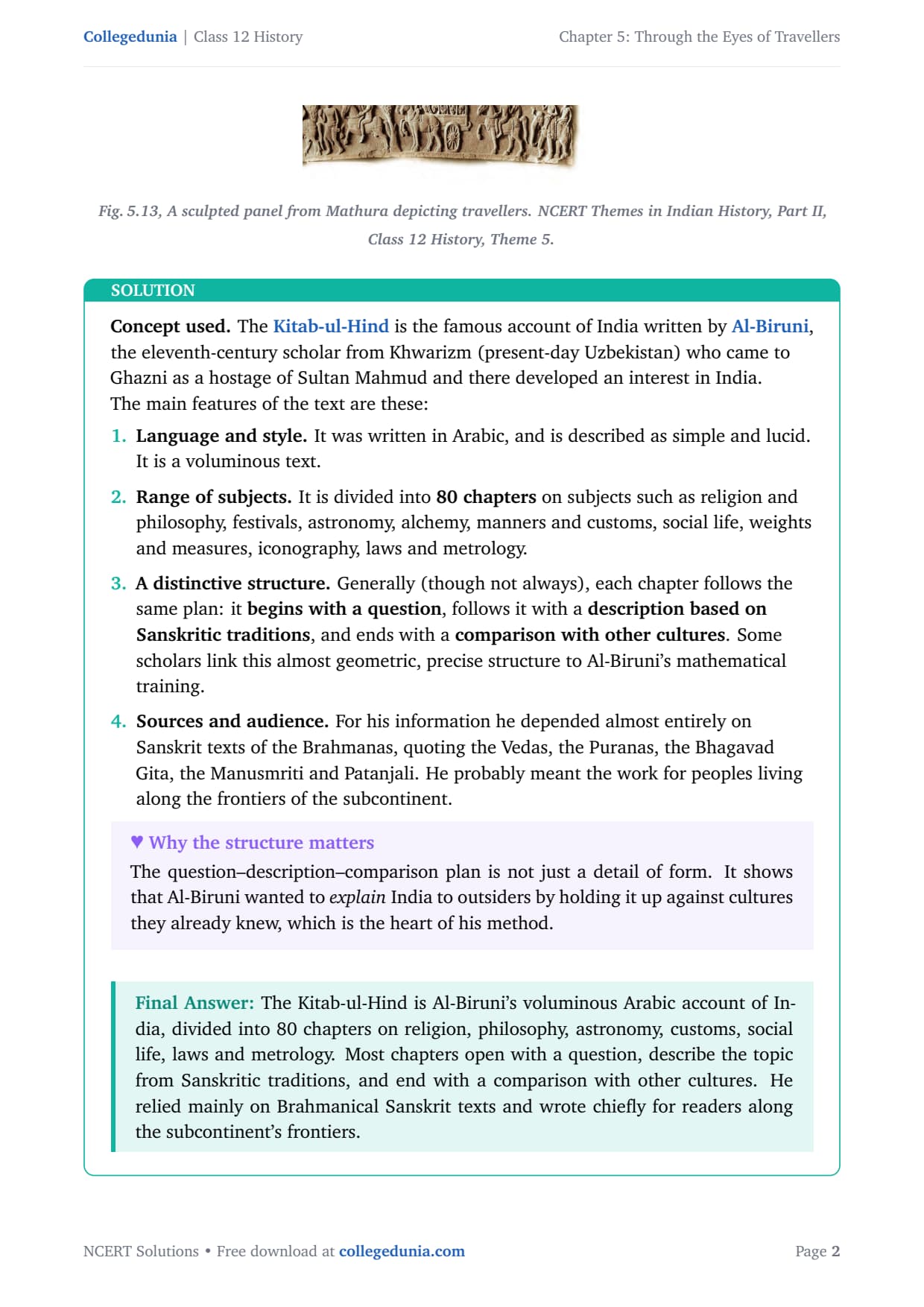
Fig. 5.13, A sculpted panel from Mathura
depicting travellers. NCERT Themes in Indian History, Part II, Class 12
History, Theme 5.
Concept used. The Kitab-ul-Hind is the famous account of India written by
Al-Biruni, the eleventh-century scholar from Khwarizm (present-day
Uzbekistan) who came to Ghazni as a hostage of Sultan Mahmud and there
developed an interest in India.
The main features of the text are these:
Language and style. It was written in Arabic, and is described
as simple and lucid. It is a voluminous text.
Range of subjects. It is divided into 80 chapters on
subjects such as religion and philosophy, festivals, astronomy,
alchemy, manners and customs, social life, weights and measures,
iconography, laws and metrology.
A distinctive structure. Generally (though not always), each
chapter follows the same plan: it begins with a question,
follows it with a description based on Sanskritic traditions,
and ends with a comparison with other cultures. Some scholars
link this almost geometric, precise structure to Al-Biruni's
mathematical training.
Sources and intended reach. For his information he depended almost
entirely on Sanskrit texts of the Brahmanas, quoting the Vedas, the
Puranas, the Bhagavad Gita, the Manusmriti and Patanjali. He probably
meant the work for peoples living along the frontiers of the
subcontinent.
Why the structure matters
The question–description–comparison plan is not just a detail of form. It
shows that Al-Biruni wanted to explain India to outsiders by holding it
up against cultures they already knew, which is the heart of his method.
The Kitab-ul-Hind is Al-Biruni's voluminous Arabic account of India,
divided into 80 chapters on religion, philosophy, astronomy, customs, social
life, laws and metrology. Most chapters open with a question, describe the topic
from Sanskritic traditions, and end with a comparison with other cultures. He
relied mainly on Brahmanical Sanskrit texts and wrote chiefly for people back home along
the subcontinent's frontiers.
AS
Ananya Sengupta
MA Medieval Indian History, JNU
Verified Expert
Strategic angle. A "write a note" question wants a tight, fact-packed
paragraph, not a story. Build it on four pegs: who wrote it, in what language,
how it is arranged, and what it covers. If you hit all four, you have every mark
in 120 words.
Open by naming the author and the work in one line: the Kitab-ul-Hind is
Al-Biruni's study of India, written in Arabic in the eleventh century. Then give
the scale and range, a voluminous text of 80 chapters spanning religion,
philosophy, astronomy, alchemy, customs, weights and measures, laws and
metrology. The detail that lifts the answer is the recurring chapter structure:
a question, then a Sanskritic description, then a comparison with other
cultures, a plan some scholars trace to his mathematical mind. Close by noting
his sources and intended reach, mainly Brahmanical Sanskrit texts, written for people back home
on the frontiers of the subcontinent.
Why this matters. The examiner is checking whether you know the
Kitab-ul-Hind as a method, not just a title. Naming the
question–description–comparison structure proves you understand how Al-Biruni
worked, which is exactly what separates a top answer from a vague one.
Al-Biruni's Kitab-ul-Hind is a voluminous eleventh-century Arabic text
of 80 chapters covering religion, philosophy, astronomy, customs, laws and
metrology. Each chapter typically opens with a question, describes the topic
from Sanskritic sources, and ends with a comparison with other cultures. It
drew mainly on Brahmanical texts and was aimed at people back home along the
subcontinent's frontiers.
Q 5.2
Compare and contrast the perspectives from which Ibn Battuta and
Bernier wrote their accounts of their travels in India.
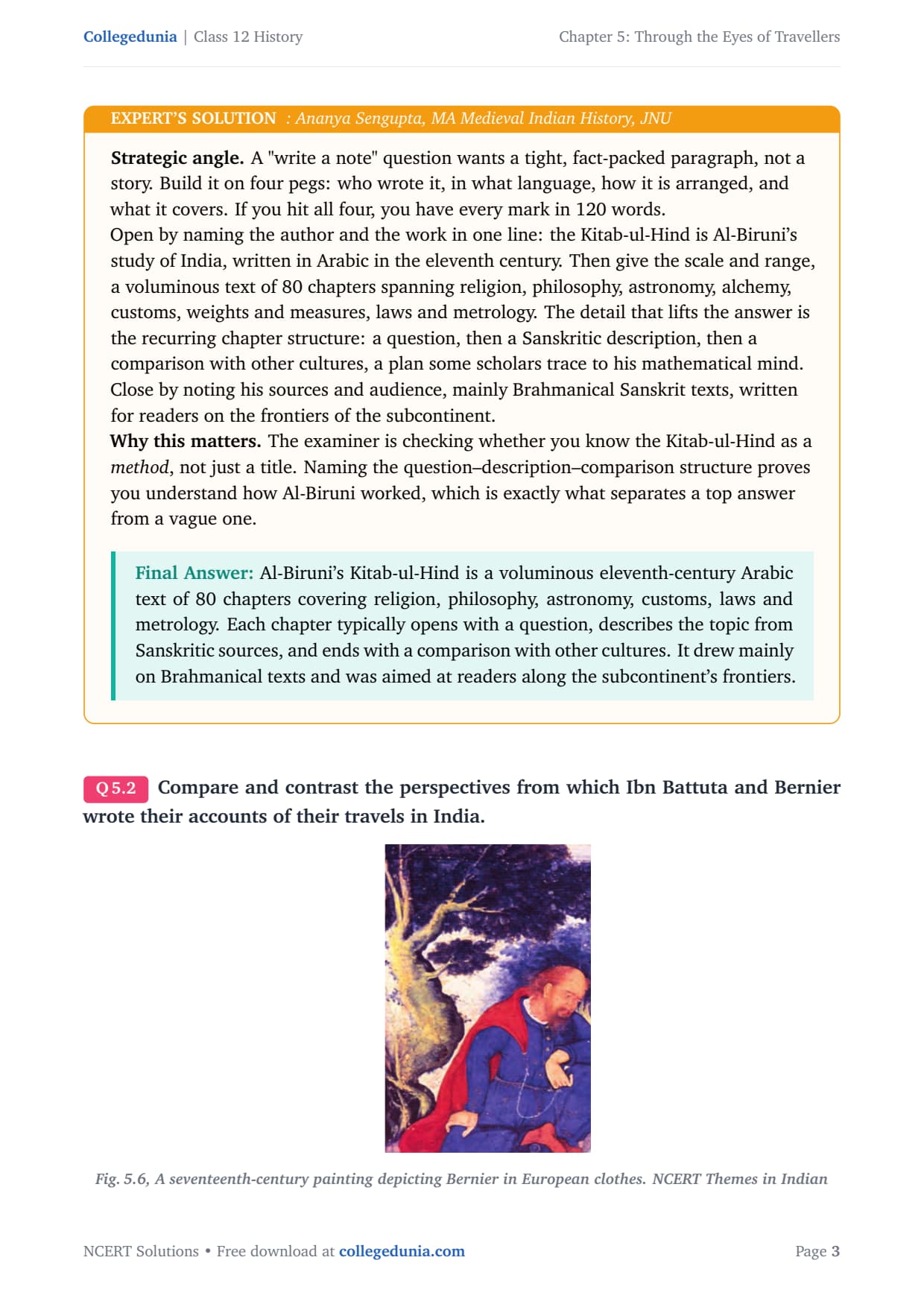
Fig. 5.6, A seventeenth-century painting depicting
Bernier in European clothes. NCERT Themes in Indian History, Part II, Class 12
History, Theme 5.
Concept used. The question asks how the two travellers' points of view were alike and
how they differed. Both were outsiders describing India, but they wrote from
very different intellectual traditions, and that shaped what they noticed.
What they share (compare): Both were foreigners who recorded Indian
society for people back home, both were struck by what was unfamiliar, and both
worked partly through comparison with what they already knew.
How they differ (contrast):
Ibn Battuta wrote with excitement and wonder. For him,
novelty was a virtue. He described whatever struck him as
new, the coconut, the paan, busy cities, the postal system, to impress
people back home with marvellous, distant yet accessible worlds. His tone is
one of curiosity and delight.
Bernier wrote to criticise and to warn. He constantly
compared India with Europe, and almost always judged India
inferior. His account works on a model of binary opposition,
in which India is the inverse of Europe, and he ranked the differences
so that India seemed backward.
Different purposes. Ibn Battuta dictated his Rihla to entertain
and edify; Bernier wrote to influence French policy-makers and the
intelligentsia, dedicating his major work to King Louis XIV.
So although both were outsiders comparing India with the familiar, Ibn Battuta
celebrated the unfamiliar while Bernier used the contrast to portray a
"degenerate" East.
Name the two tones
The marks lie in the contrast of attitude: wonder versus criticism, novelty
versus binary opposition. State both tones clearly and back each with an example.
Both were foreigners who recorded Indian society through comparison.
But Ibn Battuta wrote with wonder, highlighting the unfamiliar (coconut, paan,
cities, postal system) to impress people back home, while Bernier wrote critically,
using a model of binary opposition to show India as inferior to Europe and to
warn European policy-makers. Wonder versus criticism is the key difference.
IS
Imran Sheikh
MA History, Jamia Millia Islamia
Verified Expert
Structural observation. "Compare and contrast" needs two visible
halves: one short paragraph on the common ground, then a sharper section on the
differences. Give each traveller a one-word label, Ibn Battuta = wonder, Bernier
= criticism, and the answer organises itself.
Start with the shared frame: both were outsiders, both wrote for people at
home, and both understood India by comparing it with the familiar. Then drive
the contrast. Ibn Battuta treated novelty as the whole point, recording the
coconut, the paan, the crowded bazaars and the lightning-fast postal system to
dazzle people back home with marvels. Bernier did the opposite: he forced India into
a binary opposition with Europe, ranked the differences, and concluded that
India was the poorer, backward inverse of the West.
The detail that earns the top band is purpose. Ibn Battuta's Rihla was dictated
on a ruler's orders to give "entertainment to the mind", so wonder suited his
brief. Bernier, by contrast, was writing into a European debate about state and
society, dedicating his book to Louis XIV and aiming to steer policy, so
criticism served his ends. Different home countries produced different lenses.
Why this matters. The examiner wants to see that a traveller's
viewpoint shapes the evidence. Showing that Ibn Battuta's curiosity and
Bernier's polemic each flowed from who they wrote for is the mature reading that
lifts the answer beyond a simple list.
Compare: both were outsiders who described India through comparison
with the familiar. Contrast: Ibn Battuta wrote with wonder, celebrating novelty
to entertain people back home, while Bernier wrote critically, using binary
opposition to show India inferior to Europe and to influence French policy. The
gap reflects their different home countries and purposes.
Q 5.3
Discuss the picture of urban centres that emerges from Bernier's
account.
Concept used. The question asks what Bernier said about Indian towns and cities, and
how far his picture was accurate. His account is in two layers: his own biased
view, and the more complex reality that historians read out of it.
Bernier's own picture (the "camp towns"):
He described Mughal cities as camp towns, meaning towns that
owed their existence and survival to the imperial camp.
He believed these towns sprang up when the imperial court moved in and
rapidly declined when it moved out, so they had no firm social
or economic foundations of their own and depended on imperial patronage.
This fitted his larger image of a "degenerate" India with no real,
self-sustaining urban life.
The reality his account hides:
In the seventeenth century about 15 per cent of the population
lived in towns, on average higher than the urban share of Western Europe
at the same time.
There were many kinds of towns: manufacturing towns, trading
towns, port-towns, sacred centres and pilgrimage towns, an index of the
prosperity of merchants and professionals, not of imperial whim.
Towns held organised merchant bodies (the mahajans, led by the sheth,
and in Ahmedabad the nagarsheth) and professional classes, physicians,
teachers, lawyers, painters, architects, calligraphers, many of whom
did not depend on the court at all.
So Bernier's "camp town" picture was an oversimplification that played down a
genuinely rich and varied urban life.
Bias versus evidence
The marks come from holding two things together: Bernier's biased "camp town"
claim, and the contrary evidence (15% urban, varied towns, merchant guilds).
The gap between them is the real answer.
Bernier called Mughal cities "camp towns" that rose and fell with the
imperial court, with no foundations of their own. But this was oversimplified:
about 15% of people lived in towns (higher than Western Europe), and there were
manufacturing, trading, port, sacred and pilgrimage towns supported by organised
merchants (mahajans, nagarsheth) and professionals, showing a varied,
self-sustaining urban life.
AR
Arjun Reddy
MA History, University of Delhi
Verified Expert
Strategic angle. Split the answer in two: first what Bernier claimed,
then why he was wrong. The examiner rewards exactly this "his view versus the
evidence" structure, because it shows you can read a source critically rather
than just repeat it.
Lead with the "camp town" idea, his central claim that Indian cities depended
wholly on the imperial camp, booming when the court arrived and collapsing when
it left, so they had no real economic base. State it plainly so the contrast
lands. Then dismantle it with the chapter's own figures and examples: roughly 15
per cent of people lived in towns, more than in Western Europe; the towns came
in many types, manufacturing, trading, ports, sacred and pilgrimage centres; and
they were run by settled merchant communities (mahajans and the nagarsheth) and
professional classes who did not live off the court.
The sharpest move is to explain why Bernier got it wrong. The "camp town"
label fitted his thesis of a degenerate East with no middle class, so he
flattened a varied urban world into a single court-dependent type. Pointing out
that his bias drove the distortion turns description into argument.
Why this matters. The chapter is teaching you to use a traveller's
account as evidence, not gospel. Showing that Bernier's picture was shaped by his
agenda, and correcting it with the 15% figure and the range of town-types, is
the critical skill the question is testing.
Bernier saw Indian cities as "camp towns" living and dying with the
imperial court. The evidence contradicts him: about 15% of the population was
urban (higher than Western Europe), towns were of many kinds (manufacturing,
trading, port, sacred, pilgrimage), and they were sustained by organised
merchants and professionals. His biased thesis of a degenerate East made him
oversimplify a varied urban reality.
Q 5.4
Analyse the evidence for slavery provided by Ibn Battuta.
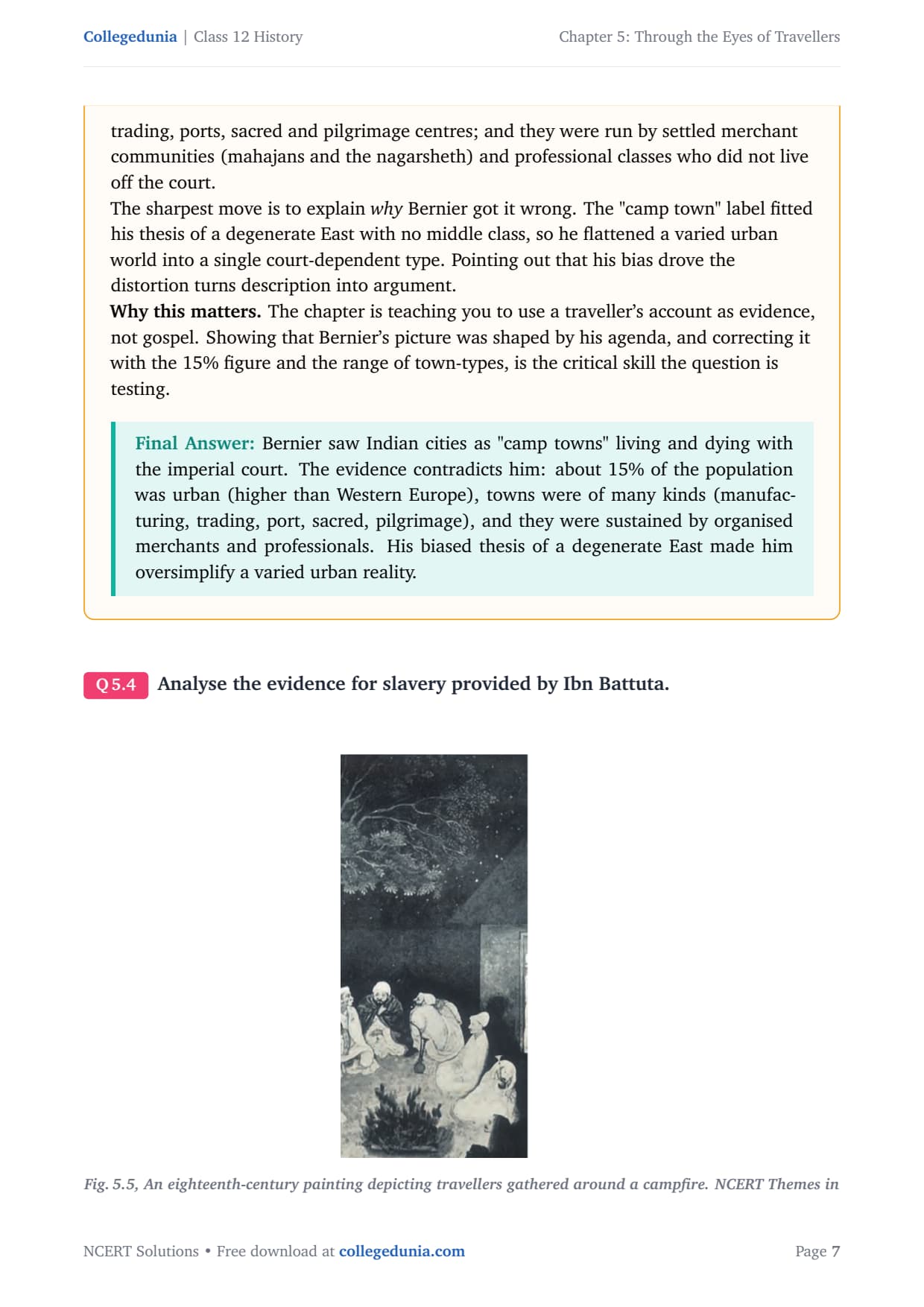
Fig. 5.5, An eighteenth-century painting depicting
travellers gathered around a campfire. NCERT Themes in Indian History, Part II,
Class 12 History, Theme 5.
Concept used. The question asks what Ibn Battuta's Rihla tells us about
slavery in fourteenth-century India. His account is rich because he saw
slaves at work in many roles and treated their sale as normal.
The evidence he provides:
Slaves were openly bought and sold. They were sold in markets
like any other commodity and were regularly exchanged as gifts. Ibn
Battuta himself bought "horses, camels and slaves" in Sind as gifts for
Sultan Muhammad bin Tughlaq, and gave the governor of Multan "a slave
and horse" with raisins and almonds.
Slaves were given as rewards. The Sultan, pleased with a
preacher's sermon, gave him "a hundred thousand tankas and two hundred
slaves", showing how casually slaves changed hands among the elite.
There was differentiation among slaves. Some female slaves were
skilled in music and dance; Ibn Battuta enjoyed their
performance at the wedding of the Sultan's sister. Others were used as
spies to keep watch on the nobles (Source 15).
Slaves did domestic and porter labour. They were generally used
for domestic work and were indispensable for carrying men and women on
palanquins or dola.
Female slaves were cheap and common. The price of female slaves
for domestic labour was very low, so most families who could afford it
kept one or two.
Use the named examples
Quote Ibn Battuta's actual cases, the gifts of slaves, the 200 slaves to the
preacher, the dancing slaves, the spying slaves, the palanquin bearers. Named
evidence is what turns a general answer into a top one.
Ibn Battuta shows slaves were openly sold in markets and given as
gifts (he bought slaves as presents for the Sultan, who once gave a preacher 200
slaves). There was clear differentiation: some female slaves were trained in
music and dance, others spied on nobles, and many did domestic work or carried
people on palanquins. Female slaves were very cheap, so most well-off families
kept one or two.
LM
Lakshmi Menon
MA Medieval History, University of Calcutta
Verified Expert
Strategic angle. "Analyse the evidence" means group the facts, do not
just list them. Sort Ibn Battuta's observations into three baskets, how slaves
were acquired, how they were differentiated, and what work they did, and you
cover every mark while showing analysis rather than memory.
Begin with acquisition and exchange, the strongest evidence: slaves were sold in
markets like any commodity and passed around as gifts, which Ibn Battuta proves
from his own purchases in Sind and Multan and from the Sultan's gift of two
hundred slaves to a preacher. Move to differentiation: not all slaves were alike,
some female slaves were skilled musicians and dancers who performed at the royal
wedding, while others were planted as spies on the nobles. Finish with function
and price: most slaves did domestic labour or carried people on palanquins, and
female domestic slaves were so cheap that ordinary well-off families kept a few.
The analytical point to add is that Ibn Battuta records all this
matter-of-factly, treating the buying and gifting of human beings as
routine. That tone is itself evidence: it tells us slavery was a normal,
accepted institution woven into elite social and political life, not an
exceptional cruelty.
Why this matters. The examiner wants you to read the Rihla as a
historian: not only listing what Ibn Battuta saw, but noticing that he saw it as
ordinary. Grouping the evidence and reading his casual tone is what makes this an
analysis, not a summary.
Ibn Battuta's evidence: slaves were sold in markets and given as gifts
(his own purchases; 200 slaves gifted to a preacher); they were differentiated
(female slaves as musicians, dancers and spies); and they did domestic labour
and carried people on palanquins, with female slaves very cheap. His
matter-of-fact tone shows slavery was a normal, accepted part of elite life.
Q 5.5
What were the elements of the practice of sati that drew the attention
of Bernier?
Concept used. The question asks which features of sati, the burning of a widow on her
husband's pyre, Bernier noticed and described. European travellers often used the
treatment of women to mark the difference between East and West, so Bernier
described sati in detail.
The elements that drew his attention:
Willing death versus forced death. Bernier noted that while
some women seemed to embrace death cheerfully, others
were forced to die. This contrast struck him most.
The youth of the victim. In his most poignant account, at
Lahore he saw "a most beautiful young widow" sacrificed who could not,
he thought, have been more than twelve years of age, a child.
The victim's terror and unwillingness. The girl "appeared more
dead than alive" as she approached the pit; she trembled and
wept bitterly, and her agony, he said, could not be described.
The use of force by others. Three or four Brahmanas,
helped by an old woman holding her by the arm, forced the
unwilling victim towards the spot, seated her on the wood, and
tied her hands and feet so she could not run away, before she
was burnt alive.
His own horror. Bernier found it difficult to repress his
feelings and to stop them bursting into "clamorous and unavailing rage".
Why he described it
Bernier dwelt on sati partly because Europeans treated the condition of women as
a key marker of difference between Western and Eastern societies. Noting his
purpose, not just the gory detail, lifts the answer.
Bernier was struck by the contrast between women who embraced death
cheerfully and those forced to die. His Lahore account fixes on a child widow of
about twelve who trembled and wept, was forced toward the pit by three or four
Brahmanas and an old woman, had her hands and feet tied so she could not flee,
and was burnt alive. He recorded it with horror, since Europeans saw the
treatment of women as a marker of difference.
PB
Pooja Bhatt
MA Medieval Indian History, Aligarh Muslim University
Verified Expert
Strategic angle. The question is narrow: list the elements of
sati Bernier noticed. So organise the answer as a set of features, the
willing/forced contrast, the child's age, her fear, the force used, his own
reaction, and back each from the Lahore excerpt. A feature-by-feature structure
guarantees full coverage.
Lead with his central observation, the contrast between widows who went to death
willingly and those dragged to it, because that distinction frames everything
else. Then anchor the answer in the Lahore case, his most vivid description: a
widow no older than twelve, more dead than alive, trembling and weeping. Detail
the coercion precisely, three or four Brahmanas and an old woman forcing her on,
seating her on the wood, tying her hands and feet, then burning her, since the
marks reward this specificity. Close with Bernier's own reaction, his struggle
to contain his rage.
What sharpens the answer is naming why sati caught his eye. European
travellers treated the condition of women as the clearest sign of how a society
differed from their own, so a forced child-widow burning served Bernier's larger
contrast between a humane West and a cruel East. Reading his choice of subject,
not just the scene, shows historical maturity.
Why this matters. The examiner is testing whether you can pull specific
elements from a source and also see the traveller's motive. Pairing the precise
detail of the Lahore burning with Bernier's purpose in recording it is what earns
the top band.
Bernier was drawn to the contrast between willing and forced sati; to
the child widow of about twelve at Lahore; to her terror as she trembled and
wept; to the force used by three or four Brahmanas and an old woman, who tied her
hands and feet and burnt her alive; and to his own horror. He dwelt on it because
Europeans saw the treatment of women as a key marker of difference.
Q 5.6
Discuss Al-Biruni's understanding of the caste system.
Concept used. The question asks how Al-Biruni explained the Indian caste system to
those reading his book, and how far he accepted or questioned it. He tried to understand it
through comparison, leaned on Brahmanical texts, yet rejected one of its core
ideas.
How he tried to understand caste:
He looked for parallels in other societies. He noted that
ancient Persia recognised four social categories: knights and princes;
monks, fire-priests and lawyers; physicians, astronomers and other
scientists; and finally peasants and artisans. By this he suggested that
social divisions were not unique to India.
He set caste against Islamic equality. He pointed out that
within Islam all men were considered equal, differing only in
their observance of piety, a clear contrast with the hierarchy of caste.
He relied on Brahmanical sources. His description rested on
normative Sanskrit texts, the Vedas, Puranas, Bhagavad Gita, Manusmriti
and Patanjali, which laid down the rules from the Brahmanas' point of
view. He described the four varnas as the books of the Hindus did
(Source 5).
Where he disagreed:
He rejected the idea of pollution. Although he accepted the
Brahmanical account, he disapproved of the notion of pollution.
He argued that everything which falls into impurity strives and succeeds
in regaining purity, the sun cleanses the air, salt keeps the sea-water
from spoiling, so the idea of permanent social pollution was
contrary to the laws of nature.
The limits of his account. Because he depended on Sanskrit normative
texts, his picture was more rigid than real life. The categories called
antyaja ("born outside the system") were socially oppressed yet
included in economic networks, providing cheap labour, a flexibility his
text-based description missed.
Accept, but with limits
A top essay shows both sides: Al-Biruni accepted the Brahmanical scheme but
rejected pollution, and his reliance on Sanskrit texts made his account stiffer
than the lived reality.
Al-Biruni understood caste by comparison: he found four-fold divisions
in ancient Persia, argued social division was not unique to India, and contrasted
it with Islamic equality. He described the four varnas from Brahmanical Sanskrit
texts, but rejected the idea of pollution as contrary to the laws of nature. His
text-based account was more rigid than real life, where antyaja groups, though
oppressed, were part of economic networks.
VD
Vikram Desai
MA Ancient and Medieval History, Banaras Hindu University
Verified Expert
Strategic angle. A 300-word essay on Al-Biruni and caste has three
moving parts: his method (comparison), his sources (Brahmanical), and his
disagreement (pollution). Devote a paragraph to each, and a 300-word answer
writes itself with full coverage.
Open with method. Al-Biruni did not just describe caste, he tried to
explain it by finding parallels, the four social categories of ancient
Persia, to argue that hierarchy was a common human arrangement, not a peculiarly
Indian one. Pair this at once with his Islamic yardstick: in Islam all men are
equal before God, differing only in piety, which throws caste's birth-based ranks
into sharp relief. That comparison is the spine of his understanding.
Next, his sources. His account of the varnas, Brahmana from the head, Kshatriya
from the shoulders and so on, comes straight from normative Sanskrit texts, the
Vedas, Puranas, Gita, Manusmriti and Patanjali. This is both his strength and his
weakness: authoritative, but written from the Brahmanas' viewpoint, so it
presents an ideal order rather than daily life.
The decisive paragraph is his dissent. Even while accepting the scheme,
Al-Biruni rejected the notion of pollution, reasoning from nature that
impurity always returns to purity, the sun cleans the air, salt preserves the
sea, so permanent social pollution defies natural law. Close by flagging the gap
his text-bound method created: antyaja groups, despised yet economically
essential, show real caste was more fluid than his sources admit.
Why this matters. The examiner rewards an answer that treats Al-Biruni
as a thoughtful observer, comparative in method, dependent on Brahmanical texts,
yet independent enough to reject pollution. Holding his acceptance and his
criticism together is the mature judgement the essay is testing.
Al-Biruni explained caste comparatively, citing Persia's four
categories and contrasting caste with Islamic equality. He described the varnas
from Brahmanical Sanskrit texts but rejected the idea of pollution as against the
laws of nature. His reliance on normative texts made his account more rigid than
reality, where oppressed antyaja groups were still part of economic life.
Q 5.7
Do you think Ibn Battuta's account is useful in arriving at an
understanding of life in contemporary urban centres? Give reasons for your
answer.
Concept used. The question asks you to judge how useful Ibn Battuta's Rihla
is for reconstructing life in fourteenth-century Indian cities. The answer is yes,
it is very useful, and you must give reasons.
Yes, his account is useful. The reasons:
He describes the cities directly. He found cities densely
populated and prosperous, full of opportunities for those with drive,
resources and skills. He called Delhi a vast city with the
largest population in India, and said Daulatabad easily rivalled
it in size.
He pictures the markets and culture. Cities had crowded streets
and bright, colourful bazaars stacked with goods. Bazaars were not only
places of trade but hubs of social and cultural life, most had a
mosque and a temple, and some had spaces for dancers, musicians and
singers (the Tarababad market in Daulatabad).
He records the urban economy. He noted that towns drew much of
their wealth from the surplus of villages, that agriculture was
productive (two crops a year), and that Indian textiles, fine muslins,
silks, brocade and satin, were in great demand across Asia.
He describes infrastructure. He admired the efficient
postal system (the horse-post uluq and the faster foot-post
dawa) that carried news and goods at remarkable speed.
The limits to bear in mind. His aim was to highlight the unfamiliar and
to entertain, so he stressed the wonderful and was not concerned to explain
why towns prospered. Still, historians have used his vivid detail to
reconstruct urban life, which makes the account genuinely valuable.
Useful, with a caveat
The best essays say yes and add the caution: he wrote to impress, not to
analyse, so the picture is vivid but selective. That balance shows judgement.
Yes, very useful. Ibn Battuta describes densely populated, prosperous
cities (Delhi the largest, Daulatabad its rival), crowded bazaars that were hubs
of culture, the wealth towns drew from village surplus, productive agriculture,
booming textile trade, and an efficient postal system. The caution is that he
wrote to highlight the unfamiliar and entertain rather than to analyse, so his
picture is vivid but selective, yet historians still rely on it.
DN
Devika Nair
MA Medieval History, IIT Gandhinagar
Verified Expert
Structural observation. A "do you think" question wants a clear verdict
plus reasons. Commit to "yes, useful" in line one, then march through the
categories of urban life his account lights up, people, markets, economy,
infrastructure, before adding one honest limitation. Verdict, reasons, caveat:
that is the full-mark shape.
Take the reasons in order. First, demography and prosperity: he names Delhi as
the largest city and Daulatabad as its equal, and reads the towns as crowded and
thriving. Second, the texture of the bazaar: bright markets, mosque and temple
side by side, and dedicated spaces for music and dance, the Tarababad of
Daulatabad being his showpiece. Third, the economy: he sees that urban wealth
rests on village surplus, that the soil yields two crops, and that fine Indian
cloth feeds a vast Asian trade. Fourth, the plumbing of the state: the horse-
and foot-post that move news faster than men can travel. Each is a concrete reason
the account is useful.
The mature touch is to weigh the account, not just praise it. Ibn Battuta wrote
to dazzle, so he dwells on the marvellous and rarely asks why a town
grew rich; historians, not he, supply the analysis of surplus extraction. Naming
that gap shows you can use a traveller's report as a historian does, mining it
for detail while allowing for its bias.
Why this matters. The question tests judgement, not recall. Giving a
firm verdict, backing it with named urban detail, and tempering it with his
entertaining purpose is exactly the balanced argument the examiner rewards.
Yes, useful: Ibn Battuta vividly records prosperous, crowded cities
(Delhi the largest, Daulatabad its rival), bazaars that were cultural hubs, urban
wealth from village surplus, productive farming, a booming textile trade, and an
efficient postal system. The caveat is that he wrote to highlight the unfamiliar
and entertain, so the picture is vivid but selective, though historians still use
it heavily.
Q 5.8
Discuss the extent to which Bernier's account enables historians to
reconstruct contemporary rural society.
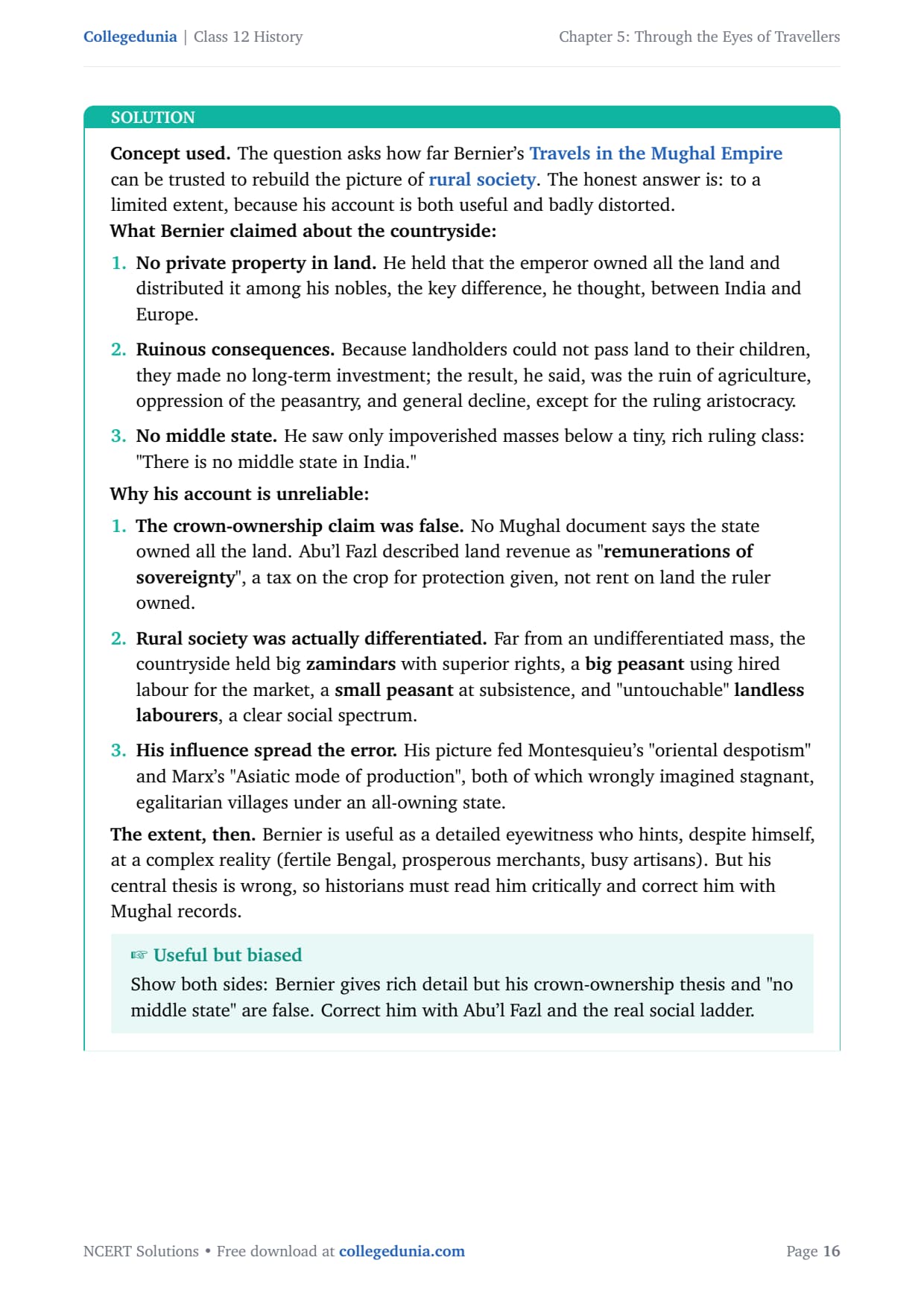
Fig. 5.12, A gold spoon studded with emeralds and
rubies, an example of the dexterity of Mughal artisans. NCERT Themes in Indian
History, Part II, Class 12 History, Theme 5.
Concept used. The question asks how far Bernier's Travels in the Mughal Empire can be
trusted to rebuild the picture of rural society. The honest answer is:
to a limited extent, because his account is both useful and badly distorted.
What Bernier claimed about the countryside:
No private property in land. He held that the emperor owned all
the land and distributed it among his nobles, the key difference, he
thought, between India and Europe.
Ruinous consequences. Because landholders could not pass land
to their children, they made no long-term investment; the result, he
said, was the ruin of agriculture, oppression of the peasantry, and
general decline, except for the ruling aristocracy.
No middle state. He saw only impoverished masses below a tiny,
rich ruling class: "There is no middle state in India."
Why his account is unreliable:
The crown-ownership claim was false. No Mughal document says the
state owned all the land. Abu'l Fazl described land revenue as
"remunerations of sovereignty", a tax on the crop for protection
given, not rent on land the ruler owned.
Rural society was actually differentiated. Far from an
undifferentiated mass, the countryside held big zamindars with
superior rights, a big peasant using hired labour for the
market, a small peasant at subsistence, and "untouchable"
landless labourers, a clear social spectrum.
His influence spread the error. His picture fed Montesquieu's
"oriental despotism" and Marx's "Asiatic mode of production", both of
which wrongly imagined stagnant, egalitarian villages under an all-owning
state.
The extent, then. Bernier is useful as a detailed eyewitness who hints,
despite himself, at a complex reality (fertile Bengal, prosperous merchants,
busy artisans). But his central thesis is wrong, so historians must read him
critically and correct him with Mughal records.
Useful but biased
Show both sides: Bernier gives rich detail but his crown-ownership thesis and "no
middle state" are false. Correct him with Abu'l Fazl and the real social ladder.
Only to a limited extent. Bernier claimed the emperor owned all land,
that this ruined agriculture, and that there was "no middle state". Mughal
records disprove this: Abu'l Fazl called revenue "remunerations of sovereignty",
and rural society was clearly differentiated (zamindars, big and small peasants,
landless labourers). His thesis fed Montesquieu and Marx. So he is a useful but
biased eyewitness whom historians must read critically.
RI
Rohan Iyer
MA Medieval History, Deccan College Pune
Verified Expert
Strategic angle. "To what extent" demands a measured verdict: useful in
part, unreliable in its core thesis. Build the answer as claim then correction,
state what Bernier said about the village, then knock down each point with Mughal
evidence. That two-column logic earns the top band.
Lay out his thesis first so the contrast lands: the emperor owns all land,
landholders cannot inherit so they do not invest, agriculture is ruined, the
peasantry crushed, and there is "no middle state" between rich and poor. Then
correct it systematically. The crown-ownership claim has no support in Mughal
documents; Abu'l Fazl frames revenue as "remunerations of sovereignty", a crop
tax for protection, not rent on royal land. The "undifferentiated mass" is a
fiction: the chapter lays out a real ladder, zamindars with superior rights, big
peasants producing for the market with hired labour, small subsistence peasants,
and landless "untouchable" labourers.
The analytical flourish is to trace the cost of his error. Because Bernier's book
was popular, his false picture hardened into theory, Montesquieu's oriental
despotism and Marx's Asiatic mode of production, both resting on the myth of a
stagnant, state-owned, egalitarian village. Showing how one traveller's bias
shaped centuries of European thought about India is exactly the kind of point
that lifts the essay.
Why this matters. The question is really about using a flawed source
responsibly. The right answer neither swallows Bernier nor dismisses him: it
mines his eyewitness detail while correcting his thesis with Mughal records,
which is the historian's craft the chapter is teaching.
To a limited extent. Bernier's detail is valuable, but his core claims,
crown ownership of all land, ruined agriculture, "no middle state", are wrong.
Abu'l Fazl's "remunerations of sovereignty" and a real rural hierarchy
(zamindars, big and small peasants, landless labourers) refute him, and his
errors fed Montesquieu and Marx. Historians must use him critically.
Q 5.9
Read this excerpt from Bernier: "Numerous are the instances of handsome
pieces of workmanship made by persons destitute of tools, and who can scarcely be
said to have received instruction from a master. Sometimes they imitate so
perfectly articles of European manufacture that the difference between the
original and copy can hardly be discerned. Among other things, the Indians make
excellent muskets, and fowling-pieces, and such beautiful gold ornaments that it
may be doubted if the exquisite workmanship of those articles can be exceeded by
any European goldsmith. I have often admired the beauty, softness, and delicacy
of their paintings." List the crafts mentioned in the passage. Compare these with
the descriptions of artisanal activity in the chapter.
Concept used. This is a source-based essay. First list the crafts in the passage,
then set them beside the chapter's other descriptions of artisanal
activity (the karkhanas in Source 14 and the goods in Source 13).
Crafts mentioned in the passage:
Making muskets (firearms).
Making fowling-pieces (light guns for shooting birds).
Making fine gold ornaments (goldsmithing).
Paintings, admired for their beauty, softness and delicacy.
The passage stresses two things: Indian artisans worked with few tools and
little formal training, yet they could imitate European goods so
perfectly that copy and original were hard to tell apart.
Comparison with the chapter's account of artisans:
A much wider range of crafts. The imperial karkhanas
(Source 14) housed embroiderers, goldsmiths, painters, varnishers in
lacquer-work, joiners, turners, tailors, shoe-makers and makers of silk,
brocade and fine muslins. Source 13 adds carpets, brocades, embroideries
and gold and silver cloths. So goldsmithing and painting appear in both,
but the chapter shows many more crafts.
The same high skill, judged differently. Both the excerpt and
the chapter show genuine skill (the gold spoon of Fig. 5.12 is one
example). But in the karkhana passage Bernier insists there was "little
progress", that artisans had no incentive to improve because the state
took the profits, whereas this excerpt frankly admires their excellence.
Bernier contradicts himself. His usual line is that Indian
manufactures were in decline; yet here he praises muskets, gold work and
paintings as the equal of Europe's. The chapter uses this tension to
show his picture was an oversimplification.
Spot the contradiction
The real point of the comparison is that Bernier praises Indian crafts here but
elsewhere calls them backward. Naming that contradiction is what the question is
really after.
The passage lists muskets, fowling-pieces, gold ornaments and
paintings, praising artisans who imitate European goods perfectly with few tools.
The chapter shows a far wider range in the karkhanas, embroiderers, goldsmiths,
painters, varnishers, joiners, tailors, shoe-makers, makers of silk, brocade and
muslin (Sources 13–14). Both show real skill, but elsewhere Bernier claims the
crafts were in decline with "no progress", so this admiring excerpt contradicts
his usual view.
TJ
Tara Joshi
MA Medieval Indian History, Visva-Bharati University
Verified Expert
Structural observation. A source-comparison question has two clear jobs:
list, then compare. Do the listing crisply in four items, then spend the bulk of
the answer on the comparison, where the marks and the argument lie.
Begin with the list straight from the passage: muskets, fowling-pieces, gold
ornaments, paintings, plus the striking claim that artisans copy European goods
perfectly with almost no tools or training. Then open the comparison by widening
the lens to the chapter. The karkhana account (Source 14) parades a long line of
trades, embroiderers, goldsmiths, painters, varnishers, joiners, turners,
tailors, shoe-makers, weavers of silk, brocade and muslin, and Source 13 adds
carpets and gold and silver cloths. Goldsmithing and painting overlap with the
excerpt; the rest shows how much more the chapter records.
Now the analytical heart: the same Bernier says two different things. In the
karkhana passage he uses real activity to argue there was "no progress", since
the state skimmed the profits and no artisan aspired to better his lot; in this
excerpt he openly admires work that could outdo a European goldsmith. Hold the
two side by side, decline versus excellence, and you expose the contradiction the
chapter wants you to find. The gold spoon of Fig. 5.12 is the perfect visual
proof of the skill he sometimes denied.
Why this matters. The examiner is testing whether you can read a source
against the author's own argument. Listing the crafts is easy marks; spotting
that Bernier's praise here undercuts his thesis of stagnation is the insight that
takes the answer to the top.
Crafts in the passage: muskets, fowling-pieces, gold ornaments and
paintings, with artisans copying European goods perfectly using few tools. The
chapter's karkhanas (Sources 13–14) add embroidery, varnishing, joinery,
tailoring, shoe-making and silk, brocade and muslin weaving. Both show high
skill, yet Bernier elsewhere calls the crafts stagnant with "no progress", so
this admiring excerpt contradicts his usual claim of decline.
Q 5.10
On an outline map of the world mark the countries visited by Ibn
Battuta. What are the seas that he may have crossed?
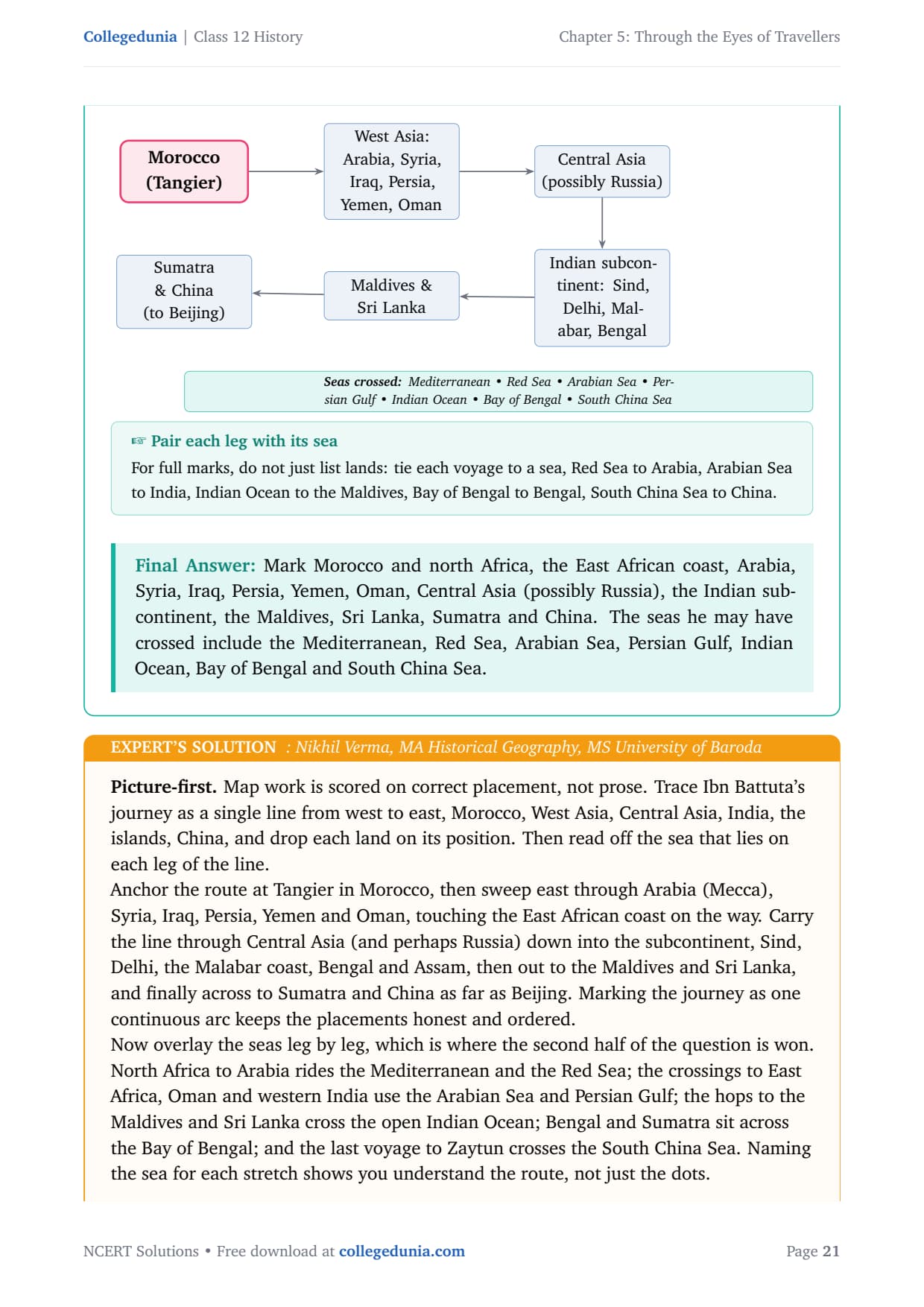
Concept used. This is a map-work task. From the chapter you list the lands Ibn
Battuta travelled to, mark them on a world outline, and then name the seas he
would have crossed to reach them. Below is the guide for what to mark; on the
actual map, locate each one.
Countries (and regions) visited by Ibn Battuta:
Morocco (his homeland, Tangier) and north Africa; the
East African coast.
Arabia (Mecca), Syria, Iraq, Persia
(Iran), Yemen and Oman in West Asia.
Central Asia (and possibly Russia).
The Indian subcontinent (he reached Sind in 1333, then Delhi,
central India, the Malabar coast, Bengal and Assam).
The Maldives and Sri Lanka.
Sumatra and China (going as far as Beijing).
Seas he may have crossed:
The Mediterranean Sea and the Red Sea, on his way
between north Africa, Arabia and the pilgrimage to Mecca.
The Arabian Sea and the Persian Gulf, reaching the
East African coast, Oman, Yemen and the western coast of India.
The Indian Ocean, sailing to the Maldives and Sri Lanka.
The Bay of Bengal, reaching Bengal and Sumatra.
The South China Sea, on the voyage to the Chinese port of
Zaytun (Quanzhou).
!
[See diagram in the PDF version]
Pair each leg with its sea
For full marks, do not just list lands: tie each voyage to a sea, Red Sea to
Arabia, Arabian Sea to India, Indian Ocean to the Maldives, Bay of Bengal to
Bengal, South China Sea to China.
Mark Morocco and north Africa, the East African coast, Arabia, Syria,
Iraq, Persia, Yemen, Oman, Central Asia (possibly Russia), the Indian
subcontinent, the Maldives, Sri Lanka, Sumatra and China. The seas he may have
crossed include the Mediterranean, Red Sea, Arabian Sea, Persian Gulf, Indian
Ocean, Bay of Bengal and South China Sea.
NV
Nikhil Verma
MA Historical Geography, MS University of Baroda
Verified Expert
Picture-first. Map work is scored on correct placement, not prose.
Trace Ibn Battuta's journey as a single line from west to east, Morocco, West
Asia, Central Asia, India, the islands, China, and drop each land on its
position. Then read off the sea that lies on each leg of the line.
Anchor the route at Tangier in Morocco, then sweep east through Arabia (Mecca),
Syria, Iraq, Persia, Yemen and Oman, touching the East African coast on the way.
Carry the line through Central Asia (and perhaps Russia) down into the
subcontinent, Sind, Delhi, the Malabar coast, Bengal and Assam, then out to the
Maldives and Sri Lanka, and finally across to Sumatra and China as far as
Beijing. Marking the journey as one continuous arc keeps the placements honest
and ordered.
Now overlay the seas leg by leg, which is where the second half of the question
is won. North Africa to Arabia rides the Mediterranean and the Red Sea; the
crossings to East Africa, Oman and western India use the Arabian Sea and Persian
Gulf; the hops to the Maldives and Sri Lanka cross the open Indian Ocean; Bengal
and Sumatra sit across the Bay of Bengal; and the last voyage to Zaytun crosses
the South China Sea. Naming the sea for each stretch shows you understand the
route, not just the dots.
Why this matters. The skill being tested is turning a written itinerary
into geography. Correct, ordered placement of the lands and the right sea for
each leg is the whole answer, and it shows you can read a traveller's route as a
real map of the medieval world.
Mark, west to east: Morocco, north and East Africa, Arabia, Syria,
Iraq, Persia, Yemen, Oman, Central Asia, the Indian subcontinent, the Maldives,
Sri Lanka, Sumatra and China. Seas crossed: Mediterranean, Red Sea, Arabian Sea,
Persian Gulf, Indian Ocean, Bay of Bengal and South China Sea, one for each leg
of the journey.
Q 5.11
Interview any one of your older relatives (mother/father/grandparents/
uncles/aunts) who has travelled outside your town or village. Find out (a) where
they went, (b) how they travelled, (c) how long did it take, (d) why did they
travel (e) and did they face any difficulties. List as many similarities and
differences that they may have noticed between their place of residence and the
place they visited, focusing on language, clothes, food, customs, buildings,
roads, the lives of men and women. Write a report on your findings.
Concept used. This is a fieldwork project. There is no single correct answer; you are
marked on how carefully you interview a relative and how clearly you report what
they noticed, the way the chapter's travellers reported the unfamiliar. The guide
below shows how to plan it.
Choose your traveller and prepare questions. Pick one older
relative who has travelled, and write down the five set questions in
advance: where they went, how they travelled, how long it took, why they
went, and what difficulties they faced. Add space to note their answers.
Conduct the interview and record the journey. Note the
destination, the mode of travel (train, bus, plane, on foot), the
duration, the purpose (work, pilgrimage, study, a wedding, escaping
hardship) and the hazards (cost, illness, language trouble, getting
lost).
List similarities and differences. Make two columns, "home" and
"the place visited", and compare them on language, clothes,
food, customs, buildings, roads, and the lives of men and women. This is
exactly what Al-Biruni, Ibn Battuta and Bernier did, recording what
struck them as different.
Write the report. Open with who you interviewed and why, give
the journey details, then present the similarities and differences in
your table, and close with what your relative found most surprising or
unfamiliar.
Travel like the chapter's travellers
Frame your report the way the chapter frames its travellers: focus on what your
relative found unusual. That mirrors how Ibn Battuta highlighted the
coconut and the paan, and turns a family story into history.
Interview one older relative, recording where they went, how, how long,
why, and what difficulties they faced. Then compare their home with the place
they visited on language, clothes, food, customs, buildings, roads, and the lives
of men and women, listing similarities and differences. Write this up as a
report, highlighting what they found most unfamiliar, just as the chapter's
travellers recorded the unusual.
MK
Meera Krishnan
MA History, University of Hyderabad
Verified Expert
Structural observation. A fieldwork report is easiest in three blocks:
the journey (the five set facts), the comparison table, and a short reflection.
Build that frame before you interview, and the writing is just filling it in.
Before meeting your relative, fix the five questions, where, how, how long, why,
and what difficulties, so the interview stays focused and you collect clean facts.
During the talk, listen for vivid detail: the crowded train, the strange food,
the unfamiliar dress, because those specifics are what make the report come
alive. Then build the heart of the project, a two-column comparison of home
against the visited place across language, clothes, food, customs, buildings,
roads, and the lives of men and women, noting both what was similar and what was
different.
The move that connects the project to the chapter is the reflection at the end.
Ask which differences struck your relative most, and explain them the way a
historian would, by the two places' geography, history and way of life, rather
than treating one as "better". That mirrors exactly what Al-Biruni, Ibn Battuta
and Bernier did, and did differently: Al-Biruni compared carefully, Ibn Battuta
marvelled, Bernier judged. Naming which traveller your own relative most
resembles in attitude is a clever closing touch.
Why this matters. The project teaches the chapter's core lesson, that
travel makes people notice and record difference, by turning you into the
recorder. A clear journey account, an honest comparison table and a thoughtful
reflection on what felt unfamiliar are what earn the marks.
Plan the report in three parts: the journey (where, how, how long, why,
difficulties), a two-column comparison of home and the visited place (language,
clothes, food, customs, buildings, roads, the lives of men and women), and a
reflection on what your relative found most unfamiliar, linking their attitude to
the chapter's travellers.
Q 5.12
For any one of the travellers mentioned in the chapter, find out more
about his life and writings. Prepare a report on his travels, noting in
particular how he described society, and comparing these descriptions with the
excerpts included in the chapter.
Concept used. This is a research project. There is no single right answer; you are
marked on how well you research one traveller, report his life and writings, and
compare his description of society with the excerpts in this chapter. The guide
below shows how to plan it.
Choose one traveller. Pick Al-Biruni, Ibn Battuta or Bernier,
or another named in the chapter (such as Abdur Razzaq, Tavernier, Marco
Polo or Peter Mundy). Choose one you can find reading material on.
Research his life and writings. Note where he came from, when
and why he travelled, the lands he visited, and the book he left, the
Kitab-ul-Hind, the Rihla, or Travels in the Mughal Empire.
Focus on how he described society. Pull out his account of
caste, cities, slaves, sati, crafts, women, or rural life, whatever your
traveller wrote about, and summarise his attitude (curious, comparative,
critical).
Compare with the chapter's excerpts. Set your wider reading
beside the sources quoted here. Does the fuller account match the
excerpts, or add to them? For example, the chapter's Bernier excerpts on
land and sati can be checked against more of his Travels.
Read the traveller against himself
The richest reports check the chapter's short excerpts against the traveller's
fuller writing. Noticing where the longer account agrees with, or complicates,
the textbook excerpt is the real historical work the project invites.
Choose one traveller (Al-Biruni, Ibn Battuta, Bernier or another from
the chapter), research his life, journeys and book, and focus on how he described
society, his attitude and his main observations. Then compare this fuller picture
with the excerpts quoted in the chapter, noting where the two agree and where the
longer account adds to or complicates the textbook version.
SQ
Sara Qureshi
MA Medieval History, Aligarh Muslim University
Verified Expert
Structural observation. A traveller report writes itself in four
sections: the man, his book, his view of society, and the comparison with the
chapter. Decide your traveller first, then research straight into those four
headings.
Pick the traveller you can genuinely read about, Ibn Battuta is ideal, since his
Rihla is widely translated and the chapter already gives you his coconut, city,
postal and slavery passages to build on. Under "the man", give his origin,
dates and reasons for travelling; under "his book", name and describe the work
and who it was written for. The heart of the report is "his view of society":
gather his descriptions of cities, markets, slaves and women, and characterise
his stance, in Ibn Battuta's case, wonder at the unfamiliar.
The section that turns a school report into history is the comparison. Lay your
wider reading beside the chapter's excerpts and ask whether they match. You will
often find the fuller account deepens the textbook, the Rihla's full description
of Delhi's ramparts and gates, for instance, expands the short excerpt here, while
its casual gifting of slaves confirms the picture of slavery as routine.
Wherever the longer text complicates the excerpt, say so: that is you reading the
source critically.
Why this matters. The project trains the chapter's central skill, using
a traveller's account as evidence. Researching one traveller in depth and
testing the chapter's excerpts against his fuller writing is exactly how
historians work with these sources, and it is what the report is designed to
teach.
Research one traveller under four heads: his life, his book, how he
described society, and a comparison with the chapter's excerpts. For Ibn Battuta,
for example, set his fuller Rihla (on Delhi, markets, slaves) against the textbook
passages, showing where the longer account confirms or deepens them, which is the
critical reading the project rewards.
FAQs on Through the Eyes of Travellers Class 12 NCERT Solutions
Through the Eyes of Travellers Class 12 History Common Questions
Ques. Where can I get the class 12 history chapter 5 ncert solutions PDF?
Ans. You can download the Through the Eyes of Travellers Class 12 History NCERT Solutions PDF directly from this page. It is free, follows the 2026-27 NCERT, and answers all 12 exercise questions step by step.
Ques. How many questions are there in class 12 history chapter 5 questions and answers?
Ans. The chapter has 12 exercise questions. Nine are written answers, and the last three (5.10 to 5.12) are map work and project activities used in the history project file class 12 chapter 5.
Ques. Who are the three travellers in class 12 history chapter 5?
Ans. They are Al-Biruni from Uzbekistan, who wrote the Kitab-ul-Hind, Ibn Battuta from Morocco, who wrote the Rihla, and Francois Bernier from France, who wrote Travels in the Mughal Empire. Each viewed Indian society through a different lens.
Ques. Which are the most important questions in history class 12 chapter 5 question answer practice?
Ans. The comparison of Ibn Battuta and Bernier (Q 5.2), the picture of urban centres in Bernier (Q 5.3), and Al-Biruni on the caste system (Q 5.6) are the most-asked long answers. These three top every list of class 12 history chapter 5 important questions.
Ques. What is the Kitab-ul-Hind?
Ans. The Kitab-ul-Hind is Al-Biruni's eleventh-century book on India, written in Arabic in about 80 chapters. It covers religion, science, customs and laws, and uses a clear method that compares Indian ideas with Greek and other thought.
Ques. Is class 12 history chapter 5 hard to score in the board exam?
Ans. No. It is one of the easier scoring chapters if you keep the three travellers separate and judge each account instead of repeating it. Practise the source-based extracts and a few class 12 history chapter 5 mcq sets to fix the small facts.








Comments