




The Through the Eyes of Travellers PDF is the official NCERT chapter on Al-Biruni, Ibn Battuta and Bernier from Themes in Indian History Part II. This page lets students download the original Chapter 5 text and source extracts for the 2026-27 CBSE syllabus. Reading the source chapter is the best way to understand the travellers' accounts behind every exam answer on medieval Indian society.
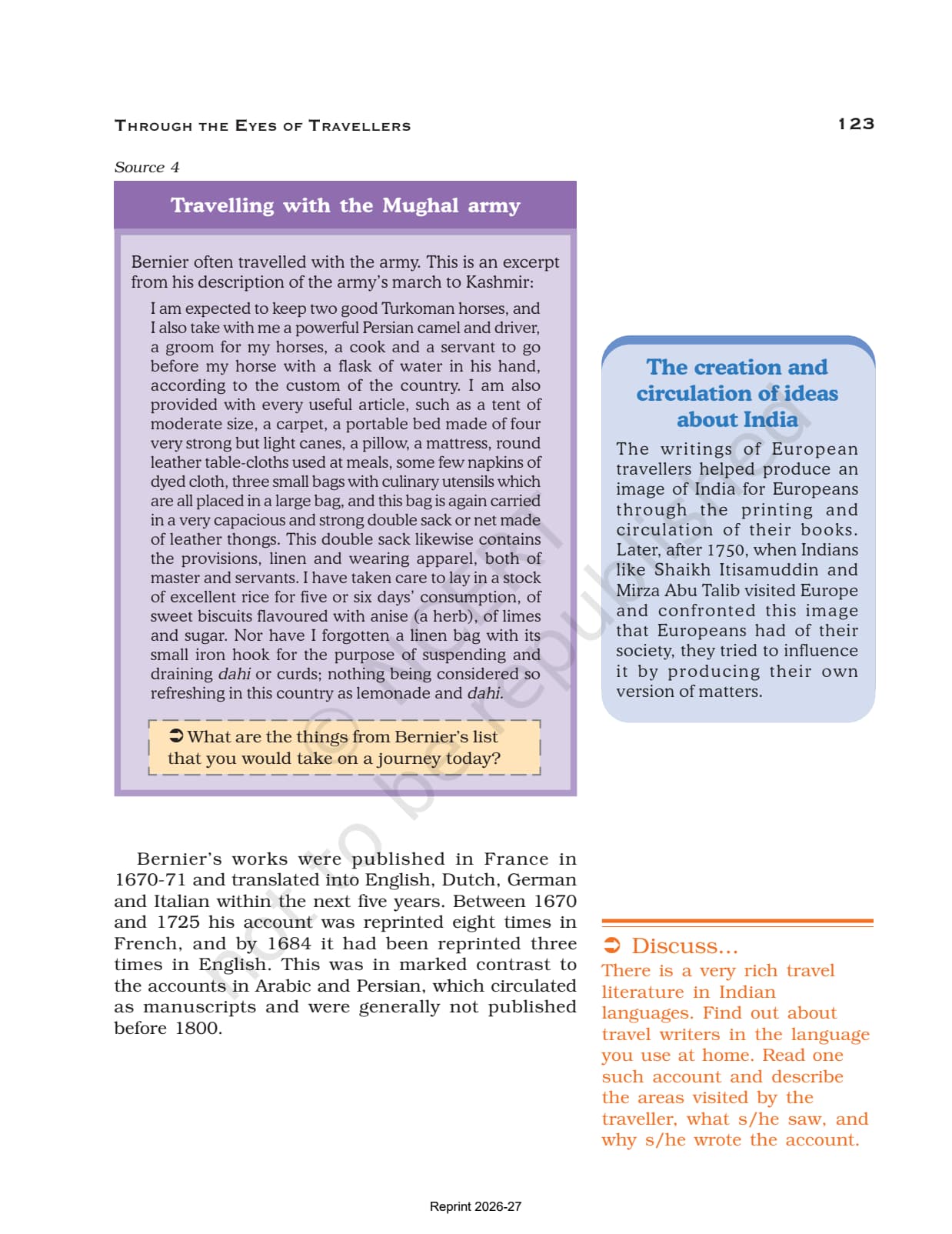
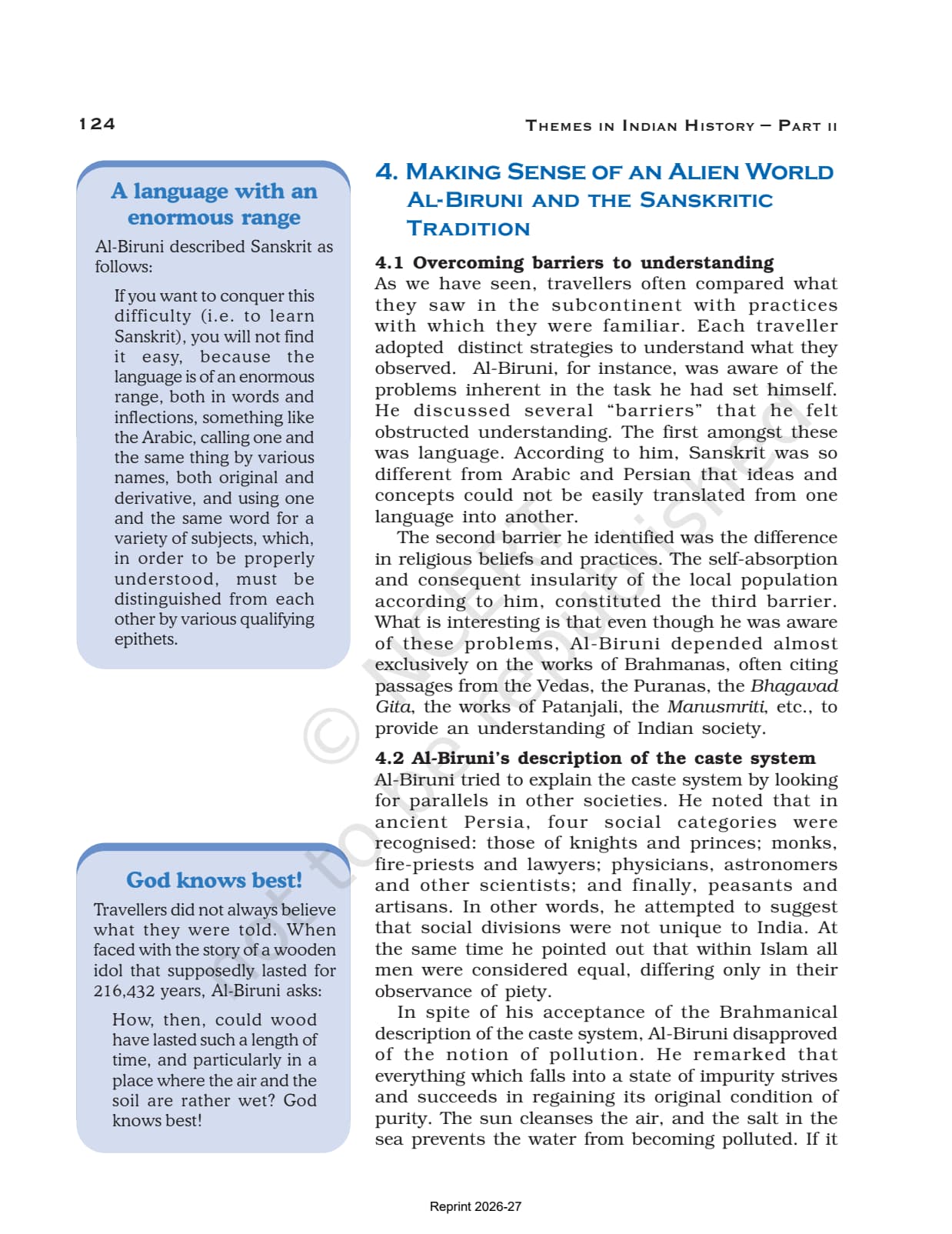
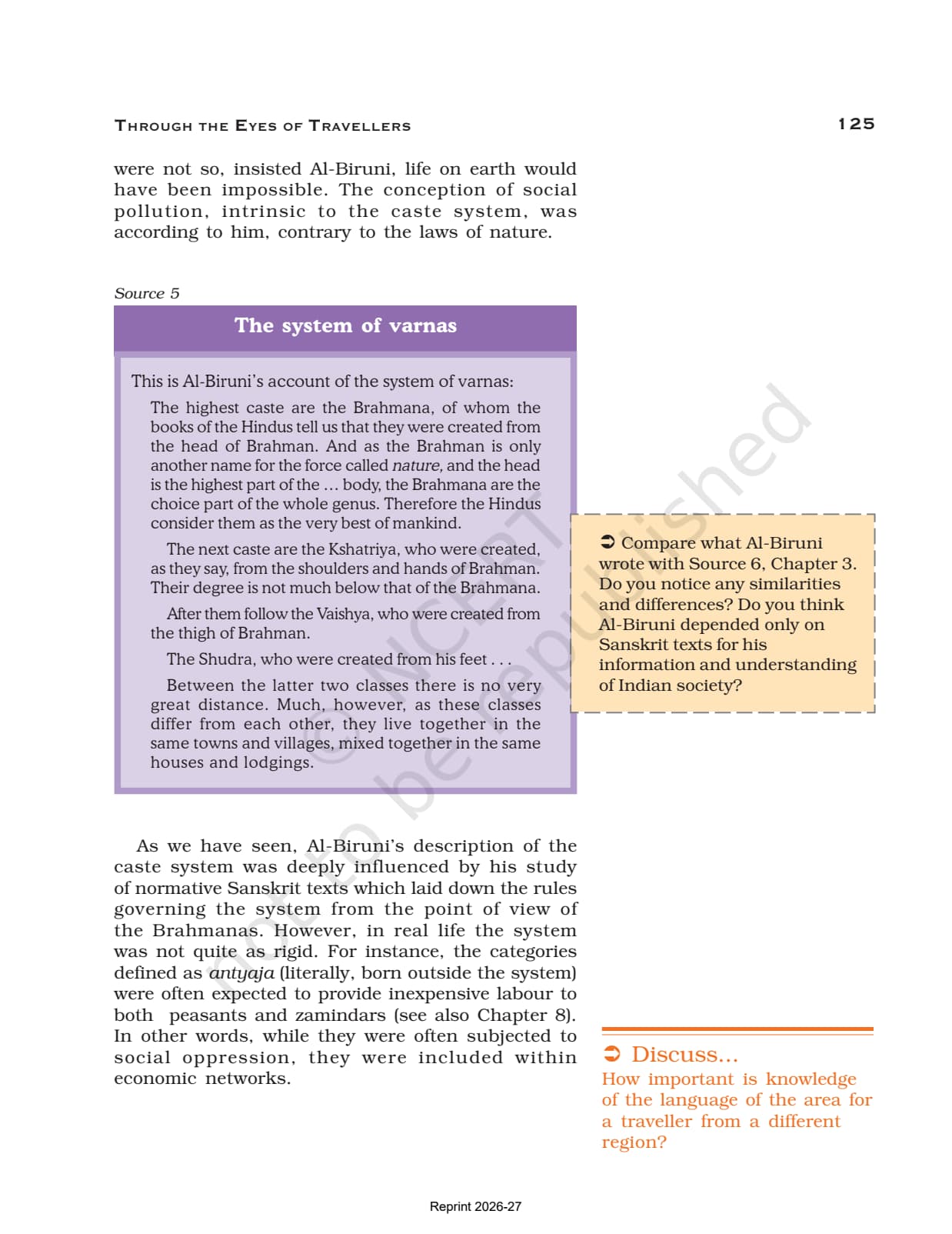
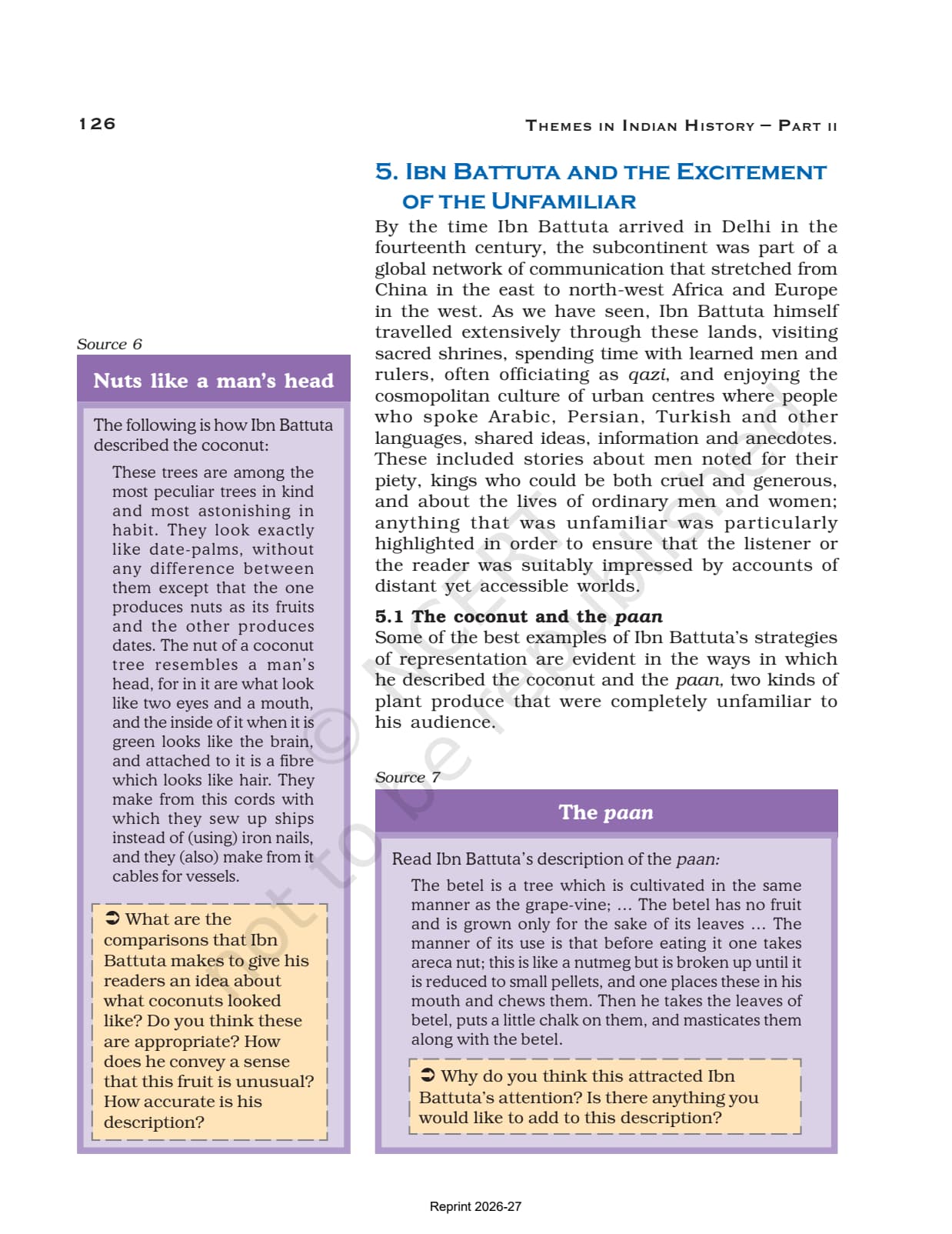
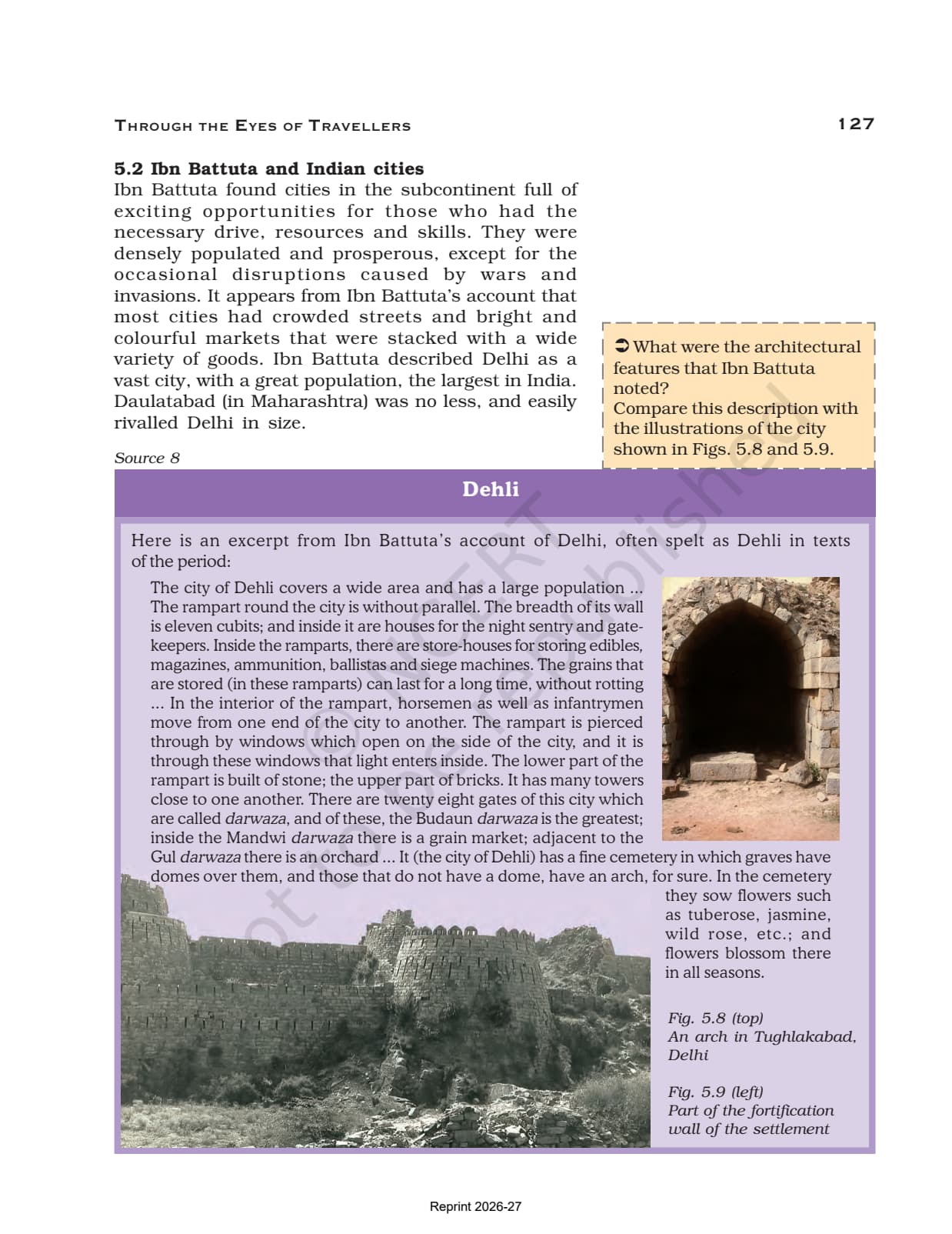
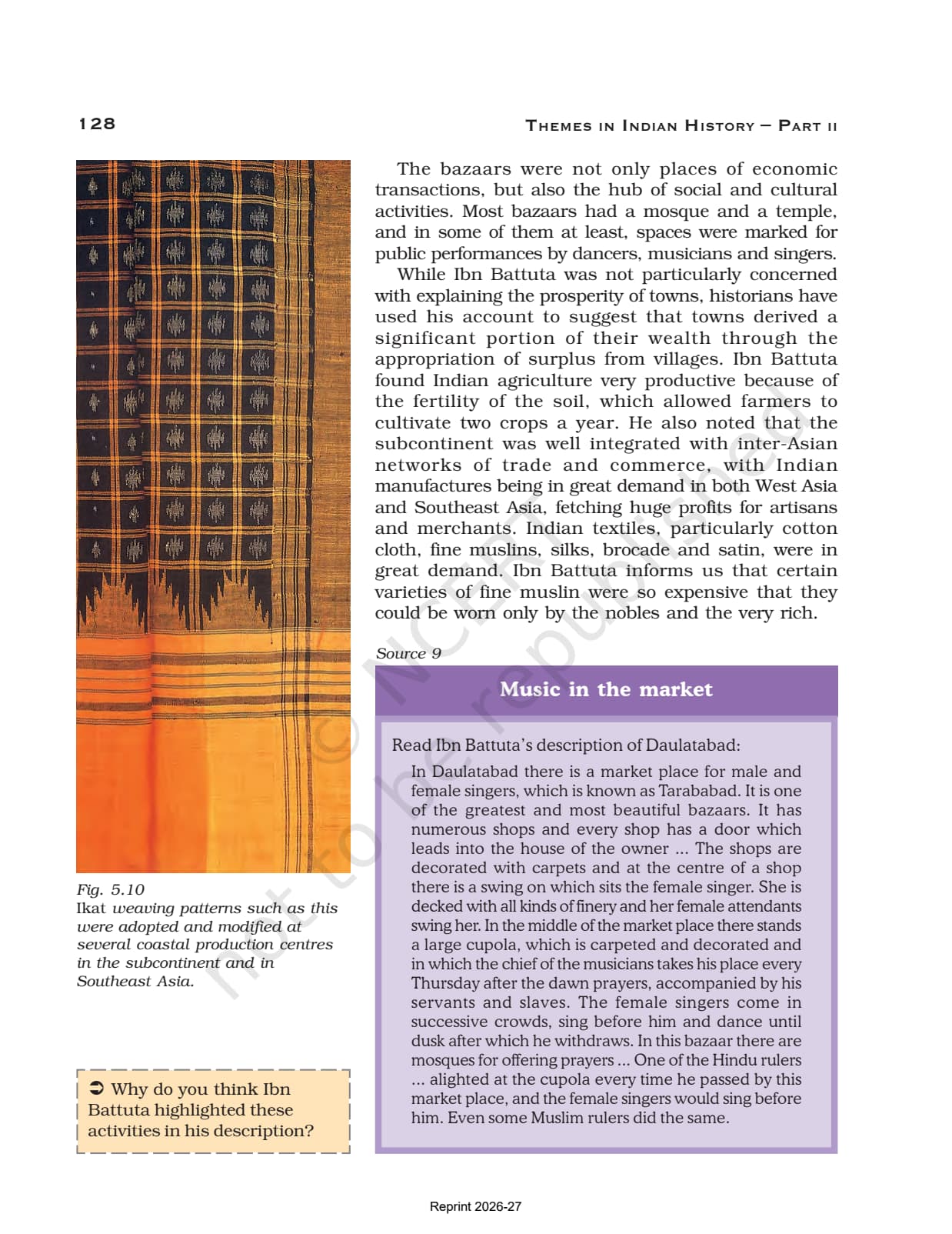
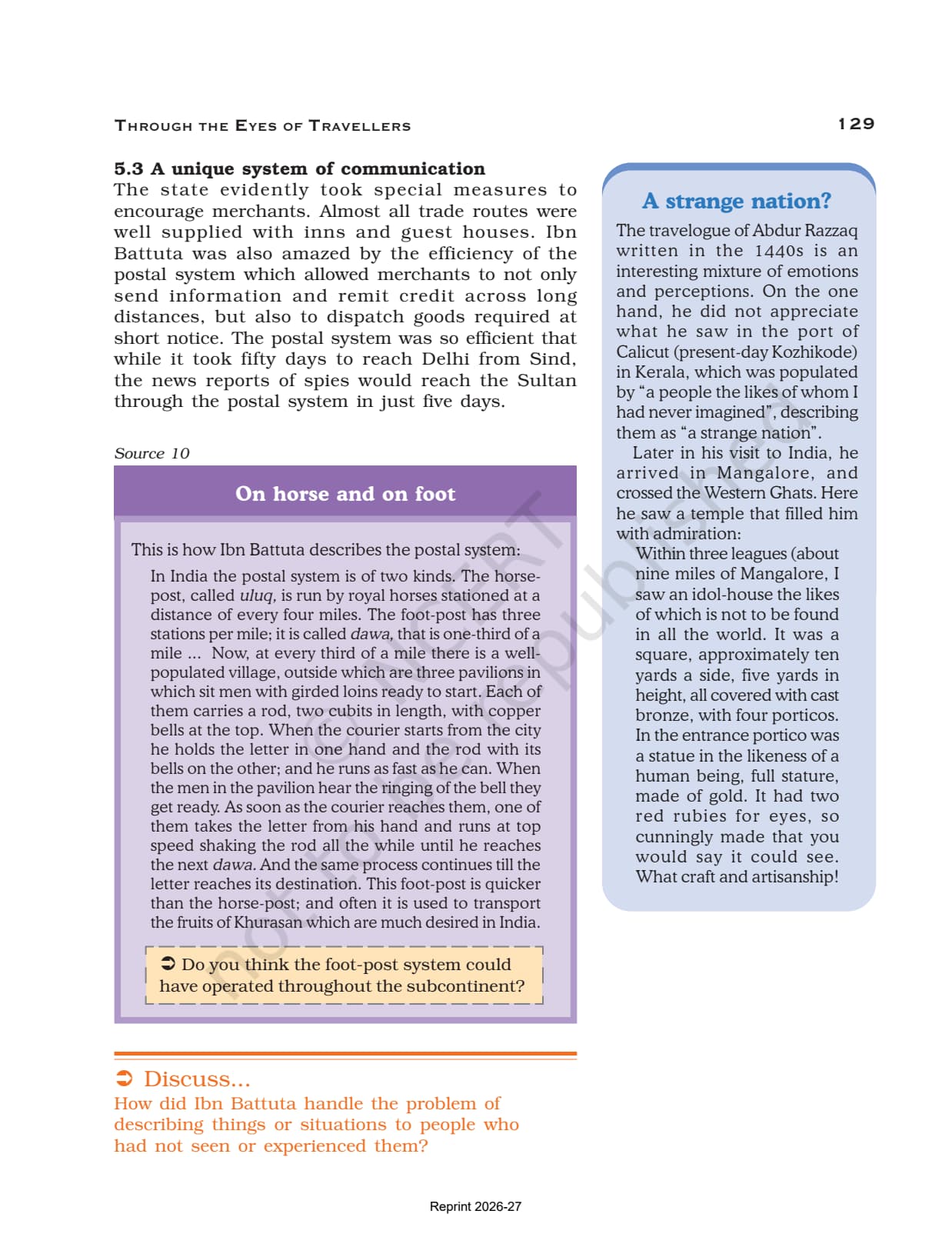
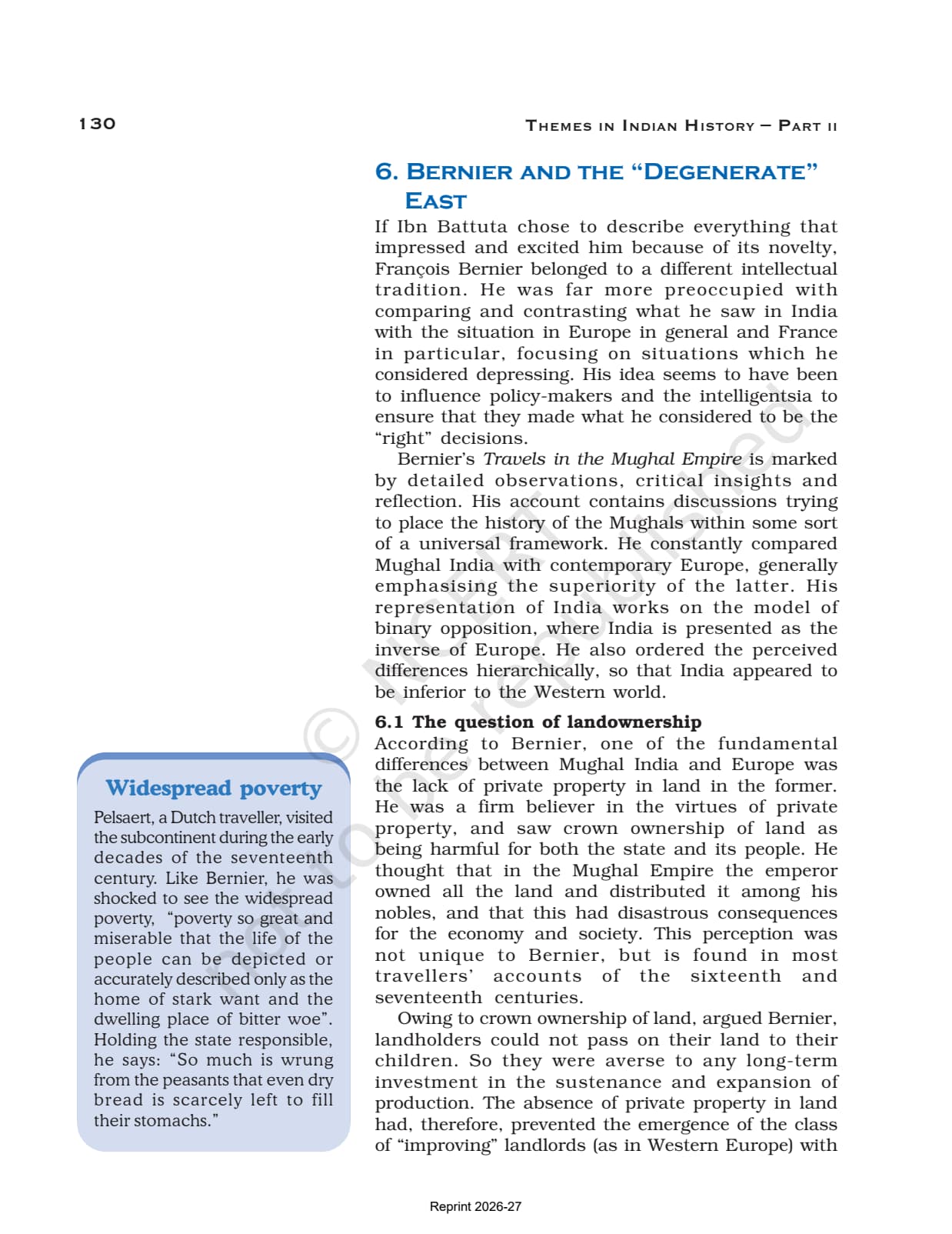
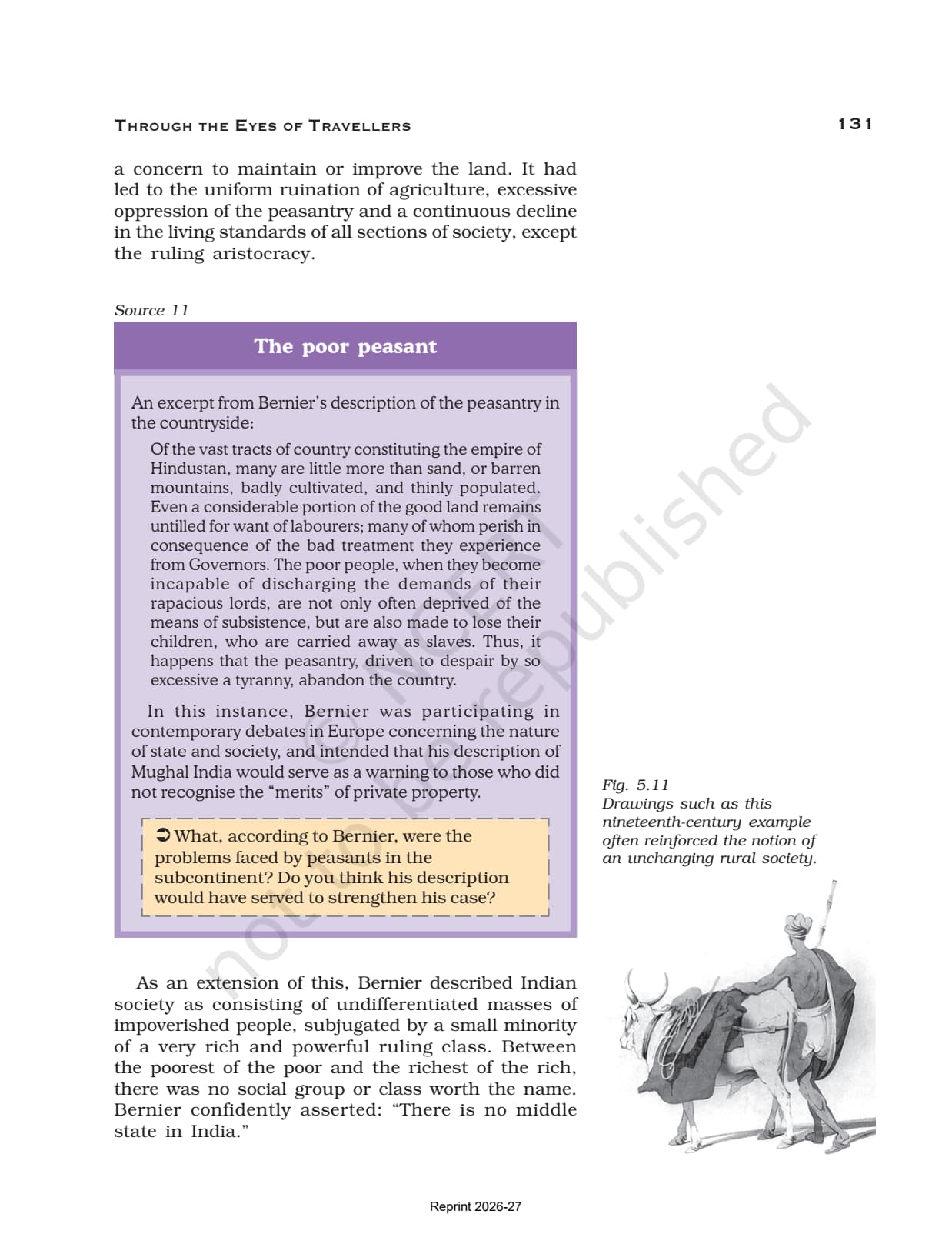
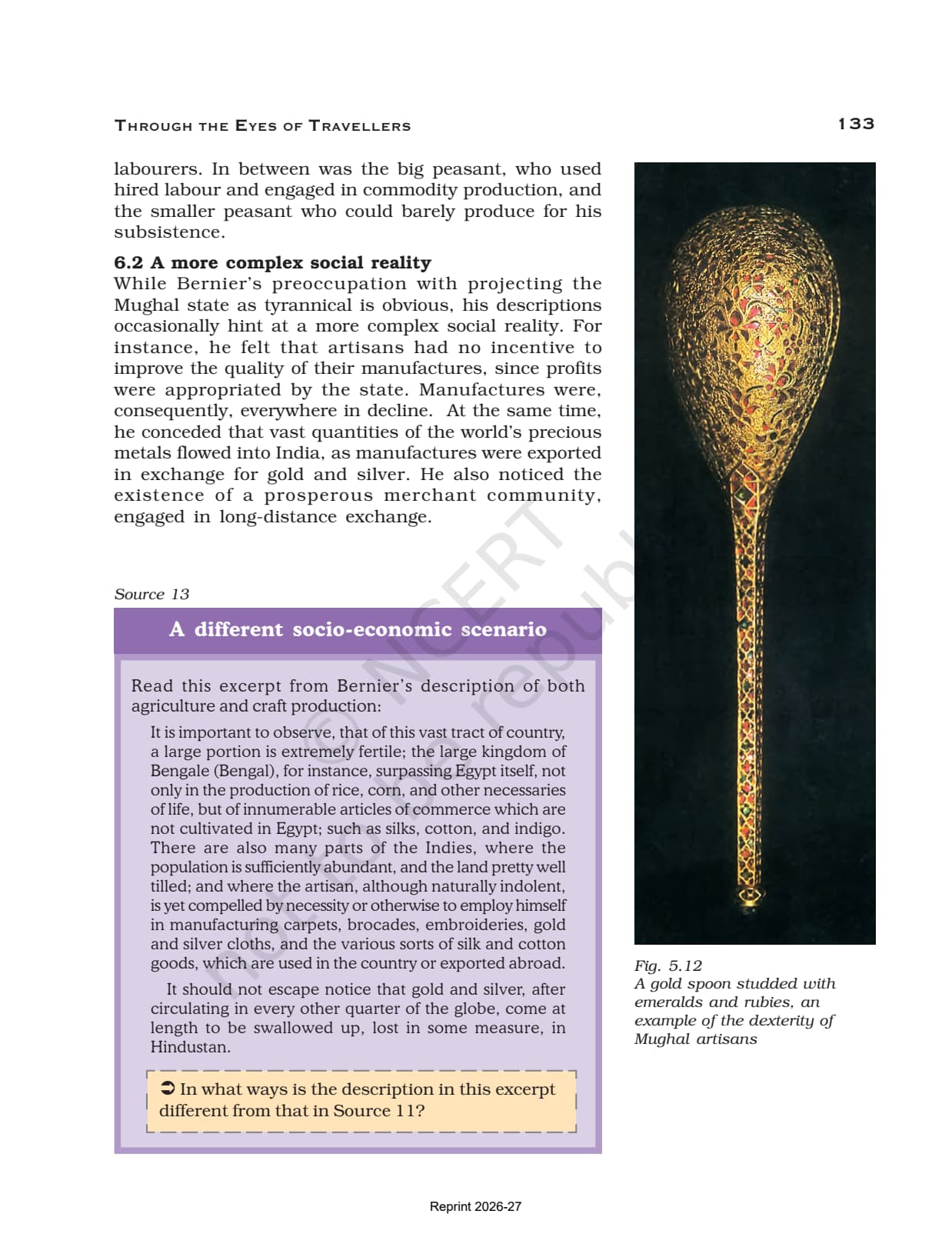
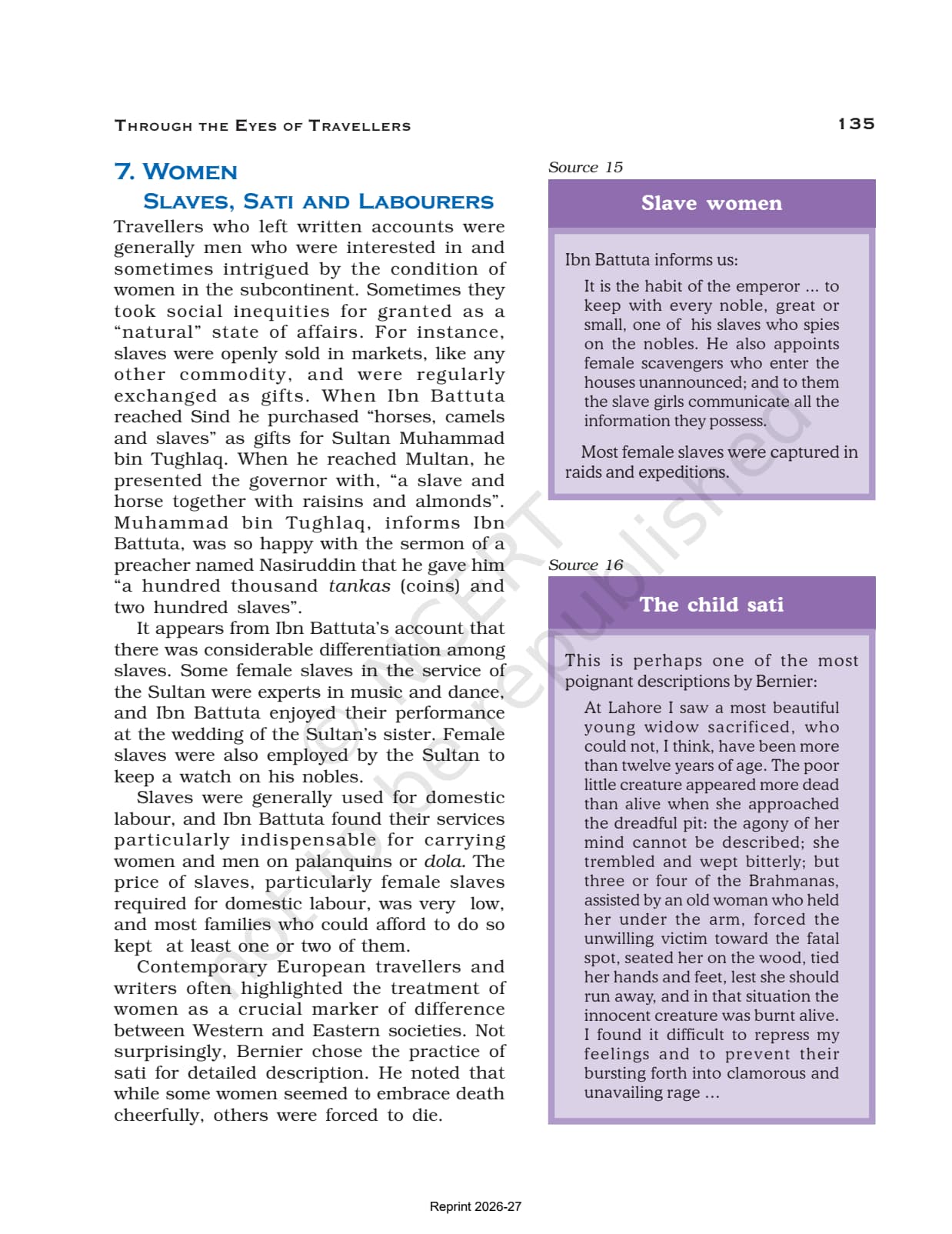
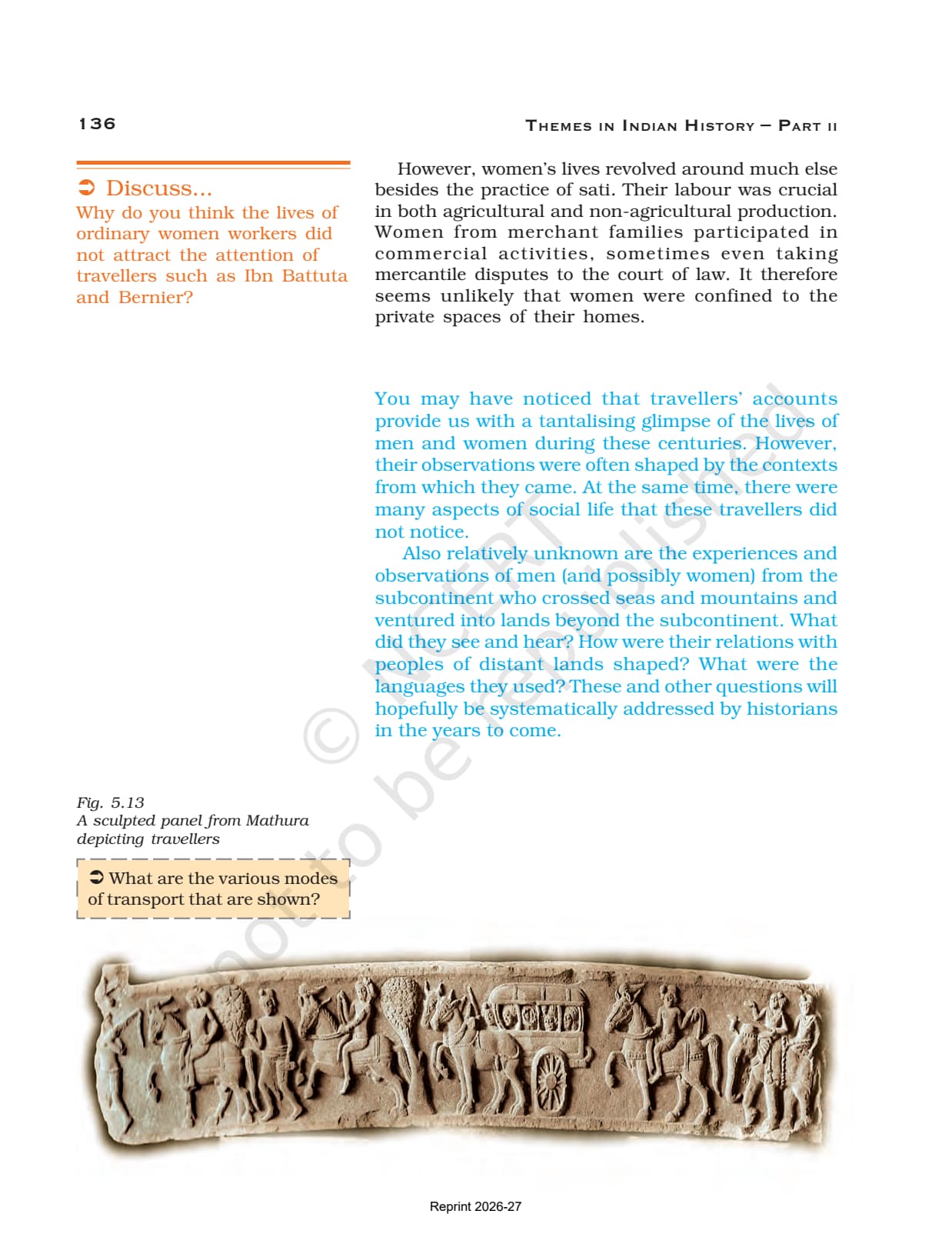
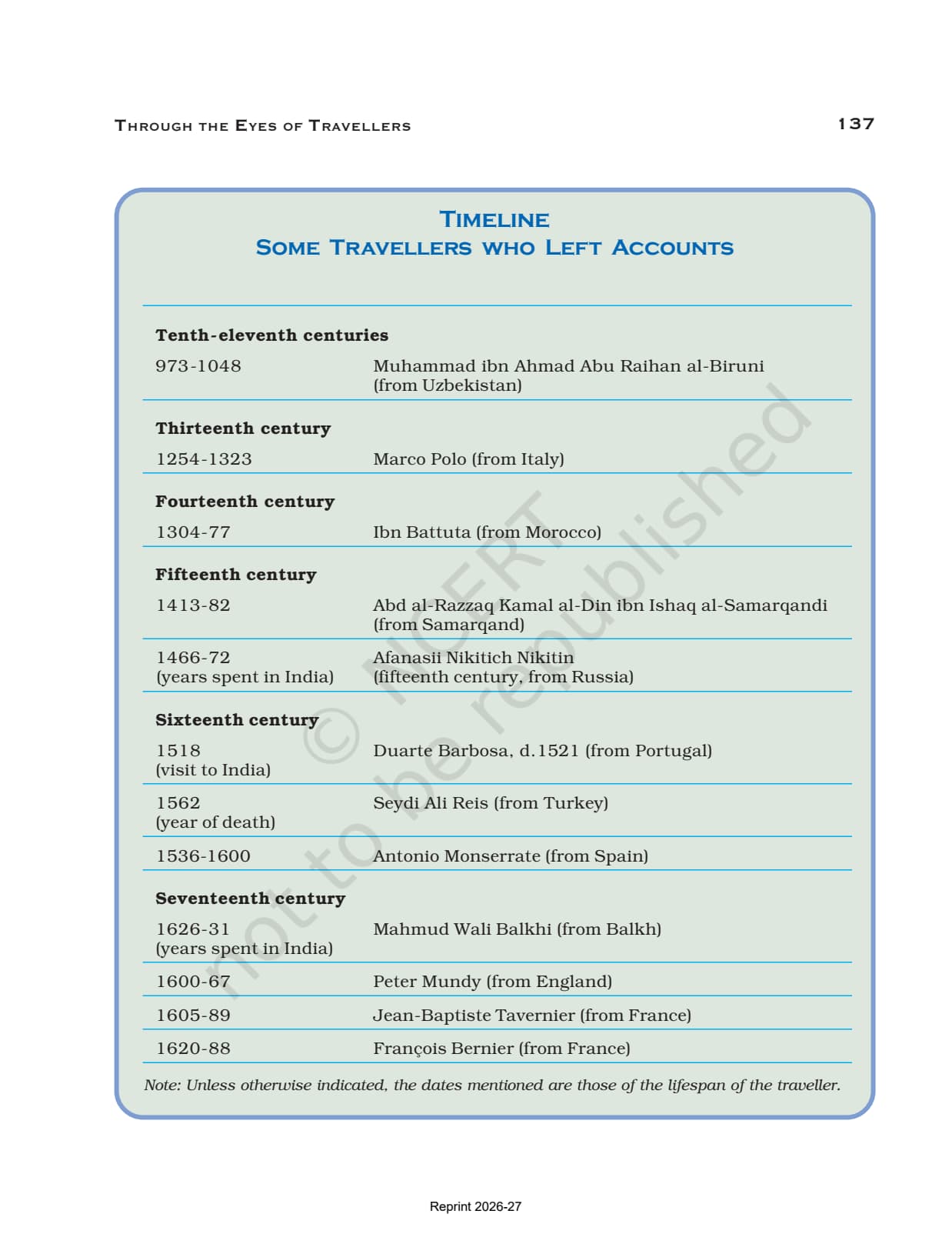
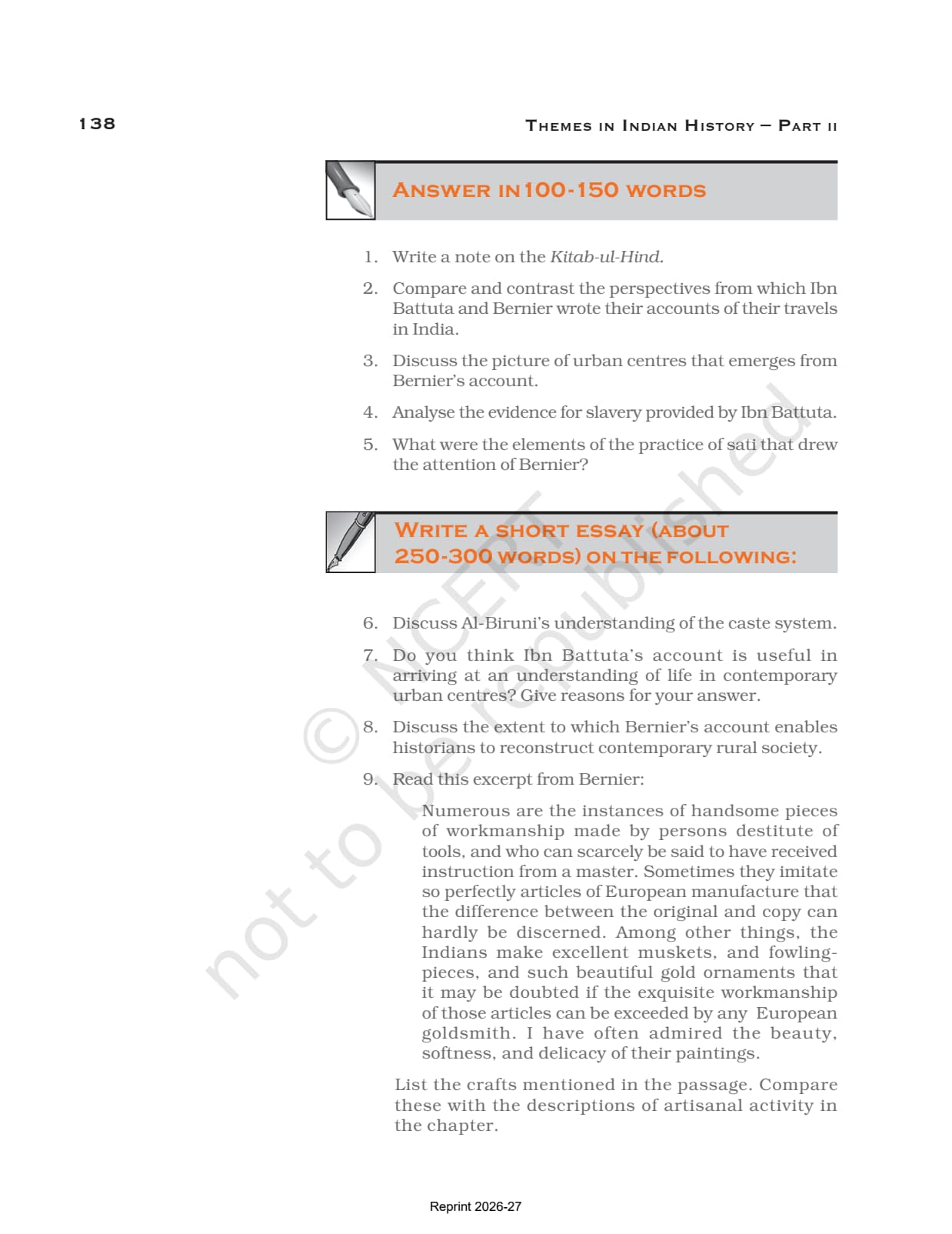
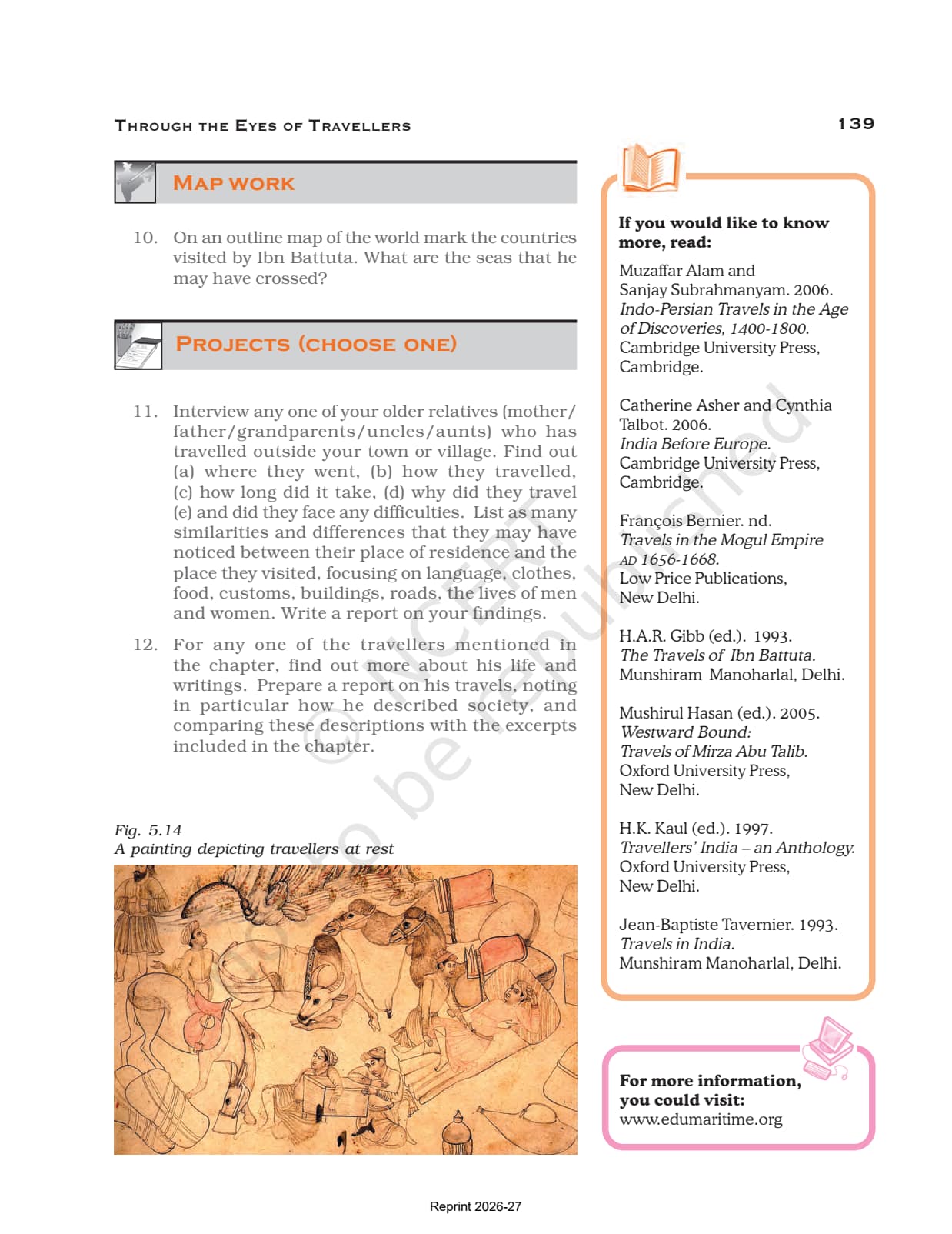
- Official NCERT chapter with the original maps, source extracts and traveller passages.
- This Class 12 History chapter usually carries 6 to 8 marks in the board paper.
- Pairs with the NCERT Solutions, Notes and Handwritten Notes linked lower on this page.
This is the official NCERT Through the Eyes of Travellers chapter from Themes in Indian History Part II, offered for free download in the 2026-27 edition.
Student Feedback: In a Collegedunia poll of 7,620 Class 12 History students before the 2026 boards, 67% of students said they kept the official NCERT chapter PDF open while solving source-based questions, because the answers come straight from the chapter's own extracts from the Kitab-ul-Hind, the Rihla and Bernier.
Source: 2026-27 Class 12 History student poll. Sample of 7,620 students from CBSE schools across 12 states.
What the Through the Eyes of Travellers NCERT Chapter Covers
Through the Eyes of Travellers is the fifth chapter of Themes in Indian History Part II. It studies Indian society from the tenth to the seventeenth century through three outsiders, and the NCERT builds the whole picture from their own books and the source extracts it quotes.
The three words at the heart of the chapter are its three travellers:
- Al-Biruni introduces the Kitab-ul-Hind and his reading of caste.
- Ibn Battuta introduces the Rihla, Indian cities, slaves and the postal system.
- Bernier introduces land, towns, crafts and sati in the Mughal Empire.
The chapter also reflects on how outsiders' writing becomes evidence for historians. Reading the original NCERT text matters because the source extracts and captions in the class 12 history chapter 5 pdf are exactly what CBSE quotes in source-based questions. A student who knows the chapter's own passages can answer those extracts with confidence.
Chapter Highlights and Important Source Extracts
The NCERT chapter is rich with passages, paintings and a world map that the exam often refers to. Knowing what each highlight shows helps students answer "read the source" questions quickly. The table lists the highlights students should study in the original chapter PDF.
| Highlight | Why it matters |
|---|---|
| Kitab-ul-Hind extract | Shows Al-Biruni's method and his view of caste and pollution. |
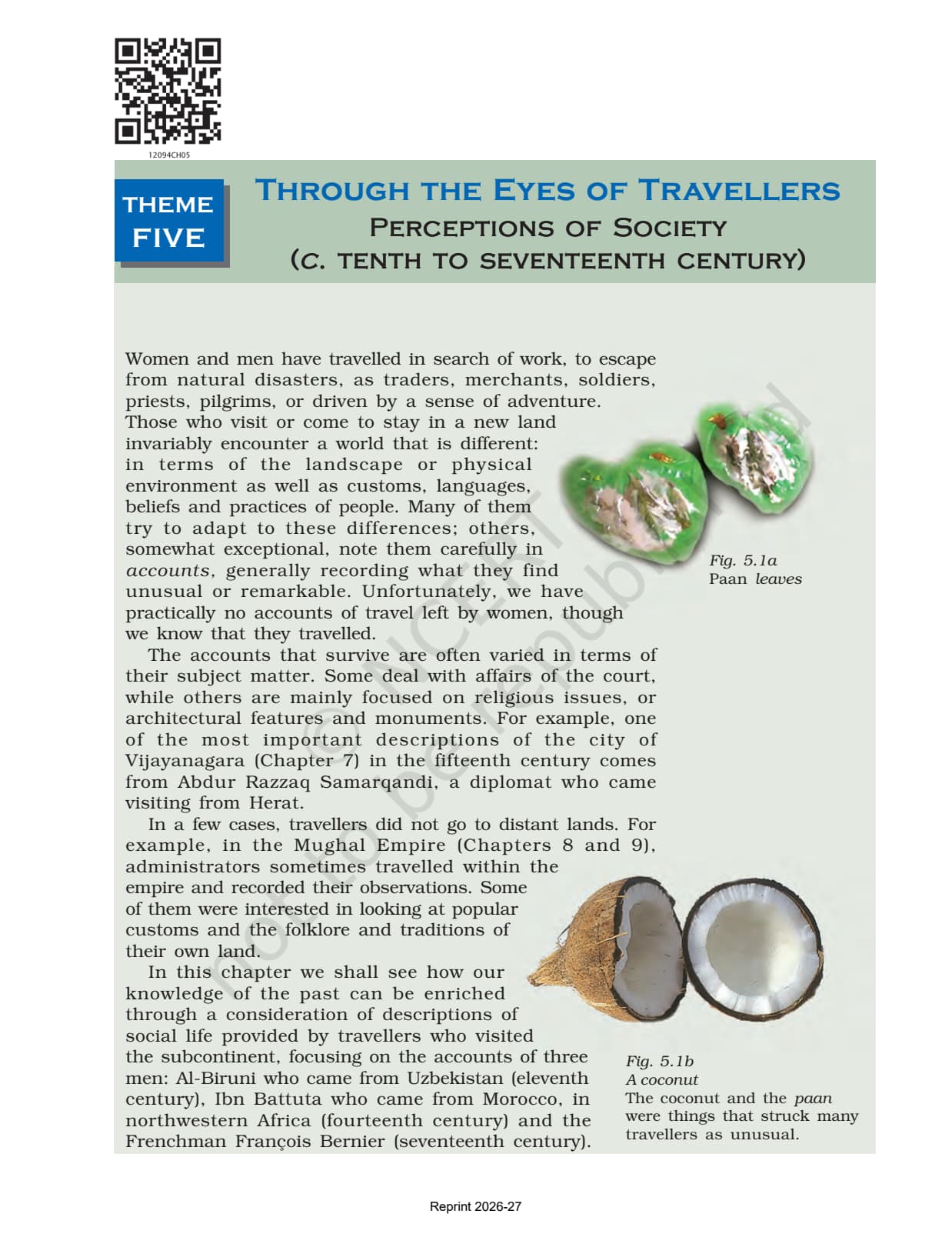
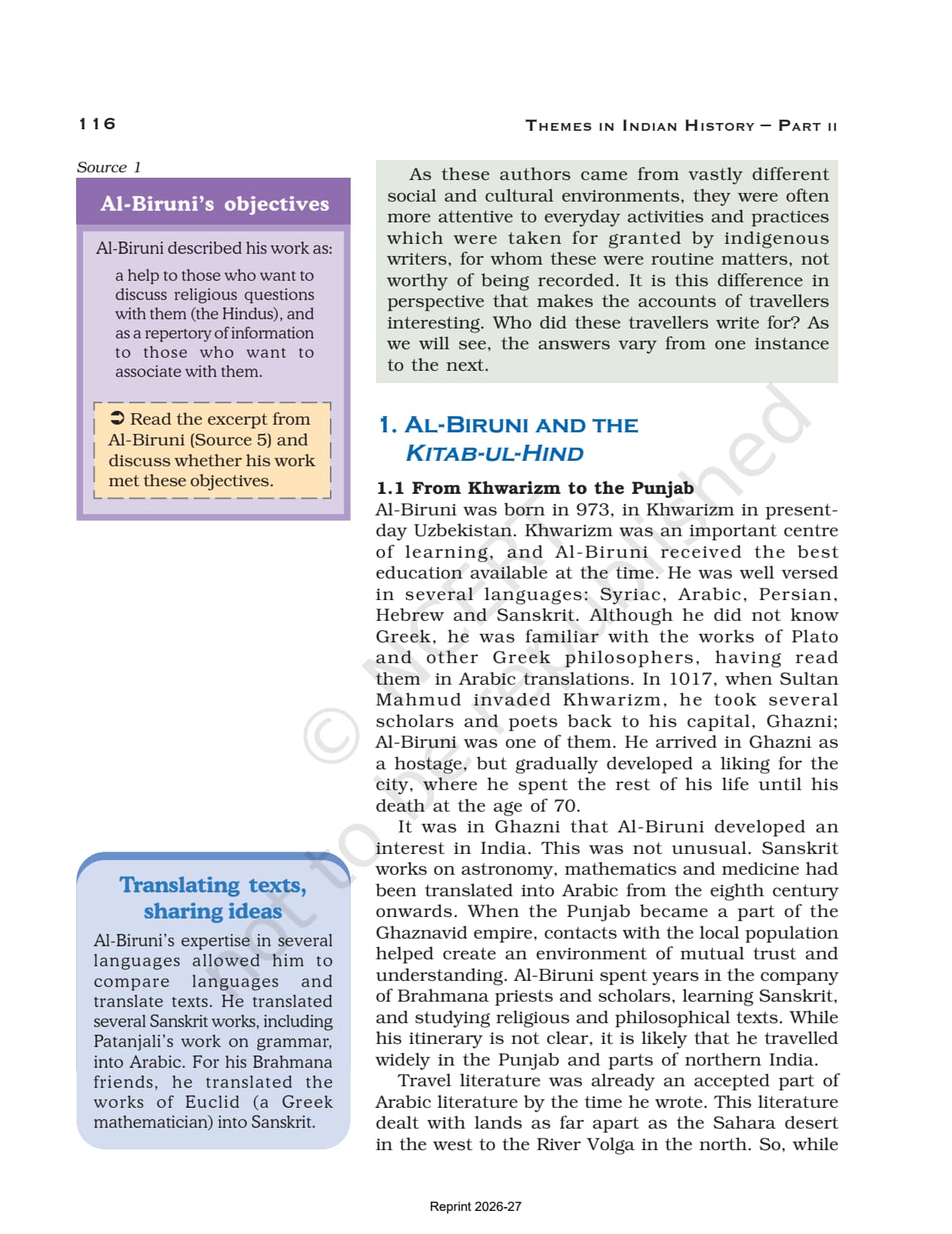
| Rihla passages | Describe Indian cities, the coconut and paan, slaves and the postal system. |
| Bernier on land | The claim that the king owned all land, used to discuss landownership. |
| The sati passage | A source image and text the exam uses to discuss how outsiders read custom. |
| World map of Ibn Battuta | Marks the countries he visited, used for the map-work question. |
The chapter also explains the dates that anchor the three accounts: Al-Biruni 973 to 1048, Ibn Battuta 1304 to 1377, and Bernier 1620 to 1688. One point students should mark while reading is that Bernier's claim of crown ownership of all land is now seen as wrong. That single line from the chapter is the heart of the landownership answer, and it appears almost every year.
The Three Travellers and Their Books in the Chapter
The chapter devotes a section to each traveller, so reading them in order keeps the accounts separate. These sections feed the short and long answers, so reading them in the original NCERT helps students quote the right examples. The lists below show what the chapter covers under each writer.
- Al-Biruni: the Kitab-ul-Hind in Arabic, his method of comparison, the language and belief barriers, and his reading of caste.
- Ibn Battuta: the Rihla, crowded cities and bazaars, the coconut and paan, the horse-post and foot-post, and slaves.
- Bernier: Travels in the Mughal Empire, landownership, "camp towns", the skill of artisans, and the practice of sati.
- The big idea: how three outsiders, each writing for a different home country, recorded a different slice of Indian society.
The chapter explains that each traveller wrote for his own home country and with his own purpose, so each account reveals as much about the writer as about India. It also shows how Bernier's binary of a poor East and a rich West shaped European thinking. Because these examples come straight from the source chapter, the chapter 5 history class 12 ncert book is the most reliable place to learn them.
How the Chapter Reads Society Through Outsiders
The most thoughtful parts of the chapter ask how outsiders' writing becomes history. NCERT explains how scholars weigh these accounts, since each writer saw only a part of society. Reading these pages in the original chapter helps students write balanced answers.
- Value of the accounts: they record daily life, cities, crafts and customs that Indian texts often skip.
- Bias to watch: Bernier judged India against Europe, while Al-Biruni leaned on Brahmanical texts.
- Cross-checking: historians compare the accounts with each other and with Indian sources.
- Reading limits: a single traveller's view must be tested, not taken as the whole truth.
The chapter is honest that these travelogues are valuable but partial, so they must be read with care. It closes by showing how Bernier's wrong claim about land still shaped European views of a "Degenerate East" for centuries. Reading these pages in the official PDF gives students the wording NCERT itself uses, which scores best in the board paper.
How to Download and Use the NCERT Chapter PDF
The chapter PDF is free and easy to use on any device. Students can save it for offline reading and pair it with the solutions and notes. The steps below show how to get the most out of the through the eyes of travellers pdf during revision.
- Download: tap the download card above to save the official Chapter 5 PDF to your device.
- First read: read the chapter once end to end, marking the source extracts and the world map.
- Source practice: keep the PDF open while attempting source-based questions, since the passages come from it.
- Revision: use the chapter alongside the notes to fix dates and book titles.
Many students search for the class 12 history chapter 5 pdf the night before a test so they can revise offline. A saved copy means the source extracts and figures are always at hand. After reading the chapter, move to the solutions to check that your answers match the model points, then use the notes for a final quick recall.
How the Book PDF Pairs with the Solutions and Notes
The NCERT Book PDF is the source text. To prepare fully, students should use it with the other resources for the same chapter, all linked in the table below. Read the chapter, fix the ideas with the notes, then test yourself with the solutions.
| Resource | Best used for |
|---|---|
| Through the Eyes of Travellers NCERT Solutions | Step-by-step answers to all 12 back-exercise questions |
| Through the Eyes of Travellers Class 12 Notes | Quick chapter summary with all dates and book titles in one place |
| Through the Eyes of Travellers Handwritten Notes | Last-minute, one-shot revision in a scanned notebook style |
Tip: read the chapter PDF first, then attempt the solutions on your own, and only then check the model answers. Reading the source text before the answers builds far stronger source-based skills.
All Class 12 History NCERT Book PDFs by Chapter
The table links the NCERT chapter PDFs for every chapter in Themes in Indian History so students can move across the book in one click. Chapter 5 is highlighted.
| Chapter | NCERT Book PDF |
|---|---|
| Chapter 1 | Bricks, Beads and Bones |
| Chapter 2 | Kings, Farmers and Towns |
| Chapter 3 | Kinship, Caste and Class |
| Chapter 4 | Thinkers, Beliefs and Buildings |
| Chapter 5 | Through the Eyes of Travellers |
| Chapter 6 | Bhakti-Sufi Traditions |
| Chapter 7 | An Imperial Capital Vijayanagara |
| Chapter 8 | Peasants, Zamindars and the State |
| Chapter 9 | Colonialism and the Countryside |
| Chapter 10 | Rebels and the Raj 1857 |
| Chapter 11 | Mahatma Gandhi and the Nationalist Movement |
| Chapter 12 | Framing the Constitution |
FAQs on Through the Eyes of Travellers NCERT Book PDF
Through the Eyes of Travellers Class 12 NCERT Book Common Questions
Ques. Where can I download the Through the Eyes of Travellers NCERT Book PDF?
Ans. You can download the official Through the Eyes of Travellers Class 12 History chapter PDF directly from this page. It is free, follows the 2026-27 NCERT edition, and carries the original text, maps and source extracts of Chapter 5.
Ques. Which book is Through the Eyes of Travellers from?
Ans. It is the fifth chapter of Themes in Indian History Part II, the Class 12 History textbook. The chapter studies medieval Indian society through the accounts of Al-Biruni, Ibn Battuta and Bernier.
Ques. What does the Through the Eyes of Travellers chapter cover?
Ans. It covers Indian society from the tenth to the seventeenth century through Al-Biruni's Kitab-ul-Hind, Ibn Battuta's Rihla and Bernier's Travels in the Mughal Empire, including caste, cities, slavery, the postal system, sati and landownership.
Ques. Why should I read the original NCERT chapter PDF?
Ans. Because CBSE draws source-based questions straight from the chapter's own extracts, paintings and captions. Reading the official chapter 5 history class 12 PDF gives you the exact wording and examples that score best in the board paper.
Ques. How should I use the chapter PDF with the other resources?
Ans. Read the chapter PDF first, fix the ideas with the notes, then test yourself with the solutions. Keeping the PDF open while practising source-based questions helps, since the passages come directly from it.



Comments