




The An Imperial Capital Vijayanagara PDF is the official NCERT chapter on the Vijayanagara Empire and the ruins of Hampi from Themes in Indian History Part II. This page lets students download the original Chapter 7 text and figures for the 2026-27 CBSE syllabus. Reading the source chapter is the best way to understand the survey, the inscriptions and the traveller accounts behind every exam answer.
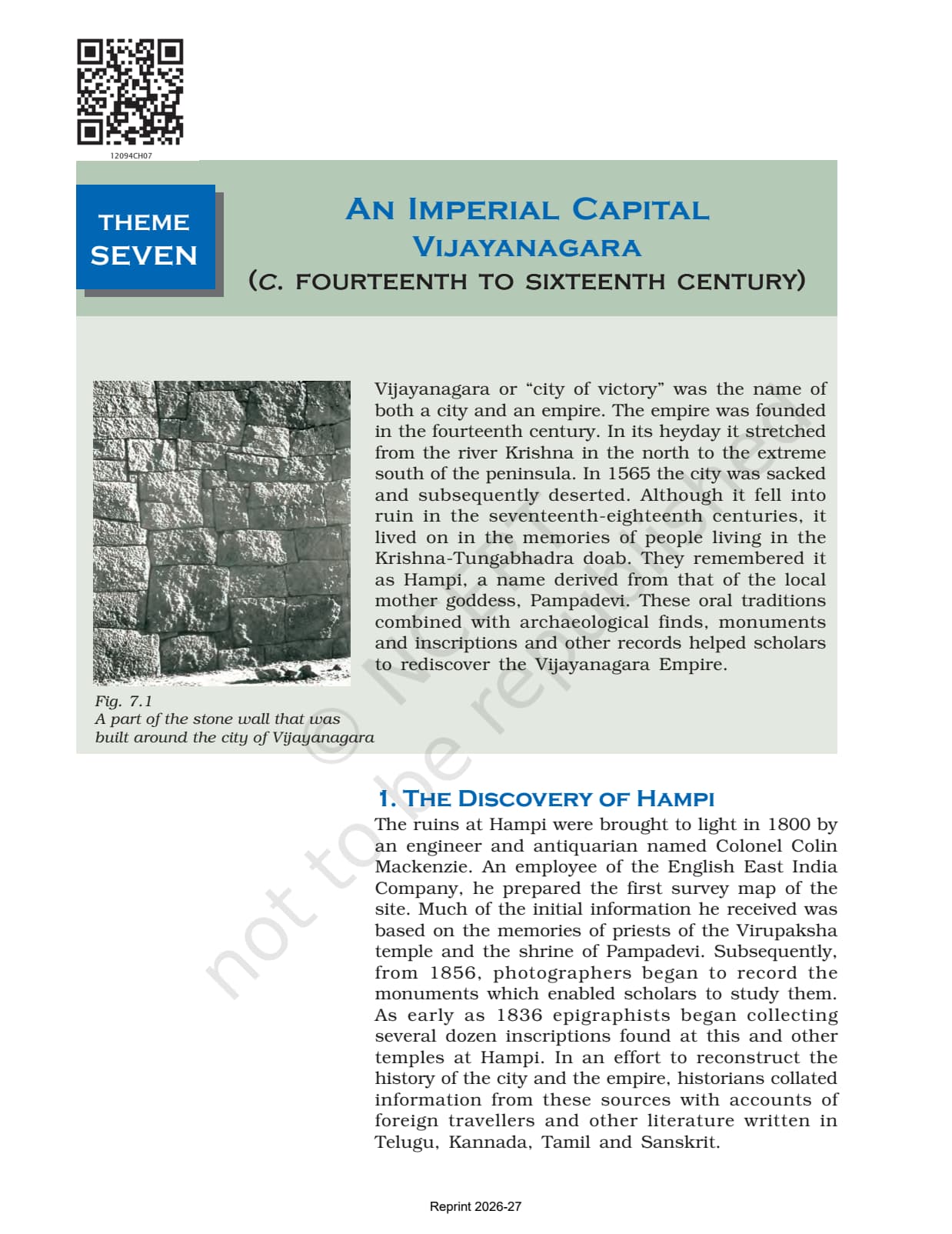
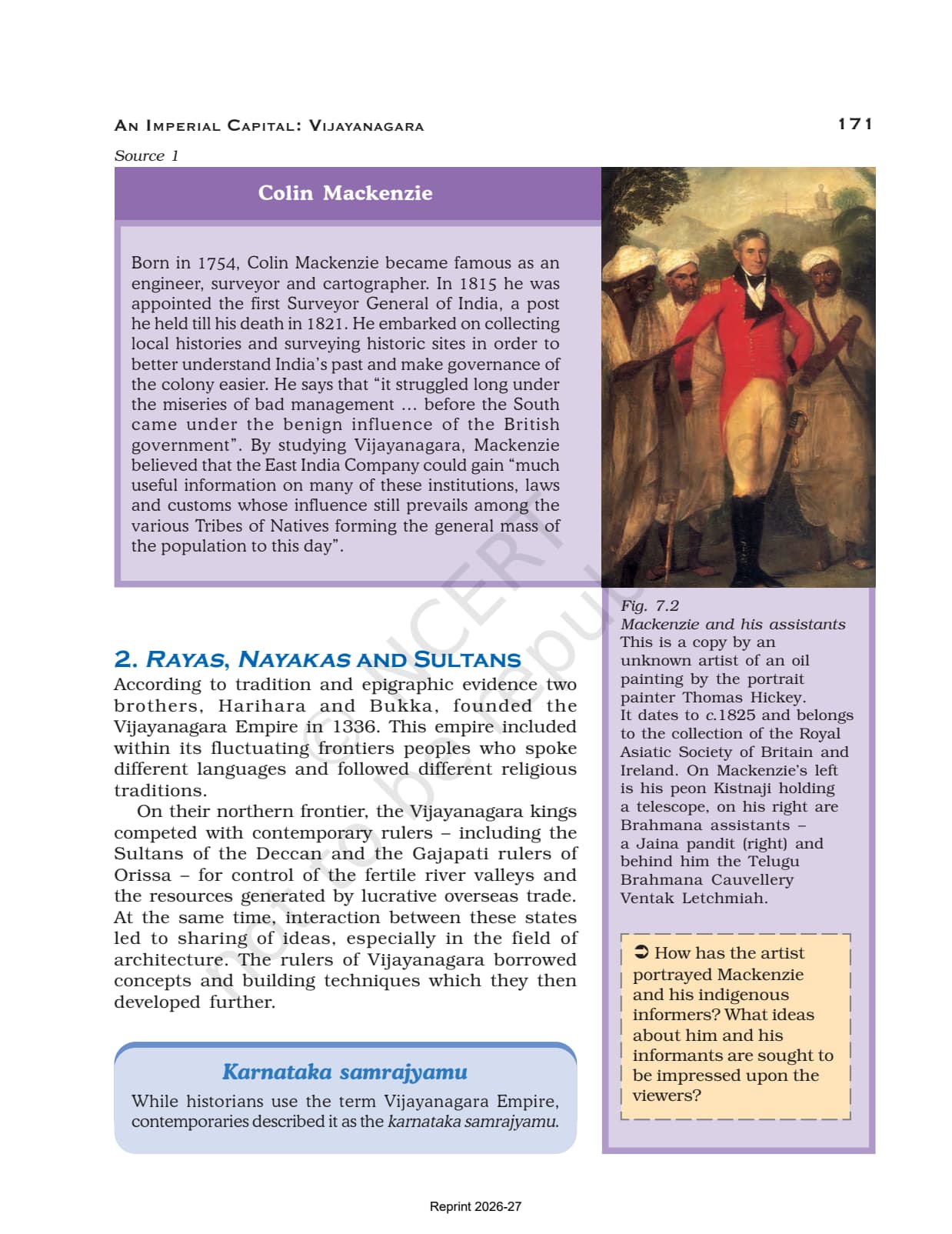
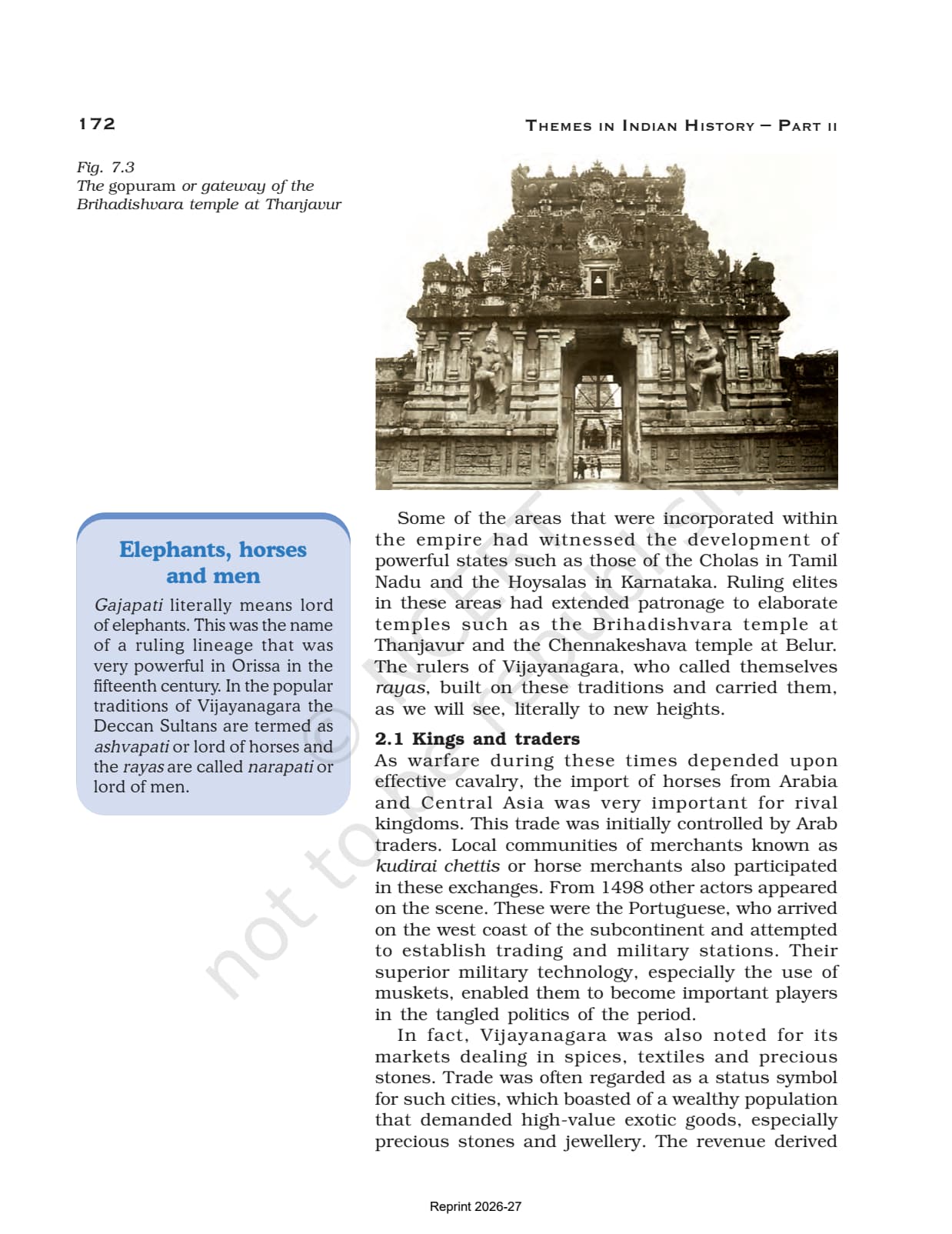
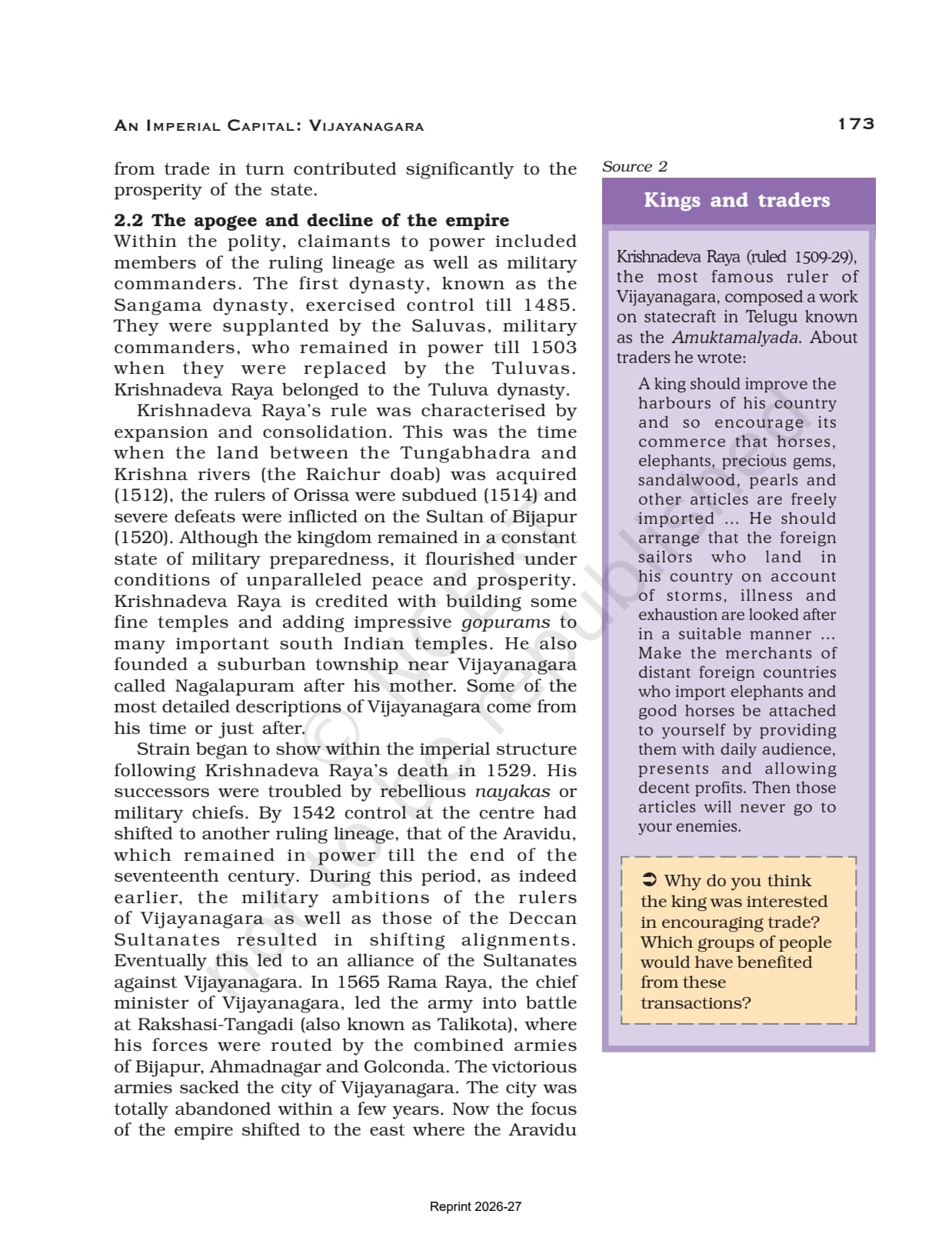
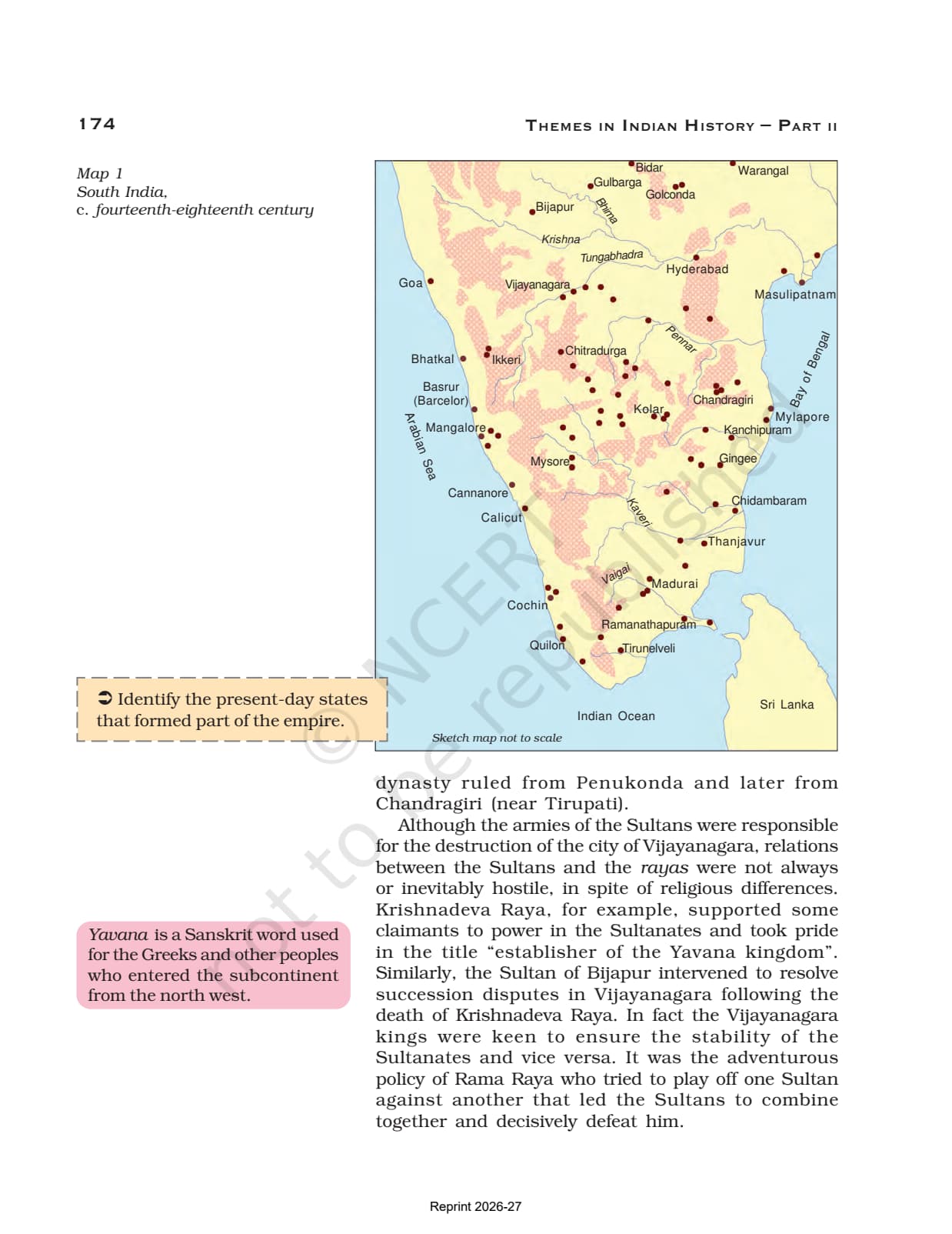
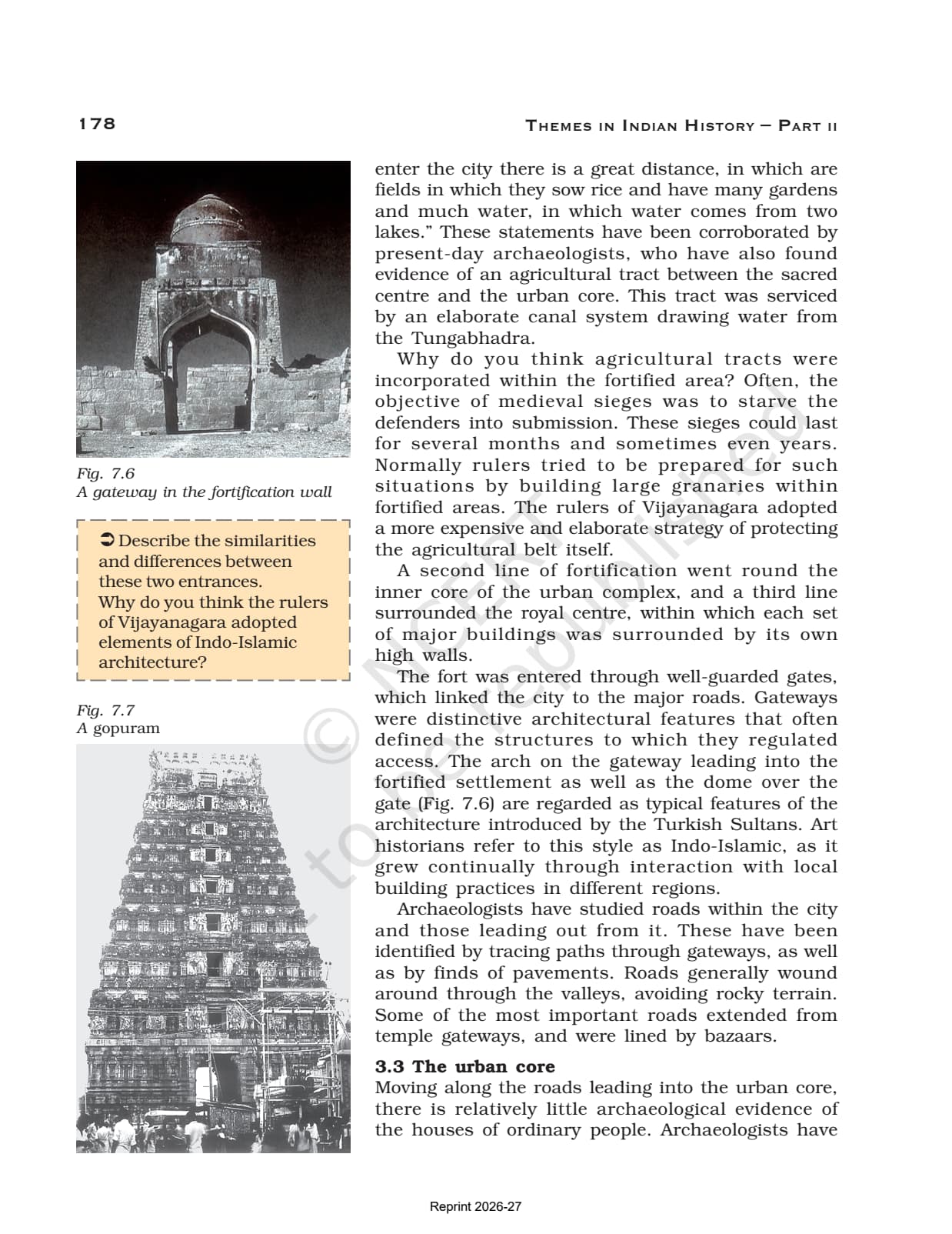
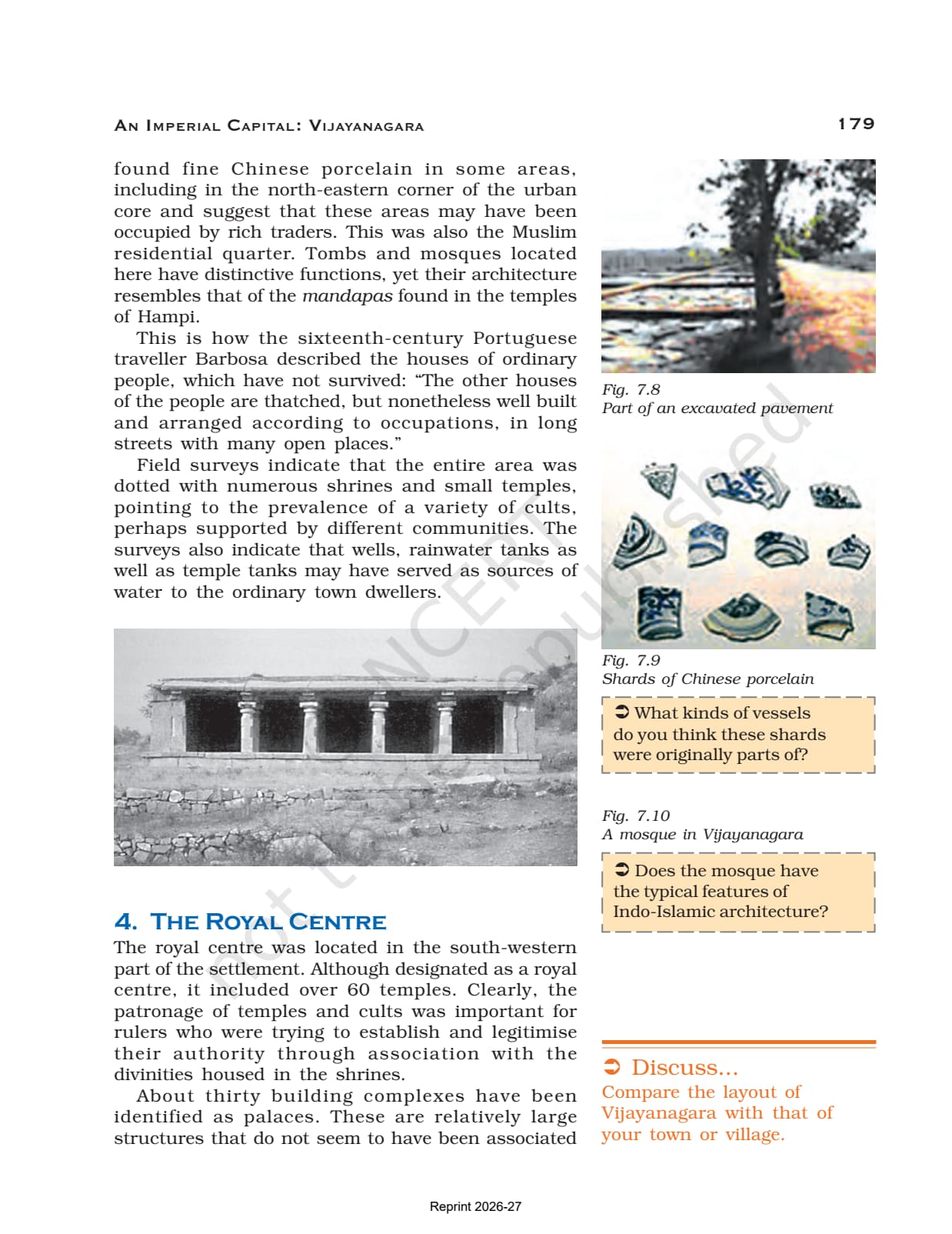
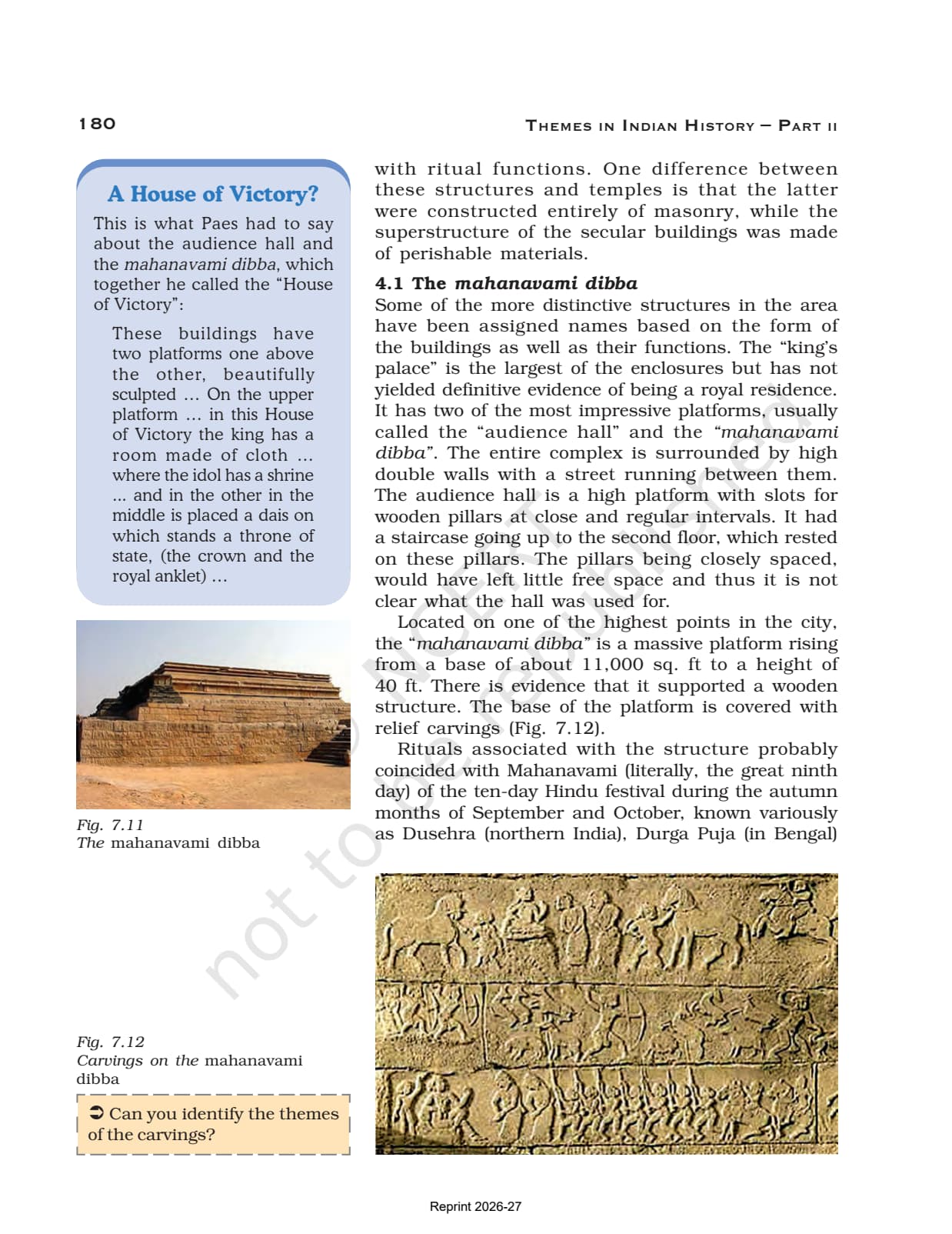
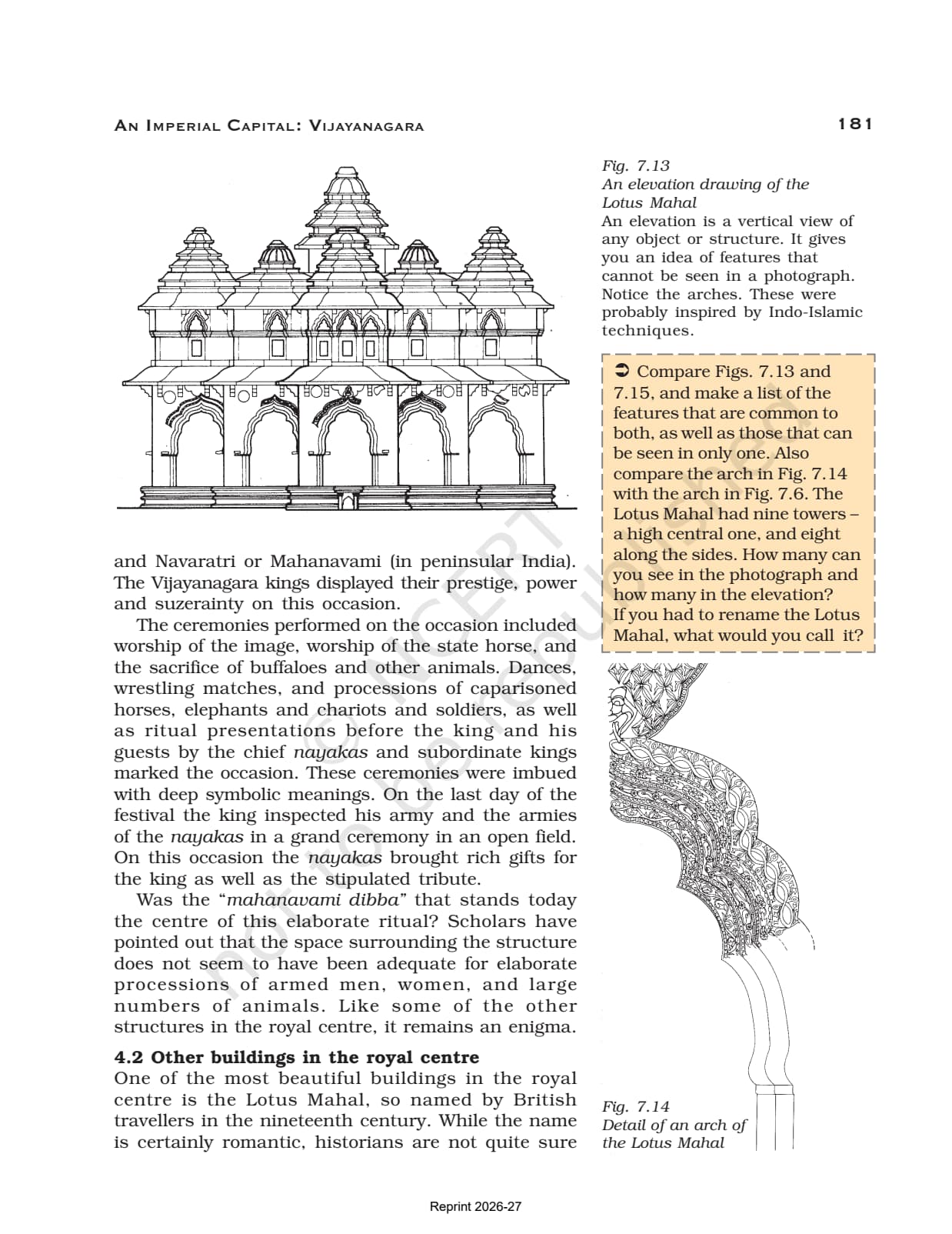
- Official NCERT chapter with the original maps, photographs and source extracts of Hampi.
- This Class 12 History chapter usually carries 6 to 8 marks in the board paper.
- Pairs with the NCERT Solutions, Notes and Handwritten Notes linked lower on this page.
This is the official NCERT An Imperial Capital Vijayanagara chapter from Themes in Indian History Part II, offered for free download in the 2026-27 edition.
Student Feedback: In a Collegedunia poll of 7,620 Class 12 History students before the 2026 boards, 67% of students said they kept the official NCERT chapter PDF open while solving source-based questions, because the answers come straight from the chapter's own extracts, figures and traveller passages.
Source: 2026-27 Class 12 History student poll. Sample of 7,620 students from CBSE schools across 12 states.
What the An Imperial Capital Vijayanagara NCERT Chapter Covers
An Imperial Capital Vijayanagara is the seventh chapter of Themes in Indian History Part II. It studies the Vijayanagara Empire and its capital, whose ruins survive at Hampi on the Tungabhadra river, between roughly 1336 CE and 1565 CE. The chapter builds the whole story from the ruins, the inscriptions and the writings of foreign visitors.
The chapter is organised around the city's working parts:
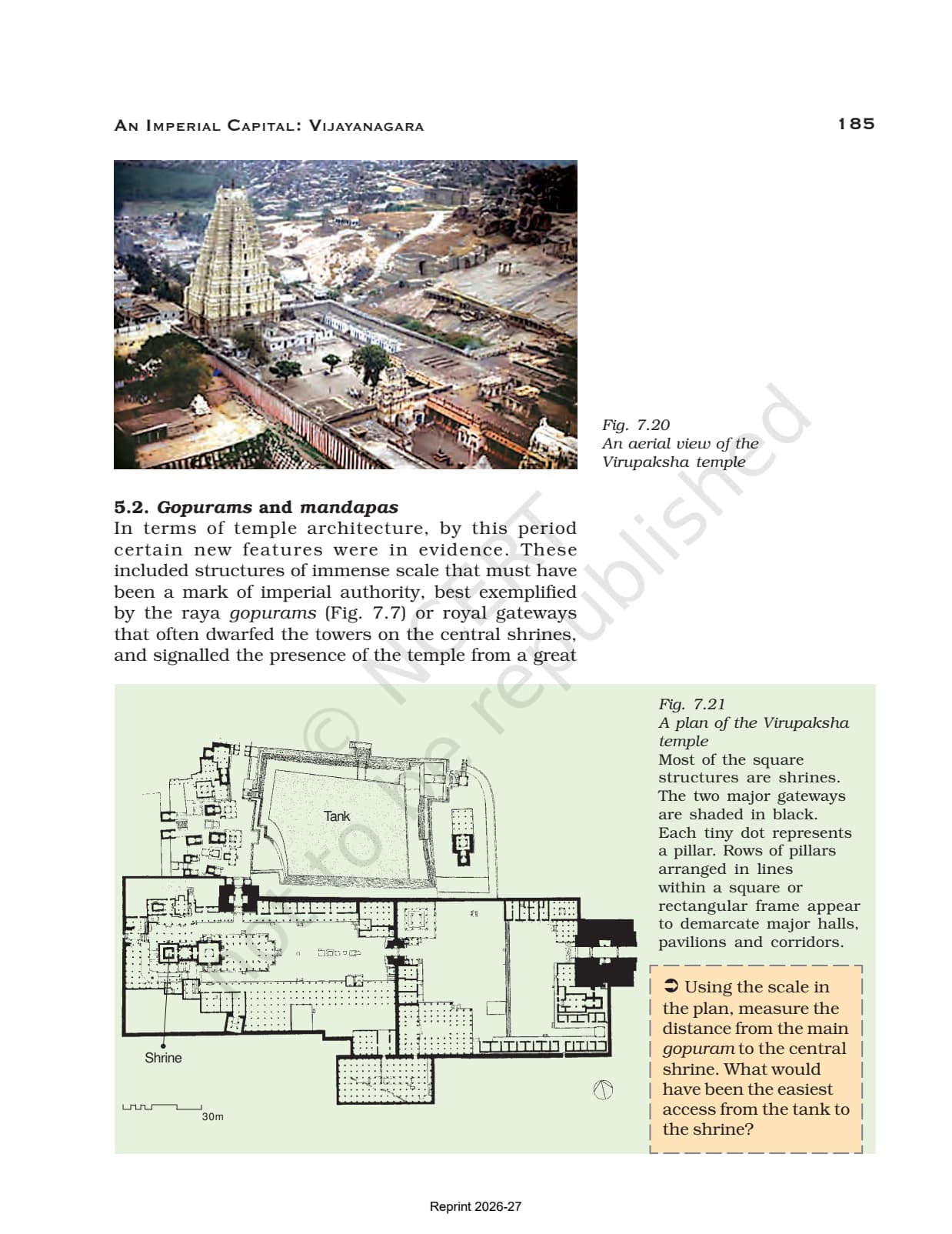
- Sacred centre with the Virupaksha and Vitthala temples on the river bank.
- Royal centre with the mahanavami dibba, the Lotus Mahal and the elephant stables.
- Urban core with the homes, markets and water works of ordinary people.
The chapter also covers how the ruins were rediscovered and how the city fell in 1565. Reading the original NCERT text matters because the source extracts and captions in the class 12 history chapter 7 pdf are exactly what CBSE quotes in source-based questions. A student who knows the chapter's own examples can answer those passages with confidence.
Chapter Highlights and Important Figures
The NCERT chapter is rich with photographs, plans and maps that the exam often refers to. Knowing what each figure shows helps students answer "look at the figure" questions quickly. The table below lists the highlights students should study in the original chapter PDF.
| Highlight | Why it matters |
|---|---|
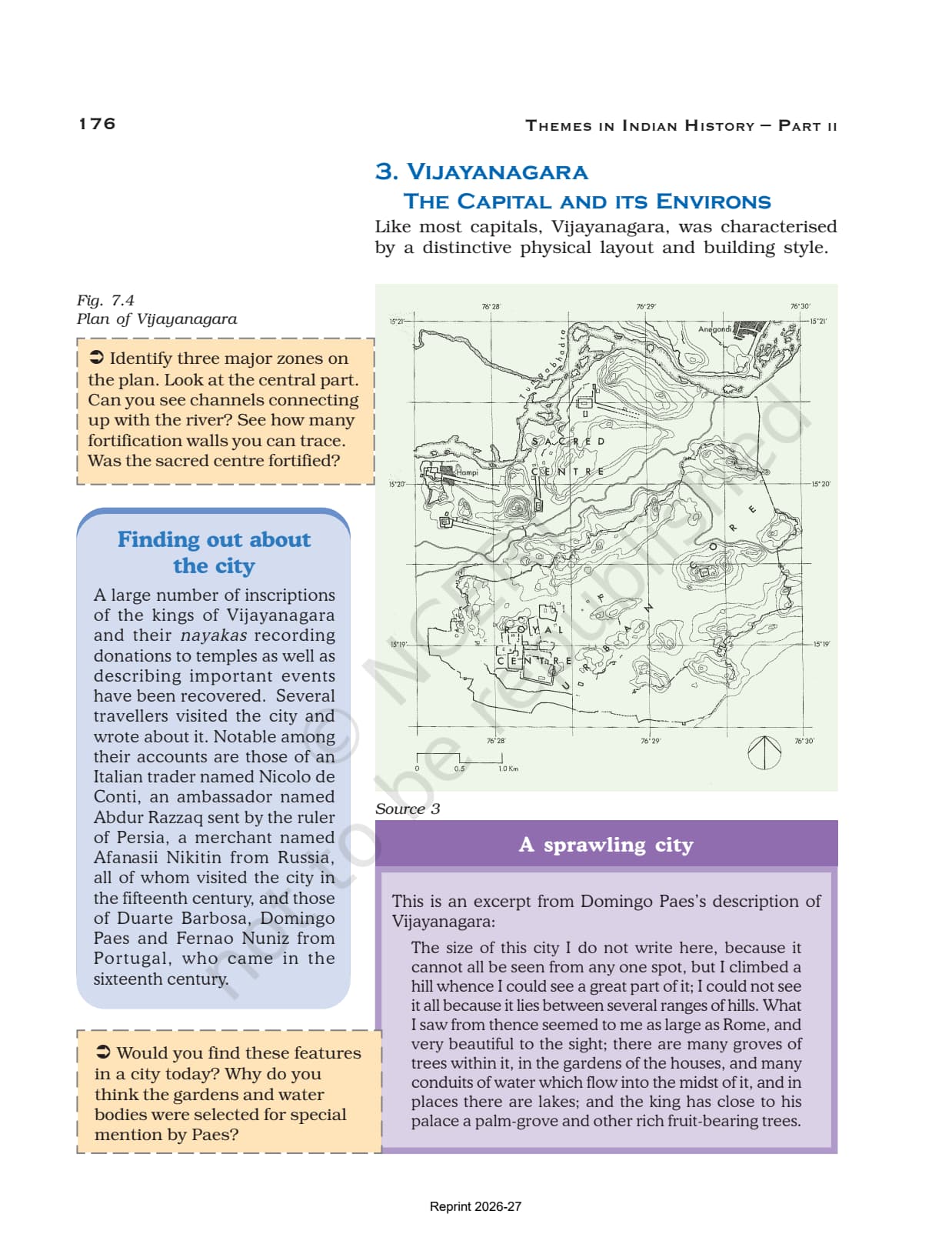
| Plan of Vijayanagara | Fig. 7.4 shows the sacred, royal and urban zones ringed by fortifications. |
| The mahanavami dibba | Fig. 7.11 shows the massive platform used for the ten-day festival. |
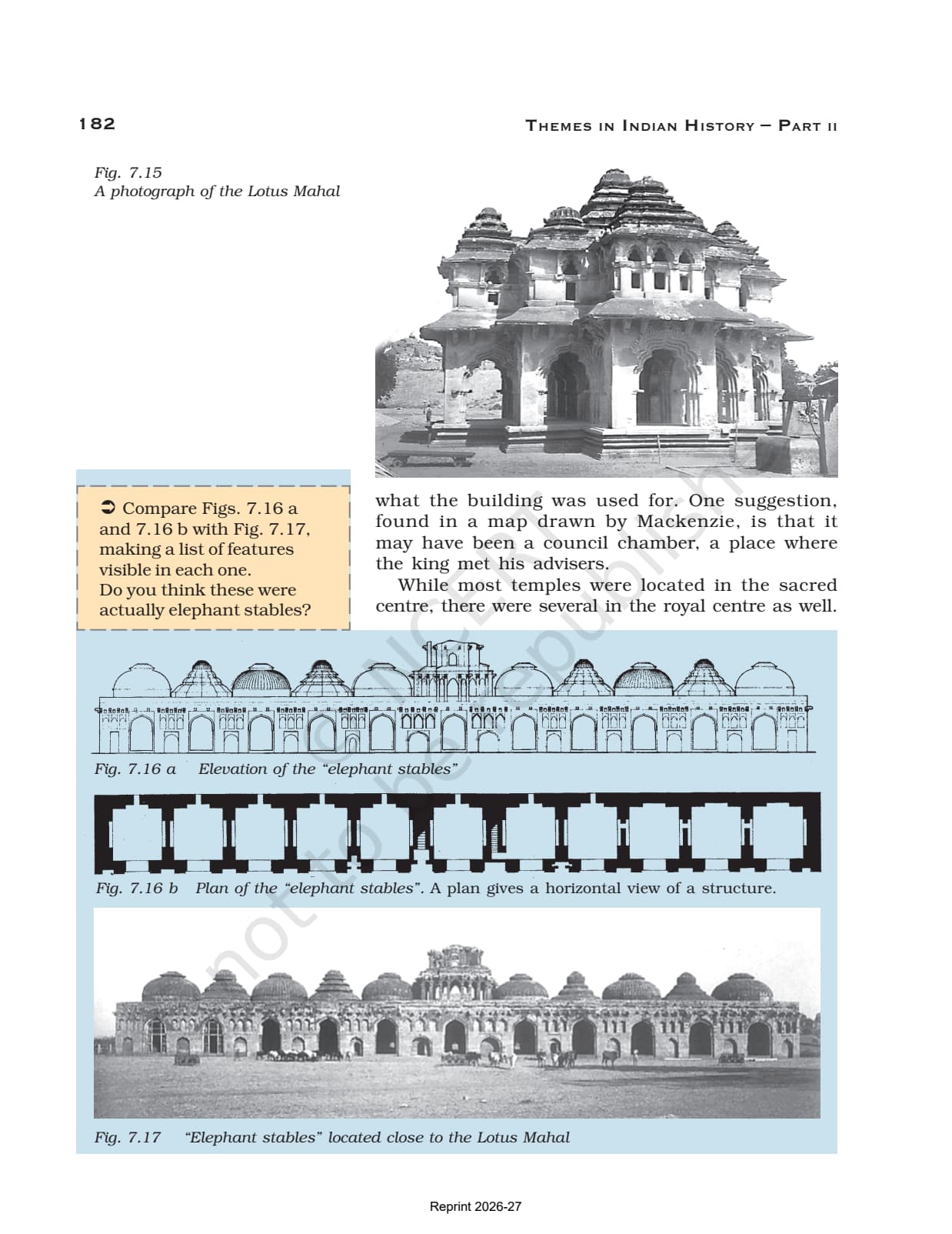
| The Lotus Mahal | Fig. 7.15 shows a court building that blends Islamic arches with Hindu styles. |
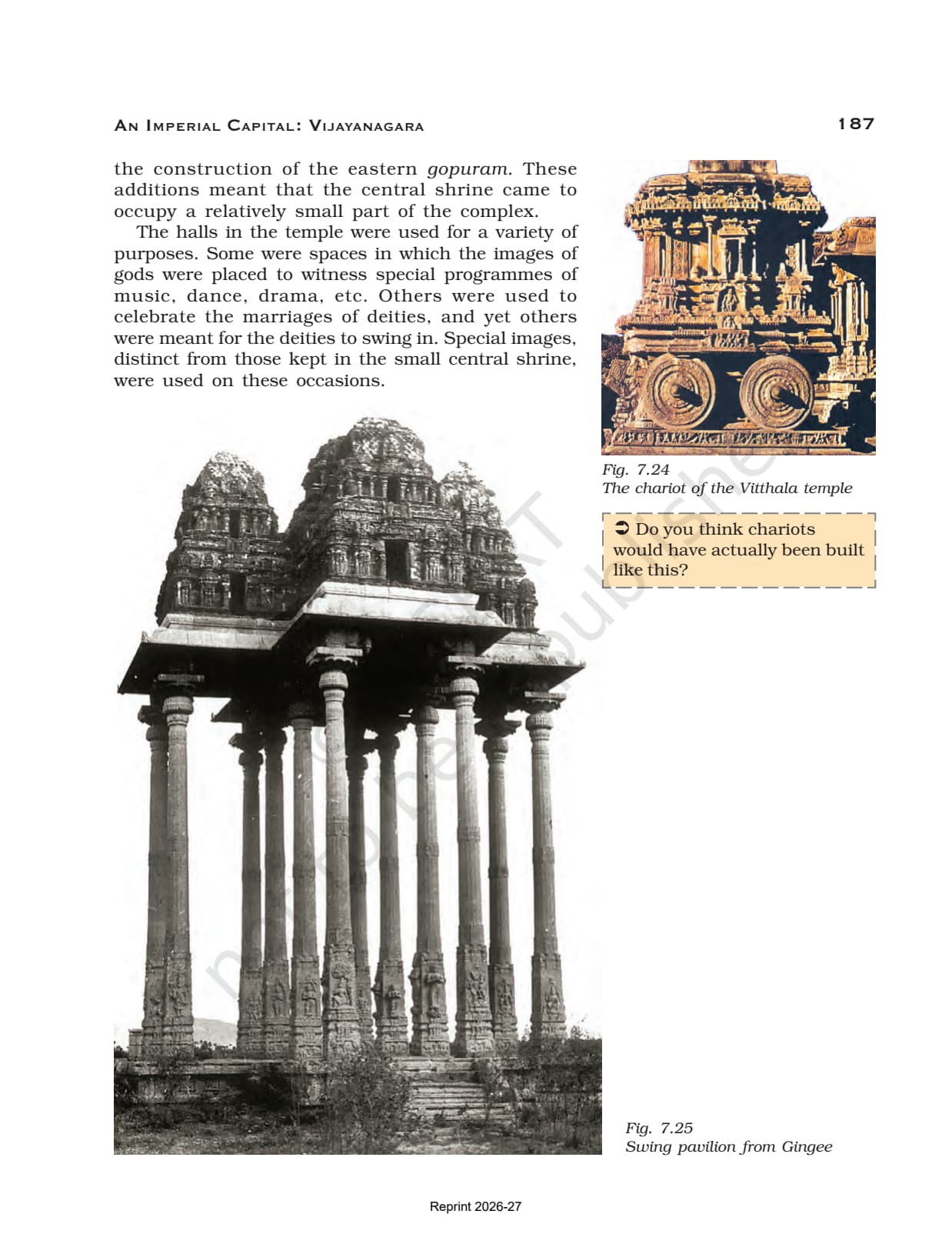
| The Vitthala chariot | Fig. 7.24 shows the famous stone chariot of the sacred centre. |
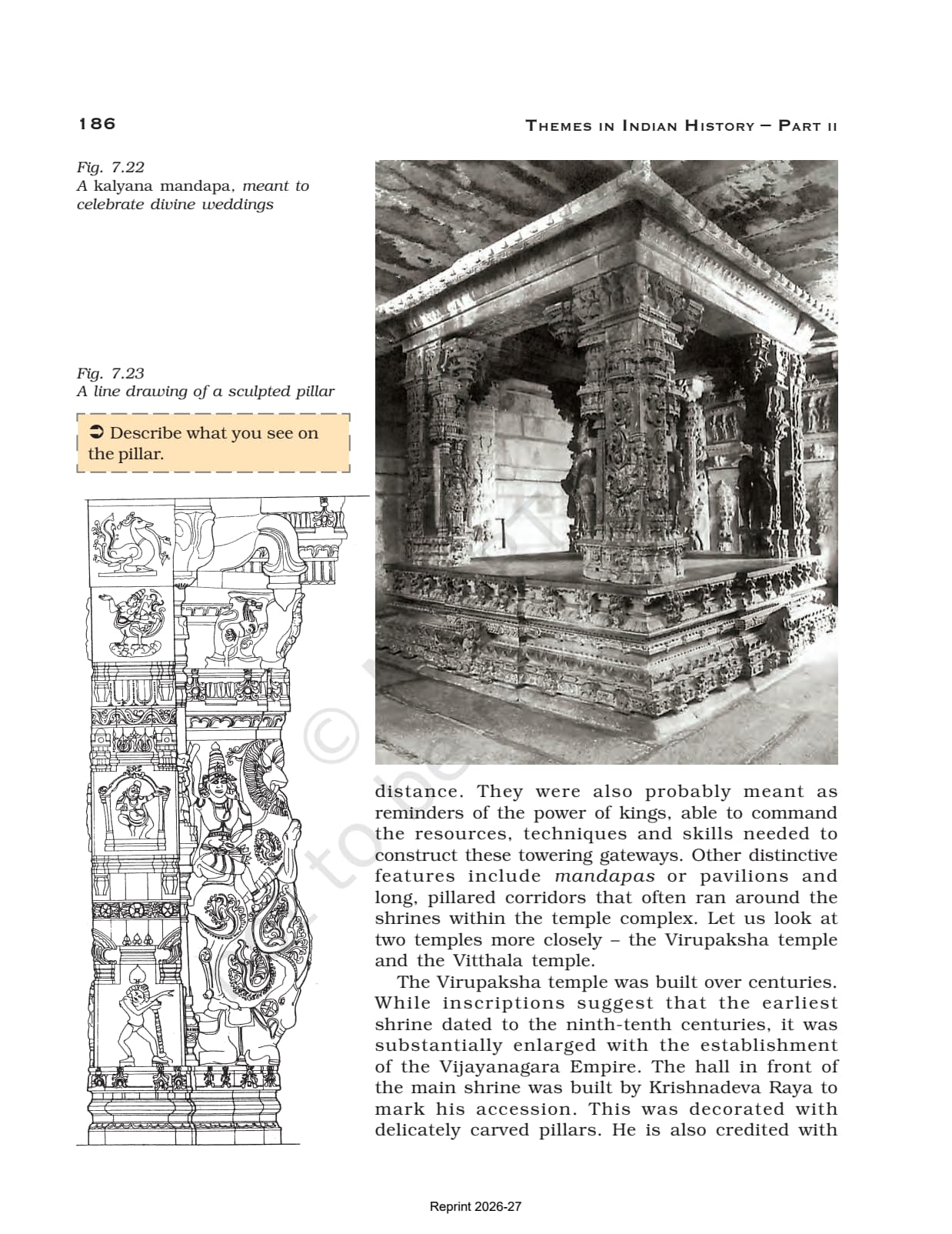
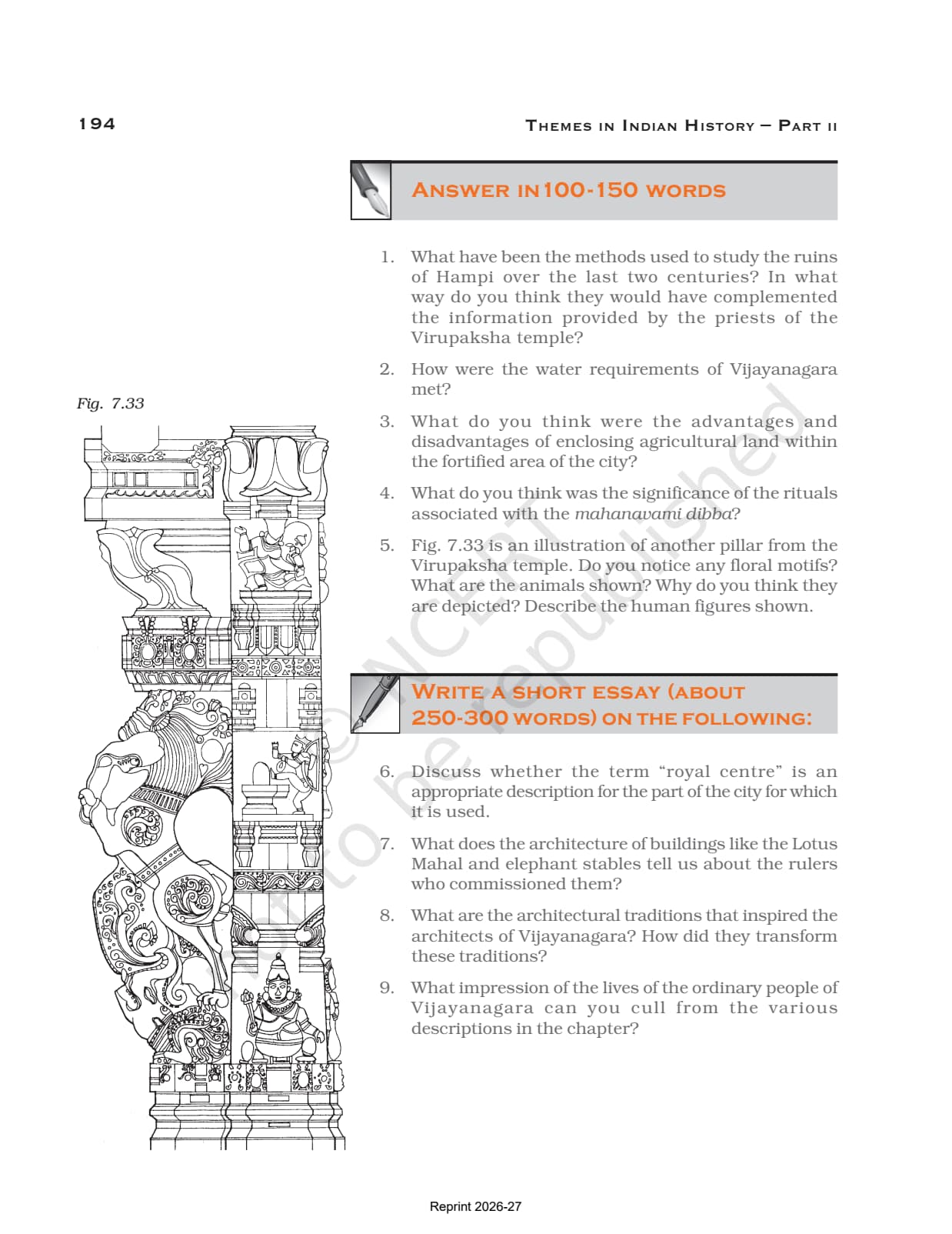
| A sculpted pillar | Fig. 7.33 shows floral motifs, animals and human figures from the Virupaksha temple. |
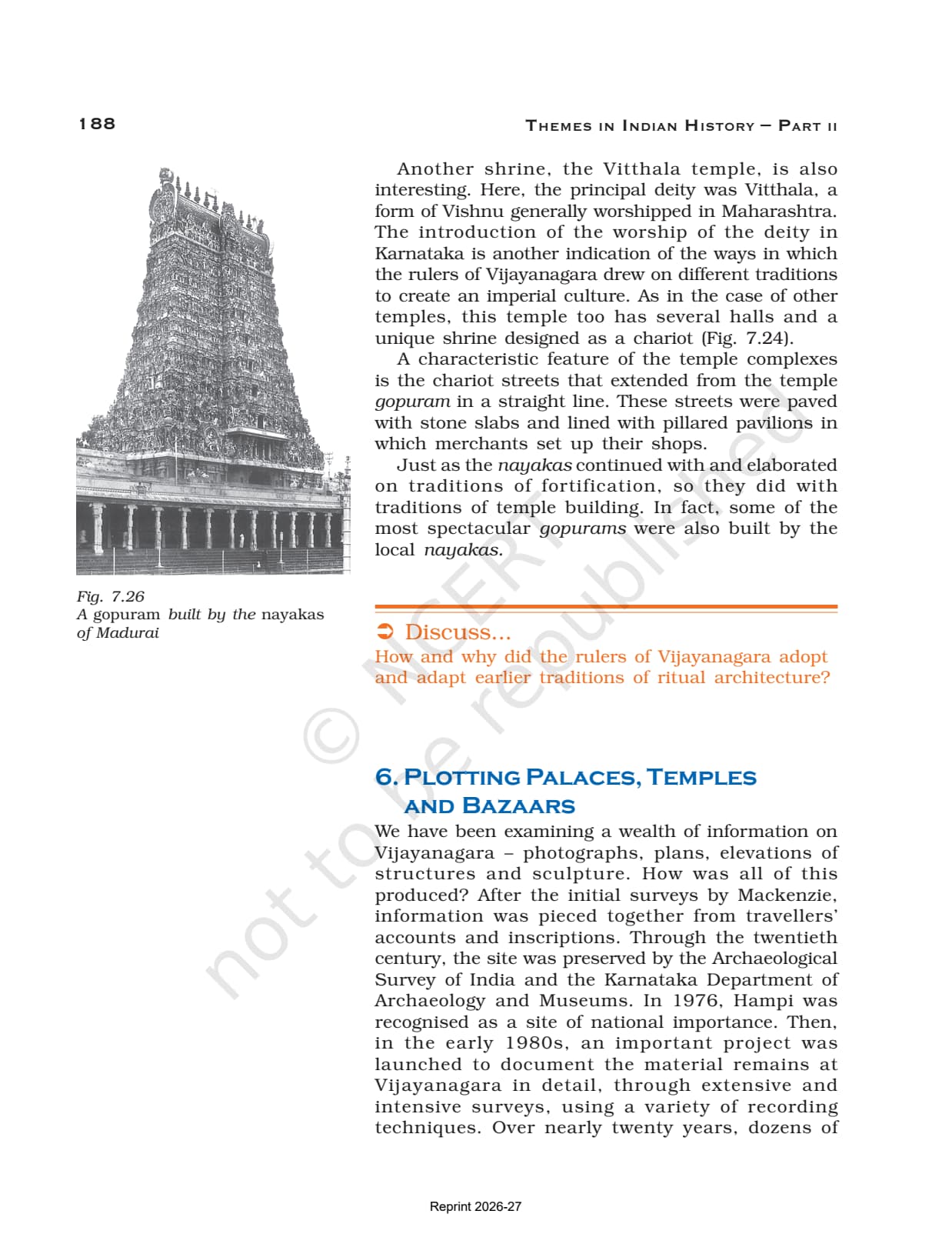
The chapter also explains the seven walls that enclosed the city and its farmland, and the water works that fed it. One point students should mark while reading is that the architects drew on older Dravidian traditions, then transformed them with taller gopurams and grand mandapas. That single idea from the chapter is the heart of the architecture answer, and it appears almost every year.
Rulers, Water Works and Fortifications in the Chapter
The chapter devotes whole sections to who ruled the empire and how the city was supplied and defended. These sections feed the short and long answers, so reading them in the original NCERT helps students quote the right examples. The lists below show what the chapter covers.
- Founders and dynasties: Harihara and Bukka founded the empire in 1336; four dynasties ruled in turn.
- Greatest ruler: Krishnadeva Raya of the Tuluva line ruled from 1509 to 1529.
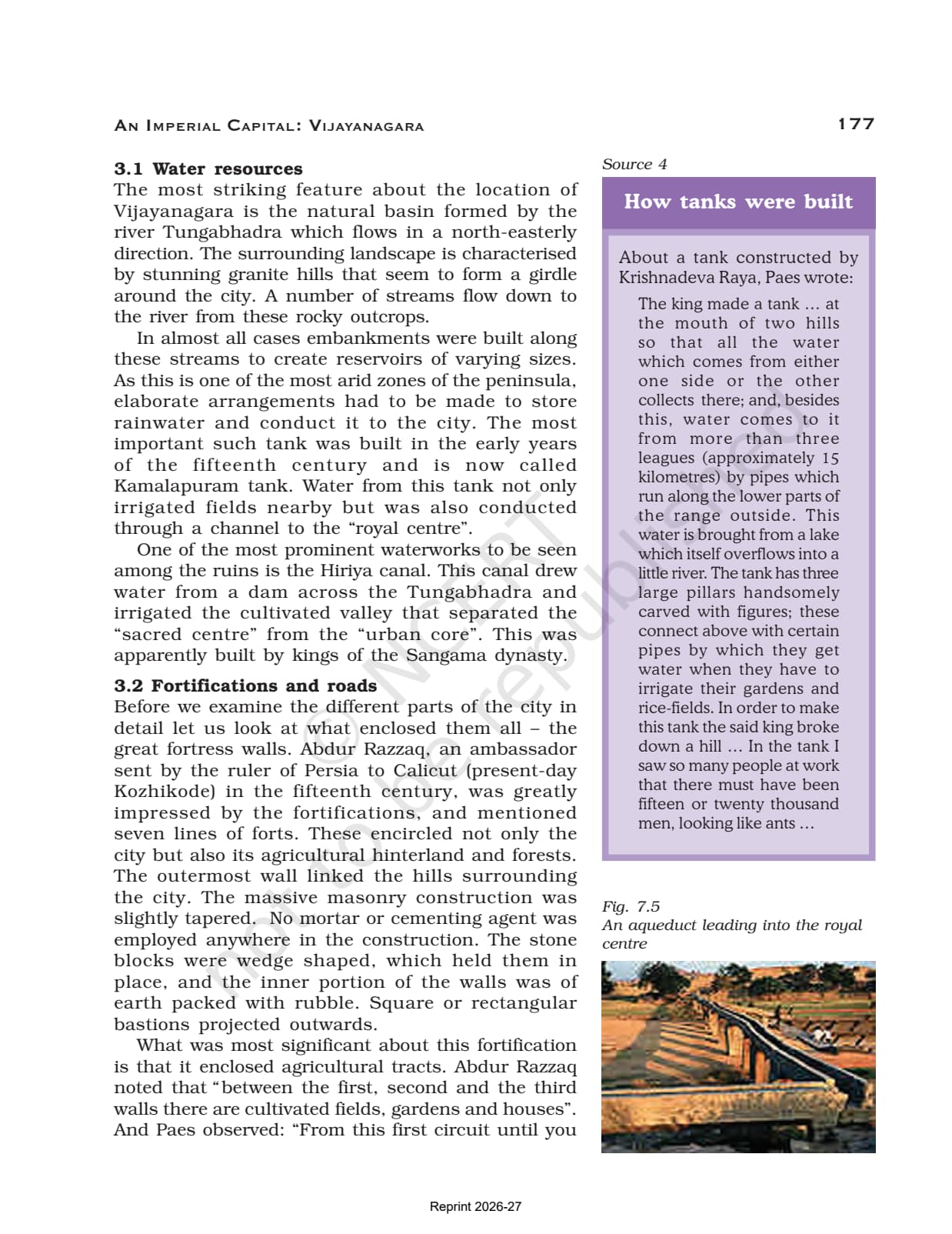
- Water works: the Tungabhadra basin, the Kamalapuram tank and the Hiriya canal.
- Fortifications: seven walls enclosed the city plus its farmland and forests.
The chapter explains that the walls took in farmland so the city could feed itself in a siege, though this was costly and meant a larger area to defend. It also covers the mahanavami dibba rituals, which showed royal power and bound the nayakas to the king. Because these examples are drawn straight from the source chapter, the chapter 7 history class 12 ncert book is the most reliable place to learn them.
How the City Was Rediscovered and How It Fell
The closing sections of the chapter are the most thoughtful, covering how historians found the ruins and how the empire ended. Reading these pages in the original chapter helps students write balanced, well-dated answers.
- Rediscovery: Colin Mackenzie produced the first survey of the ruins in 1800.
- Sources combined: inscriptions, the survey and traveller accounts are read together.
- Travellers: Abdur Razzaq, Domingo Paes and Nuniz described the living city.
- The fall: defeat at Talikota in 1565 led to the sack and abandonment of the capital.
The chapter is clear that the city fell not to one Sultanate but to an alliance of the Deccan Sultanates, who routed Rama Raya's forces and sacked the capital. It ends with how the ruins, left undisturbed after 1565, became the rich site that historians study today. Reading these closing pages in the official PDF gives students the wording NCERT itself uses, which scores best in the board paper.
How to Download and Use the NCERT Chapter PDF
The chapter PDF is free and easy to use on any device. Students can save it for offline reading and pair it with the solutions and notes. The steps below show how to get the most out of the vijayanagara pdf during revision.
- Download: tap the download card above to save the official Chapter 7 PDF to your device.
- First read: read the chapter once end to end, marking the figures and source extracts.
- Source practice: keep the PDF open while attempting source-based questions, since the passages come from it.
- Revision: use the chapter alongside the notes to fix dates, rulers and the three zones.
Many students search for the class 12 history chapter 7 pdf the night before a test so they can revise offline. A saved copy means the source extracts and figures are always at hand. After reading the chapter, move to the solutions to check that your answers match the model points, then use the notes for a final quick recall.
How the Book PDF Pairs with the Solutions and Notes
The NCERT Book PDF is the source text. To prepare fully, students should use it with the other resources for the same chapter, all linked in the table below. Read the chapter, fix the ideas with the notes, then test yourself with the solutions.
| Resource | Best used for |
|---|---|
| An Imperial Capital Vijayanagara NCERT Solutions | Step-by-step answers to all 12 back-exercise questions |
| An Imperial Capital Vijayanagara Class 12 Notes | Quick chapter summary with all dates, rulers and zones in one place |
| An Imperial Capital Vijayanagara Handwritten Notes | Last-minute, one-shot revision in a scanned notebook style |
Tip: read the chapter PDF first, then attempt the solutions on your own, and only then check the model answers. Reading the source text before the answers builds far stronger source-based skills.
All Class 12 History NCERT Book PDFs by Chapter
The table links the NCERT chapter PDFs for every chapter in Themes in Indian History so students can move across the book in one click. Chapter 7 is highlighted.
| Chapter | NCERT Book PDF |
|---|---|
| Chapter 1 | Bricks, Beads and Bones |
| Chapter 2 | Kings, Farmers and Towns |
| Chapter 3 | Kinship, Caste and Class |
| Chapter 4 | Thinkers, Beliefs and Buildings |
| Chapter 5 | Through the Eyes of Travellers |
| Chapter 6 | Bhakti-Sufi Traditions |
| Chapter 7 | An Imperial Capital Vijayanagara |
| Chapter 8 | Peasants, Zamindars and the State |
| Chapter 9 | Colonialism and the Countryside |
| Chapter 10 | Rebels and the Raj 1857 |
| Chapter 11 | Mahatma Gandhi and the Nationalist Movement |
| Chapter 12 | Framing the Constitution |
FAQs on An Imperial Capital Vijayanagara NCERT Book PDF
An Imperial Capital Vijayanagara Class 12 NCERT Book Common Questions
Ques. Where can I download the An Imperial Capital Vijayanagara NCERT Book PDF?
Ans. You can download the official An Imperial Capital Vijayanagara Class 12 History chapter PDF directly from this page. It is free, follows the 2026-27 NCERT edition, and carries the original text, maps and source extracts of Chapter 7.
Ques. Which book is An Imperial Capital Vijayanagara from?
Ans. It is the seventh chapter of Themes in Indian History Part II, the Class 12 History textbook. The chapter studies the Vijayanagara Empire and the ruins of its capital at Hampi on the Tungabhadra river.
Ques. What does the An Imperial Capital Vijayanagara chapter cover?
Ans. It covers the Vijayanagara Empire from about 1336 to 1565, including the four dynasties, the sacred, royal and urban zones, the water works, the temples and the mahanavami dibba, the traveller accounts, and the fall at Talikota.
Ques. Why should I read the original NCERT chapter PDF?
Ans. Because CBSE draws source-based questions straight from the chapter's own extracts, figures and traveller passages. Reading the official chapter 7 history class 12 PDF gives you the exact wording and examples that score best in the board paper.
Ques. How should I use the chapter PDF with the other resources?
Ans. Read the chapter PDF first, fix the ideas with the notes, then test yourself with the solutions. Keeping the PDF open while practising source-based questions helps, since the passages come directly from it.



Comments