The NCERT Solutions for Peasants, Zamindars and the State Class 12 History Chapter 8 cover every back-exercise question on Mughal agrarian society, following the latest 2026-27 CBSE syllabus. Each answer is built from the Ain-i Akbari of Abu'l Fazl, read carefully for both its riches and its biases. These solutions help students prepare the Class 12 History board paper and the source-based questions from this theme.
Covers all 12 exercise questions from Theme 8, with short answers, full essays, map work and project tasks.
This Class 12 History chapter usually carries 6 to 8 marks per board paper.
Pairs with the Notes, Handwritten Notes and NCERT Book PDF linked lower on this page.
Every solution for Class 12 History Chapter 8 in this Collegedunia compilation is curated by subject experts, written from the official NCERT Themes in Indian History Part II, and checked against the last five years of CBSE board papers.
Student Feedback: In a Collegedunia poll of 10,470 Class 12 History students taken before the 2026 boards, 69% of students rated the "problems in using the Ain as a source" question as the trickiest part of Peasants, Zamindars and the State. Most students said splitting the answer into the problems and then the historian's fix made it click.
Source: 2026-27 Class 12 History student poll. Sample of 10,470 students from CBSE schools across 13 states.
What the Peasants, Zamindars and the State Class 12 Chapter Is About
Peasants, Zamindars and the State is Chapter 8 of Themes in Indian History Part II. It studies agrarian society under the Mughals, when about 85 per cent of people lived in villages between roughly the sixteenth and seventeenth centuries. The chapter reads the countryside through one main source, the Ain-i Akbari, while also using records from outside the Mughal capital.
The title names the three players whose story the chapter tells:
Peasants (the raiyat) are the cultivators who grew the crops and paid the land revenue.
Zamindars are the landed proprietors who held milkiyat lands and helped collect the revenue.
The State is the Mughal Empire, which assessed and collected the land tax through its officials.
So the chapter is really about how the land was worked, who controlled it, and how the state taxed it. A student who keeps these three players in mind can connect almost any question in Class 12 History Chapter 8 back to one of them. This is why history Chapter 8 Class 12 revision works best when you sort each fact under peasants, zamindars or the state first.
Agricultural Production and the Peasant in Mughal India
The base of agrarian society was the peasant, called raiyat or muzarian in the sources. Farming was the main work, and the cropping calendar shaped the whole year. The food base was wide, which is why historians argue the farming was more than mere subsistence.
The main points students should remember about Mughal agriculture are:
Two peasant types: khud-kashta lived in the village and tilled their own land; pahi-kashta came from another village on contract.
Cropping seasons: the kharif (autumn) and rabi (spring) seasons, with do-fasla land yielding two harvests a year.
Cash crops: cotton, sugarcane, oilseeds and indigo were grown for the market, not just for food.
Technology: the wooden plough, the Persian wheel for irrigation, and seed drilling all raised output.
The exercise asks how far this can be called subsistence agriculture. The balanced answer is that peasants did grow food to survive, but the spread of cash crops, the use of money and the sale of produce in markets show that farming was also commercial. So it was partly subsistence and partly market-driven, not one or the other.
The Village Panchayat, Headman and Artisans
The village was not just fields. It had its own small government and its own craftspeople. The panchayat and the headman are the focus of Question 8.9, so students must describe their duties in detail.
Body or group
What it did
Village panchayat
An assembly of village elders, usually from the richer households, that ran village affairs.
The headman (muqaddam)
Led the panchayat, supervised accounts, and acted as a link between the village and the state.
Caste panchayats
Separate bodies for each caste or jati that settled disputes within the group.
Artisans
Potters, blacksmiths, carpenters, barbers and weavers served the village in return for a share of the harvest.
The common fund
Money raised from villagers, used for entertaining officials and meeting natural disasters.
A key insight for Question 8.9 is that the panchayat had real power. It could fine people, expel them from the village, and protect caste boundaries. That single point about its authority is what earns the marks, so students should not describe the panchayat as a weak or merely advisory body.
Women, Forest Dwellers and the Margins of Agrarian Society
The chapter also looks at groups that are easy to overlook. Women worked hard in farming, and forest dwellers lived on the edge of the settled world. Both come up as full long-answer questions, so students need clear points for each.
Students should be ready to describe both groups:
Women in farming: they sowed, weeded, threshed and winnowed grain, and worked alongside men in the fields.
Artisanal work by women: spinning thread, kneading clay for pottery and embroidery were largely women's tasks.
Property rights: women could inherit and hold property, including land, though within strict limits.
Forest dwellers: the jangli lived by hunting, gathering and shifting farming, and were slowly drawn into the wider economy through trade and tribute.
For the forests question, the key trend is change. The state's demand for elephants, the spread of commercial forestry, and the pull of trade gradually transformed forest life. Some tribal chiefs even became zamindars. So the honest answer shows both the pressure from outside and the slow merging of forest people into settled society.
The Zamindars and the Mughal Land Revenue System
The zamindars sat above the peasants, and the state's revenue machine ran through them. These two topics, the role of zamindars and the importance of land revenue, are the heaviest long answers in the chapter.
Milkiyat lands: zamindars held their own personal lands, which they could sell or mortgage.
Revenue collection: they collected revenue on the state's behalf and kept a share, often commanding their own troops.
Jama and hasil: jama was the revenue assessed, hasil was the amount actually collected.
The revenue department: the diwan oversaw a system meant to maximise the state's income from land.
The evidence that land revenue mattered is strong. The state set up a whole department to survey land, classify it, and fix the jama, and revenue was the foundation of the empire's finances. For Question 8.5, students should name the diwan, explain jama and hasil, and note that the Ain itself devotes long sections to revenue, which proves how central it was.
The Flow of Silver, Money and the Ain-i Akbari as a Source
Two more threads round off the chapter: the spread of money and the source itself. Both feed source-based and short-answer questions, so students need them ready.
Monetary transactions: trade with Europe and Asia brought a huge inflow of silver, minted into the silver rupya.
Cash and taxes: revenue was increasingly demanded in cash, which pushed peasants to sell crops in the market.
The Ain-i Akbari: Abu'l Fazl's chronicle, completed in 1598, is our richest source on Mughal agrarian life.
Its limits: it is an official view from the top, has totalling errors, and records prices mainly from around Agra.
The honest answer to "what are the problems in using the Ain" is that it shows the empire as the court wished it to look, so it must be read with records from outside the capital. Strong answers list the problems and then name the fix, such as revenue records from Gujarat, Maharashtra and Rajasthan. This is exactly the point the 69% of students in our survey said helped them most.
The Role of Caste in Agrarian Society
Caste shaped who did what work and who held power in the village. Question 8.6 asks how far caste influenced social and economic life, so the answer needs both sides of the picture.
Aspect
How caste mattered
Work and status
Caste decided occupation; the lowest groups did menial tasks and stayed poor.
Land and power
Upper castes held more land and dominated the panchayat and zamindari.
The limits of caste
Some peasants rose through new crops and trade; Muslim and tribal groups did not fit the same caste mould.
One sharp exam point: caste was a major factor, but not the only one. Wealth from cash crops, military service and royal favour could lift a family's standing too. For Question 8.6, students should show that caste set the broad pattern while money and power could bend it, which gives a balanced, high-scoring answer.
Peasants, Zamindars and the State Class 12 Exercise-wise Coverage
The chapter exercise has 12 questions, grouped by length. The table maps each one to its topic so students can plan revision and find the right NCERT answer fast. The full step-by-step solution for each sits in the question set lower on this page.
Question
Topic it tests
Q 8.1
Problems in using the Ain as a source, and how historians deal with them
Q 8.2
How far farming can be called subsistence agriculture
Q 8.3
The role played by women in agricultural production
Q 8.4
The significance of monetary transactions in the period
Q 8.5
Evidence that land revenue was important for the Mughal fiscal system
Q 8.6
How far caste influenced social and economic relations
Q 8.7
How the lives of forest dwellers were transformed
Q 8.8
The role played by zamindars in Mughal India
Q 8.9
How panchayats and village headmen regulated rural society
Q 8.10 to 8.12
Map work and project-style activities
Questions 8.5, 8.8 and 8.9 are the most-asked long answers, so students preparing Class 12 History Chapter 8 revision should learn those three first. The map and project tasks (8.10 to 8.12) are also useful for the history project file Class 12 Chapter 8 that many schools assign.
Students who want the offline copy can save the Class 12 History Chapter 8 PDF from the download card above and tick off each question as they finish it.
Peasants, Zamindars and the State Important Questions and Previous Year Trends
CBSE sets a steady mix of source-based, short and long answers from this chapter. Knowing the pattern helps students decide how much to write. The chapter is a regular source of one source-based question on the Ain, which is why a focused list of Class 12 History Chapter 8 important questions saves a lot of revision time.
Source-based (often 8 marks): a passage from the Ain on revenue, the panchayat or village artisans, with three sub-parts.
Long answer (5 to 6 marks): the role of zamindars, or the importance of land revenue.
Short answer (3 marks): women in farming, monetary transactions, or forest dwellers.
Objective and MCQ: terms like jama, hasil, khud-kashta, pahi-kashta, and the date of the Ain.
For quick recall before the exam, students often practise the Class 12 History Chapter 8 MCQ set and a list of Class 12 History Chapter 8 important questions. The most repeated items are the zamindars' role and the land revenue system, so keep those answer points ready in your own words.
It also helps to attempt a short history Class 12 Chapter 8 MCQ drill and the Class 12 History Chapter 8 extra questions and answers after you finish the main exercise. These extra sets test the small facts, such as the meaning of jama and hasil, that examiners use for one-mark objective questions.
Working through the NCERT solution Class 12 History Chapter 8 set twice, once open-book and once from memory, fixes those terms well before the board exam.
Common Mistakes Students Make in the Peasants, Zamindars and the State Chapter
A few errors cost marks every year in this chapter. Most come from treating the Ain as plain fact or from giving one-sided answers. Avoiding them is the fastest way to lift a score.
Treating the Ain as fully reliable - it is an official view from the top with totalling errors.
Mixing up jama and hasil - jama is assessed, hasil is collected.
Confusing khud-kashta and pahi-kashta - one is a village resident, the other comes from outside.
Calling the farming pure subsistence - cash crops and money make it partly commercial.
Saying caste was the only factor - wealth and royal favour could lift a family too.
Students who fix these five points usually move from average to high marks on the long answers. The exam rewards careful wording, so write "may have", "likely" or "the Ain suggests" when the source is the only evidence.
Peasants, Zamindars and the State PDF Download Formats and Languages
The solutions are free to download in more than one format, so students can pick what suits their device and revision style. The download card at the top of the page carries each option for this chapter.
Normal and HD PDF: the Class 12 History Chapter 8 PDF is offered in a normal size for quick downloads and an HD version for clear printing.
English medium: all 12 answers are written in simple English for the CBSE board paper.
Question-only set: a print-and-practise sheet of Class 12 History Chapter 8 extra questions for self-testing.
Whole-book pack: the Chapter 8 history Class 12 NCERT solutions sit in one set that runs through every theme, so you can revise across the book in one place.
Many students search for Class 12 Chapter 8 history answers on their phone the night before a test, so a saved PDF means you can revise even without internet. Keep both the question set and the solved version handy for a full self-check.
How the Peasants, Zamindars and the State Solutions Pair with Notes and the Book PDF
These NCERT Solutions answer the back-exercise questions. To revise the full chapter, students should use them alongside the other resources for the same chapter, all linked in the table below.
Reading the original NCERT chapter text and figures
Tip: read the Notes first, then attempt these solutions on your own, and only then check the model answers here. That order builds memory faster than copying answers straight away.
All NCERT Solutions for Class 12 History Chapter 8 Peasants, Zamindars and the State
The table links the NCERT Solutions for every chapter in Themes in Indian History so students can move across the book in one click. Chapter 8 is highlighted.
All NCERT Solutions for Peasants, Zamindars and the State with Step-by-Step Solutions
Below are all 12 NCERT exercise questions for this chapter, exactly as they appear in the textbook. Tap Check Solution for the model answer or Expert Solution for the topper-style approach.
Q 8.1
What are the problems in using the Ain as a source for
reconstructing agrarian history? How do historians deal with this situation?
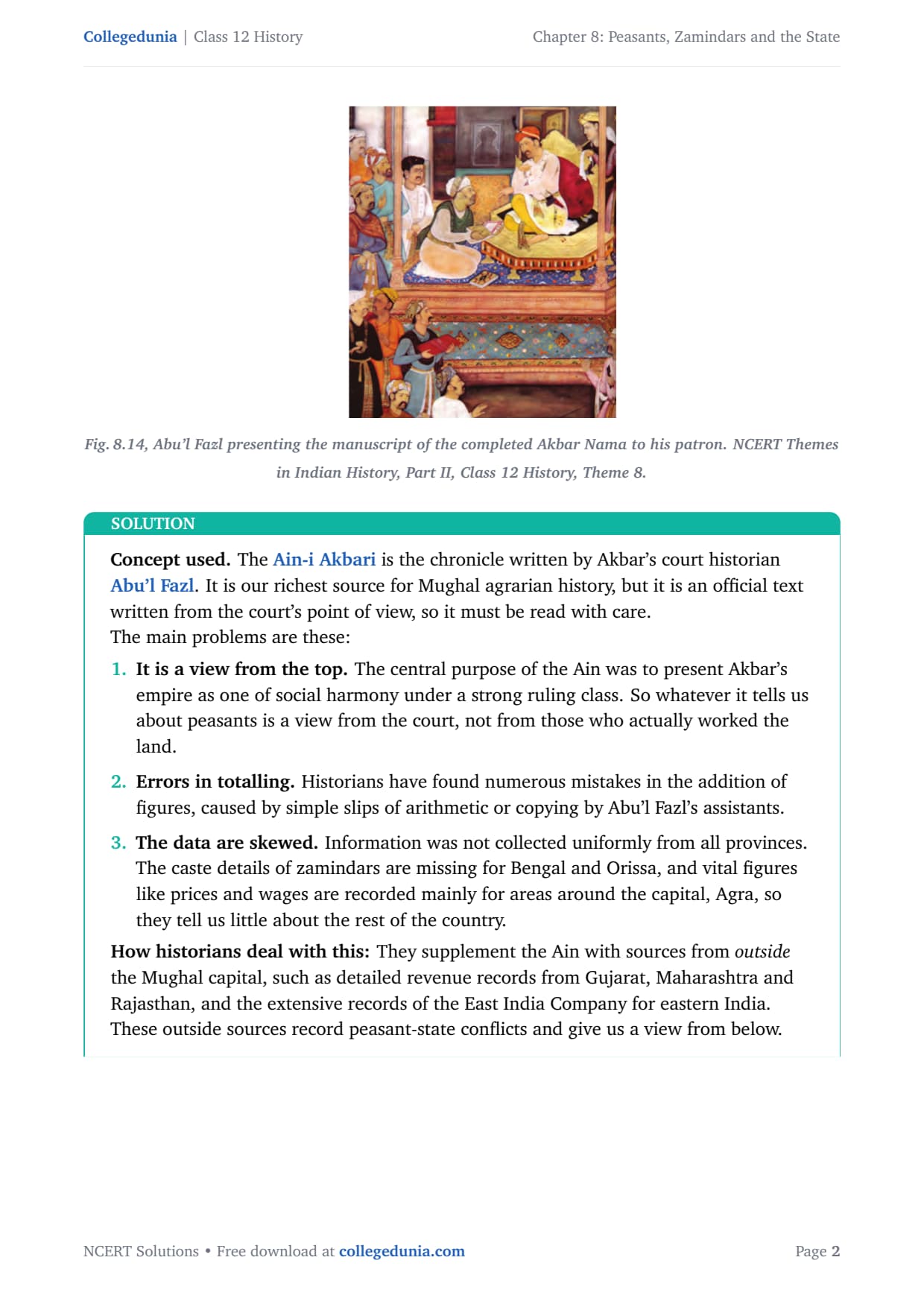
Fig. 8.14, Abu'l Fazl presenting the manuscript
of the completed Akbar Nama to his patron. NCERT Themes in Indian History,
Part II, Class 12 History, Theme 8.
Concept used. The Ain-i Akbari is the chronicle written by
Akbar's court historian Abu'l Fazl. It is our richest source for
Mughal agrarian history, but it is an official text written from the court's
point of view, so it must be read with care.
The main problems are these:
It is a view from the top. The central purpose of the Ain was
to present Akbar's empire as one of social harmony under a strong
ruling class. So whatever it tells us about peasants is a view from the
court, not from those who actually worked the land.
Errors in totalling. Historians have found numerous mistakes
in the addition of figures, caused by simple slips of arithmetic or
copying by Abu'l Fazl's assistants.
The data are skewed. Information was not collected uniformly
from all provinces. The caste details of zamindars are missing for
Bengal and Orissa, and vital figures like prices and wages are recorded
mainly for areas around the capital, Agra, so they tell us little about
the rest of the country.
How historians deal with this: They supplement the Ain with sources
from outside the Mughal capital, such as detailed revenue records from
Gujarat, Maharashtra and Rajasthan, and the extensive records of the East India
Company for eastern India. These outside sources record peasant-state conflicts
and give us a view from below.
Two halves to the answer
The question has two parts: the problems and the remedy. List the
problems (view from the top, totalling errors, skewed data), then name the
supplementary sources (Gujarat, Maharashtra, Rajasthan records and EIC
records). Answering only the first half loses easy marks.
The Ain is an official "view from the top" meant to show Akbar's
empire as harmonious, so it underplays peasant grievances. It also has errors
in totalling and skewed data (no zamindar-caste details for Bengal and Orissa;
prices and wages mainly from around Agra). Historians deal with this by
supplementing it with revenue records from Gujarat, Maharashtra and Rajasthan
and the East India Company's records, which give a view from below.
AS
Ananya Sengupta
MA Medieval Indian History, JNU
Verified Expert
Strategic angle. Treat this as a source-criticism question. The
examiner wants to see that you can both praise the Ain and distrust it. Group
the problems into three clean heads, perspective, accuracy and coverage, then
add the historian's fix. That structure earns every mark in 130 words.
Open by placing the Ain: Abu'l Fazl's official chronicle, our chief window onto
Mughal agrarian life, but written to glorify Akbar's rule. That single fact
explains the first and biggest problem, perspective. The Ain is a view of
society from its apex, so peasant revolt or autonomy is treated as bound to
fail, and the peasant's own voice is missing.
Accuracy: repeated errors in totalling, from arithmetic and
copying slips by Abu'l Fazl's assistants. These are minor, but they
warn us not to take every figure as exact.
Coverage: data gathered unevenly, no zamindar-caste data for
Bengal and Orissa, and price and wage lists drawn mainly from around
Agra, so they cannot speak for the whole empire.
Close with the remedy, which is the mature part of the answer. Historians do not
discard the Ain; they cross-check it. They set it beside revenue records from
Gujarat, Maharashtra and Rajasthan and against the East India Company's
documents for the east, sources that record peasant-zamindar-state conflict and
so supply the view from below that the Ain lacks.
Why this matters. The chapter is teaching you to use an official source
without being captured by it. Naming both its limits and the corrective sources
shows you can read the Ain as a historian, not just quote it.
Problems: the Ain is an official "view from the top" that hides
peasant grievance; it has totalling errors; and its data are skewed (no
zamindar-caste data for Bengal and Orissa, prices and wages mainly from Agra).
Historians deal with this by supplementing it with revenue records from Gujarat,
Maharashtra and Rajasthan and East India Company records, which give the view
from below.
Q 8.2
To what extent is it possible to characterise agricultural production
in the sixteenth–seventeenth centuries as subsistence agriculture? Give reasons
for your answer.
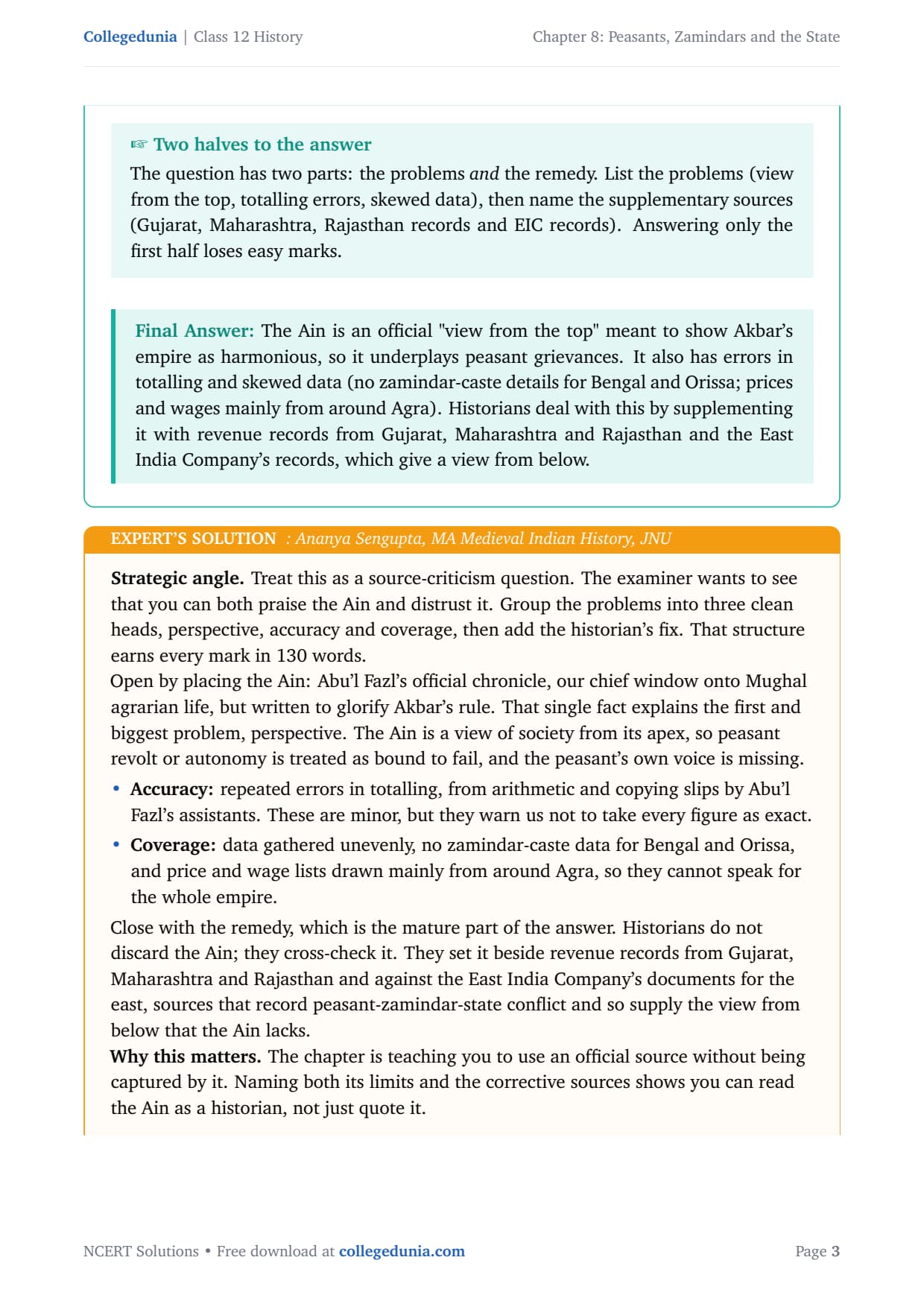
Fig. 8.5, A seventeenth-century painting depicting
production and craft in a rural setting. NCERT Themes in Indian History,
Part II, Class 12 History, Theme 8.
Concept used.Subsistence agriculture means farming only to
feed the household, with little left to sell. The question asks how far Mughal
agriculture fits that label. The honest answer is: only partly, because
subsistence and commercial farming were closely intertwined.
Reasons it looks like subsistence farming:
The most frequently grown crops were basic staples such as
rice, wheat and millets, since the primary purpose of agriculture was
to feed people.
The average peasant was poor, owning seldom more than a pair of bullocks
and two ploughs, which suggests farming close to the level of survival.
Reasons it was much more than subsistence:
Crops were grown for the market. Sources use the term
jins-i kamil (perfect crops), and the state encouraged these
because they brought more revenue. Cotton (central India and
the Deccan) and sugarcane (Bengal) were the chief cash crops,
along with oilseeds and lentils.
Great variety of produce. Two or even three crops a year
(do-fasla) gave an enormous range: the Ain records 39 varieties of
crops in Agra, 43 in Delhi, and 50 varieties of rice alone in Bengal.
A cash nexus. Revenue in the Mughal heartland was assessed and
collected in cash, and producers of cotton, silk and indigo received
their wages in cash, all signs of production for sale.
The key word is "intertwined"
The chapter's own line is that "subsistence and commercial production were
closely intertwined in an average peasant's holding". Quoting this balance, not
a flat yes or no, is what the question rewards.
Only to a limited extent. Staple food crops (rice, wheat, millets) and
poor peasants suggest subsistence, but the same fields also grew cash crops
(jins-i kamil like cotton and sugarcane), the Ain records 39–50 crop varieties
per region, and revenue and wages were paid in cash. So subsistence and
commercial production were closely intertwined, and the period cannot be called
purely subsistence agriculture.
RI
Rohan Iyer
MA Medieval History, Deccan College Pune
Verified Expert
Strategic angle. "To what extent" never wants a flat answer. Build a
two-pan balance: put the subsistence evidence on one side, the commercial
evidence on the other, and let the second pan clearly outweigh the first. End
with the chapter's own verdict that the two were intertwined.
Start by defining the term so the marker sees you understand it: subsistence
farming feeds the household and leaves little to sell. Then concede the
subsistence side honestly. The commonest crops were food staples, rice, wheat,
millets, and the typical peasant was poor, with a pair of bullocks and two
ploughs at most. On the surface, that reads like bare survival.
Now tip the balance the other way, where the marks lie. The state actively
pushed jins-i kamil, the perfect cash crops, because they yielded more
revenue, so cotton spread across central India and the Deccan and Bengal grew
famous for sugar. The sheer variety, 39 crop kinds in Agra, 43 in Delhi, 50 rice
types in Bengal, shows farming aimed well beyond the cooking pot. And the
clincher is money: revenue in the heartland was taken in cash, and weavers and
growers of cotton, silk and indigo were paid in cash, which only makes sense if
they were producing for a market.
Why this matters. The examiner is testing whether you can resist a
simple label. Showing that the same holding grew food to eat and cash
crops to sell, so subsistence and commerce ran together, is the nuanced reading
that separates a top answer from a one-word verdict.
To a limited extent only. Food staples and poor peasants point to
subsistence, but cash crops (jins-i kamil: cotton, sugarcane), a huge variety of
produce (39–50 kinds per region), and cash payment of revenue and wages show
strong commercial farming. The two were closely intertwined, so the period was
not purely subsistence agriculture.
Q 8.3
Describe the role played by women in agricultural production.
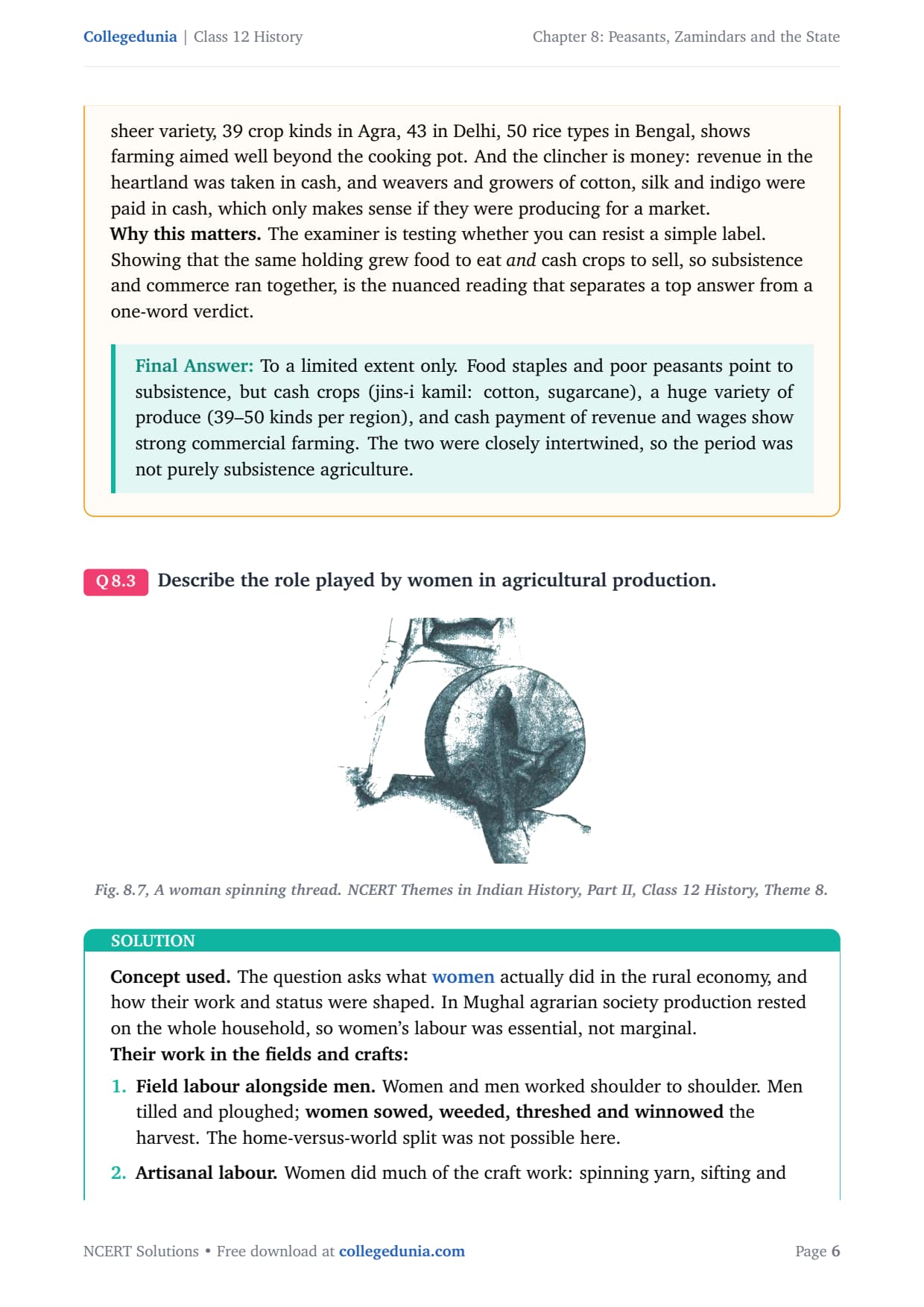
Fig. 8.7, A woman spinning thread. NCERT Themes
in Indian History, Part II, Class 12 History, Theme 8.
Concept used. The question asks what women actually did in
the rural economy, and how their work and status were shaped. In Mughal
agrarian society production rested on the whole household, so women's labour was
essential, not marginal.
Their work in the fields and crafts:
Field labour alongside men. Women and men worked shoulder to
shoulder. Men tilled and ploughed; women sowed, weeded, threshed
and winnowed the harvest. The home-versus-world split was not possible
here.
Artisanal labour. Women did much of the craft work: spinning
yarn, sifting and kneading clay for pottery, and embroidery. The more
commercialised the product, the greater the demand on women's labour;
they even went to employers' houses or to the market when needed.
Their value and the controls on them:
Valued as child bearers. In a society dependent on labour,
women were prized for bearing children. High female mortality (from
malnutrition, frequent pregnancies and childbirth) caused a shortage of
wives.
Distinct customs. This led to customs unlike those of elite
groups: many rural communities paid bride-price (not dowry),
and remarriage of widowed or divorced women was accepted.
Strict control and some rights. Because women were so
important reproductively, men feared losing control of them, so women
were kept under strict male authority and could be punished harshly.
Yet women also sent petitions to the panchayat for justice, and
among the landed gentry they could inherit, sell and mortgage
zamindaris; the famous Rajshahi zamindari was headed by a woman.
Go beyond the field
Many students stop at "women sowed and weeded". The fuller answer adds craft
labour, their value as child bearers, bride-price and remarriage, and the landed
women who held zamindaris. Range earns the marks.
Women were central to production: they sowed, weeded, threshed and
winnowed in the fields and did craft work (spinning, kneading clay, embroidery),
working harder as products became more commercial. They were prized as child
bearers, which gave rise to bride-price and accepted remarriage but also strict
male control. Women also petitioned panchayats for justice, and landed women
could inherit and sell zamindaris (the Rajshahi zamindari was headed by a
woman).
PN
Priya Nair
MA Medieval History, University of Hyderabad
Verified Expert
Structural observation. "Describe the role" rewards coverage, so plan
three layers: what women did (labour), why they mattered (reproduction), and
how that cut both ways (control plus property rights). Move through the layers
and you will not miss a mark.
Begin with labour, the heart of the question. Production rested on the entire
household, so women were never confined to the home. In the fields they sowed,
weeded, threshed and winnowed while men ploughed; in the crafts they spun yarn,
kneaded clay and embroidered, and the demand on their hands rose as goods became
more commercial, pulling them into employers' houses and the marketplace.
Then explain why they were so valued, which deepens the answer. In a
labour-hungry economy women were prized as child bearers, yet high mortality in
pregnancy and childbirth produced a shortage of wives. That scarcity shaped
distinctive customs, bride-price instead of dowry, and the acceptance of widow
and divorcee remarriage, both unlike elite practice.
Finally hold the paradox together. The same value that prized women also caged
them: they were kept under strict male control and harshly punished on suspicion
of infidelity. But control was not total. Women petitioned the panchayat for
redress, and landed women inherited, sold and mortgaged zamindaris, one even
heading the great Rajshahi estate. Labour, value and this mix of control and
right is the full picture.
Why this matters. The examiner wants more than "women helped in
farming". Showing their economic indispensability, the customs it produced, and
the tension between control and property rights is the rounded answer that
reaches the top band.
Women were essential to production: field tasks (sowing, weeding,
threshing, winnowing) and crafts (spinning, kneading clay, embroidery), more so
as goods grew commercial. Valued as child bearers, they enjoyed bride-price and
remarriage but faced strict male control; they could petition panchayats and,
among the landed, inherit and sell zamindaris (Rajshahi had a woman at its
head).
Q 8.4
Discuss, with examples, the significance of monetary transactions
during the period under consideration.
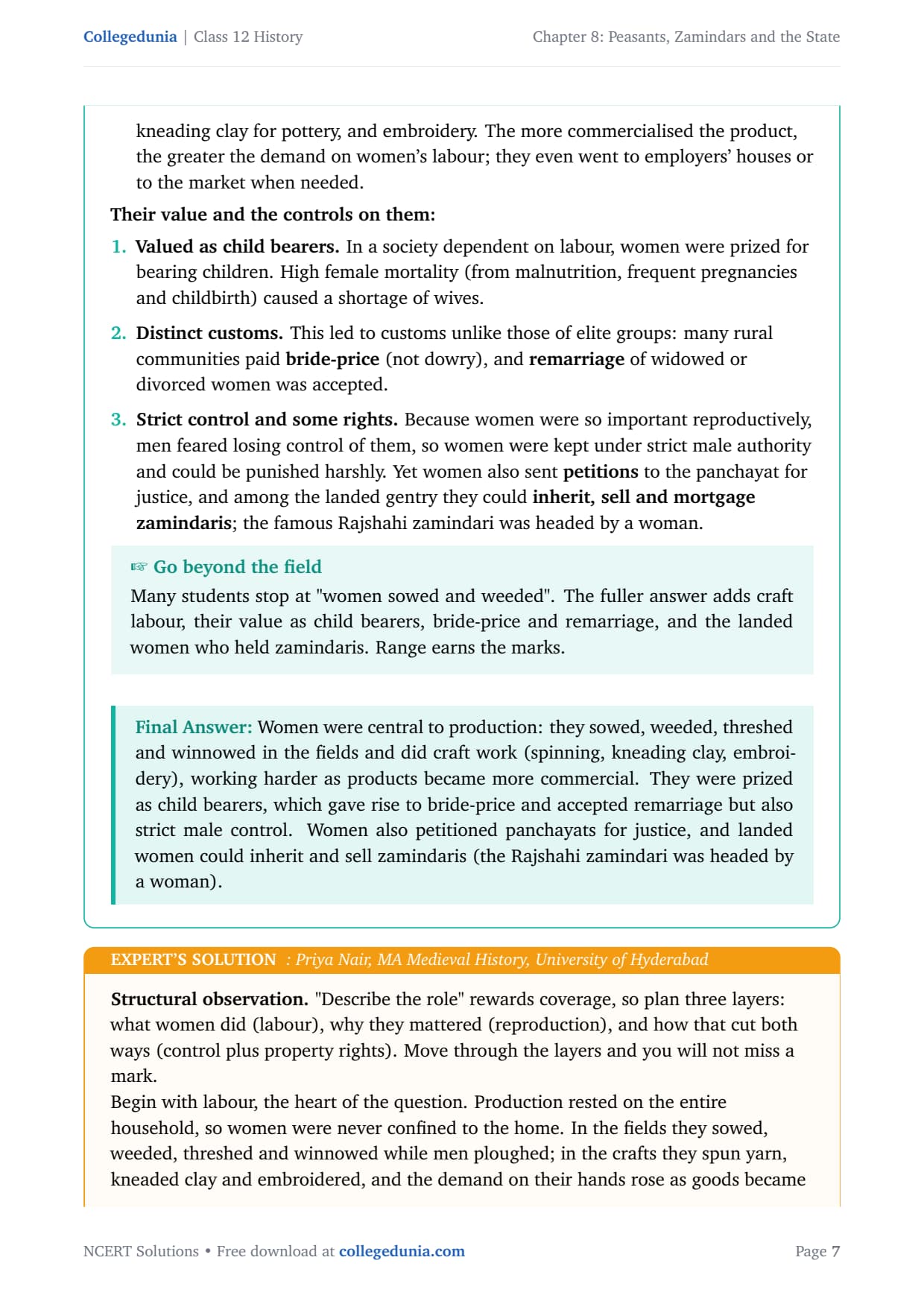
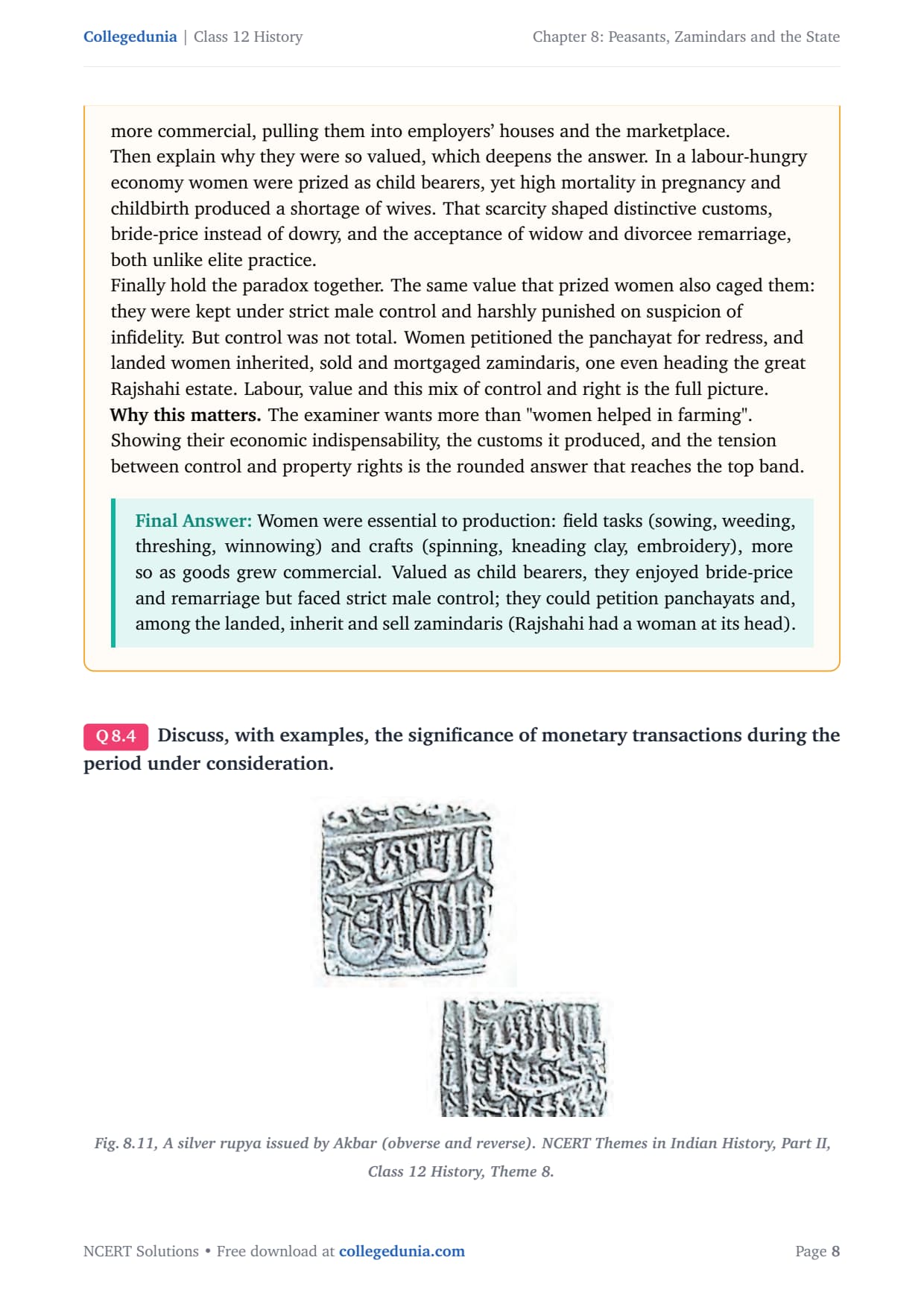
Fig. 8.11, A silver rupya issued by Akbar
(obverse and reverse). NCERT Themes in Indian History, Part II, Class 12
History, Theme 8.
Concept used.Monetary transactions means the use of money
(here the silver rupya) in everyday economic life. The question asks
how important money was in Mughal India. The answer is: very important, and you
must support it with examples.
Why money mattered, with examples:
A cash nexus in the villages. Trade between villages and towns
had already created a cash economy. In the Mughal heartland
revenue was assessed and collected in cash, and artisans
producing for export (weavers) and growers of cotton, silk and indigo
were paid in cash.
The flow of silver. Expanding trade with Europe and the New
World brought huge amounts of silver bullion into India, which
had no silver mines of its own. This gave India a remarkable stability
of metal currency, especially the silver rupya, and allowed an
unprecedented minting of coins and circulation of money.
Money men in every village. The French traveller
Jean-Baptiste Tavernier found it remarkable that even a very
small Indian village had a money-changer called a shroff
(sarraf), who acted as a banker and handled remittances of money.
Land and produce turned into cash. Zamindaris were bought and
sold briskly, which accelerated monetisation; zamindars sold
the produce of their milkiyat lands and set up markets (haats); and the
state could now extract taxes in cash.
Silver is the engine
The deep point is that the silver inflow underpinned everything: stable coinage
made cash revenue, cash wages and brisk land sales possible. Linking the rupya
to the cash nexus lifts the answer above a list.
Monetary transactions were highly significant. Revenue, wages and
trade in the Mughal heartland ran on cash; a flood of imported silver bullion
gave India a stable silver rupya and a boom in minting; even small villages had
a shroff (money-changer and banker), as Tavernier noted; and the brisk buying
and selling of zamindaris and produce deepened monetisation. Money, anchored by
silver, ran the agrarian economy.
VD
Vikram Desai
MA Economic History, Banaras Hindu University
Verified Expert
Strategic angle. The word "significance" wants you to argue that money
was central, then prove it with named examples. Organise around three levels,
the village, the empire and the wider world, and pin a concrete example to each.
That keeps the essay tight and evidence-led.
Open at the village level. A cash nexus already linked villages and towns:
revenue in the Mughal heartland was assessed and collected in cash, and weavers,
cotton, silk and indigo growers took their wages in cash. The proof on the
ground is Tavernier's shroff, the money-changer and banker present even in tiny
villages, who handled rupees, paisa and cowries. Money had reached the smallest
settlement.
Lift to the empire next. The land-revenue machine, the diwan, amil-guzar and
record-keepers, could demand cash precisely because coin was abundant, and the
brisk buying and selling of zamindaris pushed monetisation further as land
itself became a cash asset. Zamindars selling milkiyat produce and founding
haats tightened the link between countryside and market.
Then reach the world stage, which explains all the rest. India had no silver
mines, yet expanding trade with Europe and the New World poured silver bullion
into the subcontinent. That inflow gave India a stable silver rupya and an
explosion of minting, the very coinage that made cash revenue, cash wages and
land sales possible. Silver from abroad was the engine of money at home.
Why this matters. The examiner rewards an answer that connects cause to
effect. Showing that global silver underwrote the village shroff, the cash
revenue and the land market, rather than just listing them, is the analytical
move that secures full marks.
Highly significant. At village level revenue, wages and trade ran on
cash, and even tiny villages had a shroff (Tavernier). At empire level cash
revenue and brisk zamindari sales deepened monetisation. Underpinning all this,
imported silver bullion gave India a stable silver rupya and a minting boom.
Money, driven by silver, powered the whole agrarian economy.
Q 8.5
Examine the evidence that suggests that land revenue was important for
the Mughal fiscal system.
Concept used.Land revenue was the tax on agricultural
produce, and the fiscal system is the way the state raised and managed
its income. The question asks for evidence that revenue from land was central to
Mughal finances.
The evidence:
It was the economic mainstay. Revenue from the land was the
economic mainstay of the Mughal Empire, so the state built an elaborate
administrative apparatus to control agriculture and to fix and
collect revenue across the empire.
A whole office for it. This apparatus included the office
(daftar) of the diwan, who supervised the fiscal
system. Revenue officials and record keepers penetrated deep into the
countryside and shaped agrarian relations.
Careful assessment and collection. The state first gathered
information about the extent and produce of the land before fixing
taxes. Revenue had two stages: the jama (the amount assessed)
and the hasil (the amount actually collected). The aim was
always to maximise the state's claims.
Land was measured. Both cultivated and cultivable lands were
measured province by province, and the Ain compiled these aggregates
under Akbar. Akbar told the amil-guzar to prefer payment in
cash while keeping payment in kind open.
Emperors kept pushing for data. In 1665 Aurangzeb
ordered his officials to prepare annual records of the number of
cultivators in every village, village by village and peasant-wise,
proof of how seriously revenue was taken.
Define jama and hasil
The pair jama (assessed) and hasil (collected) is the single most
examined fact in this section. Define both, and you signal at once that you know
the revenue machinery.
Land revenue was the economic mainstay of the Mughal Empire. The state
built a large apparatus for it (the diwan's daftar and a network of revenue
officials), gathered detailed information before fixing taxes, distinguished
jama (assessed) from hasil (collected) while trying to maximise its claims,
measured cultivated and cultivable land (compiled in the Ain), preferred cash,
and kept ordering fresh surveys, as in Aurangzeb's 1665 command. All this shows
how central land revenue was to Mughal finances.
AR
Aditi Rao
MA Medieval Indian History, Aligarh Muslim University
Verified Expert
Strategic angle. "Examine the evidence" means marshal facts as proof,
not just describe. Treat each piece, the apparatus, the vocabulary, the
measurement, the imperial orders, as a witness testifying that land revenue
mattered. Lead each point with the evidence, then say what it proves.
Start with the plainest witness: the chapter calls land revenue the economic
mainstay of the empire. Everything else flows from that. To handle so vital an
income, the Mughals created a dedicated fiscal office, the daftar of the diwan,
and pushed revenue officials and record-keepers right into the villages, where
they became decisive agents in agrarian life. A state does not build such
machinery for a minor tax.
Next, the technical vocabulary itself is evidence of seriousness. The careful
split between jama, the assessed demand, and hasil, the sum
actually collected, shows a system precise enough to track the gap between target
and reality, all while trying to maximise the claim. So is the insistence on
measurement: cultivated and cultivable lands were surveyed province by province
and totalled in the Ain.
Finally, the emperors' own orders clinch it. Akbar told the amil-guzar to prefer
cash but allow kind, and in 1665 Aurangzeb demanded annual, village-by-village,
peasant-wise records of cultivators. Rulers personally legislating on revenue
detail is the strongest sign of how central it was.
Why this matters. The examiner is testing whether you can use facts as
argument. Presenting the apparatus, the jama-hasil distinction, the surveys and
the imperial orders as converging evidence, rather than a loose list, is what
earns the top band.
Land revenue was the empire's economic mainstay. The evidence: a
dedicated fiscal office (the diwan's daftar) and revenue officials reaching into
villages; precise vocabulary (jama assessed vs hasil collected) aimed at
maximising claims; province-wide land measurement compiled in the Ain; a stated
preference for cash; and repeated imperial survey orders, such as Aurangzeb's of
1665. Together these prove revenue was central to Mughal finances.
Q 8.6
To what extent do you think caste was a factor in influencing social
and economic relations in agrarian society?
Concept used.Caste was the system of hereditary social
ranking. The question asks how far it shaped who did what work, who held power
and who was poor in the village. The answer is: caste was a major factor,
especially at the top and bottom of society, though it was more fluid in the
middle.
Caste at the bottom: poverty and menial work.
Cultivators were a highly heterogeneous group. Certain caste groups were
assigned menial tasks and so relegated to poverty, working as
agricultural labourers (majur). There was a direct correlation
between caste, poverty and low status, much like the position of Dalits
in modern India.
These distinctions spread to other communities too. Among Muslims,
menials like the halalkhoran (scavengers) were housed outside
the village, and the mallahzadas (sons of boatmen) in Bihar
were treated almost like slaves.
Caste in the middle: surprising fluidity.
At intermediate levels the link between caste and status was weaker. In
a Marwar manual, Rajputs and Jats farmed side by side though
Jats ranked lower. The Gauravas sought Rajput status, and castes like
the Ahirs, Gujars and Malis rose in the hierarchy thanks to the
profits of cattle-rearing and horticulture.
Caste at the top: power and the panchayat.
The zamindars owed their elevated status partly to caste: an
"upper-caste" Brahmana-Rajput combine had firm control over rural
society (Abu'l Fazl).
The village panchayat worked to uphold caste boundaries; one of
the headman's duties was to prevent offences against caste, and it could
expel offenders.
Strong, but not rigid
The balanced verdict is that caste strongly shaped the extremes of society
(menial poor and zamindar elite) but allowed real mobility in the middle. Saying
"to a large extent, but with mobility" is the mature answer.
To a large extent, but unevenly. Caste was decisive at the bottom
(menial groups like the majur, halalkhoran and mallahzadas relegated to poverty)
and at the top (an upper-caste Brahmana-Rajput combine dominated as zamindars,
and the panchayat enforced caste rules). Yet at intermediate levels caste was
fluid: Rajputs and Jats farmed together, and Ahirs, Gujars and Malis rose
through profitable cattle-rearing and horticulture. So caste mattered greatly,
but it was not wholly rigid.
KM
Karan Mehta
MA Social History, University of Delhi
Verified Expert
Strategic angle. A "to what extent" essay on caste needs a layered
answer, not a yes or no. Picture rural society as a pyramid and test caste at
three levels: the base, the middle and the apex. Caste binds the base and the
apex tightly but loosens in the middle, and that uneven grip is your thesis.
Begin at the base, where caste bit hardest. Whole groups were pushed into menial
labour and poverty purely by birth, the majur agricultural workers, the Muslim
halalkhoran scavengers kept outside the village, the mallahzadas of Bihar
treated like slaves. Here caste, poverty and low status moved together almost
exactly, a pattern the chapter likens to the position of Dalits today. At this
level caste was nearly absolute.
Move to the middle, where the story changes and the best marks lie. Among
peasants of intermediate rank the caste-status link slackened. Rajputs and Jats
tilled the same fields despite unequal rank; the Gauravas claimed Rajput status;
and Ahirs, Gujars and Malis climbed the ladder on the profits of cattle and
horticulture. Economic success could buy social rise, so caste here was
negotiable.
Then climb to the apex. Zamindars stood at the narrow top partly by caste, an
upper-caste Brahmana-Rajput combine that Abu'l Fazl shows controlling the
countryside, while the panchayat below them policed caste boundaries and expelled
offenders. So caste organised power at the summit too.
Why this matters. The examiner wants judgement, not a verdict. Showing
that caste gripped the top and bottom of agrarian society firmly yet allowed
mobility in the middle is the calibrated argument that lifts the essay into the
top band.
To a large but uneven extent. At the base, caste fixed menial groups
(majur, halalkhoran, mallahzadas) in poverty; at the apex, an upper-caste
Brahmana-Rajput combine dominated as zamindars and the panchayat policed caste
lines. But in the middle caste was fluid: Rajputs and Jats farmed together and
Ahirs, Gujars and Malis rose through profitable farming. Caste mattered greatly,
yet permitted real mobility.
Q 8.7
How were the lives of forest dwellers transformed in the sixteenth
and seventeenth centuries?
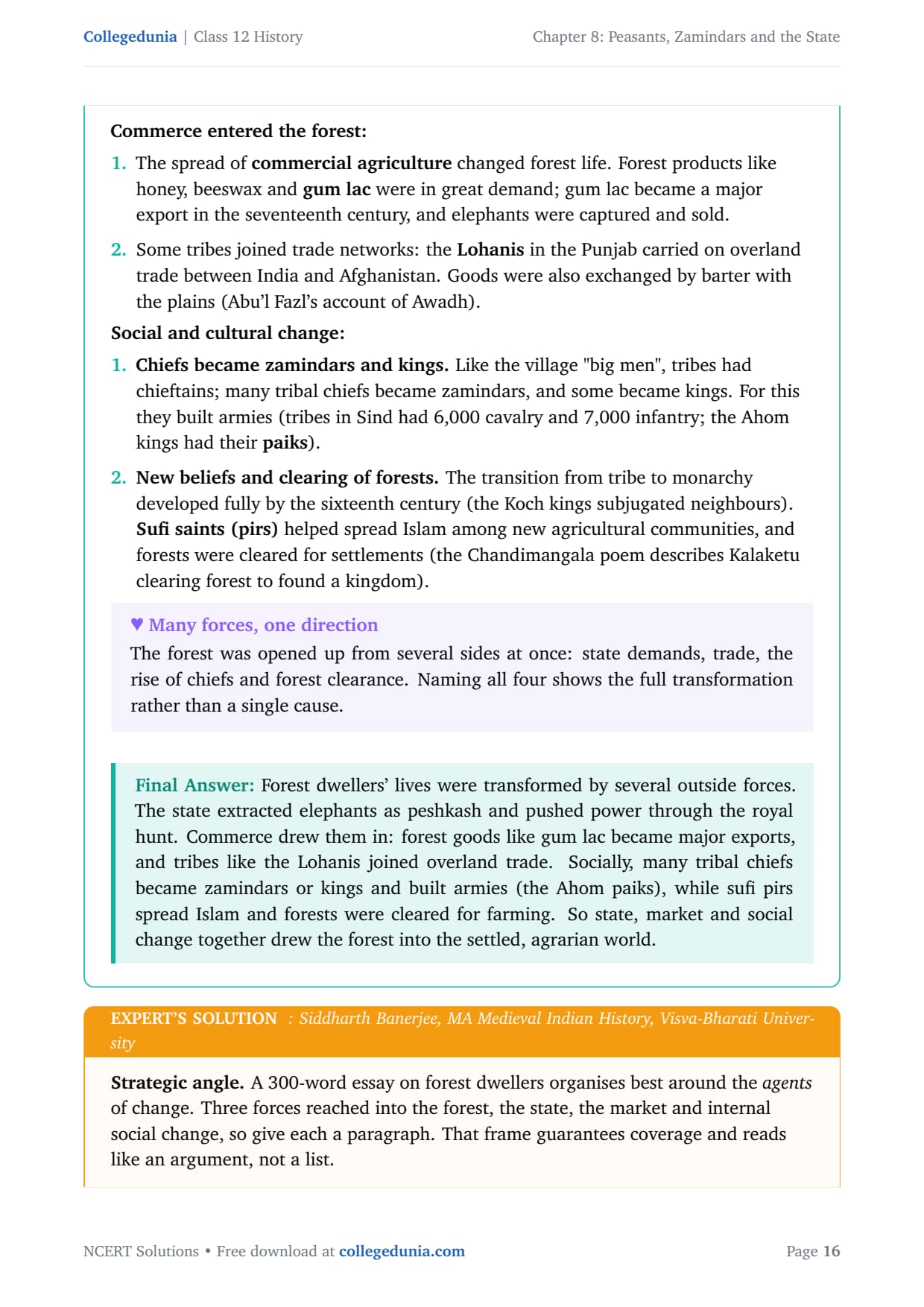
Fig. 8.9, Painting of Shah Jahan hunting nilgais,
from the Badshah Nama. NCERT Themes in Indian History, Part II, Class 12
History, Theme 8.
Concept used.Forest dwellers were people called
jangli in contemporary texts, who lived off gathering forest produce,
hunting and shifting agriculture (like the Bhils). The question asks how outside
forces changed their lives in this period. Several different pressures, state,
commercial and social, reached into the forest.
The state entered the forest:
Demand for elephants. The state needed elephants for the army,
so the tribute (peshkash) levied on forest people often
included a supply of elephants.
The royal hunt. In Mughal ideology the hunt let the emperor
travel across his lands and hear his subjects' grievances; court artists
painted the hunt as a symbol of a just, harmonious reign. The hunt also
pushed imperial power into forest zones.
Commerce entered the forest:
The spread of commercial agriculture changed forest life.
Forest products like honey, beeswax and gum lac were in great
demand; gum lac became a major export in the seventeenth century, and
elephants were captured and sold.
Some tribes joined trade networks: the Lohanis in the Punjab
carried on overland trade between India and Afghanistan. Goods were also
exchanged by barter with the plains (Abu'l Fazl's account of Awadh).
Social and cultural change:
Chiefs became zamindars and kings. Like the village "big men",
tribes had chieftains; many tribal chiefs became zamindars, and some
became kings. For this they built armies (tribes in Sind had 6,000
cavalry and 7,000 infantry; the Ahom kings had their paiks).
New beliefs and clearing of forests. The transition from tribe
to monarchy developed fully by the sixteenth century (the Koch kings
subjugated neighbours). Sufi saints (pirs) helped spread Islam
among new agricultural communities, and forests were cleared for
settlements (the Chandimangala poem describes Kalaketu clearing forest
to found a kingdom).
Many forces, one direction
The forest was opened up from several sides at once: state demands, trade, the
rise of chiefs and forest clearance. Naming all four shows the full
transformation rather than a single cause.
Forest dwellers' lives were transformed by several outside forces. The
state extracted elephants as peshkash and pushed power through the royal hunt.
Commerce drew them in: forest goods like gum lac became major exports, and tribes
like the Lohanis joined overland trade. Socially, many tribal chiefs became
zamindars or kings and built armies (the Ahom paiks), while sufi pirs spread
Islam and forests were cleared for farming. So state, market and social change
together drew the forest into the settled, agrarian world.
SB
Siddharth Banerjee
MA Medieval Indian History, Visva-Bharati University
Verified Expert
Strategic angle. A 300-word essay on forest dwellers organises best
around the agents of change. Three forces reached into the forest, the
state, the market and internal social change, so give each a paragraph. That
frame guarantees coverage and reads like an argument, not a list.
Open by setting the scene. Forest dwellers, the jangli, lived by gathering,
hunting and shifting cultivation, with mobility built into their seasonal round,
as among the Bhils. To the state the forest was a "subversive place", a refuge
(mawas) for rebels, which is exactly why outside powers wanted to tame it.
Take the state first. It needed war-elephants, so it levied peshkash that often
included elephants, and it ritualised the royal hunt as a symbol of just rule,
which carried imperial presence deep into forest country. Then the market: rising
commercial agriculture made forest produce, honey, beeswax and above all gum lac,
valuable, with gum lac becoming a major seventeenth-century export, while tribes
like the Lohanis grew into long-distance traders linking India and Afghanistan.
Finally, change from within. Tribal chiefs began to resemble the "big men" of the
villages: many became zamindars and some kings, raising armies (Sind's 6,000
cavalry and 7,000 infantry, the Ahom paiks who served for land). The Koch kings'
wars, the spread of Islam through sufi pirs, and forest clearance for settlement,
vividly caught in the Chandimangala's Kalaketu, completed the shift from forest
band to settled kingdom.
Why this matters. The examiner rewards an answer that shows the forest
was not timeless but actively transformed. Naming state extraction, commerce and
internal state-formation as parallel forces is the analytical structure that
lifts the essay to the top.
Outside forces transformed forest life. The state took elephants as
peshkash and projected power through the royal hunt. The market made forest goods
like gum lac major exports and pulled tribes (the Lohanis) into trade. Internally,
chiefs became zamindars and kings with armies (the Ahom paiks), sufi pirs spread
Islam, and forests were cleared for farming (Kalaketu in the Chandimangala). The
forest was steadily drawn into the settled agrarian order.
Q 8.8
Examine the role played by zamindars in Mughal India.
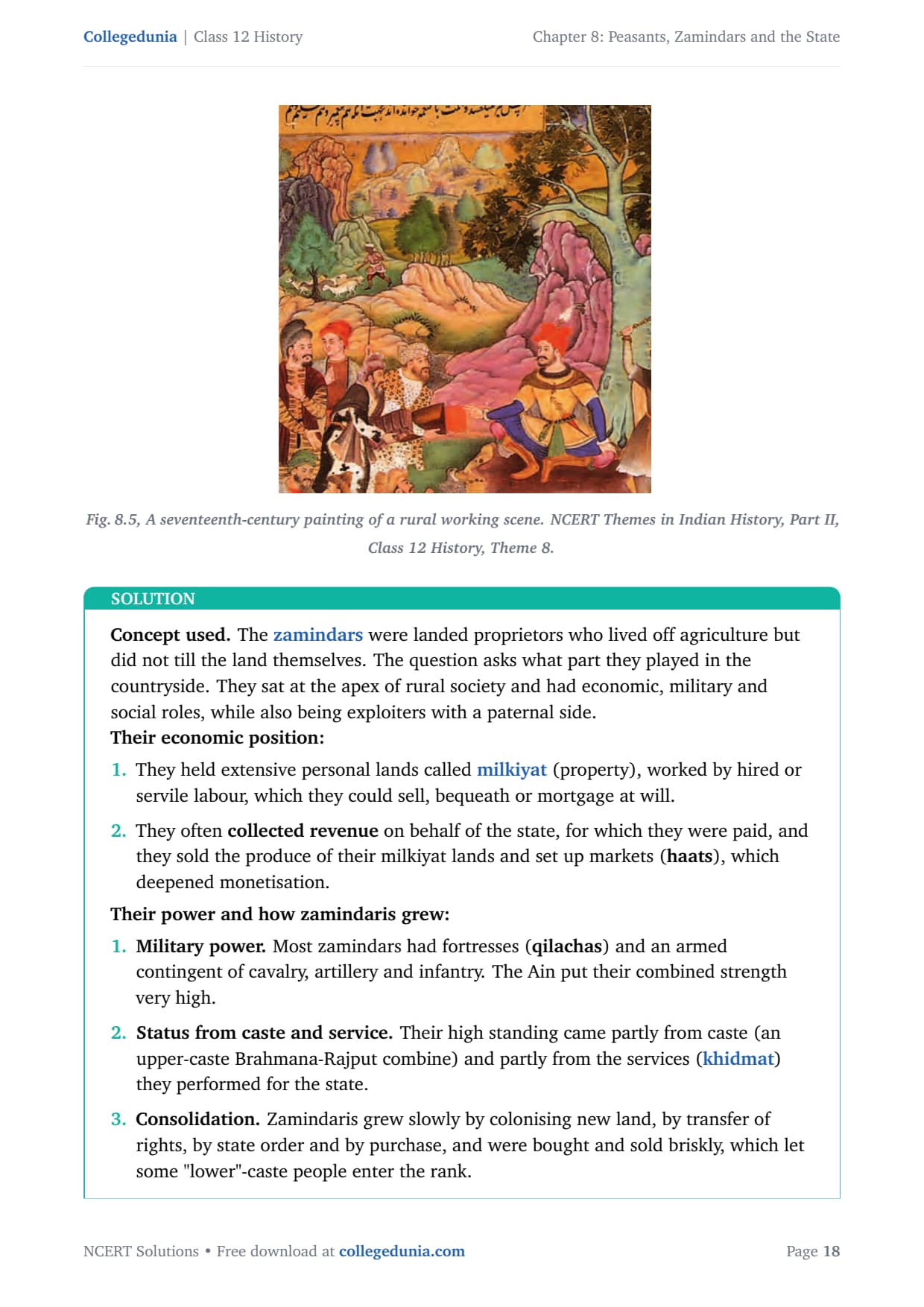
Fig. 8.5, A seventeenth-century painting of a rural
working scene. NCERT Themes in Indian History, Part II, Class 12 History,
Theme 8.
Concept used. The zamindars were landed proprietors who lived
off agriculture but did not till the land themselves. The question asks what part
they played in the countryside. They sat at the apex of rural society and had
economic, military and social roles, while also being exploiters with a paternal
side.
Their economic position:
They held extensive personal lands called milkiyat (property),
worked by hired or servile labour, which they could sell, bequeath or
mortgage at will.
They often collected revenue on behalf of the state, for which
they were paid, and they sold the produce of their milkiyat lands and set
up markets (haats), which deepened monetisation.
Their power and how zamindaris grew:
Military power. Most zamindars had fortresses (qilachas)
and an armed contingent of cavalry, artillery and infantry. The Ain put
their combined strength very high.
Status from caste and service. Their high standing came partly
from caste (an upper-caste Brahmana-Rajput combine) and partly from the
services (khidmat) they performed for the state.
Consolidation. Zamindaris grew slowly by colonising new land, by
transfer of rights, by state order and by purchase, and were bought and
sold briskly, which let some "lower"-caste people enter the rank.
Exploiters, but with reciprocity:
Zamindars were an exploitative class, yet their bond with peasants had an
element of reciprocity, paternalism and patronage. They helped
settle cultivators by giving them the means of cultivation, including
cash loans.
Two signs of this bond: the bhakti saints did not attack
zamindars (their ire fell on the revenue official), and in many
seventeenth-century agrarian revolts peasants supported their
zamindars against the state.
Hold the two sides together
The top answer says zamindars were exploiters and patrons. Citing the
bhakti saints' silence and peasant support in revolts proves the reciprocal side,
which many students miss.
Zamindars stood at the apex of rural society. Economically they held
milkiyat lands, collected revenue for the state and ran markets; militarily they
had fortresses (qilachas) and private armies; their status rested on caste and
khidmat. Zamindaris grew by colonisation, transfer, state order and brisk
purchase. Though exploitative, their tie to peasants had reciprocity and
patronage (cash loans, the bhakti saints' silence, peasant support in revolts).
AK
Aarav Kapoor
MA Medieval History, Jamia Millia Islamia
Verified Expert
Strategic angle. "Examine the role" of zamindars works best as a layered
profile: economic base, sources of power, and the complex tie to the peasantry.
Build the three layers and then deliver the verdict that they were exploiters
with a paternal streak. That nuance is where the top marks sit.
Start with the economic base. Zamindars lived off the land without farming it.
They owned milkiyat lands worked by hired or servile labour, freely saleable and
heritable; they collected state revenue for a fee; and they sold their own
produce and founded haats, so they were active drivers of the rural money
economy.
Turn to power and growth. Their muscle was real: qilachas (small forts) and
contingents of horse, foot and artillery, with the Ain crediting the class with
a huge combined force. Their rank drew on caste, the Brahmana-Rajput combine,
and on khidmat to the state. And the class was not closed: zamindaris expanded by
colonising land, by grants and transfers, and by brisk buying and selling, which
even let some lower-caste men climb in.
Close with the relationship that defines them. They were undeniably an
exploitative class, yet the bond carried reciprocity, paternalism and patronage:
they advanced cultivators the means of farming, including cash loans. Two pieces
of evidence prove the point, the bhakti saints spared zamindars and aimed their
anger at the revenue official, and peasants often sided with their zamindars in
revolts against the state.
Why this matters. The examiner is testing whether you can resist a
one-sided verdict. Showing the zamindar as both oppressor and patron, with the
bhakti and revolt evidence, is the balanced judgement that secures full marks.
Zamindars were the apex of rural society: economically they held
milkiyat lands, collected revenue and ran markets; militarily they had qilachas
and private armies; their status came from caste and khidmat. Zamindaris grew by
colonisation, grant, transfer and purchase. They exploited peasants yet also
patronised them (cash loans), shown by the bhakti saints' silence and peasant
support for zamindars in revolts.
Q 8.9
Discuss the ways in which panchayats and village headmen regulated
rural society.
Concept used. The village panchayat was an assembly of elders,
headed by a headman called muqaddam or mandal. The question
asks how these bodies controlled village life. They handled money, justice,
caste and the protection of the weak.
Who they were:
The panchayat was an oligarchy of important village elders with
hereditary property rights, representing the various castes (though the
menial-cum-agricultural worker was usually left out). Its decisions were
binding.
The headman (muqaddam/mandal) was chosen by consensus of the
elders and ratified by the zamindar, and held office only while he kept
their confidence. His chief task was to supervise village accounts with
the accountant (patwari).
How they regulated rural society:
Common funds. The panchayat had a common financial pool, used to
entertain visiting revenue officials, for welfare in calamities (like
floods), and to build a bund or dig a canal.
Upholding caste. A key function was to keep caste
boundaries; the headman oversaw conduct "to prevent any offence against
caste", and in eastern India marriages were held before the mandal.
Justice and punishment. The panchayat could levy fines and
impose punishments up to expulsion from the community, which
made a person an outcaste who lost the right to practise his profession.
Jati panchayats. Each caste also had its own jati
panchayat, which (in Rajasthan) arbitrated disputes, mediated land
claims, judged marriages and decided ritual precedence; the state usually
respected their decisions except in criminal matters.
Protecting the weak. Villagers sent petitions against
excessive taxes or unpaid labour (begar); they saw the panchayat
as a court of appeal that would make the state honour its moral
obligations, often suggesting a compromise.
Both oppressor and protector
The panchayat enforced caste and served the elite, yet also shielded poorer
peasants from extortion. Showing this double role is the mark of a full answer.
Panchayats and headmen regulated rural society in several ways. The
panchayat, an oligarchy of elders led by the muqaddam/mandal, managed common
funds (for officials, welfare and irrigation), upheld caste boundaries, and
dispensed justice up to expulsion. Jati panchayats settled caste and land
disputes, usually respected by the state. The headman, with the patwari,
supervised accounts. The panchayat also heard peasant petitions against
excessive taxes and begar, acting as a court of appeal for the weak.
IJ
Ishaan Joshi
MA Medieval Indian History, University of Calcutta
Verified Expert
Structural observation. "Discuss the ways" wants a clear list of
functions, but the best answers also frame them. Group the panchayat's work into
administration, caste-policing, justice and protection of the weak, and the
answer covers every mark while showing you grasp how the body actually ran the
village.
Begin with who held power, because it shapes everything else. The panchayat was
an oligarchy of propertied elders representing the castes, but not the menial
labourer, and its rulings bound everyone. The headman, muqaddam or mandal, rose by
the elders' consensus and the zamindar's nod, kept office only on their
confidence, and ran the village accounts with the patwari. Power was collective
but narrow.
Now the functions. Financially, the panchayat pooled common funds to entertain
revenue officials, relieve calamities and build bunds and canals beyond any single
peasant's means. Socially, it policed caste: the headman guarded against offences
against caste, marriages in the east were solemnised before the mandal, and each
jati's own panchayat arbitrated disputes, land claims, marriages and ritual
precedence, with the state usually deferring to it.
Then justice and protection. The panchayat fined and punished, even expelling
offenders into outcaste status, stripping them of their livelihood. Yet it also
shielded the weak: villagers petitioned it against extortionate taxes and forced
labour (begar), treating it as a court of appeal that could press the state to
meet its moral duties, often by brokering compromise.
Why this matters. The examiner wants to see that the panchayat both
upheld the hierarchy and offered ordinary peasants redress. Capturing that double
role, regulator of caste and guardian against extortion, is the rounded answer
that reaches the top band.
Panchayats and headmen regulated the village through administration
(common funds for officials, welfare and irrigation, managed by the headman and
patwari), caste-policing (preventing offences against caste; jati panchayats
settling disputes, respected by the state), and justice (fines up to expulsion).
The panchayat also protected the weak, hearing peasant petitions against
excessive taxes and begar as a court of appeal. So it both upheld hierarchy and
offered redress.
Q 8.10
On an outline map of the world, mark the areas which had economic
links with the Mughal Empire, and trace out possible routes of communication.
Concept used. This is a map-work task based on the section on
the flow of silver and trade. You mark the regions that traded with the Mughal
Empire and trace the routes by which silver, goods and news moved. Below is the
guide for what to mark; on the actual map, locate each one.
Areas with economic links to the Mughal Empire:
The other great Asian empires: China (Ming), Iran
(Safavid) and Turkey (Ottoman), linked by overland trade from
China to the Mediterranean.
Europe: France, England, Portugal and the Dutch, whose ships
carried Indian goods and brought silver.
The New World (America), the ultimate source of the silver that
flowed to India through Europe.
West Asia and the Red Sea ports: Mocha (on the Red Sea), Basra
(head of the Persian Gulf), and Smyrna; Oman and Arabia
(coffee).
South-East and East Asia: Pegu and Tenasserim (Myanmar), Siam
(Thailand), Ceylon (Sri Lanka), the Maldives, and Japan (Dutch
silver from its mines); plus Mozambique on the East African
coast.
Possible routes of communication:
Overland from China across Central Asia to the Mediterranean,
and through Persia and Turkey.
By sea up the Red Sea (to Mocha) and the Persian Gulf
(to Basra), then across the Arabian Sea to India's west coast.
Across the Indian Ocean and Bay of Bengal to South-East
Asia, and by European ships round Africa (past Mozambique) to and from
Europe.
Tie each region to its trade
For full marks, do not just dot the regions: link each to what it gave India,
American and Japanese silver, Arabian coffee routes, European ships, so the map
tells the story of the silver flow.
!
[See diagram in the PDF version]
Mark the Asian empires (Ming China, Safavid Iran, Ottoman Turkey),
Europe (France, England, Portugal, the Dutch), the New World (America), West Asia
and the Red Sea/Gulf ports (Mocha, Basra, Arabia, Oman), South-East and East Asia
(Myanmar, Siam, Ceylon, Maldives, Japan) and East Africa (Mozambique). Trace
routes overland from China to the Mediterranean and by sea via the Red Sea,
Persian Gulf, Arabian Sea, Indian Ocean and Bay of Bengal, with silver flowing
from America through Europe to India.
NV
Nikhil Verma
MA Historical Geography, MS University of Baroda
Verified Expert
Picture-first. Map work is scored on correct placement, so think of
India as the hub of a wheel and the trading regions as spokes. Put the Mughal
Empire at the centre, ring it with its partners, and draw the silver flow as a
line running from America through Europe to India. Placement and the right routes
win the marks, not prose.
Anchor the map on the Mughal Empire in India, then set the partners around it.
To the west lie the great contemporary empires, Ming China reached overland,
Safavid Iran and Ottoman Turkey, joined by the old route from China to the
Mediterranean. Beyond them sit Europe (France, England, Portugal and the Dutch)
and, further still, the New World, the ultimate silver mine. To the immediate west
mark the Red Sea and Gulf nodes, Mocha and Basra, with Arabia and Oman; to the
east, the South-East and East Asian links, Myanmar, Siam, Ceylon, the Maldives
and Japan, plus Mozambique on the African coast.
Now trace the routes, which is where the second half of the marks lie. Run the
overland line from China across Central Asia to the Mediterranean. Draw the sea
lanes up the Red Sea to Mocha and the Persian Gulf to Basra, then across the
Arabian Sea to India's west coast, and east across the Indian Ocean and Bay of
Bengal to South-East Asia. Finally, sketch the European ships rounding Africa
past Mozambique. Over all of it, mark the silver flow: America to Europe to West
Asia, and on to India.
Why this matters. The skill being tested is turning the chapter's
account of trade and silver into geography. Correct placement of the partner
regions and the right land and sea routes, with the silver flow shown, is the
whole answer and proves you understand India's place in the seventeenth-century
world economy.
Place India at the centre and mark its partners: Ming China, Safavid
Iran, Ottoman Turkey, Europe (France, England, Portugal, Dutch), the New World,
West Asia (Mocha, Basra, Arabia, Oman), SE and E Asia (Myanmar, Siam, Ceylon,
Maldives, Japan) and Mozambique. Trace overland China-to-Mediterranean routes and
sea lanes via the Red Sea, Persian Gulf, Arabian Sea, Indian Ocean and Bay of
Bengal, with silver flowing from America through Europe to India.
Q 8.11
Visit a neighbouring village. Find out how many people live there,
which crops are grown, which animals are raised, which artisanal groups reside
there, whether women own land, how the local panchayat functions. Compare this
information with what you have learnt about the sixteenth–seventeenth centuries,
noting similarities and differences. Explain both the changes and the
continuities that you find.
Concept used. This is a fieldwork project. There is no single
correct answer; you are marked on how carefully you collect village data and how
clearly you compare it with the Mughal-period agrarian society in this chapter,
naming both changes and continuities. The guide below shows how to plan it.
Plan your survey under the set heads. Before you go, list the
six things to find out: population, crops grown, animals raised,
artisanal groups present, whether women own land, and how the panchayat
works. Keep a column for each.
Collect the data in the village. Talk to villagers, the
sarpanch and a few farmers. Note the rough population, the main crops
(and whether two or three are grown a year), the livestock, and which
artisans (potter, blacksmith, carpenter, weaver) still live there.
Ask about women and land. Find out whether any women own or
inherit land in their own name, and how this compares with the chapter's
account of landed women and zamindaris (for example, Rajshahi).
Study the present panchayat. Note how today's gram panchayat is
elected and what it does (development, disputes, welfare), and set it
beside the Mughal-period panchayat of elders led by the muqaddam.
Write the comparison. Organise the report as a table or two
columns, then write up the continuities (mixed crops, the same
artisan trades, the panchayat as a local body) and the changes
(an elected panchayat with reserved seats, new crops and machinery,
wider land rights for women, cash and markets everywhere).
Name both sides
The marks ride on giving both continuities and changes, not just a modern
description. Pair each present-day finding with its sixteenth-seventeenth century
counterpart from the chapter.
Survey a nearby village under six heads (population, crops, animals,
artisans, women's landholding, panchayat), then compare with Mughal-period
agrarian society. Continuities include mixed cropping, the same artisan trades
(potter, blacksmith, carpenter, weaver) and a local panchayat. Changes include an
elected gram panchayat with reserved seats, new crops and machinery, wider land
rights for women, and a fully cash-and-market economy. Present both the changes
and the continuities clearly.
MP
Meera Pillai
MA Social History, University of Mumbai
Verified Expert
Strategic angle. A project like this is graded on method and on a
genuine comparison, not on a pretty write-up. Build it in two movements: first a
disciplined survey under the six set heads, then a side-by-side reading against
the chapter that separates what has stayed the same from what has changed.
Do the survey properly. Go with a prepared sheet listing the six heads, and fill
each from real conversation, the sarpanch on population and the panchayat, a few
farmers on crops and animals, and a walk through the lanes to spot the surviving
artisans. Ask directly and tactfully whether any woman owns land in her own name,
since that is one of the chapter's sharpest points of comparison.
Then make the comparison the heart of the report, because that is where the marks
are. Set today's village beside Sutra's Mughal-period village head by head. You
will likely find continuities: the village still grows more than one crop, still
houses potters, blacksmiths, carpenters and weavers, and is still governed by a
local panchayat. You will also find changes: the panchayat is now elected, with
reserved seats for women and weaker groups, rather than an oligarchy of elders
under a muqaddam; new crops, machinery and chemical inputs have arrived; women's
land rights are wider in law; and cash and markets reach every household.
Why this matters. The project teaches you to read the past in the
present. A careful survey plus an honest balance of continuity and change, each
point tied back to the chapter, is exactly the historical thinking the task
rewards, and it is what earns full marks.
Conduct a six-head village survey (population, crops, animals, artisans,
women's landholding, panchayat), then compare with the chapter. Show continuities
(mixed cropping, the same artisan trades, a local panchayat) and changes (an
elected panchayat with reserved seats, new crops and machinery, broader land
rights for women, an all-pervading cash economy). The grade rests on a careful
survey and a balanced continuity-and-change comparison.
Q 8.12
Select a small section of the Ain (10–12 pages, available
online at the website indicated below). Read it carefully and prepare a report on
how it can be used by a historian.
Concept used. This is a source-study project. You read a short
extract from the Ain-i Akbari and write a report on its value as
historical evidence. There is no single right answer; you are marked on how well
you read the source and weigh both its uses and its limits, the way the chapter
treats the Ain. The guide below shows how to plan it.
Choose and read the extract. Pick a 10–12 page section (for
example, from the mulk-abadi, the third book, with its
province-by-province statistics, or the classification of lands). Read it
slowly, noting the kind of information it gives.
Identify what the section contains. List the data: measured
area, the jama (assessed revenue), crops, prices, castes of zamindars and
their troops, or descriptions of customs, depending on your extract.
Explain how a historian can use it. Show what the section lets
us reconstruct: the extent and fiscal organisation of a province, the
revenue system, the rural social order, or economic life. Note that the
Ain's quantitative evidence on agrarian relations is uncontested in
value.
Weigh its limits. Apply the chapter's cautions: the Ain is a
view from the top, has errors in totalling, and gives
skewed data (gaps for some regions; prices mainly from Agra).
Say how you would cross-check it with other records.
Write the report. Combine the above into a short report:
describe the extract, state what it reveals, and judge its reliability,
with examples quoted from the pages you read.
Use and limit together
A strong report does both jobs: it shows what the Ain reveals and where it
must be distrusted. That balance is exactly the source-criticism the chapter
teaches.
Read a 10–12 page section of the Ain (for example, the mulk-abadi's
provincial statistics or the land classification), list the data it gives
(measured area, jama, crops, prices, zamindar castes and troops), and explain
what a historian can reconstruct from it (fiscal organisation, revenue system,
rural society). Then weigh its limits (a view from the top, totalling errors,
skewed data) and the need to cross-check it. Present a balanced report on its use
and reliability.
DS
Dev Sharma
MA Medieval Indian History, Jawaharlal Nehru University
Verified Expert
Strategic angle. This project is really a source-criticism exercise in
miniature, so plan the report the way a historian appraises a document: what it
is, what it tells us, and how far we can trust it. Lead with description, build
to use, and finish with a careful weighing of reliability.
Begin by choosing well. The richest section for a historian is the mulk-abadi,
the Ain's third book, with its account of the twelve provinces and their tables
of measured area, assessed revenue (jama), grants, and the castes and troops of
zamindars. Read your 10–12 pages closely and note exactly what categories of
information appear, since that determines what the section can be used for.
Then turn to use. Explain that such a section lets a historian reconstruct the
fiscal and administrative shape of a province, the revenue system, and the rural
social hierarchy, and that the chapter rates the Ain's quantitative evidence on
agrarian relations as uncontested. Quote a figure or a passage from your extract
to make the point concrete.
Finally, weigh reliability, which is what lifts the report. Apply the chapter's
warnings to your own pages: the Ain is a view from the top, it carries totalling
errors from Abu'l Fazl's assistants, and its coverage is uneven, with gaps for
some regions and prices drawn mainly from around Agra. Say plainly that you would
cross-check it against revenue records from Gujarat, Maharashtra or Rajasthan.
That double judgement, rich source yet not infallible, is the report's core.
Why this matters. The task teaches you to handle a primary source
responsibly. A report that describes the extract, shows its uses, and tests its
reliability against the chapter's cautions demonstrates exactly the critical
method historians use, and that is what the project rewards.
Read a 10–12 page section (ideally the mulk-abadi's provincial tables
or the land classification), describe its data (measured area, jama, crops,
prices, zamindar castes and troops), explain what it lets a historian
reconstruct (fiscal organisation, revenue, rural society), then weigh its limits
(view from the top, totalling errors, uneven coverage) and cross-check it. The
report should balance the Ain's rich evidence against its reliability.
FAQs on Peasants, Zamindars and the State Class 12 NCERT Solutions
Peasants, Zamindars and the State Class 12 History Common Questions
Ques. Where can I get the Class 12 History Chapter 8 NCERT solutions PDF?
Ans. You can download the Peasants, Zamindars and the State Class 12 History NCERT Solutions PDF directly from this page. It is free, follows the 2026-27 NCERT, and answers all 12 exercise questions step by step.
Ques. How many questions are there in Class 12 History Chapter 8 questions and answers?
Ans. The chapter has 12 exercise questions. Nine are written answers, and the last three (8.10 to 8.12) are map work and project activities used in the history project file Class 12 Chapter 8.
Ques. Which are the most important questions in history Class 12 Chapter 8 practice?
Ans. The role of zamindars (Q 8.8), the importance of land revenue (Q 8.5), and how panchayats regulated rural society (Q 8.9) are the most-asked long answers. These three top every list of Class 12 History Chapter 8 important questions.
Ques. What is the difference between jama and hasil?
Ans. Jama was the revenue figure the Mughal state assessed or fixed on a piece of land. Hasil was the amount the state actually collected from the peasant. Mixing up the two is a common slip in the Class 12 History Chapter 8 board answers.
Ques. Why must the Ain-i Akbari be read with care?
Ans. Because it is an official chronicle written from the court's point of view, so it shows the empire as harmonious and underplays peasant grievances. It also has totalling errors and skewed data, so historians read it alongside revenue records from Gujarat, Maharashtra and Rajasthan.
Ques. Is Class 12 History Chapter 8 hard to score in the board exam?
Ans. No. It is a steady scoring chapter if you keep the key terms clear and give balanced answers. Practise the source-based extracts from the Ain and a few Class 12 History Chapter 8 MCQ sets, and keep jama, hasil and the zamindars' role ready in your own words.








Comments