



Content Curator
Advantages of Dams are that they serve as a source of water. They provide water for a variety of purposes, including home usage, irrigation, and industrial use. Man-made dams create artificial lakes, also called reservoirs. Water is stored in reservoirs for agricultural, industrial, and household uses.
Also Read: Non-renewable Energy
| Table of Content |
Key Terms: Dams, Hydropower, Reservoirs, Water Storage, Irrigation, Debris Control, Embankment
What is a Dam?
[Click Here for Sample Questions]
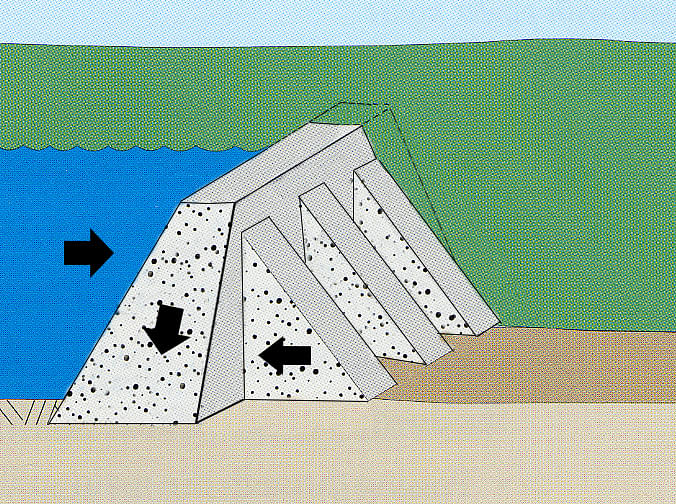
Dams are structures that prevent or limit surface water or underground streams from overflowing. In addition to preventing floods, dams are responsible reservoirs that supply water for agriculture, industry, aquaculture, and navigation. Dams and hydropower are frequently used to produce electricity. The oldest known dam is the Jawa Dam in Jordan.
Also Read: NCERT Solutions for Class 6 to 12 PDFs
Types of Dams
[Click Here for Sample Questions]
Dams are divided into two categories, Concrete Dams and Embankments. Streams that flow through small gorges are blocked by concrete or masonry dams, but streams and rivers that flow over vast valleys are controlled by embankments.
- Masonry Dam in India: Nagarjuna Sagar Dam in Andhra Pradesh
- Embankment Dam in India: The Tehri Dam in Uttarakhand

Embankment Dam
Check More:
| PYQ Examples | ||
|---|---|---|
| Sustainable Development | Global Biodiversity (NEET 2013) | Global Species Diversity (NEET 2020) |
Advantages of Dams
[Click Here for Sample Questions]
Dams provide a wide range of economic, social, and environmental benefits, and may be used to solve a wide range of problems related to water conservation and crisis management. Dams have various advantages, which is why so much money and effort is invested in their construction and maintenance. The following are some of the advantages of Dams:
| Advantages of Dams | Description |
|---|---|
| Water Storage | Water Storage is one of the most important functions of dams and reservoirs. Reservoir water helps to compensate for water shortages during dry seasons. It also provides a consistent supply of water for domestic, industrial, and agricultural use. |
| Source of Drinking Water | We can utilise the water kept behind a dam in a reservoir as a supply of drinking water for adjacent towns and cities since it is fresh. To guarantee that every residence has access to safe and clean drinking water, we can employ huge canals, pipelines, and other modes of conveyance. |
| Flood Control | Dams serve a vital role in averting flood-related deaths and property damage. Flood control dams collect floodwaters and release them under regulated conditions to the river below, or the water can be retained and used for various purposes, not only preventing calamity but also transforming the occurrence into a future benefit. |
| Irrigation | Dams have aided farmers in addressing the issue of crop watering, resulting in an increase in agricultural yield. Crop production and other agricultural activities that occur as a result of this benefit support various f employees. Because of this advantage, our food delivery networks stay active. |
| Electricity Production | Hydropower is an effective means of addressing India's energy issue. Dams are built to last for decades and to contribute to the generation of power for many years. Hydroelectricity, otherwise called hydroelectric power, produces electricity at a steady pace. If there is no need for energy, the sluice gates can be closed or the electricity generation stopped. There are several top hydropower plants in India, including the Tehri Dam, the Srisailam Dam, and the Sardar Sarovar Dam. |
| Debris Control | Dams are beneficial in preventing harmful sedimentation in addition to controlling floods. In reality, they may be useful in preventing the disposal of hazardous materials and the consequent pollution of the environment. |
| Recreation | The hydropower industry sponsors and develops a wide variety of recreational facilities throughout the country that are available for year-round activities such as swimming, fishing, camping, skiing, and hiking. Dam operators collaborate with local communities to provide recreational opportunities. |
Also Check:
| Related Articles | ||
|---|---|---|
| Fossil Fuel | Uses of Solar Panel | Wave Power |
Disadvantages of Dams
[Click Here for Sample Questions]
The disadvantages of Dams include:
- The reservoirs behind a dam may result in higher greenhouse gas emissions.
- Local ecosystems are disrupted by this technology.
- In the event that a dam fails, flooding can occur.
- Dams have the potential to deplete the groundwater table.
- Dam construction is an expensive endeavour.
- Dams can obstruct water flow between states, provinces, and nations.
- It can cause the water to become too shallow to navigate.
- Maintaining a reservoir may be difficult.
Also Check: Sustainability of Natural Resources
Things to Remember
- A dam is a structure that prevents or limits surface water or underground streams from overflowing.
- Streams that flow through small gorges are blocked by concrete or masonry dams, but streams and rivers that flow over vast valleys are controlled by embankment dams.
- Reservoir water is used to supply fresh water to residential, industrial, and mining regions.
- Irrigation needs are met by the stored water.
- Dams make energy generation from renewable sources, such as hydropower, easier.
- Dams aid in the regulation of river and streamflow, as well as the protection of populations living in the valley.
- Dams make water conservation easier in order to satisfy future demands.
Check out:
| Related Topics | ||
|---|---|---|
| Poission’s Ration | Nuclear Fusion | Air Pollution Control |
Sample Questions
Ques: What are the reasons behind the construction of a dam? (2 Marks)
Ans: Dams are constructed to hold water, satisfy agricultural needs, and prevent flood-related tragedies. Dams also contribute to the generation of a clean source of energy through hydropower, which helps to alleviate the energy problem.
Ques: What are the functions of Dams? (2 Marks)
Ans: The flow of rivers and streams is controlled by dams. They are also useful for avoiding flash floods in low-lying areas such as valleys. Dams have been shown to be beneficial for generating hydroelectricity over time.
Ques: Why is green energy important? (2 Marks)
Ans: Green energy is beneficial to the environment because it substitutes more ecologically friendly options for the negative consequences of fossil fuels. Green energy is frequently renewable and clean, meaning it emits no or little greenhouse gases and is often easily available. It is derived from natural resources.
Ques: Name the five largest Dams in India. (3 Marks)
Ans: The five largest dams in India are:
- Tehri Dam, Uttarakhand
- Hirakud Dam, Odisha
- Sardar Sarovar Dam, Gujrat
- Bhakra Nangal Dam, Himachal Pradesh
- Nagarjuna Sagar Dam, Andhra Pradesh.
Ques: What are the advantages of dams? (5 Marks)
Ans: Following are the advantages of dams:
- Reservoir water is used to supply fresh water to residential, industrial, and mining regions.
- The water saved will be used for irrigation.
- Aids in the generation of energy from renewable sources such as hydropower.
- Supports the regulation of river and streamflow, as well as the protection of residents living in the valley.
- Water conservation is made easier in order to satisfy future demands.
Ques: What are the disadvantages of dams? (5 Marks)
Ans: The disadvantages of dams are as follows:
- During construction, natives are relocated.
- Reservoirs release a significant amount of greenhouse gases.
- Local ecosystems are frequently disrupted.
- It wreaks havoc on the groundwater table.
- Water cannot flow to other nations, states, or regions.
Ques: How is hydroelectricity generated? (5 Marks)
Ans: Hydroelectric power is a renewable energy source that generates electricity by harnessing the power of flowing water. Hydropower plants often use dams to harness the power of flowing water. Tidal and run-of-river projects also use the power of moving water to create sustainable energy.
The potential energy held in a water reservoir behind a dam is converted to mechanical energy, also known as kinetic energy, by a hydroelectric dam. The kinetic energy of the water flowing down the dam is used to drive a turbine. Mechanical energy from the turbine is converted into electricity by the generator. Before it reaches you, this electric energy flows through a series of transmission steps.
Ques: What is green energy? Explain in your own words. (5 Marks)
Ans: The term "green energy" refers to all forms of energy that use natural resources such as sunlight, wind, and water. Although there are several distinctions between renewable and green energy, it is frequently derived from renewable energy sources. The key to these energy resources is that they do not affect the environment by emitting greenhouse gases into the atmosphere, for example.
Green energy is frequently derived from renewable energy technologies such as solar, wind, geothermal, biomass, and hydroelectric power as a source of energy. For a resource to be classified as green energy, it cannot cause pollution, as fossil fuels do. As such, not all renewable energy sources are environmentally friendly.
Power generation that burns organic material from sustainable forests, for example, may be renewable, but it is not always green because of the CO2 created by the burning process. Green energy sources, unlike fossil fuels such as natural gas and coal, are frequently regenerated spontaneously. Green sources also prevent hurting ecosystems by avoiding mining or drilling activities.
Ques. Define Dams. (2 Marks)
Ans. Dams are structures placed across a river or stream to prevent water from flowing downstream. Over the years, many materials have been used to construct dams. Natural resources such as rocks and clay were used to construct dams in ancient times. Now, dams are created with concrete.
Ques. What is the role of dams in Irrigation? (2 Marks)
Ans. Dams have helped farmers address the issue of crop watering, resulting in an increase in agricultural yield. Crop production and other agricultural activities that occur as a result of this benefit support various f employees. Because of this advantage, our food delivery networks stay active.
Check-Out:



Comments