



Content Curator
Protista is a unicellular organism that has a simplified cellular structure. It is one of the kingdoms among the five kingdoms given by Robert Whittaker in 1969. It was first observed in pond water by Antoni van Leeuwenhoek 300 years ago. A protist is the fundamental unit of the food chain. It lives in a moist environment as it has no means of preventing itself from drying out and is a eukaryote that all have a membrane-bound nucleus.
| Table of Content |
Key Takeaways: Protista, Eukaryotic organisms, Reproduction, Autotrophs, and Heterotrophs
What is Protista?
[Click Here for Sample Questions]
Protista is a single organism and it becomes a protist when it converts into a group. A protist is a kingdom or group of different members having a unicellular or single-cell structure similar to protozoa, fungi, and algae. Ernst Haeckel, a German zoologist, gave the term Protista in 1866.
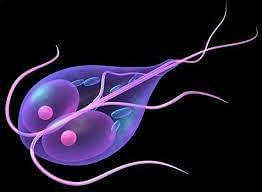
Protista
Protists are aquatic organisms that contain eukaryotic protists which are not true animals, plants, or fungi. Some protists do not have a multicellular stage. In some of these organisms, movement is accomplished by using appendages, such as cilia or flagella.
Characteristics of Protista
[Click Here for Sample Questions]
- The members of protists are diverse and have very few common features.
- Protists are the organisms that are not classified as a plant, animals, fungus, or bacteria(prokaryotes).
- Eukaryotic protists have a nucleus and are simple in structure.
- There are more similarities than differences between members of the Protista kingdom, which can be judged from how they differ from members of other kingdoms.
- It does not have a fixed shape. Protists are having different shapes.
- Protists are food-independent. They make their own food through chloroplast or they eat other organisms or their parts and products, they also eat the remains of other organisms.
- Protista is the basis of the aquatic food chain and produces massive amounts of oxygen.
- It reproduces either sexually-that is through conjugation and asexually through binary fission or multiple fission.
Read More:
Classification of Protista
[Click Here for Sample Questions]
Given below is the classification of the kingdoms under which protista is listed under unicellular organisms which is a part of eukaryotes.
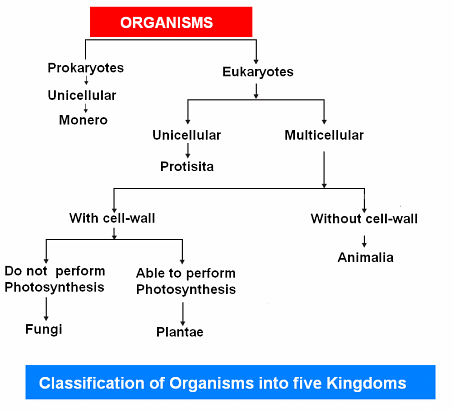
Then the Protista has the following sub-parts:
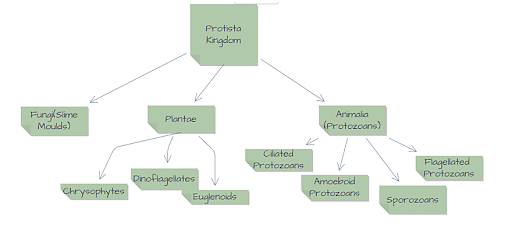
-
Fungi Protista(Slime Moulds)
Fungi Protista is a heterotrophic eukaryotic organism and is also called saprotrophs when using decaying material as food. It becomes a parasite when it requires a host organism's living protoplasm of a host organism for food. Chitin has cell walls made of tough complex sugar and has the capacity to become multicellular organisms at some stages in its life.
Blue Green algae (also known as cyanobacteria) are sometimes mutually dependent on certain fungal species. Such relationships are termed symbiotic relationships. These symbiotic life forms are called lichens. It is common knowledge that lichens are the large colored patches that slowly grow on tree bark.
Examples are Fuligo septica, Physarum, Dictyostelium, and Polysphondylium.
-
Plantae Protista
Plantae Protista is autotrophs and just like the leaves, the protist uses chlorophyll to make photosynthesis. It has cell walls and has multicellular eukaryotes. All the plants are a part of this Protista and are divided into three types:
- Dinoflagellates: Dinoflagellates are composed of two words dinos and flagellum, where dinos mean whirling and flagellum mean whip scourge. These are marine organisms and are also common in freshwater habitats which contain pigments of different colors like green, yellow, brown, red, or blue.
Dinoflagellates form important components of phytoplankton.
Bioluminescence is a phenomenon of dinoflagellates that emit light and glow in the dark.
Examples are Gonyaulax, Noctiluca, and etc.
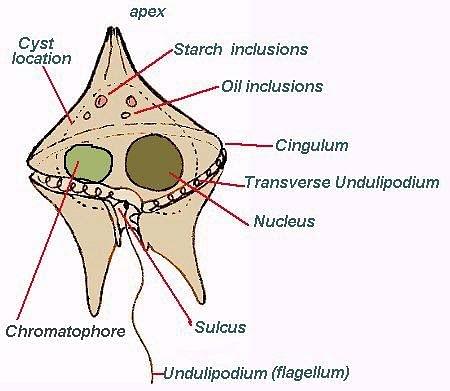
Dinoflagellate
- Chrysophytes: Chrysophytes mean golden plants. It is a unicellular plant-like protist that contains chlorophyll, carotene, and xanthophylls. This type of protist has a rigid cell wall that is made of pectin or cellulose or silica. It reproduces asexually and sexually and stores food like oil, not starch-like plants. Chrysophytes appear in the form of yellow and green algae.
Examples are Diatoms, Desmids.
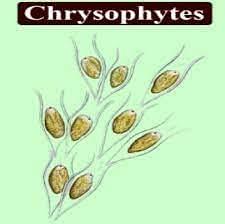
Chrysophytes
- Euglenoids: Euglenoids have characteristics of both plants and animals which have no cell wall. It has a flexible body due to a protein-rich layer which is called a pellicle. In euglenoids, two flagella and chlorophyll are present that have a red eyespot that responds to the light. It is a unicellular protist that reserves food in paramylon in the cytoplasm. Euglenoids’ habitats are marine and freshwater like puddles, ditches, ponds, streams, lakes, and rivers and have a mesokaryotic nucleus.
Example: Euglena, Phacus.
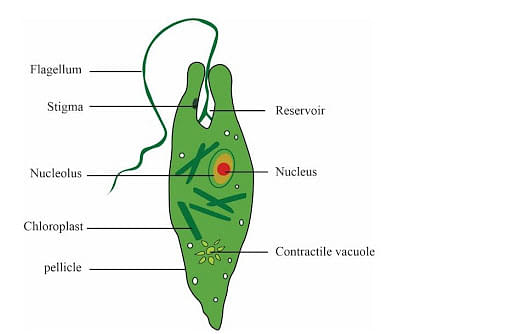
Euglenoids
-
Animalia Protists(Protozoans)
Animalia protists are heterotrophs and are multicellular eukaryotic organisms that do not have cell walls. It is divided into four groups:
- Amoeboid Protozoans: Amoeboid Protozoa are unicellular protozoans that move and feed by cytoplasmic projections which are termed as pseudopodia or false feet. These are characterized by the form and structure of their pseudopods. It is common in soils and aquatic habits and its food is captured by phagocytosis.
Amoeboid protozoans have body types that range from free-flowing to rigid with skeletal supports. It reproduces asexually through binary fission.
Examples are Rhizopodans, Entamoeba.
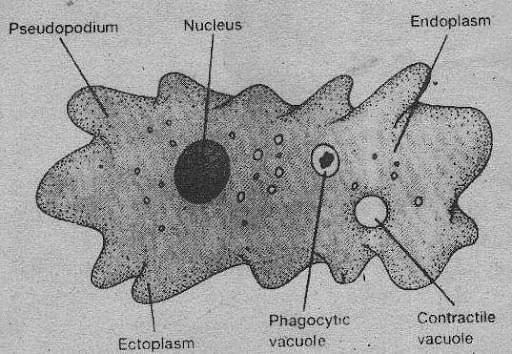
Amoeboid Protozoans
- Flagellated Protozoans: These are simple, single-celled animals that are over 50,000 recognized species. Flagellated Protozoans are very small and have an elongated body and a leaf-like appearance with up to 975000/mL of blood.
A flagellated organism is defined by the presence of one or more flagella and a definite body shape. Its most species are free-living and mobile.

Flagellated Protozoans
- Ciliated Protozoans: Ciliated Protozoa are a protozoan that moves using cilia. It ingests food through an oral groove covered by cilia. This type of protozoa, reproduction is by binary fission or conjugation.
Example: Paramecium.
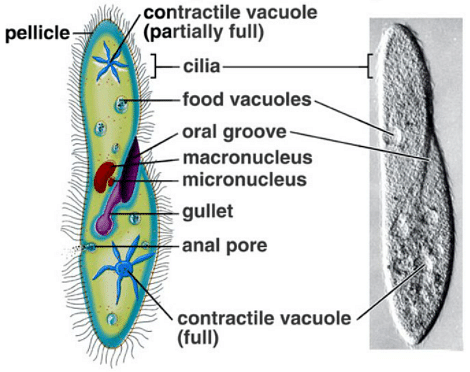
Ciliated Protozoans
- Sporozoans: These are animal-like protists that have part of their life cycle inside the cells of their hosts. Mosquitoes are part of the life cycle of sporozoans. They suck blood from the infected humans, ingesting the sporozoans. It undergoes sexual reproduction in the mosquito’s gul.
It is generally found in mosquitoes. When a mosquito bites a person, the protozoans infect the blood and liver of the host. In the red blood cells, parasites reproduce asexually, destroying them as they leave.
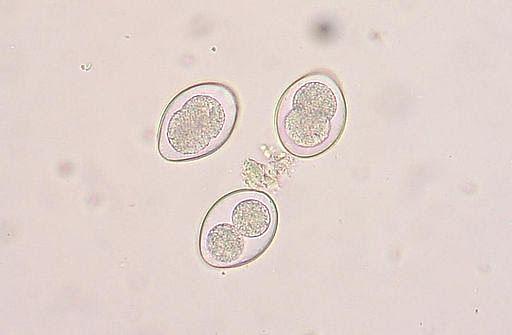
Sporozoa
All in all, Protista is a kingdom or a group of organisms whose most members are single-celled organisms like algae, fungi, bacteria, and protozoa. Protists provide food to animals and it is also helpful in producing oxygen and can also be used to produce biofuel.
Importance of Protista
[Click Here for Sample Questions]
Given below are the various types of importance of protista such as ecological, economic and revolutionary.
Ecological Importance of Protists
- Autotrophic protists are a primary component of phytoplankton.
- These organisms carry out 70-80% of the world’s photosynthesis.
- Phytoplankton and Zooplankton(heterotrophic protists) are the base of most of the world’s food chain.
- It is also used for medical research. That is a medicine made from protists used to treat high blood pressure, ulcer, arthritis, and digestion problems.
Economical Importance of Protists
- Protists are used as soil fertility or biofertilizers:
- These are free-living fixing bacteria.
- Symbiotic nitrogen-fixing bacteria
- Ammonifying bacteria is helpful in:
- Antibiotic production, like bacitracin - B. Licheniformis; Subtilin - B. subtilis
- Retting of fibers
- Curing of leaves like tea leaves Micrococcus candidans
- Also used in vinegar production like acetobacter aceti.
Evolutionary Importance of Protists
- Protists are considered to be the ancestors of three multicellular kingdoms i.e., fungi, plants, and animals.
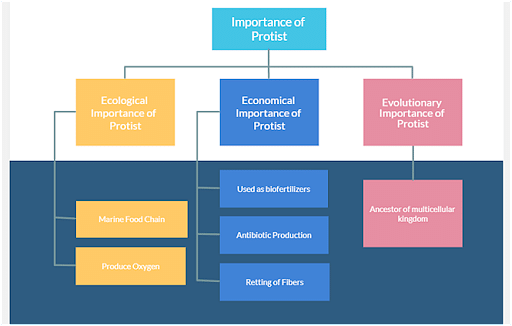
Importance of Protists
Things to Remember
[Click Here for Sample Questions]
- Unicellular eukaryotic organisms, protozoa are characterized by their whip-like flagella and hair-like cilia that are used to move around.
- These are found in all types of atmosphere and can be autotrophic or heterotrophic.
- Protista is of three types Plantae, fungi, and Animalia Protista which are further divided into different Protista.
- Protists are important as it produces oxygen on the planet through photosynthesis and they are plant-like protists. Some protists decompose and recycle nutrients that humans need to live.
- Protists are used to make medicines used to treat high blood pressure, ulcers, arthritis, and digestion problems.
Also Read:
Sample Questions
Ques. What is Protista? (2 marks)
Ans. Protista is a single-celled organism that has a simplified cellular structure and has whip-like flagella and hair-like cilia to move around. Protista can be autotrophic and heterotrophic.
Ques. What are Eukaryotic Organisms? (3 marks)
Ans. Eukaryotic organisms are organisms or cells that have a nucleus that is surrounded by a nuclear membrane inside the cells.
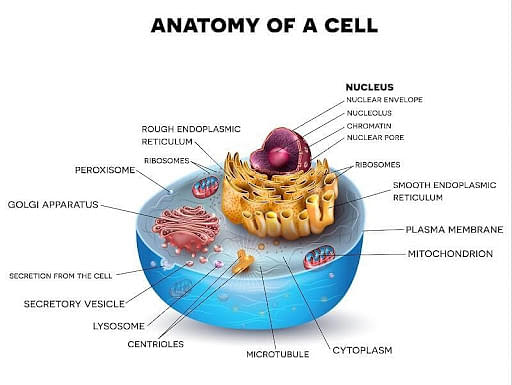
Eukaryotic Cell
Ques. What is Phytoplankton? (2 marks)
Ans. Phytoplankton are microscopic plants that live in the upper part of the ocean where light penetrates. It needs sunlight for photosynthesis just like any other plant. An important thing about phytoplankton is that it provides food for many animals.
Ques. What is Cilia? (3 marks)
Ans. This is a small hair-like structure on the outside of the organelles of almost all mammal cells. It is found in eukaryotic cells and is rare as found in plants. It is found on the plasma membrane of certain cells of multicellular or unicellular organisms that assist locomotion.
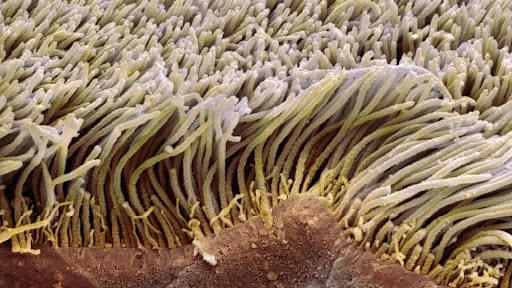
Cilia
Ques. What are the features of Protista? (5 marks)
Ans. The feature of Protista are:
- They are eukaryotic organisms
- Protista can be unicellular or multicellular
- They are autotrophs or heterotrophs
- They can reproduce sexually or asexually
- They prefer to live in aquatic or moist environments.
Ques. What are Unicellular Organisms? (1 mark)
Ans. Unicellular organisms are organisms that have only one cell and perform all the important functions. It includes organisms like yeasts, bacteria, and protozoa.
Ques. Difference between sexual and asexual reproduction? (3 marks)
Ans. The differences are:
| Sexual Reproduction | Asexual Reproduction |
|---|---|
| It involves one or two organisms. | It involves single organisms. |
| It occurs due to pollination and fertilization. | It occurs by budding, fragmentation, and sporulation. |
| It is highly useful for natural selection in the evolution of species. | It is not very useful for natural selection in the evolution of species. |
Also check:



Comments