



Content Curator
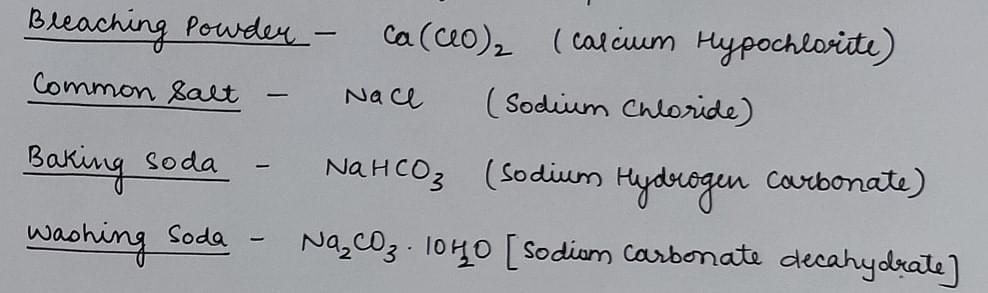
Chemical name for baking powder is sodium hydrogencarbonate (also known as bicarbonate of soda). Chemical formula of baking powder is NaHCO3. Baking powder is a leavening agent produced by mixture of an acid reacting with an alkali reacting one. Baking acids include tartrate, phosphate, and sodium aluminium sulphate, used alone or in combination.
Baking Powder Characteristics and Uses:
- Baking powder is most commonly used in recipes that do not call for an additional acid, like yogurt, cream of tartar, lemon, or vinegar.
- Baking powder contains two acids: monocalcium phosphate and either sodium acid pyrophosphate or sodium aluminum sulfate.
- The monocalcium phosphate reacts with the baking soda once it is wet, therefore causing the initial leavening.
- The secondary leavening process won’t occur until after the dough is placed in the oven. This causes the batter to rise over a longer period of time and resulting in a lighter end product like a cake or muffin.
Occasionally, recipes that contain some sort of acid will call for both baking powder and baking soda. This is generally because the volume is so great that the CO2 created from the acid and baking soda does not leaven the batter to the degree necessary.
Important Chemical Formulas of Other Compounds:
Also read:



Comments