




The Colonialism and the Countryside PDF is the official NCERT chapter on colonial rule in rural India from Themes in Indian History Part III. This page lets students download the original Chapter 9 text and figures for the 2026-27 CBSE syllabus. Reading the source chapter is the best way to understand the official archives behind every exam answer on Bengal, the Rajmahal hills and the Deccan.
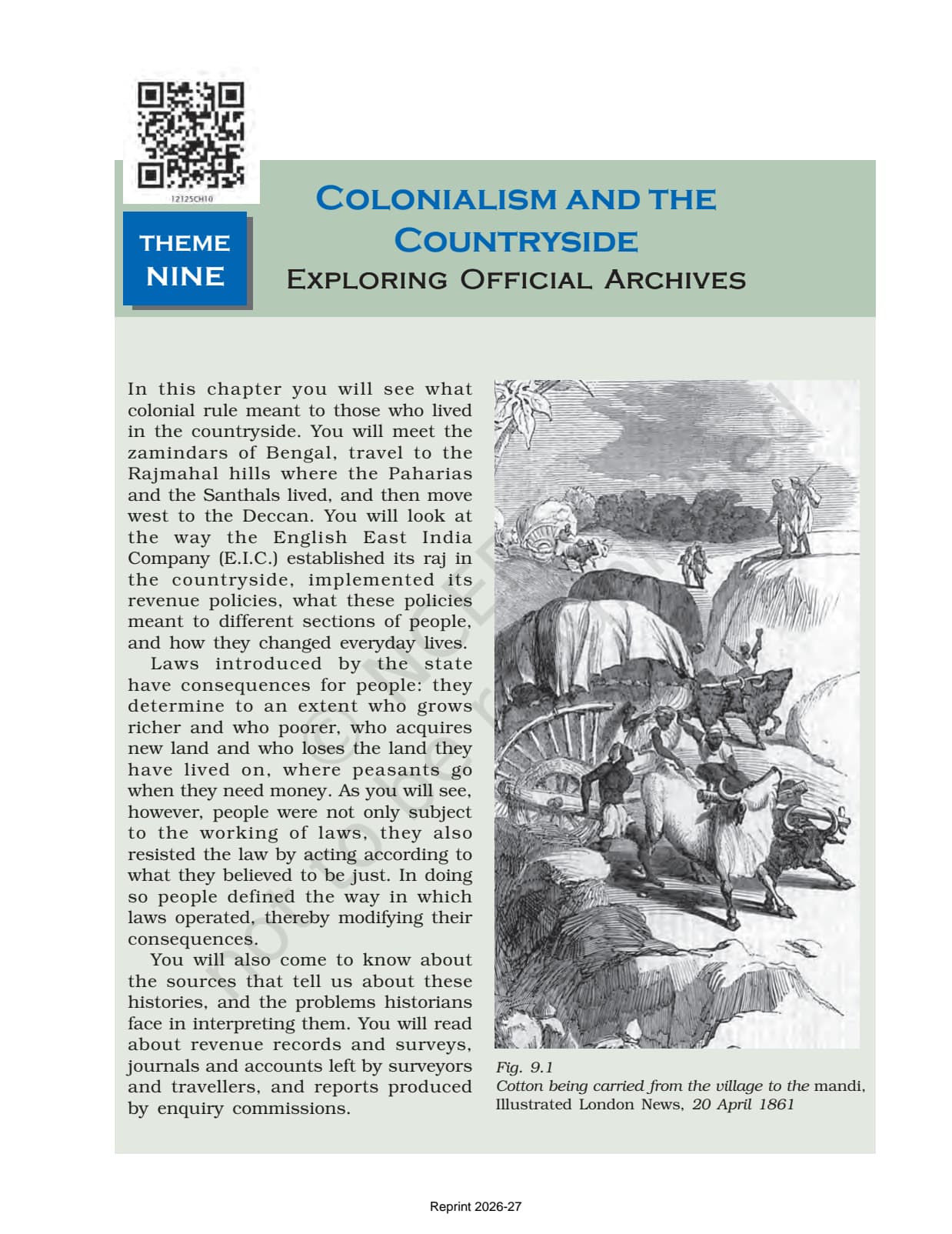
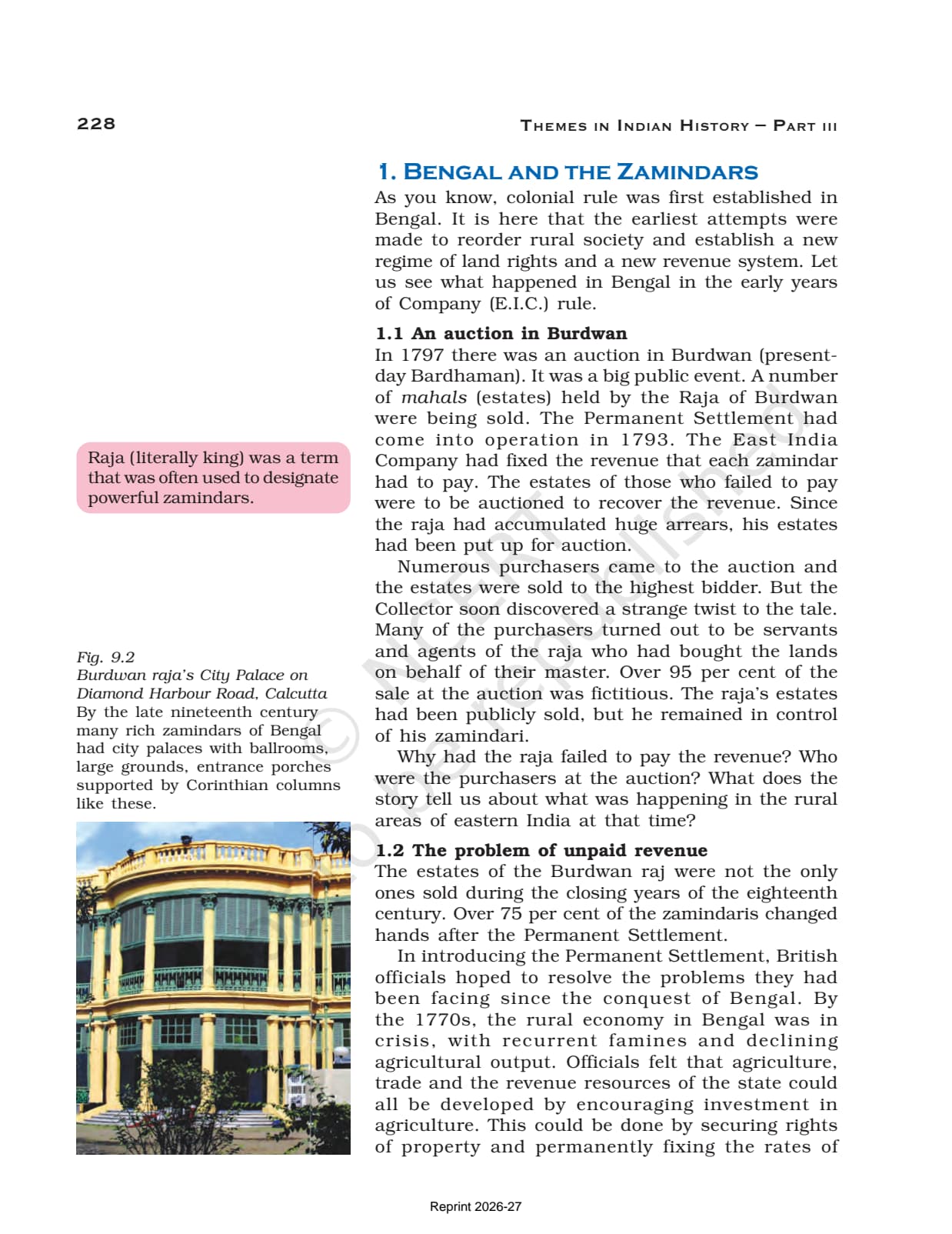
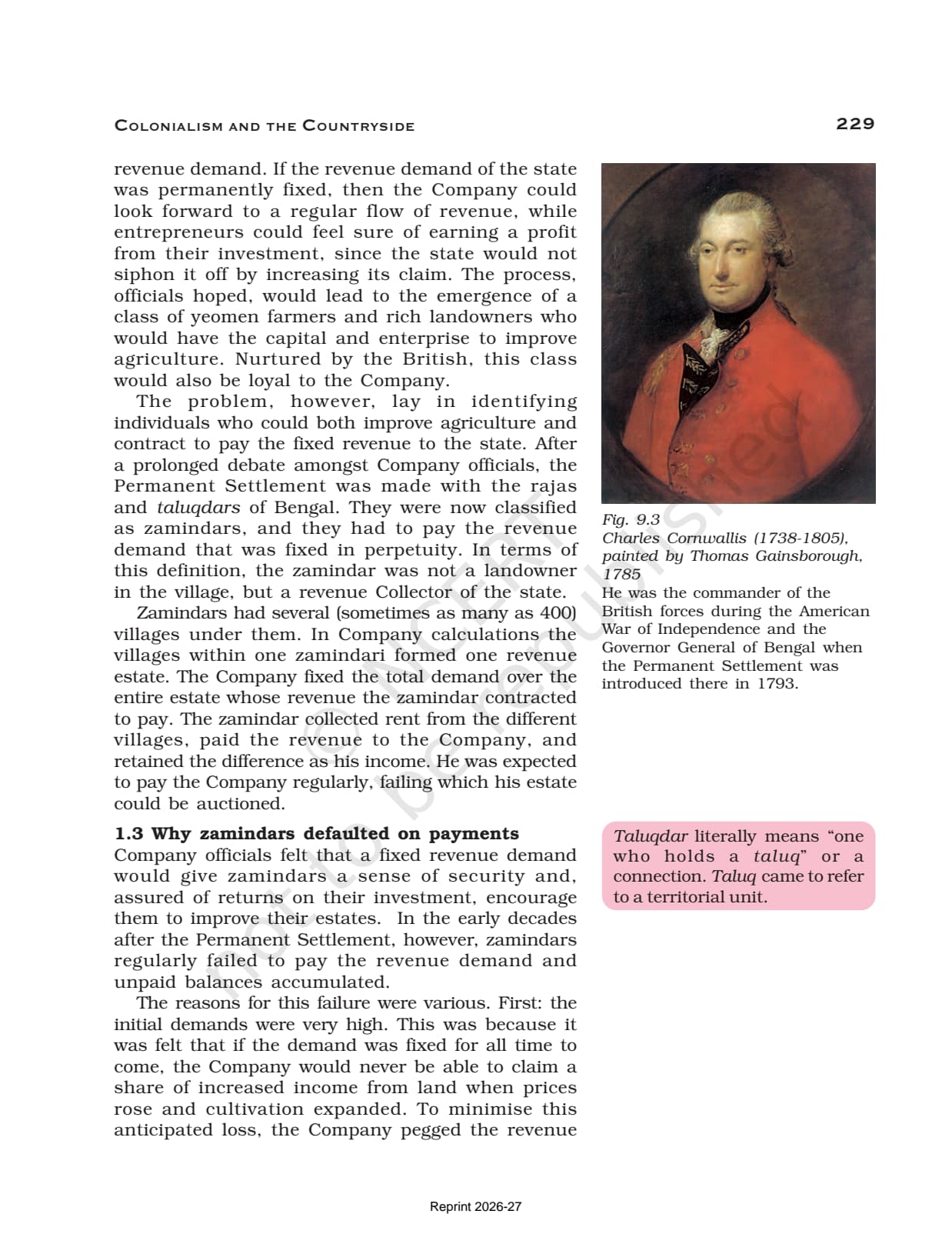
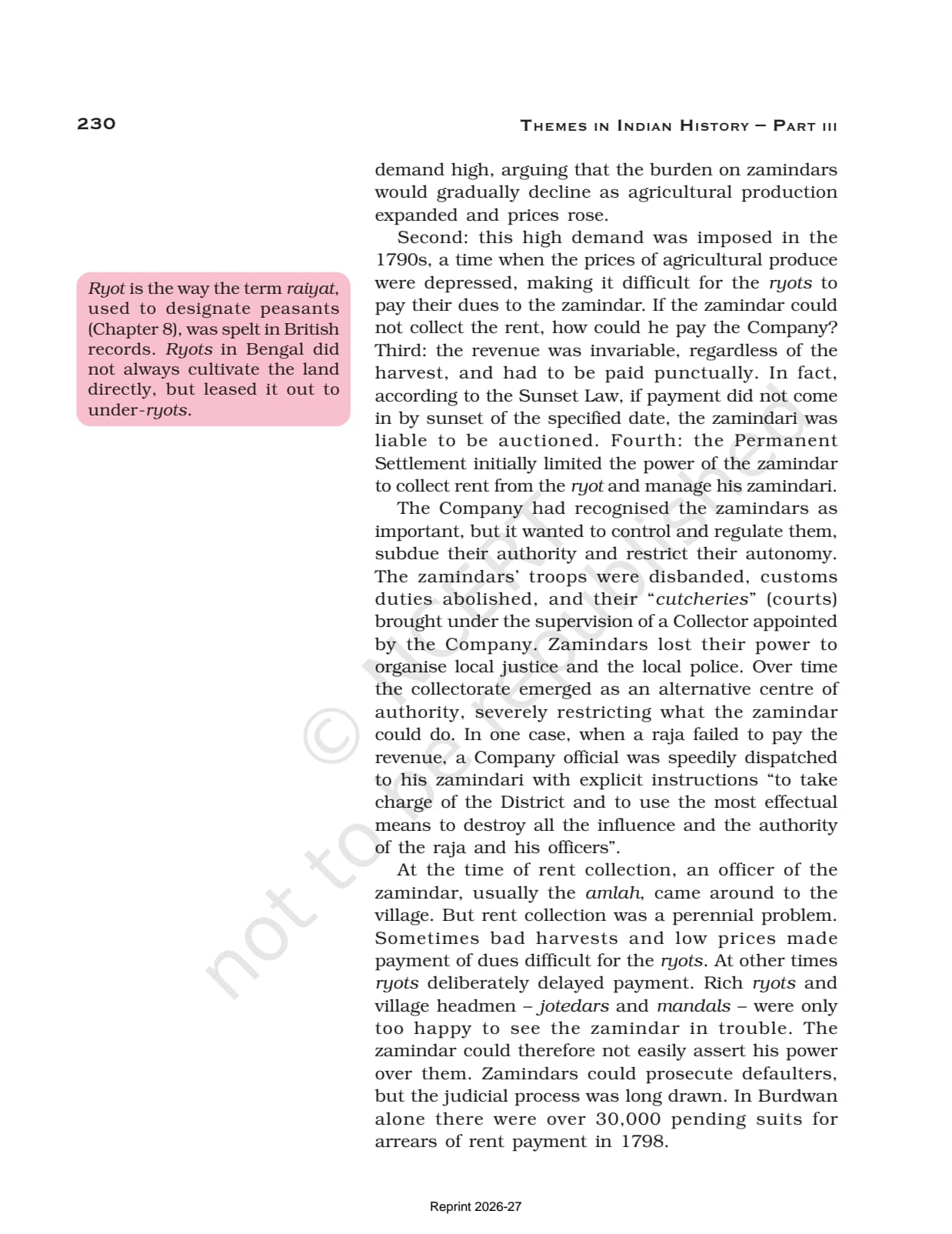
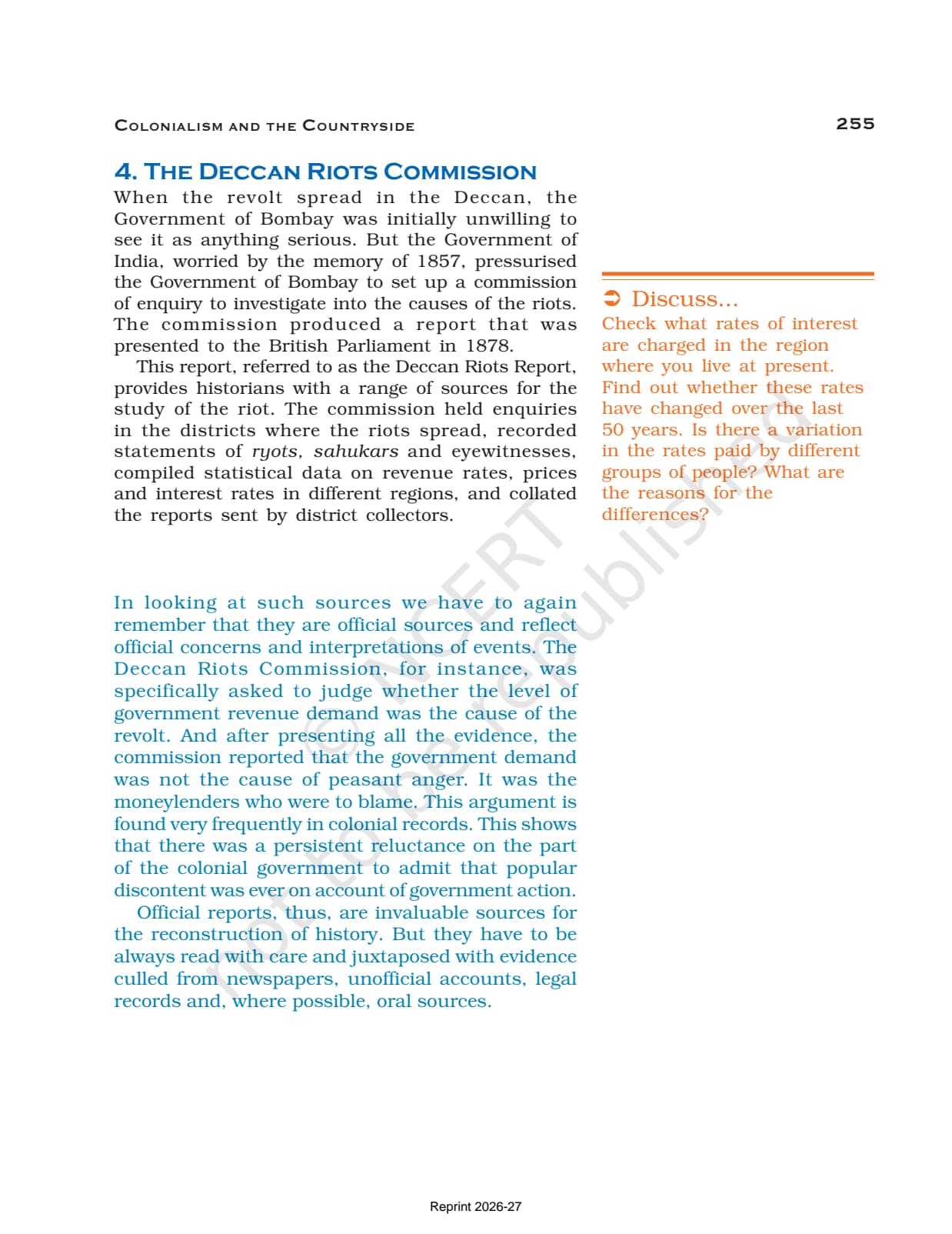
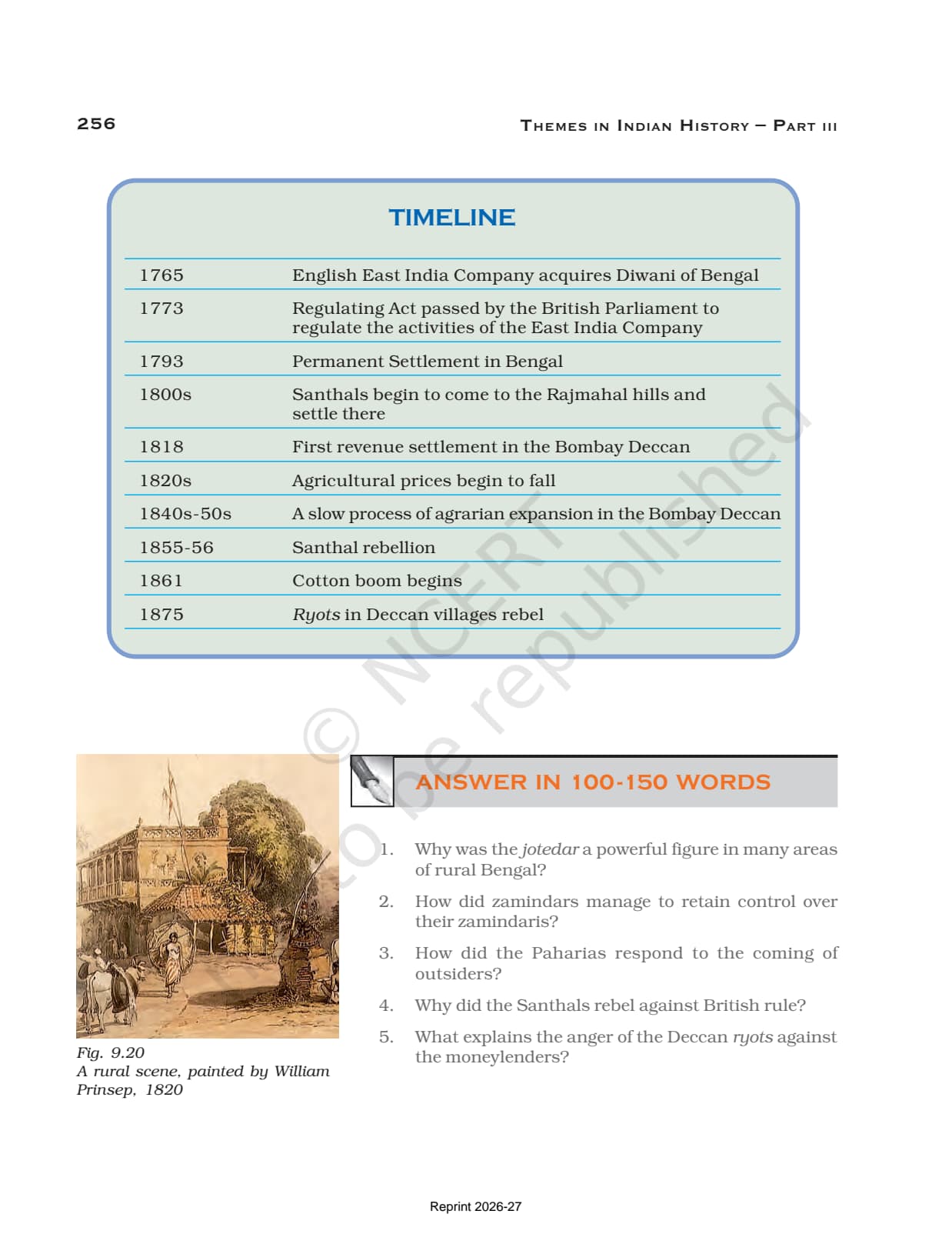
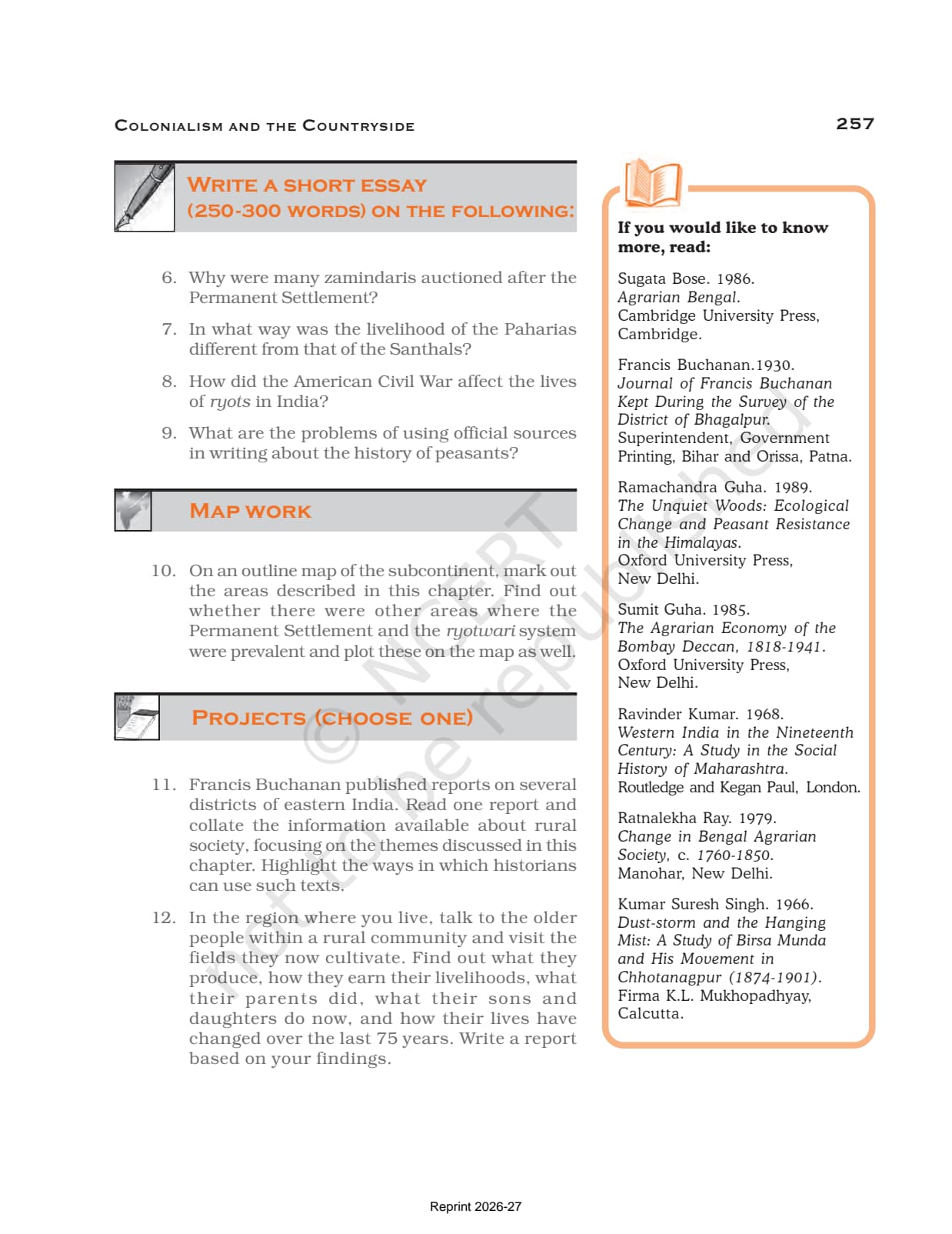
- Official NCERT chapter with the original maps, paintings and source extracts.
- This Class 12 History chapter usually carries 6 to 8 marks in the board paper.
- Pairs with the NCERT Solutions, Notes and Handwritten Notes linked lower on this page.
This is the official NCERT Colonialism and the Countryside chapter from Themes in Indian History Part III, offered for free download in the 2026-27 edition.
Student Feedback: In a Collegedunia poll of 7,680 Class 12 History students before the 2026 boards, 67% of students said they kept the official NCERT chapter PDF open while solving source-based questions, because the answers come straight from the chapter's own extracts, paintings and figures.
Source: 2026-27 Class 12 History student poll. Sample of 7,680 students from CBSE schools across 12 states.
What the Colonialism and the Countryside NCERT Chapter Covers
Colonialism and the Countryside is the ninth chapter of Themes in Indian History Part III. It studies how colonial rule changed rural life, read through official archives such as revenue records, surveys, journals and enquiry reports. The chapter is built around three regions, so the NCERT moves through them one by one.
The three regions organise the chapter's evidence:
- Bengal: the Permanent Settlement of 1793, zamindars, jotedars and ryots.
- The Rajmahal hills: the Paharias and the Santhals, and the Santhal Revolt of 1855.
- The Bombay Deccan: the ryotwari system, moneylenders and the Deccan Riots of 1875.
The chapter also has a strong method theme, "Exploring Official Archives", which asks how historians use the state's own records. Reading the original NCERT text matters because the source extracts and captions in the class 12 history chapter 9 pdf are exactly what CBSE quotes in source-based questions. A student who knows the chapter's own examples can answer those passages with confidence.
Chapter Highlights and Important Figures
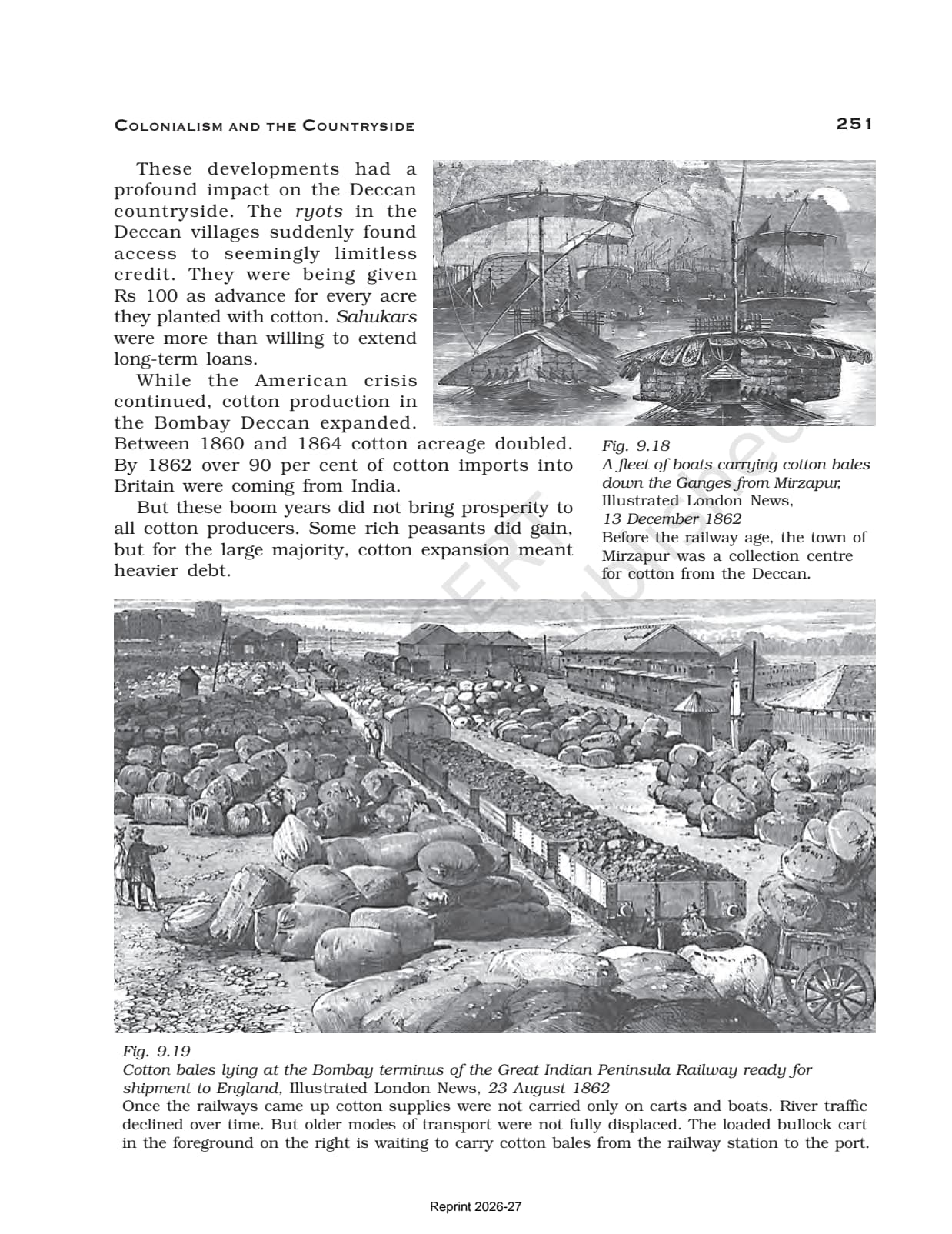
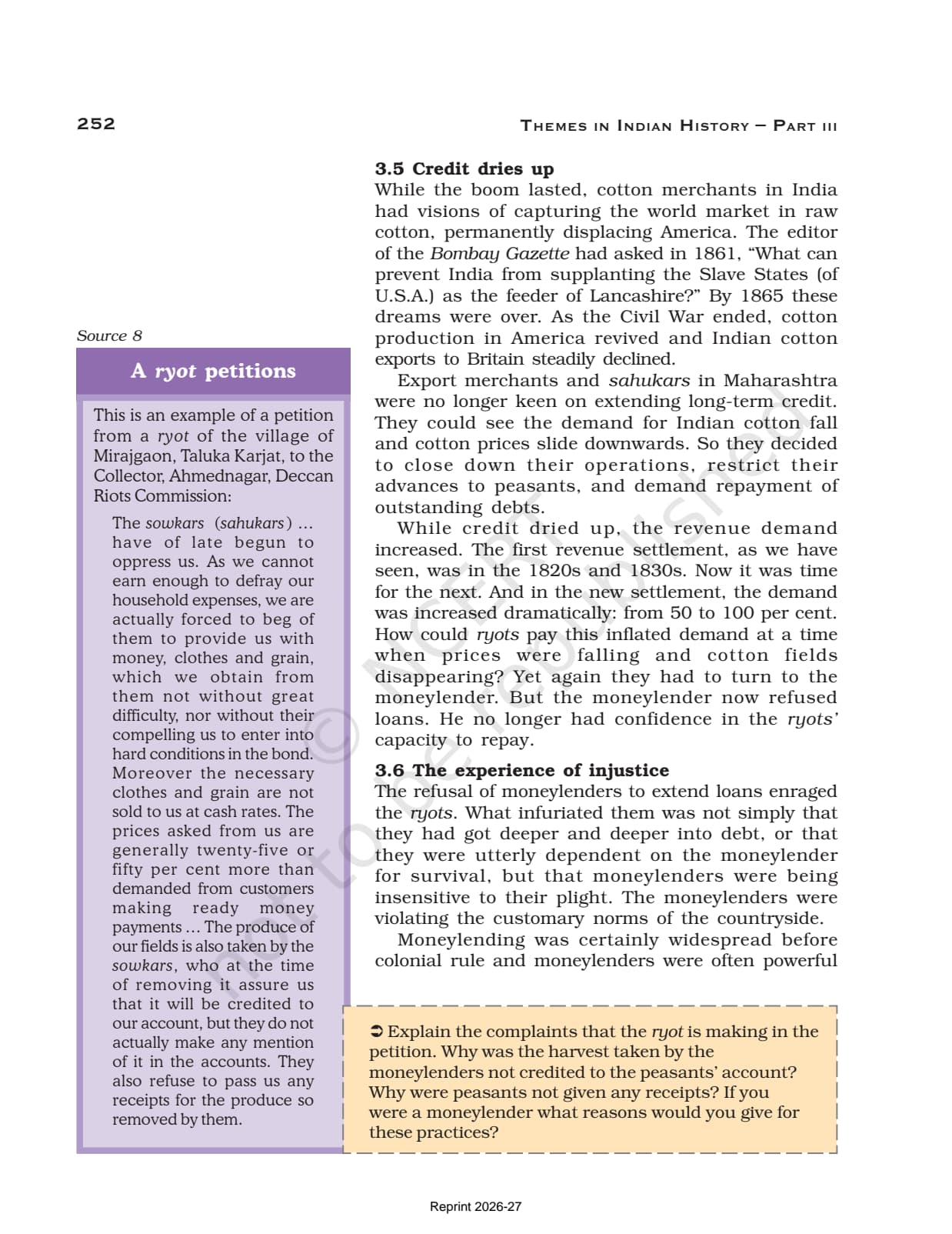
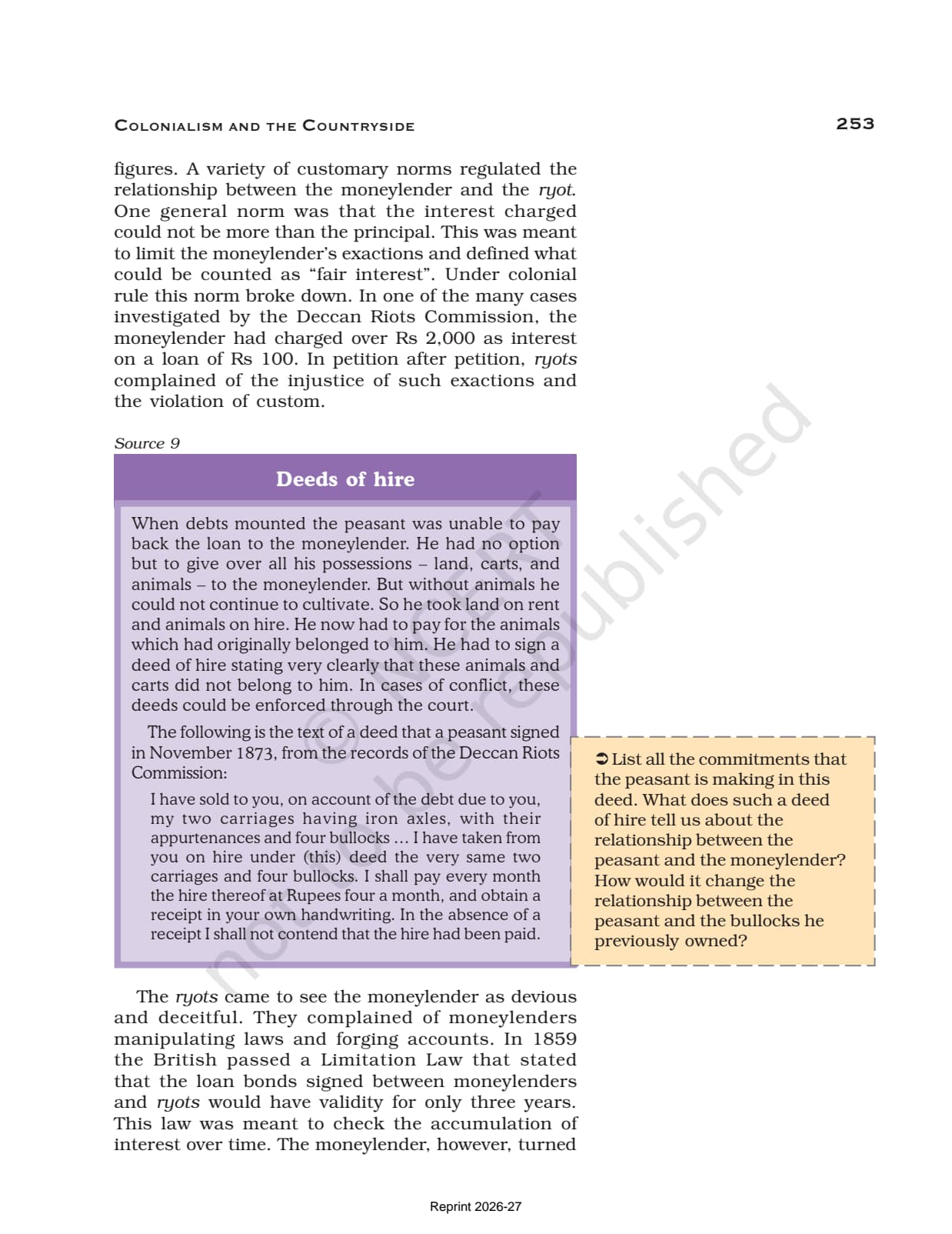
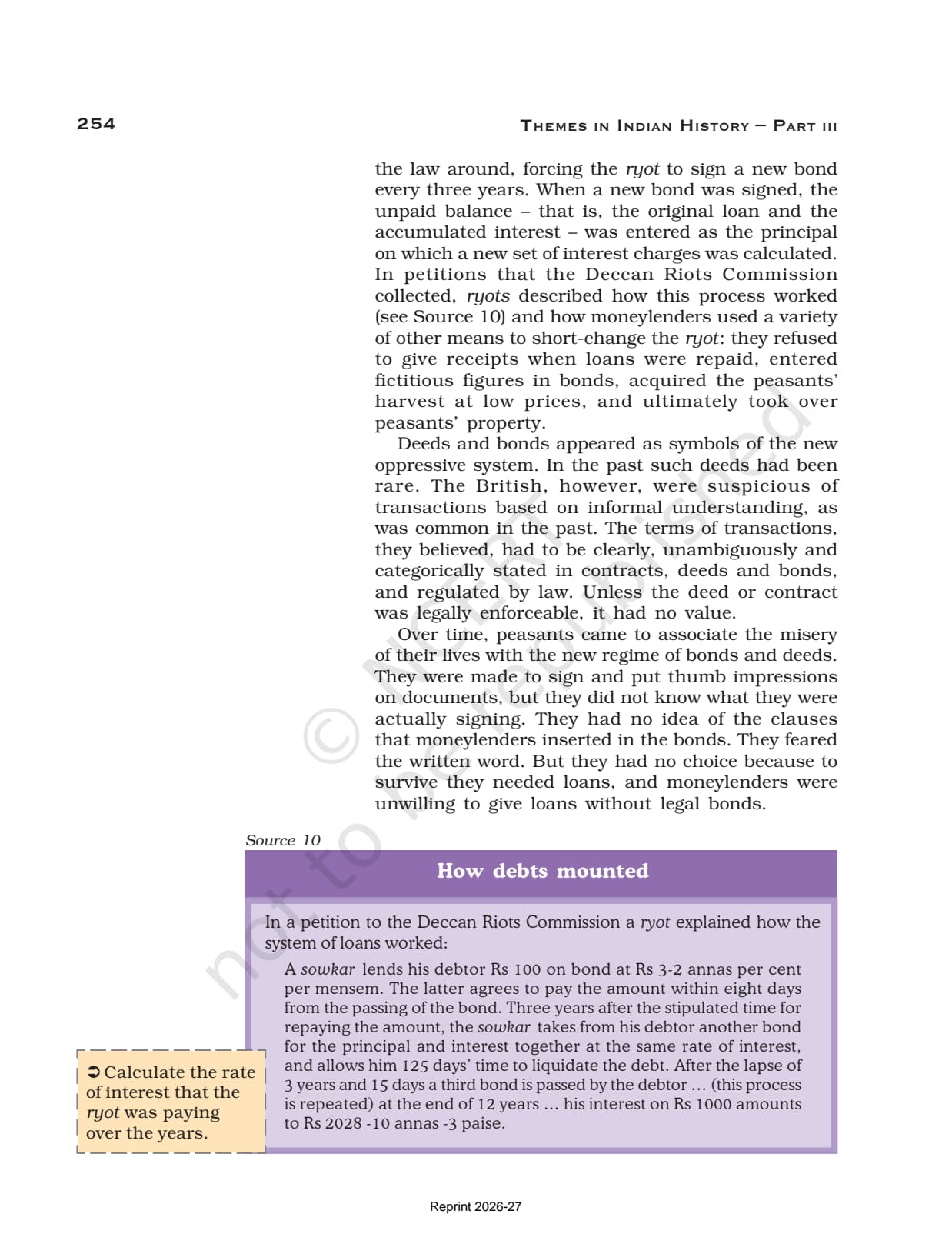
The NCERT chapter is rich with paintings, source extracts and a cotton-price graph that the exam often refers to. Knowing what each figure shows helps students answer "look at the source" questions quickly. The table below lists the highlights students should study in the original chapter PDF.
| Highlight | Why it matters |
|---|---|
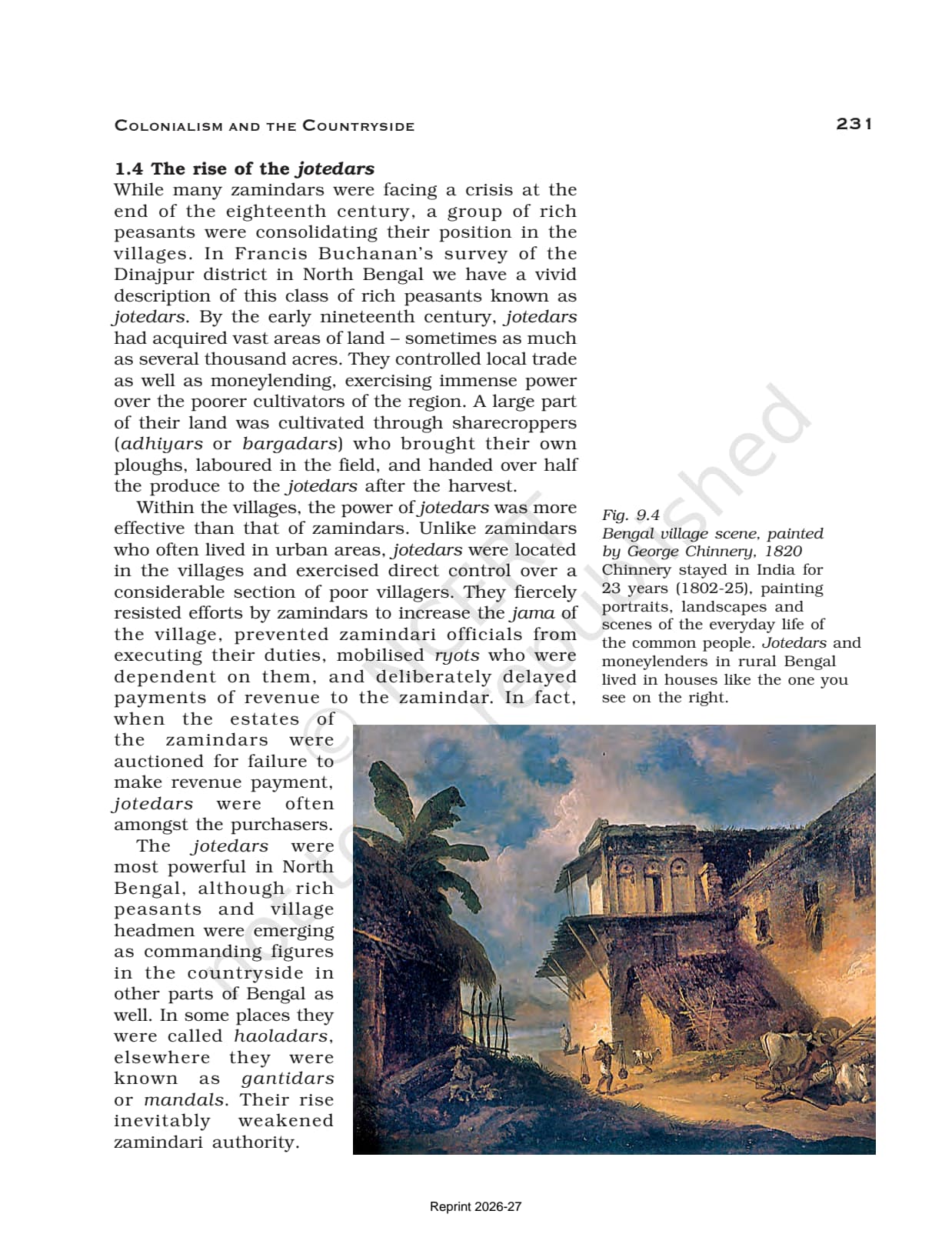
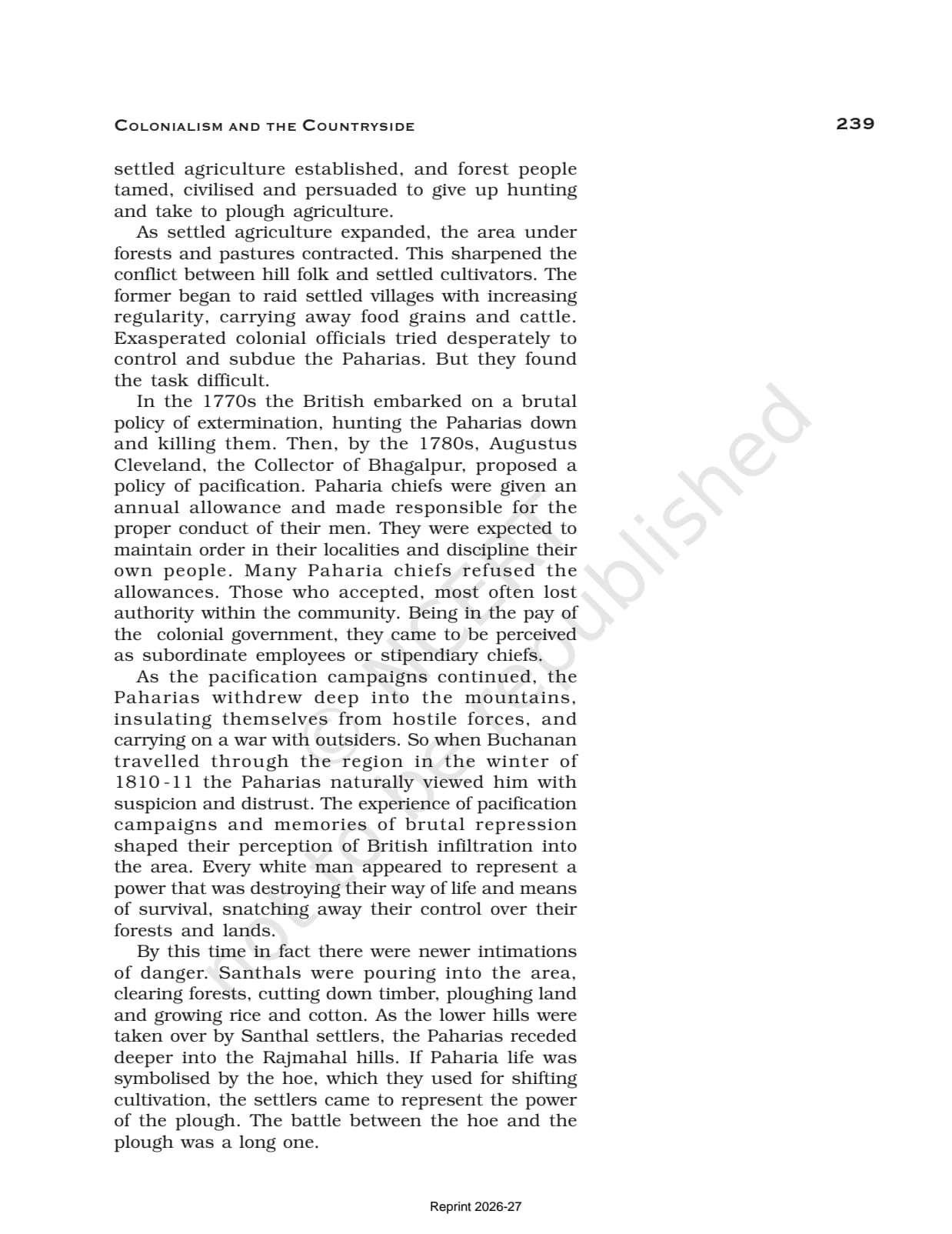
| Chinnery and Hodges paintings | Show Bengal village scenes and the Rajmahal hill villages of the Paharias. |
| The Fifth Report (1813) | A 1002-page enquiry report, a key source on Company rule in Bengal. |
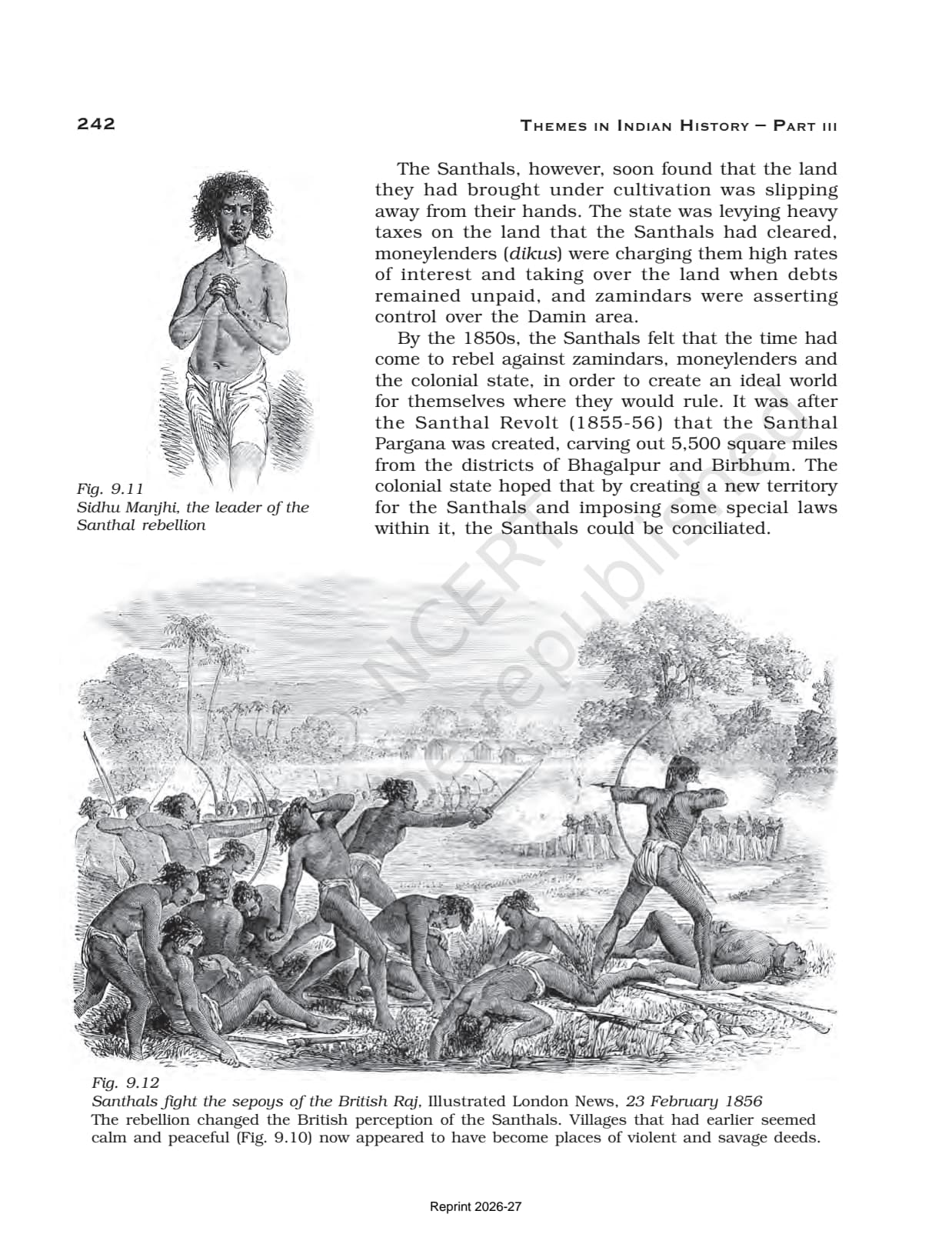
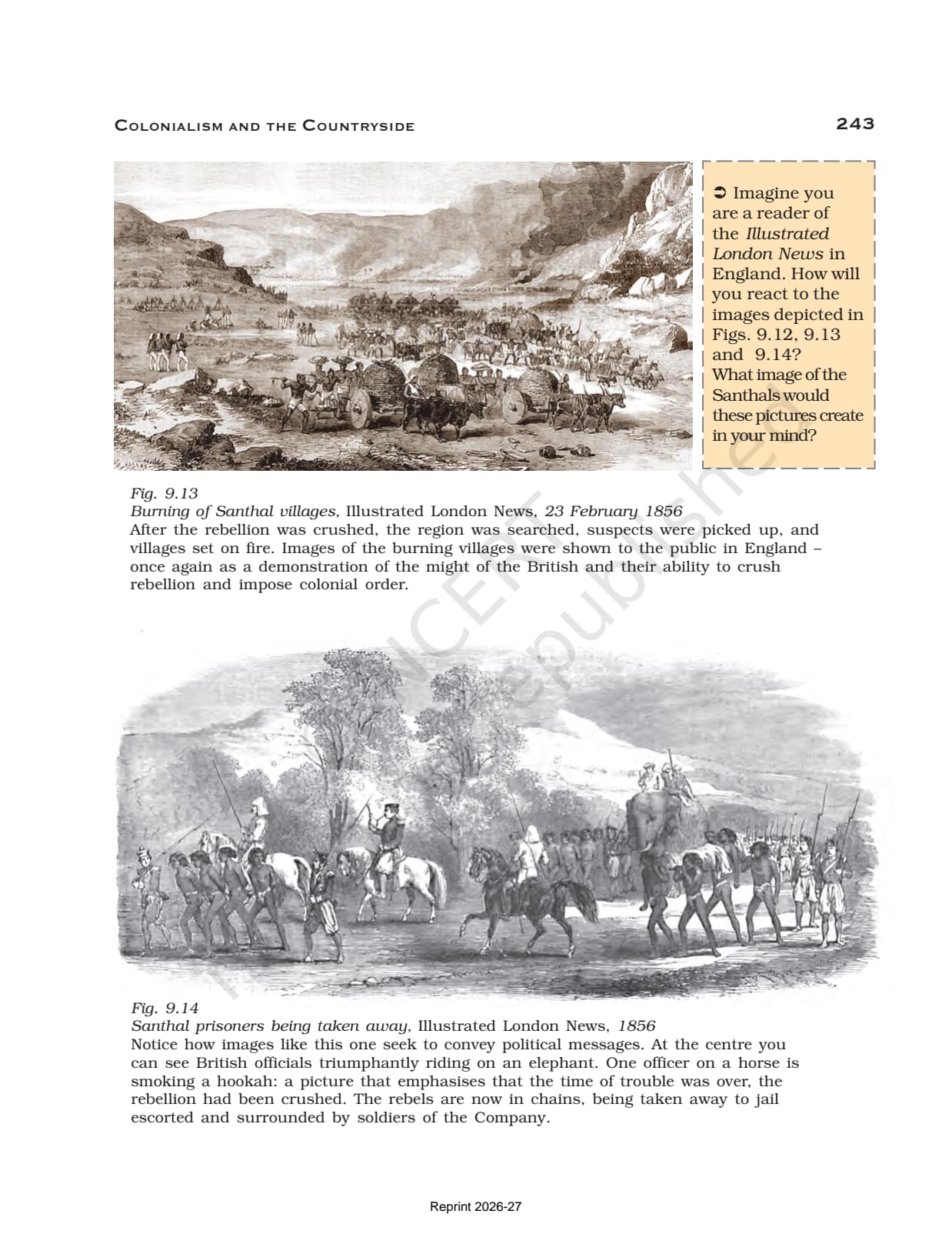
| The Santhal-sepoy image | An 1856 illustration of the Santhals fighting the British Raj. |
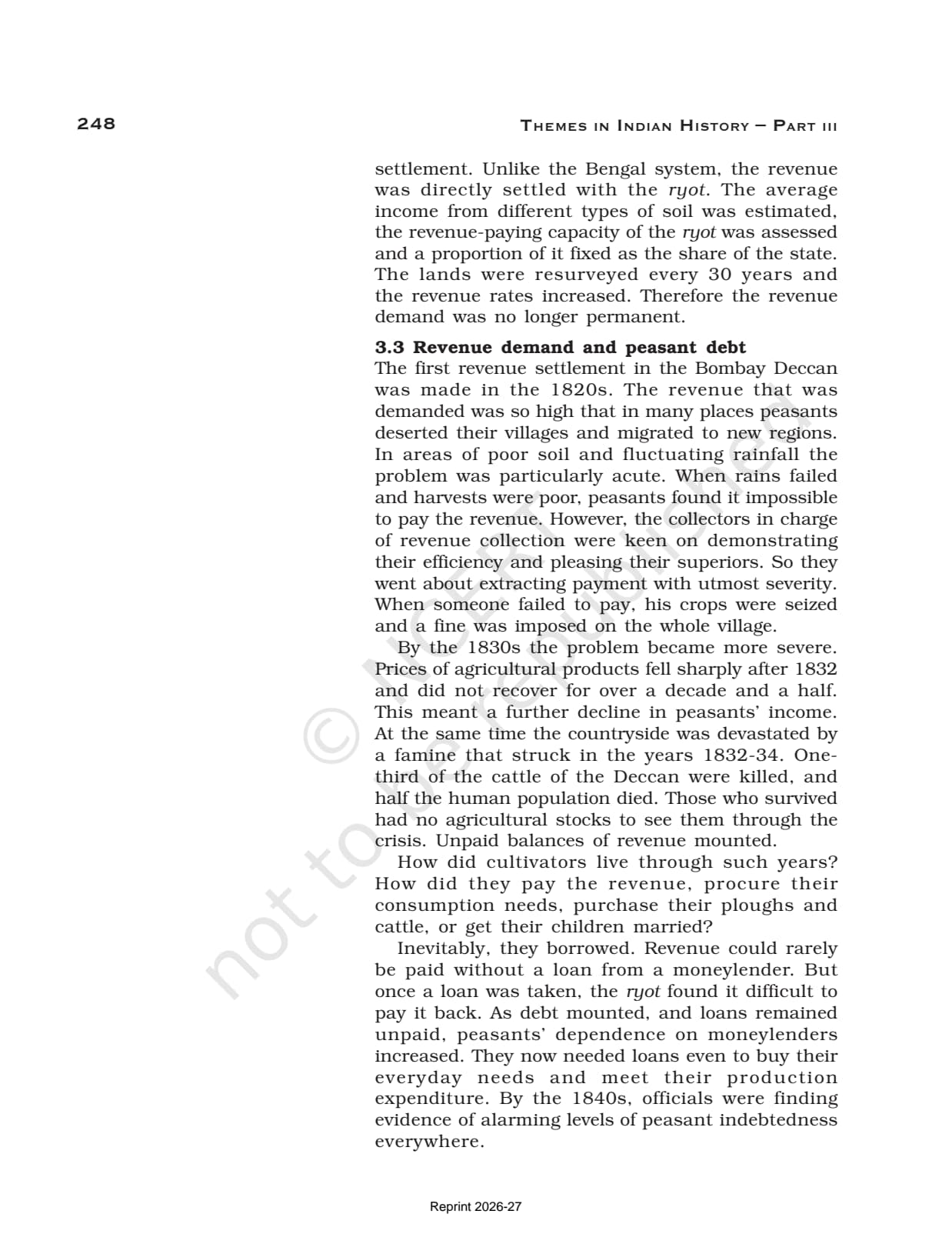
| The cotton-price graph | Plots the boom and bust in cotton prices through the 1860s. |
| Moneylenders' bonds | Source extracts that show the deceitful paperwork behind the Deccan riots. |
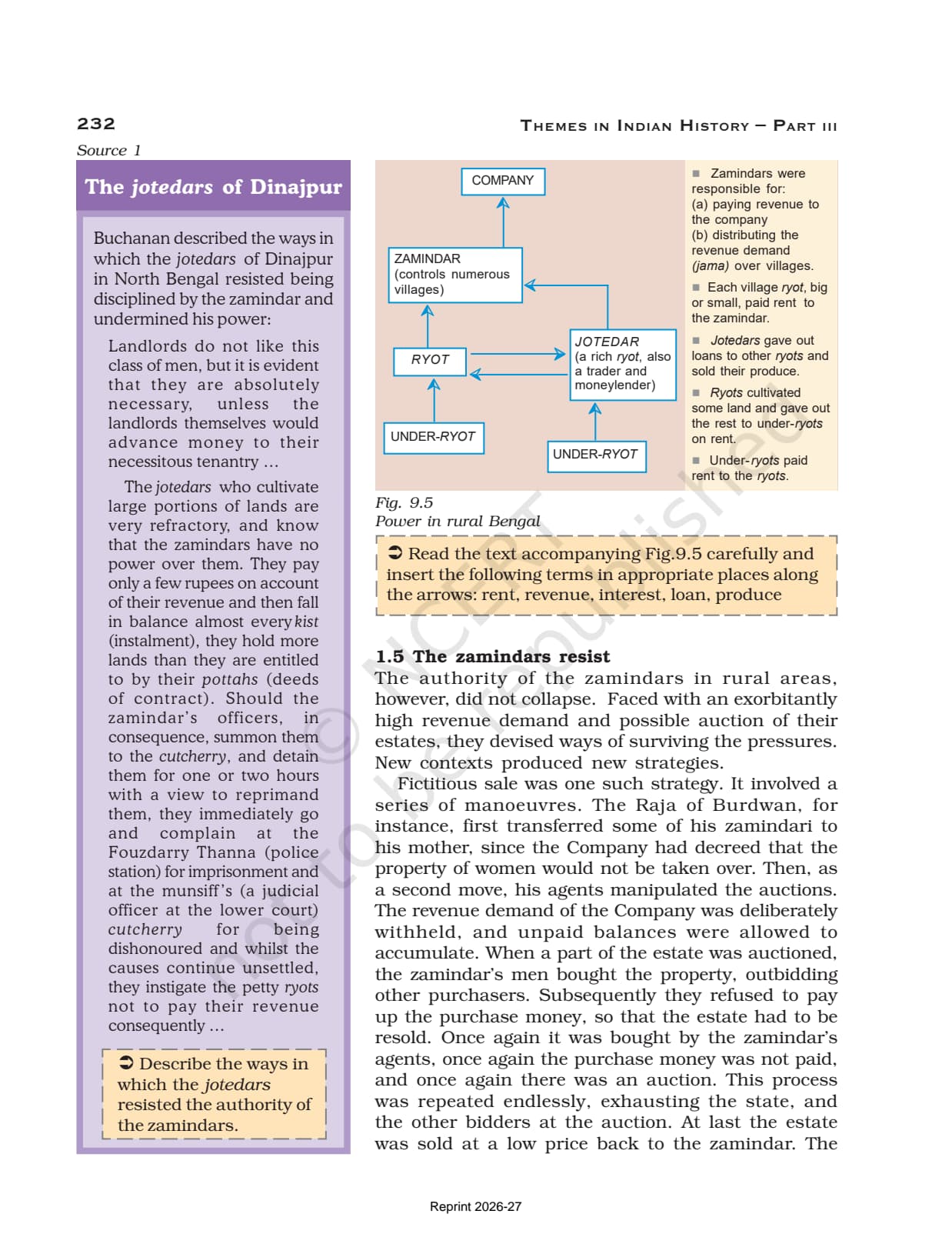
The chapter also explains the benami sale and the deeds of hire through its own examples. One point students should mark while reading is that over 95 per cent of the Burdwan sale was fictitious, so the zamindar stayed in control. That single line from the chapter is the heart of the "how zamindars retained control" answer, and it appears almost every year.
Bengal, the Rajmahal Hills and the Deccan in the Chapter
The chapter devotes whole sections to each region, with its own sources and people. Reading them in the original NCERT helps students quote the right examples. The lists below show what the chapter covers in each region.
- Bengal: the Permanent Settlement, the Sunset Law, zamindari auctions, benami sales, and the rise of the jotedars.
- The Rajmahal hills: the Paharias' shifting cultivation, the Santhals' settlement of the Damin-i-Koh, and the 1855 revolt of Sidhu and Kanu.
- The Deccan: the ryotwari system, the cotton boom of the 1860s, the moneylenders' bonds, and the 1875 riots.
- The wider context: the American Civil War and how a war abroad reshaped a Maharashtra village.
The chapter shows that colonial revenue and credit systems remade, and sometimes unmade, rural lives across very different regions. It also covers how the Damin-i-Koh grew from 40 villages in 1838 to 1,473 by 1851, a striking figure students often quote. Because these examples are drawn straight from the source chapter, the chapter 9 history class 12 ncert book is the most reliable place to learn them.
How the Chapter Explores Official Archives
The closing thread of the chapter is its method, and it is also the hardest to answer well. NCERT explains how scholars use the state's own records while resisting their bias. Reading these pages in the original chapter helps students write balanced answers.
- The Fifth Report: written to attack Company rule, so it exaggerated the collapse of zamindari power.
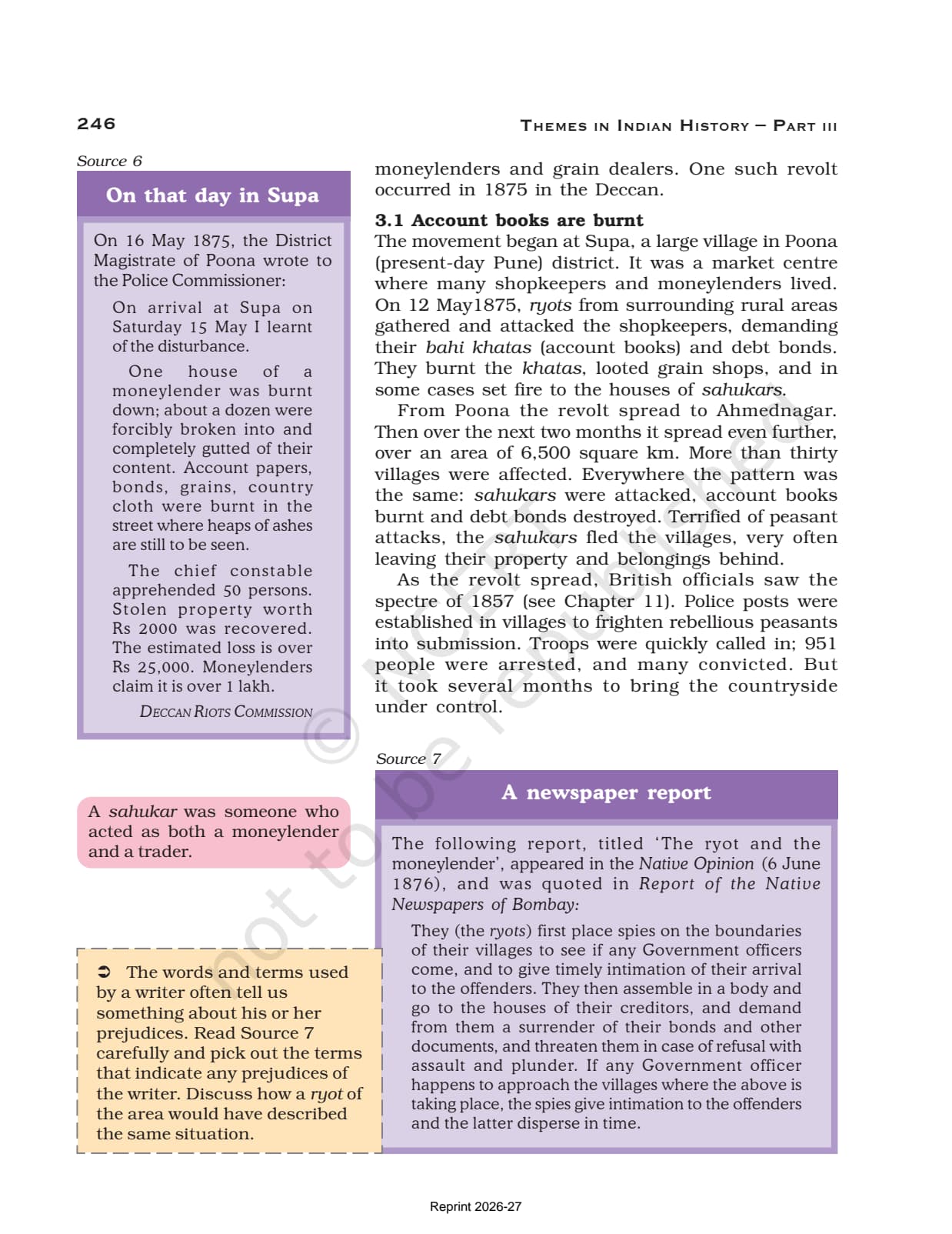
- The Deccan Riots Report: briefed to test if revenue caused the revolt, it blamed the moneylenders instead.
- Buchanan's surveys: a paid Company surveyor whose eye was angled towards commerce and "progress".
- The remedy: juxtapose official records with newspapers, legal records and oral sources.
The chapter is honest that official sources speak with the state's voice, so they reflect official concerns, not peasant ones. Reading these pages in the official PDF gives students the wording NCERT itself uses, which scores best in the board paper. The point is never to discard the records, but to read them against the grain.
How to Download and Use the NCERT Chapter PDF
The chapter PDF is free and easy to use on any device. Students can save it for offline reading and pair it with the solutions and notes. The steps below show how to get the most out of the colonialism and the countryside pdf during revision.
- Download: tap the download card above to save the official Chapter 9 PDF to your device.
- First read: read the chapter once end to end, marking the figures and source extracts.
- Source practice: keep the PDF open while attempting source-based questions, since the passages come from it.
- Revision: use the chapter alongside the notes to fix dates and key terms.
Many students search for the class 12 history chapter 9 pdf the night before a test so they can revise offline. A saved copy means the source extracts and figures are always at hand. After reading the chapter, move to the solutions to check that your answers match the model points, then use the notes for a final quick recall.
How the Book PDF Pairs with the Solutions and Notes
The NCERT Book PDF is the source text. To prepare fully, students should use it with the other resources for the same chapter, all linked in the table below. Read the chapter, fix the ideas with the notes, then test yourself with the solutions.
| Resource | Best used for |
|---|---|
| Colonialism and the Countryside NCERT Solutions | Step-by-step answers to all 12 back-exercise questions |
| Colonialism and the Countryside Class 12 Notes | Quick chapter summary with all dates and key terms in one place |
| Colonialism and the Countryside Handwritten Notes | Last-minute, one-shot revision in a scanned notebook style |
Tip: read the chapter PDF first, then attempt the solutions on your own, and only then check the model answers. Reading the source text before the answers builds far stronger source-based skills.
All Class 12 History NCERT Book PDFs by Chapter
The table links the NCERT chapter PDFs for every chapter in Themes in Indian History so students can move across the book in one click. Chapter 9 is highlighted.
| Chapter | NCERT Book PDF |
|---|---|
| Chapter 1 | Bricks, Beads and Bones |
| Chapter 2 | Kings, Farmers and Towns |
| Chapter 3 | Kinship, Caste and Class |
| Chapter 4 | Thinkers, Beliefs and Buildings |
| Chapter 5 | Through the Eyes of Travellers |
| Chapter 6 | Bhakti-Sufi Traditions |
| Chapter 7 | An Imperial Capital Vijayanagara |
| Chapter 8 | Peasants, Zamindars and the State |
| Chapter 9 | Colonialism and the Countryside |
| Chapter 10 | Rebels and the Raj 1857 |
| Chapter 11 | Mahatma Gandhi and the Nationalist Movement |
| Chapter 12 | Framing the Constitution |
FAQs on Colonialism and the Countryside NCERT Book PDF
Colonialism and the Countryside Class 12 NCERT Book Common Questions
Ques. Where can I download the Colonialism and the Countryside NCERT Book PDF?
Ans. You can download the official Colonialism and the Countryside Class 12 History chapter PDF directly from this page. It is free, follows the 2026-27 NCERT edition, and carries the original text, paintings and source extracts of Chapter 9.
Ques. Which book is Colonialism and the Countryside from?
Ans. It is the ninth chapter of Themes in Indian History Part III, the Class 12 History textbook. The chapter studies colonial rule in rural India through official archives, moving across Bengal, the Rajmahal hills and the Bombay Deccan.
Ques. What does the Colonialism and the Countryside chapter cover?
Ans. It covers the Permanent Settlement and zamindars in Bengal, the Paharias and Santhals in the Rajmahal hills, the ryotwari system and the Deccan riots of 1875, the cotton boom and bust, and the problems of using official sources.
Ques. Why should I read the original NCERT chapter PDF?
Ans. Because CBSE draws source-based questions straight from the chapter's own extracts, paintings and reports. Reading the official chapter 9 history class 12 PDF gives you the exact wording and examples that score best in the board paper.
Ques. How should I use the chapter PDF with the other resources?
Ans. Read the chapter PDF first, fix the ideas with the notes, then test yourself with the solutions. Keeping the PDF open while practising source-based questions helps, since the passages come directly from it.



Comments