




The Bhakti-Sufi Traditions PDF is the official NCERT chapter on changes in religious beliefs and devotional texts from Themes in Indian History Part II. This page lets students download the original Chapter 6 text and figures for the 2026-27 CBSE syllabus. Reading the source chapter is the best way to understand the bhakti saints, the Sufi shaikhs and the sources behind every exam answer.
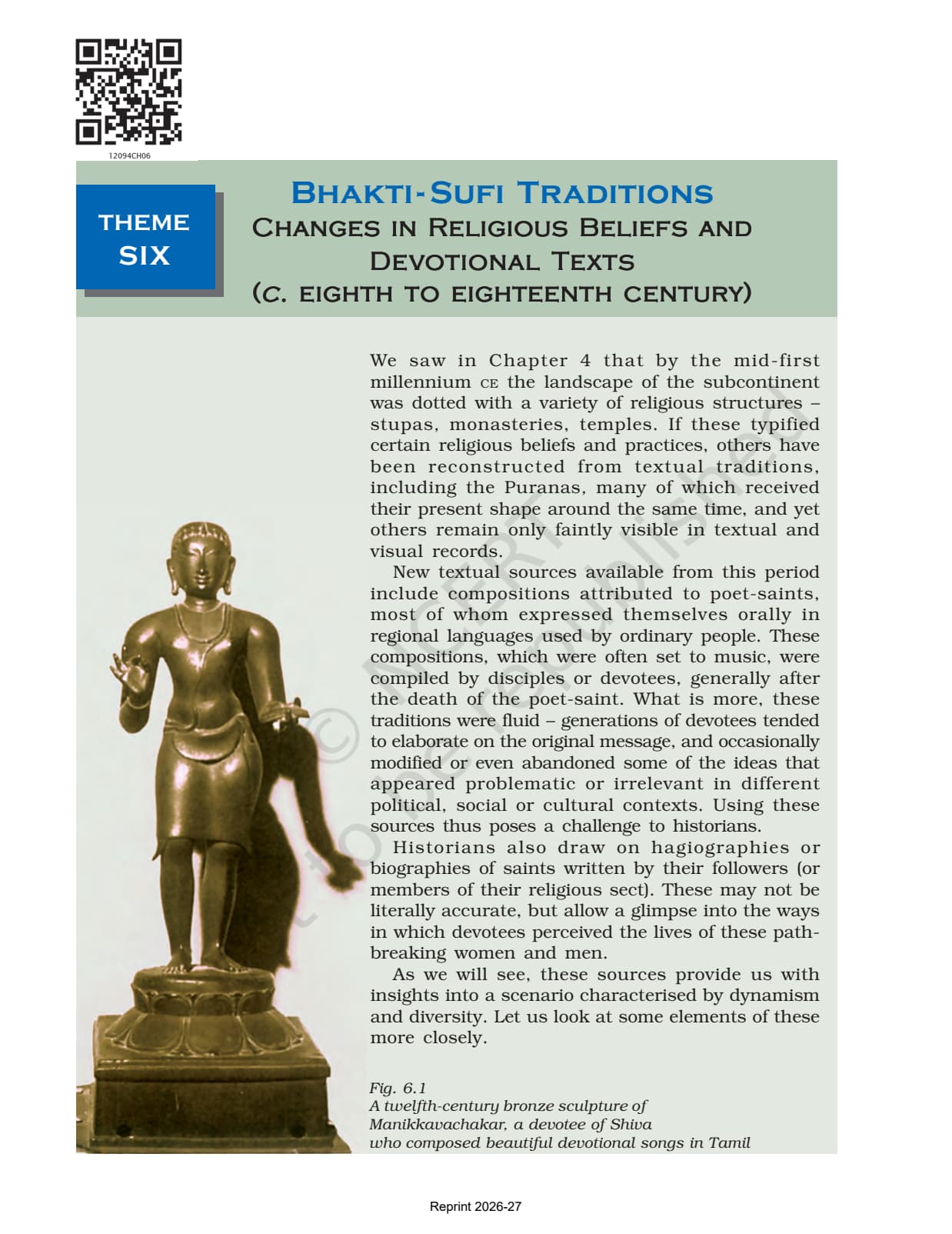
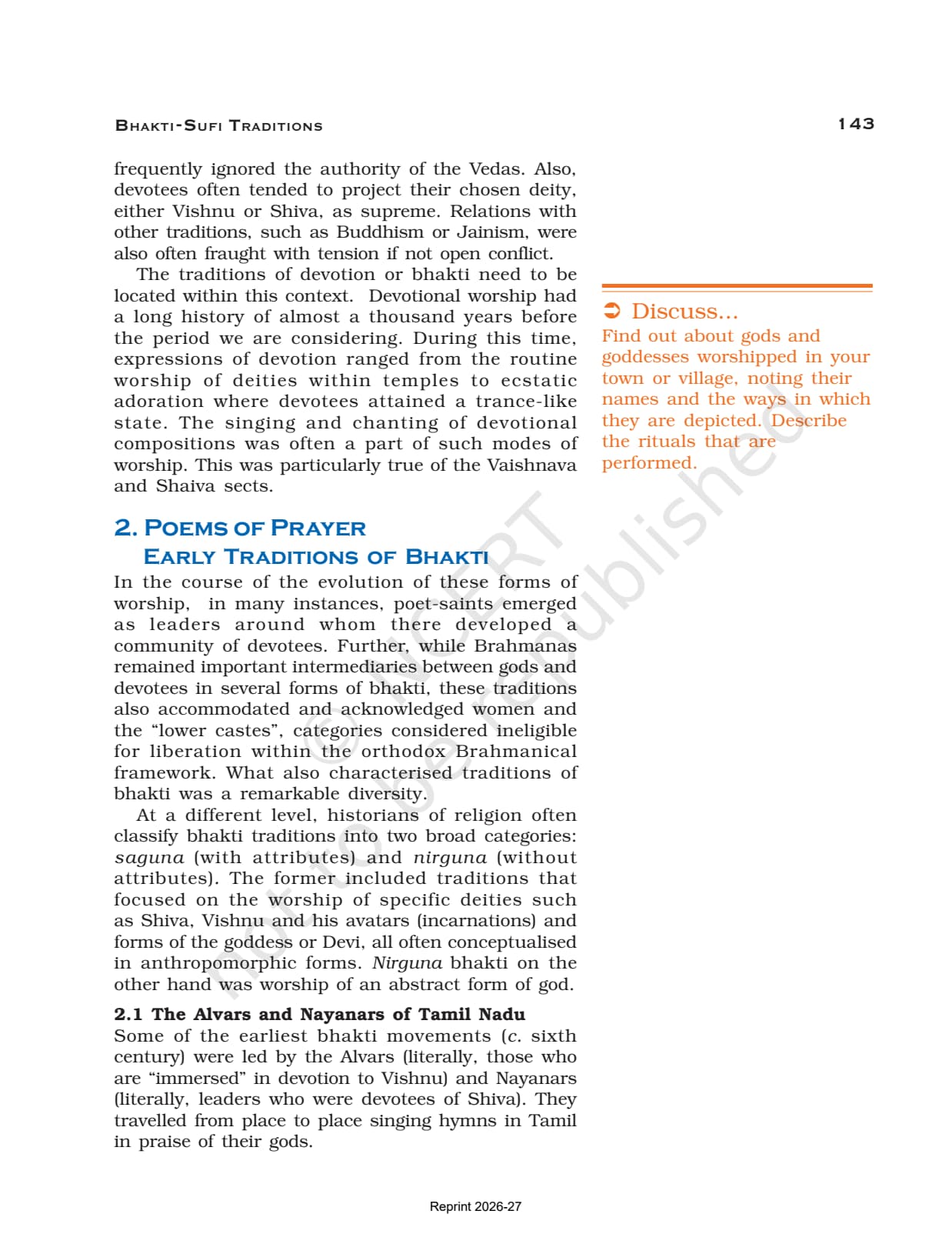
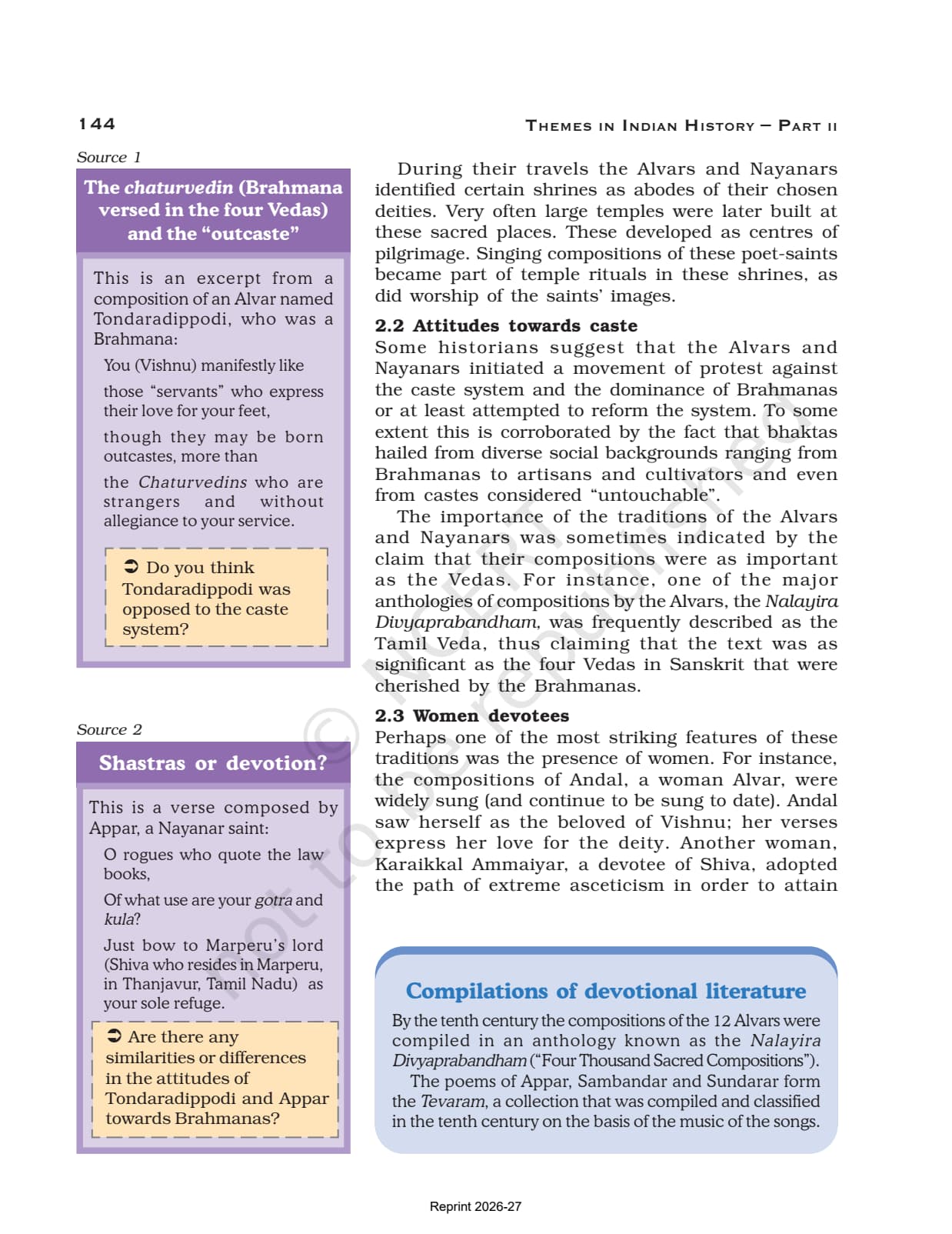
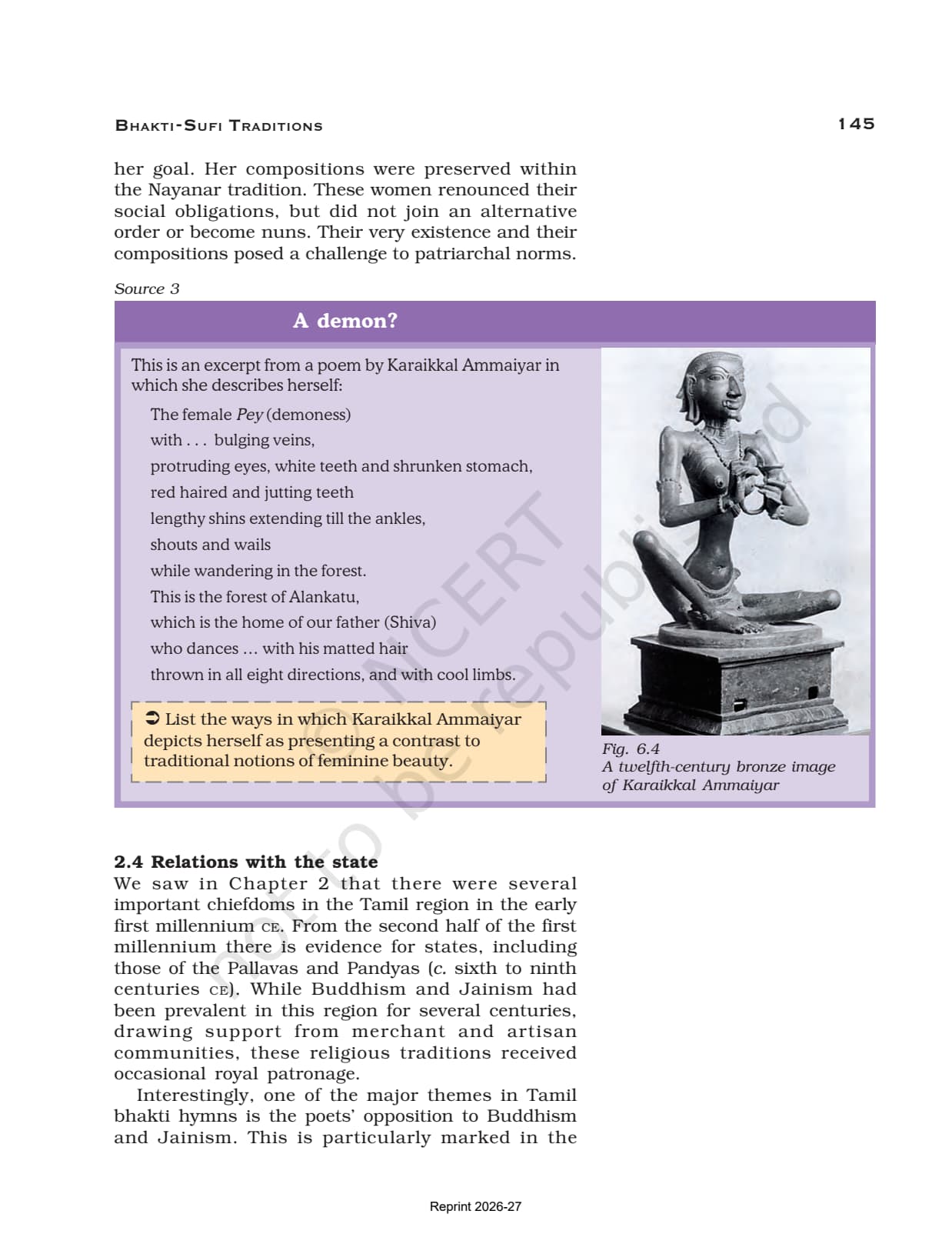
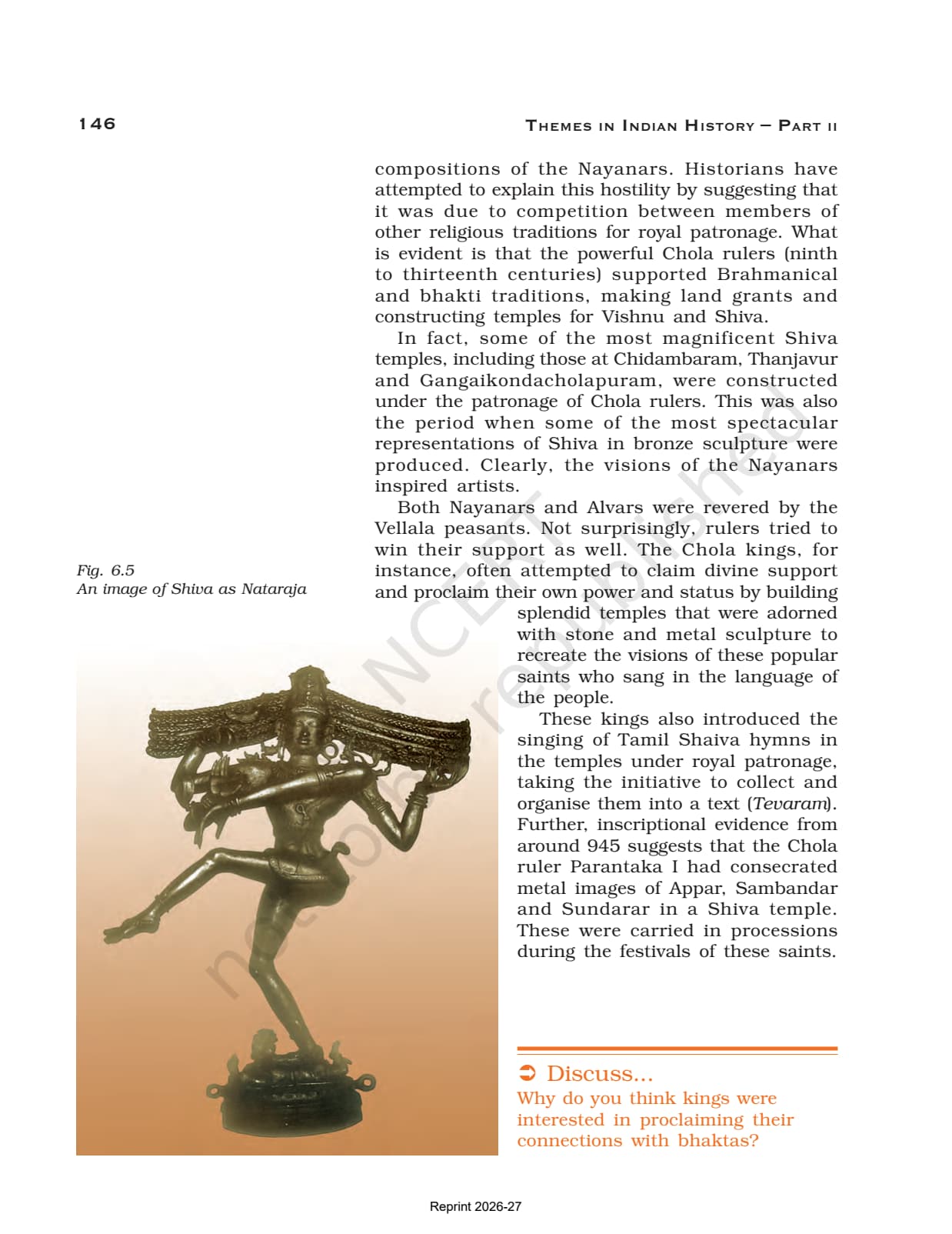
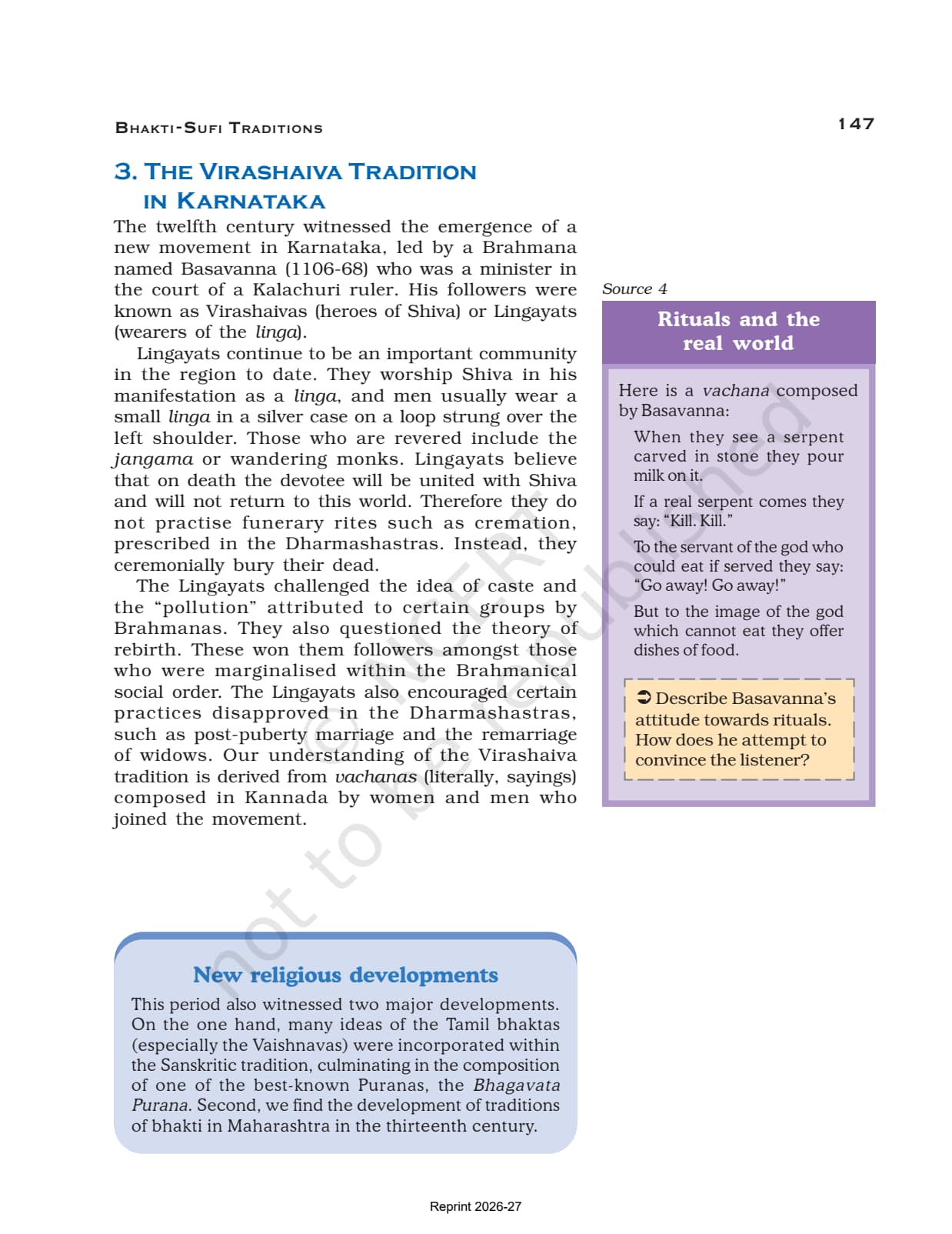
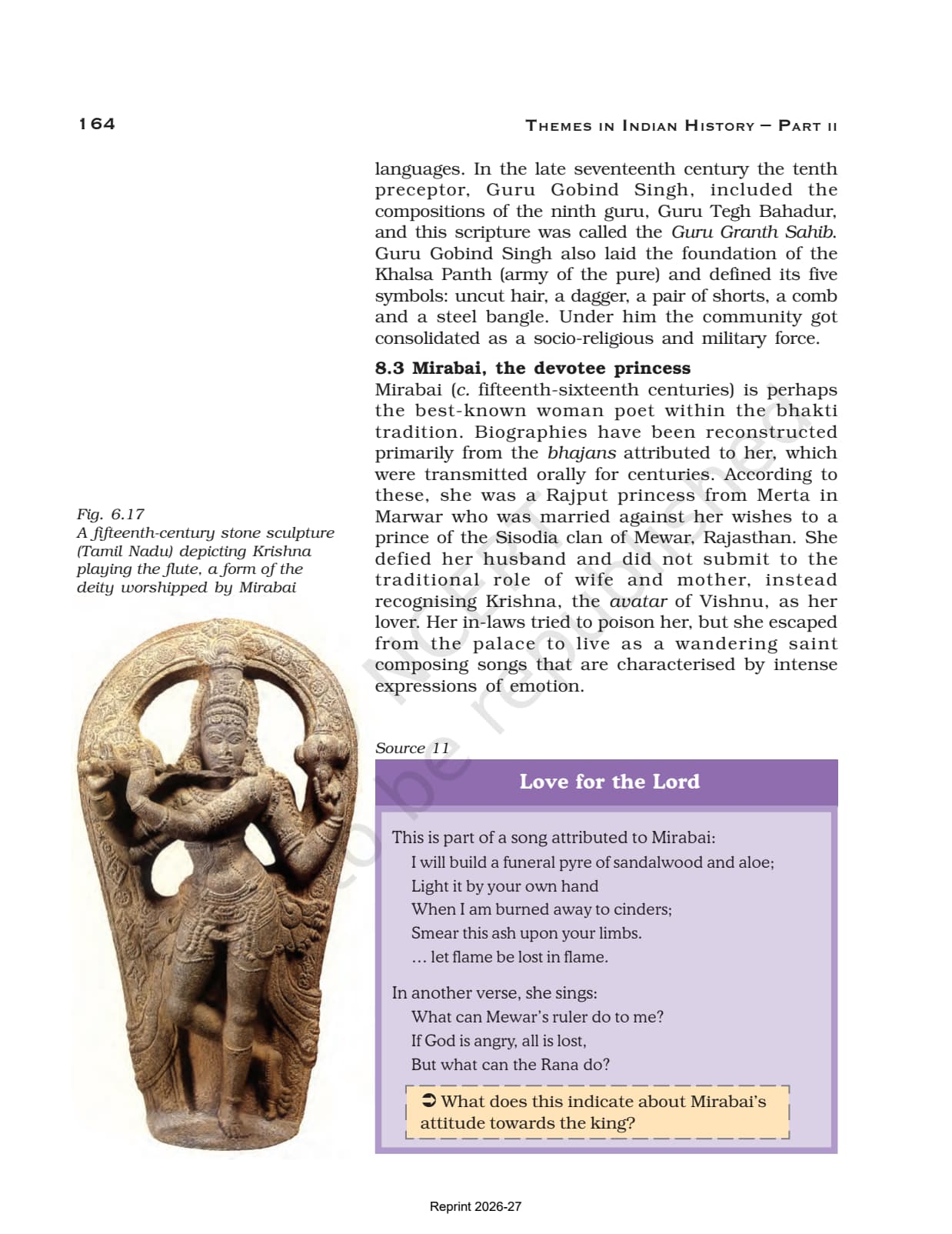
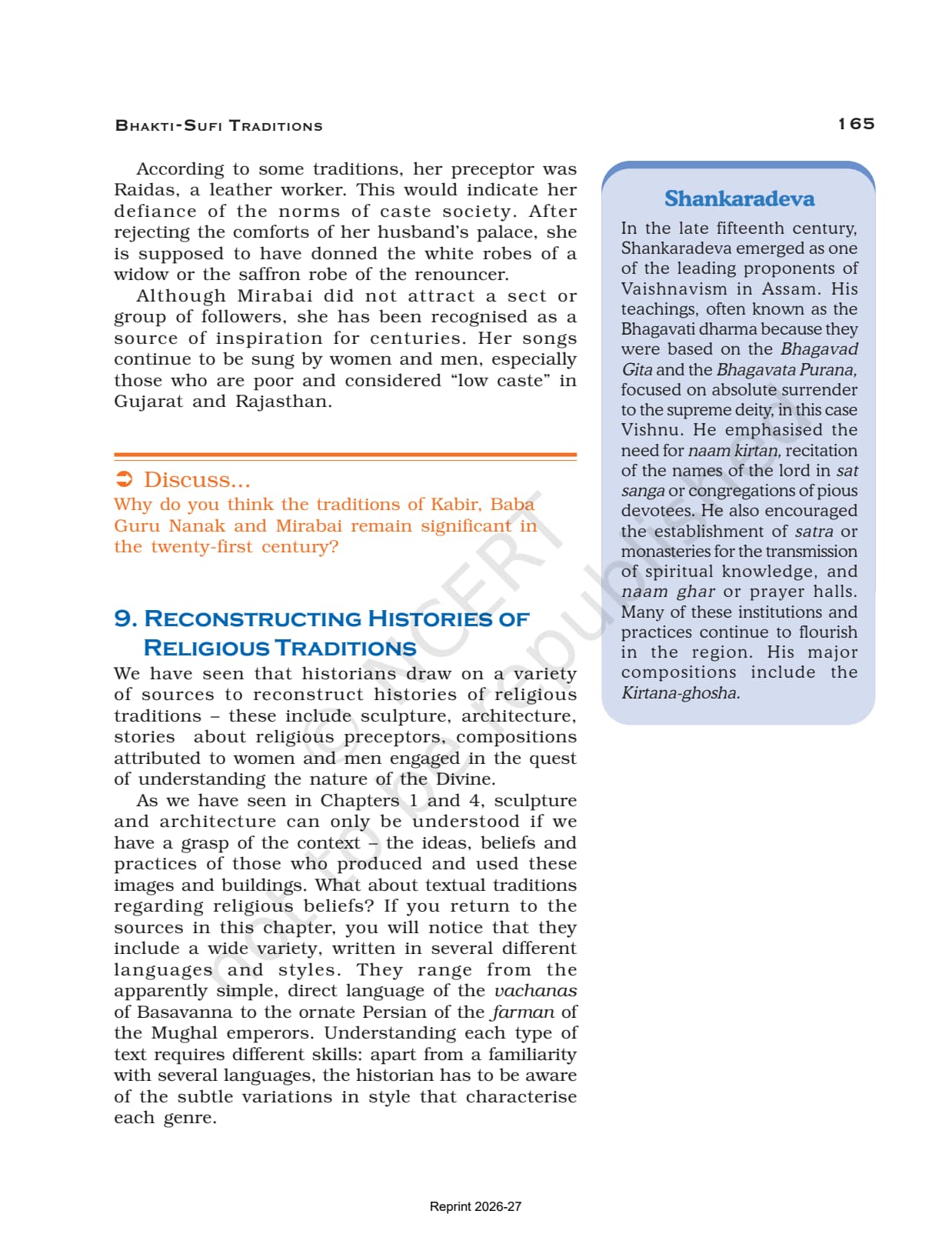
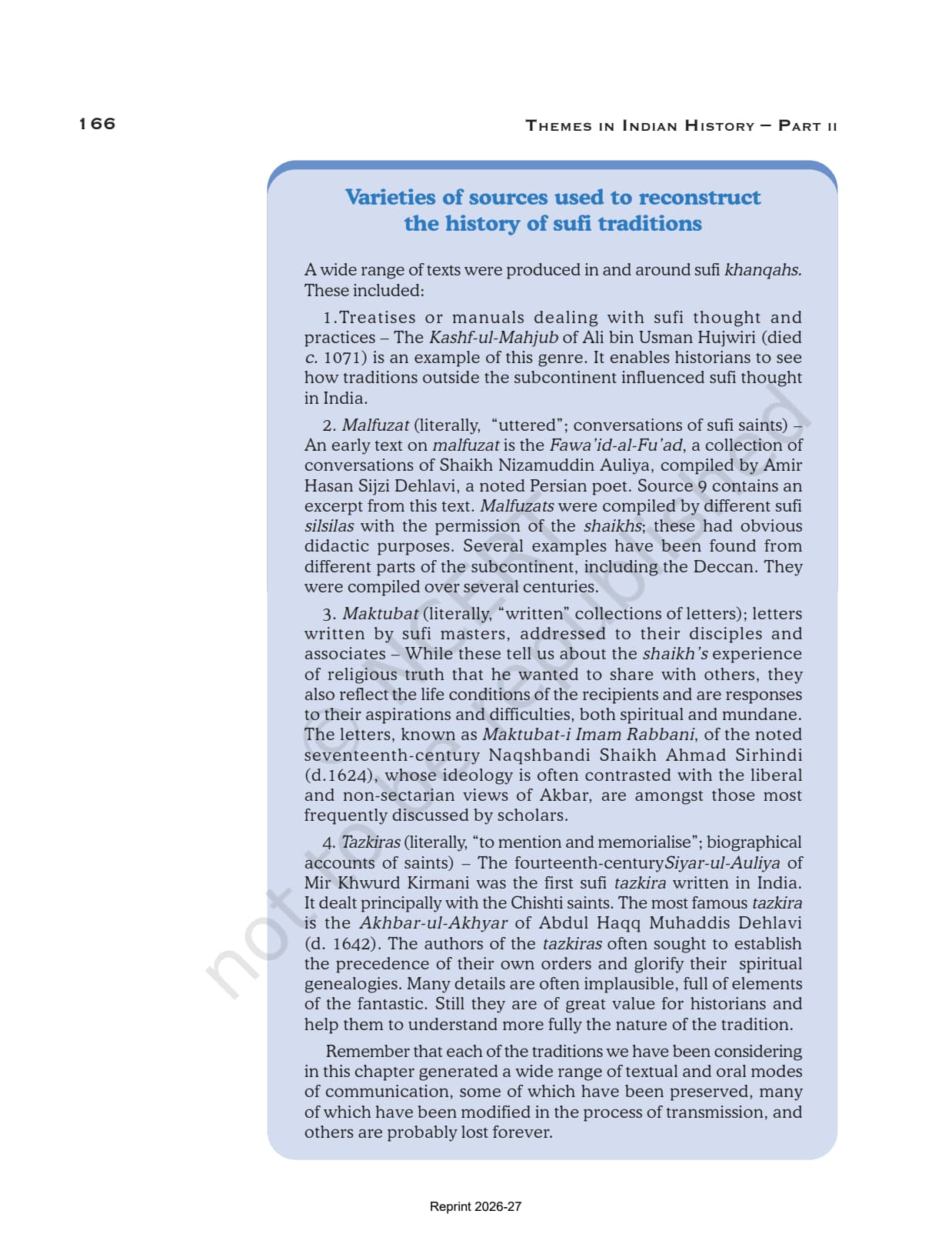
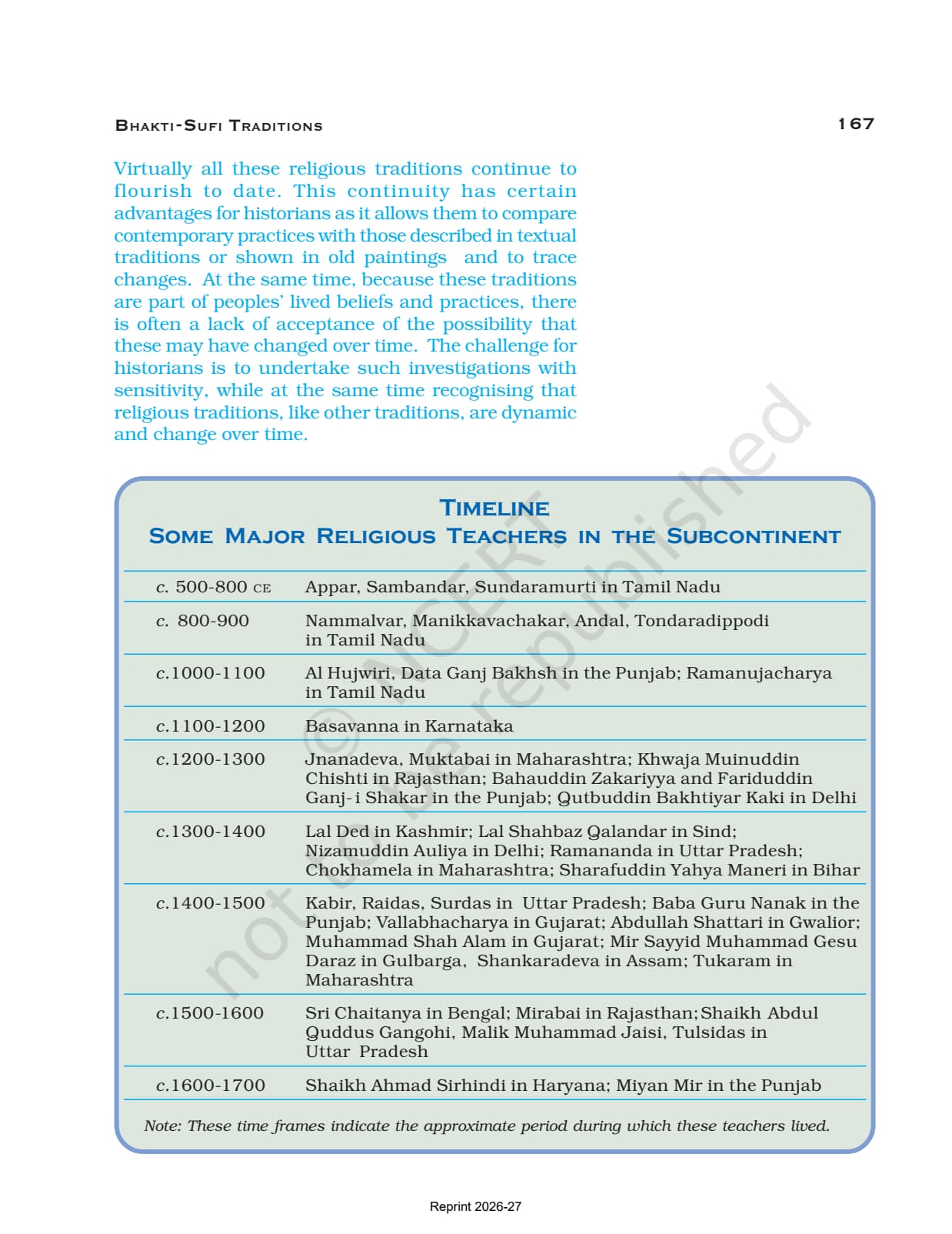
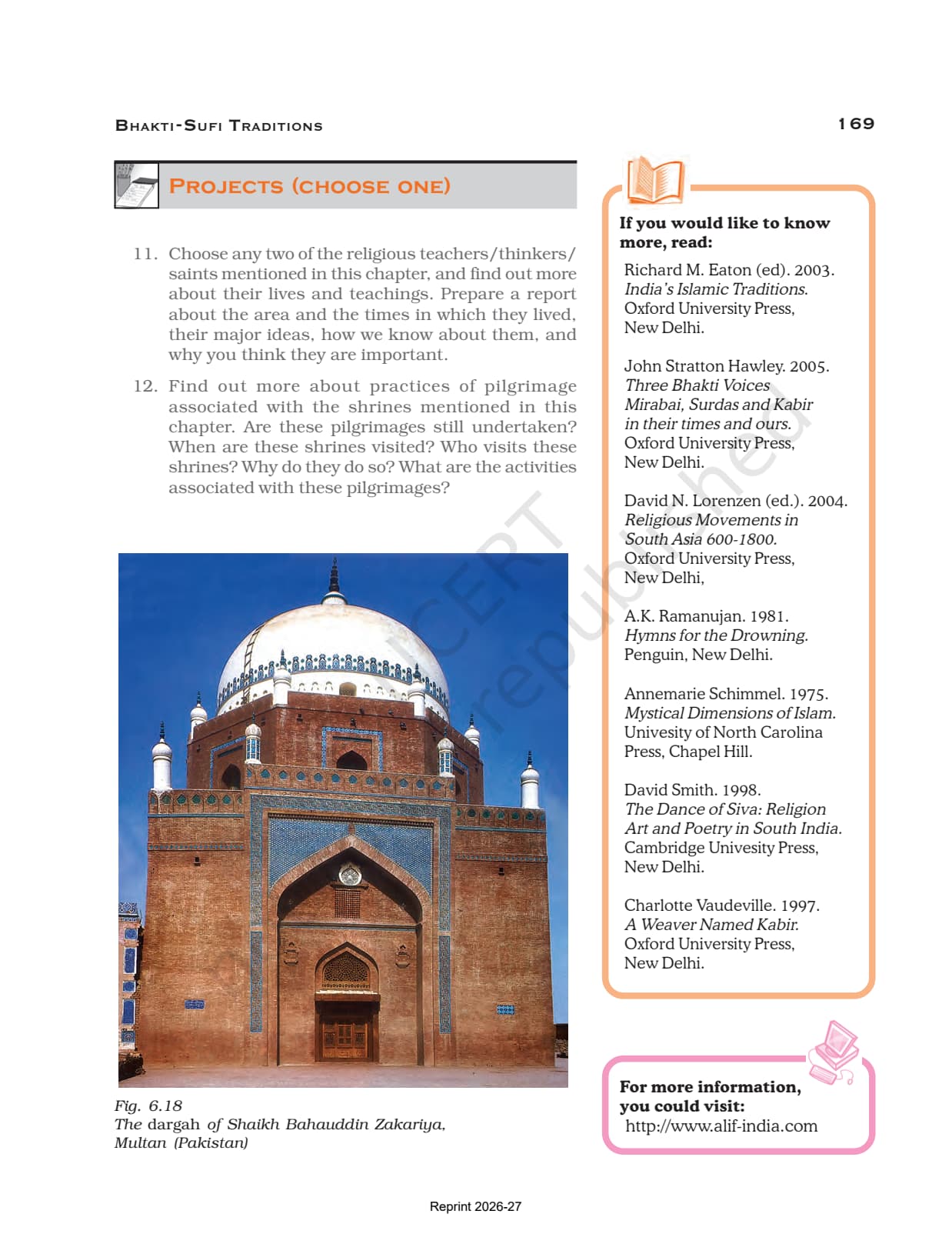
- Official NCERT chapter with the original images, source extracts and saint biographies.
- This Class 12 History chapter usually carries 6 to 8 marks in the board paper.
- Pairs with the NCERT Solutions, Notes and Handwritten Notes linked lower on this page.
This is the official NCERT Bhakti-Sufi Traditions chapter from Themes in Indian History Part II, offered for free download in the 2026-27 edition.
Student Feedback: In a Collegedunia poll of 7,720 Class 12 History students before the 2026 boards, 67% of students said they kept the official NCERT chapter PDF open while solving source-based questions, because the vachanas, Kabir verses and Sufi extracts come straight from the chapter's own sources.
Source: 2026-27 Class 12 History student poll. Sample of 7,720 students from CBSE schools across 12 states.
What the Bhakti-Sufi Traditions NCERT Chapter Covers
Bhakti-Sufi Traditions is Chapter 6 of Themes in Indian History Part II. It studies changes in religious beliefs and devotional texts between roughly the eighth and eighteenth centuries. The chapter follows two devotional movements together, bhakti within the Hindu fold and Sufism within Islam, and the sources historians use to study both.
The chapter is organised around a few big themes:
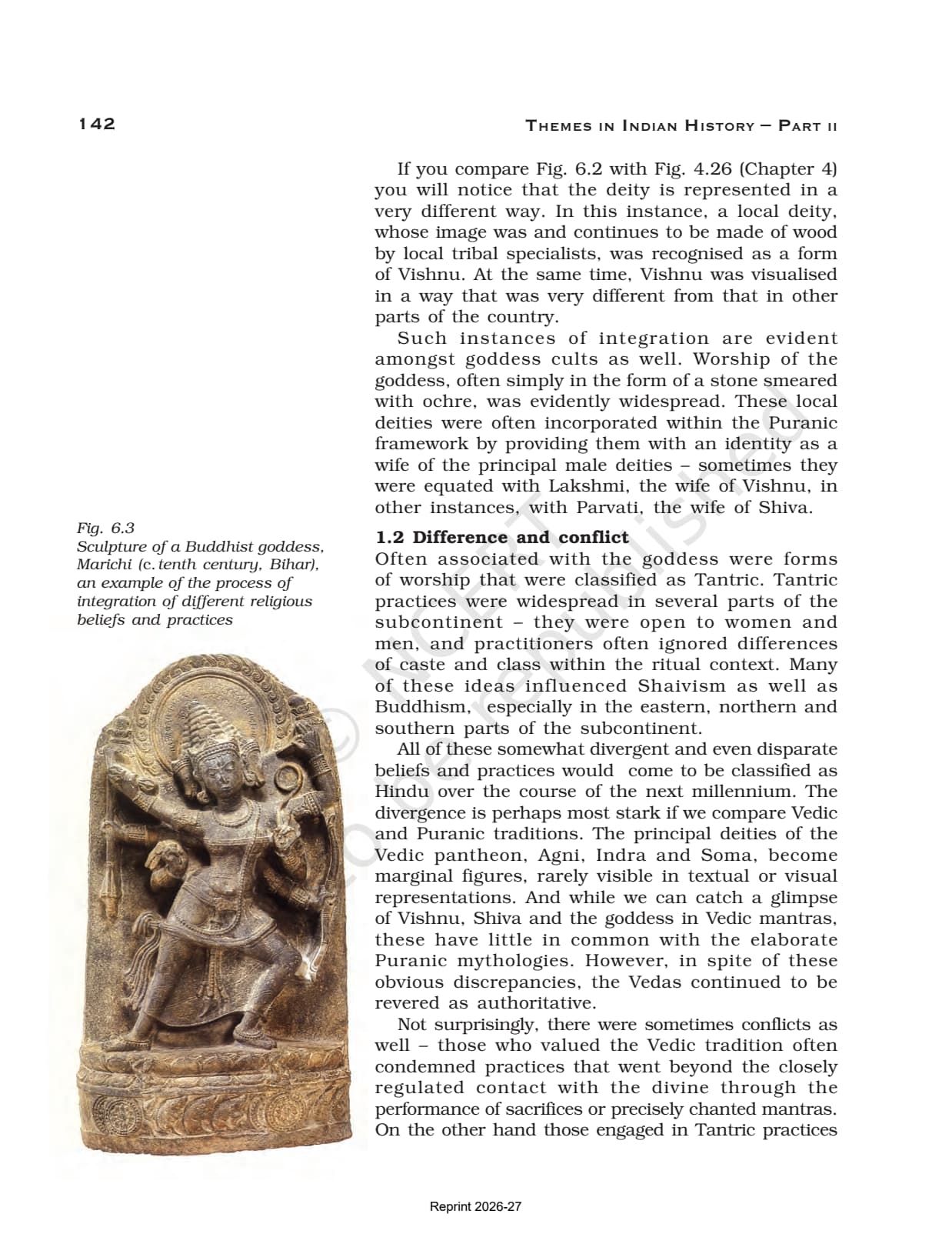
- Integration of cults introduces how local deities joined a wider Brahmanical fold.
- Bhakti introduces the Alvars, Nayanars, Virashaivas and the poet-saints.
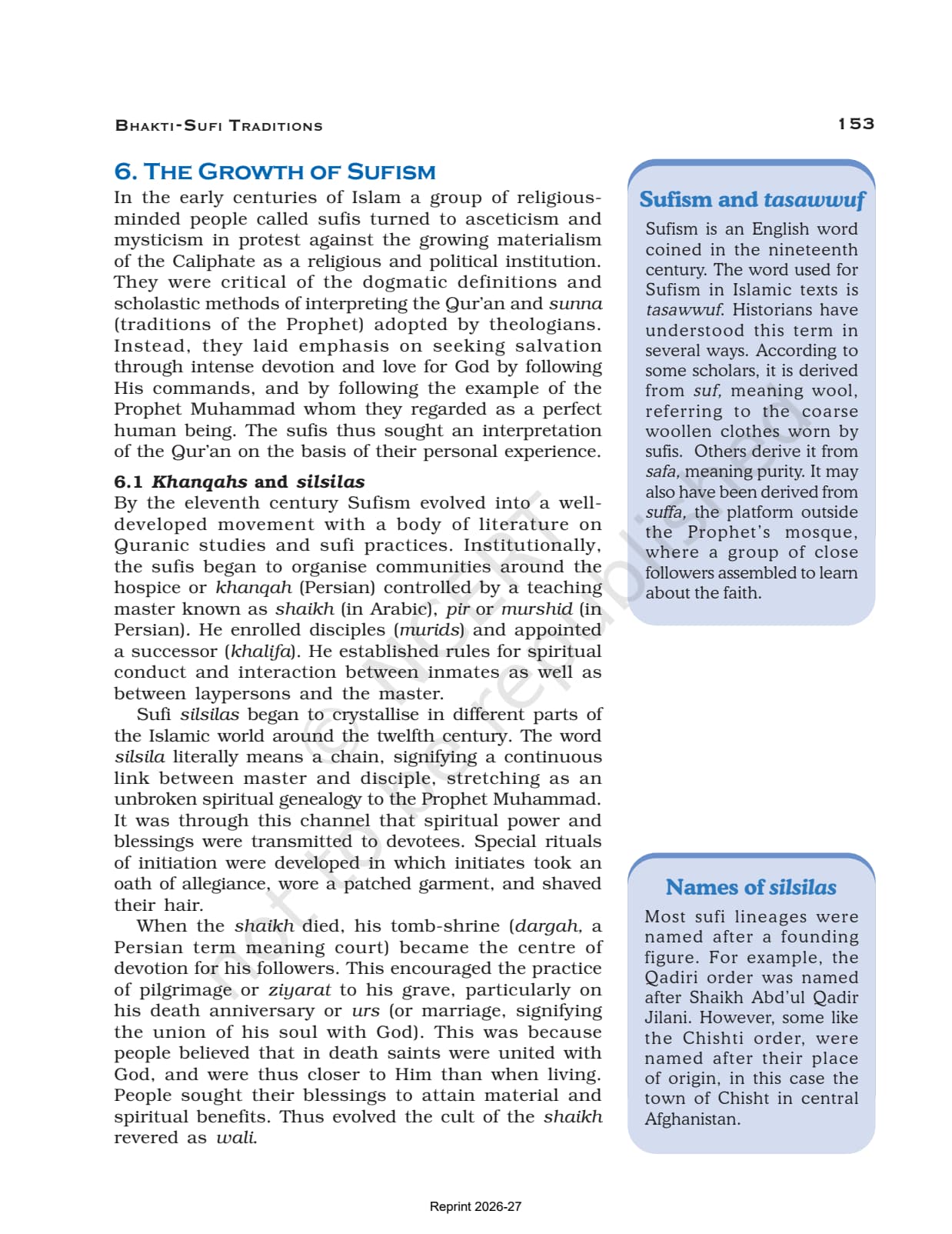
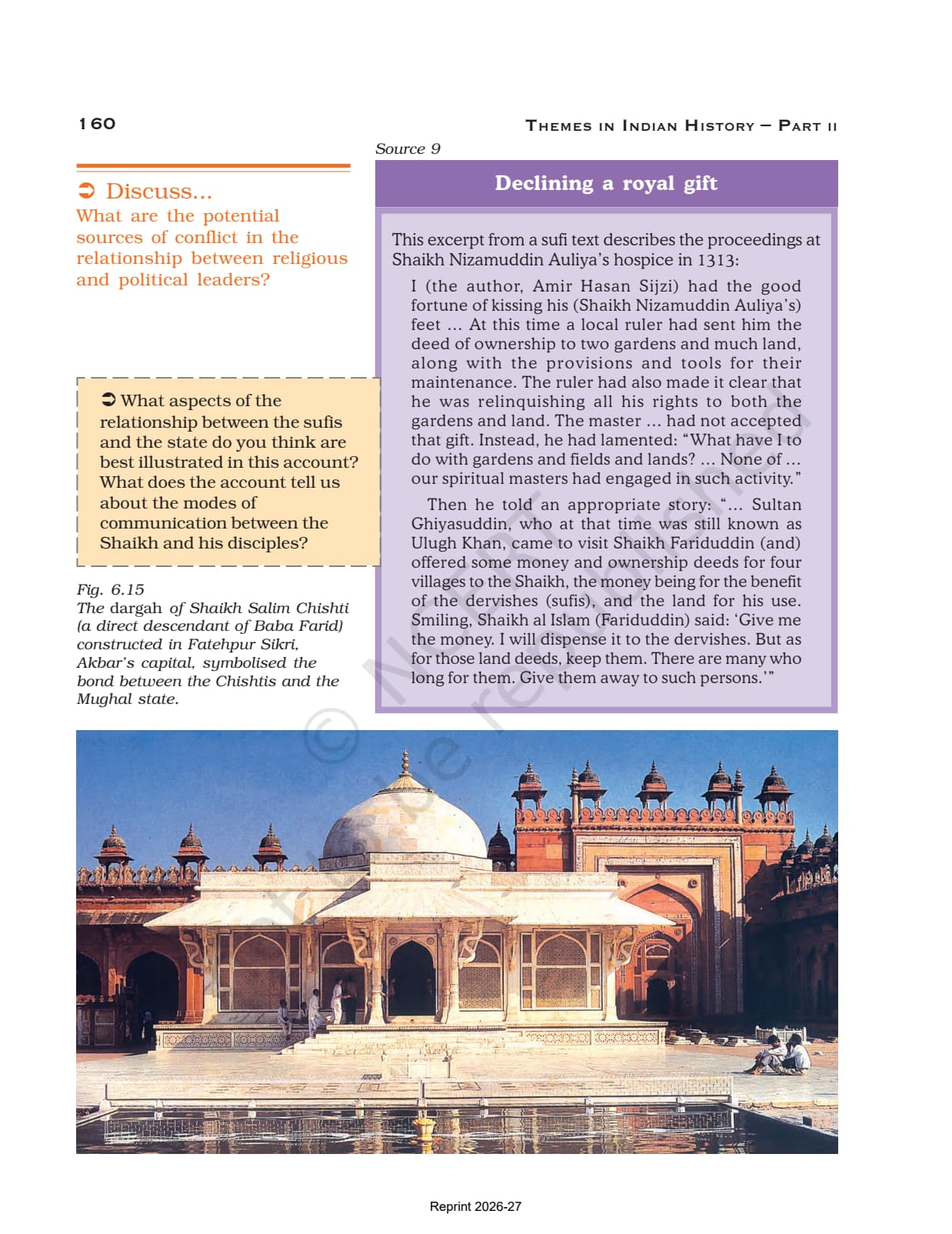
- Sufism introduces the khanqahs, silsilas, shrines and the Chishtis.
The chapter also closes with how historians reconstruct these traditions from sculpture, architecture, hagiographies and poems. Reading the original NCERT text matters because the source extracts and captions in the class 12 history chapter 6 pdf are exactly what CBSE quotes in source-based questions. A student who knows the chapter's own examples can answer those passages with confidence.
Chapter Highlights and Important Figures
The NCERT chapter is rich with paintings, sculptures and source boxes that the exam often refers to. Knowing what each figure shows helps students answer "look at the figure" questions quickly. The table below lists the highlights students should study in the original chapter PDF.
| Highlight | Why it matters |
|---|---|
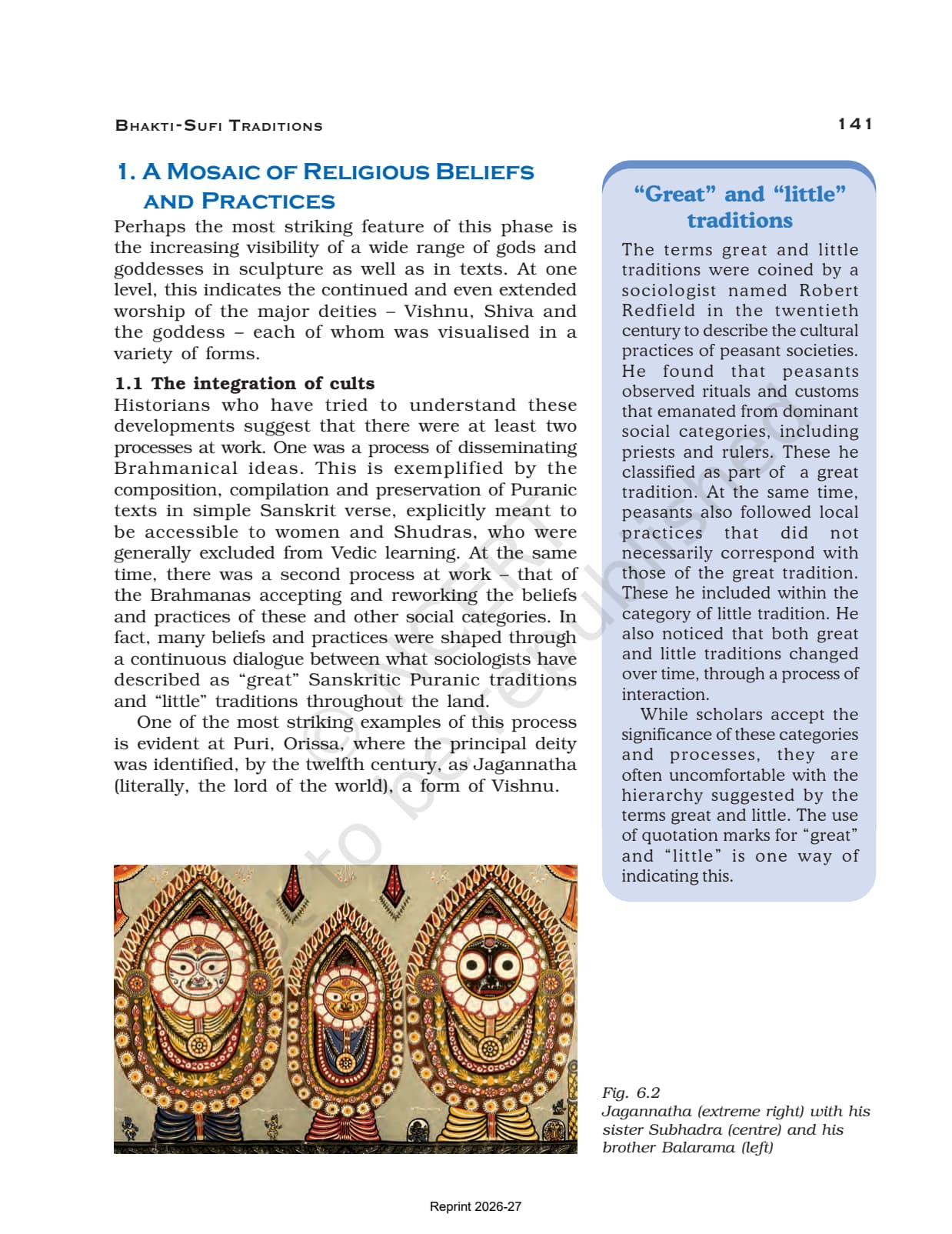
| Jagannatha of Puri | A local wooden deity made a form of Vishnu, the chapter's example of integration of cults. |
| Shiva as Nataraja | A bronze inspired by the Nayanars' visions of Shiva, used in the caste-critique topic. |
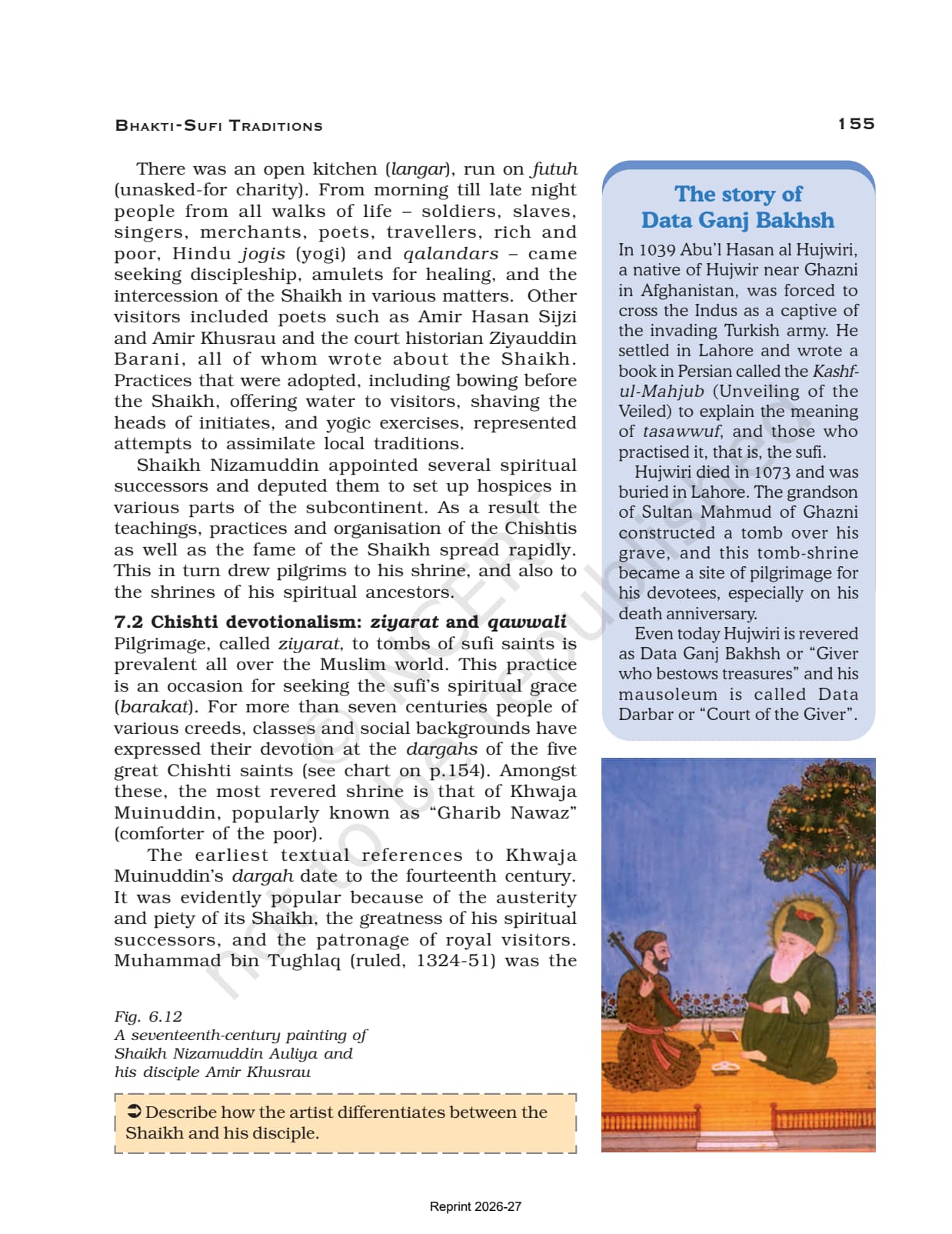
| Nizamuddin and Amir Khusrau | A painting of the Chishti shaikh and his disciple, central to the Sufism essay. |
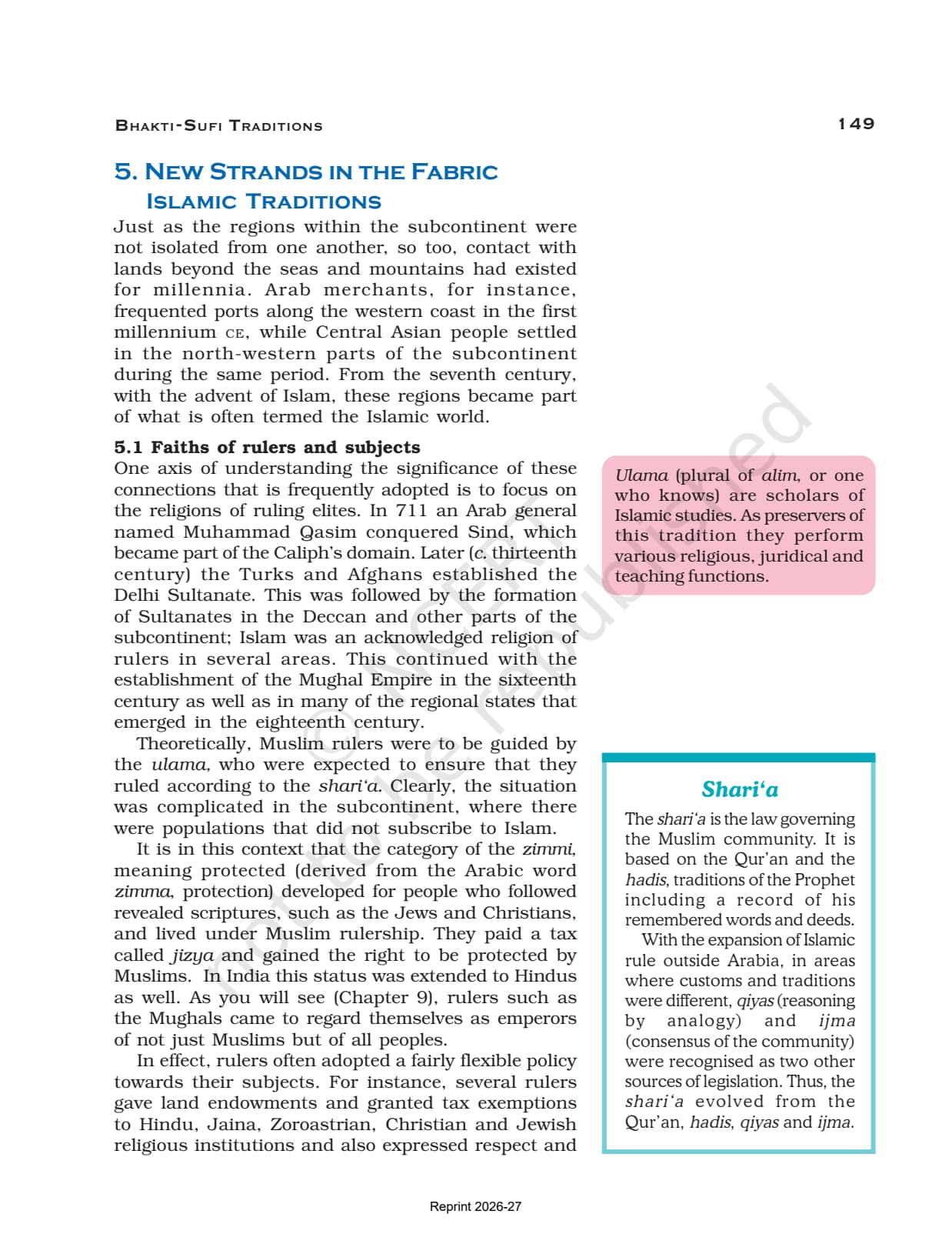
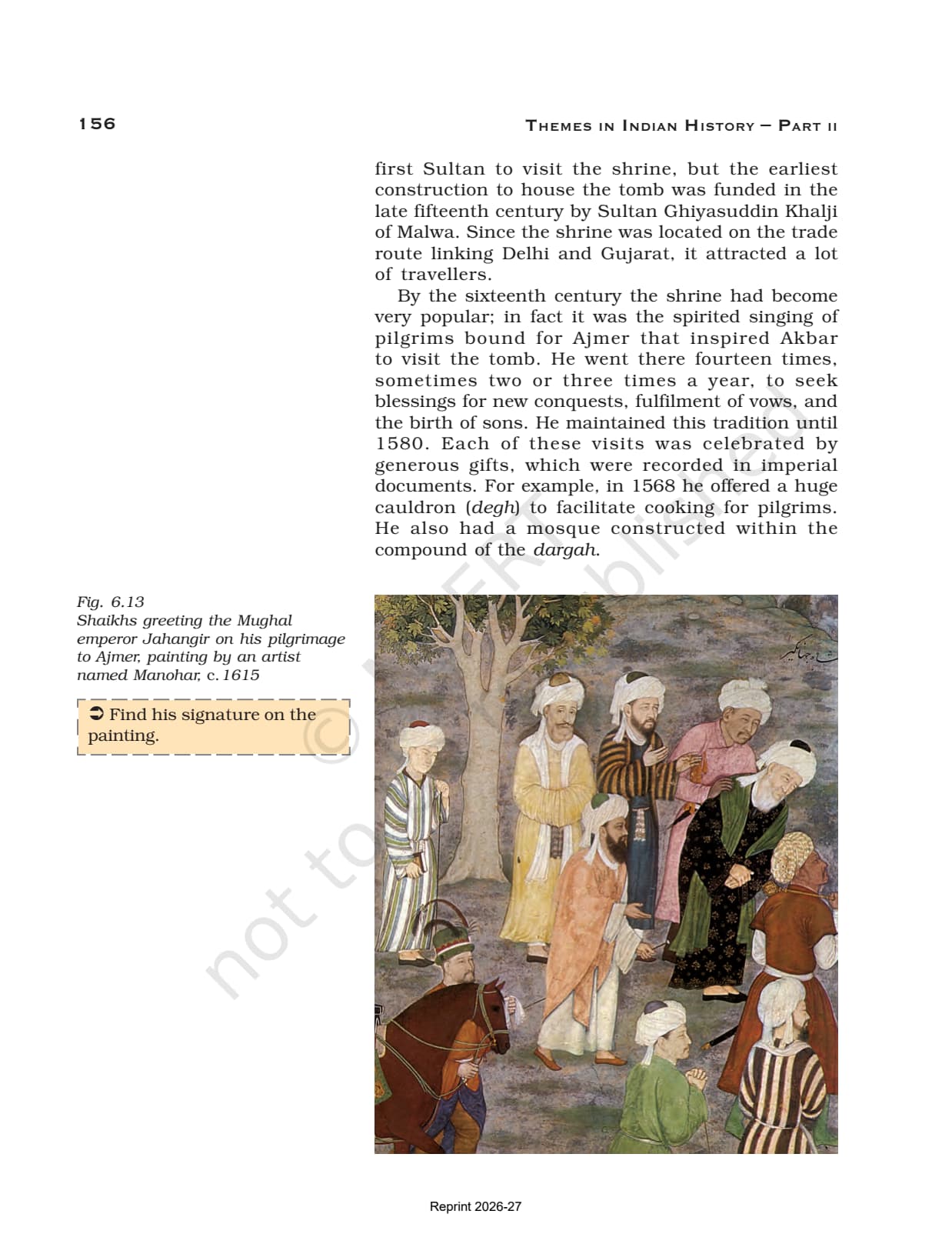
| Jahangir at Ajmer | Shaikhs greeting the emperor, used in the rulers-and-Sufis question. |
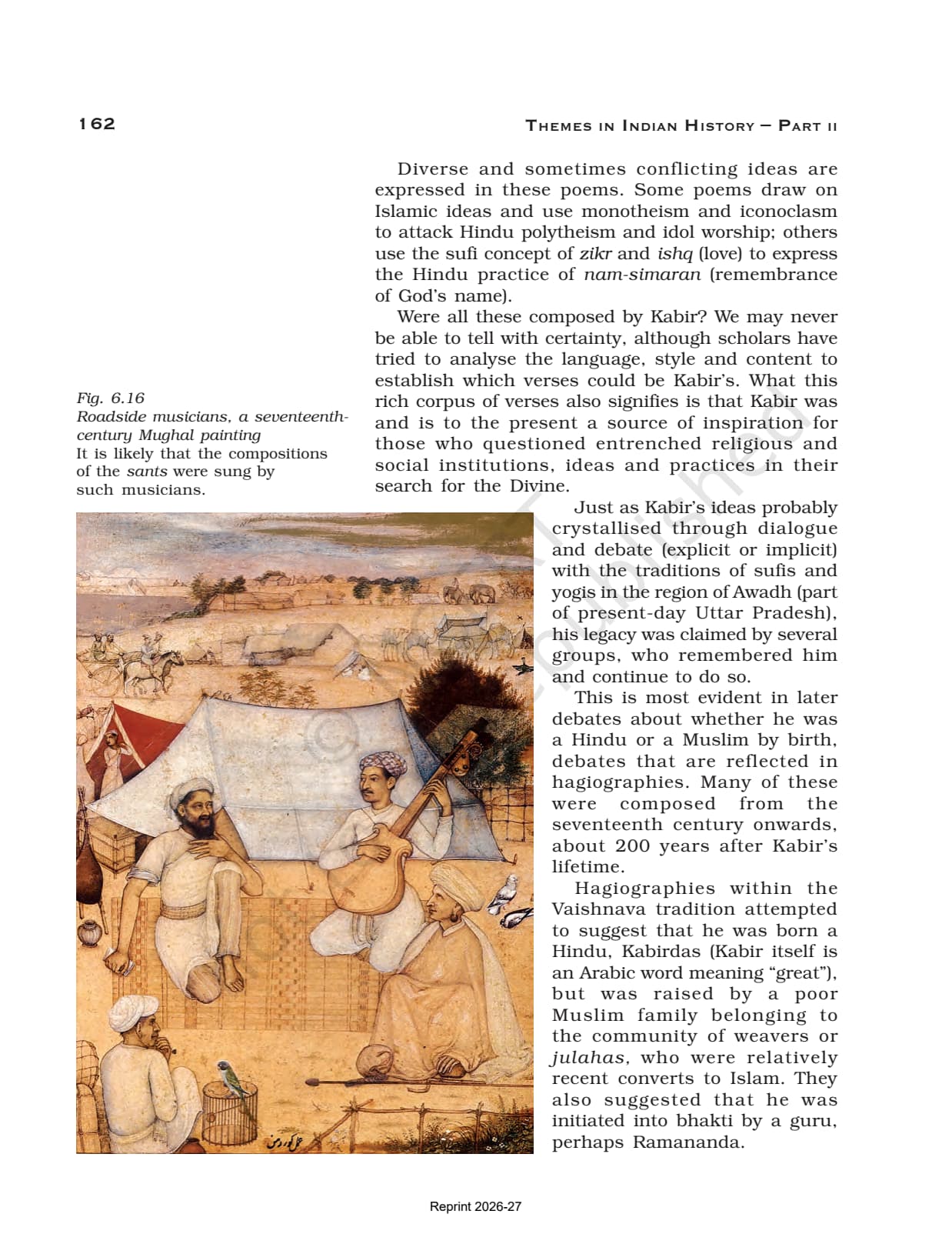
| Roadside musicians | The kind of singers who carried the sants' verses, tied to the languages question. |
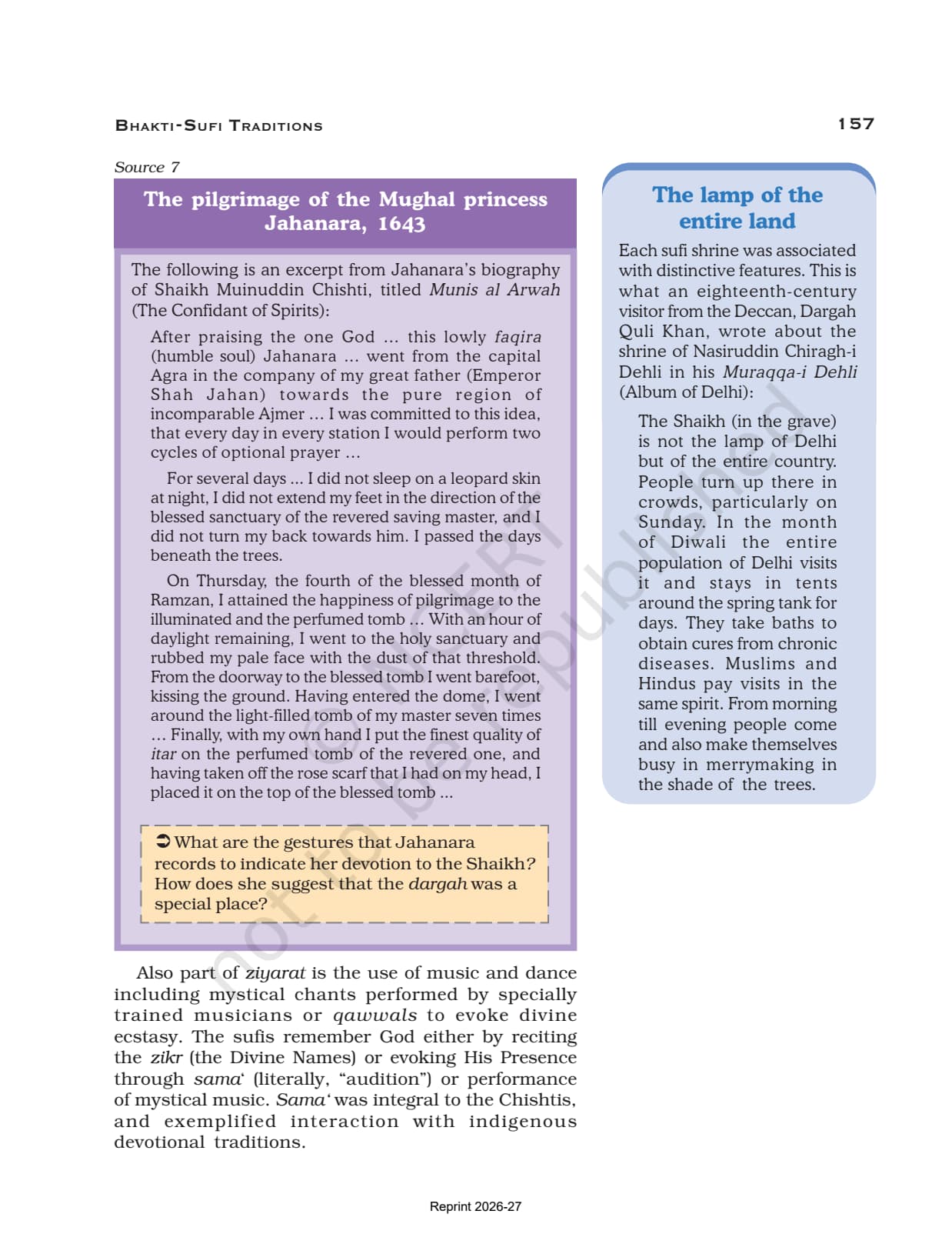
The chapter also carries numbered Sources, vachanas, Kabir verses and Jahanara's Ajmer pilgrimage, that the source-based questions draw on directly. One point students should mark while reading is that integration of cults ran two ways, with Brahmanas both teaching and absorbing local worship. That single idea is the heart of the integration answer, and it opens the chapter.
Bhakti, Sufism and the Poet-Saints in the Chapter
The chapter devotes whole sections to the bhakti saints, the Sufi orders and the northern poet-saints. These sections feed the short and long answers, so reading them in the original NCERT helps students quote the right examples. The lists below show what the chapter covers.
- Bhakti saints: Alvars (Vishnu) and Nayanars (Shiva) of Tamil Nadu, and Basavanna's Virashaivas in Karnataka, all critiquing caste.
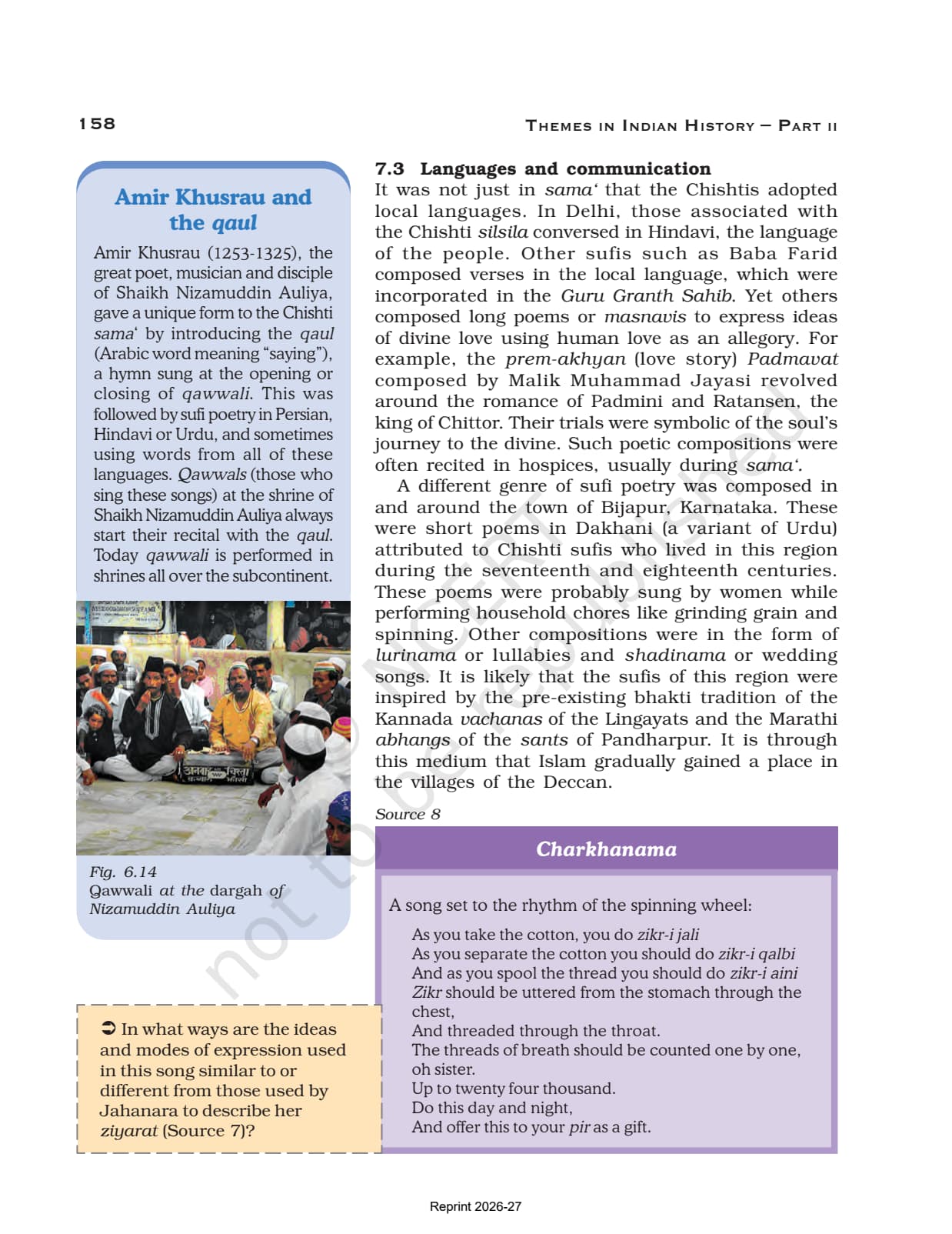
- Sufi terms: khanqah, silsila, shaikh, pir, dargah, ziyarat, urs, zikr and sama.
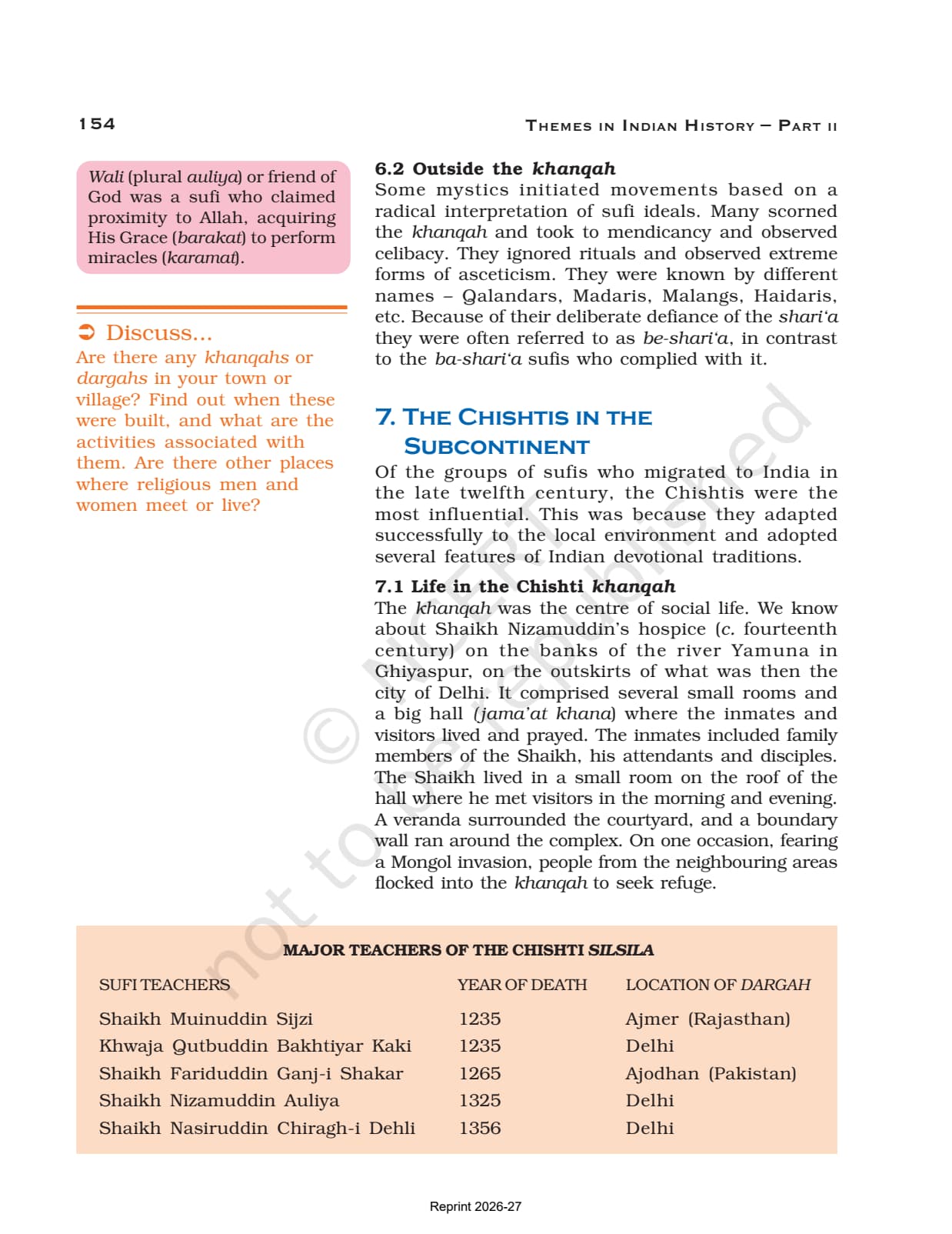
- The Chishtis: the most influential Sufis in India, with shrines at Ajmer (Muinuddin) and Delhi (Nizamuddin Auliya).
- Poet-saints: Kabir, Baba Guru Nanak (1469 to 1539) and Mirabai, in nirguna and devotional streams.
The chapter explains that bhakti ran in two streams, saguna (with form) and nirguna (formless), while Sufism sought God through love rather than dogma. It also covers the ba-shari'a and be-shari'a Sufis and the way kings used both traditions for legitimacy. Because these examples are drawn straight from the source chapter, the chapter 6 history class 12 ncert book is the most reliable place to learn them.
How Historians Reconstruct Bhakti-Sufi Life
The most thoughtful part of the chapter is how scholars study these traditions at all, since the saints left no neat records. NCERT explains the sources historians use and the problems each one poses. Reading these pages in the original chapter helps students write balanced answers.
- Sculpture and architecture: temples, mosques and images show how faith took local form.
- Hagiographies: saints' biographies (malfuzat, tazkira) record teachings, but tend to exaggerate.
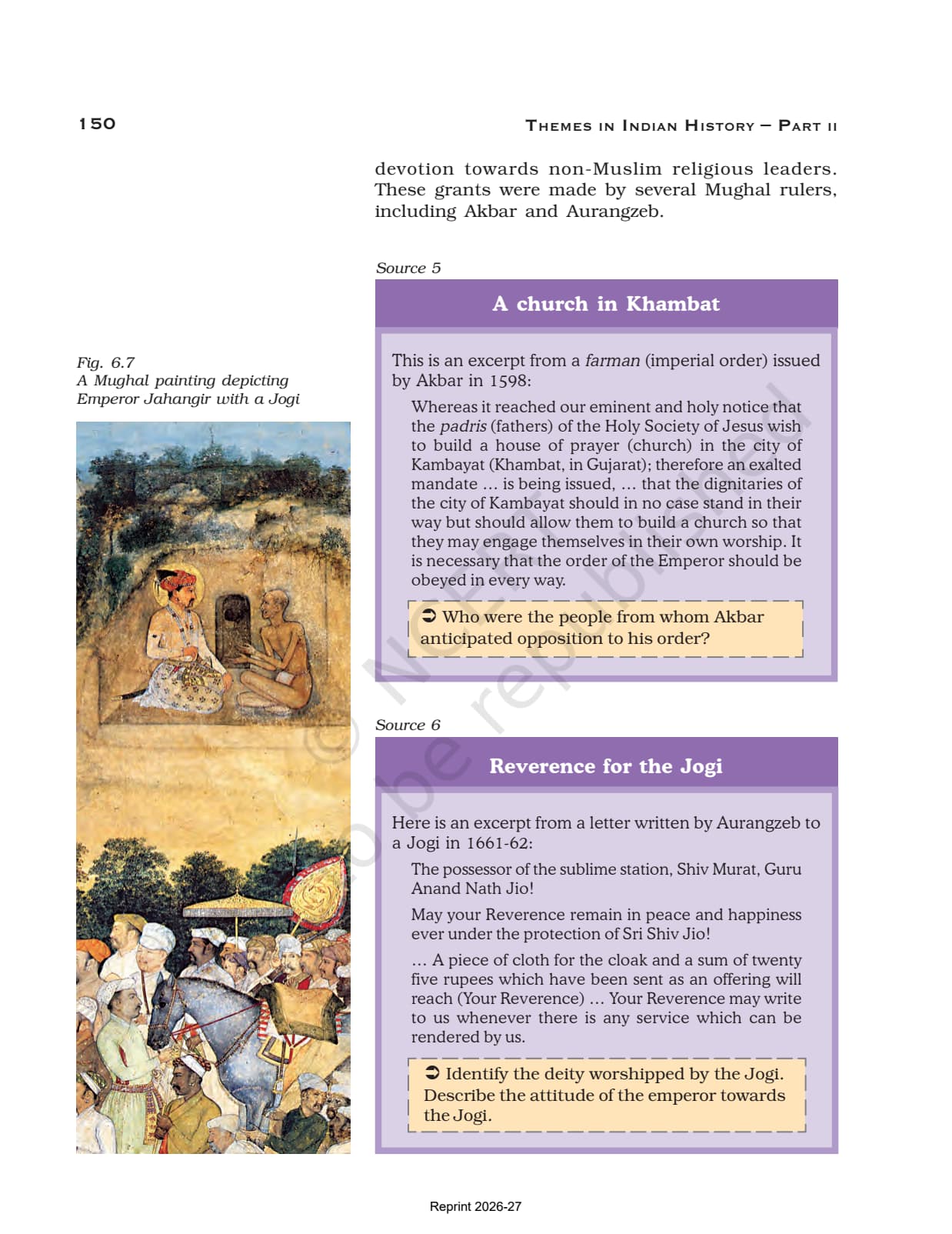
- Devotional poems: hymns and verses preserve the saints' own words, but were carried orally and changed over time.
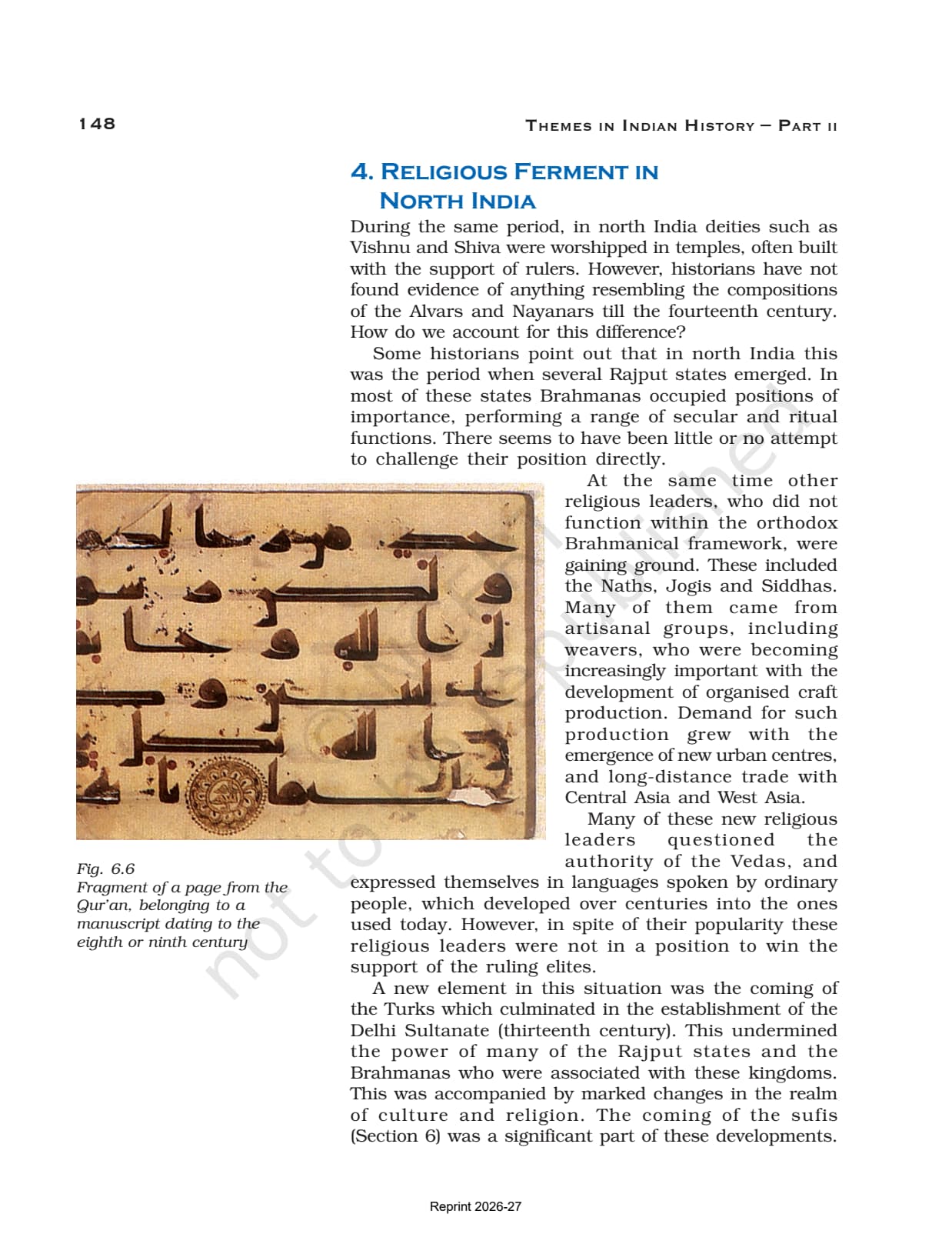
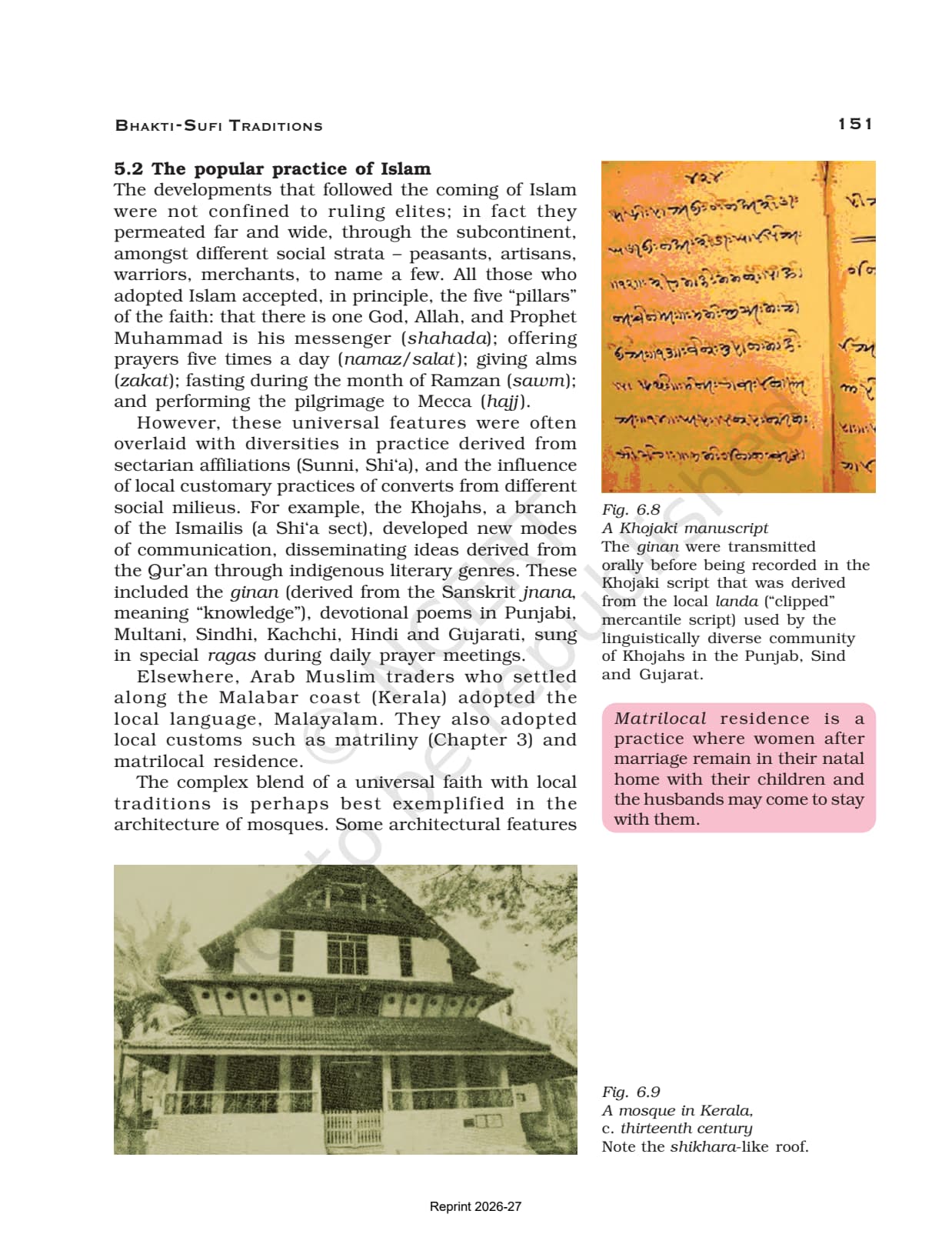
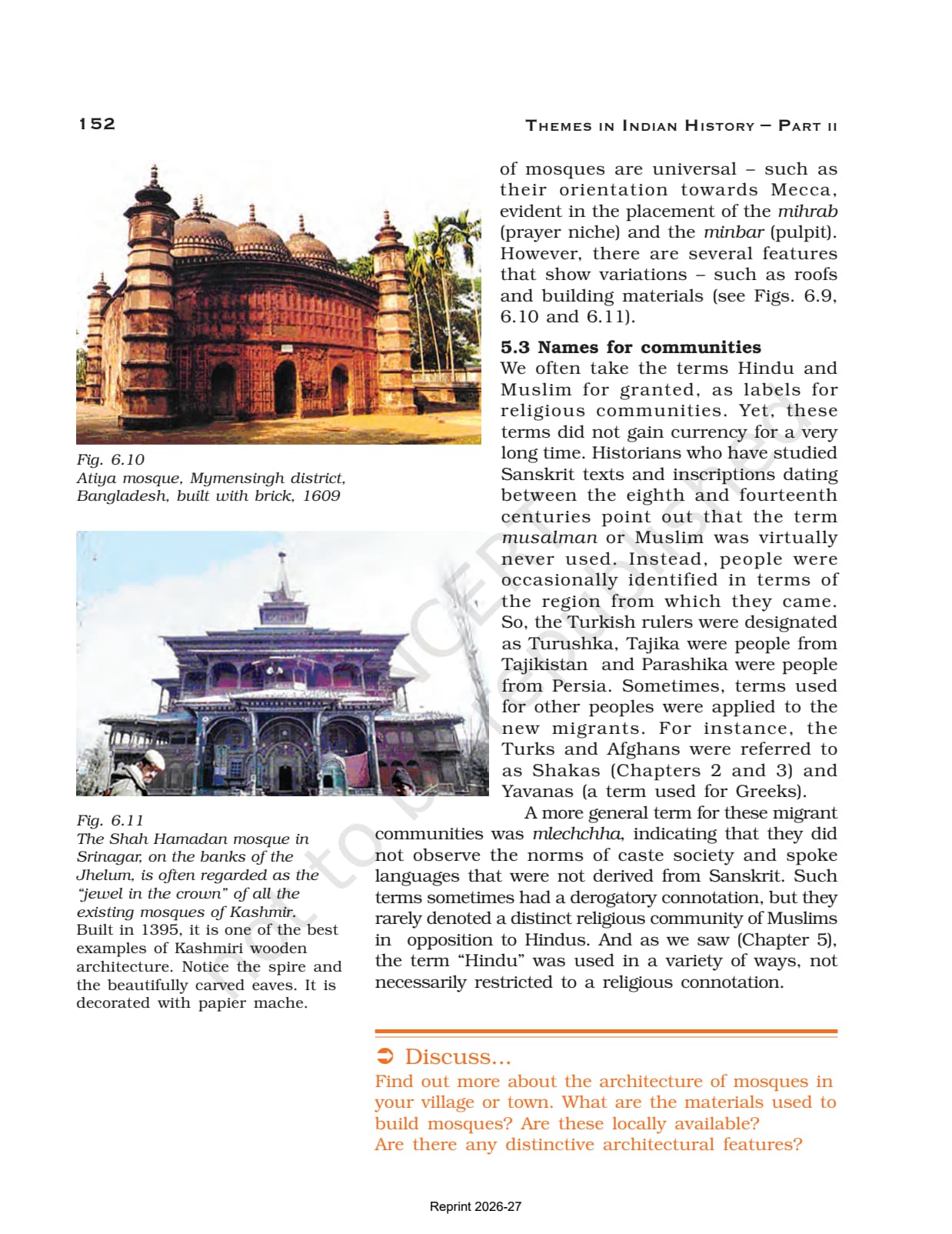
- Mosque architecture: the universal core (Mecca orientation, mihrab, minbar) stays fixed while roofs and materials are local.
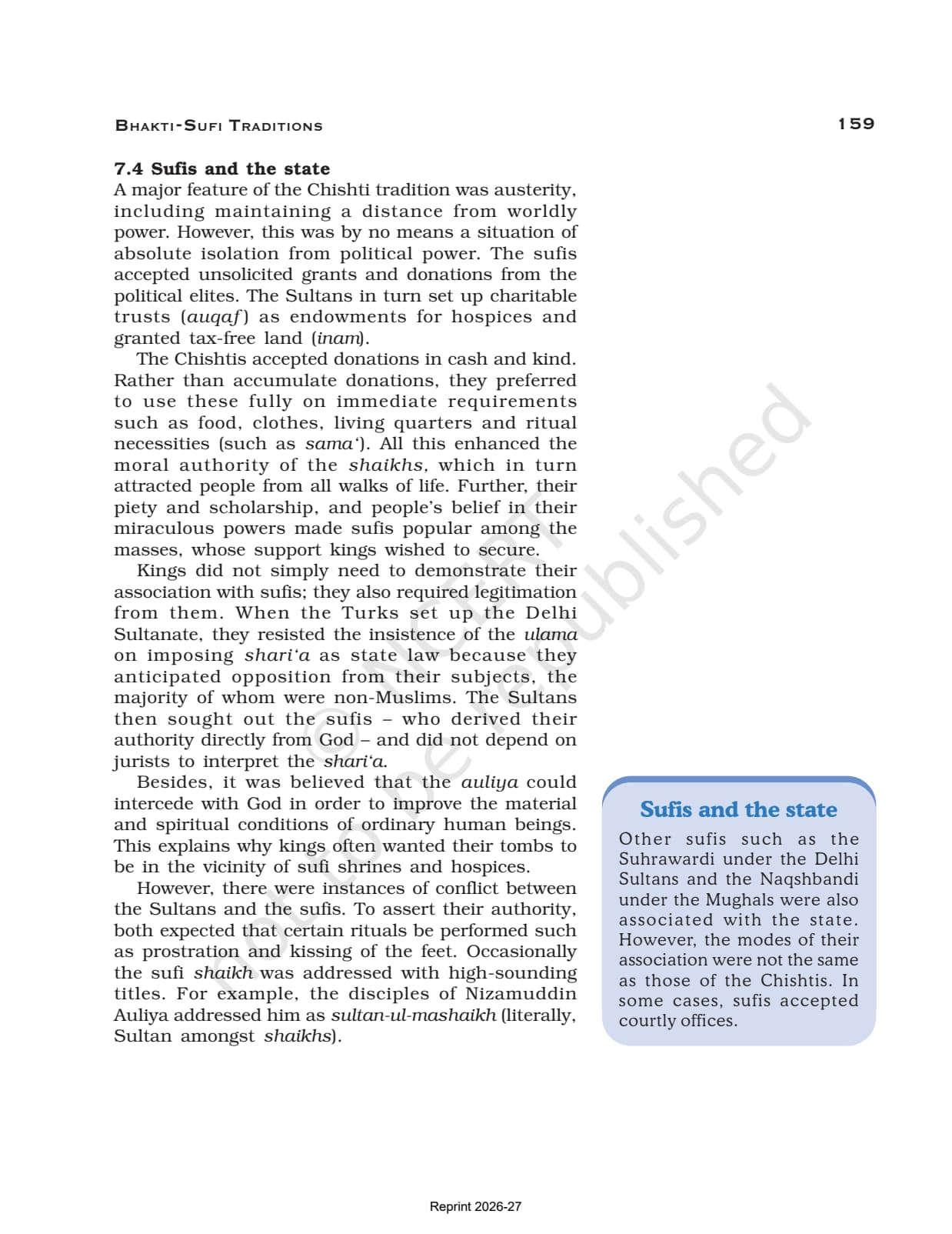
The chapter is honest that each source has its own problems of accuracy and transmission, so historians read them with care. It uses mosque architecture as the clearest proof that a universal faith took local shape in India. Reading these pages in the official PDF gives students the wording NCERT itself uses, which scores best in the board paper.
How to Download and Use the NCERT Chapter PDF
The chapter PDF is free and easy to use on any device. Students can save it for offline reading and pair it with the solutions and notes. The steps below show how to get the most out of the bhakti sufi traditions pdf during revision.
- Download: tap the download card above to save the official Chapter 6 PDF to your device.
- First read: read the chapter once end to end, marking the figures and numbered source boxes.
- Source practice: keep the PDF open while attempting source-based questions, since the vachanas and verses come from it.
- Revision: use the chapter alongside the notes to fix saints, shrines and Sufi terms.
Many students search for the class 12 history chapter 6 pdf the night before a test so they can revise offline. A saved copy means the source extracts and figures are always at hand. After reading the chapter, move to the solutions to check that your answers match the model points, then use the notes for a final quick recall.
How the Book PDF Pairs with the Solutions and Notes
The NCERT Book PDF is the source text. To prepare fully, students should use it with the other resources for the same chapter, all linked in the table below. Read the chapter, fix the ideas with the notes, then test yourself with the solutions.
| Resource | Best used for |
|---|---|
| Bhakti-Sufi Traditions NCERT Solutions | Step-by-step answers to all 12 back-exercise questions |
| Bhakti-Sufi Traditions Class 12 Notes | Quick chapter summary with all saints, shrines and terms in one place |
| Bhakti-Sufi Traditions Handwritten Notes | Last-minute, one-shot revision in a scanned notebook style |
Tip: read the chapter PDF first, then attempt the solutions on your own, and only then check the model answers. Reading the source text before the answers builds far stronger source-based skills.
All Class 12 History NCERT Book PDFs by Chapter
The table links the NCERT chapter PDFs for every chapter in Themes in Indian History so students can move across the book in one click. Chapter 6 is highlighted.
| Chapter | NCERT Book PDF |
|---|---|
| Chapter 1 | Bricks, Beads and Bones |
| Chapter 2 | Kings, Farmers and Towns |
| Chapter 3 | Kinship, Caste and Class |
| Chapter 4 | Thinkers, Beliefs and Buildings |
| Chapter 5 | Through the Eyes of Travellers |
| Chapter 6 | Bhakti-Sufi Traditions |
| Chapter 7 | An Imperial Capital Vijayanagara |
| Chapter 8 | Peasants, Zamindars and the State |
| Chapter 9 | Colonialism and the Countryside |
| Chapter 10 | Rebels and the Raj 1857 |
| Chapter 11 | Mahatma Gandhi and the Nationalist Movement |
| Chapter 12 | Framing the Constitution |
FAQs on Bhakti-Sufi Traditions NCERT Book PDF
Bhakti-Sufi Traditions Class 12 NCERT Book Common Questions
Ques. Where can I download the Bhakti-Sufi Traditions NCERT Book PDF?
Ans. You can download the official Bhakti-Sufi Traditions Class 12 History chapter PDF directly from this page. It is free, follows the 2026-27 NCERT edition, and carries the original text, images and source extracts of Chapter 6.
Ques. Which book is Bhakti-Sufi Traditions from?
Ans. It is Chapter 6 of Themes in Indian History Part II, the Class 12 History textbook. The chapter studies changes in religious beliefs and devotional texts, the bhakti saints and the Sufi traditions, from about the eighth to the eighteenth century.
Ques. What does the Bhakti-Sufi Traditions chapter cover?
Ans. It covers the integration of cults, the bhakti saints (Alvars, Nayanars, Virashaivas), Sufism with its khanqahs, silsilas and shrines, the Chishtis, the poet-saints Kabir, Baba Guru Nanak and Mirabai, and the sources historians use to study them.
Ques. Why should I read the original NCERT chapter PDF?
Ans. Because CBSE draws source-based questions straight from the chapter's own vachanas, Kabir verses and Sufi extracts. Reading the official chapter 6 history class 12 PDF gives you the exact wording and examples that score best in the board paper.
Ques. How should I use the chapter PDF with the other resources?
Ans. Read the chapter PDF first, fix the ideas with the notes, then test yourself with the solutions. Keeping the PDF open while practising source-based questions helps, since the extracts come directly from it.



Comments