




The Kings, Farmers and Towns PDF is the official NCERT chapter on early states and economies from Themes in Indian History Part I. This page lets students download the original Chapter 2 text and figures for the 2026-27 CBSE syllabus. Reading the source chapter is the best way to understand the inscriptions, coins and texts behind every exam answer on this period.
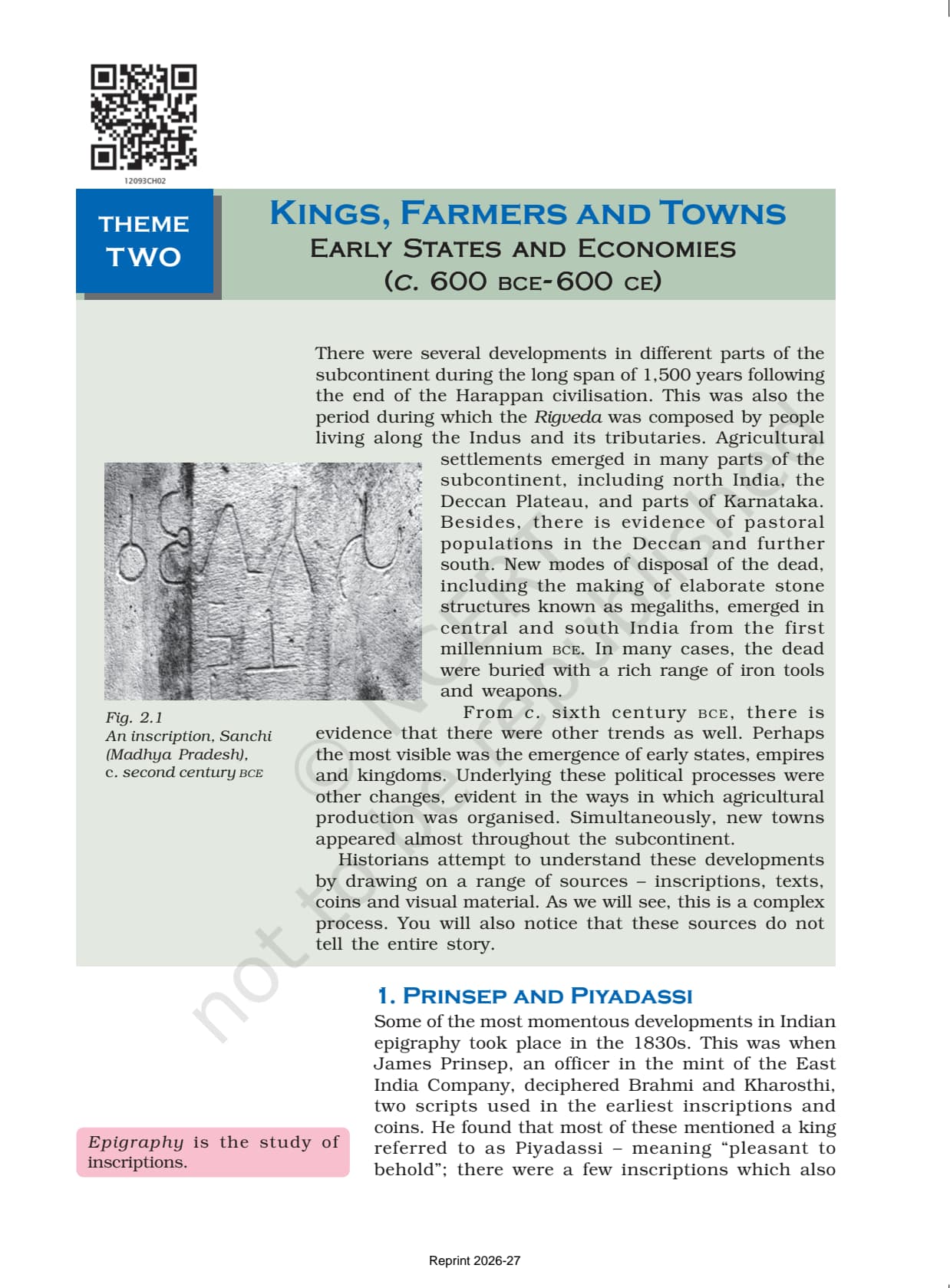
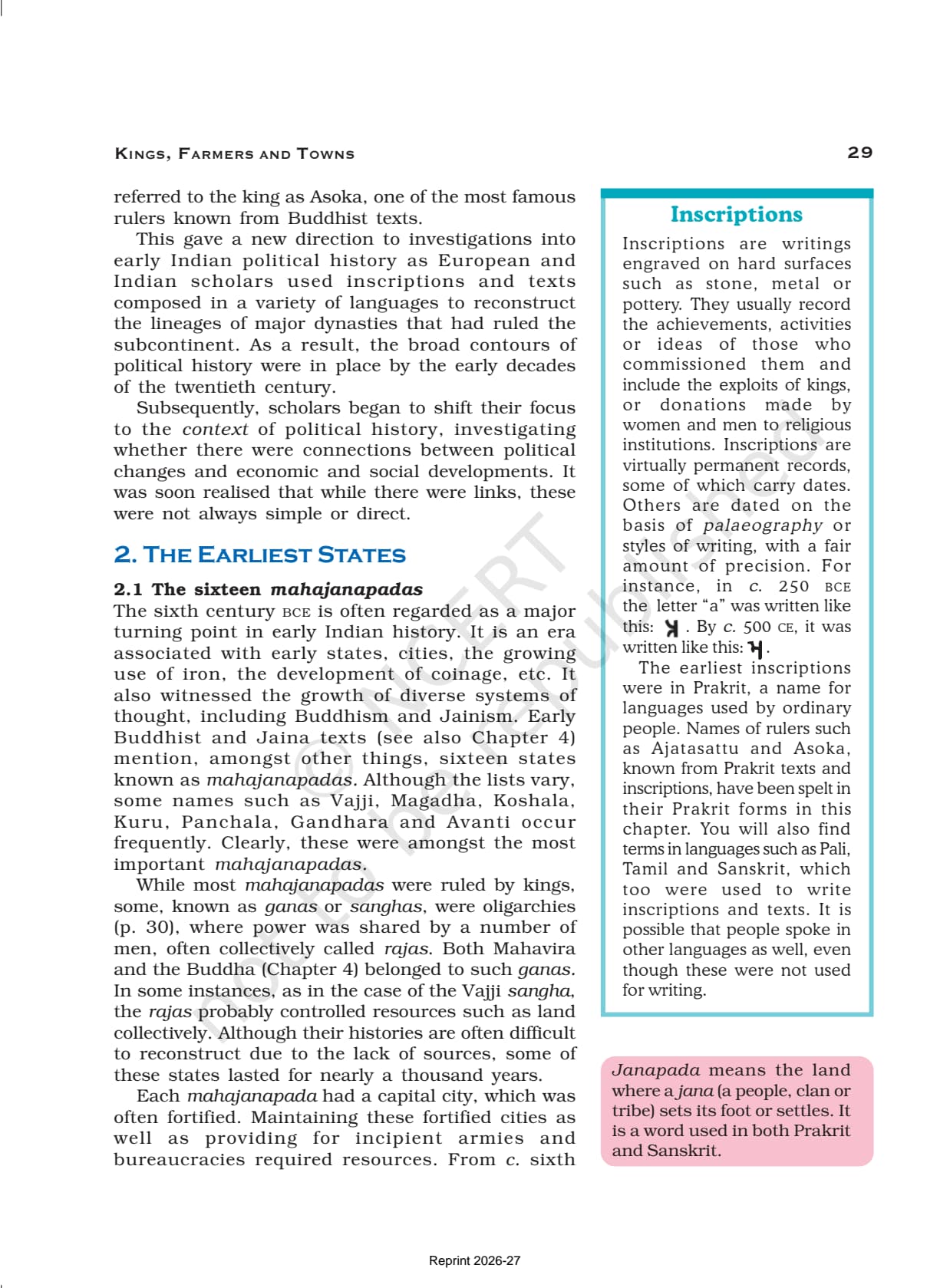
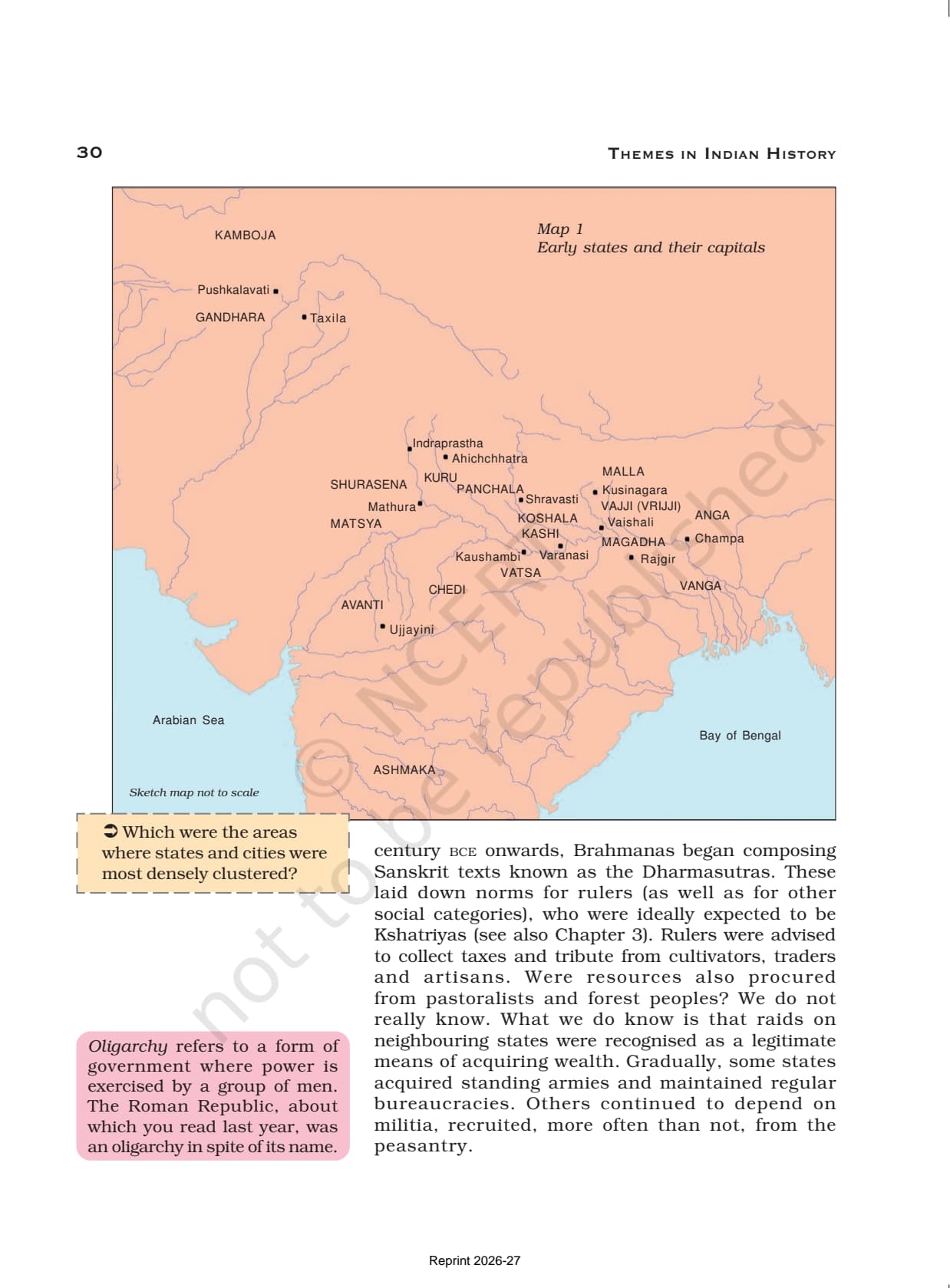
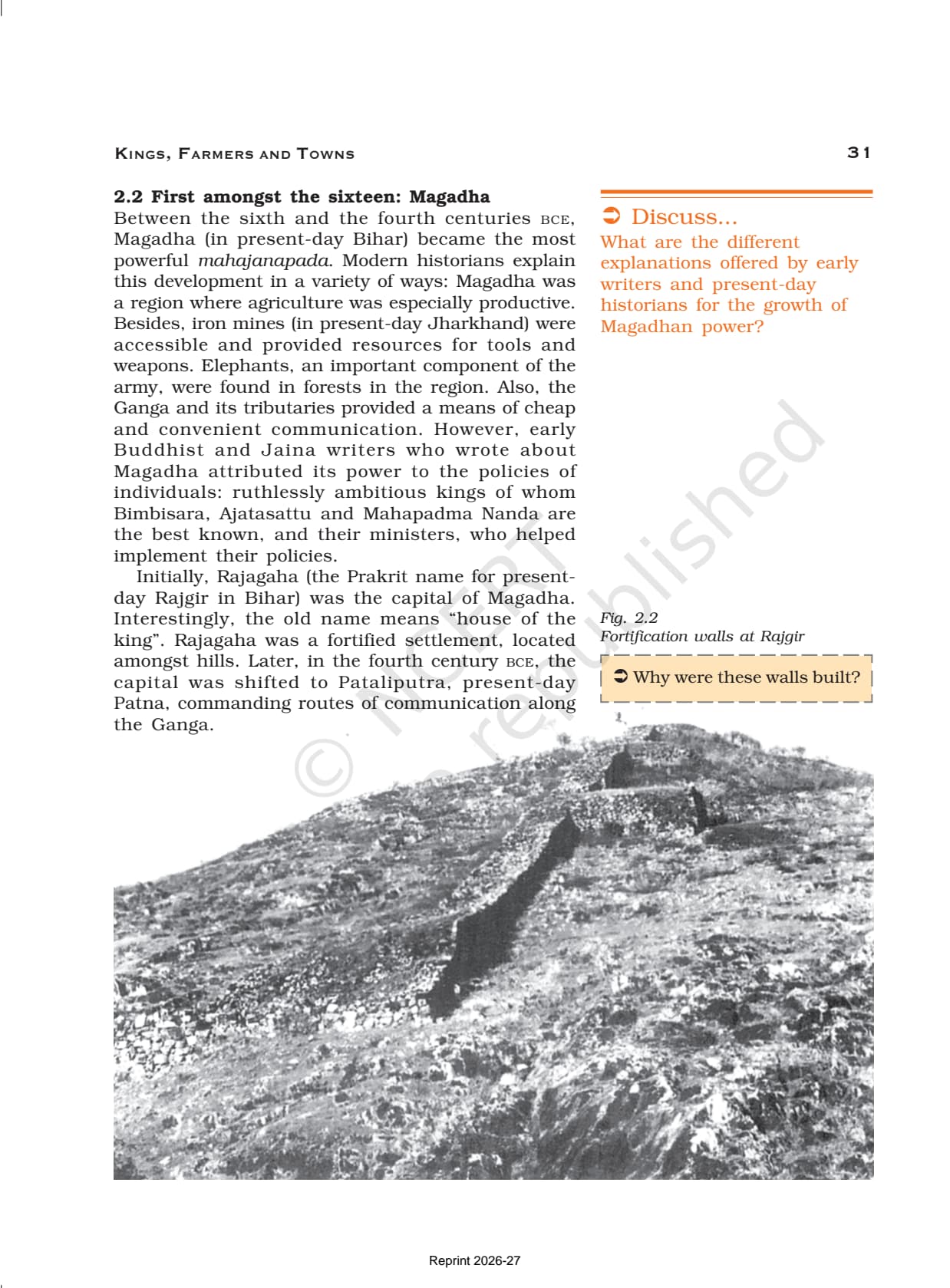
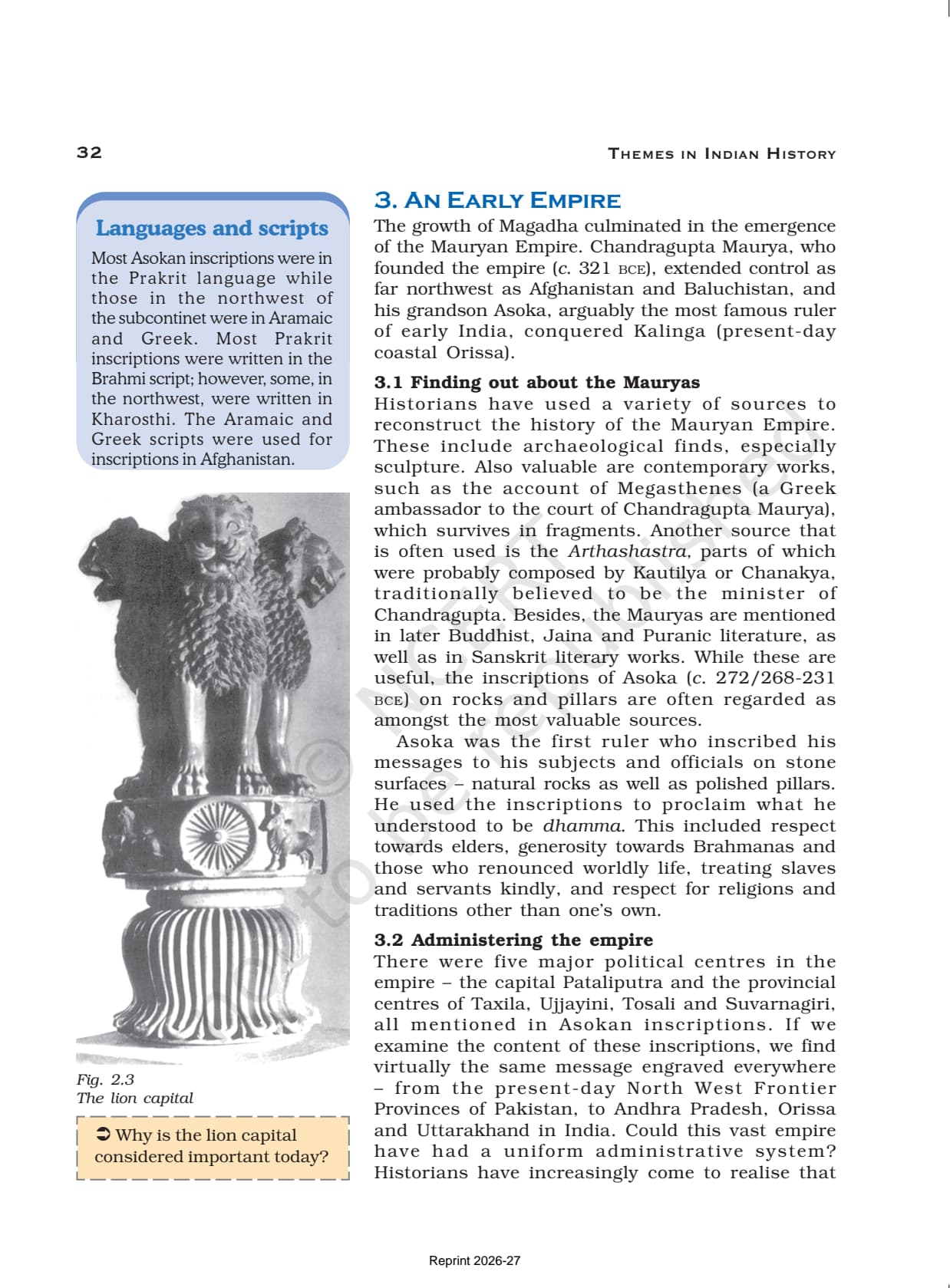
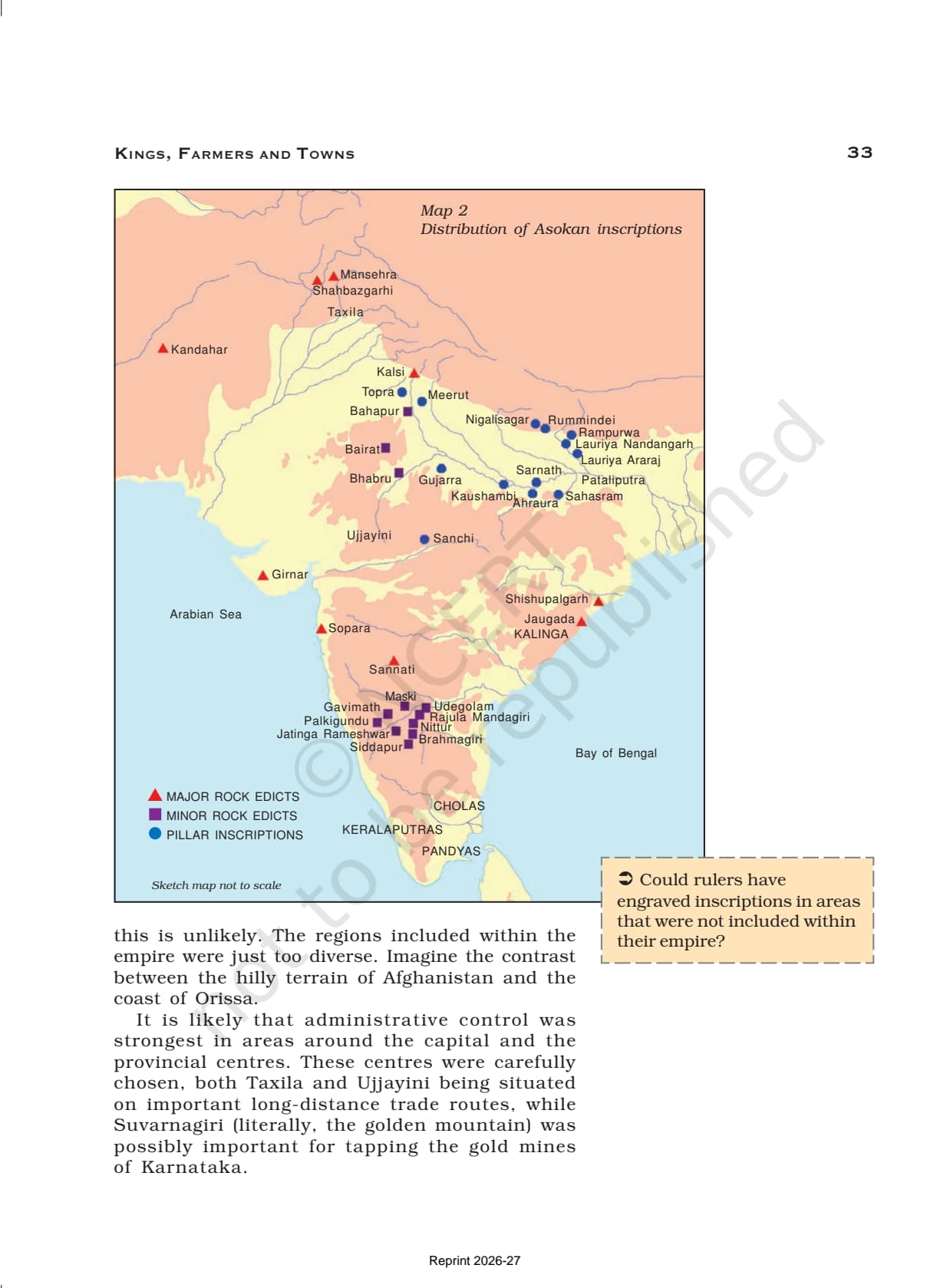
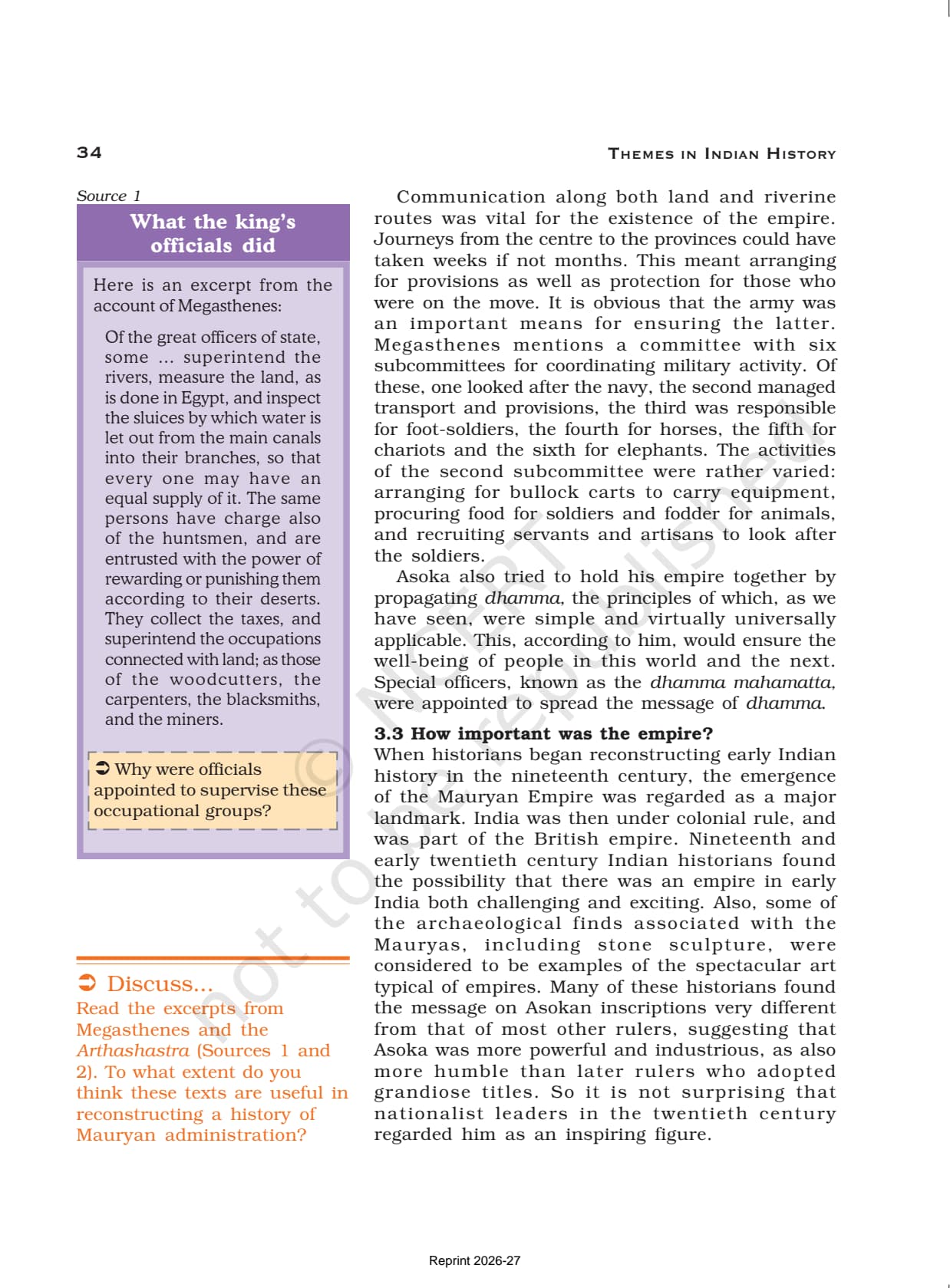
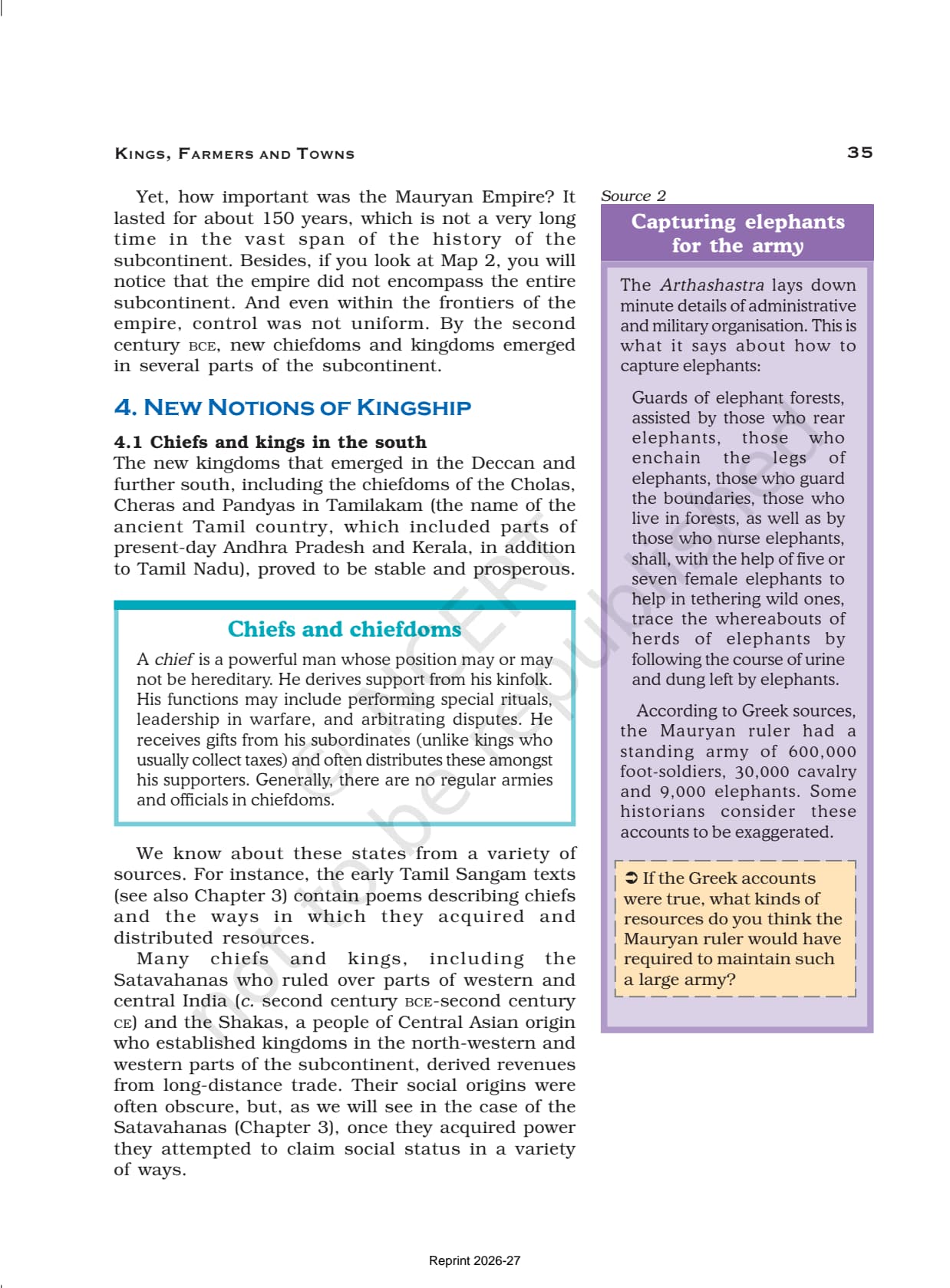
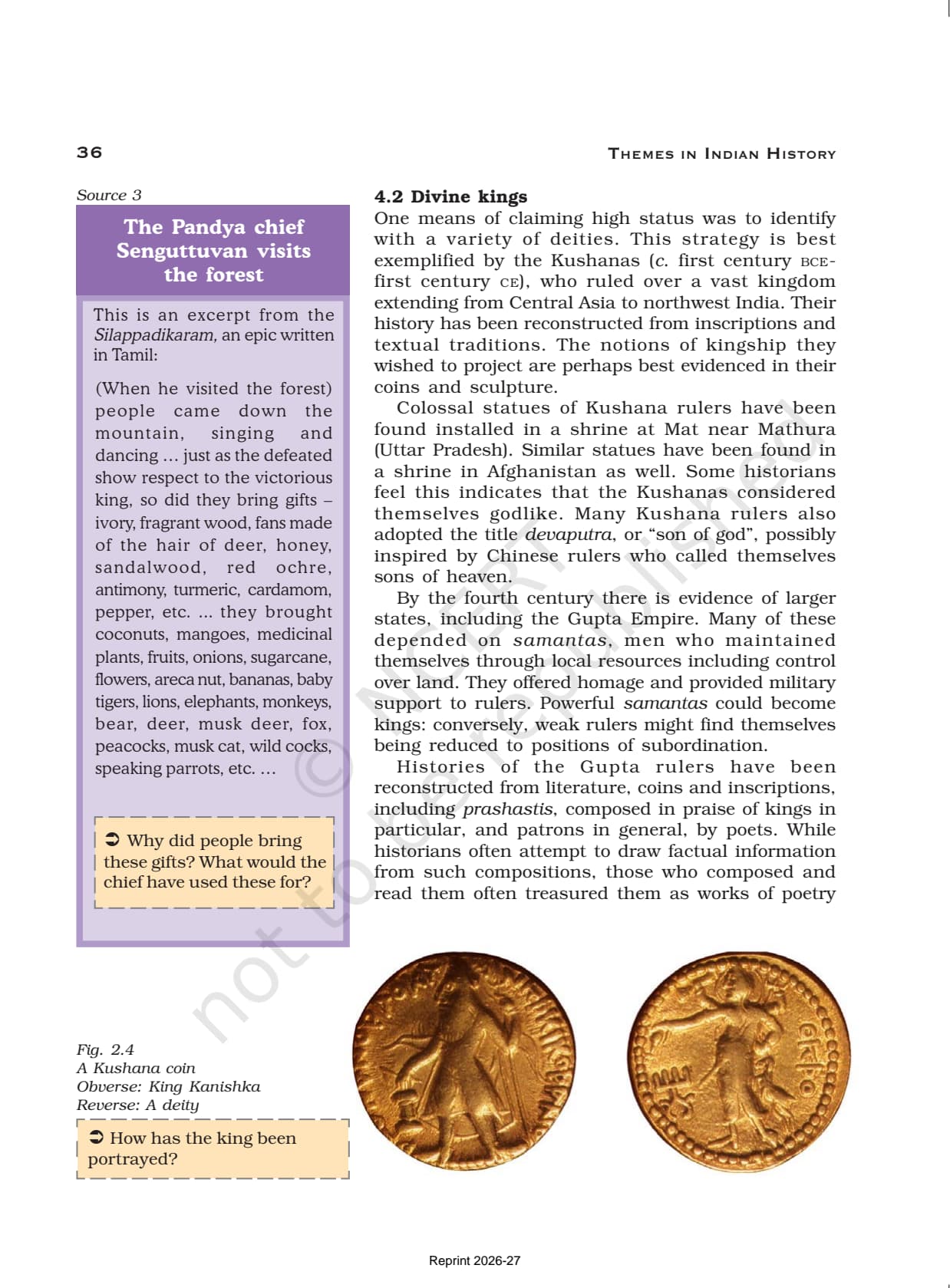
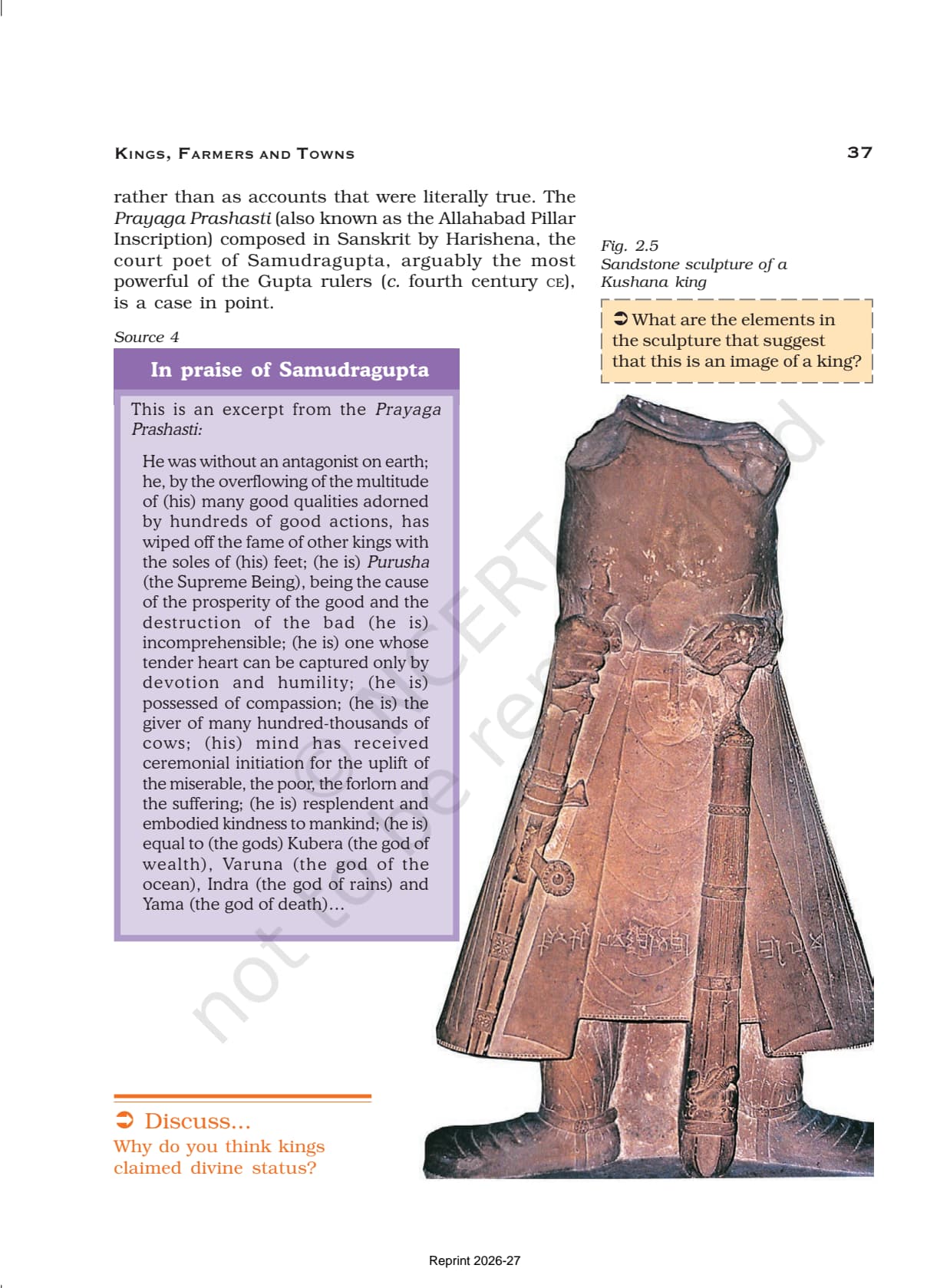
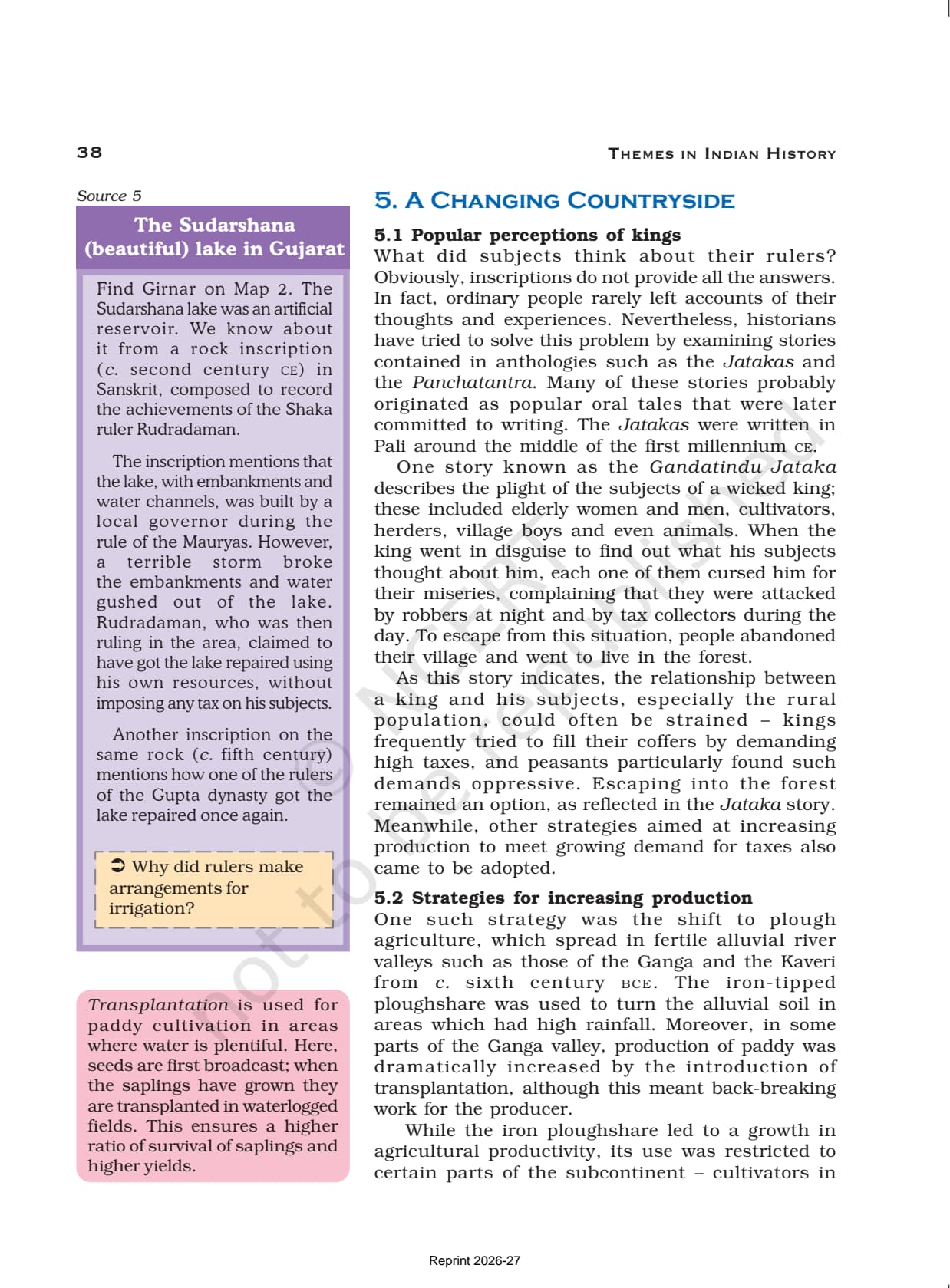
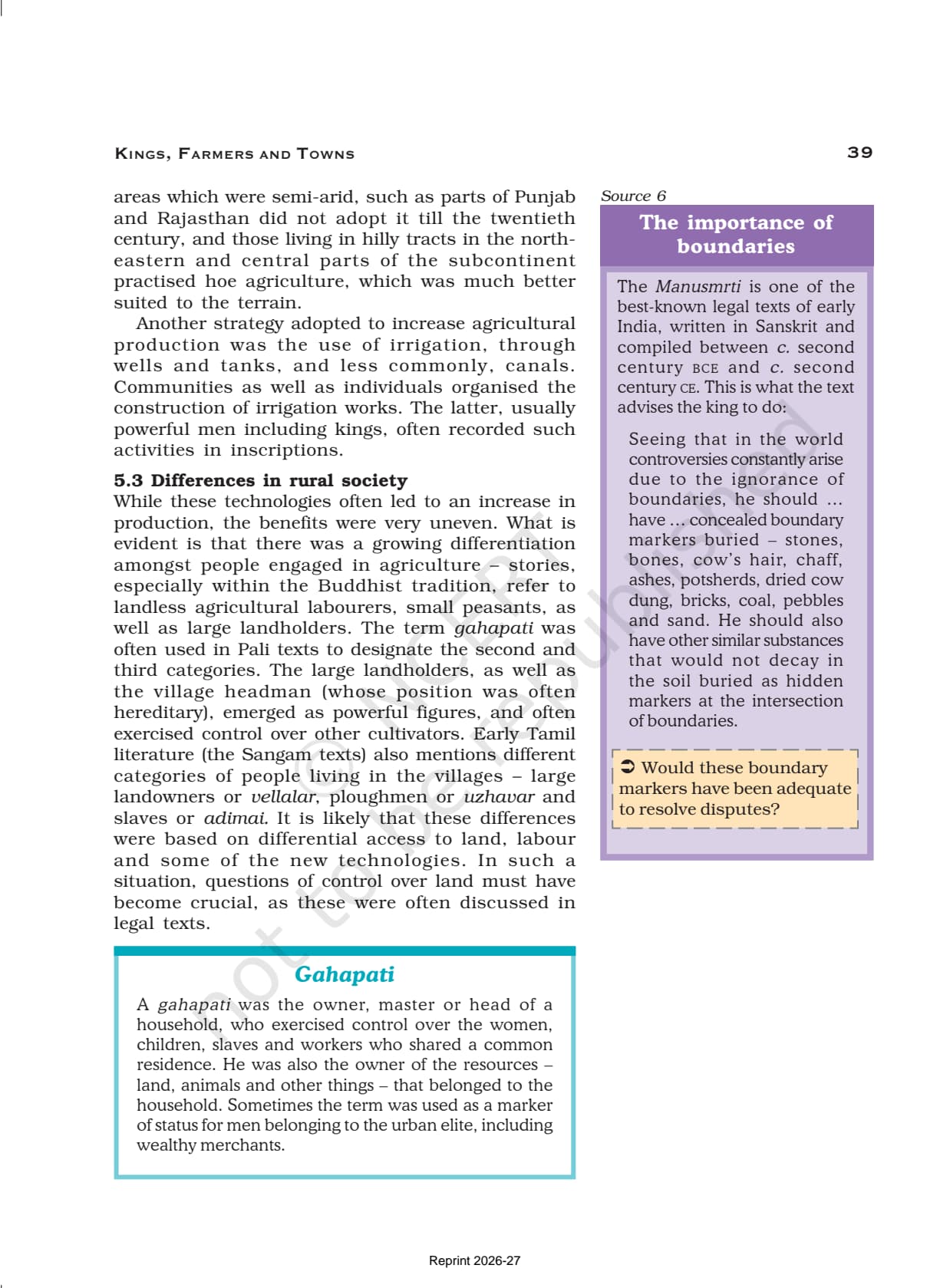
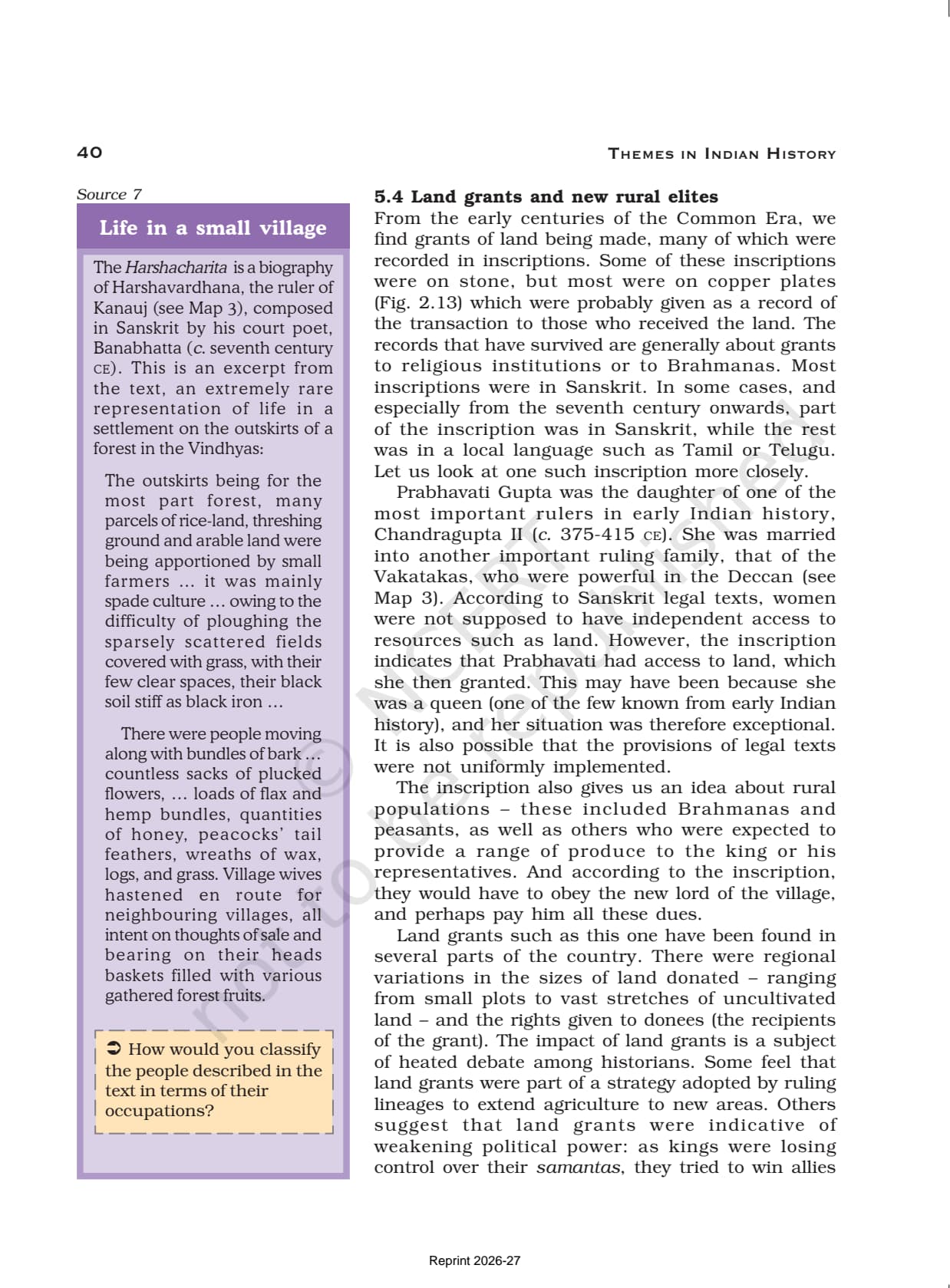
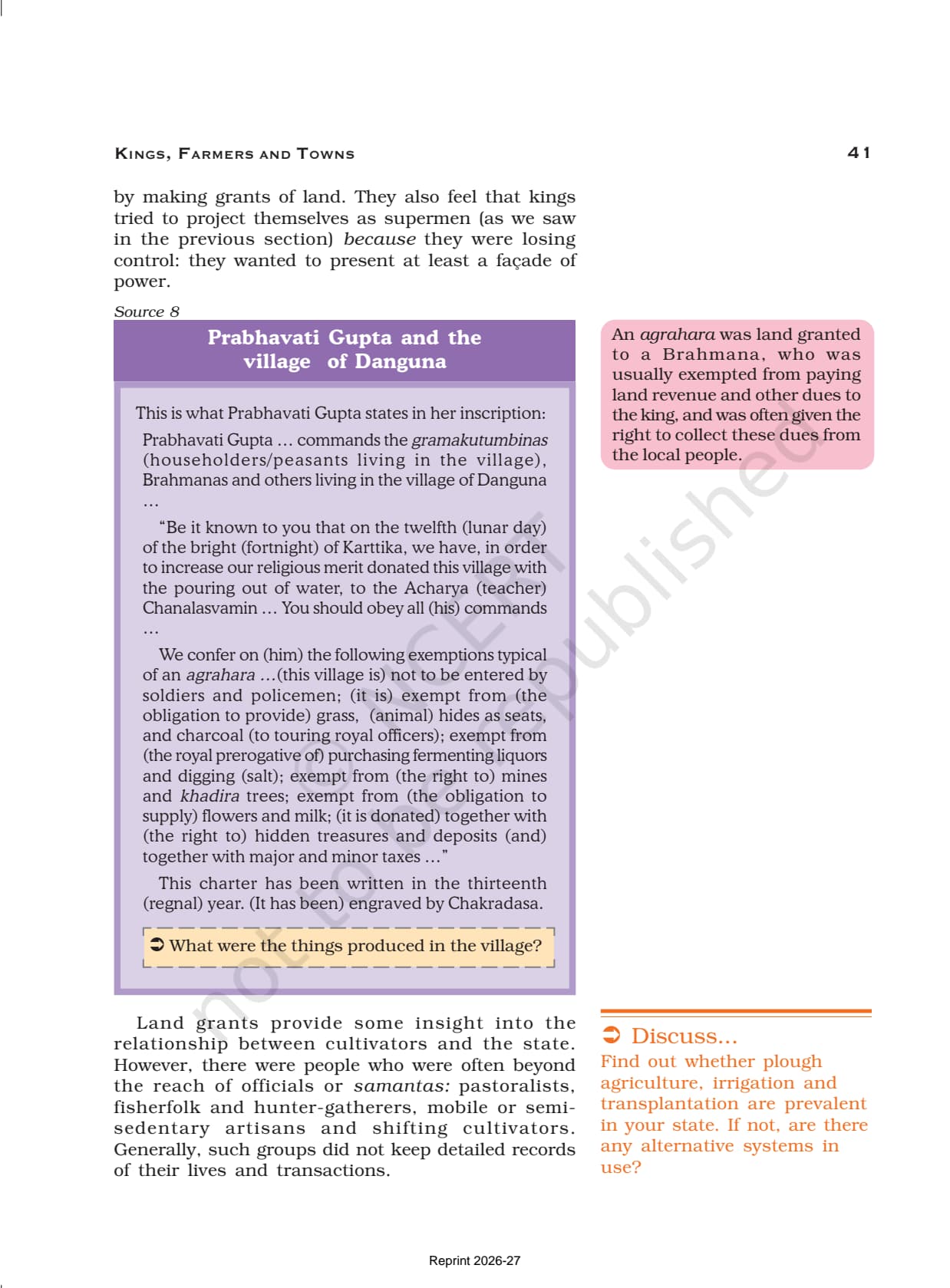
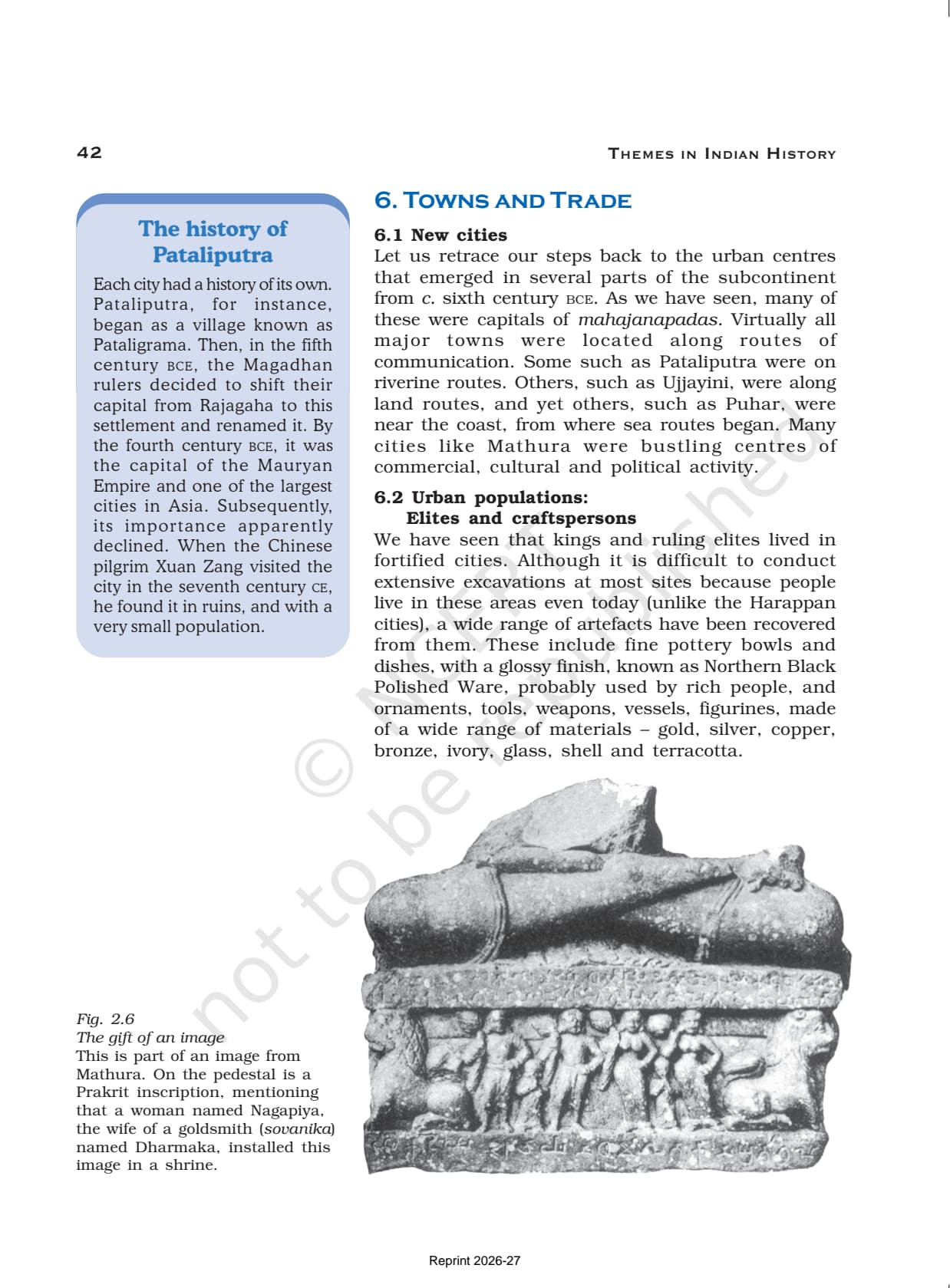
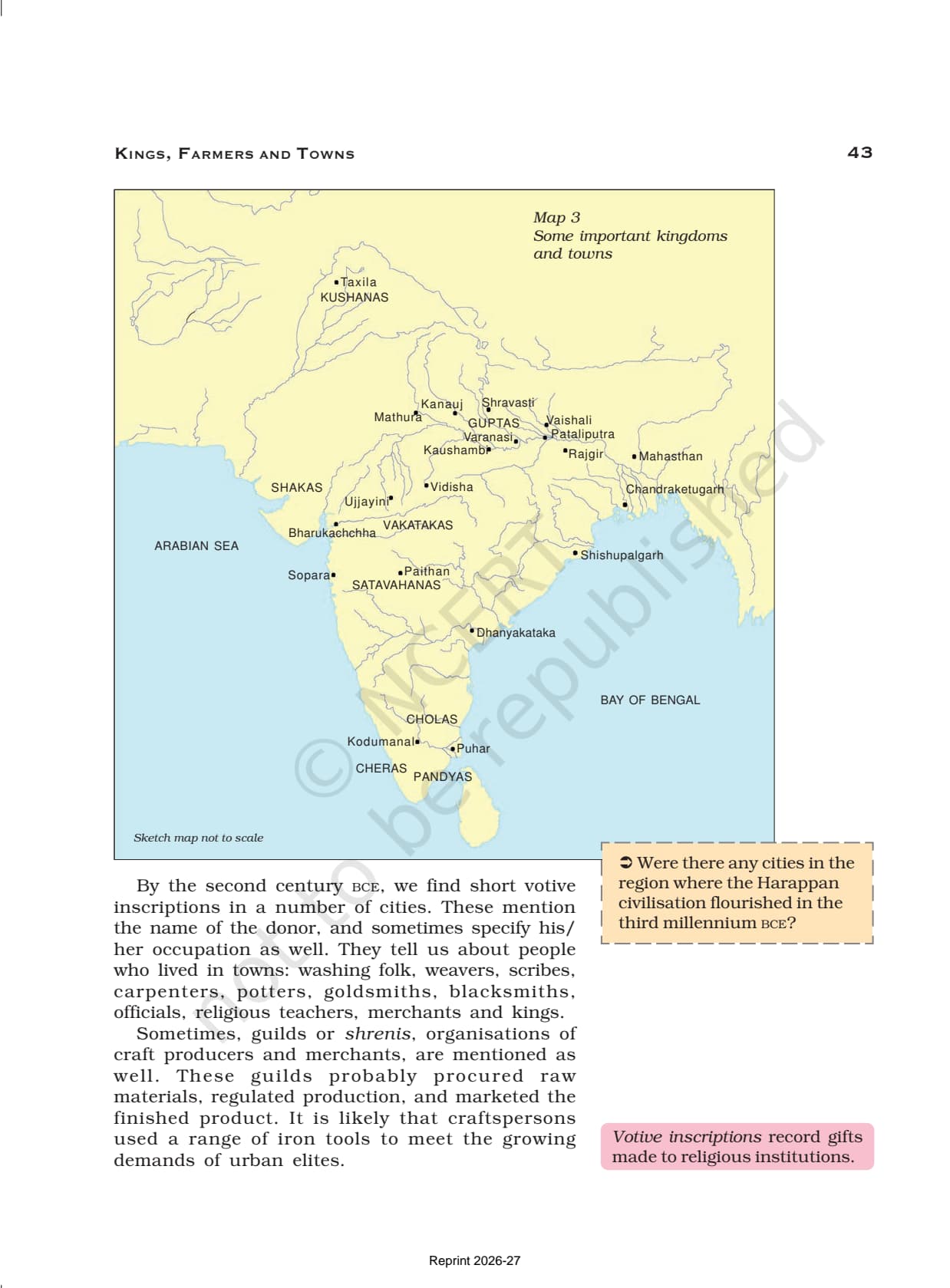
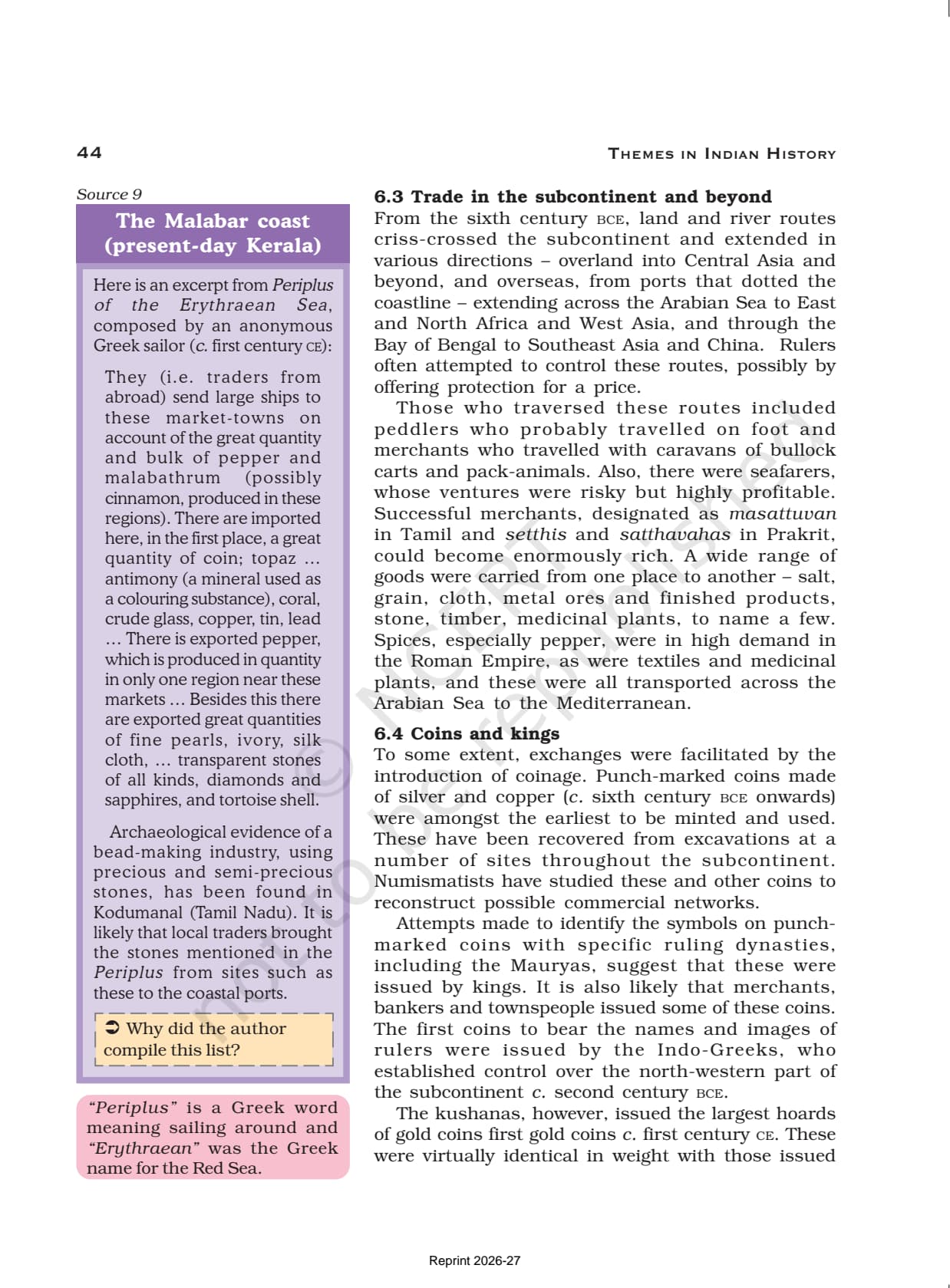
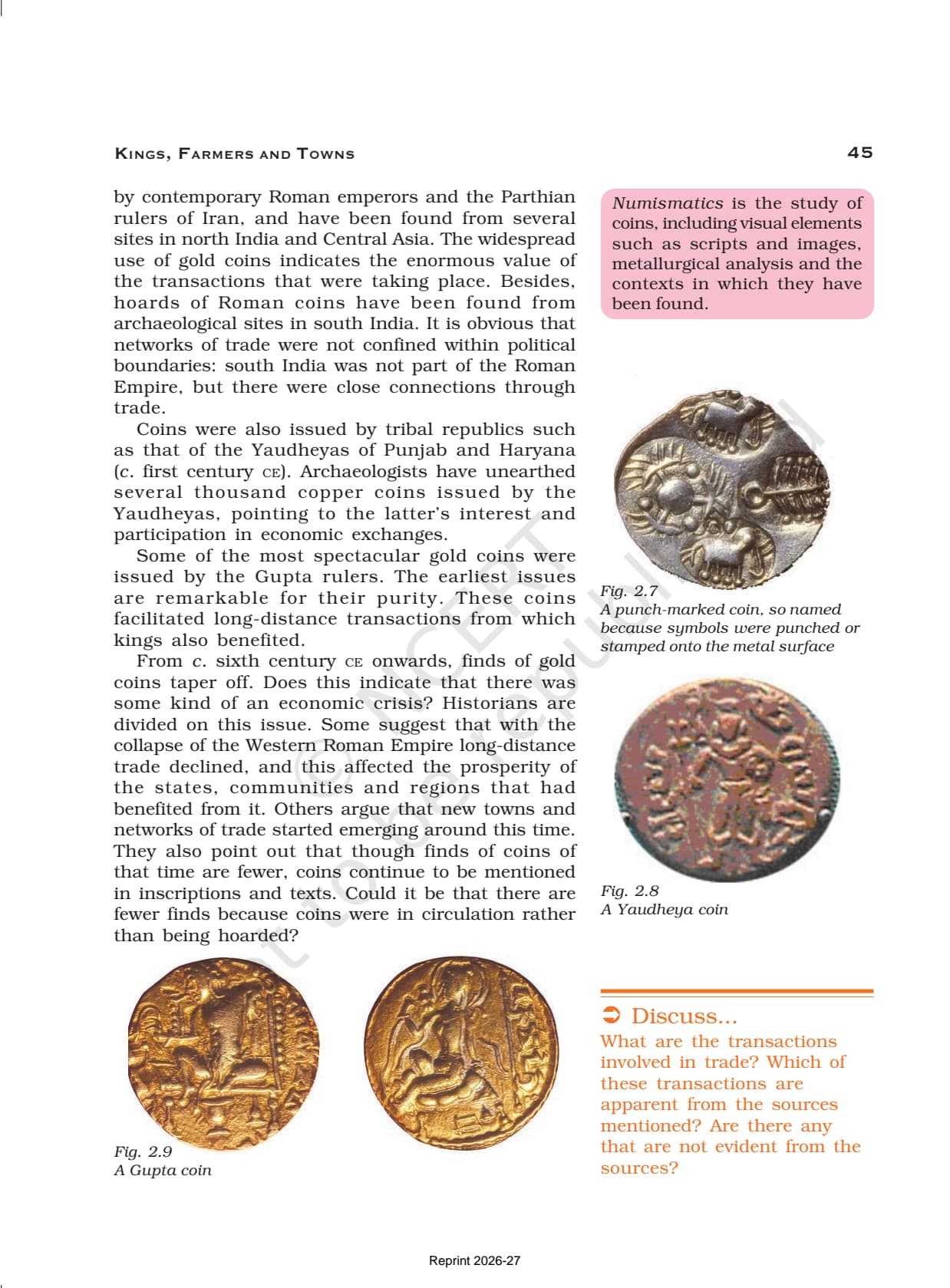
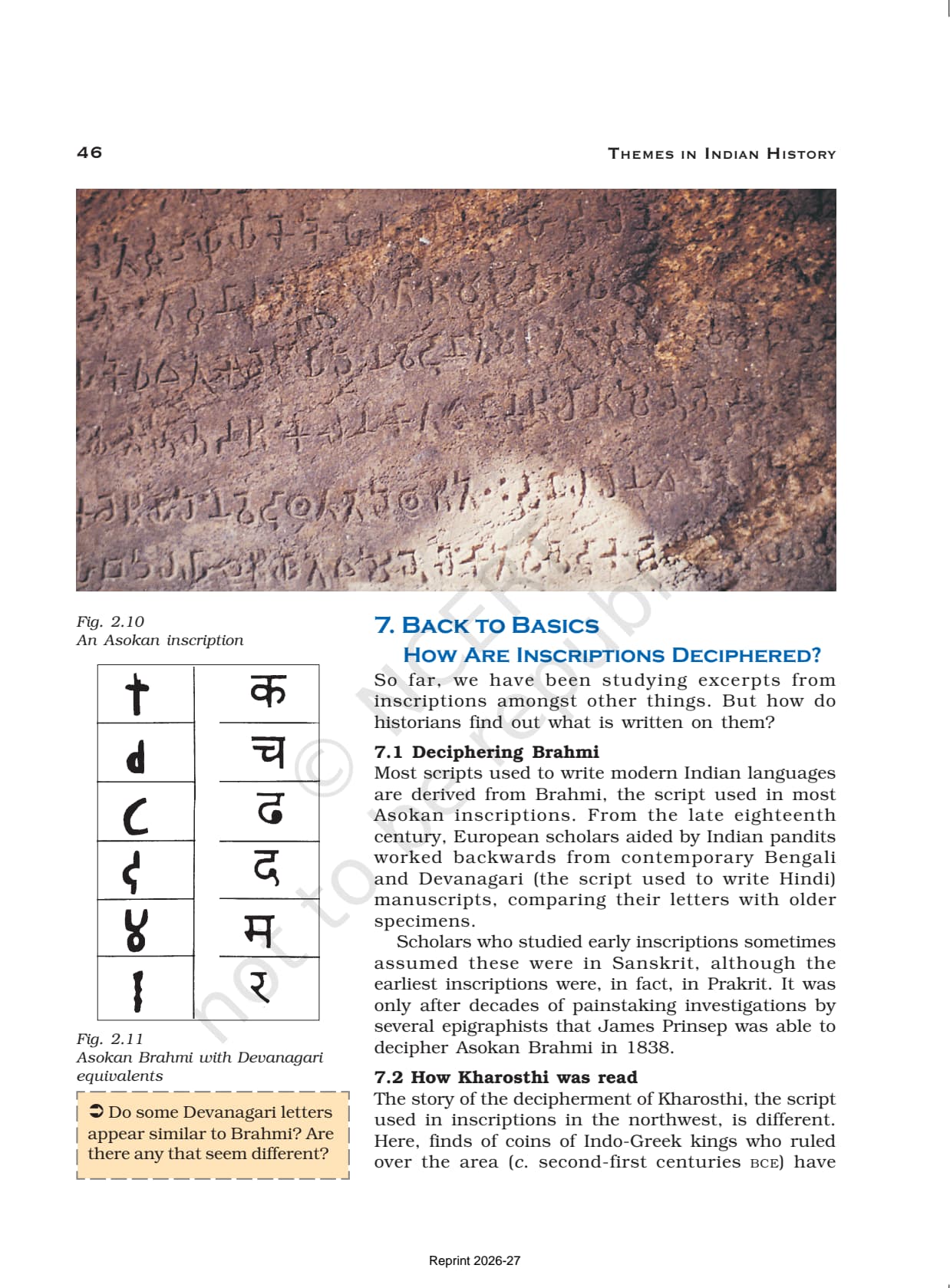
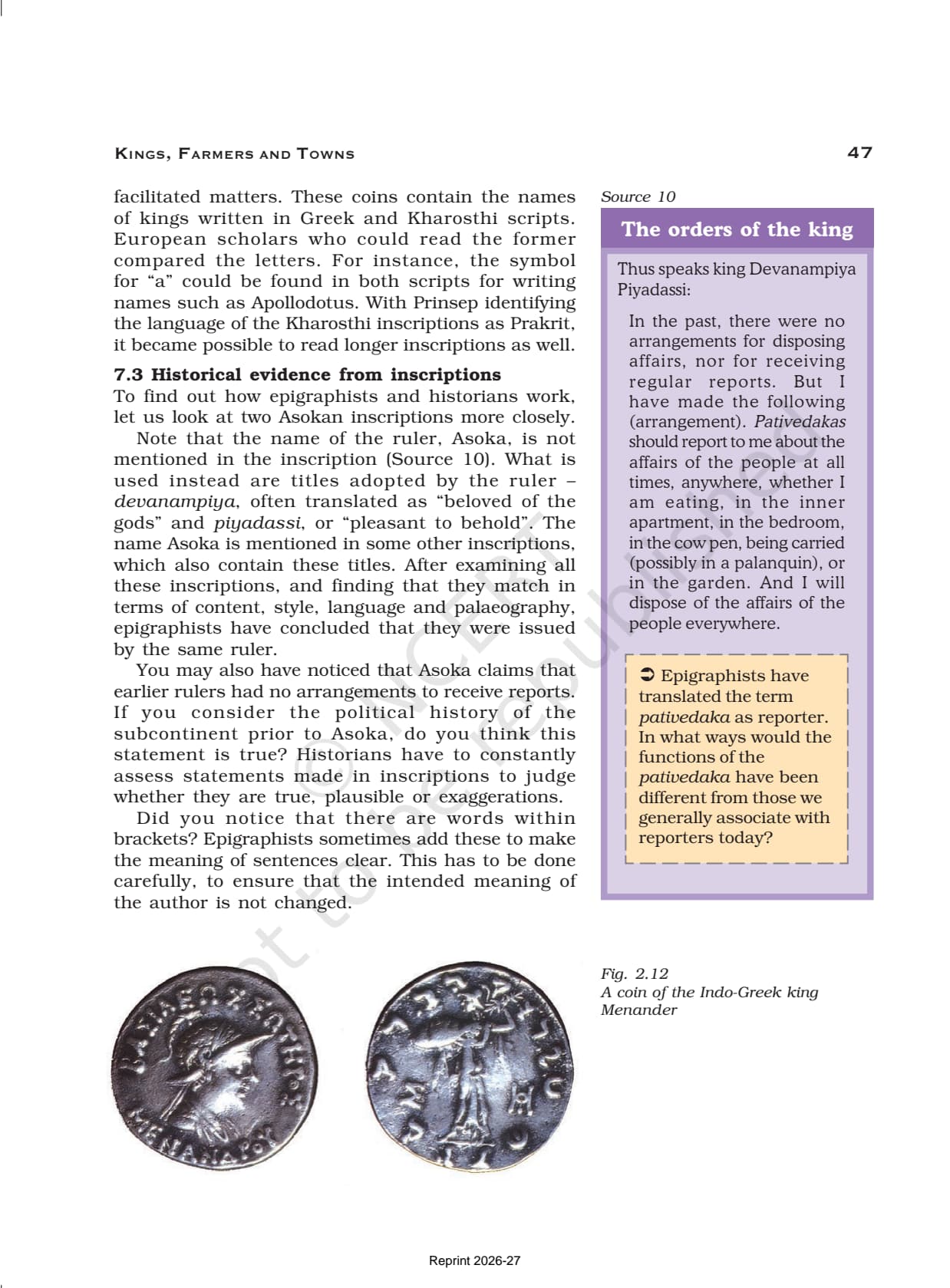
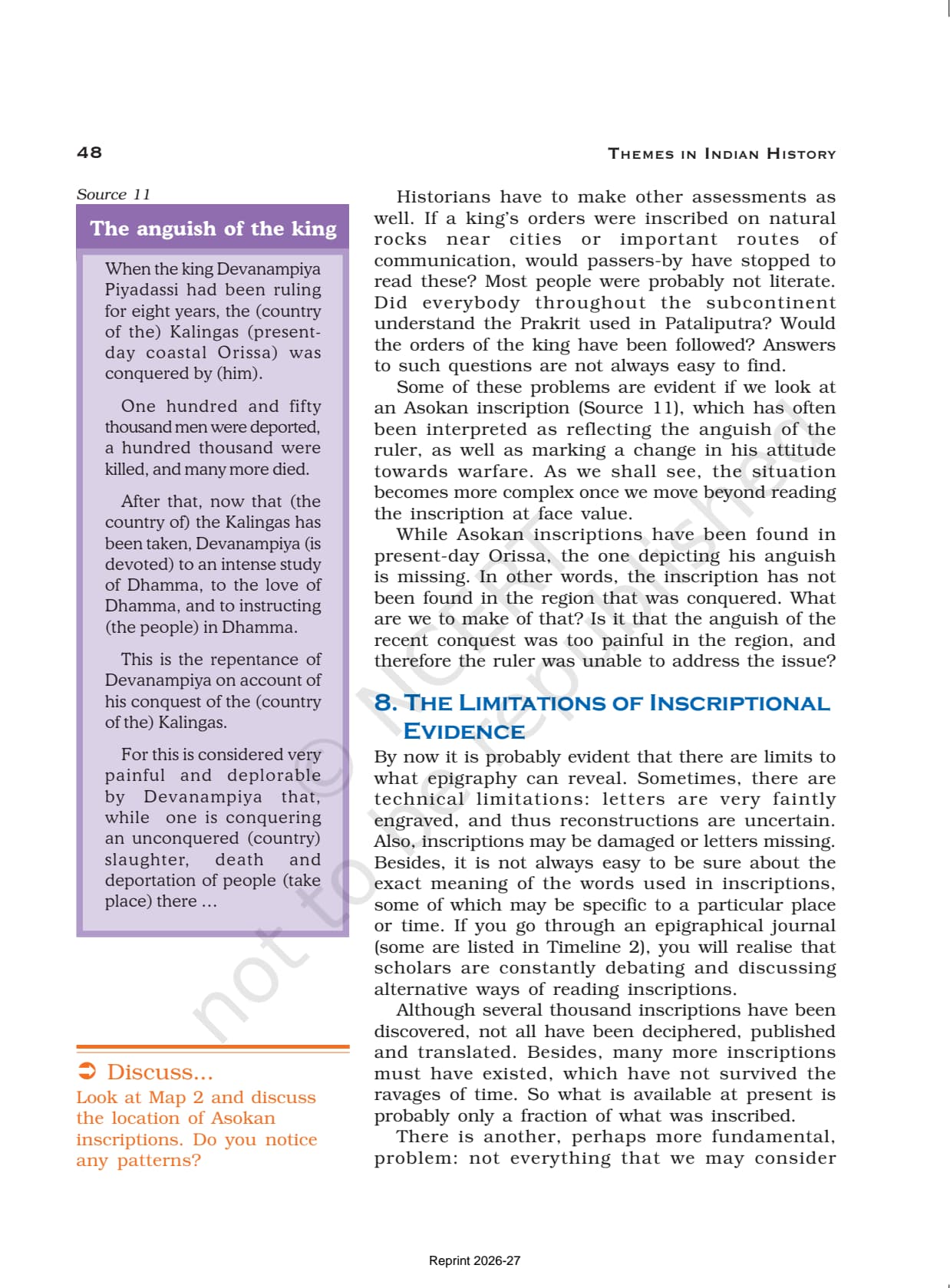
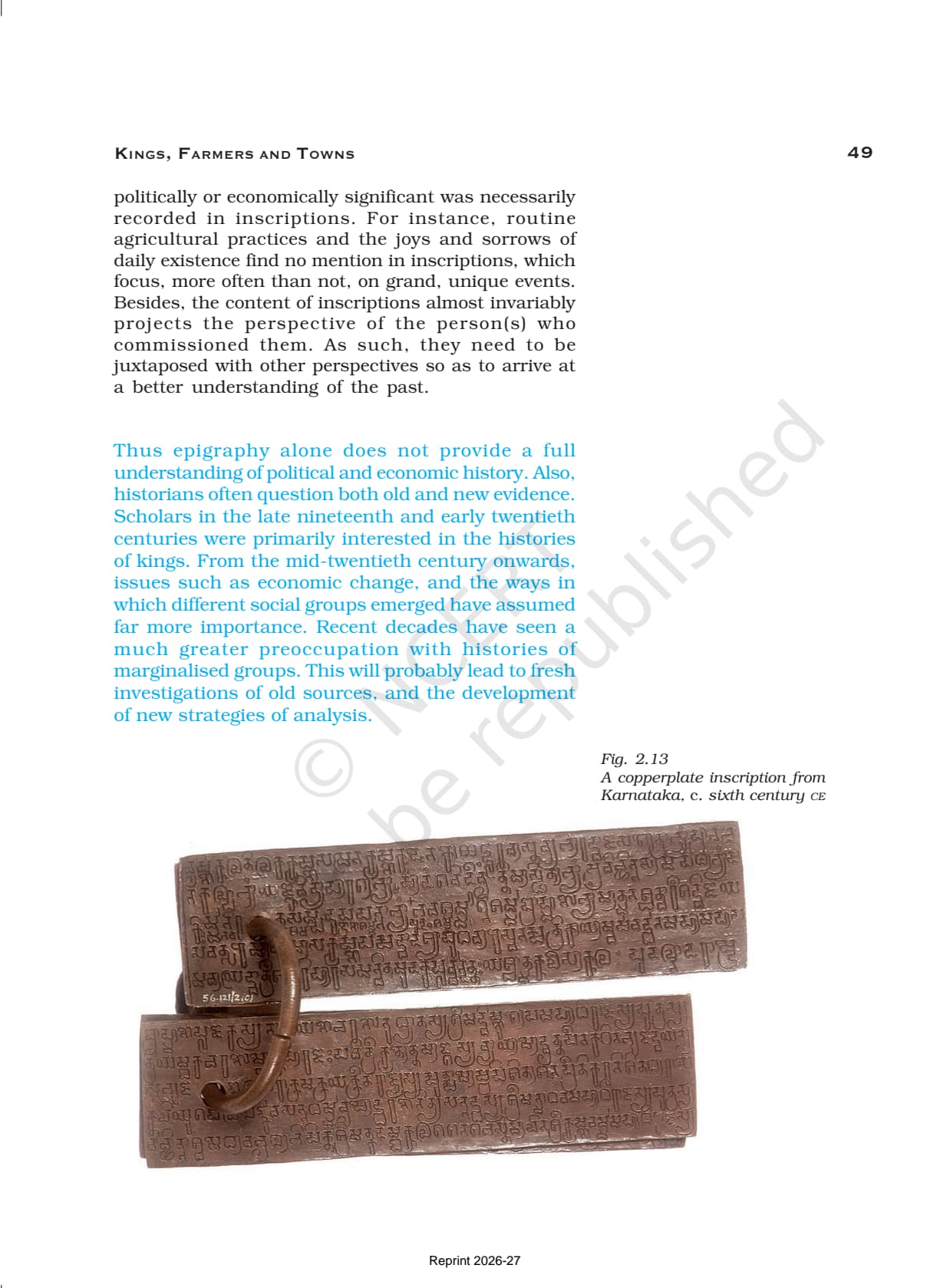
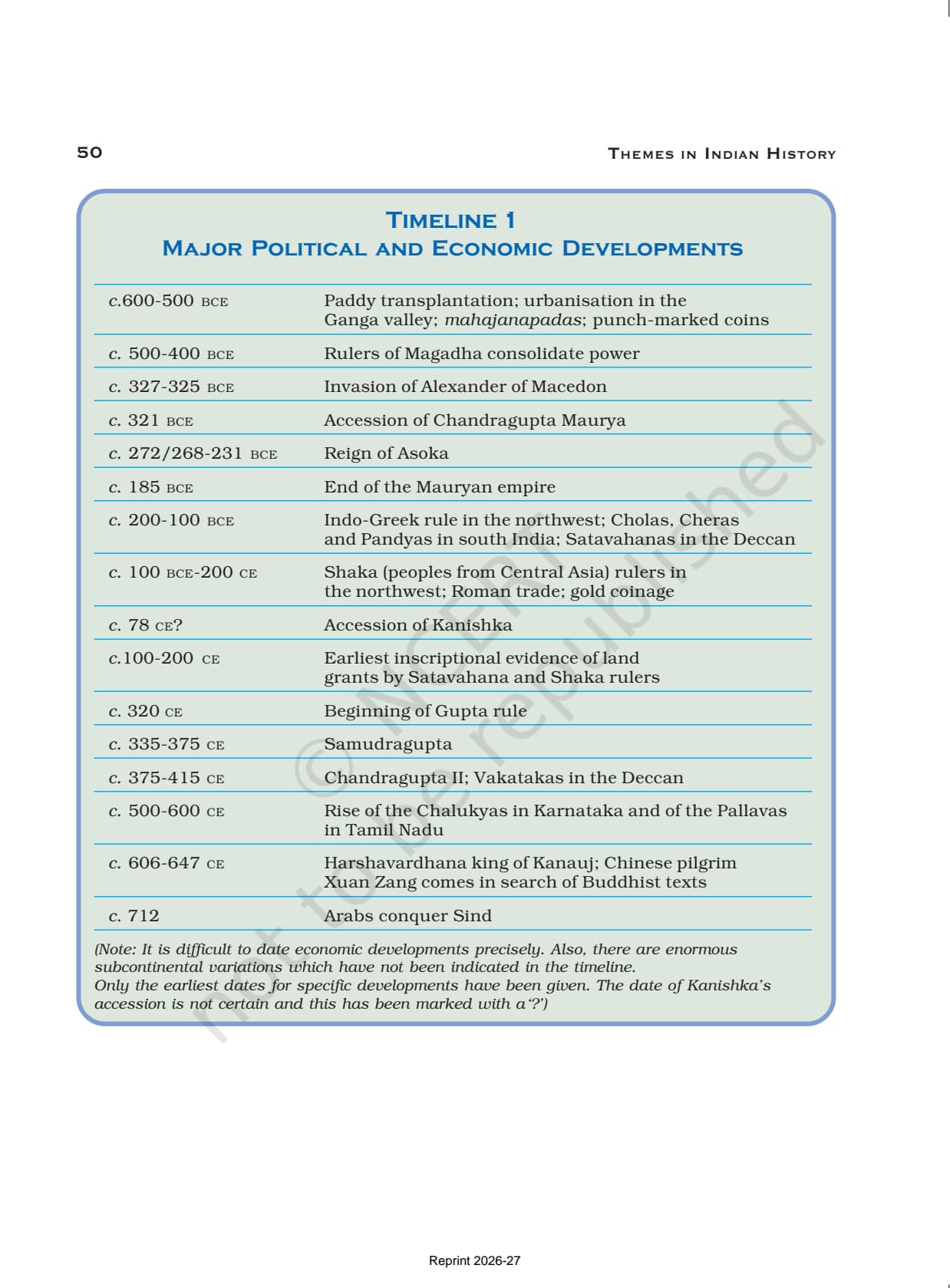
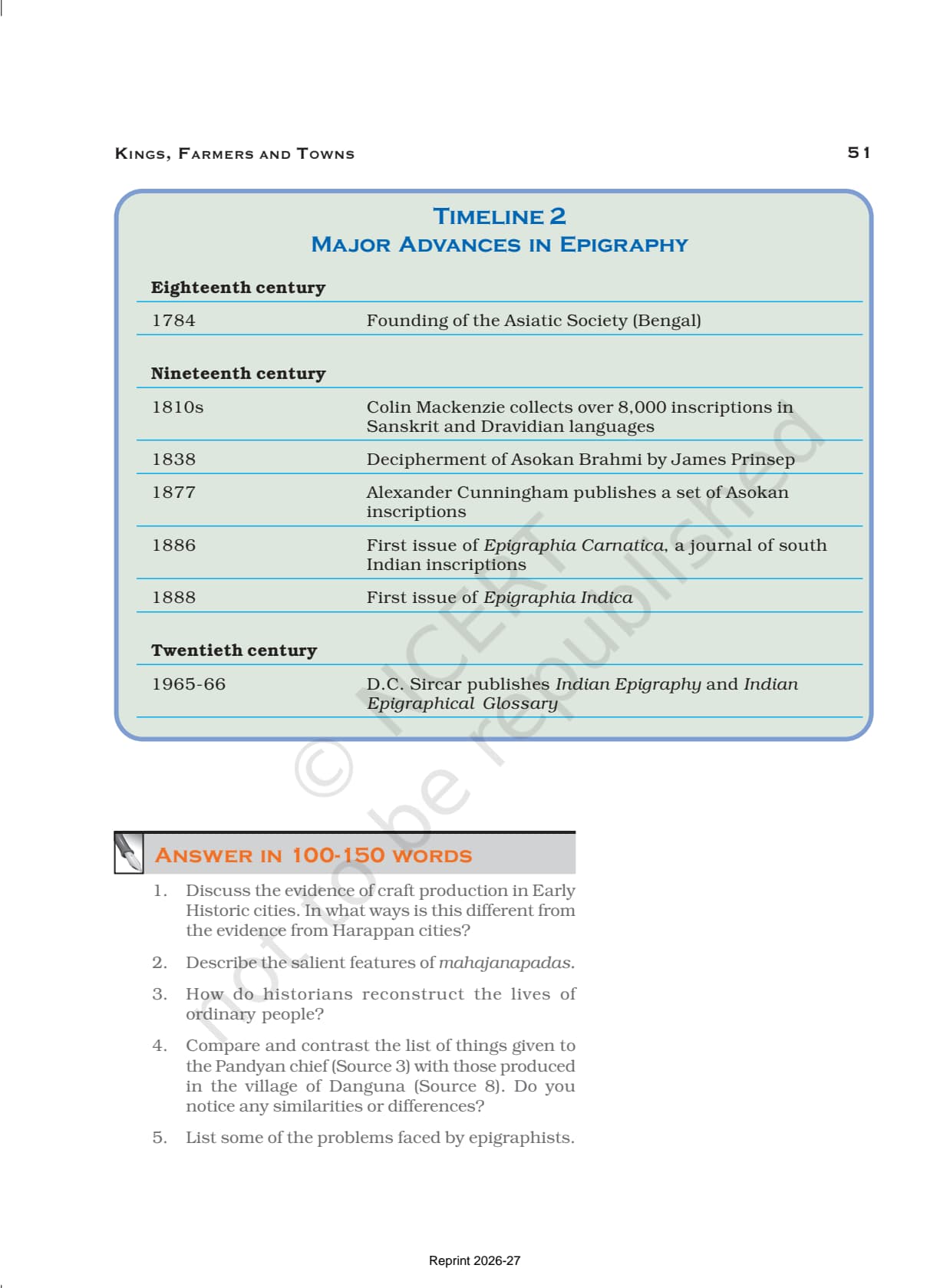
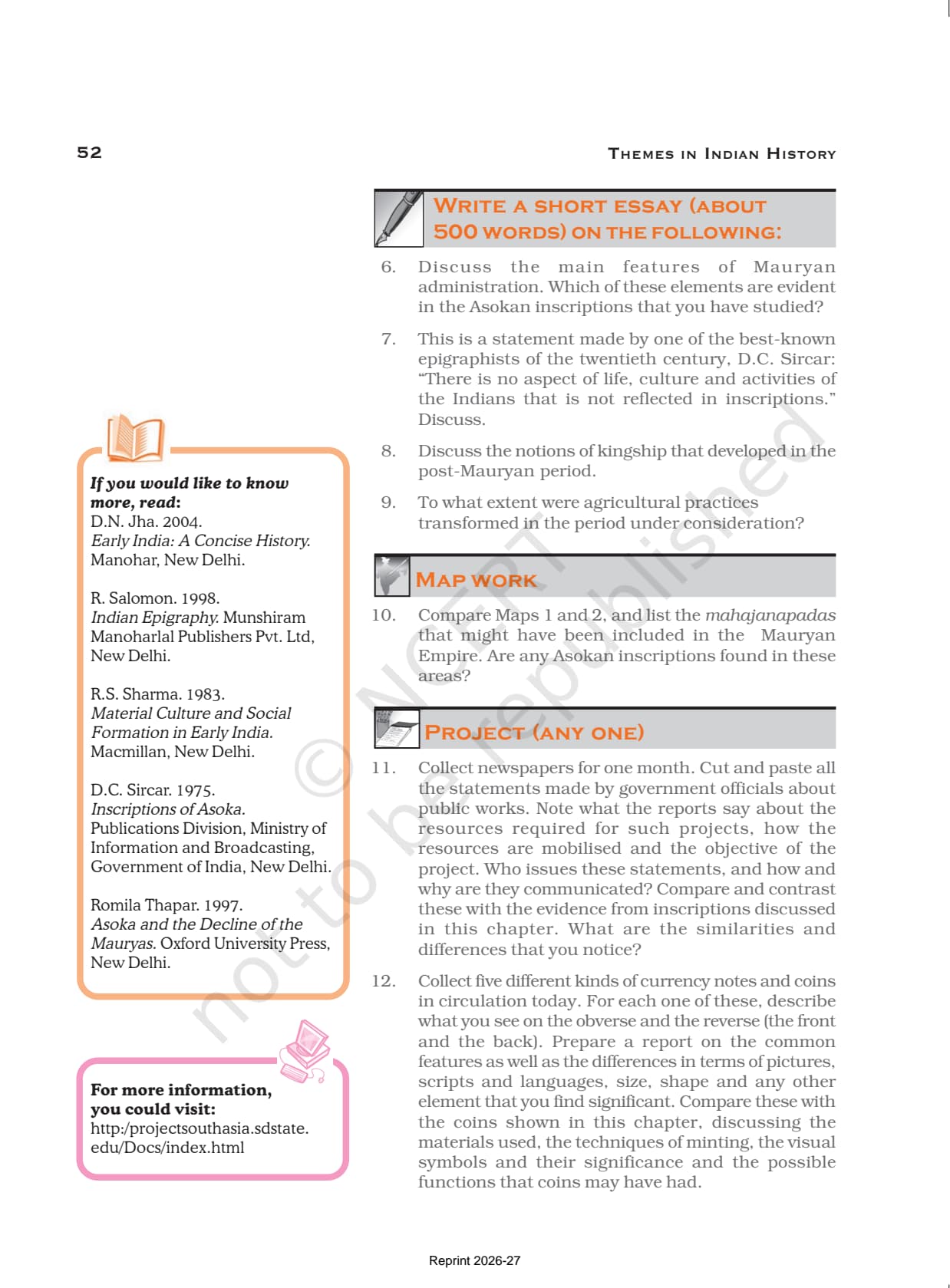
- Official NCERT chapter with the original maps, coin photographs and source extracts.
- This Class 12 History chapter usually carries 6 to 8 marks in the board paper.
- Pairs with the NCERT Solutions, Notes and Handwritten Notes linked lower on this page.
This is the official NCERT Kings, Farmers and Towns chapter from Themes in Indian History Part I, offered for free download in the 2026-27 edition.
Student Feedback: In a Collegedunia poll of 7,620 Class 12 History students before the 2026 boards, 67% of students said they kept the official NCERT chapter PDF open while solving source-based questions, because the answers come straight from the chapter's own Asokan edicts, prashastis and coin images.
Source: 2026-27 Class 12 History student poll. Sample of 7,620 students from CBSE schools across 12 states.
What the Kings, Farmers and Towns NCERT Chapter Covers
Kings, Farmers and Towns is the second chapter of Themes in Indian History Part I. It studies early states and economies from about 600 BCE to 600 CE. Unlike the Harappan chapter, this period has written records, so the NCERT builds its story from inscriptions, coins and texts read together.
The three words in the title organise the chapter's themes:
- Kings introduce the mahajanapadas, the Mauryan Empire and post-Mauryan kingship.
- Farmers introduce plough farming, irrigation and growing rural differences.
- Towns introduce cities, crafts, coins and long-distance trade.
The chapter also explains how epigraphists read inscriptions and what their limits are. Reading the original NCERT text matters because the source extracts and captions in the class 12 history chapter 2 pdf are exactly what CBSE quotes in source-based questions. A student who knows the chapter's own examples, like the Prayaga Prashasti or the Asokan edicts, can answer those passages with confidence.
Chapter Highlights and Important Figures
The NCERT chapter is rich with coin images, inscriptions and maps that the exam often refers to. Knowing what each figure shows helps students answer "look at the source" questions quickly. The table below lists the highlights students should study in the original chapter PDF.
| Highlight | Why it matters |
|---|---|
| Asokan inscriptions | The main written source; they name the five centres and proclaim dhamma. |
| The lion capital | The famous Mauryan sculpture from Sarnath, now the State Emblem of India. |
| Kushana coins | High-value gold coins that show the ruler in a god-like manner. |
| The Prayaga Prashasti | Harishena's eulogy of Samudragupta, used to discuss notions of kingship. |
| Maps of mahajanapadas | Source maps used to compare states and the spread of the Mauryan Empire. |
The chapter also explains punch-marked coins and the guilds, or shrenis, that organised crafts. One point students should mark while reading is that historians read inscriptions, coins and texts together, and against the grain, to recover ordinary lives. That single idea from the chapter is the heart of the reconstruction answer, and it appears almost every year.
States, Farming, Crafts and Trade in the Chapter
The chapter devotes whole sections to states, what farmers grew and what towns made. These sections feed the short and long answers, so reading them in the original NCERT helps students quote the right examples. The lists below show what the chapter covers under kings, farmers and towns.
- Kings: sixteen mahajanapadas, the rise of Magadha, and the Mauryan Empire founded by Chandragupta around 321 BCE.
- Farmers: the iron ploughshare, transplantation of paddy, and irrigation by wells, tanks and canals.
- Towns and crafts: Early Historic cities, NBPW pottery, and guilds called shrenis named in votive inscriptions.
- Trade and coins: punch-marked silver coins, later Kushana gold and Roman coins that show long-distance trade.
The chapter explains that agricultural change was real but uneven, and it widened differences between large landholders, small peasants and landless labourers. It also covers the army committees and land officials described by Megasthenes, and Asoka's dhamma mahamattas from the edicts. Because these examples are drawn straight from the source chapter, the chapter 2 history class 12 ncert book is the most reliable place to learn them.
How Historians Reconstruct the Early Indian Past
The closing sections of the chapter are the most thoughtful, and they are also the hardest to answer well. NCERT explains how scholars use inscriptions, coins and texts when ordinary people left few records. Reading these pages in the original chapter helps students write balanced answers.
- Reading inscriptions: epigraphists decipher edicts and grants, but face faint letters, lost records and bias.
- Notions of kingship: the chapter gives the Kushana devaputra title and the Gupta prashastis.
- Ordinary lives: read from Jataka and Panchatantra stories, people named in passing, and archaeology.
- The Sircar debate: the chapter weighs whether inscriptions truly reflect every aspect of Indian life.
The chapter is honest that inscriptions reflect a great deal, but not everything, and they usually favour the powerful. It ends by noting that historians now read sources against the grain to recover marginalised groups. Reading these closing pages in the official PDF gives students the wording NCERT itself uses, which scores best in the board paper.
How to Download and Use the NCERT Chapter PDF
The chapter PDF is free and easy to use on any device. Students can save it for offline reading and pair it with the solutions and notes. The steps below show how to get the most out of the kings farmers and towns pdf during revision.
- Download: tap the download card above to save the official Chapter 2 PDF to your device.
- First read: read the chapter once end to end, marking the figures, coins and source extracts.
- Source practice: keep the PDF open while attempting source-based questions, since the passages come from it.
- Revision: use the chapter alongside the notes to fix dates, capitals and key terms.
Many students search for the class 12 history chapter 2 pdf the night before a test so they can revise offline. A saved copy means the source extracts and figures are always at hand. After reading the chapter, move to the solutions to check that your answers match the model points, then use the notes for a final quick recall.
How the Book PDF Pairs with the Solutions and Notes
The NCERT Book PDF is the source text. To prepare fully, students should use it with the other resources for the same chapter, all linked in the table below. Read the chapter, fix the ideas with the notes, then test yourself with the solutions.
| Resource | Best used for |
|---|---|
| Kings, Farmers and Towns NCERT Solutions | Step-by-step answers to all 12 back-exercise questions |
| Kings, Farmers and Towns Class 12 Notes | Quick chapter summary with all dates and key terms in one place |
| Kings, Farmers and Towns Handwritten Notes | Last-minute, one-shot revision in a scanned notebook style |
Tip: read the chapter PDF first, then attempt the solutions on your own, and only then check the model answers. Reading the source text before the answers builds far stronger source-based skills.
All Class 12 History NCERT Book PDFs by Chapter
The table links the NCERT chapter PDFs for every chapter in Themes in Indian History so students can move across the book in one click. Chapter 2 is highlighted.
| Chapter | NCERT Book PDF |
|---|---|
| Chapter 1 | Bricks, Beads and Bones |
| Chapter 2 | Kings, Farmers and Towns |
| Chapter 3 | Kinship, Caste and Class |
| Chapter 4 | Thinkers, Beliefs and Buildings |
| Chapter 5 | Through the Eyes of Travellers |
| Chapter 6 | Bhakti-Sufi Traditions |
| Chapter 7 | An Imperial Capital Vijayanagara |
| Chapter 8 | Peasants, Zamindars and the State |
| Chapter 9 | Colonialism and the Countryside |
| Chapter 10 | Rebels and the Raj 1857 |
| Chapter 11 | Mahatma Gandhi and the Nationalist Movement |
| Chapter 12 | Framing the Constitution |
FAQs on Kings, Farmers and Towns NCERT Book PDF
Kings, Farmers and Towns Class 12 NCERT Book Common Questions
Ques. Where can I download the Kings, Farmers and Towns NCERT Book PDF?
Ans. You can download the official Kings, Farmers and Towns Class 12 History chapter PDF directly from this page. It is free, follows the 2026-27 NCERT edition, and carries the original text, maps, coins and source extracts of Chapter 2.
Ques. Which book is Kings, Farmers and Towns from?
Ans. It is the second chapter of Themes in Indian History Part I, the Class 12 History textbook. The chapter studies early states and economies through its kings, farmers and towns, that is, its states, farming and cities.
Ques. What does the Kings, Farmers and Towns chapter cover?
Ans. It covers early states and economies from about 600 BCE to 600 CE, including the sixteen mahajanapadas, the rise of Magadha, the Mauryan Empire and its administration, farming and towns, coins and trade, and post-Mauryan notions of kingship.
Ques. Why should I read the original NCERT chapter PDF?
Ans. Because CBSE draws source-based questions straight from the chapter's own edicts, prashastis, coin images and captions. Reading the official chapter 2 history class 12 PDF gives you the exact wording and examples that score best in the board paper.
Ques. How should I use the chapter PDF with the other resources?
Ans. Read the chapter PDF first, fix the ideas with the notes, then test yourself with the solutions. Keeping the PDF open while practising source-based questions helps, since the passages come directly from it.



Comments