




The ncert class 12 history book pdf chapter 11 Mahatma Gandhi and the Nationalist Movement is the official NCERT chapter on Gandhiji's freedom struggle from Themes in Indian History Part III. This page lets students download the original Chapter 11 text and figures for the 2026-27 CBSE syllabus. Reading the source chapter is the best way to learn the exact wording and examples that CBSE quotes in source-based questions.
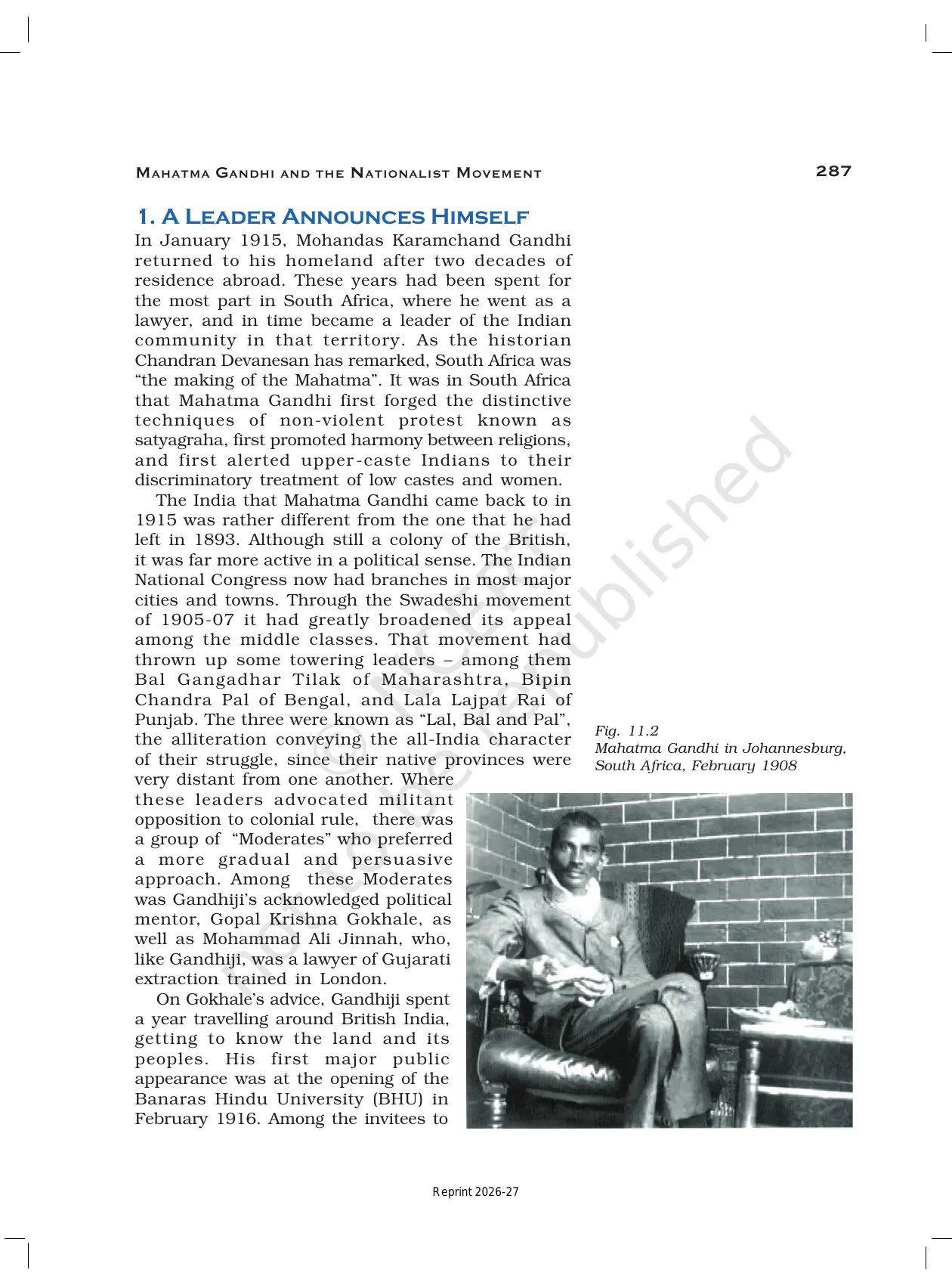
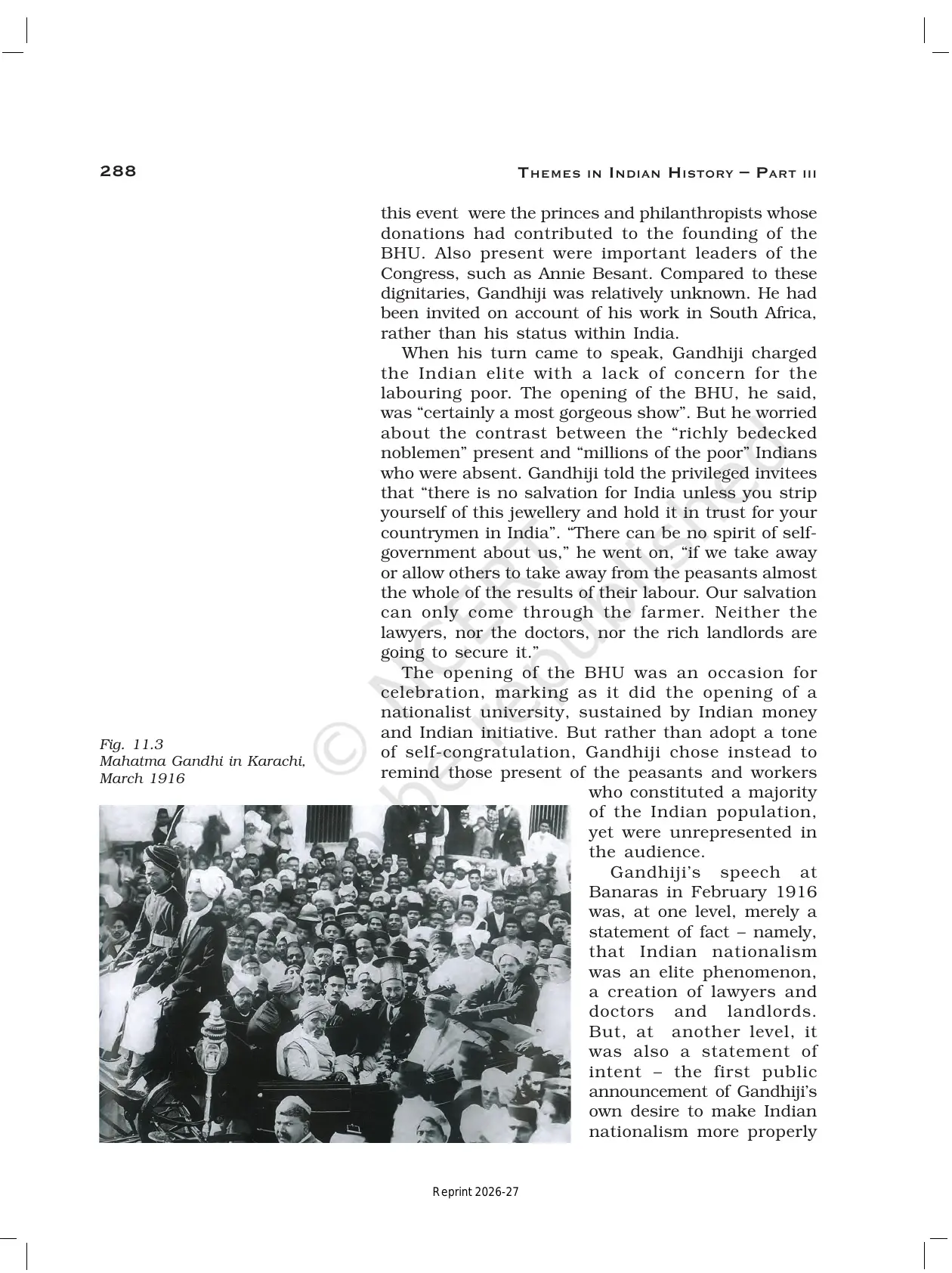
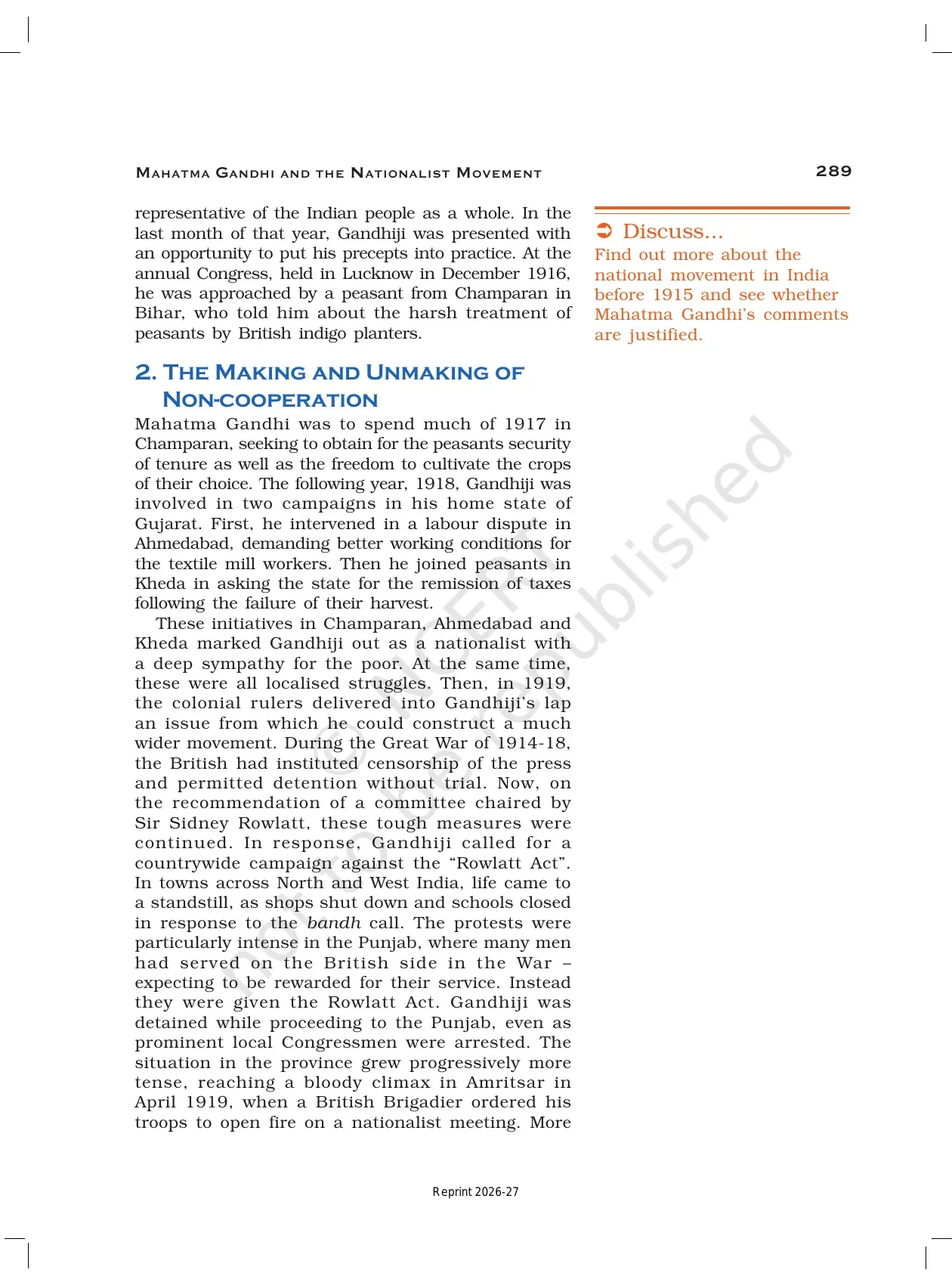
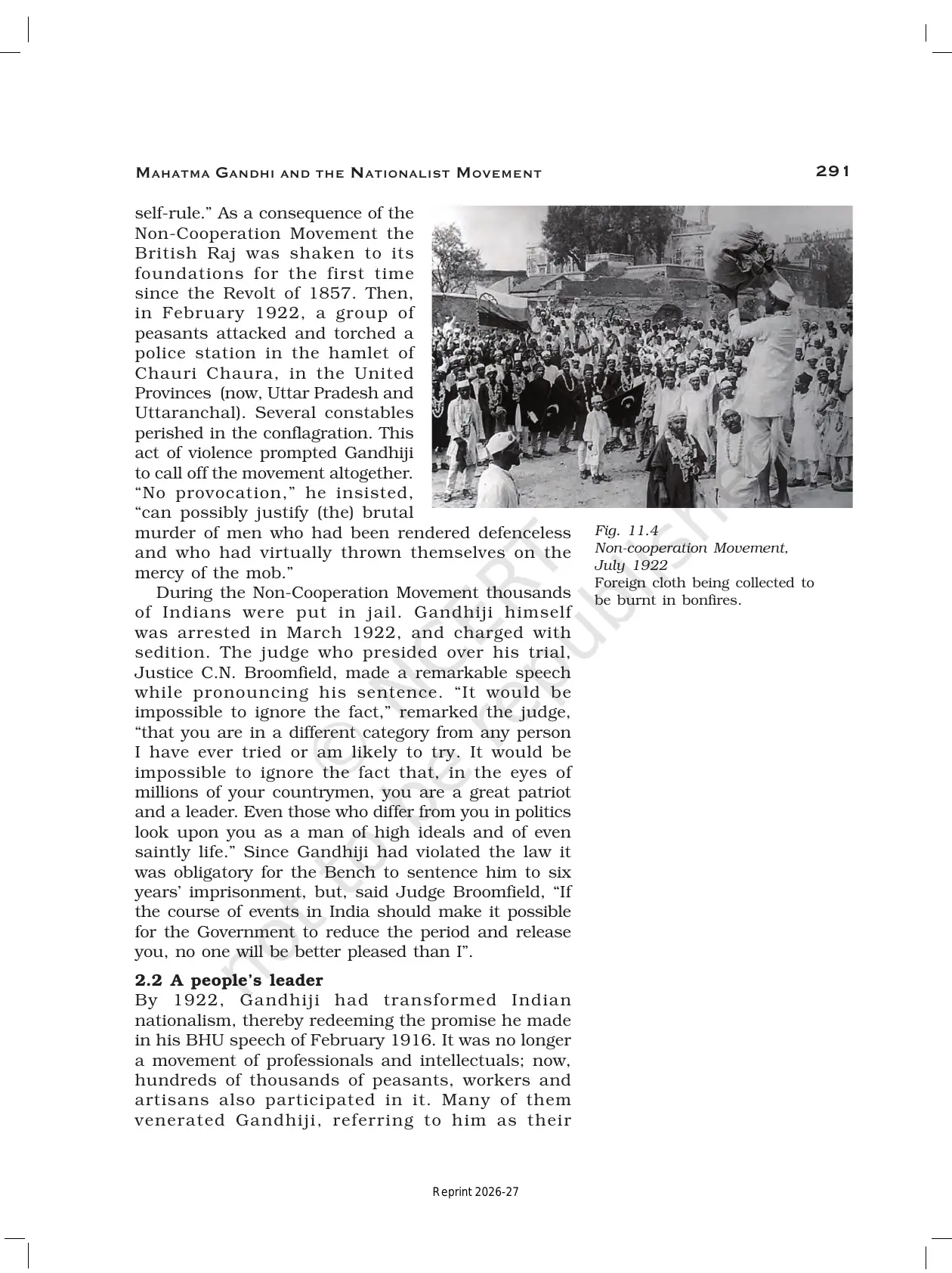
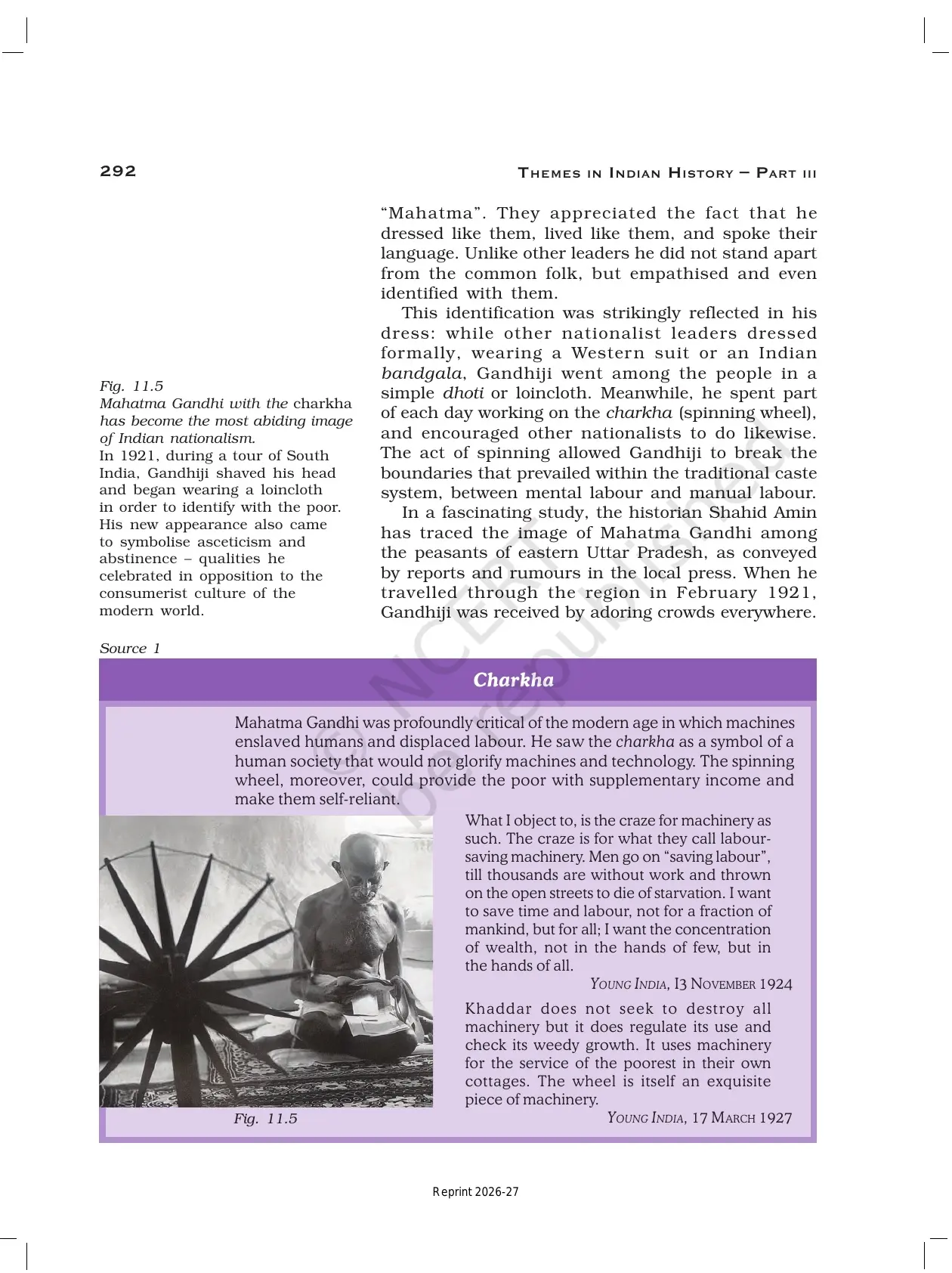
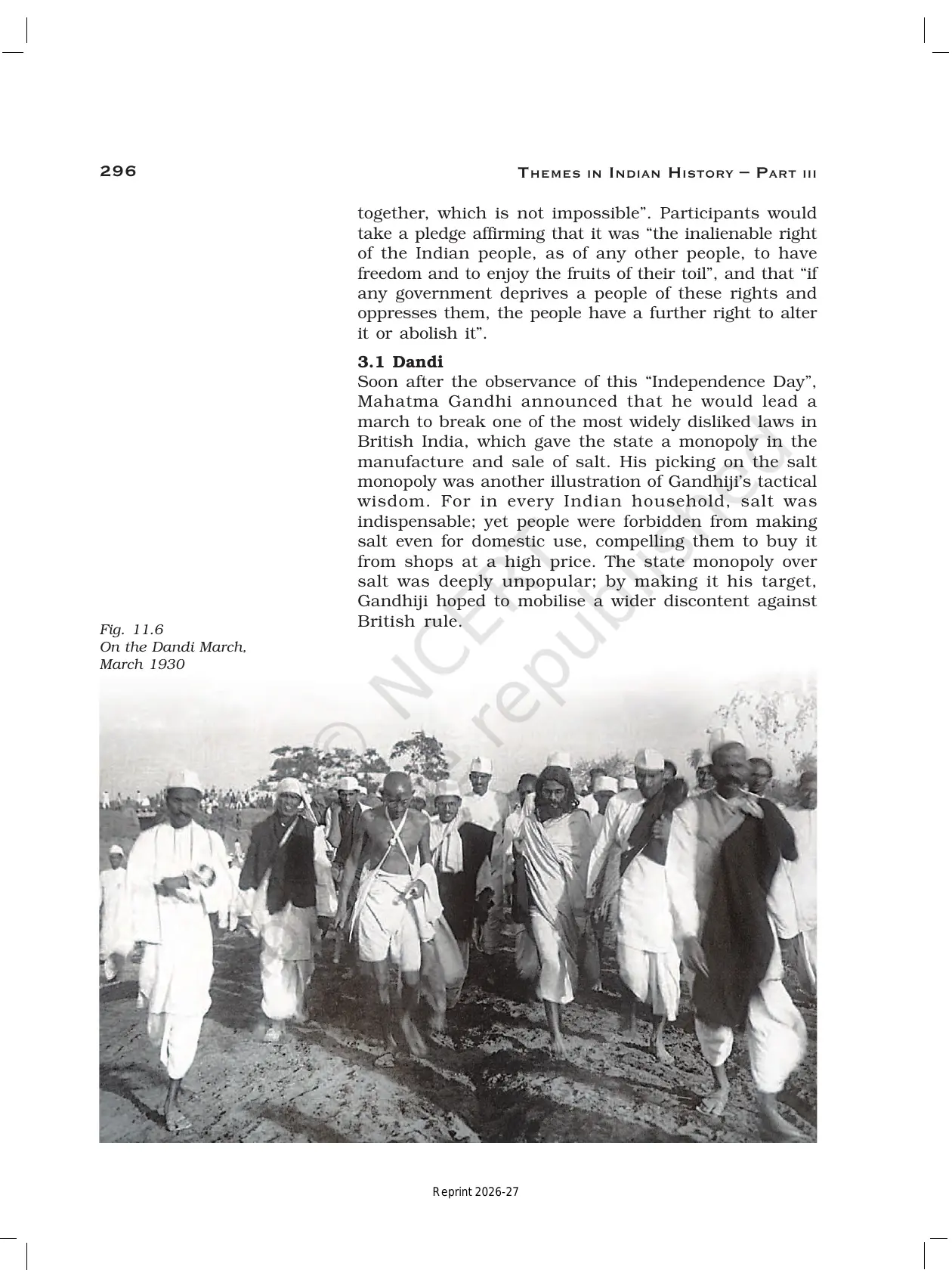
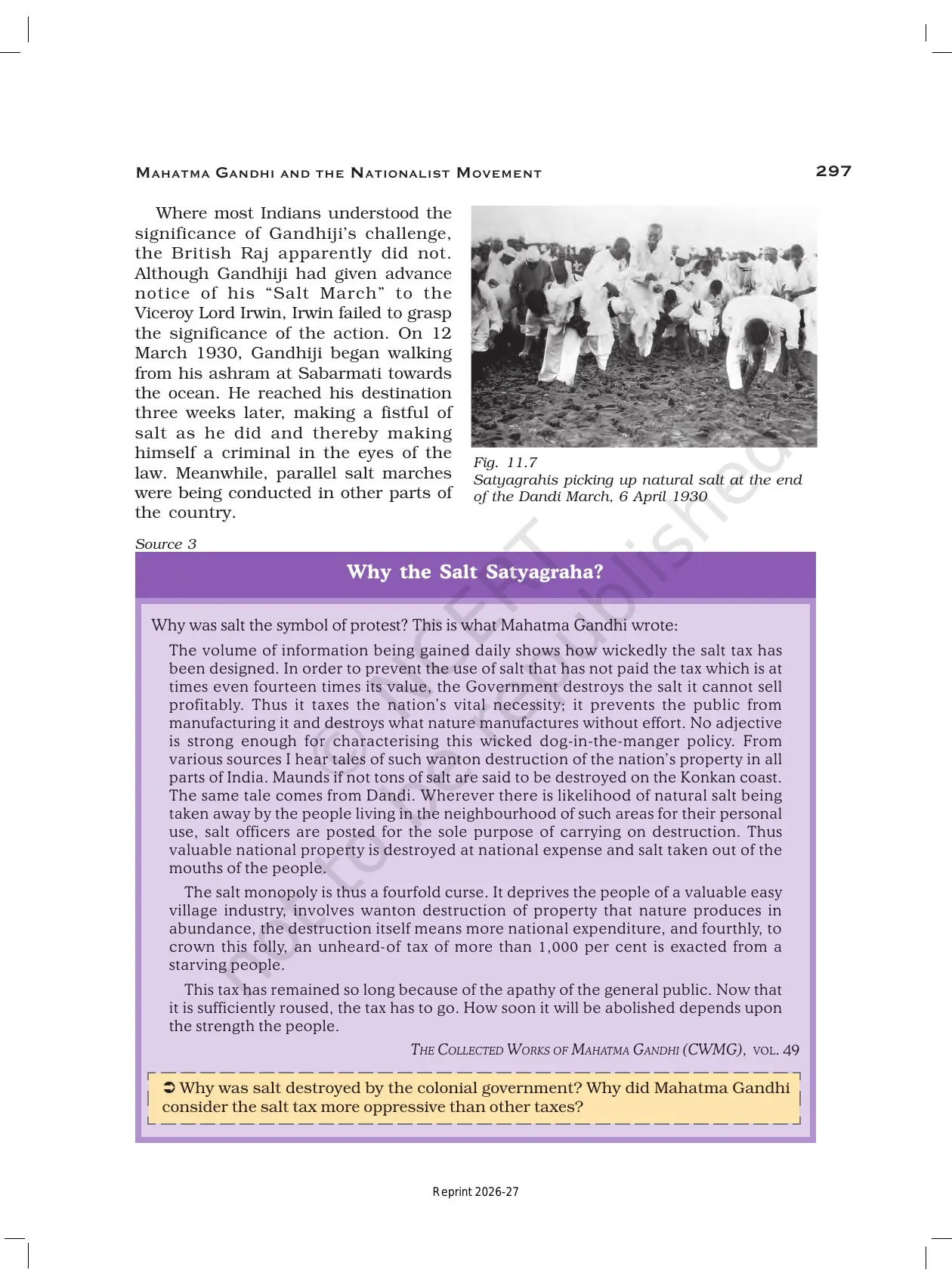
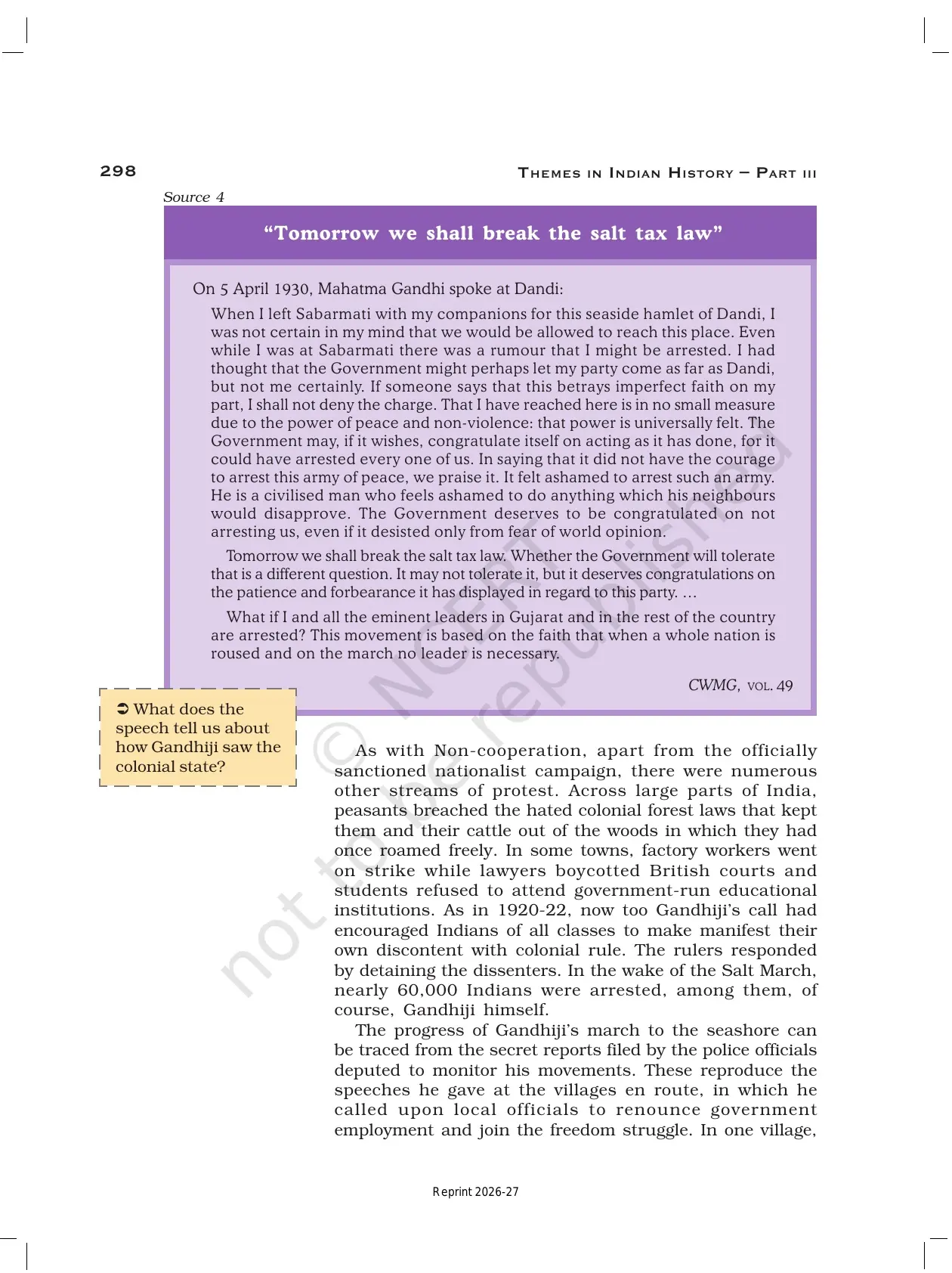
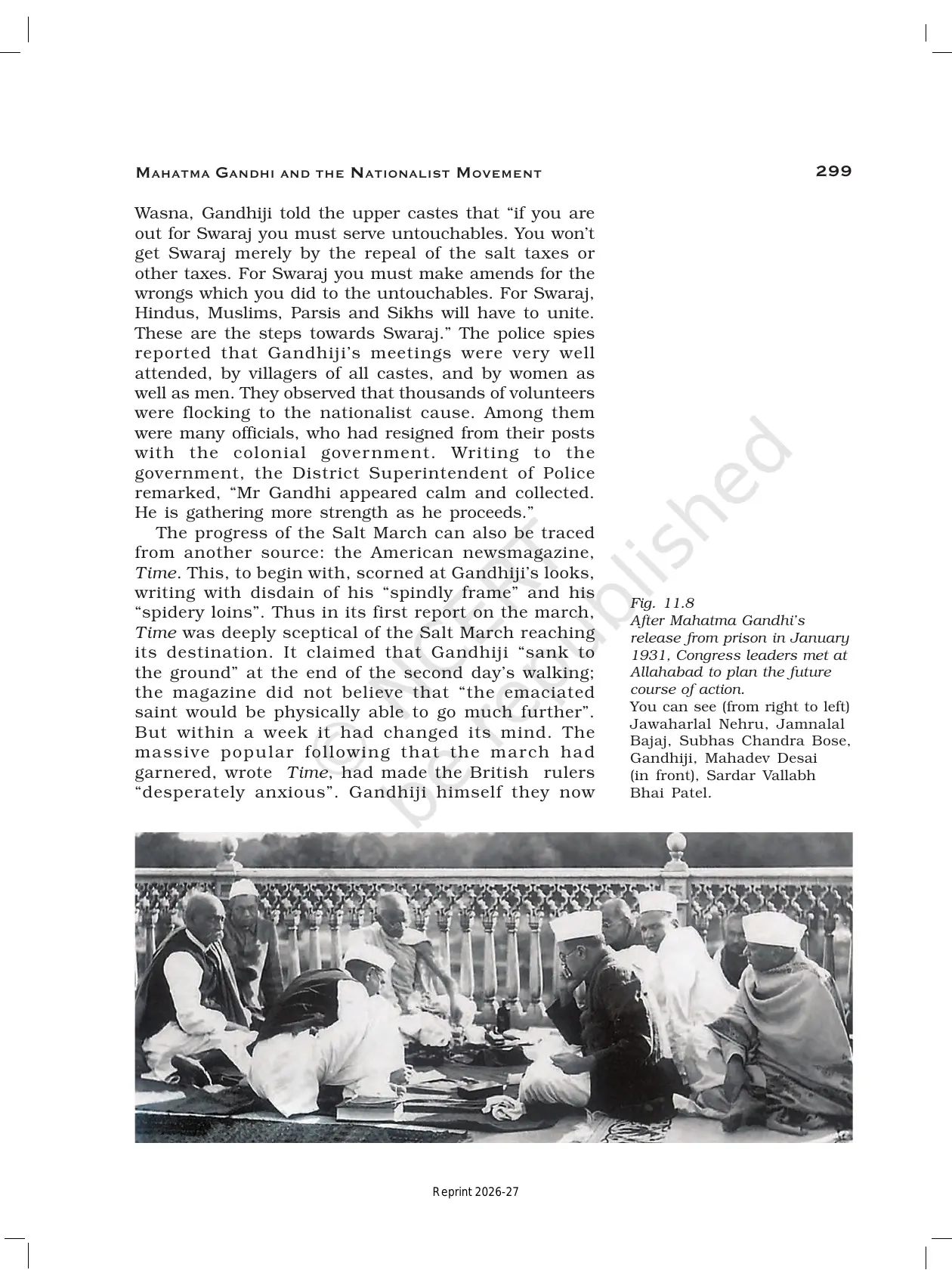
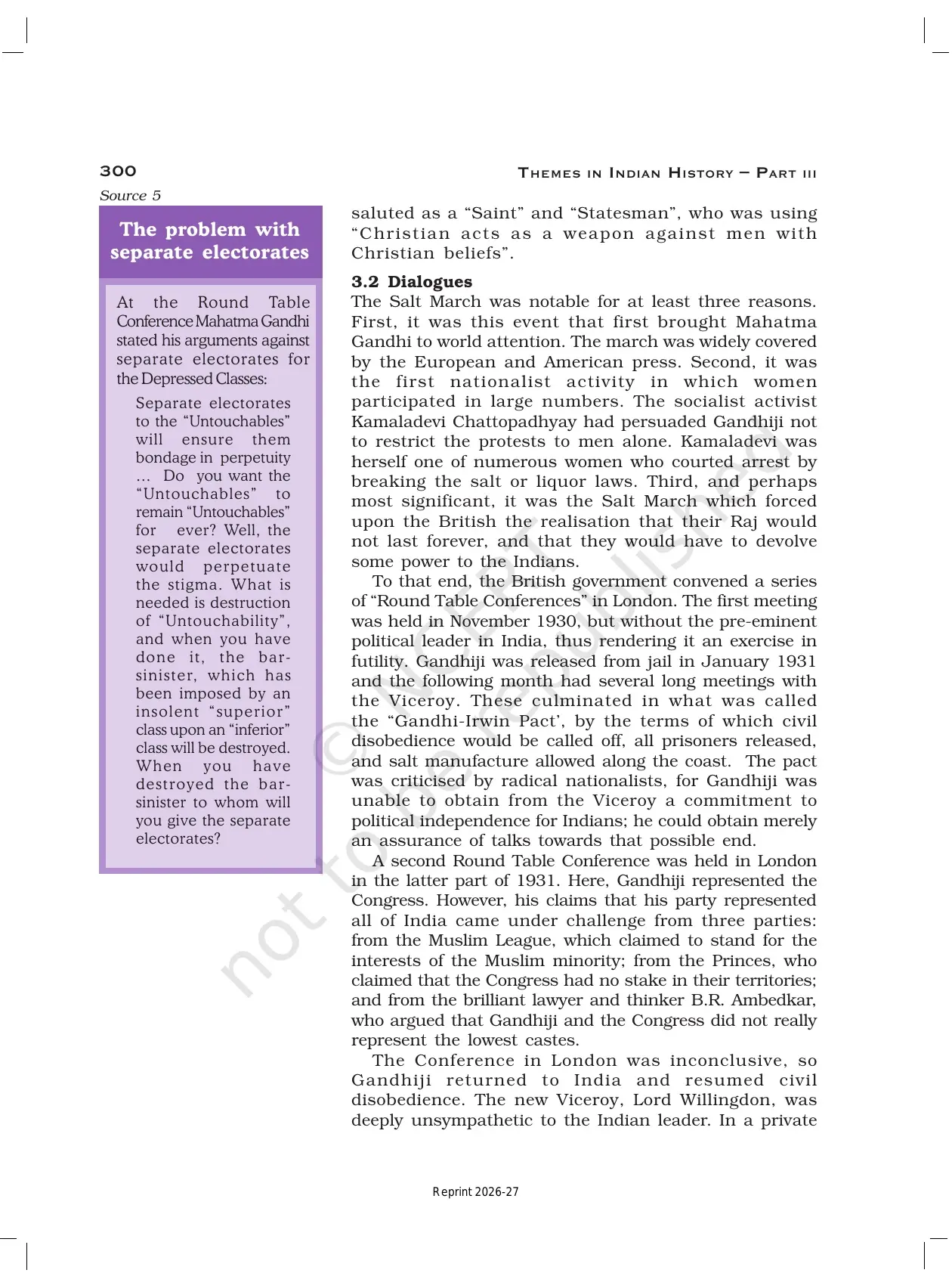
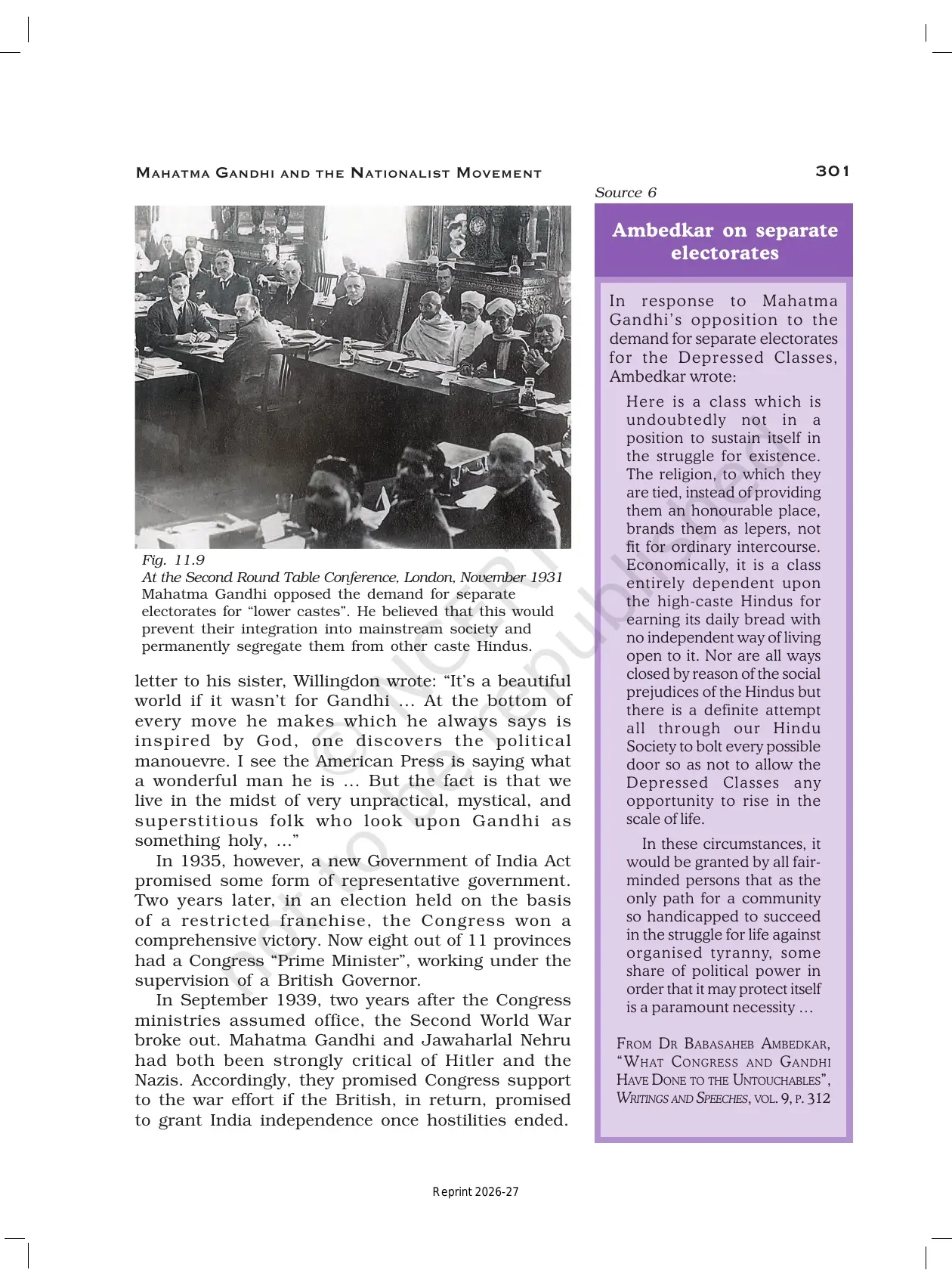
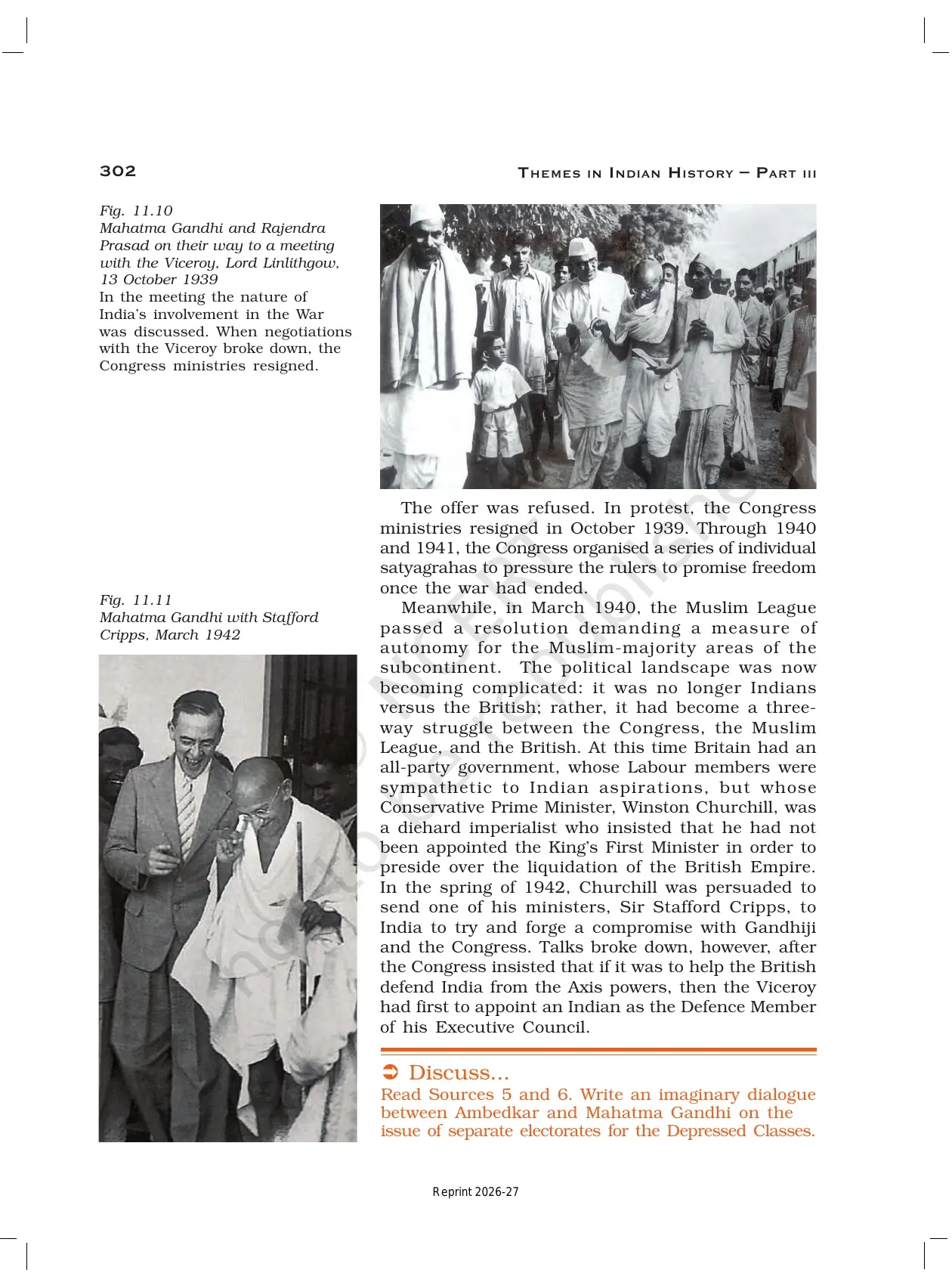
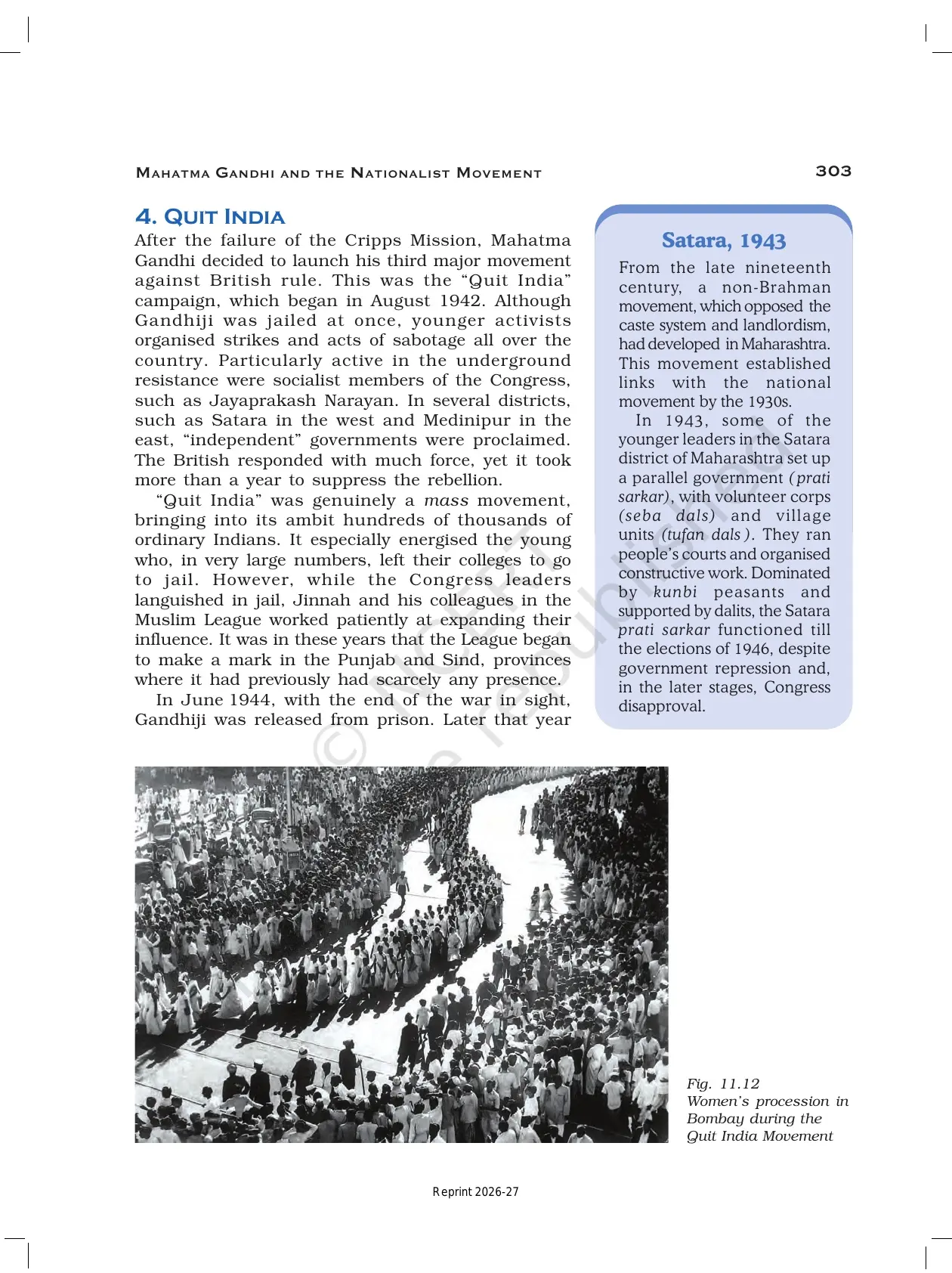
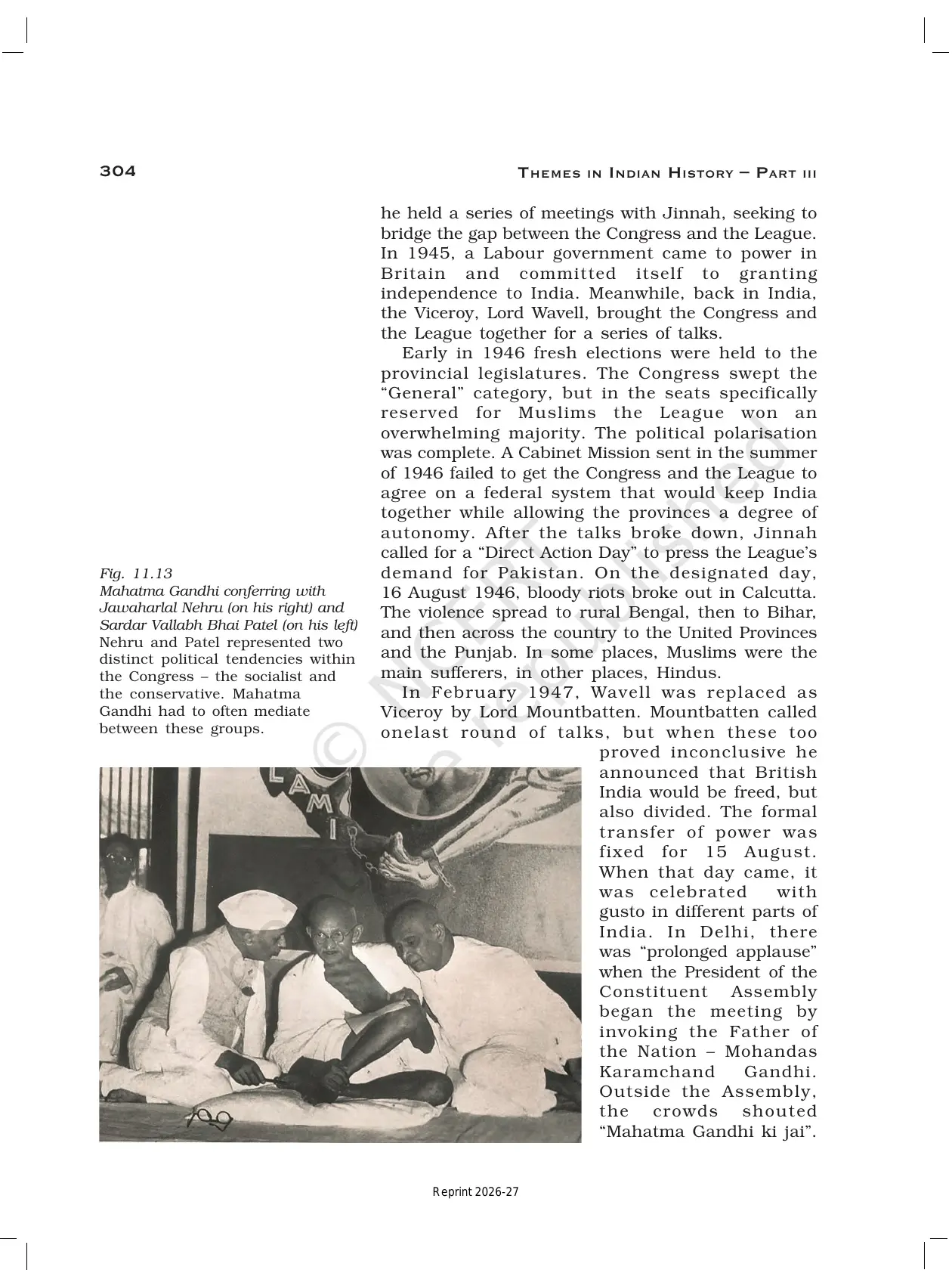
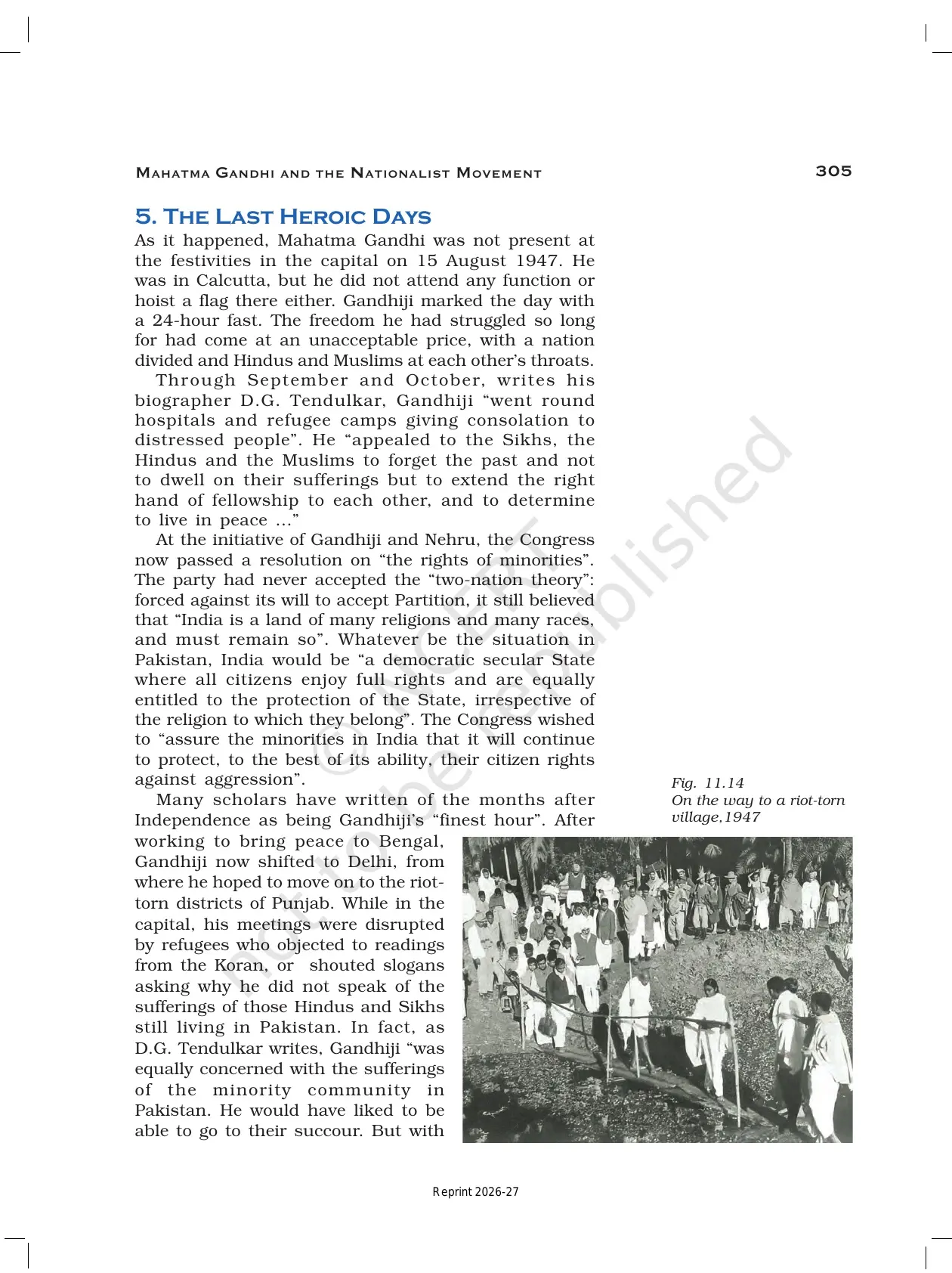
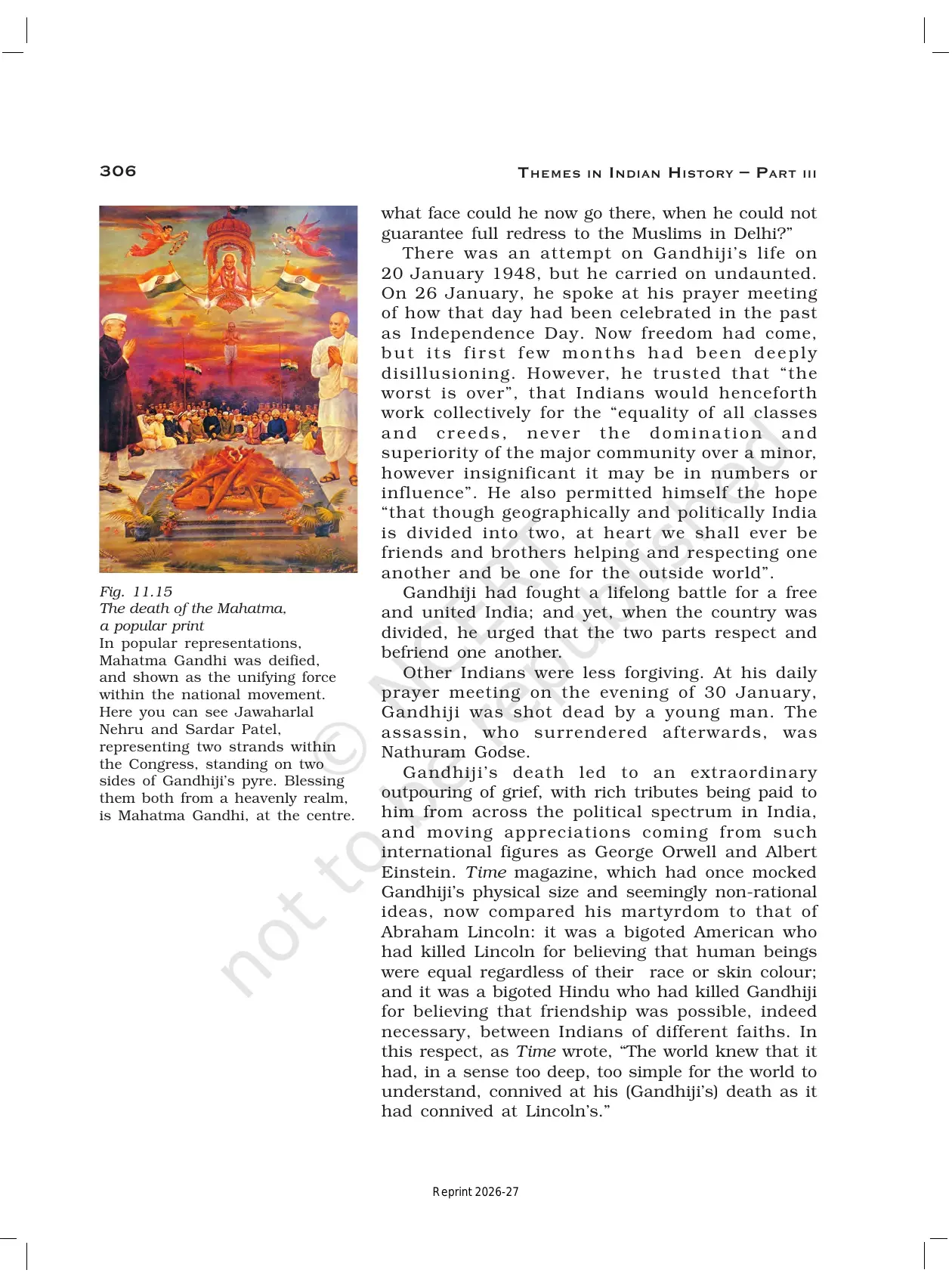
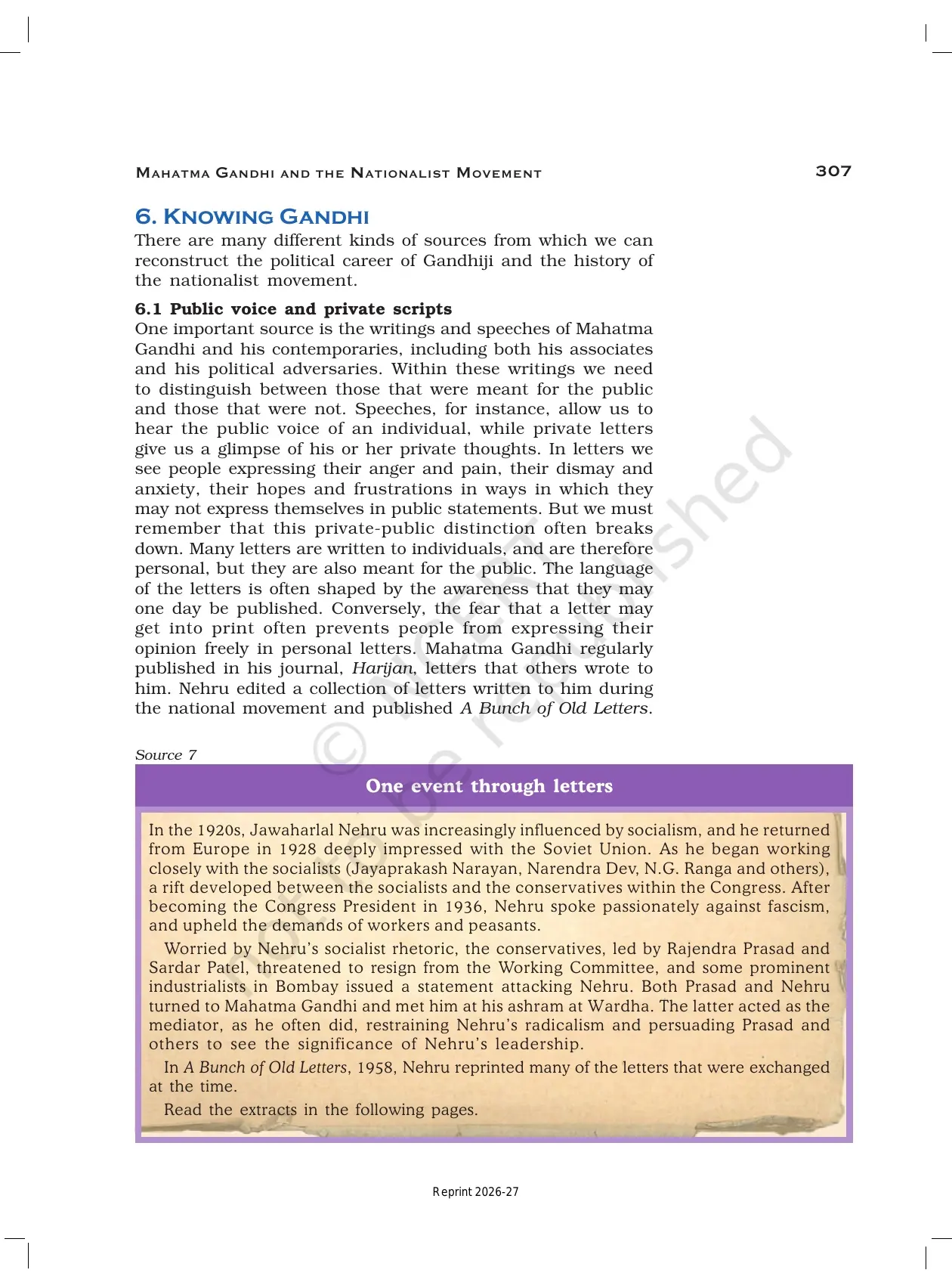
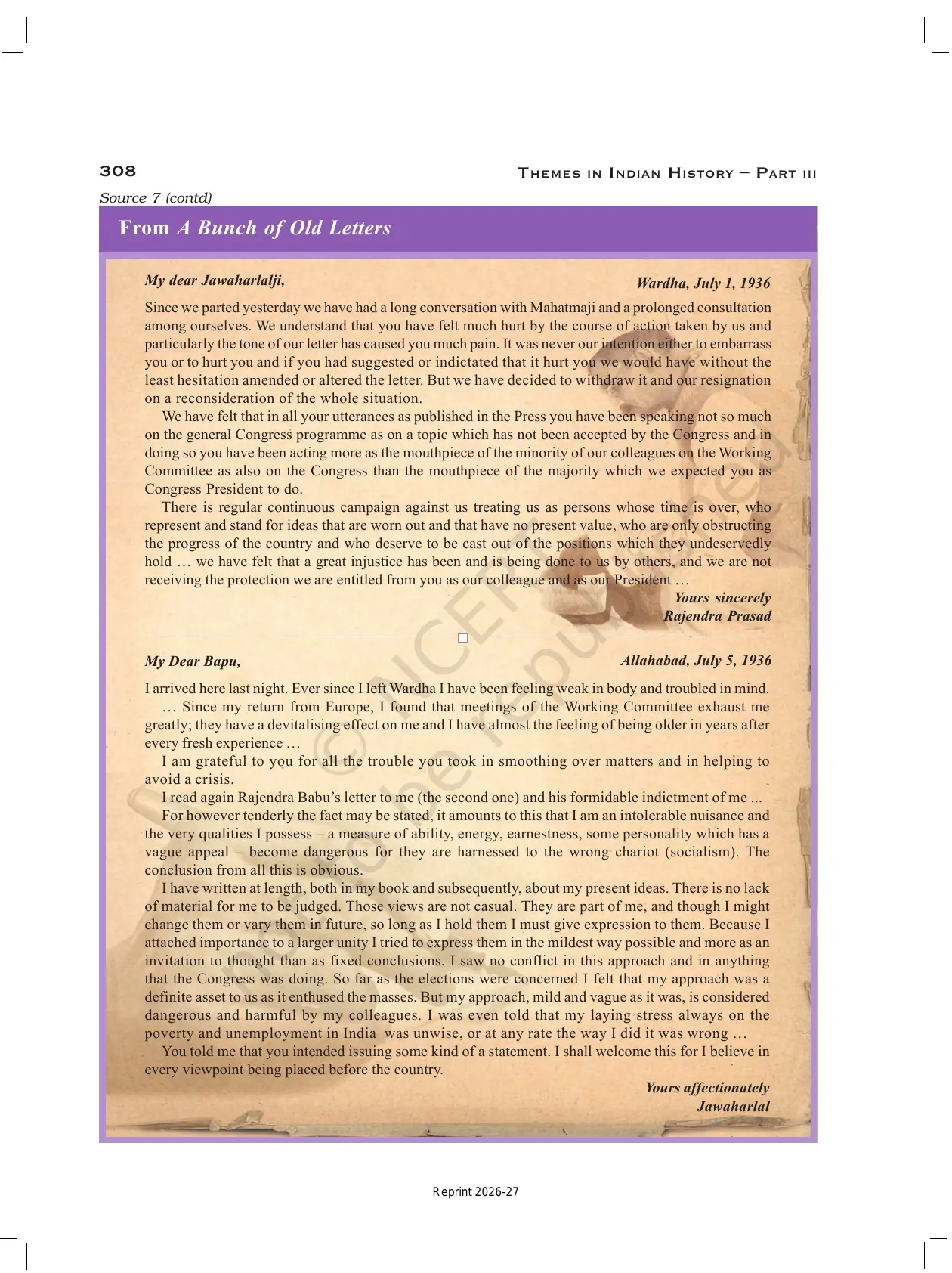
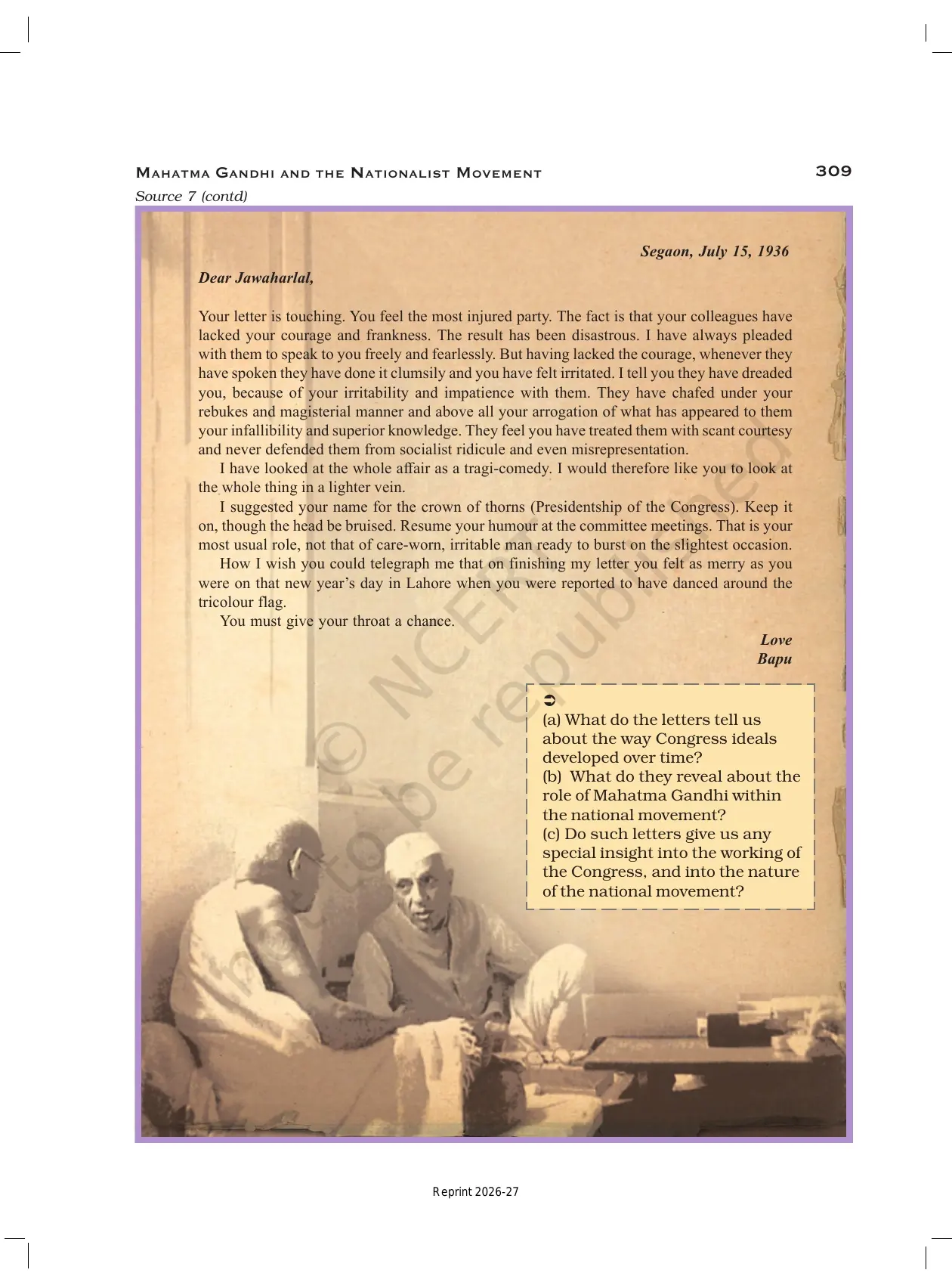
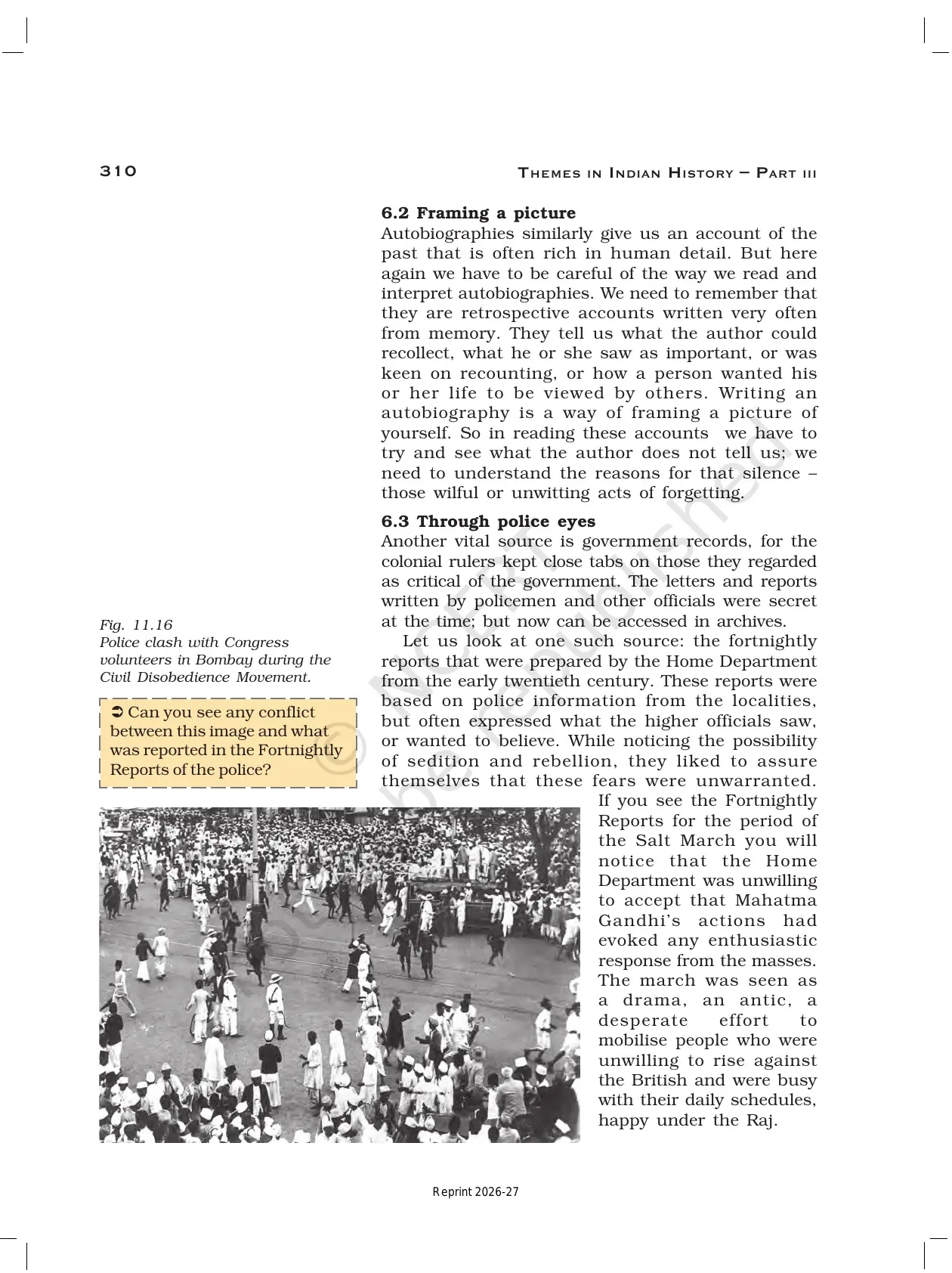
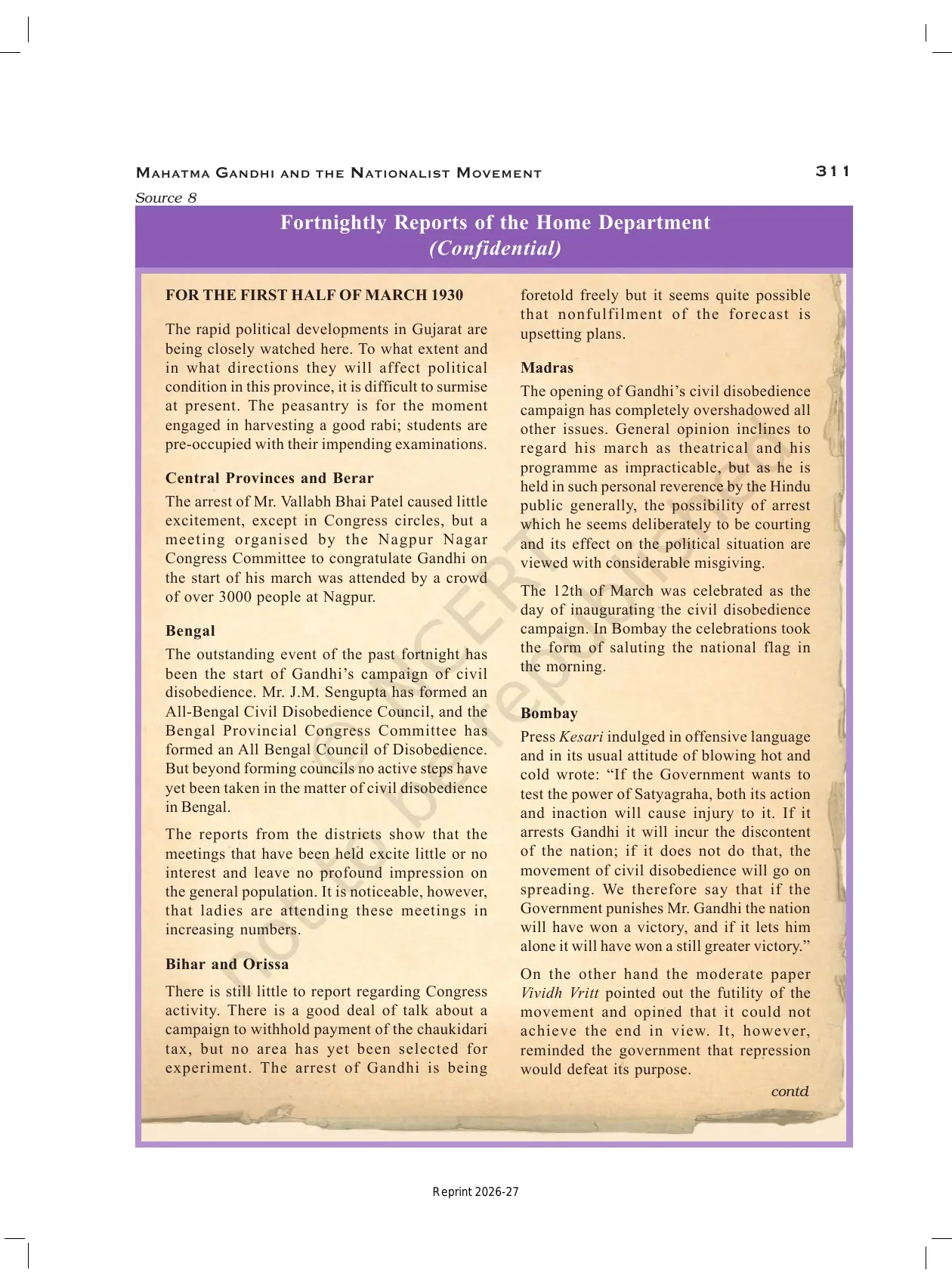
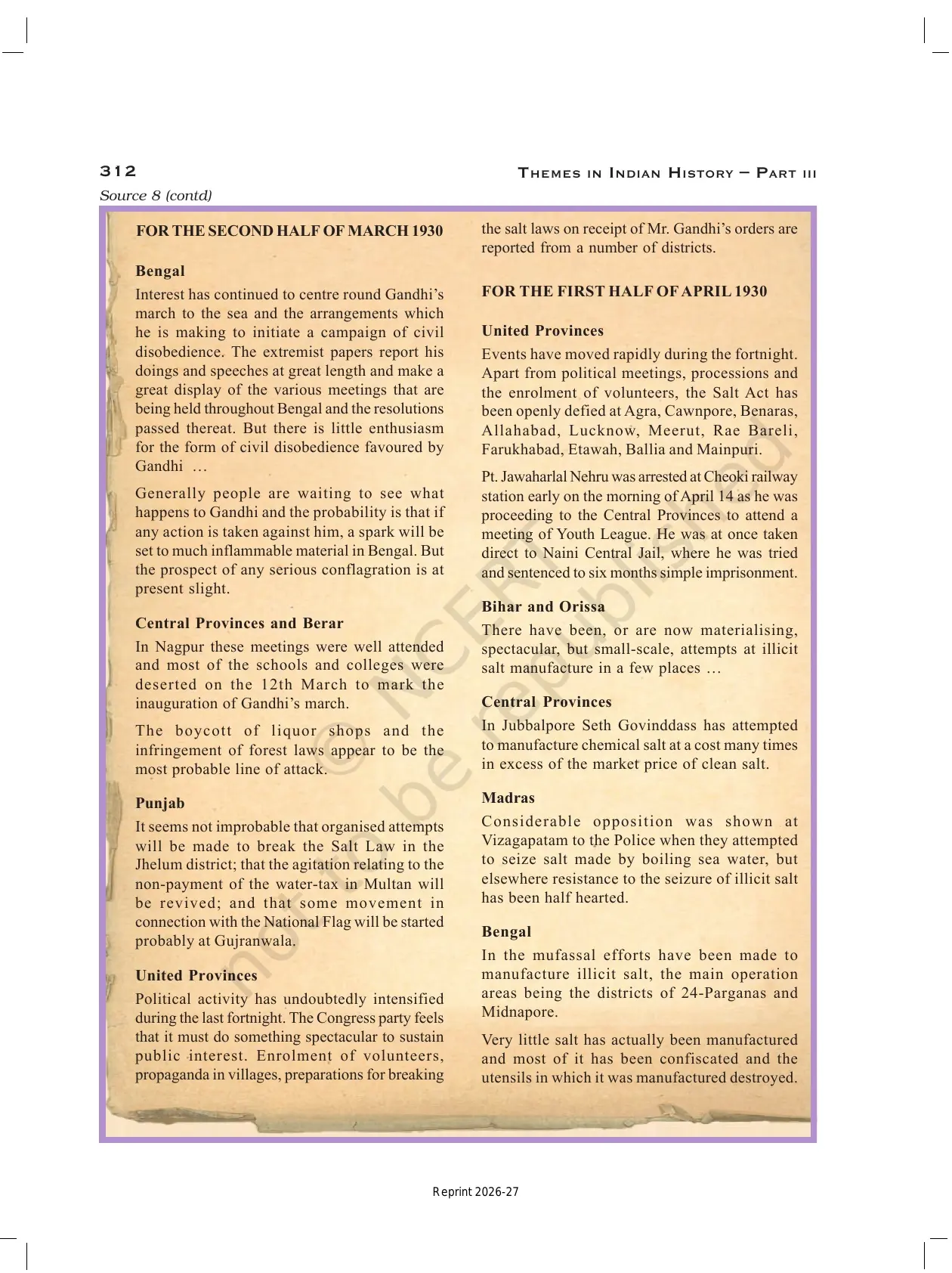
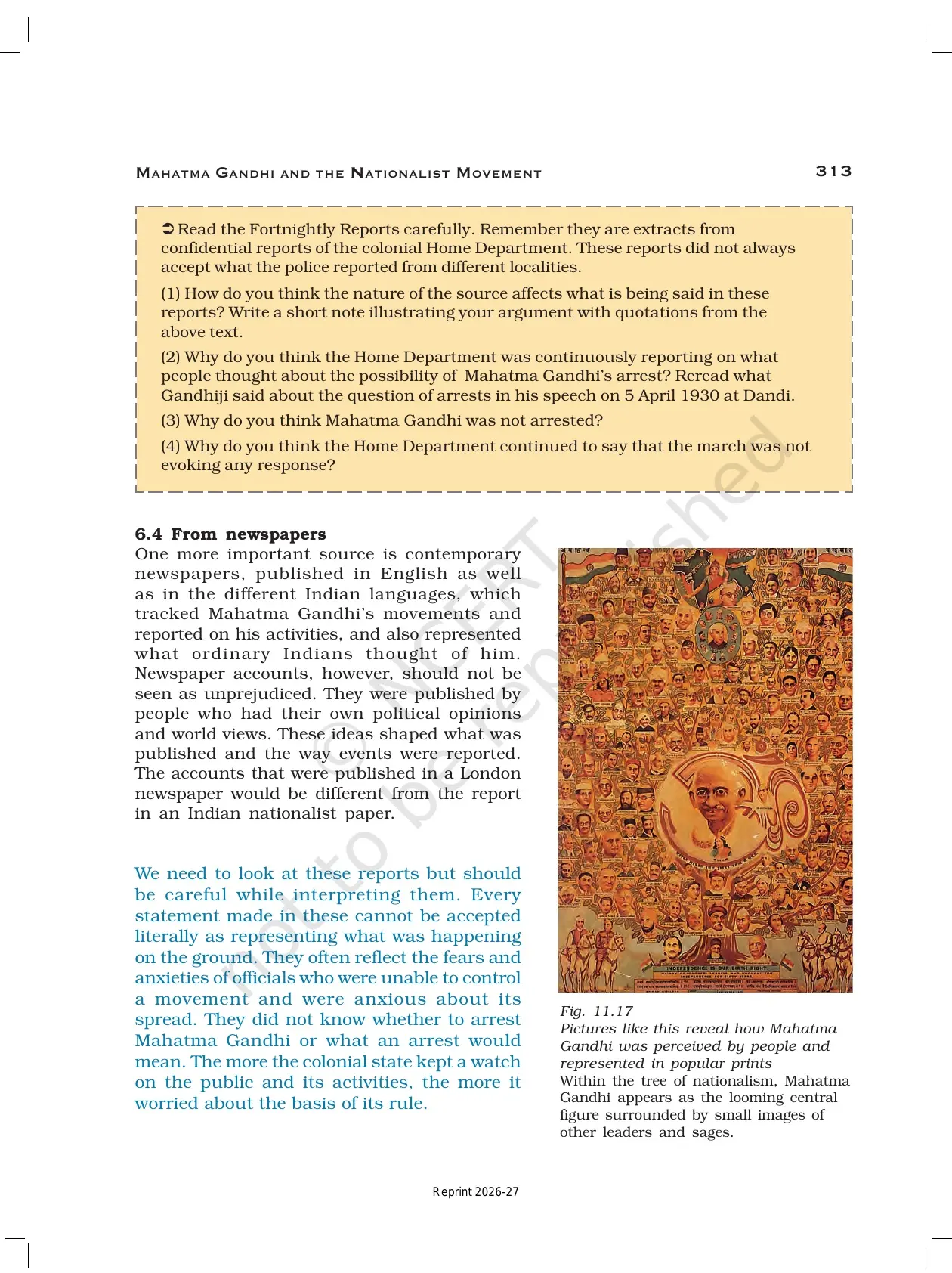
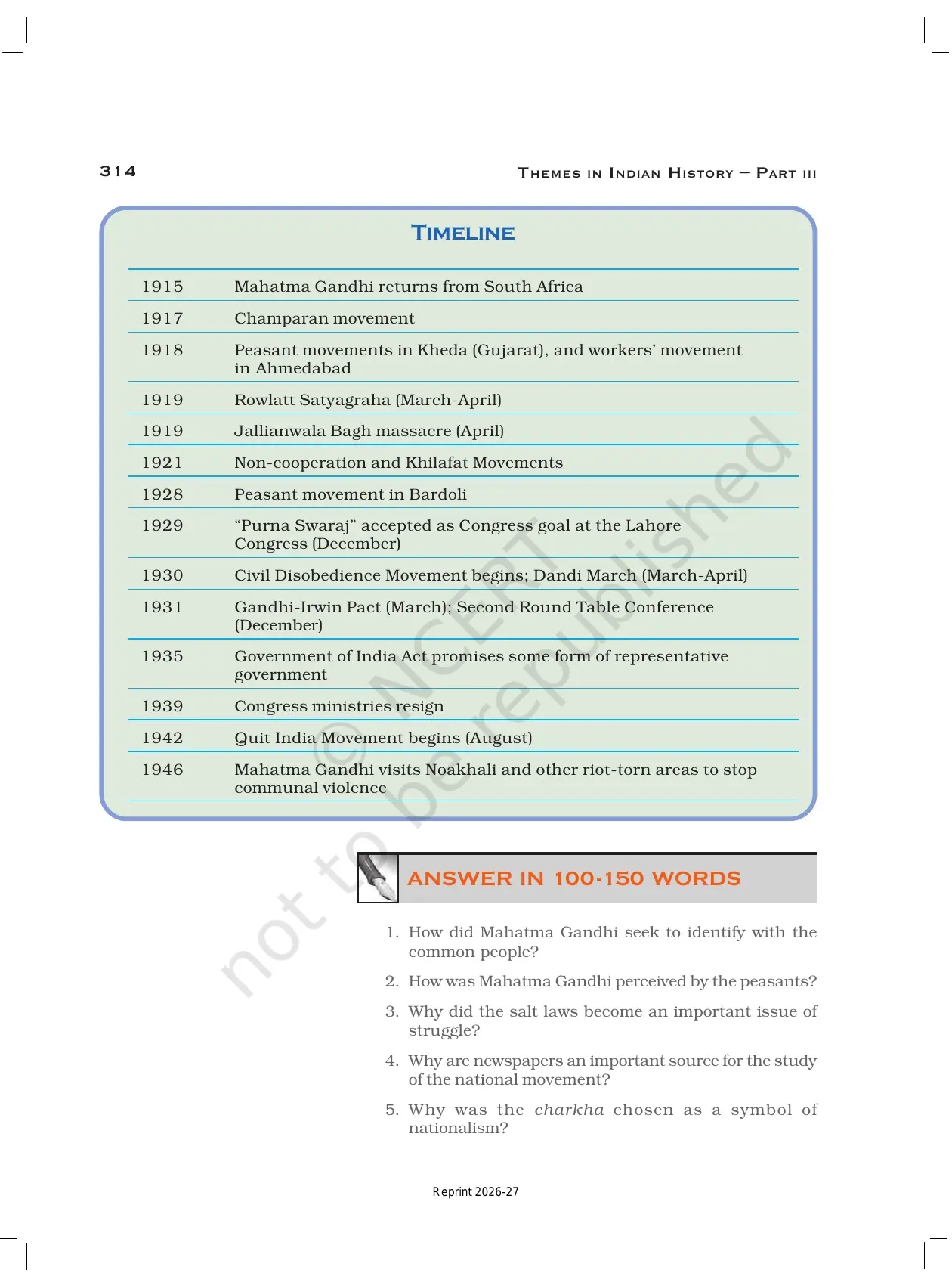
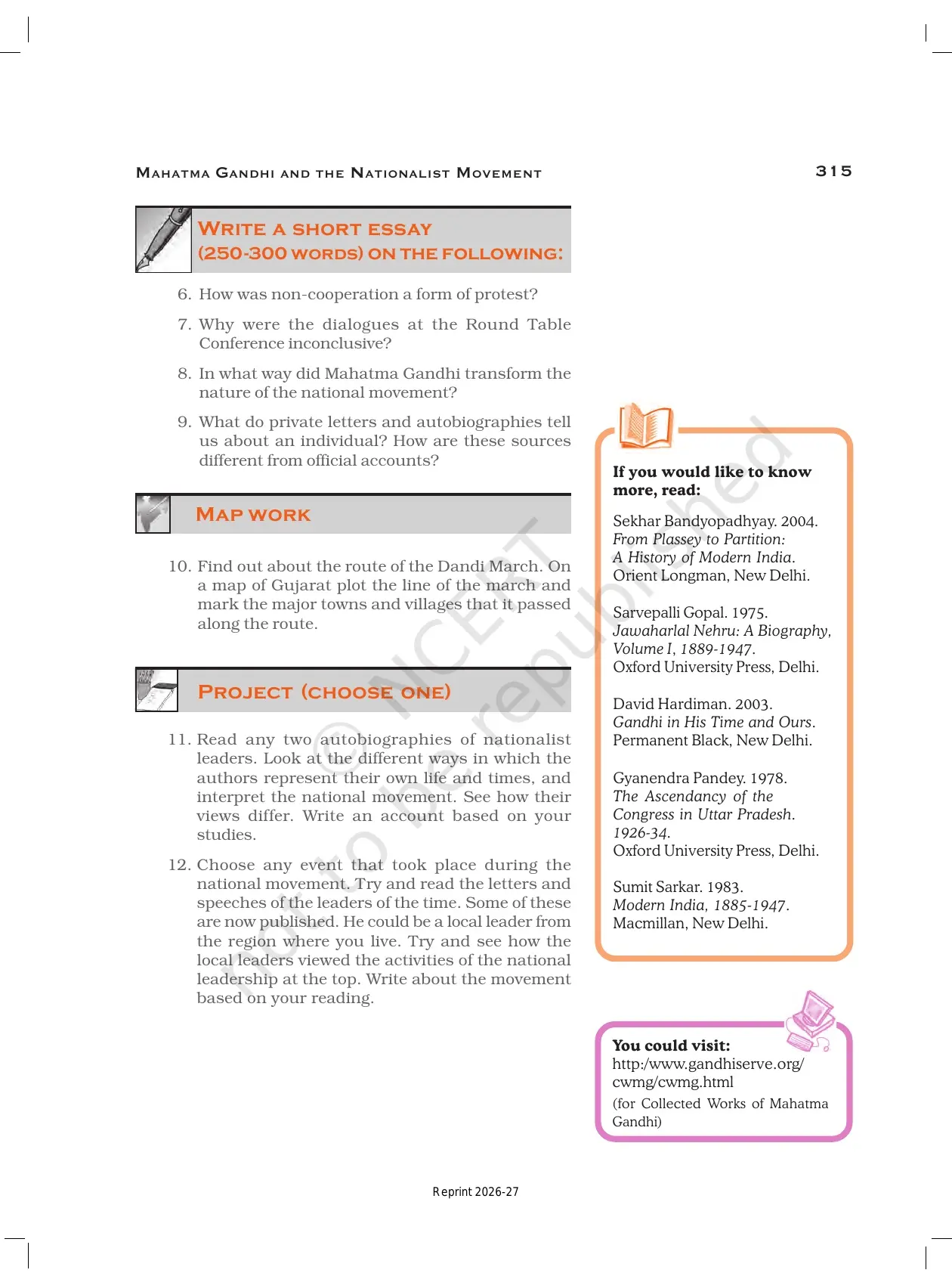
- Official NCERT chapter with the original photographs, source extracts and the Discuss boxes.
- This Class 12 History chapter usually carries 6 to 8 marks in the board paper.
- Pairs with the NCERT Solutions, Notes and Handwritten Notes linked lower on this page.
This is the official NCERT Mahatma Gandhi and the Nationalist Movement chapter from Themes in Indian History Part III, offered for free download in the 2026-27 edition.
Student Feedback: In a Collegedunia poll of 7,640 Class 12 History students before the 2026 boards, 67% of students said they kept the official NCERT chapter PDF open while solving source-based questions, because the passages and figures come straight from the chapter itself.
Source: 2026-27 Class 12 History student poll. Sample of 7,640 students from CBSE schools across 12 states.
What the Mahatma Gandhi and the Nationalist Movement NCERT Chapter Covers
Mahatma Gandhi and the Nationalist Movement is Theme 11 of Themes in Indian History Part III, with the subtitle Civil Disobedience and Beyond. The chapter studies Gandhiji's work in India during the crucial years 1915 to 1948, from his return from South Africa to the eve of Independence. It also shows how historians reconstruct a leader's career from sources.
The chapter is built around two strands of evidence and story:
- The movements: Champaran, Rowlatt, Non-Cooperation, Civil Disobedience and Quit India.
- The sources: newspapers, private letters and autobiographies that historians use.
Reading the original NCERT text matters because the source extracts and captions in the class 12 history chapter 11 pdf are exactly what CBSE quotes in source-based questions. A student who knows the chapter's own examples, such as the BHU speech and the Salt March, can answer those passages with confidence.
Chapter Highlights and Important Figures
The NCERT chapter is rich with photographs and Discuss boxes that the exam often refers to. Knowing what each figure shows helps students answer "look at the source" questions quickly. The table below lists the highlights students should study in the original chapter PDF.
| Highlight | Why it matters |
|---|---|
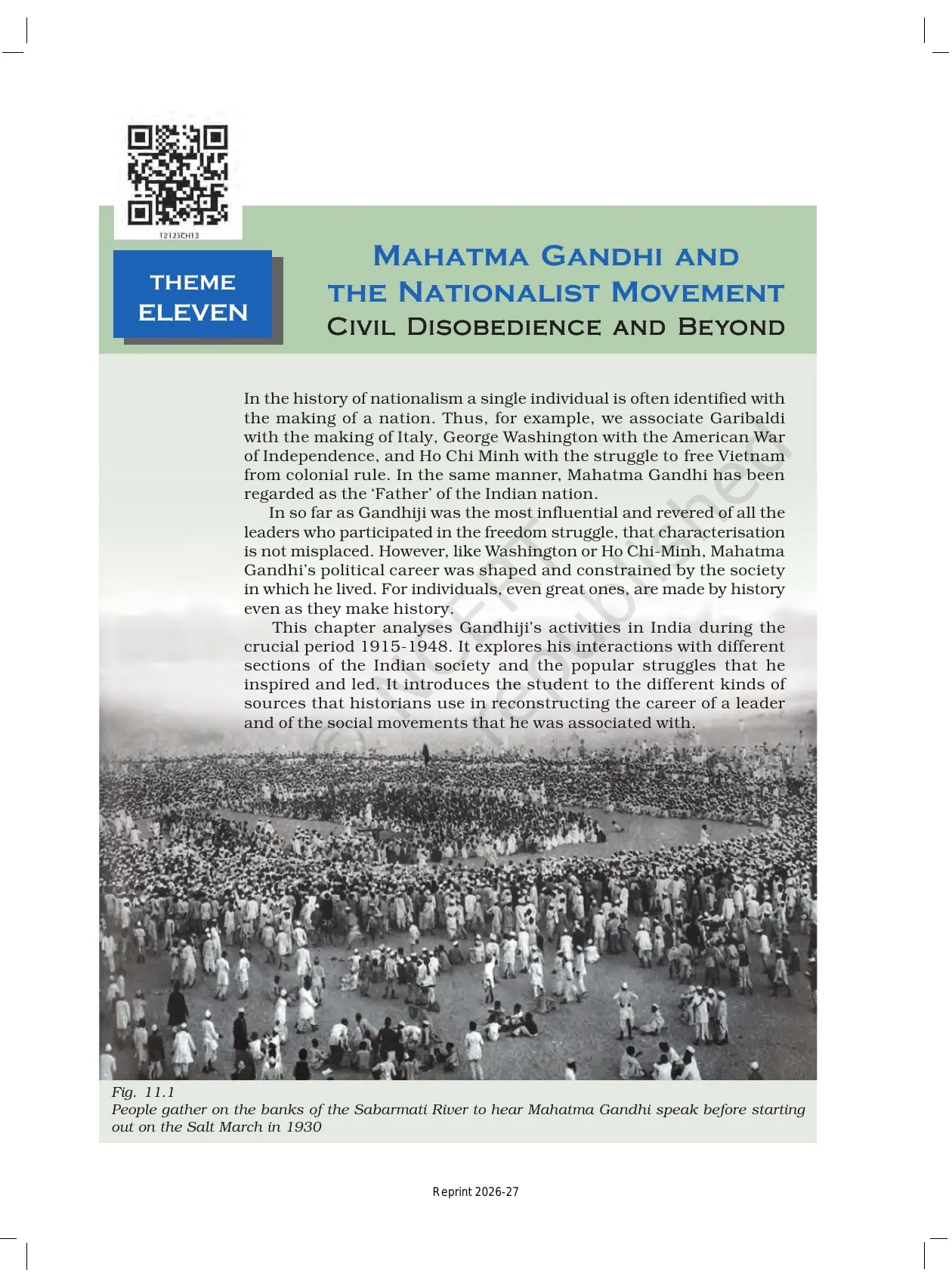
| Salt March, 1930 | The photo of people gathered by the Sabarmati before the march sets up the Civil Disobedience answer. |
| Gandhi with the charkha | Shows the charkha as a symbol of self-reliance and a stand against British mill cloth. |
| Non-Cooperation bonfires | Foreign cloth being burnt shows the boycott method of 1920-22. |
| The "tree of nationalism" print | A popular print showing Gandhiji as the central figure of the movement. |
| The Khilafat box | Explains how the Khilafat issue was joined to Non-Cooperation. |
The chapter also carries the famous story of the BHU speech of 1916, where Gandhiji asked the rich elite to work for the poor. One point students should mark while reading is that the Rowlatt satyagraha of 1919 made Gandhiji a truly national leader. That single line from the chapter sits behind the transformation answer, which appears almost every year.
The Movements in the Chapter, 1915 to 1942
The chapter devotes whole sections to each great movement. These sections feed the short and long answers, so reading them in the original NCERT helps students quote the right dates and examples. The list below shows what the chapter covers movement by movement.
- Early satyagrahas: Champaran (1917) for indigo peasants, plus Ahmedabad and Kheda (1918) in Gujarat.
- Non-Cooperation (1920-22): boycott of schools, courts and titles, joined with Khilafat, called off after Chauri Chaura.
- Civil Disobedience (1930): the Salt March to Dandi broke the salt law and spread across India.
- Quit India (1942): the final mass movement with the "Do or Die" call.
The chapter explains that after the Chauri Chaura violence in 1922, Gandhiji called off the Non-Cooperation Movement, because it had to stay non-violent. It also shows how the British Raj was shaken for the first time since 1857. Because these examples are drawn straight from the source chapter, the chapter 11 history class 12 ncert book is the most reliable place to learn them.
How the Chapter Uses Sources to Study Gandhi
The closing sections of the chapter are the most thoughtful, and they are also the hardest to answer well. NCERT explains how historians use newspapers, letters and autobiographies to reconstruct a leader's career. Reading these pages in the original chapter helps students write balanced answers.
- Newspapers: they show daily opinion and how news spread, but carry the writer's bias.
- Private letters: they reveal a person's inner thoughts, away from the public eye.
- Autobiographies: they give the writer's own story, but only what the writer chooses to share.
- Official accounts: they give the government's view, which must be read against private writing.
The chapter is honest that private writing reveals the inner person but is selective, while official records give the state's side. This is the source-history theme that makes Theme 11 special. Reading these closing pages in the official PDF gives students the wording NCERT itself uses, which scores best in the board paper.
How to Download and Use the NCERT Chapter PDF
The chapter PDF is free and easy to use on any device. Students can save it for offline reading and pair it with the solutions and notes. The steps below show how to get the most out of the mahatma gandhi and the nationalist movement pdf during revision.
- Download: tap the download card above to save the official Chapter 11 PDF to your device.
- First read: read the chapter once end to end, marking the figures and source extracts.
- Source practice: keep the PDF open while attempting source-based questions, since the passages come from it.
- Revision: use the chapter alongside the notes to fix the dates of each movement.
Many students search for the class 12 history chapter 11 pdf the night before a test so they can revise offline. A saved copy means the source extracts and figures are always at hand. After reading the chapter, move to the solutions to check that your answers match the model points, then use the notes for a final quick recall.
How the Book PDF Pairs with the Solutions and Notes
The NCERT Book PDF is the source text. To prepare fully, students should use it with the other resources for the same chapter, all linked in the table below. Read the chapter, fix the ideas with the notes, then test yourself with the solutions.
| Resource | Best used for |
|---|---|
| Mahatma Gandhi and the Nationalist Movement NCERT Solutions | Step-by-step answers to all 12 back-exercise questions |
| Mahatma Gandhi and the Nationalist Movement Class 12 Notes | Quick chapter summary with all dates and movements in one place |
| Mahatma Gandhi and the Nationalist Movement Handwritten Notes | Last-minute, one-shot revision in a scanned notebook style |
Tip: read the chapter PDF first, then attempt the solutions on your own, and only then check the model answers. Reading the source text before the answers builds far stronger source-based skills.
All Class 12 History NCERT Book PDFs by Chapter
The table links the NCERT chapter PDFs for every chapter in Themes in Indian History so students can move across the book in one click. Chapter 11 is highlighted.
| Chapter | NCERT Book PDF |
|---|---|
| Chapter 1 | Bricks, Beads and Bones |
| Chapter 2 | Kings, Farmers and Towns |
| Chapter 3 | Kinship, Caste and Class |
| Chapter 4 | Thinkers, Beliefs and Buildings |
| Chapter 5 | Through the Eyes of Travellers |
| Chapter 6 | Bhakti-Sufi Traditions |
| Chapter 7 | An Imperial Capital Vijayanagara |
| Chapter 8 | Peasants, Zamindars and the State |
| Chapter 9 | Colonialism and the Countryside |
| Chapter 10 | Rebels and the Raj 1857 |
| Chapter 11 | Mahatma Gandhi and the Nationalist Movement |
| Chapter 12 | Framing the Constitution |
FAQs on Mahatma Gandhi and the Nationalist Movement NCERT Book PDF
Mahatma Gandhi and the Nationalist Movement Class 12 NCERT Book Common Questions
Ques. Where can I download the Mahatma Gandhi and the Nationalist Movement NCERT Book PDF?
Ans. You can download the official Mahatma Gandhi and the Nationalist Movement Class 12 History chapter PDF directly from this page. It is free, follows the 2026-27 NCERT edition, and carries the original text, photographs and source extracts of Chapter 11.
Ques. Which book is Mahatma Gandhi and the Nationalist Movement from?
Ans. It is the eleventh chapter of Themes in Indian History Part III, the Class 12 History textbook. Its subtitle is Civil Disobedience and Beyond, and it studies Gandhiji's role in the freedom struggle from 1915 to 1948.
Ques. What does the Mahatma Gandhi chapter cover?
Ans. It covers Gandhiji's freedom struggle from 1915 to 1948, including Champaran, the Rowlatt satyagraha, Non-Cooperation, Civil Disobedience and the Salt March, the Round Table talks, Quit India, and how historians use sources like letters and newspapers.
Ques. Why should I read the original NCERT chapter PDF?
Ans. Because CBSE draws source-based questions straight from the chapter's own extracts, figures and captions. Reading the official chapter 11 history class 12 PDF gives you the exact wording and examples that score best in the board paper.
Ques. How should I use the chapter PDF with the other resources?
Ans. Read the chapter PDF first, fix the ideas with the notes, then test yourself with the solutions. Keeping the PDF open while practising source-based questions helps, since the passages come directly from it.



Comments