




The Kinship, Caste and Class PDF is the official NCERT chapter on early Indian society from Themes in Indian History Part I. This page lets students download the original Chapter 3 text and figures for the 2026-27 CBSE syllabus. Reading the source chapter is the best way to understand the Mahabharata and the inscriptions behind every exam answer on caste, kinship and gender.
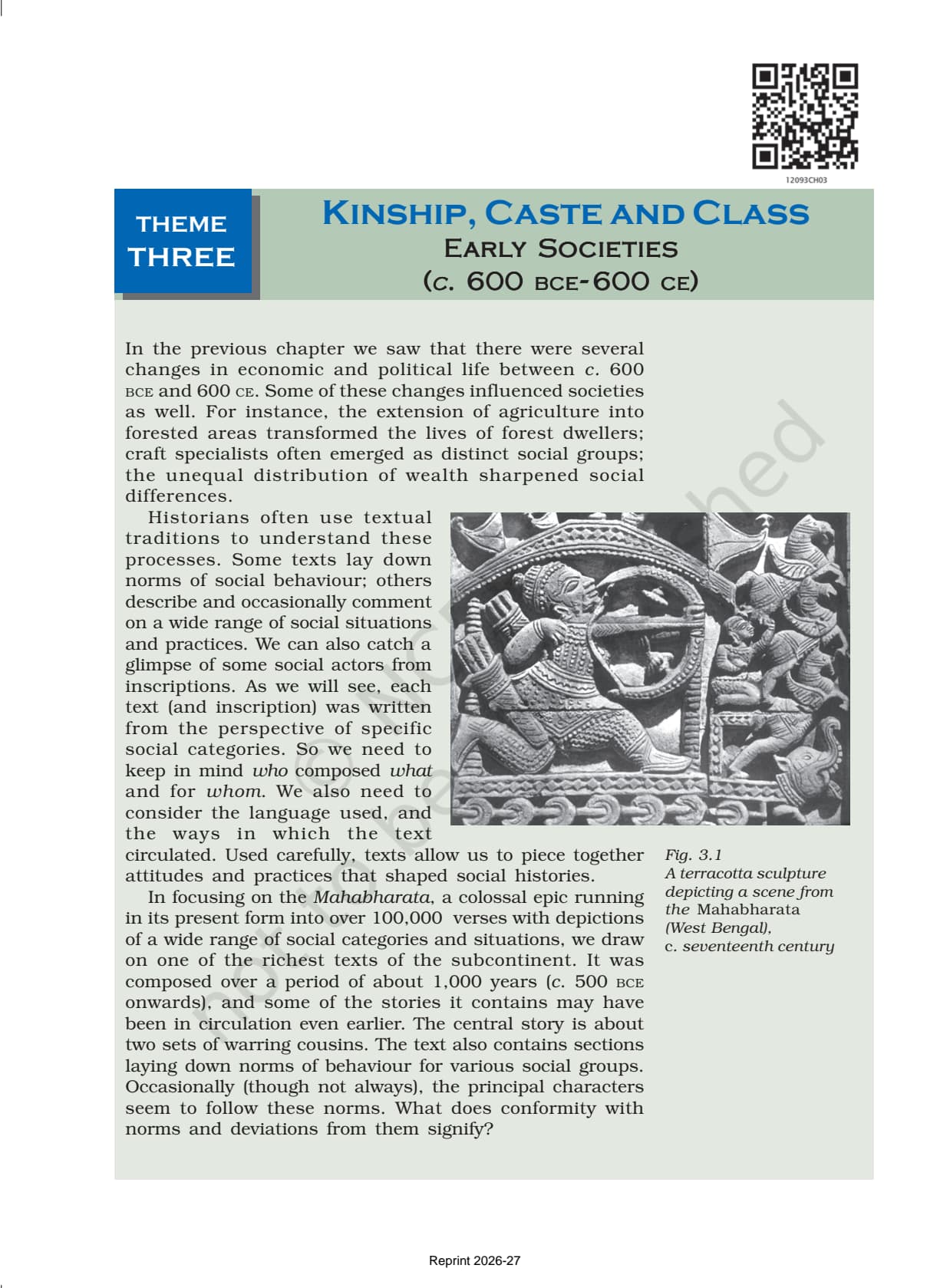
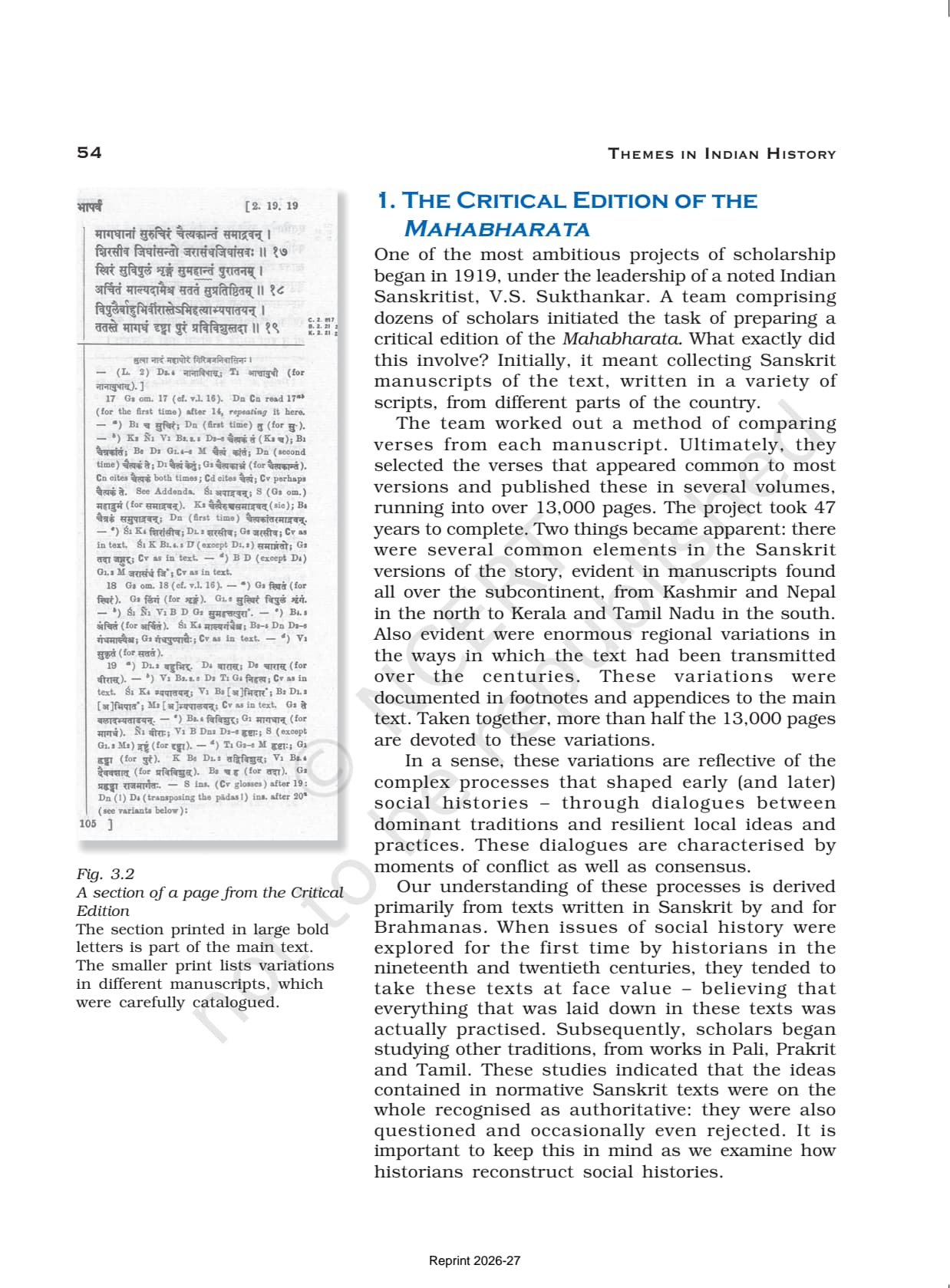
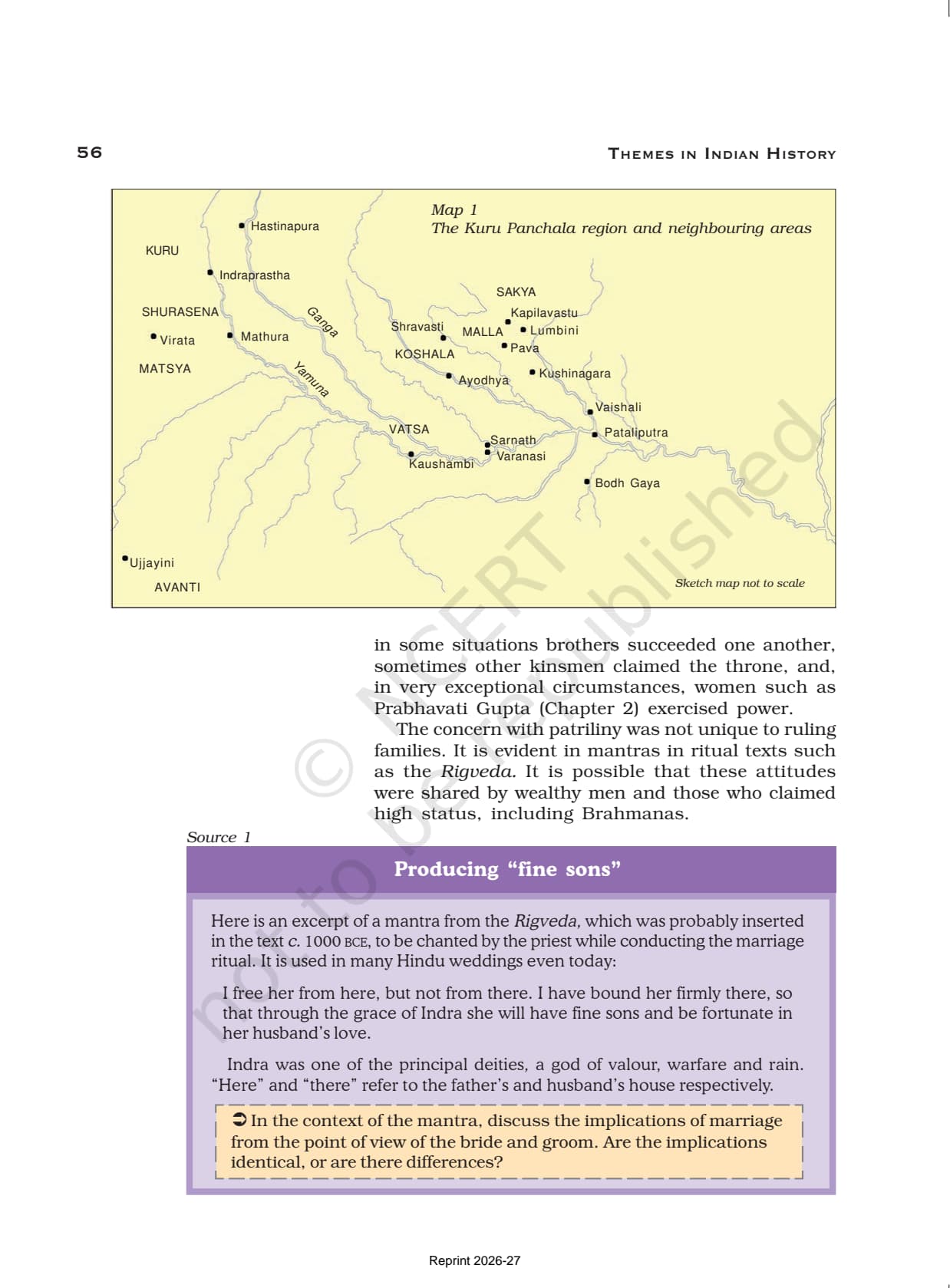
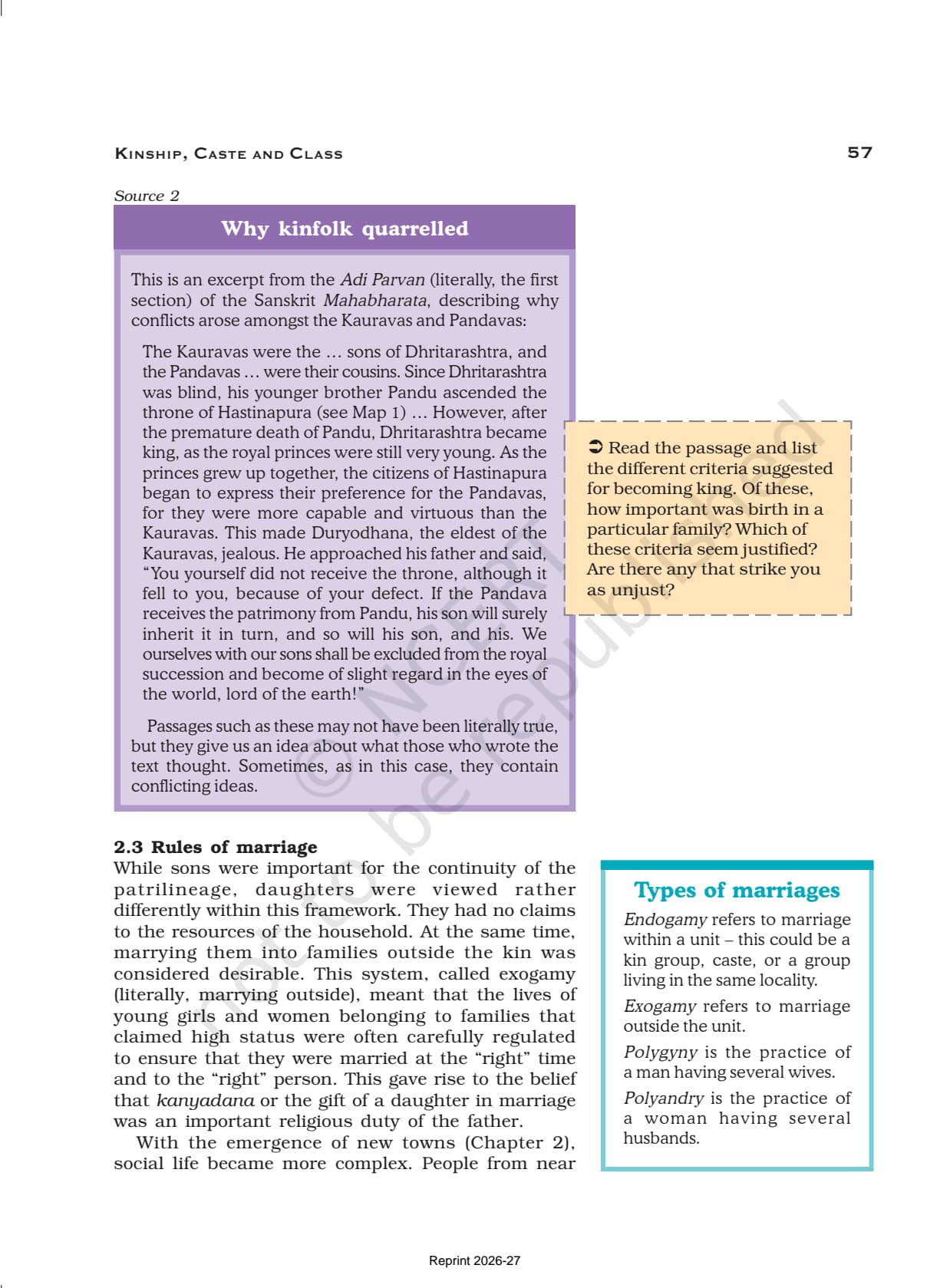
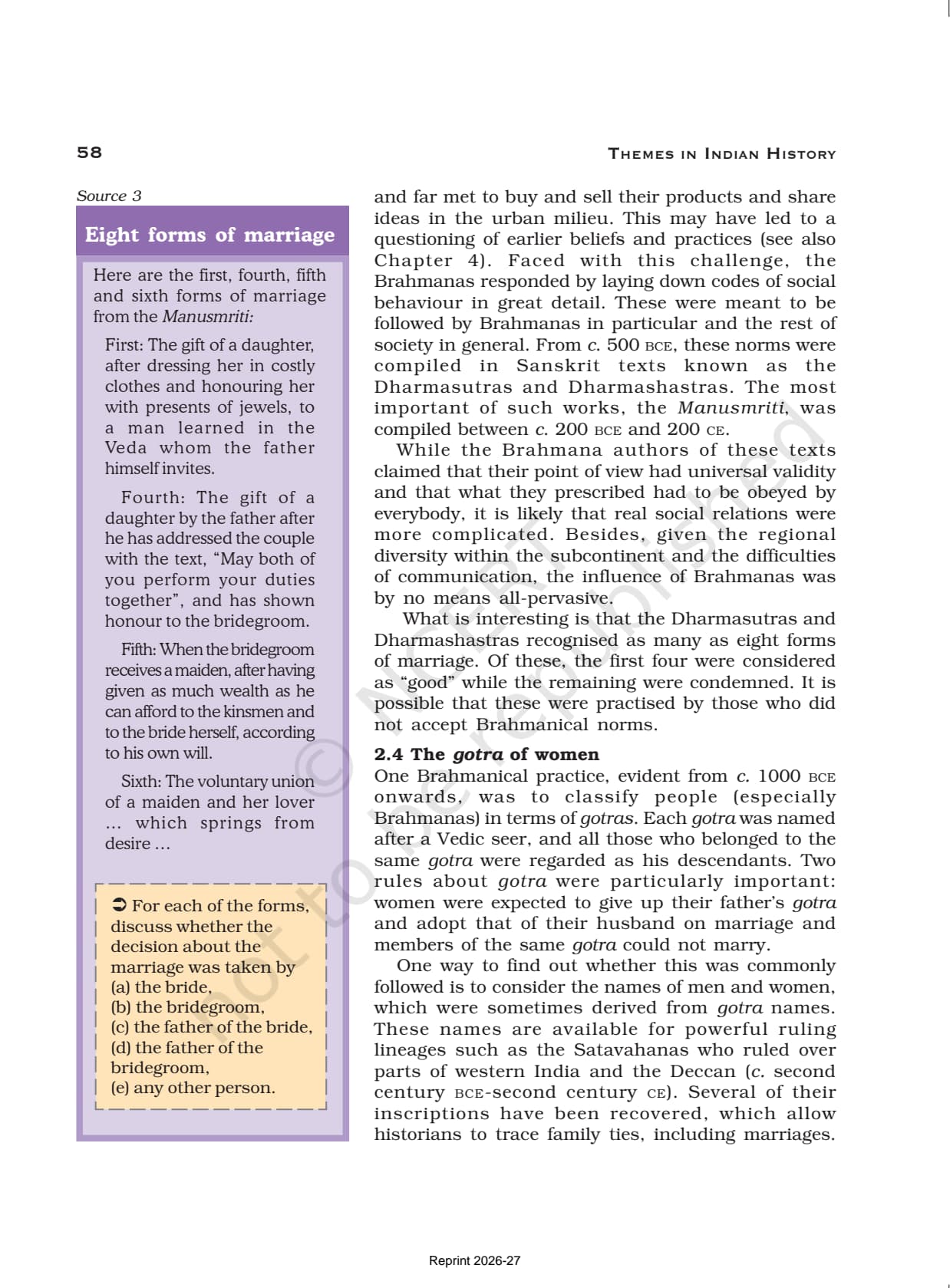
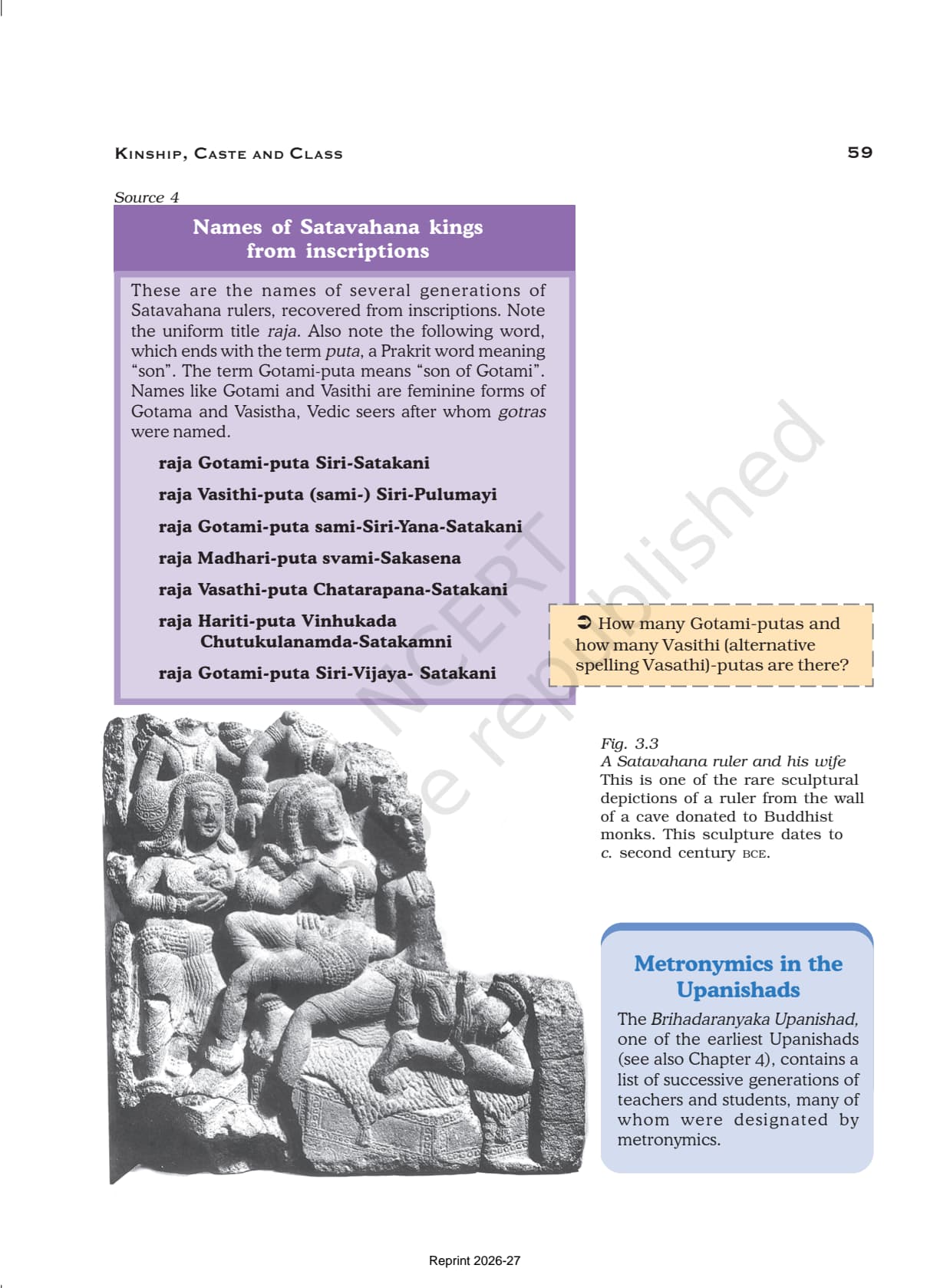
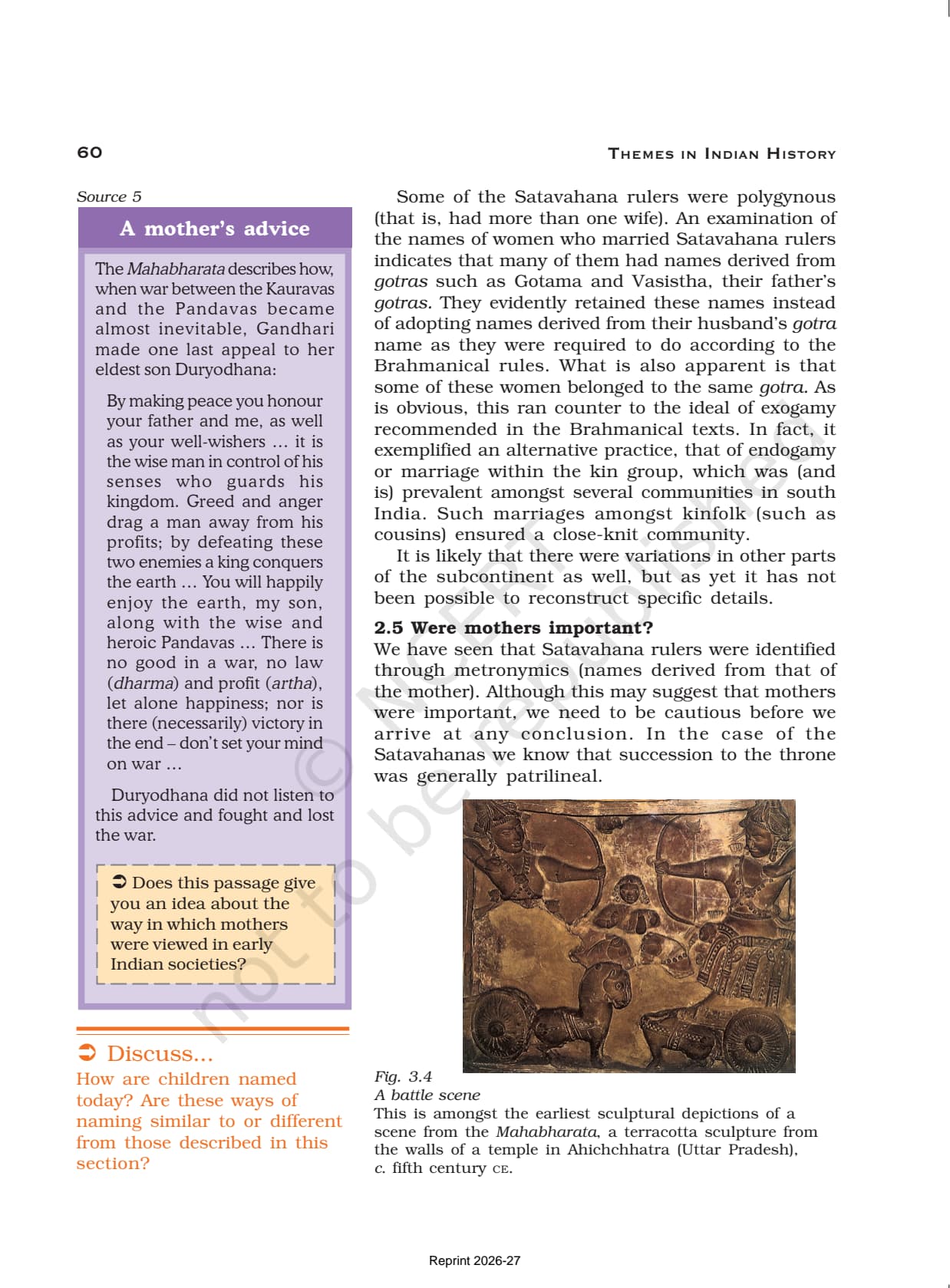
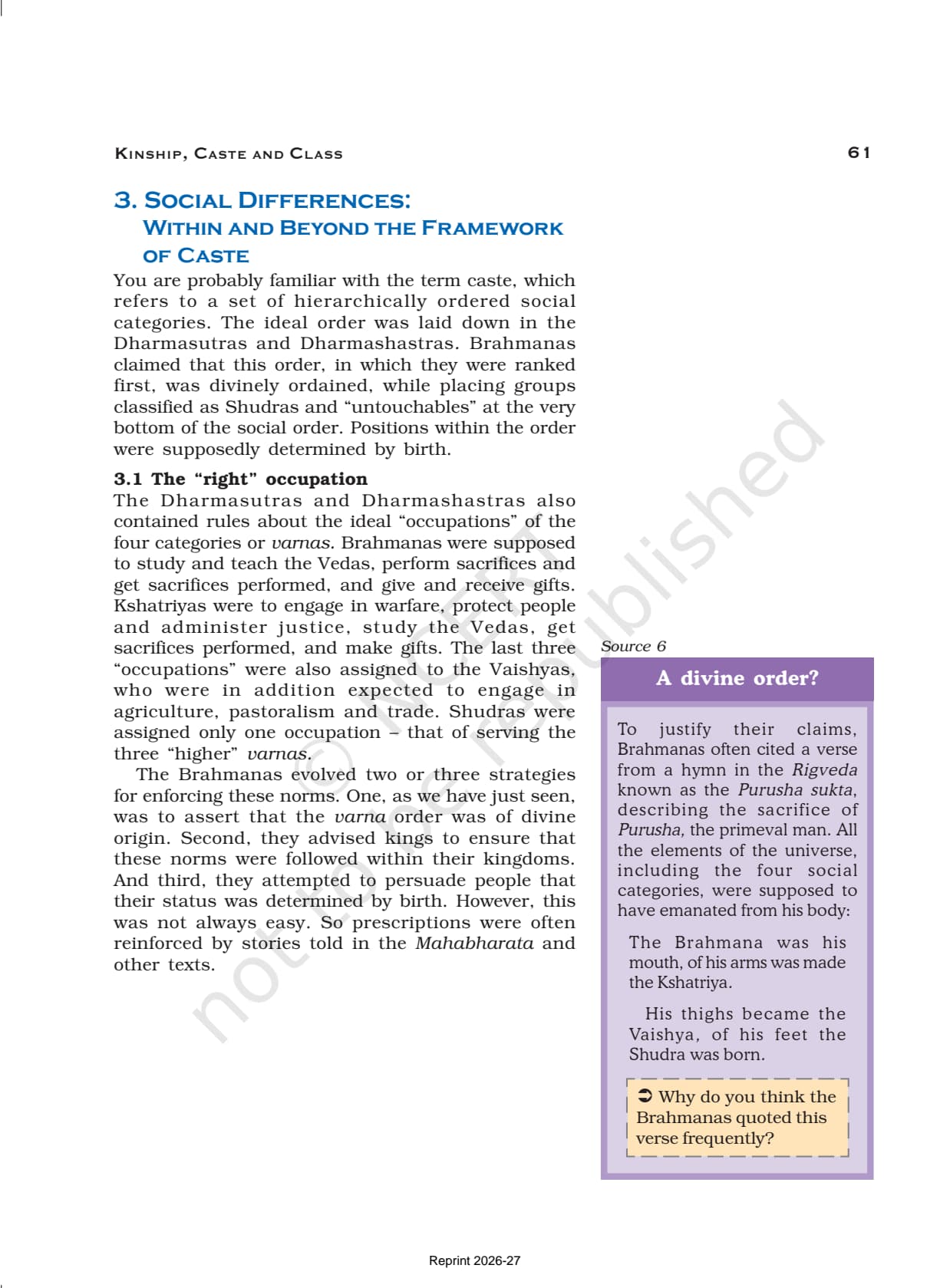
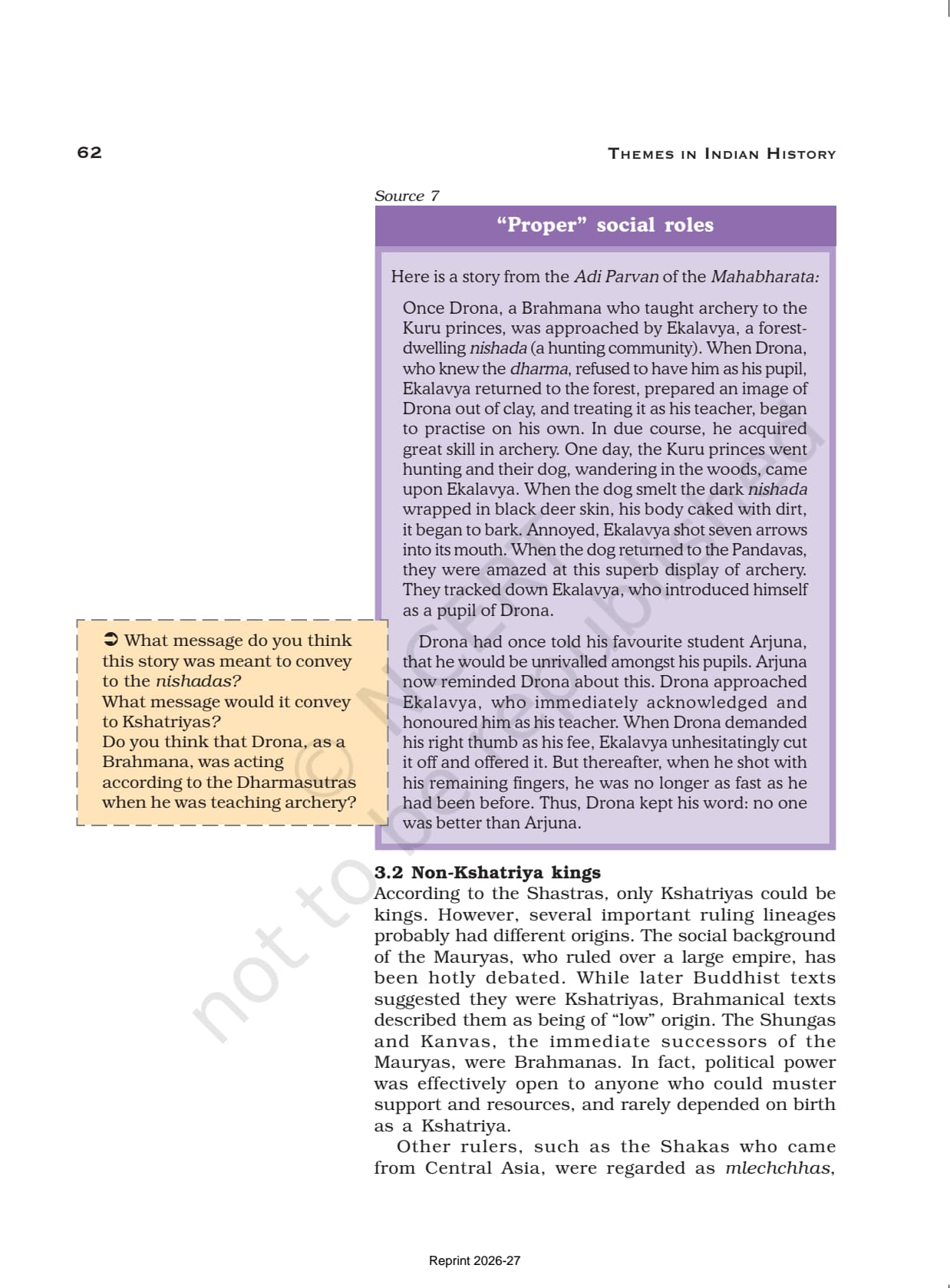
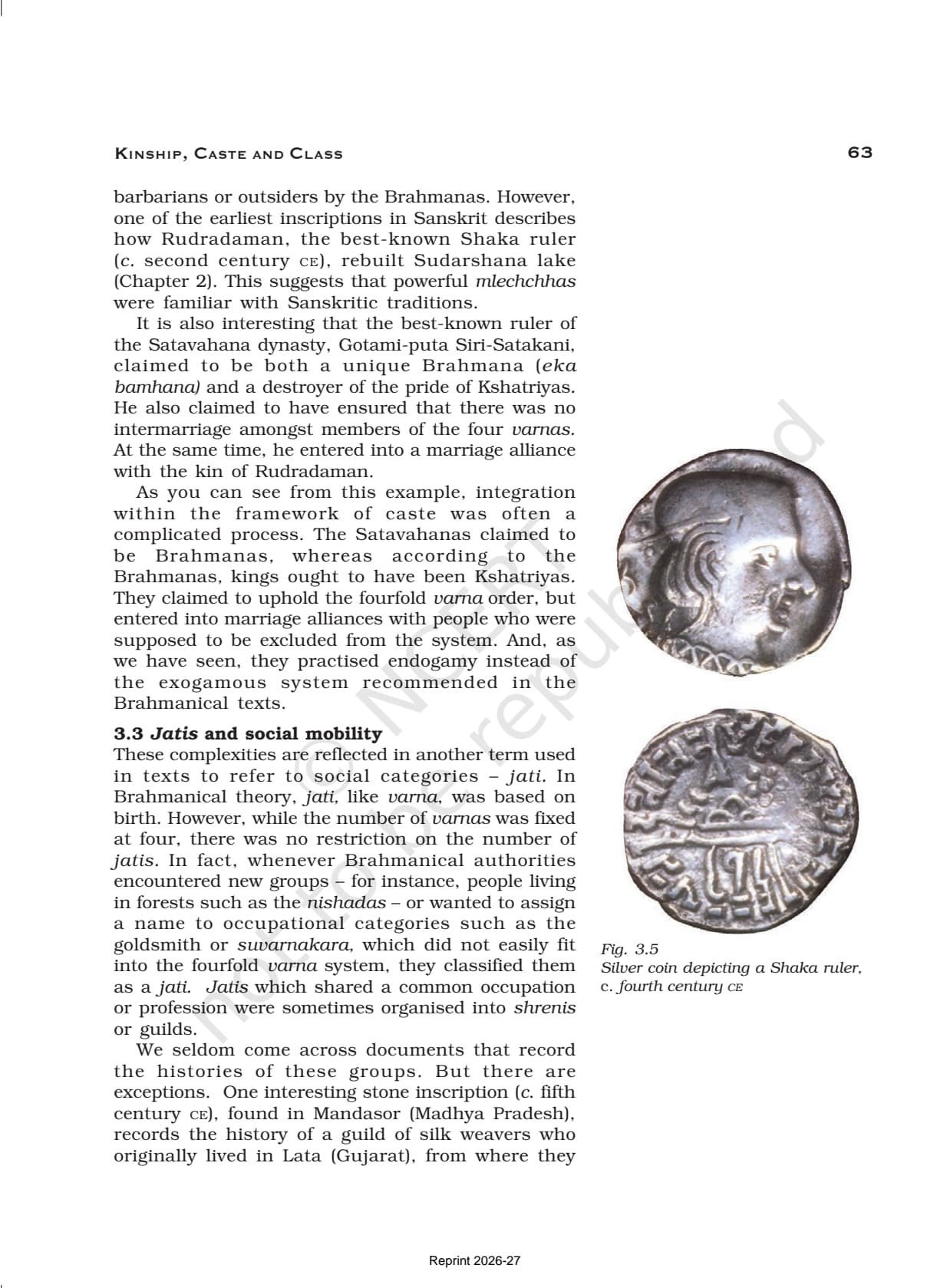
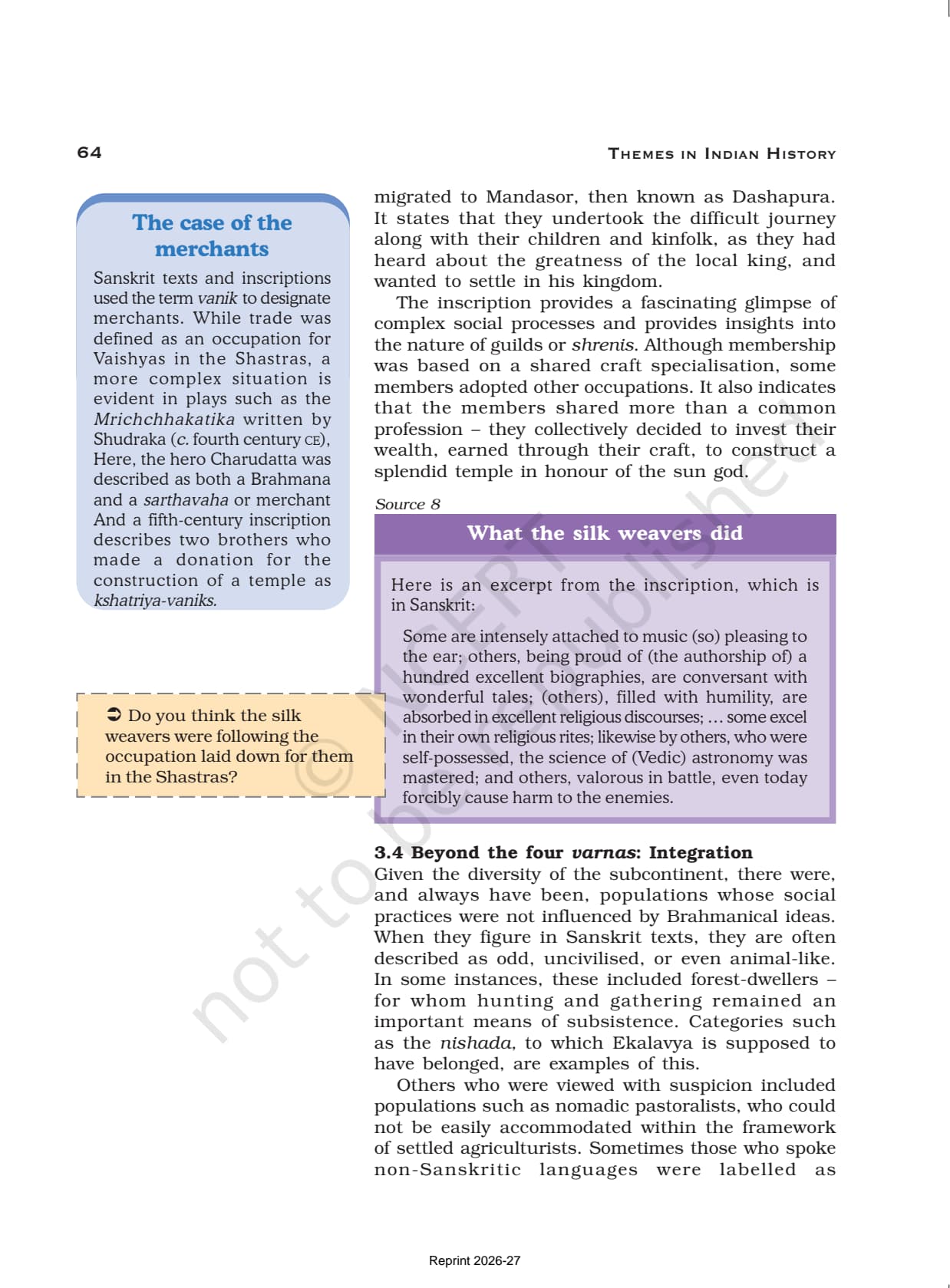
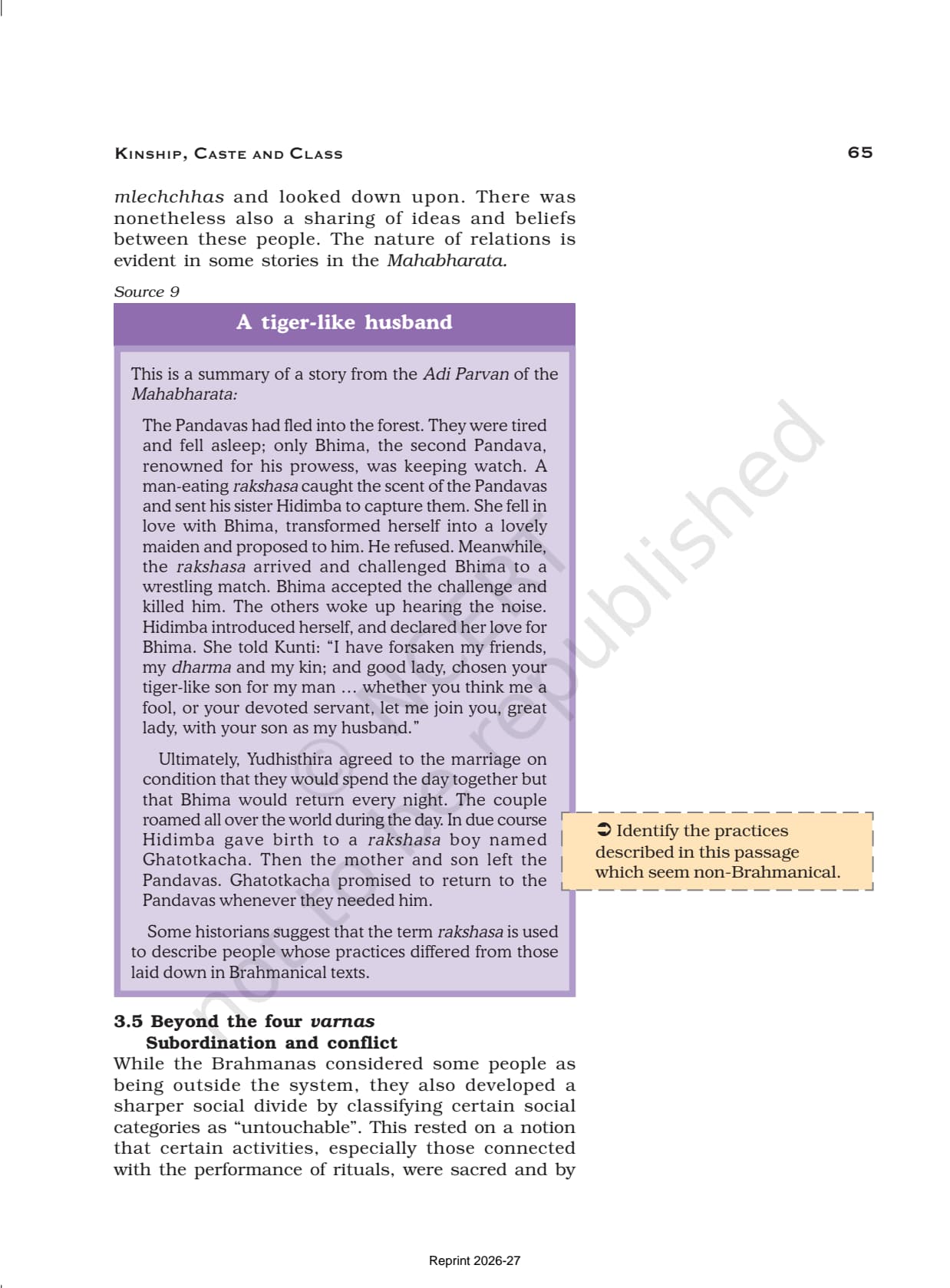
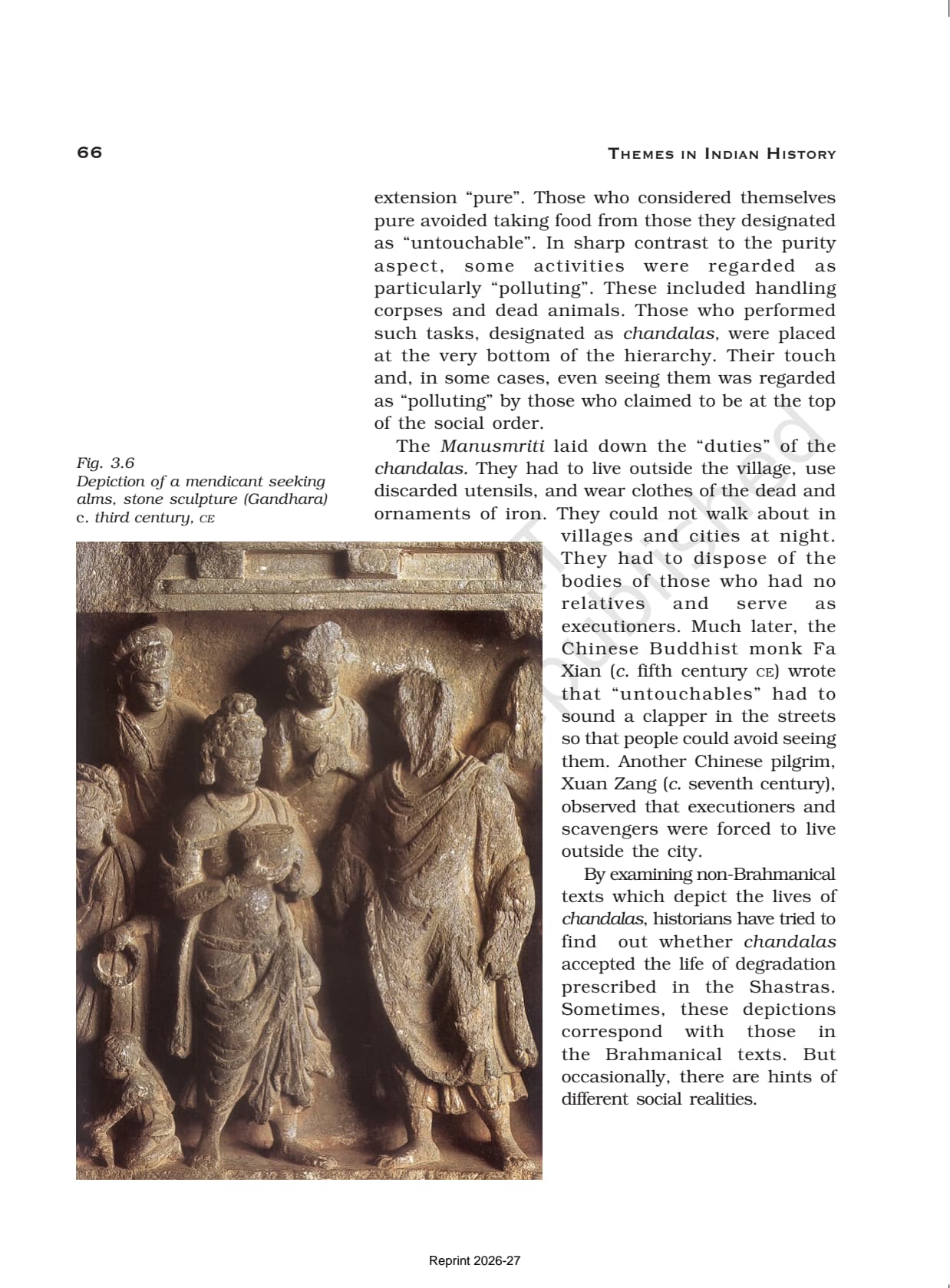
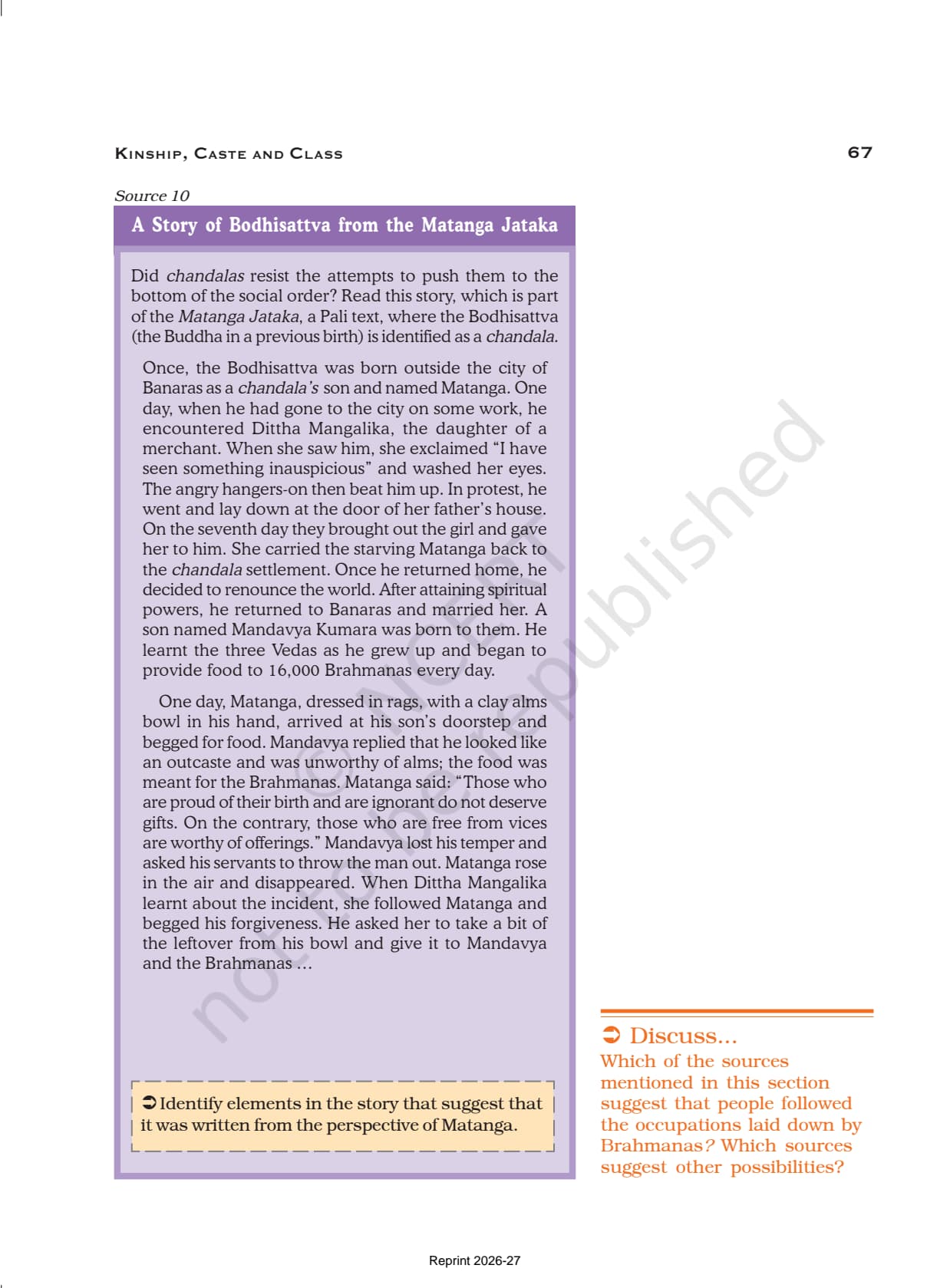
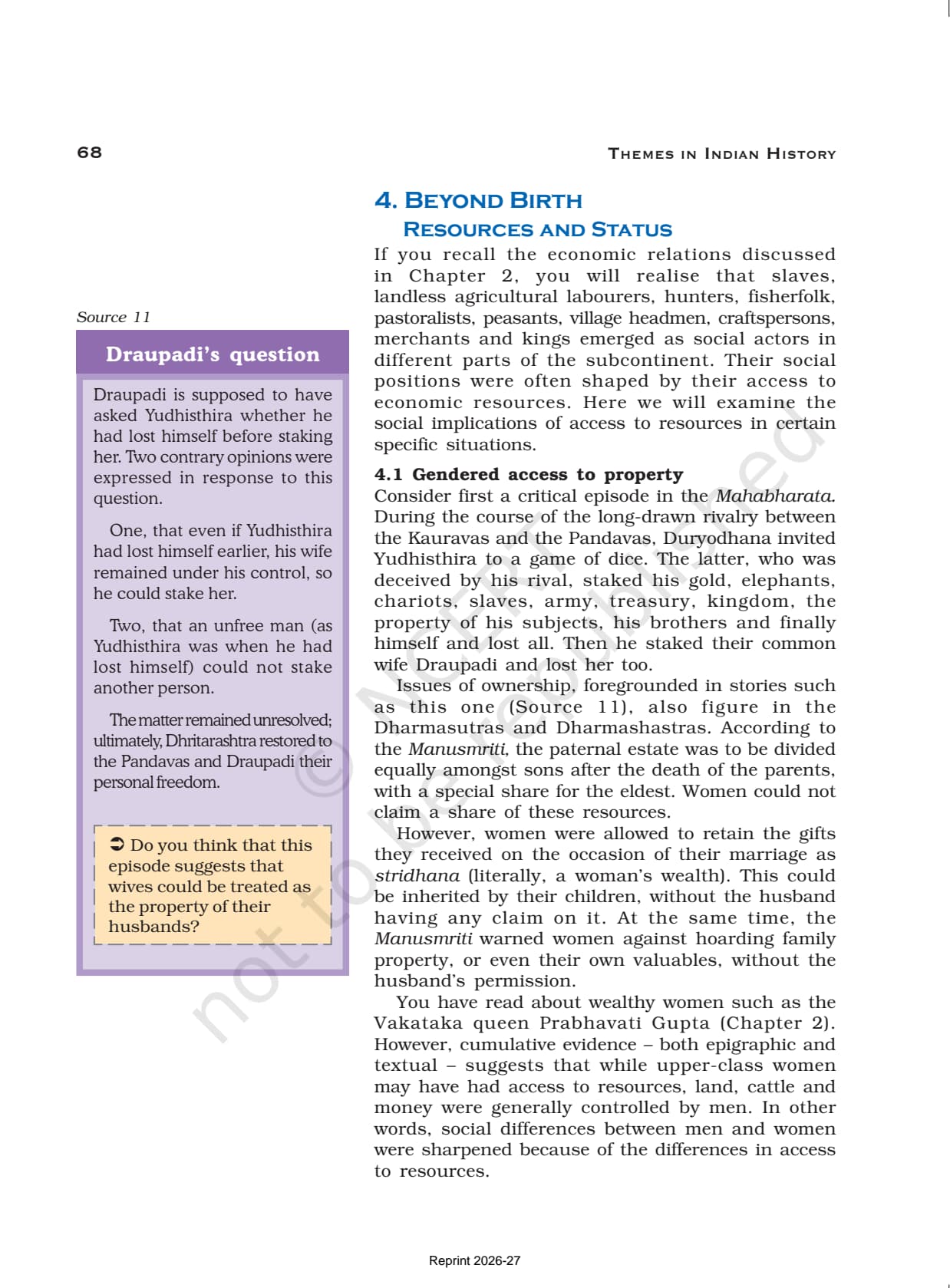
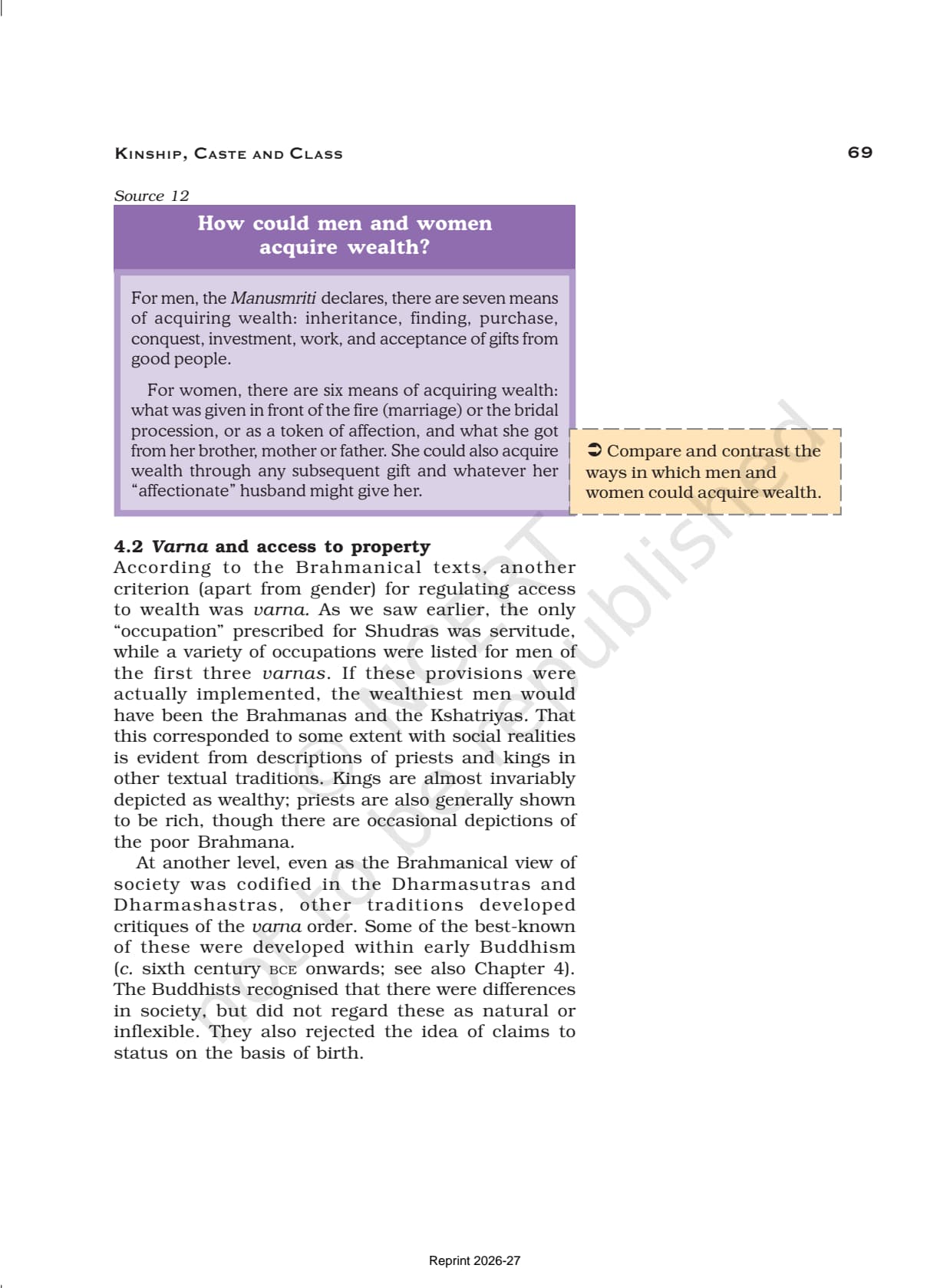
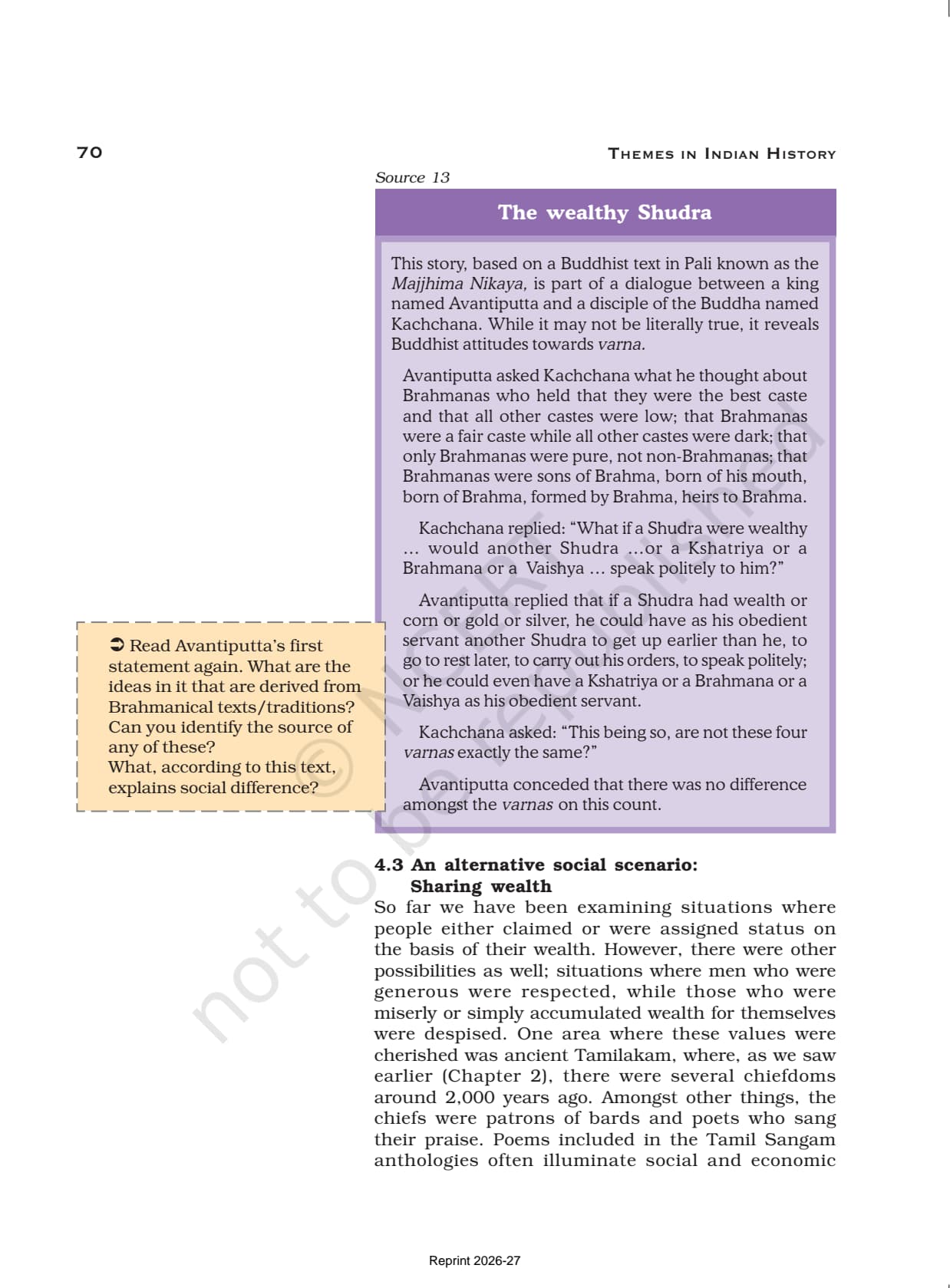
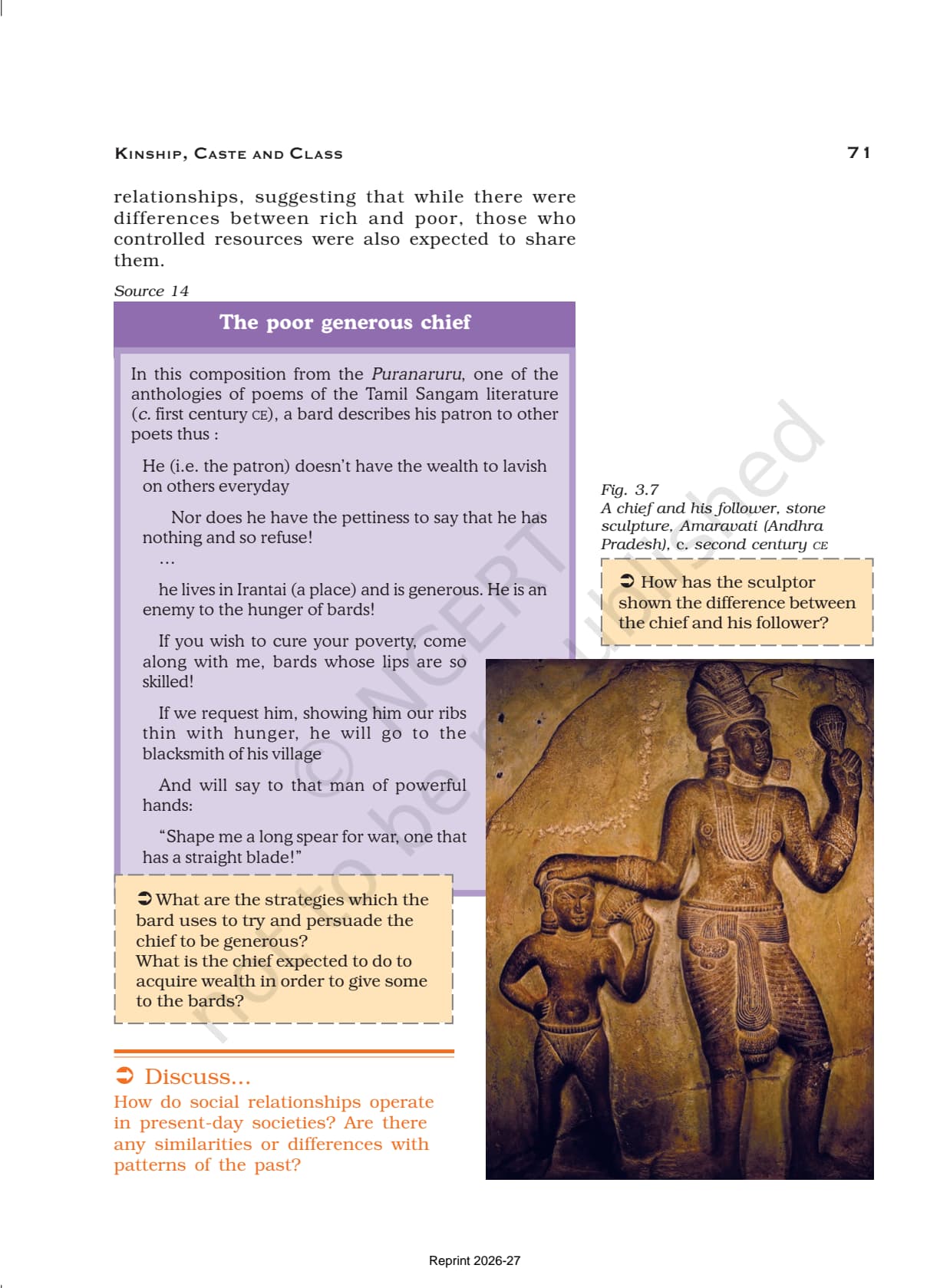
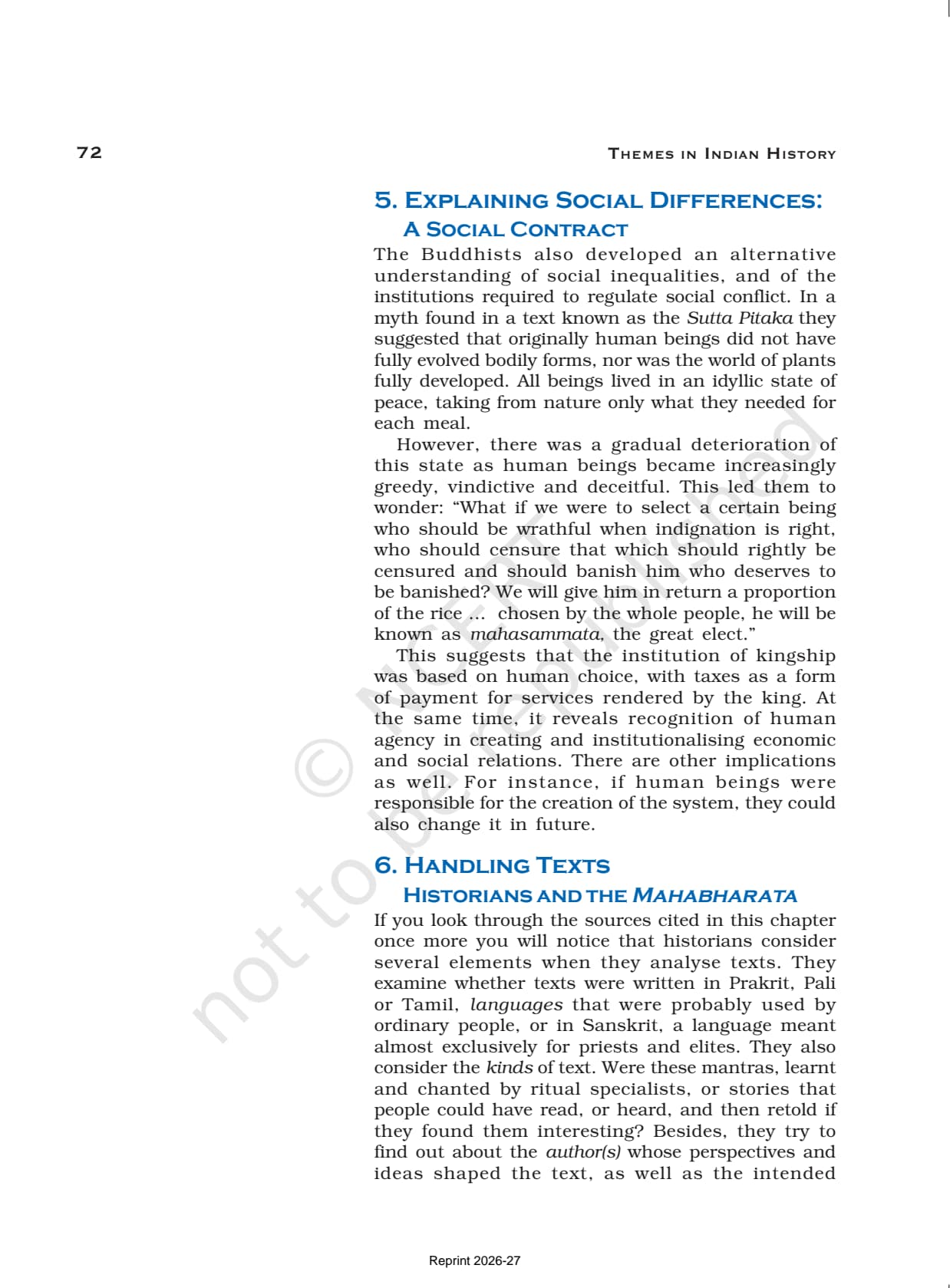
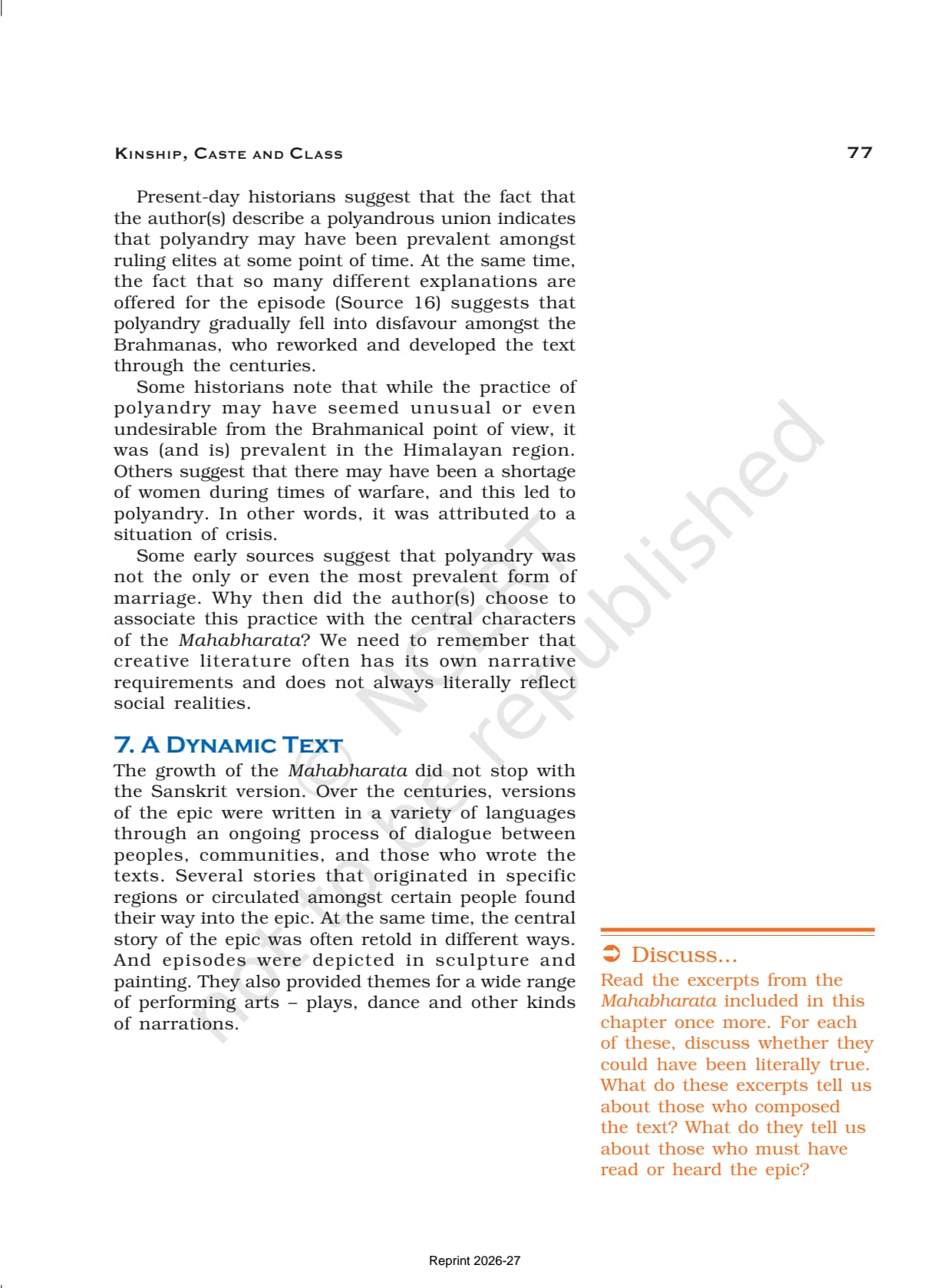
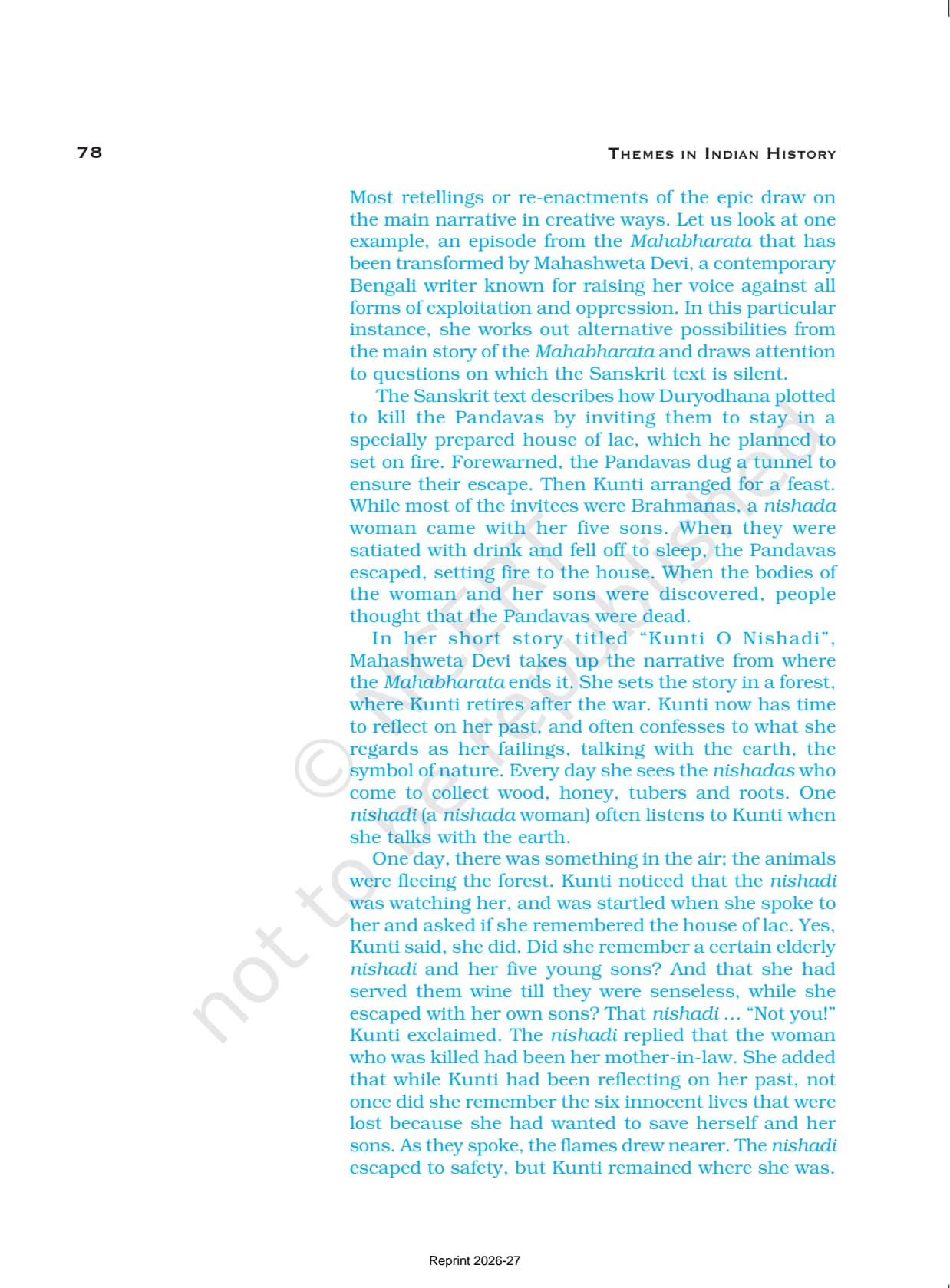
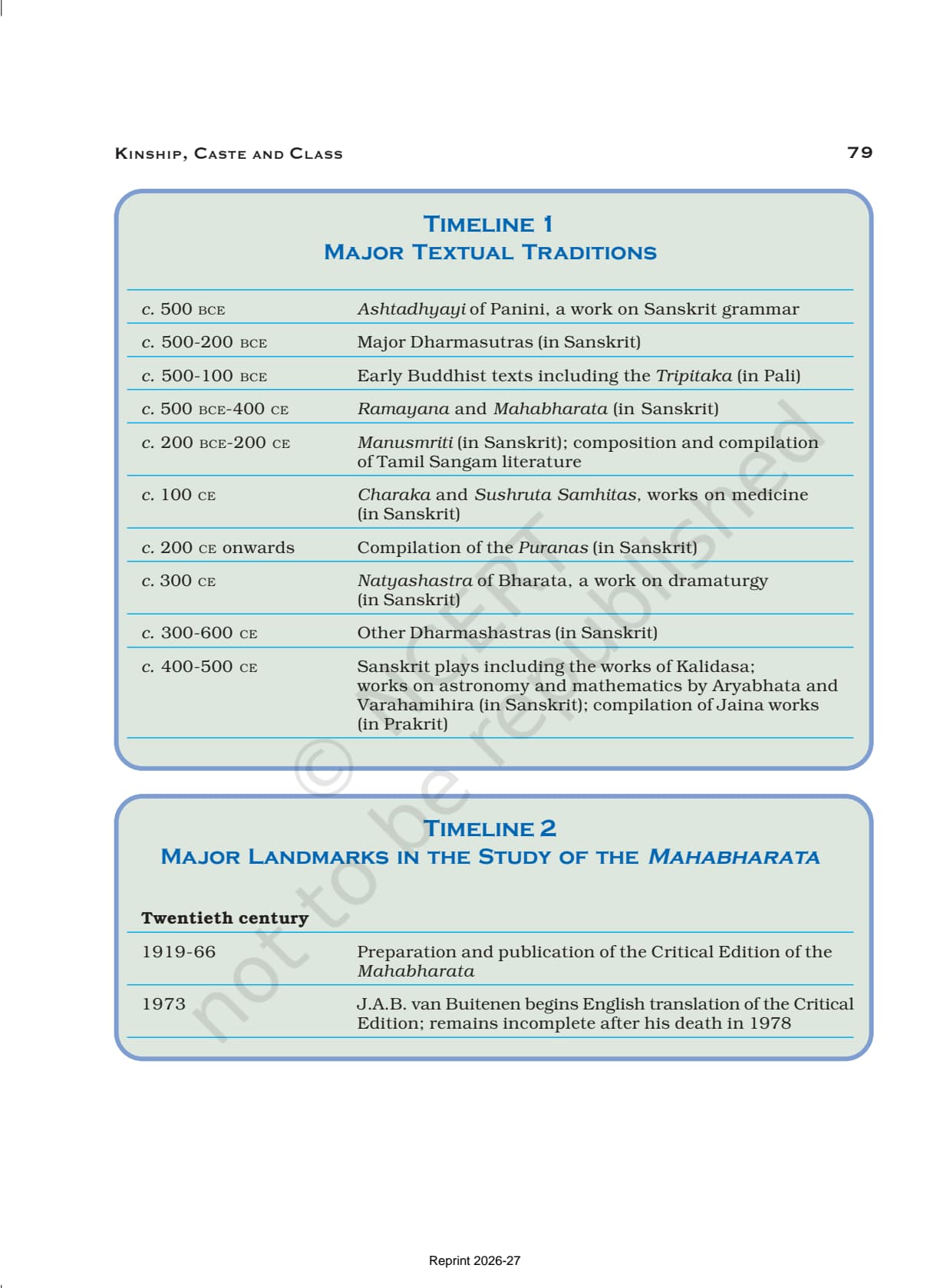
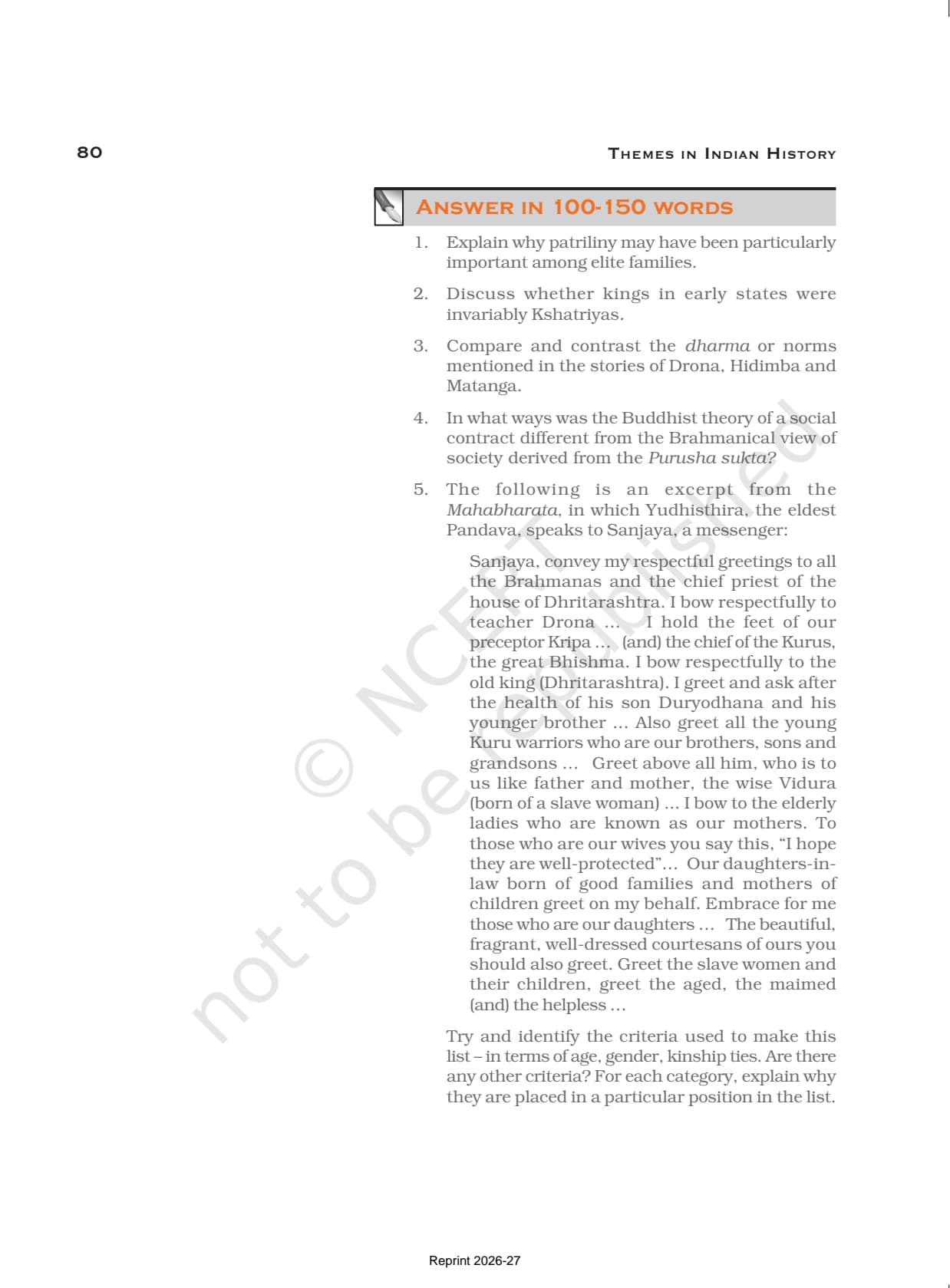
- Official NCERT chapter with the original source extracts, maps and photographs.
- This Class 12 History chapter usually carries 6 to 8 marks in the board paper.
- Pairs with the NCERT Solutions, Notes and Handwritten Notes linked lower on this page.
This is the official NCERT Kinship, Caste and Class chapter from Themes in Indian History Part I, offered for free download in the 2026-27 edition.
Student Feedback: In a Collegedunia poll of 7,760 Class 12 History students before the 2026 boards, 67% of students said they kept the official NCERT chapter PDF open while solving source-based questions, because the answers come straight from the chapter's own extracts, such as the Drona-Ekalavya story and the Purusha sukta.
Source: 2026-27 Class 12 History student poll. Sample of 7,760 students from CBSE schools across 12 states.
What the Kinship, Caste and Class NCERT Chapter Covers
Kinship, Caste and Class is the third chapter of Themes in Indian History Part I. It studies early Indian society from about 600 BCE to 600 CE, read mostly through the Mahabharata, the Dharmashastras and inscriptions. The chapter teaches one big skill: telling what people were told to do from what they actually did.
The three words in the title organise the chapter's evidence:
- Kinship introduces patriliny, the gotra and the rules of marriage.
- Caste introduces the varna and jati order and non-Kshatriya kings.
- Class introduces gender, property and the control of wealth.
The chapter also closes with a section on the Mahabharata as a dynamic text and how it was built up over a thousand years. Reading the original NCERT text matters because the source extracts and captions in the class 12 history chapter 3 pdf are exactly what CBSE quotes in source-based questions. A student who knows the chapter's own stories, such as Drona and Ekalavya, can answer those passages with confidence.
Chapter Highlights and Important Sources
The NCERT chapter is rich with source extracts, sculptures and a map that the exam often refers to. Knowing what each source shows helps students answer "read the excerpt" questions quickly. The table below lists the highlights students should study in the original chapter PDF.
| Highlight | Why it matters |
|---|---|
| The Mahabharata | The giant epic, over 100,000 verses, used as the main window on early society. |
| The Purusha sukta | The Rigvedic hymn used to make the varna order seem divine. |
| Drona and Ekalavya (Source 7) | The story that source-based questions use to discuss dharma and birth. |
| The Critical Edition (Fig. 3.2) | Shows the variant readings that prove the epic had many authors. |
| Satavahana sculpture (Fig. 3.3) | A rare image of a ruler, used in the non-Kshatriya kings discussion. |
The chapter also explains the gotra rule, endogamy and the Manusmriti's property law that show how kinship and class were ordered. One point students should mark while reading is that the Brahmanical rules were not always followed, as the Satavahana inscriptions prove. That single idea from the chapter is the heart of the rule-versus-practice answer, and it appears almost every year.
Kinship, Caste and Gender in the Chapter
The chapter devotes whole sections to kinship, caste and gender, the three themes of the title. These sections feed the short and long answers, so reading them in the original NCERT helps students quote the right examples. The lists below show what the chapter covers under each theme.
- Kinship: patriliny, the gotra rule, exogamy and kanyadana, and how elite families used them.
- Caste: the four varnas from the Purusha sukta, the jati order, and non-Kshatriya kings such as the Mauryas and Satavahanas.
- Gender: sons preferred over daughters, the Manusmriti's property law, stridhana, and Draupadi staked at dice.
- Alternatives: the Buddhist social contract and the Matanga Jataka, which reject birth as the basis of status.
The chapter explains that the texts prescribed one order, but inscriptions and stories show people often did otherwise. It covers the Satavahana queens who kept their fathers' gotras and the endogamy that broke the exogamy rule. Because these examples are drawn straight from the source chapter, the chapter 3 history class 12 ncert book is the most reliable place to learn them.
How the Chapter Reads Society Off the Mahabharata
The closing sections of the chapter are the most thoughtful, and they are also the hardest to answer well. NCERT explains how historians use one giant epic, built up over a thousand years, to rebuild a whole society. Reading these pages in the original chapter helps students write balanced answers.
- A dynamic text: the epic grew from under 10,000 to about 100,000 verses across many centuries.
- Many authors: bards, Brahmanas and later editors all added material; the Critical Edition records thousands of variants.
- Narrative and didactic: the chapter divides the epic into its story and its rule-books, and shows the two are mixed.
- Still retold: the epic survives in many languages and modern reworkings such as Mahashweta Devi's story.
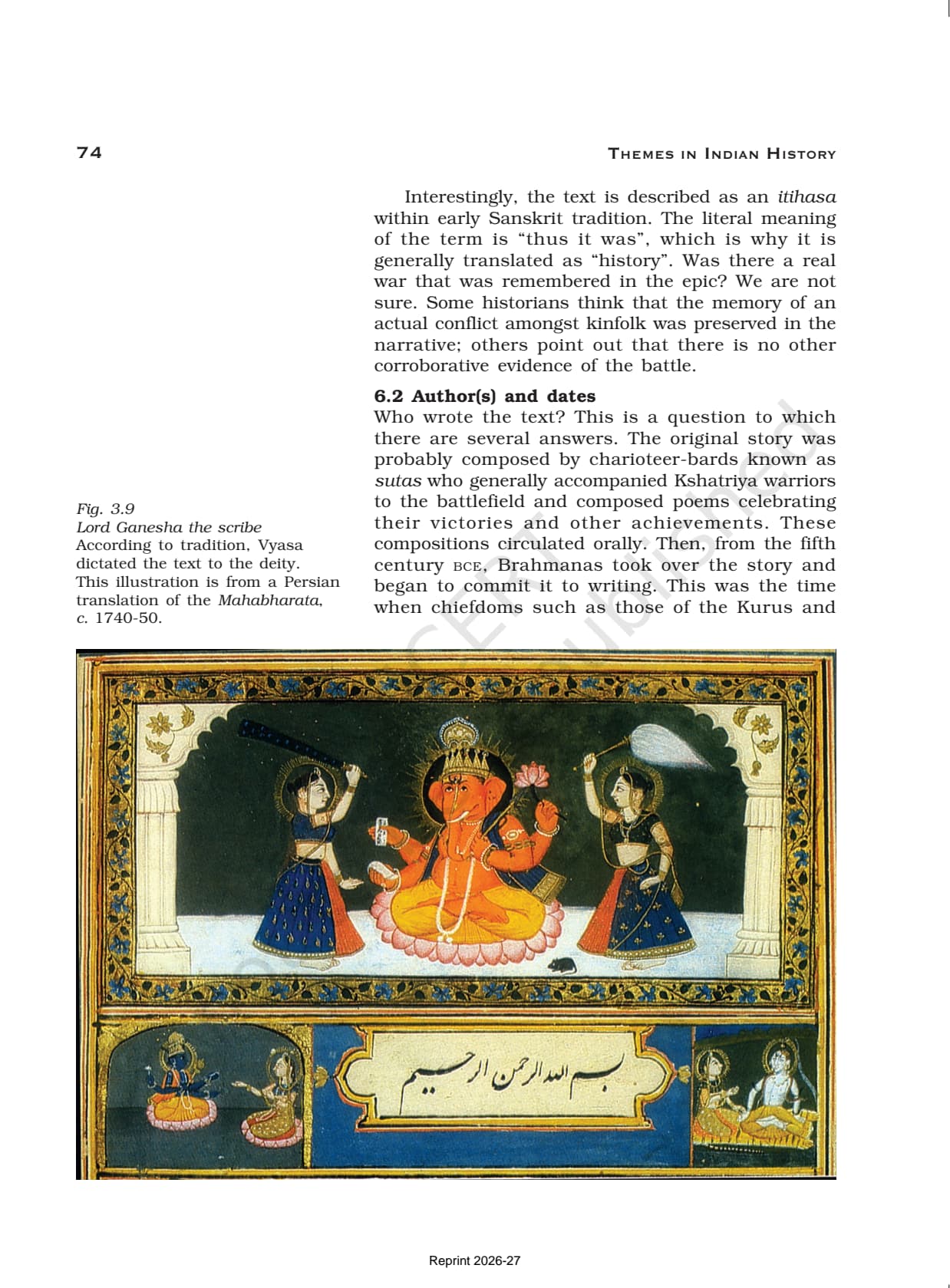
The chapter is clear that the Mahabharata is literature, written largely by and for Brahmanas, so it shows ideals as well as everyday reality. It ends with the tradition that the sage Vyasa dictated the epic to Ganesha (Fig. 3.9), set against the historian's evidence of phased, collective authorship. Reading these closing pages in the official PDF gives students the wording NCERT itself uses, which scores best in the board paper.
How to Download and Use the NCERT Chapter PDF
The chapter PDF is free and easy to use on any device. Students can save it for offline reading and pair it with the solutions and notes. The steps below show how to get the most out of the kinship, caste and class pdf during revision.
- Download: tap the download card above to save the official Chapter 3 PDF to your device.
- First read: read the chapter once end to end, marking the source extracts and the map.
- Source practice: keep the PDF open while attempting source-based questions, since the passages come from it.
- Revision: use the chapter alongside the notes to fix dates, dynasties and source names.
Many students search for the class 12 history chapter 3 pdf the night before a test so they can revise offline. A saved copy means the source extracts and figures are always at hand. After reading the chapter, move to the solutions to check that your answers match the model points, then use the notes for a final quick recall.
How the Book PDF Pairs with the Solutions and Notes
The NCERT Book PDF is the source text. To prepare fully, students should use it with the other resources for the same chapter, all linked in the table below. Read the chapter, fix the ideas with the notes, then test yourself with the solutions.
| Resource | Best used for |
|---|---|
| Kinship, Caste and Class NCERT Solutions | Step-by-step answers to all 12 back-exercise questions |
| Kinship, Caste and Class Class 12 Notes | Quick chapter summary with all dates, dynasties and source names in one place |
| Kinship, Caste and Class Handwritten Notes | Last-minute, one-shot revision in a scanned notebook style |
Tip: read the chapter PDF first, then attempt the solutions on your own, and only then check the model answers. Reading the source text before the answers builds far stronger source-based skills.
All Class 12 History NCERT Book PDFs by Chapter
The table links the NCERT chapter PDFs for every chapter in Themes in Indian History so students can move across the book in one click. Chapter 3 is highlighted.
| Chapter | NCERT Book PDF |
|---|---|
| Chapter 1 | Bricks, Beads and Bones |
| Chapter 2 | Kings, Farmers and Towns |
| Chapter 3 | Kinship, Caste and Class |
| Chapter 4 | Thinkers, Beliefs and Buildings |
| Chapter 5 | Through the Eyes of Travellers |
| Chapter 6 | Bhakti-Sufi Traditions |
| Chapter 7 | An Imperial Capital Vijayanagara |
| Chapter 8 | Peasants, Zamindars and the State |
| Chapter 9 | Colonialism and the Countryside |
| Chapter 10 | Rebels and the Raj 1857 |
| Chapter 11 | Mahatma Gandhi and the Nationalist Movement |
| Chapter 12 | Framing the Constitution |
FAQs on Kinship, Caste and Class NCERT Book PDF
Kinship, Caste and Class Class 12 NCERT Book Common Questions
Ques. Where can I download the Kinship, Caste and Class NCERT Book PDF?
Ans. You can download the official Kinship, Caste and Class Class 12 History chapter PDF directly from this page. It is free, follows the 2026-27 NCERT edition, and carries the original text, map and source extracts of Chapter 3.
Ques. Which book is Kinship, Caste and Class from?
Ans. It is the third chapter of Themes in Indian History Part I, the Class 12 History textbook. The chapter studies early Indian society from about 600 BCE to 600 CE through kinship, the varna order and class, read mostly through the Mahabharata.
Ques. What does the Kinship, Caste and Class chapter cover?
Ans. It covers early Indian society from about 600 BCE to 600 CE, including patriliny and the gotra, the varna and jati order, non-Kshatriya kings, gender and property, the Buddhist social contract, and how the Mahabharata was built up over a thousand years.
Ques. Why should I read the original NCERT chapter PDF?
Ans. Because CBSE draws source-based questions straight from the chapter's own extracts, such as the Drona-Ekalavya story and the Purusha sukta. Reading the official chapter 3 history class 12 PDF gives you the exact wording and examples that score best in the board paper.
Ques. How should I use the chapter PDF with the other resources?
Ans. Read the chapter PDF first, fix the ideas with the notes, then test yourself with the solutions. Keeping the PDF open while practising source-based questions helps, since the passages come directly from it.



Comments