History Mentor, Sri Venkateswara College | Updated on - Jul 21, 2026
The NCERT Solutions for History Class 12 NCERT Solutions Chapter 6 Bhakti-Sufi Traditions cover every textbook question on changes in religious beliefs and devotional texts, according to the latest 2026-27 CBSE syllabus. Each answer draws on the bhakti saints, the Sufi shaikhs and the sources historians use to study them. These solutions help students prepare for the Class 12 History board paper in 2026-27.
Covers all 12 exercise questions from Theme 6, with full source-based and essay-type points.
This Class 12 History chapter usually carries 6 to 8 marks per board paper.
Pairs with the Notes, Handwritten Notes and NCERT Book PDF linked lower on this page.
Every solution for class 12 history chapter 6 in this Collegedunia compilation is curated by subject experts, written from the official NCERT Themes in Indian History Part II, and checked against the last five years of CBSE board papers.
Student Feedback: In a Collegedunia poll of 10,760 Class 12 History students conducted before the 2026 boards, 69% of students rated the difference between bhakti and Sufi traditions as the trickiest part of this chapter. Most students said a side-by-side table of the two traditions made the topic click.
Source: 2026-27 Class 12 History student poll. Sample of 10,760 students from CBSE schools across 14 states.
What the Bhakti-Sufi Traditions Class 12 Chapter Is About
Bhakti-Sufi Traditions is Chapter 6 of Themes in Indian History Part II. It studies changes in religious beliefs and devotional texts between roughly the eighth and eighteenth centuries. The chapter is special because it follows two devotional movements at once: the bhakti saints within the Hindu fold, and the Sufis within Islam.
The chapter really turns on a few big ideas that almost every question grows out of:
Integration of local cults into a wider Brahmanical fold.
Bhakti in two streams, saguna (with form) and nirguna (formless).
Sufism, the mystical strand of Islam, with its khanqahs, silsilas and shrines.
So the chapter is about how ordinary people reached God outside priestly control, and how kings used these movements for support. A student who keeps the bhakti and Sufi tracks separate can connect almost any question in chapter 6 history class 12 back to one of them. This is why bhakti sufi traditions class 12 revision works best when you sort each saint and term under its own tradition first.
Integration of Cults and the Great and Little Traditions
The chapter opens by asking how "Hinduism" of this period was put together. Historians call the answer the integration of cults, a two-way process. It is the basis of the very first exercise question, so students must be able to explain it with examples.
The two processes that worked together were:
Spreading Brahmanical ideas: Puranic texts were written in simple Sanskrit verse, open to women and Shudras who were kept out of Vedic learning.
Absorbing local cults: Brahmanas accepted and reworked local beliefs, so the "great" Sanskritic tradition met the "little" local one.
The proof lies in two named examples. Jagannatha at Puri was a local wooden deity, carved by tribal specialists, yet recognised by the twelfth century as a form of Vishnu. Local goddesses, often just a stone smeared with ochre, were folded in by being made wives of major gods, equated with Lakshmi or Parvati. For Question 1, the marks lie in showing this two-way traffic, not just Brahmanas teaching but Brahmanas borrowing.
Alvars, Nayanars and the Virashaiva Critique of Caste
The earliest bhakti voices came from Tamil Nadu. The Alvars were devotees of Vishnu and the Nayanars of Shiva, while the Virashaivas (Lingayats) rose later in Karnataka. All three challenged the caste system, which is a favourite long-answer topic.
Group
How they critiqued caste
Alvars & Nayanars
Drew devotees from all ranks, even "untouchables"; called their Tamil hymns (the Nalayira Divyaprabandham) the "Tamil Veda".
Direct criticism
Appar asked "of what use are your gotra and kula?"; Tondaradippodi preferred a loving "outcaste" to a loveless Brahmana.
Virashaivas
Led by Basavanna in the twelfth century; rejected caste and "pollution" and questioned rebirth.
Lived practice
Buried their dead instead of cremating, and backed post-puberty marriage and widow remarriage, against the Dharmashastras.
A sharp exam point is that the Virashaiva critique was not only spoken but lived. The Lingayats did not just say caste was wrong, they buried their dead and remarried widows in open defiance of the Dharmashastras. Pairing words with practice is what lifts the answer to the top band in Question 4.
Sufism: Khanqahs, Silsilas and the Chishtis
Sufism (tasawwuf) was the mystical strand within Islam. Sufis sought God through love and devotion rather than dry, scholastic theology. The chapter explains both their beliefs and the institutions they built, which come up in the long-essay questions.
Core belief: salvation through intense love of God, with a personal reading of the Qur'an, not dogma.
The khanqah and silsila: communities formed around a hospice under a shaikh, who enrolled disciples and named a successor; silsilas were chains linking master to disciple back to the Prophet.
The cult of the shaikh: after a shaikh died, his tomb (dargah) drew pilgrimage (ziyarat), especially on his death anniversary (urs).
Worship: remembering God through zikr (Divine Names) and mystical music (sama), including qawwali.
The most influential Sufis in India were the Chishtis, who adapted to local traditions. Their great shrines at Ajmer (Khwaja Muinuddin) and Delhi (Shaikh Nizamuddin Auliya) became major centres of devotion. The chapter also splits Sufis into ba-shari'a (who obeyed Islamic law and lived in khanqahs) and be-shari'a (who defied it, took to mendicancy and were called Qalandars, Madaris, Malangs and Haidaris). That ba/be distinction is a common short-answer question.
Kabir, Baba Guru Nanak and Mirabai
The chapter closes with the great north Indian poet-saints. Their teachings and the way these were passed down are the basis of the Kabir-or-Nanak question, so students should be able to handle at least one in depth.
Kabir described one Ultimate Reality using Islamic, Vedantic and yogic terms, attacked idol worship and Hindu-Muslim division, and used ulatbansi (upside-down sayings).
Baba Guru Nanak (1469 to 1539) taught nirguna bhakti: one formless God ("rab") reached by remembering the Divine Name, not by ritual; he built congregational worship (sangat) and named Angad his successor.
Mirabai, a Rajput princess of Mewar, took Krishna as her lover-god and sang bhajans that defied caste and patriarchy.
For transmission, the model answer should name three channels for Baba Guru Nanak. His shabads were sung in sangat, his message was carried by a line of gurus from Angad, and his hymns were written down by Guru Arjan in the Adi Granth Sahib, later the Guru Granth Sahib. Showing both the teaching and the machinery that preserved it is what earns full marks in Question 5.
Rulers, Legitimacy and the Sources Historians Use
Two of the longer essay questions ask why rulers linked themselves to these saints, and how historians study the traditions at all. Both reward a balanced, source-aware answer.
Theme
Key points to recall
Rulers & Nayanars
Chola kings built grand Shiva temples (Thanjavur, Chidambaram), promoted Tamil hymns (Tevaram), and consecrated saints' images (Parantaka I).
Rulers & Sufis
Akbar visited Ajmer fourteen times, gave a degh and built a mosque; Sultans granted auqaf and inam to hospices.
Why they did it
Both traditions were hugely popular, and Sufis drew authority from God, so kings borrowed this for legitimacy and mass support.
On sources, the chapter is honest that each kind has problems. Historians use sculpture, architecture, hagiographies and devotional poems, but hagiographies exaggerate and oral poems shift in transmission. A strong answer names the source and then flags its limit, which is exactly the maturity examiners reward.
Mosque Architecture and the Languages of Devotion
Two more questions test the "universal plus local" theme: one on mosque architecture, one on the many languages the saints used. Both are about a universal faith taking local shape.
Mosques: the universal core (orientation to Mecca, the mihrab and minbar) stays fixed, while roofs, materials and ornament are local, like the temple-style shikhara roof of the Kerala mosque, the brick Atiya mosque and the carved wood of the Shah Hamadan mosque.
Languages: saints chose the speech of ordinary people, Tamil for the Alvars, Kannada vachanas for Basavanna, Punjabi shabads for Nanak, Hindavi and Dakhani for the Chishtis.
Forms of song: teachings were even cast as lullabies (lurinama) and grinding songs, so devotion entered the household.
The link between the two is that both movements wanted to reach past the Sanskrit and Persian elite and speak to people directly. For these "analyse, with illustrations" questions, never give a reason without a named example. That single habit moves the answer from average to high marks.
Bhakti-Sufi Traditions Class 12 Exercise-wise Coverage
The chapter exercise has 12 questions. The table maps each one to its topic so students can plan revision and find the right NCERT answer fast. The full step-by-step solution for each sits in the question set lower on this page.
Question
Topic it tests
Q 1
Integration of cults, with examples (Jagannatha, goddess cults)
Q 2
Mosque architecture as universal ideals plus local traditions
Q 3
Similarities and differences between be-shari'a and ba-shari'a Sufis
Q 4
Alvar, Nayanar and Virashaiva critiques of caste
Q 5
Teachings of Kabir or Baba Guru Nanak and how they were transmitted
Q 6
Major beliefs and practices of Sufism (250 to 300 word essay)
Q 7
How and why rulers linked themselves to the Nayanars and Sufis
Q 8
Why bhakti and Sufi thinkers used a variety of languages
Q 9
Reading any five chapter sources for their social and religious ideas
Q 10 to 12
Map work and project-style activities
Questions 4, 6 and 7 are the most-asked long answers, so students preparing chapter 6 history class 12 revision should learn those three first. The map and project tasks (10 to 12) are also useful for the history project file class 12 chapter 6 that many schools assign.
Students who want the offline copy can save the class 12 history chapter 6 pdf from the download card above and tick off each question as they finish it.
Bhakti-Sufi Traditions Important Questions and Previous Year Trends
CBSE sets a steady mix of source-based, short and long answers from this chapter. Knowing the pattern helps students decide how much to write. The chapter is a regular source of one 5-mark or 8-mark source-based question, which is why a focused list of chapter 6 history class 12 important questions saves a lot of revision time.
Source-based (often 8 marks): an extract from a vachana, a Kabir verse or Jahanara's Ajmer pilgrimage, with three sub-parts.
Long answer (5 to 6 marks): the beliefs and practices of Sufism, or how rulers used these traditions.
Short answer (3 marks): integration of cults, ba/be-shari'a Sufis, or the Virashaiva critique.
Objective and MCQ: saints, shrines, dates and key terms like silsila and dargah.
For quick recall before the exam, students often practise the class 12 history chapter 6 mcq set and a list of class 12 history chapter 6 important questions. The most repeated bhakti sufi traditions class 12 question answer items are the Sufism essay and the caste-critique question, so keep those answer points ready in your own words.
It also helps to attempt a short history class 12 chapter 6 mcq drill and the class 12 history chapter 6 extra questions and answers after you finish the main exercise. These extra sets test the small facts, such as shrine names and saint dates, that examiners use for one-mark objective questions.
Working through the ncert solution class 12 history chapter 6 set twice, once open-book and once from memory, fixes those facts well before the board exam.
Common Mistakes Students Make in the Bhakti-Sufi Traditions Chapter
A few errors cost marks every year in this chapter. Most come from mixing up the two traditions or stating only one side of a debate. Avoiding them is the fastest way to lift a score.
Mixing bhakti and Sufi terms - keep saguna or nirguna for bhakti and silsila or khanqah for Sufism.
Reversing ba-shari'a and be-shari'a - ba means with the law, be means without it.
Forgetting that integration was two-way - Brahmanas both taught and absorbed.
Giving teachings but not transmission in Question 5 - both halves carry marks.
Stating a reason without an example in "analyse" questions - always pair the two.
Students who fix these five points usually move from average to high marks on the long answers. The exam rewards precise vocabulary, so use the exact Sufi and bhakti terms when the question calls for them.
Bhakti-Sufi Traditions PDF Download Formats and Languages
The solutions are free to download in more than one format, so students can pick what suits their device and revision style. The download card at the top of the page carries each option for this chapter.
Normal and HD PDF: the bhakti sufi traditions pdf is offered in a normal size for quick downloads and an HD version for clear printing.
English medium: all 12 answers are written in simple English for the CBSE board paper.
Question-only set: a print-and-practise sheet of class 12 history chapter 6 extra questions for self-testing.
Whole-book pack: the chapter 6 history class 12 ncert solutions sit in one set that runs through every theme, so you can revise from Chapter 1 to the final chapter in one place.
Many students search for class 12 chapter 6 history answers on their phone the night before a test, so a saved PDF means you can revise even without internet. Keep both the question set and the solved version handy for a full self-check.
How the Bhakti-Sufi Traditions Solutions Pair with Notes and the Book PDF
These NCERT Solutions answer the back-exercise questions. To revise the full chapter, students should use them alongside the other resources for the same chapter, all linked in the table below.
Reading the original NCERT chapter text and figures
Tip: read the Notes first, then attempt these solutions on your own, and only then check the model answers here. That order builds memory faster than copying answers straight away.
All NCERT Solutions for Class 12 History Chapter 6 Bhakti-Sufi Traditions
The table links the NCERT Solutions for every chapter in Themes in Indian History so students can move across the book in one click. Chapter 6 is highlighted.
All NCERT Solutions for Bhakti-Sufi Traditions with Step-by-Step Solutions
Below are all 12 NCERT exercise questions for this chapter, exactly as they appear in the textbook. Tap Check Solution for the model answer or Expert Solution for the topper-style approach.
Q 6.1
Explain with examples what historians mean by the integration
of cults.
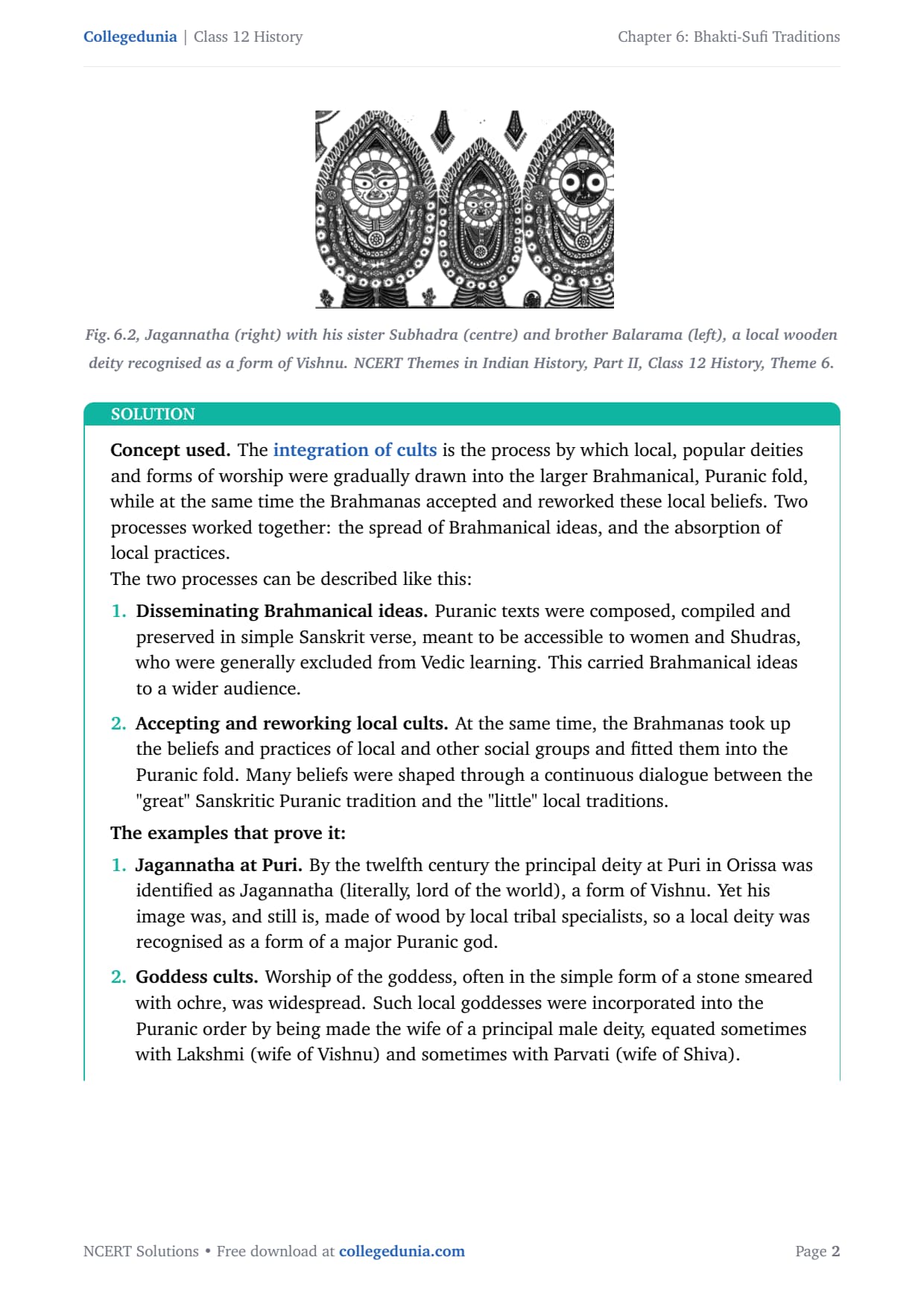
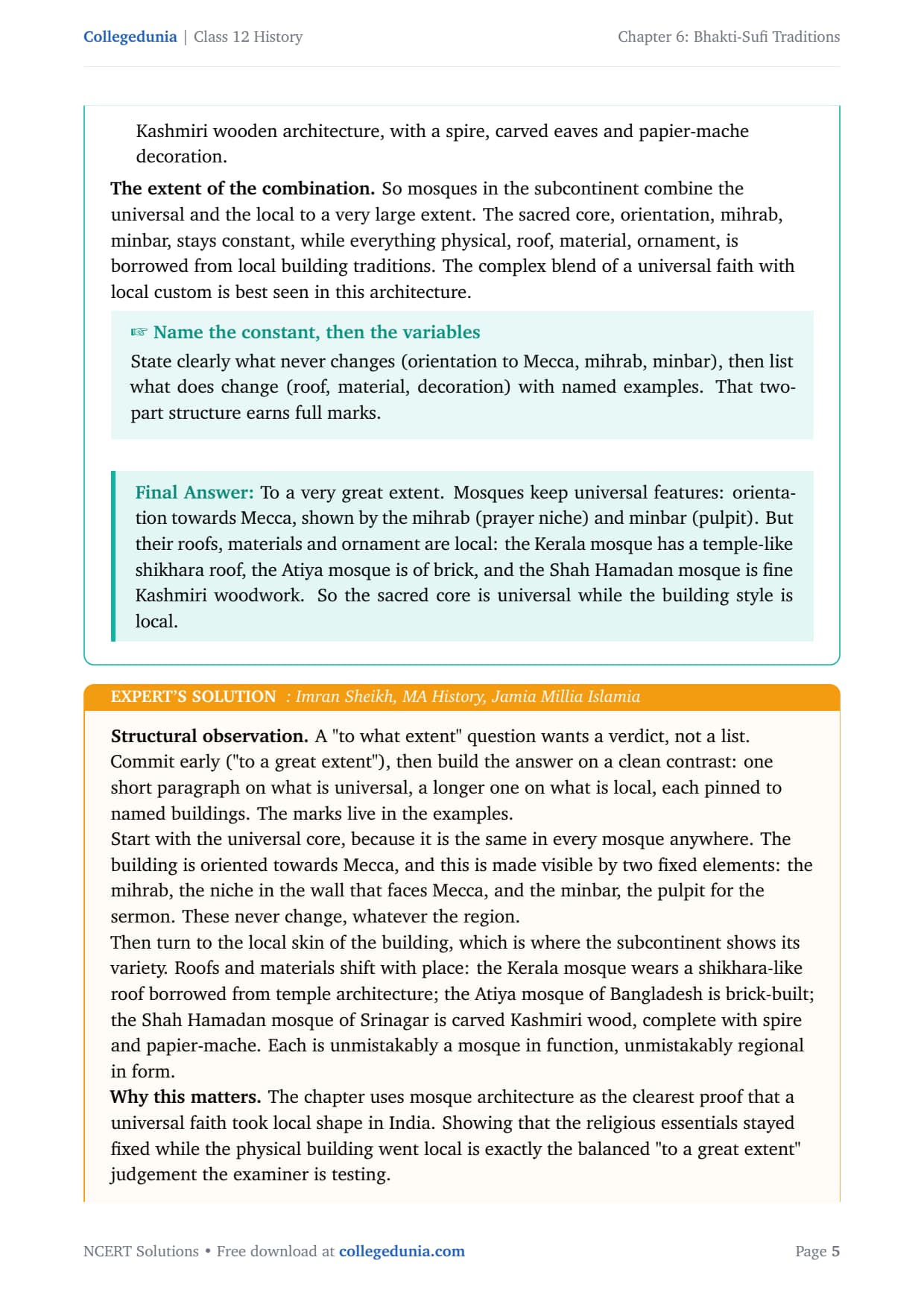
Fig. 6.2, Jagannatha (right) with his sister
Subhadra (centre) and brother Balarama (left), a local wooden deity
recognised as a form of Vishnu. NCERT Themes in Indian History, Part II,
Class 12 History, Theme 6.
Concept used. The integration of cults is the process by
which local, popular deities and forms of worship were gradually drawn into
the larger Brahmanical, Puranic fold, while at the same time the Brahmanas
accepted and reworked these local beliefs. Two processes worked together:
the spread of Brahmanical ideas, and the absorption of local practices.
The two processes can be described like this:
Disseminating Brahmanical ideas. Puranic texts were
composed, compiled and preserved in simple Sanskrit verse, meant to
be accessible to women and Shudras, who were generally excluded from
Vedic learning. This carried Brahmanical ideas to a wider public.
Accepting and reworking local cults. At the same time, the
Brahmanas took up the beliefs and practices of local and other social
groups and fitted them into the Puranic fold. Many beliefs were
shaped through a continuous dialogue between the "great" Sanskritic
Puranic tradition and the "little" local traditions.
The examples that prove it:
Jagannatha at Puri. By the twelfth century the principal
deity at Puri in Orissa was identified as Jagannatha (literally, lord
of the world), a form of Vishnu. Yet his image was, and still is, made
of wood by local tribal specialists, so a local deity was recognised
as a form of a major Puranic god.
Goddess cults. Worship of the goddess, often in the simple
form of a stone smeared with ochre, was widespread. Such local
goddesses were incorporated into the Puranic order by being made
the wife of a principal male deity, equated sometimes with Lakshmi
(wife of Vishnu) and sometimes with Parvati (wife of Shiva).
Why "integration" matters
The marks lie in showing two-way traffic: not just Brahmanas teaching, but
Brahmanas absorbing. Jagannatha and the goddess cults prove that local and
"great" traditions met and merged, which is exactly what "integration" means.
Integration of cults means local deities and forms of worship were
absorbed into the Brahmanical Puranic fold, while Brahmanas also accepted and
reworked local beliefs. The classic examples are Jagannatha of Puri, a local
wooden tribal deity recognised as a form of Vishnu, and local goddesses
(often just an ochre-smeared stone) turned into wives of Vishnu or Shiva,
that is, Lakshmi or Parvati.
AS
Ananya Sengupta
MA Medieval Indian History, JNU
Verified Expert
Strategic angle. This is a "define plus examples" question, so split
the answer in two: first state the historians' idea in one tight sentence,
then prove it with two named cases. Examiners reward the word "two-way", so
make clear that integration ran in both directions.
Begin with the definition. Historians mean that during this phase two
processes worked at once: Brahmanical ideas spread outward through Puranic
texts written in simple Sanskrit for women and Shudras, and at the same time
the Brahmanas absorbed and reworked local cults into the Puranic frame. The
meeting of these "great" and "little" traditions is the heart of integration.
Then anchor it with examples, because that is where the marks sit. The
sharpest case is Jagannatha at Puri: a local wooden deity, carved by tribal
specialists, recognised by the twelfth century as a form of Vishnu, yet still
visualised quite differently from Vishnu elsewhere. Add the goddess cults: a
stone smeared with ochre, widely worshipped, was folded into the Puranic
order by being made the consort of a major god, Lakshmi for Vishnu, Parvati
for Shiva.
Why this matters. The examiner wants you to see that "Hinduism" of
this period was not handed down whole, it was assembled by absorbing local
worship. Showing Brahmanas both teaching and borrowing is the mature reading
that lifts the answer above a one-line definition.
Integration of cults is the two-way process by which local deities
and worship were absorbed into the Brahmanical Puranic fold while Brahmanas
reworked them. Jagannatha of Puri, a tribal wooden deity made a form of
Vishnu, and local goddesses (an ochre stone) turned into Lakshmi or Parvati,
are the standard examples of "great" and "little" traditions merging.
Q 6.2
To what extent do you think the architecture of mosques in the
subcontinent reflects a combination of universal ideals and local
traditions?
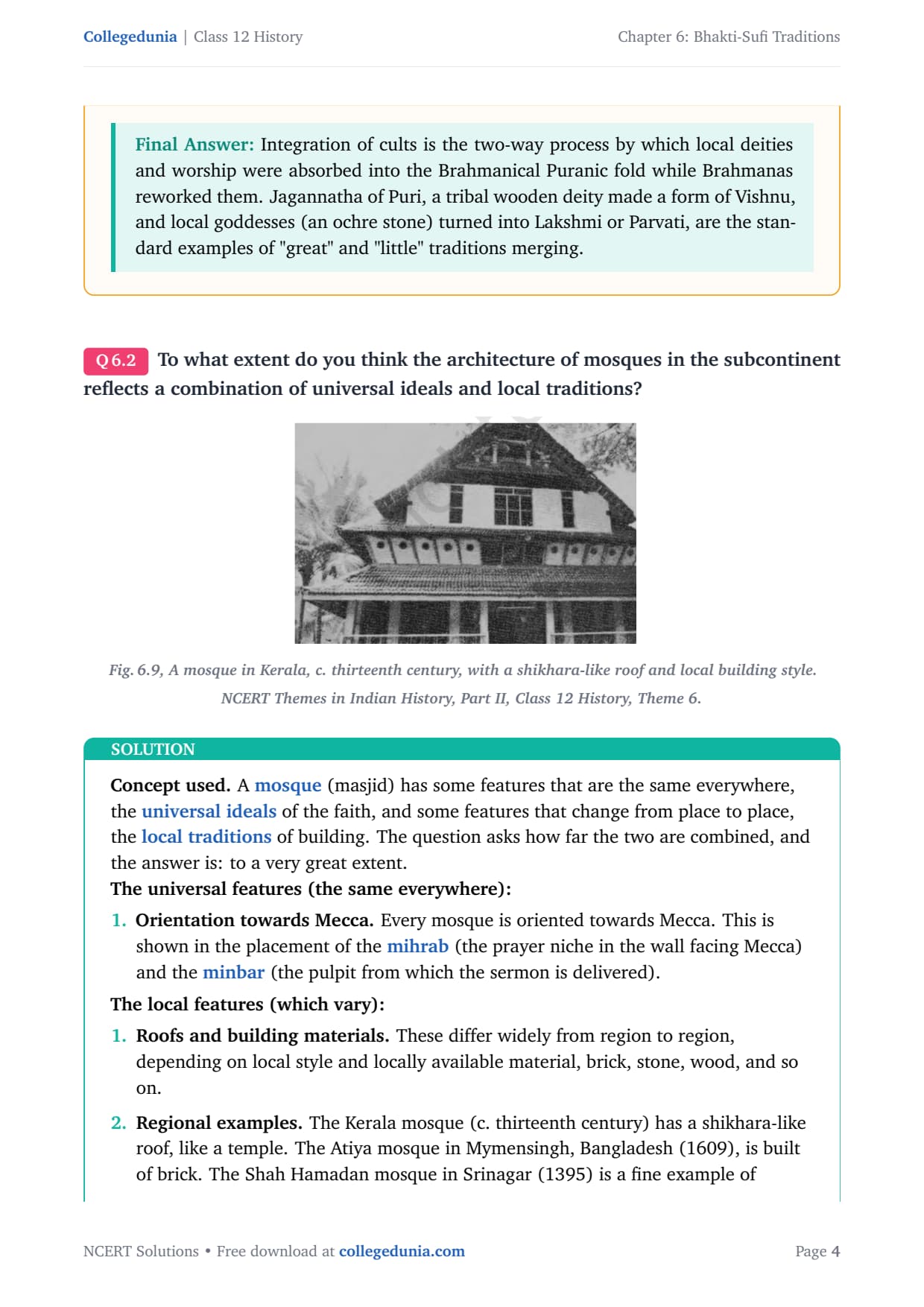
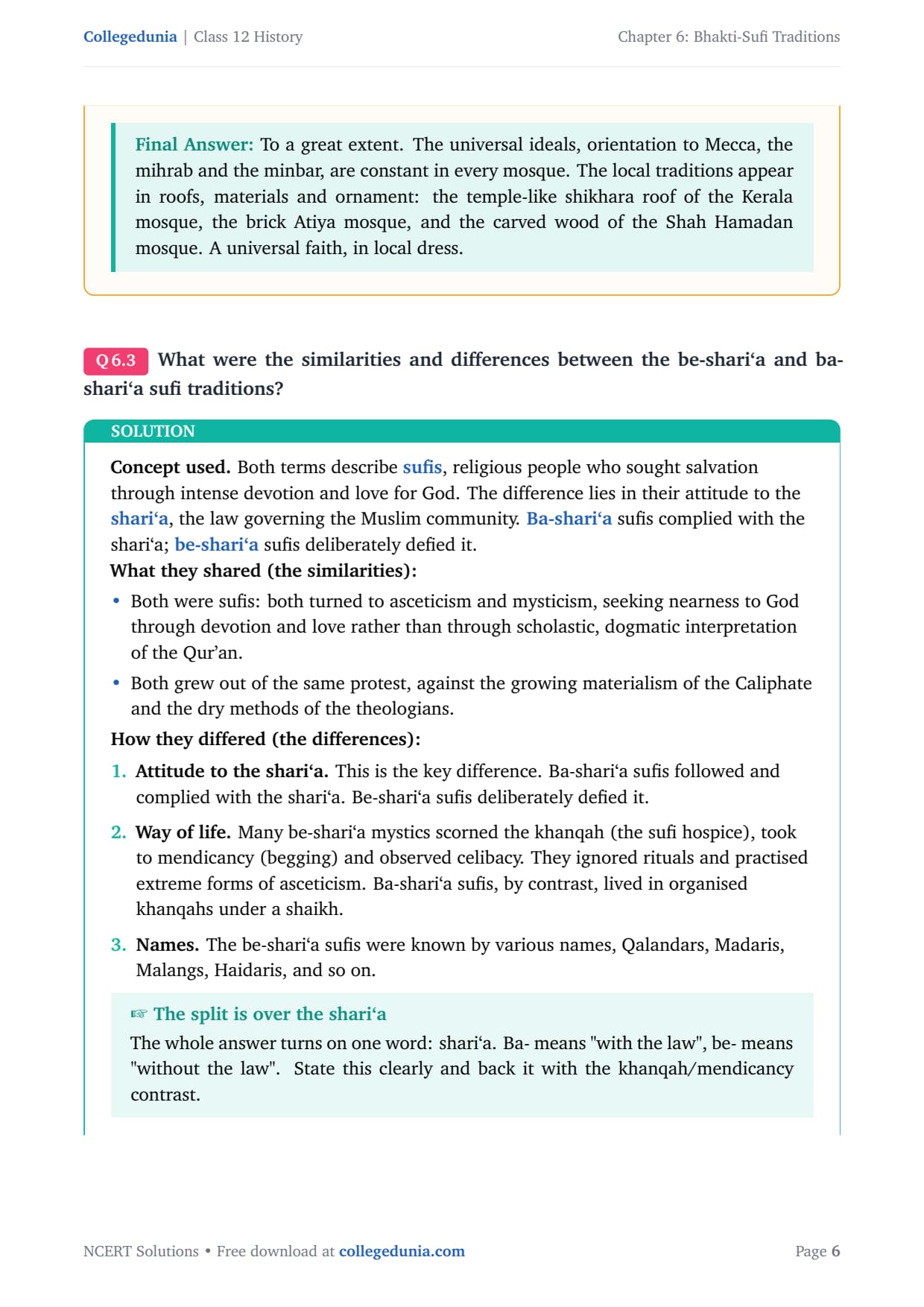
Fig. 6.9, A mosque in Kerala, c. thirteenth
century, with a shikhara-like roof and local building style. NCERT Themes in
Indian History, Part II, Class 12 History, Theme 6.
Concept used. A mosque (masjid) has some features that are
the same everywhere, the universal ideals of the faith, and some
features that change from place to place, the local traditions of
building. The question asks how far the two are combined, and the answer is:
to a very great extent.
The universal features (the same everywhere):
Orientation towards Mecca. Every mosque is oriented towards
Mecca. This is shown in the placement of the mihrab (the
prayer niche in the wall facing Mecca) and the minbar (the
pulpit from which the sermon is delivered).
The local features (which vary):
Roofs and building materials. These differ widely from
region to region, depending on local style and locally available
material, brick, stone, wood, and so on.
Regional examples. The Kerala mosque (c. thirteenth century)
has a shikhara-like roof, like a temple. The Atiya mosque in
Mymensingh, Bangladesh (1609), is built of brick. The Shah Hamadan
mosque in Srinagar (1395) is a fine example of Kashmiri wooden
architecture, with a spire, carved eaves and papier-mache decoration.
The extent of the combination. So mosques in the subcontinent
combine the universal and the local to a very large extent. The sacred core,
orientation, mihrab, minbar, stays constant, while everything physical, roof,
material, ornament, is borrowed from local building traditions. The complex
blend of a universal faith with local custom is best seen in this
architecture.
Name the constant, then the variables
State clearly what never changes (orientation to Mecca, mihrab, minbar), then
list what does change (roof, material, decoration) with named examples. That
two-part structure earns full marks.
To a very great extent. Mosques keep universal features:
orientation towards Mecca, shown by the mihrab (prayer niche) and minbar
(pulpit). But their roofs, materials and ornament are local: the Kerala
mosque has a temple-like shikhara roof, the Atiya mosque is of brick, and the
Shah Hamadan mosque is fine Kashmiri woodwork. So the sacred core is
universal while the building style is local.
IS
Imran Sheikh
MA History, Jamia Millia Islamia
Verified Expert
Structural observation. A "to what extent" question wants a verdict,
not a list. Commit early ("to a great extent"), then build the answer on a
clean contrast: one short paragraph on what is universal, a longer one on what
is local, each pinned to named buildings. The marks live in the examples.
Start with the universal core, because it is the same in every mosque
anywhere. The building is oriented towards Mecca, and this is made visible by
two fixed elements: the mihrab, the niche in the wall that faces Mecca, and
the minbar, the pulpit for the sermon. These never change, whatever the
region.
Then turn to the local skin of the building, which is where the subcontinent
shows its variety. Roofs and materials shift with place: the Kerala mosque
wears a shikhara-like roof borrowed from temple architecture; the Atiya
mosque of Bangladesh is brick-built; the Shah Hamadan mosque of Srinagar is
carved Kashmiri wood, complete with spire and papier-mache. Each is
unmistakably a mosque in function, unmistakably regional in form.
Why this matters. The chapter uses mosque architecture as the
clearest proof that a universal faith took local shape in India. Showing that
the religious essentials stayed fixed while the physical building went local
is exactly the balanced "to a great extent" judgement the examiner is testing.
To a great extent. The universal ideals, orientation to Mecca, the
mihrab and the minbar, are constant in every mosque. The local traditions
appear in roofs, materials and ornament: the temple-like shikhara roof of the
Kerala mosque, the brick Atiya mosque, and the carved wood of the Shah
Hamadan mosque. A universal faith, in local dress.
Q 6.3
What were the similarities and differences between the
be-shari a and ba-shari a sufi traditions?
Concept used. Both terms describe sufis, religious people
who sought salvation through intense devotion and love for God. The
difference lies in their attitude to the shari a, the
law governing the Muslim community. Ba-shari a sufis
complied with the shari a; be-shari a
sufis deliberately defied it.
What they shared (the similarities):
Both were sufis: both turned to asceticism and mysticism, seeking
nearness to God through devotion and love rather than through
scholastic, dogmatic interpretation of the Qur'an.
Both grew out of the same protest, against the growing materialism of
the Caliphate and the dry methods of the theologians.
How they differed (the differences):
Attitude to the shari a. This is the key
difference. Ba-shari a sufis followed and complied with
the shari a. Be-shari a sufis deliberately
defied it.
Way of life. Many be-shari a mystics scorned
the khanqah (the sufi hospice), took to mendicancy (begging) and
observed celibacy. They ignored rituals and practised extreme forms of
asceticism. Ba-shari a sufis, by contrast, lived in
organised khanqahs under a shaikh.
Names. The be-shari a sufis were known by
various names, Qalandars, Madaris, Malangs, Haidaris, and so on.
The split is over the shari a
The whole answer turns on one word: shari a. Ba- means "with
the law", be- means "without the law". State this clearly and back it with the
khanqah/mendicancy contrast.
Both were sufis seeking God through devotion and asceticism, born of
the same protest against materialism. The difference was their attitude to the
shari a: ba-shari a sufis complied with it and
lived in organised khanqahs, while be-shari a sufis defied it,
scorned the khanqah, took to mendicancy and celibacy, and were known as
Qalandars, Madaris, Malangs and Haidaris.
PB
Pooja Bhatt
MA Medieval Indian History, Aligarh Muslim University
Verified Expert
Strategic angle. A "similarities and differences" question needs two
visible halves. Keep the similarity short, both are sufis from the same
mystical impulse, and spend the marks on the difference, which hangs entirely
on the shari a. Translate the prefixes for the examiner: ba- =
with, be- = without.
Open with the common ground so the contrast lands harder. Both
be-shari a and ba-shari a figures were sufis: both
chose asceticism and mysticism over dry theology, both sought salvation
through love of God, and both rose in protest against the worldliness of the
Caliphate. On the essentials of the mystic path, they agreed.
Now drive the difference. The dividing line is obedience to the
shari a, the law of the Muslim community. Ba-shari
a sufis stayed within it, complying with the law and organising their lives
around the khanqah under a shaikh. Be-shari a sufis broke with
it: they deliberately defied the shari a, abandoned the khanqah
for mendicancy and celibacy, ignored ritual, and practised extreme
asceticism. Their groups carried distinct names, Qalandars, Madaris, Malangs,
Haidaris.
Why this matters. The contrast shows that sufism was not one thing
but a spectrum, from law-abiding insiders to defiant outsiders. Reading the
prefixes correctly and tying them to the khanqah-versus-mendicant lifestyle is
what separates a precise answer from a vague one.
Similarity: both were sufis seeking God through devotion and
asceticism, from the same protest against materialism. Difference: their
stance on the shari a. Ba-shari a sufis obeyed it
and lived in khanqahs; be-shari a sufis defied it, left the
khanqah for mendicancy and celibacy, and were called Qalandars, Madaris,
Malangs and Haidaris.
Q 6.4
Discuss the ways in which the Alvars, Nayanars and Virashaivas
expressed critiques of the caste system.
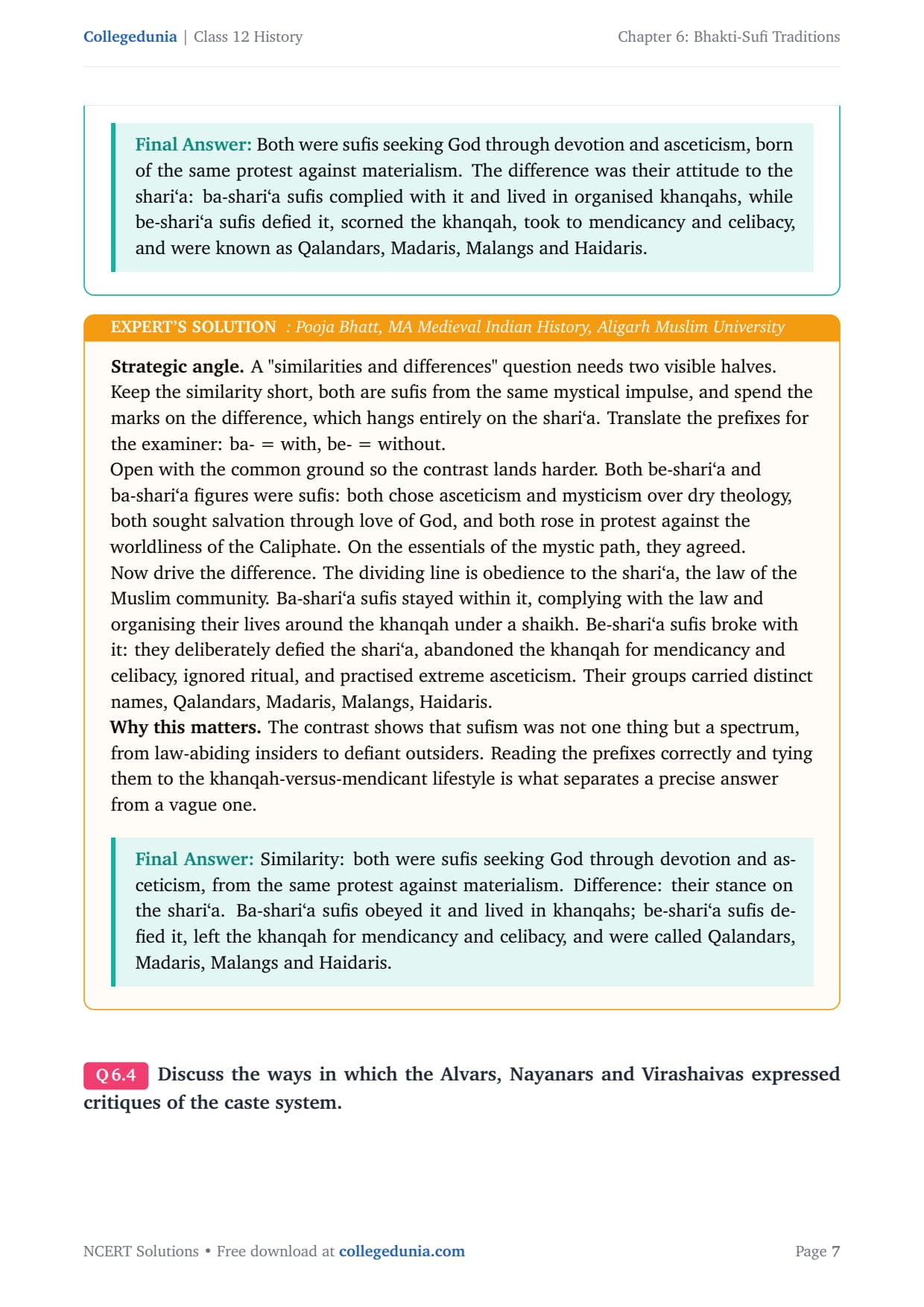
Fig. 6.5, An image of Shiva as Nataraja. The
Nayanars' visions of Shiva inspired such bronze sculpture. NCERT Themes in
Indian History, Part II, Class 12 History, Theme 6.
Concept used. The Alvars (devotees of Vishnu) and
Nayanars (devotees of Shiva) of Tamil Nadu, and the
Virashaivas or Lingayats of Karnataka, all challenged the
caste system and Brahmanical dominance, though in different ways,
through who they were, what they said, and how they lived.
The Alvars and Nayanars:
Diverse social origins. The bhaktas came from a wide range
of backgrounds, from Brahmanas to artisans and cultivators, and even
from castes considered "untouchable". This itself was a protest
against caste exclusivity.
Their poetry claimed equality with the Vedas. One major
anthology of Alvar compositions, the Nalayira Divyaprabandham, was
described as the Tamil Veda, as important as the four Sanskrit Vedas
cherished by Brahmanas. This challenged Brahmanical monopoly over
sacred knowledge.
Direct criticism in verse. Saints attacked caste pride
openly. Appar, a Nayanar, asked: "Of what use are your gotra and
kula?" The Alvar Tondaradippodi said God prefers devotees who love
him, "though they may be born outcastes", over learned Brahmanas
without devotion.
The Virashaivas (Lingayats):
They rejected caste and "pollution". Led by Basavanna in
twelfth-century Karnataka, the Lingayats challenged the idea of caste
and the "pollution" attached to certain groups by Brahmanas. This won
them followers among those marginalised in the Brahmanical order.
They questioned rebirth and Brahmanical rites. They
questioned the theory of rebirth. They also rejected funerary rites
like cremation, instead burying their dead, and encouraged practices
the Dharmashastras disapproved of, such as post-puberty marriage and
widow remarriage.
Words and deeds together
Notice that the critique was not only spoken but lived. The Lingayats did not
just say caste was wrong, they buried their dead and remarried widows in
defiance of the Dharmashastras. Pairing words with practice strengthens the
answer.
The Alvars and Nayanars critiqued caste by drawing devotees from all
ranks (including "untouchables"), by claiming their Tamil hymns (the Nalayira
Divyaprabandham, the "Tamil Veda") equalled the Sanskrit Vedas, and by openly
mocking gotra and kula pride. The Virashaivas/Lingayats, led by Basavanna,
rejected caste and "pollution", questioned rebirth, buried their dead instead
of cremating, and encouraged widow remarriage and post-puberty marriage,
against the Dharmashastras.
VD
Vikram Desai
MA Ancient and Medieval History, Banaras Hindu University
Verified Expert
Structural observation. Three groups, so give each its own space, but
keep the Alvars and Nayanars together (they worked the same way) and treat the
Virashaivas separately (they went further). For each, ask: who joined, what did
they say, how did they live? That grid covers every mark.
Take the Tamil saints first. Their very membership was a critique: bhaktas
ranged from Brahmanas down to artisans, cultivators and "untouchables", so the
movement ignored the ladder of caste. Their poetry pressed the point. The
Nalayira Divyaprabandham was hailed as the "Tamil Veda", a claim that
vernacular devotion equalled the Sanskrit Vedas and so loosened the Brahmanas'
grip on sacred knowledge. And the verses attacked caste directly, Appar
dismissing gotra and kula, Tondaradippodi preferring a loving "outcaste" to a
loveless Chaturvedin.
Then the Virashaivas, who pushed the challenge into daily life. Basavanna's
Lingayats openly rejected caste and the notion of "pollution", and questioned
rebirth itself. More strikingly, they acted on it: refusing cremation in
favour of burial, and encouraging post-puberty marriage and widow remarriage,
both against the Dharmashastras. Their critique was social practice, not just
poetry.
Why this matters. The examiner wants you to see two levels of
protest: the Tamil saints challenged caste mainly through devotion and verse,
while the Lingayats translated the challenge into rituals of everyday life.
Distinguishing the two depths of critique is the insight that earns the top
band.
Alvars and Nayanars critiqued caste by including devotees of every
rank, by raising their Tamil hymns (the "Tamil Veda") to the level of the
Sanskrit Vedas, and by ridiculing gotra and kula (Appar, Tondaradippodi). The
Virashaivas/Lingayats under Basavanna went further: rejecting caste and
"pollution", doubting rebirth, burying rather than cremating their dead, and
backing widow remarriage, in open defiance of the Dharmashastras.
Q 6.5
Describe the major teachings of either Kabir or Baba Guru Nanak,
and the ways in which these have been transmitted.
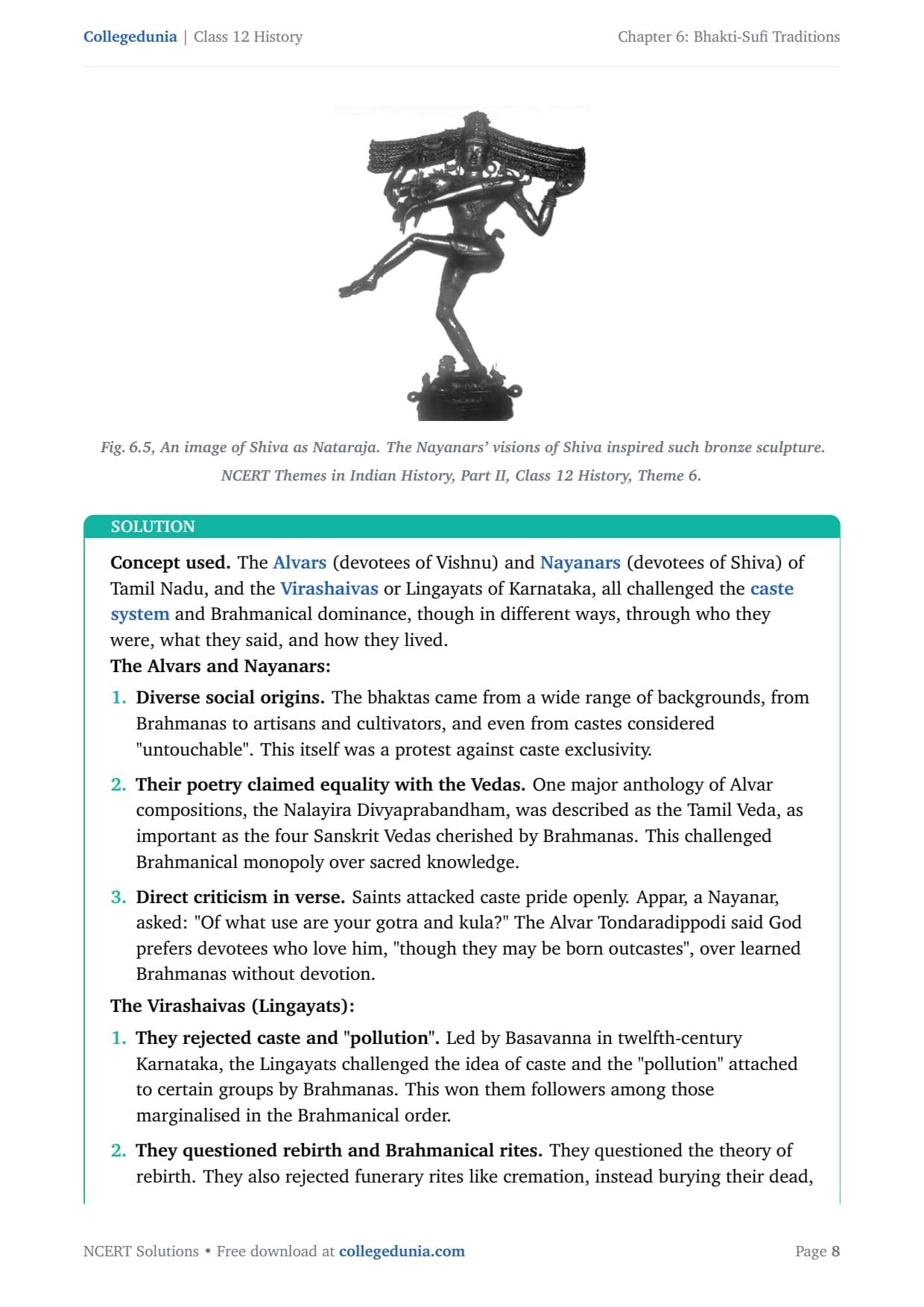
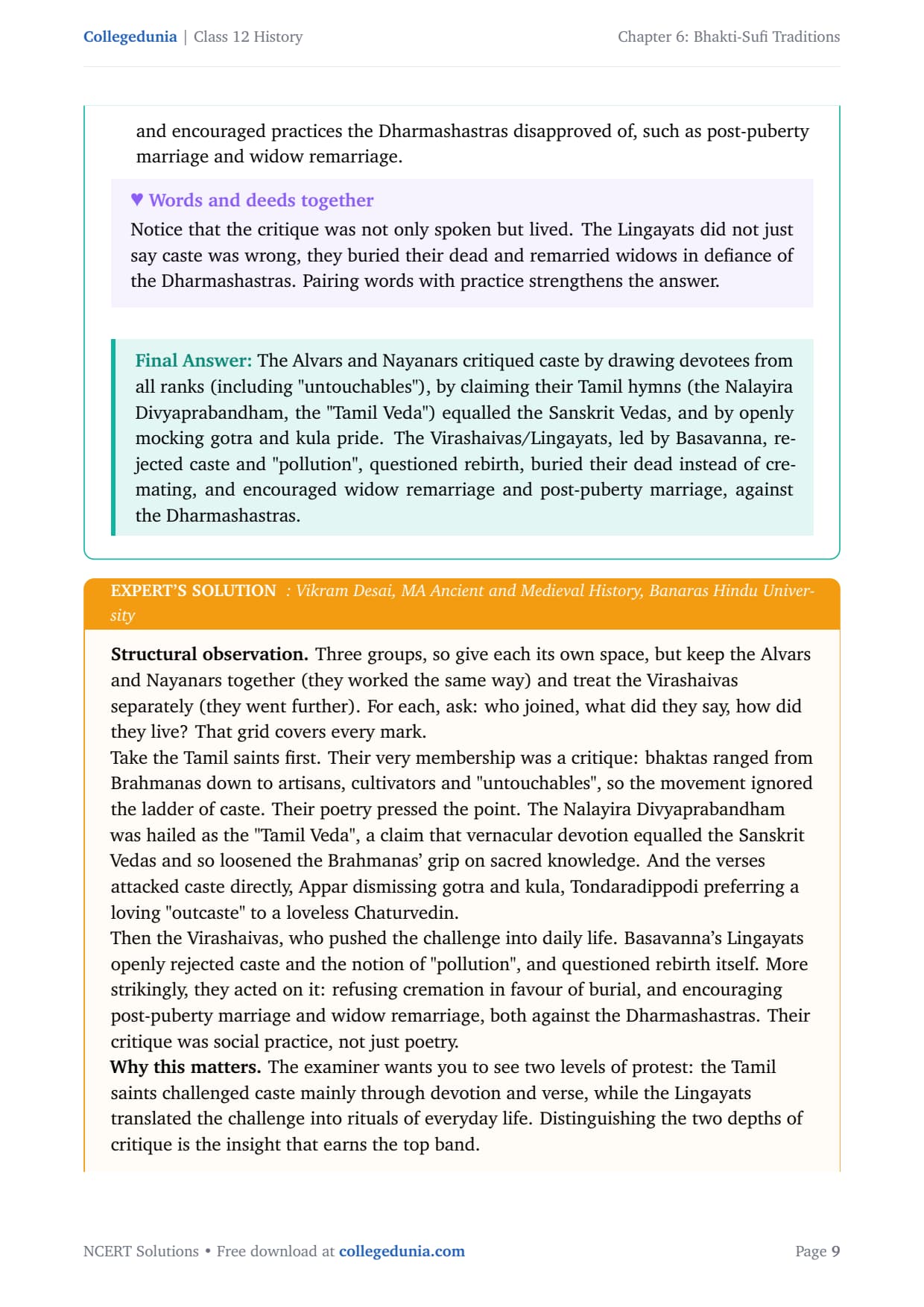
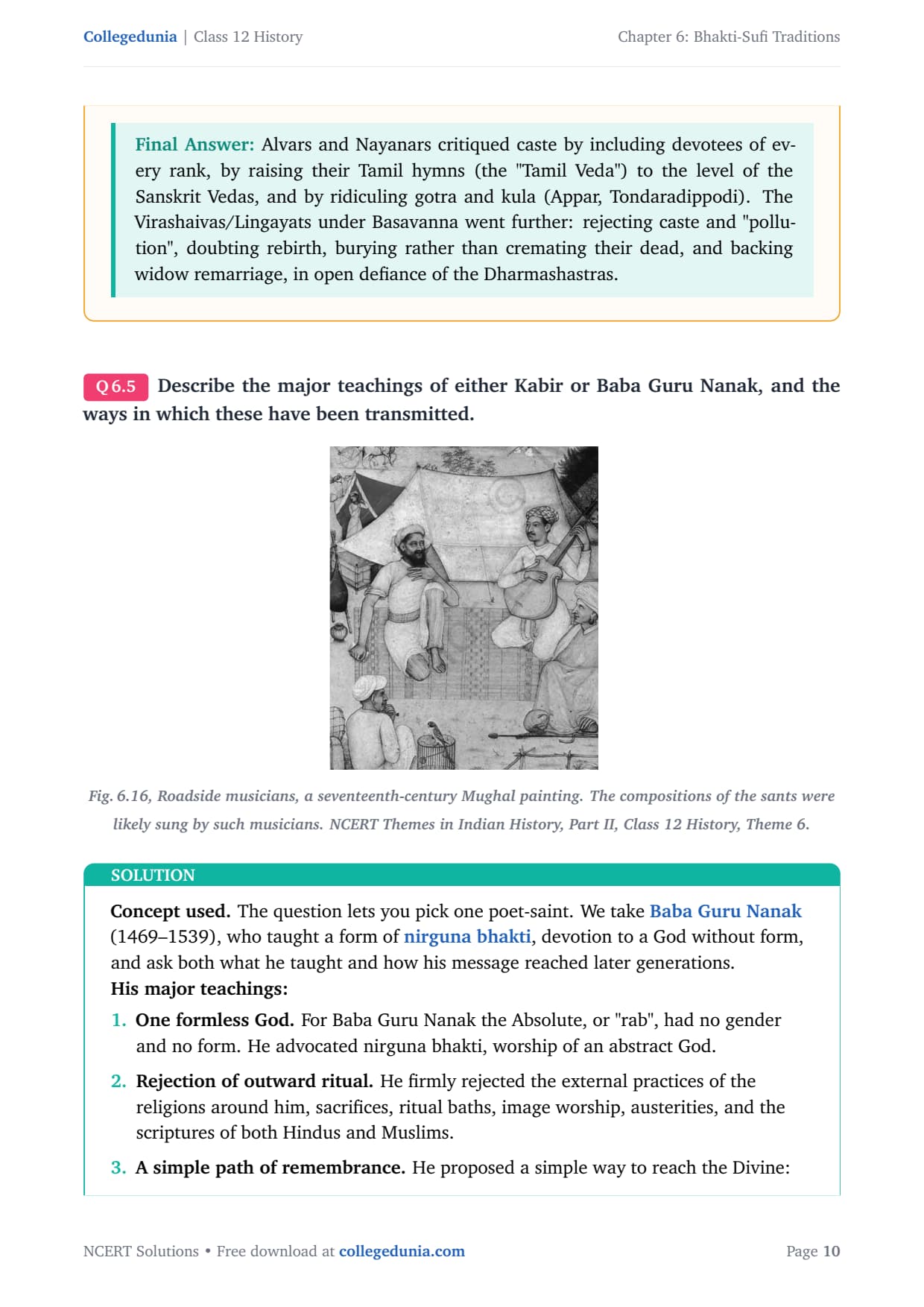
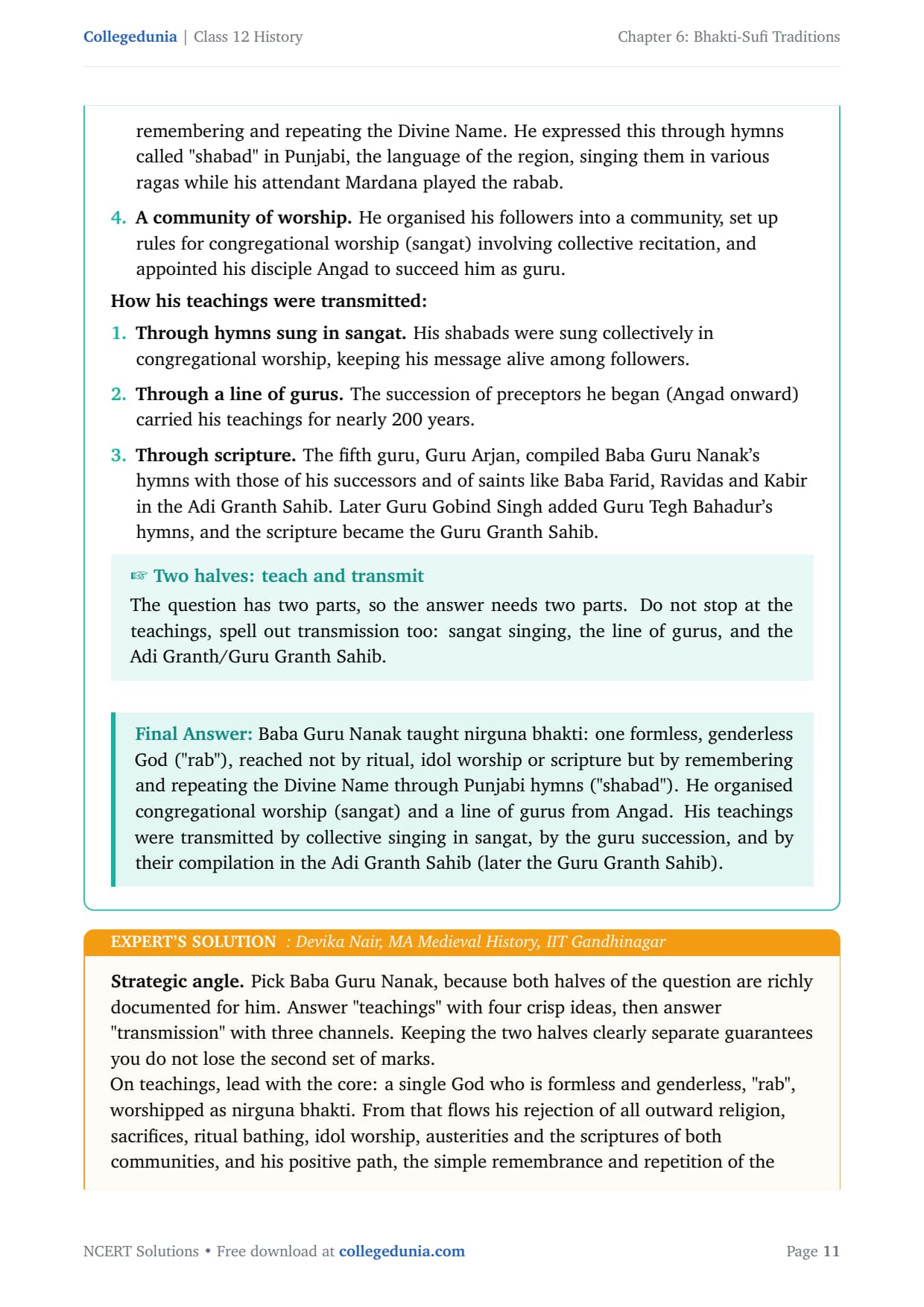
Fig. 6.16, Roadside musicians, a
seventeenth-century Mughal painting. The compositions of the sants were
likely sung by such musicians. NCERT Themes in Indian History, Part II,
Class 12 History, Theme 6.
Concept used. The question lets you pick one poet-saint. We take
Baba Guru Nanak (1469–1539), who taught a form of nirguna
bhakti, devotion to a God without form, and ask both what he taught and how
his message reached later generations.
His major teachings:
One formless God. For Baba Guru Nanak the Absolute, or "rab",
had no gender and no form. He advocated nirguna bhakti, worship of an
abstract God.
Rejection of outward ritual. He firmly rejected the external
practices of the religions around him, sacrifices, ritual baths, image
worship, austerities, and the scriptures of both Hindus and Muslims.
A simple path of remembrance. He proposed a simple way to
reach the Divine: remembering and repeating the Divine Name. He
expressed this through hymns called "shabad" in Punjabi, the language
of the region, singing them in various ragas while his attendant
Mardana played the rabab.
A community of worship. He organised his followers into a
community, set up rules for congregational worship (sangat) involving
collective recitation, and appointed his disciple Angad to succeed him
as guru.
How his teachings were transmitted:
Through hymns sung in sangat. His shabads were sung
collectively in congregational worship, keeping his message alive
among followers.
Through a line of gurus. The succession of preceptors he
began (Angad onward) carried his teachings for nearly 200 years.
Through scripture. The fifth guru, Guru Arjan, compiled Baba
Guru Nanak's hymns with those of his successors and of saints like
Baba Farid, Ravidas and Kabir in the Adi Granth Sahib. Later Guru
Gobind Singh added Guru Tegh Bahadur's hymns, and the scripture became
the Guru Granth Sahib.
Two halves: teach and transmit
The question has two parts, so the answer needs two parts. Do not stop at the
teachings, spell out transmission too: sangat singing, the line of gurus, and
the Adi Granth/Guru Granth Sahib.
Baba Guru Nanak taught nirguna bhakti: one formless, genderless God
("rab"), reached not by ritual, idol worship or scripture but by remembering
and repeating the Divine Name through Punjabi hymns ("shabad"). He organised
congregational worship (sangat) and a line of gurus from Angad. His teachings
were transmitted by collective singing in sangat, by the guru succession, and
by their compilation in the Adi Granth Sahib (later the Guru Granth Sahib).
DN
Devika Nair
MA Medieval History, IIT Gandhinagar
Verified Expert
Strategic angle. Pick Baba Guru Nanak, because both halves of the
question are richly documented for him. Answer "teachings" with four crisp
ideas, then answer "transmission" with three channels. Keeping the two halves
clearly separate guarantees you do not lose the second set of marks.
On teachings, lead with the core: a single God who is formless and
genderless, "rab", worshipped as nirguna bhakti. From that flows his
rejection of all outward religion, sacrifices, ritual bathing, idol worship,
austerities and the scriptures of both communities, and his positive path,
the simple remembrance and repetition of the Divine Name, voiced in Punjabi
"shabads" sung in raga while Mardana played the rabab. Add the social move:
he built a community with rules for congregational worship (sangat) and named
Angad his successor.
On transmission, name three channels. First, the living practice of sangat,
where his shabads were sung collectively. Second, the unbroken line of gurus
he began, which carried his message for nearly two centuries. Third, the act
of writing it down: Guru Arjan's Adi Granth Sahib gathered his hymns with
those of later gurus and of Baba Farid, Ravidas and Kabir, and this grew into
the Guru Granth Sahib under Guru Gobind Singh.
Why this matters. The examiner is testing whether you can separate a
saint's ideas from the machinery that preserved them. Showing that Baba Guru
Nanak's nirguna message survived through community singing, a guru lineage and
a compiled scripture is the complete, top-band answer.
Baba Guru Nanak taught nirguna bhakti: one formless, genderless God
reached by remembering the Divine Name, not by ritual, idol worship or
scripture, expressed in Punjabi shabads. He built congregational worship
(sangat) and a guru line from Angad. Transmission ran through sangat singing,
the succession of gurus, and compilation in the Adi Granth Sahib, later the
Guru Granth Sahib.
Q 6.6
Discuss the major beliefs and practices that characterised Sufism.
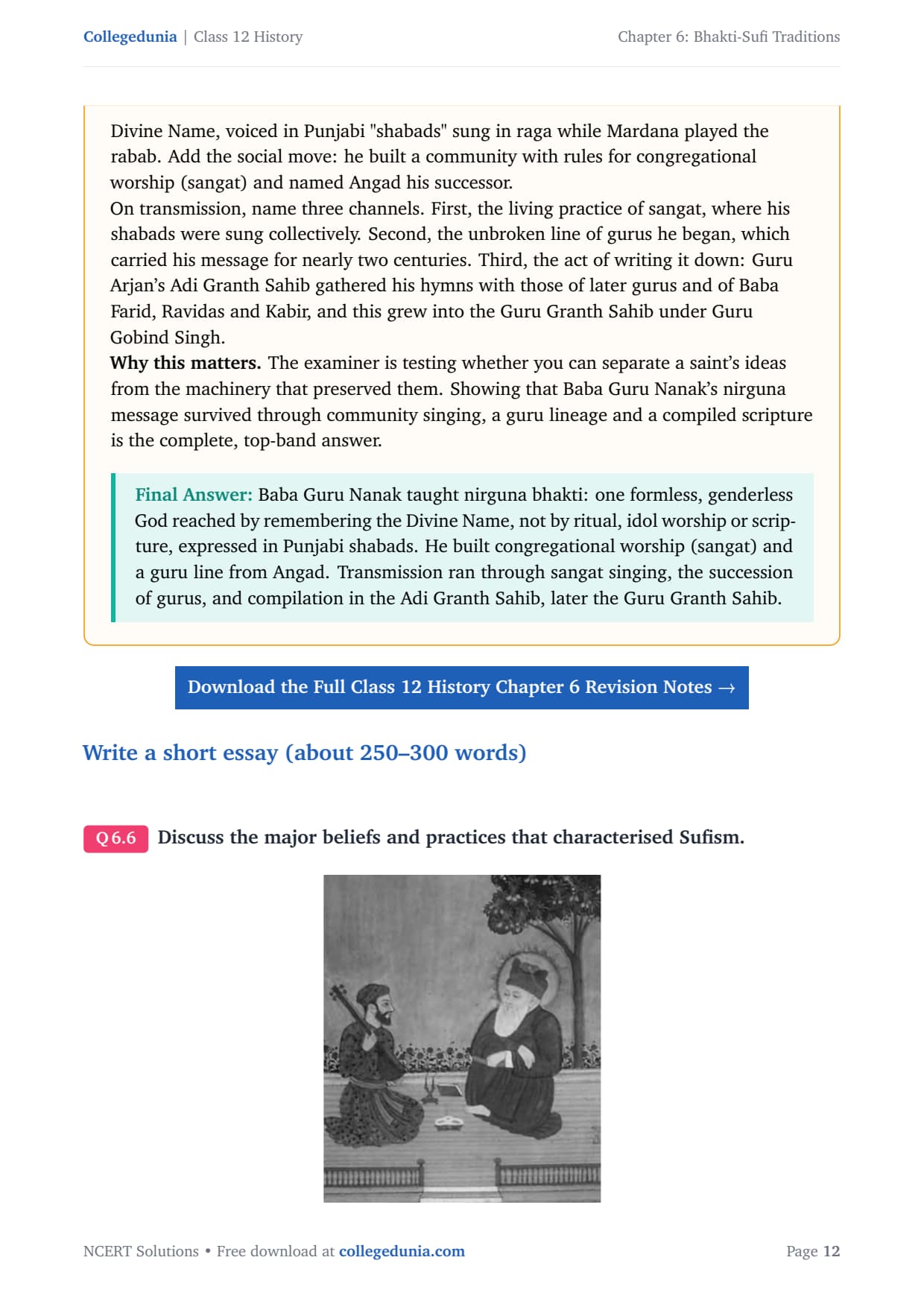
Fig. 6.12, A seventeenth-century painting of
Shaikh Nizamuddin Auliya and his disciple Amir Khusrau. NCERT Themes in
Indian History, Part II, Class 12 History, Theme 6.
Concept used.Sufism (tasawwuf) was the mystical strand
within Islam. Sufis sought salvation through intense devotion and love for
God rather than through dry, scholastic interpretation of the Qur'an. The
question asks for both their beliefs and their organised practices.
The major beliefs:
Devotion and love over dogma. Sufis turned to asceticism and
mysticism in protest against the growing materialism of the Caliphate.
They were critical of the dogmatic definitions and scholastic methods
of the theologians, and instead sought salvation through intense
devotion and love for God, following His commands and the example of
the Prophet Muhammad.
A personal reading of the Qur'an. They sought to interpret
the Qur'an on the basis of their own personal experience of God.
The major practices:
The khanqah and the silsila. Sufis organised communities
around the hospice (khanqah), controlled by a teaching
master (shaikh, pir or murshid) who enrolled disciples (murids) and
named a successor (khalifa). They formed silsilas, chains
linking master to disciple in an unbroken spiritual genealogy reaching
back to the Prophet.
The cult of the shaikh and ziyarat. When a shaikh died, his
tomb-shrine (dargah) became a centre of devotion. This
encouraged pilgrimage (ziyarat) to the grave, especially on his death
anniversary (urs), to seek his blessings (barakat).
Sama and qawwali. They remembered God by
reciting the Divine Names (zikr) and by performing mystical music
(sama), including the qawwali sung by trained qawwals to
evoke divine ecstasy.
Split belief from practice
The essay must show both halves: the inner belief (love over dogma) and the
outer institutions (khanqah, silsila, dargah, ziyarat, sama). State the sufi
vocabulary precisely, it carries the marks.
Sufism (tasawwuf) was Islam's mystical strand. Its beliefs:
salvation through intense devotion and love for God, not scholastic dogma, and
a personal reading of the Qur'an. Its practices: organising around the
khanqah under a shaikh, forming silsilas (chains to the Prophet), revering the
shaikh's dargah through pilgrimage (ziyarat) on the urs, and remembering God
through zikr and mystical music (sama, qawwali).
RI
Rohan Iyer
MA Medieval History, Deccan College Pune
Verified Expert
Strategic angle. A 300-word essay on Sufism splits neatly: one
paragraph on belief, two on practice, because the institutions are where the
detail (and the marks) lie. Lead with the protest that gave Sufism its shape,
then build outward to the khanqah, the silsila and the shrine.
Start with the inner core. Sufis arose as a protest against the materialism of
the Caliphate and the dry, scholastic theology of the ulama. Their belief was
simple but radical: salvation comes through intense love and devotion for God,
through following His commands and the model of the Prophet, and through a
personal, experiential reading of the Qur'an rather than a dogmatic one. Love,
not law, was their road to God.
Then turn to how this belief was institutionalised, which is the bulk of the
answer. Sufis gathered in the khanqah, a hospice run by a shaikh (pir,
murshid) who enrolled murids and named a khalifa to succeed him. They were
bound into silsilas, spiritual chains running back to the Prophet, through
which blessings flowed. After a shaikh's death his tomb, the dargah, became a
shrine, drawing pilgrims on ziyarat, especially at the urs, to seek his
barakat. And worship itself was musical and ecstatic: zikr (reciting the
Divine Names) and sama, the mystical music performed as qawwali.
Why this matters. The examiner wants to see Sufism as a complete
system: an inner devotion expressed through a definite set of institutions.
Naming the khanqah, silsila, dargah, ziyarat, zikr and sama in the right
relationships is what turns a vague answer into a top one.
Sufism's beliefs: salvation through love and devotion for God, not
scholastic dogma, with a personal reading of the Qur'an. Its practices:
gathering in the khanqah under a shaikh, forming silsilas (chains to the
Prophet), revering the dead shaikh's dargah through ziyarat on the urs, and
worshipping through zikr (Divine Names) and sama (mystical
music, qawwali).
Q 6.7
Examine how and why rulers tried to establish connections with the
traditions of the Nayanars and the sufis.
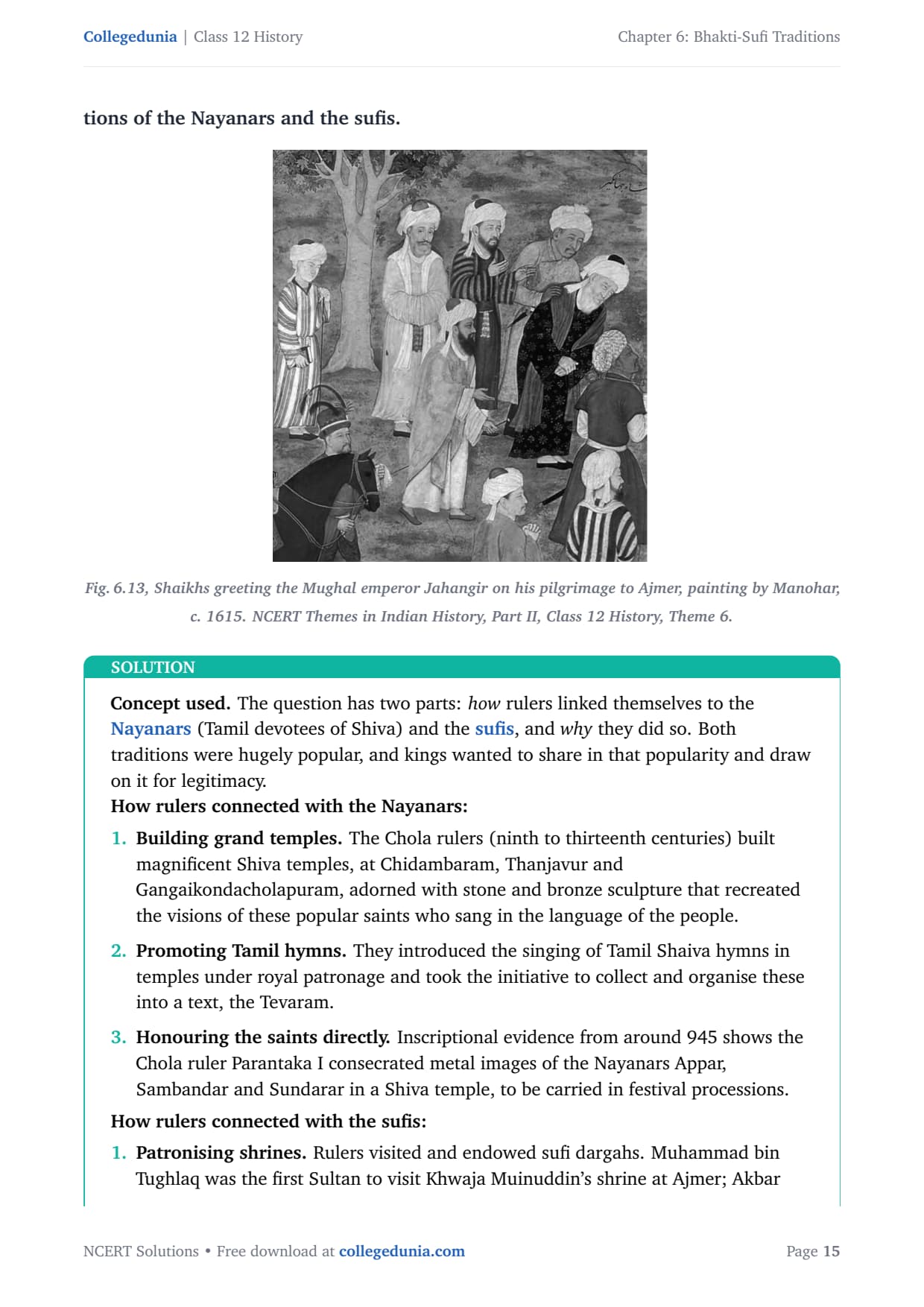
Fig. 6.13, Shaikhs greeting the Mughal emperor
Jahangir on his pilgrimage to Ajmer, painting by Manohar, c. 1615. NCERT
Themes in Indian History, Part II, Class 12 History, Theme 6.
Concept used. The question has two parts: how rulers linked
themselves to the Nayanars (Tamil devotees of Shiva) and the
sufis, and why they did so. Both traditions were hugely
popular, and kings wanted to share in that popularity and draw on it for
legitimacy.
How rulers connected with the Nayanars:
Building grand temples. The Chola rulers (ninth to
thirteenth centuries) built magnificent Shiva temples, at
Chidambaram, Thanjavur and Gangaikondacholapuram, adorned with stone
and bronze sculpture that recreated the visions of these popular
saints who sang in the language of the people.
Promoting Tamil hymns. They introduced the singing of Tamil
Shaiva hymns in temples under royal patronage and took the initiative
to collect and organise these into a text, the Tevaram.
Honouring the saints directly. Inscriptional evidence from
around 945 shows the Chola ruler Parantaka I consecrated metal images
of the Nayanars Appar, Sambandar and Sundarar in a Shiva temple, to be
carried in festival processions.
How rulers connected with the sufis:
Patronising shrines. Rulers visited and endowed sufi
dargahs. Muhammad bin Tughlaq was the first Sultan to visit Khwaja
Muinuddin's shrine at Ajmer; Akbar went there fourteen times, gave a
huge cauldron (degh) in 1568, and built a mosque in the compound.
Grants and tombs nearby. Sultans set up charitable trusts
(auqaf) and gave tax-free land (inam) to hospices, and often wanted
their own tombs built near sufi shrines.
Why they did it. The reasons were about legitimacy:
Both Nayanars and sufis commanded enormous popular devotion. The
Nayanars and Alvars were revered by the Vellala peasants, and people
of all creeds flocked to sufi dargahs. By associating with them, kings
won the support of these large followings.
Sufis derived their authority directly from God. When the Turks set up
the Delhi Sultanate among a non-Muslim majority, they avoided imposing
the shari a and instead sought legitimacy from sufis,
who did not depend on jurists.
It was believed the auliya could intercede with God to improve men's
material and spiritual lot, so kings sought their blessings.
Popularity equals power
The thread tying both halves together is legitimacy. Kings did not befriend
saints out of piety alone, they borrowed the saints' popularity and divine
authority to strengthen their own rule.
Rulers linked themselves to the Nayanars by building grand Shiva
temples (Chola temples at Thanjavur, Chidambaram), promoting Tamil hymns
(Tevaram), and consecrating saints' images (Parantaka I). They linked
themselves to sufis by visiting and endowing dargahs (Akbar at Ajmer fourteen
times, with a degh and a mosque) and granting auqaf and inam. Why? Both
traditions were hugely popular and sufis drew authority from God, so kings
used the connection for legitimacy and mass support.
LM
Lakshmi Menon
MA Medieval History, University of Calcutta
Verified Expert
Structural observation. The question is two-pronged, "how" and "why",
so structure the essay accordingly: a "how" section split between Nayanars and
sufis, then a sharp "why" section. The "why" is where the marks concentrate,
so do not let the descriptive "how" crowd it out.
Take the "how" first. With the Nayanars, the Cholas worked through
architecture and ritual: they raised the great Shiva temples of Thanjavur,
Chidambaram and Gangaikondacholapuram, filled them with bronze and stone that
echoed the saints' visions, installed Tamil Shaiva hymns as temple liturgy
(collected as the Tevaram), and even consecrated metal images of Appar,
Sambandar and Sundarar for festival processions. With the sufis, rulers worked
through the shrine: Muhammad bin Tughlaq first visited Ajmer, Akbar returned
fourteen times with lavish gifts like the 1568 cauldron and a new mosque, and
Sultans funded hospices through auqaf and inam, often siting their own tombs
beside sufi graves.
Now the "why", the heart of the essay. Both traditions held immense popular
devotion: the Nayanars among the Vellala peasants, the sufis among people of
every creed. Associating with them transferred that loyalty to the throne.
More pointedly, sufis drew their authority straight from God, so the Delhi
Sultans, ruling a non-Muslim majority and wary of imposing the
shari a, leaned on sufi legitimacy rather than the jurists. And
since the auliya were believed to intercede with God, royal blessings carried
real value.
Why this matters. The examiner is testing whether you see religion as
politics here. Showing that kings converted popular devotion and divine
authority into legitimacy, through temples for the Nayanars and shrines for the
sufis, is the argument that earns the top band.
How: for the Nayanars, Chola kings built grand Shiva temples,
installed Tamil hymns (Tevaram) and consecrated saints' images; for the sufis,
rulers visited and endowed dargahs (Akbar's fourteen Ajmer visits, the degh, a
mosque) and gave auqaf and inam. Why: both were hugely popular, and sufis drew
authority from God, so kings used the connections for legitimacy and the
support of the masses.
Q 6.8
Analyse, with illustrations, why bhakti and sufi thinkers adopted a
variety of languages in which to express their opinions.
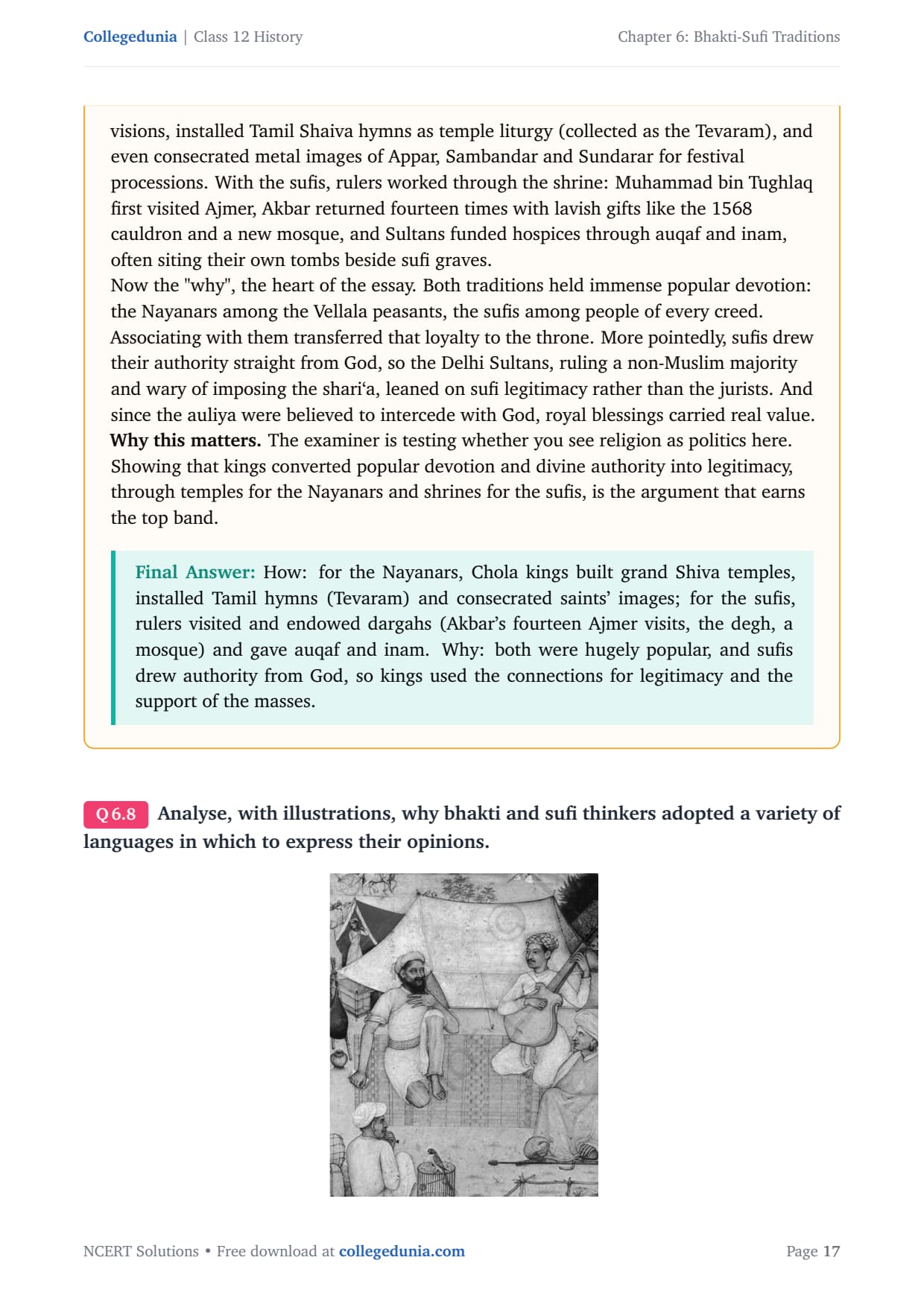
Fig. 6.16, Roadside musicians, a
seventeenth-century Mughal painting. The compositions of the sants were
likely sung by such musicians. NCERT Themes in Indian History, Part II,
Class 12 History, Theme 6.
Concept used. The question asks why bhakti and
sufi thinkers wrote and sang in so many different languages, not just
in Sanskrit, Arabic or Persian. The short reason is that they wanted to reach
ordinary people directly, so they chose the languages those people actually
spoke, while also keeping some prestige languages for scholarship.
The reasons, with illustrations:
To reach ordinary people in their own speech. Bhakti
poet-saints mostly expressed themselves orally in the regional
languages of ordinary people. The Alvars and Nayanars sang in Tamil;
Basavanna and the Lingayats composed vachanas in Kannada; Baba Guru
Nanak sang shabads in Punjabi. Using the local tongue let the message
bypass the Sanskrit-Brahmana monopoly.
Sufis adopted the language of the locality. In Delhi, those
of the Chishti silsila conversed in Hindavi, the language of the
people. Baba Farid composed verses in the local language, later
included in the Guru Granth Sahib. Around Bijapur, Chishti sufis wrote
short poems in Dakhani (a variant of Urdu).
To fit the song to daily life. Some Dakhani poems were sung
by women at household chores like grinding and spinning; others took
the form of lurinama (lullabies) or shadinama (wedding songs), so the
teaching slipped into everyday activities.
To express divine love through familiar stories. Some sufis
composed long masnavis using human love as an allegory for divine
love, like Malik Muhammad Jayasi's Padmavat, in a local idiom, on the
romance of Padmini and Ratansen.
Kabir's deliberate mixing. Kabir's verses survive in several
languages and dialects, including the sant bhasha of the nirguna
poets, drawing on Islamic, Vedantic and yogic vocabulary at once.
Always pair reason with example
This is an "analyse, with illustrations" question, so never state a reason
without a named example: Tamil for the Alvars, Kannada for Basavanna, Punjabi
for Nanak, Hindavi and Dakhani for the Chishtis, Padmavat for the masnavi.
Bhakti and sufi thinkers used many languages mainly to reach
ordinary people in their own speech and to spread devotion beyond the
Sanskrit, Arabic and Persian elite. Illustrations: Tamil (Alvars, Nayanars),
Kannada vachanas (Basavanna), Punjabi shabads (Nanak), Hindavi and Dakhani
(Chishti sufis), and the Padmavat masnavi (Jayasi). Songs were even shaped as
lullabies and grinding songs to fit daily life, and Kabir deliberately mixed
dialects and traditions.
AR
Arjun Reddy
MA History, University of Delhi
Verified Expert
Strategic angle. "Analyse, with illustrations" is a reasons-plus-
evidence question. Settle the central reason in line one, accessibility, then
fan out into the specific motives, each nailed to a named language and author.
The breadth of illustration is what lifts the marks.
The governing reason is reach. Both movements wanted to speak past the
gatekeepers of sacred knowledge, the Sanskrit-wielding Brahmanas, the
Persian-and-Arabic ulama, and address ordinary men and women directly. So
they chose the languages people actually spoke. The bhaktas show this plainly:
Tamil for the Alvars and Nayanars, Kannada vachanas for Basavanna's Lingayats,
Punjabi shabads for Baba Guru Nanak. The vernacular was itself a democratic
statement.
The sufis did the same. In Delhi the Chishtis conversed in Hindavi; Baba Farid
wrote in the local language; around Bijapur sufis composed Dakhani verse. And
they tuned the form to daily life, lurinama lullabies, shadinama wedding songs,
poems sung at the grindstone, so devotion entered the household. Others reached
the heart through story, as in Jayasi's Padmavat, a masnavi that made the
soul's journey to God out of a Rajput romance. Kabir, finally, mixed sant
bhasha with Islamic, Vedantic and yogic words, a language built to cross
communities.
Why this matters. The examiner wants you to read language as
strategy. Showing that the choice of Tamil, Kannada, Punjabi, Hindavi or
Dakhani was a deliberate bid to reach and include ordinary people, backed by
named cases, is the analytical answer the question demands.
Bhakti and sufi thinkers adopted many languages chiefly to reach
ordinary people directly, bypassing the Sanskrit and Persian elite.
Illustrations: Tamil (Alvars/Nayanars), Kannada vachanas (Basavanna), Punjabi
shabads (Nanak), Hindavi and Dakhani (Chishtis), and Jayasi's Padmavat
masnavi. They even cast teachings as lullabies and grinding songs, and Kabir
deliberately blended dialects and traditions.
Q 6.9
Read any five of the sources included in this chapter and discuss
the social and religious ideas that are expressed in them.
Concept used. This is a source-based essay. You pick any
five of the chapter's numbered Sources and draw out the social and
religious ideas in each. Below are five clear choices, each with the idea it
expresses; in the exam, name the source and state its idea.
Five sources and their ideas:
Source 1 (Tondaradippodi, an Alvar). He says Vishnu prefers
devotees who love his feet, "though they may be born outcastes", over
learned Chaturvedins without devotion. Idea: devotion matters
more than caste or birth, a critique of caste pride.
Source 2 (Appar, a Nayanar). He asks, "Of what use are your
gotra and kula? Just bow to Marperu's lord (Shiva)." Idea: caste
lineage is worthless before God, only devotion to Shiva counts.
Source 4 (Basavanna's vachana). People pour milk on a stone
serpent but kill a real one; they feed a stone image but turn away a
hungry servant of God. Idea: a sharp attack on empty ritual and
hypocrisy, true worship is serving the living, not idols.
Source 7 (Jahanara's pilgrimage to Ajmer). The Mughal
princess records walking barefoot, kissing the ground, circling the
tomb seven times. Idea: the depth of sufi devotion (ziyarat) and
the special, sacred status of the dargah.
Source 10 (Kabir, "The One Lord"). "God is called by many
names: Allah, Ram, Karim, Keshav, Hari, Hazrat. Distinctions are only
words we invent." Idea: there is one God behind all names, a
rejection of Hindu-Muslim division.
Pulling the ideas together. Read together, these five sources express
two big themes: a religious idea of one God reached through sincere devotion
(Tondaradippodi, Jahanara, Kabir), and a social idea attacking caste, ritual
and communal division (Appar, Basavanna, Kabir).
Group the five, then theme them
Do not just summarise five sources. After listing them, draw the common
threads, devotion over ritual, one God over many names, equality over caste,
so the essay ends as an argument, not a catalogue.
Five sources and their ideas: Source 1 (Tondaradippodi), devotion
matters more than caste; Source 2 (Appar), gotra and kula are worthless before
Shiva; Source 4 (Basavanna), an attack on empty ritual and hypocrisy; Source 7
(Jahanara), the depth of sufi ziyarat and the sacredness of the dargah; Source
10 (Kabir), one God behind many names, rejecting communal division. Together
they preach devotion over ritual, one God over many, and equality over caste.
TJ
Tara Joshi
MA Medieval Indian History, Visva-Bharati University
Verified Expert
Structural observation. A "read five sources" question is scored on
selection and interpretation, not on quoting at length. Pick a spread that
covers bhakti, Virashaiva, sufi and nirguna voices, state each source's idea in
one crisp line, then theme them. Variety of voices plus a closing synthesis is
the full-mark shape.
Choose for range. From the Tamil bhakti tradition, take Tondaradippodi (Source
1), who values an "outcaste" devotee above a loveless Brahmana, and Appar
(Source 2), who dismisses gotra and kula before Shiva; both make devotion, not
birth, the measure of worth. From the Virashaiva tradition, Basavanna (Source
4) skewers ritual hypocrisy: milk for a stone snake, death for a real one,
food for an idol, nothing for a hungry servant of God. From the sufi world,
Jahanara (Source 7) records her barefoot, ground-kissing ziyarat at Ajmer, a
window into the intensity of dargah devotion. From the nirguna sants, Kabir
(Source 10) collapses Allah and Ram into one God whose many names are mere
human invention.
Then synthesise, which is the examiner's real target. Religiously, the five
converge on one God reached through heartfelt devotion rather than ritual.
Socially, they converge on a critique, of caste (Tondaradippodi, Appar), of
empty ritual (Basavanna), and of Hindu-Muslim division (Kabir). Reading them
together turns five excerpts into one coherent argument about the age.
Why this matters. The skill being tested is using primary sources as
a historian: not paraphrasing them, but extracting and connecting their ideas.
A varied selection plus a themed conclusion is exactly what separates an
analysis from a summary.
A varied five: Source 1 (Tondaradippodi) and Source 2 (Appar) value
devotion over caste; Source 4 (Basavanna) attacks ritual hypocrisy; Source 7
(Jahanara) shows the intensity of sufi ziyarat and the sacred dargah; Source
10 (Kabir) preaches one God behind many names. Their shared ideas: devotion
over ritual, one God over many, and equality over caste and community.
Q 6.10
On an outline map of India, plot three major sufi shrines, and
three places associated with temples (one each of a form of Vishnu, Shiva and
the goddess).
Concept used. This is a map-work task. You mark three
sufi shrines (dargahs) and three temple places, one for a form of
Vishnu, one for Shiva and one for the goddess, drawn from the chapter and its
timeline. Below is the guide for what to mark; on the actual map, locate each
one in its correct state.
Three major sufi shrines to plot:
Ajmer (Rajasthan), the dargah of Khwaja Muinuddin Chishti
("Gharib Nawaz"), the most revered Chishti shrine, visited by Akbar.
Delhi, the dargah of Shaikh Nizamuddin Auliya, the great
Chishti shaikh of the fourteenth century.
Ajodhan (Pakistan), the dargah of Shaikh Fariduddin Ganj-i
Shakar (Baba Farid). (You may instead mark Fatehpur Sikri, the dargah
of Shaikh Salim Chishti.)
Three temple places to plot (one each of Vishnu, Shiva, goddess):
A form of Vishnu, Puri (Orissa): the temple of Jagannatha, a
form of Vishnu, discussed in the chapter as an example of integration.
Shiva, Thanjavur (Tamil Nadu): the great Chola Shiva temple,
built by rulers who patronised the Nayanars. (Chidambaram or
Gangaikondacholapuram also work.)
The goddess, a goddess shrine: mark a well-known Devi temple
such as those of the Shakti tradition; the chapter notes goddess cults
were widespread across the land.
!
[See diagram in the PDF version]
Spread them across states
For full marks, place each mark in the correct state: Ajmer in Rajasthan,
Delhi as Delhi, Puri in Orissa, Thanjavur in Tamil Nadu. Correct location
matters more than neat handwriting in map work.
Sufi shrines: Ajmer (Khwaja Muinuddin Chishti), Delhi (Shaikh
Nizamuddin Auliya), and Ajodhan or Fatehpur Sikri (Baba Farid or Salim
Chishti). Temple places: Puri for Jagannatha (a form of Vishnu), Thanjavur
(or Chidambaram) for Shiva, and a well-known Devi temple for the goddess.
Mark each in its correct state.
NV
Nikhil Verma
MA Historical Geography, MS University of Baroda
Verified Expert
Picture-first. Map work is scored on correct placement, not prose.
Treat the page as two layers: three sufi dargahs in the north and west, and
three temples spread across the country, one for each great deity. Place each
point in its right state and the question is won.
For the sufi shrines, anchor the famous Chishti trio: Ajmer in Rajasthan, the
shrine of Khwaja Muinuddin that drew Akbar himself; Delhi, the dargah of
Shaikh Nizamuddin Auliya; and Ajodhan (now in Pakistan) for Baba Farid, or
Fatehpur Sikri for Salim Chishti if you prefer a site inside modern India.
Three dargahs, three clear dots.
For the temples, choose one site per deity so the examiner sees the range.
Puri in Orissa gives you Jagannatha, a form of Vishnu and the chapter's own
example of integration. Thanjavur in Tamil Nadu gives you a towering Chola
Shiva temple, tied to the Nayanars who sang of Shiva. For the goddess, mark a
recognised Devi shrine, since the chapter stresses that goddess cults were
widespread across the land. Labelling each dot with its deity makes the logic
of the answer visible at a glance, and keeps Vishnu, Shiva and the goddess
clearly distinct.
Why this matters. The skill being tested is turning the chapter's
names into geography. The two traditions of the chapter, sufi and bhakti, are
both mapped here, and correct, clearly labelled placement of three dargahs and
three deity-specific temples, each in its right state, is the whole answer the
examiner is looking for.
Plot three dargahs: Ajmer (Muinuddin Chishti), Delhi (Nizamuddin
Auliya), Ajodhan/Fatehpur Sikri (Baba Farid/Salim Chishti). Plot three
temples: Puri for Jagannatha (Vishnu), Thanjavur for Shiva, and a Devi temple
for the goddess. Place and label each in its correct state.
Q 6.11
Choose any two of the religious teachers/thinkers/saints mentioned
in this chapter, and find out more about their lives and teachings. Prepare a
report about the area and the times in which they lived, their major ideas,
how we know about them, and why you think they are important.
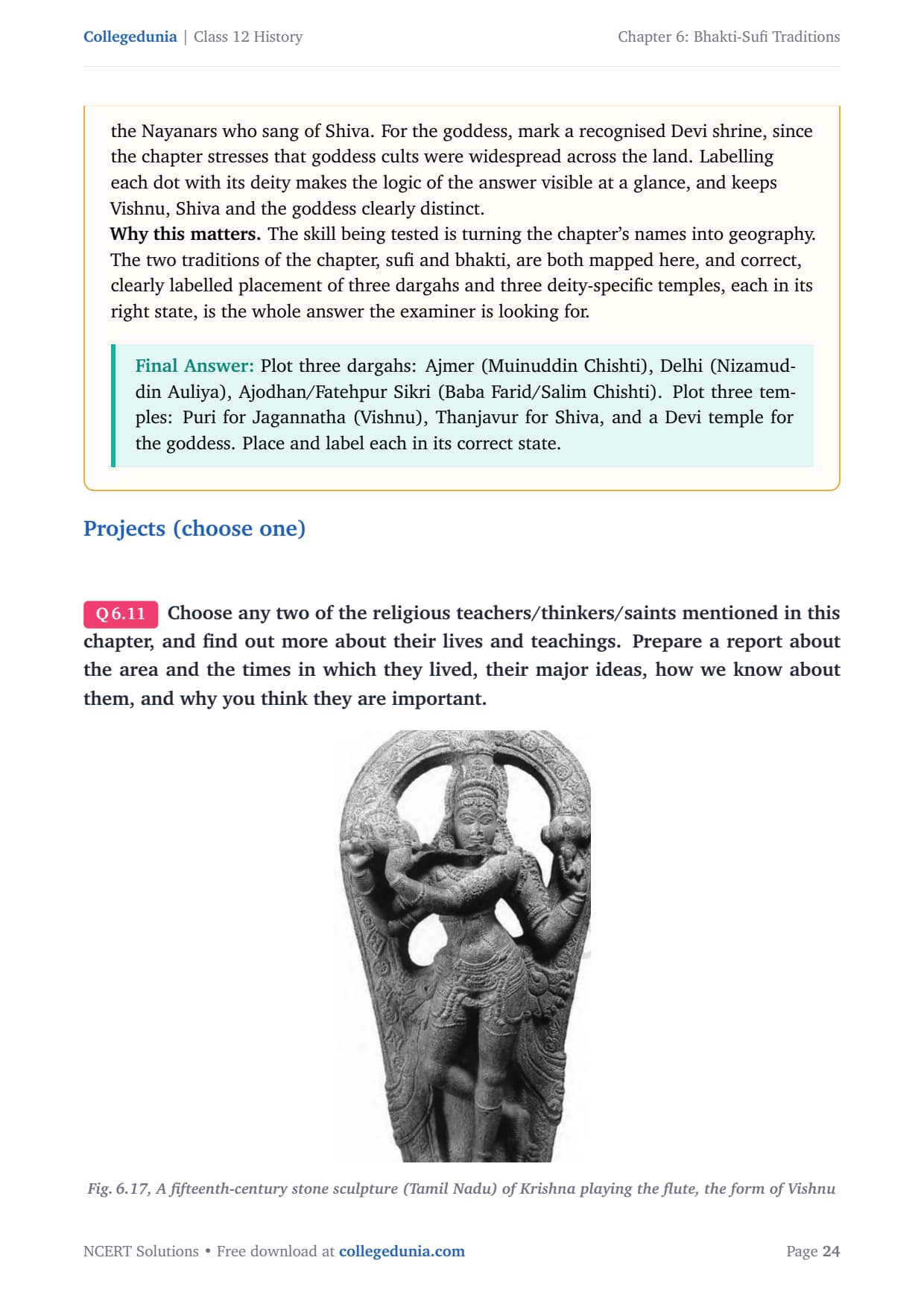
Fig. 6.17, A fifteenth-century stone sculpture
(Tamil Nadu) of Krishna playing the flute, the form of Vishnu worshipped by
Mirabai. NCERT Themes in Indian History, Part II, Class 12 History, Theme 6.
Concept used. This is a research-and-report project. There
is no single correct answer; you are marked on how well you research two
chosen saints and organise the report under the set headings. A strong choice
is Kabir and Mirabai, since the chapter gives rich detail
on both. The guide below shows how to structure it.
Choose two saints and set your headings. Pick two (for
example Kabir and Mirabai), and use the question's own headings:
(a) area and times, (b) major ideas, (c) how we know about them,
(d) why they are important.
Area and times. Kabir (c. fourteenth–fifteenth centuries)
lived around Awadh and Varanasi in Uttar Pradesh, among weavers
(julahas). Mirabai (c. fifteenth–sixteenth centuries) was a Rajput
princess from Merta in Marwar, married into the Sisodia clan of Mewar,
Rajasthan.
Major ideas. Kabir described one Ultimate Reality using
Islamic, Vedantic and yogic terms, attacked idol worship and communal
division, and used ulatbansi (upside-down sayings). Mirabai rejected
her royal duties, took Krishna as her lover-god, and sang intense
bhajans of devotion, defying caste and patriarchy.
How we know about them. For Kabir: the Kabir Bijak, Kabir
Granthavali and the Adi Granth Sahib, plus later hagiographies. For
Mirabai: the bhajans attributed to her, transmitted orally for
centuries.
Why they are important. Both inspired those who questioned
entrenched religious and social norms; their songs are still sung,
especially by the poor and "low caste", showing a living legacy.
Use the question's own headings
The headings are handed to you in the question: area and times, ideas, sources,
importance. Answer under each, for both saints, and the report writes itself
with full coverage.
Pick two saints (for example Kabir and Mirabai) and report under the
set headings: their area and times (Kabir in Awadh/Varanasi, c. 14th–15th c.;
Mirabai in Merta/Mewar, Rajasthan, c. 15th–16th c.), their major ideas
(Kabir's one God and attack on ritual and division; Mirabai's devotion to
Krishna defying caste and patriarchy), how we know them (Kabir's Bijak,
Granthavali and Adi Granth; Mirabai's orally-transmitted bhajans), and why
they matter (both still inspire and are sung today).
SK
Sneha Kulkarni
MA Medieval Indian History, University of Hyderabad
Verified Expert
Strategic angle. A project report is judged on structure and
research, not length. Lock the four headings from the question, then fill each
for both saints side by side. Choosing two contrasting figures, a male nirguna
weaver-poet and a female saguna princess, lets you show range.
Begin by placing them in space and time. Kabir belongs to the fourteenth and
fifteenth centuries, to the weaving community of Awadh and Varanasi in Uttar
Pradesh. Mirabai belongs to the fifteenth and sixteenth centuries, to the
Rajput courts of Merta and Mewar in Rajasthan. The contrast of background,
artisan against aristocrat, is itself worth noting.
Then their ideas. Kabir collapsed all names of God into one Ultimate Reality,
drawing on Islam, Vedanta and yoga, and used inverted "ulatbansi" verse to
attack idol worship and Hindu-Muslim division. Mirabai turned away from her
royal role to take Krishna as her divine beloved, singing emotion-soaked
bhajans that defied both caste norms and patriarchy. For sources, explain how
we know them: Kabir through the Bijak, Granthavali and Adi Granth and later
hagiographies, Mirabai through bhajans carried orally for centuries. Close on
importance: both became enduring voices of protest, sung to this day,
especially among the poor and the "low caste".
Why this matters. The project teaches you to build history from
scattered sources and to weigh a figure's significance. A report that answers
every set heading for two well-chosen saints, and reflects on why they endure,
is exactly what earns full marks.
Report on two saints (such as Kabir and Mirabai) under four
headings: area and times, major ideas, how we know them, and why they matter.
Kabir (Awadh/Varanasi, one God, attack on ritual and division, known from the
Bijak/Granthavali/Adi Granth) and Mirabai (Mewar, devotion to Krishna defying
caste and patriarchy, known from orally transmitted bhajans) both remain
living voices of protest.
Q 6.12
Find out more about practices of pilgrimage associated with the
shrines mentioned in this chapter. Are these pilgrimages still undertaken?
When are these shrines visited? Who visits these shrines? Why do they do so?
What are the activities associated with these pilgrimages?
Concept used. This is a fieldwork-and-research project on
pilgrimage (ziyarat) to the sufi shrines in the chapter. There is no
single correct answer; you are marked on how clearly you answer each part of
the question using the chapter and your own enquiry. The guide below shows how
to organise it.
Pick a shrine and confirm it is still active. Choose a shrine
from the chapter, for example Ajmer (Muinuddin Chishti) or Delhi
(Nizamuddin Auliya). Yes, these pilgrimages are still undertaken;
virtually all these traditions continue to flourish today.
When are the shrines visited? Note the key times: especially
the death anniversary or urs of the saint, and other auspicious days.
The chapter records that the shrine of Nasiruddin Chiragh-i Dehli drew
crowds particularly on Sundays and during Diwali.
Who visits, and why? Record that people of all creeds,
classes and backgrounds visit, Muslims and Hindus alike (Dargah Quli
Khan noted both at Chiragh-i Dehli). They come to seek the saint's
blessings (barakat), cures from illness, the fulfilment of vows, and
material and spiritual benefit; Akbar himself sought sons and
victories at Ajmer.
What activities take place? List them: offering a chadar,
flowers or itar at the tomb; tying threads and making vows; the
singing of qawwali and sama by qawwals; communal meals
from the langar; and, at some shrines, fairs and merrymaking under the
trees during the urs.
Answer every sub-question
The question lists five things to find out: still undertaken? when? who? why?
what activities? Make a heading for each so the examiner can tick them all off.
Research a shrine such as Ajmer or Nizamuddin's dargah. Yes, these
pilgrimages (ziyarat) continue today. Shrines are visited especially at the
saint's urs (death anniversary) and on special days (Sundays, Diwali at
Chiragh-i Dehli). Visitors of all creeds and classes, Hindu and Muslim, come
to seek blessings (barakat), cures, and the fulfilment of vows. Activities
include offering chadars, flowers and itar, qawwali and sama, the langar, and
fairs during the urs.
FK
Faisal Khan
MA History, Aligarh Muslim University
Verified Expert
Structural observation. This project is really a five-part
questionnaire: still undertaken, when, who, why, what activities. Turn each
into a heading and answer it from the chapter first, then from your own local
enquiry. Hitting all five parts is what secures full marks.
Open by choosing a living shrine, Ajmer or Nizamuddin's dargah in Delhi, and
confirm at once that the pilgrimage continues; the chapter stresses that these
traditions still flourish. Then take timing: the central occasion is the urs,
the saint's death anniversary celebrated as his union with God, alongside
special days like the Sundays and Diwali that drew crowds to Chiragh-i Dehli.
Next, who and why, which belong together. The shrines draw people of every
creed and class, Hindus and Muslims side by side, as Dargah Quli Khan recorded.
They come for barakat, the saint's blessing, and very concretely for cures,
for sons, for success, for vows fulfilled, the same hopes that brought Akbar to
Ajmer fourteen times. Finally, the activities: offering chadars, flowers and
itar at the tomb, the qawwali and sama of the qawwals, the
shared food of the langar, and the fairs and festivity around the urs. Tie
your own observation of a nearby dargah to these patterns.
Why this matters. The project shows that the chapter's medieval
practices are not dead history but living devotion. Answering all five parts,
and linking them to a shrine you can actually observe, is the full, top-band
response.
Choose a living shrine (Ajmer, Nizamuddin's dargah). The pilgrimage
continues today, peaking at the saint's urs and on special days (Sundays,
Diwali at Chiragh-i Dehli). Visitors of all creeds and classes, Hindu and
Muslim, come for blessings (barakat), cures and vows. Activities: offering
chadars, flowers and itar, qawwali and sama, the langar, and fairs at the
urs.
FAQs on Bhakti-Sufi Traditions Class 12 NCERT Solutions
Bhakti-Sufi Traditions Class 12 History Common Questions
Ques. Where can I get the class 12 history chapter 6 ncert solutions PDF?
Ans. You can download the Bhakti-Sufi Traditions Class 12 History NCERT Solutions PDF directly from this page. It is free, follows the 2026-27 NCERT, and answers all 12 exercise questions step by step.
Ques. How many questions are there in class 12 history chapter 6 questions and answers?
Ans. The chapter has 12 exercise questions. Nine are written answers, and the last three (10 to 12) are map work and project activities used in the history project file class 12 chapter 6.
Ques. What is the difference between bhakti and Sufi traditions?
Ans. Bhakti was devotion within the Hindu fold, led by saints like the Alvars, Nayanars, Kabir and Mirabai. Sufism was the mystical strand of Islam, organised around khanqahs, silsilas and shrines, with shaikhs like Muinuddin and Nizamuddin. Both sought God through love rather than ritual.
Ques. What does the integration of cults mean in class 12 history chapter 6?
Ans. It is the two-way process by which local deities and worship were absorbed into the Brahmanical Puranic fold while Brahmanas reworked them. The standard examples are Jagannatha of Puri, a tribal wooden deity made a form of Vishnu, and local goddesses turned into Lakshmi or Parvati.
Ques. Which are the most important questions in bhakti sufi traditions class 12?
Ans. The beliefs and practices of Sufism (Q 6), the Alvar, Nayanar and Virashaiva critique of caste (Q 4), and how and why rulers used these traditions (Q 7) are the most-asked long answers. These three top every list of class 12 history chapter 6 important questions.
Ques. Is class 12 history chapter 6 hard to score in the board exam?
Ans. No. It is a good scoring chapter if you keep the bhakti and Sufi tracks separate and use the exact terms. Practise the source-based extracts and a few class 12 history chapter 6 mcq sets, and keep the Sufism essay and the caste-critique answer ready in your own words.









Comments