



Education Journalist | Study Abroad Lead
Grassland is an area in which the vegetation of that area is dominated by large and continuous grass covers. Grasslands are found in environmental places where the growth of grass-like plant covers is conducive but that of taller plants like trees or shrubs is not. Climatic Dryness results in the largest areas of natural grassland that can be classified into two types. First is the tropical grasslands, which are found between the belts of desert and tropical forest, and secondly, the temperate grasslands, which are found between temperate forests and deserts. Tropical grasslands are found in the regions that are mutual to the Savannas. The difference between the two types of vegetation depends on the number of trees present in that area. Temperate grasslands can sometimes be seen with a few trees or shrubs that may be vaguely present in their boundaries, This is often when the grassland is adjacent to temperate forests or scrublands. There are various other kinds of other grasslands like Flooded Grasslands, Montane, Tundra Prairies and Desert Grasslands.
| Table of Contents |
Key Terms: Grassland Adaptation, Vegetation, Temperate, Forests, Trees, Grassland, Region, Plant, Tropical, Climate, Adaptation, Biodiversity, Conservation
Definition of Grasslands
[Click Here for Sample Questions]
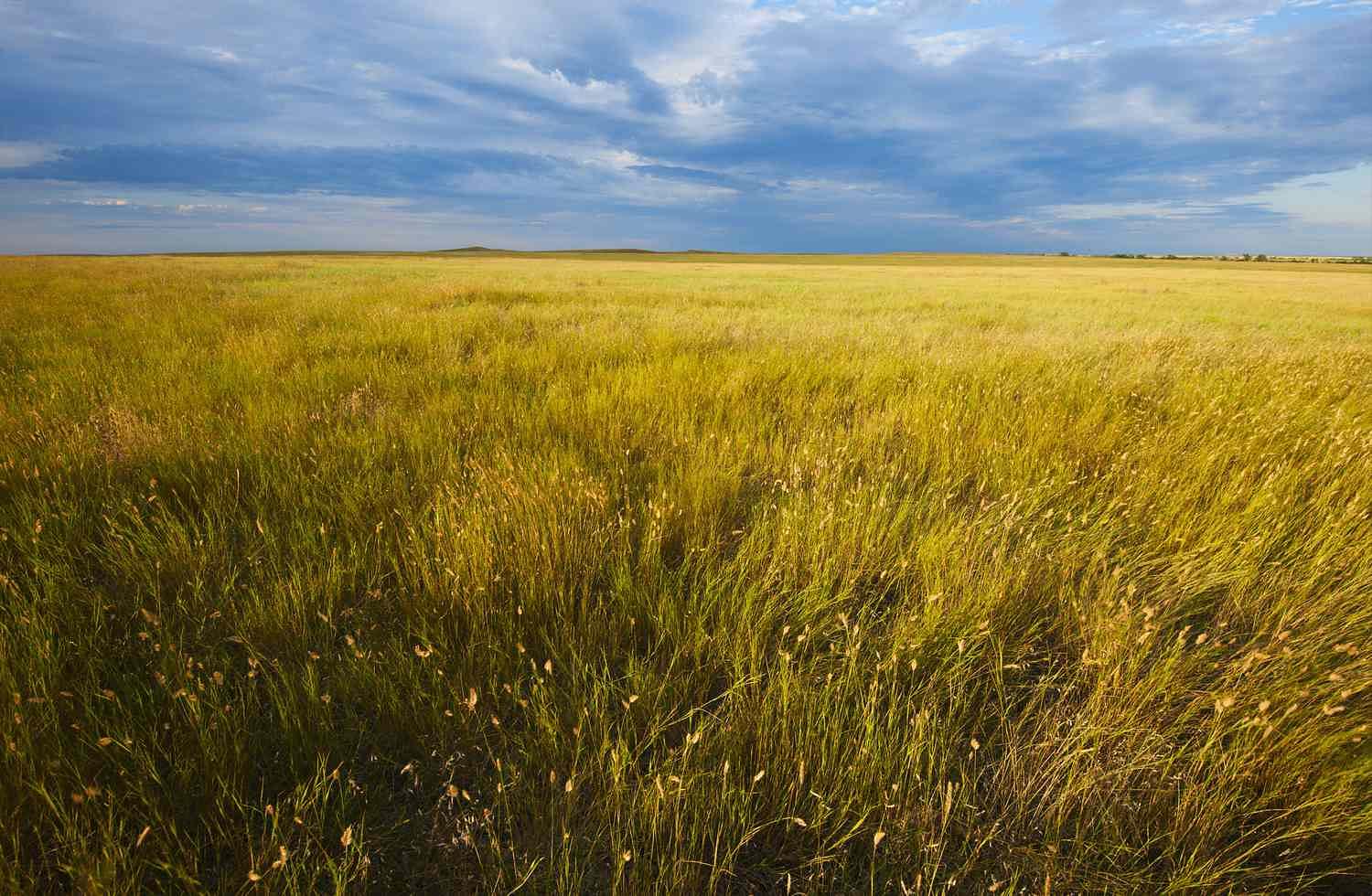
Grasslands are places where grass-like vegetation is found to be dominant. Grasslands are pretty much found everywhere in the world, except Antarctica.
Grasslands are mainly of three kinds based on climate and region, these are Temperate Grasslands, Savannas and Shrublands Biomes.
They are the world’s largest biomes as they are found to be the most dominant on the world’s land, that is from around 31% to 43%. Some are Natural Grasslands, while some are semi-natural or Agricultural grasslands. They generally have an average precipitation of around 25 to 75 cm. Semi-Natural grasslands are the type to have the richest ecosystem.
However, they are the most endangered ecosystems, due to the constant use of land by humans for mining or agriculture.
Grasslands
Vegetation in Grasslands
[Click Here for Sample Questions]
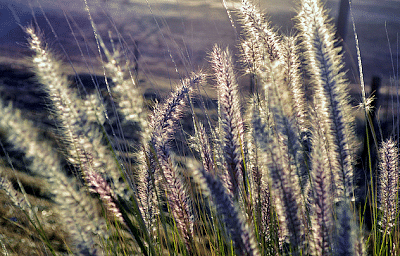
Grassland vegetation has a range that could be either from very tall or very short in size. The Chalk grassland can be said as an example of short grassland. However, South American grasslands, African savanna or North American tallgrass prairie have the tallest grasslands one can find. Savannas are the grasslands that contain shrubs, trees and even woody plants.
Vegetation in Grasslands
Climate of Grasslands
[Click Here for Sample Questions]
Grasslands is found most commonly in places where the annual precipitation is found to be between 600 nm and 1500nm, where the average precipitation is from -5 and 20 °C. However, certain grasslands can be found that are much colder with a temperature of −20 °C, and with much hotter conditions of climate with a temperature of 30 °C.
Grasslands can also be found in places that are frequently affected by fire or grazing, as these kinds of effects stop the appearance of other wooden species. It is noticed that grasslands have low fertility like serpentine barriers and calcareous grasslands have a richer ecosystem. This can stop the growth of shrub and forest species.

Climate of Grasslands
Conservation and Biodiversity of Grasslands
[Click Here for Sample Questions]
The Grasslands are called unimproved when they are dominated by unsown communities of wild plants. They are also known as semi-natural or natural habitats. Semi-natural habitats are the most common type of grassland that are found in temperate regions. The plant communities here are often natural and are maintained by various man-made activities like low-intensity farming, which helps to condition these grasslands through activities like grazing and cutting regimes.
Unimproved Grasslands often present a very good number of various kinds of species as 25 or more species can be found to be present per square metre. For Example, The Chalk Downlands located in England have been supporting over 40 types of species per square metre.
Contrastingly, grasslands that are improved agriculturally, that dominate a large majority of the agricultural landscapes, are found to have a lesser number of different species, this is because of the reason that cultivation has destroyed the original diversity of plants. Different cultured plants of grasses or clovers have replaced the original wild-plant community.
Unimproved grasslands are considered to be the most endangered habitats because of the presence of wild species that are originally found there. These grasslands also tend to be the target of various groups that conserve wildlife groups or several landowners who want to manage these lands properly.

Biodiversity of Grasslands
Also Read: Biodiversity and Conservation
Impact of Humans and Importance of Economy
[Click Here for Sample Questions]
The Grassland vegetation is found to be dominant in a lot of areas. This is mostly because of cutting, grazing or man-made and natural fires which inhibit the growth of trees and shrubs. The African Savannas are the largest grasslands. They are maintained by pastoralists, they do it with the help of goats, sheep and other cattle or wild herbivores.
The Grasslands can either occur due to human activity or naturally. Grasslands that are formed by the activities of humans are known as anthropogenic grasslands. These grasslands are also taken care of and maintained by human beings. Regular fires have been caused due to hunting cultures, This prevents the growth of trees and shrubs that are intolerant to fire and hence this extends and maintains grasslands.
Classification of Grasslands
[Click Here for Sample Questions]
The classification of grasslands have been put forward by many different people, with each to their meaning:
- Schimper (1898): Schimper described the grasslands and their types as either Meadow, Steppe or savannah.
- Mueller and Ellenberg - Dombois (1967): They classified the grasslands as lands that are either Savannas and related grasslands, Steppes and related grasslands, Meadows, pastures and related grasslands, Sedge swamps and flushes, Herbaceous and half-woody salt swamps or Forb vegetation.
- Laycock (1979): Laycock described the various kinds of grasslands as Tallgrass prairie, Shortgrass prairie, Mixed-grass prairie, Shrub-steppe, Annual grassland, Desert grassland or High mountain grassland.
Different Grasslands and Regions
[Click Here for Sample Questions]
The different types of grasslands found along with their regions are given below:
-
Tropical and Subtropical Grasslands
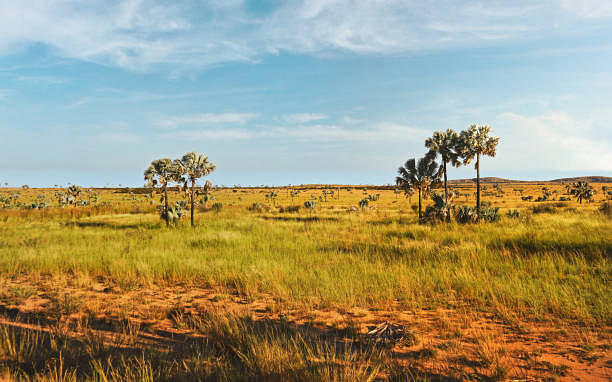
These kinds of savannas or grasslands consist of grasses and trees mainly. Their proportion depends on the rainfall available there. They are found to be widespread across Africa and in all continents, except Antarctica. It is home to primates in Africa, Asia and Southern America.
Tropical Grasslands
-
Temperate Grasslands
These kinds of Grasslands have different species of shrubs and grasses. These include foxtail, buffalo grass and wild oats. Its climate ranges from semi-arid to semi-humid. They are home to a variety of animals such as zebras, bison, wild horses, and several others. Lions, cheetahs or other kinds of carnivores are also found here.

Temperate Grasslands
-
Flooded Grasslands
It consists of complexes or expanses of flooded grasslands. This kind of environment helps in accommodating animals and plants that are adapted to the unique soil conditions and hydrologic regime. It is also a terrestrial habitat of the WWF biogeographical system. It supports various animals and plants. Migratory and residential water birds can also be found in the flooded grasslands. These grasslands are mainly found in tropical and sub-tropical regions. Water Meadows are the type of grasslands that are flooded for a small time.

Flooded Grasslands
-
Montane Grasslands
It includes high altitude shrublands and grasslands. The montane word itself refers to the high altitude. They are usually found in the top region of the high mountain ranges of the world. Some montanes also contain the tundra.

Montane Grasslands
-
Tundra Prairies
The Tundra prairies are more or less like montane grasslands.

Tundra Prairies
-
Desert Grasslands
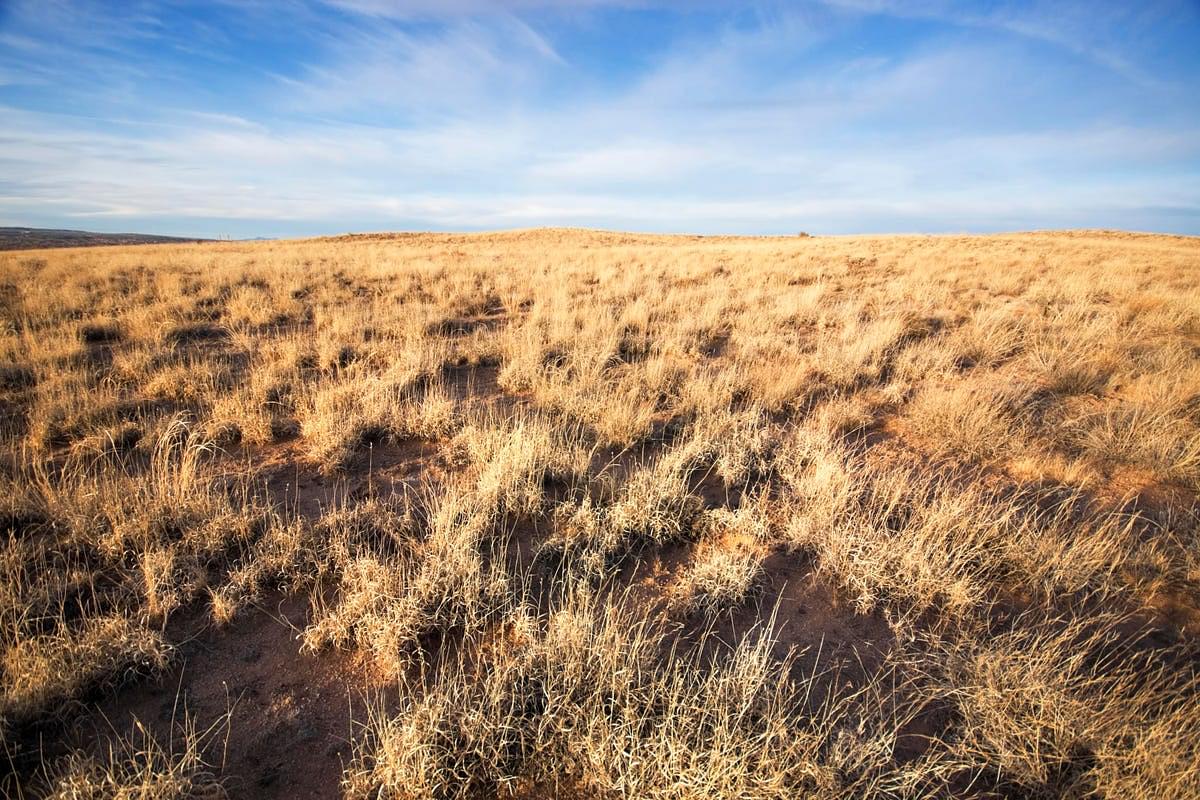
They are also known as the xeric and desert grasslands. These grasslands have warm, humid summers with moderate cold or rain and dry winters. Grasses in this grassland are found to be shorter than the ones found in the prairie grasslands, they are also less dense and are found to be scattered between the desert and succulent shrubs.
Desert Grasslands
Also Read:
| Related Articles | ||
|---|---|---|
| Fibre to Fabric | Deforestation | |
| Characteristics Of Organisms | What is Adaptation? | |
| Biome and Ecosystem: Difference | Pyramid of Biomass | |
Things to Remember
- Grasslands make up about 40% of the Earth’s total land surface.
- The grasslands are typical of two types, namely tropical and temperate.
- Grasslands are usually found between mountain and deserts climates.
- Fire is necessary for a healthy grassland.
- Only less than 10% of the total of the world’s grassland is under protection and unharmed.
- Grasslands can be found on every continent but not in Antarctica
- Due to Human development, the earth has lost Millions of acres of grasslands.
- Grasslands can also act as carbon sinks, which is very beneficial for organisms.
Sample Questions
Ques. Where are grasslands? (3 Marks)
Ans. Grasslands are known by many names, such as prairies in North America, Steppes in Asia, savannahs, steppes and veldts in Africa, Rangelands in Australia, and llanos, cerrado and pampas in South America. So they are found in all the places where the rain is found to be too little for trees to grow in large numbers.
Ques. What are the characteristics of the grasslands? (5 Marks)
Ans. The characteristics of the grassland biomes are as follows:
- The Vegetation structure in grassland biomes is dominated by grasses.
- The climate condition in the grassland biome is Semi-arid.
- The soil and the Rainfall are not enough to significantly grow trees.
- They are found to be most common in regions that are near the interiors of continents and are mid-latitudes.
- The Grasslands are often used for agriculture.
Ques. How much grassland is present on the earth? (3 Marks)
Ans. Grasslands are present in a massive amount on Earth’s surface. The Great Plains are as long as 2,251 miles from Canada to Mexico and make around 400 million acres in North America. Four and a half Germany sized land could fit inside the Great Plains. The Savannas cover around five million square miles of Africa’s lands, which makes about half of the continent’s total surface area. So, Grasslands make up about 40 per cent of the terrestrial surface area and 25 per cent of the earth’s total surface area.
Ques. What kinds of animals are found in the Grasslands? (5 Marks)
Ans. Different varieties of reptiles, mammals, birds, and insects are found in different types of Grasslands. Organisms like insect larvae, grasslands mites, nematodes, and earthworms can take place inside the deep soil while being 6 meters underground. They help to increase the work of the root systems with the help of fungi that helps to breaks the hard soil and enrich it with urea and trap minerals, natural fertilizers, and water minerals to promote growth.
Grassland is caused because of animal movement and behaviour, For example, the herd of African bush elephants tend to eat the acacia saplings and do not let them grow into a mature tree.
Ques. Why are the grasslands important? (3 Marks)
Ans. Grasslands are important as they help maintain the climate. They are also required for proper agriculture and water in the landscape. They also have high cultural values. They are required for the management of water, for the grazing of animals, for mitigation of climate, for biodiversity, and they are linked to our agricultural history in a lot of ways.
Ques. How many grasslands are left? (3 Marks)
Ans. Grasslands are a quite rare ecosystem. Most of the grasslands that were present in the world have now been annihilated to build farms or houses, so many people have started to work to protect and conserve the grasslands that are left. Only less than 2% of historical grasslands still exist in the world today.
Ques. What do grasslands produce? (3 Marks)
Ans. Grasslands contribute to the production of almost all the major food grains such as wheat, corn, oats, millet, barley, sorghum rye, etc. Grazing grasslands and the animals found in them like cattle and sheep produces food like meat and milk. Fibres like cotton and wool are produced in grassland biomes.
Ques. What is life like in the grasslands? (3 Marks)
Ans. Life in the grasslands is not so easy for the prey, as there aren’t a lot of places for the prey animals to hide from the predators. However, the animals in savannas have a large diversity and variety. The Temperate grasslands are dominated by a few herbivore species such as deer, rabbits, bison,antelope, gophers, prairie dogs, and antelopes.
For Latest Updates on Upcoming Board Exams, Click Here: https://t.me/class_10_12_board_updates
Also Check:



Comments