



Content Curator
Municipal solid waste can be referred to as the solid waste disposed at the municipal dumping sites or collected by the municipality in order to treat and dispose it properly. They are dumped into the trash so that they can be disposed of completely or be segregated to recycle. The wastes that the municipal corporation is required to collect from the residential or corporate workplace is termed municipal solid waste. The municipal corporation is given the duty to dump the wastes from schools, offices, playgrounds, hospitals, etc., in the destined landfill where these wastes are segregated and treated for recycling or incinerated.
| Table of Content |
Keyterms: Solid waste, Dumping sites, Municipality, Soil, Cotton, Creams, Ointments, Paper, Cardboard, Plastic clips, Crayons, Markers
Read Also: Waste Disposal
Types of Municipal Solid Wastes
[Click Here for Sample Questions]
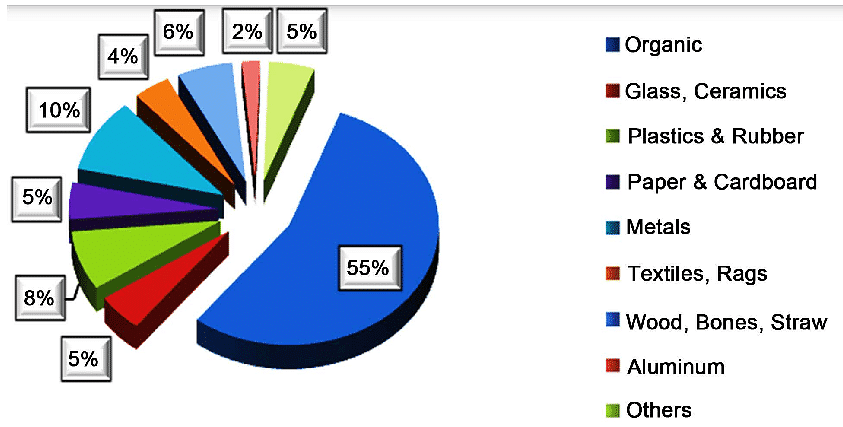
Municipal solid waste can be divided into the following categories given below:
- Kitchen Waste: This waste contains fruits and vegetable peels. It is biodegradable and can be used to increase the fertility of the soil.
- Office or School Waste: This waste contains paper, cardboard, plastic clips, crayons, markers etc. these are usually recyclable and non-biodegradable.
- Hazardous Waste: this waste is collected from hospitals, clinics, or medical centres. They contain chemicals and already used syringes, pieces of cotton, creams, or ointments. These must be disposed of very carefully using special treatments to avoid infections or diseases.
The type of wastes collected and disposed of depends on the industries like construction, automotive, electrical, chemical factories etc., from which the waste comes.
- Miscellaneous Wastes: These kinds of waste include cement, wood, plastic pipes, paint, glass, wires, or metals. To broadly classify, these wastes can be categorised as biodegradable, non-biodegradable and hazardous wastes. Biodegradable wastes can be grouped to form the category of non-hazardous waste and non-biodegradable waste can be grouped under non-hazardous but when left untreated can be harmful for the environment. Non-hazardous wastes do not harm the environment or living beings directly by being poisonous or having severe chemical content. Thus, they do not require special treatment because they are disposed of, unlike hazardous wastes.
- E-waste or Electronic Waste: These wastes contain all the electronic or digital wastes like tapes, cassettes, wires, CDs, etc., and the only solution of the treatment of this type of waste is recycling. Due to the massive increase in the use of technology, the amount of e-waste produced has increased gigantically and thus, for the betterment of the environment, we must recycle it.
Read More: Water pollution control
Municipal Solid Waste Management Challenges
[Click Here for Sample Questions]
Poor management of municipal solid waste results in direct harm to the environment and living beings. Untreated and unmanaged waste is the biggest carrier of various infections and diseases in the community or even the country. These places become breeding grounds for deadly bacteria and viruses which spread enormously to spread diseases by being transmitted to rats, dogs, humans, or birds. The various barriers to the proper management of municipal solid wastes are listed below:
- There may not be a designated authority that is given the task of collecting and disposing of the waste like the municipal corporation.
- There might be an inadequate infrastructure of disposal and treatment of the wastes
- There may not be the required devices or machinery for waste collection, segregation, treatment, and disposal
- The lack of awareness in the society regarding segregation of wastes results in poor management of municipal solid wastes. Also, the issue of littering at public places is the main cause of improper waste management.
Effect of Poor Municipal Solid Waste Management
[Click Here for Sample Questions]
Improper management of municipal solid waste affects the health of the environment severely. Waste can be characterised to choke the breathing tube of our planet earth by accumulating itself in the windpipe and causing harm to the planet. The various environmental impacts that the poor management of municipal solid waste causes is directly harming the living beings who are both the producers and the consumers of these wastes. The following can be listed as the effect of poor municipal solid waste management on the environment:
- The dumping grounds of wastes that are not cleaned and maintained become the breeding space for deadly organisms which reproduce and multiply to spread diseases amongst those who come in contact like rats, dogs and people who scavenge the waste.
- Reckless and improper dumping of waste can lead to unhygienic conditions like blocking of drains or sewers which will lead to the accumulation of drainage water. This will cause a foul smell and this stagnant water will become the best spot for mosquito breeding, which will spread deadly diseases like dengue and malaria.
- Improper segregation and disposal of wastes also affect animals. It is a piece of much-heard news that due to improper disposal of polyethene and plastic, animals who graze are consuming these items and dying.
- The biggest problem of poor municipal waste management is the burning of wastes of all types. This leads to the generation of harmful fumes due to the burning of the chemicals in these wastes. The burning of waste is one of the main causes of air pollution around the globe.
- Dumping waste in rivers and seas has resulted in water pollution. This has, in turn, killed a lot of underwater organisms, and deteriorated the condition of sea and river water. The untreated waste from factories is directly disposed of into the water bodies and various activities like dumping sacred wastes into rivers and seas have caused immense harm to the environment.
- Certain accumulated waste produces toxic gases like methane when they are left untreated for long in the open. This directly harms the health of living organisms and in turn affects the environment as well.
Read More: Effects of air pollution on plants
Municipal Solid Waste Management Methods
[Click Here for Sample Questions]
Municipal solid waste management can be done judiciously by the following methods to avoid inconvenience to living beings and harm to the environment:
- Large incineration units can be built which will destroy and burn the waste to ashes. This way a lot of wastes can be destroyed completely and for the wastes with nutritional values, the ashes could be stored to be used later.
- The biodegradable waste can be put into composts where they can be composted to be used as fertilisers to enrich the nutritional content of soil and produce healthier crops.
- Landfills help to treat the wastes by putting clay soil over the dumped waste which is separated out into layers. The gas produced by the composting is methane which is used to produce electricity.
- Recycling of plasticwastes after treatment to create roads, artefacts, containers, jewellery, and a lot more.
Also Read:
| Related Articles | ||
|---|---|---|
| Biomagnification | Environment (Protection) Act, 1986 | Montreal Protocol |
| Pollution | Air pollution control | Algal bloom |
Things to Remember
- The wastes that the municipal corporation is required to collect from the residential or corporate workplace is termed municipal solid waste.
- Municipal solid waste can be divided into biodegradable, non-biodegradable, and hazardous wastes.
- e-waste or electronic waste contains all the electronic or digital wastes like tapes, cassettes, wires, CDs, etc.
- Poor management of municipal solid waste results in direct harm to the environment and living beings.
- The biggest problem of poor municipal waste management is the burning of wastes of all types.
- Large incineration units can be built which will destroy and burn the waste to ashes.
- landfills help to treat the wastes by putting clay soil over the dumped waste which is separated out into layers.
Sample Questions
Ques: What is the difference between municipal solid waste and solid waste? (2 marks)
Ans. The wastes that the municipal corporation is required to collect from the residential or corporate workplace is termed municipal solid waste. The waste generated by humans in general from their homes, schools, offices that is not taken care of by the municipal corporation is termed solid waste.
Ques: What are the effects of poor municipal solid waste management? (2 marks)
Ans. Improper management of municipal solid waste affects the health of the environment severely. The dumping grounds of wastes that are not cleaned and maintained become the breeding space for deadly organisms. Reckless and improper dumping of waste can lead to unhygienic conditions like blocking of drains or sewers which will lead to the accumulation of drainage water. Dumping waste in rivers and seas has resulted in water pollution.
Ques: What does improper segregation of municipal solid waste do? (1 mark)
Ans. The improper segregation and disposal of wastes also affect animals. It is a piece of much-heard news that due to improper disposal of polyethene and plastic, animals who graze are consuming these items and dying.
Ques: What is municipal solid waste management? (2 marks)
Ans. All the items or materials that are no longer in use are termed solid waste. They are dumped into the trash so that they can be disposed of completely or be segregated to recycle. The wastes that the municipal corporation is required to collect from the residential or corporate workplace is termed municipal solid waste. The municipal corporation is given the duty to dump the wastes from schools, offices, playgrounds, hospitals, etc., in the destined landfill where these wastes are segregated and treated for recycling or incinerated. This is called municipal solid waste management.
Ques: What is e-waste and how can it be managed? (2 marks)
Ans. e-waste or electronic waste contains all the electronic or digital wastes like tapes, cassettes, wires, CDs, etc., and the only solution of the treatment of this type of waste is recycling. Due to the massive increase in the use of technology, the amount of e-waste produced has increased gigantically and thus, for the betterment of the environment, we must recycle it.
Ques: How can municipal solid waste be incinerated? (1 mark)
Ans. Large incineration units can be built which will destroy and burn the waste to ashes. This way a lot of wastes can be destroyed completely and for the wastes with nutritional values, the ashes could be stored to be used later.
Ques: What are some municipal solid waste management techniques? (2 marks)
Ans. The biodegradable waste can be put into composts where they can be composted to be used as fertilisers to enrich the nutritional content of soil and produce healthier crops. Landfills help to treat the wastes by putting clay soil over the dumped waste which is separated out into layers. The gas produced by the composting is methane which is used to produce electricity. Recycling of plastic wastes after treatment to create roads, artefacts, containers, jewellery, and a lot more.
Ques: What are the barriers to municipal solid waste management? (2 marks)
Ans. There may not be a designated authority that is given the task of collecting and disposing of the waste like the municipal corporation. There might be an inadequate infrastructure for disposal and treatment of the wastes. There may not be the required devices or machinery for waste collection, segregation, treatment, and disposal.
For Latest Updates on Upcoming Board Exams, Click Here: https://t.me/class_10_12_board_updates
Check-Out:



Comments