



Content Curator
Conversion of energy is the transformation from one form of energy to another form. It is important to remember that energy can neither be created nor destroyed and the total amount of energy present in the system remains constant.
- There are various forms of energy such as thermal energy, electromagnetic energy, mechanical energy, nuclear energy, chemical energy, etc.
- These forms keep changing into one another depending upon the tasks performed in everyday life.
| Table of Contents |
Key Terms: Energy Conversion, Law of Conversion, Thermodynamics, Electrical Energy, Nuclear Energy, Solar Energy
What is Energy Conversion?
[Click Here for Sample Questions]
Energy conversion is the process of transformation of one type of energy into another. Whenever energy is utilized for some work, it gets transferred to a different location or object. Thus, the total energy always remains constant for a system.
- Energy is utilized when we perform any activity or work.
- Nature utilizes energy to perform photosynthesis, lightning, rising air currents, winds, and many more.
- Energy conversion takes place every time work is done.
- For example, to heat a home, the furnace burns fuel, the energy is then transferred and the temperature of the air rises.

Examples of Energy Transformation
Read Also:
| Related Articles | ||
|---|---|---|
| Geothermal Energy | Non-Renewable Energy | Non-Conventional Source of Energy |
Law of Energy Conversion
[Click Here for Sample Questions]
Thermodynamics is a branch of physics that describes how the energy in a system changes and whether the system can perform useful work in its surroundings.
- It studies the relationship between heat, work, temperature, and energy.
- There are three laws and the first law accounts for the process of energy conversion.
The first law of thermodynamics states that:
“Energy can neither be created nor destroyed, it can only be transformed from one form to another.”
Thus, it means the total energy is always constant in the universe. Whenever energy is consumed in some work, it gets converted into another form. For example, when water is boiled, the energy provided in the form of heat gets converted into the kinetic energy of vapor molecules.
Types of Energy Conversions
[Click Here for Sample Questions]
There are various types of energy resources around us and energy from these sources can be converted from one form to another depending on their use:
- Light energy can be converted to heat energy.
- Electrical energy can be converted to mechanical energy, heat energy, light energy, sound energy, etc.
- Chemical energy can be converted to electrical energy, mechanical energy, and radiant energy.
- Mechanical energy can be converted to sound energy, thermal energy, electrical energy, potential energy, etc.
- Nuclear energy can be converted to light energy and thermal energy.
- Solar energy can be converted to chemical energy and electrical energy.
- The gravitational potential energy can be converted to kinetic energy, for example, a stone falling from the air.
Some daily-life examples of energy conversions include:
- Sun - Nuclear energy to heat and light
- Muscle Movement - Chemical energy to mechanical energy
- Bungee Jumping - Gravitational potential energy to elastic potential energy
- Solar Panels - Light energy to electrical energy
- Hydroelectric Dams - Kinetic energy of water to electrical energy
- Refrigerators - Electrical energy to mechanical energy
- Photosynthesis - Solar energy to chemical energy
- Gas Stove - Chemical energy to heat and light energy
- Battery - Chemical energy to electrical energy
- Electric Bell - Electrical energy to sound energy
Read Also:
| Related Topics | ||
|---|---|---|
| Renewable Energy | Principle of Conservation of Energy | Conservation of Mechanical Energy |
Advantages of Energy Conversion
[Click Here for Sample Questions]
The advantages of energy conversion are as follows
- It enables the transformation of raw energy, such as sunlight, wind, and fossil fuels into useful forms such as electricity or mechanical energy.
- We can maximize the overall efficiency of the energy system by converting energy into various forms that are easier to transport, store, and utilize.
- Energy conversion allows us to switch between different energy sources based on cost, availability, etc.
- Energy conversion allows us to convert energy into a storable form that can be used whenever needed.
- The development of energy conversion technologies leads to a reduction in energy costs and an improvement in energy efficiency.
Disadvantages of Energy Conversion
[Click Here for Sample Questions]
The disadvantages of energy conversion are as follows:
- There is some loss in overall energy efficiency such as heat loss and mechanical energy loss, while energy converting energy from one form to another.
- Wastes produced during the manufacturing, installation, and disposal of the energy conversion system have some environmental impacts.
- Energy conversion technologies are cost-effective.
- The conversion of energies such as sunlight into electricity depends on the weather.
- Energy conversion system such as hydropower plant needs large-scale land leads to land-use conflicts.
Conservation of Energy
[Click Here for Sample Questions]
Energy conservation is defined as “the principle by which the total energy remains constant in a system that is not subject to external influence.” The energy consumed for various activities and processes is generated from different kinds of resources.
- To be able to convert one form of energy into another form, resources are used. If these resources are exploited, the process of energy conversion will be affected.
- This will eventually result in a shortage of energy resources and thus unmet demands of the growing population.
- Conservation of energy has become a major concern.
- It requires money, time, and resources to convert available energy in the universe into usable form.
- If the energy generated from the resources is over-exploited, it may result in a shortage of energy.
- If the rate of consumption of energy is higher than the rate of production, then it will lead to a situation of imbalance and thus lack of sufficient energy for daily necessary tasks.
- Hence, the conservation of energy has become the need of the hour in the wake of the rising demand of the growing population.
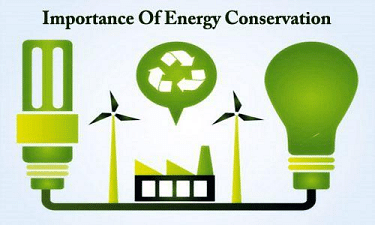
Conservation of Energy
Things to Remember
- The total energy is always constant and can neither be created nor destroyed.
- Energy conversion is the process of converting one form of energy into another form.
- Energy conversion takes place every time energy is utilized for performing some task.
- Energy conversions are of different types like conversion of heat energy into electrical energy, chemical energy to mechanical energy etc.
- Conservation of energy is very important and can be done by reducing the exploitation of energy resources.
Sample Questions
Ques. Explain how television works. (3 Marks)
Ans. The television receives electrical energy from electric sockets and this energy is converted into light, sound, and heat energy. However, heat energy produced in this case is very less as compared to light and sound energy and can be ignored. But while designing a television, the calculation of heat energy is very important as it can have a significant impact on the mechanism.
Ques. Write the steps of energy transformation in a conventional automobile. (3 Marks)
Ans. The steps of energy transformation in a conventional automobile are given below:
- First, the chemical energy in the fuel gets transformed into kinetic energy of the expanded gas due to combustion.
- Then the kinetic energy of the expanding gas gets converted into linear piston movement and then the linear piston movement gets transformed into rotary crankshaft movement.
- The rotary movement of the drive wheels gets transmuted to the linear motion of the automobile.
Ques. Write the steps of energy conversion in an electric motor. (3 Marks)
Ans. The steps are as follows:
- First, the electric energy is converted into mechanical and heat energy in an electric motor.
- It is important to note that most of the energy supplied is in the form of electricity, which is then converted to mechanical kinetic energy.
- The heat energy produced is the by-product of proper operation and the long life of an electric motor.
- Some examples of the application of electric motors are – washing machines, mixer grinders, pumps, compressors, etc.
Ques. Explain the working of a coal-fired power plant with the help of energy transformation. (3 Marks)
Ans. The steps of energy transformations inside a coal-fired power plant are as follows:
- As a result of combustion, the chemical energy possessed in the coal gets transformed into thermal energy.
- Then with the aid of a heat exchanger, the thermal energy of the exhaust gases gets transformed into the thermal energy of steam and thereby gets converted into mechanical energy.
- Finally, with the help of a generator, the mechanical energy gets transformed into electrical energy.
Ques. Why do we consider heat and sound energy produced from a table fan a loss? (2 Marks)
Ans. The electric energy supplied to a table fan gets transformed into mechanical and kinetic energy, heat, and sound energy. As heat energy and sound energy produced are the by-product of proper operation and the long life of a table fan, we consider it a loss.
Ques. Define kinetic energy. Give two examples of bodies possessing kinetic energy. (2 Marks)
Ans. The kinetic energy of an object is the energy processed due to its motion. An external force is applied which sets the object in motion and gains acceleration and speed. A crumb falling from a table, and a charged particle in an electric field are the two examples of kinetic energy.
Ques. State the energy changes in the following: (2 Marks)
a) Burning of a candle
b) A steam engine
Ans. a. The energy changes in the burning candle is chemical energy converted into light and heat energy.
- The energy changes in a steam engine are heat energy to kinetic energy.
Ques. Define potential energy. Give two examples of bodies possessing potential energy. (3 Marks)
Ans. In physics, potential energy is stored in an object because of its position relative to some zero position, other objects' stresses within themselves, its electric charge, or other factors. Water that is behind a dam and a car that is parked at the top of a hill are two examples of potential energy.
Ques. Explain the energy conversion of falling off a ball from a hill. (3 Marks)
Ans. When a ball is stationed on a hill, some amount of potential energy is stored in it. As the ball begins to fall from the hill it gains momentum and potential energy starts converting into kinetic energy. As the momentum increases potential energy decreases gradually and transforms into kinetic energy. This kinetic energy continues to increase till it finally reaches the ground.
Ques. Which energy is converted to heat energy when we rub our hands? (2 Marks)
Ans. When we rub our hands together, the friction in the skin produces mechanical energy and when the hands get warmed up this mechanical energy is converted into heat energy.
Check-Out:



Comments