



Exams Prep Master
Sodium percarbonate is a white, crystalline, hygroscopic, and water-soluble solid having a common abbreviation SPC. It has a hydrogen peroxide content of 32.5 percent by weight. The chemical compound sodium percarbonate (C2H6Na4O12) is used as a substitute for hydrogen peroxide. Sodium percarbonate is made by gently dissolving sodium peroxide in ice-cold pure alcohol. It's a mixture of sodium carbonate ("soda ash" or "washing soda") and hydrogen peroxide (a perhydrate), with the formula 2Na2CO3.
Read More: Difference between Elements and Compounds
| Table of Content |
Key Terms: Sodium Percarbonate, Sodium Percarbonate Structure, Sodium Carbonate, Hydrogen Peroxide, Sodium Peroxide, Alcohol
Sodium Percarbonate Structure
[Click Here for Sample Questions]
Solid sodium percarbonate has an orthorhombic crystal structure with the Cmca crystallographic space group at room temperature. When the crystals are cooled below roughly 30 °C, the structure changes to Pbca.
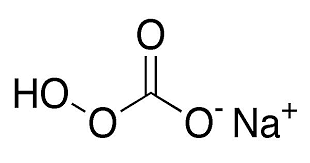
Sodium Percarbonate Structure
Sodium Percarbonate Properties
[Click Here for Sample Questions]
The characteristics of Sodium Percarbonate are divided into two groups. These are the following:
- Physical Properties
- Chemical Properties
The following will be explained one by one:
Sodium Percarbonate Physical Characteristics
Sodium percarbonate has the following physical properties:
- They come in the form of an odourless powder.
- Appearance: white solid.
- In water, they are quite soluble.
- Ingestion is toxic.
- Other chemicals are made with them.
- Because of contact, they have proven to be harmful to the eyes, skin, and mucous membranes.
Sodium Percarbonate Chemical Properties
Sodium percarbonate forms sodium persulfate, sodium carbonate, and water when it interacts with sodium bisulfate. With the help of the following equation, this can be stated more clearly:
C2H6Na4O12 + 6NaHSO4 → 3Na2S2O8 + 2Na2CO3 + 6H2O
Sodium Percarbonate Production
[Click Here for Sample Questions]
Industrially, sodium percarbonate is made by crystallising a solution of sodium carbonate and hydrogen peroxide under strict pH and concentration control. This is a practical laboratory procedure as well.
Dry sodium carbonate can also be immediately treated with a concentrated hydrogen peroxide solution.

It can also be made via a technique that starts with sodium peroxide: pure ethyl alcohol combines with sodium peroxide at 0 °C to yield perhydroxide.
It is converted to sodium hydrogen percarbonate by the presence of carbon dioxide.
For 2004, the global manufacturing capacity of this chemical was predicted to be in the hundreds of thousands of tonnes.
Also Read:
| Related Articles | ||
|---|---|---|
| Acid, Bases and Salts | Difference between Acid and Base | Importance of pH in Everyday Life |
Sodium Percarbonate's Applications
[Click Here for Sample Questions]
Given below are the applications of sodium percarbonate:
- SPC can be used to improve water quality by adding oxygen and removing microorganisms in an indirect manner. When SPC reacts with organic materials, it cleanses the bottom of concrete raceways in hatcheries and cleans up the sediment in earthen ponds as a side effect.
- Because sodium percarbonate is antiseptic, it can be used as a sterile for wounds instead of hydrogen peroxide in an aqueous solution. It can be used as a deodorant as well.
- It has a good effect on bicarbonate hydrogen peroxide, which aids in the cleaning and treatment of the mouth.
- It can be used as an alkaline therapy alternative. Chalk, rutile, holmites, and natural silicates are among the minerals that can be bleached by H2O2.
- The detergent sector uses the majority of sodium percarbonate in consumer products. Algicides, fungicides, chemical synthesis, and environmental uses, such as odour control at sewage treatment plants, are among the other applications. In dental replacement cleaners and toothpaste, a small amount is used.
Sodium Percarbonate's Health Effects
[Click Here for Sample Questions]
Sodium percarbonate, which is widely contained in customer items, may provide a risk of skin or inhalation-related negative effects. The following are some of the negative health impacts that sodium percarbonate can cause:
- Inhaling sodium percarbonate can irritate the nose and throat. It can also cause coughing. Sore throats and nosebleeds can result from repeated exposure to such substances.
- Ingestion of sodium percarbonate may result in swelling, burping, mouth and throat irritation, vomiting, abdominal pain, diarrhoea, and nausea.
- Skin contact can result in a variety of symptoms ranging from slight irritation to redness and oedema. Treatment is delayed even after exposure to concentrated sodium percarbonate solutions, which might result in burns. Furthermore, contact with sodium percarbonate can cause severe eye irritation, damage, and even blindness.
- Other Side Effects - Sodium percarbonate has not been classified as a cancer-causing substance by the International Agency for Research on Cancer (IARC) (a carcinogen).
Also Read: Properties of Bases
Sodium Percarbonate's Exposure Potential
[Click Here for Sample Questions]
Sodium percarbonate spills must be contained and kept away from waterways, sewer channels, and any flammable or combustible items. Small spills should be cleaned up and placed in an appropriate container. Replace any spilled or contaminated sodium percarbonate in the original container as soon as possible. Adsorbents should not be used to drench sodium percarbonate washings. Synthetic compounds that react with sodium percarbonate may be present in sponges and adsorbents. Rinse the sodium percarbonate-contaminated fabric or paper towels with water until the sodium percarbonate is gone. When the moist cloth/paper dries, the inability to do so may result in a fire.
A sodium percarbonate manufacturing facility, as well as manufacturing, packaging, or storage facility that handles percarbonate, might cause exposure. Exposure is also possible in the event of a transportation mishap. People who work in the maintenance, inspection, and testing of sodium percarbonate containers, or who load and unload sodium percarbonate containers, are at a higher risk of exposure. People involved in higher-hazard activities should always wear suitable personal protective equipment, such as completely protective gloves, goggles, and a hard hat, to reduce the risk of exposure. Appropriate respiratory protection equipment should be worn at times where the potential for cleaning is significant.
Read More:- Properties of Matter
Things to Remember
- Nasal and throat irritation can result from inhaling sodium percarbonate. Coughing is another symptom. Excessive exposure to such compounds might cause sore throats and nosebleeds.
- Because sodium percarbonate is antiseptic, it can replace hydrogen peroxide in an aqueous solution as a sterile for wounds. It's also a good deodorant.
- SPC can help to improve water quality by indirectly supplying oxygen and eliminating bacteria. SPC cleans the bottom of concrete raceways in hatcheries and the sediment in earthen ponds as a byproduct of its reaction with organic contaminants.
Sample Questions
Ques. How acidic is sodium percarbonate? (2 Marks)
Ans. 1% solution of sodium percarbonate has a pH of roughly 10.5, which is strongly alkaline. The purity of a commercial sodium percarbonate formulation is around 85%. Organic salts make up to 15% of the total composition. This chemical is commonly used in laundry detergents as a bleaching agent.
Ques. What is the exposure potential for sodium percarbonate? (4 Marks)
Ans. Spills of sodium percarbonate must be contained and kept away from waterways, sewers, and flammable or combustible materials. Spills of any size should be cleaned up and disposed of in the proper container. Any sodium percarbonate that has spilled or been contaminated should be replaced as soon as possible in its original container. Exposure could be caused by a sodium percarbonate manufacturing plant, as well as a manufacturing, packaging, or storage facility that handles percarbonate. In the event of a transportation catastrophe, exposure is also conceivable. Exposure could be caused by a sodium percarbonate manufacturing plant, as well as a manufacturing, packaging, or storage facility that handles percarbonate. In the event of a transportation catastrophe, exposure is also conceivable.
Ques. What is the purpose of sodium percarbonate? (2 Marks)
Ans. Sodium percarbonate is an oxidising chemical found in a variety of household and laundry cleaning solutions, including non-chlorine bleaches as Oxyper, OxiClean, Tide laundry detergent, and Vanish. A proportion of sodium percarbonate and sodium carbonate is used in many commercial goods.
Ques. What can sodium percarbonate be used for? (4 Marks)
Ans. Sodium percarbonate can be used for the following:
- Since sodium percarbonate is an antiseptic, it can be used as a sterile for wounds rather than hydrogen peroxide in aqueous solution.
- It works as a deodorant as well.
- It has a positive effect on bicarbonate hydrogen peroxide, making it useful for oral hygiene and treatment.
- It's an alkaline treatment option. Chalk, rutile, holmites, and natural silicates are examples of minerals that can be bleached by H2O2.
Ques. What is sodium percarbonate's alternative name? (1 Mark)
Ans. Sodium percarbonate, also known as sodium carbonate hydrogen peroxide and sodium carbonate peroxyhydrate, is a compound made up of sodium carbonate and hydrogen peroxide.
Ques. When sodium percarbonate combines with water, what happens? (2 Marks)
Ans. Sodium percarbonate is a solid source of hydrogen peroxide that is made up of hydrogen peroxide and sodium carbonate. When sodium percarbonate is dissolved in water, hydrogen peroxide is produced. When sodium percarbonate is combined with water, oxygenated bleach produces thousands of small bubbles that help brush away dirt and grime. Most surfaces are safe to use with oxygenated bleach, and it won't harm plants, flowers, or grass.
Ques. What are sodium percarbonate's physical properties? (3 Marks)
Ans. The physicochemical characteristics of sodium percarbonate are as follows:
- They're in the shape of a powder that has no odour.
- Solid white appearance.
- They are very soluble in water.
- Toxic if consumed.
- They're used to make other chemicals.
- They have been shown to be detrimental to the eyes, skin, and mucous membranes when they come into touch with them.
Ques. Is there a shelf life for sodium percarbonate? (1 Mark)
Ans. At room temperature and pressure, sodium percarbonate remains stable. When exposed to high heat or moisture, however, the product will deteriorate. This product has a one-year recommended shelf life.
Ques. What role does sodium perborate have in detergent? (2 Marks)
Ans. Many detergents, laundry detergents, cleaning solutions, and laundry bleaches use sodium perborate as a stable source of active oxygen. It's a gentler bleach than sodium hypochlorite and other chlorine-based bleaches, so colours and textiles aren't degraded as much.
Check-Out:



Comments