



Content Curator
B-12 is an essential B vitamin. It is required for nerve tissue health, brain function, and red blood cell synthesis. Vitamin B-12 is also known as cobalamin. When vitamin B-12 levels are too low, deficiency can occur. This can result in neurological symptoms that are irreversible. Intestinal/stomach disorders, poor nutrition, cancer, pregnancy, old age, and alcoholism are all examples of vitamin B12 insufficiency. It can also happen to persons who eat a completely vegetarian (vegan) diet.
| Table of Content |
Keyterms: Vitamin, Vitamin B, Vitamin B-12, Nerve tissue, Red blood cell, cobalamin, synthesis, brain, neurons, DNA, genetic material
Also Read: Maltose
What is Vitamin B12 Deficiency?
[Click Here for Sample Questions]
Vitamin B12, often known as cobalamin, is necessary for both brain and red blood cell health. The vitamin is mostly present in animal products such as meat, fish, and eggs. People who do not consume meat are recommended to receive their vitamin B12 through dietary supplements. Vitamin B12 is sometimes added to foods such as soy milk.

Vitamin B12
The body does not synthesise vitamin B12. As a result, it is recommended that you consume it through food. This vitamin is essential for the proper functioning of the brain and nervous system, as well as the release of energy from the cells. It's also required for the production of healthy new red blood cells.
Vitamin B12 is a nutrient that helps produce DNA, the genetic material in all cells, and keeps the body's neurons and blood cells healthy. Megaloblastic anaemia is a kind of anaemia that causes people to become fatigued and weak and can be prevented with vitamin B12.
Causes of Vitamin B12 Deficiency
[Click Here for Sample Questions]
The ability to absorb vitamin B12 decreases as people age. It can also happen if you've had weight loss surgery or if you've been drinking heavily. Vitamin B12 insufficiency can also be caused by:
- Our bodies have a hard time absorbing vitamin B12 when we have pernicious anaemia.
- Atrophic gastritis is a condition in which the stomach lining thins.
- The ability of the body to absorb vitamins is reduced by pernicious anaemia.
- Crohn's disease, celiac disease, bacterial growth, or a parasite all affect our small intestine.

Causes of Vitamin B12 Deficiency
- Certain kinds of immune system illnesses include Graves' disease and lupus.
- Vitamin B12-inhibiting drugs are those that prevent the absorption of the vitamin. Certain drugs can make it difficult for B12 to be absorbed. PPIs including esomeprazole (Nexium), lansoprazole (Prevacid), omeprazole (Prilosec OTC), pantoprazole (Protonix), and rabeprazole (Aciphex), as well as H2 Blockers like cimetidine (Tagamet) and famotidine (Pepcid AC) and some diabetes medications such as metformin are among the (Glucophage).
Also Read: Vitamins and Minerals
Symptoms of Vitamin B12 Deficiency
[Click Here for Sample Questions]
Vitamin B12 insufficiency can manifest itself in a variety of ways. The symptoms normally appear gradually, and if left untreated, the illness can deteriorate. Anaemia is a condition in which we have fewer red blood cells than normal or have an abnormally low amount of a component called haemoglobin in each red blood cell.
When the body does not obtain enough vitamin B12, the consequences might range from modest to potentially irreparable damage. Typical signs and symptoms include:
- Appetite loss
- Loss of weight
- Anaemia
- Constipation
- Vitamin B12 deficiency can cause harm to the brain and nerves.
- Dementia
- Depression
- Increase the likelihood of psychosis by a significant amount.
- Pale coloring of the skin.
- Apparent heartbeats.
- It can result in symptoms such as hearing sounds coming from within the body rather than from outside which is known as tinnitus.

Symptoms of Vitamin B12 Deficiency
So if we draw a conclusion, the symptoms of vitamin B12 insufficiency can have a negative impact on our quality of life. Vitamin insufficiency has been linked to the development of illnesses. As a result, it's critical to include vitamin B12-rich foods or supplements in your diet.
How to Overcome Vitamin B12 Deficiency
[Click Here for Sample Questions]
Vitamin B12 is found in animal diets that are naturally fortified with it, as well as fortified foods. Dairy products, eggs, fish, meat, and poultry are all animal origins.
A Vitamin B12 shot is needed at first if the person has pernicious anaemia or has difficulties absorbing it. If the patient's vitamin B12 levels are low, he or she can add vitamin B12-fortified cereals, a supplement, B12 injections, or a high-dose oral vitamin B12 to their diet.
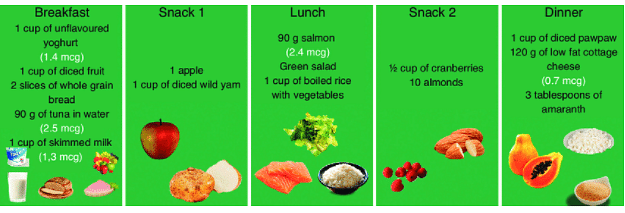
Overcome Vitamin B12 Deficiency
Vitamin B12 insufficiency in older persons will almost certainly necessitate the use of a daily B12 supplement or a B12-containing multivitamin.
Treatment usually fixes the condition for the majority of people. However, any nerve damage caused by the deficit may be permanent.
Most people, on the other hand, may avoid vitamin B12 insufficiency by consuming enough meat, poultry, seafood, dairy, and eggs. Vitamin B12 can also be found in multivitamins and other supplements, as well as foods fortified with the vitamin.
Also Read:
| Related Articles | ||
|---|---|---|
| Scientific Names for Vitamins | Vitamins | Reproductive Health |
| Rancidity | Autotrophic Nutrition | Transportation in Plants |
| Enzymes | Hormones | Sucrose |
| Excretion in Plants | Hypertension | Mutation |
Things to Remember
- Vitamin B-12 is required for brain function and the creation of red blood cells.
- Vitamin B-12 deficiency can cause neurological problems and anaemia.
- More than 2.4 micrograms (mcg) of vitamin B-12 should be consumed daily by anyone over the age of 14.
- Vitamin B-12 is found naturally in meats, however those who do not eat meat, such as vegans, can get it in the form of a supplement.
Sample Questions
Ques. How much vitamin B12 should we take every day, and how long does it take to recover from a deficiency? (3 marks)
Ans: The daily recommended quantity of vitamin B12 for humans is 2.4 micrograms, however we can safely take higher doses. Our bodies only absorb what they require, and any excess is excreted in urine. High doses of vitamin B12, such as those required to correct a deficiency, can result in dizziness.
A response is usually received within 48 to 72 hours, with rapid synthesis of new red blood cells. Once B12 stores have returned to normal levels, injections of vitamin B12 will be required every one to three months to prevent symptoms from recurring.
Ques. What tests should you get if you have a Vitamin B12 deficiency? (2 marks)
Ans: Vitamin B12 insufficiency is usually detected with the use of the following tests:
- Test for vitamin B12
- Test for Folic acid
- CBC (complete blood count) test
Ques. What Happens If We Don't Get Enough Vitamin B12? (2 marks)
Ans: Weakness and weariness are common symptoms of vitamin B12 insufficiency. They occur when our bodies do not have enough vitamin B12 to produce red blood cells, which transport oxygen throughout our bodies. As a result, we are unable to deliver oxygen to your body's cells adequately, leaving you exhausted and feeble.
Ques. Is there a relation between depression and a lack of Vitamin B12? (2 marks)
Ans: B vitamins, particularly Vitamin B12, are critical for the creation of brain chemicals that influence brain processes and mood. As a result, vitamin deficiency is unmistakably linked to the development of depression.
Ques. What role does Vitamin B12 play in our body? (3 marks)
Ans: Vitamin B12 is important for a variety of bodily activities. It's required for:
- Formation of blood
- Production of energy
- Formation of myelin
- Synthesis of DNA
Vitamin B12 deficiency renders you defenceless against sickness and increases your risk of dementia, Alzheimer's disease, depression, sleep problems, cancer, and other illnesses.
For Latest Updates on Upcoming Board Exams, Click Here:https://t.me/class_10_12_board_updates
Do Check Out:



Comments