




These class 11 biology handwritten notes chapter 8 Cell: The Unit of Life pack the longest chapter of the year into 44 pages of clear handwriting. Cell theory, the three-layer bacterial envelope, every organelle and the 9+2 axoneme are boxed and labelled for one fast revision pass before Boards, NEET and CUET in 2026-27.
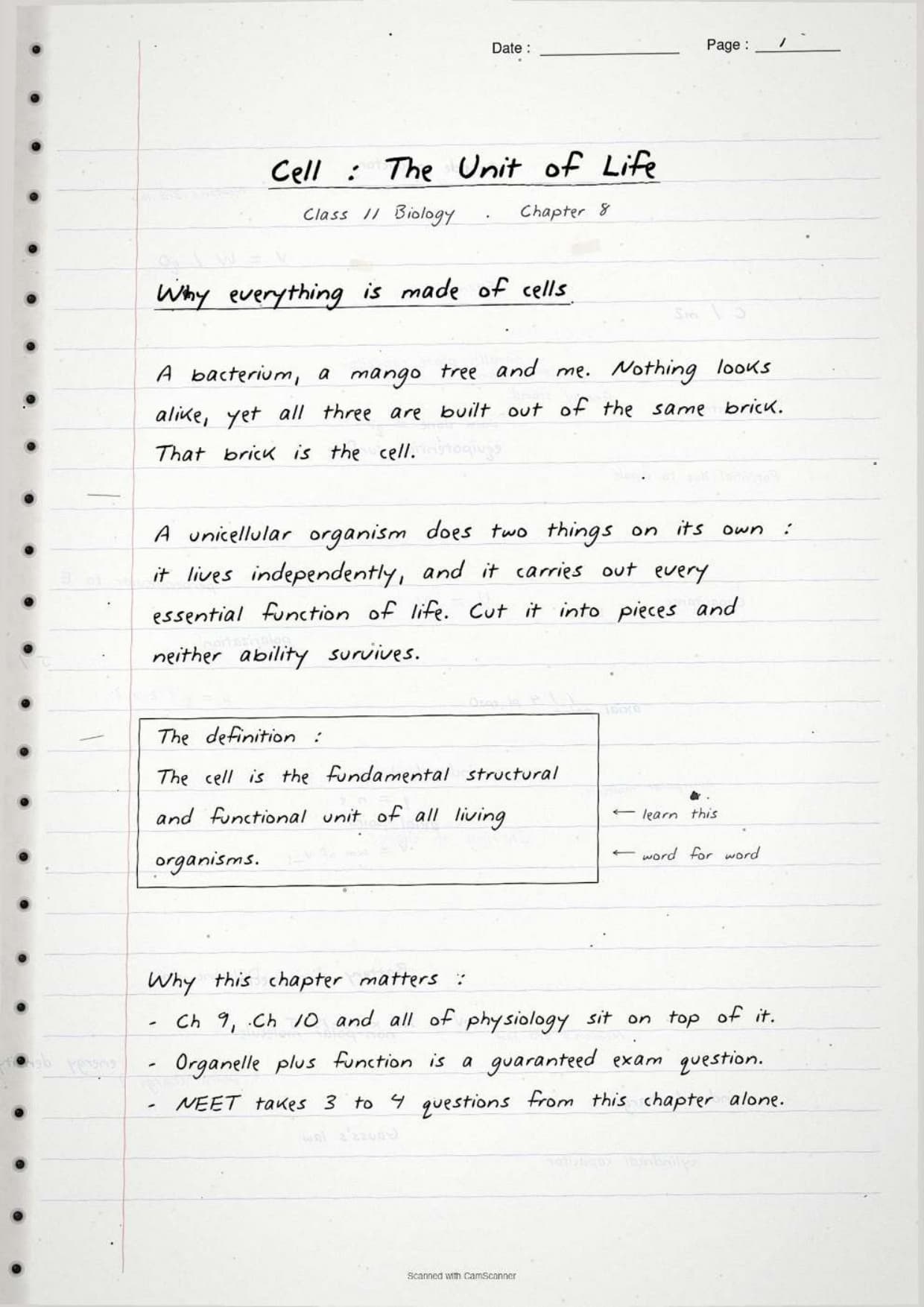
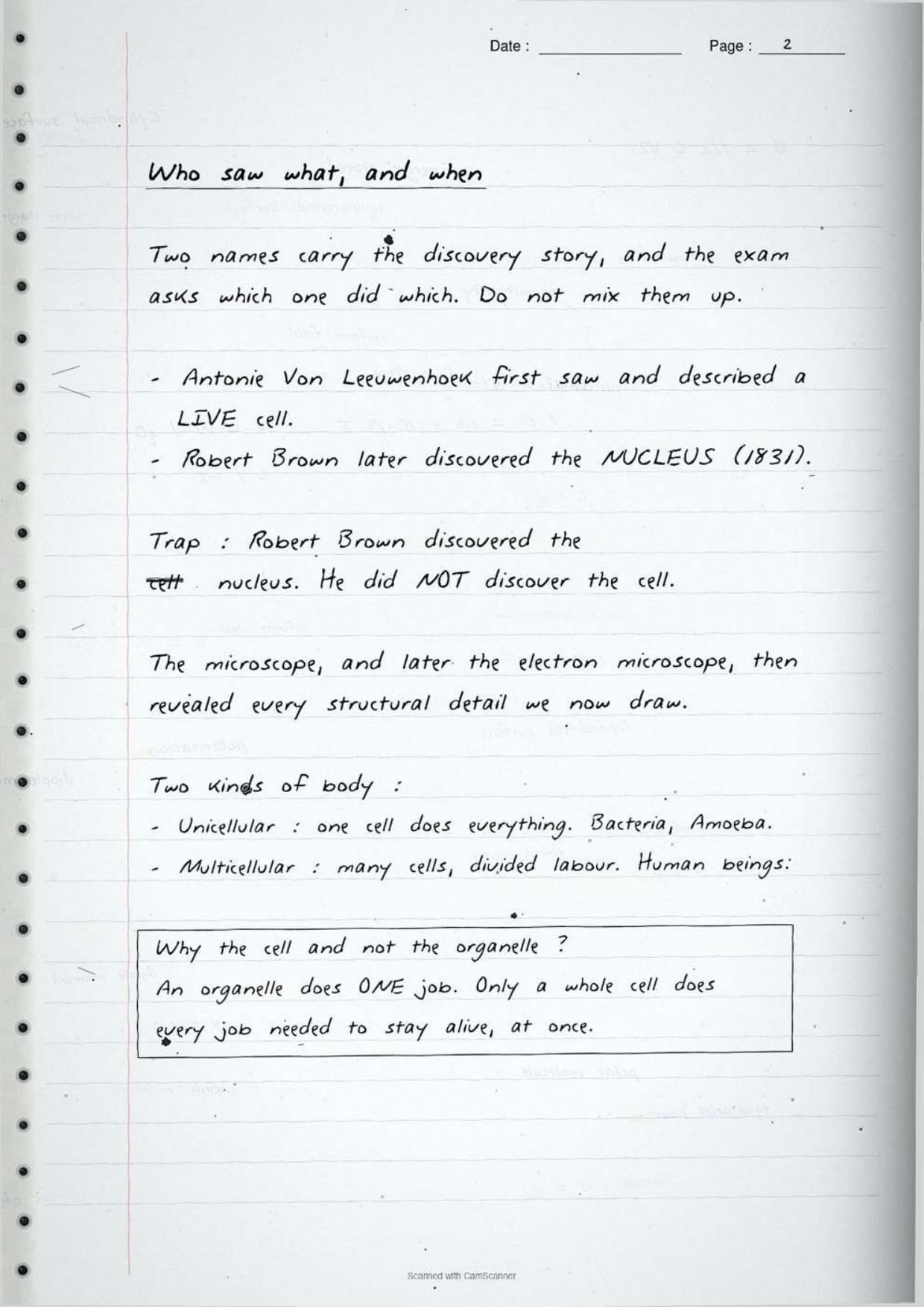
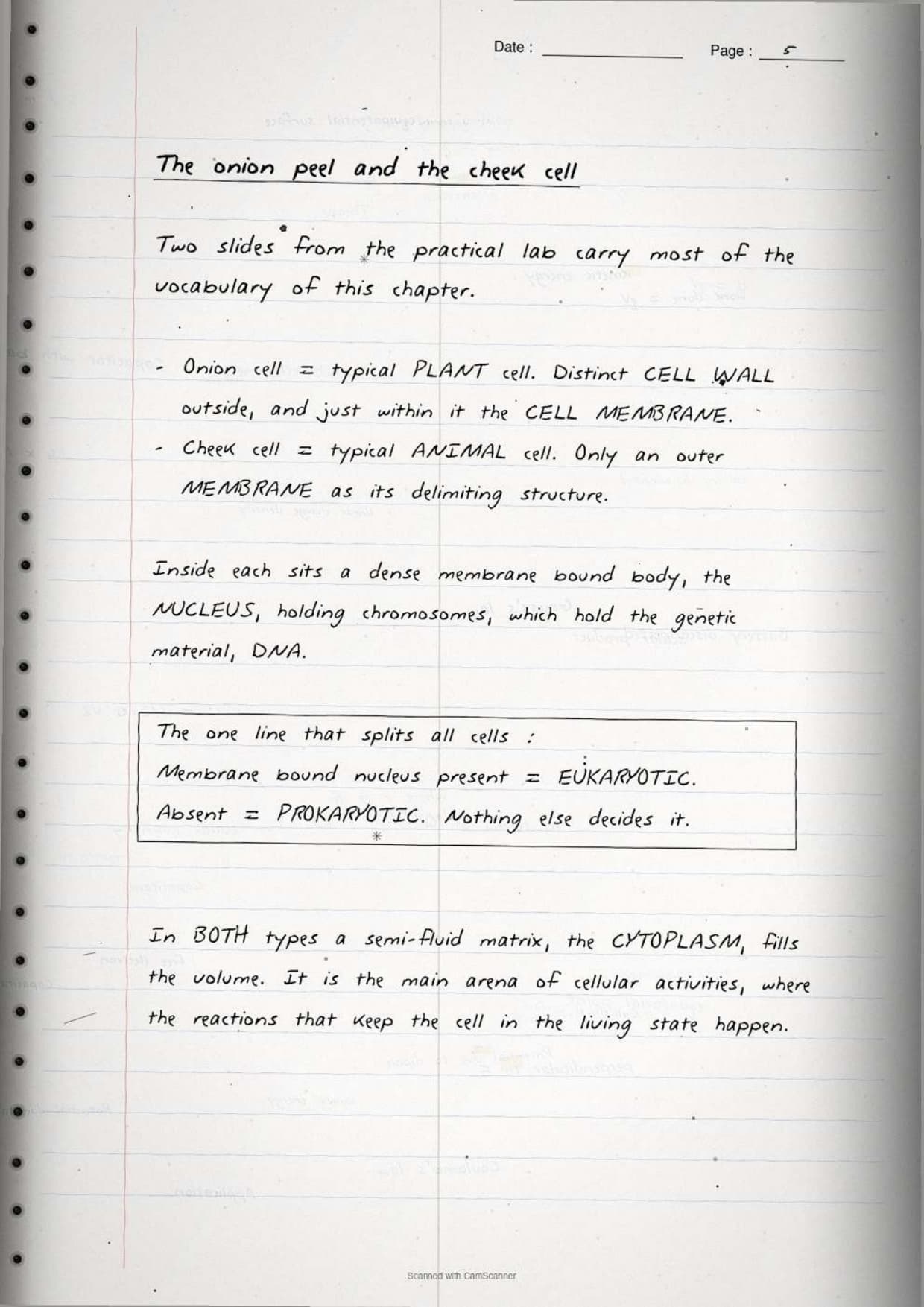
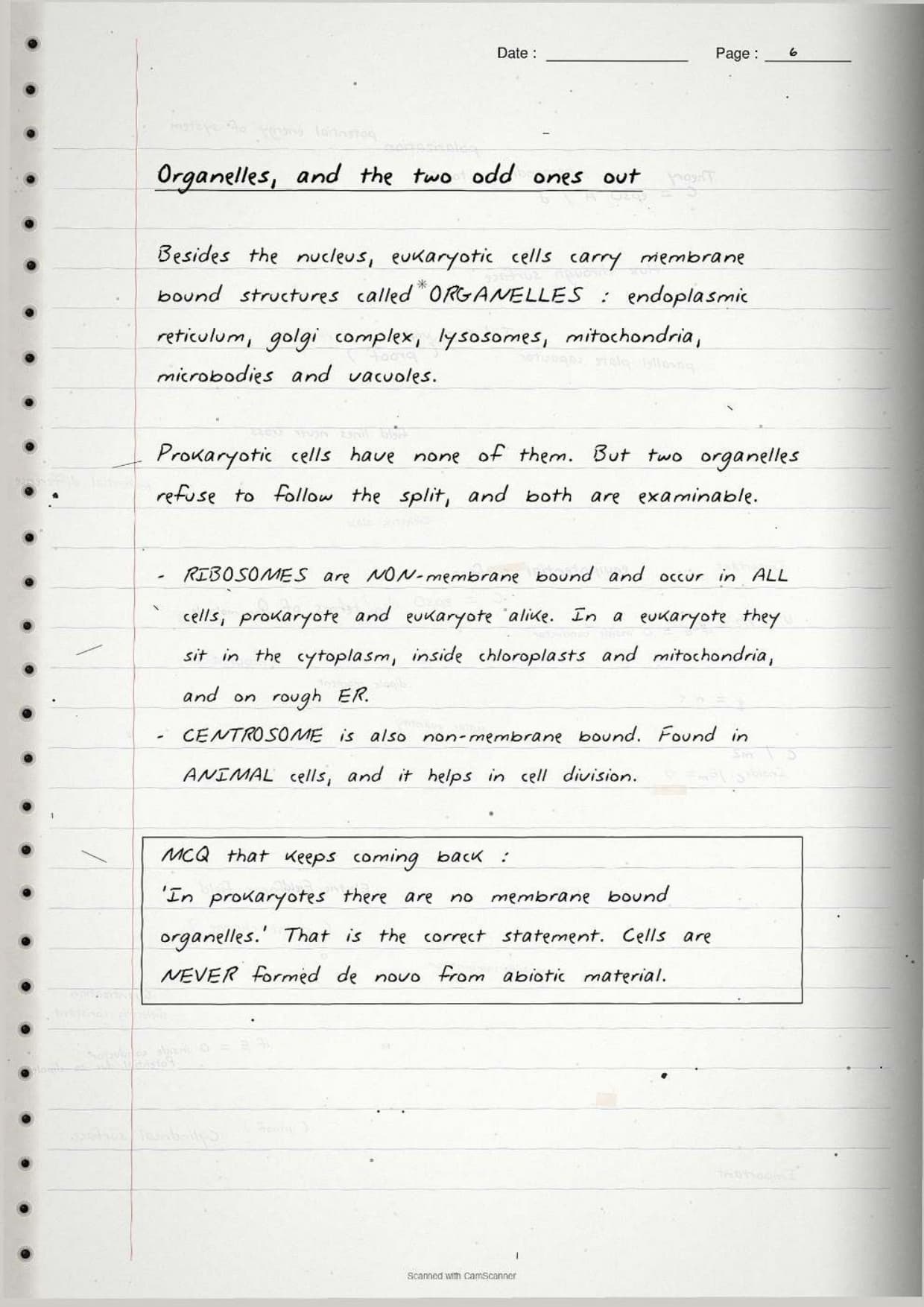
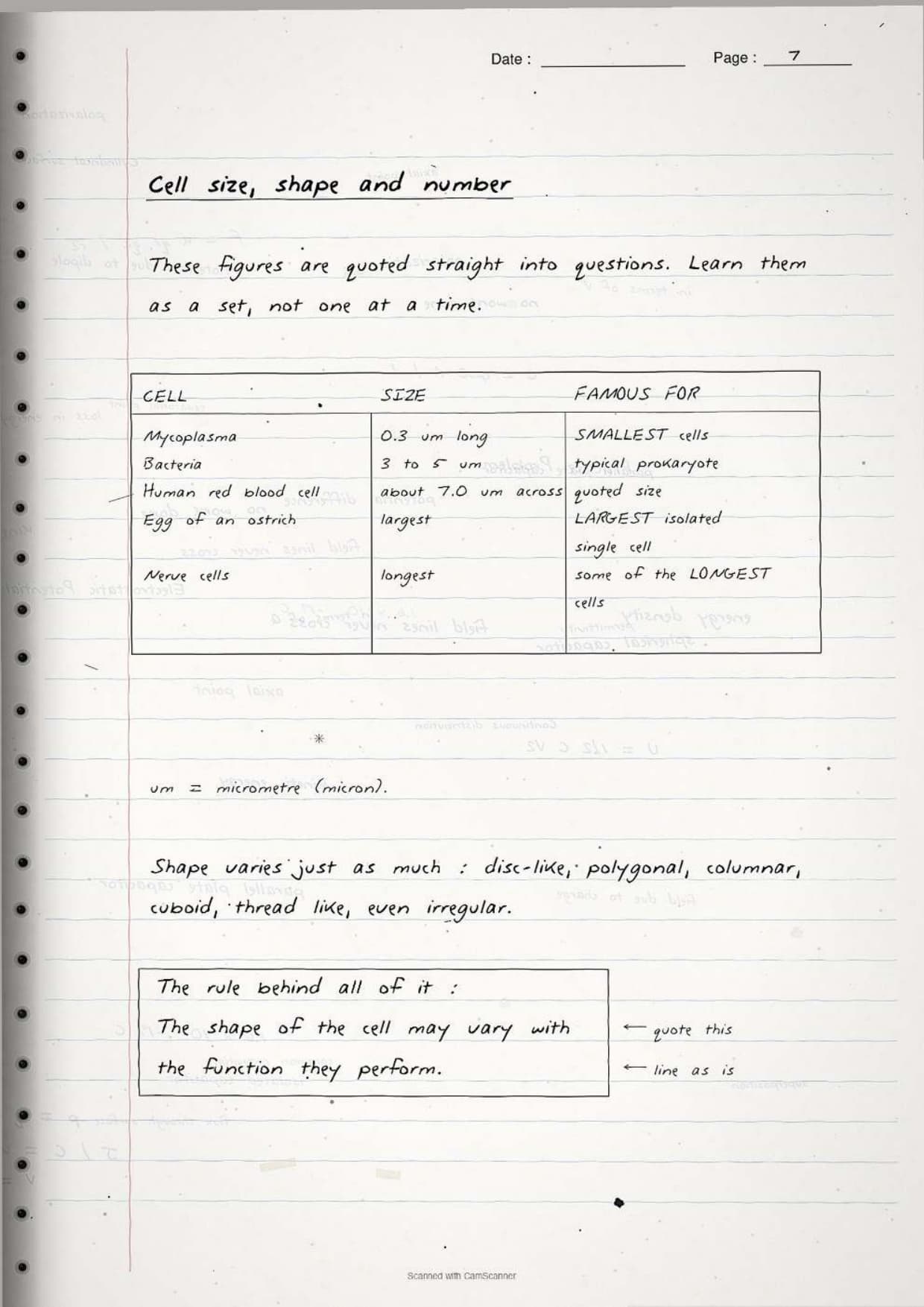
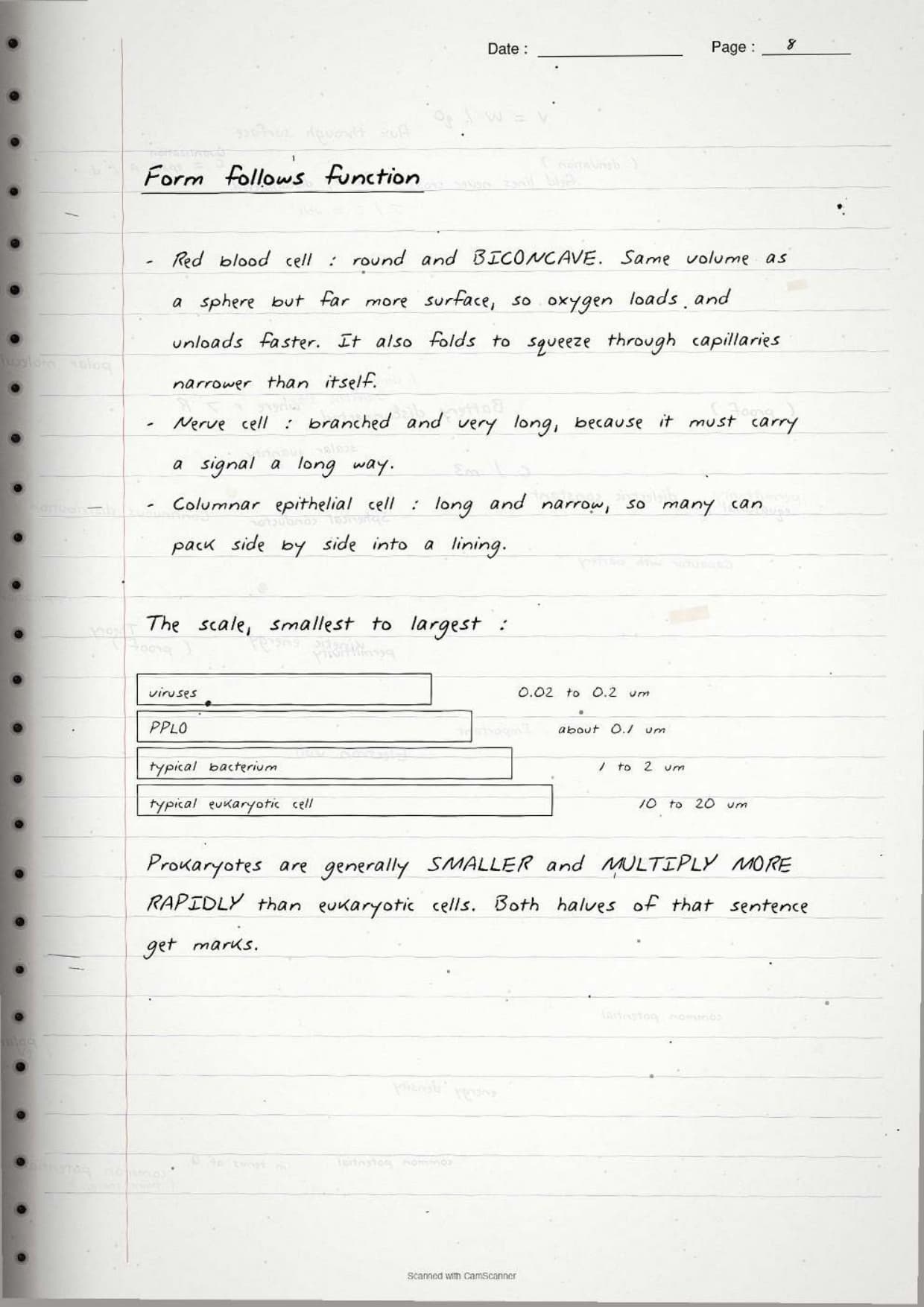
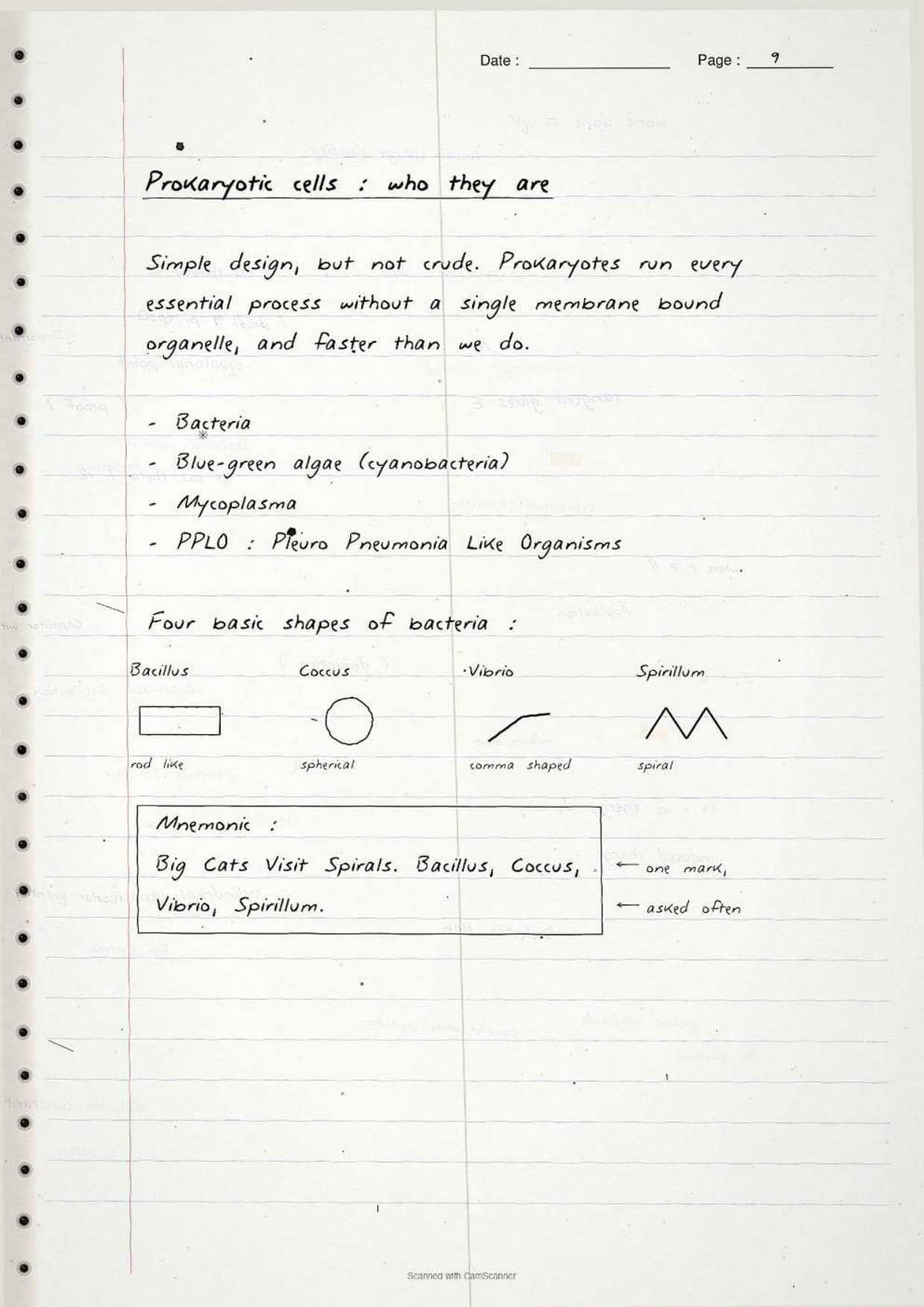
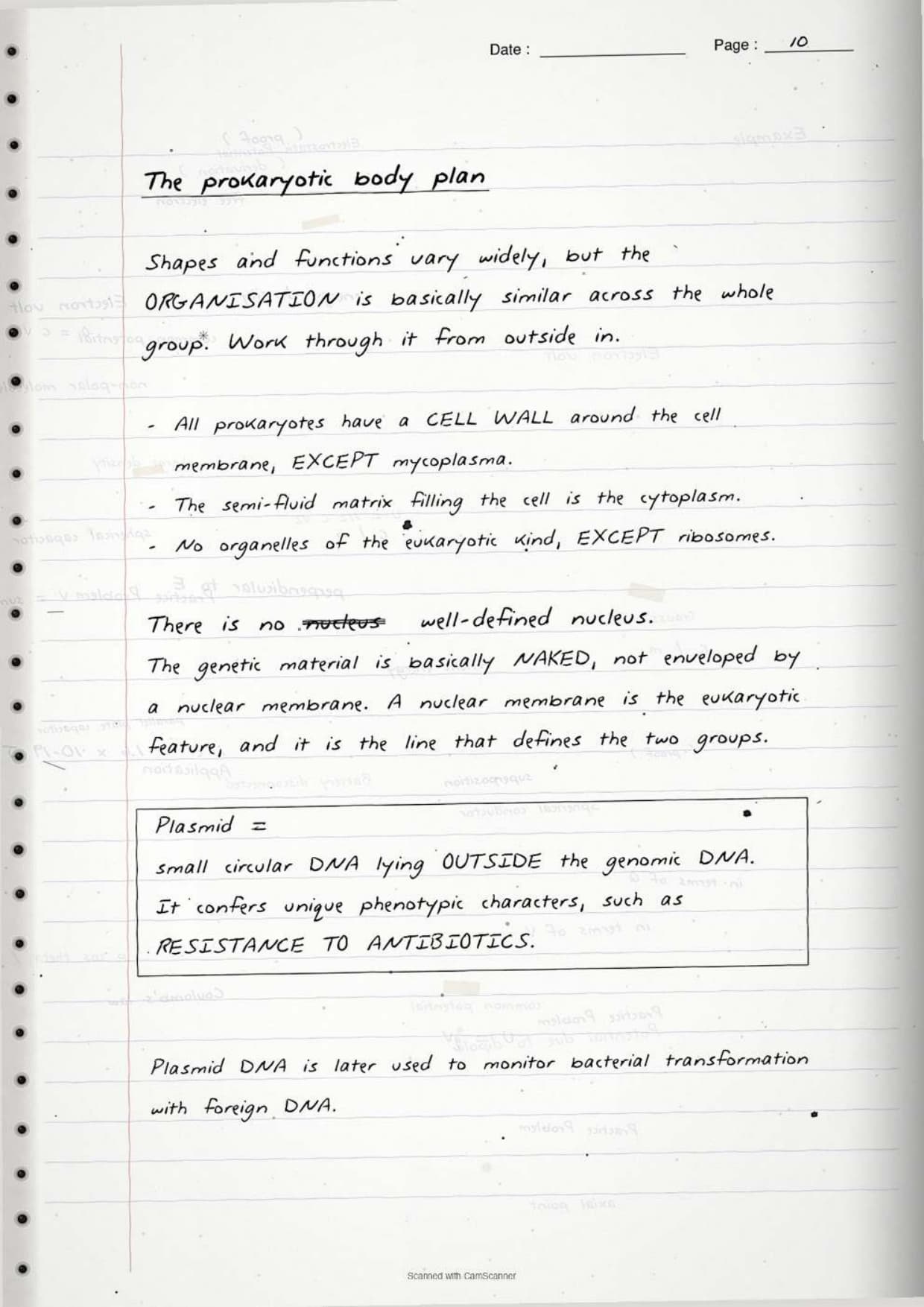
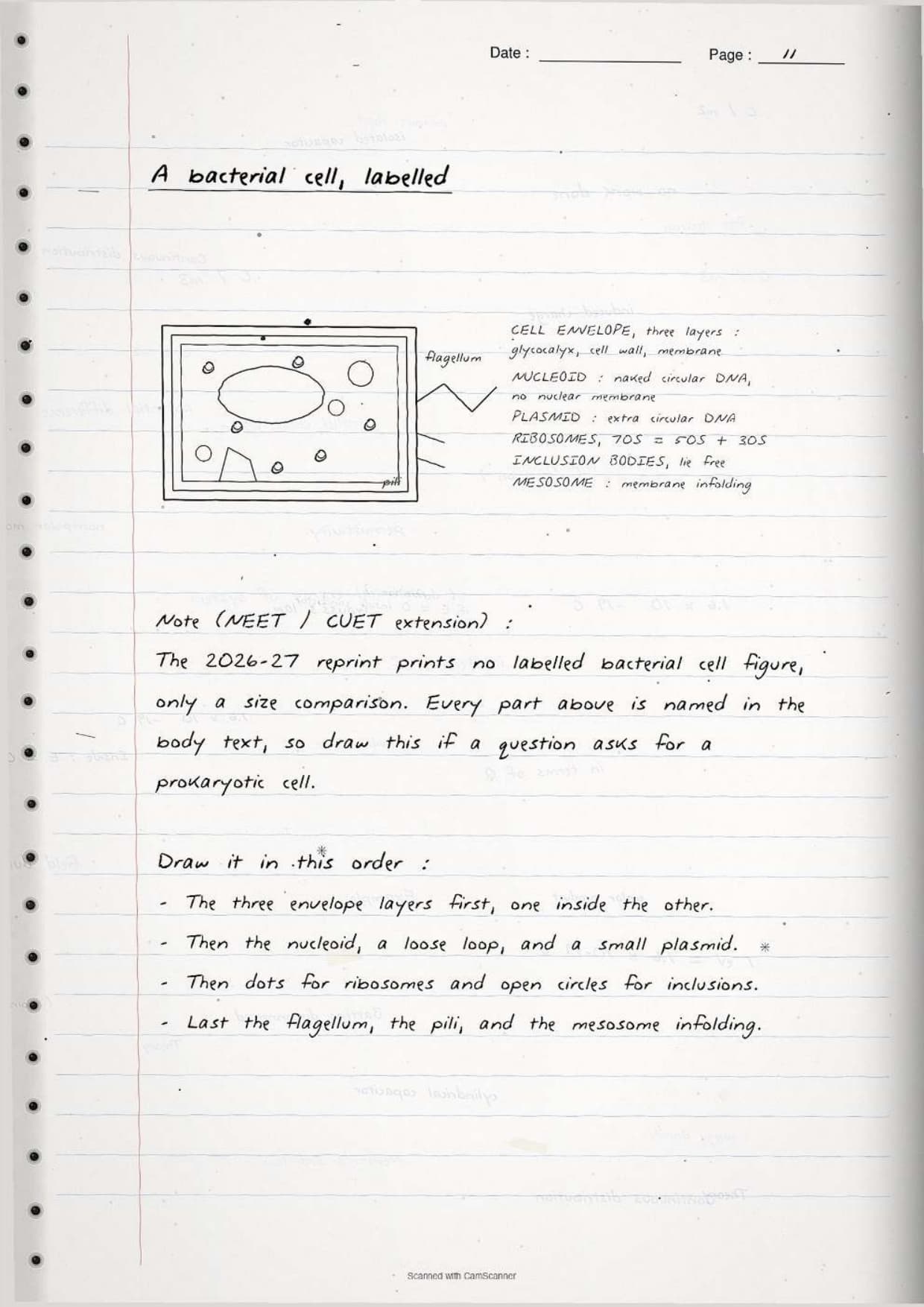
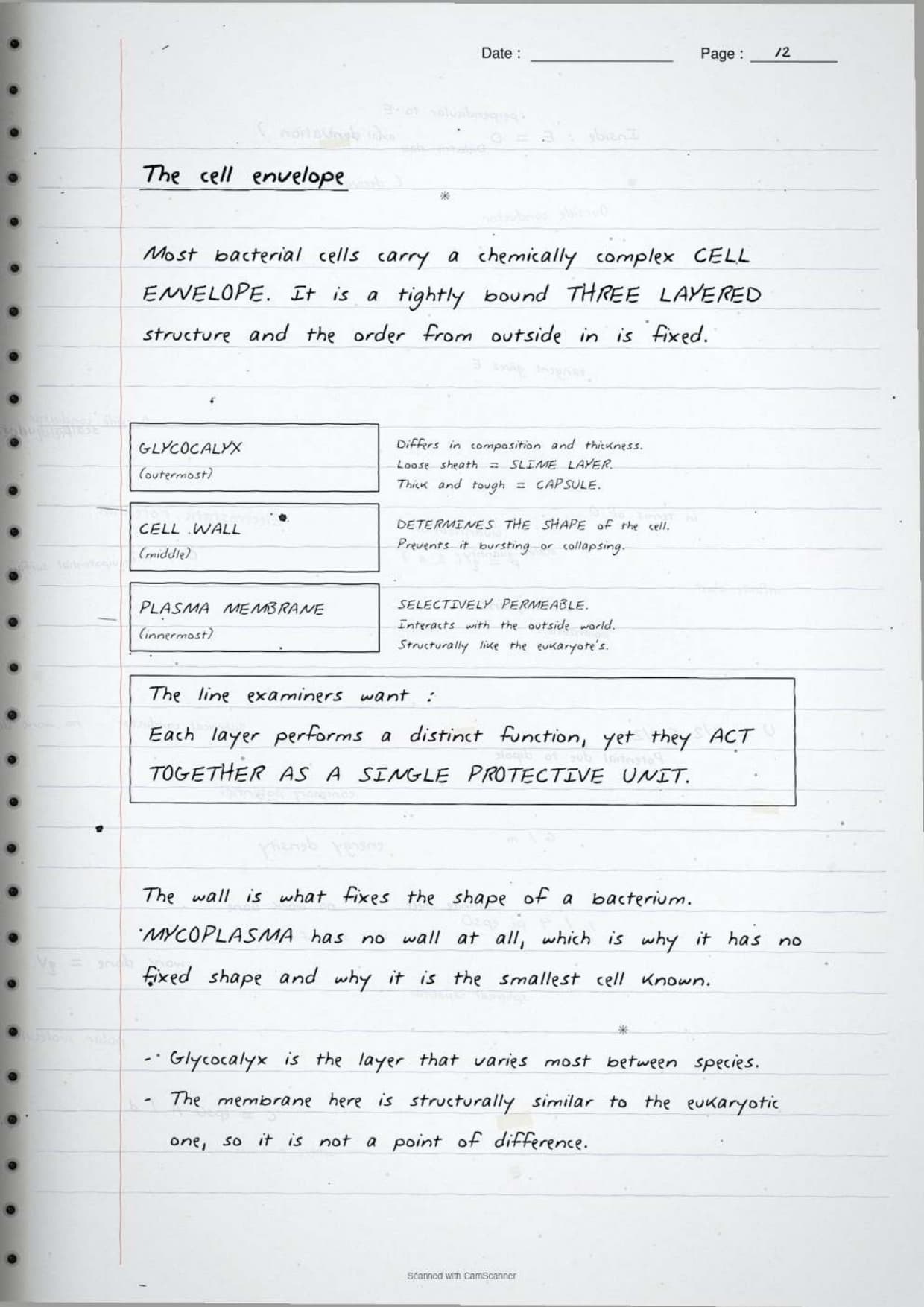
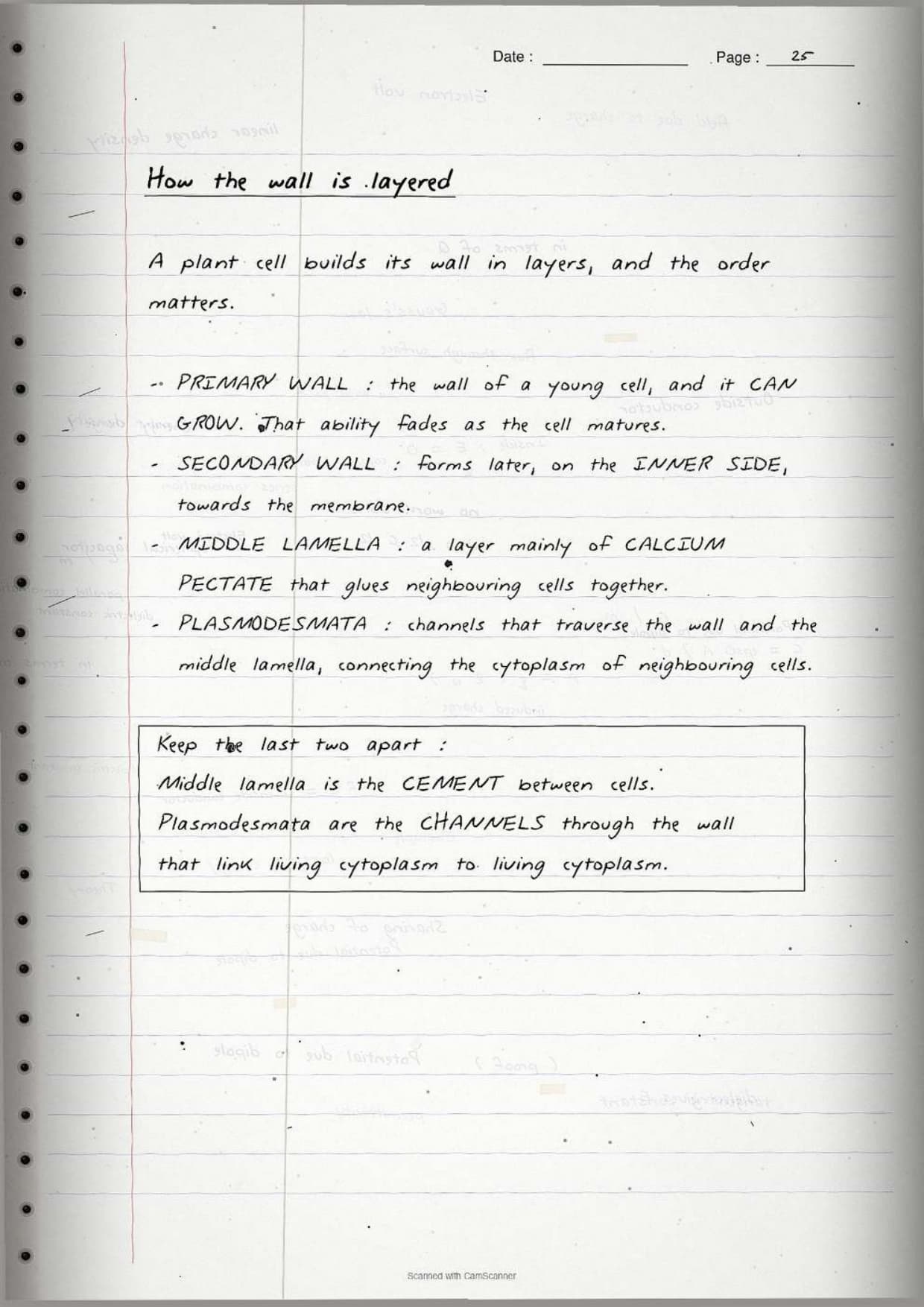
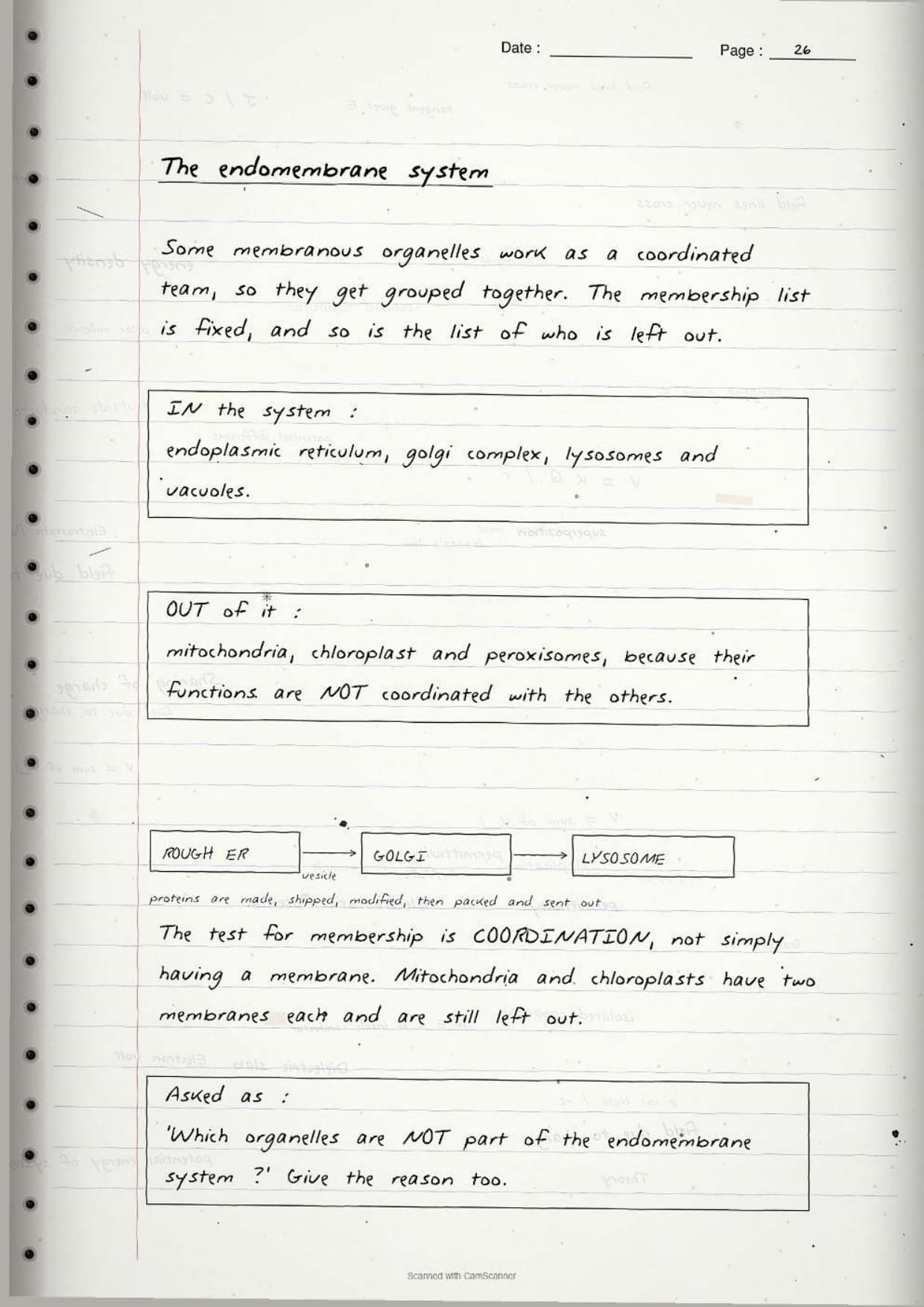
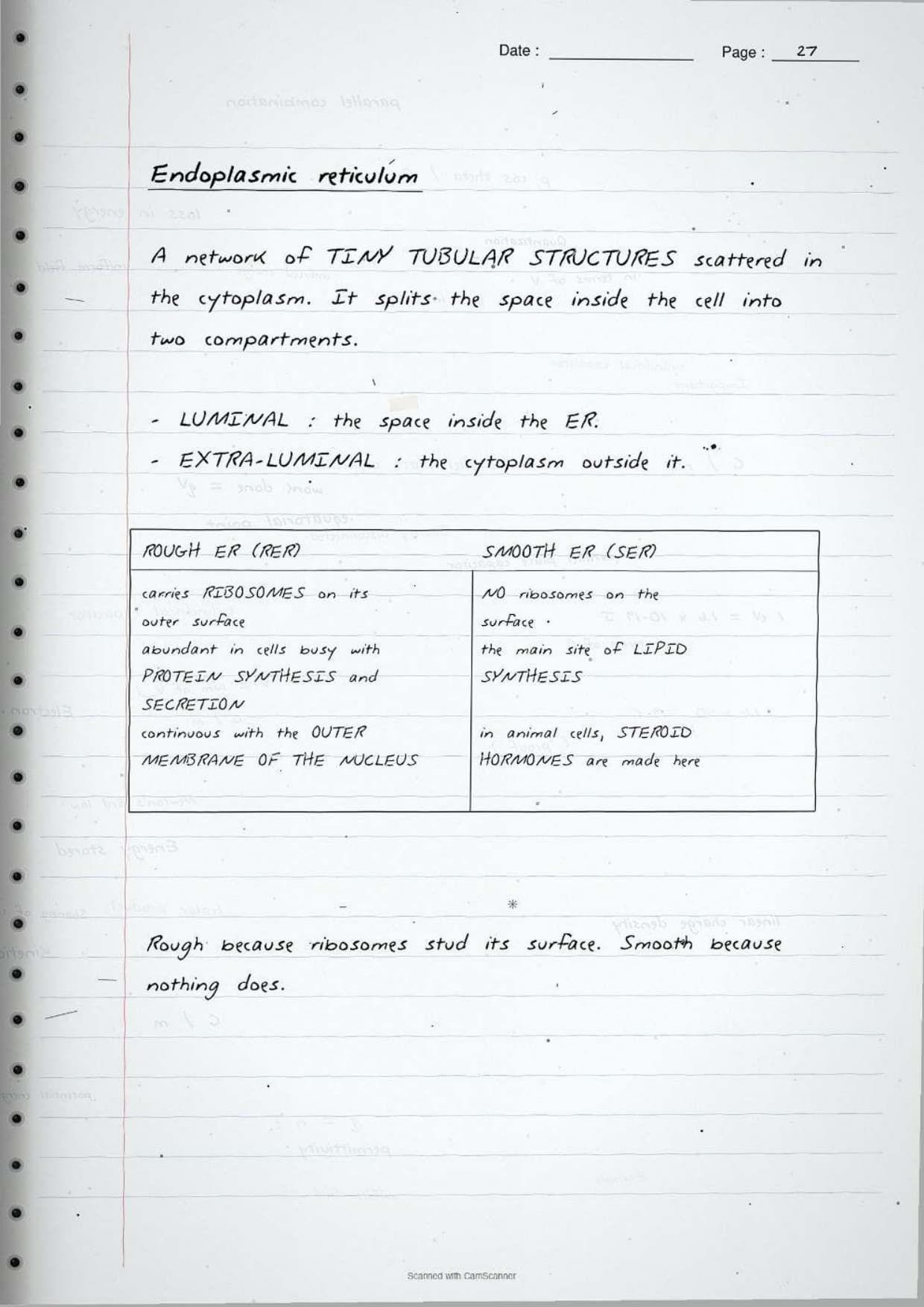
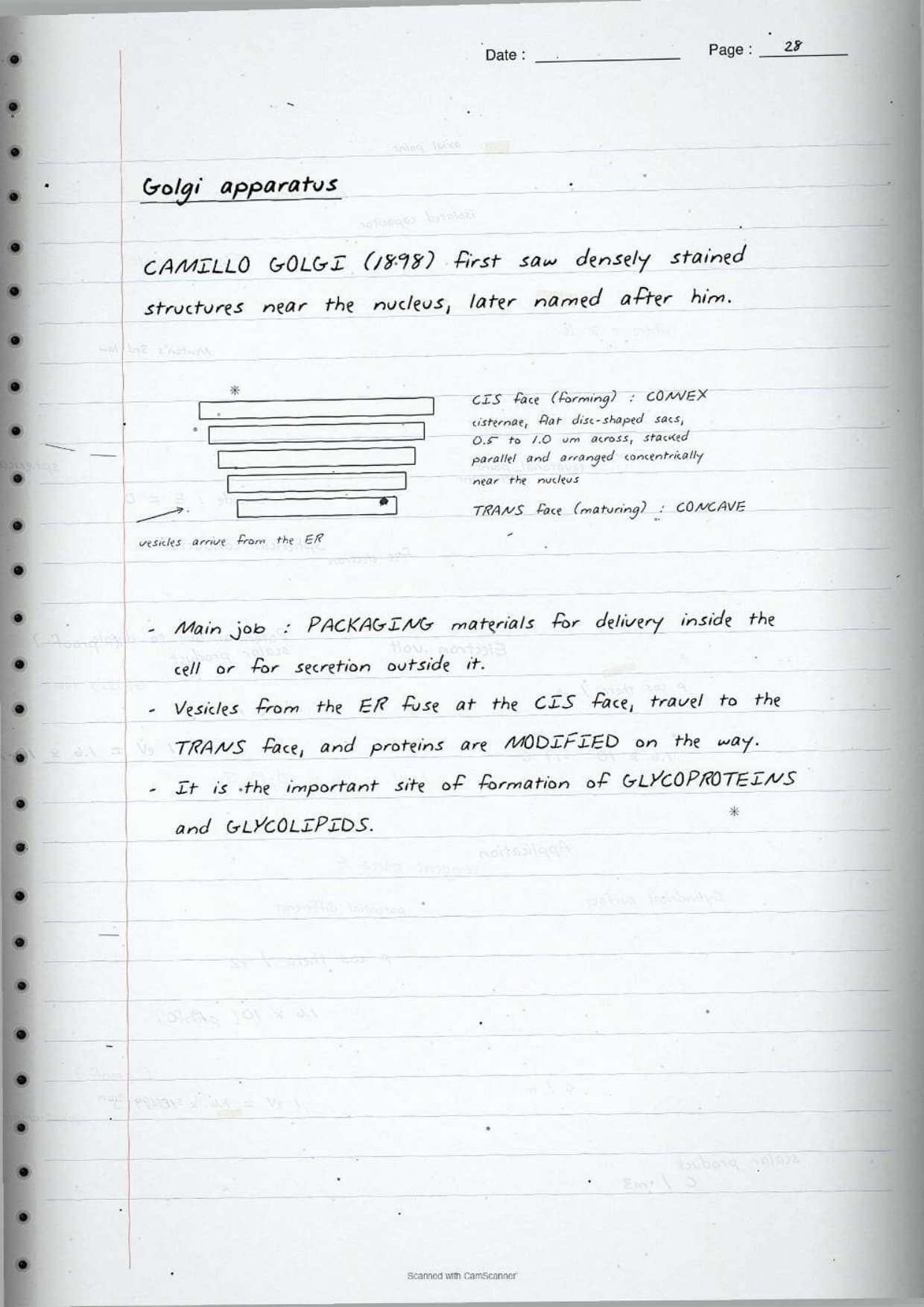
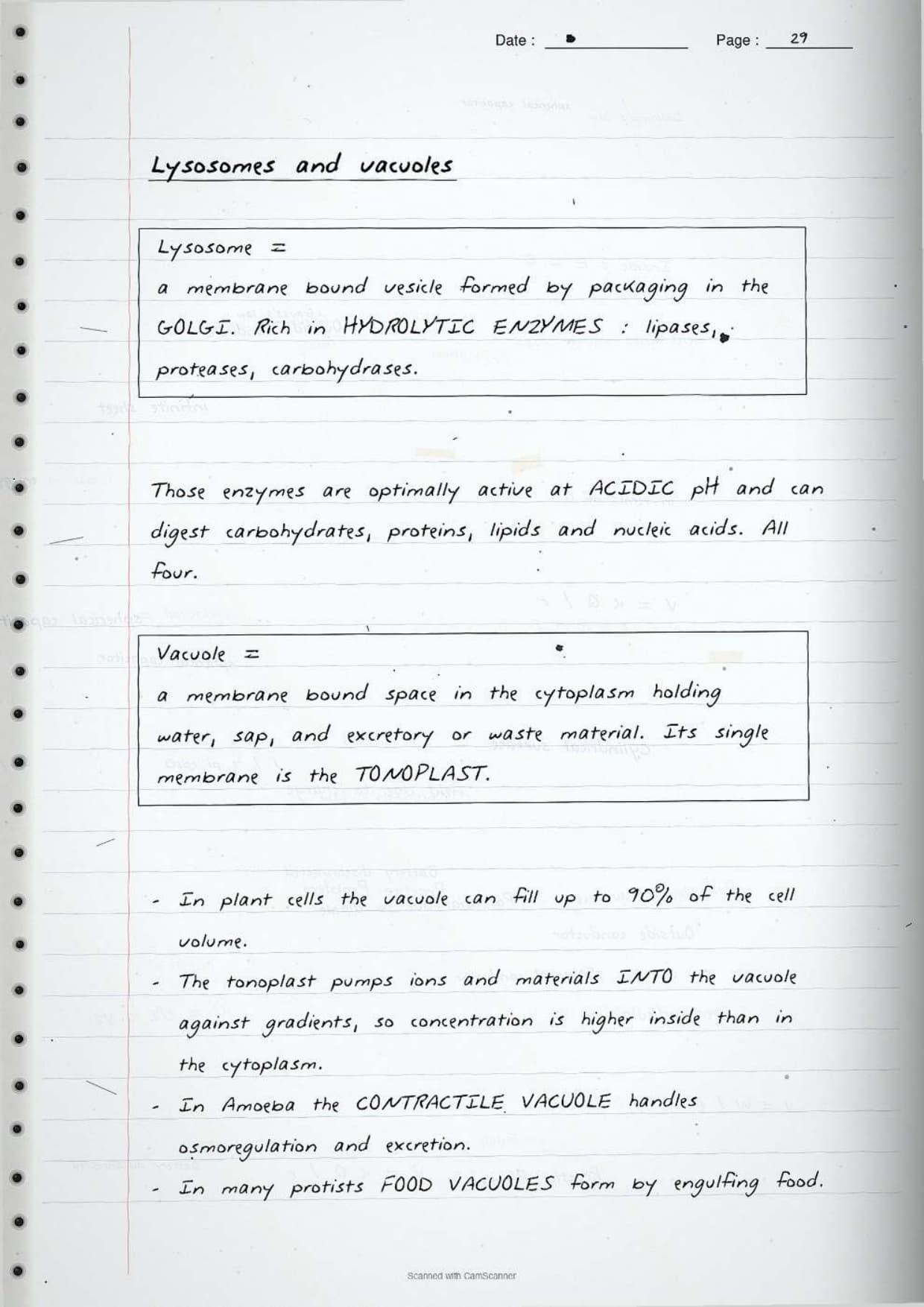
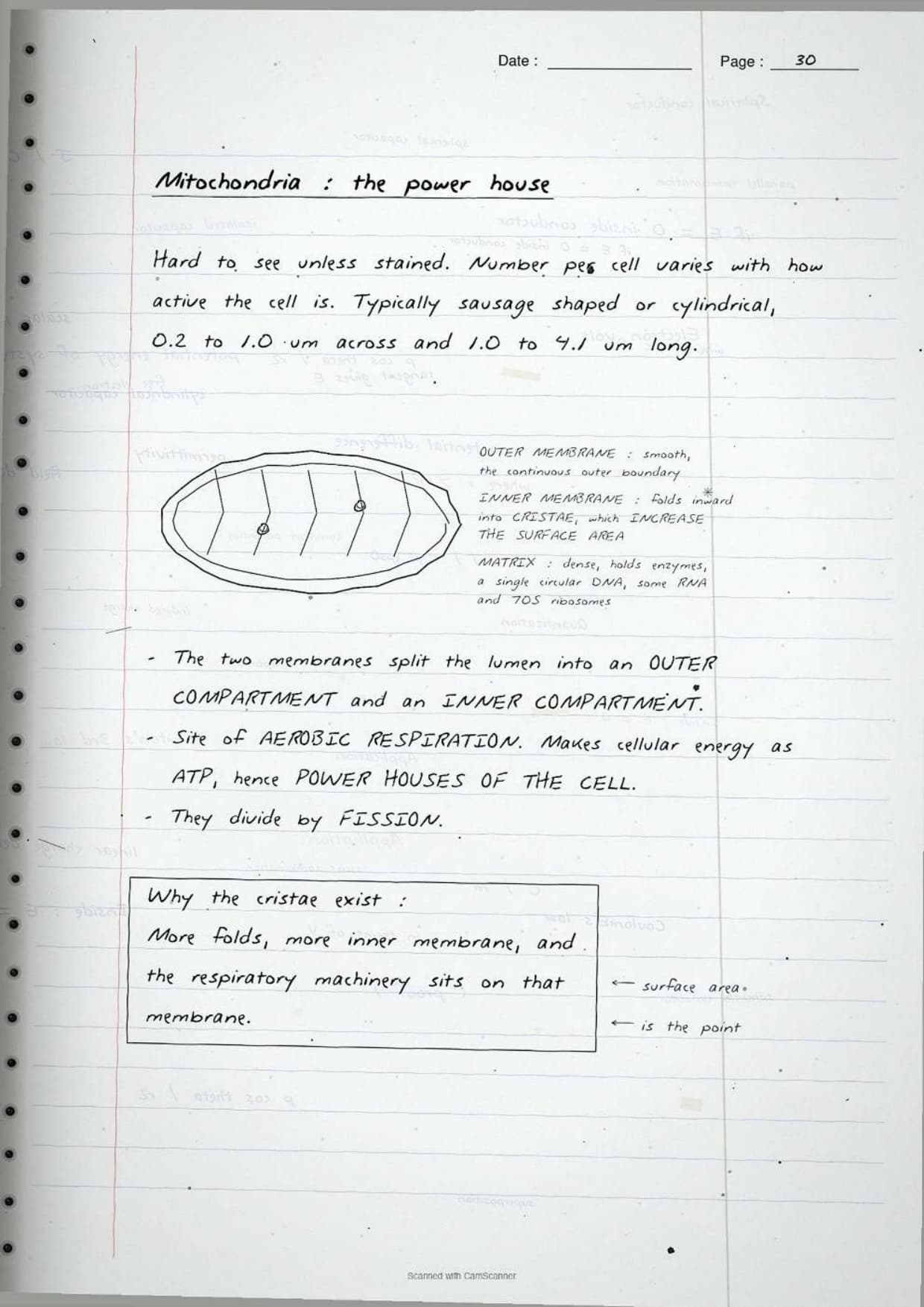
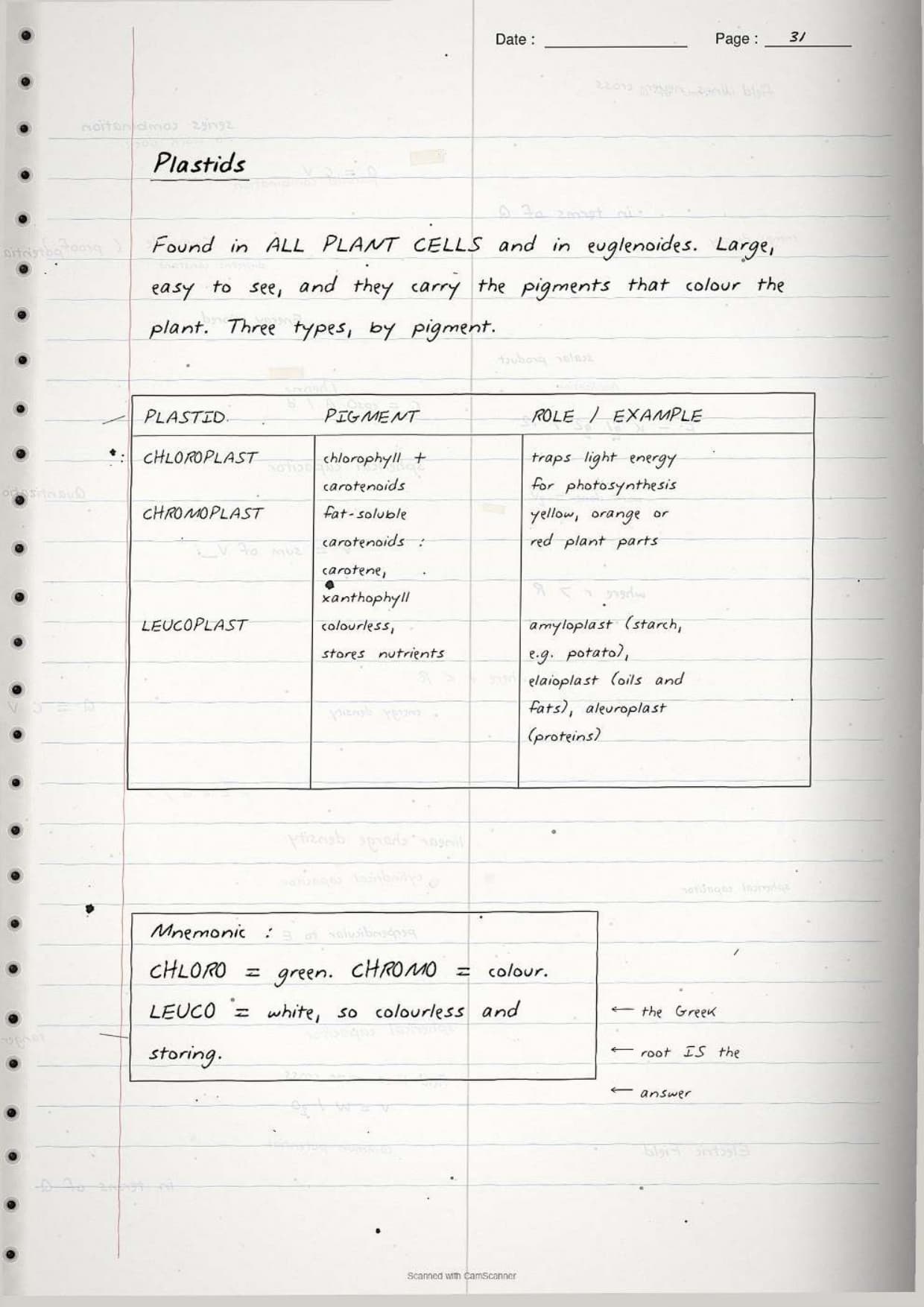
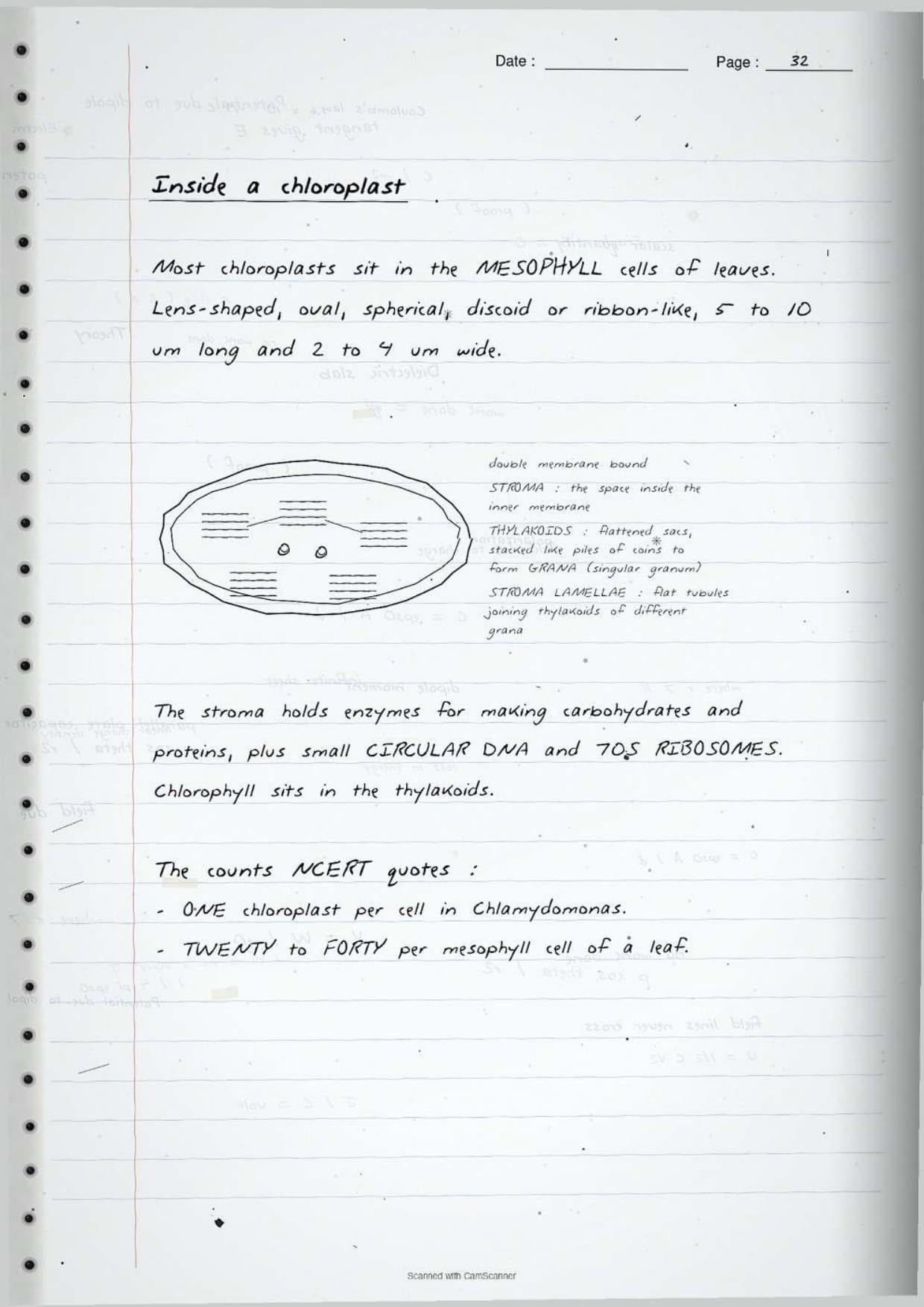
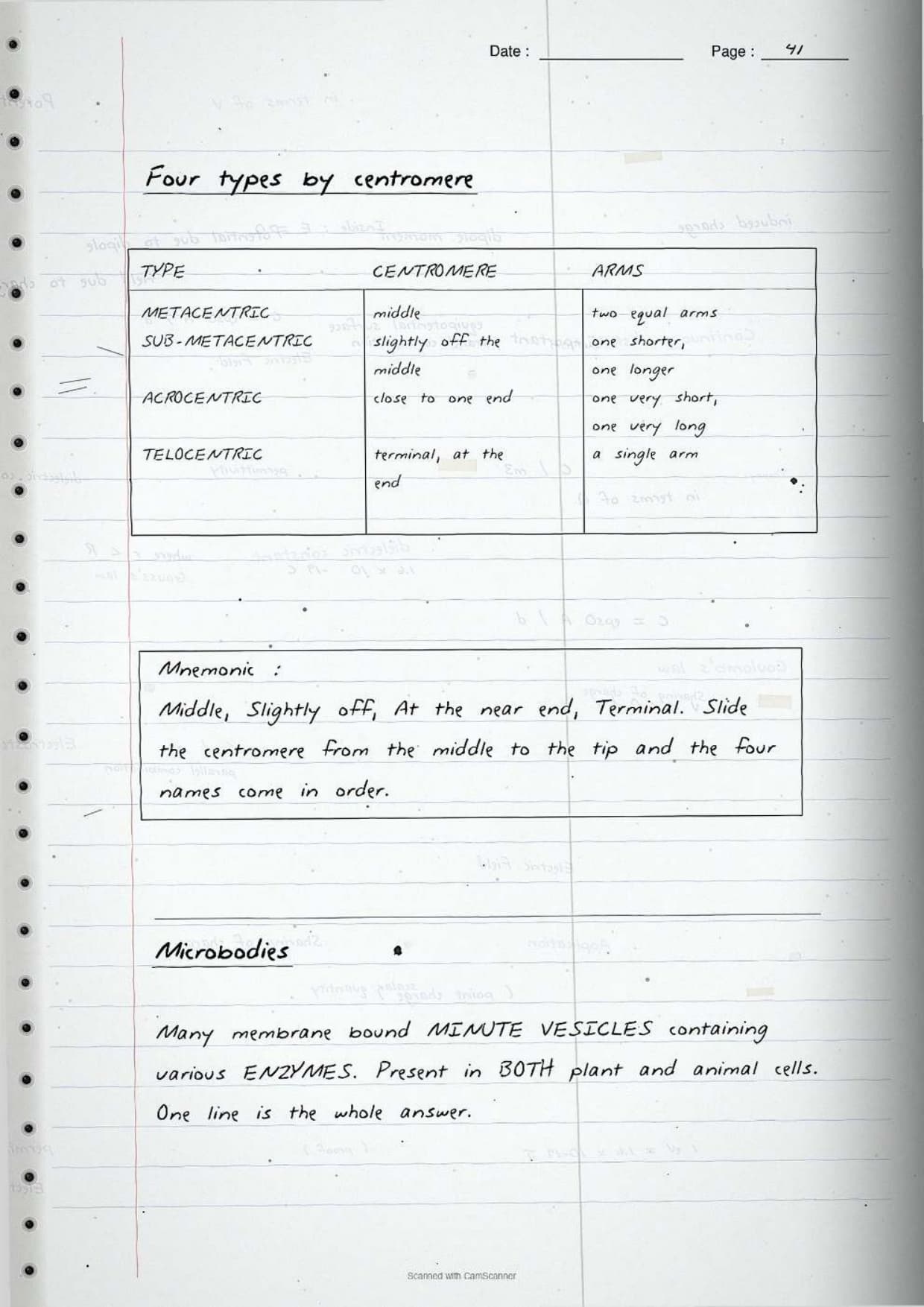
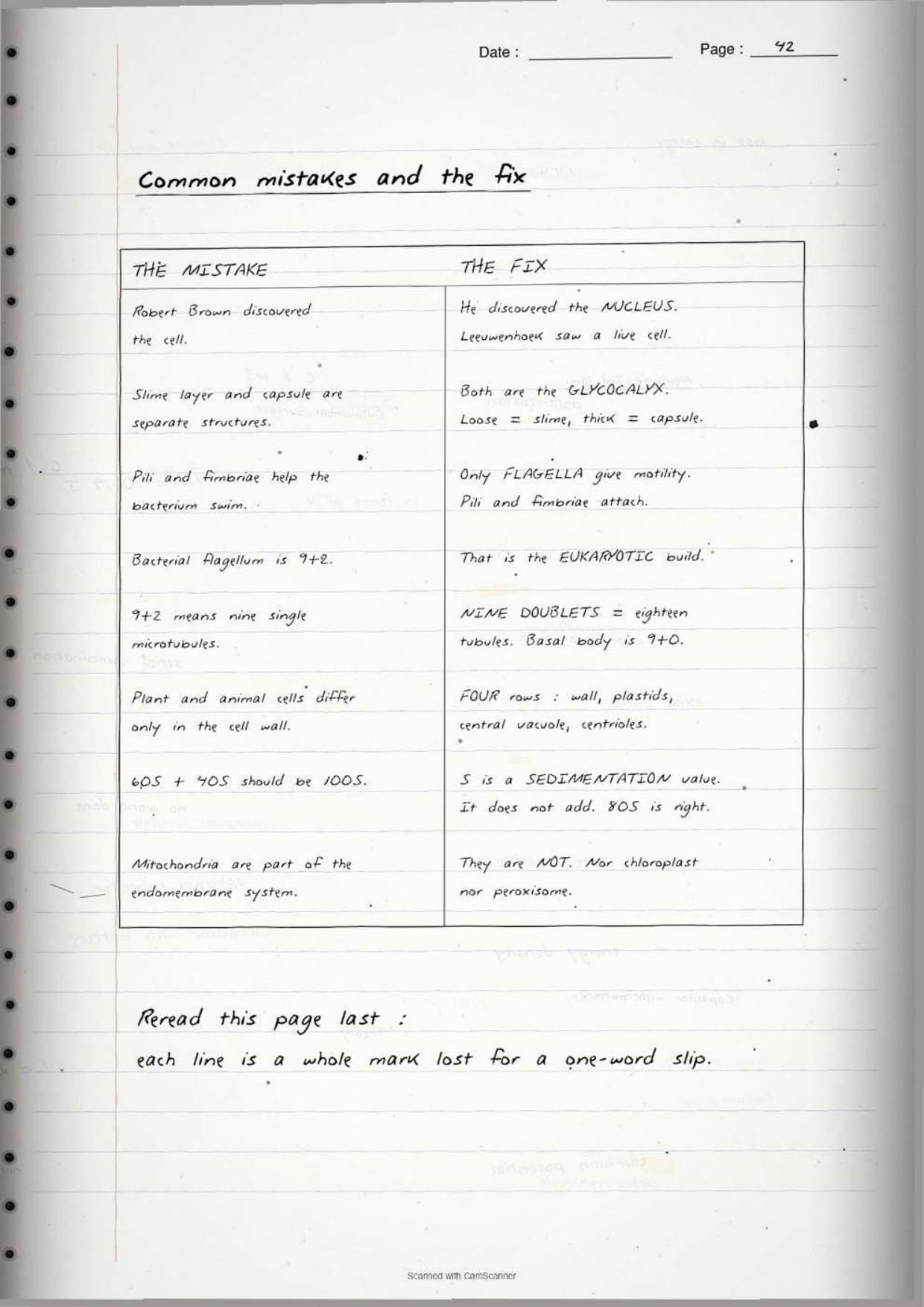
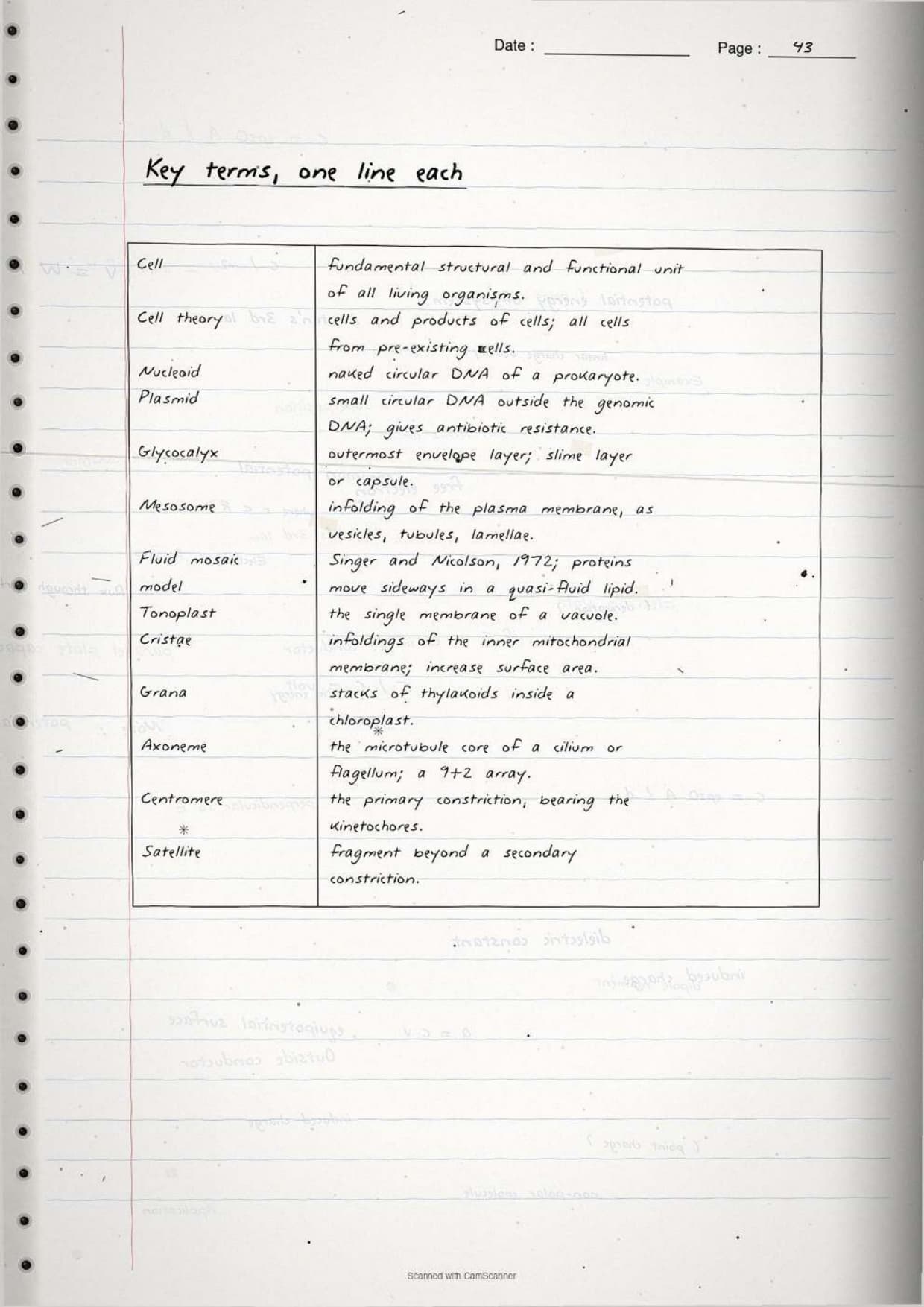
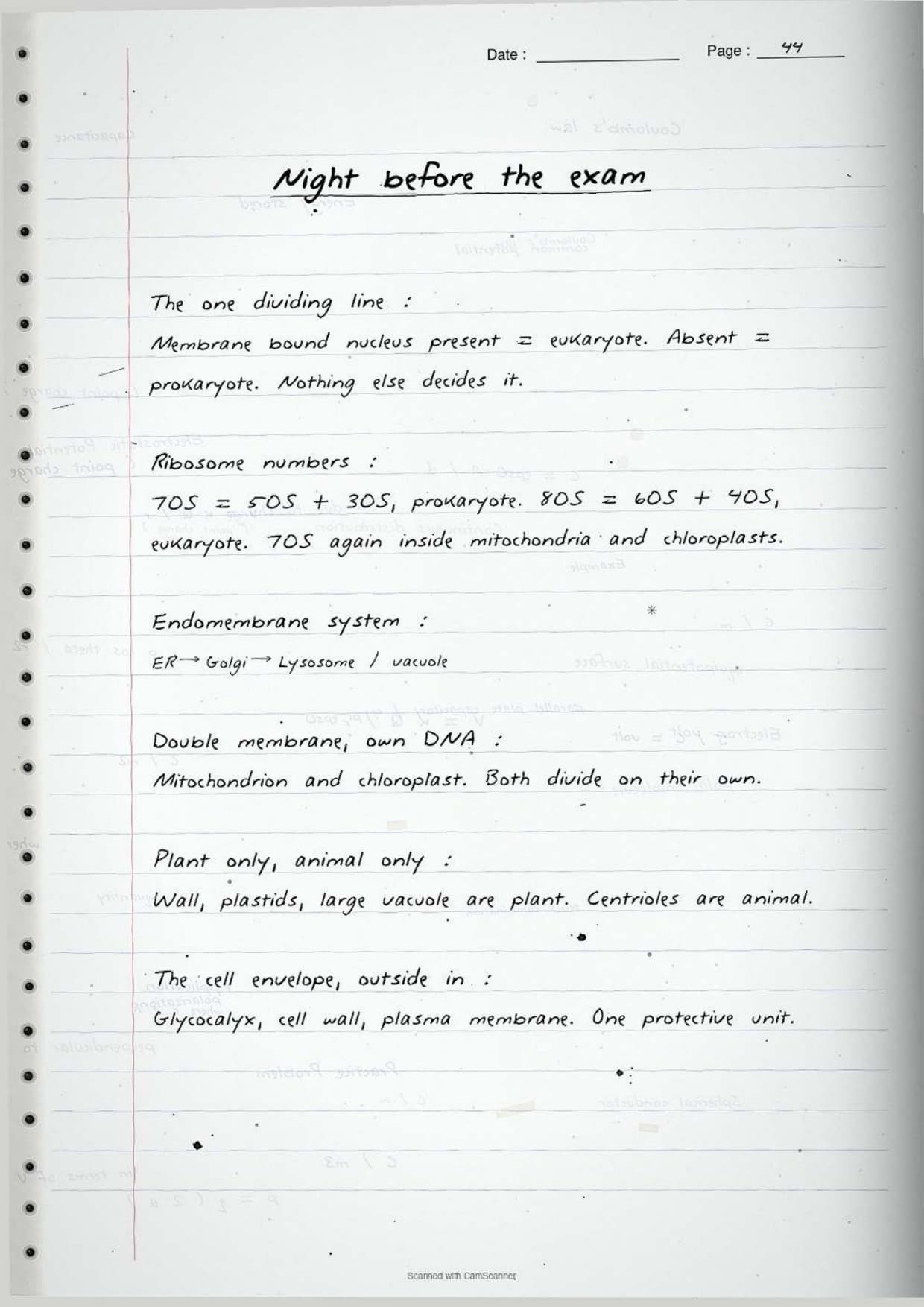
Chapter 8 carries more diagrams and more comparison tables than any other chapter in the book, and NEET takes 3 to 4 questions from it every year.
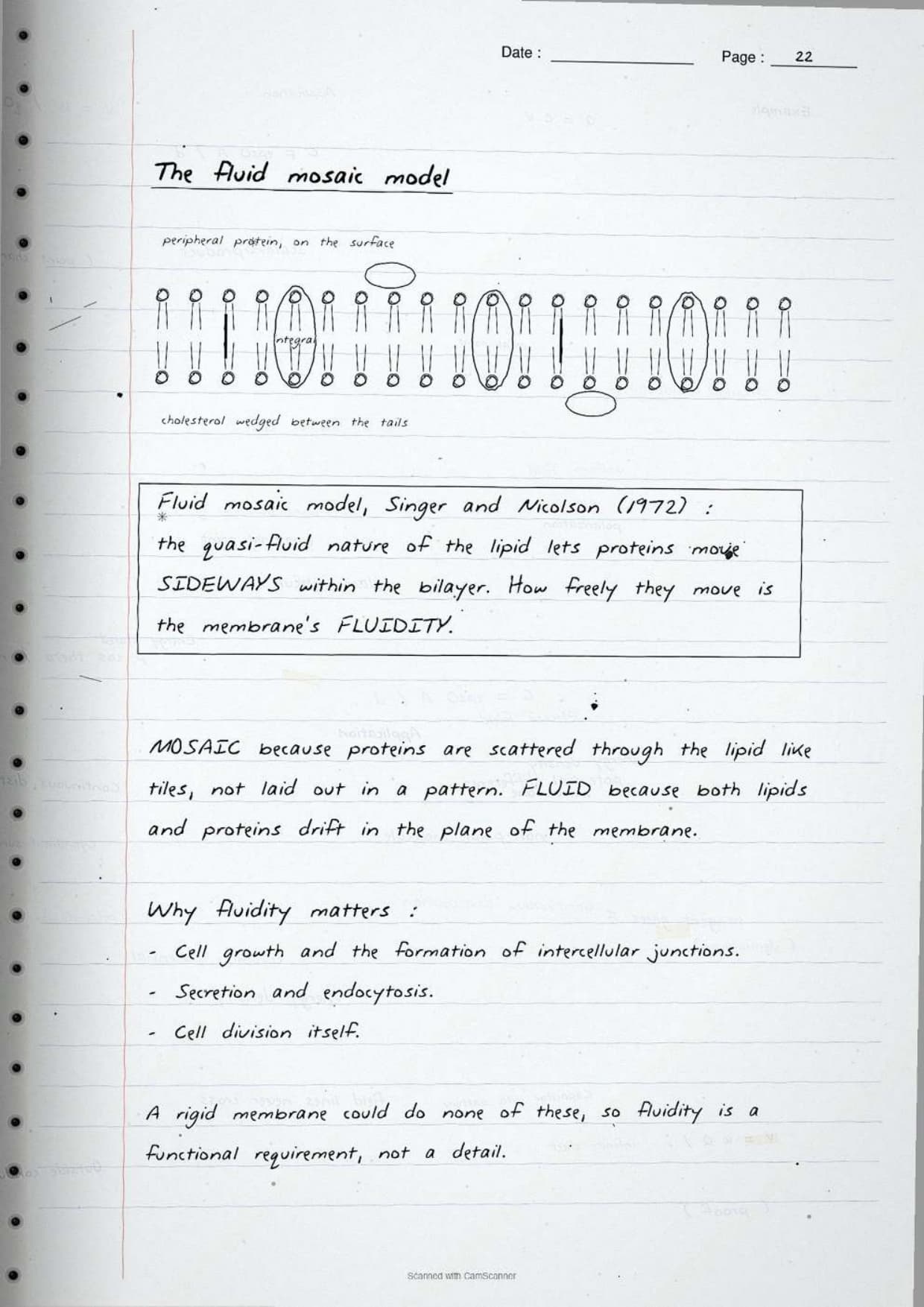
- Hand-drawn labelled figures for the bacterial cell, the fluid mosaic membrane, the mitochondrion and the 9+2 axoneme.
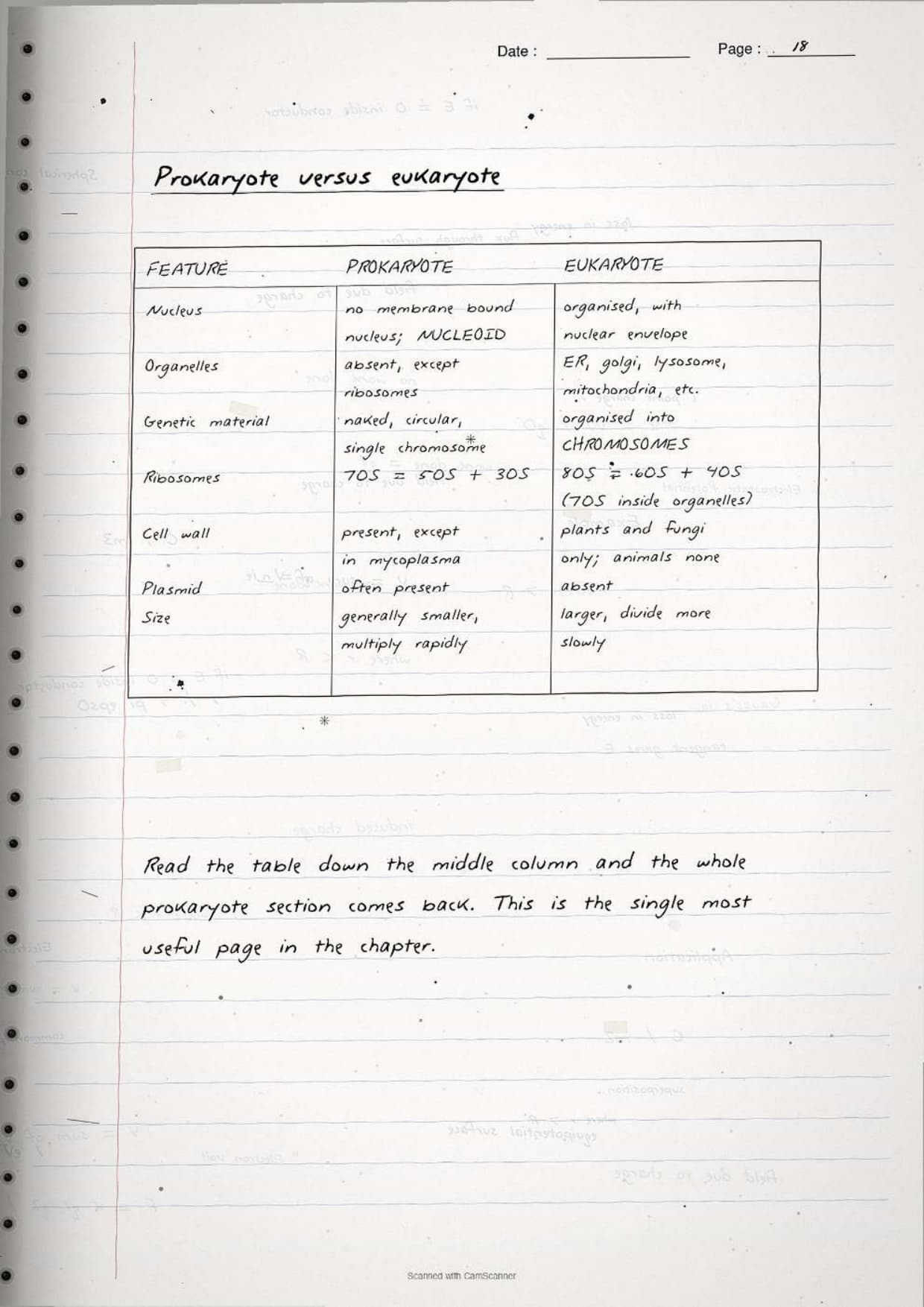
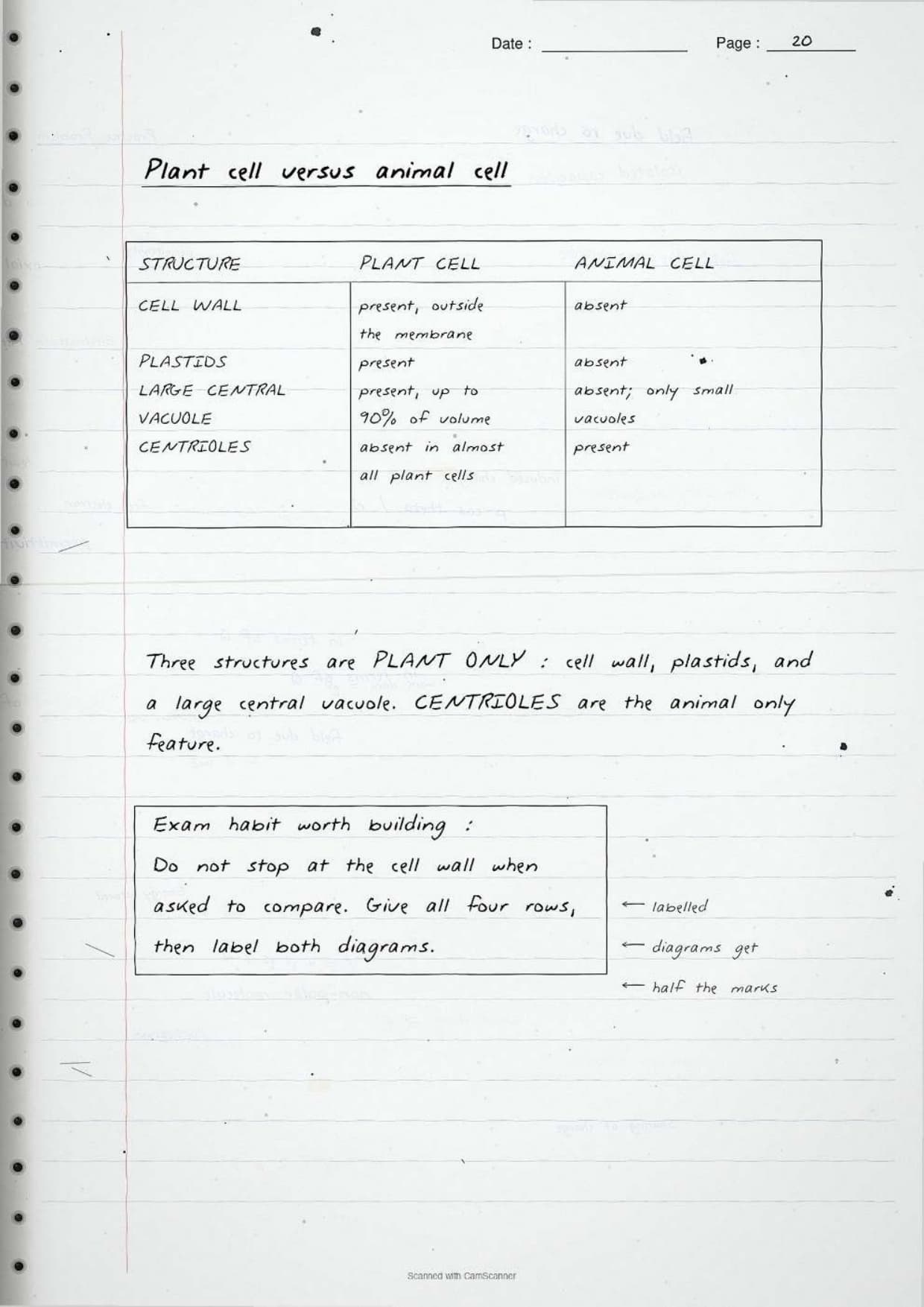
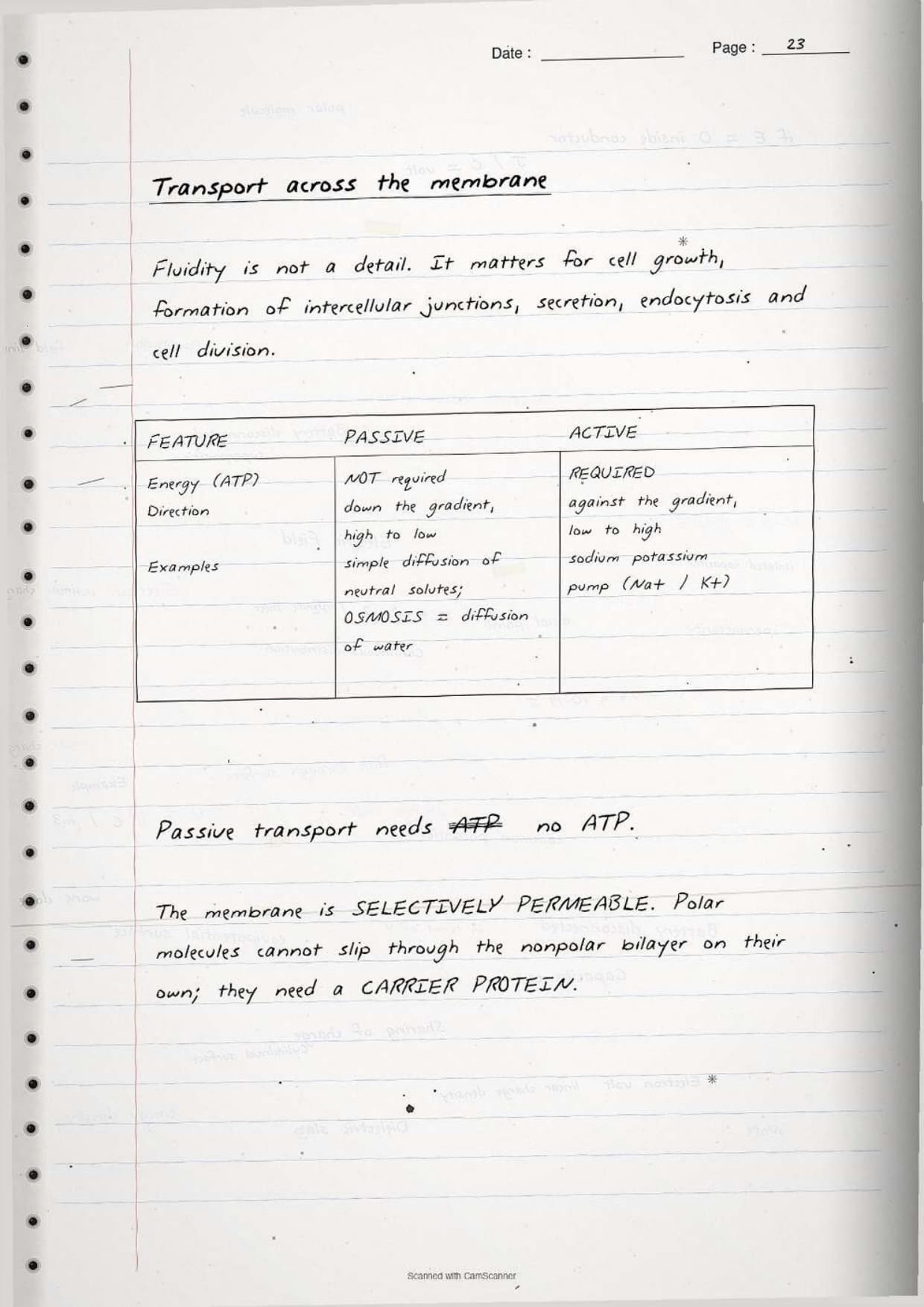
- Three full comparison tables: prokaryote against eukaryote, plant cell against animal cell, and passive against active transport.
- Pairs with the NCERT Solutions, Notes and Exemplar Solutions linked lower on this page.
What Cell: The Unit of Life Handwritten Notes Cover
The class 11 biology handwritten notes chapter 8 Cell: The Unit of Life run to 44 pages. They follow the NCERT order, from why everything is built of cells through to a night-before recap. Each topic gets its own page, so students revise one idea at a time. New sub-topics are written in red and every definition sits in a box.
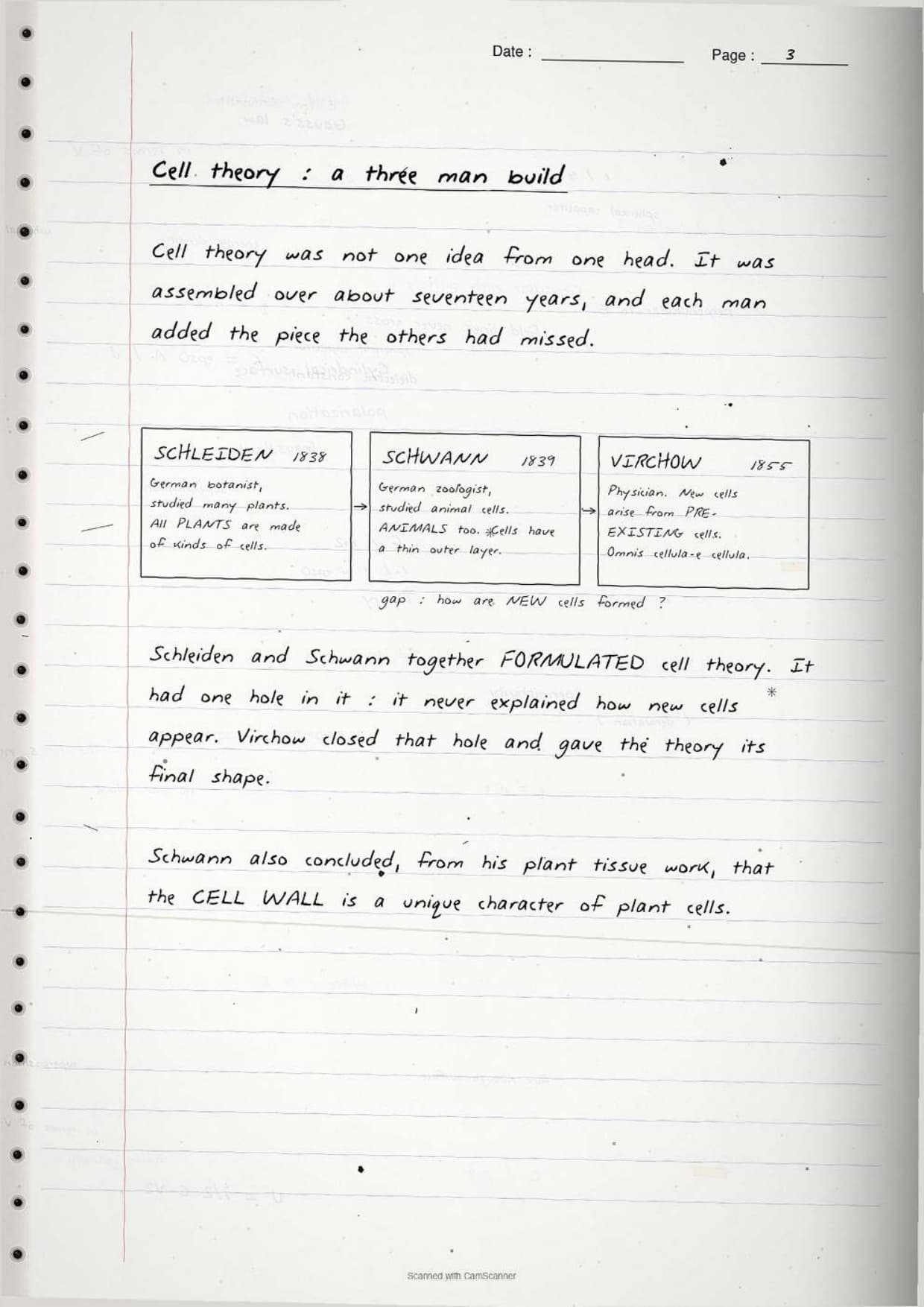
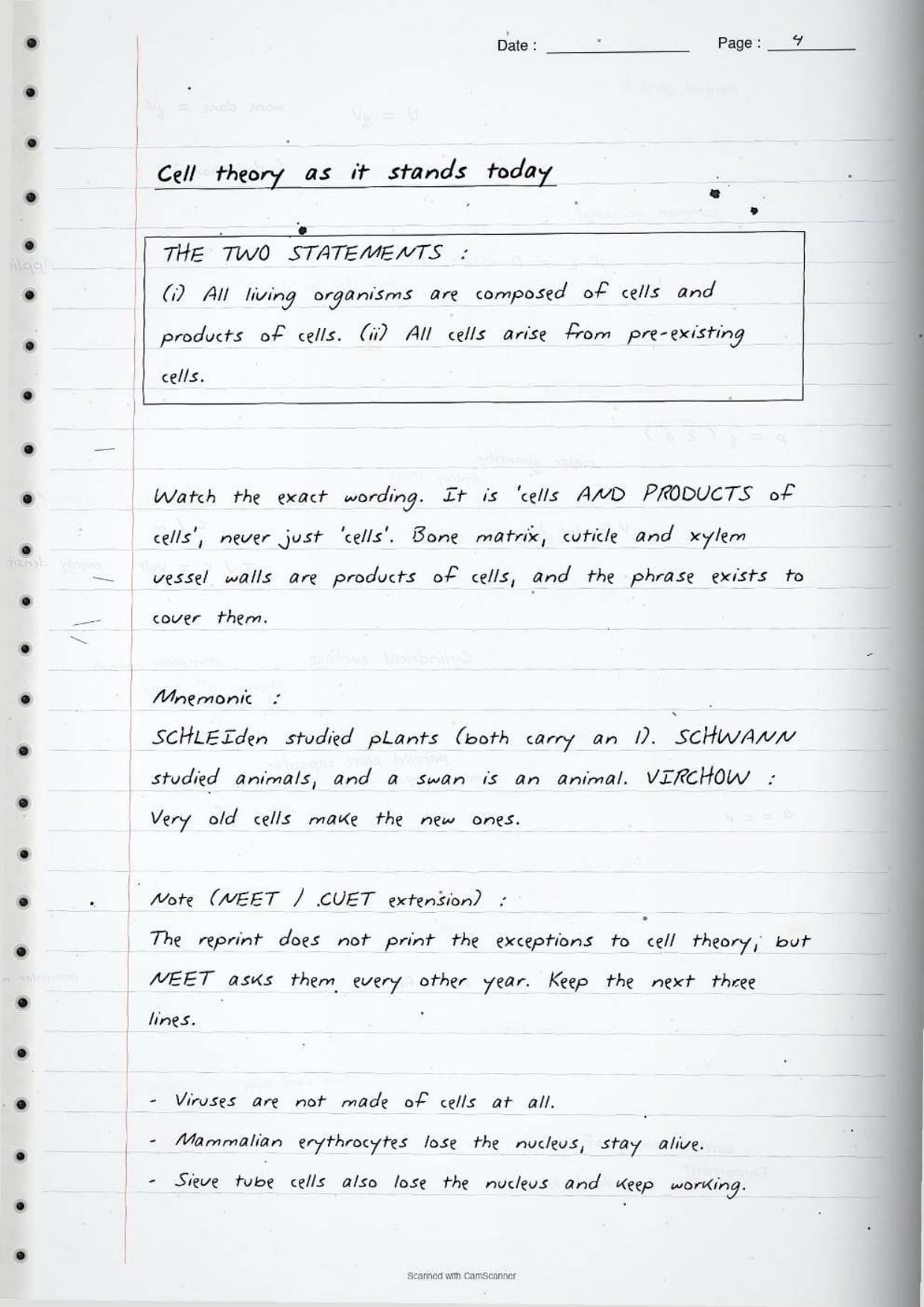
- Cell theory: Schleiden, Schwann and Virchow in a flow diagram, plus the two statements in exam wording.
- Cell size, shape and number: the Mycoplasma, bacterium, red blood cell, ostrich egg and nerve cell figures as one set.
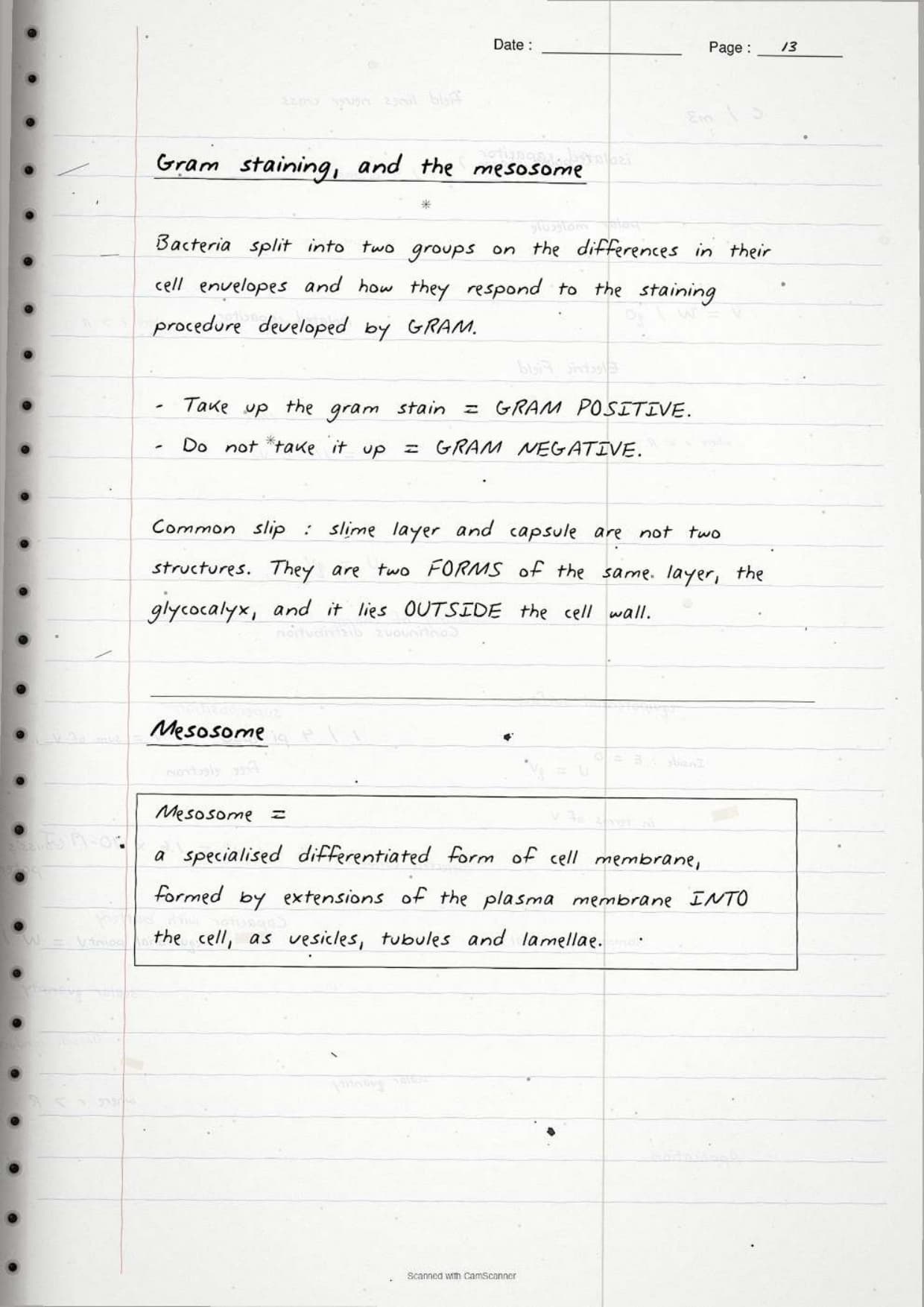
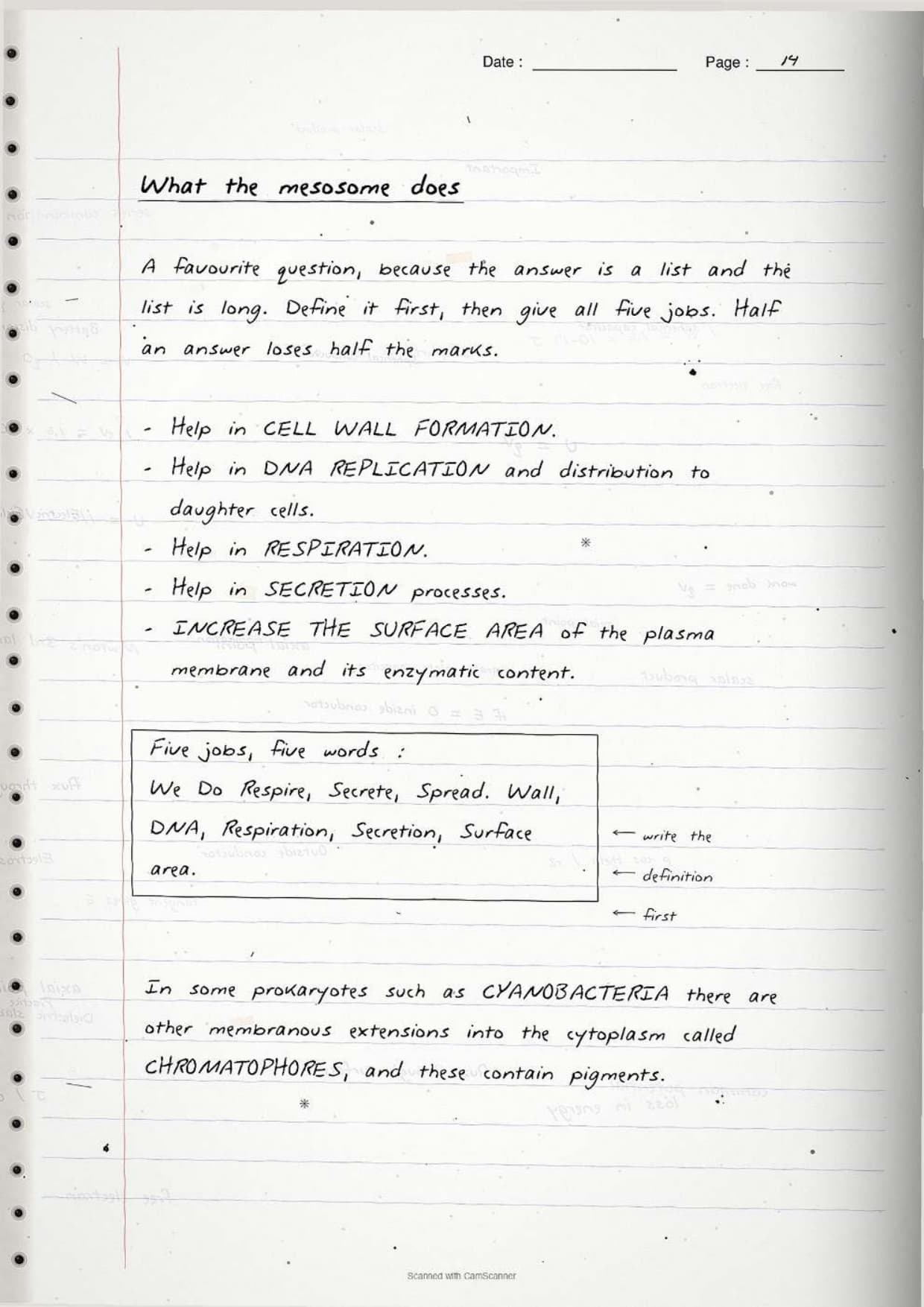
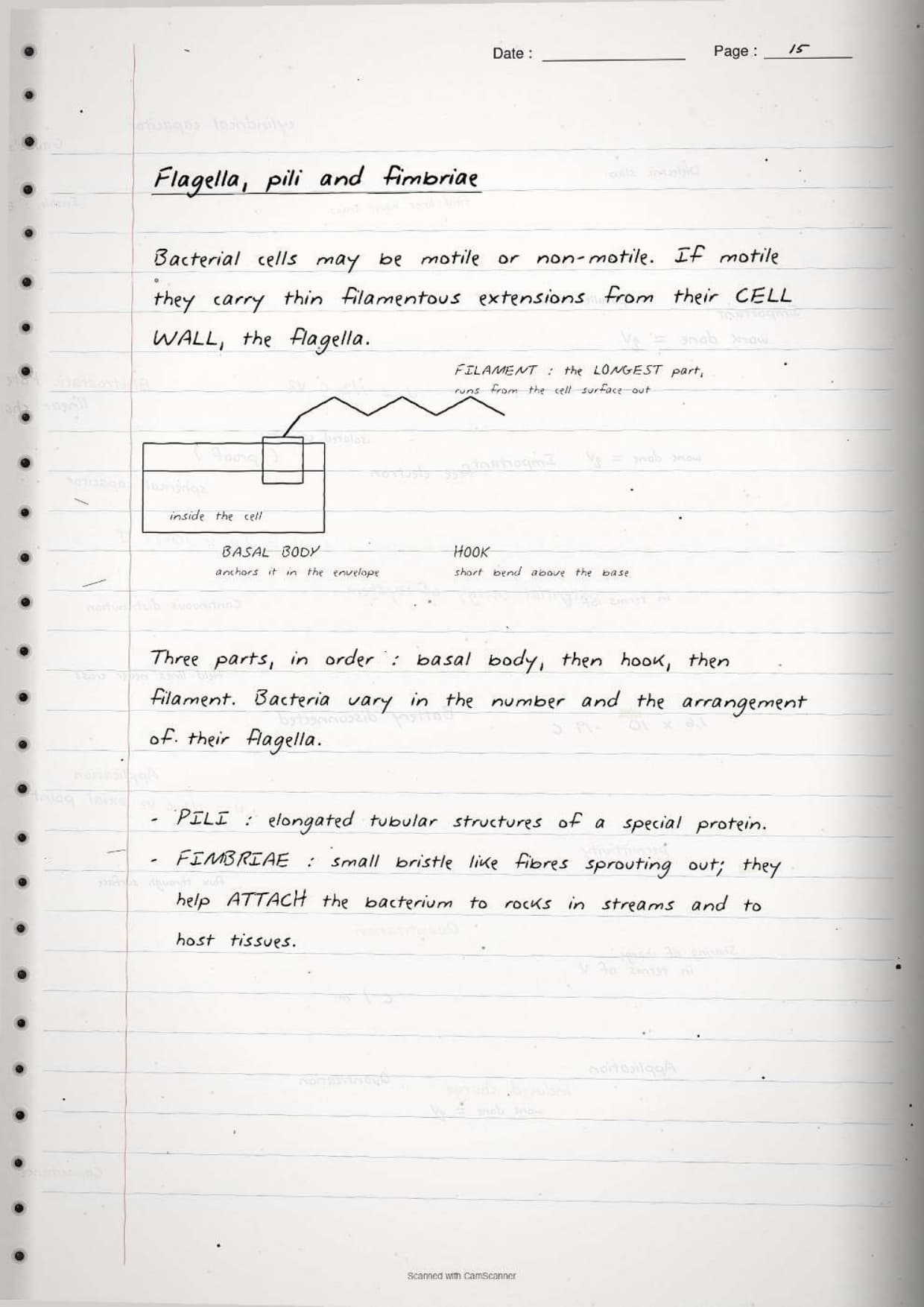
- The prokaryotic cell: body plan, the three-layer envelope, Gram staining, mesosome, flagellum, pili and fimbriae.
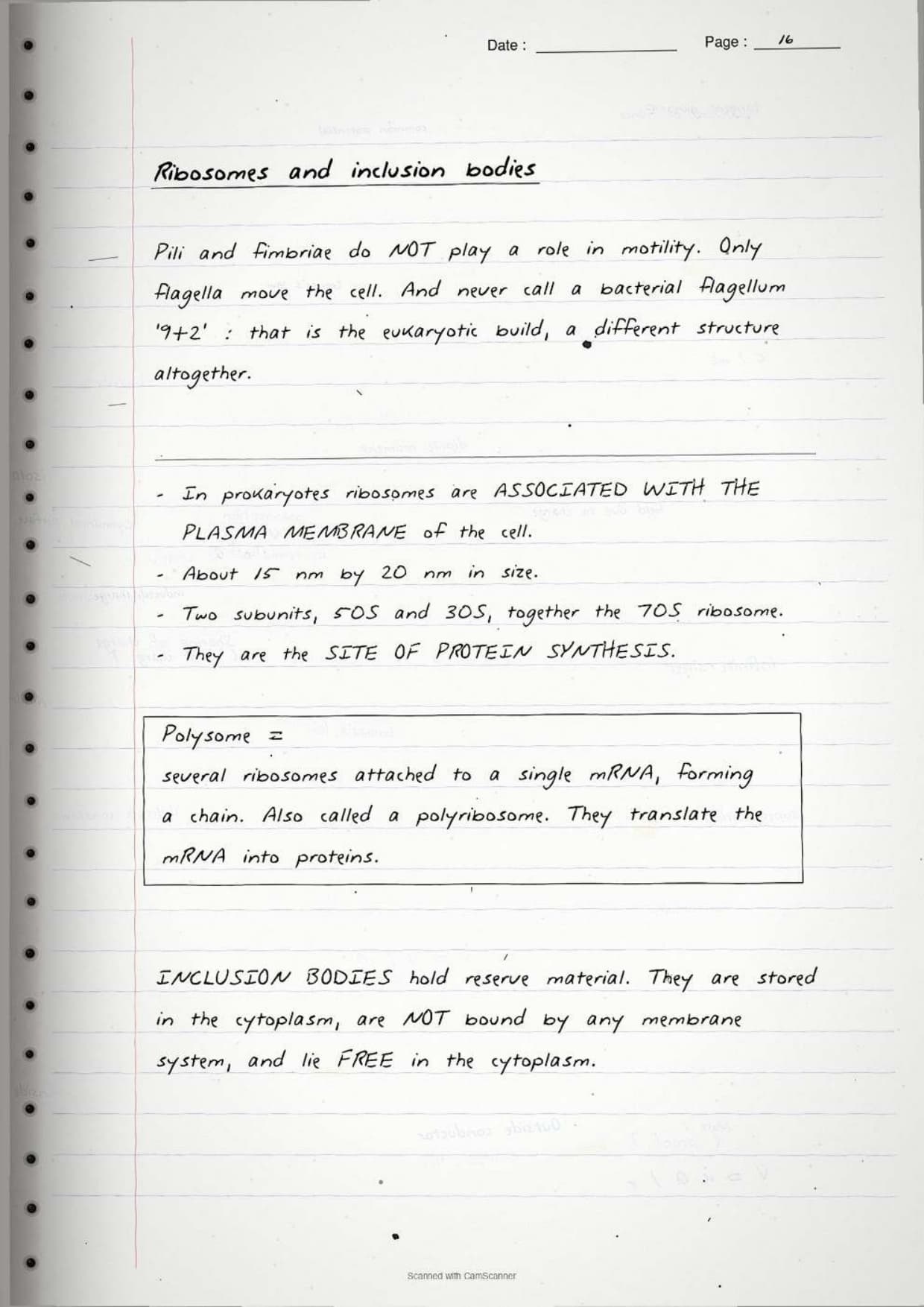
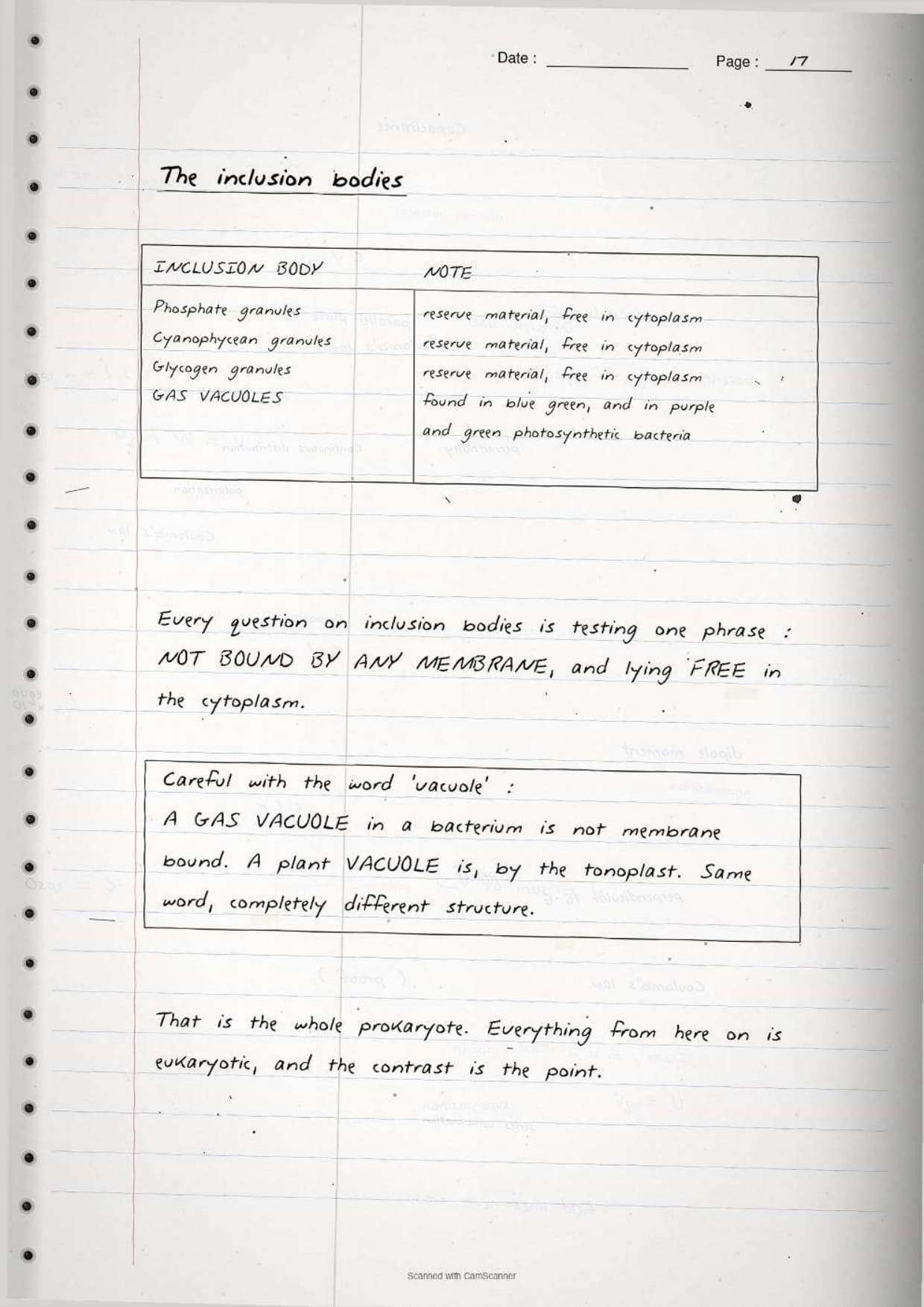
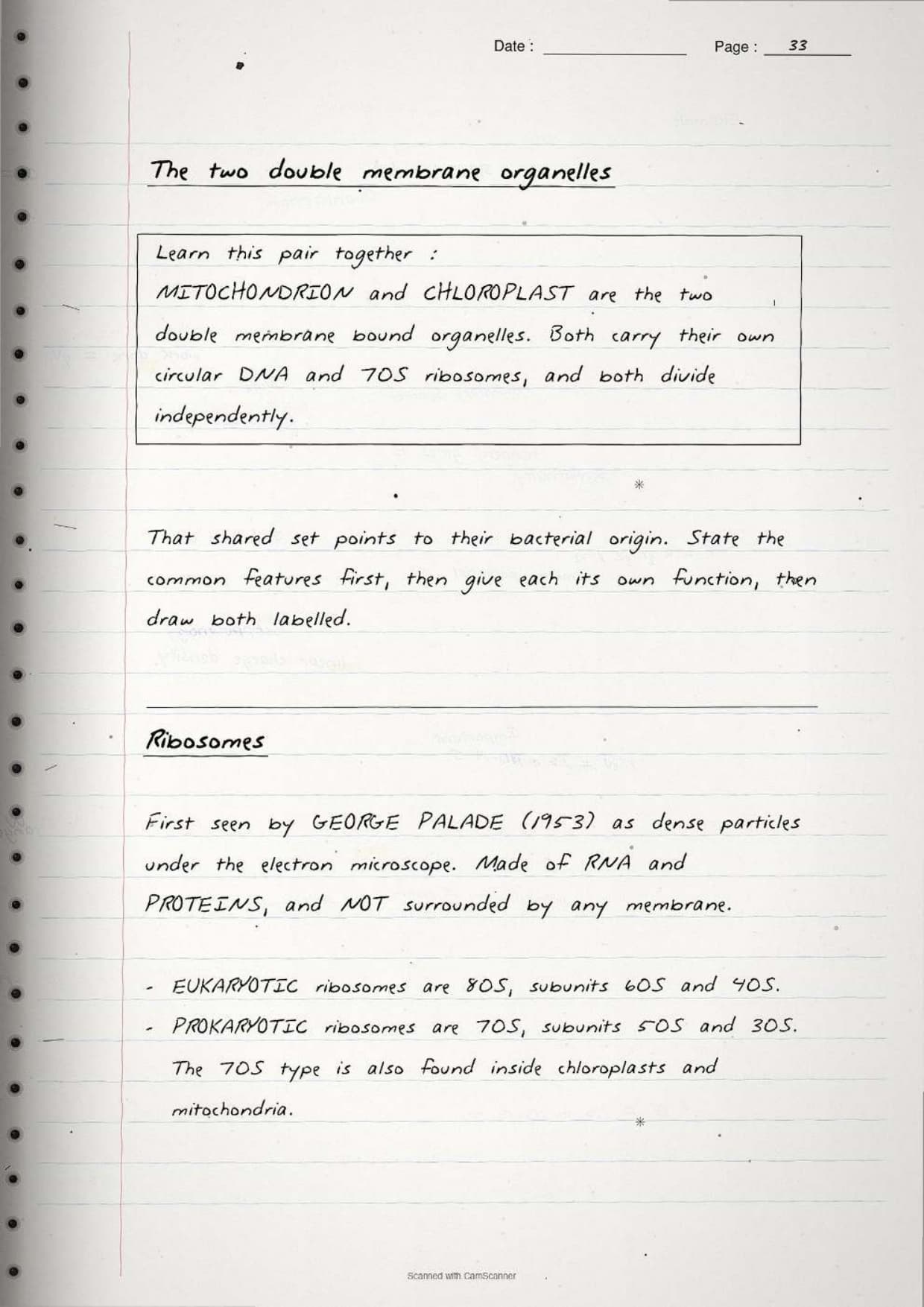
- Ribosomes and inclusion bodies: the 70S build, polysomes, and why inclusions lie free in the cytoplasm.
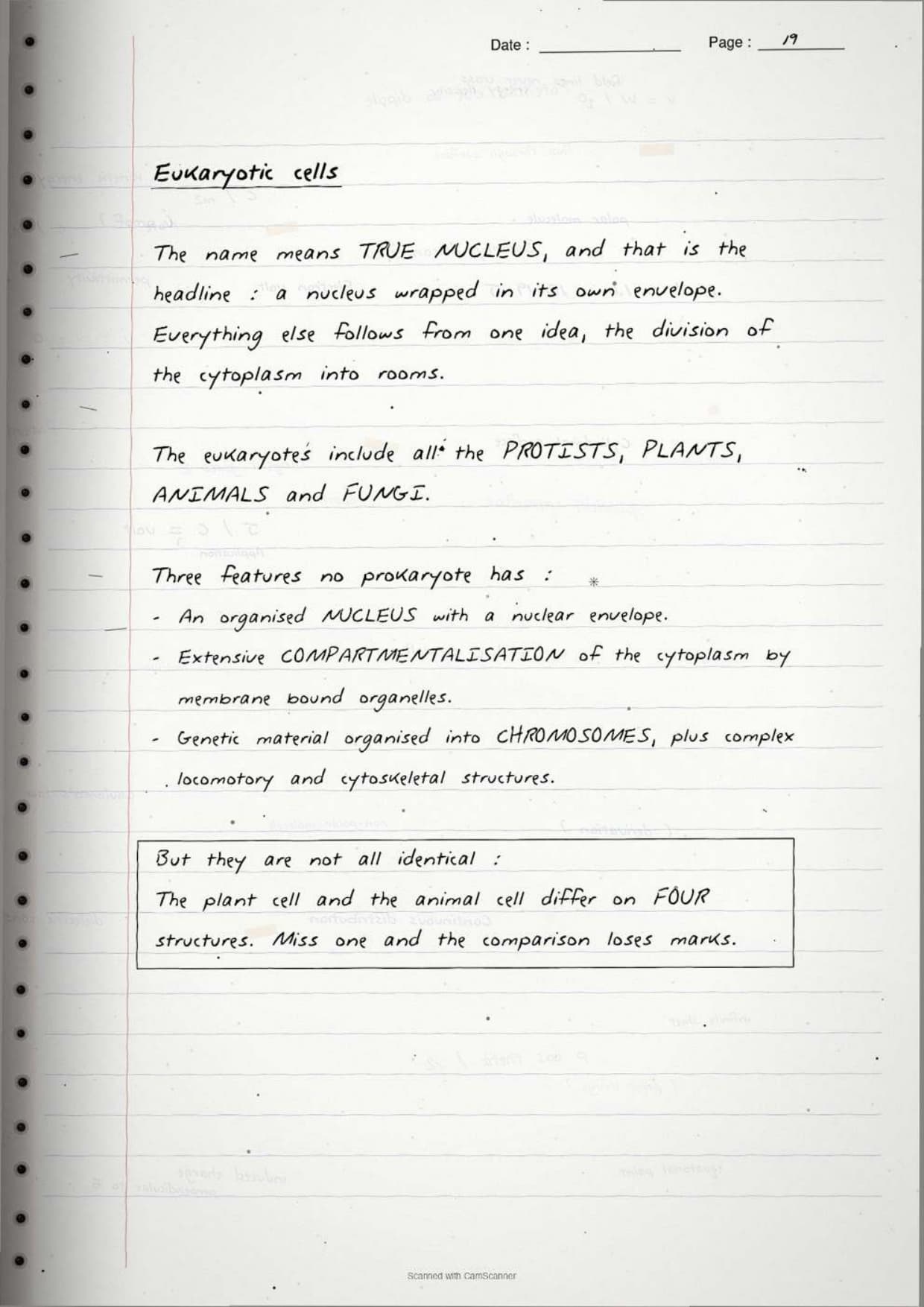
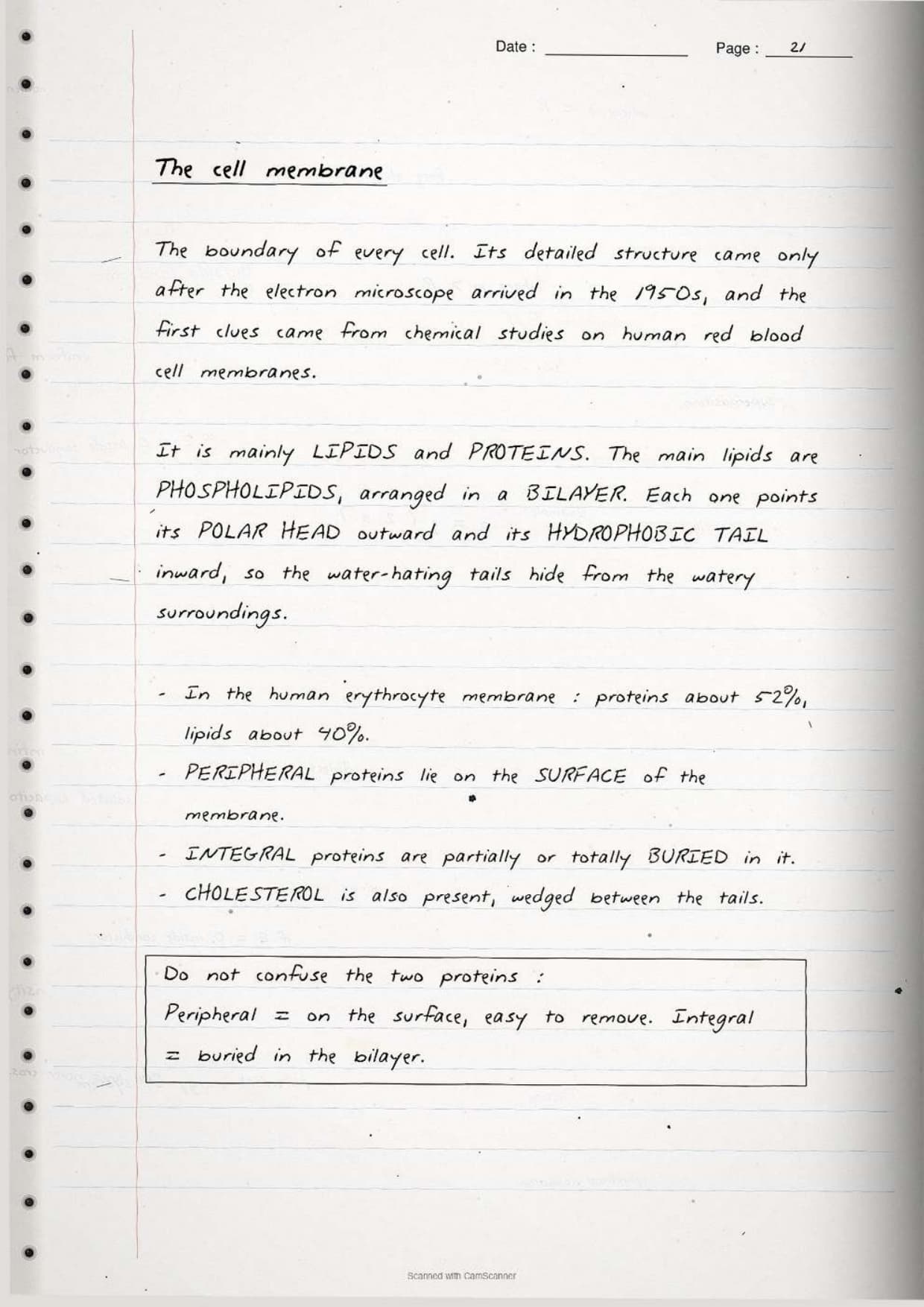
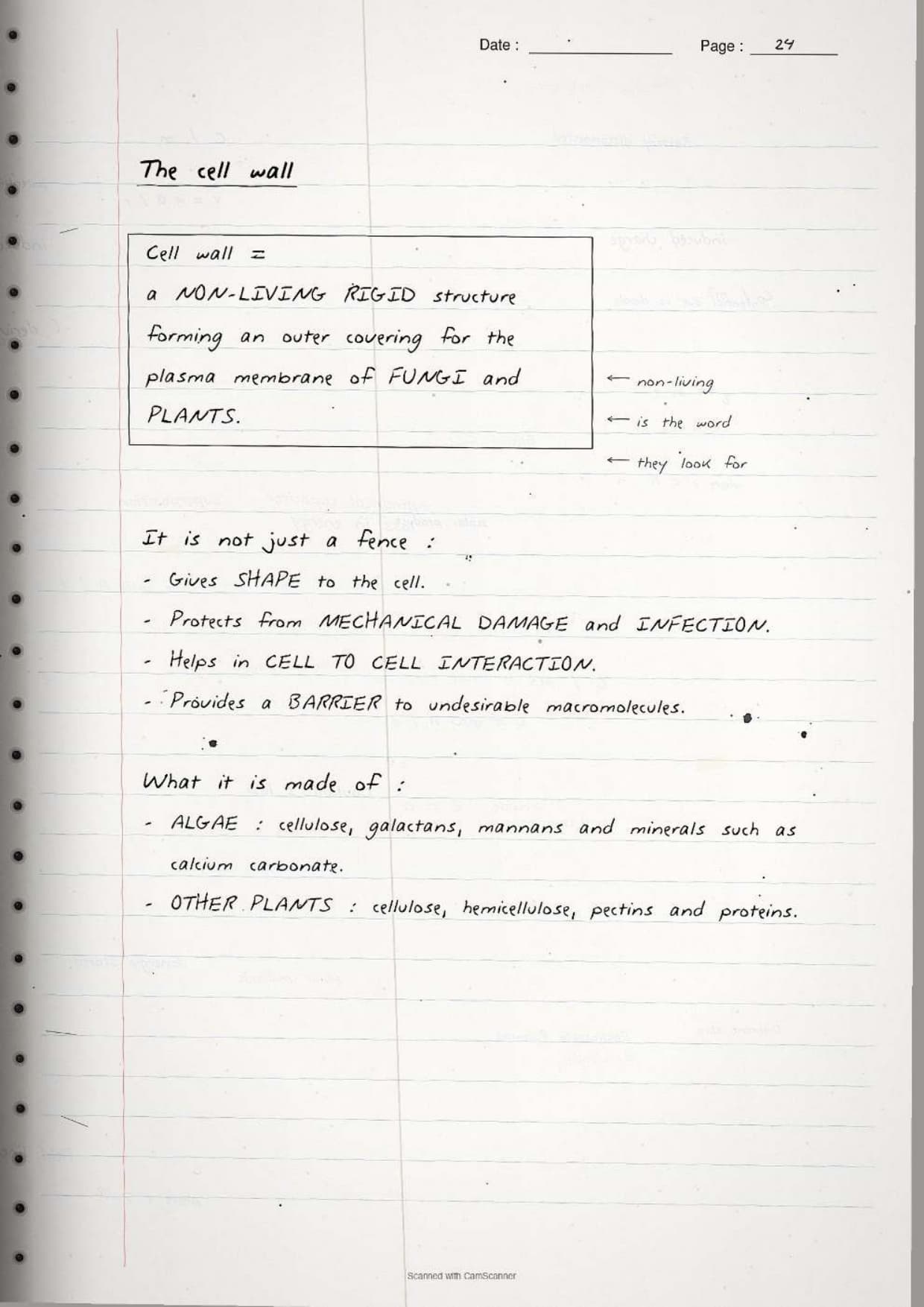
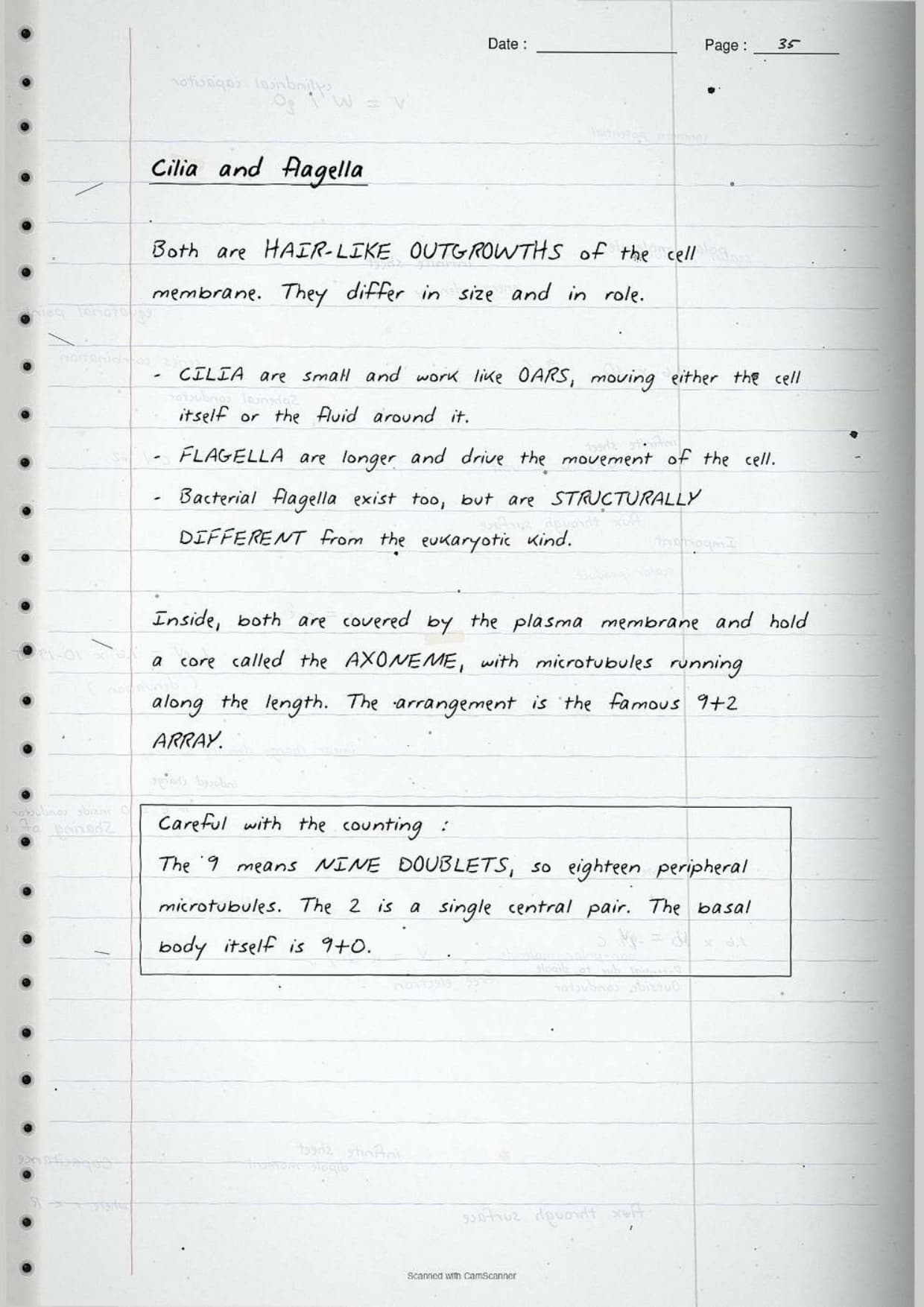
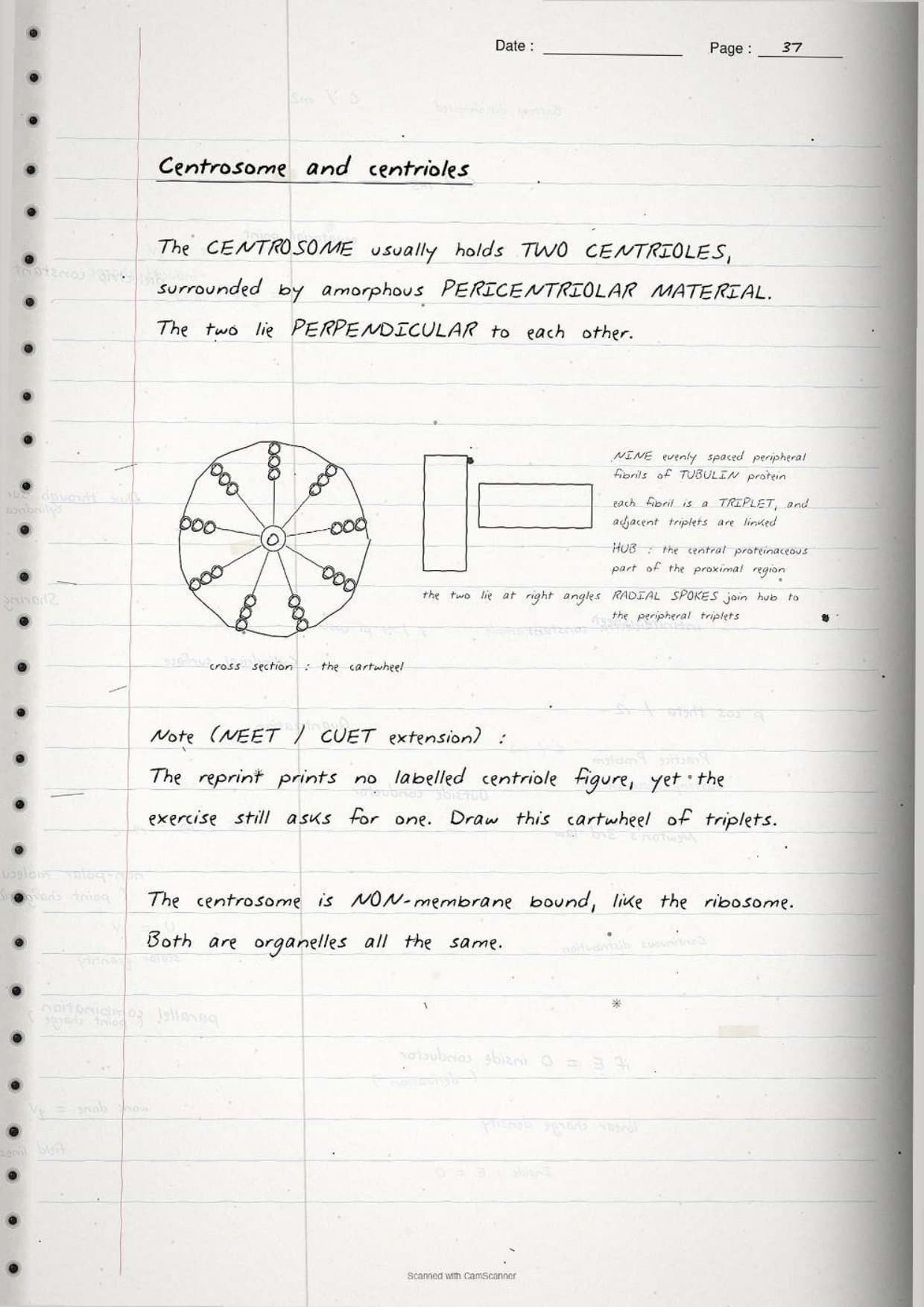
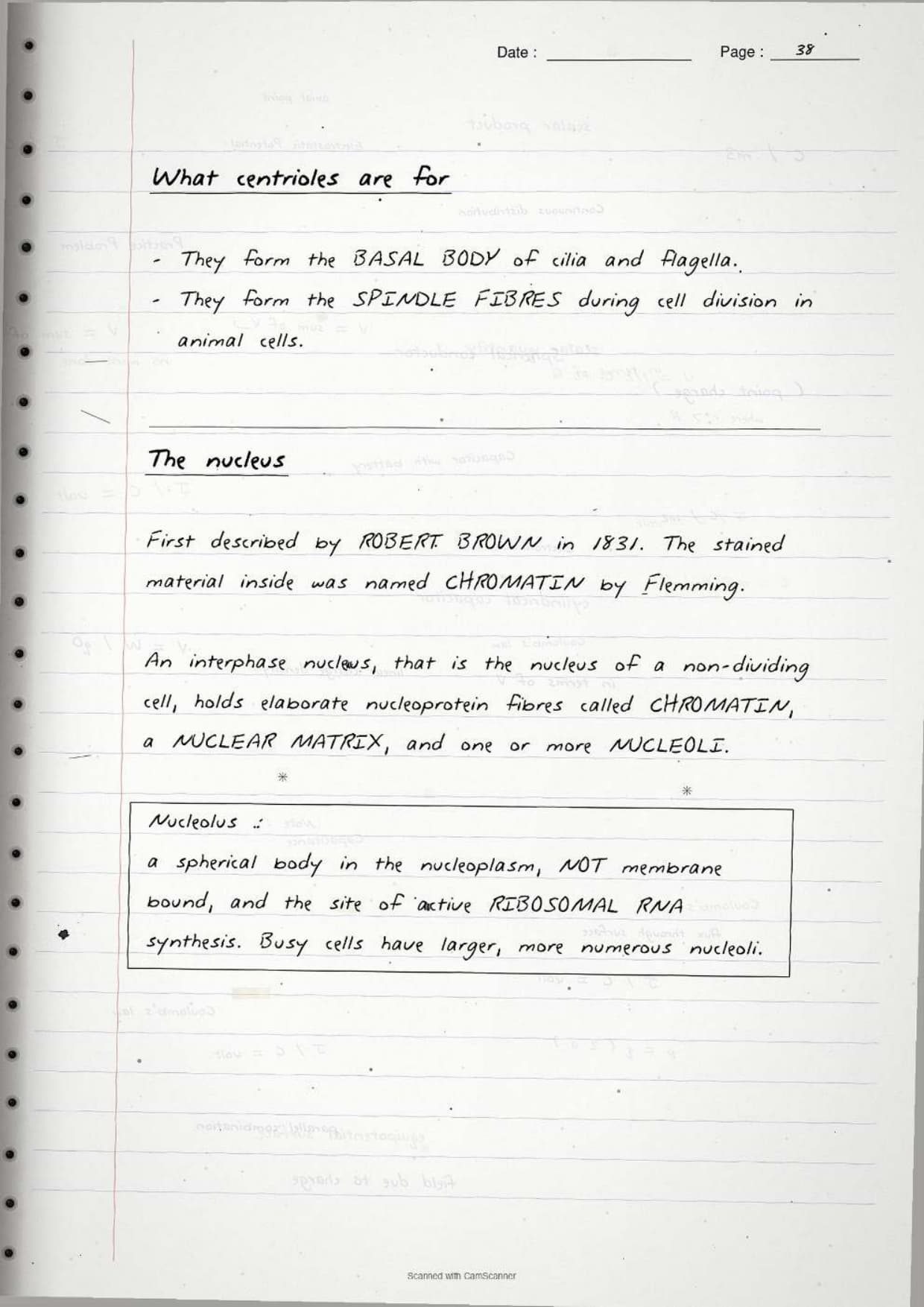
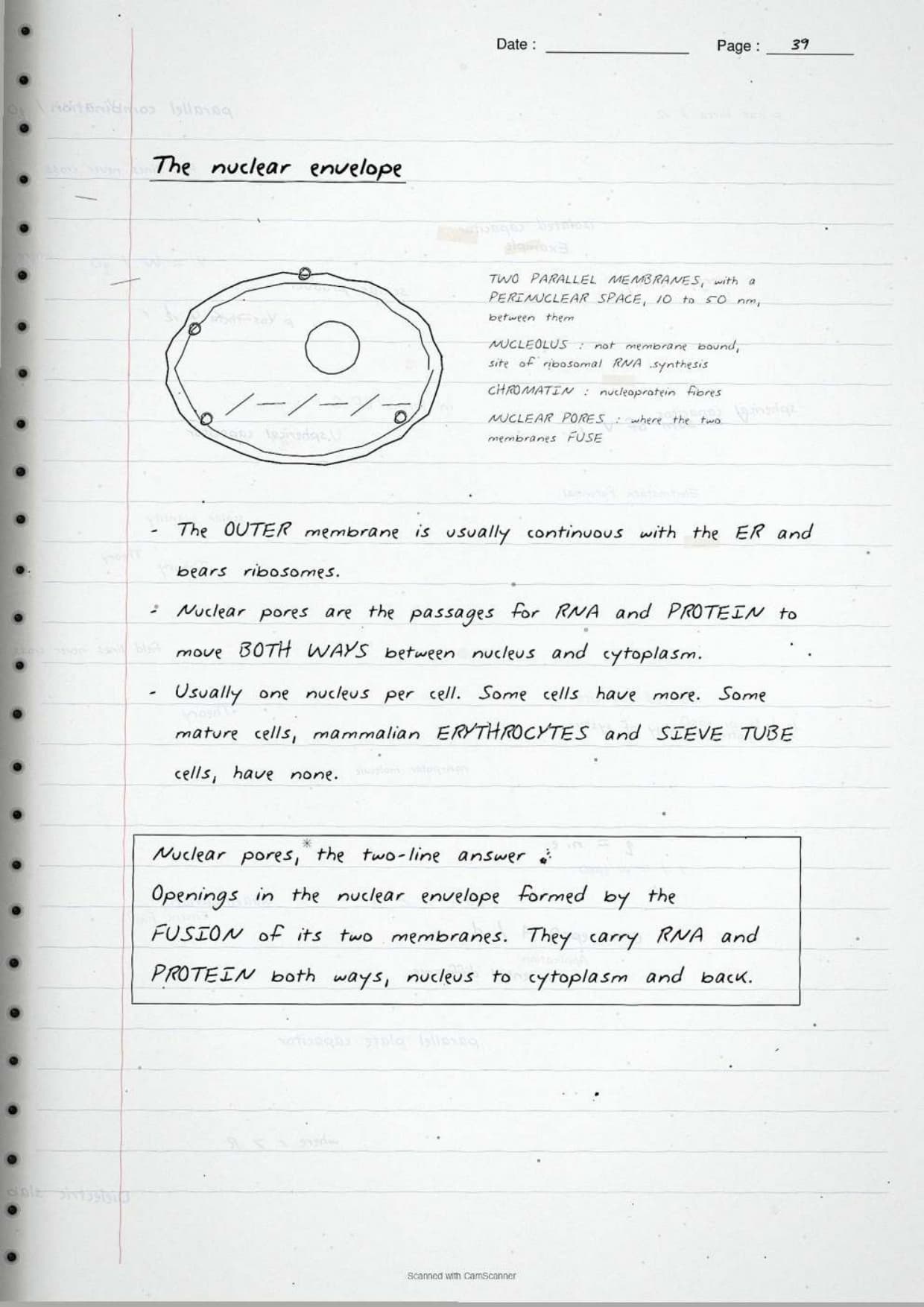
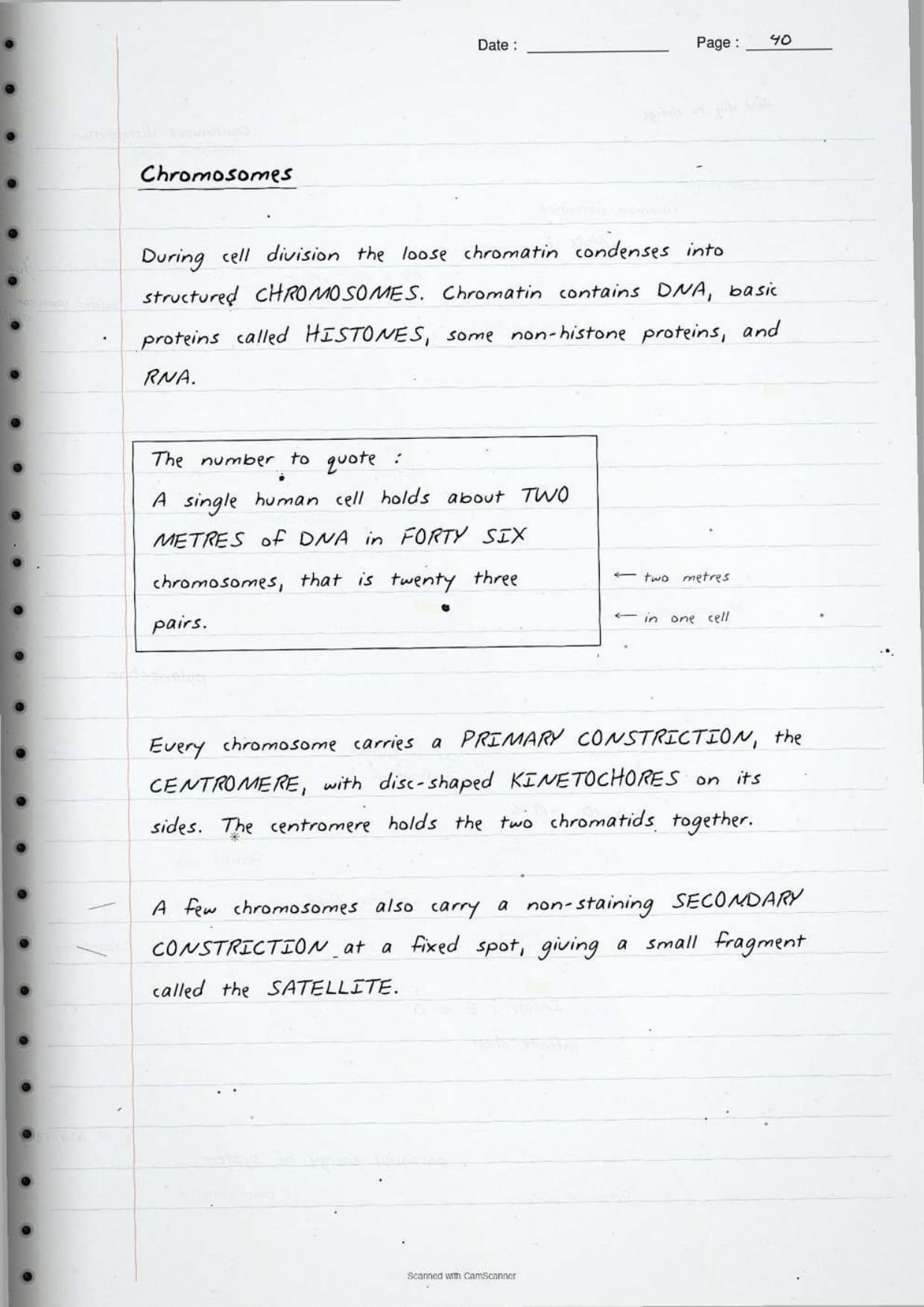
- The eukaryotic cell: membrane composition, transport, cell wall, endomembrane system, mitochondria, plastids, cytoskeleton, cilia, centrosome and nucleus.
- Wrap-up pages: common mistakes with the fix, key terms one line each, and a night-before sheet.
Two items are marked as a NEET and CUET extension. The exceptions to cell theory (viruses, mammalian erythrocytes and sieve tube cells) are one, since the current 2026-27 print drops them. The labelled bacterial cell and the plant cell figures are the other, because the new edition prints them unlabelled.
Key Diagrams and Terms in Cell: The Unit of Life Notes
Most marks here are lost on one-word slips, not on whole answers. The boxed table below holds the terms examiners swap around most often, and each one is written on its own page in full.
| Term | How the notes define it |
|---|---|
| Nucleoid | The naked circular DNA of a prokaryote, with no nuclear membrane around it |
| Plasmid | Small circular DNA outside the genomic DNA, giving traits such as antibiotic resistance |
| Glycocalyx | The outermost envelope layer; loose sheath is a slime layer, thick and tough is a capsule |
| Mesosome | An infolding of the plasma membrane as vesicles, tubules and lamellae |
| Cristae | Infoldings of the inner mitochondrial membrane that raise its surface area |
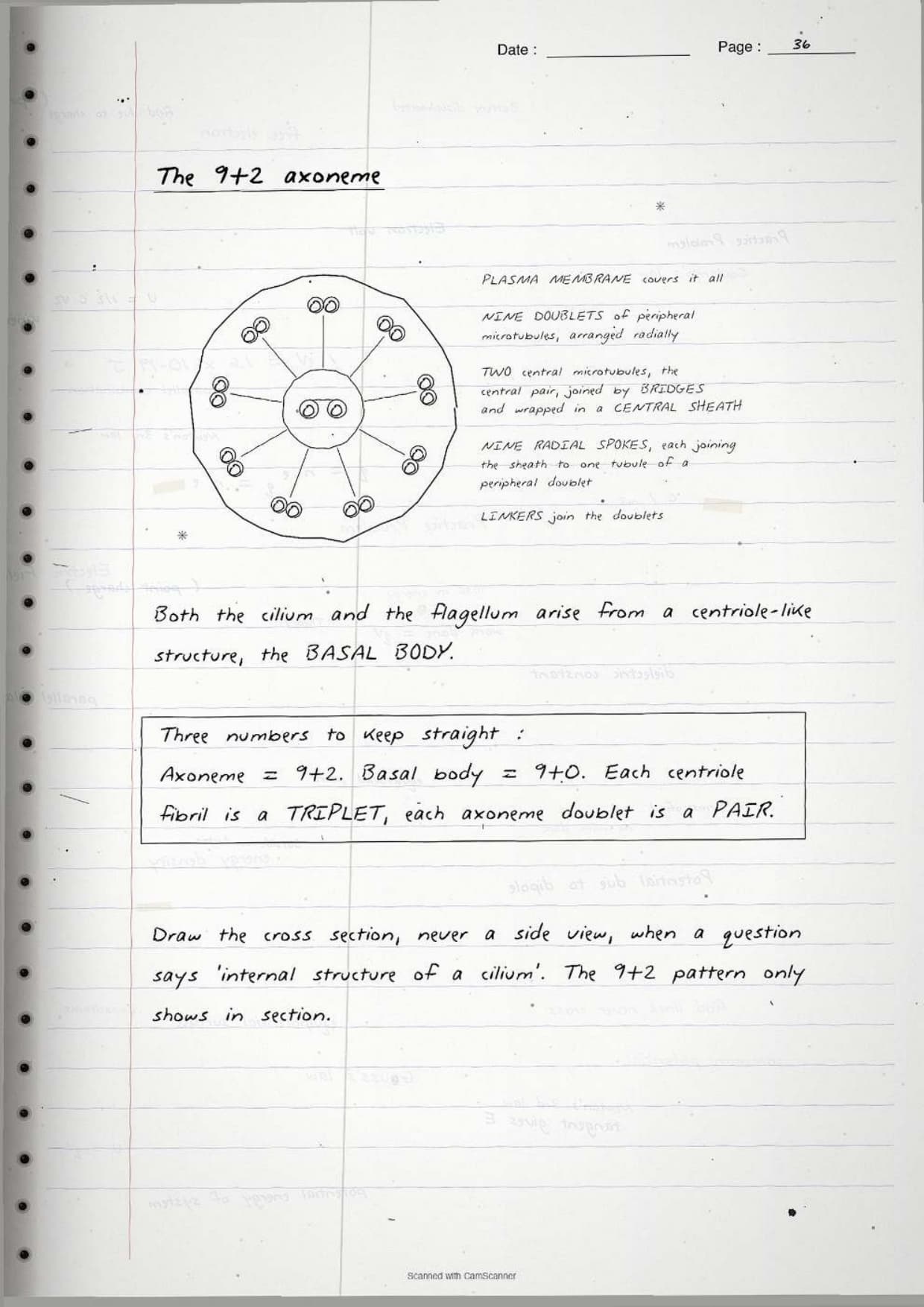
| Axoneme | The microtubule core of a cilium or flagellum, in a 9+2 array |
The diagram pages carry their labels beside the drawing, not on a key. The bacterial cell is drawn from the outside in, the mitochondrion shows both compartments, and the axoneme is drawn in cross section, since the 9+2 pattern only shows that way.
How to Use These Handwritten Notes for Revision
Split this chapter over two sittings. Do the prokaryote half first, then the eukaryote half. Read a topic page, cover the boxed definition, say it back, then redraw the figure on rough paper.
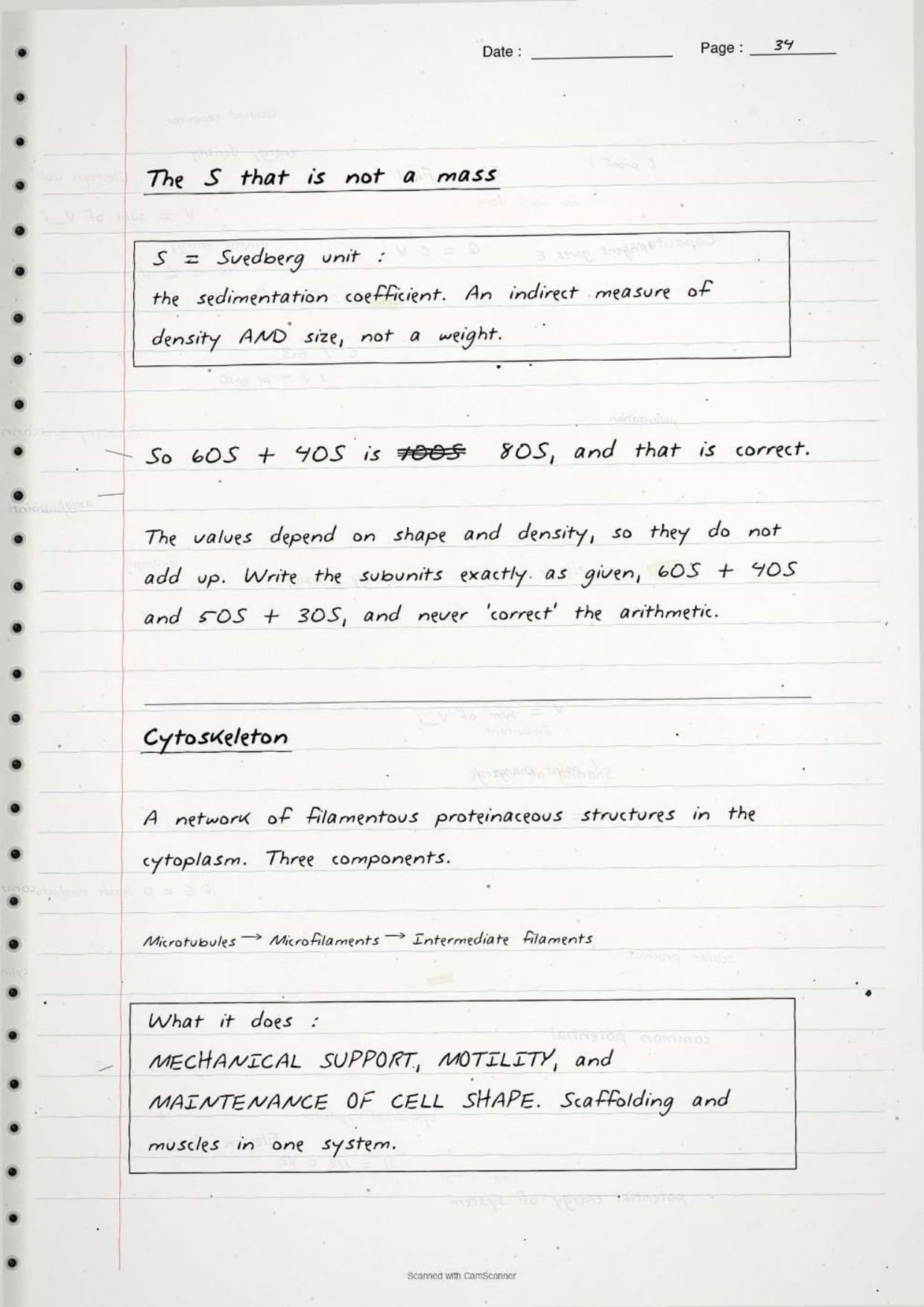
- Learn the three ribosome lines as a block: 70S is 50S plus 30S, 80S is 60S plus 40S, and 70S again inside mitochondria and chloroplasts.
- Recite the five mesosome jobs in order, since half an answer scores half the marks.
- Redraw the bacterial cell and the 9+2 axoneme from memory until the labels come without the page.
- Keep the class 11 biology handwritten notes chapter 8 Cell: The Unit of Life open beside the NCERT Solutions while practising.
- Read the common-mistakes page last, on page 42, before you shut the file.
Around 55 minutes is enough for one full pass, which is the longest of any Class 11 Biology chapter in this set.
Student Feedback on Cell: The Unit of Life Handwritten Notes
Students rate the comparison tables as the pages that save them the most time. The figures below come from a Collegedunia poll run before the 2026 boards.
- In a Collegedunia survey of 10,860 students, 78% said the prokaryote against eukaryote table was their most-used revision page.
- Most-confused pair before the poll: slime layer against capsule, treated as two structures by about 5 in 10 students.
Source: 2026-27 Class 11 Biology student poll. Sample of 10,860 students from CBSE schools across 12 states.
Where to Use These Notes Alongside Other Resources
The class 11 biology handwritten notes chapter 8 Cell: The Unit of Life work best next to other resources. Use the step-wise Solutions, the summary Notes and the Exemplar Solutions for the same chapter. Read the notes first, then check the answers, and keep the Exemplar for extra practice.
| Resource | Best used for |
|---|---|
| Cell The Unit of Life NCERT Solutions | Step-by-step answers to every back-exercise question |
| Cell The Unit of Life Class 11 Notes | Quick chapter summary with all key terms in one place |
| Cell The Unit of Life Exemplar Solutions | Exemplar questions solved for NEET-level practice |
| Cell The Unit of Life NCERT Book PDF | The original chapter text and exercises |
All Class 11 Biology Handwritten Notes by Chapter
The table links the handwritten notes for every Class 11 Biology chapter, so students can move across the course in one click. Cell The Unit of Life is highlighted.
| Chapter | Handwritten Notes |
|---|---|
| Chapter 1 | The Living World |
| Chapter 2 | Biological Classification |
| Chapter 3 | Plant Kingdom |
| Chapter 4 | Animal Kingdom |
| Chapter 5 | Morphology of Flowering Plants |
| Chapter 6 | Anatomy of Flowering Plants |
| Chapter 7 | Structural Organisation in Animals |
| Chapter 8 | Cell The Unit of Life |
| Chapter 9 | Biomolecules |
| Chapter 10 | Cell Cycle and Cell Division |
| Chapter 11 | Photosynthesis in Higher Plants |
| Chapter 12 | Respiration in Plants |
| Chapter 13 | Plant Growth and Development |
| Chapter 14 | Breathing and Exchange of Gases |
| Chapter 15 | Body Fluids and Circulation |
| Chapter 16 | Excretory Products and their Elimination |
| Chapter 17 | Locomotion and Movement |
| Chapter 18 | Neural Control and Coordination |
| Chapter 19 | Chemical Coordination and Integration |
FAQs on Cell: The Unit of Life Handwritten Notes
Ques. Are these class 11 biology handwritten notes chapter 8 Cell: The Unit of Life free to download?
Ans. Yes. The Cell The Unit of Life handwritten notes are free to download as a PDF from this page. All 44 pages follow the 2026-27 NCERT and cover the full chapter in clear handwriting for quick revision.
Ques. What topics do these handwritten notes cover?
Ans. They cover cell theory, cell size and shape, the prokaryotic body plan, the three-layer cell envelope, Gram staining, mesosome and flagellum, ribosomes and inclusion bodies, the cell membrane and transport, the endomembrane system, mitochondria, plastids, cytoskeleton, cilia, centrosome and the nucleus.
Ques. What is the one line that separates prokaryotes from eukaryotes?
Ans. A membrane bound nucleus. Present means eukaryotic, absent means prokaryotic, and nothing else decides it. The notes box this line on page 5 and repeat it on the night-before sheet, because it is the fastest one-mark answer in the chapter.
Ques. Why do 60S and 40S add up to 80S and not 100S?
Ans. S is the Svedberg unit, a sedimentation coefficient. It measures density and size together, not weight, so the values do not add up. Write the subunits exactly as given, 60S plus 40S and 50S plus 30S, and never correct the arithmetic.
Ques. Are these notes useful for NEET, not just Boards?
Ans. Yes. NEET takes 3 to 4 questions a year from this chapter alone. Two blocks are marked as a NEET and CUET extension: the exceptions to cell theory, and the labelled bacterial and plant cell figures that the new edition prints without labels.



Comments