




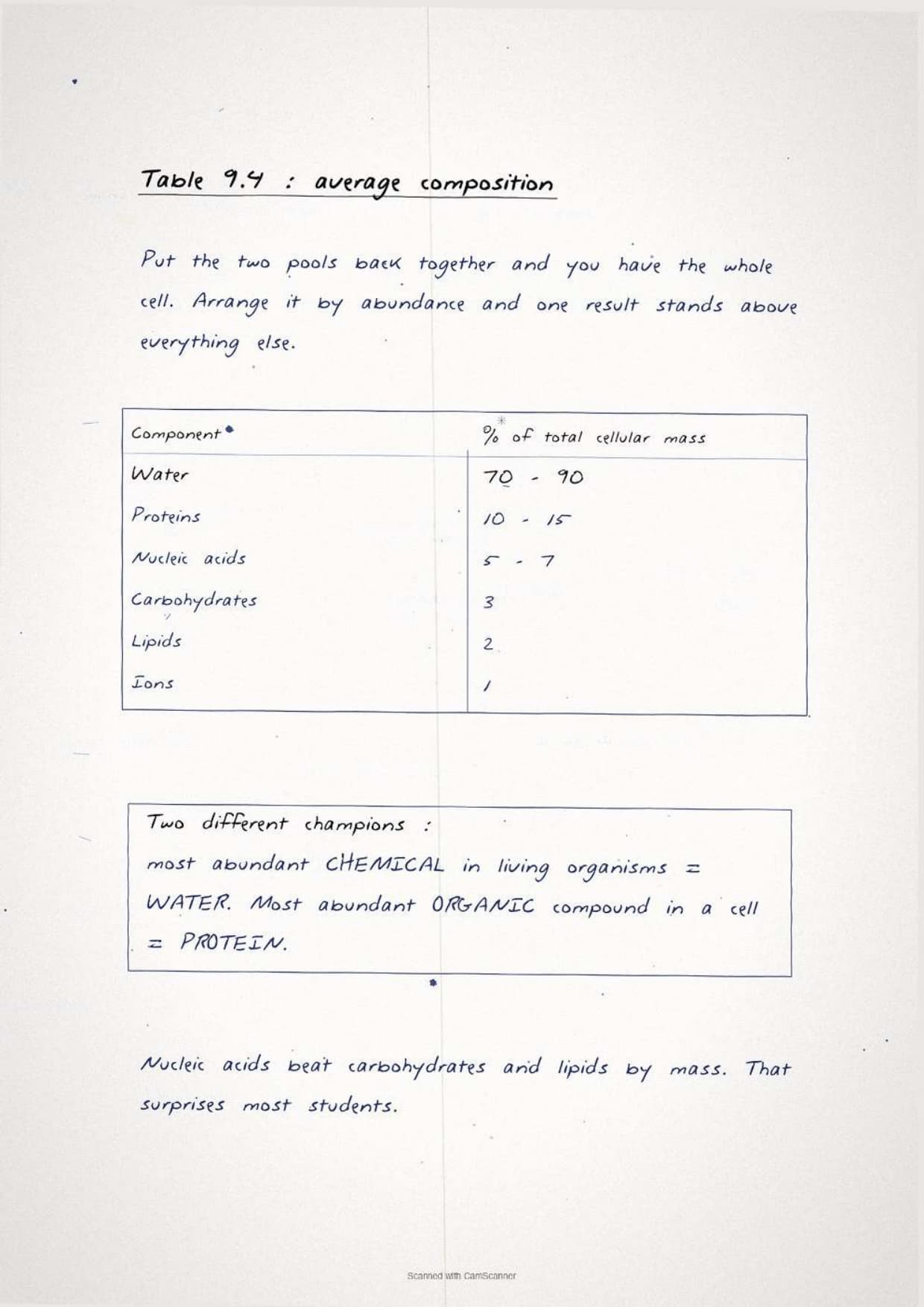
Water is the most abundant chemical in any living organism, and Chapter 9 opens by proving it. These class 11 biology handwritten notes chapter 9 Biomolecules carry all 36 pages of that proof, from the two acid pools to the six enzyme classes, in clear handwriting built for one revision pass.
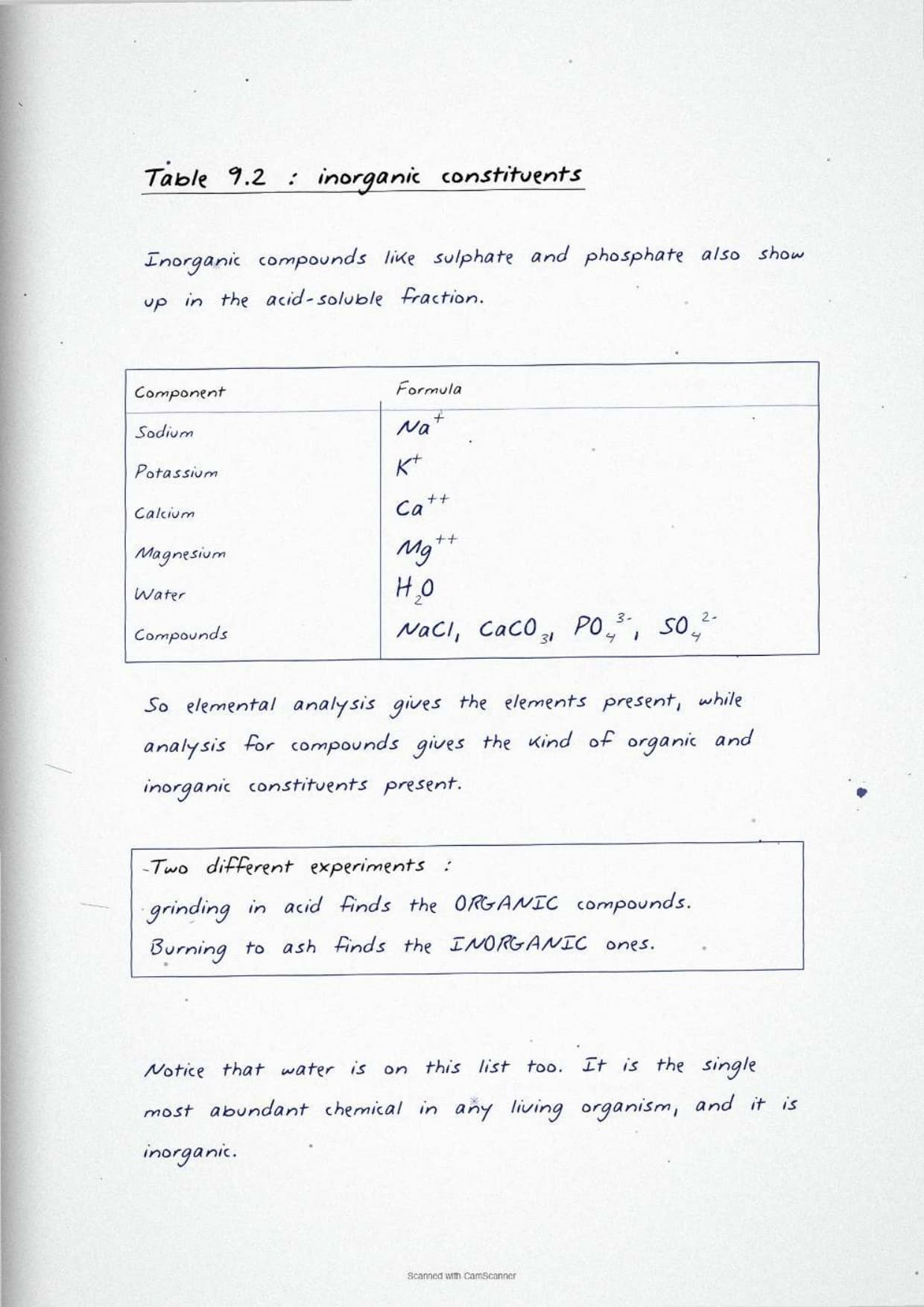
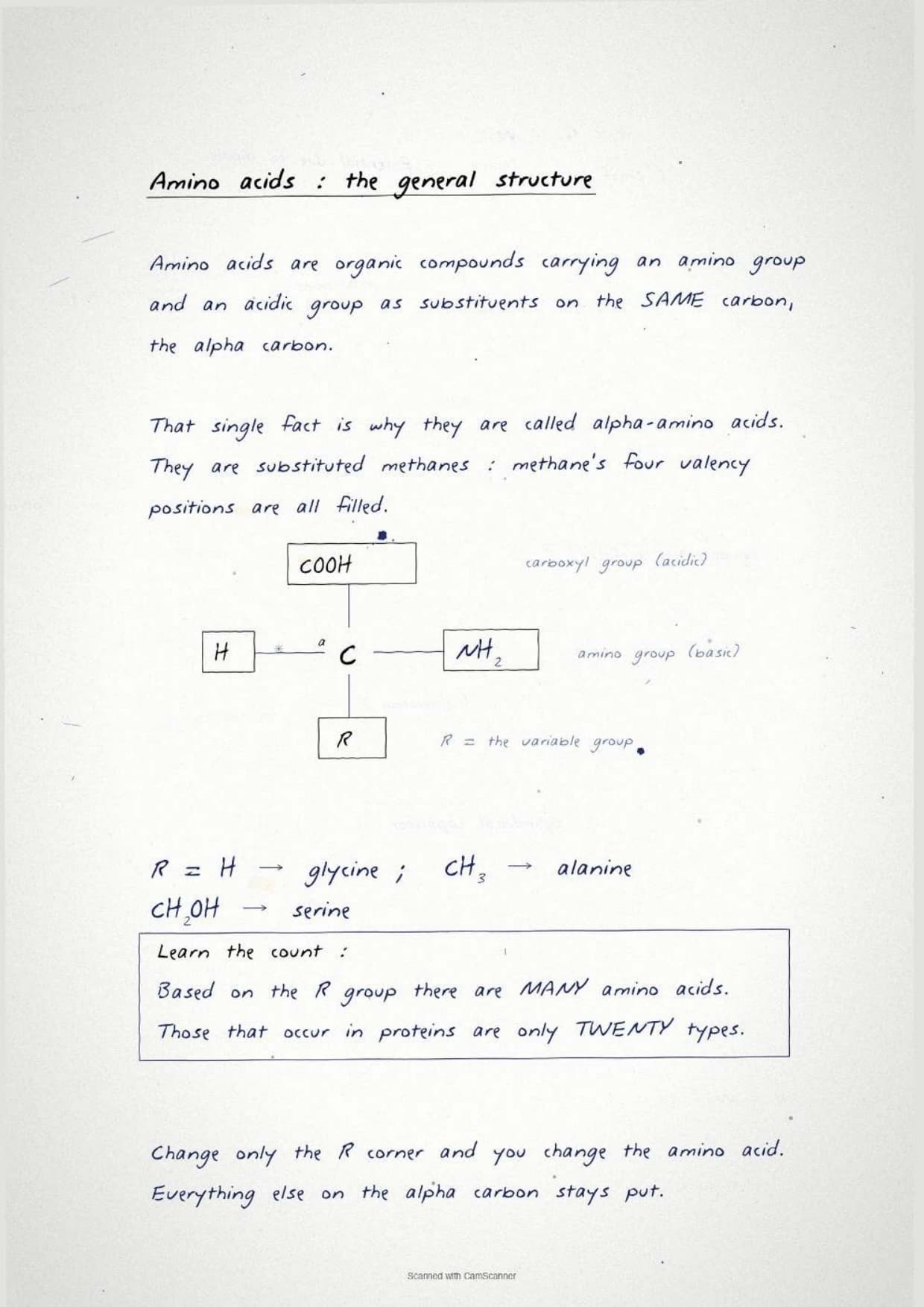
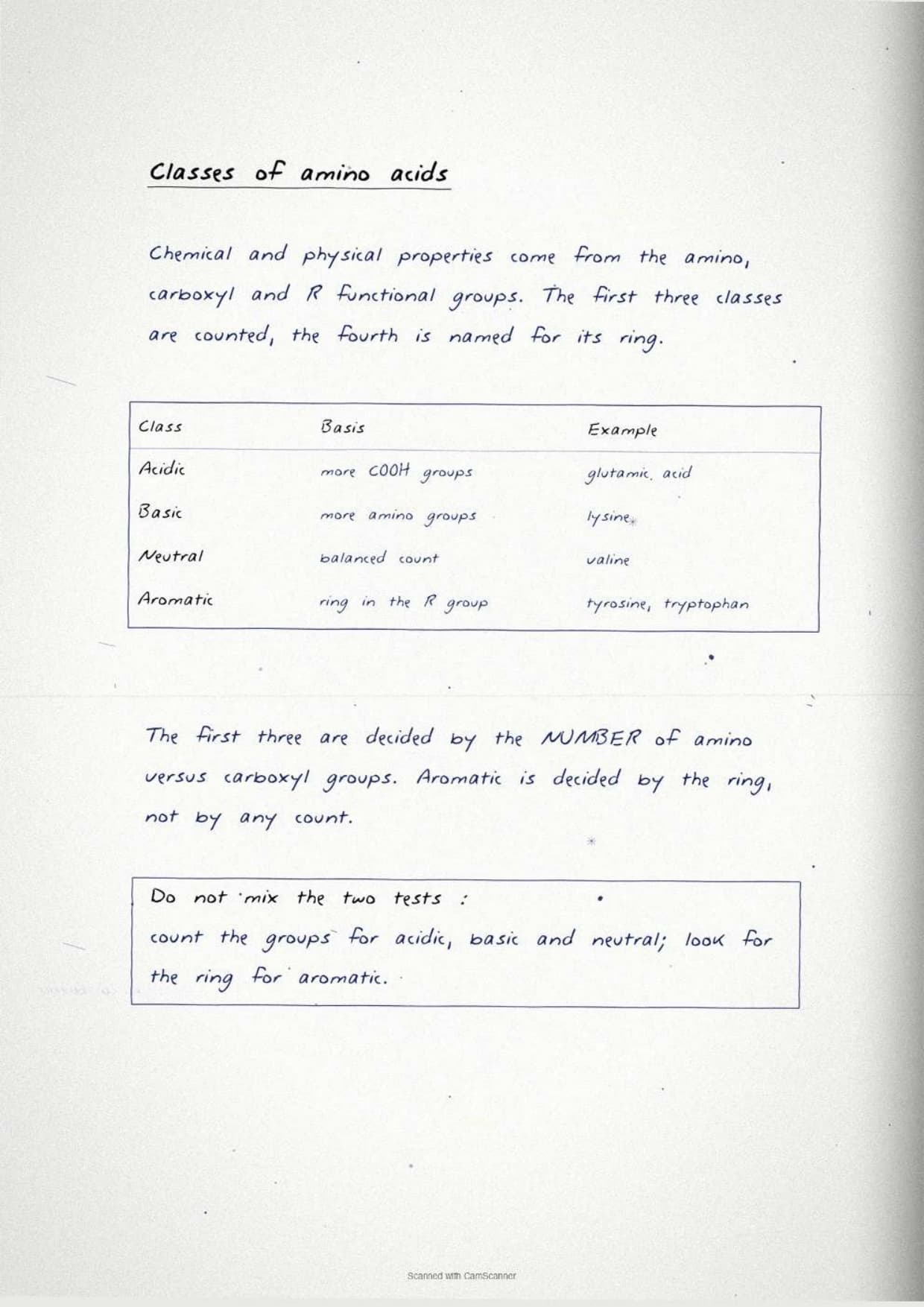
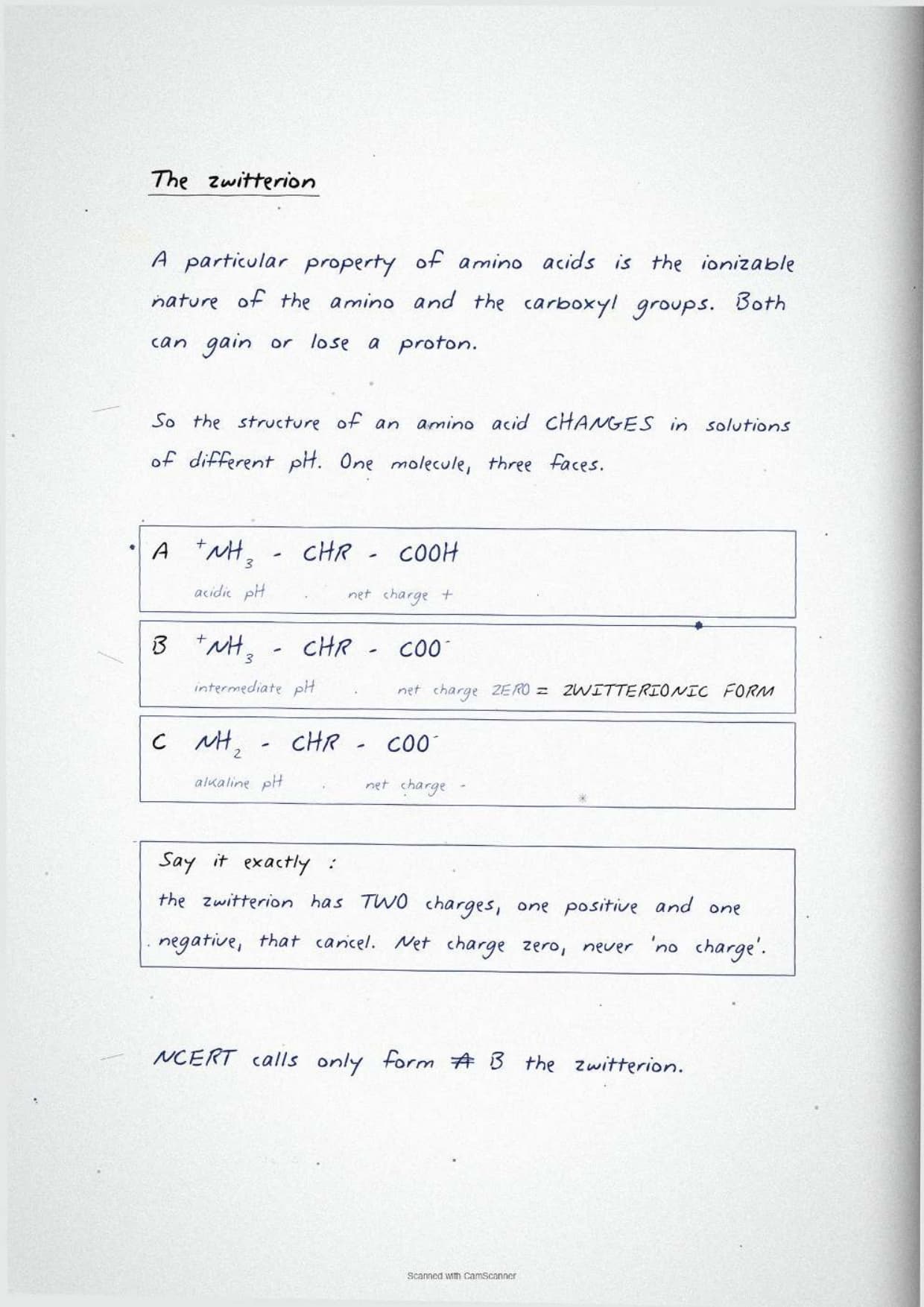
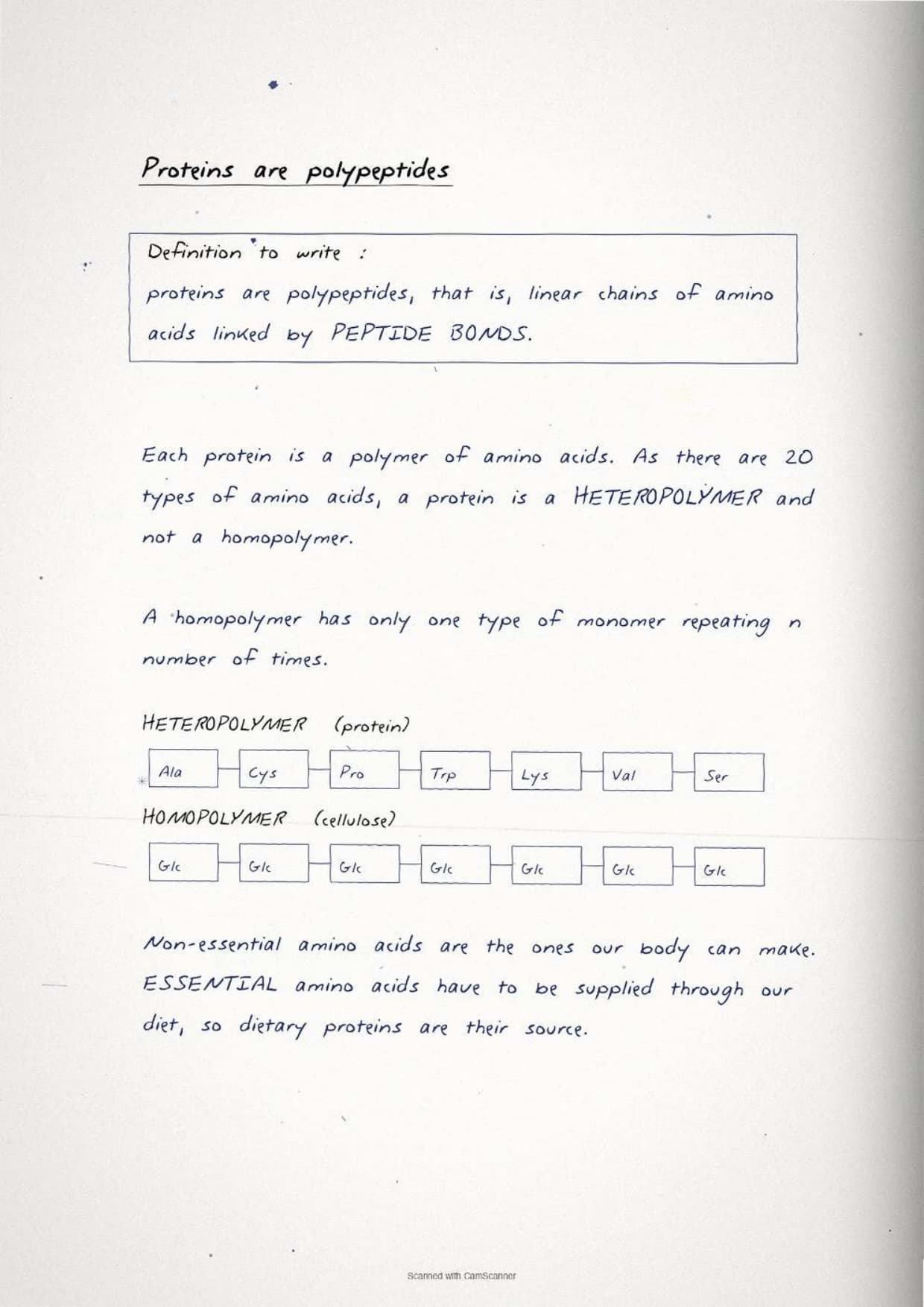
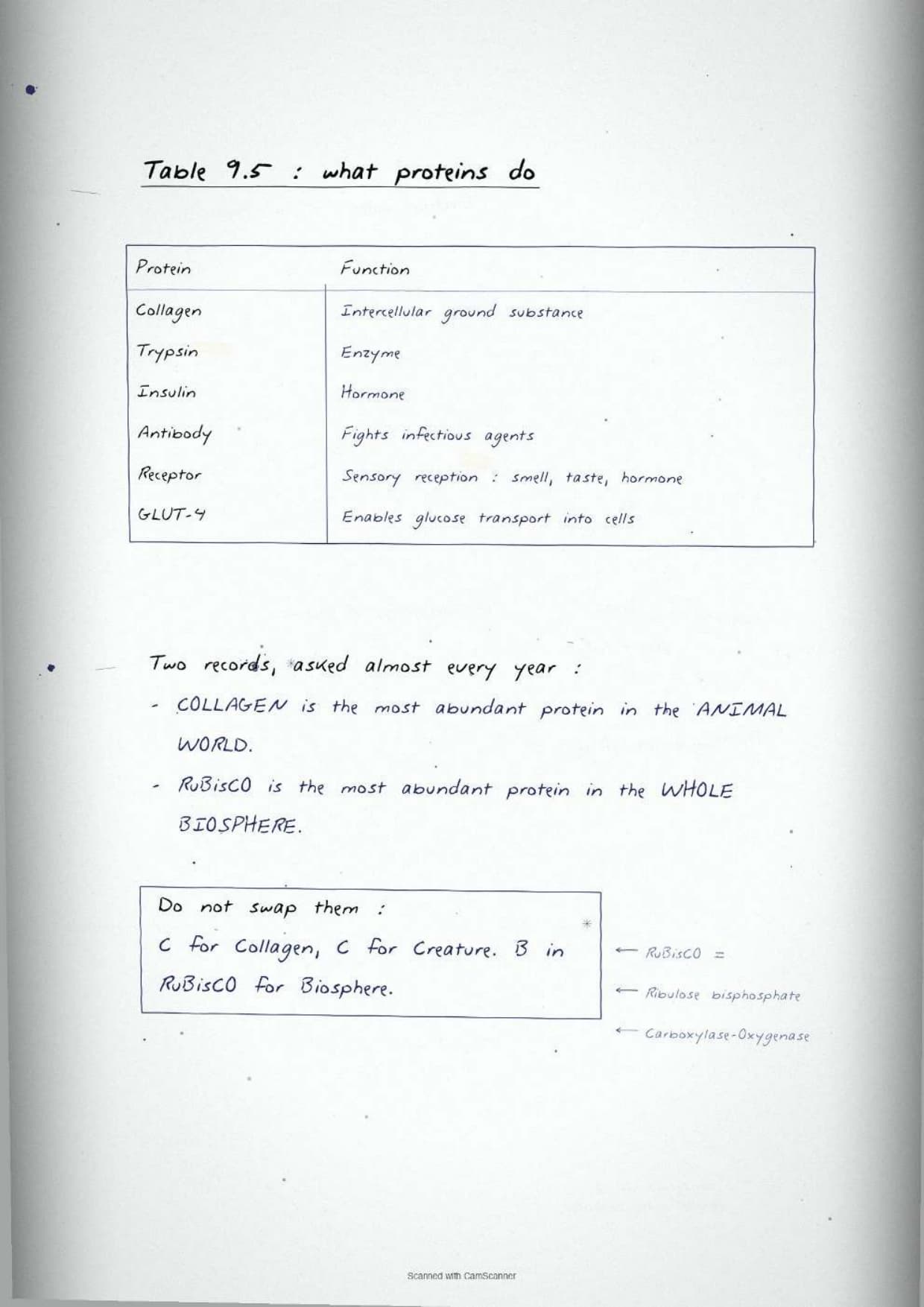
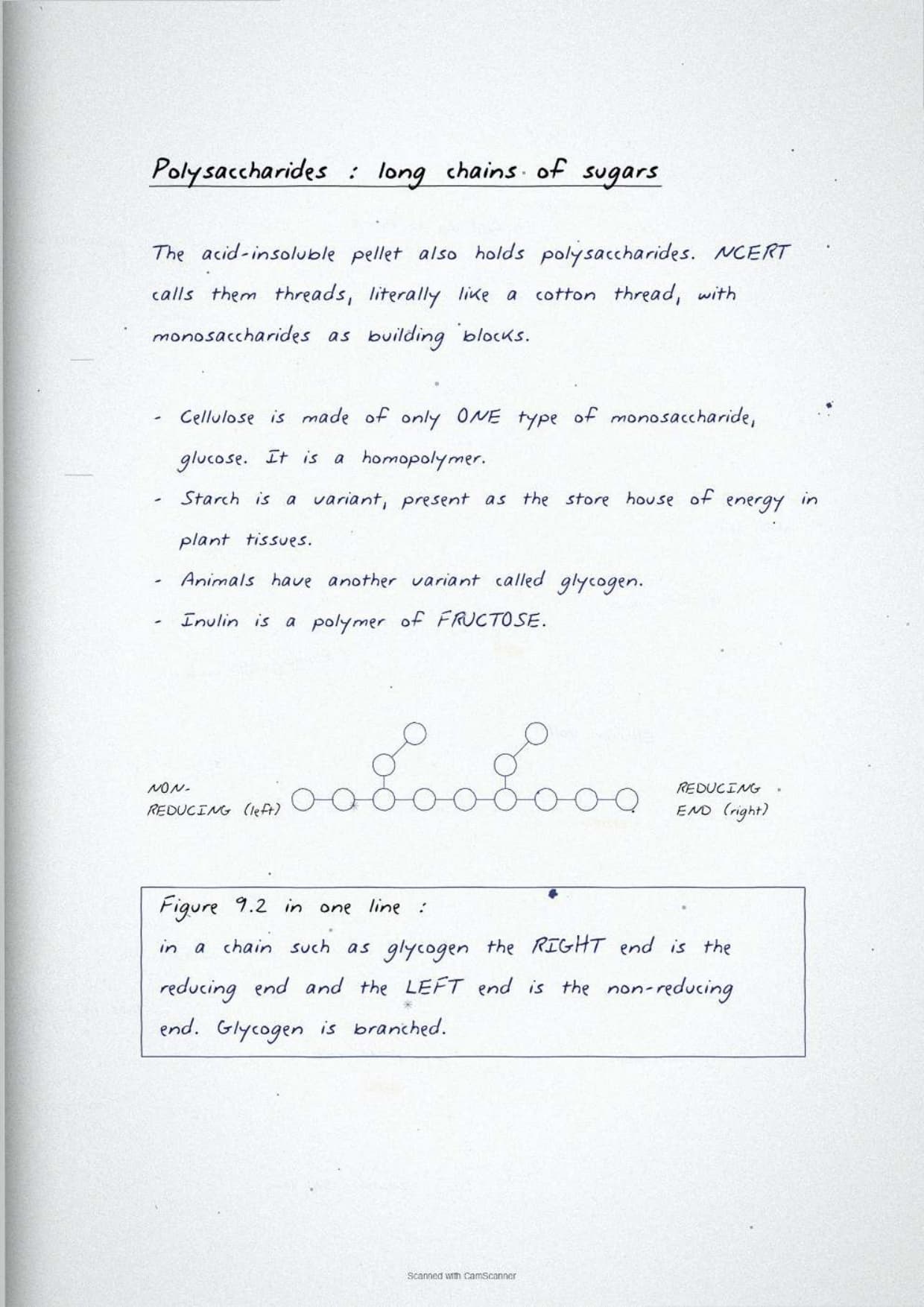
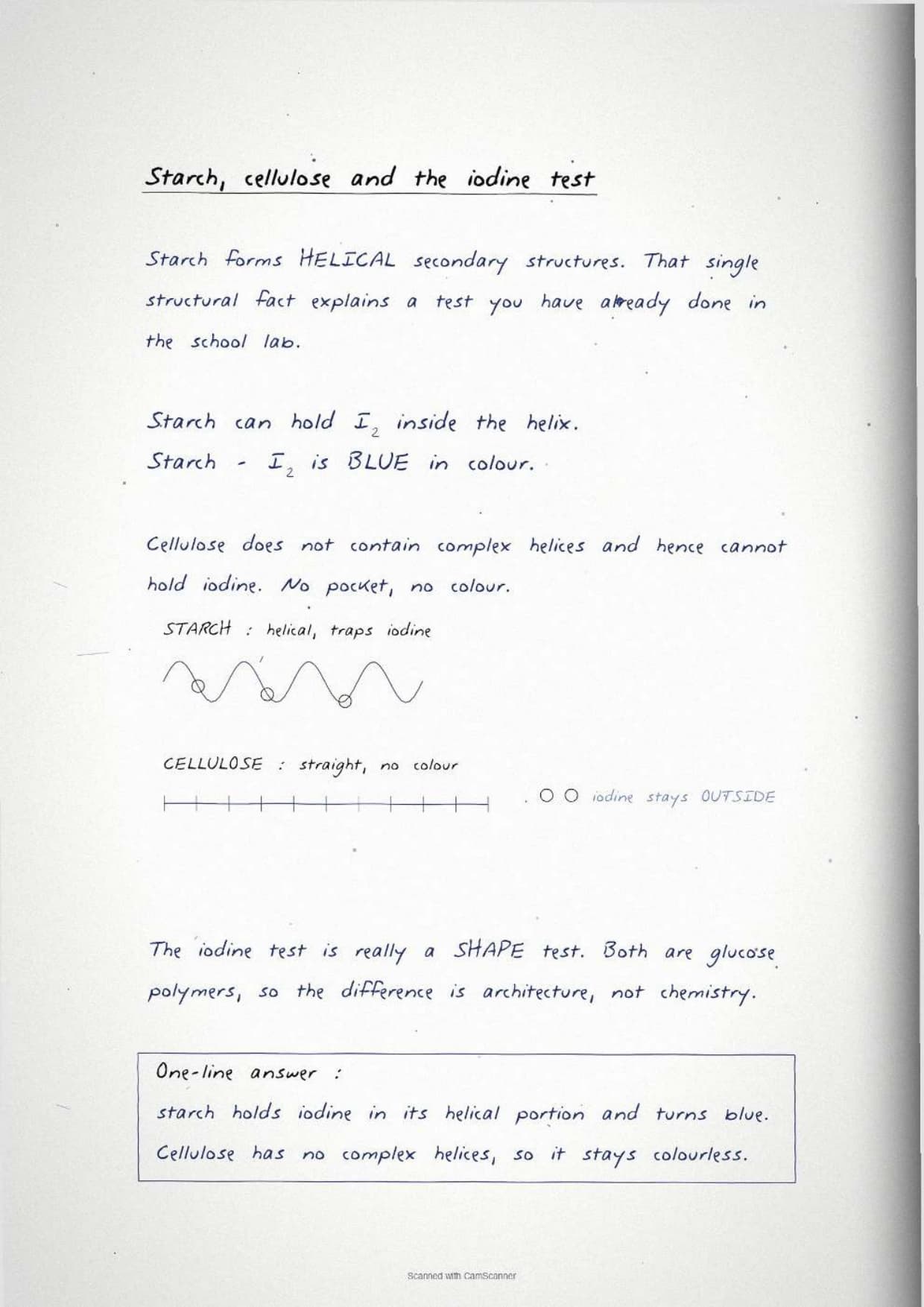
Chapter 9 is a naming chapter. Most marks go on exact definitions and on pairs that look alike, so every page here boxes the wording you have to reproduce.
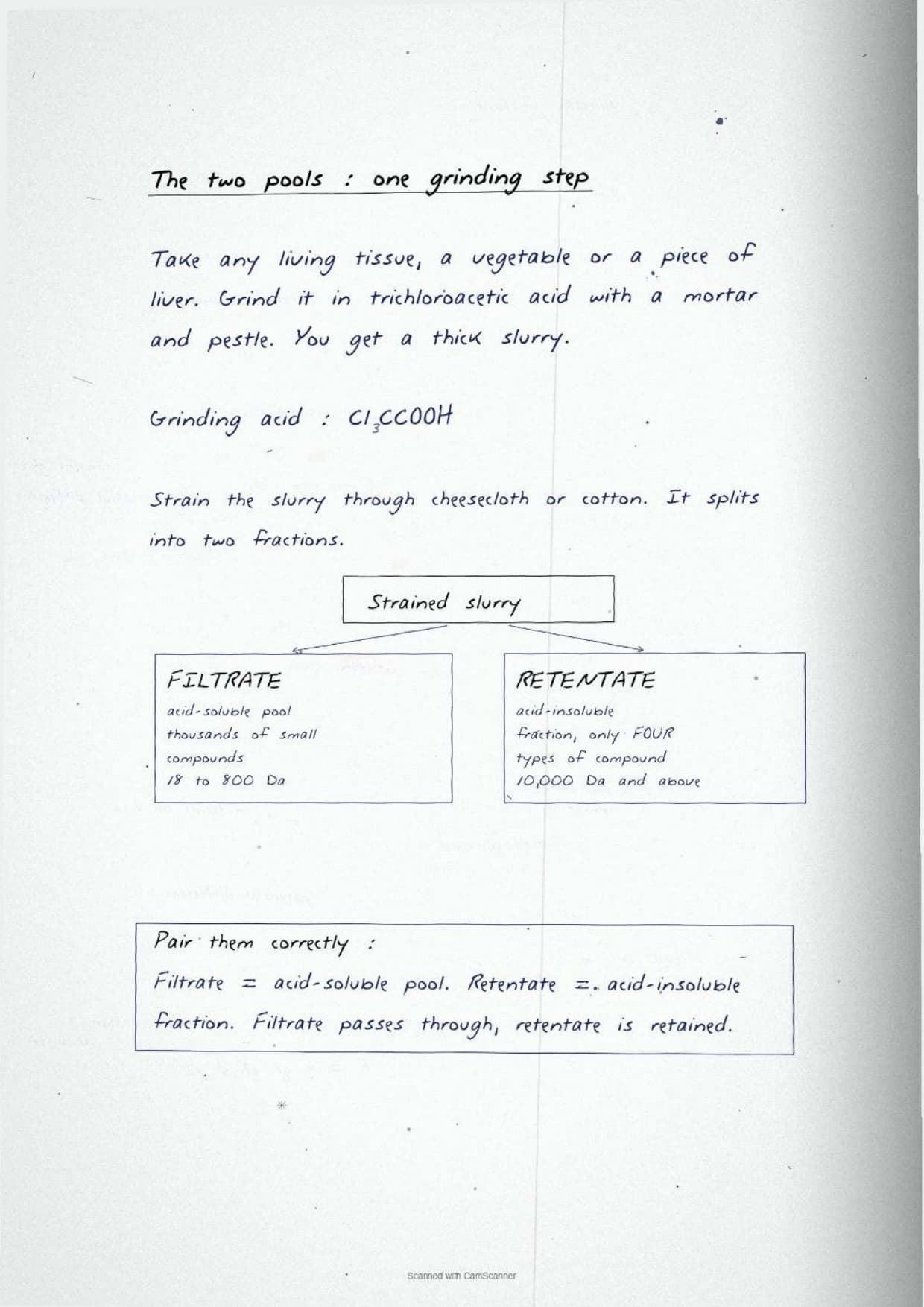
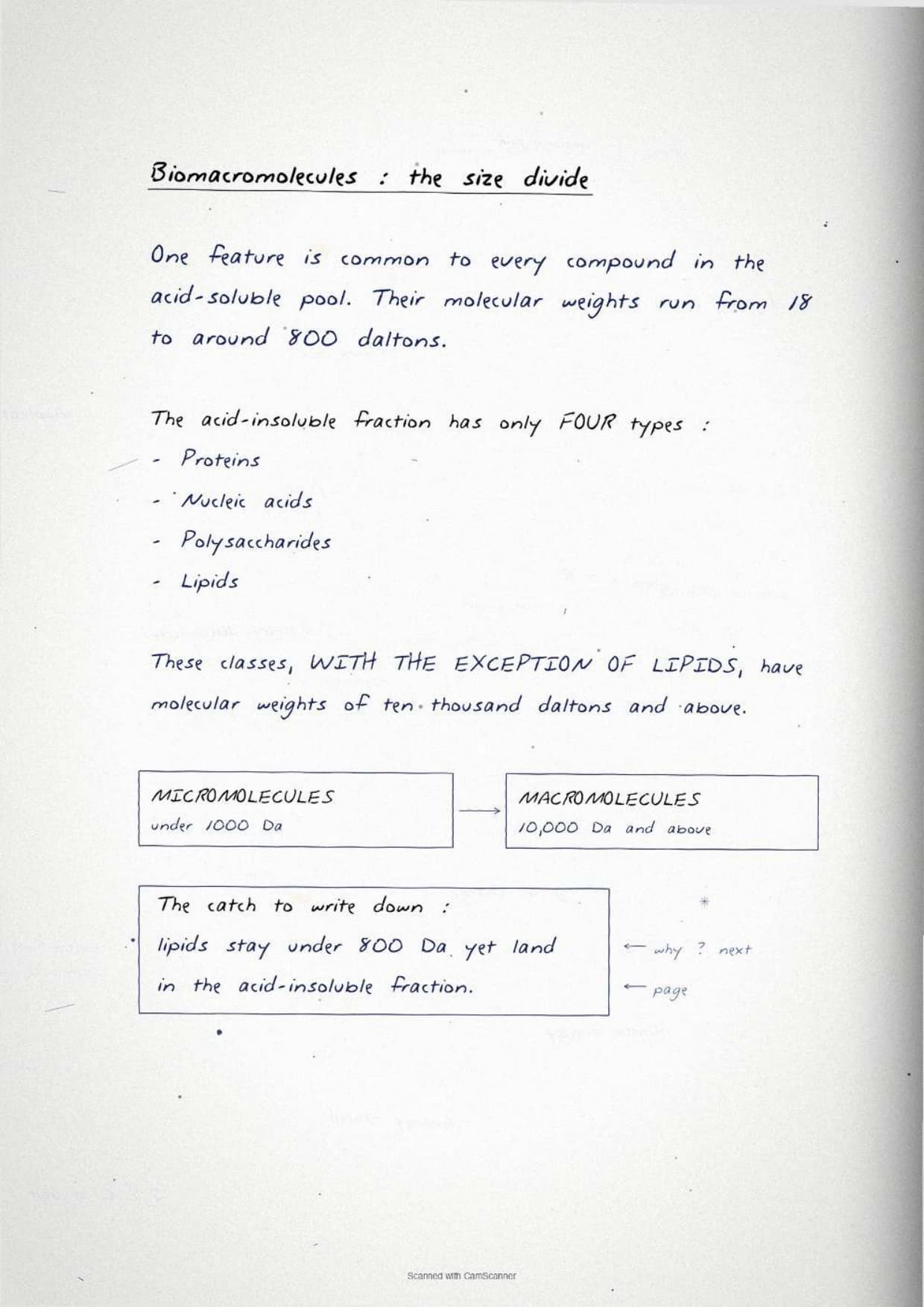
- Hand-drawn split of the filtrate and retentate pools, with the 18 to 800 Da and 10,000 Da cut-offs.
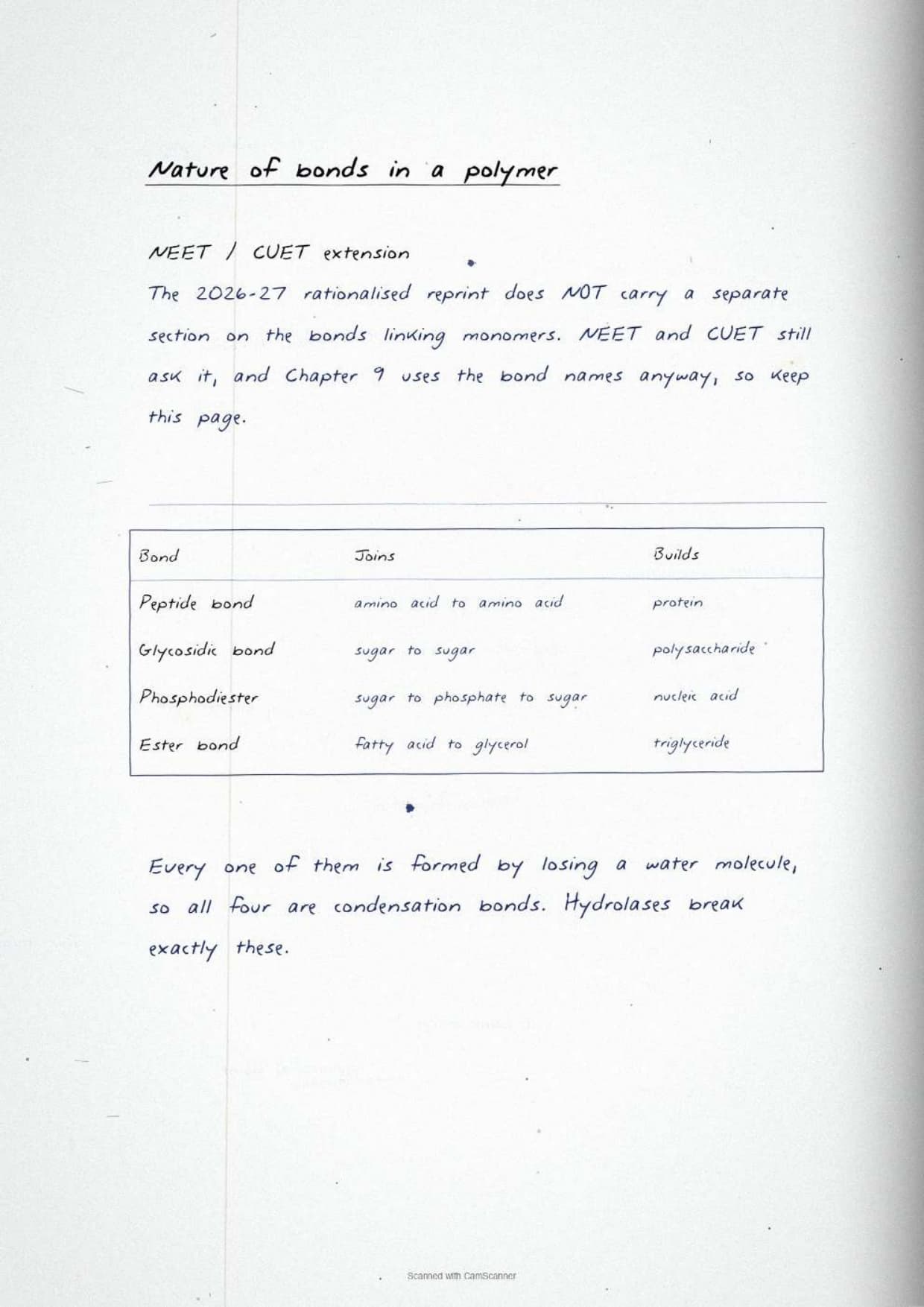
- Boxed forms of the zwitterion, the four bond types and the four levels of protein structure in exam wording.
- Pairs with the NCERT Solutions, Notes and Exemplar Solutions linked lower on this page.
What Biomolecules Handwritten Notes Cover
The class 11 biology handwritten notes chapter 9 Biomolecules follow the NCERT order across all 36 pages. They start with burning a piece of liver and end with a night-before recap. Each topic sits on its own page, so students revise one idea at a time. New sub-topics are written in red and every definition is boxed.
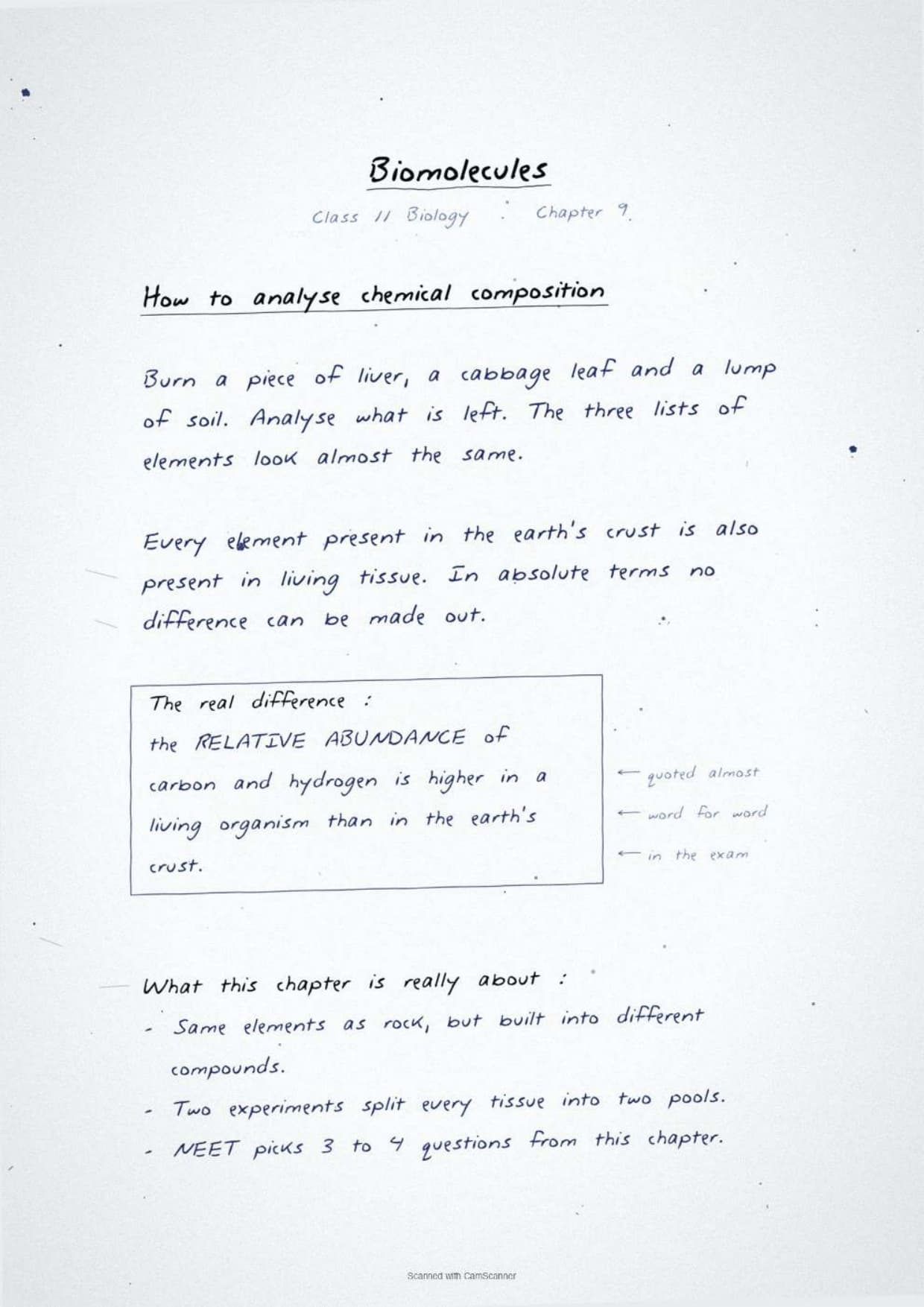
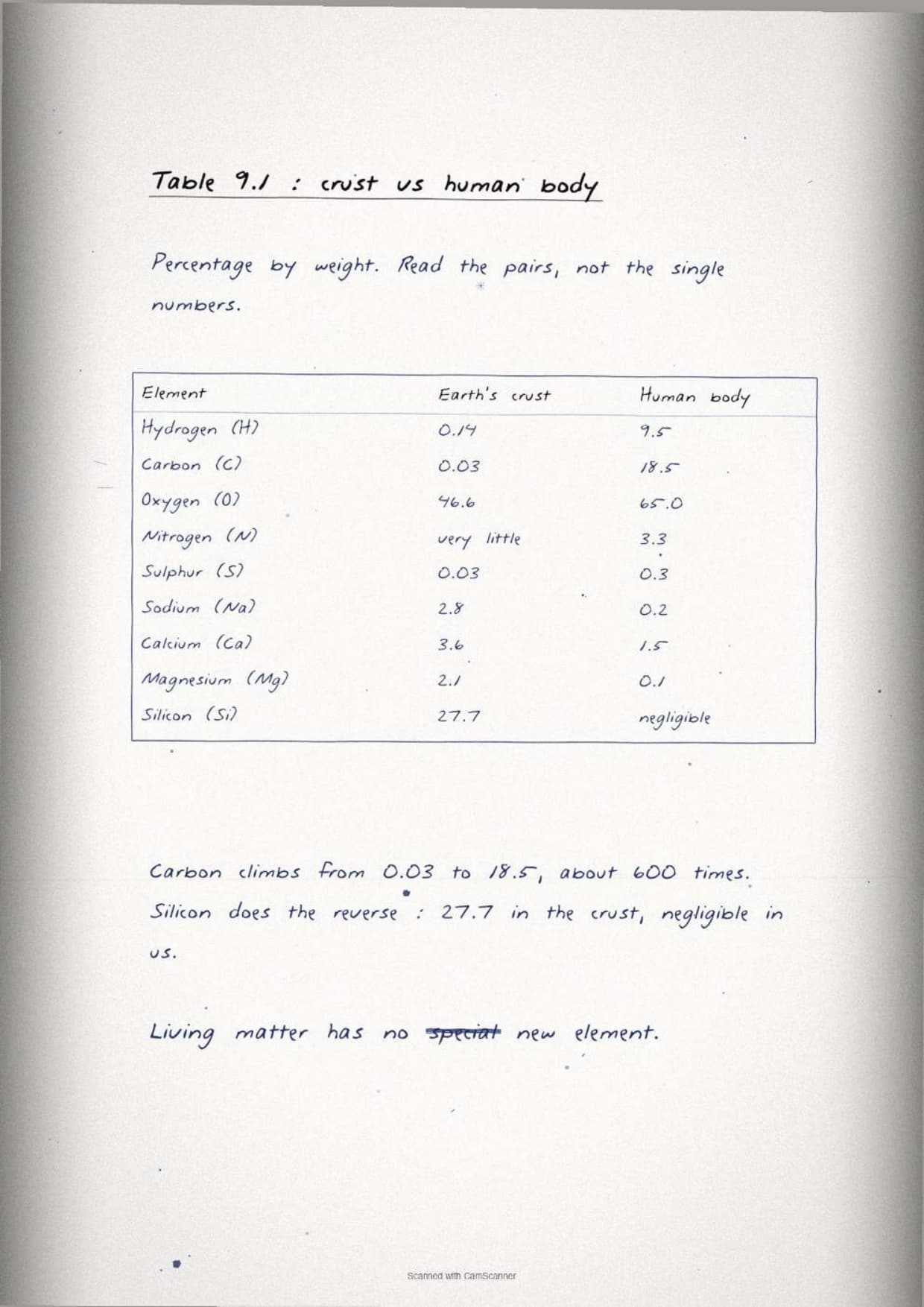
- Chemical composition: why the same elements as rock give a living tissue, and how carbon climbs from 0.03 to 18.5 per cent.
- The two pools: grinding in trichloroacetic acid, then the acid-soluble filtrate against the acid-insoluble retentate.
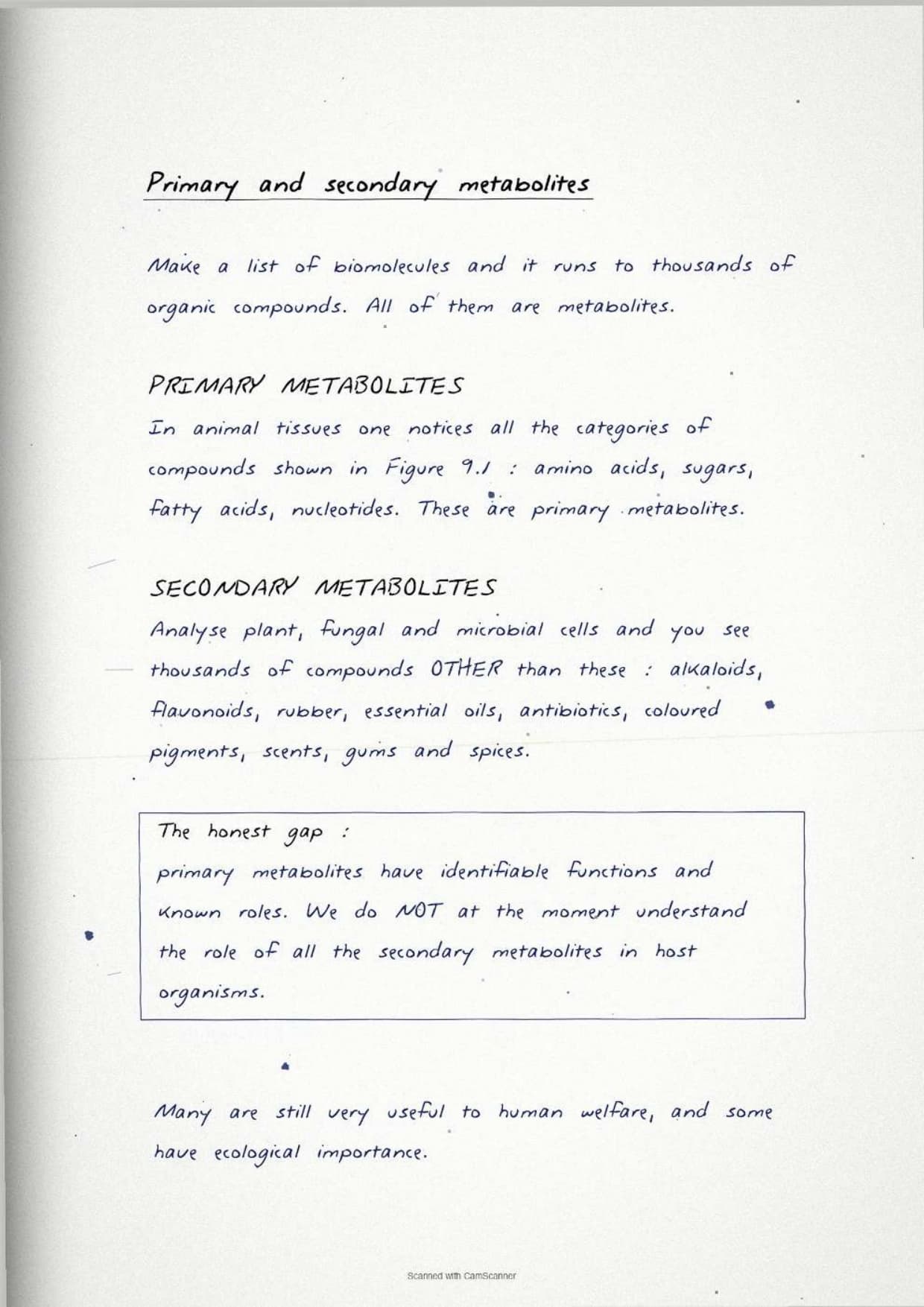
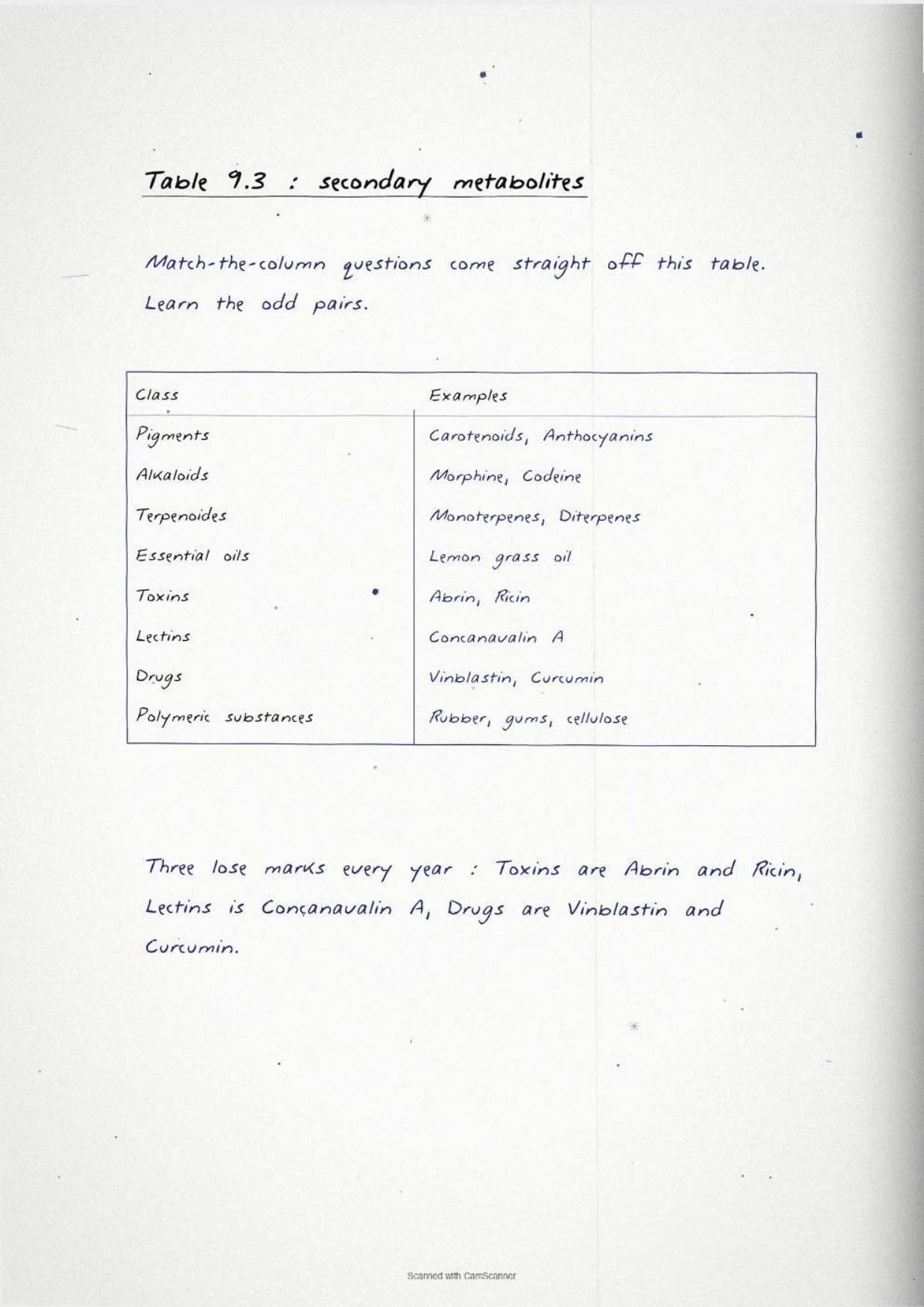
- Metabolites: primary ones with known roles, and the secondary table of pigments, alkaloids, toxins and lectins.
- Amino acids: the alpha carbon, the R group, the four classes and all three pH forms of the zwitterion.
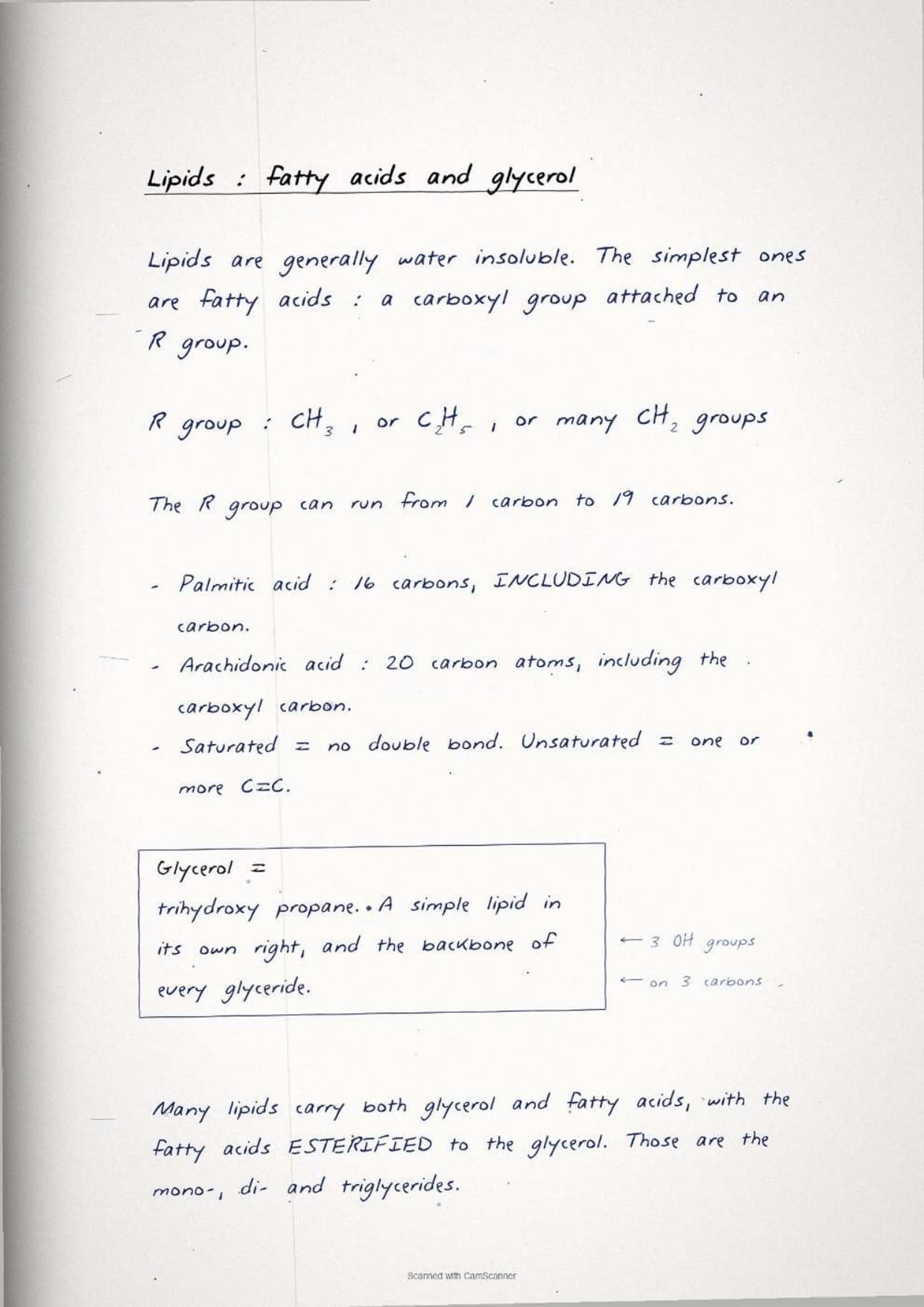
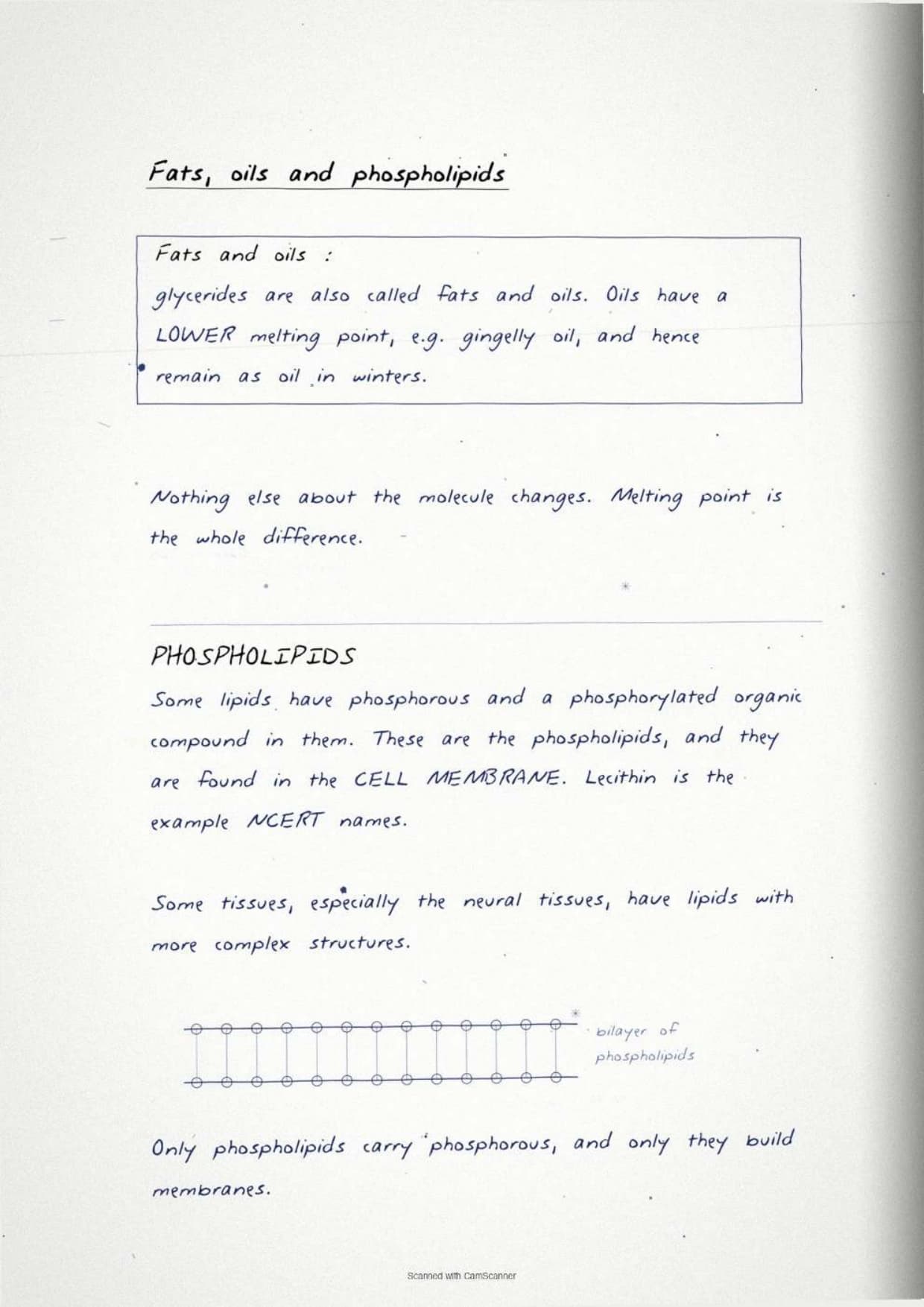
- Lipids: fatty acids, glycerol, glycerides, and why phospholipids alone build membranes.
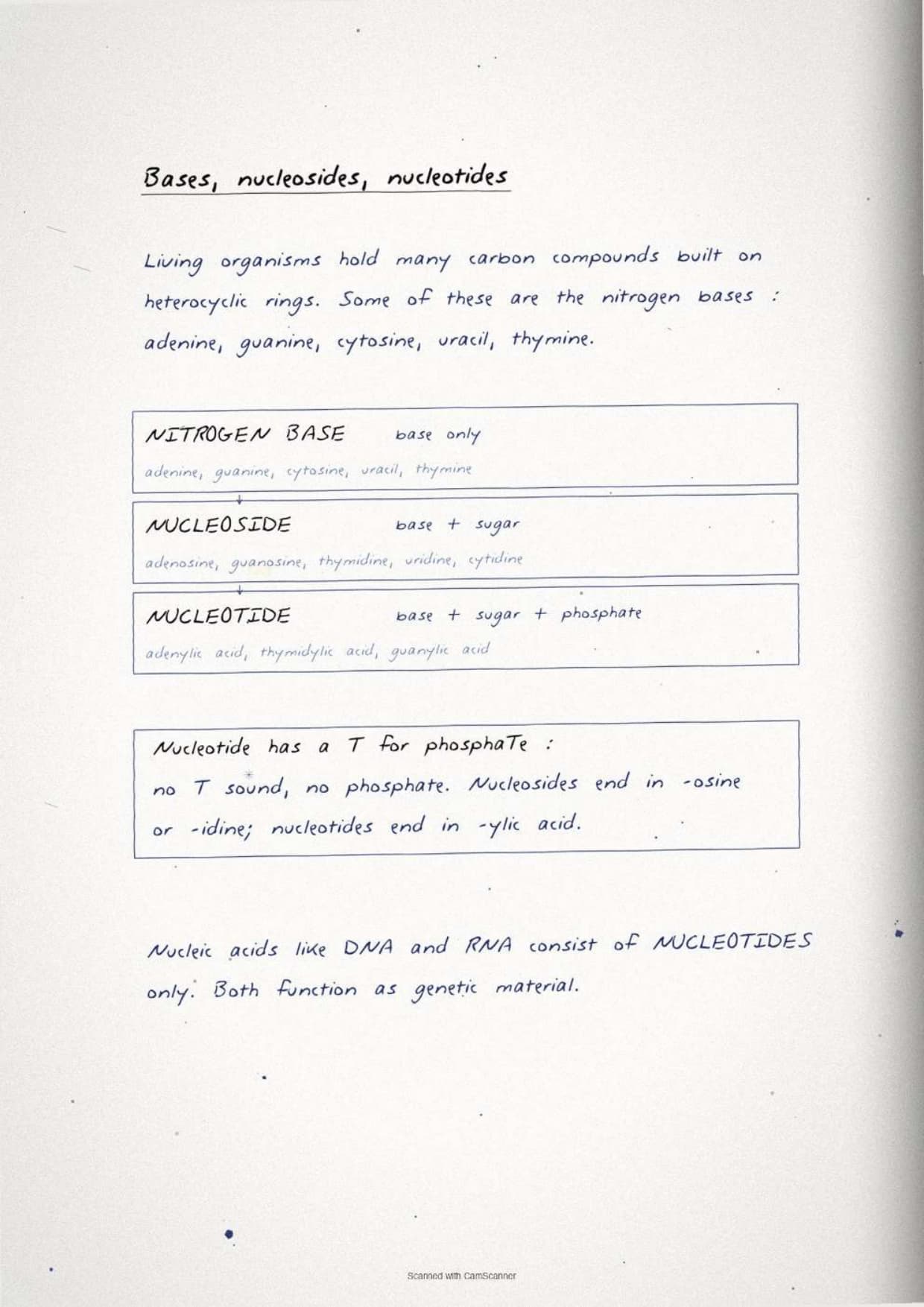
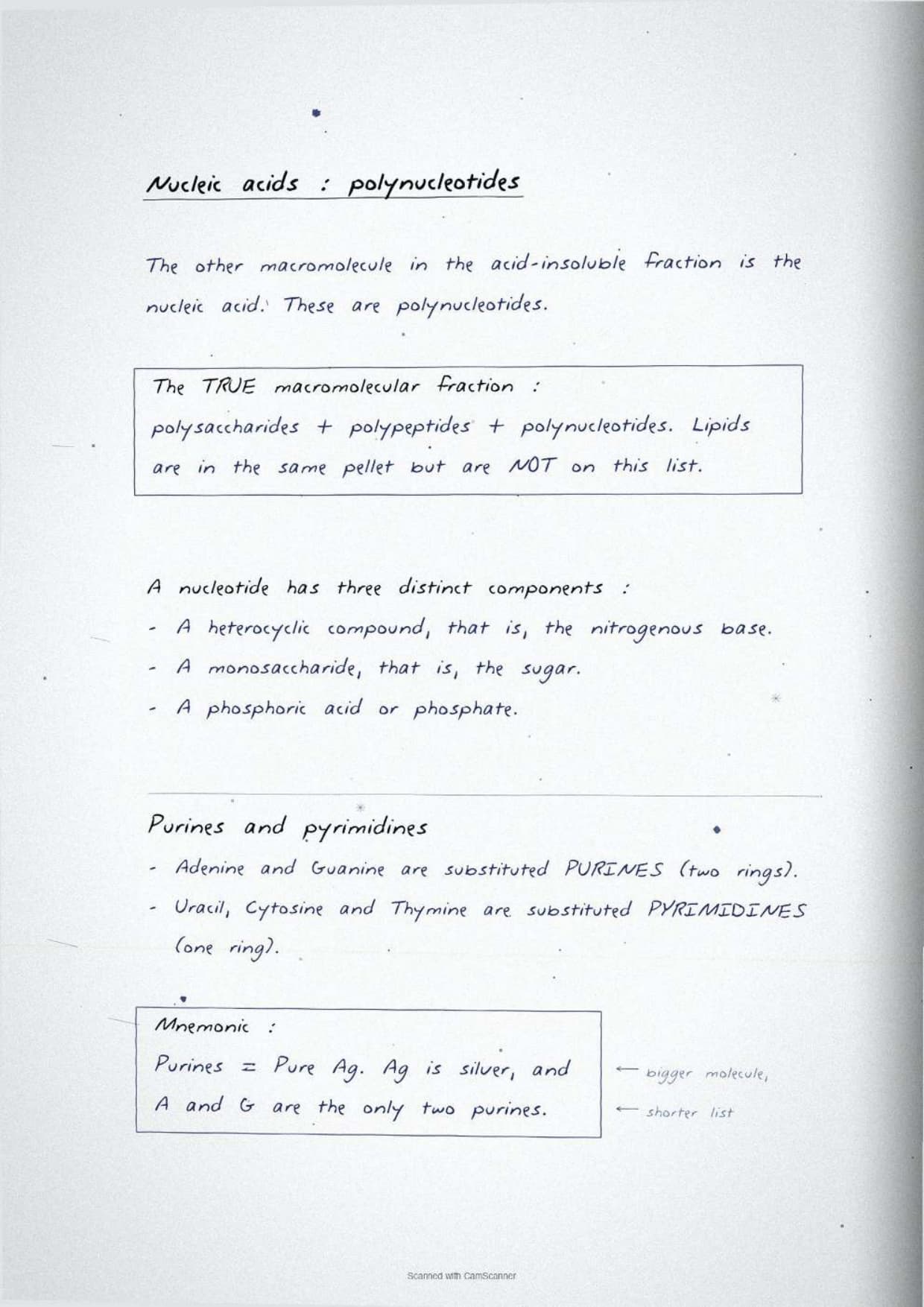
- Nucleotides: base against nucleoside against nucleotide, plus purines and pyrimidines.
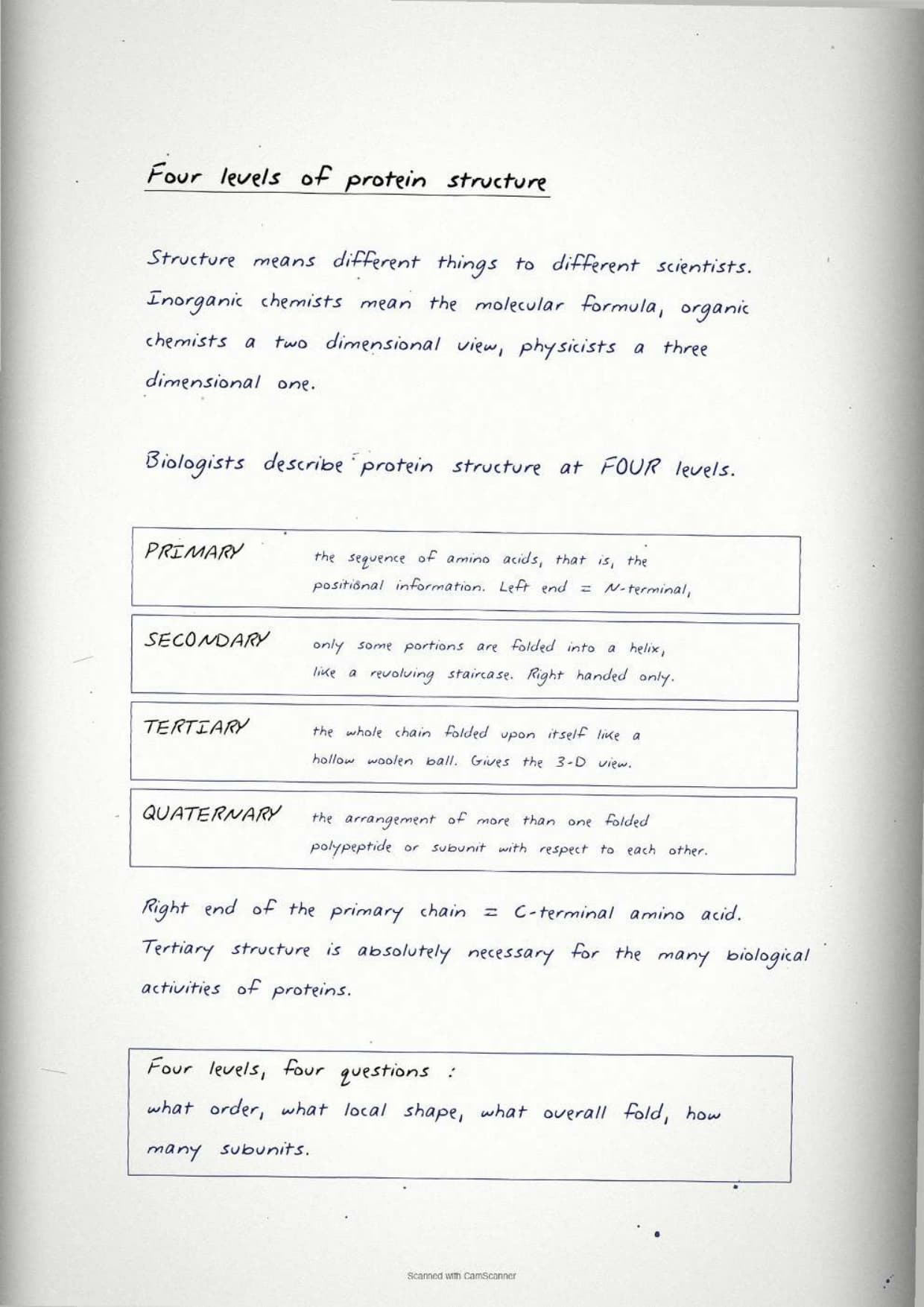
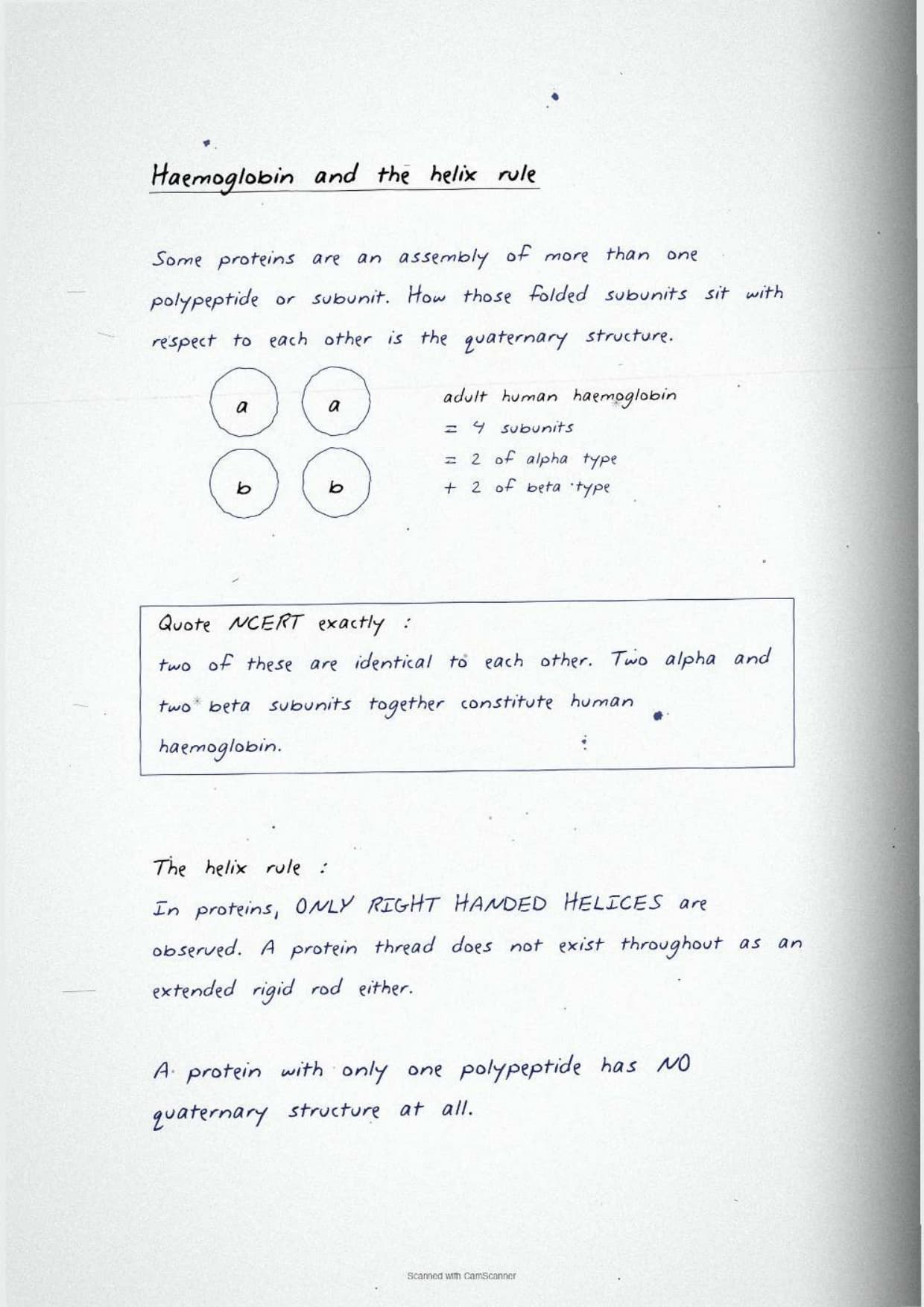
- Proteins: peptide bonds, the four structural levels, haemoglobin and the right-handed helix rule.
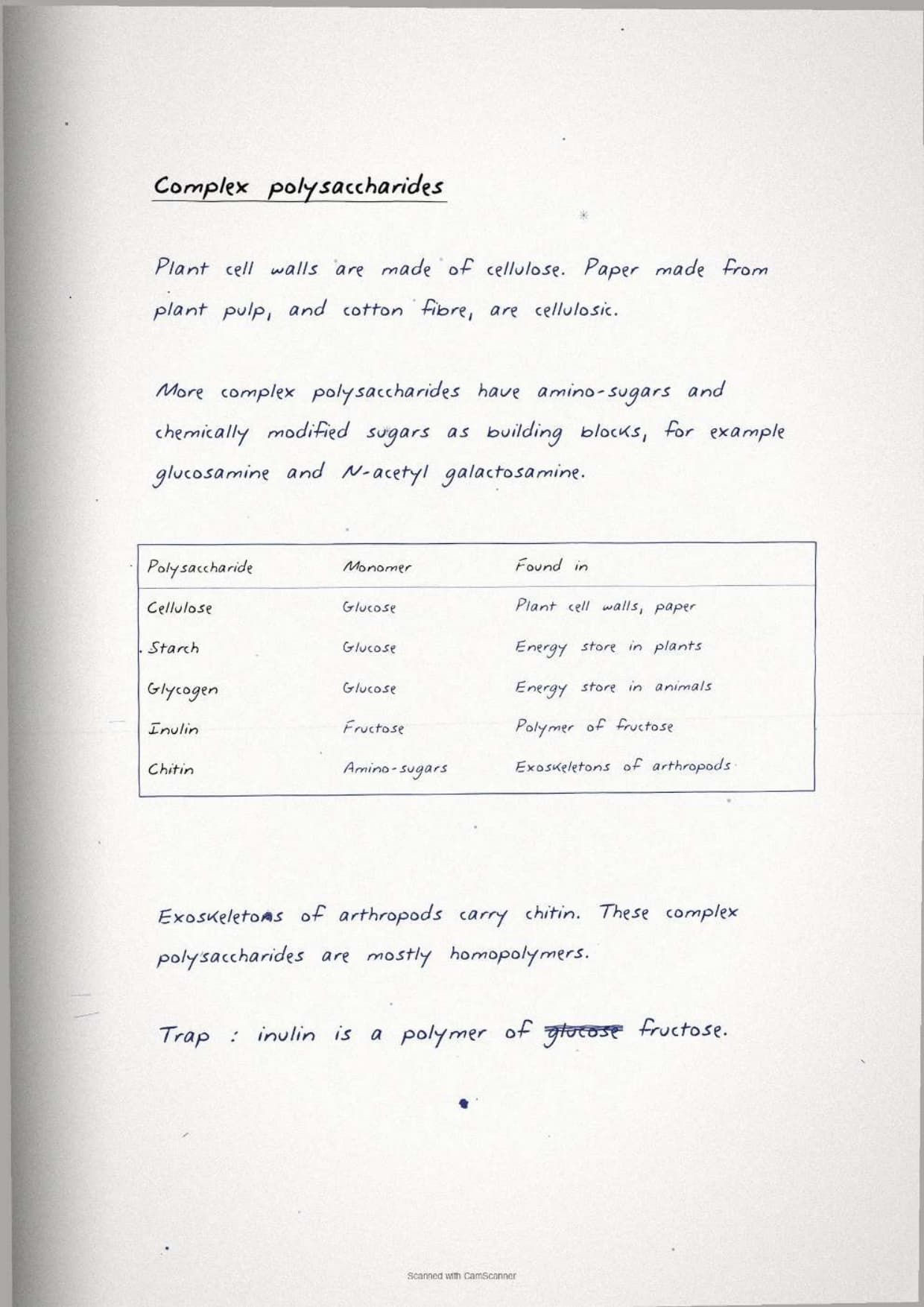
- Polysaccharides: starch, cellulose, glycogen, inulin and chitin with their monomers.
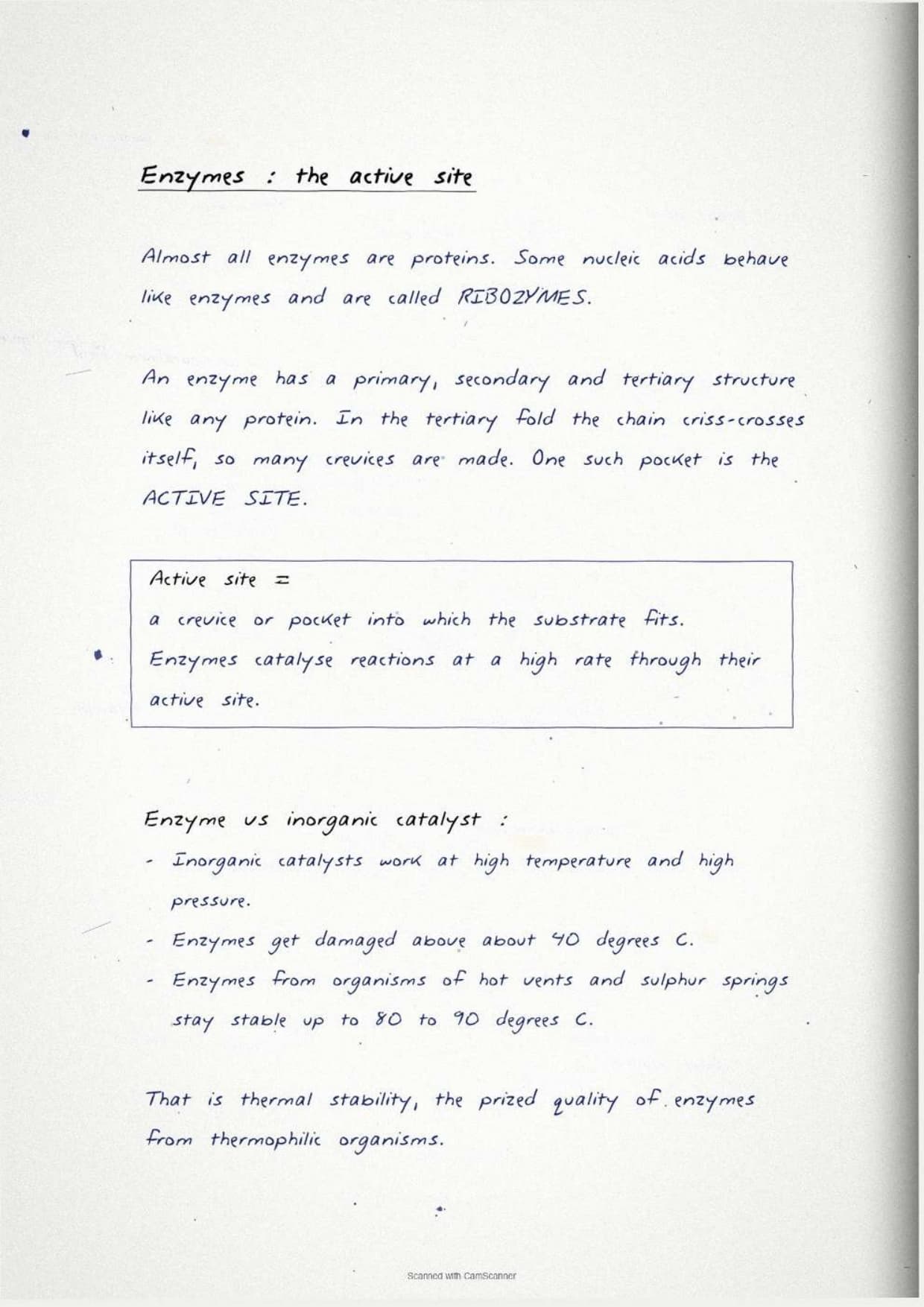
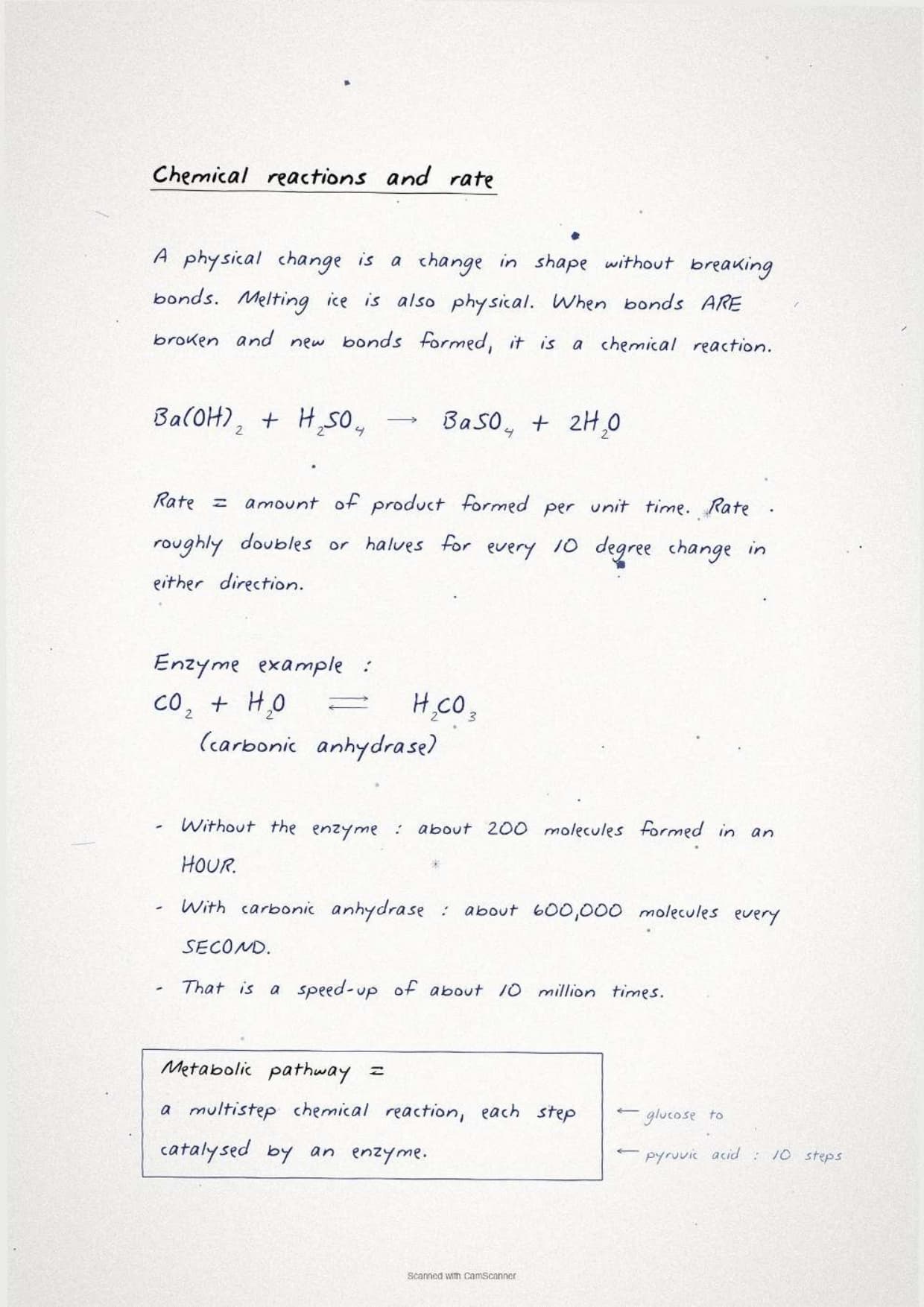
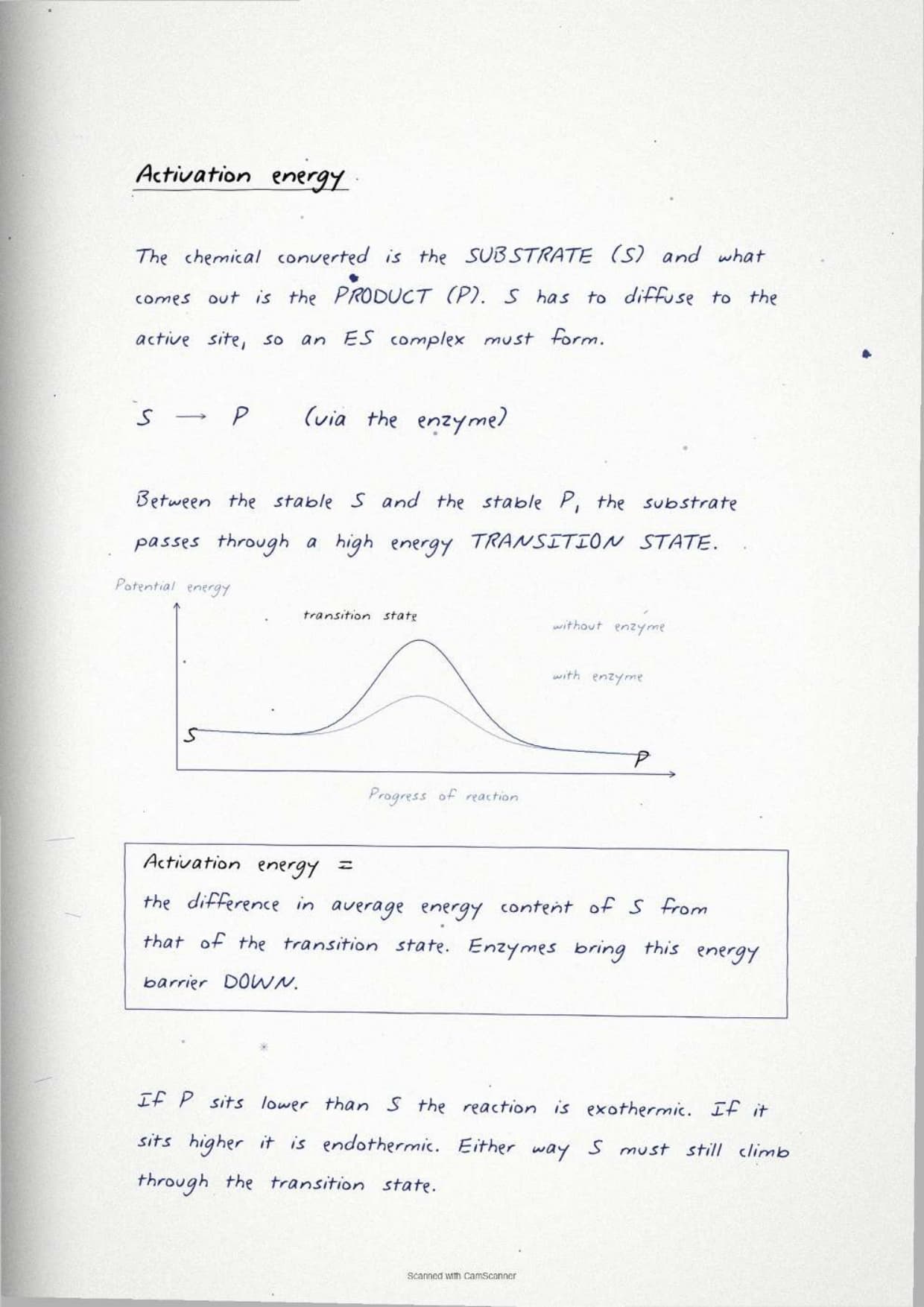
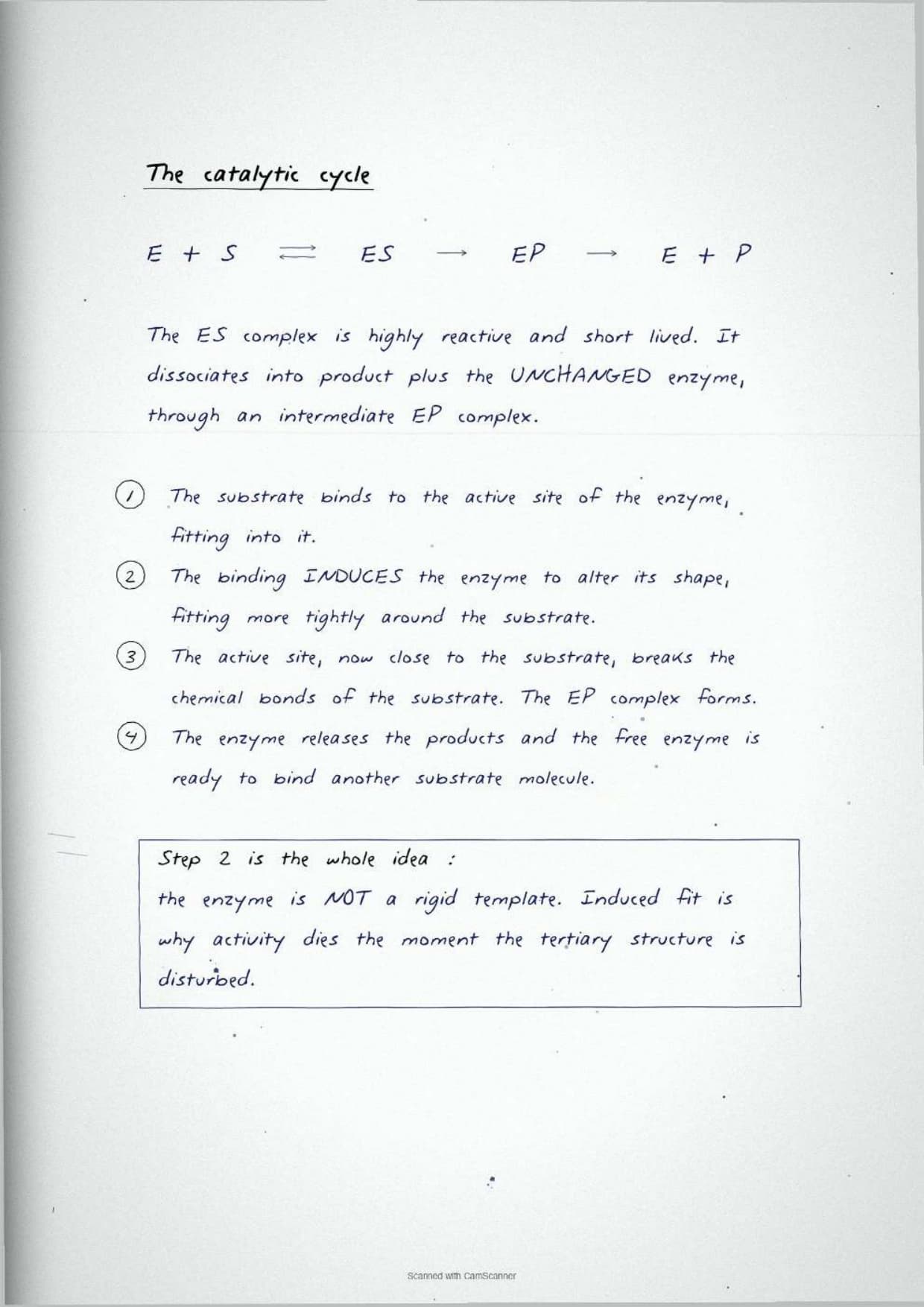
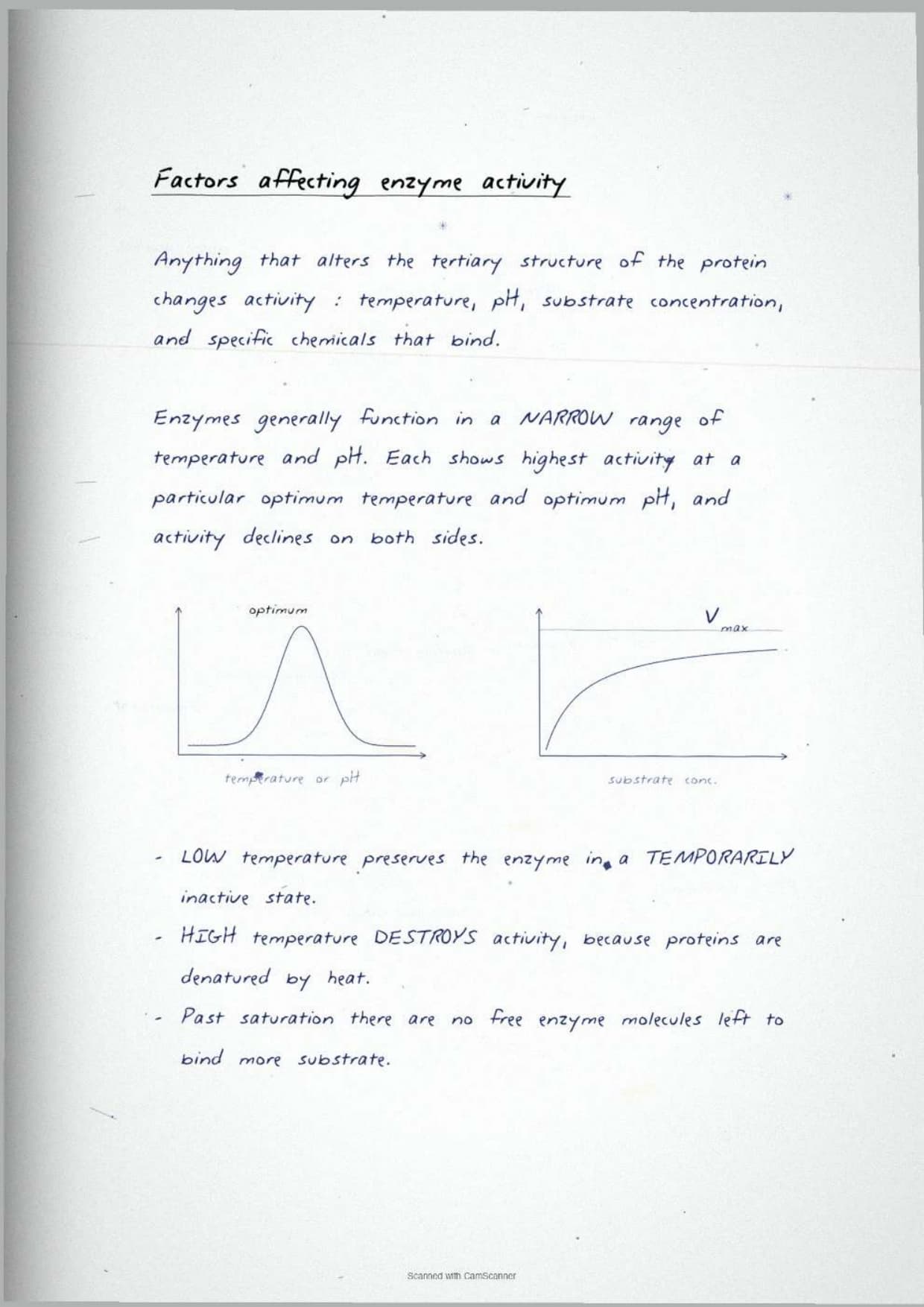
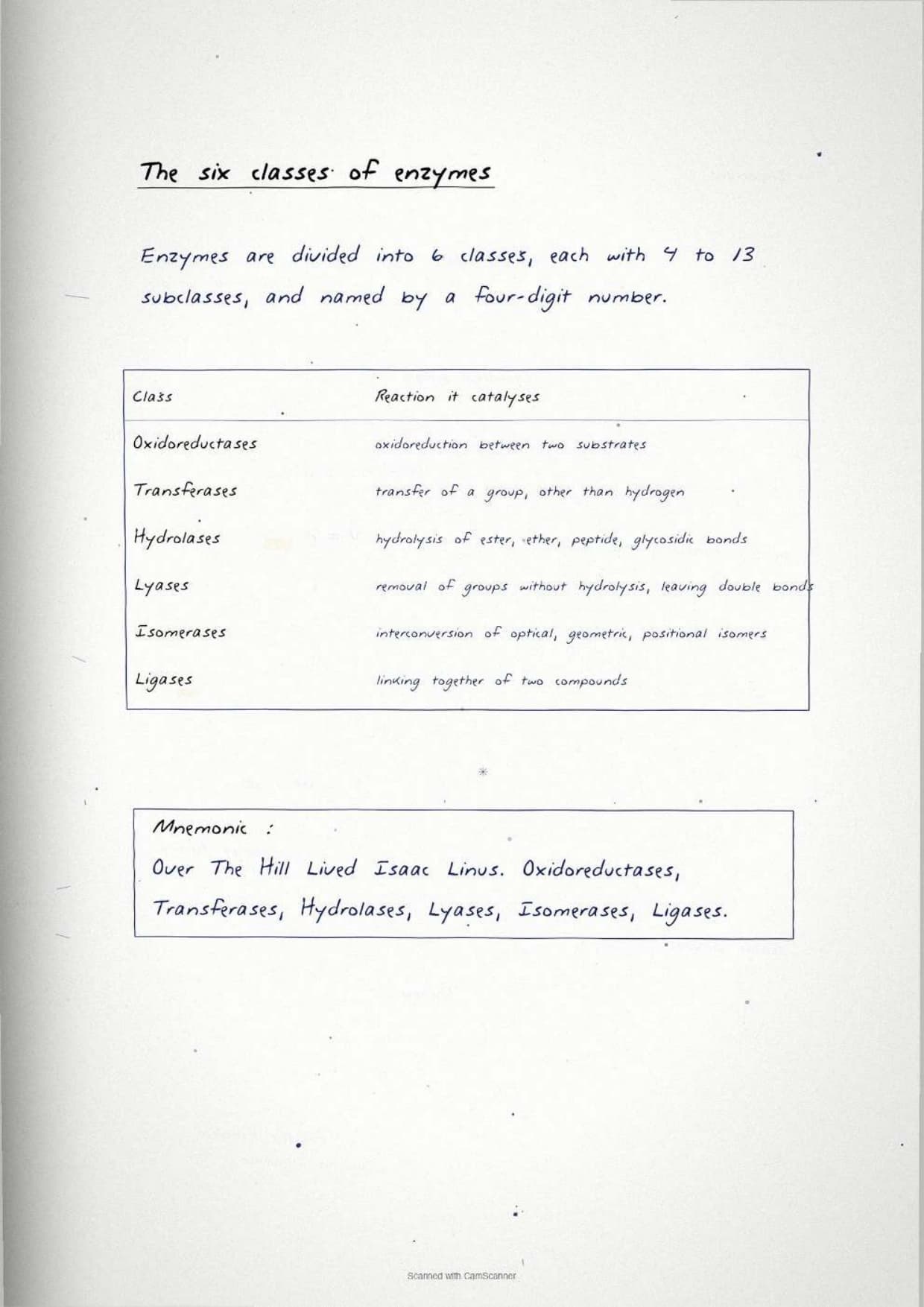
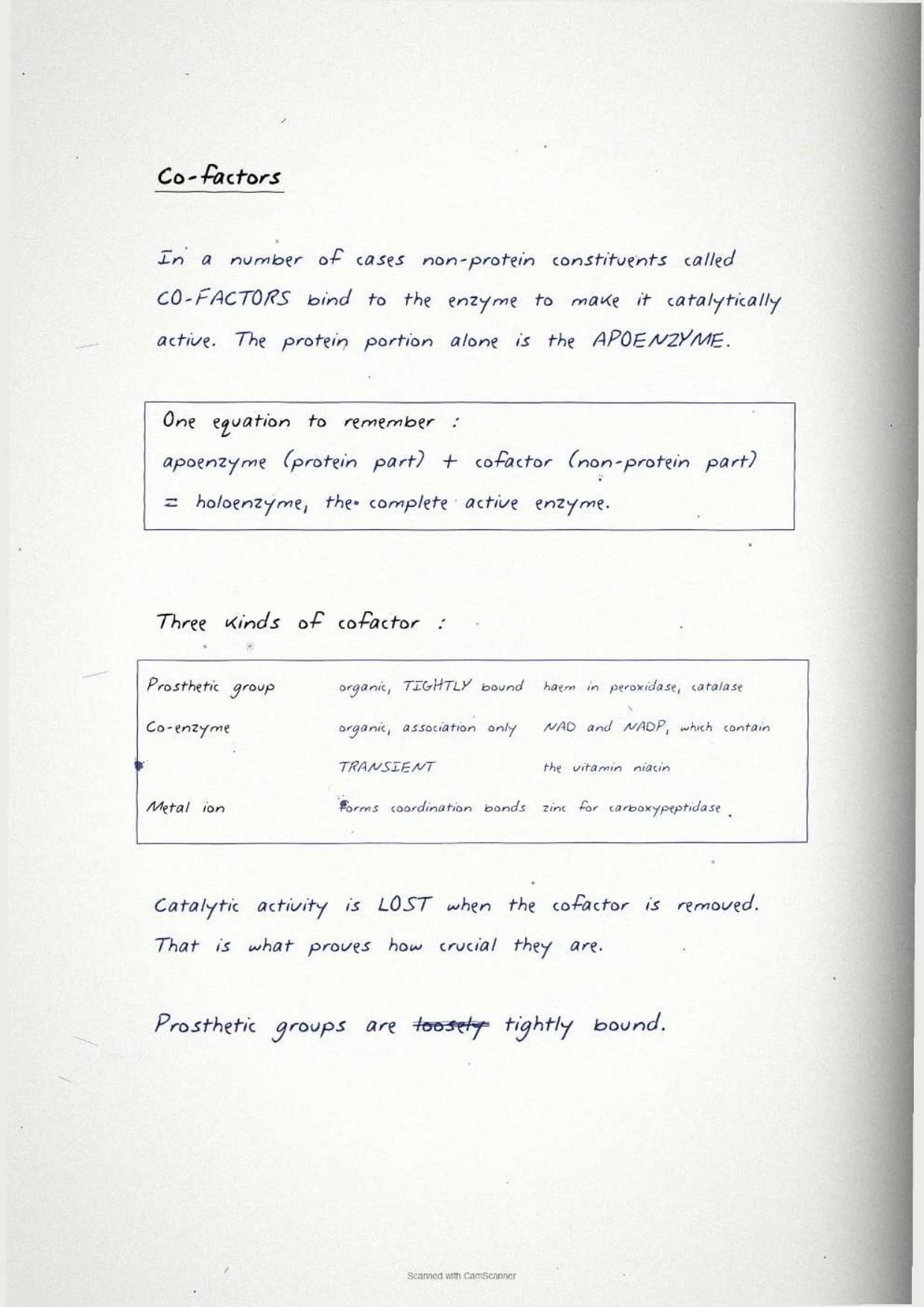
- Enzymes: active site, induced fit, the catalytic cycle, temperature and pH curves, six classes and cofactors.
The bonds page is marked as a NEET and CUET extension, since the current 2026-27 NCERT print drops that separate section while both exams still ask it.
Key Diagrams and Terms in Biomolecules Notes
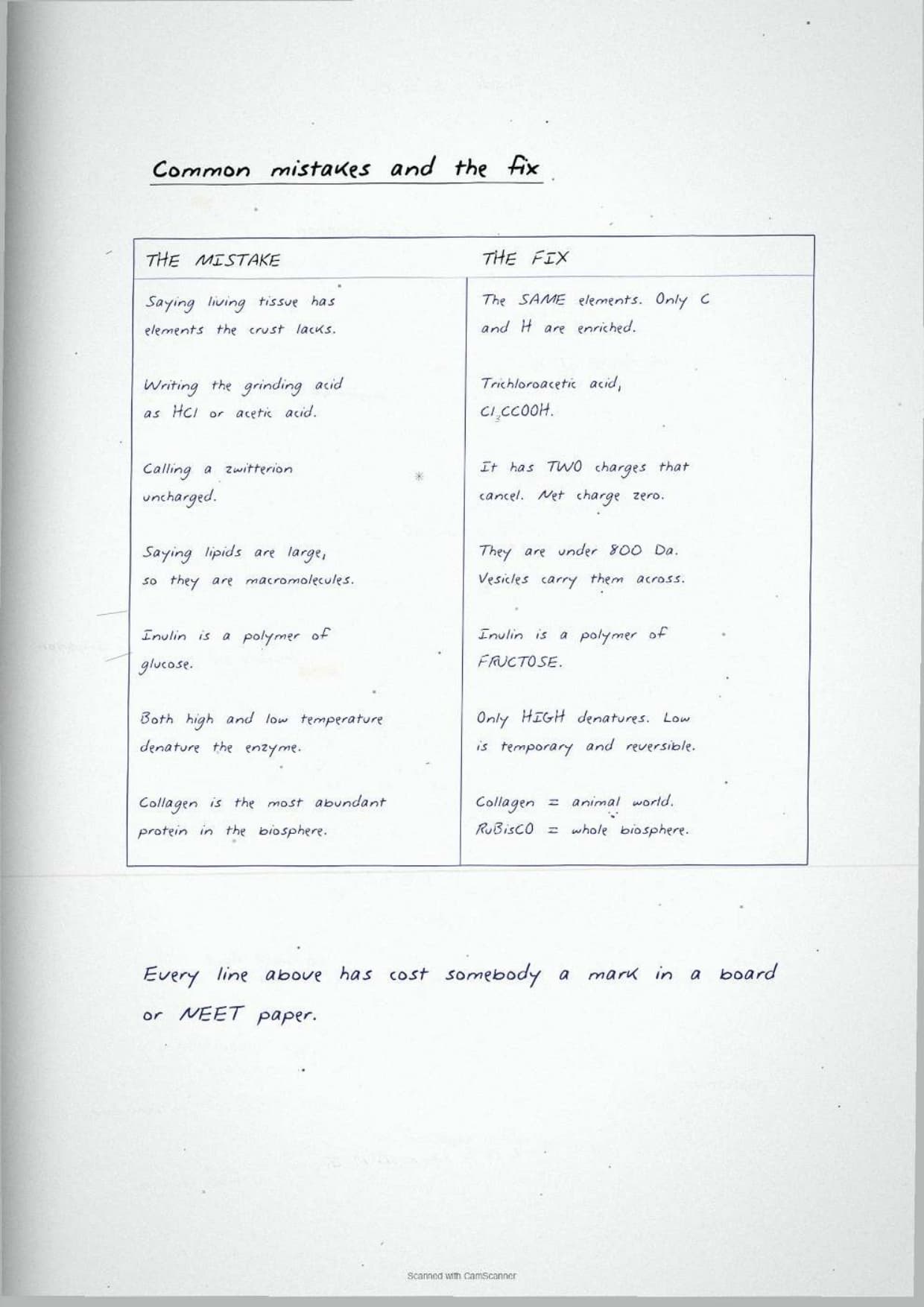
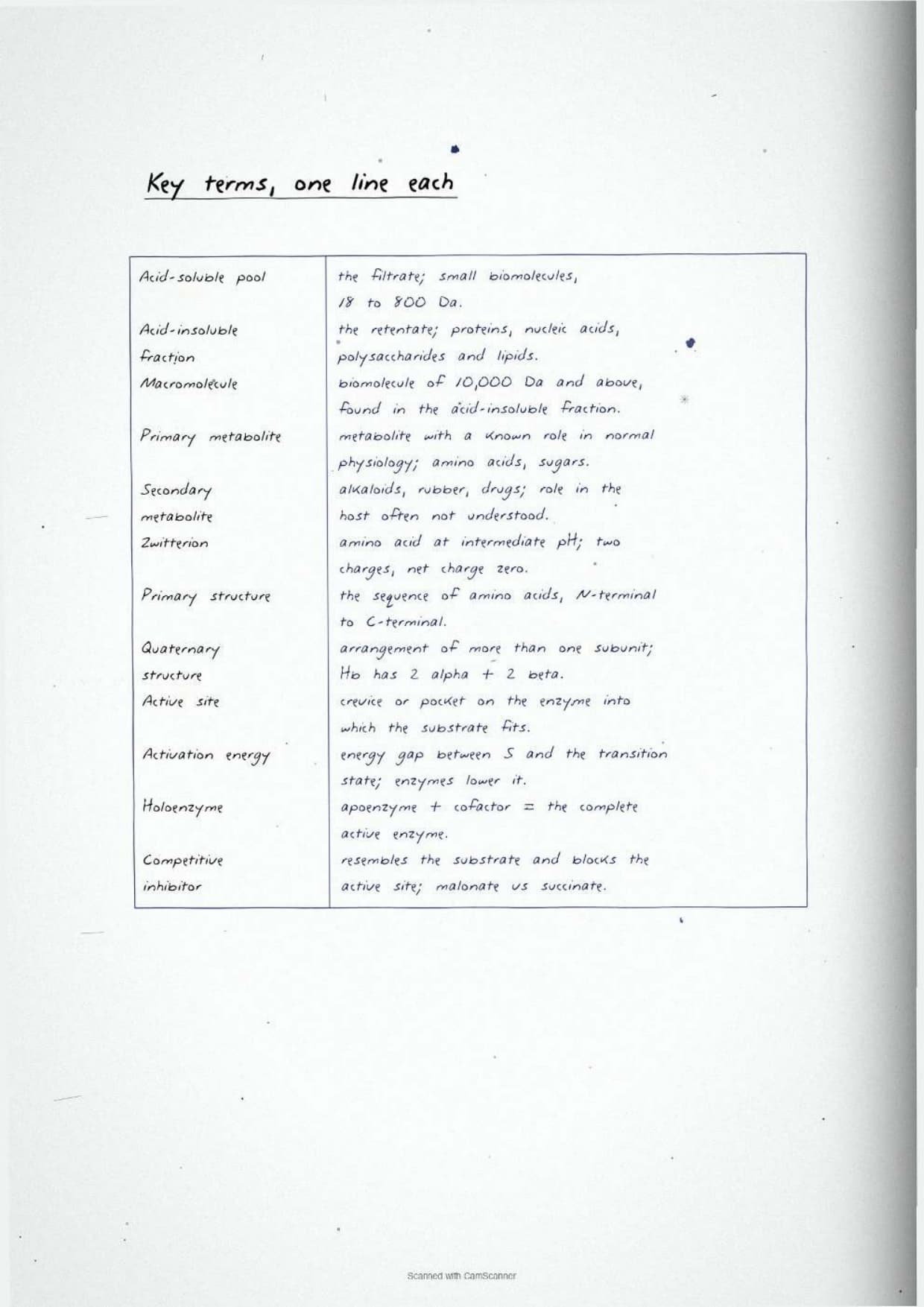
Students lose most of their marks here on terms that sound alike. The boxed table below is the block examiners swap around most often in one-mark questions.
| Term | How the notes define it |
|---|---|
| Acid-soluble pool | The filtrate; thousands of small biomolecules, 18 to 800 Da |
| Acid-insoluble fraction | The retentate; only four types, 10,000 Da and above |
| Zwitterion | Amino acid at intermediate pH; two charges that cancel, net charge zero |
| Primary structure | The sequence of amino acids, N-terminal to C-terminal |
| Holoenzyme | Apoenzyme plus cofactor, the complete active enzyme |
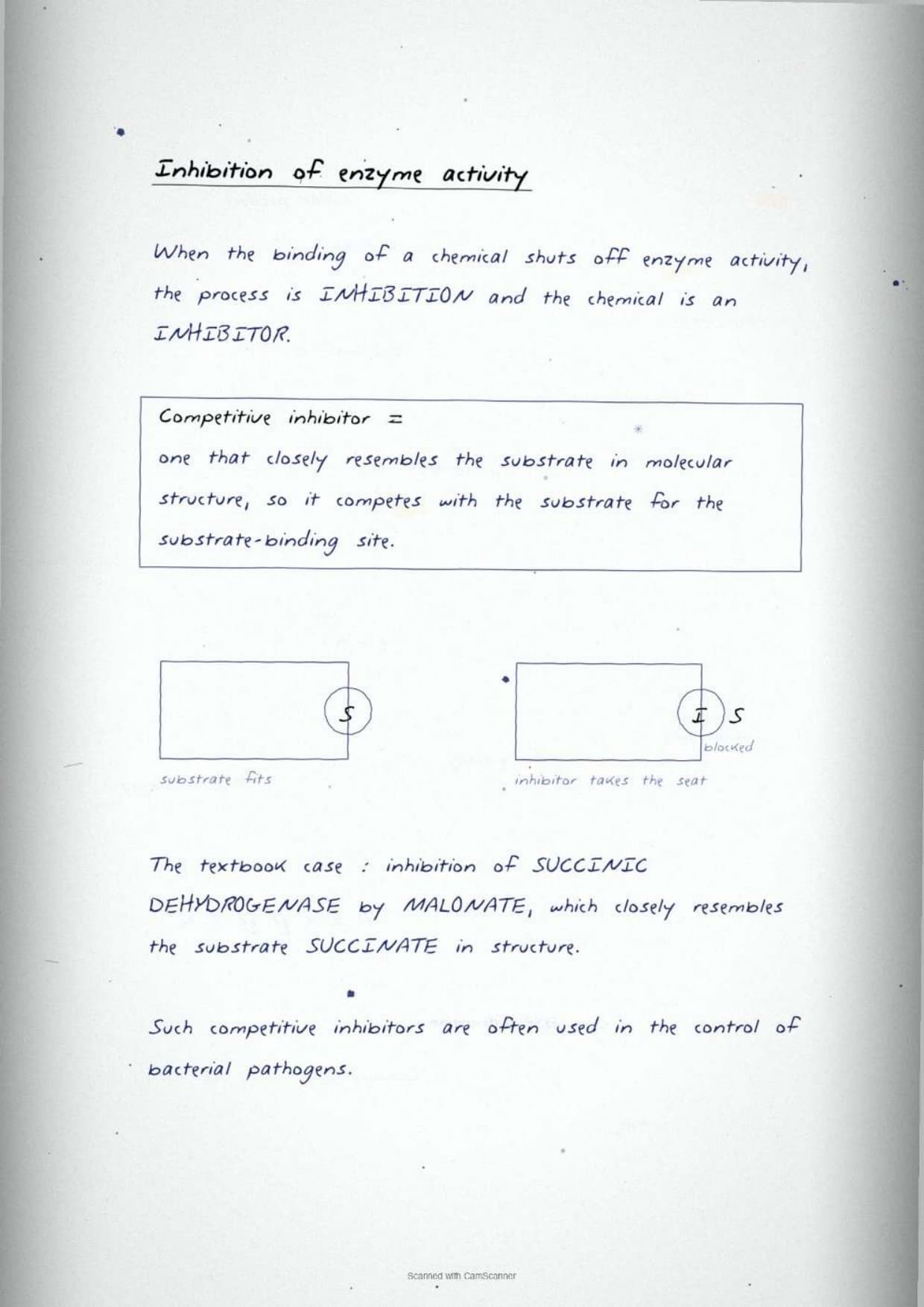
| Competitive inhibitor | Resembles the substrate and blocks the active site; malonate against succinate |
Hand-drawn charts carry the rest. One splits the strained slurry into filtrate and retentate, one stacks base, nucleoside and nucleotide, one shows the phospholipid bilayer, and two curves plot enzyme activity against temperature and against substrate concentration.
How to Use These Handwritten Notes for Revision
Work through the pages in three short passes. Read a topic page, cover the boxed definition and say it back, then answer two NCERT questions on it. This loop fixes exact wording faster than re-reading the textbook.
- Learn the zwitterion wording word for word: two charges that cancel, never "no charge".
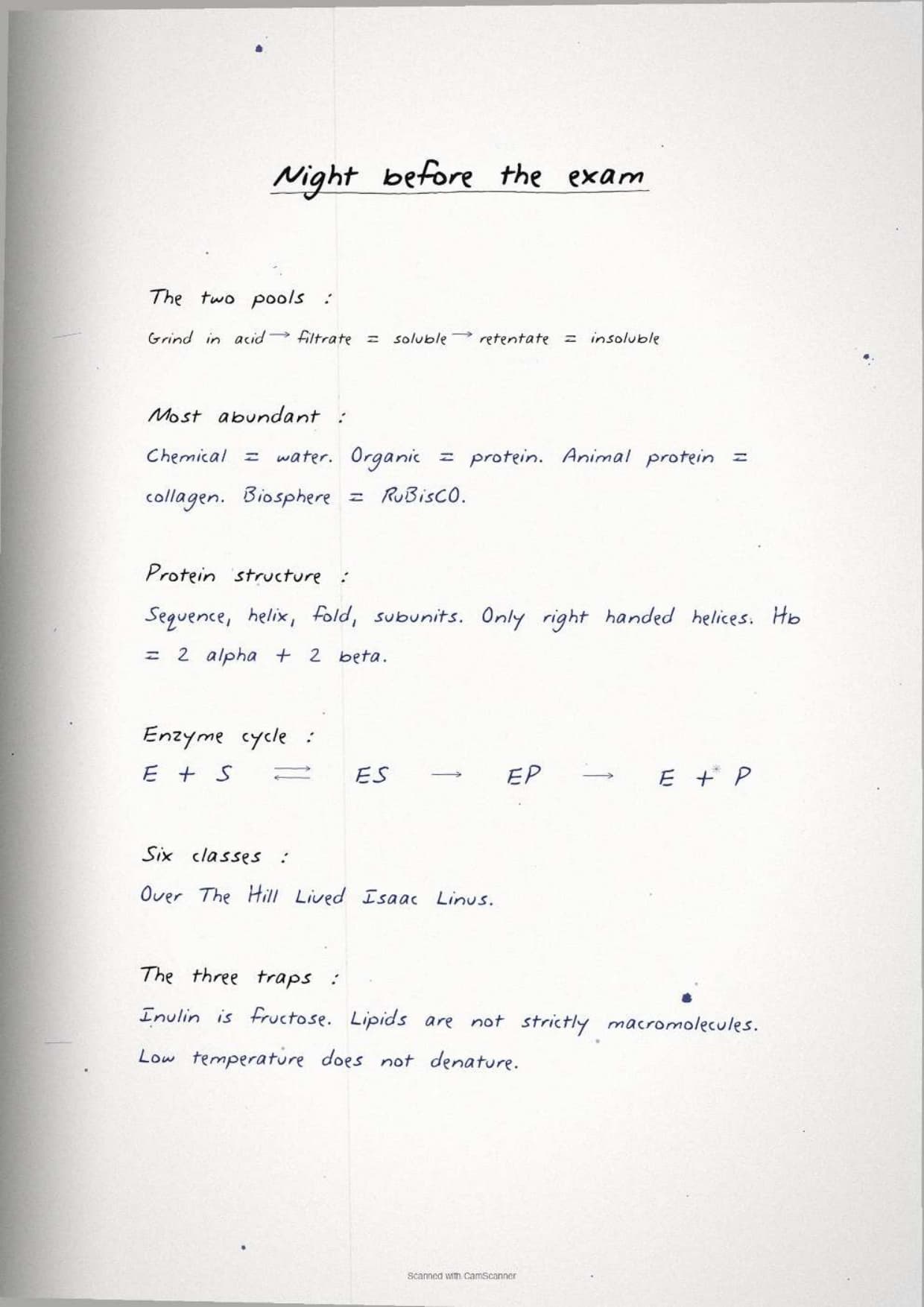
- Redraw the enzyme cycle E + S to ES to EP to E + P from memory on rough paper.
- Say the six enzyme classes with the mnemonic on page 32 until they come without pausing.
- Keep the class 11 biology handwritten notes chapter 9 Biomolecules open beside the NCERT Solutions while practising.
- Read the common-mistakes page last, on page 34, before you shut the file.
Around 45 minutes is enough for one full pass, so the notes fit into the last week before an exam.
Student Feedback on Biomolecules Handwritten Notes
Students rate the enzyme pages as the ones that save them the most time. The figures below come from a Collegedunia poll run before the 2026 boards.
- In a Collegedunia survey of 11,240 students, 74% said the six-classes table was their most-used revision page.
- Most-confused pair before the poll: nucleoside against nucleotide, mixed up by about 5 in 10 students.
Source: 2026-27 Class 11 Biology student poll. Sample of 11,240 students from CBSE schools across 12 states.
Where to Use These Notes Alongside Other Resources
The class 11 biology handwritten notes chapter 9 Biomolecules work best next to the step-wise Solutions, the summary Notes and the Exemplar Solutions for the same chapter. Read the notes first, then check the answers, and keep the Exemplar for extra practice.
| Resource | Best used for |
|---|---|
| Biomolecules NCERT Solutions | Step-by-step answers to every back-exercise question |
| Biomolecules Class 11 Notes | Quick chapter summary with all key terms in one place |
| Biomolecules Exemplar Solutions | Every Exemplar question solved for NEET-level practice |
| Biomolecules NCERT Book PDF | The original chapter text and exercises |
All Class 11 Biology Handwritten Notes by Chapter
The table links the handwritten notes for every Class 11 Biology chapter, so students can move across the course in one click. Biomolecules is highlighted.
| Chapter | Handwritten Notes |
|---|---|
| Chapter 1 | The Living World |
| Chapter 2 | Biological Classification |
| Chapter 3 | Plant Kingdom |
| Chapter 4 | Animal Kingdom |
| Chapter 5 | Morphology of Flowering Plants |
| Chapter 6 | Anatomy of Flowering Plants |
| Chapter 7 | Structural Organisation in Animals |
| Chapter 8 | Cell The Unit of Life |
| Chapter 9 | Biomolecules |
| Chapter 10 | Cell Cycle and Cell Division |
| Chapter 11 | Photosynthesis in Higher Plants |
| Chapter 12 | Respiration in Plants |
| Chapter 13 | Plant Growth and Development |
| Chapter 14 | Breathing and Exchange of Gases |
| Chapter 15 | Body Fluids and Circulation |
| Chapter 16 | Excretory Products and their Elimination |
| Chapter 17 | Locomotion and Movement |
| Chapter 18 | Neural Control and Coordination |
| Chapter 19 | Chemical Coordination and Integration |
FAQs on Biomolecules Handwritten Notes
Ques. Are these class 11 biology handwritten notes chapter 9 Biomolecules free to download?
Ans. Yes. The Biomolecules handwritten notes are free to download as a PDF from this page. All 36 pages follow the 2026-27 NCERT and cover the full chapter in clear handwriting for quick revision.
Ques. What topics do these handwritten notes cover?
Ans. They cover chemical composition, the acid-soluble and acid-insoluble pools, primary and secondary metabolites, amino acids and the zwitterion, lipids and phospholipids, nucleotides, protein structure, polysaccharides and enzymes. Each topic sits on its own page with boxed definitions and hand-drawn charts.
Ques. Why are lipids counted in the macromolecular fraction?
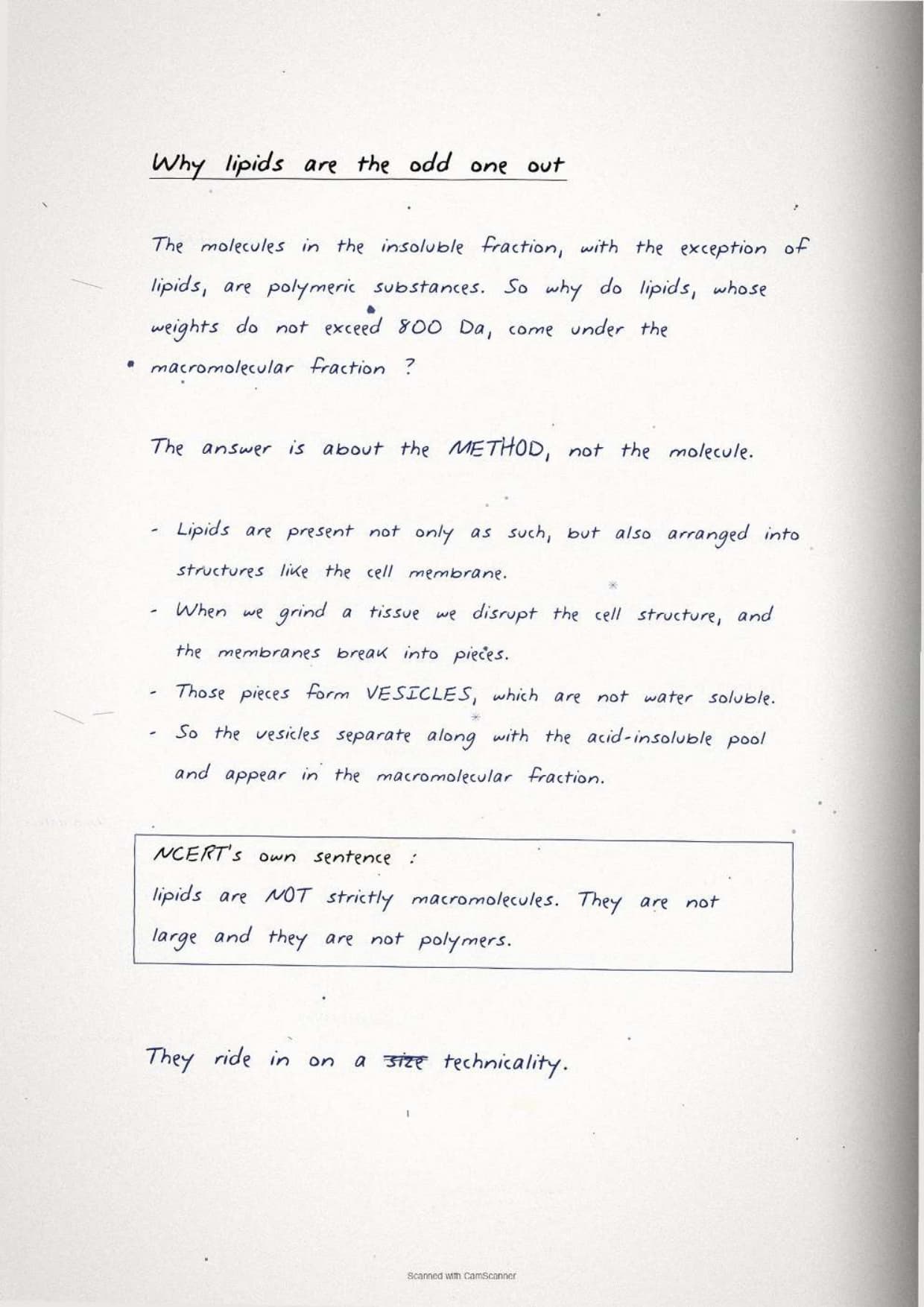
Ans. It is the method, not the molecule. Lipids sit in membranes, and grinding breaks those membranes into vesicles that are not water soluble. The vesicles settle with the acid-insoluble pool. NCERT still says lipids are not strictly macromolecules, since they are under 800 Da and not polymers.
Ques. Are these notes useful for NEET, not just Boards?
Ans. Yes. NEET picks 3 to 4 questions a year from this chapter, mostly on enzymes, metabolites and protein structure. The page on the four bond types is marked as a NEET and CUET extension, since the board syllabus no longer carries that section.
Ques. How long do these notes take to revise?
Ans. About 45 minutes for one full pass. Read each topic page, recall the boxed definition, then answer two NCERT questions on it. Finish with the common-mistakes page so the exact wording stays fresh.



Comments