




These class 11 biology handwritten notes chapter 15 Body Fluids and Circulation pack all 34 pages into one revision pass for Boards, NEET and CUET in 2026-27. Blood counts, the ABO table, the clotting chain and the cardiac cycle are boxed by hand, so the numbers examiners ask straight stay easy to find.
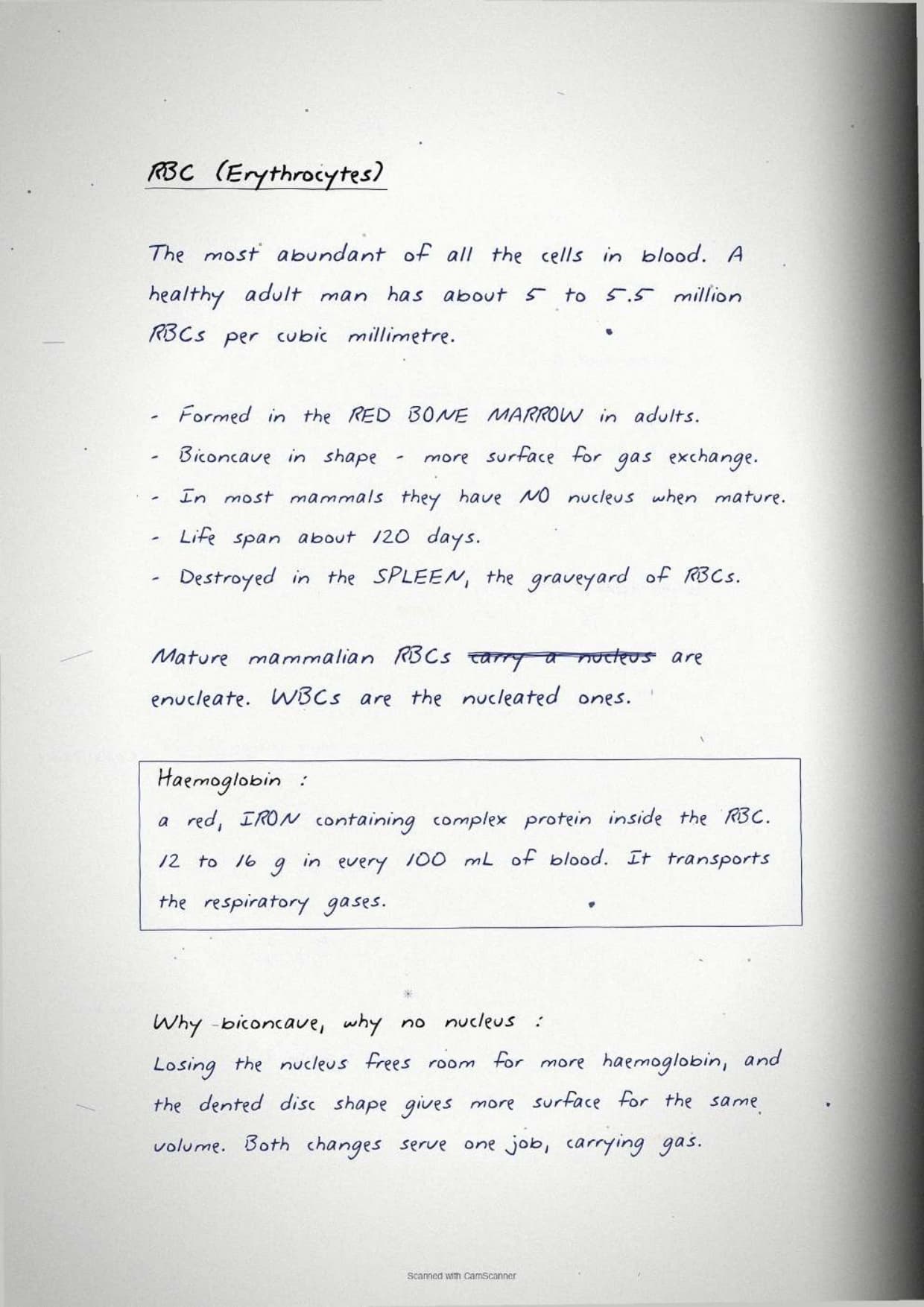
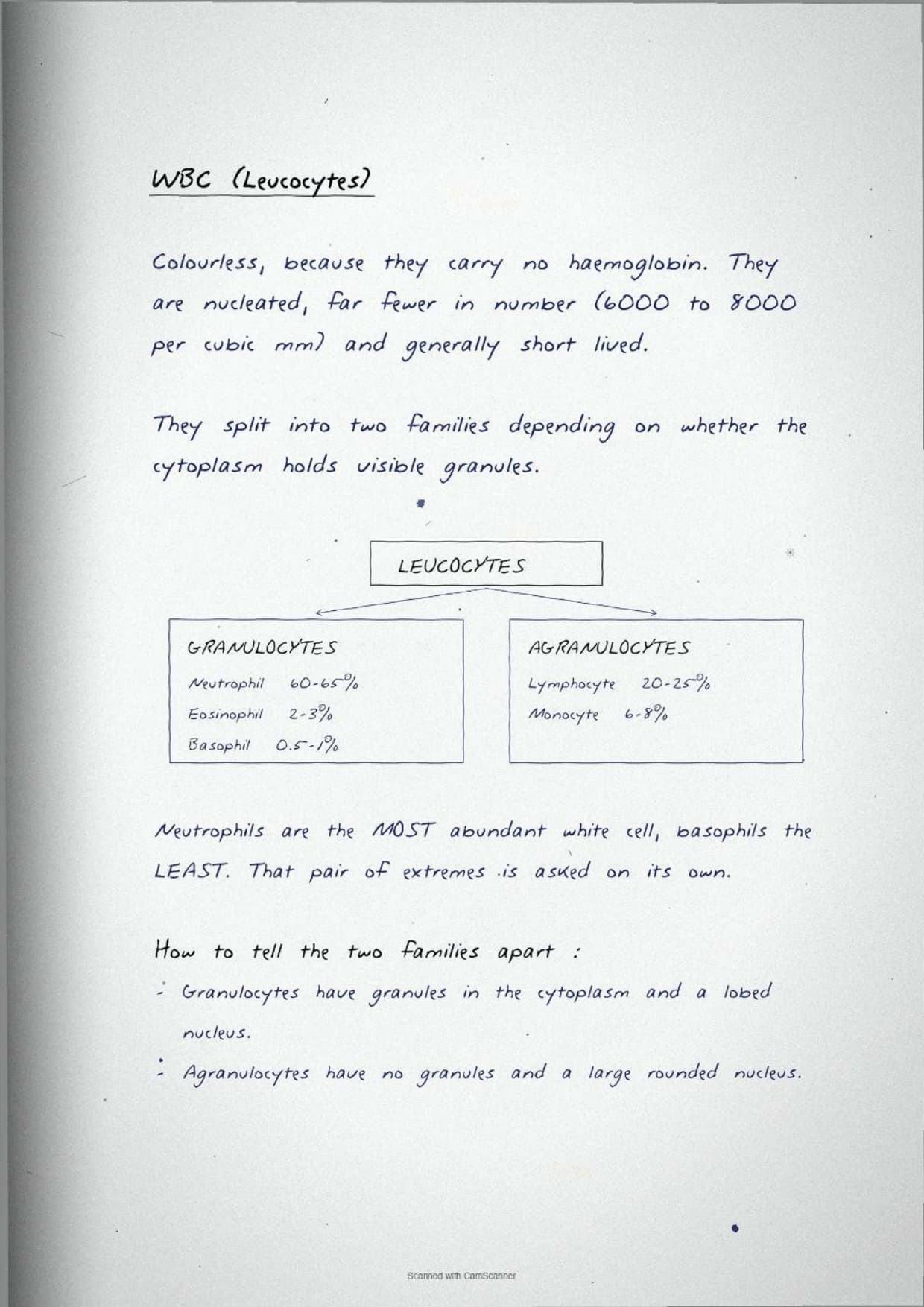
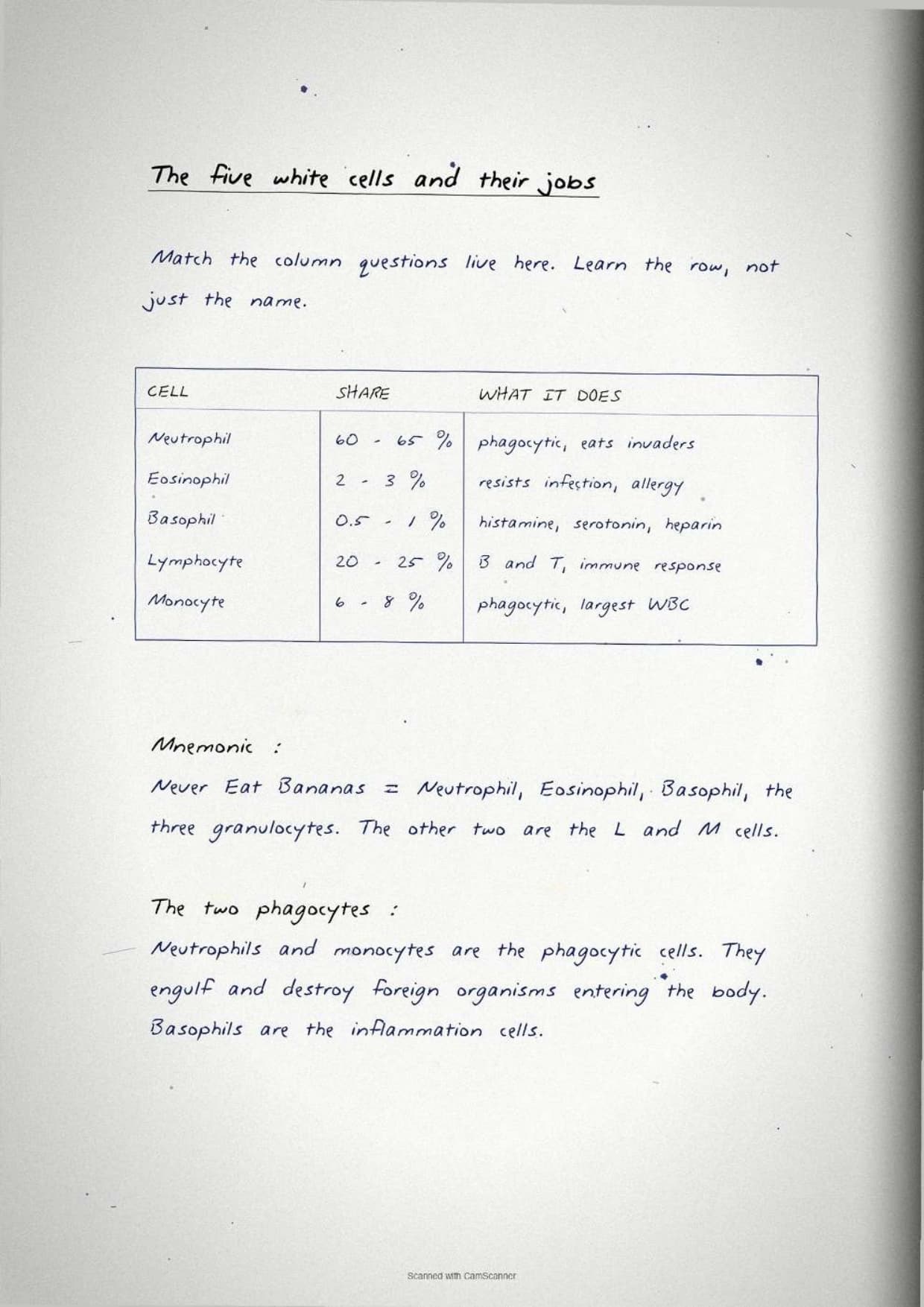
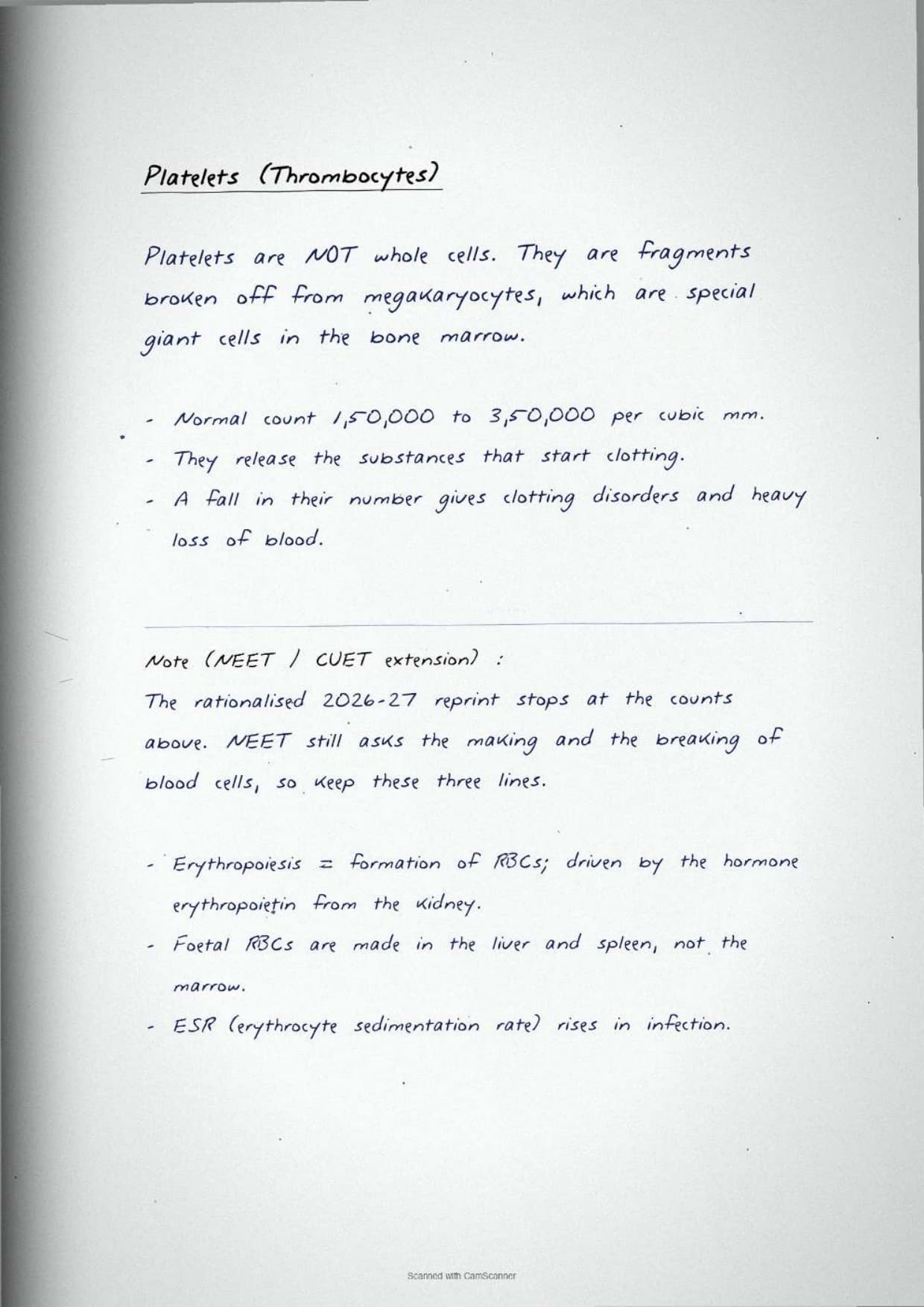
Chapter 15 is a numbers chapter. Most marks here are lost on a count or a label, not on an idea.
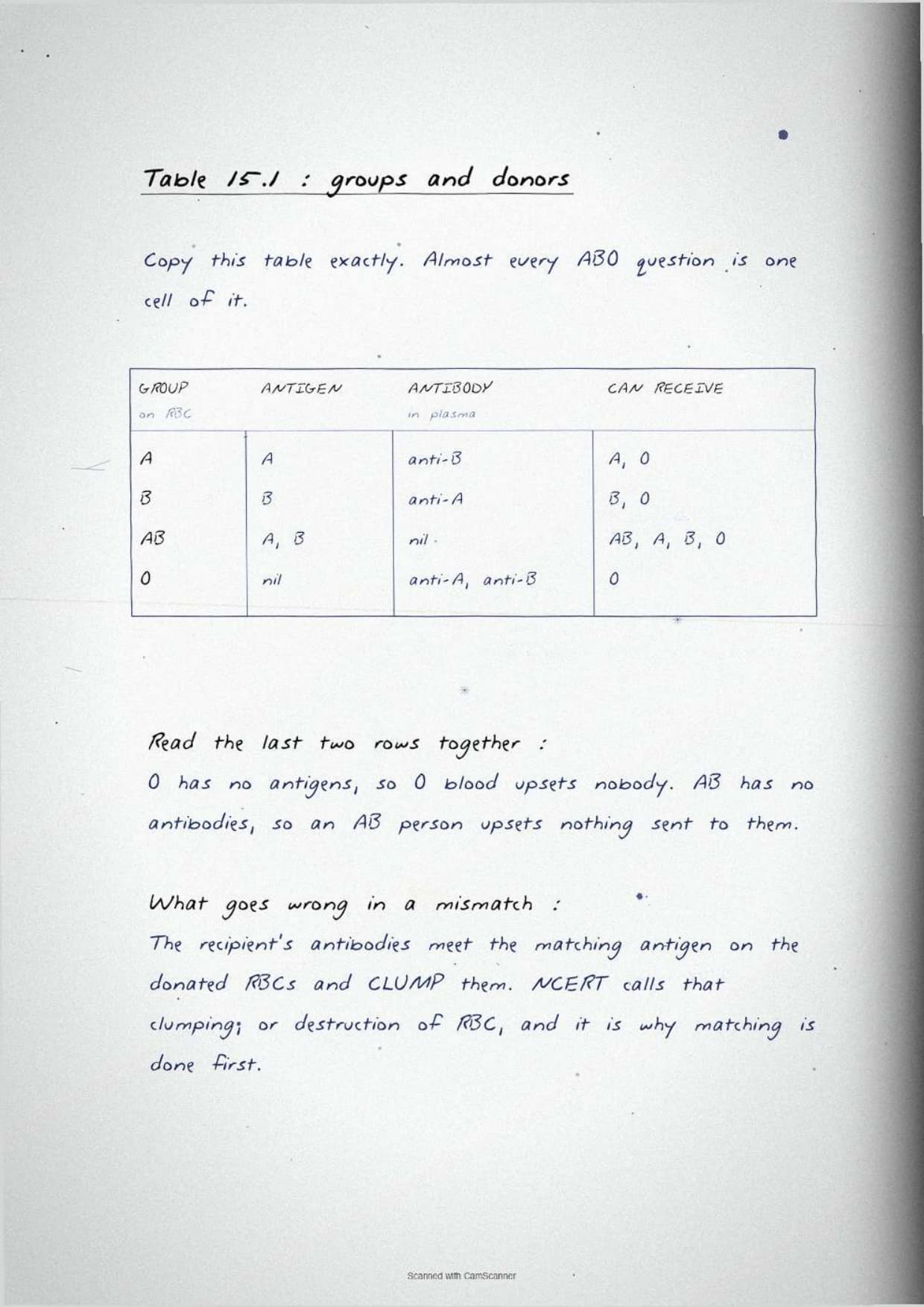
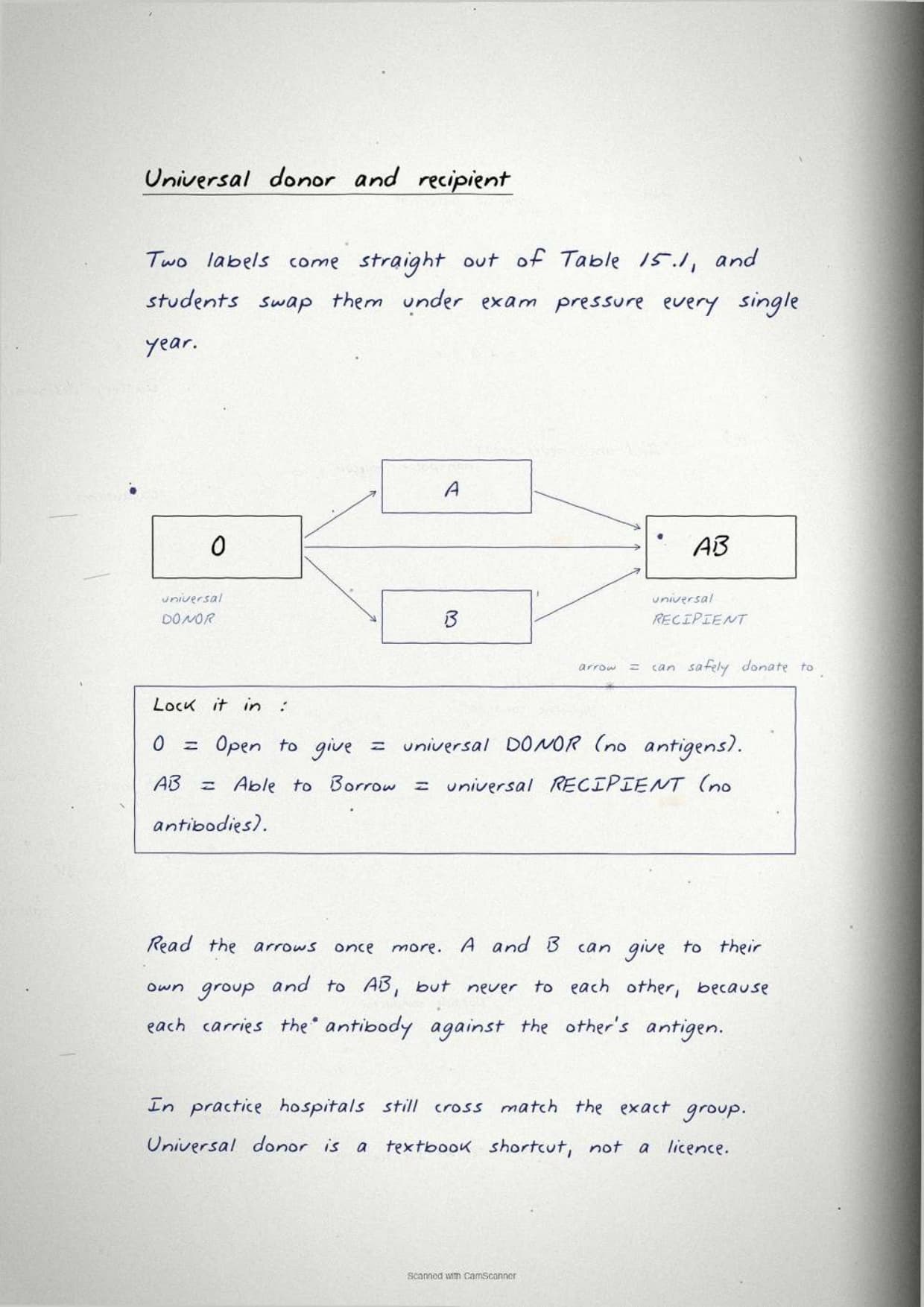
- Hand-drawn ABO table with universal donor and recipient arrows on one page.
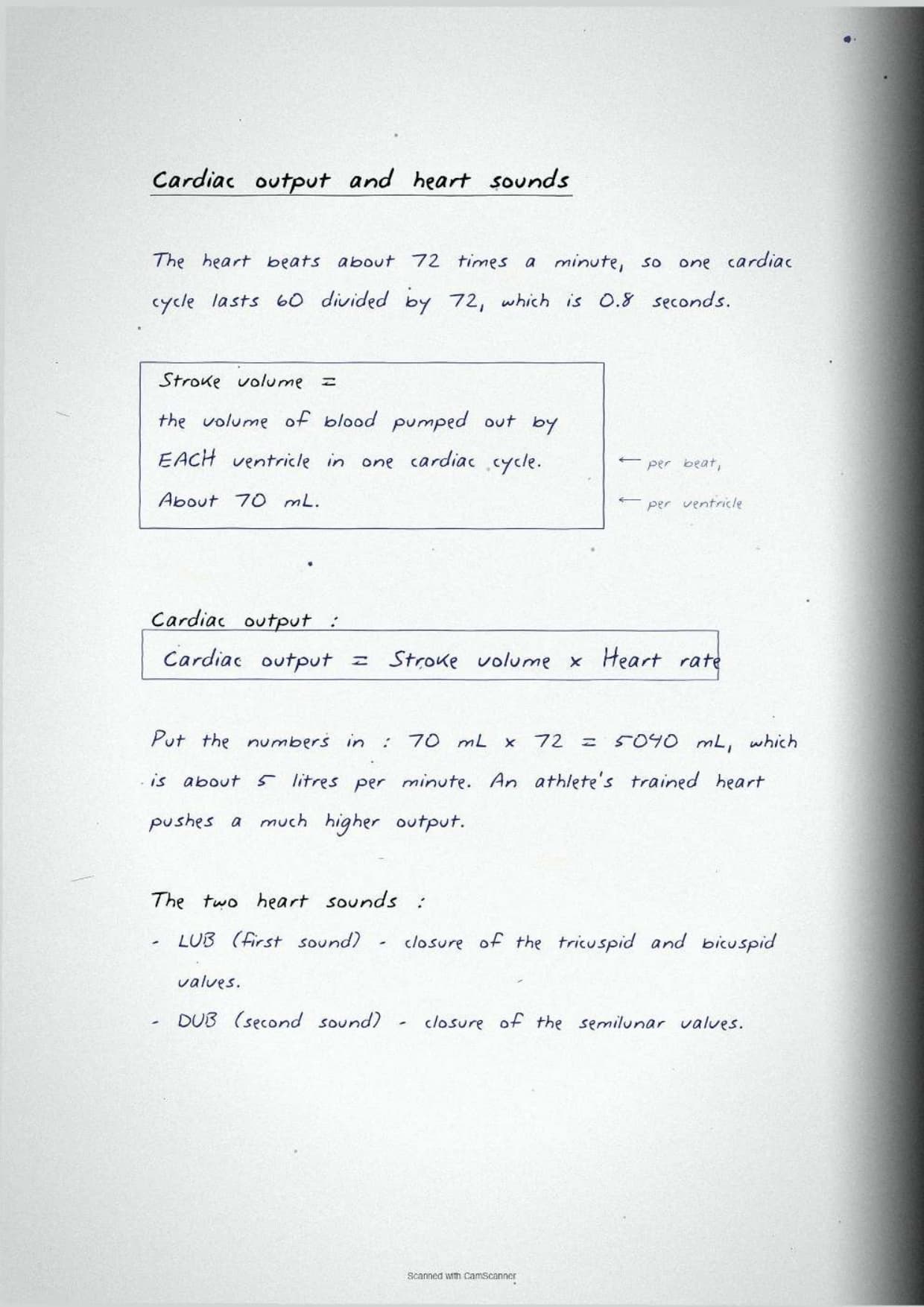
- Boxed values for RBC, WBC, platelet counts, stroke volume and cardiac output in exam wording.
- Pairs with the NCERT Solutions, Notes and Exemplar Solutions linked lower on this page.
What Body Fluids and Circulation Handwritten Notes Cover
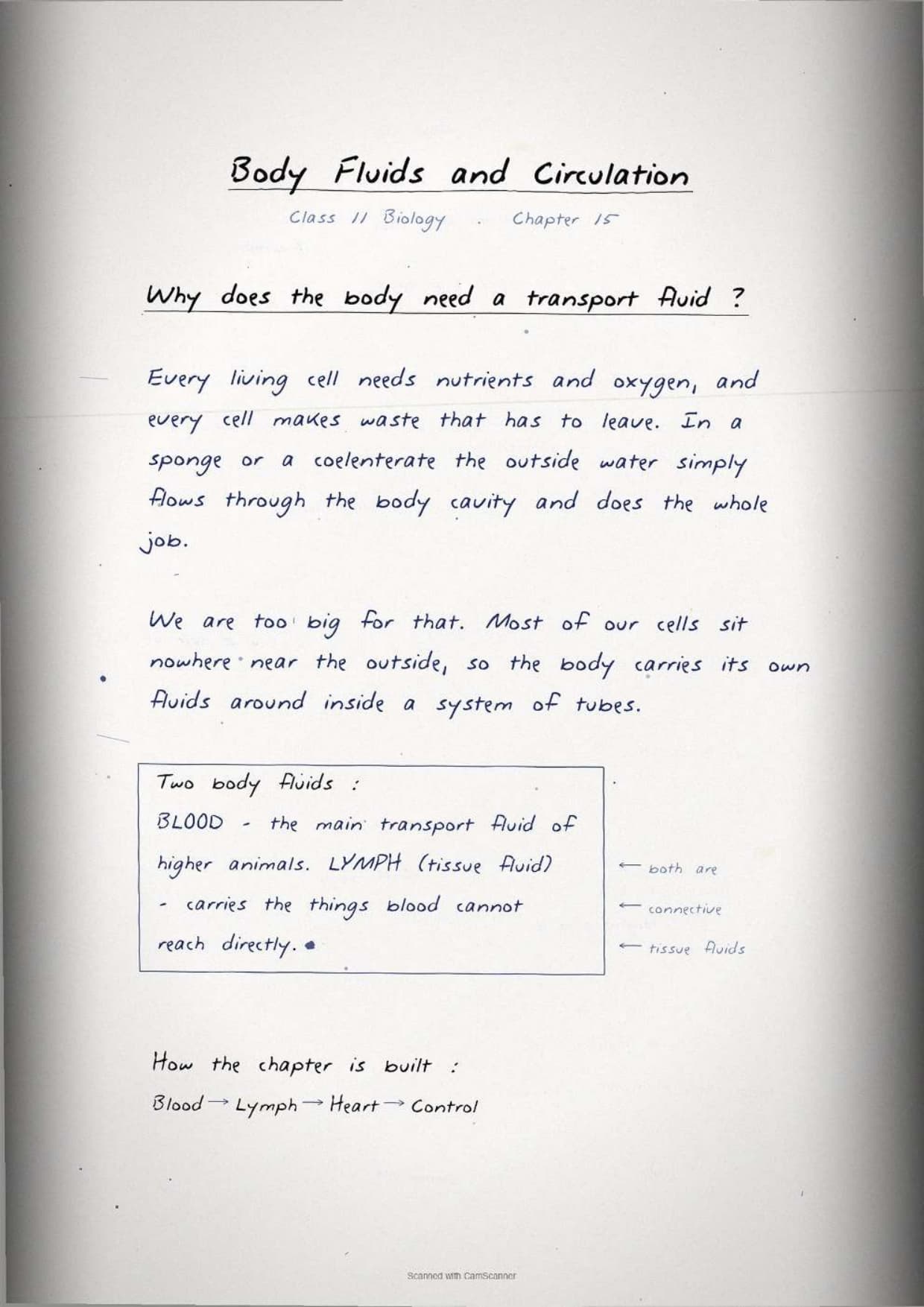
The 34 pages run in NCERT order, from why the body needs a transport fluid to a night-before recap. One topic sits on each page, so students revise a single idea at a time. Every definition is boxed and every count is written out.
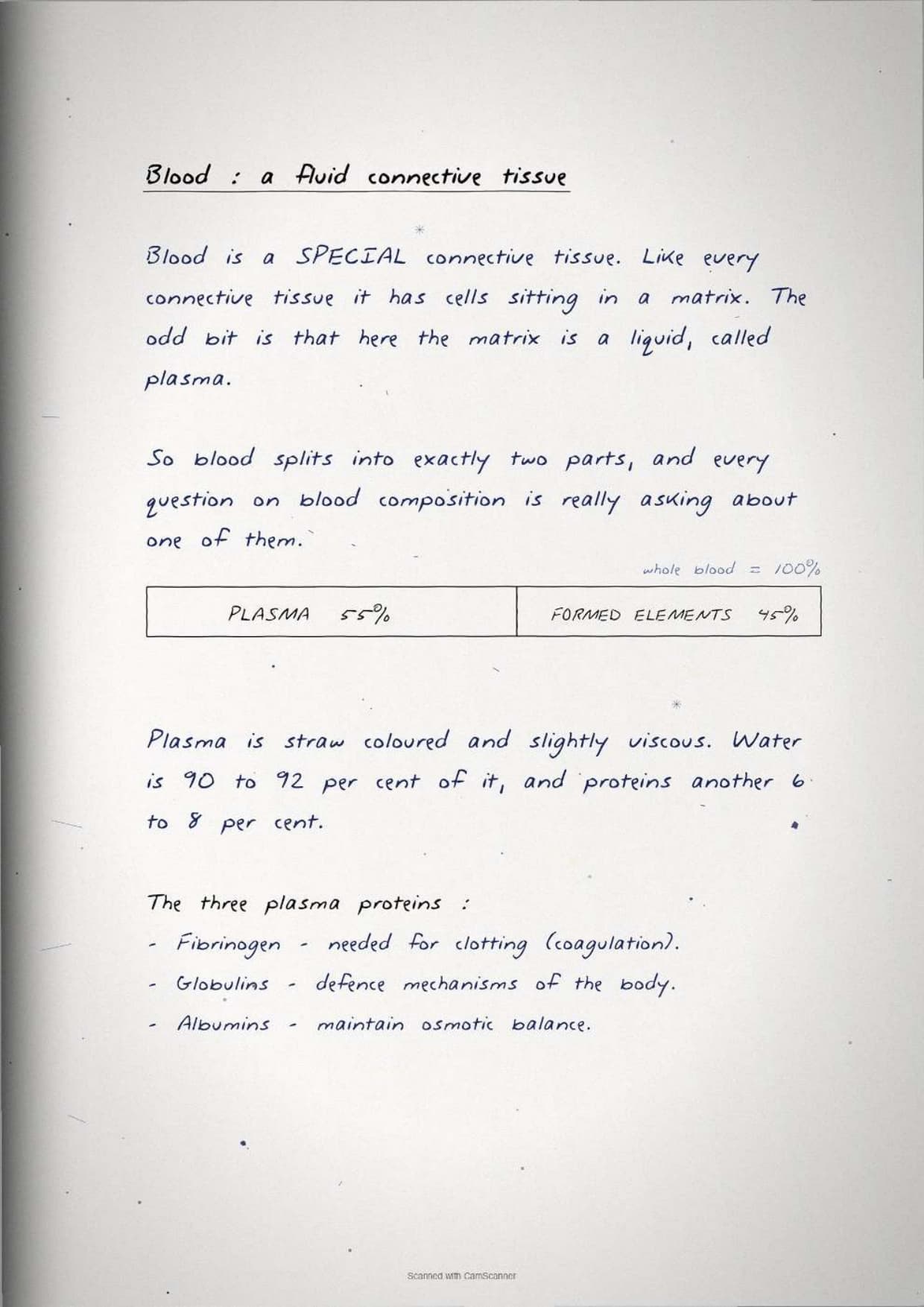
- Blood as a fluid connective tissue: plasma at 55 per cent, formed elements at 45 per cent, plus fibrinogen, globulins and albumins.
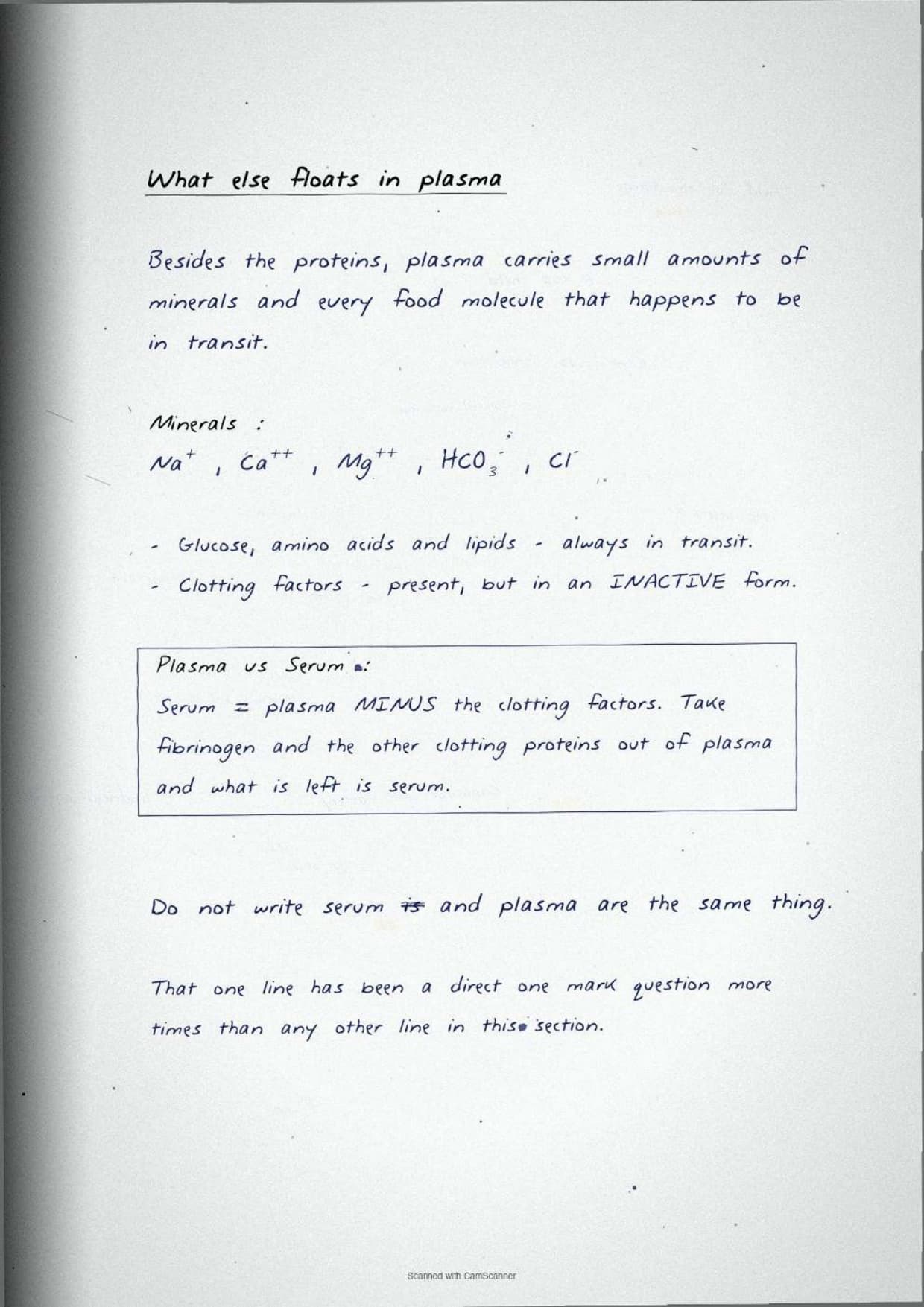
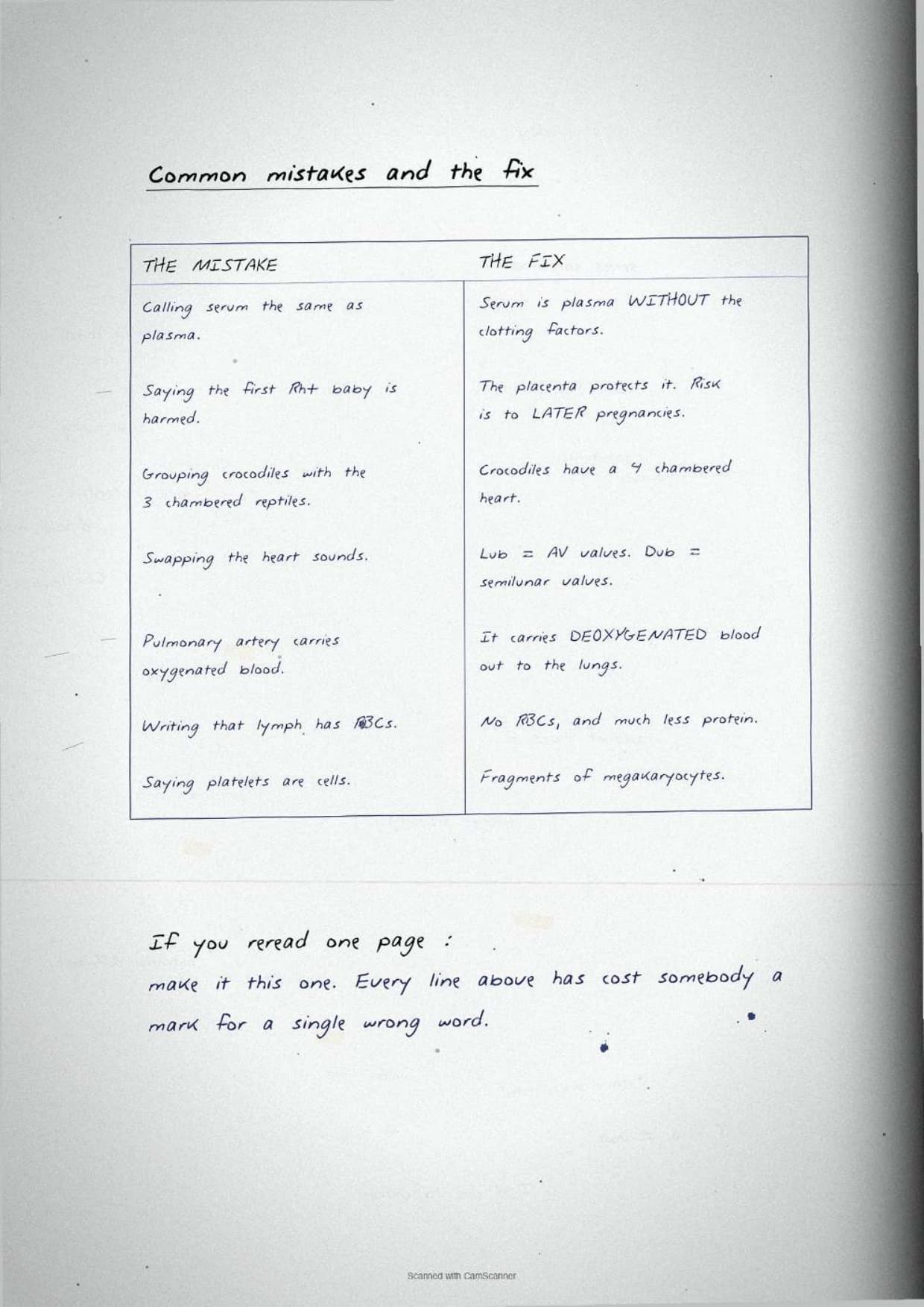
- Plasma against serum: serum is plasma with the clotting factors removed, written as its own boxed line.
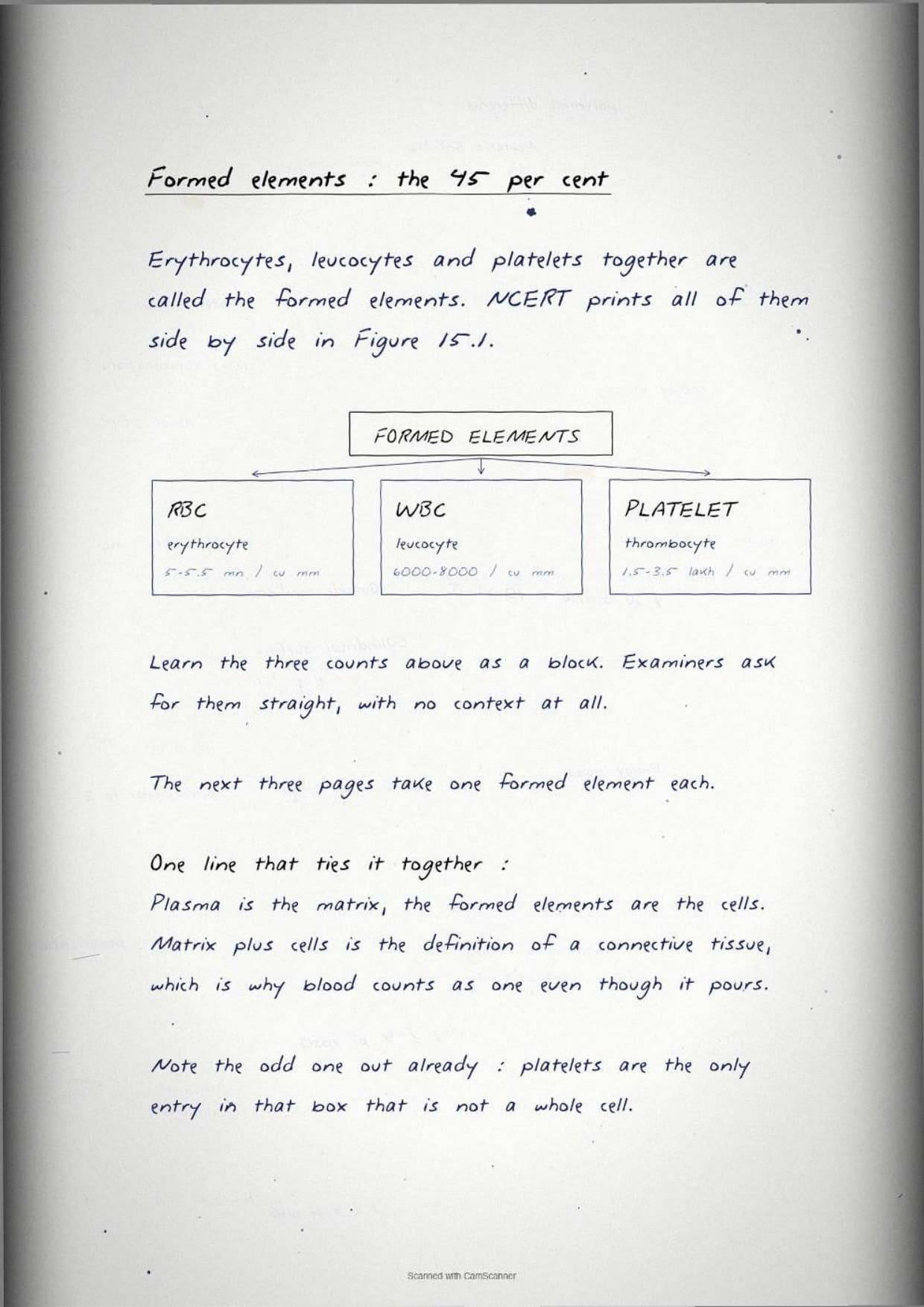
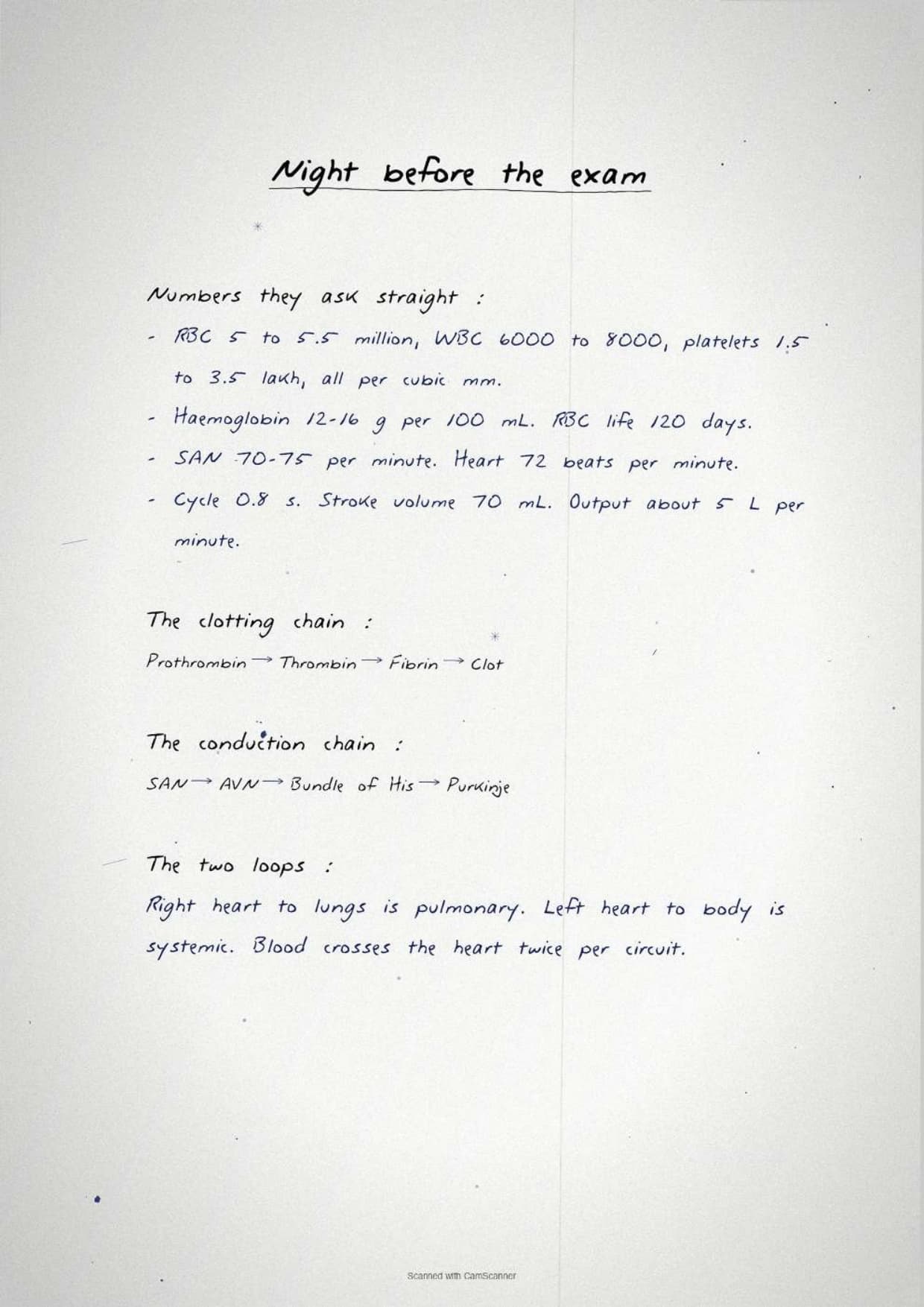
- Formed elements: RBC at 5 to 5.5 million, WBC at 6000 to 8000 and platelets at 1.5 to 3.5 lakh per cubic mm.
- The five white cells: neutrophil, eosinophil, basophil, lymphocyte and monocyte, each with its share and its job.
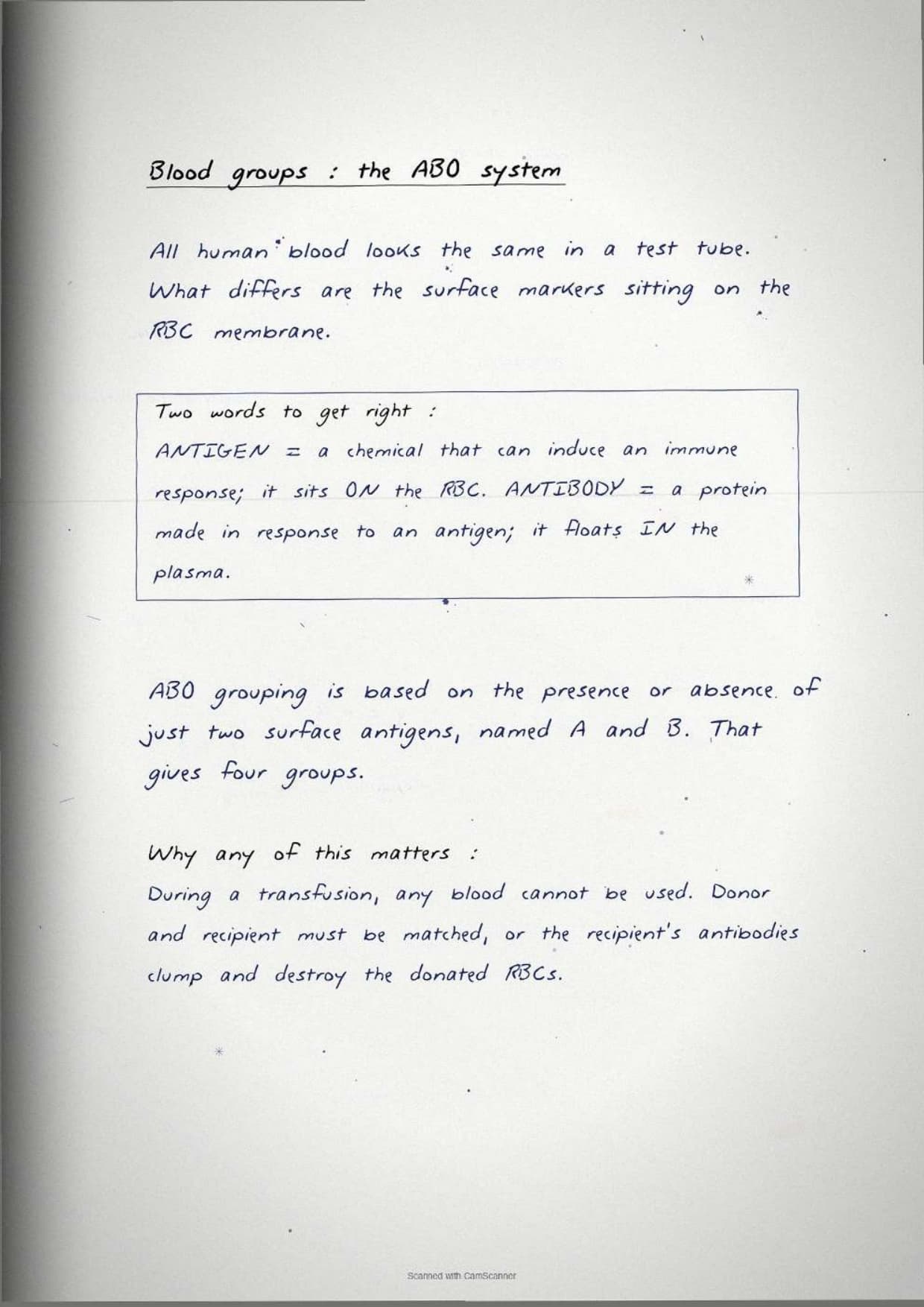
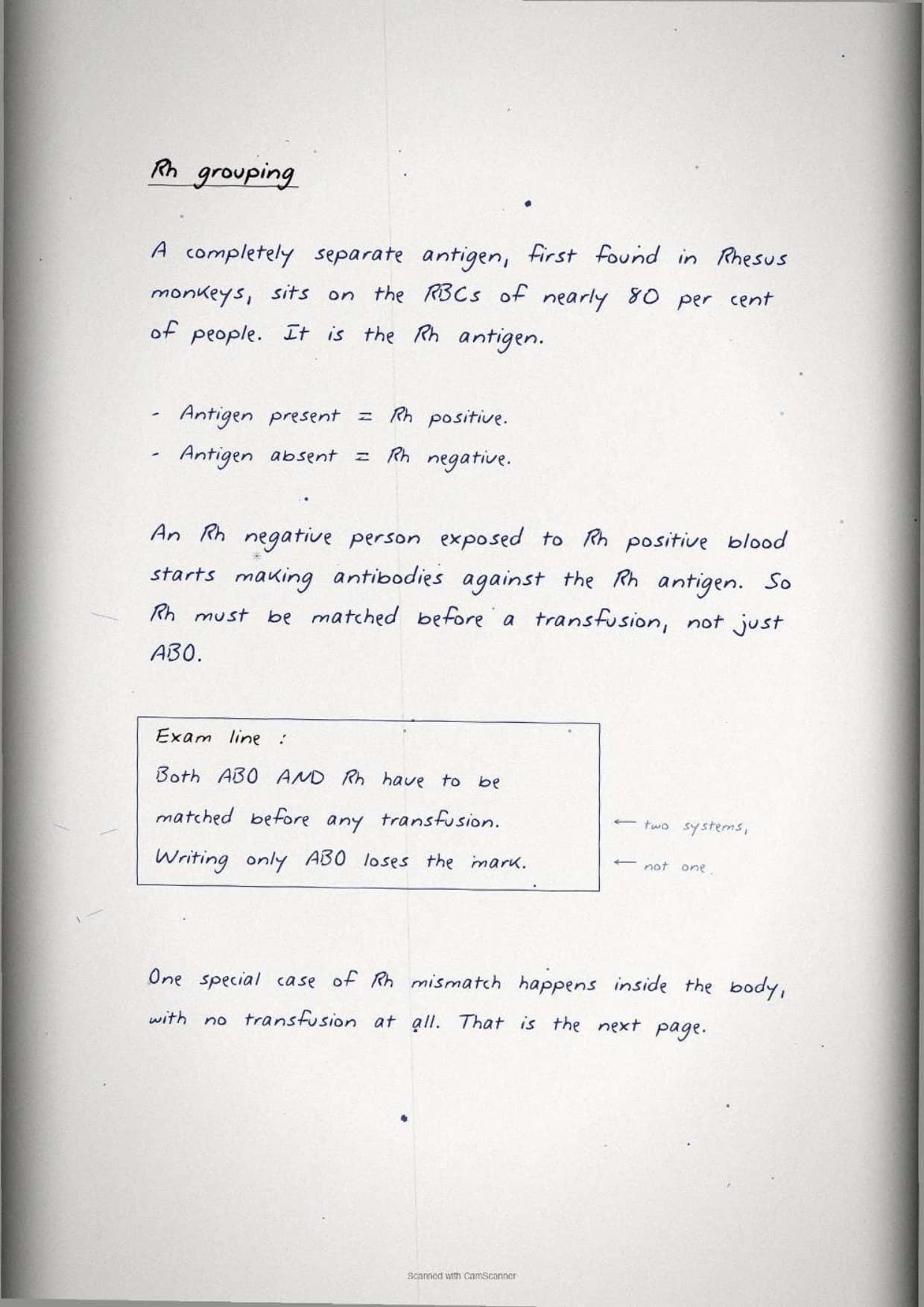
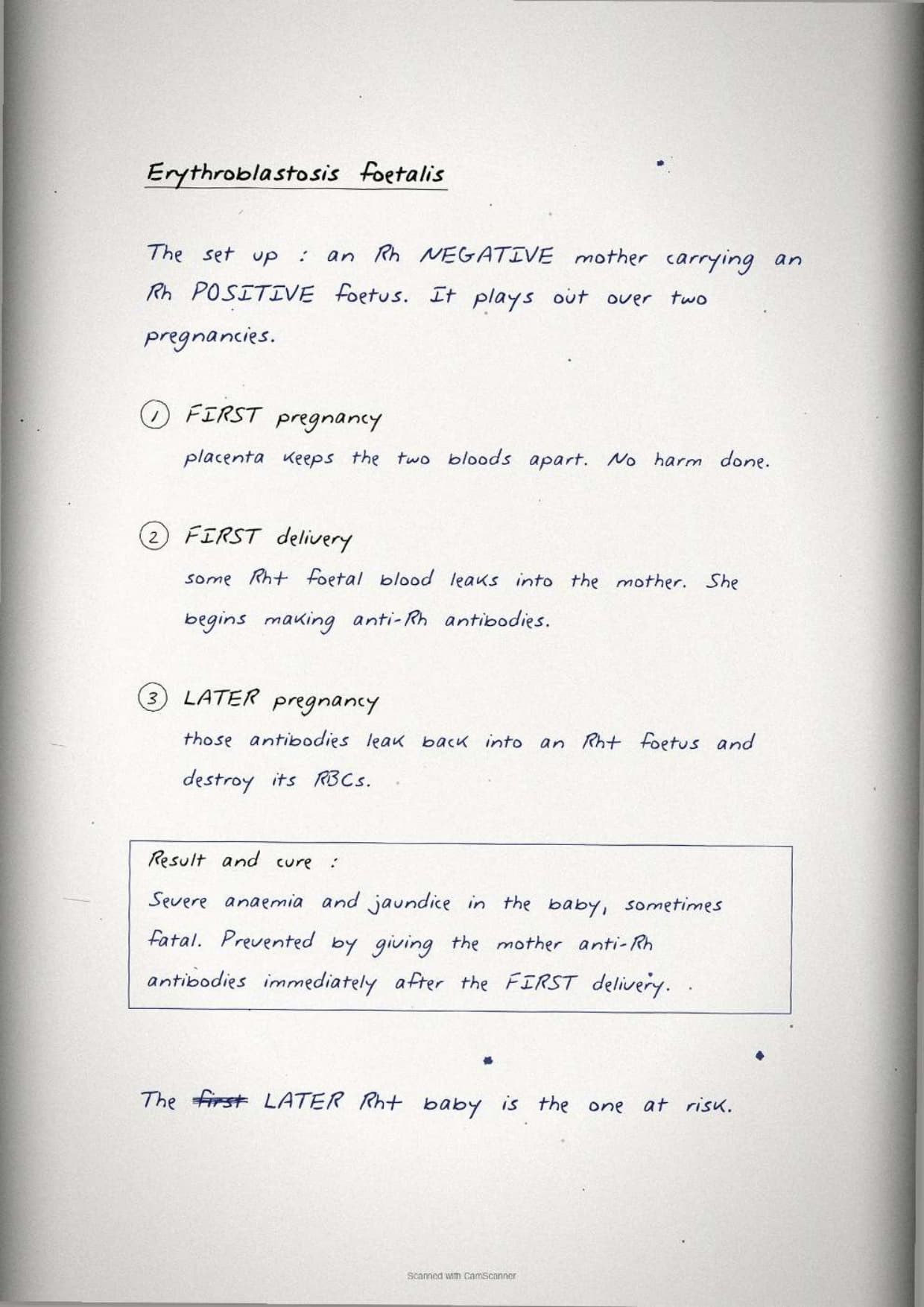
- Blood groups: the full ABO table, Rh grouping and erythroblastosis foetalis over two pregnancies.
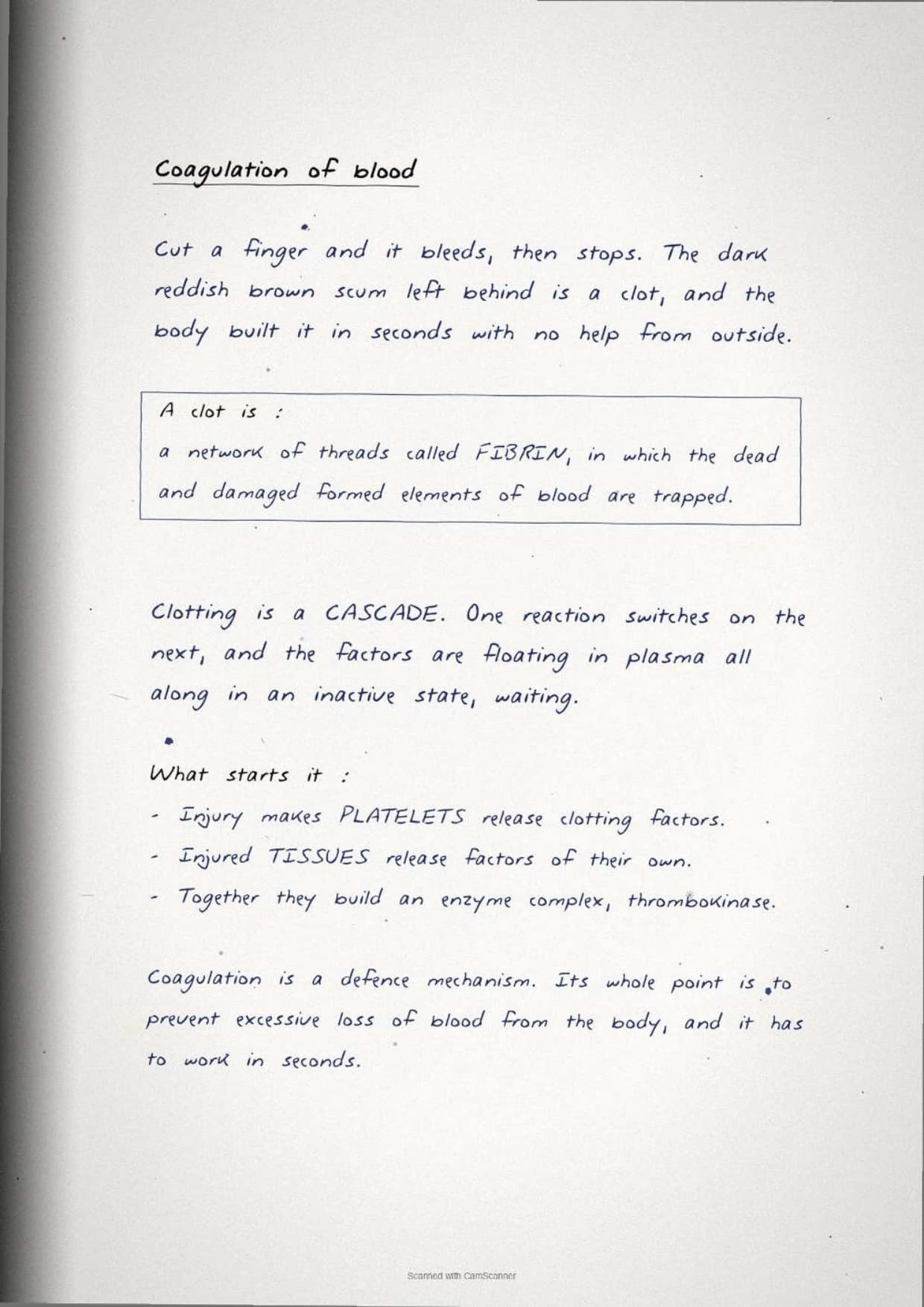
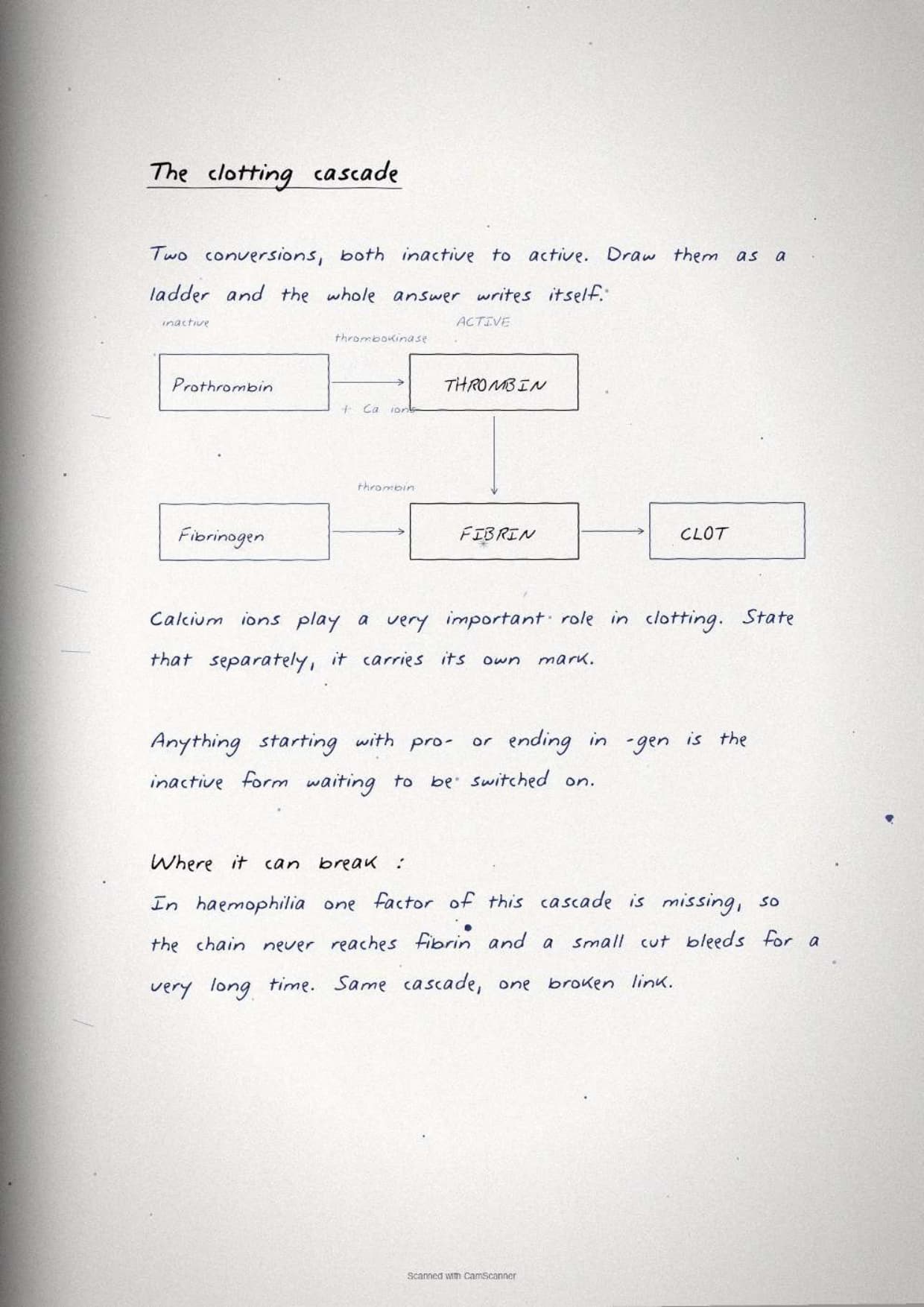
- Coagulation: the cascade from prothrombin to thrombin, then fibrinogen to fibrin to clot.
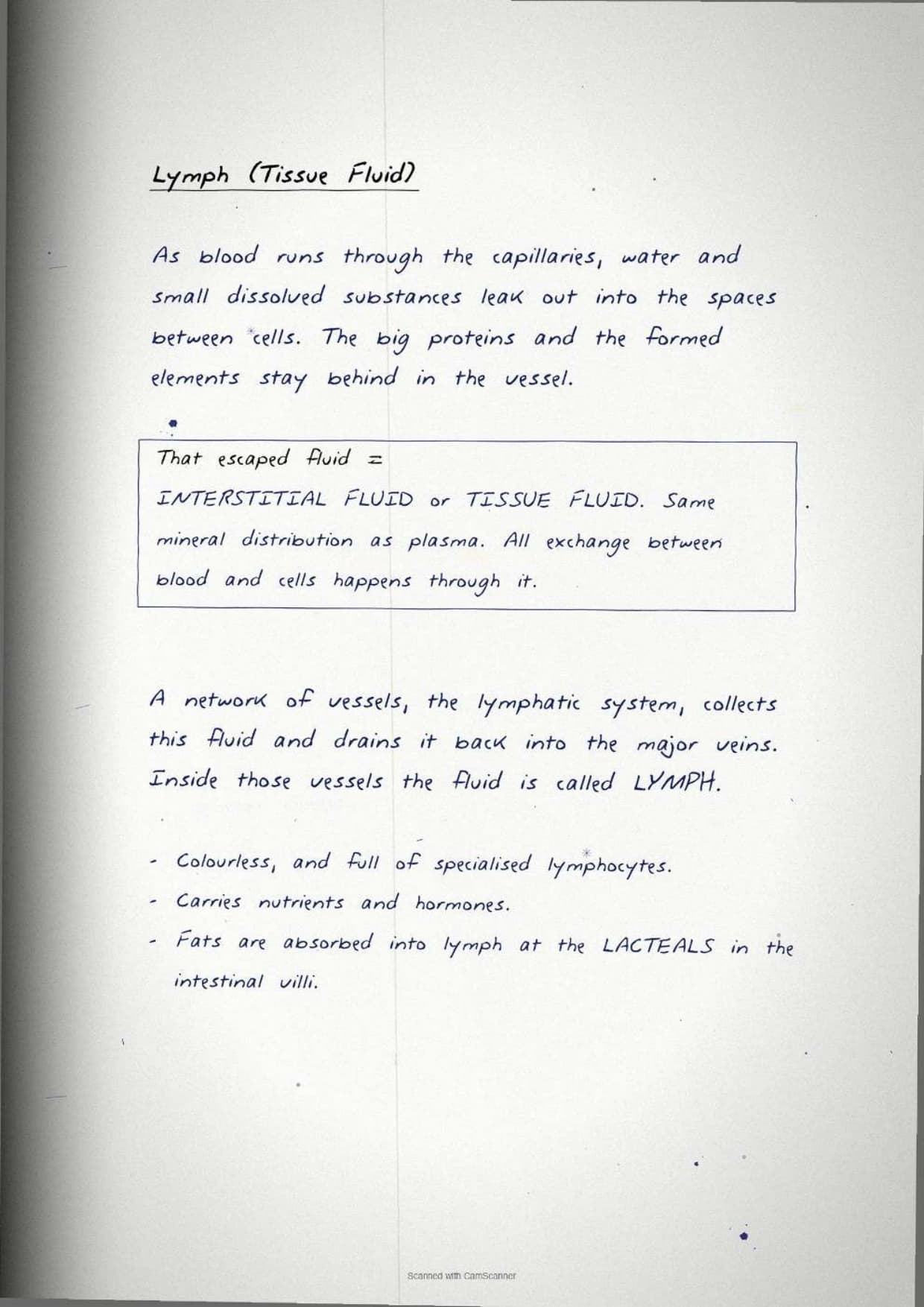
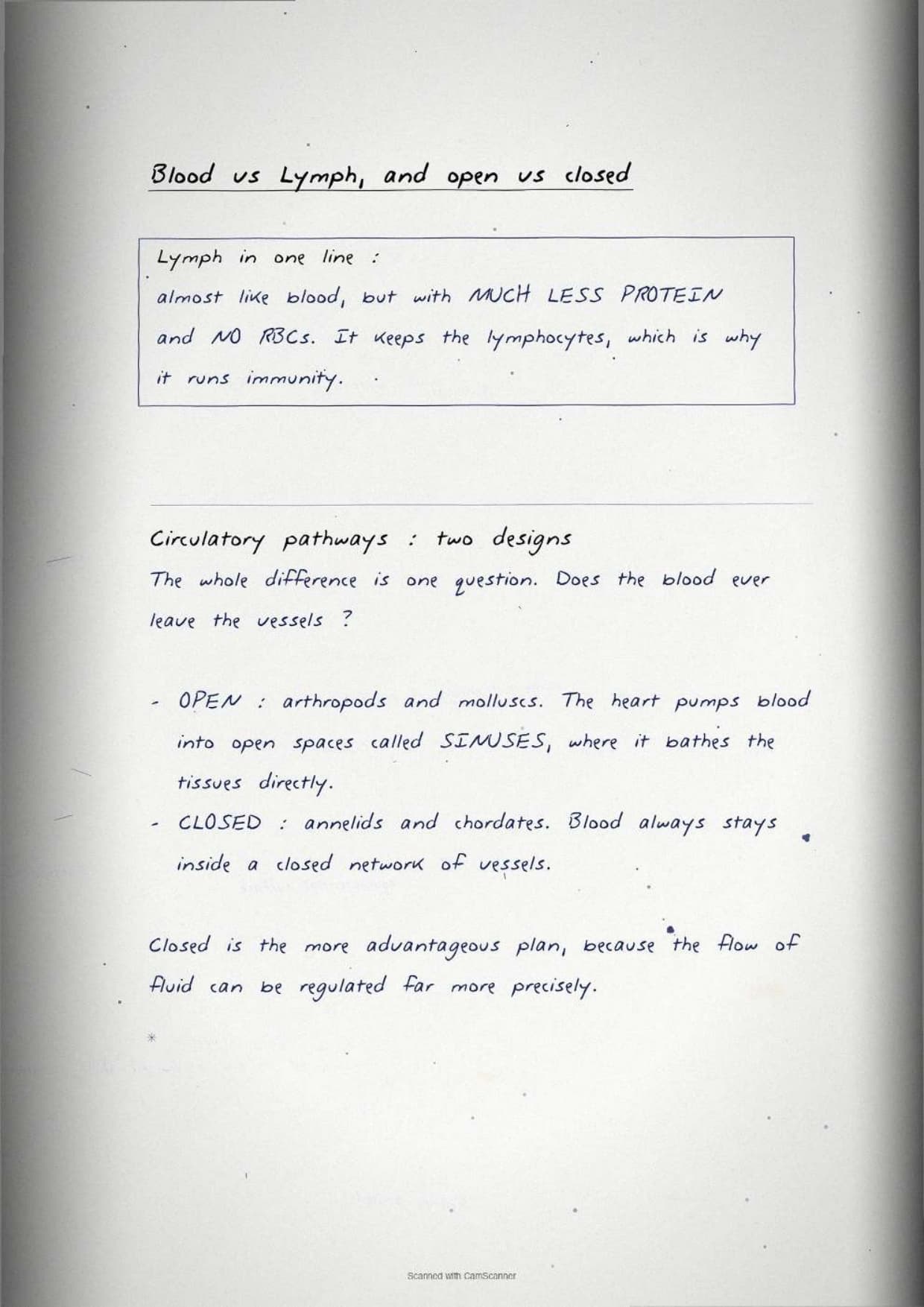
- Lymph and circulatory plans: tissue fluid, lacteals, and open against closed circulation.
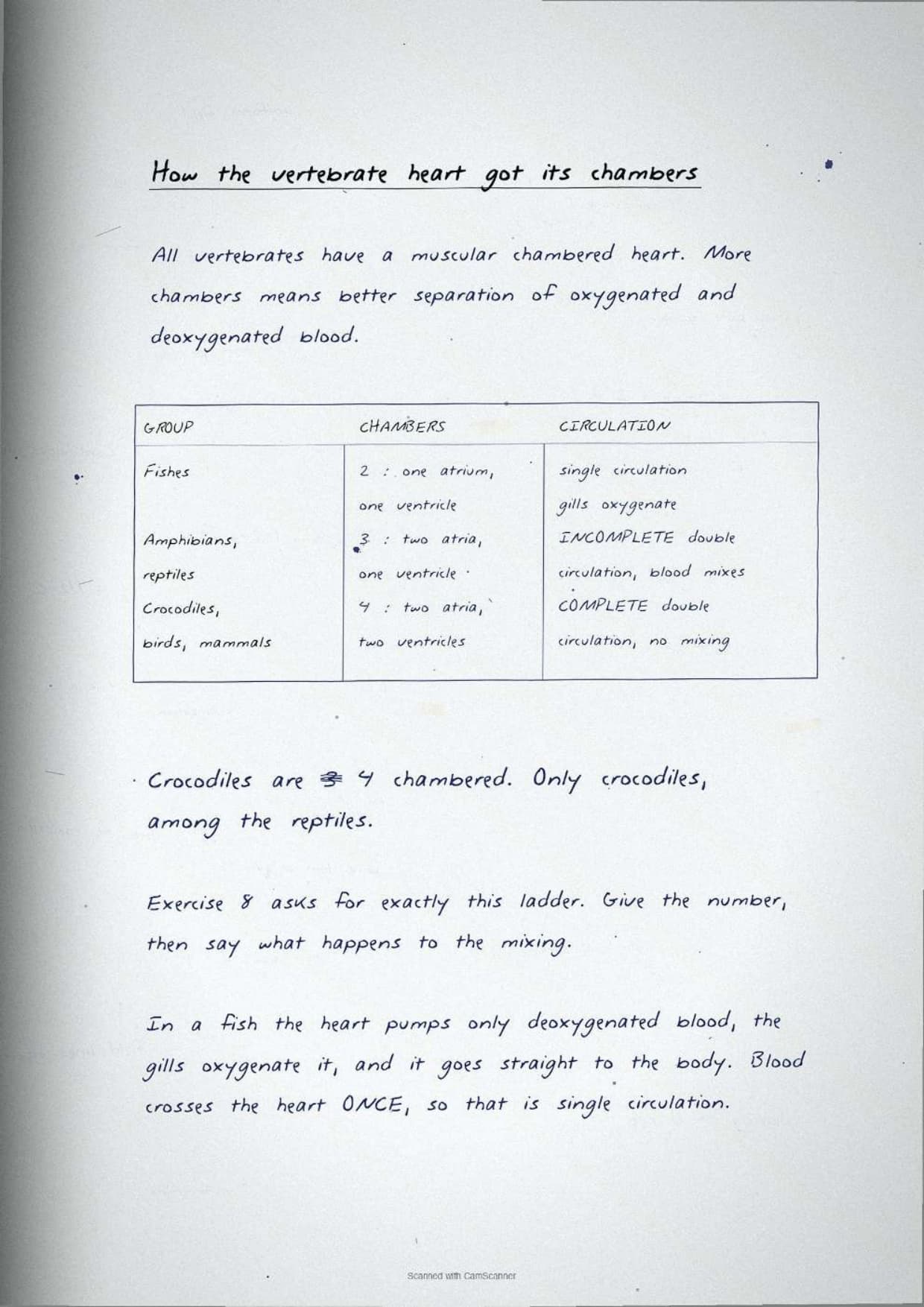
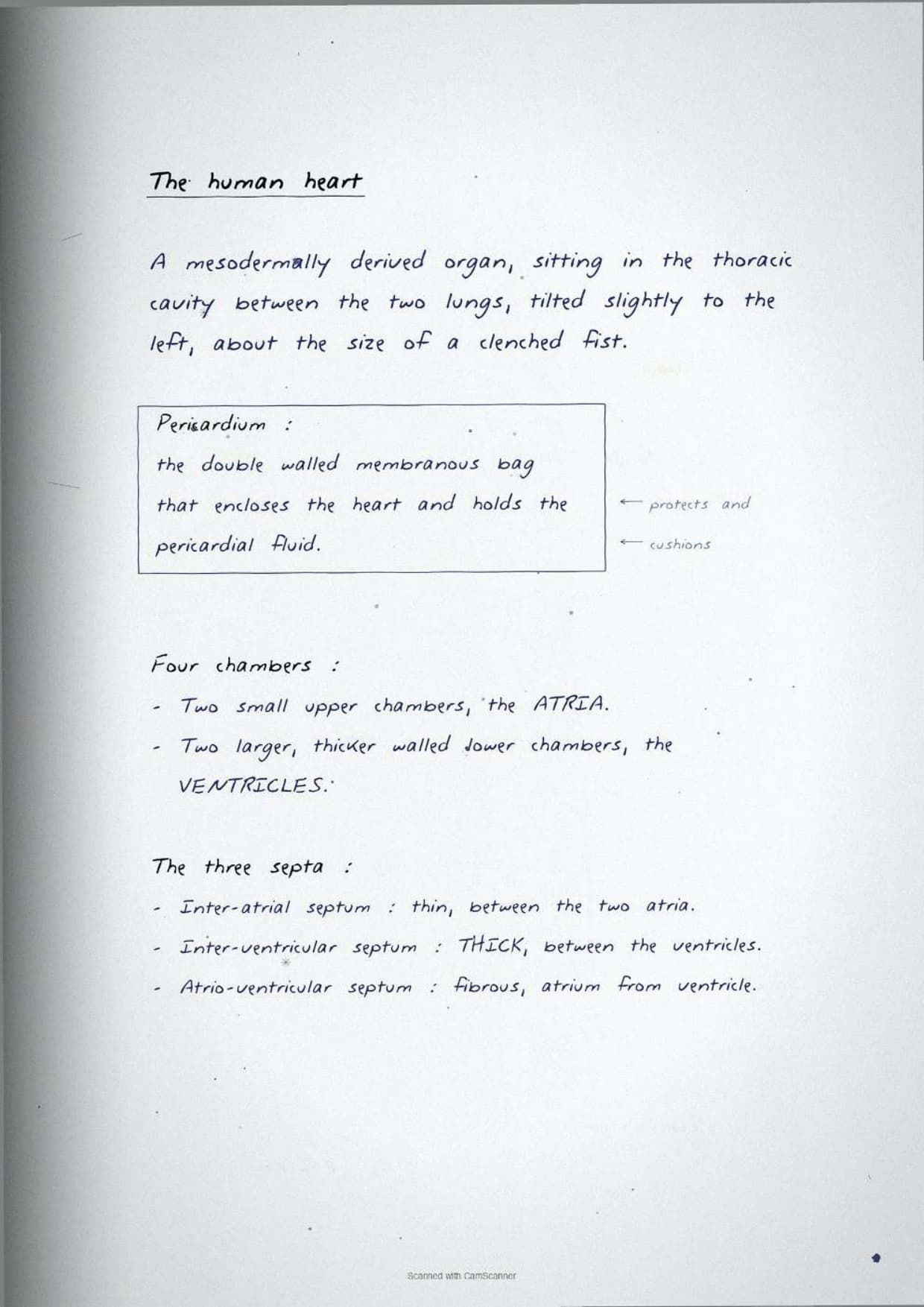
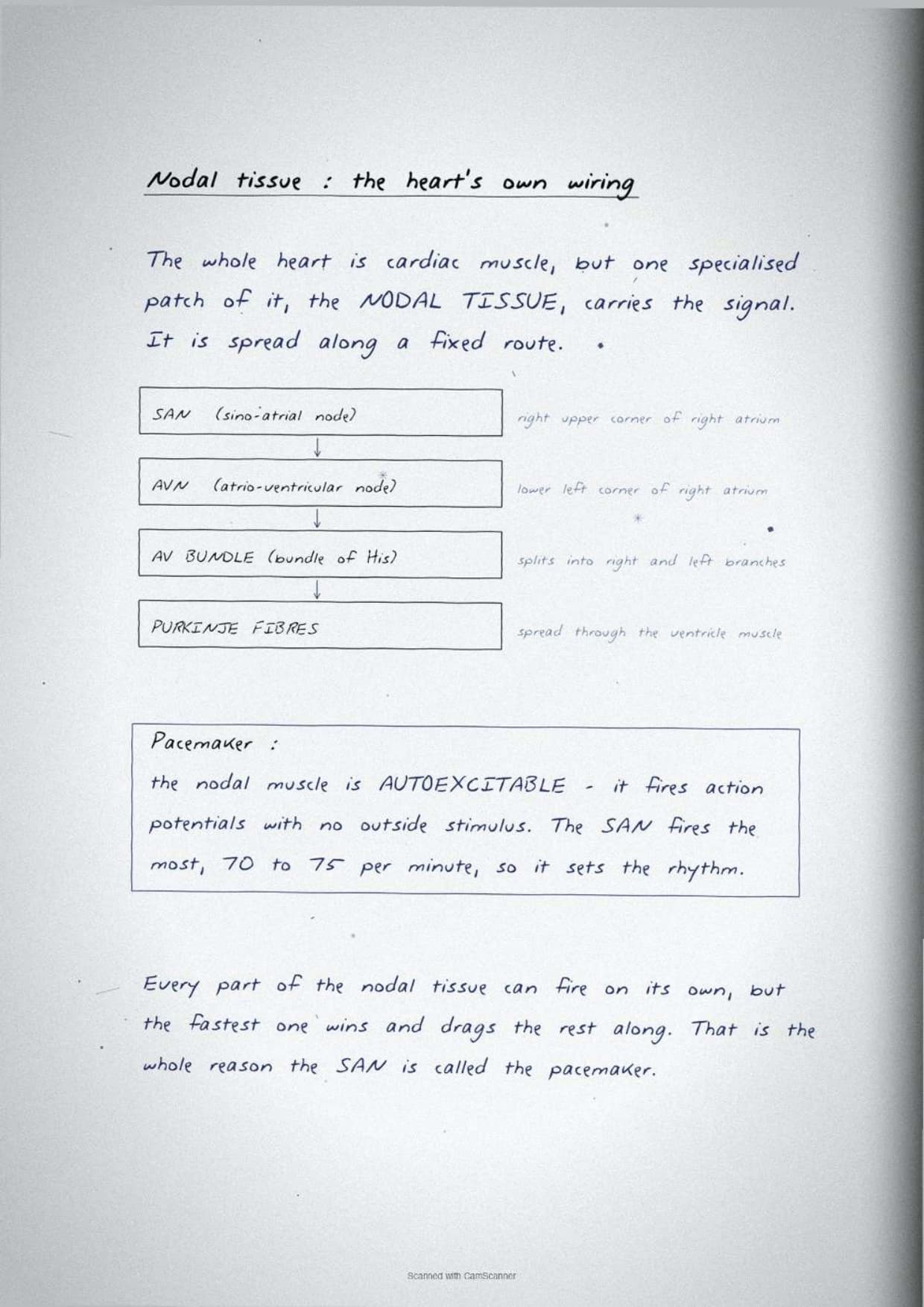
- The heart: chamber table for fishes to mammals, pericardium, septa, valves and the nodal tissue route.
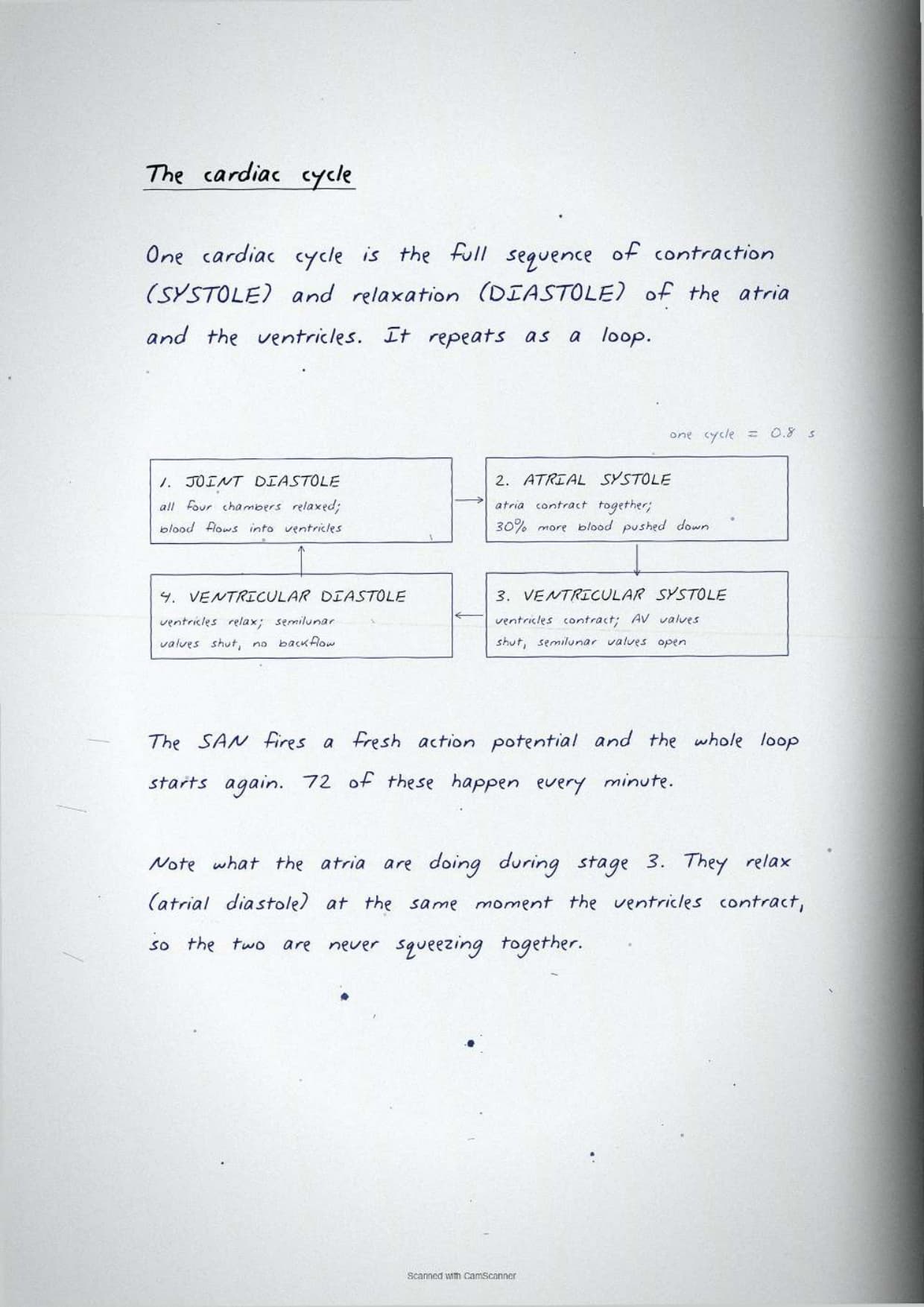
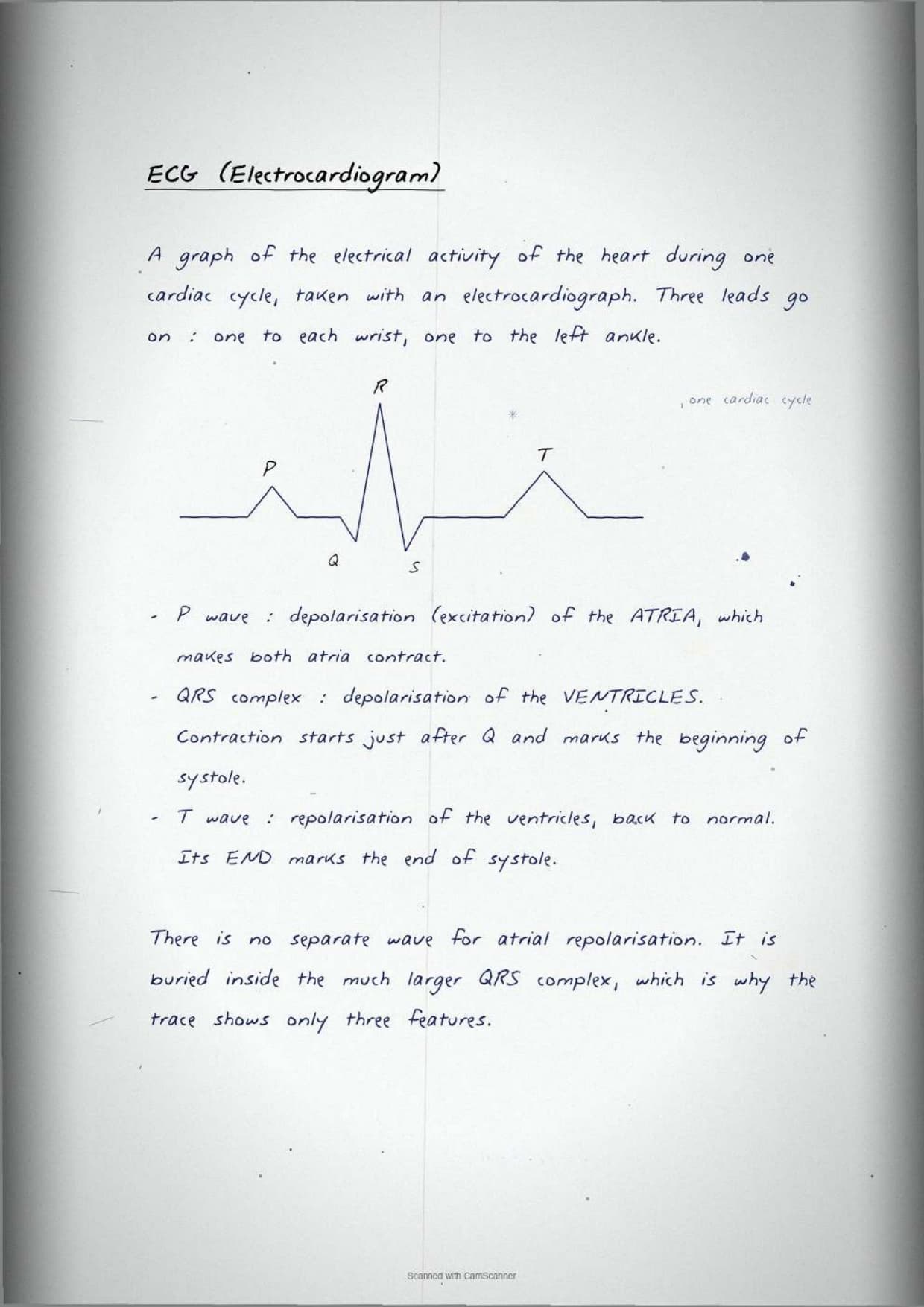
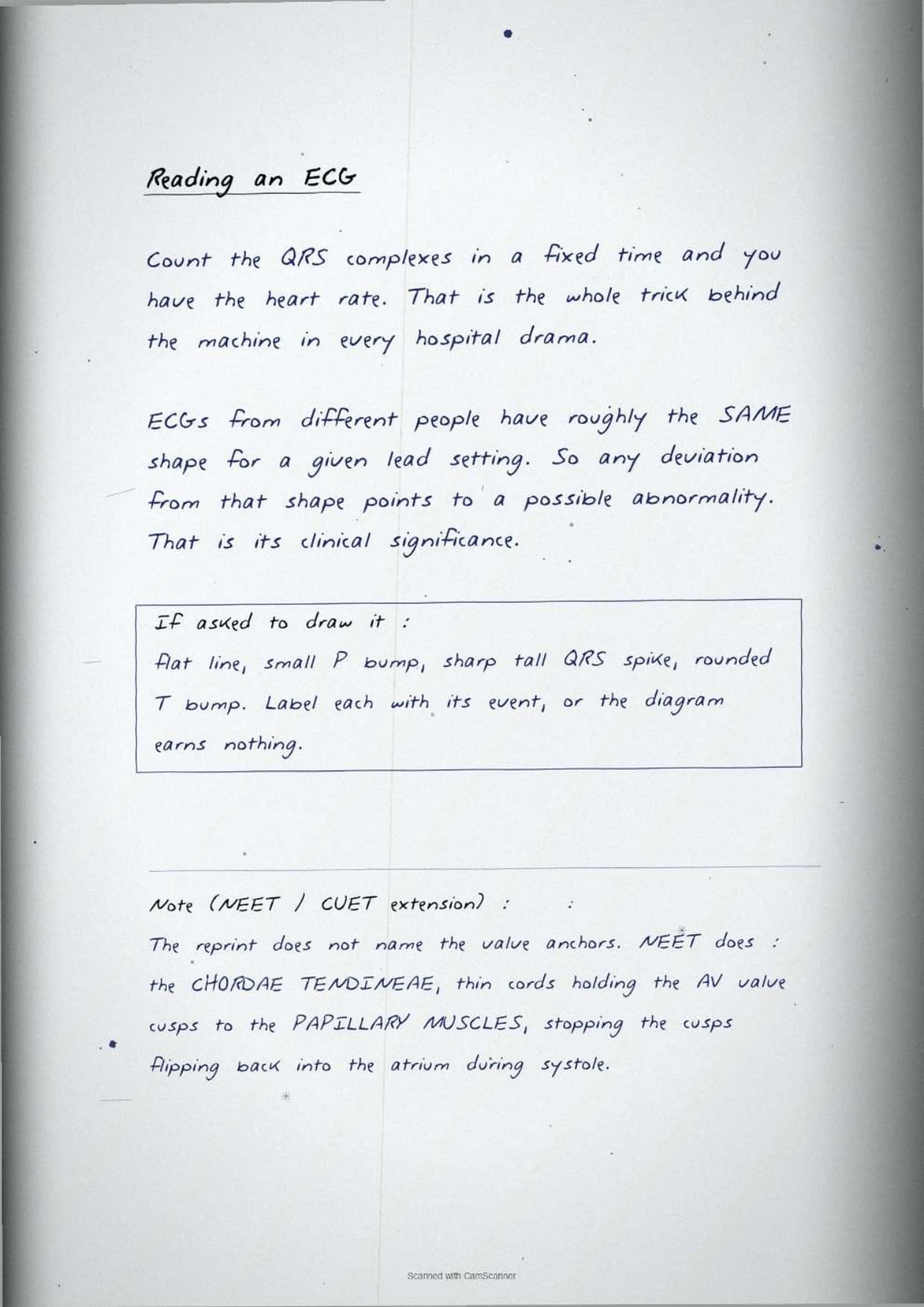
- Working heart: cardiac cycle at 0.8 seconds, stroke volume, cardiac output, heart sounds and the ECG.
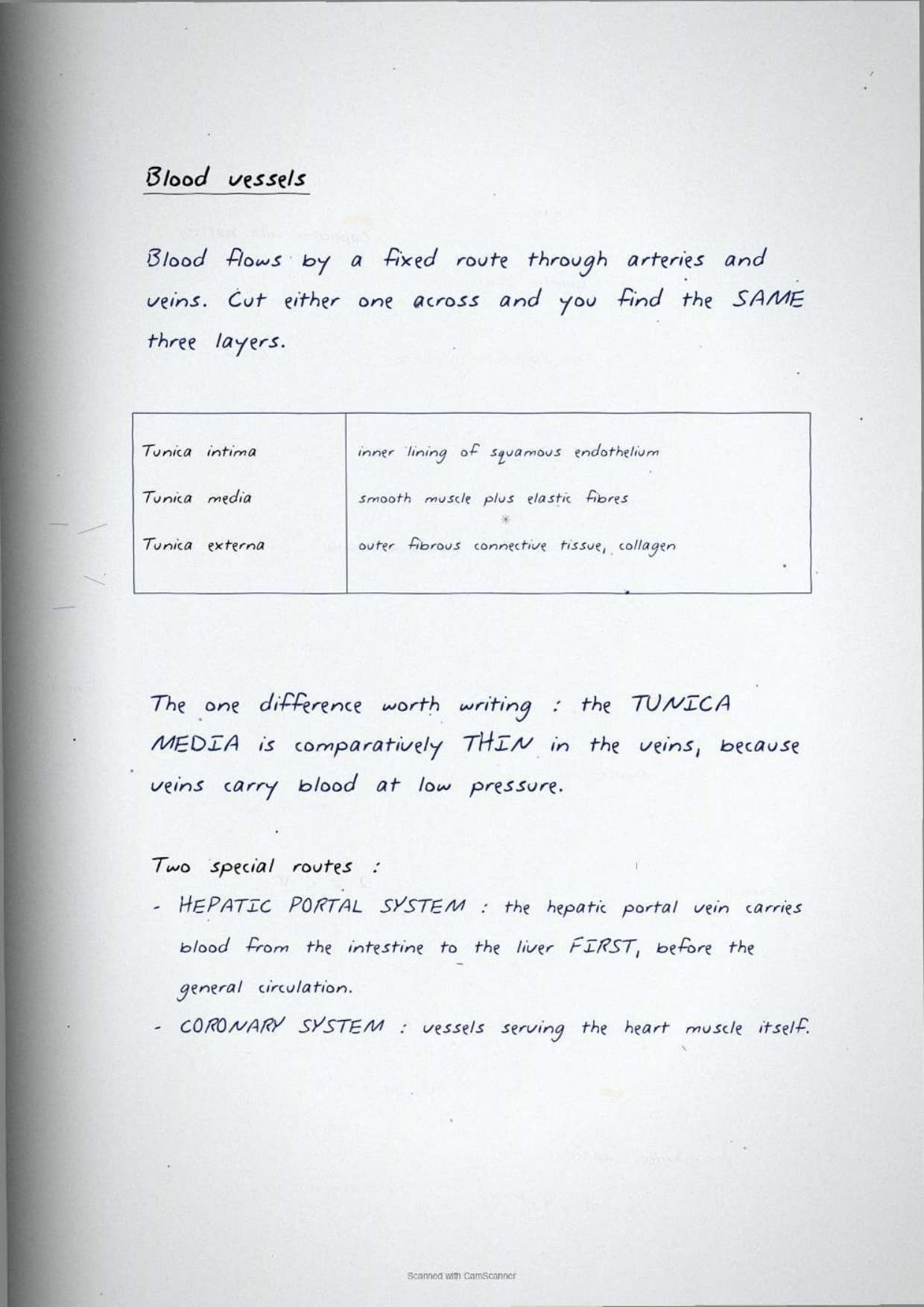
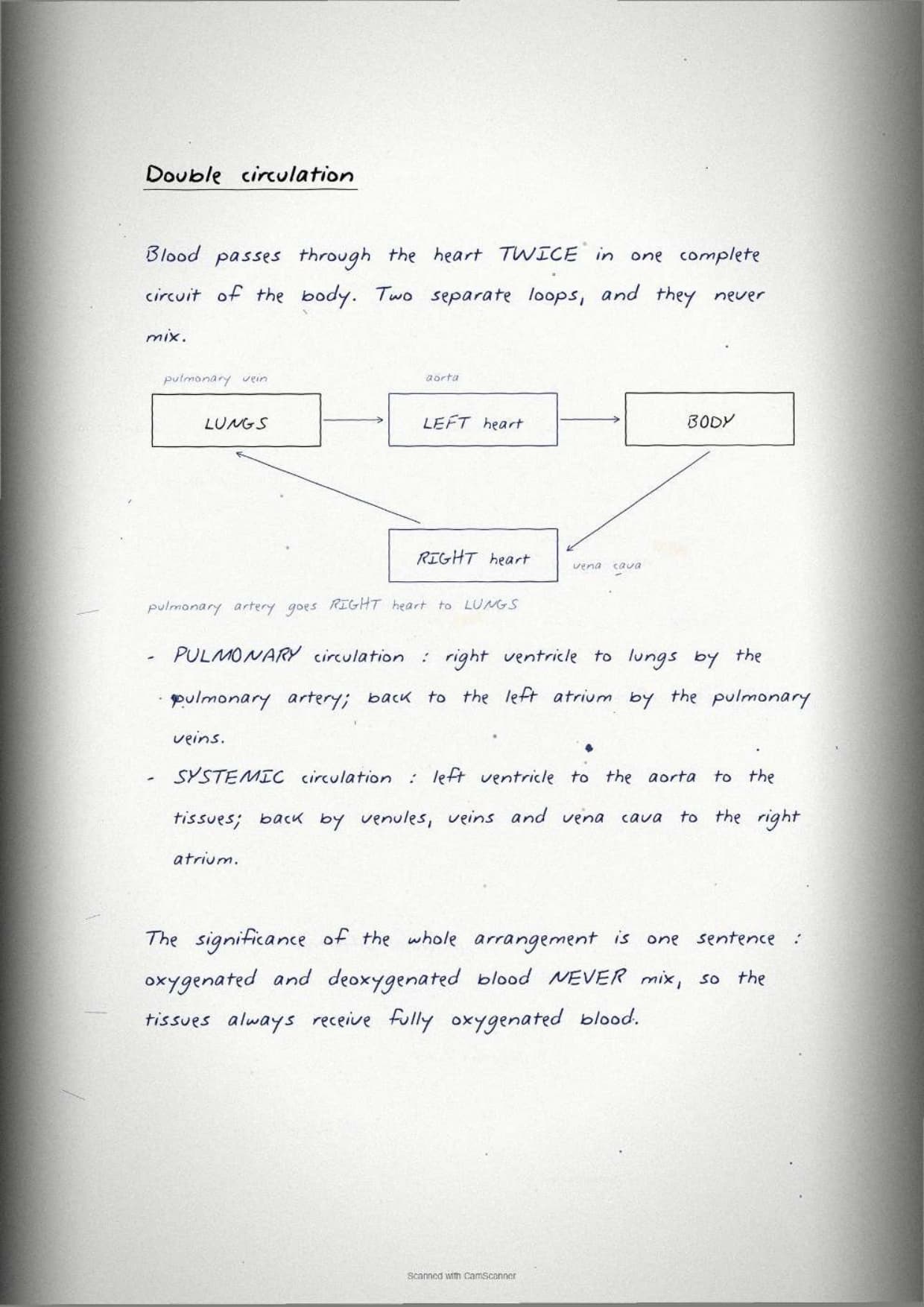
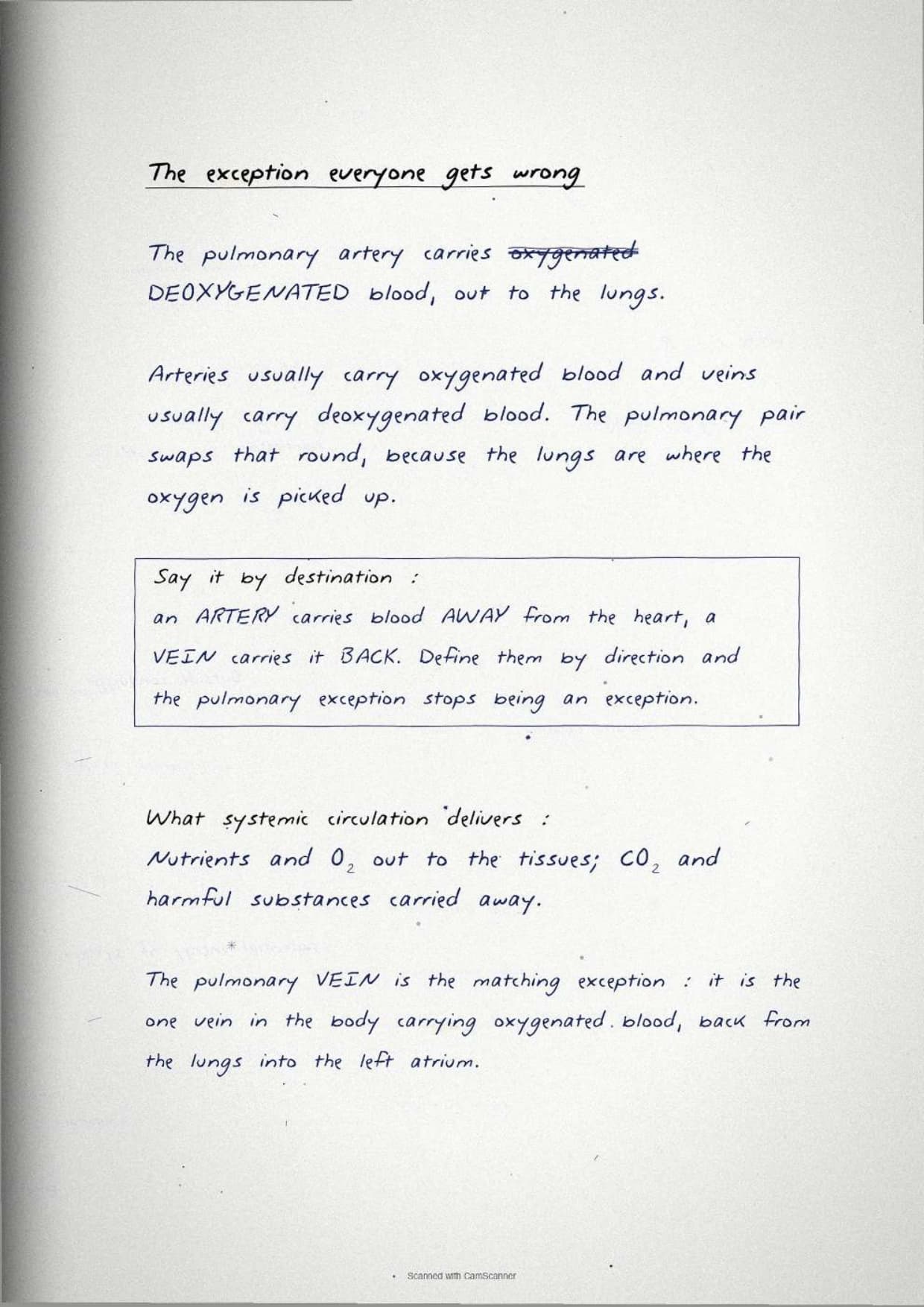
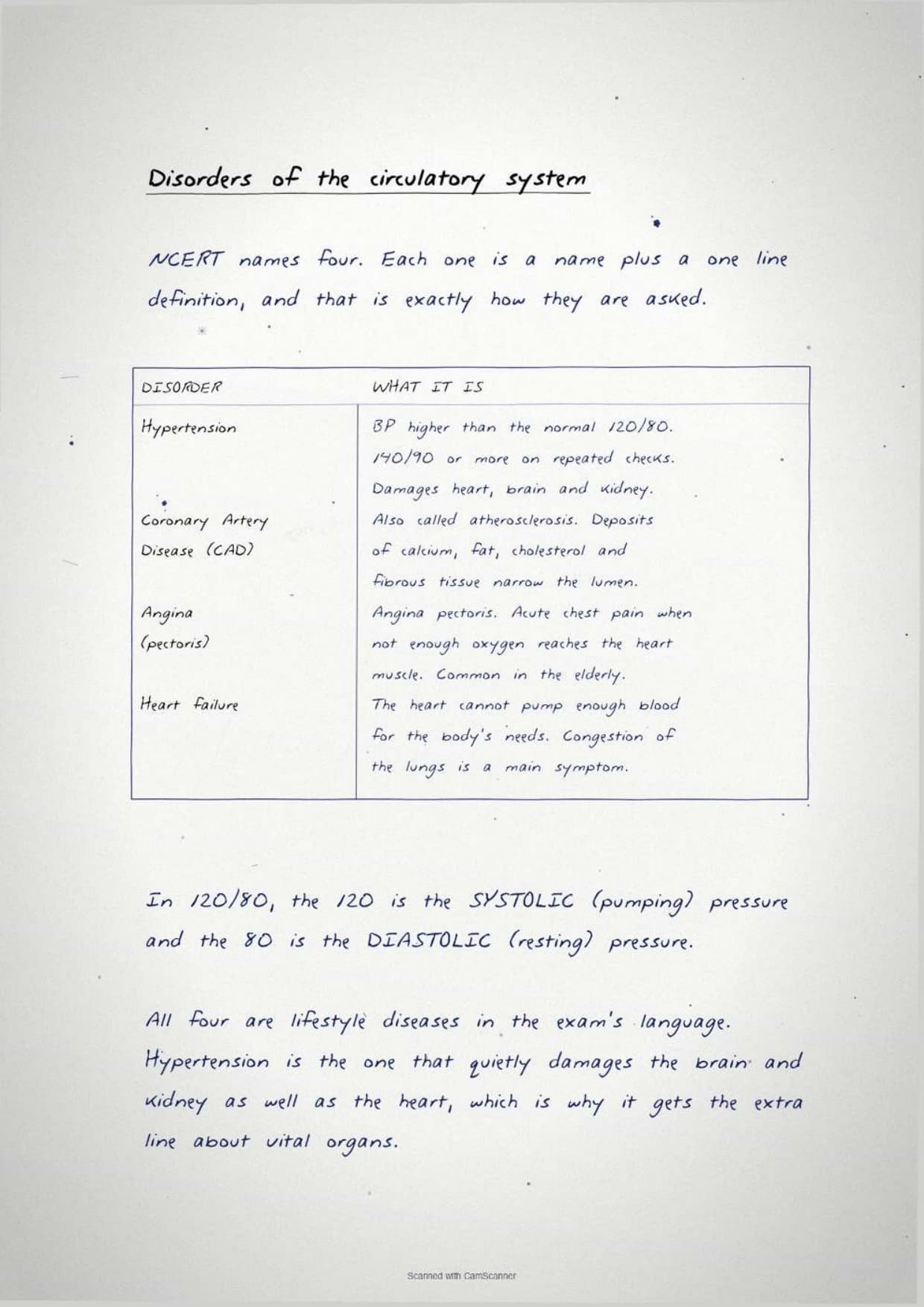
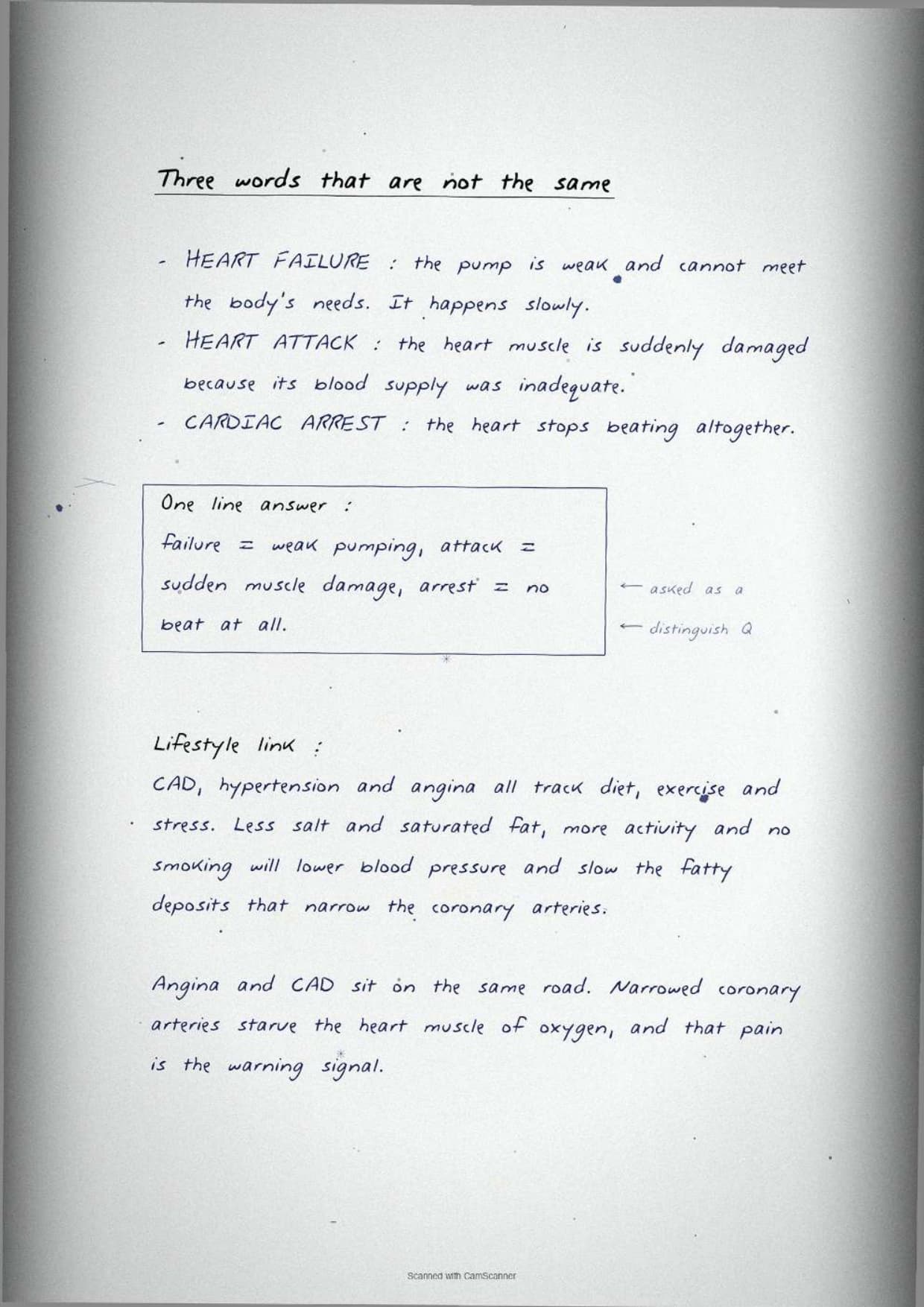
- Vessels and disorders: the three tunics, hepatic portal and coronary routes, double circulation, and the four NCERT disorders.
Three items are marked as NEET and CUET extensions, because the current 2026-27 print drops them. Erythropoiesis and erythropoietin sit on page 8 with ESR, and the chordae tendineae with the papillary muscles sit on page 25.
Key Diagrams and Terms in Body Fluids and Circulation Notes
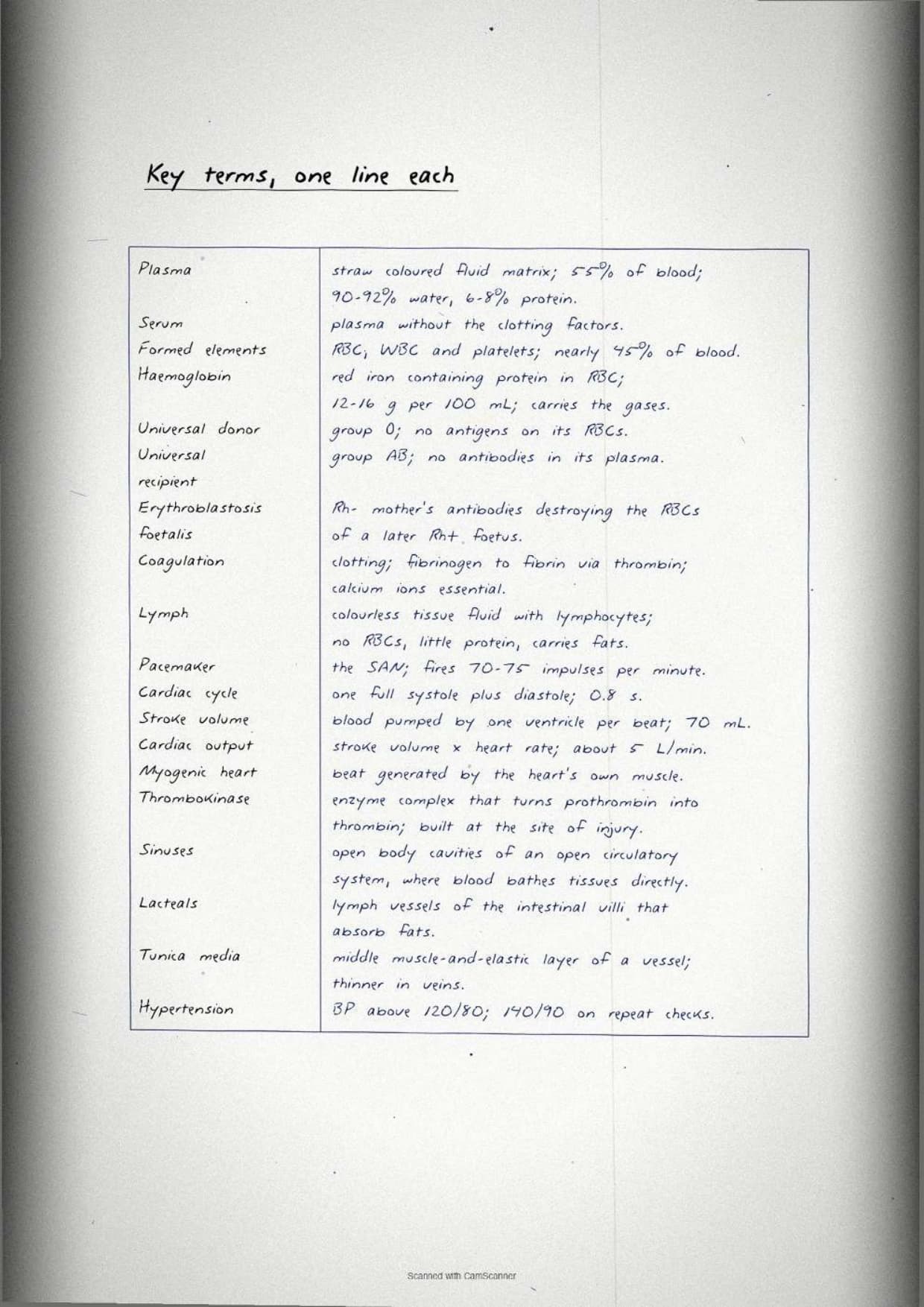
Most lost marks in this chapter come from two terms that sound alike. The summary table below carries the definitions students swap most often under exam pressure.
| Term | How the notes define it |
|---|---|
| Serum | Plasma without the clotting factors |
| Universal donor | Group O, because its RBCs carry no antigens |
| Universal recipient | Group AB, because its plasma carries no antibodies |
| Stroke volume | Blood pumped by one ventricle per beat, about 70 mL |
| Cardiac output | Stroke volume multiplied by heart rate, about 5 L per minute |
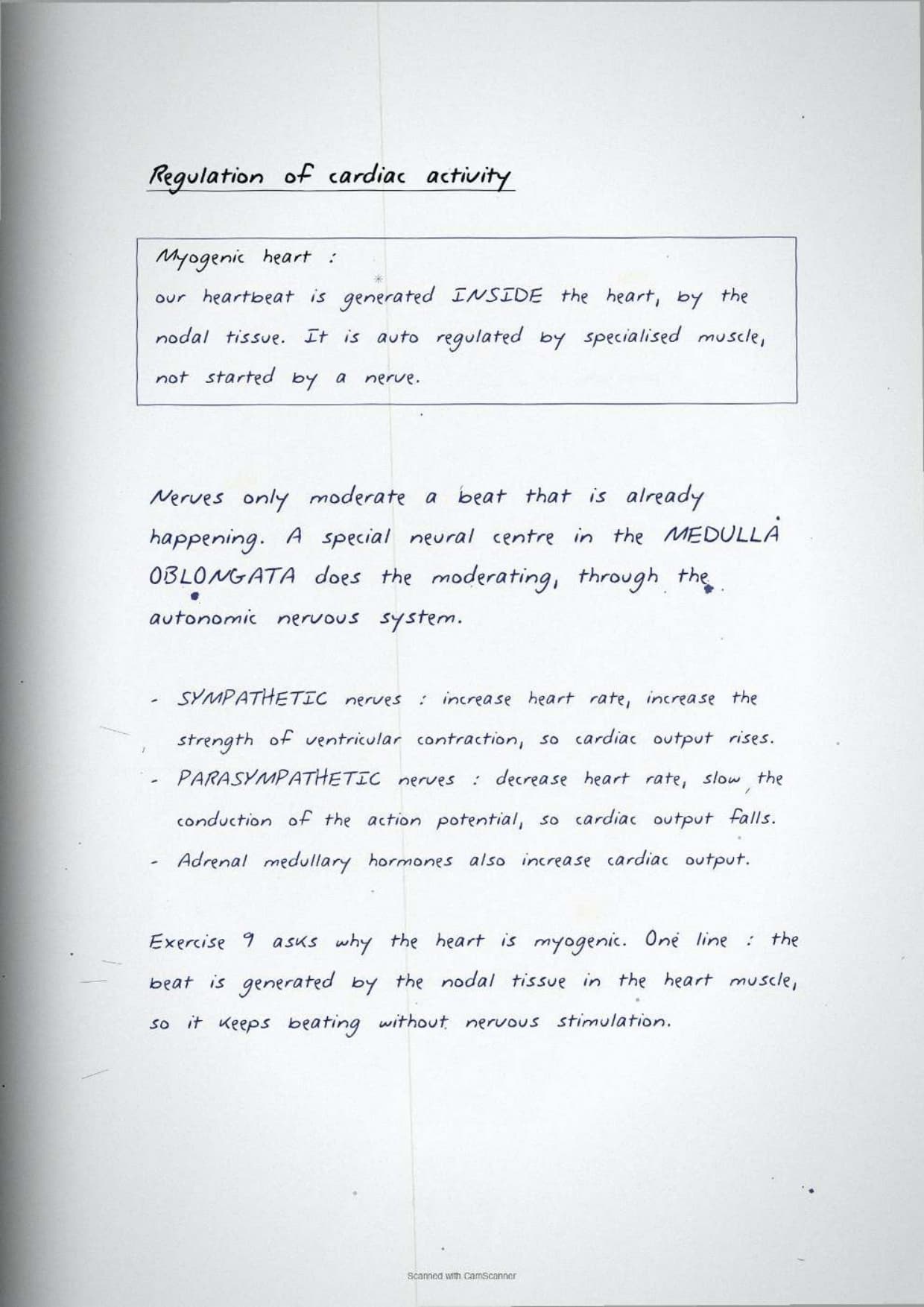
| Myogenic heart | Beat generated by the heart's own nodal muscle |
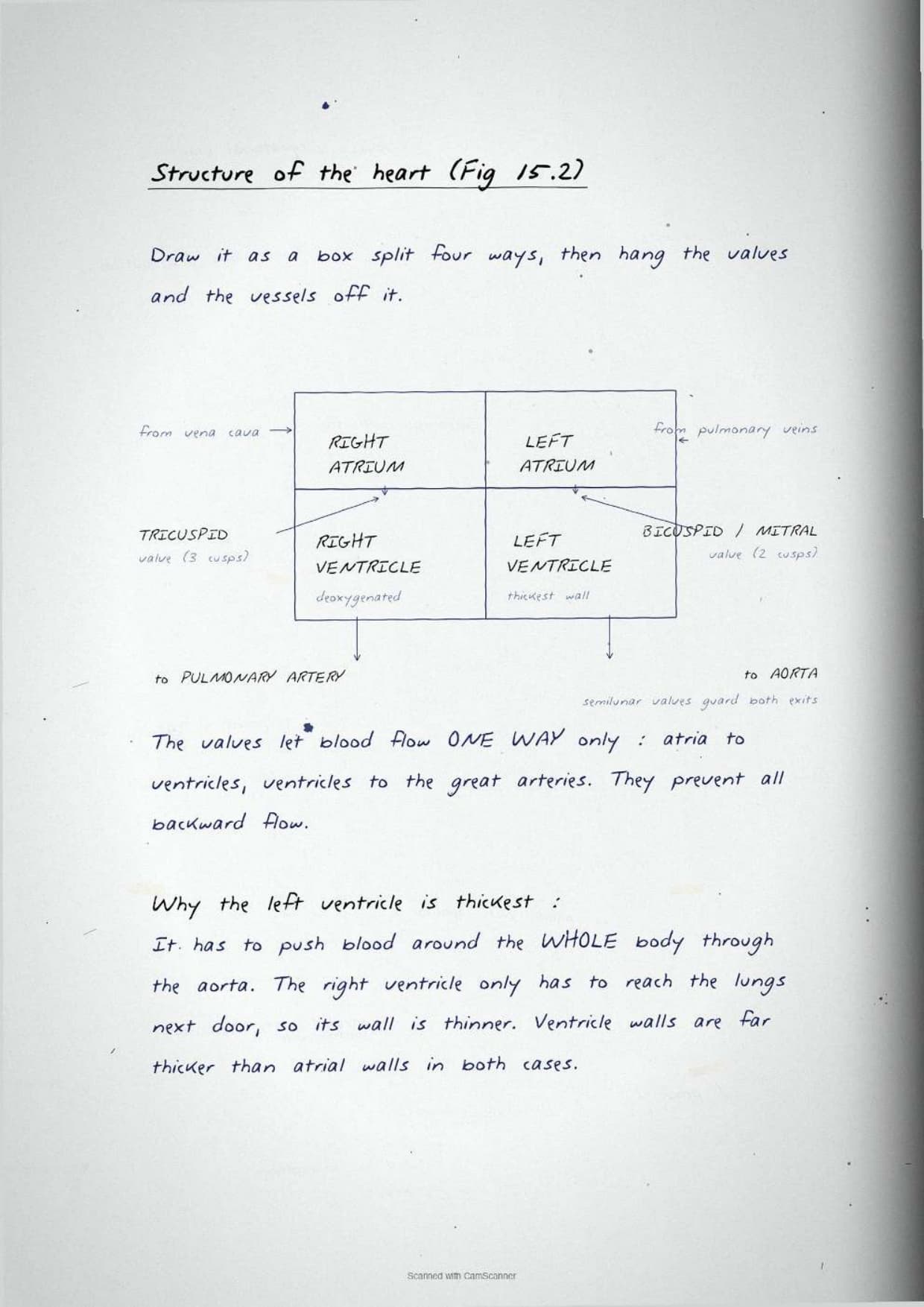
Four hand-drawn diagrams do the heavy lifting. A four-way box gives the heart with its valves and great vessels, a ladder runs the clotting cascade, an arrow chart carries SAN to AVN to bundle of His to Purkinje fibres, and a labelled P, QRS and T trace explains the ECG.
How to Use These Handwritten Notes for Revision
Work the pages in three short passes. Read a topic page, cover the boxed value and say it back, then answer two NCERT questions on it. This loop fixes exact numbers faster than re-reading the textbook.
- Learn the ABO table row by row, since almost every blood group question is one cell of it.
- Redraw the four-chambered heart and label the tricuspid and bicuspid valves from memory.
- Keep the class 11 biology handwritten notes chapter 15 Body Fluids and Circulation open beside the NCERT Solutions while practising.
- Read the common-mistakes page on page 32 last, then the night-before page, before you shut the file.
About 45 minutes covers one full pass of this chapter, so the notes fit inside the last week before an exam.
Student Feedback on Body Fluids and Circulation Handwritten Notes
Students rate the boxed counts and the ABO page as the two that save them the most time. The figures below come from a Collegedunia poll run before the 2026 boards.
- In a Collegedunia survey of 11,240 students, 74% said the ABO and universal donor page was their most-used revision page.
- Most-confused pair before the poll: plasma against serum, mixed up by nearly 5 in 10 students.
Source: 2026-27 Class 11 Biology student poll. Sample of 11,240 students from CBSE schools across 12 states.
Where to Use These Notes Alongside Other Resources
These handwritten pages work best next to the step-wise Solutions, the summary Notes and the Exemplar Solutions for the same chapter. Read the notes first, then check the answers, and keep the Exemplar for extra practice.
| Resource | Best used for |
|---|---|
| Body Fluids and Circulation NCERT Solutions | Step-by-step answers to every back-exercise question |
| Body Fluids and Circulation Class 11 Notes | Quick chapter summary with all key terms in one place |
| Body Fluids and Circulation Exemplar Solutions | Exemplar questions solved for NEET-level practice |
| Body Fluids and Circulation NCERT Book PDF | The original chapter text and exercises |
All Class 11 Biology Handwritten Notes by Chapter
The table links the handwritten notes for every Class 11 Biology chapter, so students can move across the course in one click. Body Fluids and Circulation is highlighted.
| Chapter | Handwritten Notes |
|---|---|
| Chapter 1 | The Living World |
| Chapter 2 | Biological Classification |
| Chapter 3 | Plant Kingdom |
| Chapter 4 | Animal Kingdom |
| Chapter 5 | Morphology of Flowering Plants |
| Chapter 6 | Anatomy of Flowering Plants |
| Chapter 7 | Structural Organisation in Animals |
| Chapter 8 | Cell The Unit of Life |
| Chapter 9 | Biomolecules |
| Chapter 10 | Cell Cycle and Cell Division |
| Chapter 11 | Photosynthesis in Higher Plants |
| Chapter 12 | Respiration in Plants |
| Chapter 13 | Plant Growth and Development |
| Chapter 14 | Breathing and Exchange of Gases |
| Chapter 15 | Body Fluids and Circulation |
| Chapter 16 | Excretory Products and their Elimination |
| Chapter 17 | Locomotion and Movement |
| Chapter 18 | Neural Control and Coordination |
| Chapter 19 | Chemical Coordination and Integration |
FAQs on Body Fluids and Circulation Handwritten Notes
Ques. Are these class 11 biology handwritten notes chapter 15 Body Fluids and Circulation free to download?
Ans. Yes. The Body Fluids and Circulation handwritten notes are free to download as a PDF from this page. All 34 pages follow the 2026-27 NCERT and cover the full chapter in clear handwriting for quick revision.
Ques. What is the difference between plasma and serum?
Ans. Serum is plasma with the clotting factors taken out. Plasma is the straw-coloured liquid matrix of blood, about 55 per cent of it, holding fibrinogen, globulins and albumins. Remove fibrinogen and the other clotting proteins and what is left is serum. The notes box this line because it is a repeated one-mark question.
Ques. Why is group O the universal donor and AB the universal recipient?
Ans. Group O RBCs carry no A or B antigen, so no recipient's antibodies can clump them. Group AB plasma carries no anti-A or anti-B antibody, so nothing sent to an AB person is attacked. The notes use a memory line: O is Open to give, AB is Able to Borrow.
Ques. Do these notes cover the NEET-only topics?
Ans. Yes, and they are labelled. Erythropoiesis, erythropoietin and ESR sit on page 8, and the chordae tendineae with the papillary muscles sit on page 25. Both are marked as NEET and CUET extensions, since the current 2026-27 print does not carry them.
Ques. How long do these notes take to revise?
Ans. About 45 minutes for one full pass. Read each topic page, recall the boxed number, then answer two NCERT questions on it. Finish with the common-mistakes page and the night-before page so the counts stay fresh.



Comments