




These class 11 biology handwritten notes chapter 4 Animal Kingdom cover 41 pages built for one clean revision pass before Boards, NEET and CUET in 2026-27. They ask the same six questions of every animal, then walk all eleven phyla and the seven vertebrate classes in NCERT order, boxed and colour-coded.
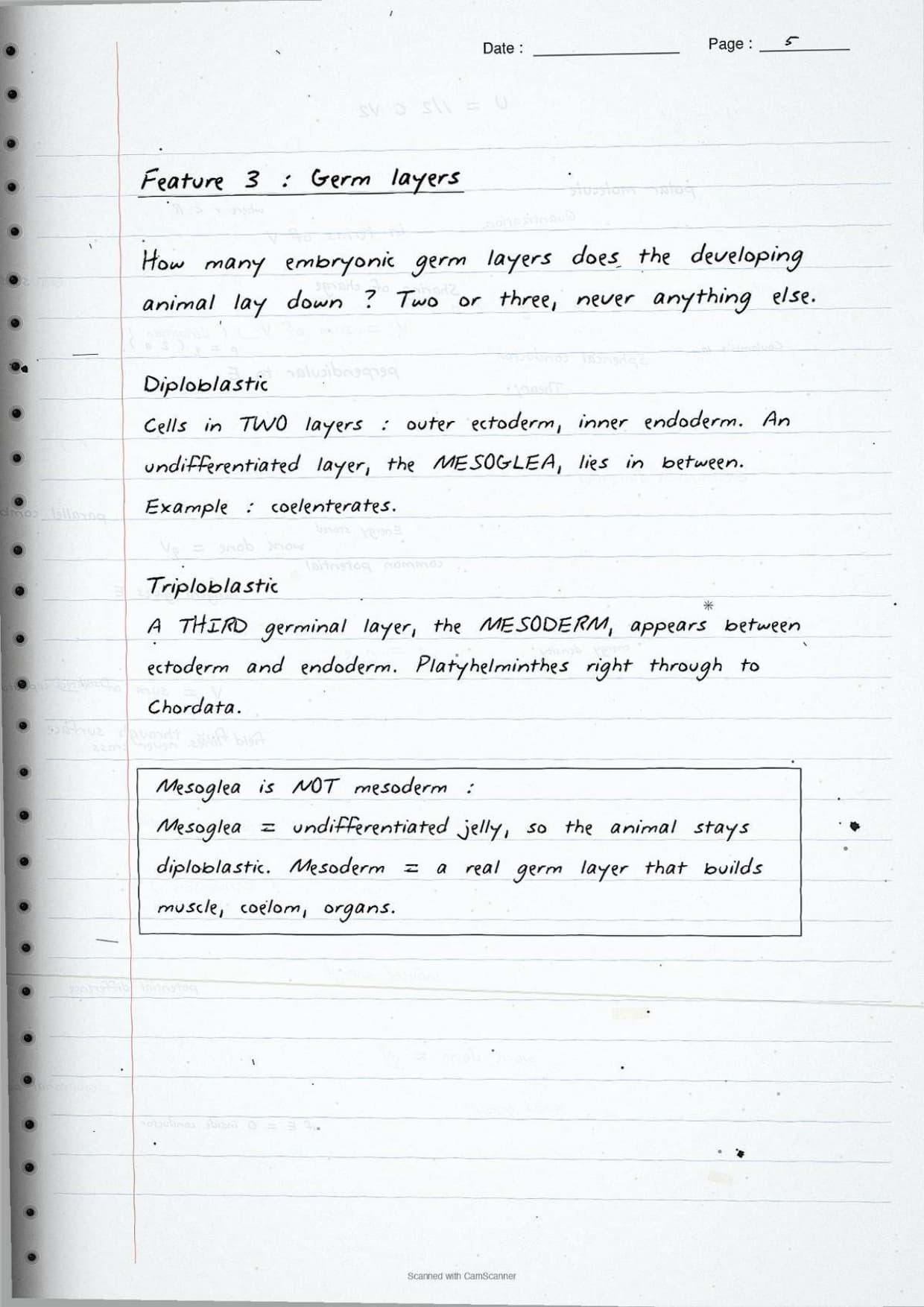
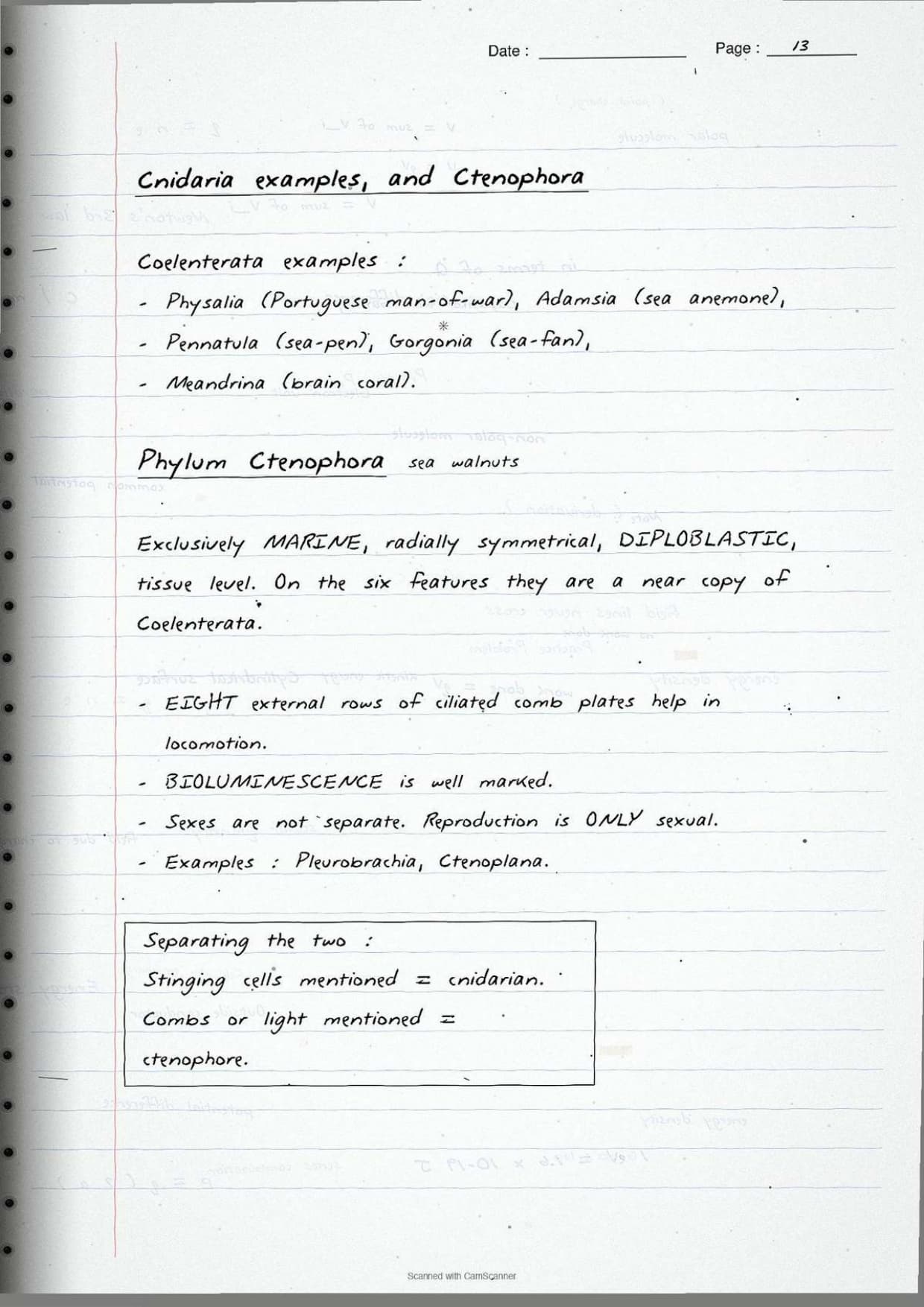
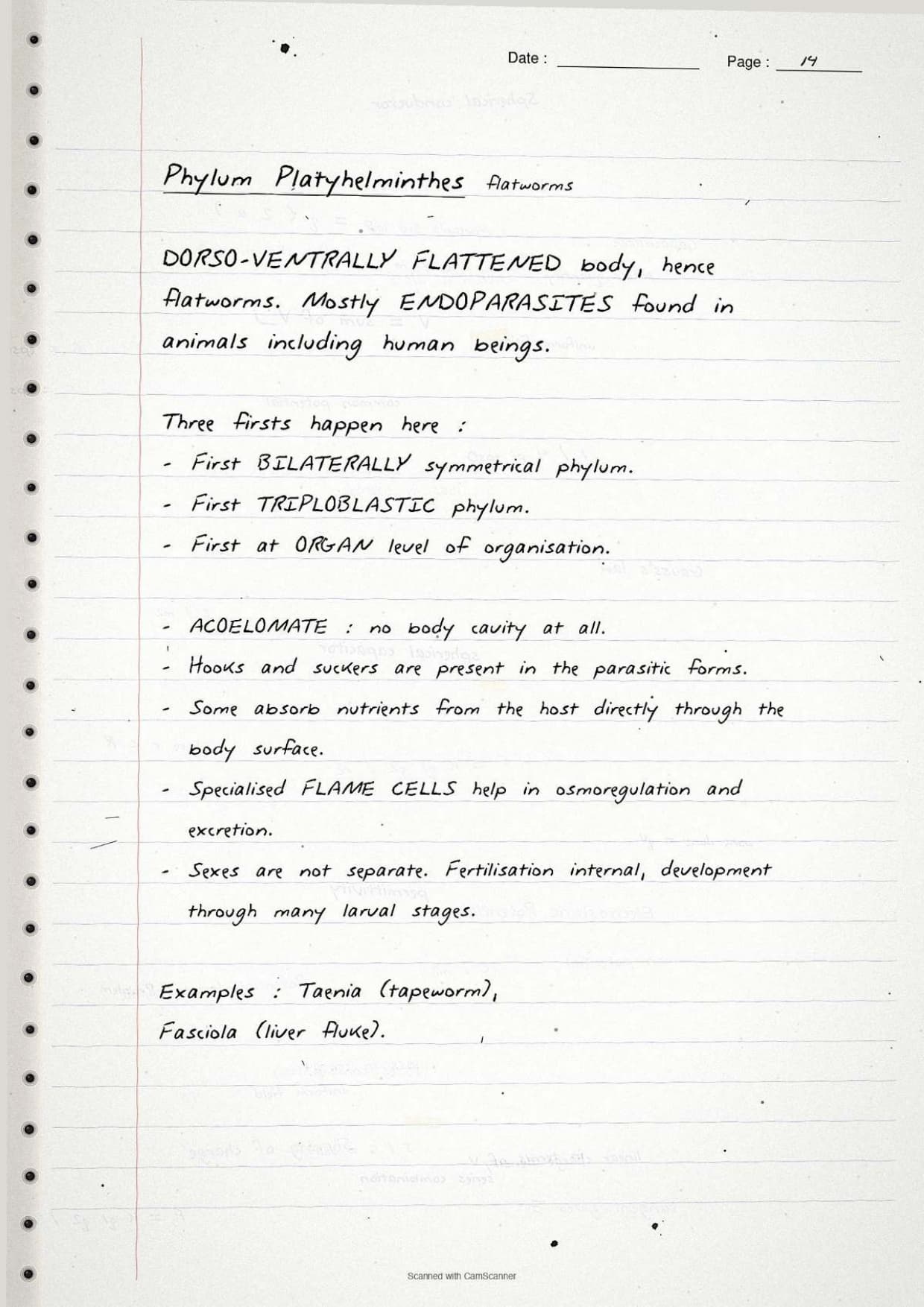
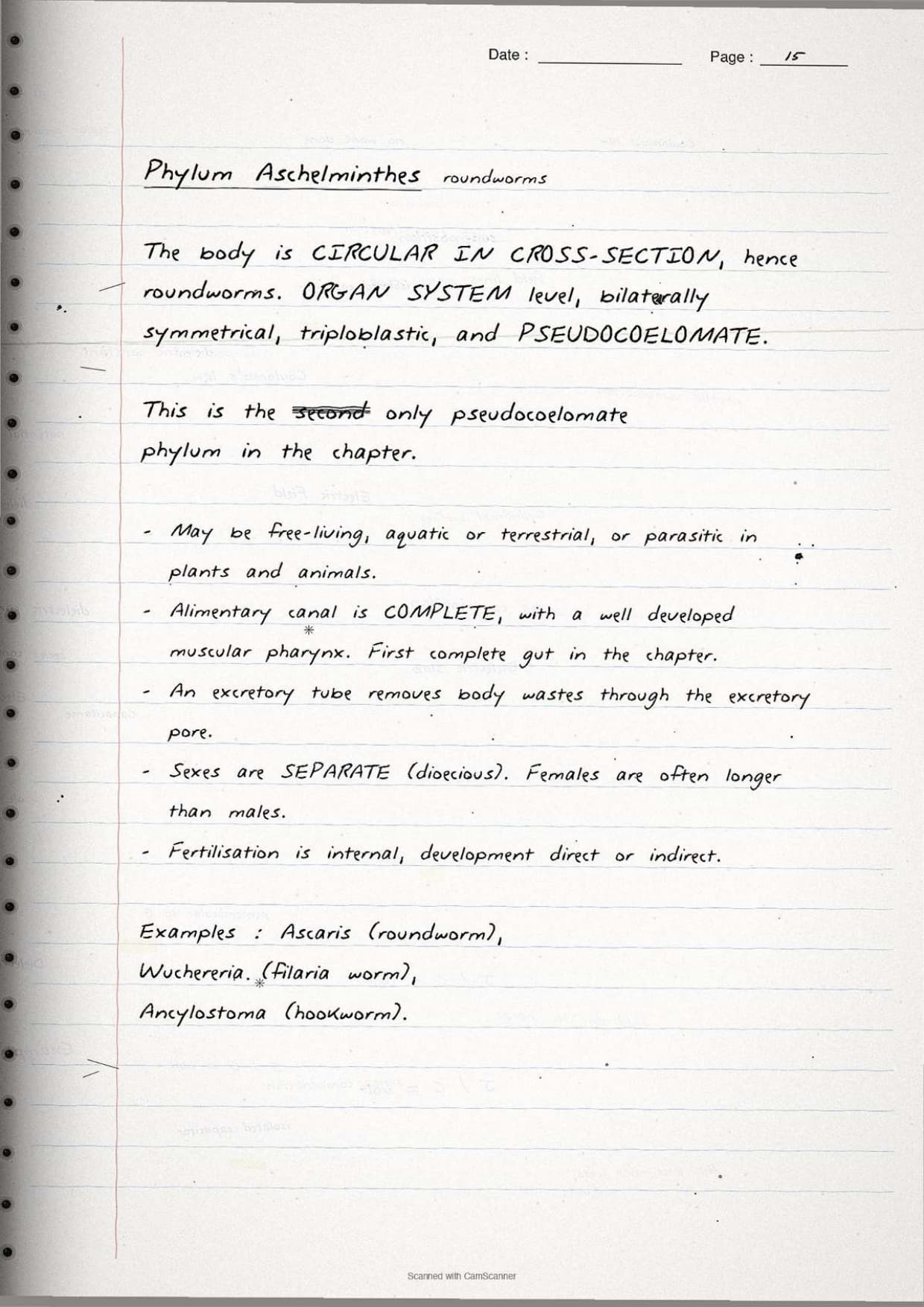
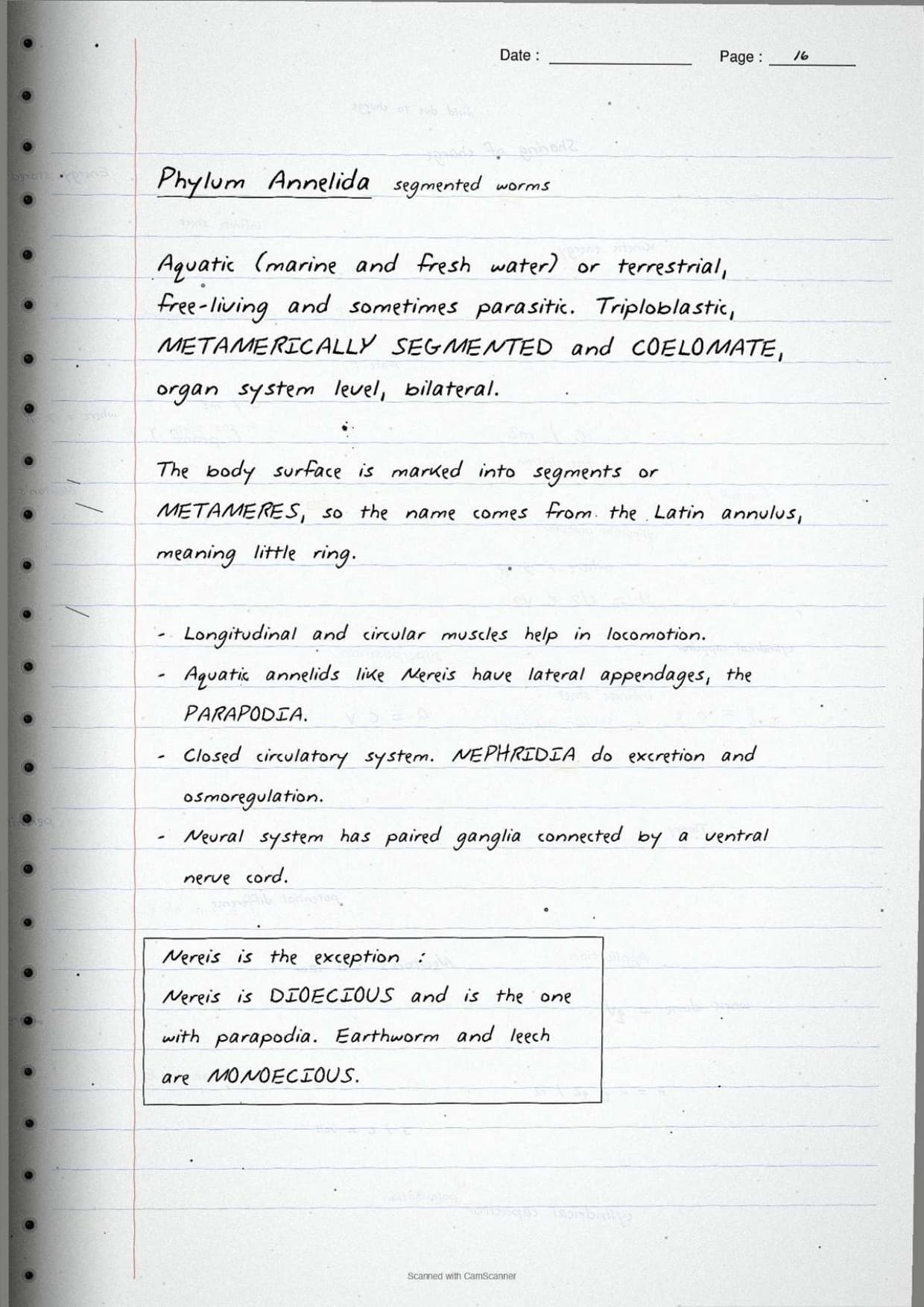
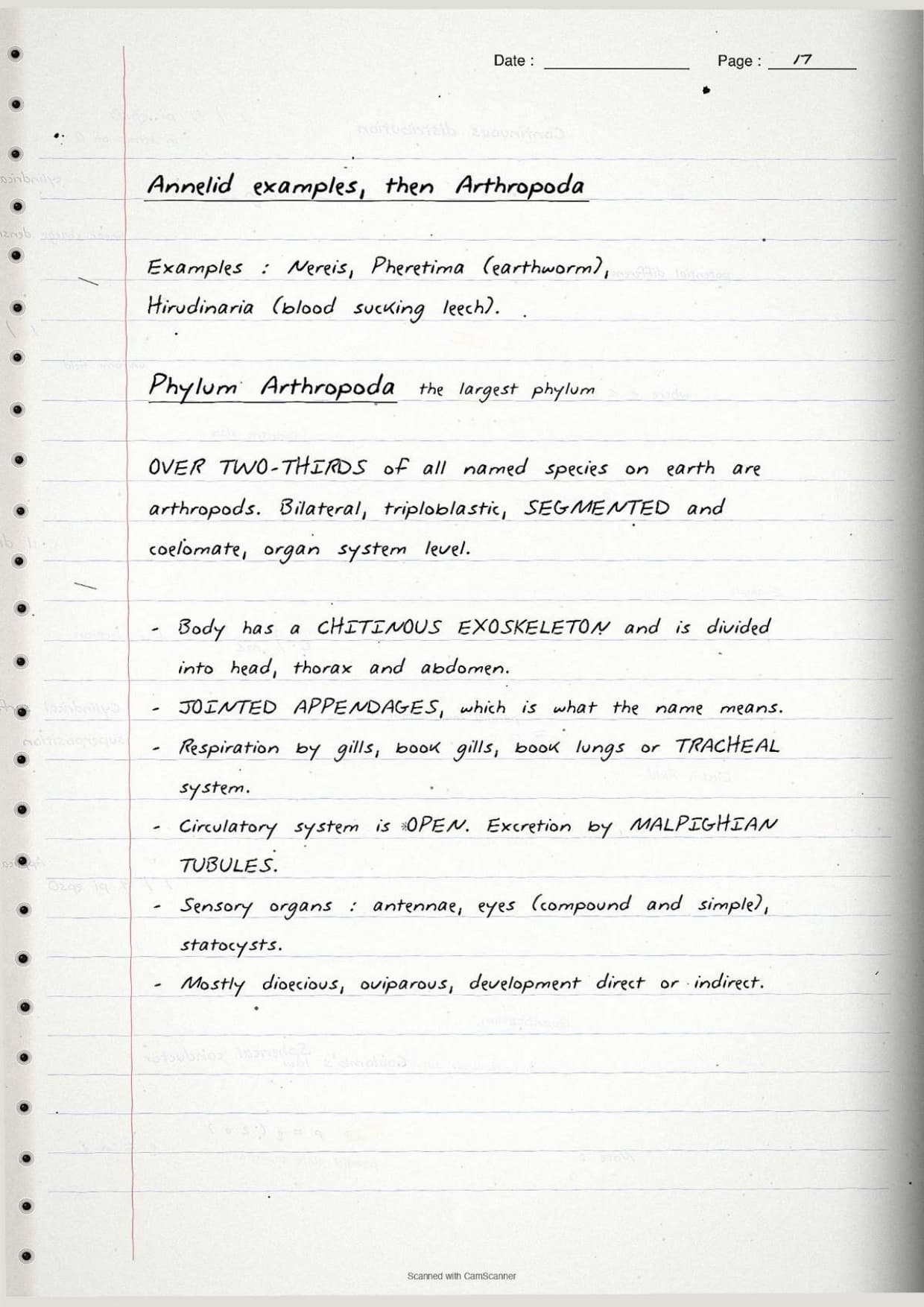
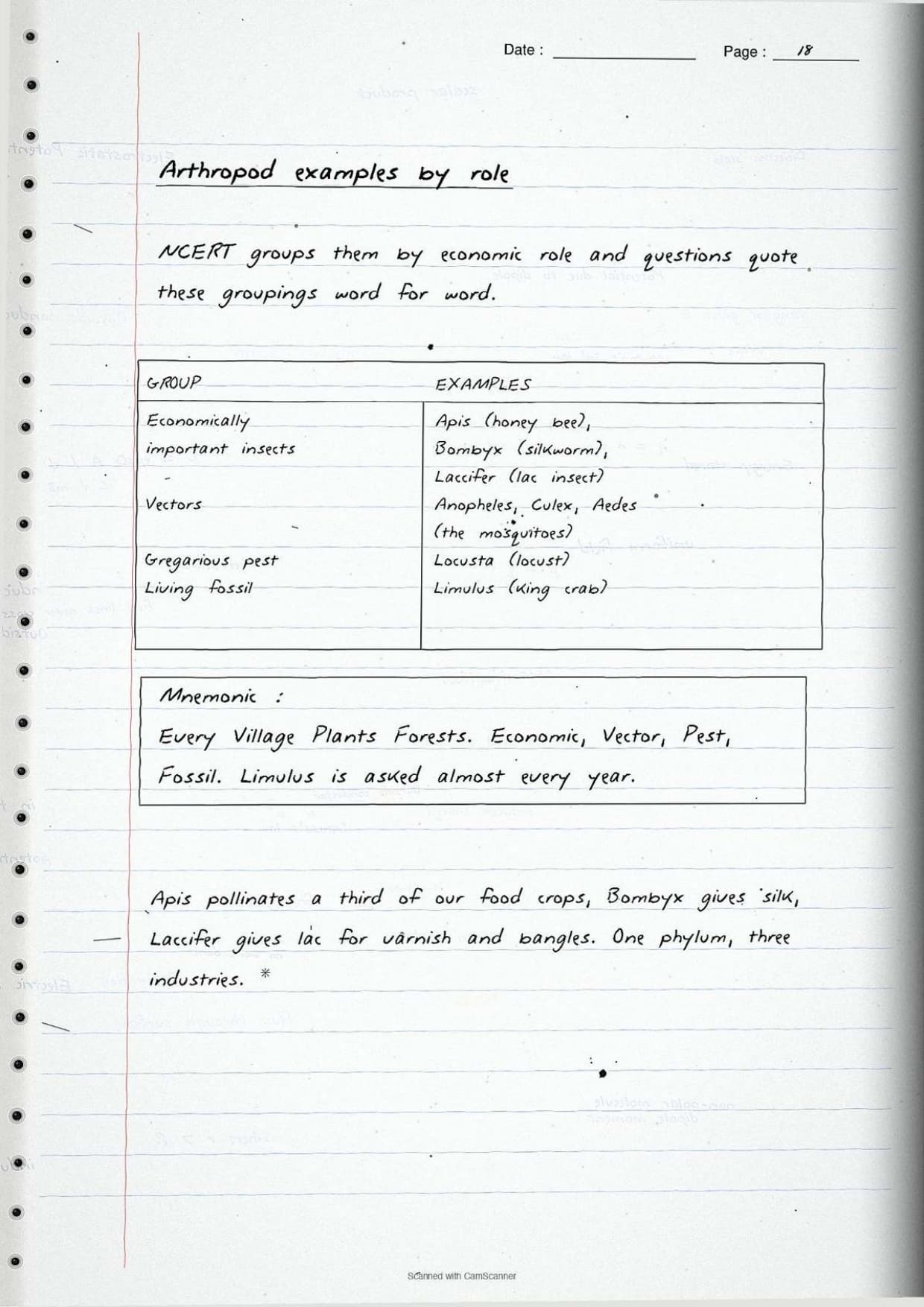
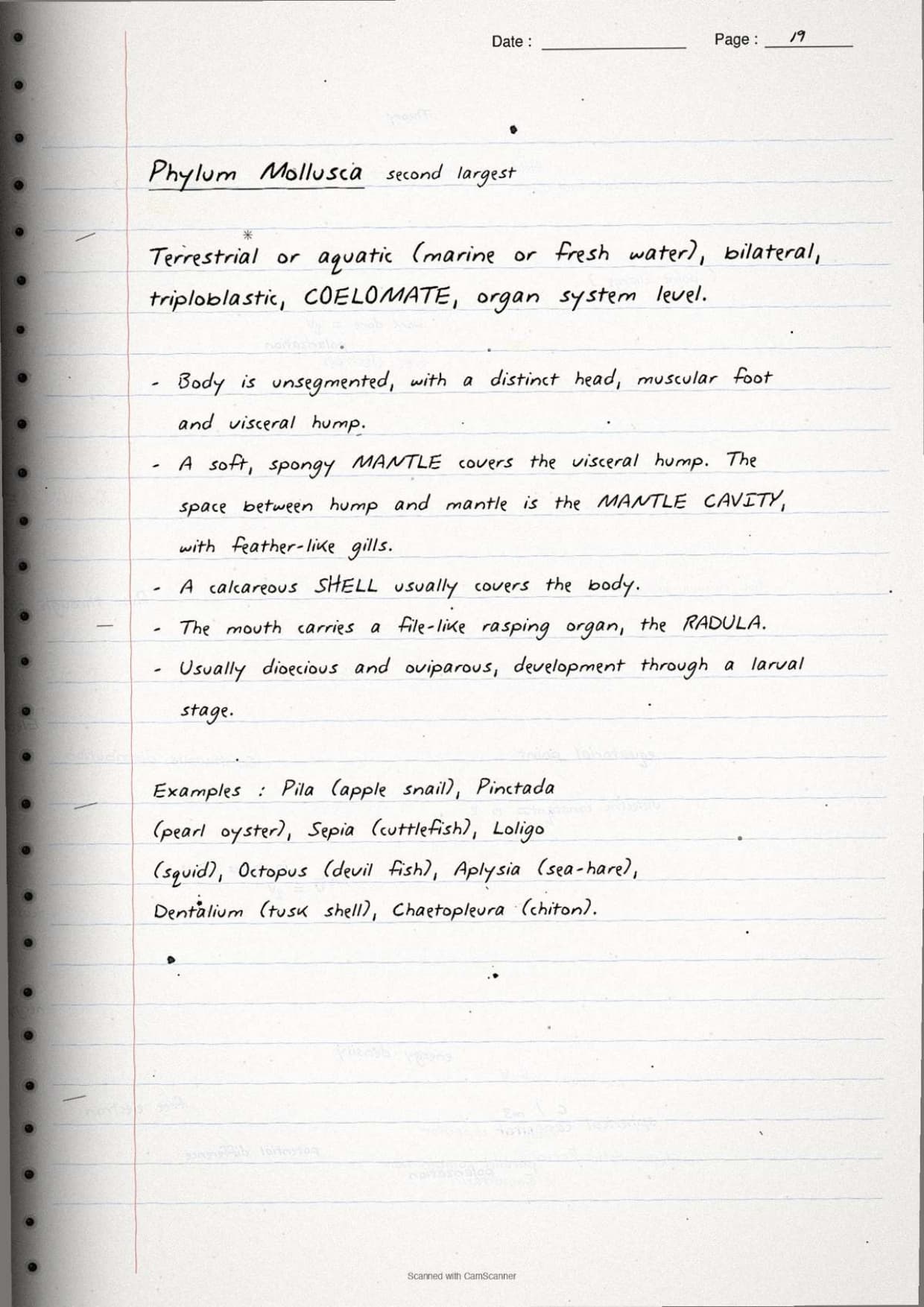
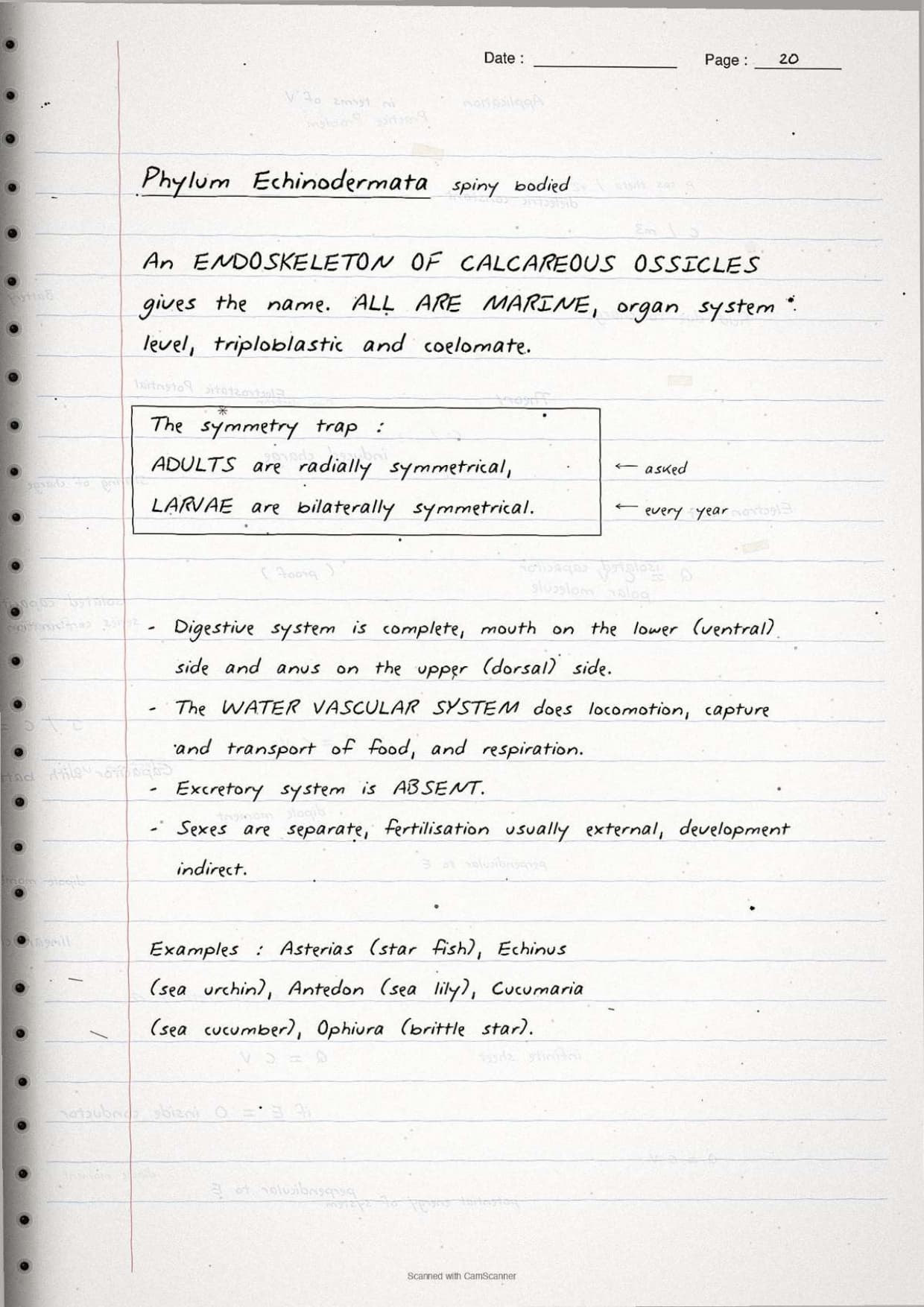
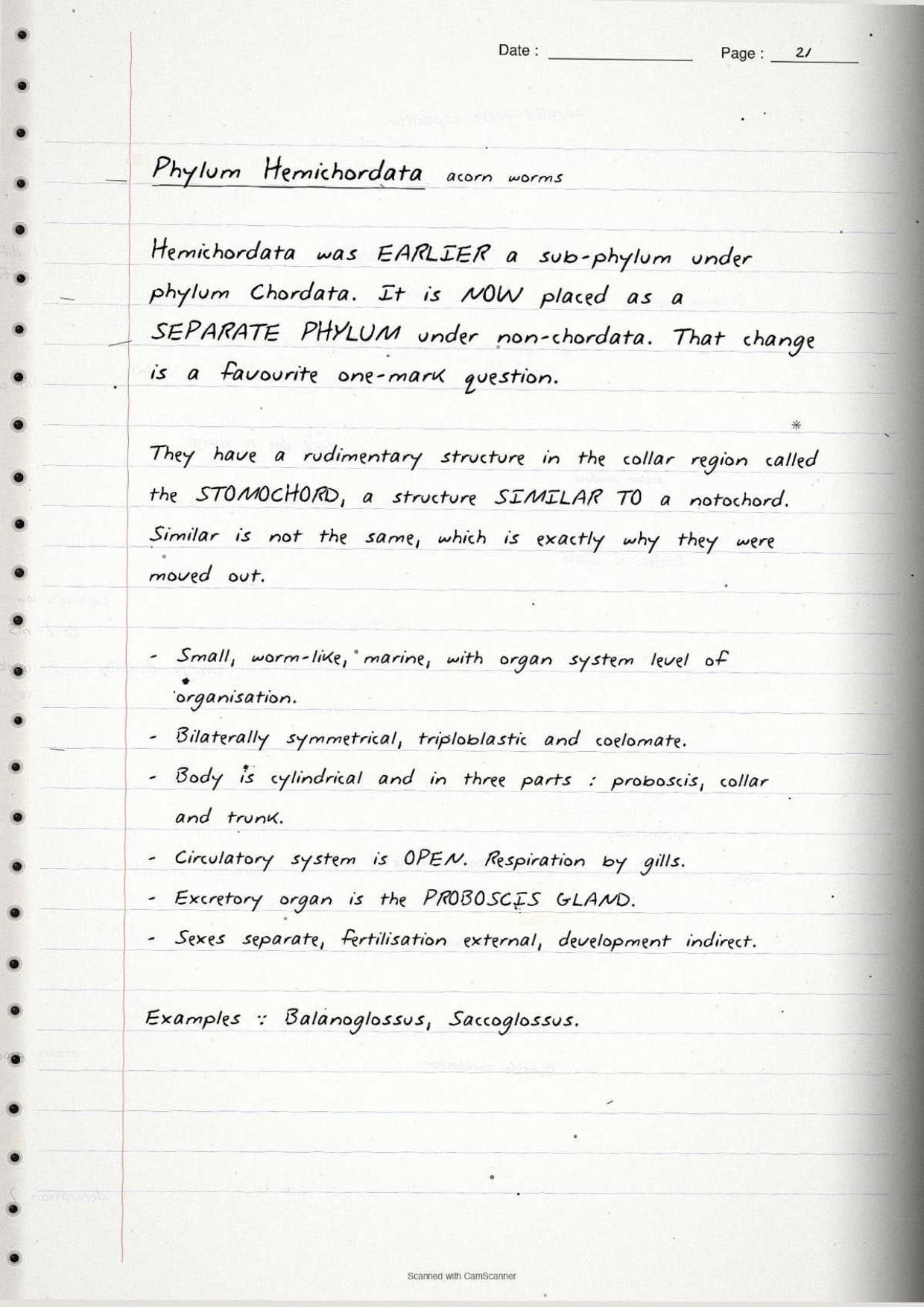
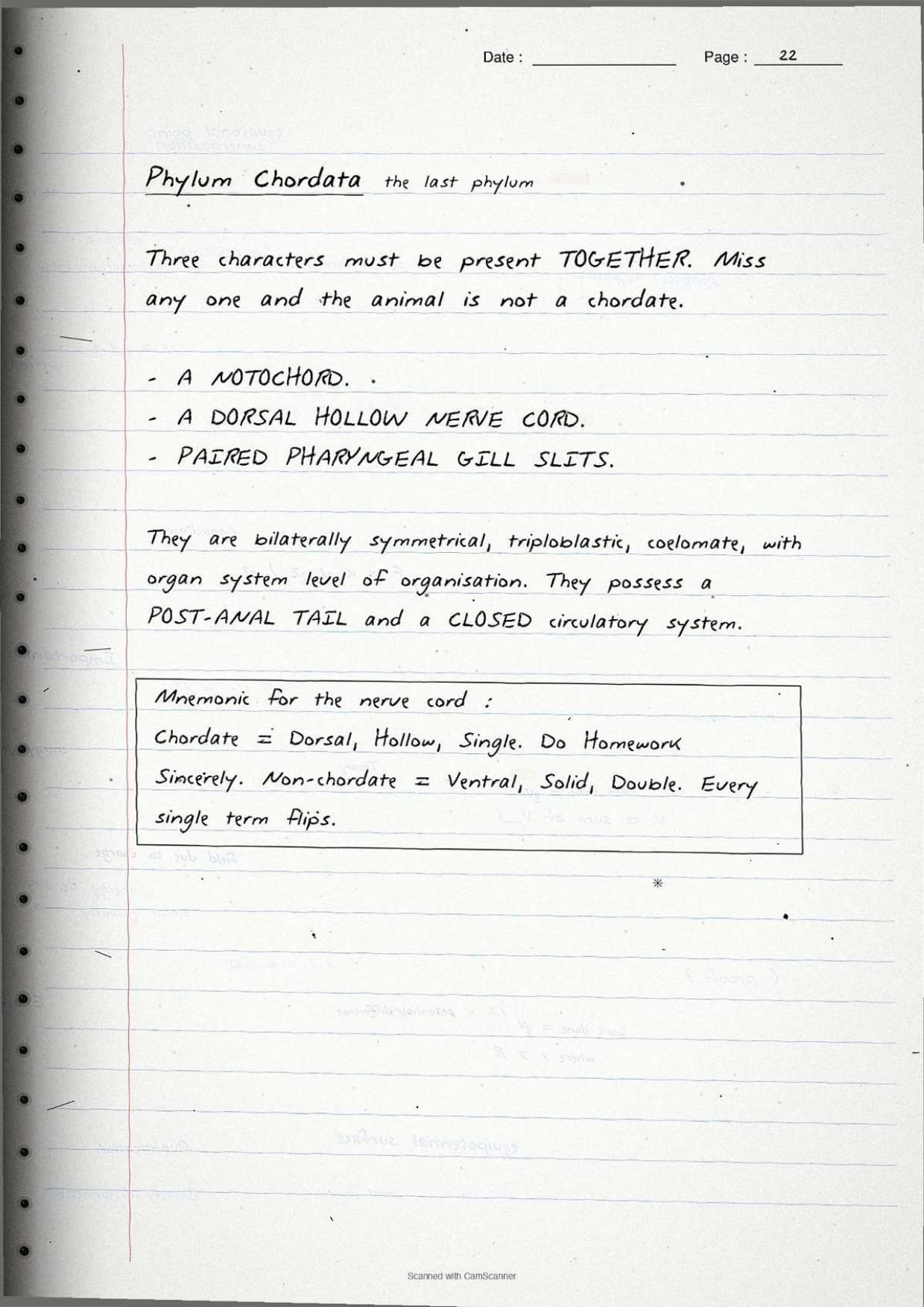
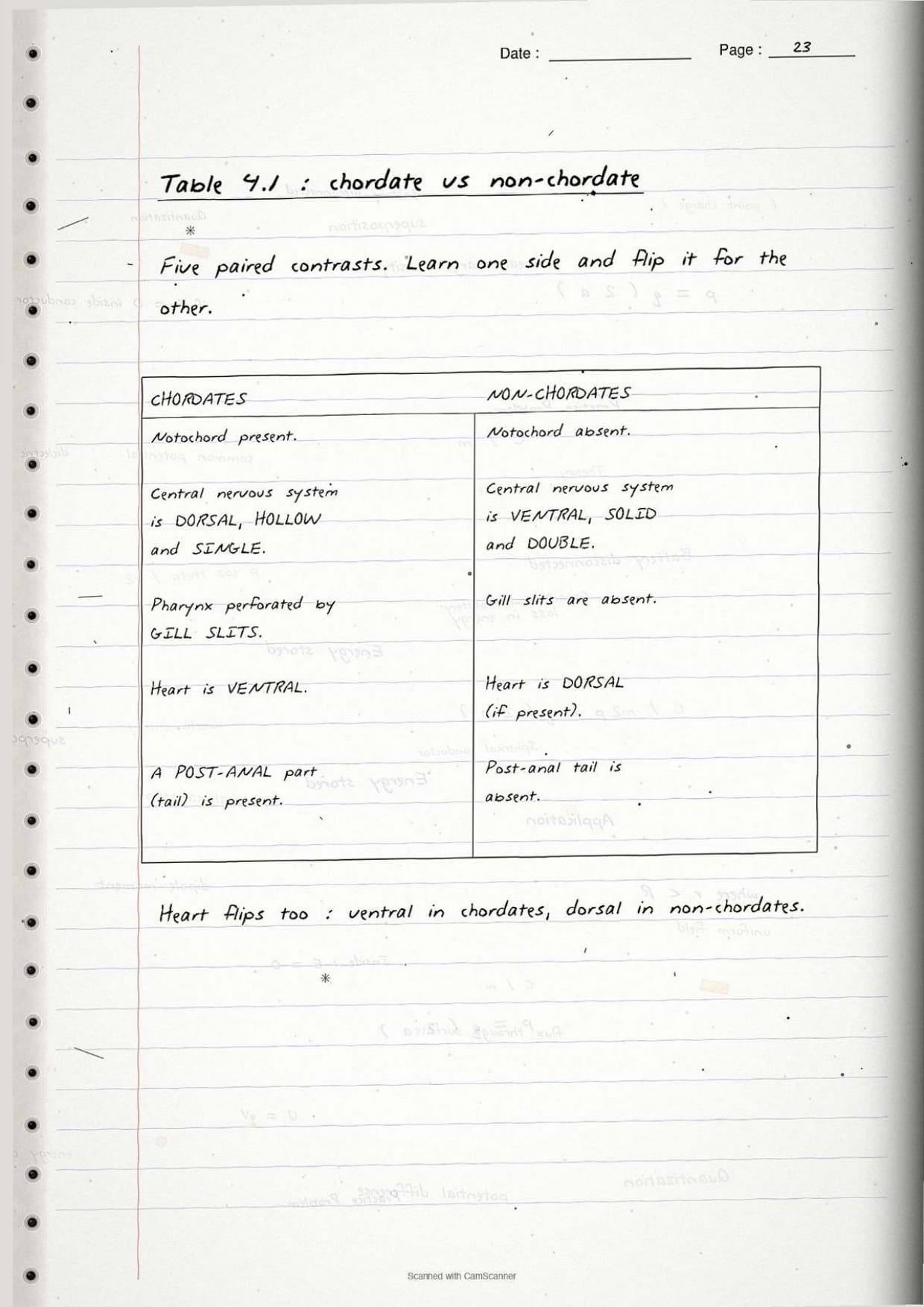
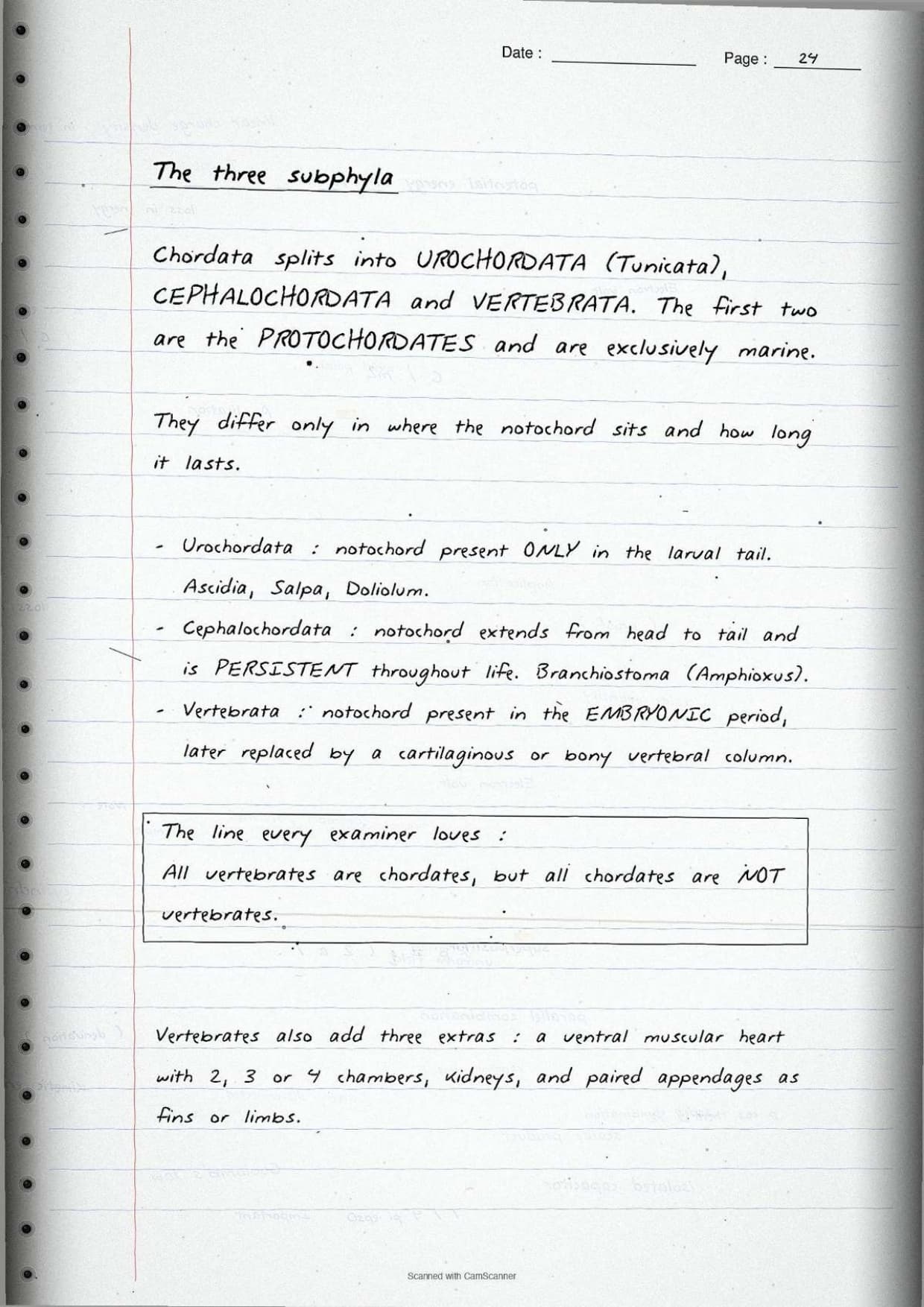
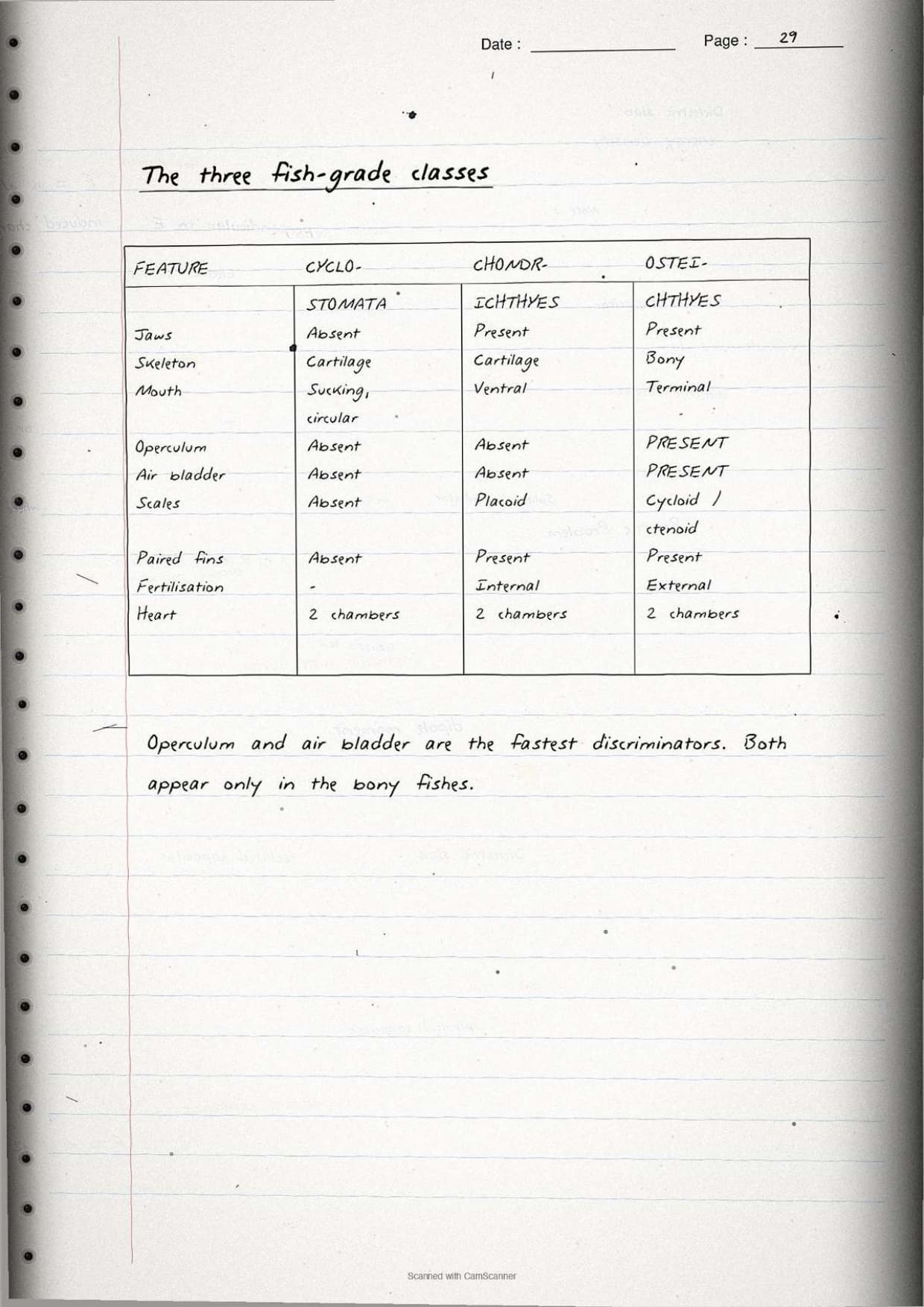
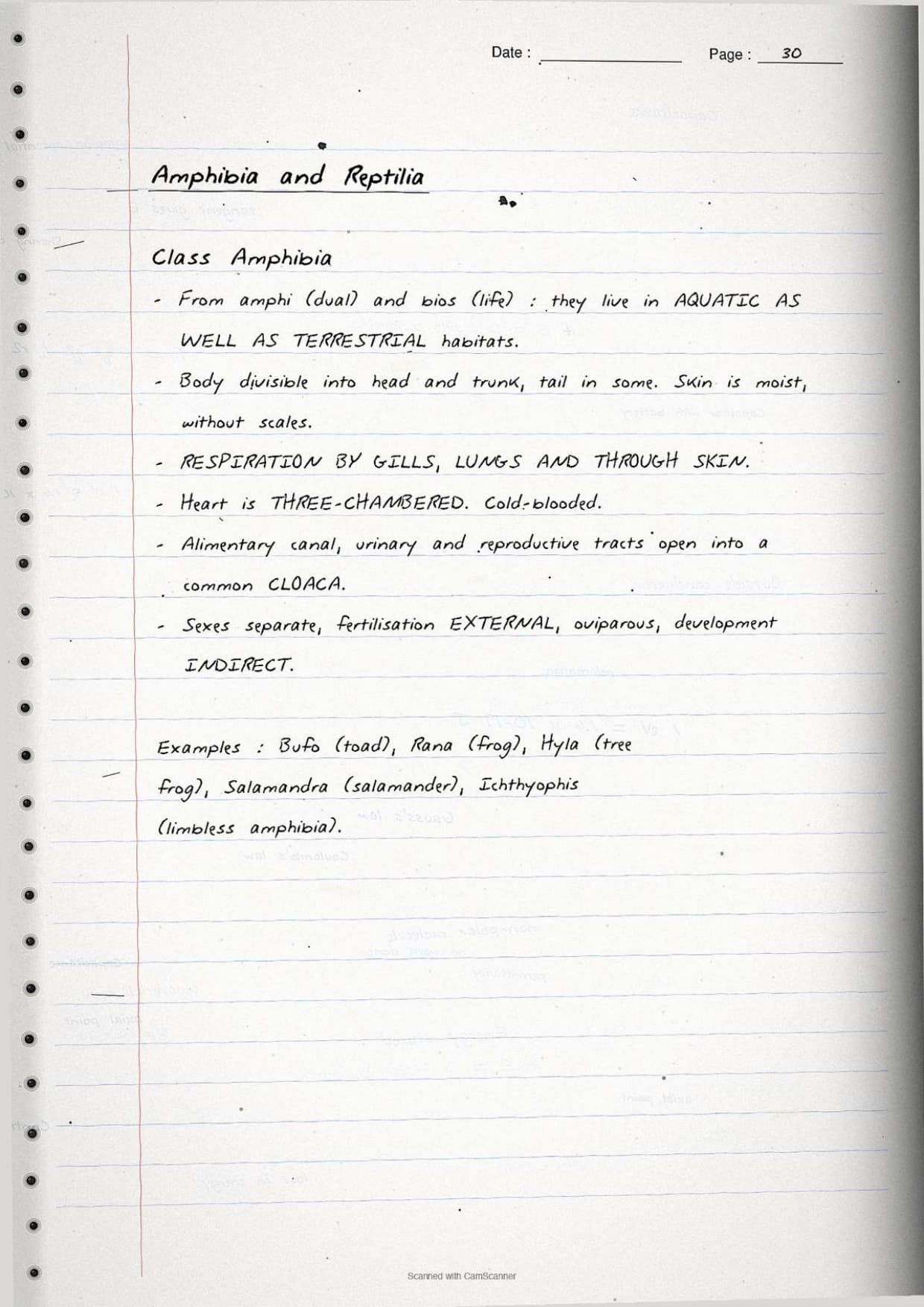
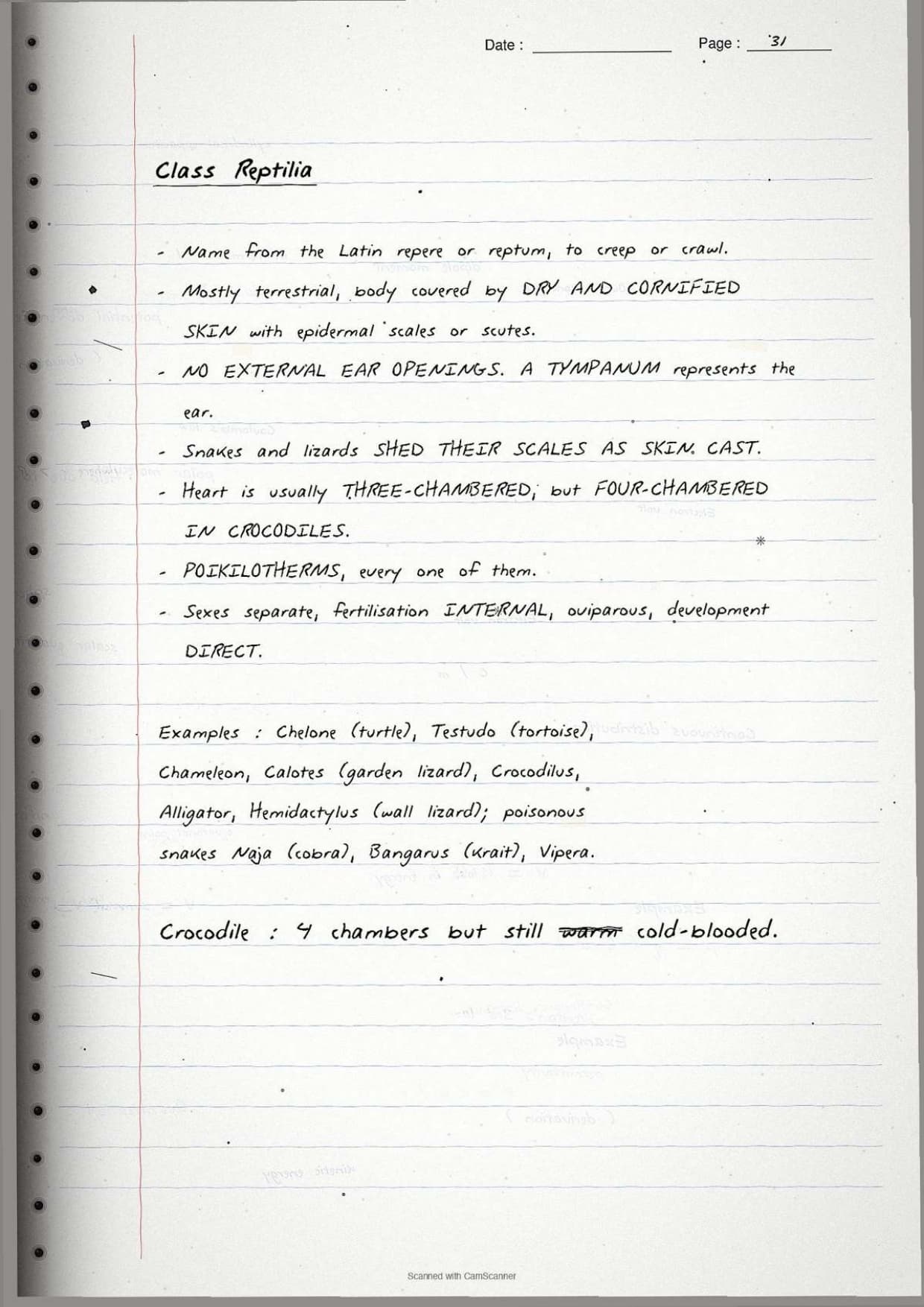
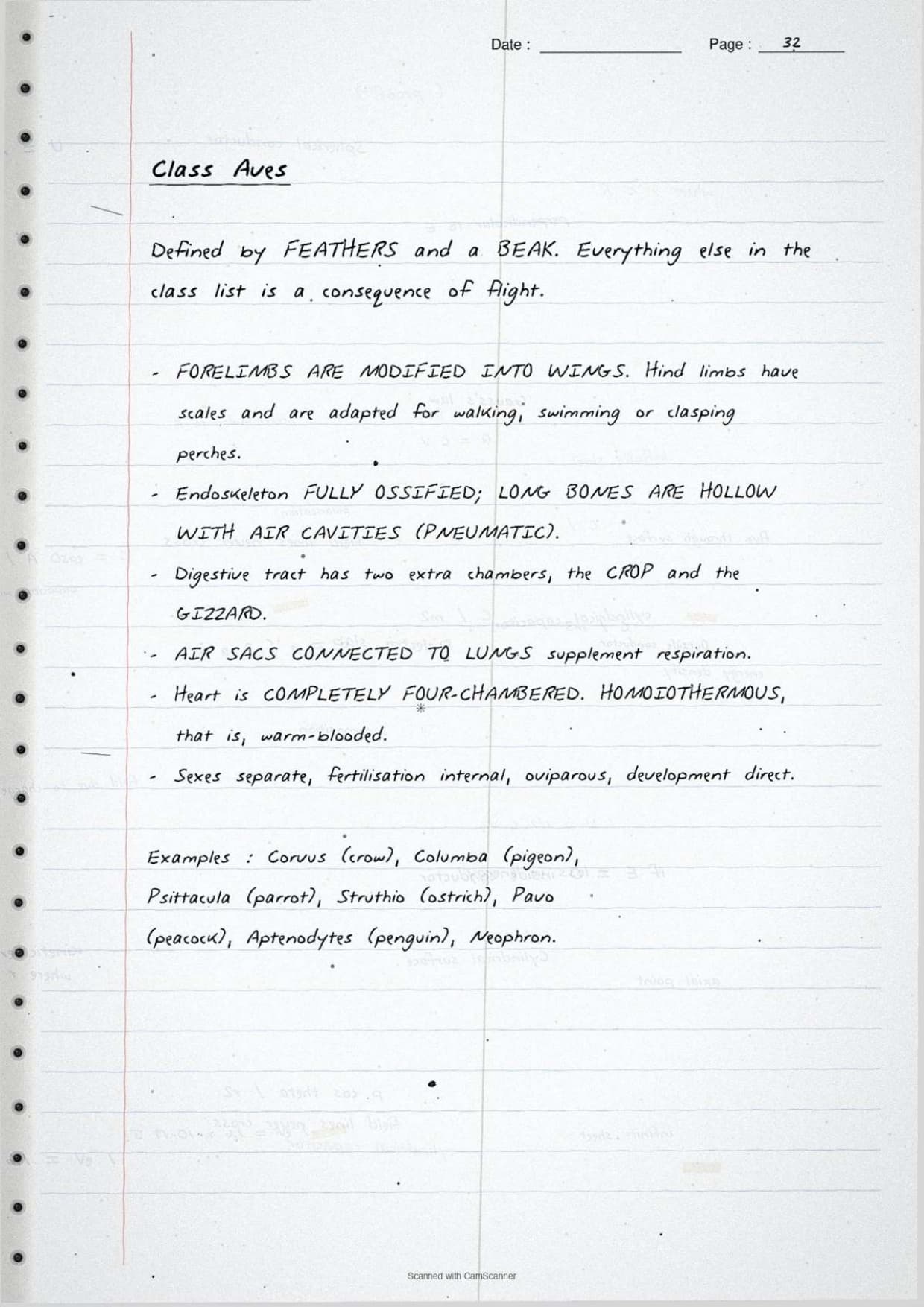
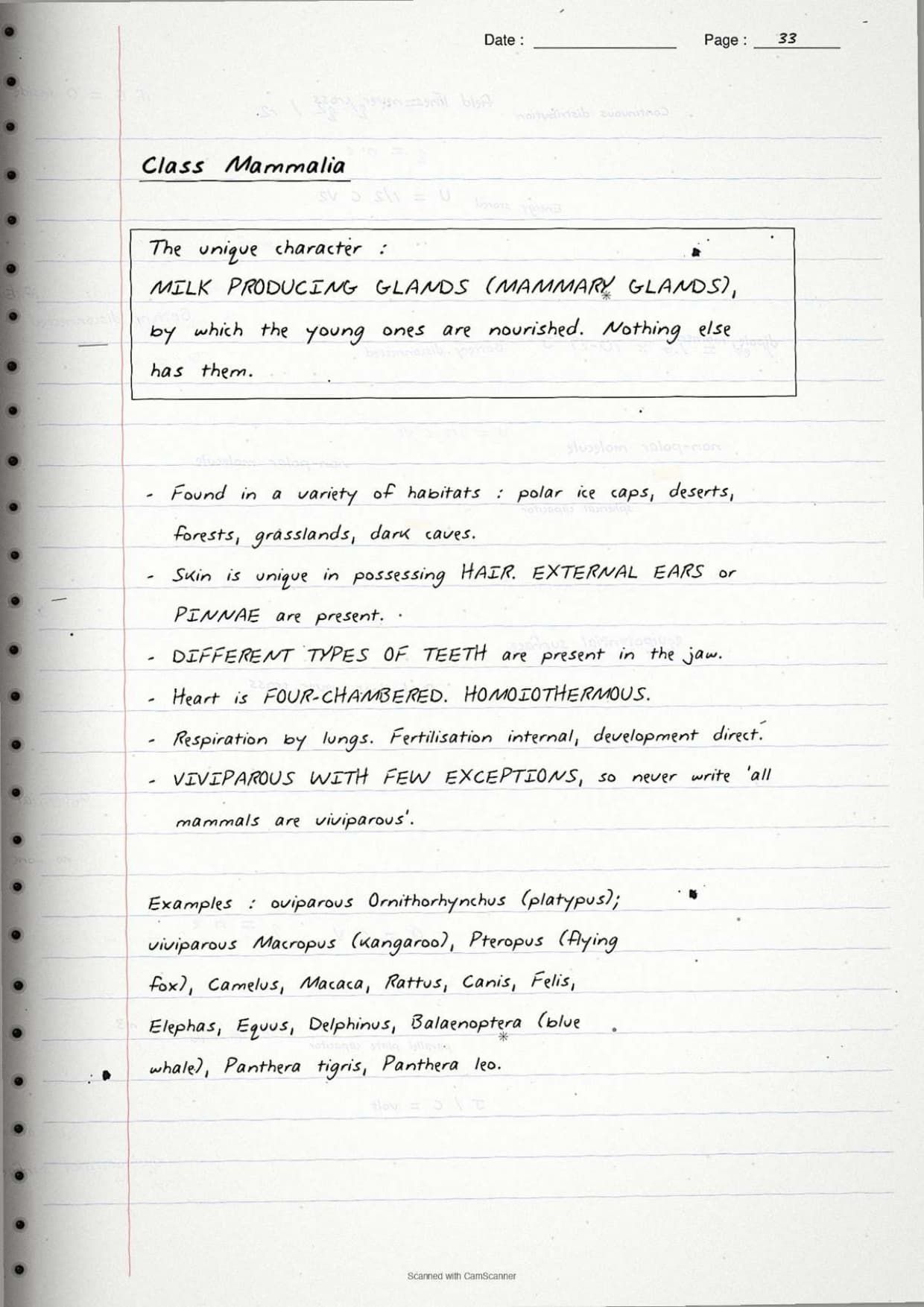
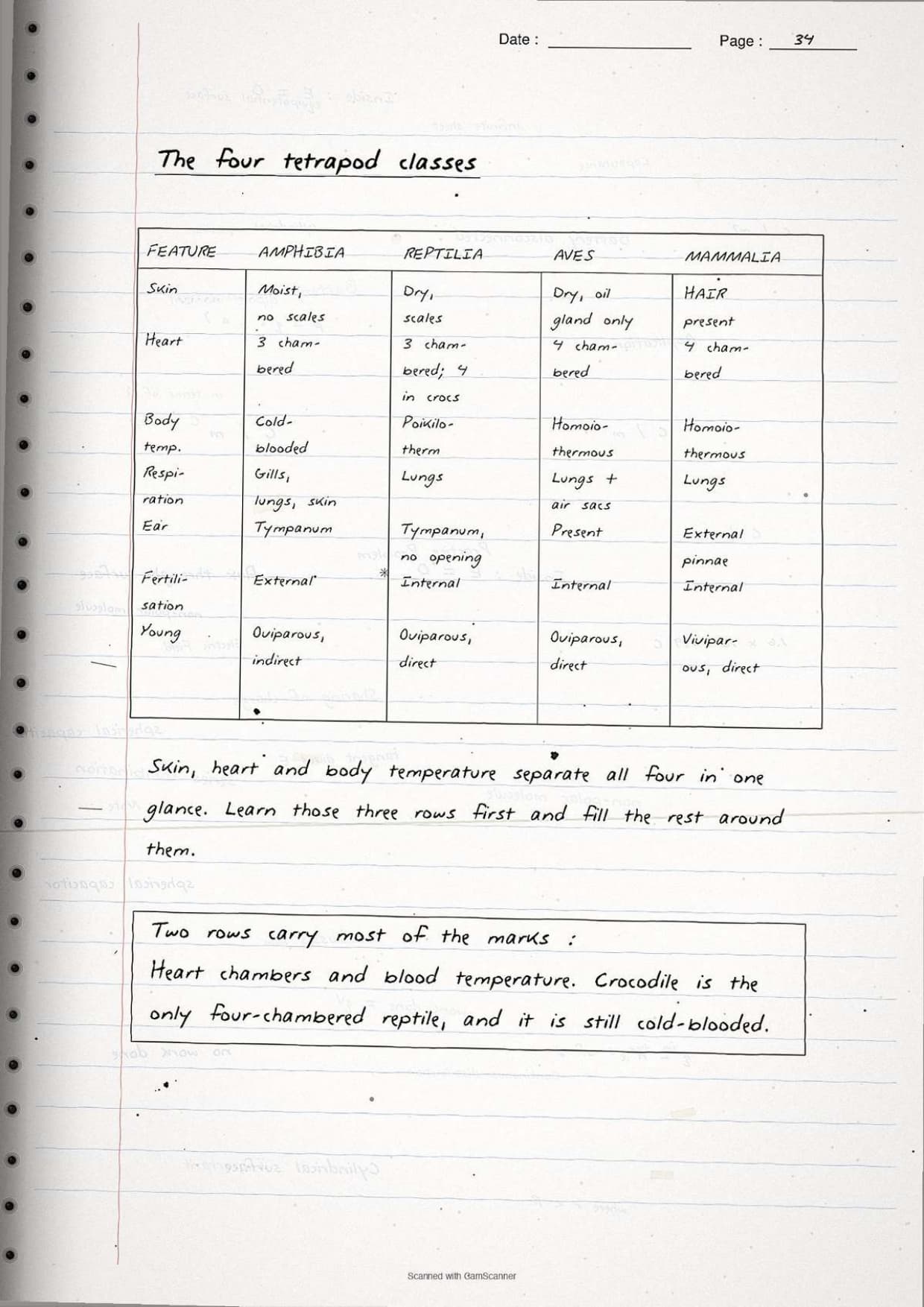
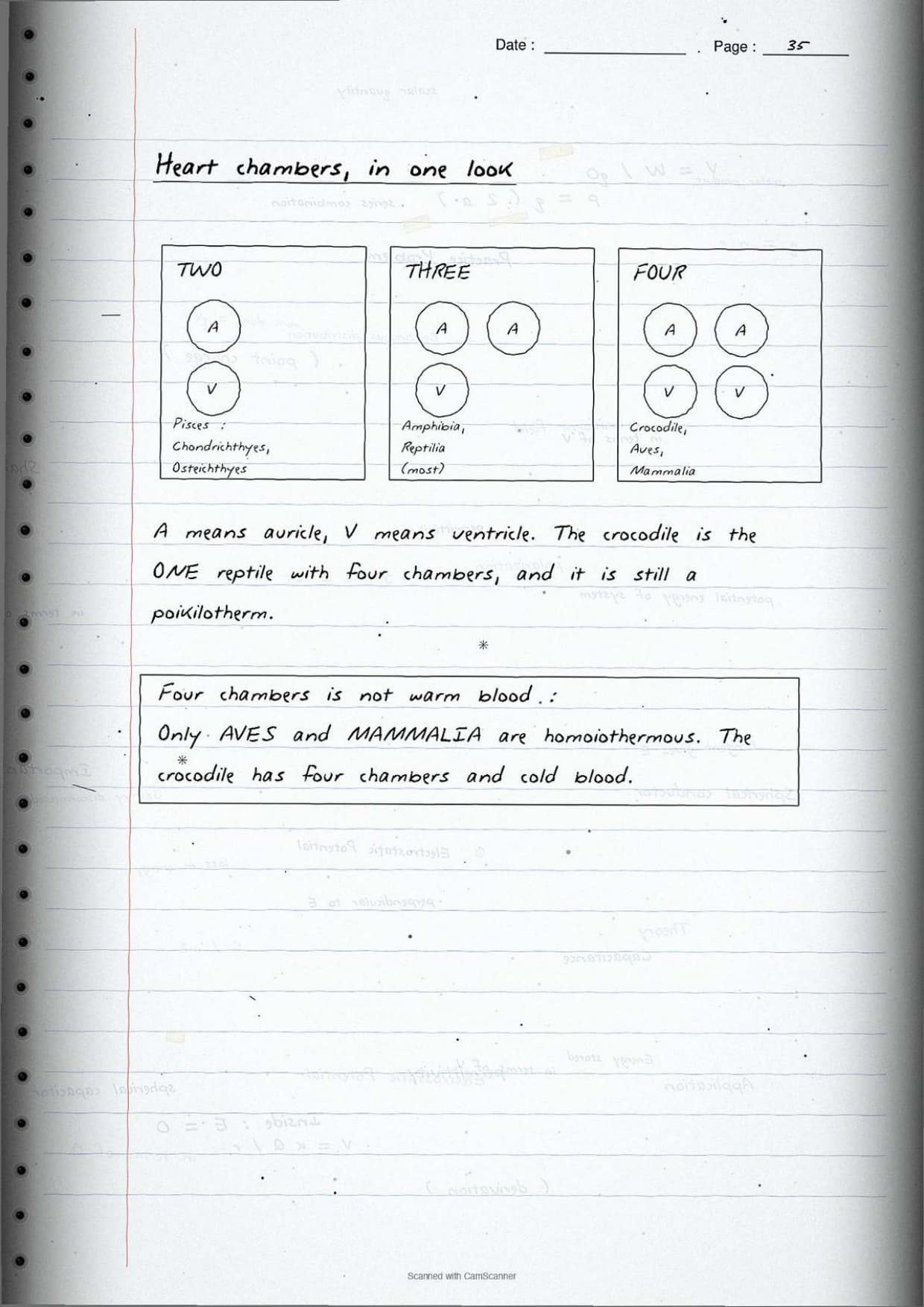
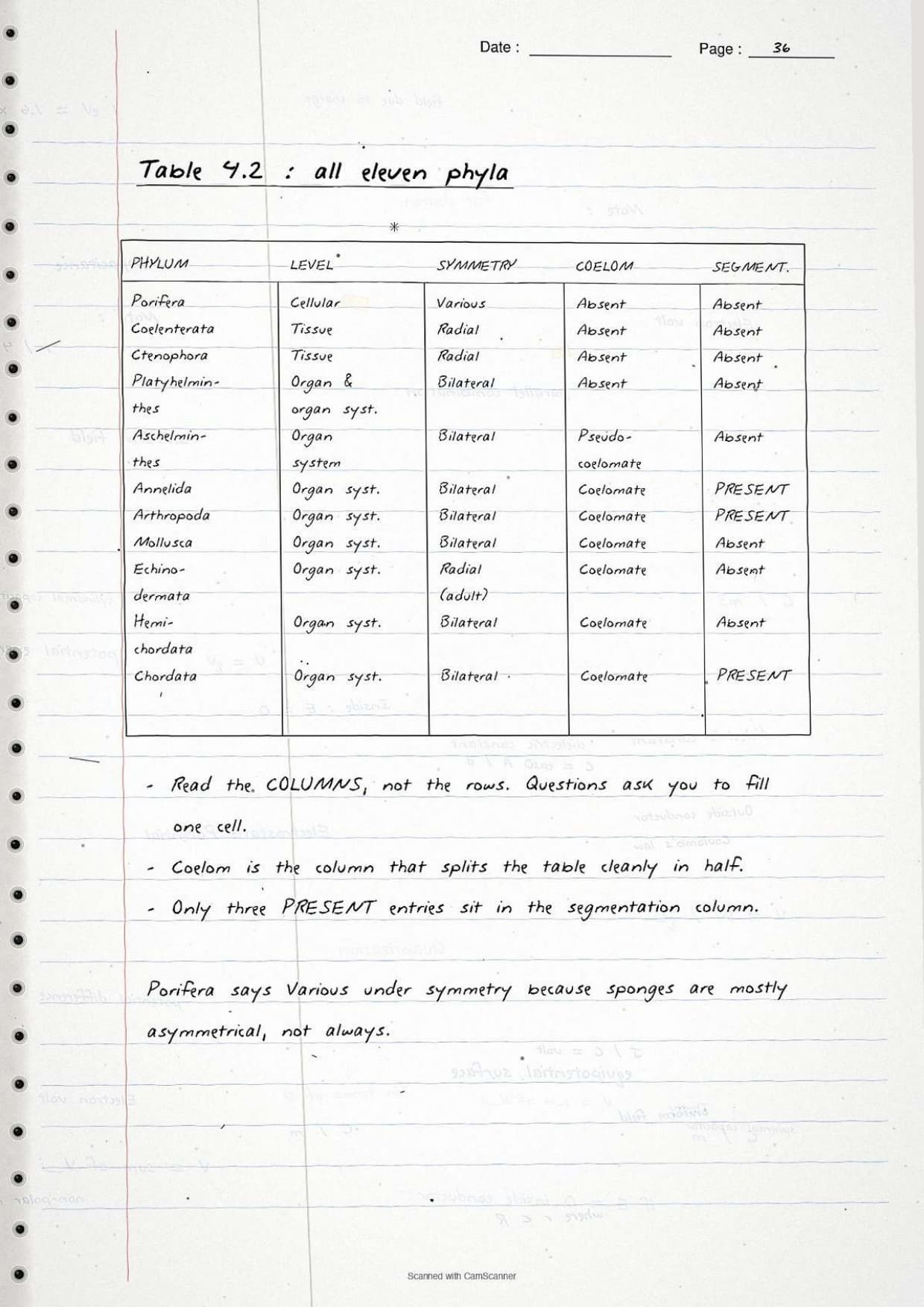
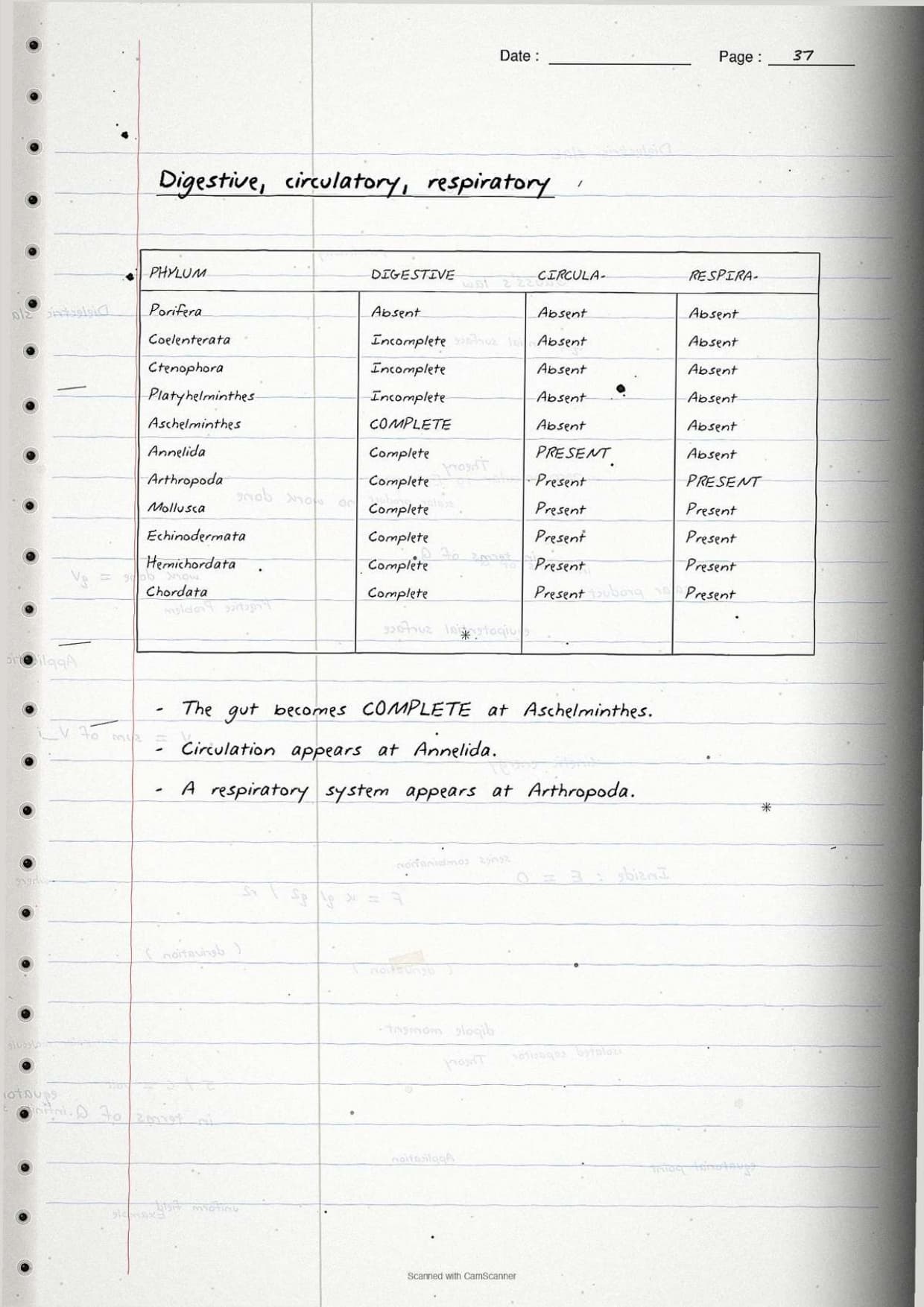
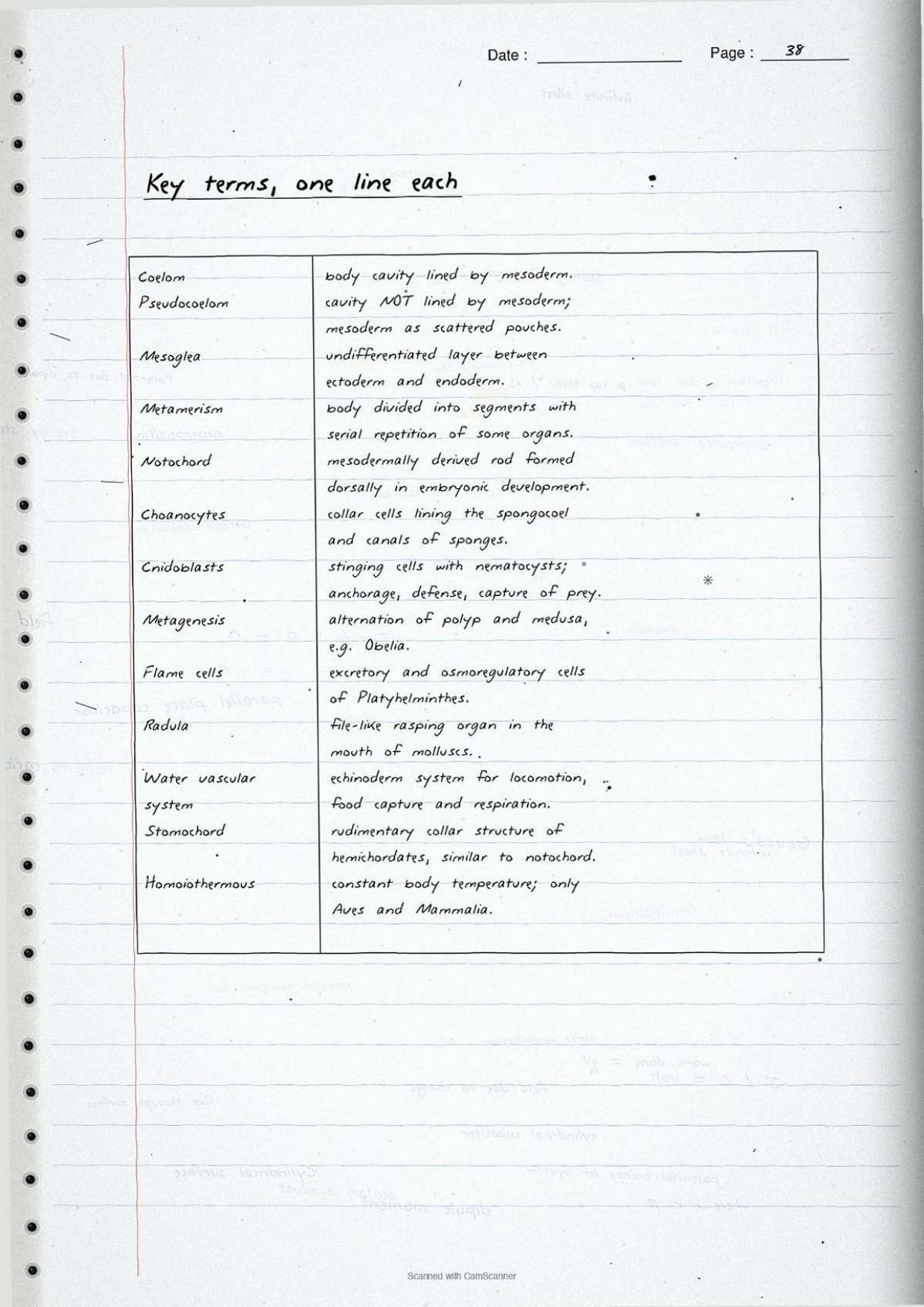
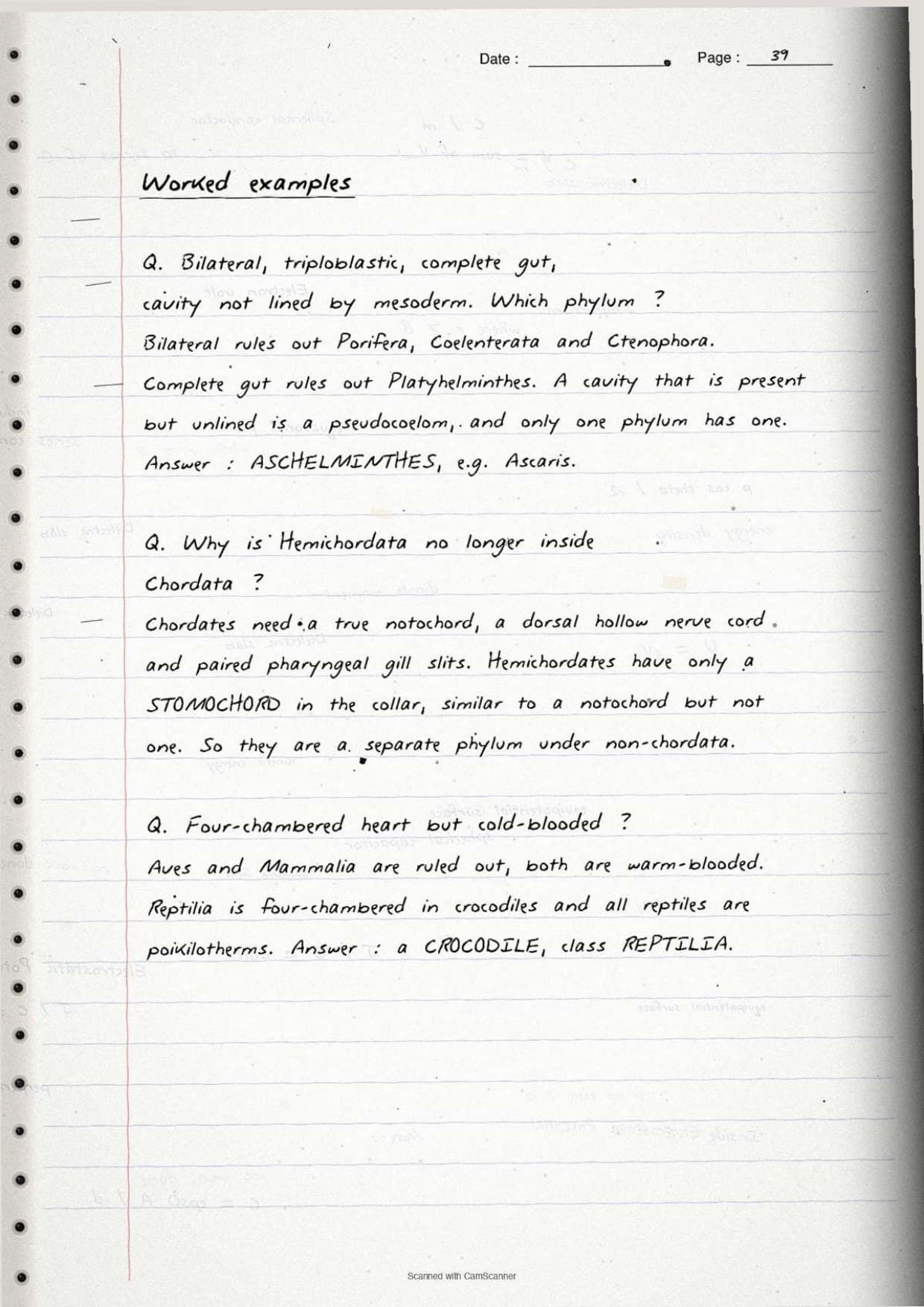
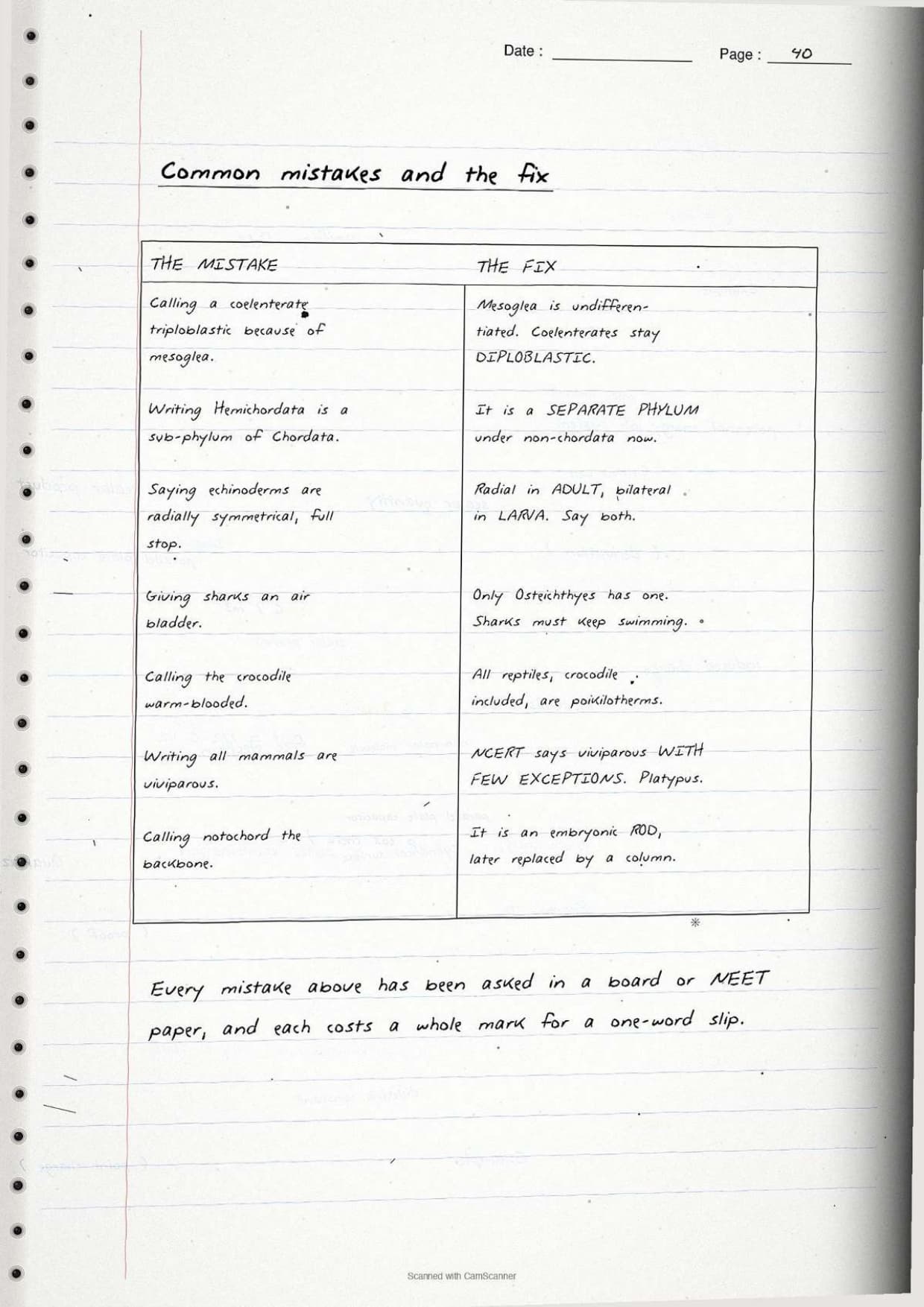
Chapter 4 is the heaviest of the three classification chapters, so these pages give each phylum and each class its own spread.
- The six fundamental features written as six questions, answered in the same order every time.
- Boxed rules for coelom, germ layers, symmetry and the notochord in exam wording.
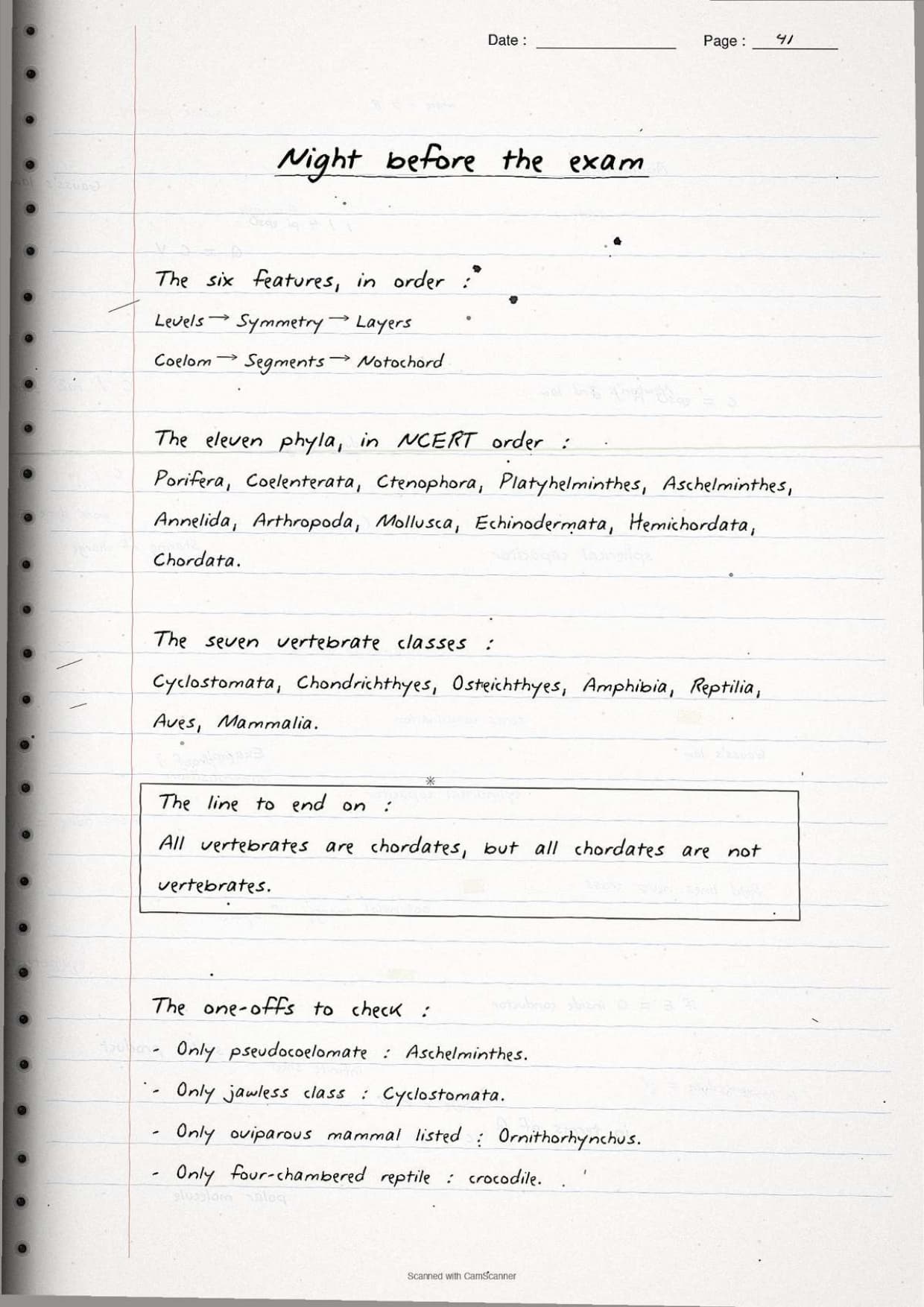
- A mistakes-and-fixes table on page 40 and a night-before recap on page 41.
What Animal Kingdom Handwritten Notes Cover
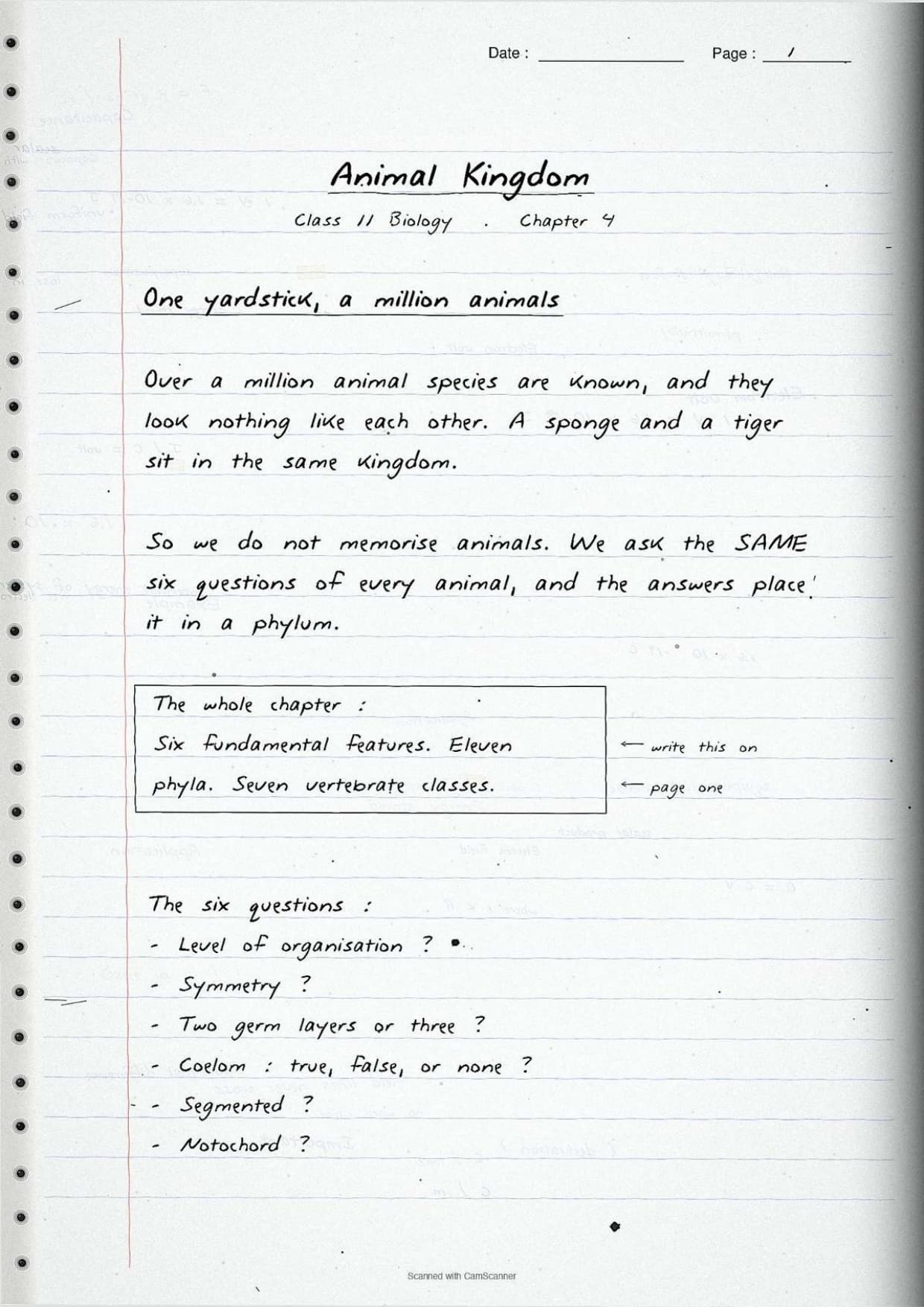
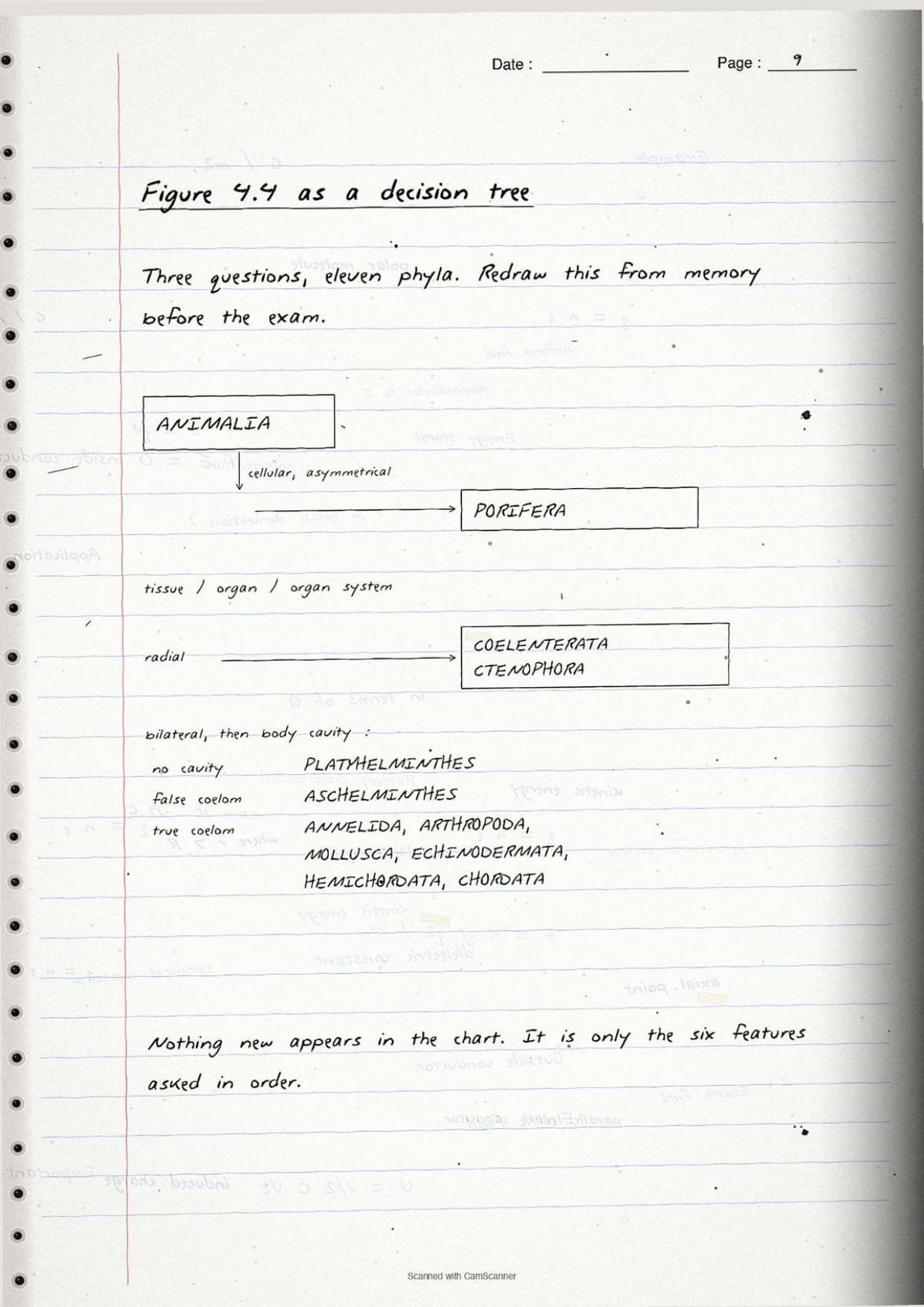
Over a million animal species are known, so the notes never ask students to memorise animals. Page 1 sets the method instead: six questions, asked of every animal, and the answers place it in a phylum. Everything after that follows the same order the NCERT decision tree uses.
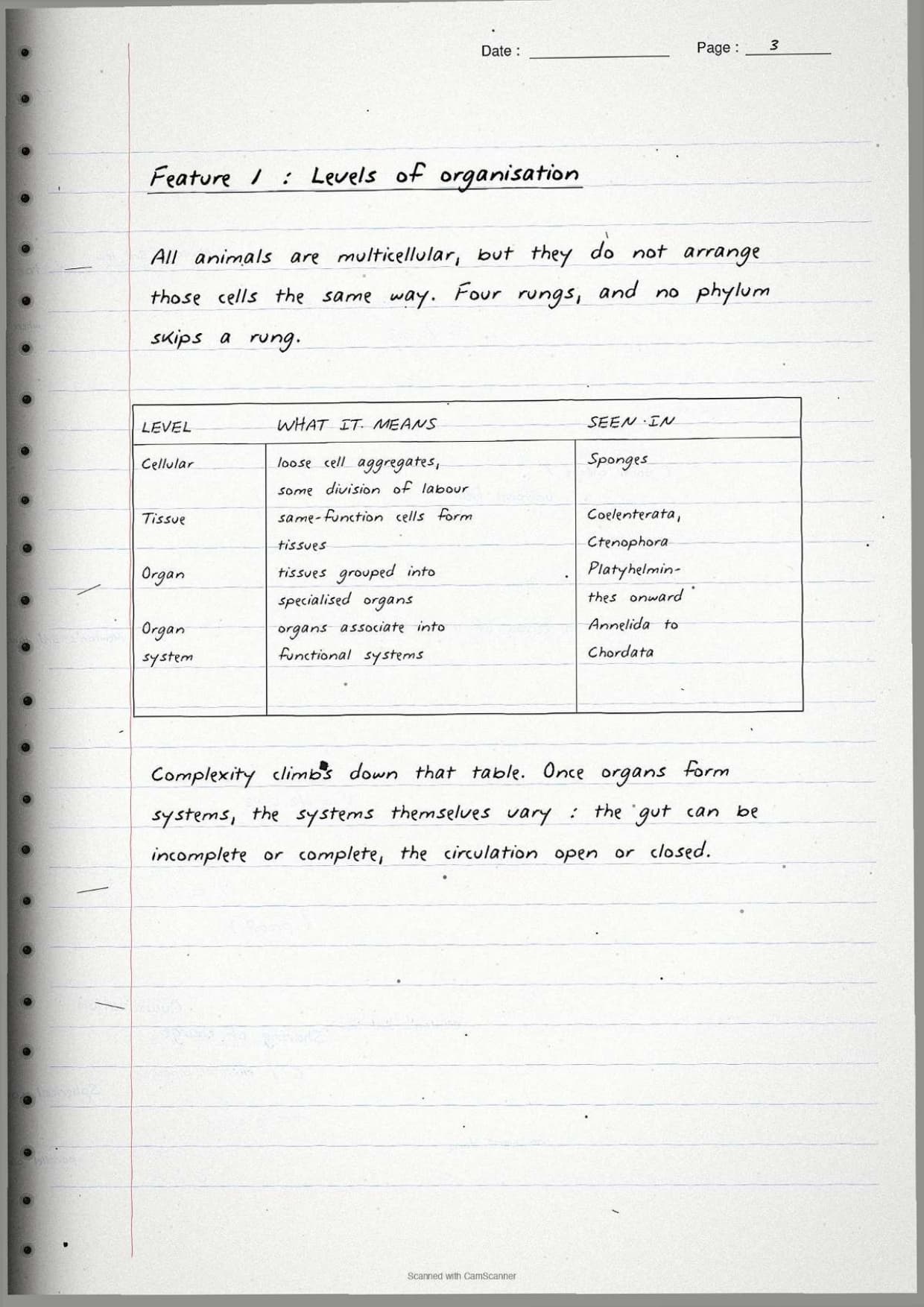
- The six features: level of organisation, symmetry, germ layers, coelom, segmentation and the notochord.
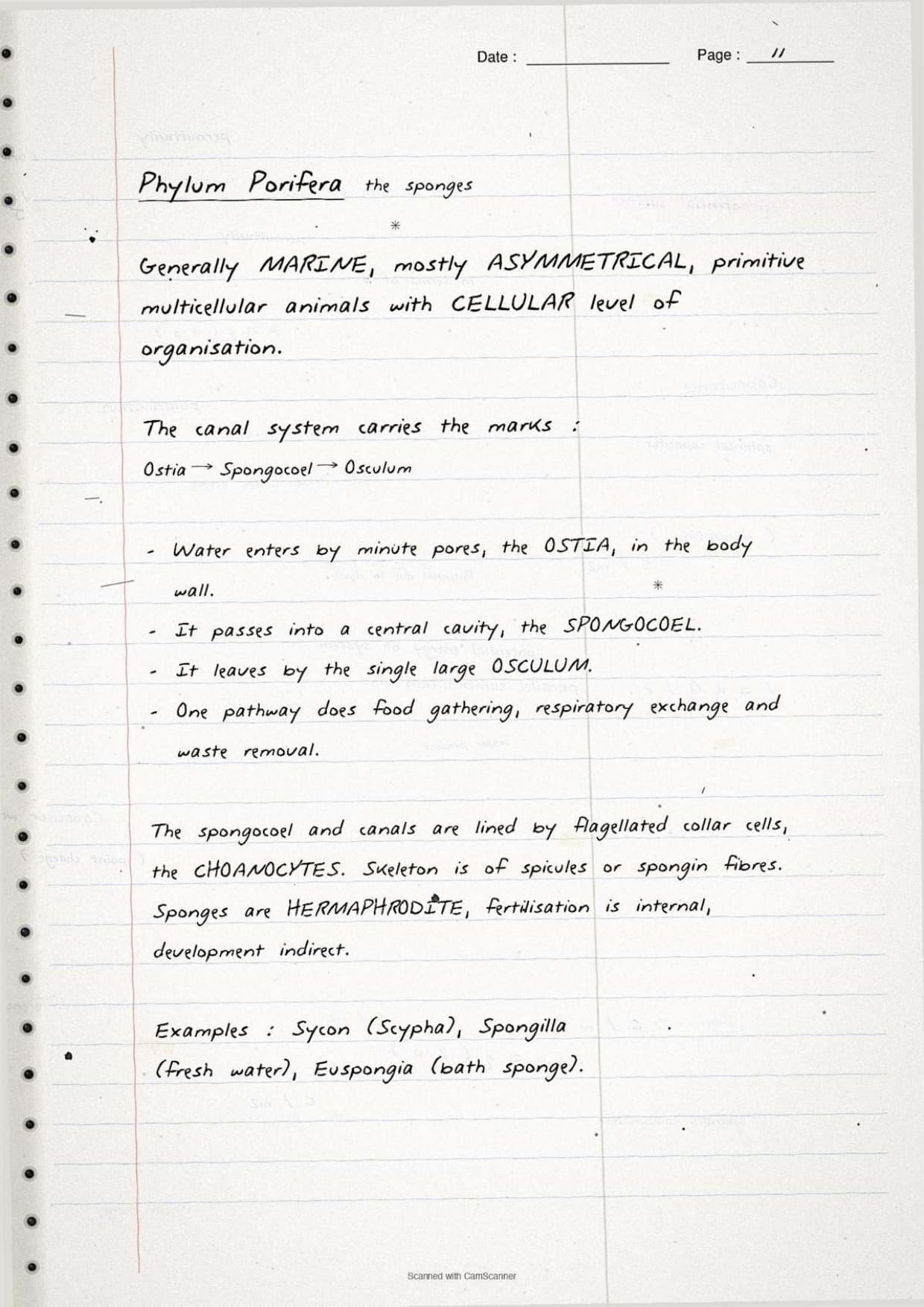
- Non-chordate phyla: Porifera, Coelenterata, Ctenophora, Platyhelminthes, Aschelminthes, Annelida, Arthropoda, Mollusca, Echinodermata and Hemichordata.
- Chordata: the three subphyla, Urochordata, Cephalochordata and Vertebrata, split by where the notochord sits and how long it lasts.
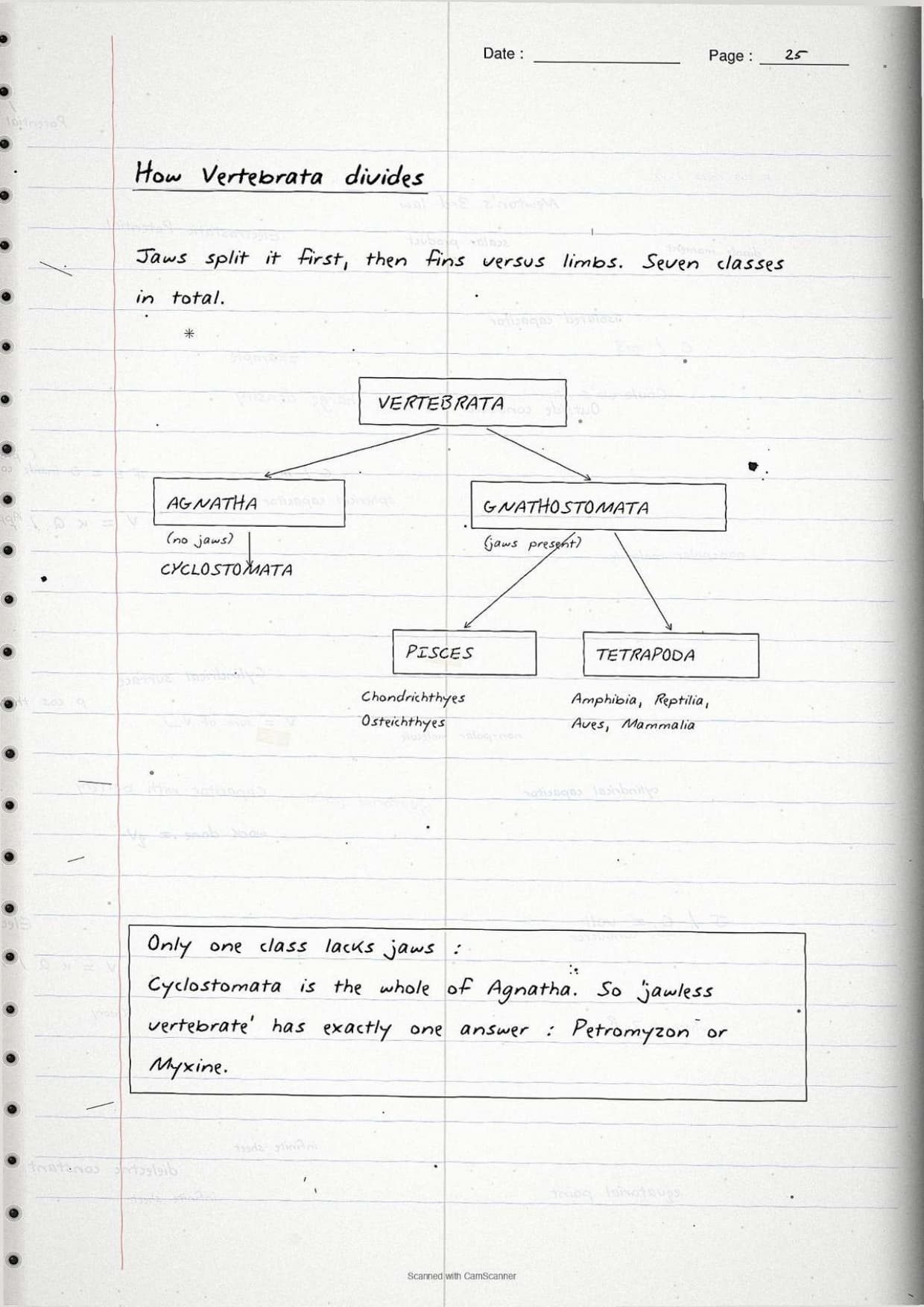
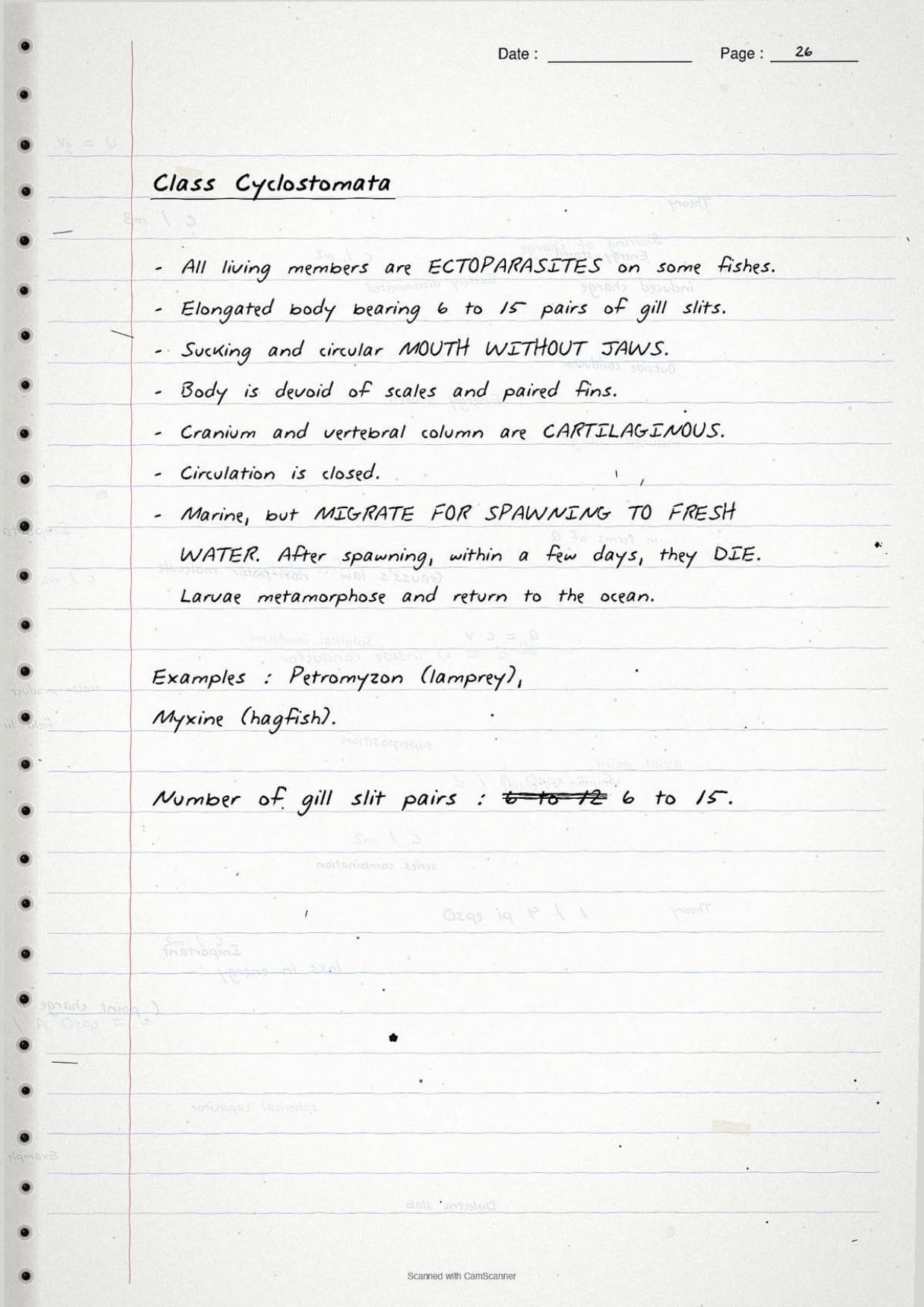
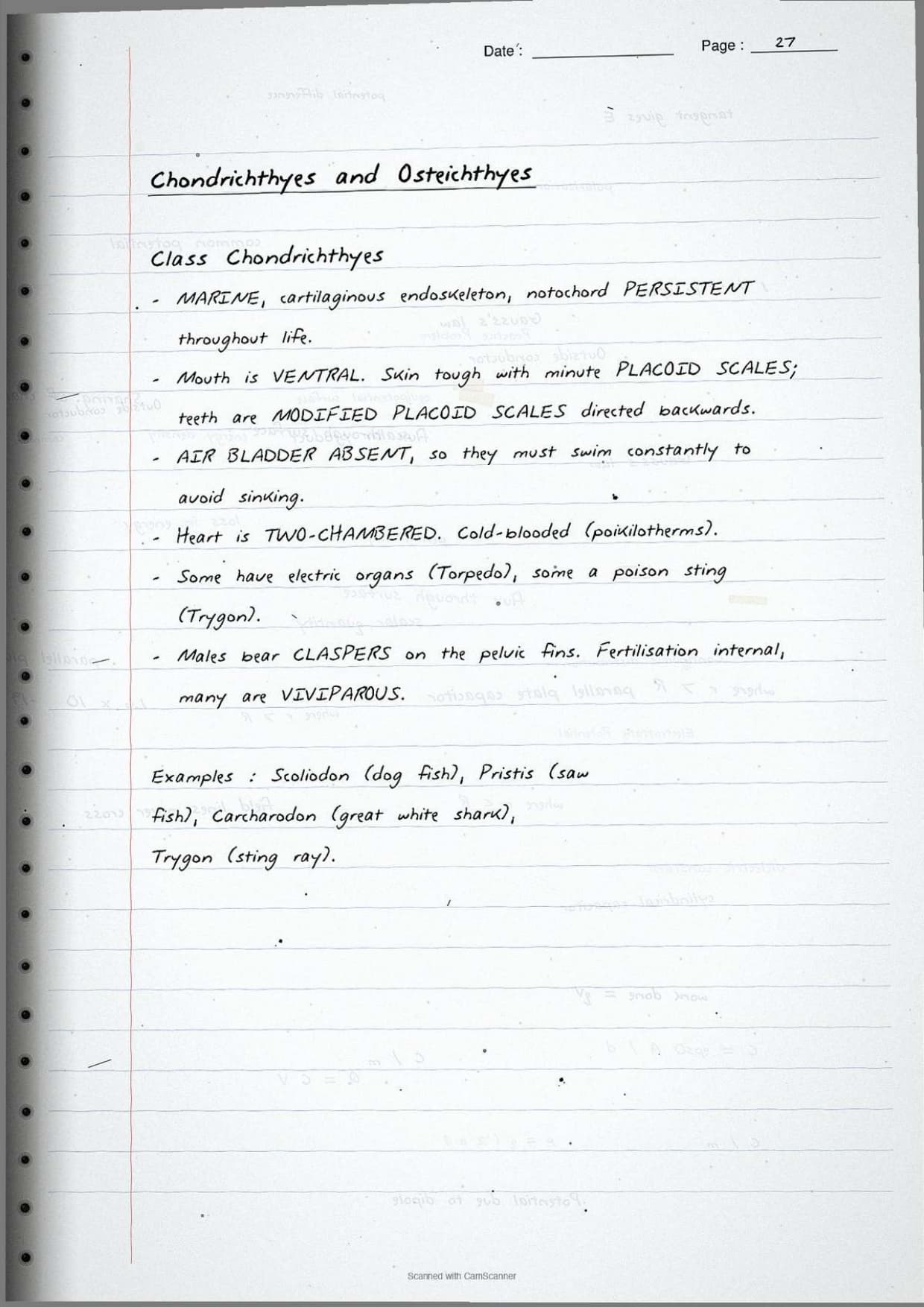
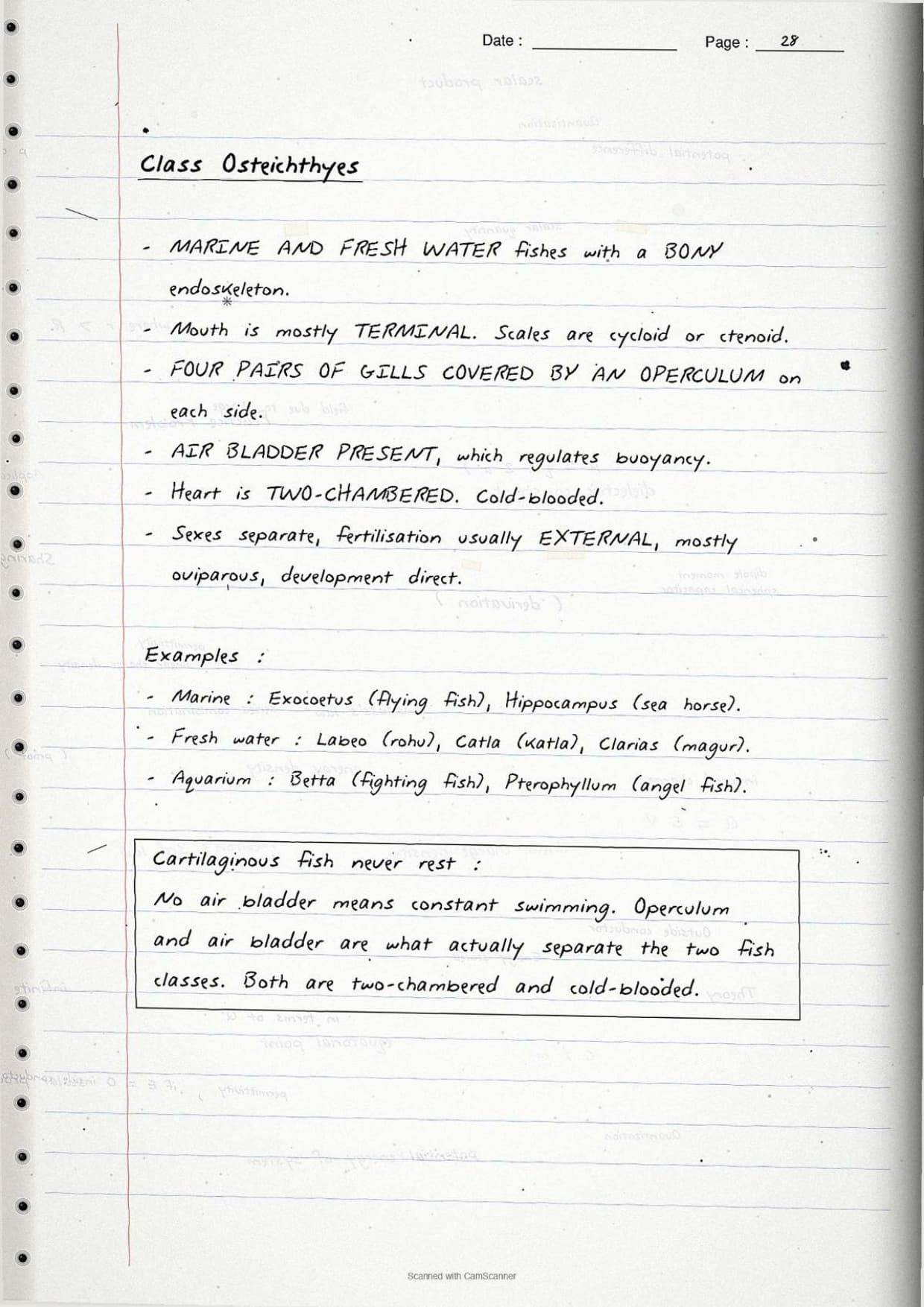
- Seven vertebrate classes: Cyclostomata, Chondrichthyes, Osteichthyes, Amphibia, Reptilia, Aves and Mammalia.
- Summary tables: the eleven-phylum grid on page 36, worked examples on page 39 and the common-mistakes table on page 40.
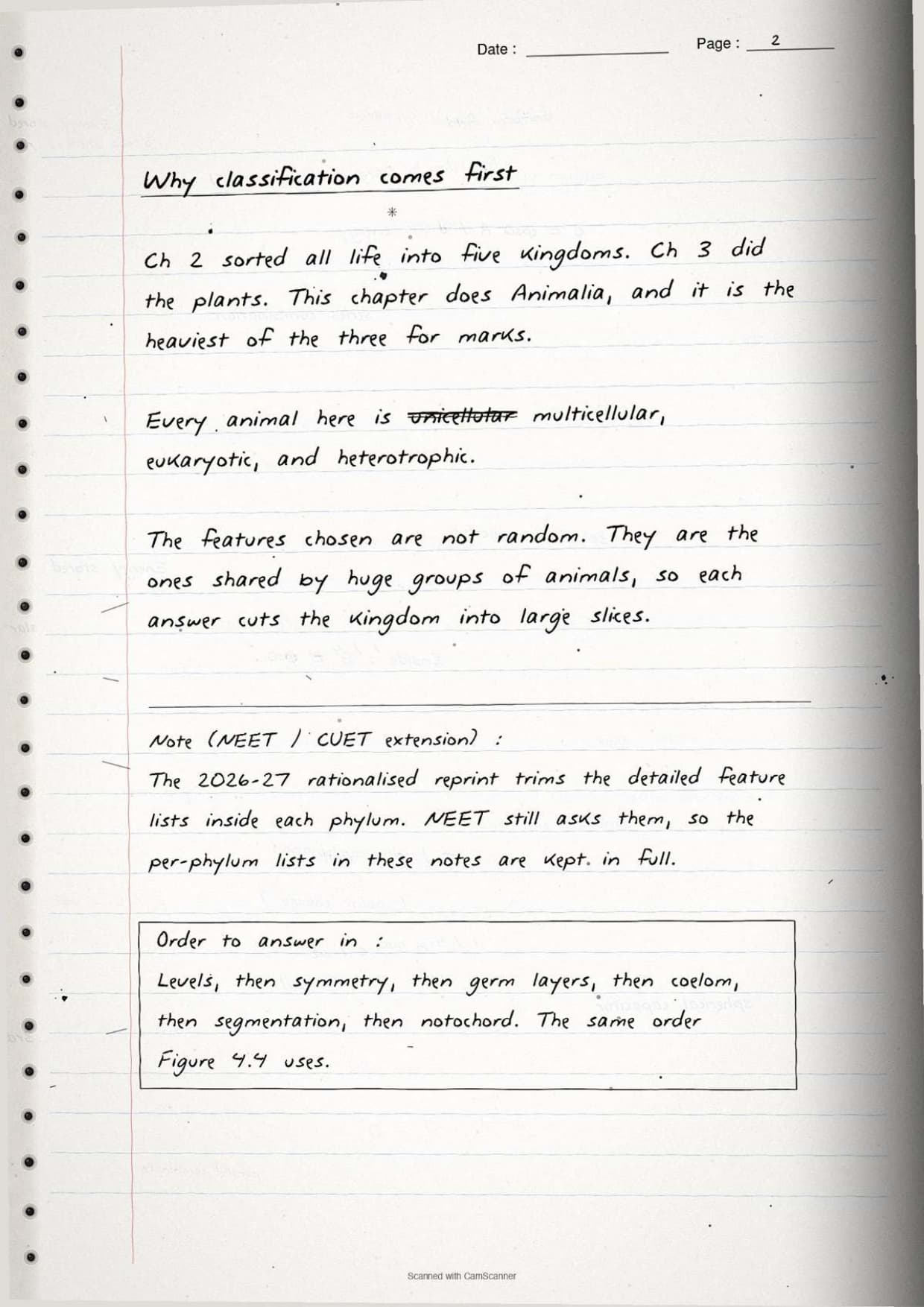
Page 2 flags the per-phylum feature lists as a NEET and CUET extension. The 2026-27 rationalised reprint trims those detailed lists, but both exams still ask them, so the notes keep every list in full.
Key Diagrams and Terms in Animal Kingdom Notes
Most marks here are lost on one-word slips, not on missing content. The boxed table below holds the definitions students most often swap, each written the way the exam wants it back.
| Term | How the notes define it |
|---|---|
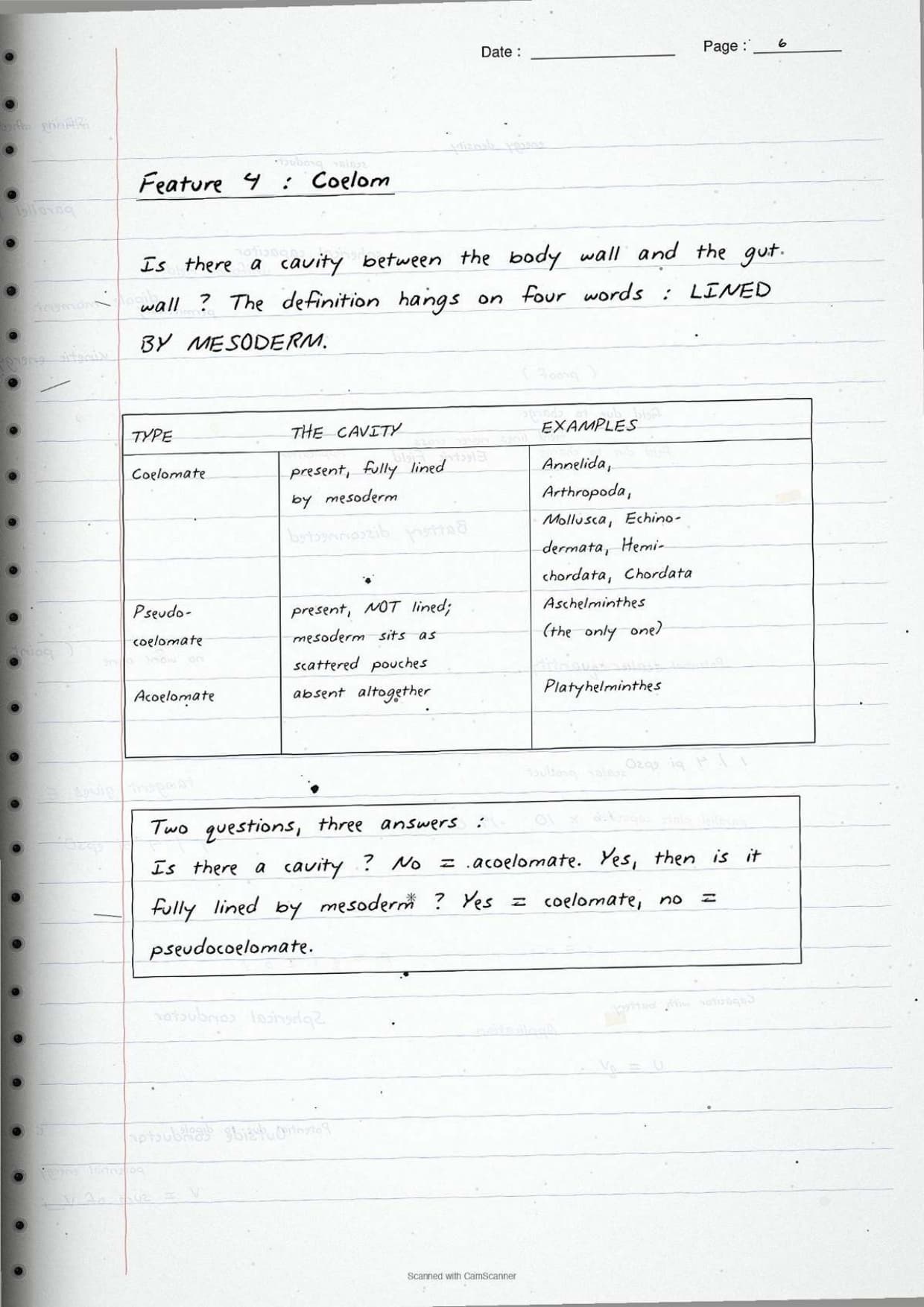
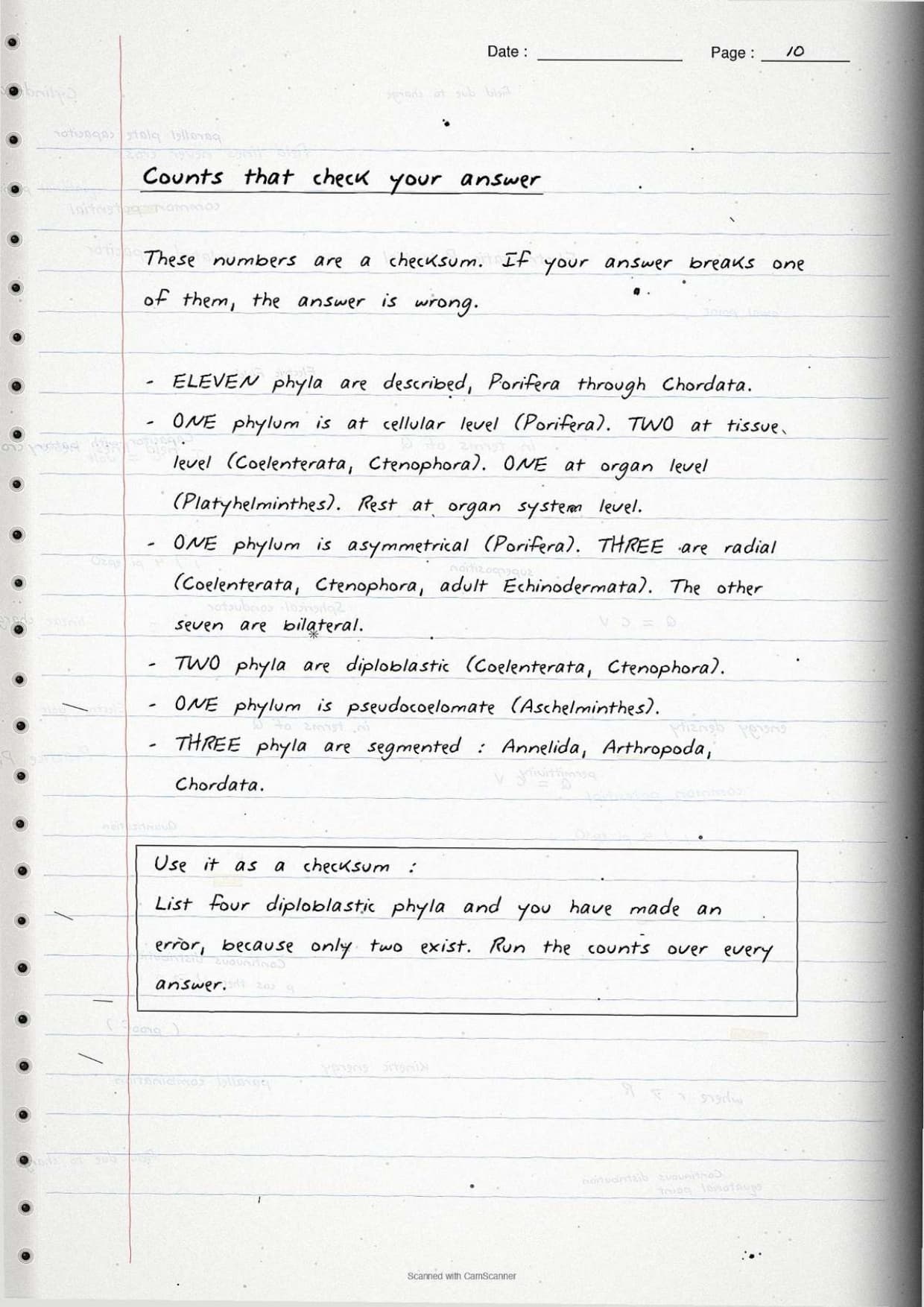
| Coelomate | Body cavity present and fully lined by mesoderm |
| Pseudocoelomate | Cavity present but unlined; mesoderm sits as scattered pouches |
| Acoelomate | No body cavity at all, as in Platyhelminthes |
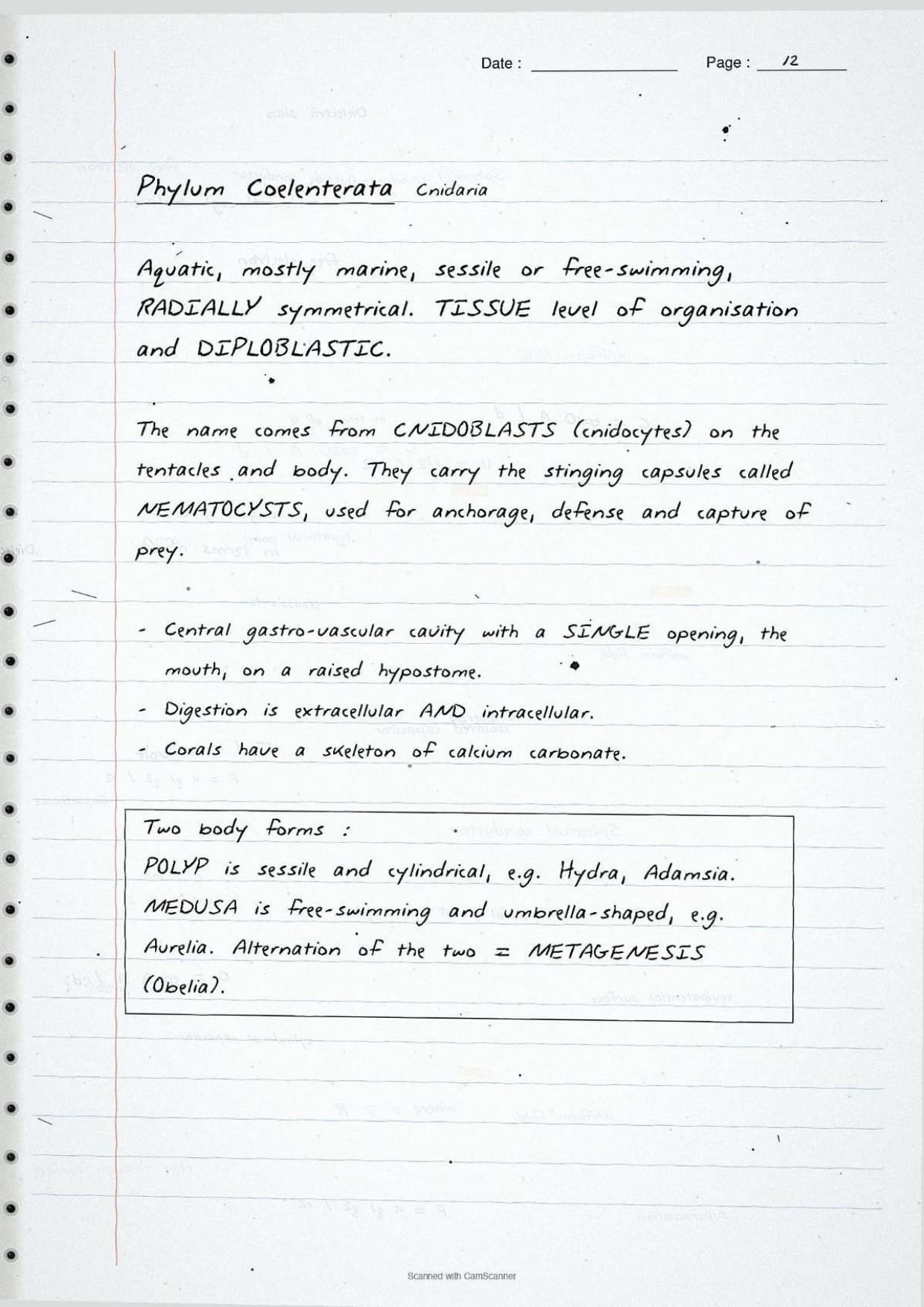
| Diploblastic | Two germ layers with undifferentiated mesoglea between them |
| Nematocysts | Stinging capsules inside cnidoblasts, used for anchorage, defence and prey capture |
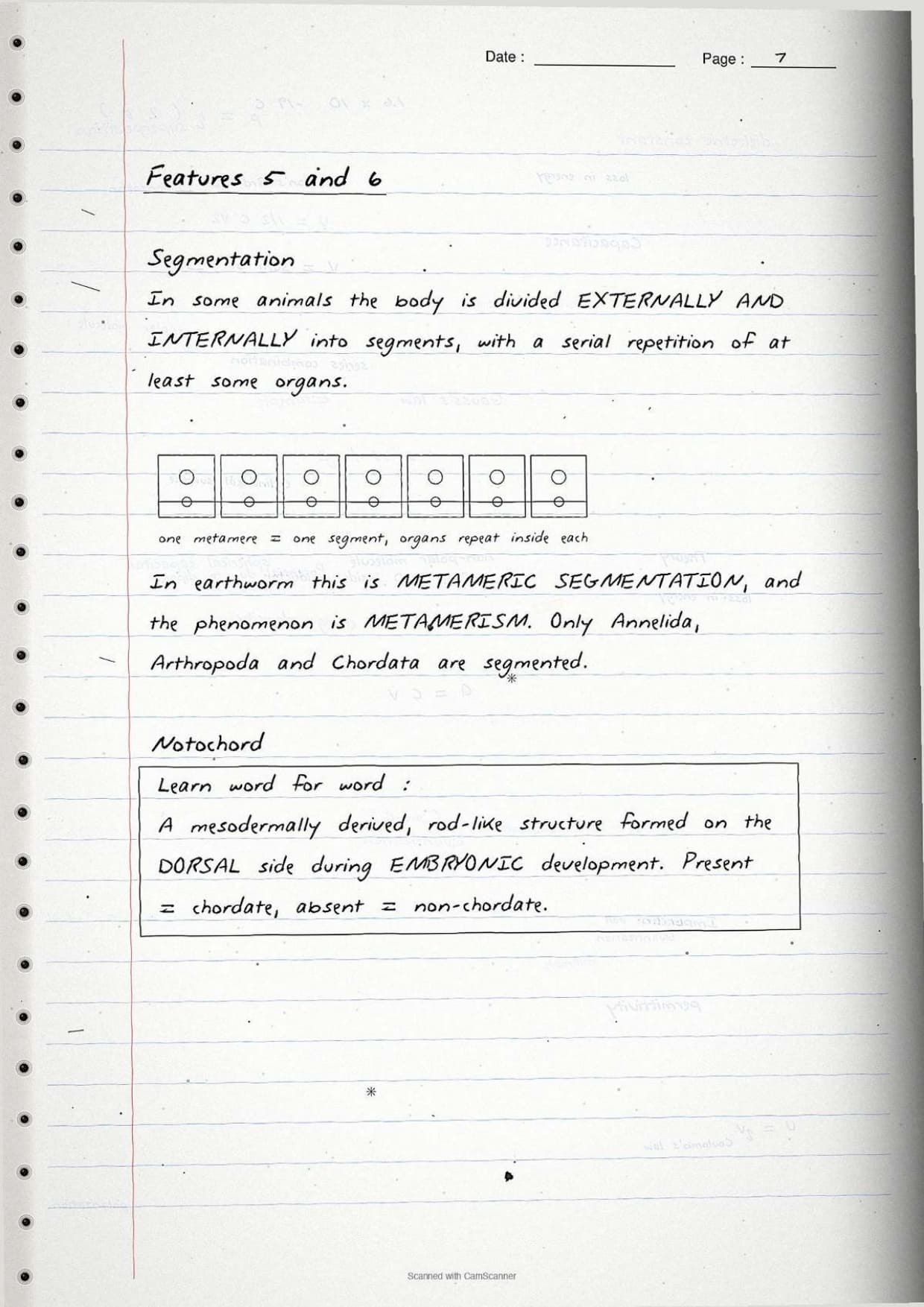
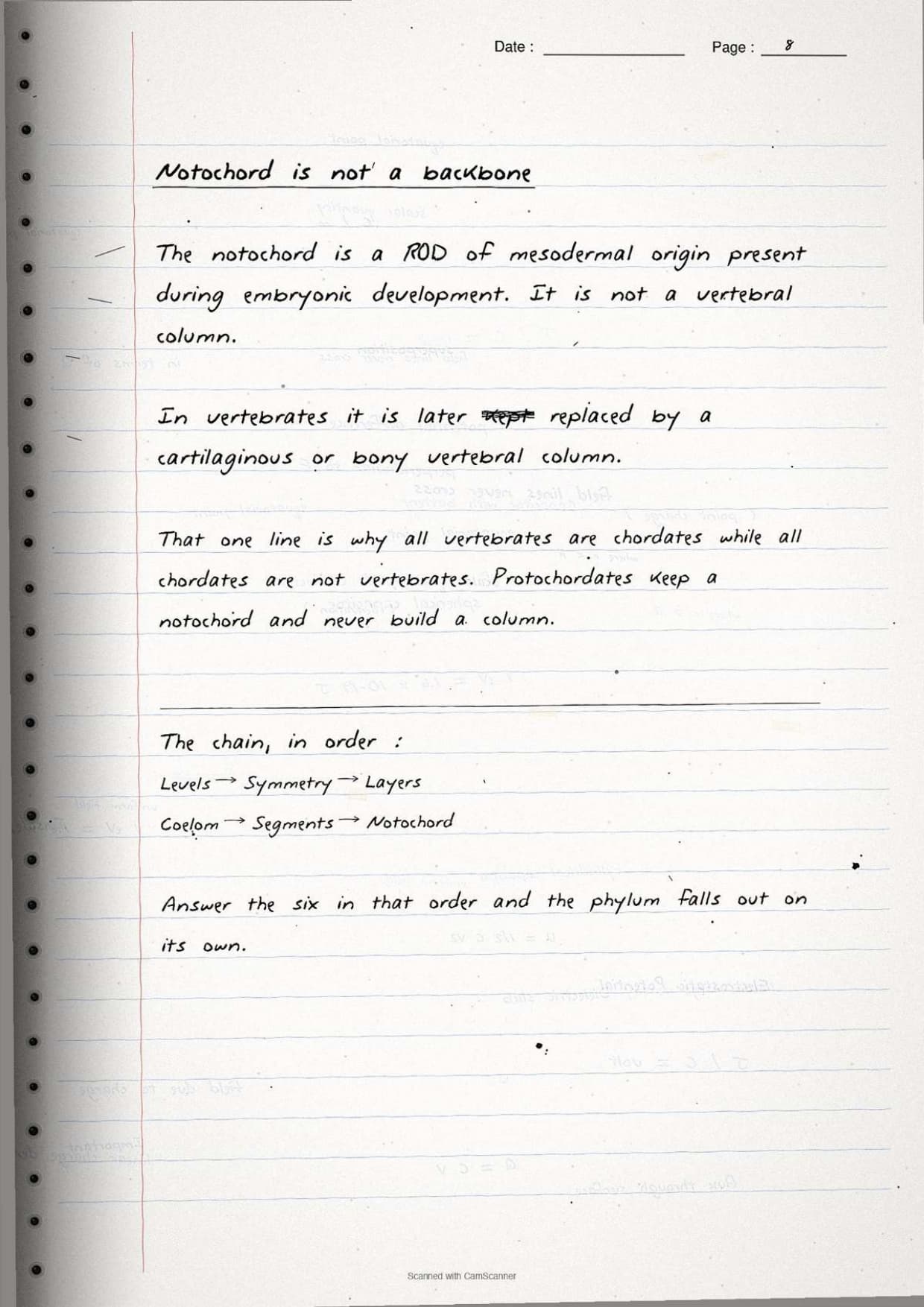
| Notochord | An embryonic rod, later replaced by a vertebral column |
Page 9 redraws the NCERT figure as a decision tree: three questions sort all eleven phyla, and nothing new appears in the chart. Page 36 then lays the same information out as a grid, with a note beside it to read the columns rather than the rows, since questions ask students to fill a single cell.
How to Use These Handwritten Notes for Revision
Work through the pages in three short passes. Read a phylum spread, cover the boxed rule and say it back, then place two named examples in it. Recalling in that order is what fixes the six features, because they repeat on every page.
- Redraw the decision tree on page 9 from memory before any test.
- Learn the coelom column first, since it splits the eleven-phylum table cleanly in half.
- Keep the class 11 biology handwritten notes chapter 4 Animal Kingdom open beside the NCERT Solutions while practising.
- Finish on page 41, the night-before recap, which lists the one-offs like the only jawless class and the only pseudocoelomate phylum.
Around 55 minutes covers one full pass of all 41 pages, so the notes still fit into the last week before an exam.
Student Feedback on Animal Kingdom Handwritten Notes
Students rate the summary tables as the pages that save them the most time. The figures below come from a Collegedunia poll run before the 2026 boards.
- In a Collegedunia survey of 11,240 students, 74% said the eleven-phylum table was their most-used revision page.
- Most-confused pair before the poll: coelomate against pseudocoelomate, mixed up by about 5 in 10 students.
Source: 2026-27 Class 11 Biology student poll. Sample of 11,240 students from CBSE schools across 12 states.
Where to Use These Notes Alongside Other Resources
These handwritten pages work best next to the step-wise Solutions, the summary Notes and the Exemplar Solutions for the same chapter. Revise from the notes first, then check answers, and save the Exemplar for extra practice.
| Resource | Best used for |
|---|---|
| Animal Kingdom NCERT Solutions | Step-by-step answers to every back-exercise question |
| Animal Kingdom Class 11 Notes | Quick chapter summary with all key terms in one place |
| Animal Kingdom Exemplar Solutions | Harder MCQ and long-answer practice for NEET |
| Animal Kingdom NCERT Book PDF | The original chapter text and exercises |
All Class 11 Biology Handwritten Notes by Chapter
The table links the handwritten notes for every Class 11 Biology chapter, so students can move across the course in one click. Animal Kingdom is highlighted.
| Chapter | Handwritten Notes |
|---|---|
| Chapter 1 | The Living World |
| Chapter 2 | Biological Classification |
| Chapter 3 | Plant Kingdom |
| Chapter 4 | Animal Kingdom |
| Chapter 5 | Morphology of Flowering Plants |
| Chapter 6 | Anatomy of Flowering Plants |
| Chapter 7 | Structural Organisation in Animals |
| Chapter 8 | Cell The Unit of Life |
| Chapter 9 | Biomolecules |
| Chapter 10 | Cell Cycle and Cell Division |
| Chapter 11 | Photosynthesis in Higher Plants |
| Chapter 12 | Respiration in Plants |
| Chapter 13 | Plant Growth and Development |
| Chapter 14 | Breathing and Exchange of Gases |
| Chapter 15 | Body Fluids and Circulation |
| Chapter 16 | Excretory Products and their Elimination |
| Chapter 17 | Locomotion and Movement |
| Chapter 18 | Neural Control and Coordination |
| Chapter 19 | Chemical Coordination and Integration |
FAQs on Animal Kingdom Handwritten Notes
Ques. Are these class 11 biology handwritten notes chapter 4 Animal Kingdom free to download?
Ans. Yes. All 41 pages are free to download as a PDF from this page. They follow the 2026-27 NCERT and cover the full chapter in clear handwriting, so students can revise straight from them.
Ques. What topics do these handwritten notes cover?
Ans. They cover the six fundamental features, all eleven phyla from Porifera to Chordata, the three chordate subphyla and the seven vertebrate classes. Each gets its own spread with boxed rules, named examples and a summary table at the end.
Ques. What is the difference between coelomate and pseudocoelomate?
Ans. The definition hangs on four words: lined by mesoderm. A coelomate has a cavity fully lined by mesoderm, while a pseudocoelomate has the cavity but the mesoderm sits only as scattered pouches. Aschelminthes is the one pseudocoelomate phylum.
Ques. Are these notes useful for NEET, not just Boards?
Ans. Yes. NEET draws several questions a year from this chapter, mostly on phylum features and named examples. Page 2 marks the per-phylum feature lists as a NEET and CUET extension, since the rationalised reprint trims them from the board syllabus.
Ques. Why are echinoderms called both radial and bilateral?
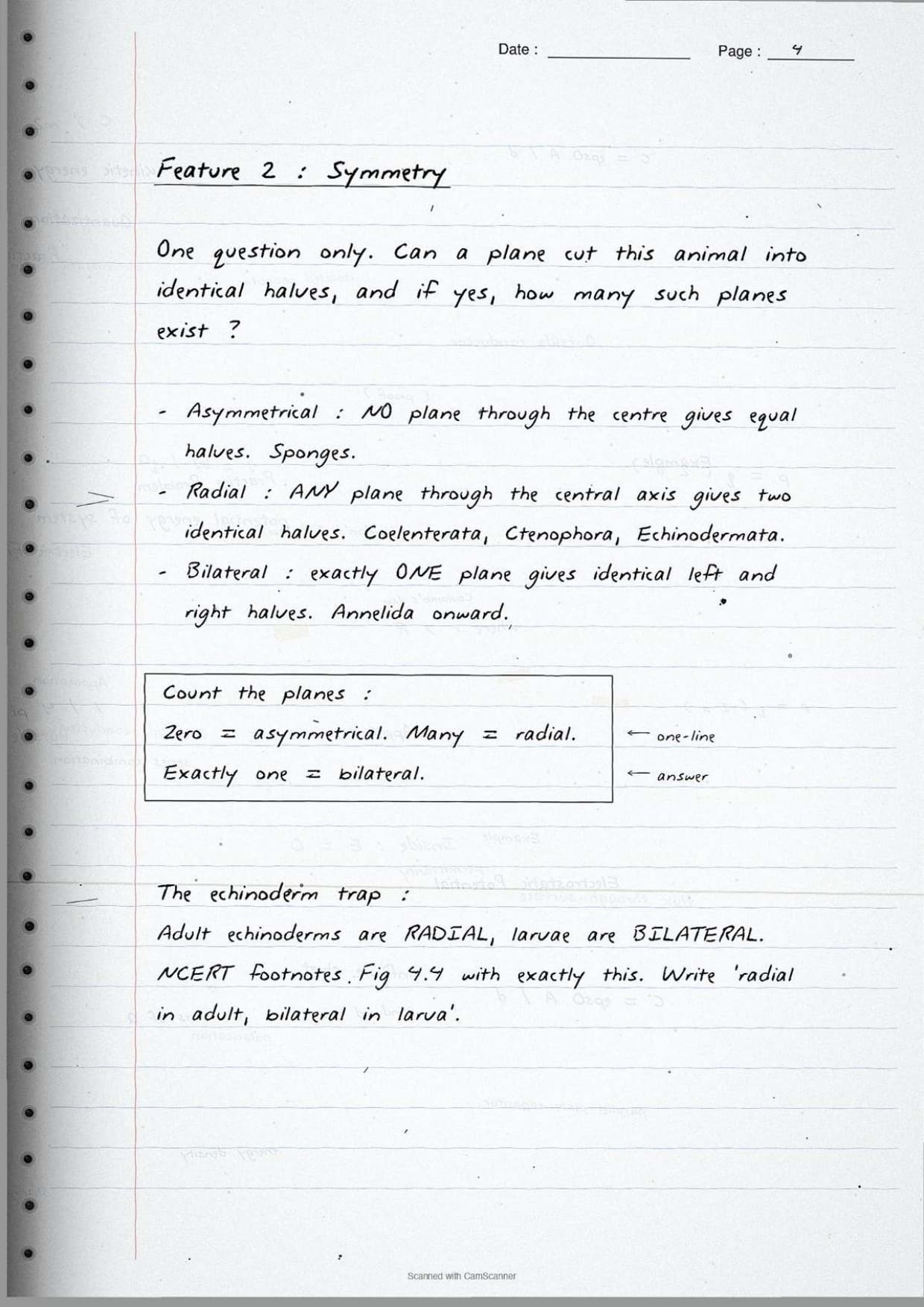
Ans. Adults are radially symmetrical and larvae are bilaterally symmetrical, so the correct answer names both. The notes box this on page 20 because writing only radial is one of the commonest one-mark losses in the chapter.



Comments