




CAT LCM, HCF and Base Systems handwritten notes, free to download as a 24-page PDF. The topic is worth about 3 to 6 marks in Quant and takes roughly three days to learn, so it is one of the quickest to finish.
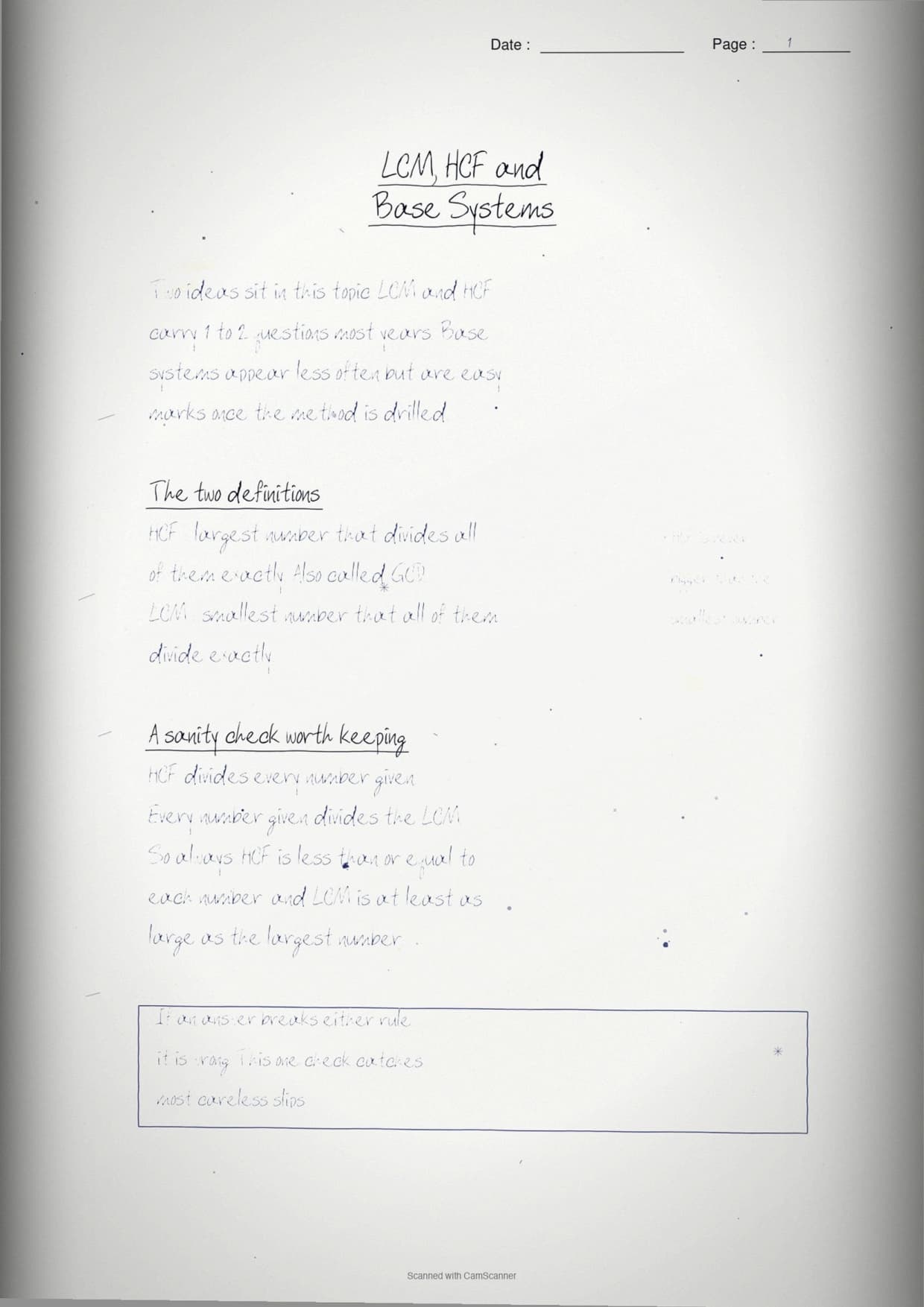
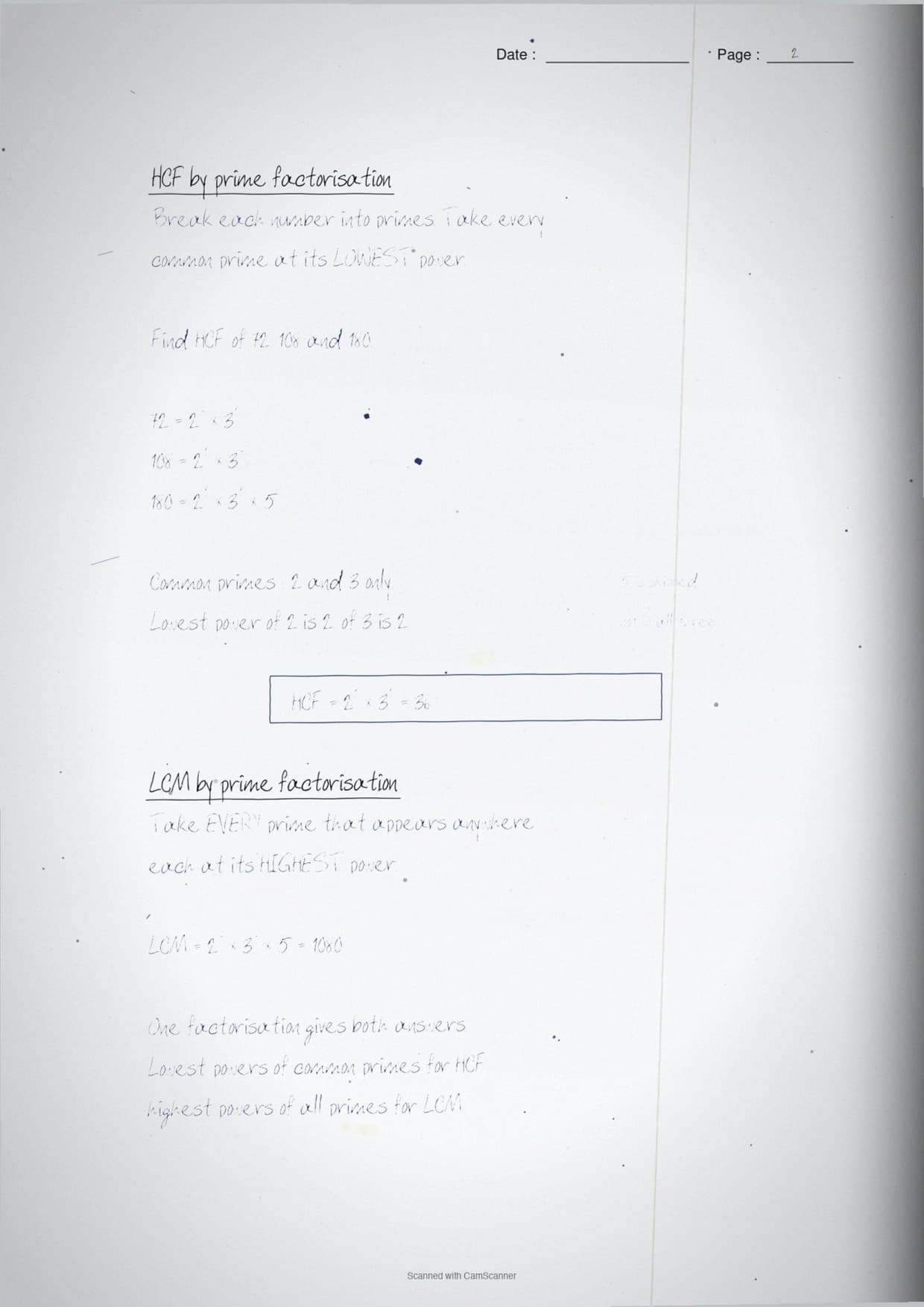
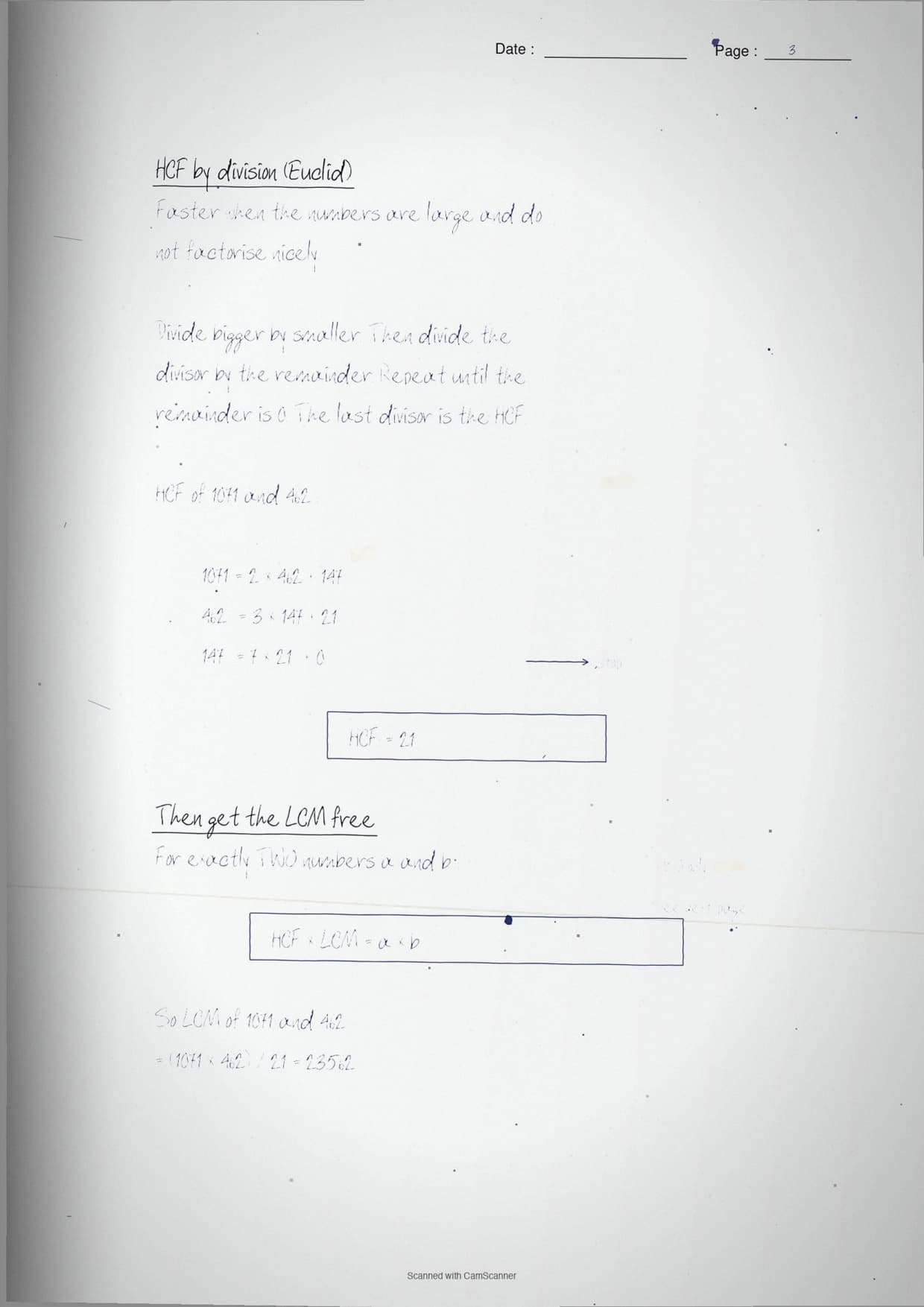
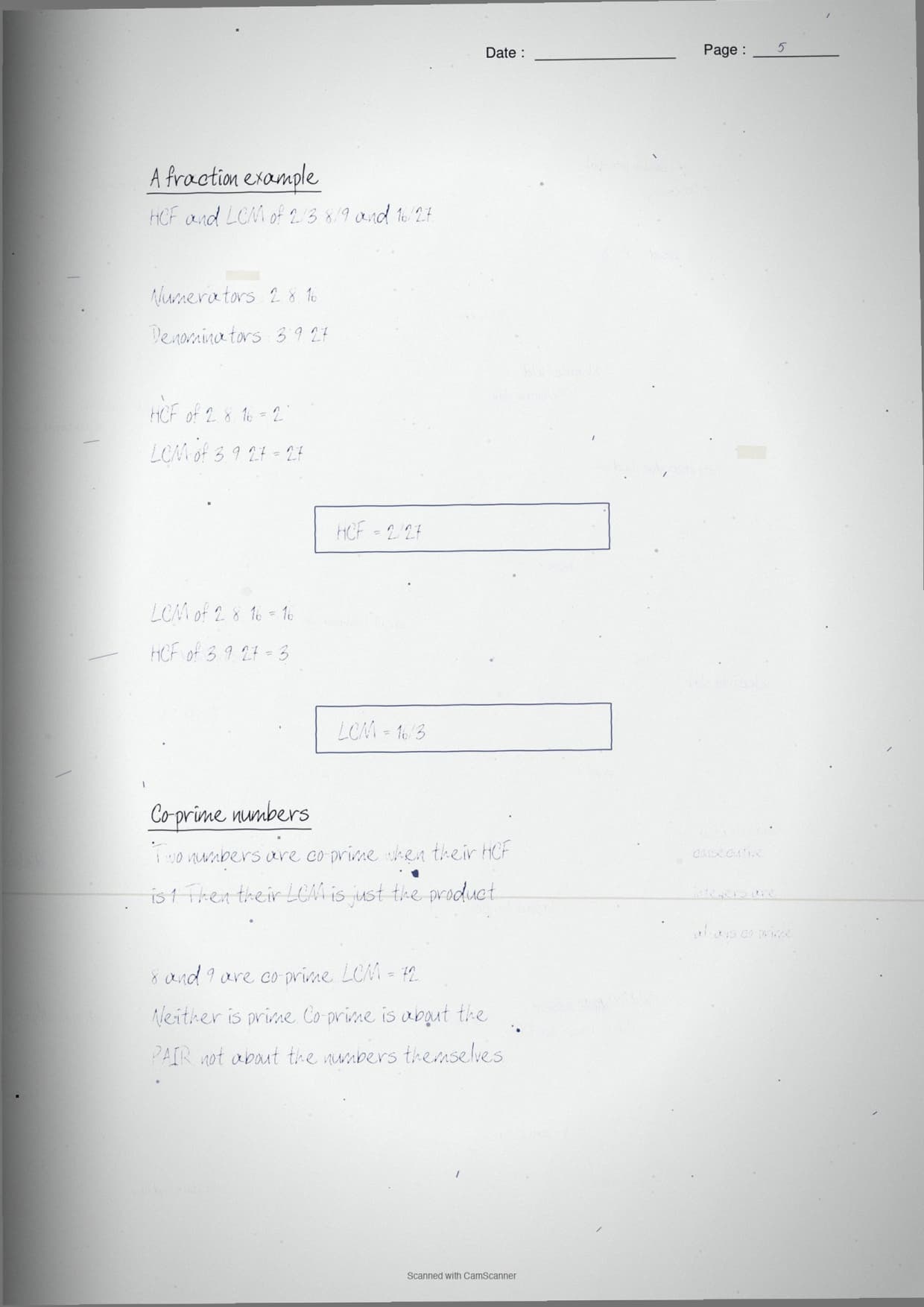
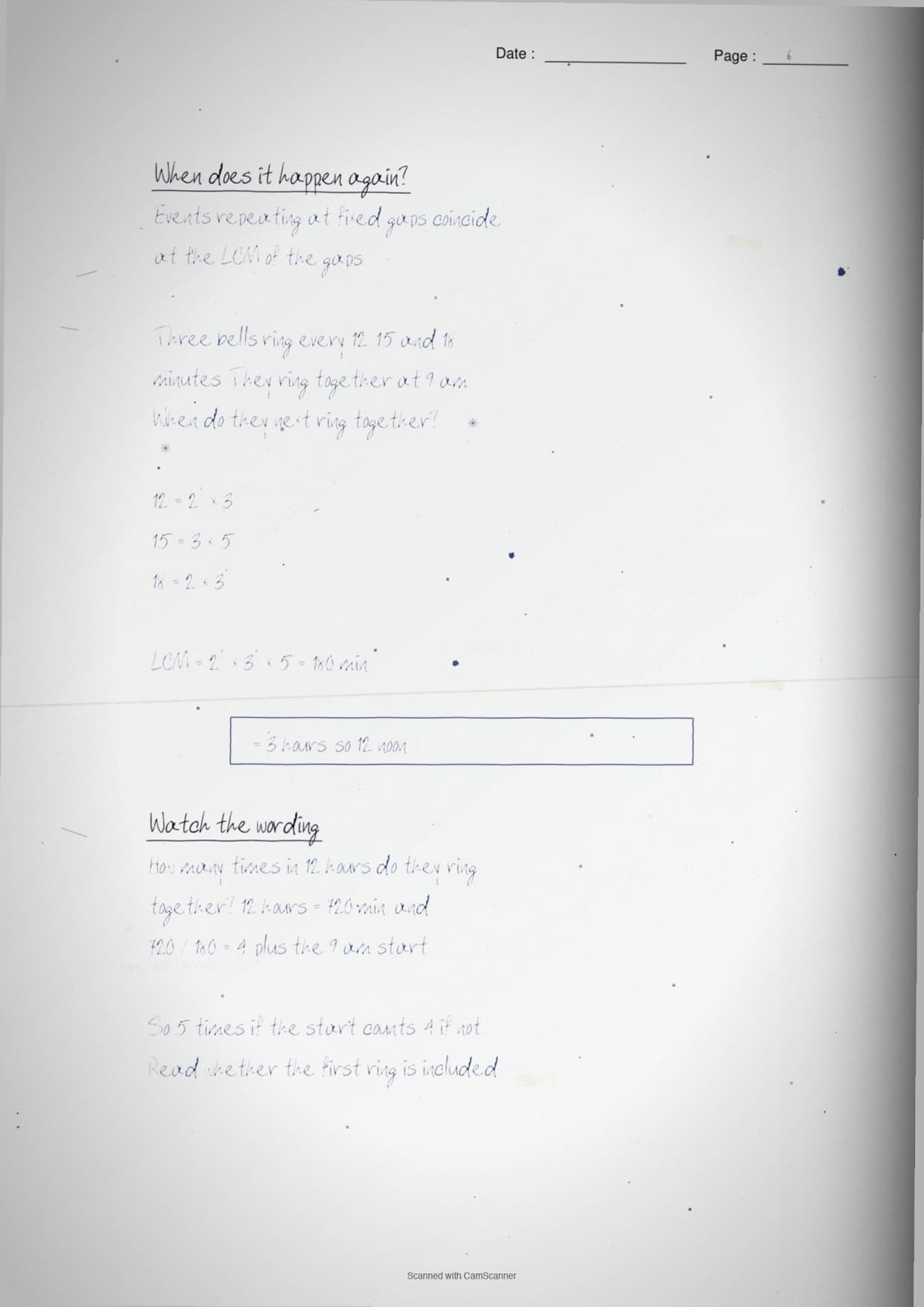
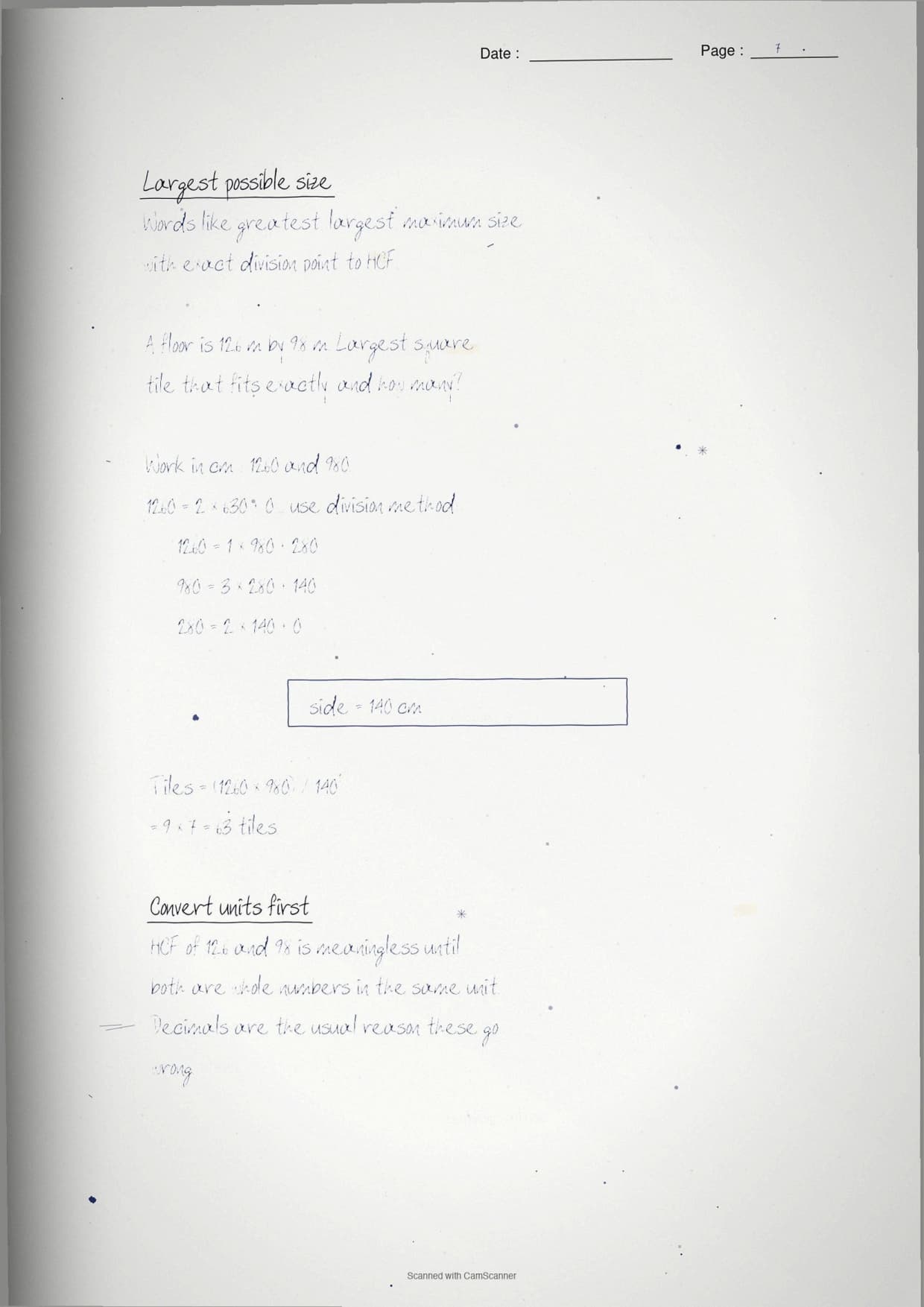
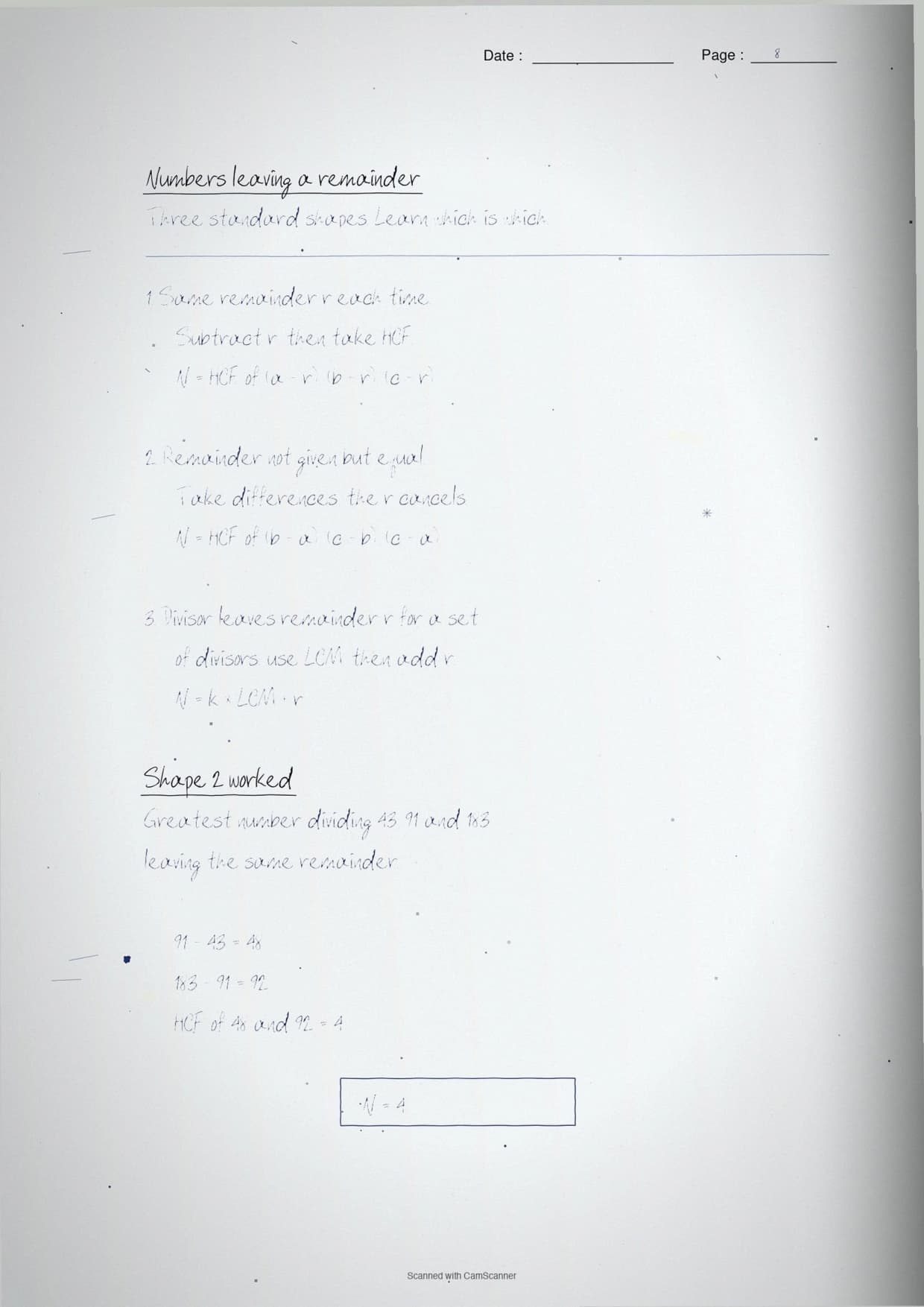
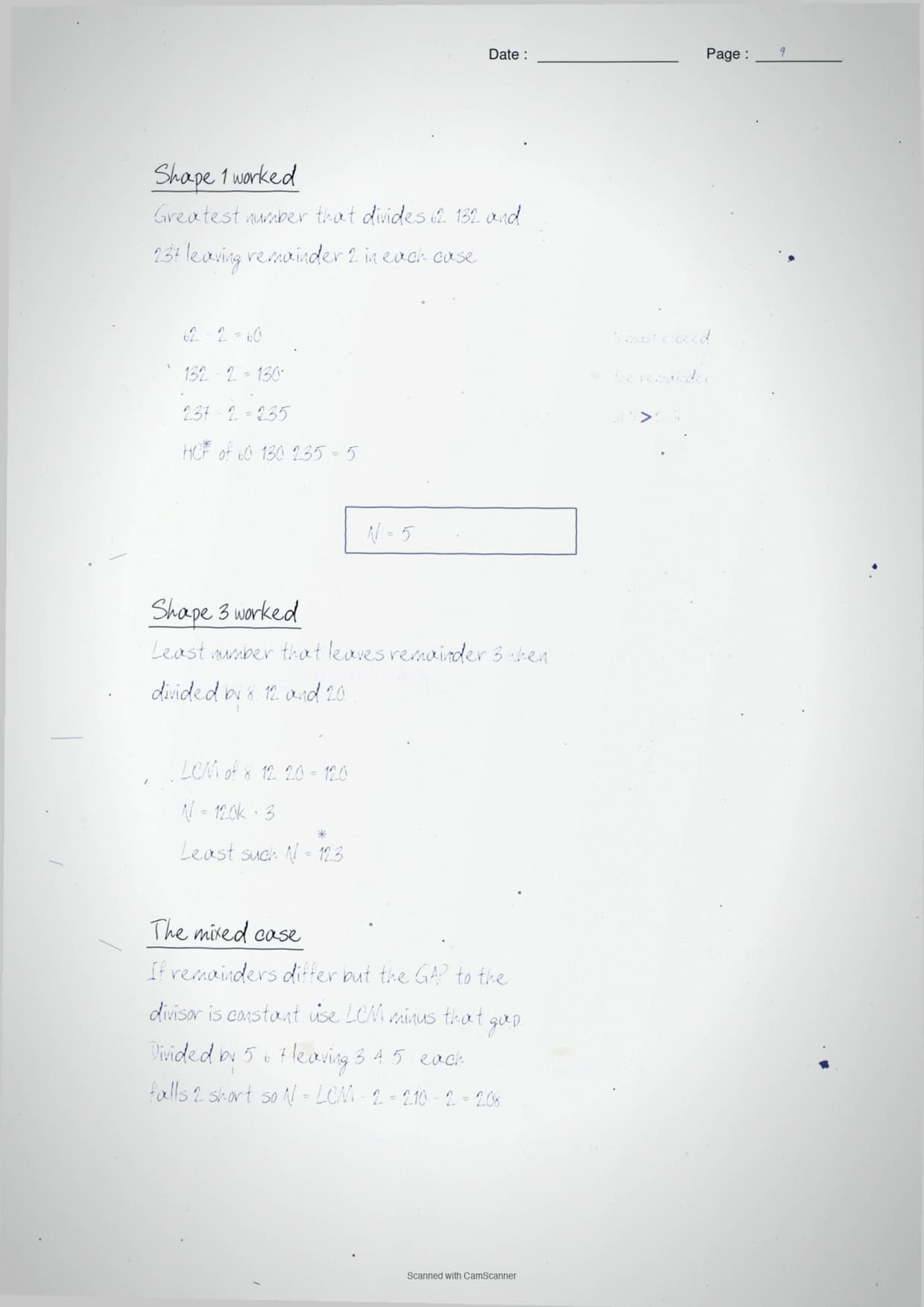
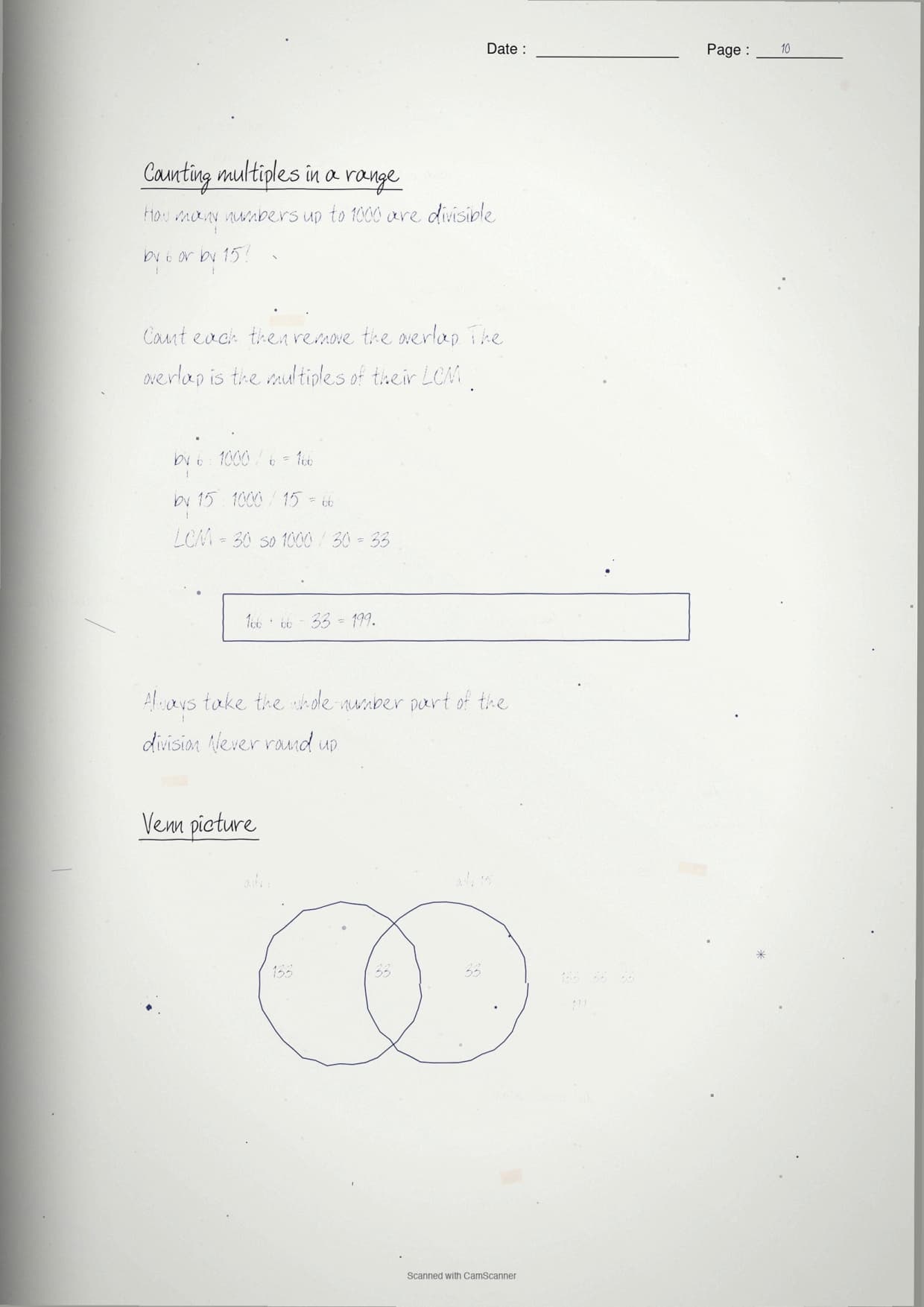
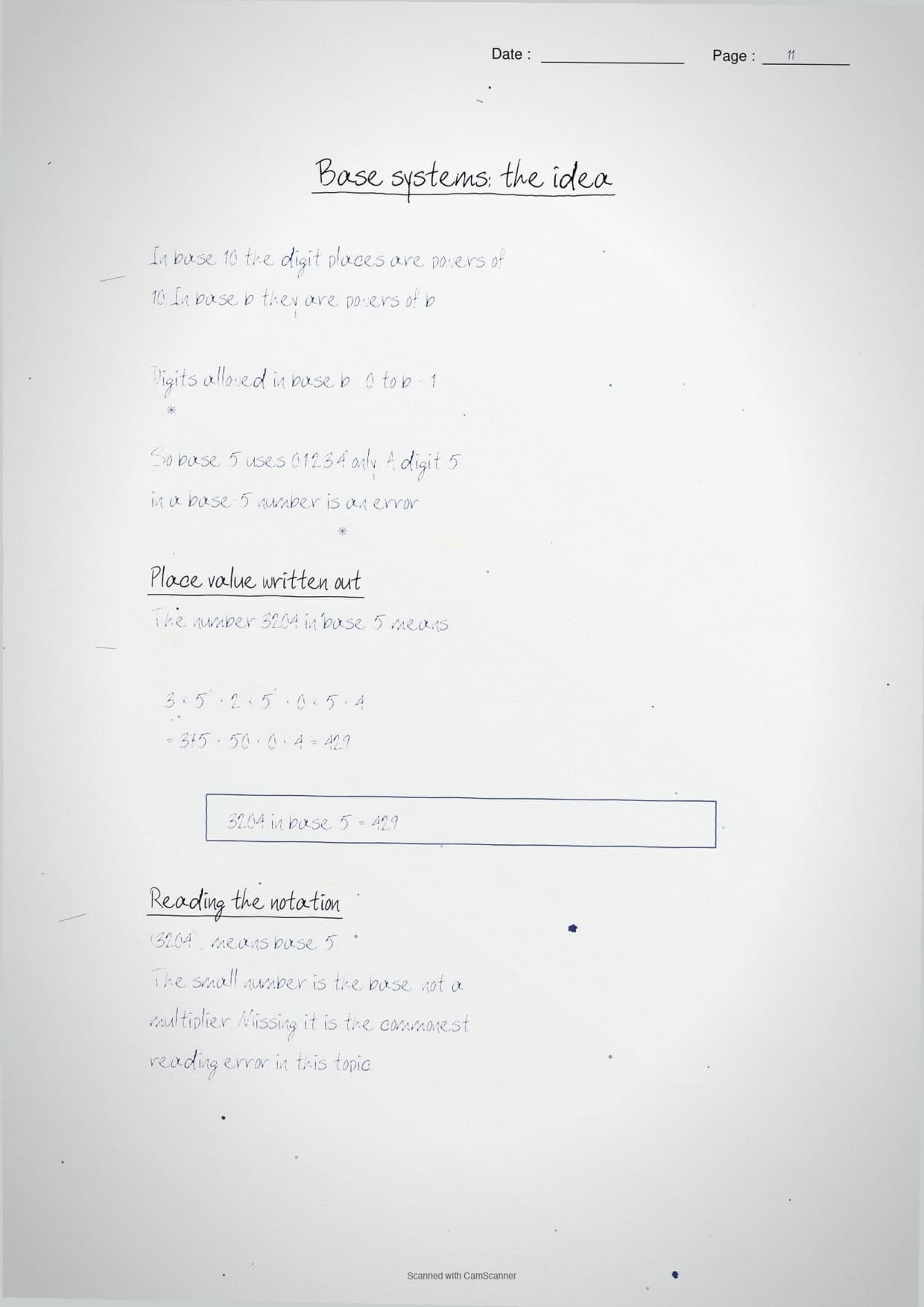
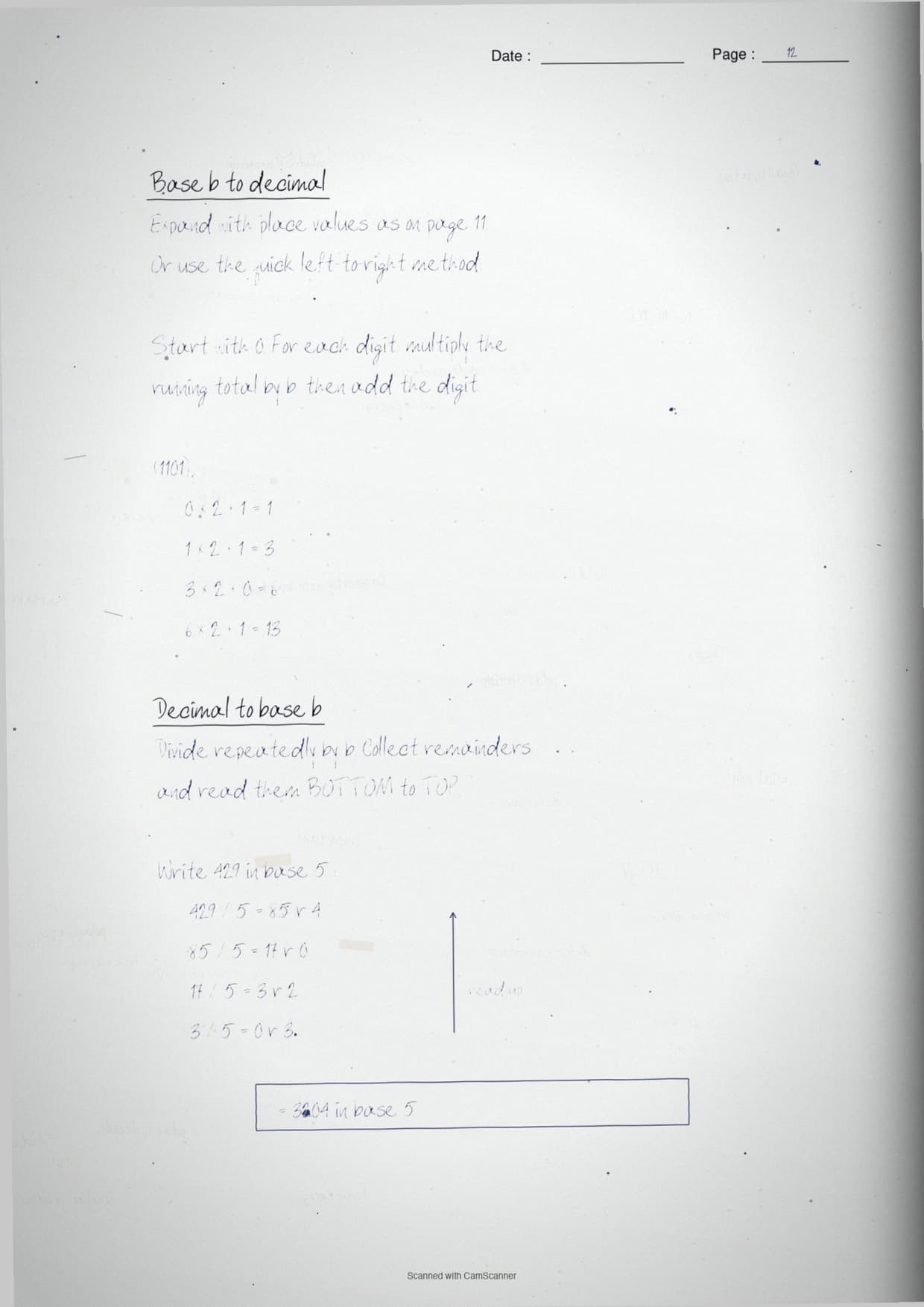
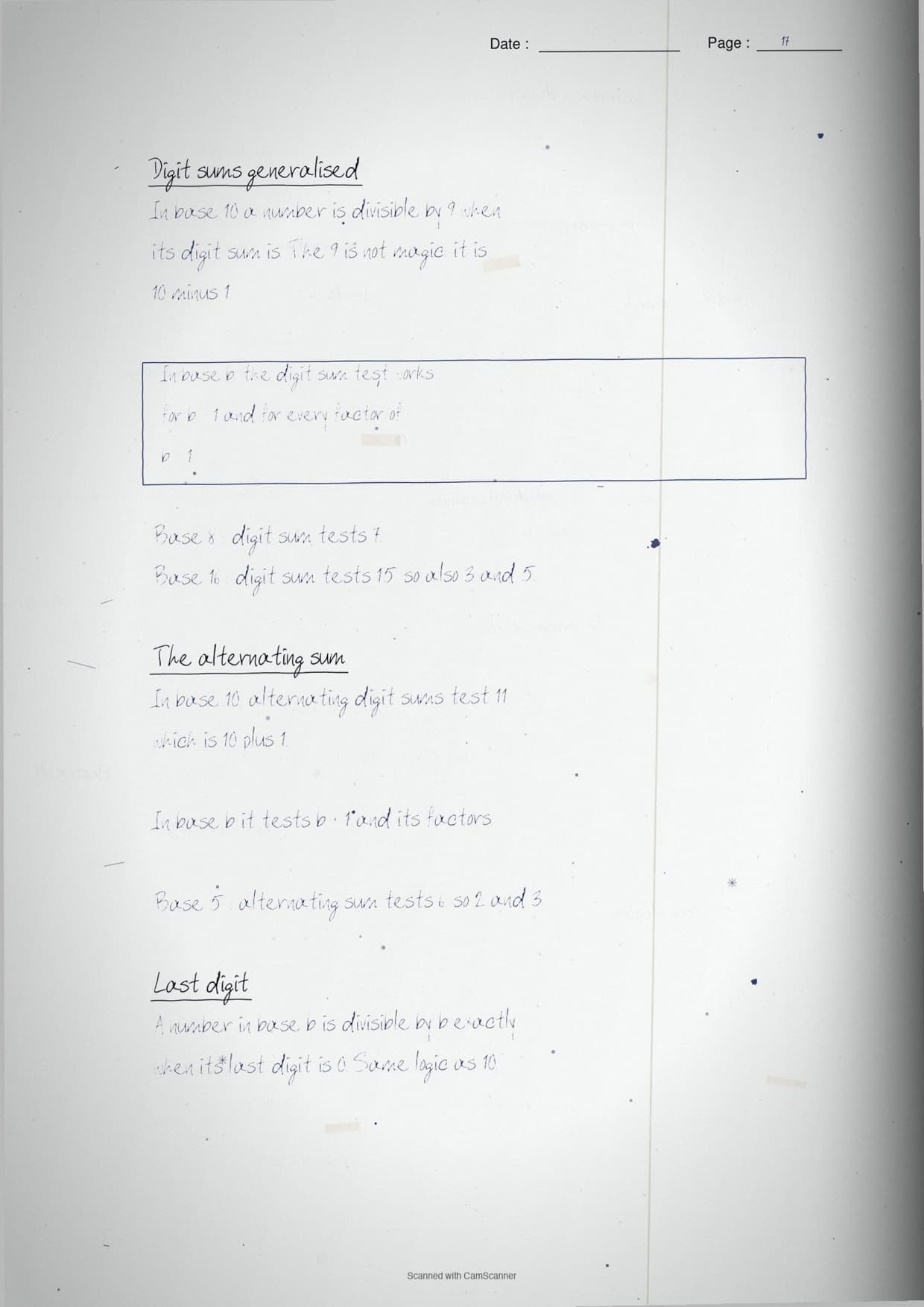
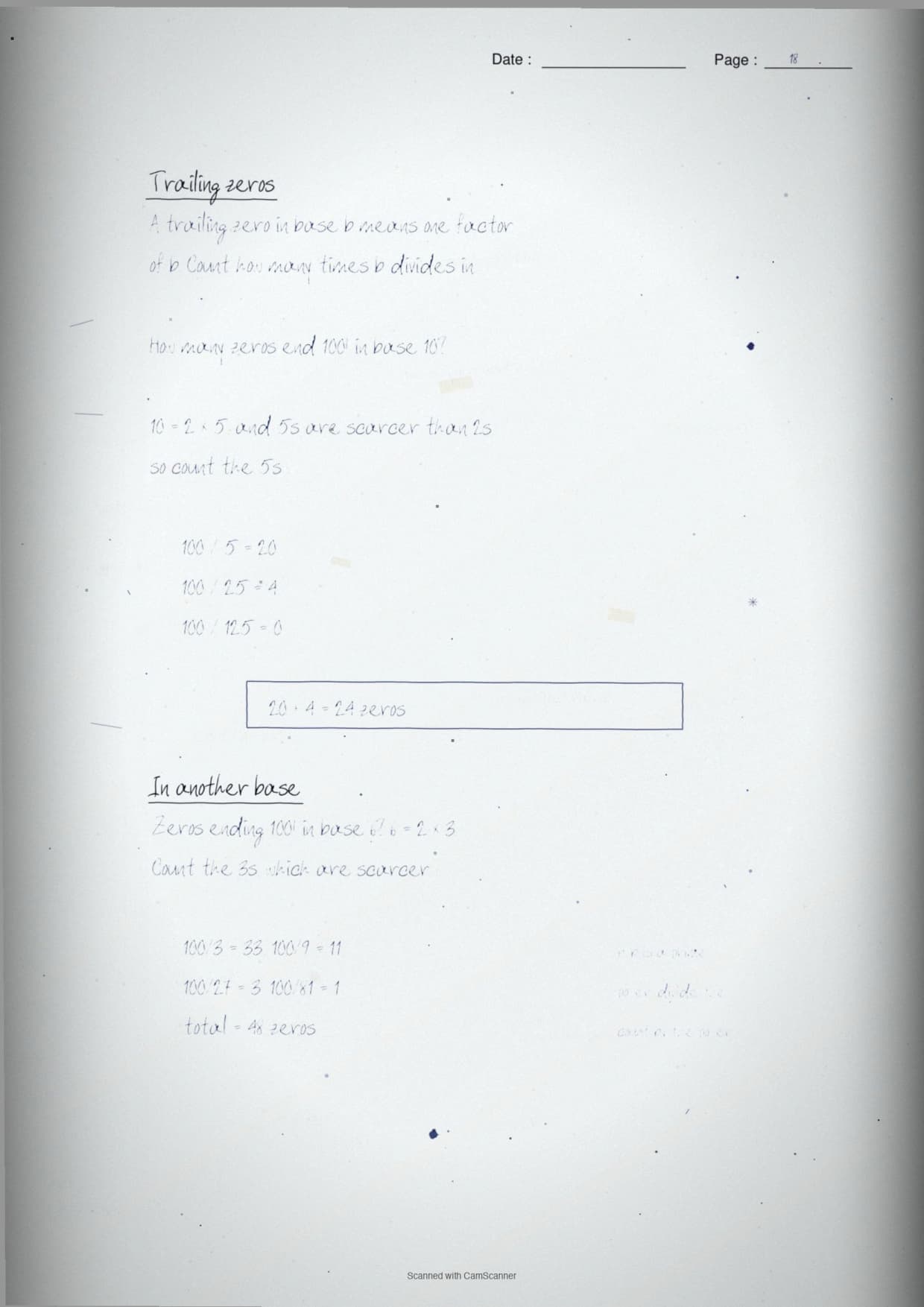
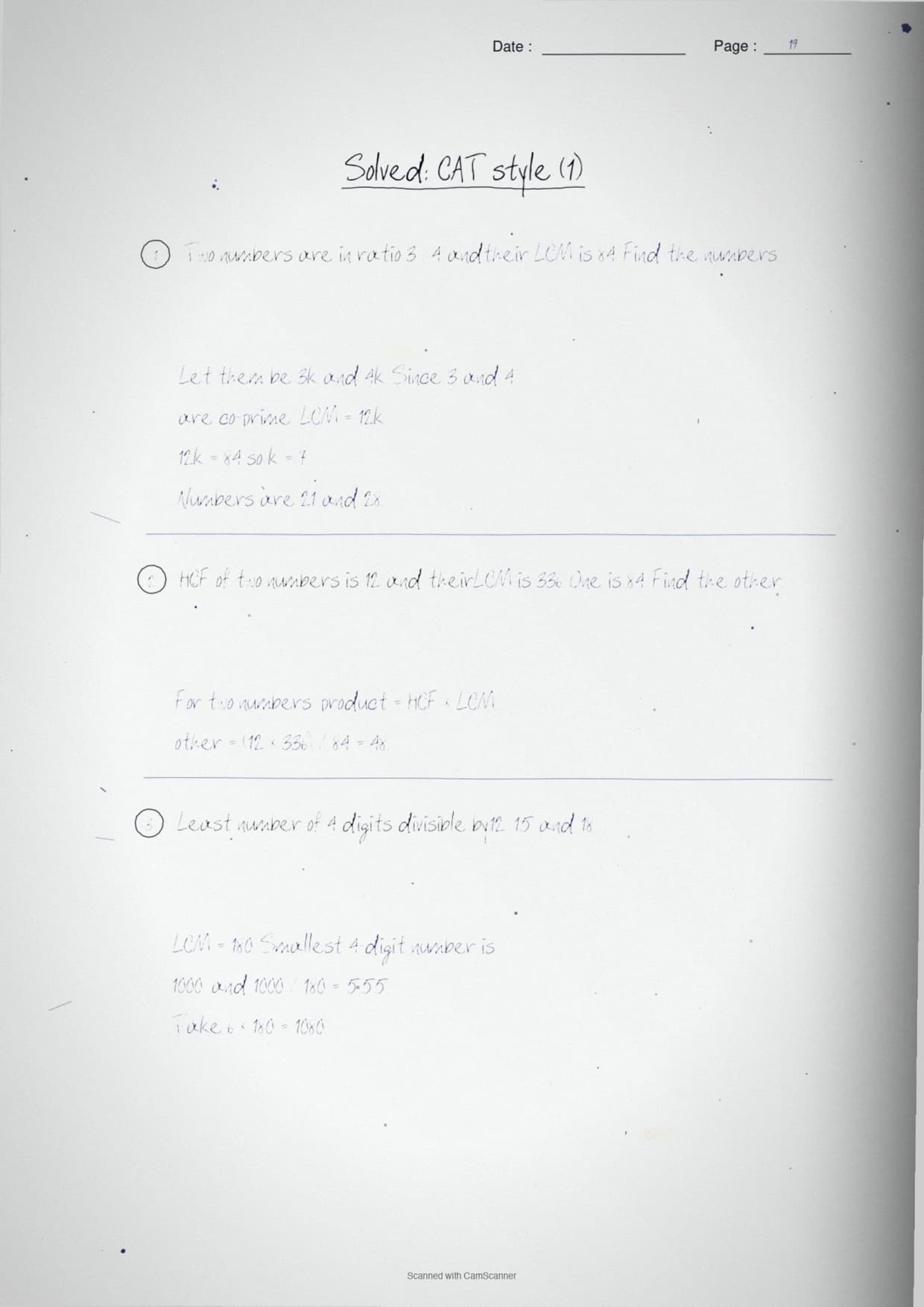
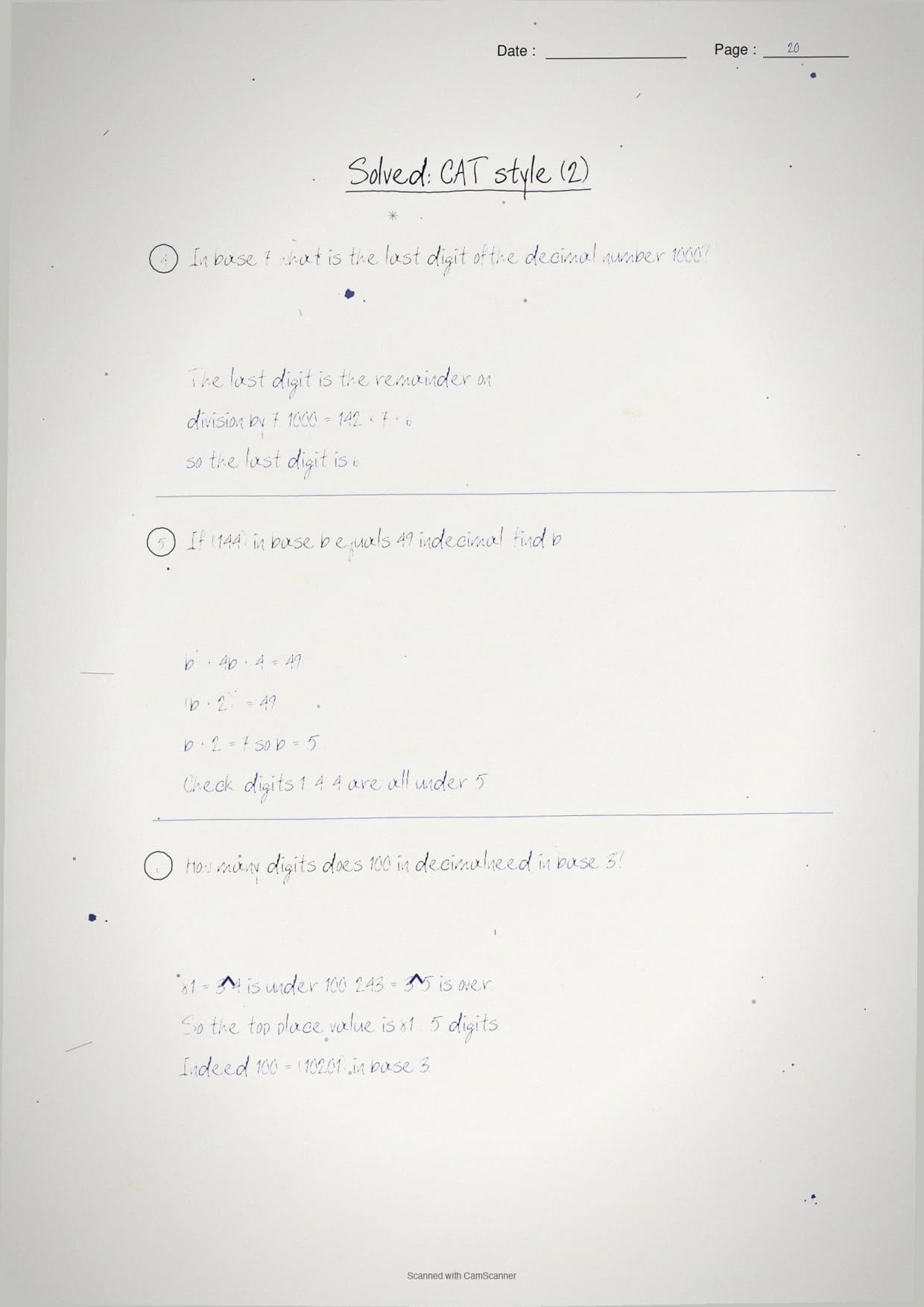
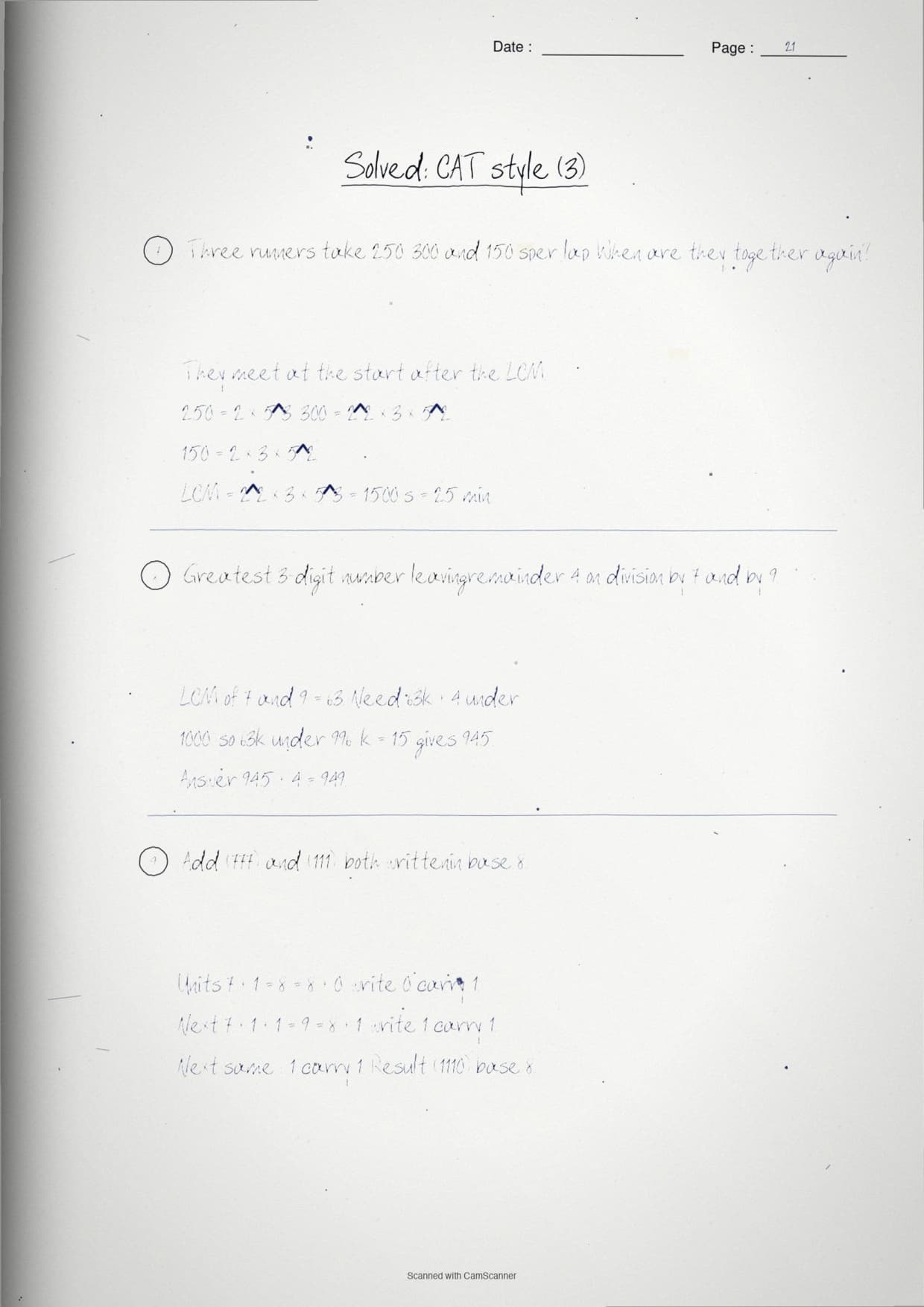
The notes are written the way a student revises: one prime factorisation at the top, then every rule built on it. Each method sits beside a worked number so the arithmetic can be followed rather than trusted.
What This Topic Actually Asks in CAT
Two ideas share the topic. LCM and HCF bring one or two questions most years. Base systems appear less often but are quick marks once the method is drilled.
- LCM word problems: bells, lights and runners meeting again
- HCF word problems: largest tile, greatest common measure
- Remainder shapes: same remainder, unknown remainder, constant gap
- Base conversion: to and from decimal, and arithmetic inside a base
Reading Which One a Question Wants
Most lost marks here are reading errors, not method errors. The notes sort the phrasings so the choice is made before any arithmetic starts.
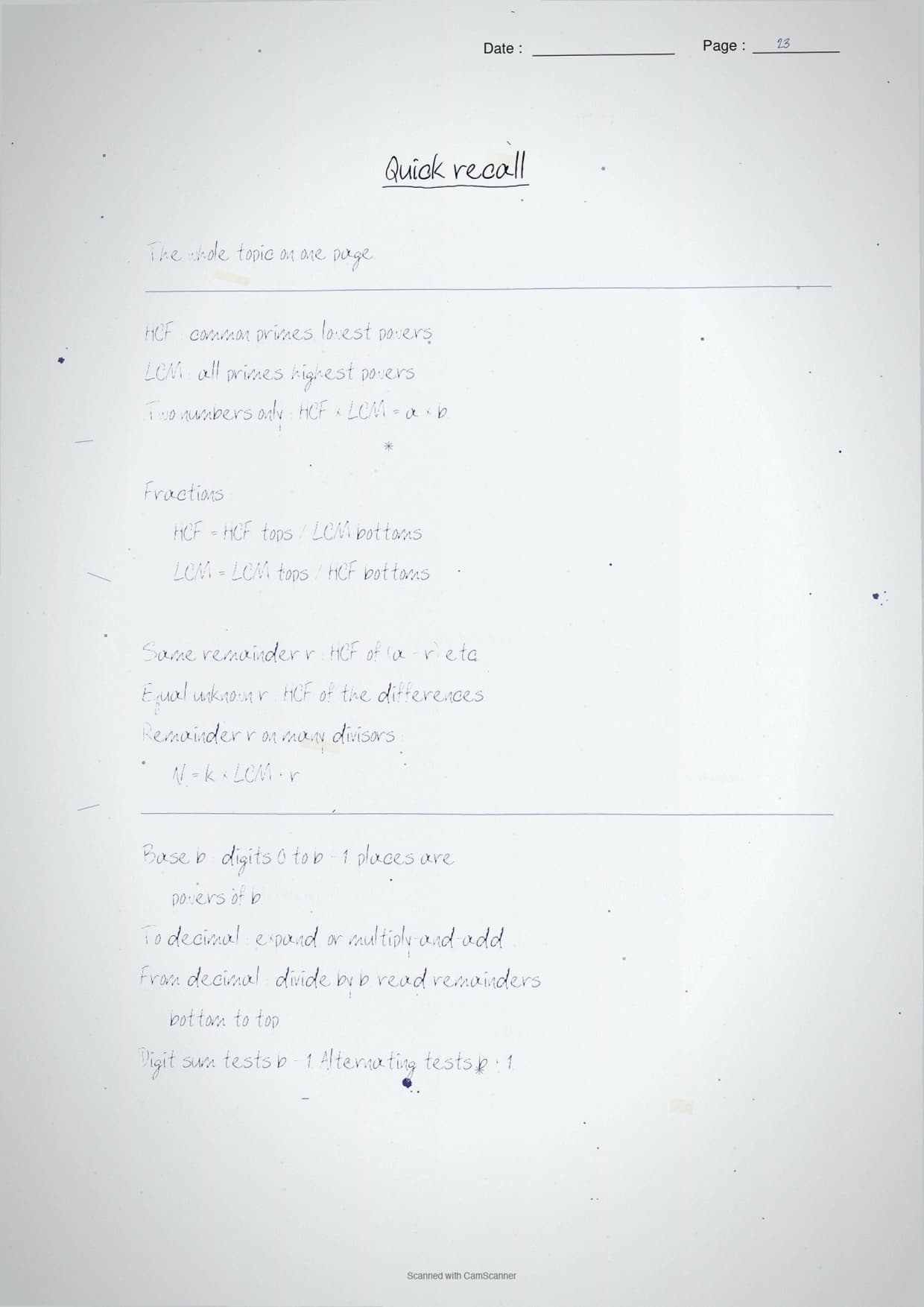
- Happening together again points to LCM
- Greatest size with exact division points to HCF
- A least number leaving remainder r on several divisors is LCM plus r
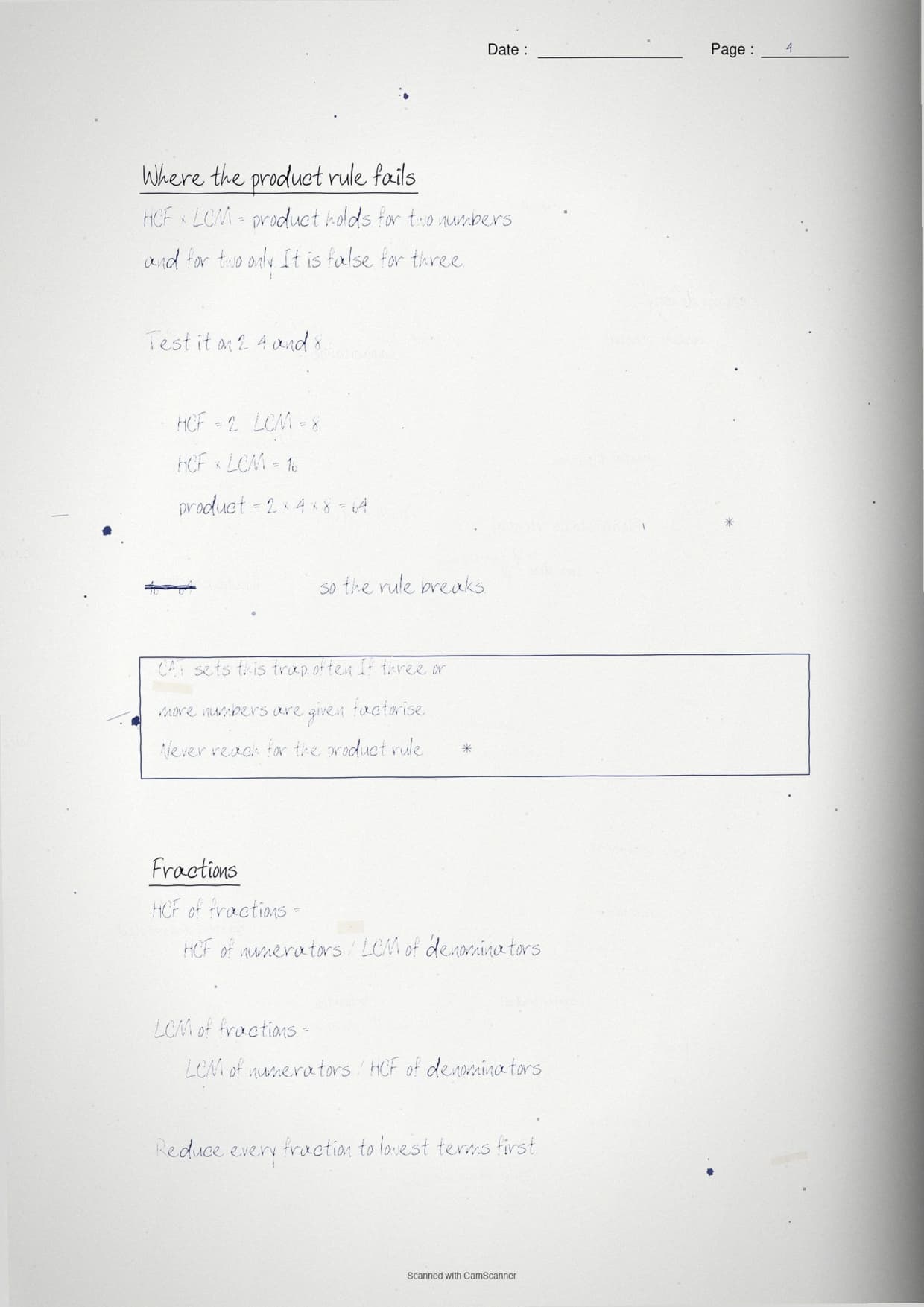
- For fractions, HCF takes HCF of numerators over LCM of denominators
One caution is written in by hand: HCF times LCM equals the product for two numbers only. Carried to three numbers it fails, and the notes show it failing on 2, 4 and 8.
The Three Remainder Shapes
Nearly every remainder question in this topic is one of three shapes. Naming the shape is most of the work.
- Same remainder r given: subtract r from each, then take the HCF
- Equal but unknown remainder: take HCF of the differences, so r cancels
- Remainder r on many divisors: the answer is a multiple of the LCM, plus r
A fourth case appears when the remainders differ but each falls the same distance short of its divisor. Then the answer is the LCM minus that gap.
Base Systems Without the Confusion
In base b the place values are powers of b and the digits run from 0 to b minus 1. A digit equal to the base is an error, and spotting that alone kills several options.
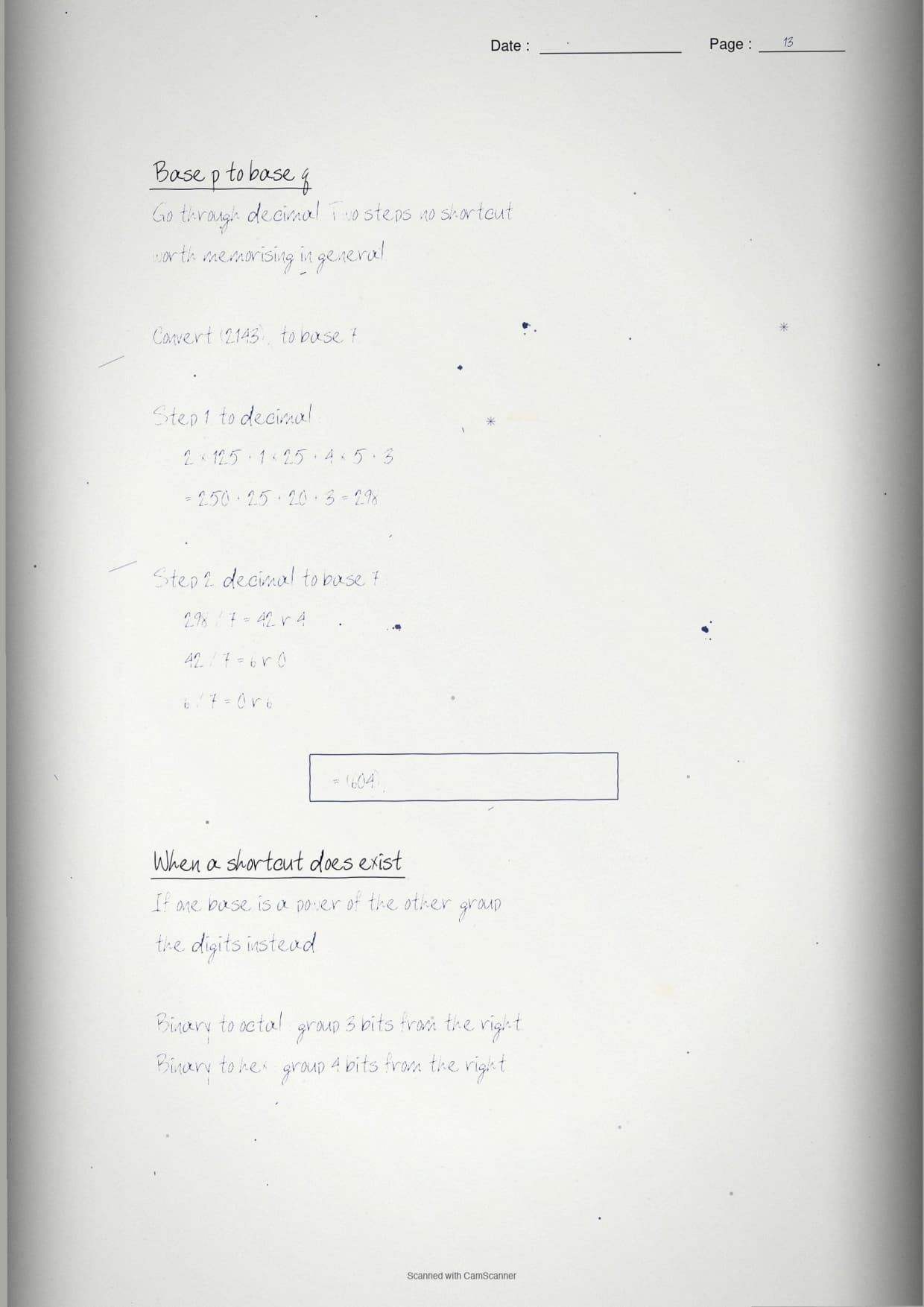
- To decimal: expand the place values, or multiply and add left to right
- From decimal: divide repeatedly by b and read remainders bottom to top
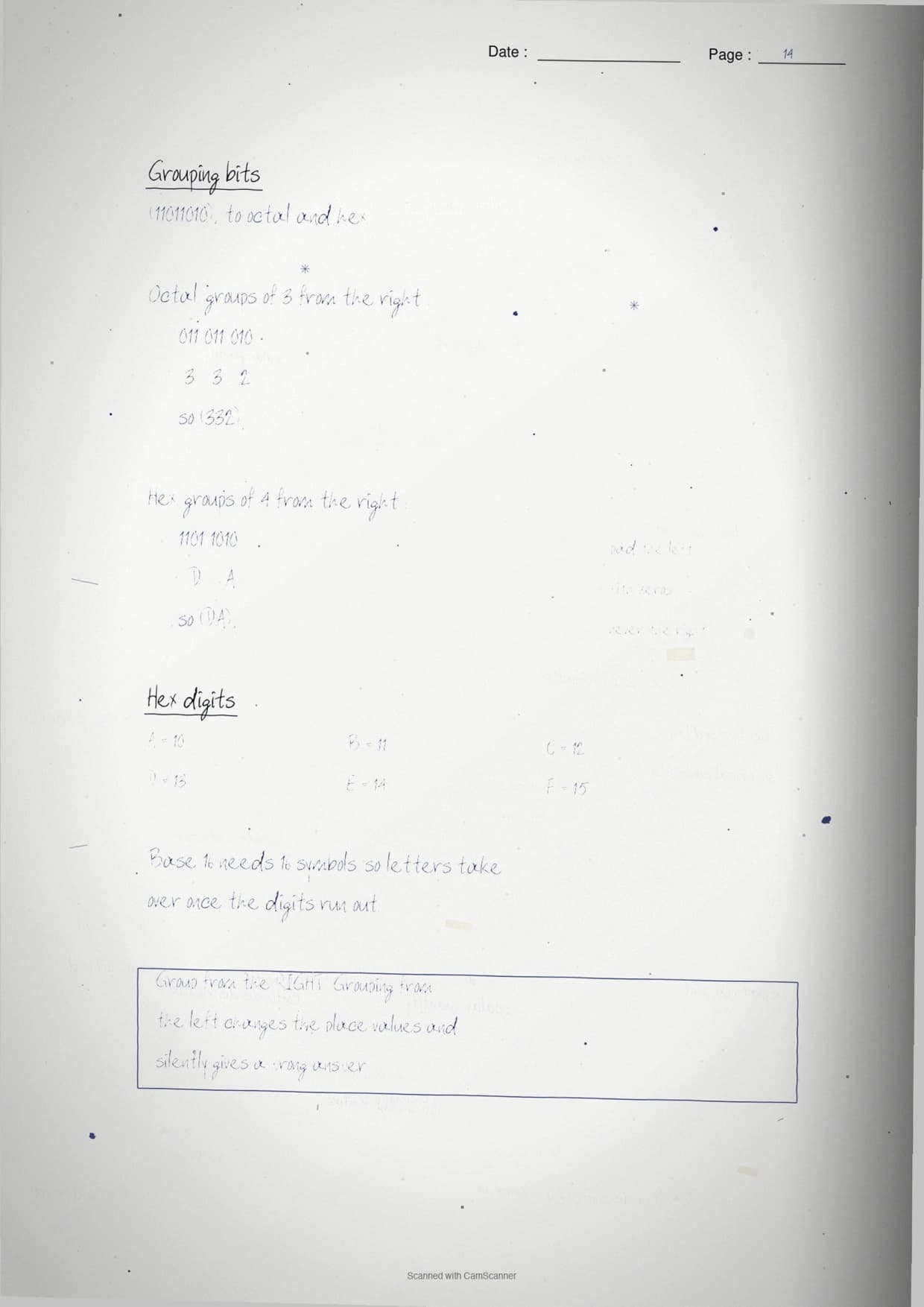
- Binary to octal or hex: group bits in threes or fours from the right
- Digit sums: they test b minus 1, exactly as 9 works in base 10
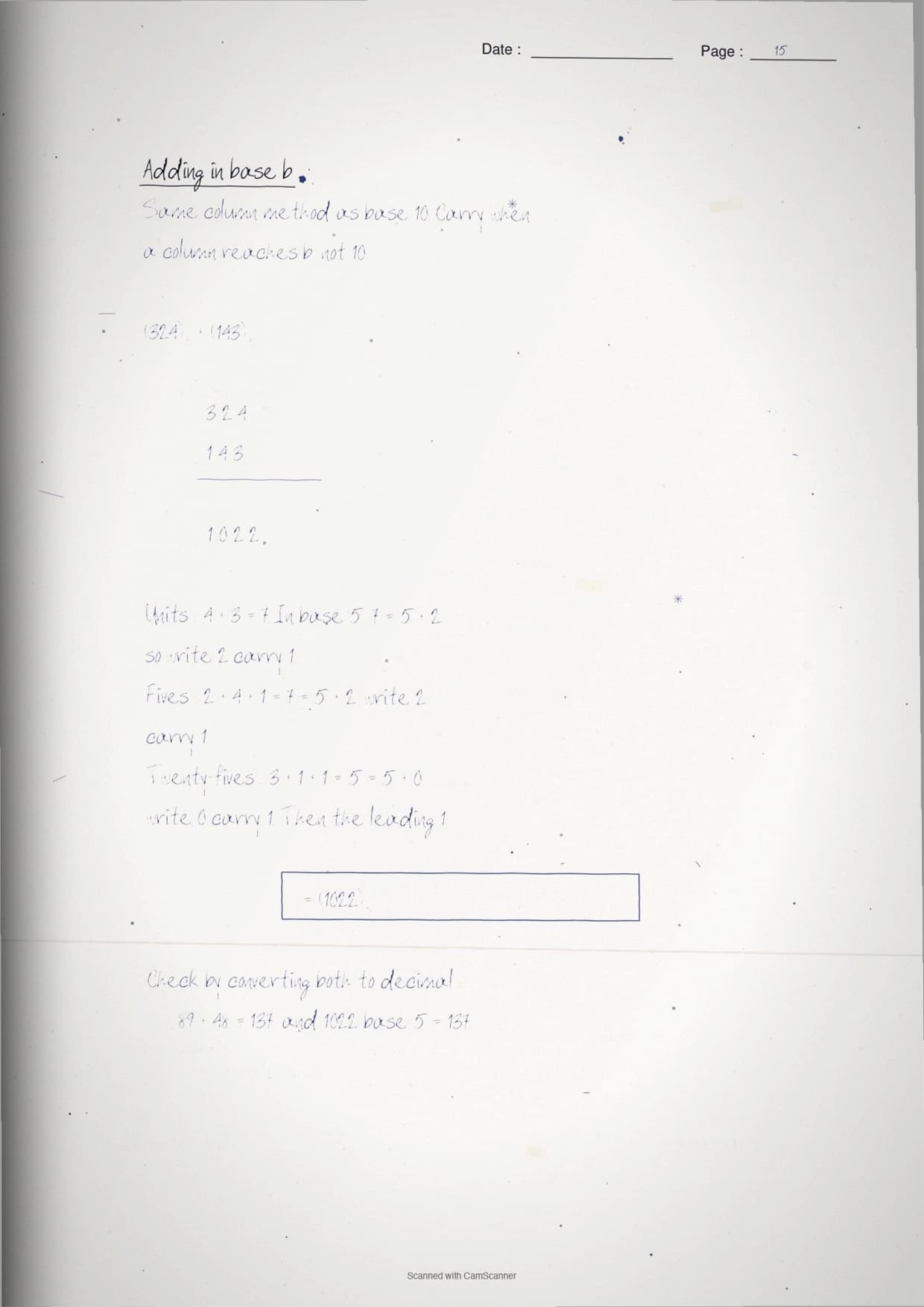
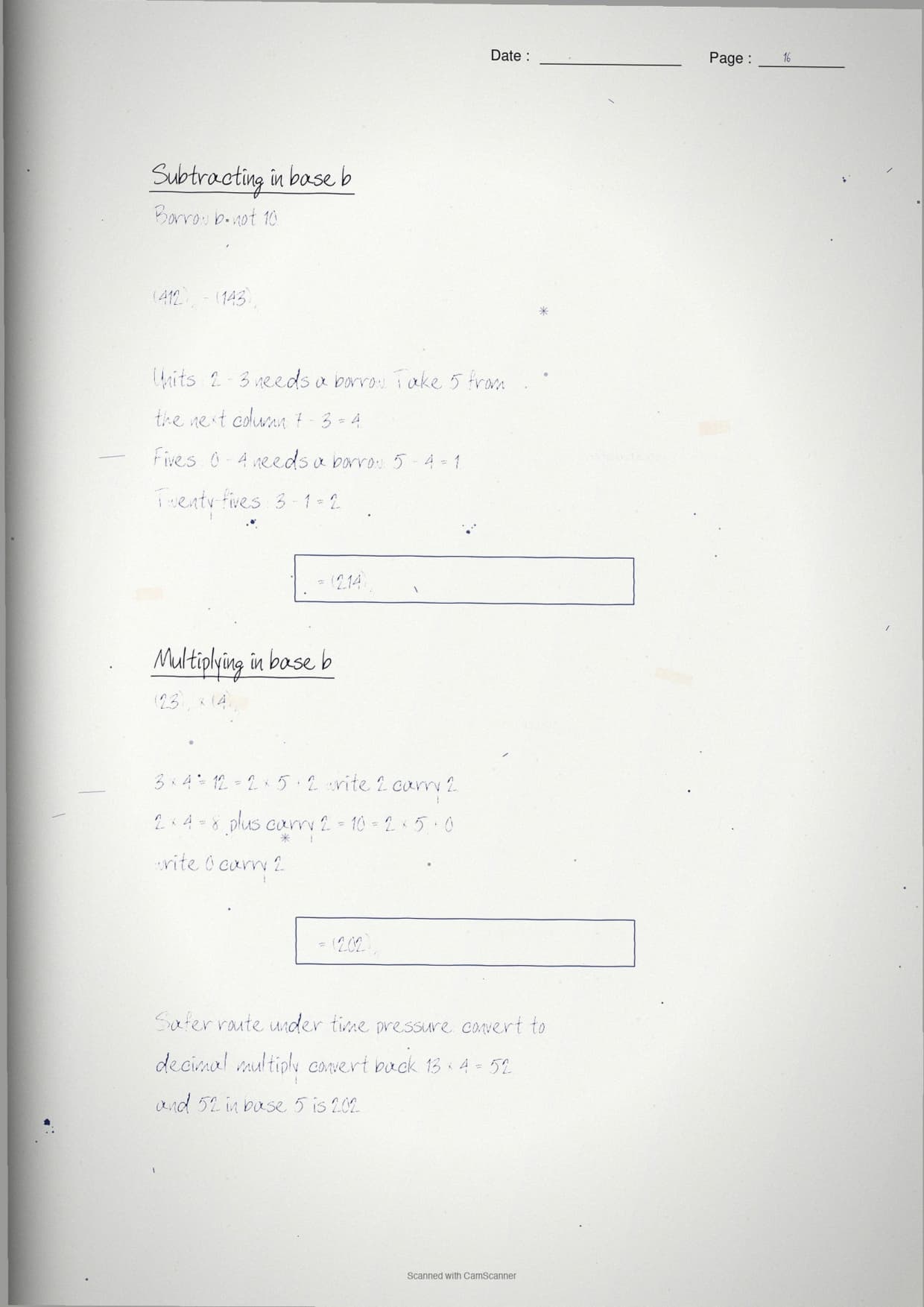
Arithmetic inside a base follows the school method with one change: carry at b, not at 10. The notes work an addition, a subtraction and a multiplication in base 5.
Watch LCM and HCF Worked on a Board
Source: Rodha
Where Students Lose Marks Here
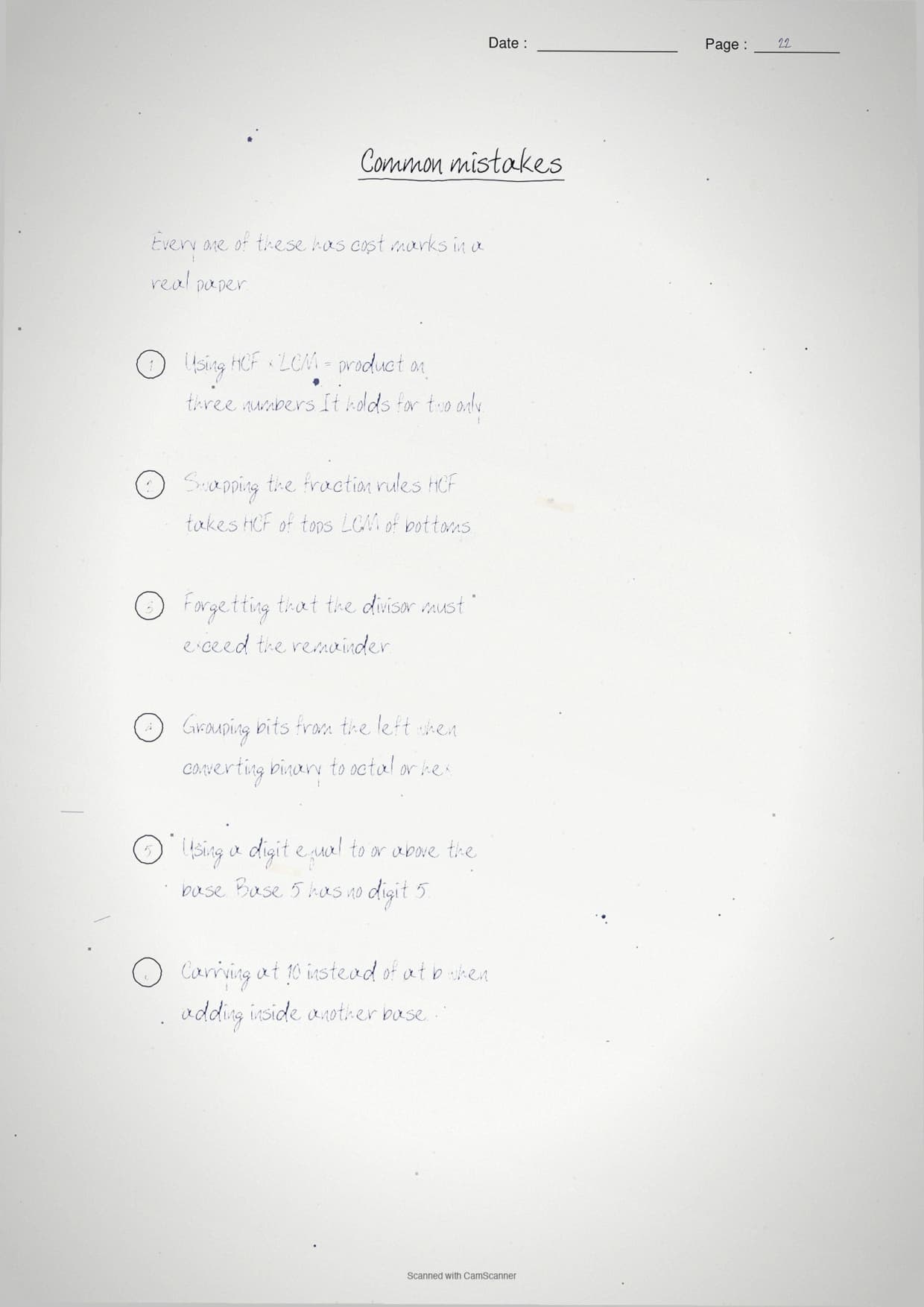
The notes flag each of these in the margin, the way you would mark your own slip.
- Using the HCF times LCM shortcut on three numbers
- Swapping the two fraction rules
- Forgetting the divisor must be larger than the remainder
- Grouping bits from the left in a binary conversion
- Taking an HCF of decimals without converting units first
How to Use These Notes Before the Exam
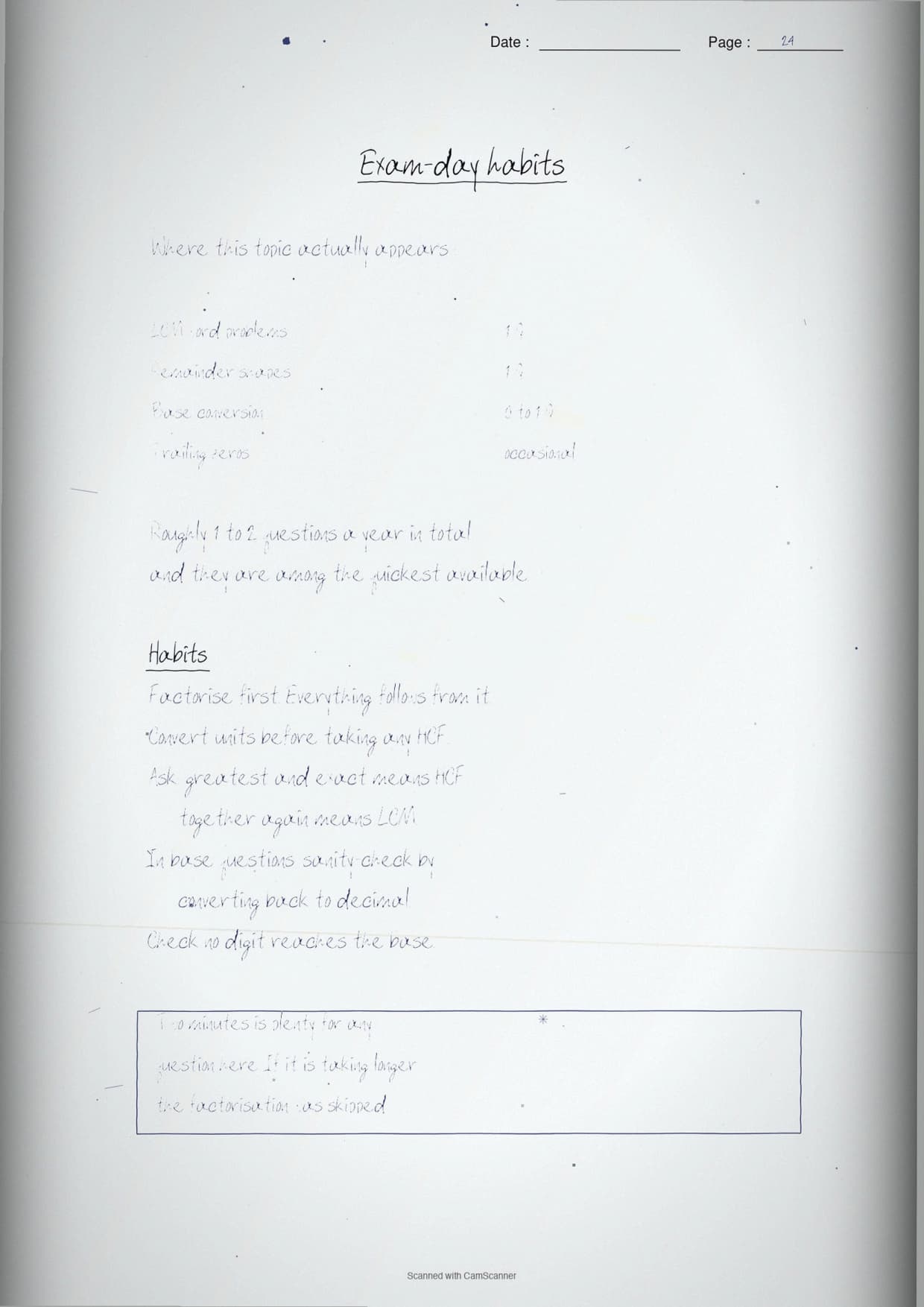
Read once slowly, then keep the last two pages as the revision set. The quick recall page holds the whole topic and the habits page holds the checks.
- Factorise before attempting anything else
- Convert to a single unit before any HCF
- Sanity check a base answer by converting back to decimal
- Confirm no digit reaches the base
Students who write one clean factorisation at the top of the rough sheet finish these questions in well under two minutes.
CAT LCM, HCF and Base Systems Handwritten Notes FAQs
Ques. How many questions come from LCM, HCF and base systems in CAT?
Ans. Together they usually bring one to two questions, which is roughly 3 to 6 marks. They are among the fastest questions in the Quant section once the method is fixed.
Ques. Does HCF times LCM equal the product of the numbers?
Ans. Only for two numbers. For three or more it breaks, as 2, 4 and 8 show: HCF times LCM is 16 while the product is 64. With three numbers, factorise instead.
Ques. Are base systems still asked in CAT?
Ans. They appear irregularly, often as a single question on conversion or on the last digit of a number in another base. The method is short, so the notes treat it as free marks rather than an optional extra.
Ques. Which remainder method should students learn first?
Ans. Start with the differences method, where the remainder is equal but not given. It is the most commonly set shape and it also makes the other two easier to recognise.
Ques. Can the notes be downloaded for free?
Ans. Yes. The full 24 page PDF can be read on this page and downloaded at no cost, so it can be printed or kept on a phone for revision.



Comments