




CAT Arithmetic is an important topic in the Quantitative Aptitude (QA) section of the Common Admission Test (CAT). It covers percentages, profit and loss, ratios and proportions, averages, mixtures and alligation, time and work, time, speed and distance, and simple and compound interest. Practising CAT Arithmetic PYQs helps candidates understand question patterns, improve calculation speed, and identify concepts that appear frequently. Based on a five-year analysis of CAT 2021-2025, Arithmetic accounted for 129 out of 330 Quantitative Aptitude questions, or approximately 39.1% of the questions analysed.
Related Links:
The following guide covers the year-wise weightage trend, question types, topic distribution, difficulty level, and preparation strategy.
This PDF includes:
| 363 Arithmetic questions in the PDF | 39.1% Five-year QA Share (2021-2025) |
| 2025-1990 Years Covered | 26 Exam years in the PDF |
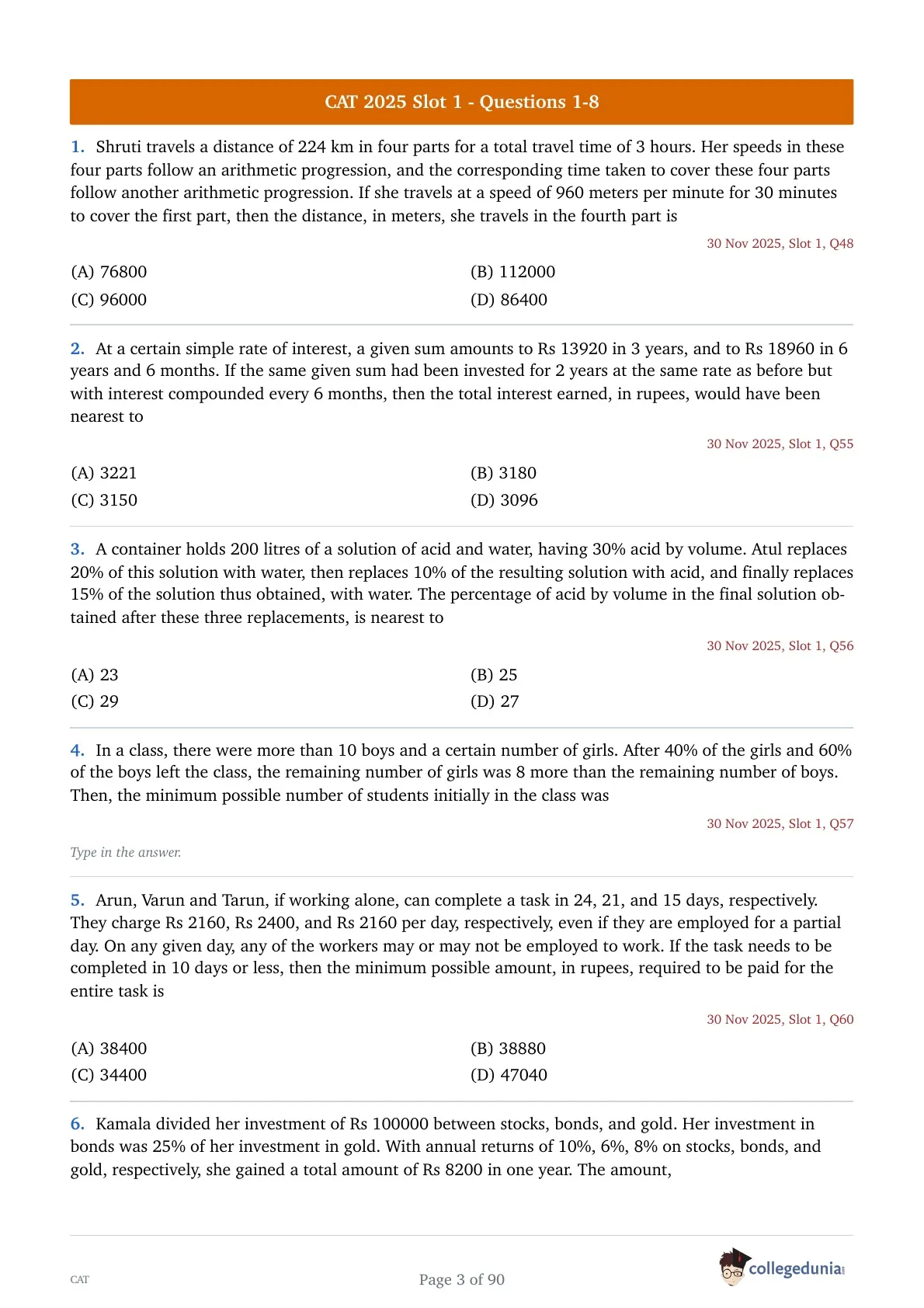
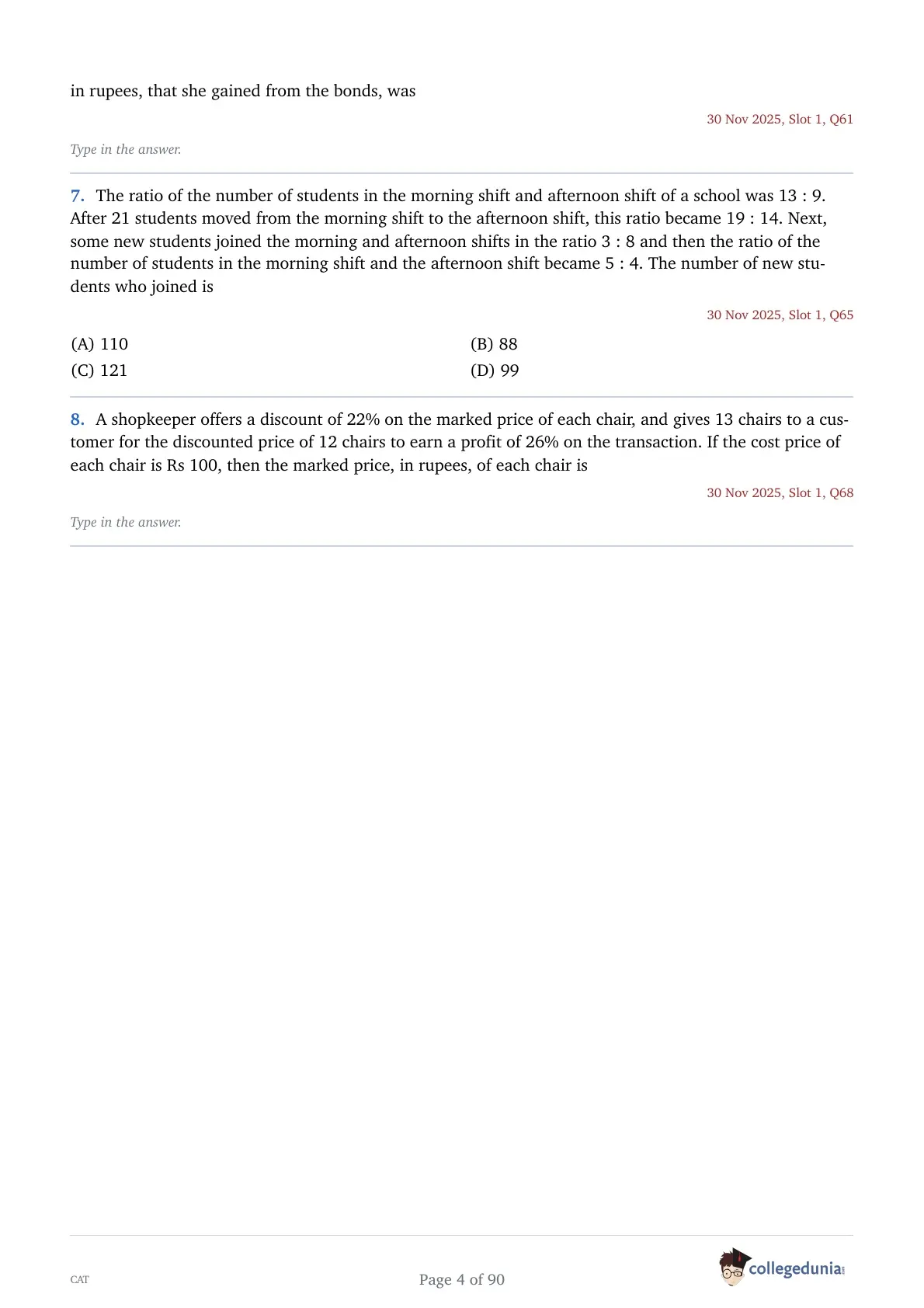
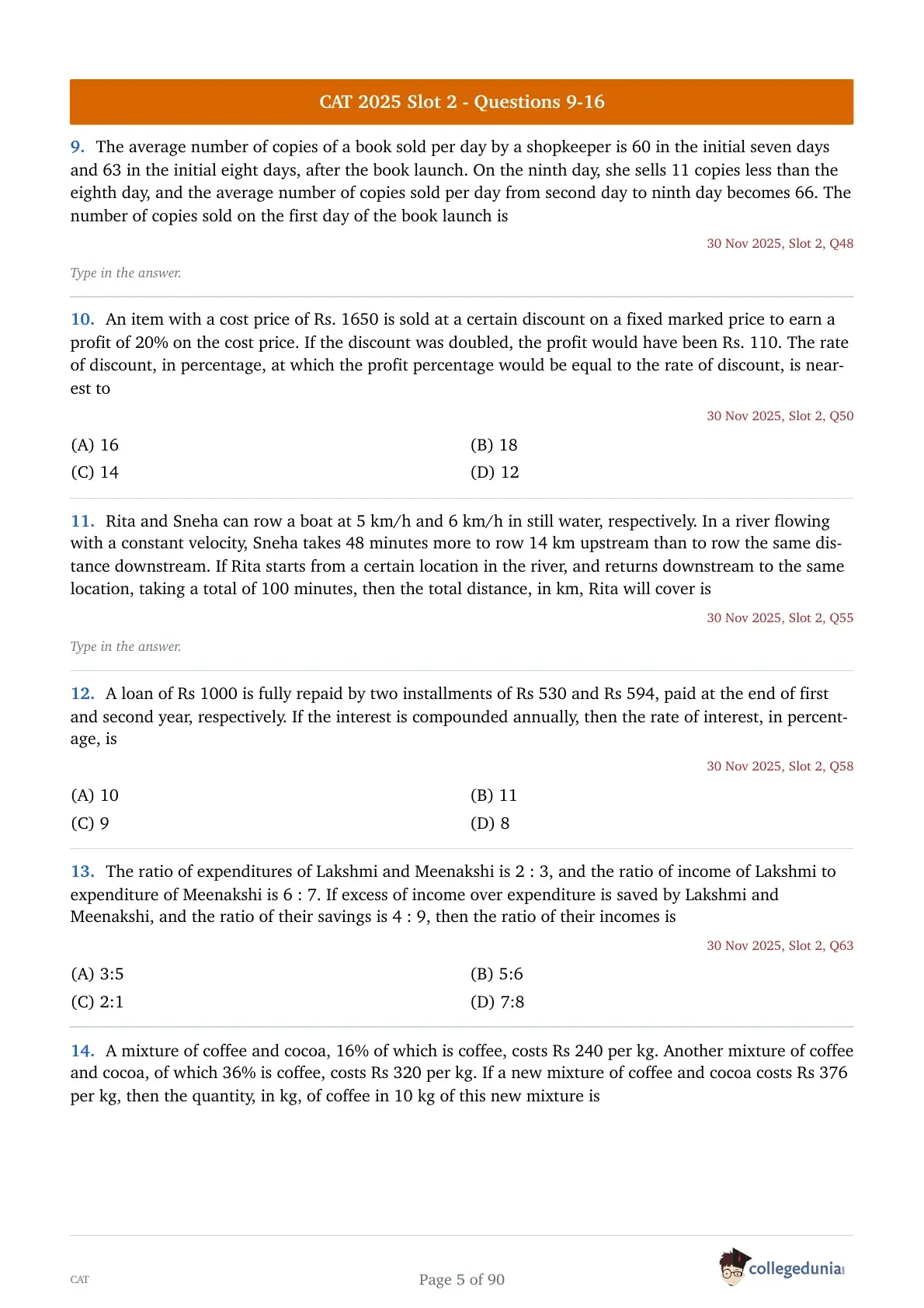
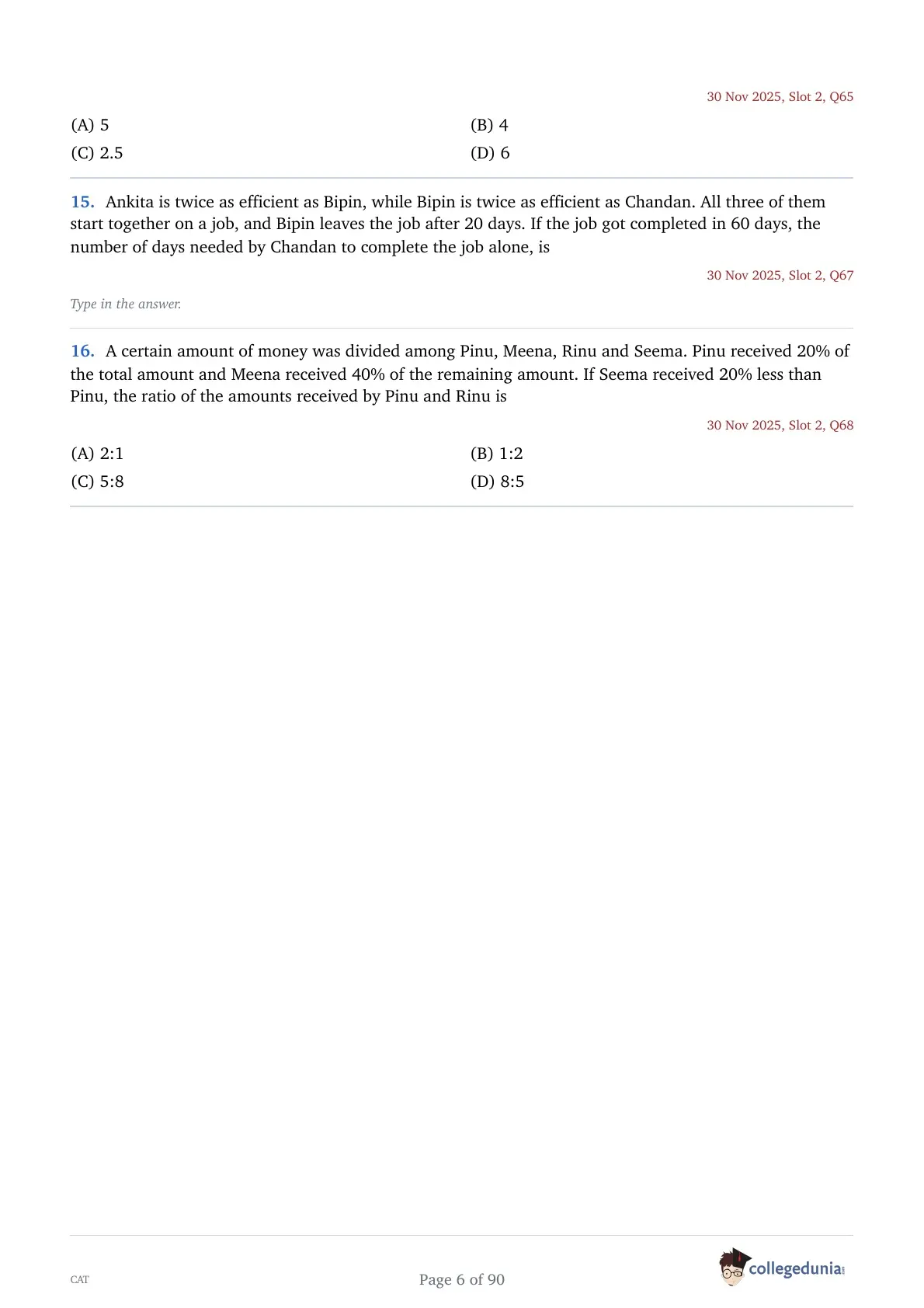
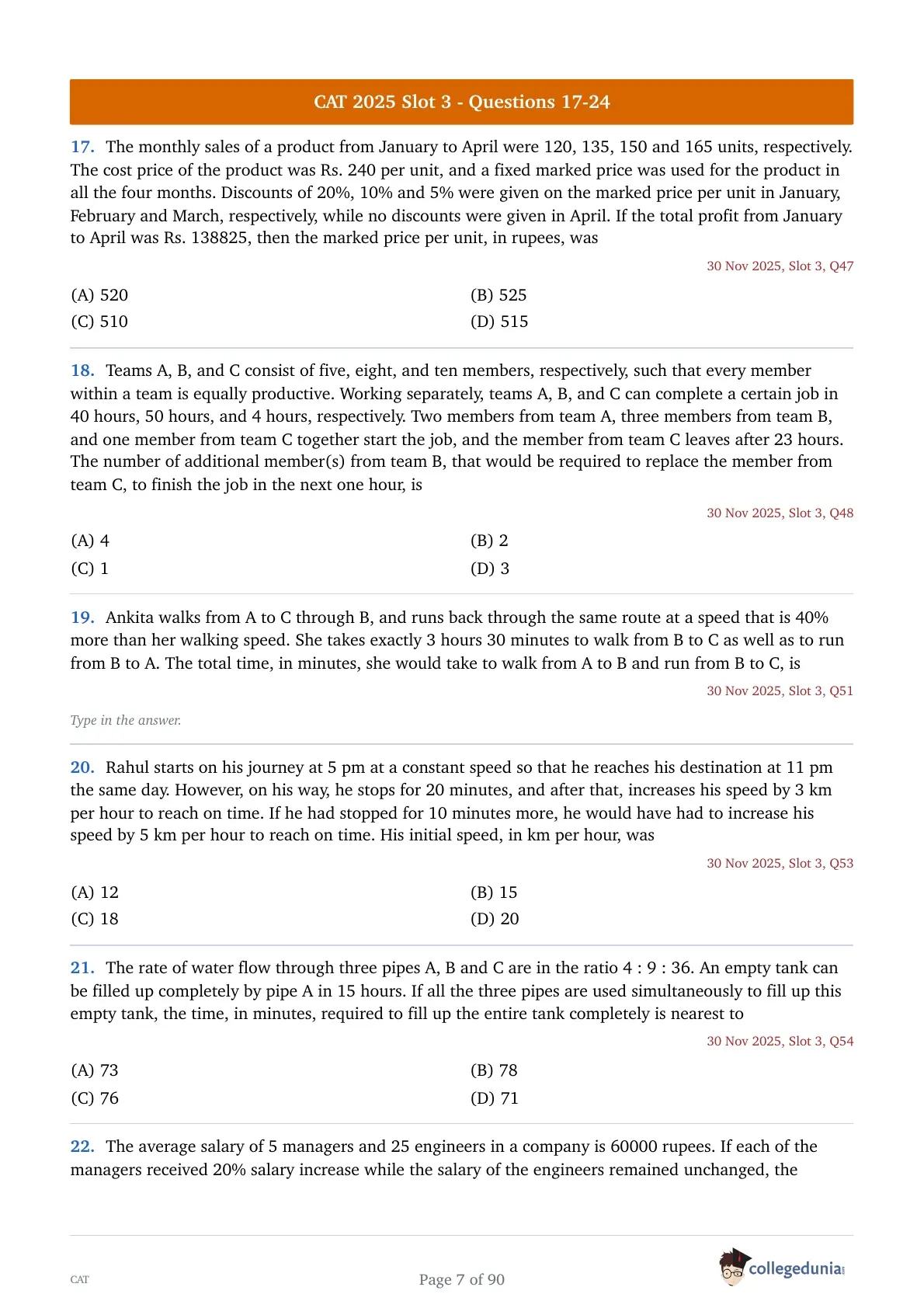
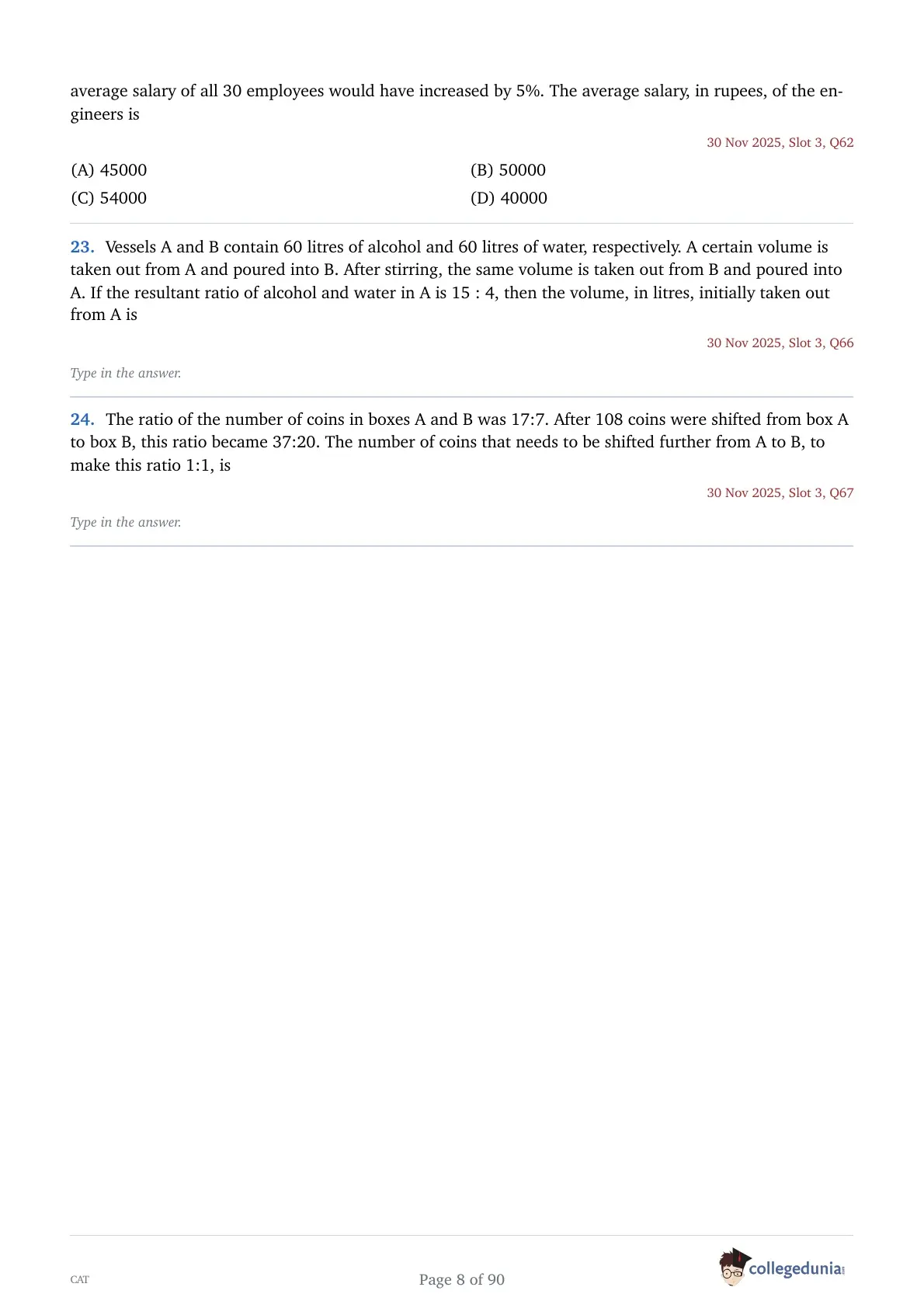
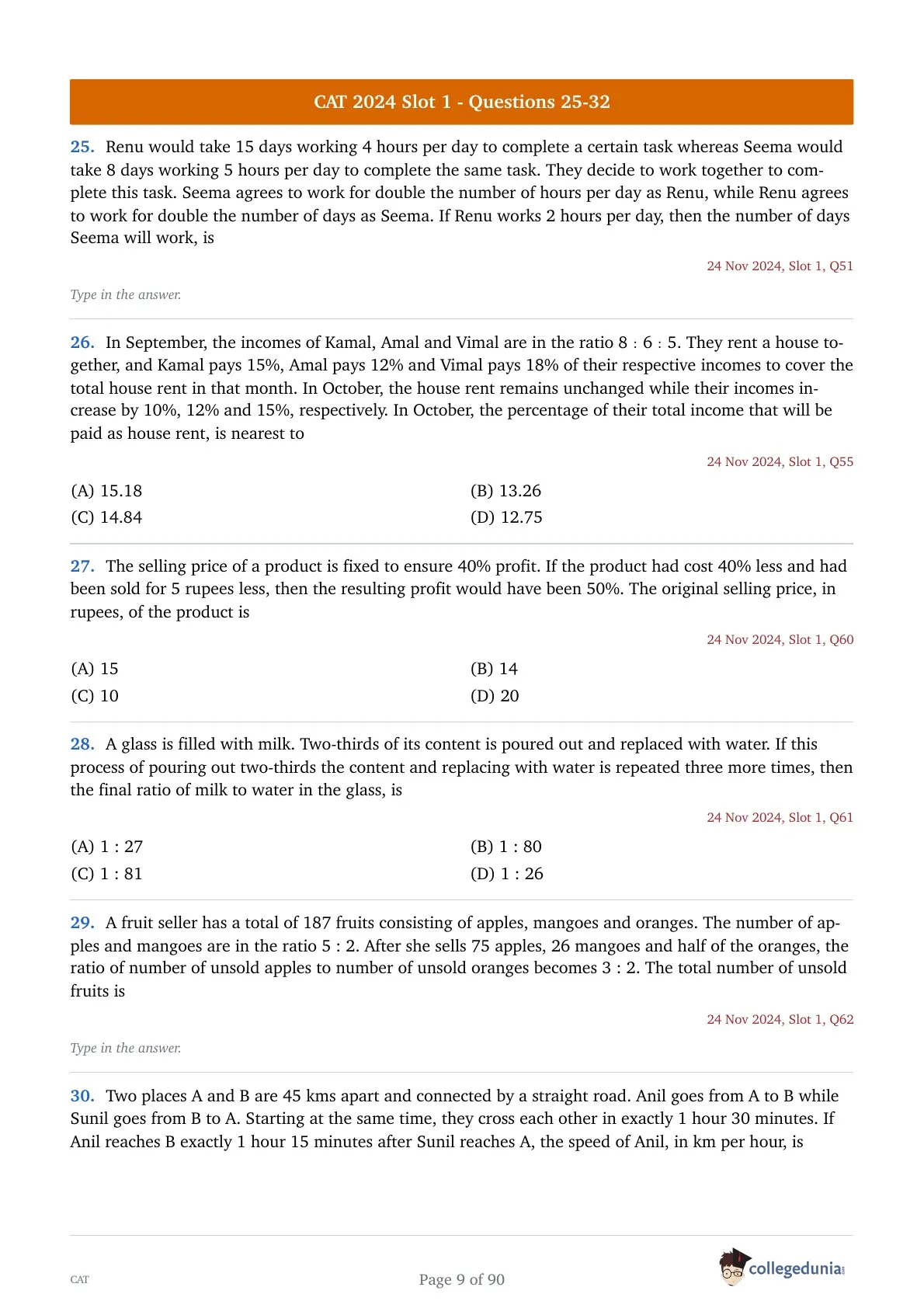
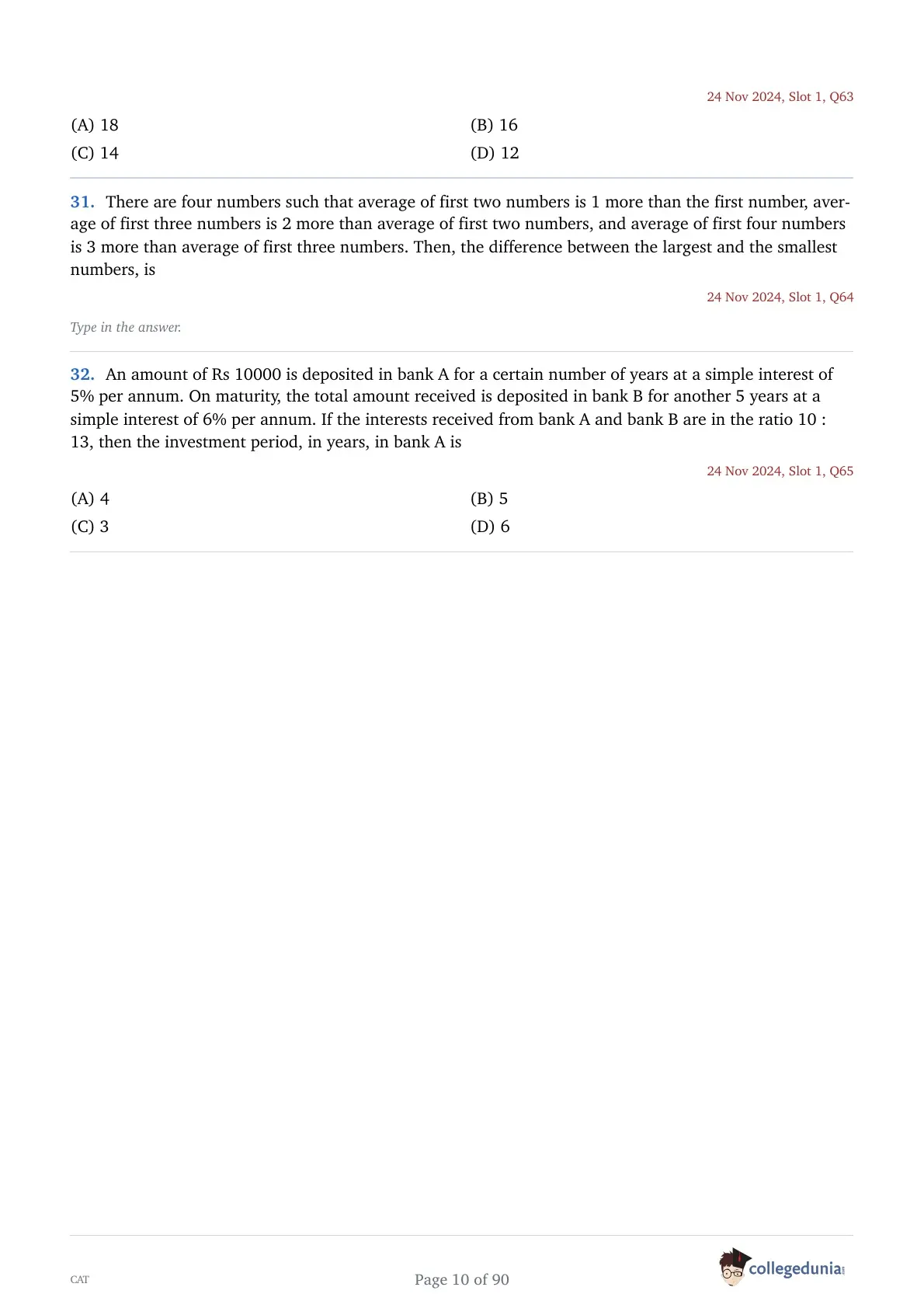
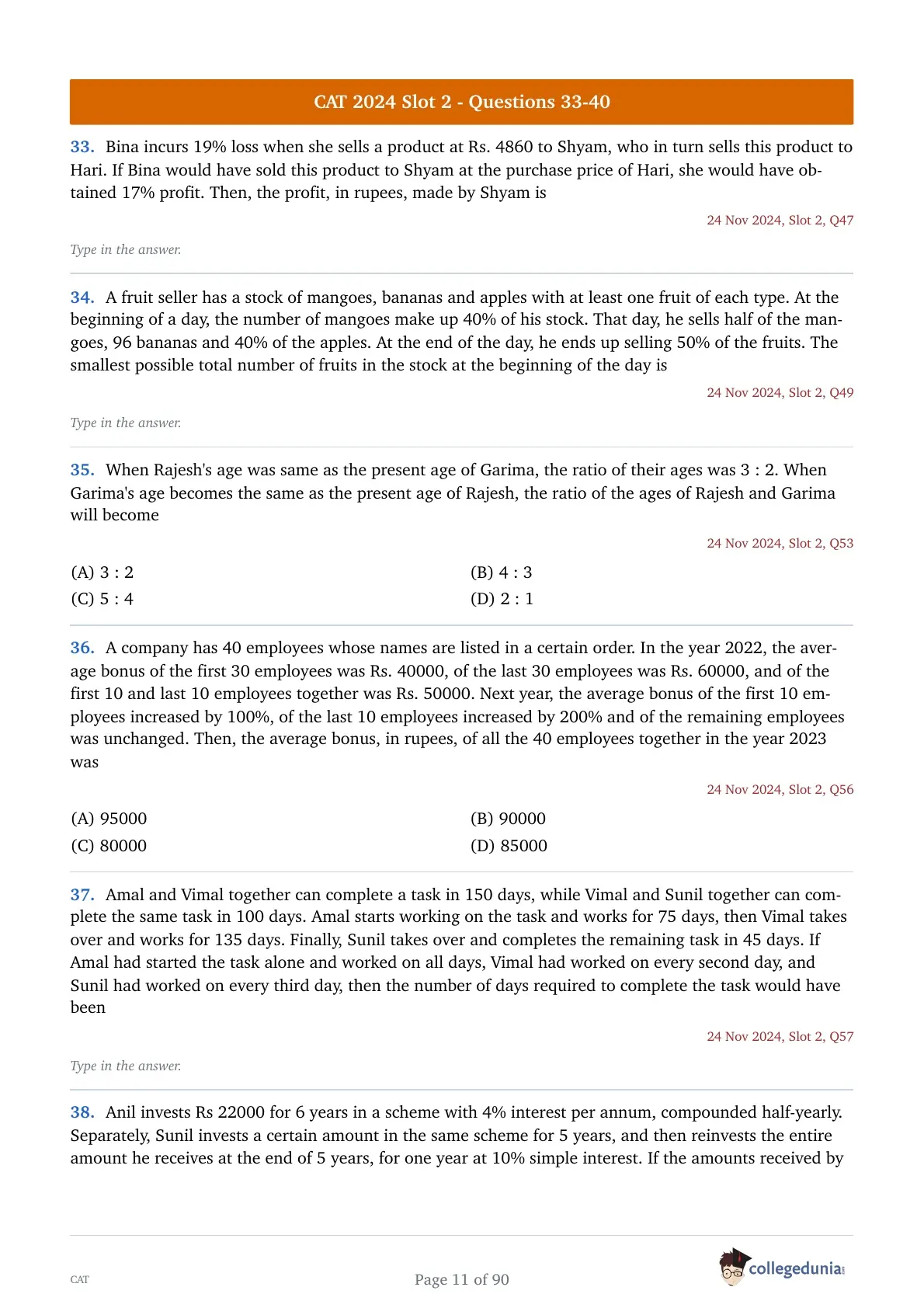
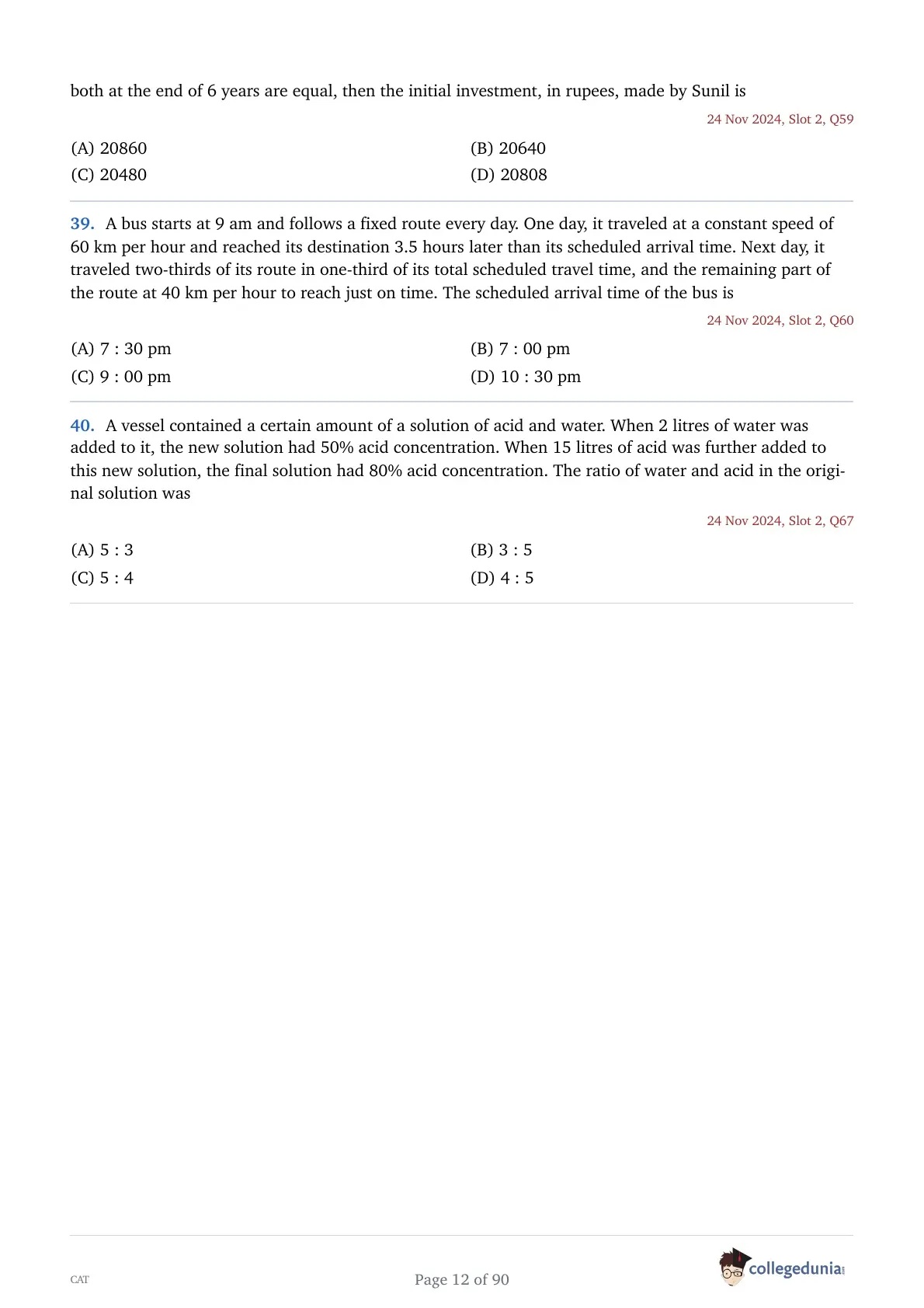
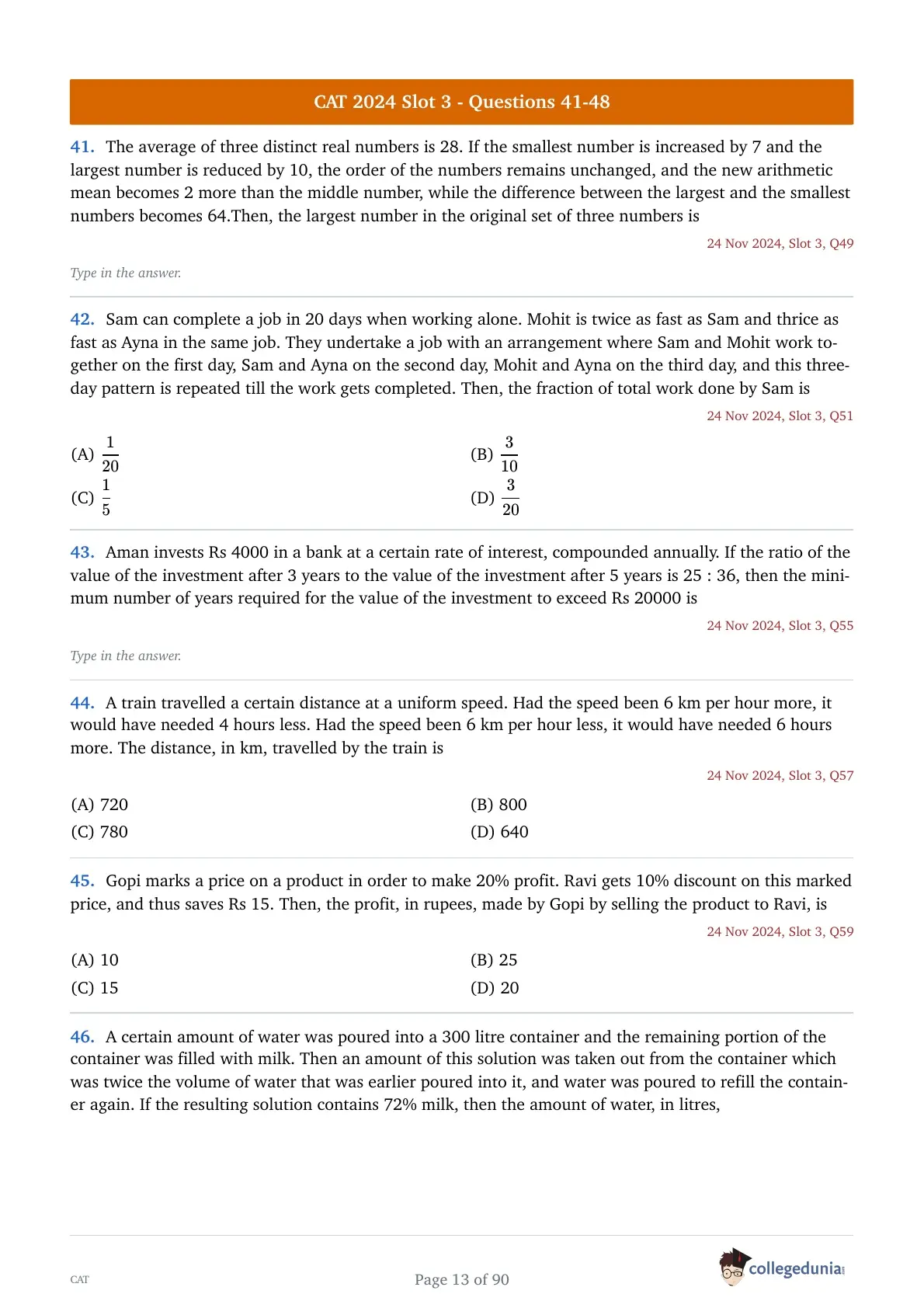
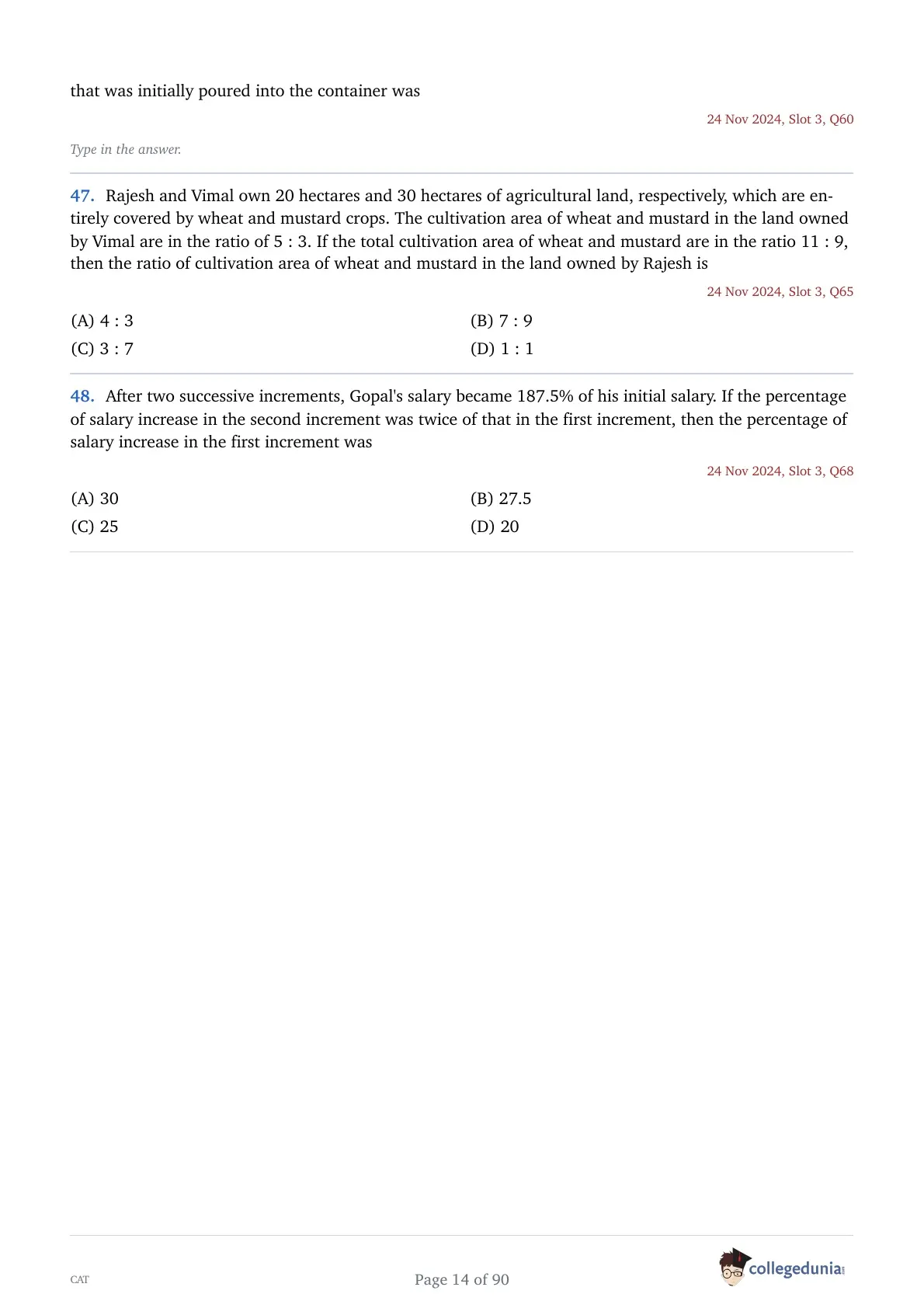
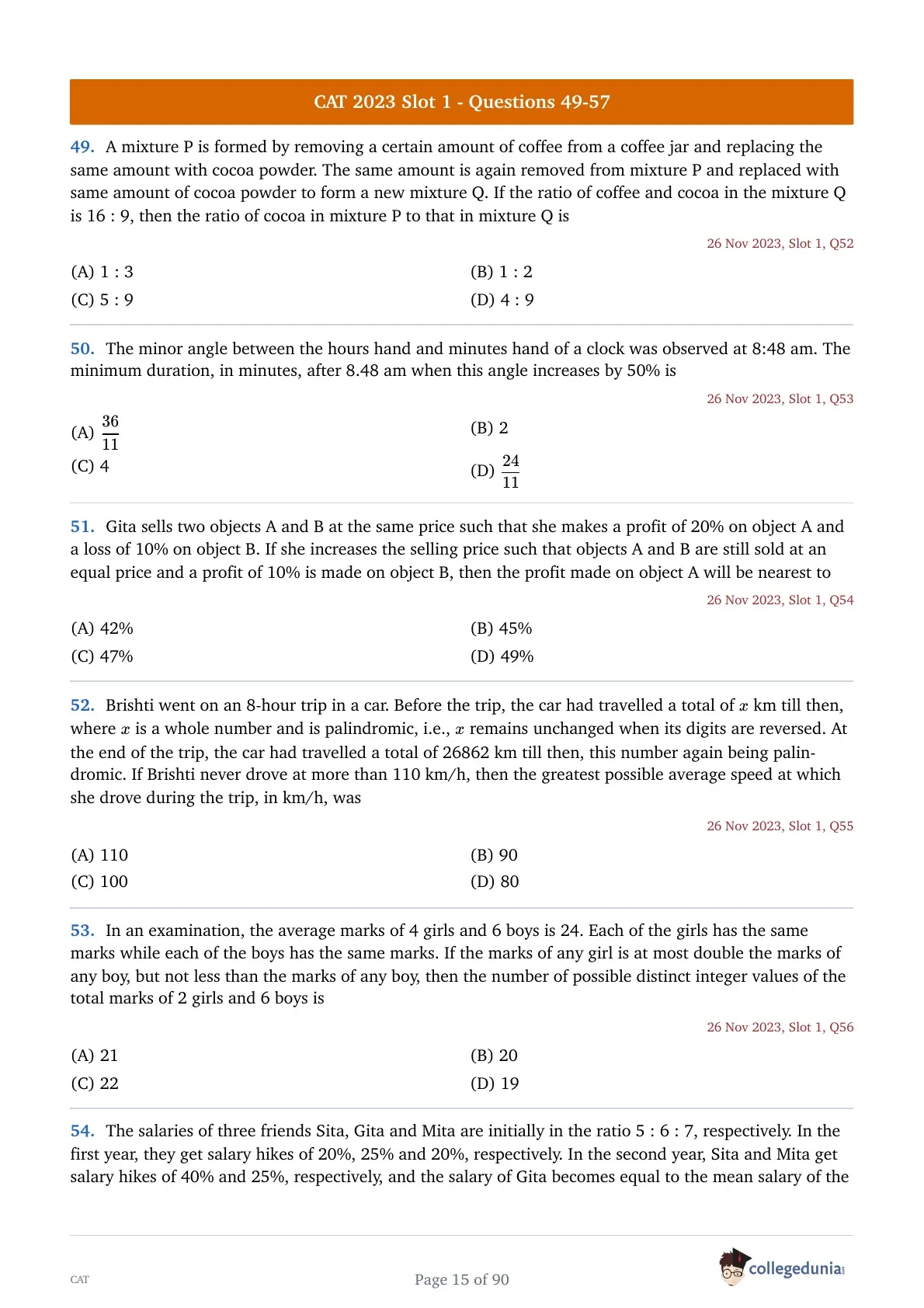
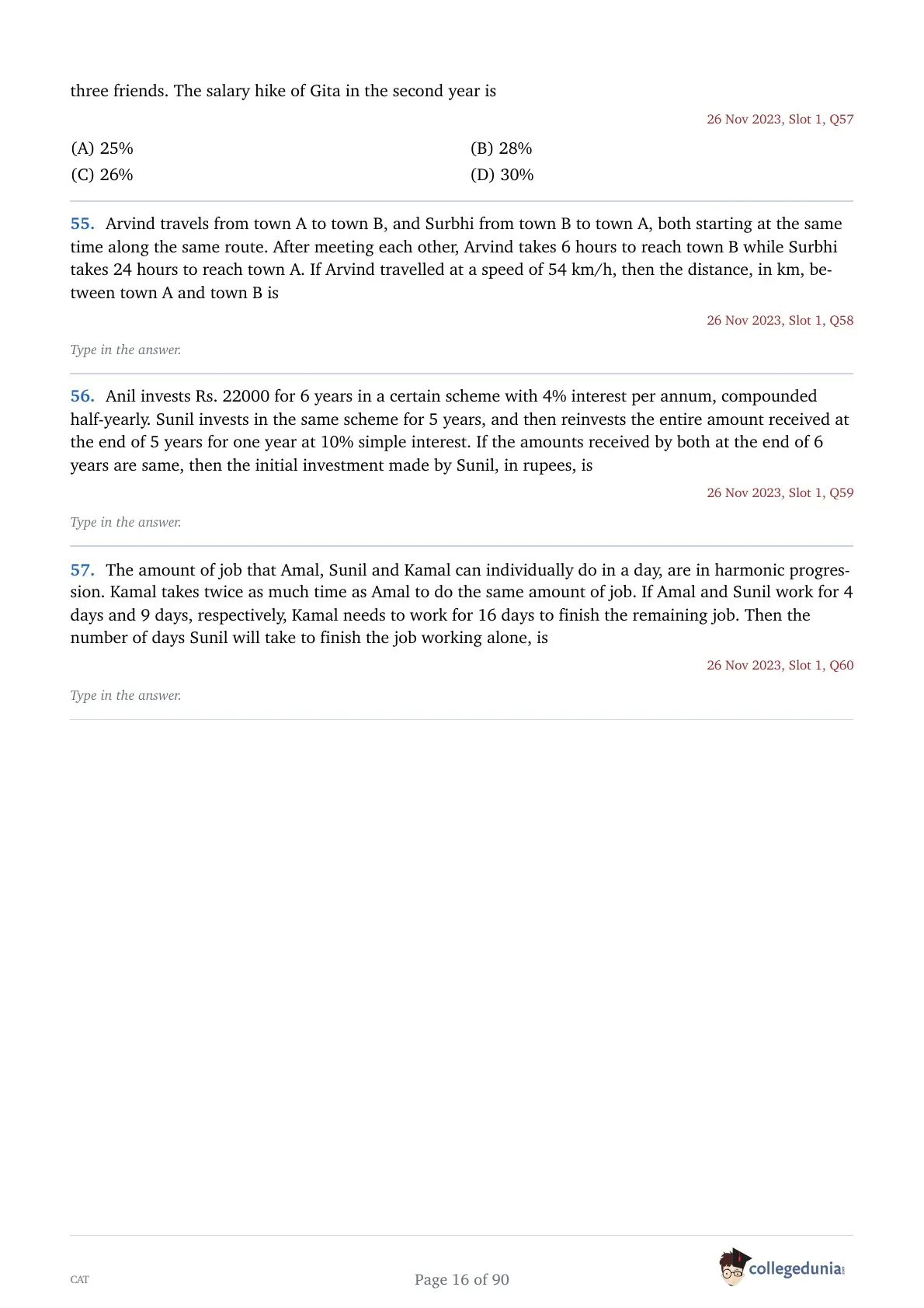
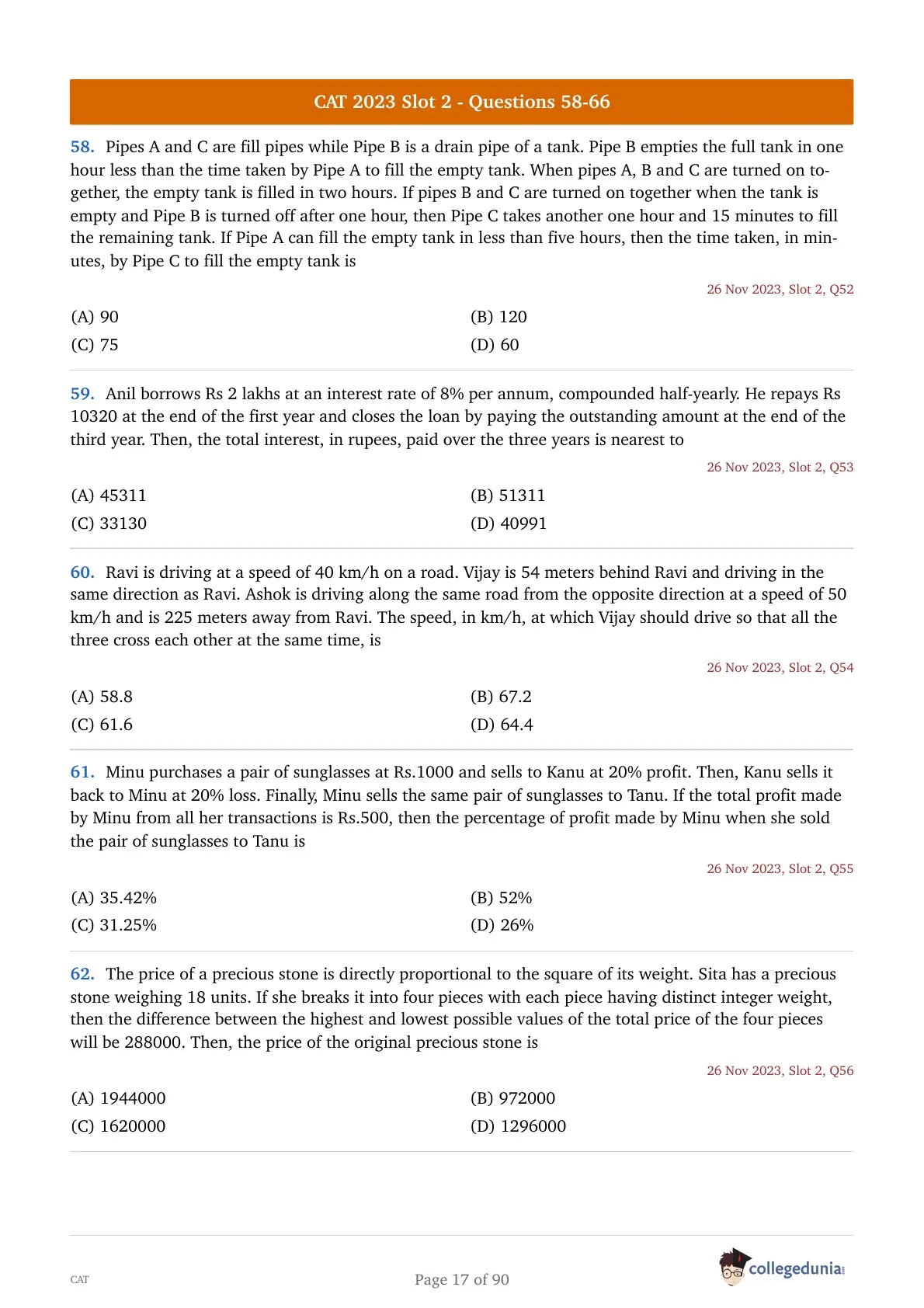
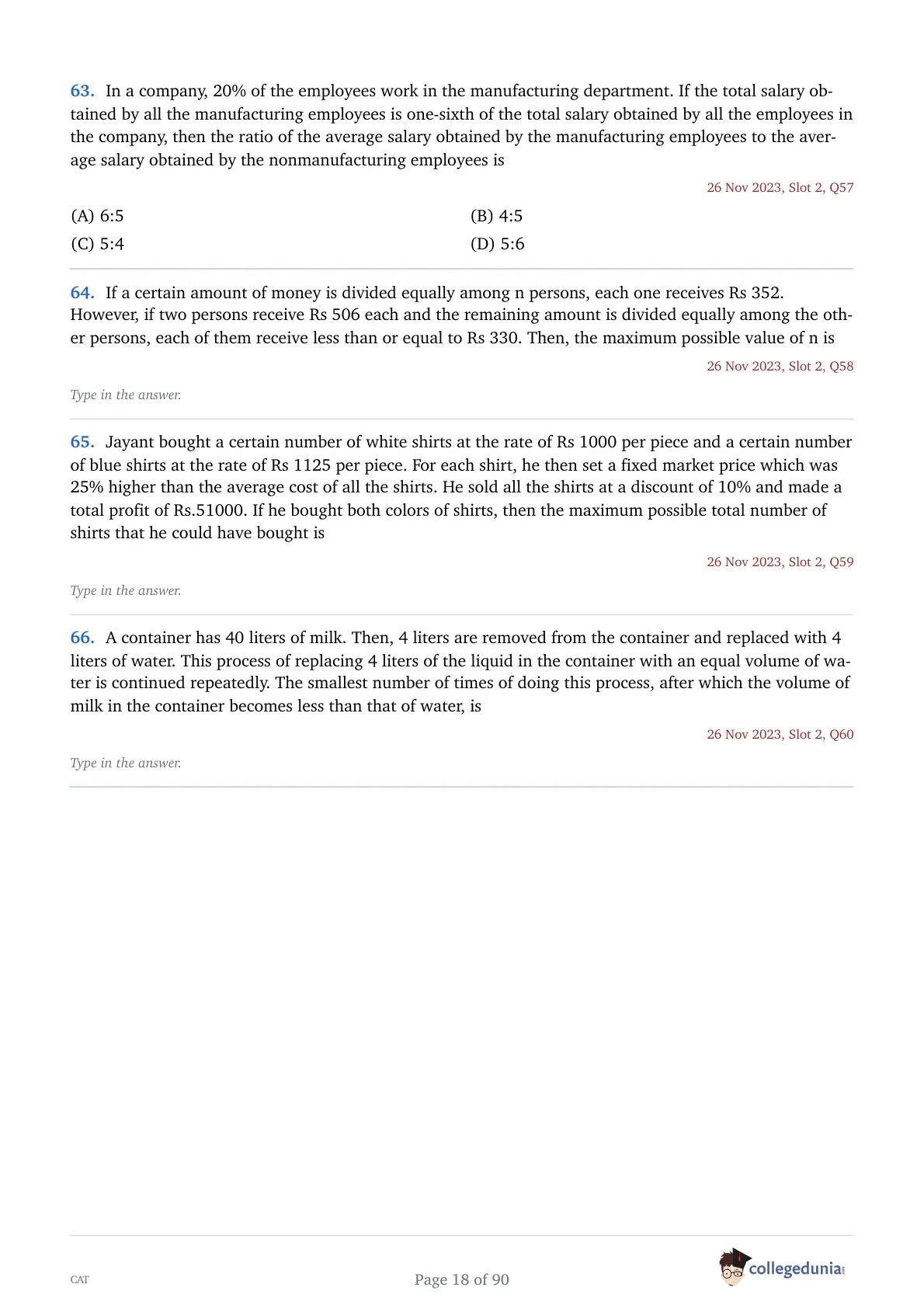
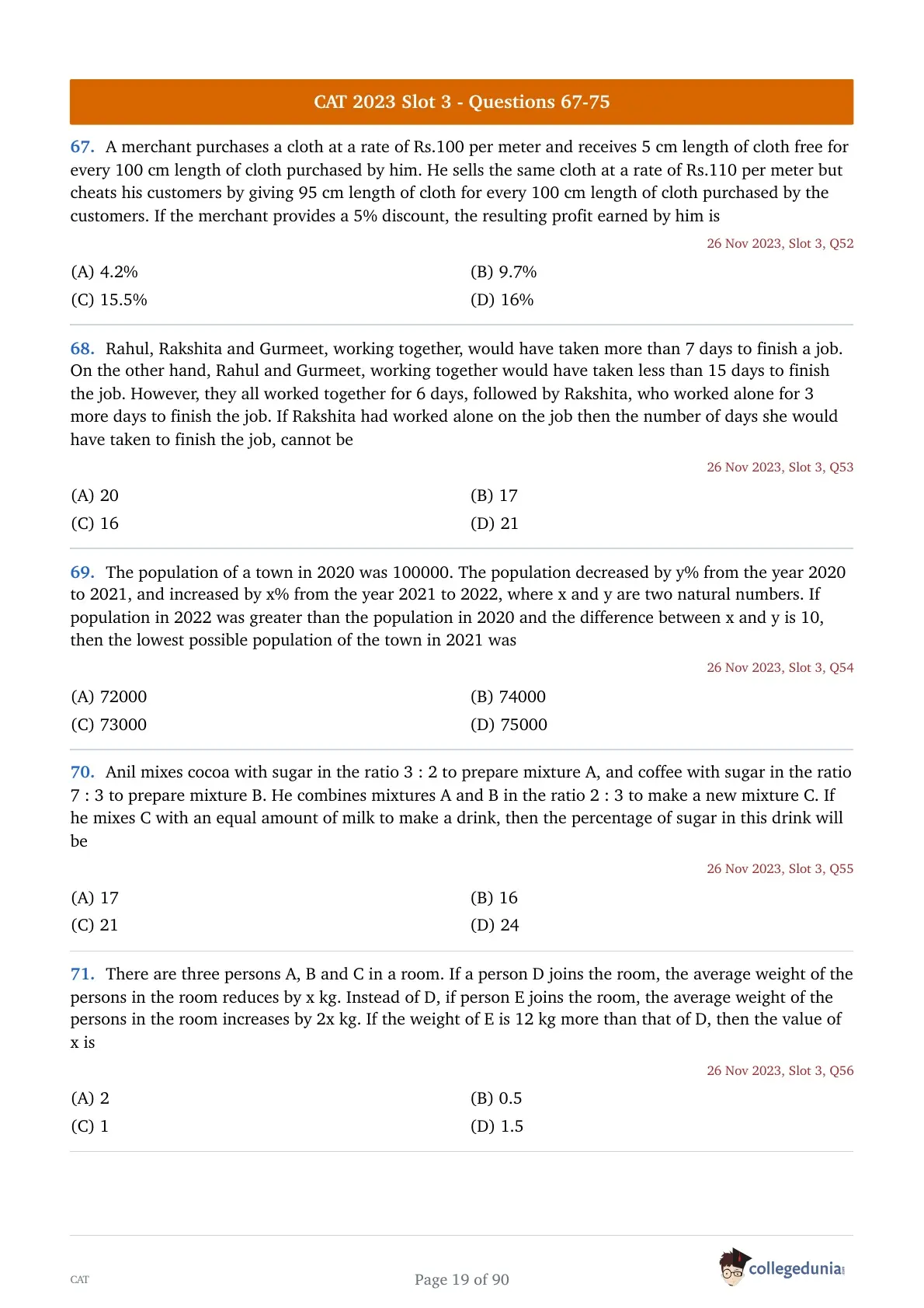
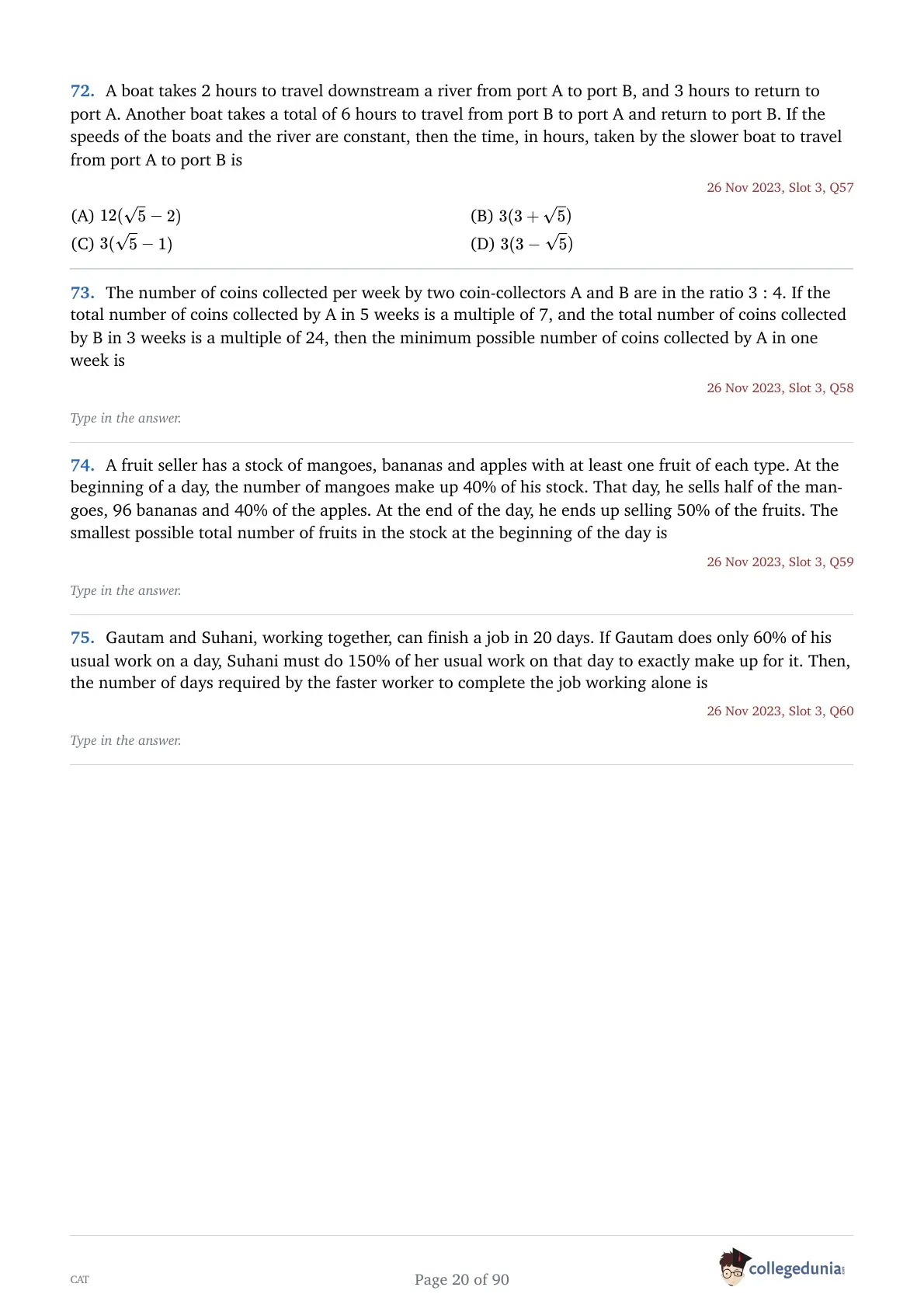
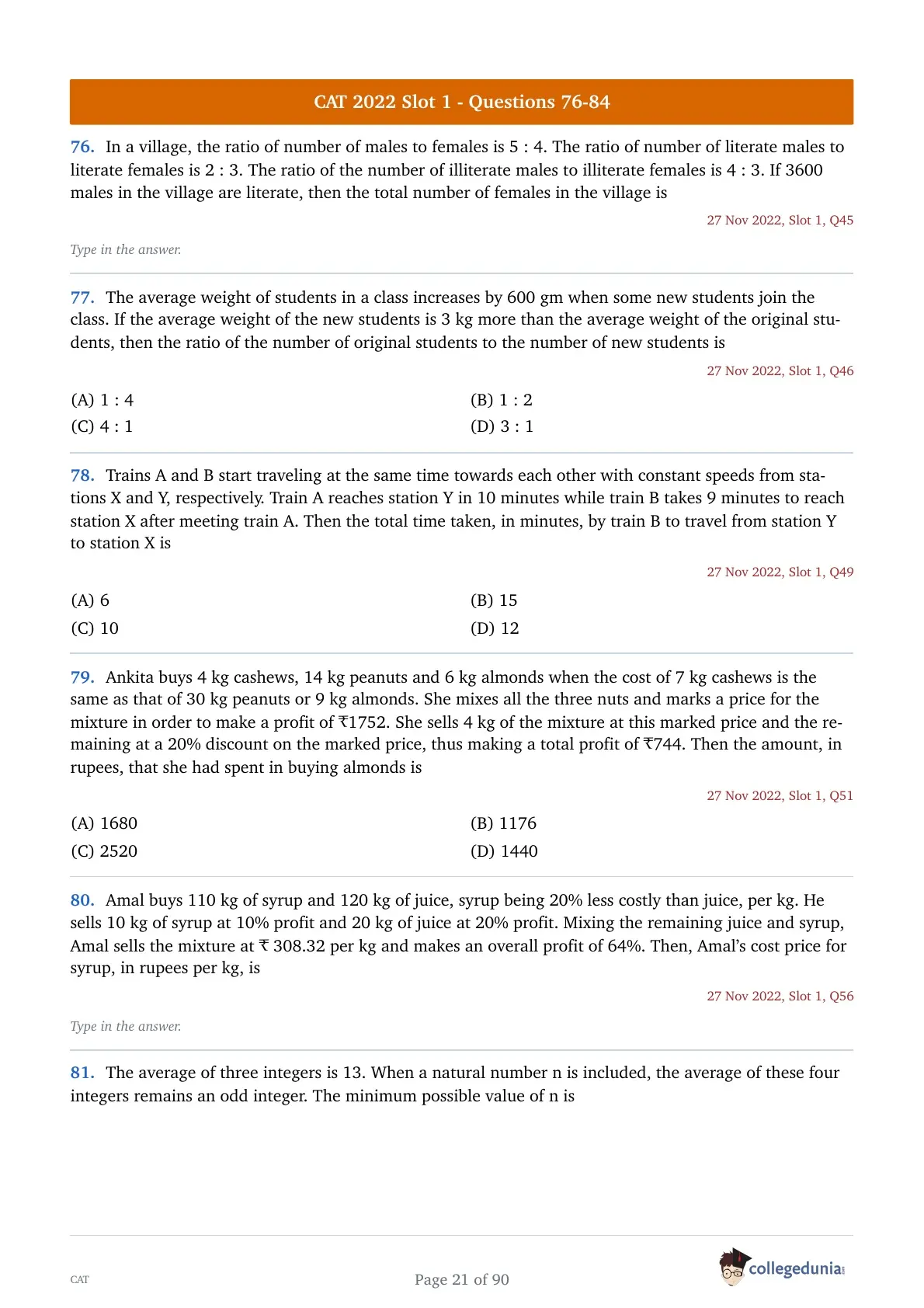
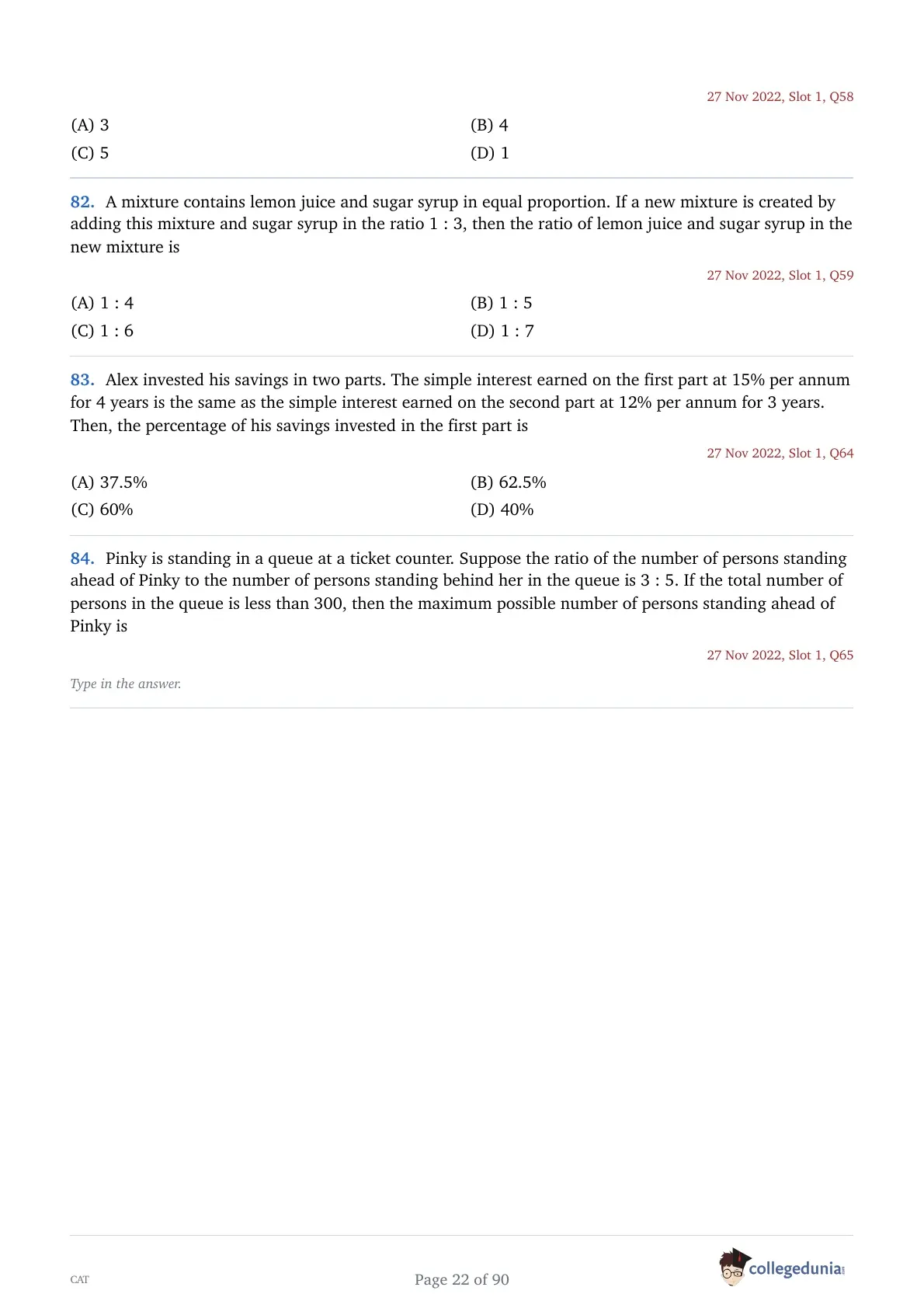
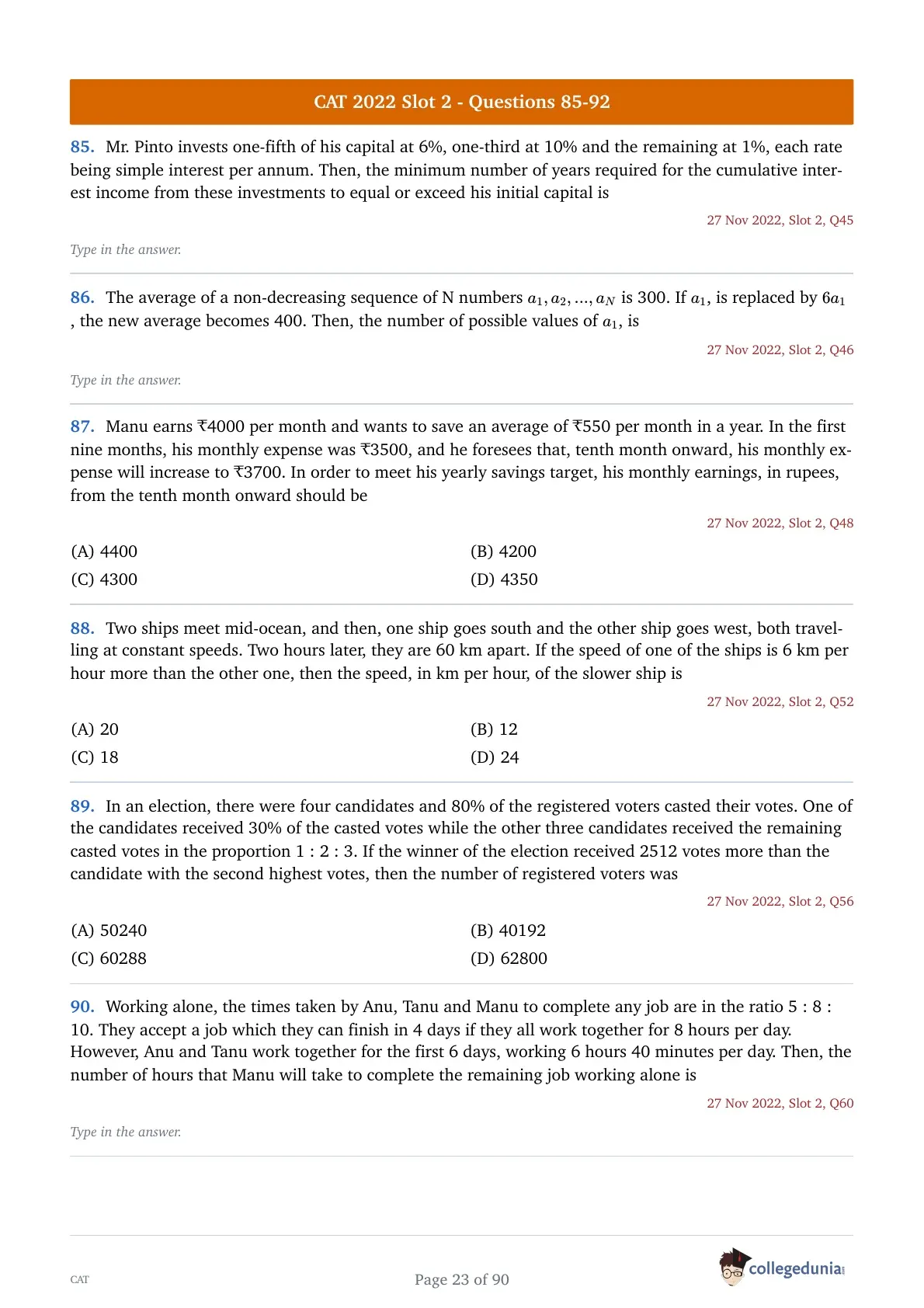
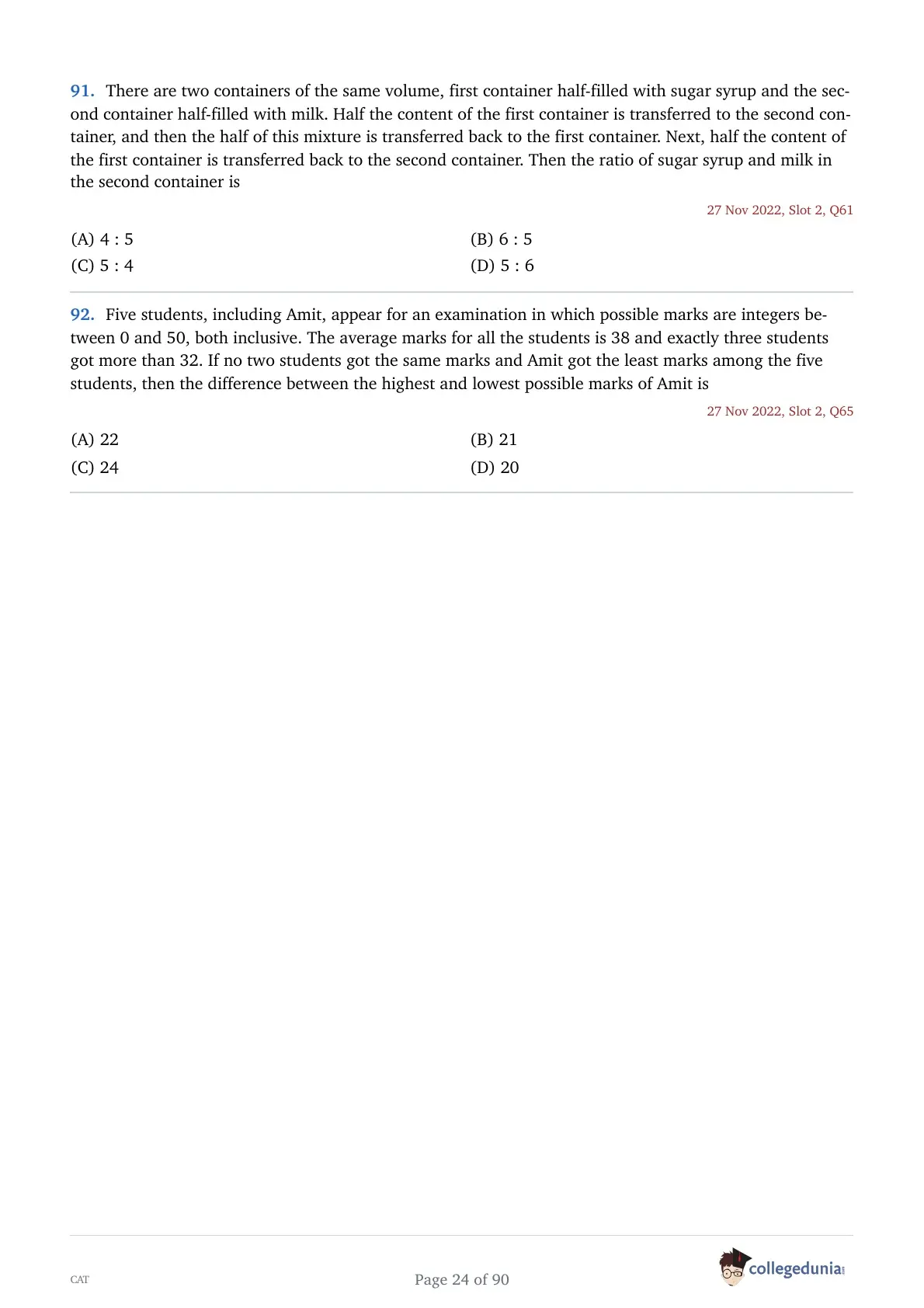
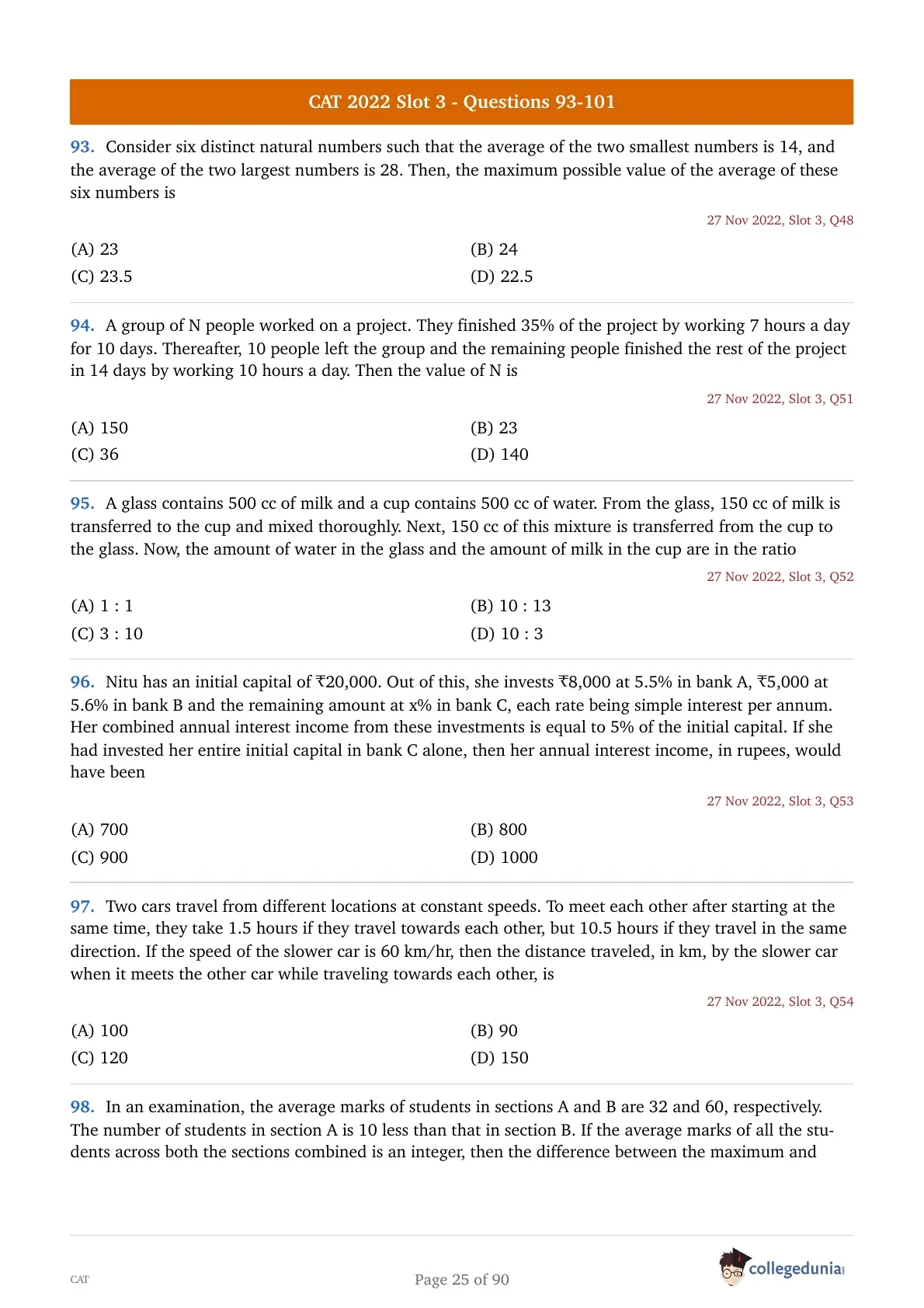
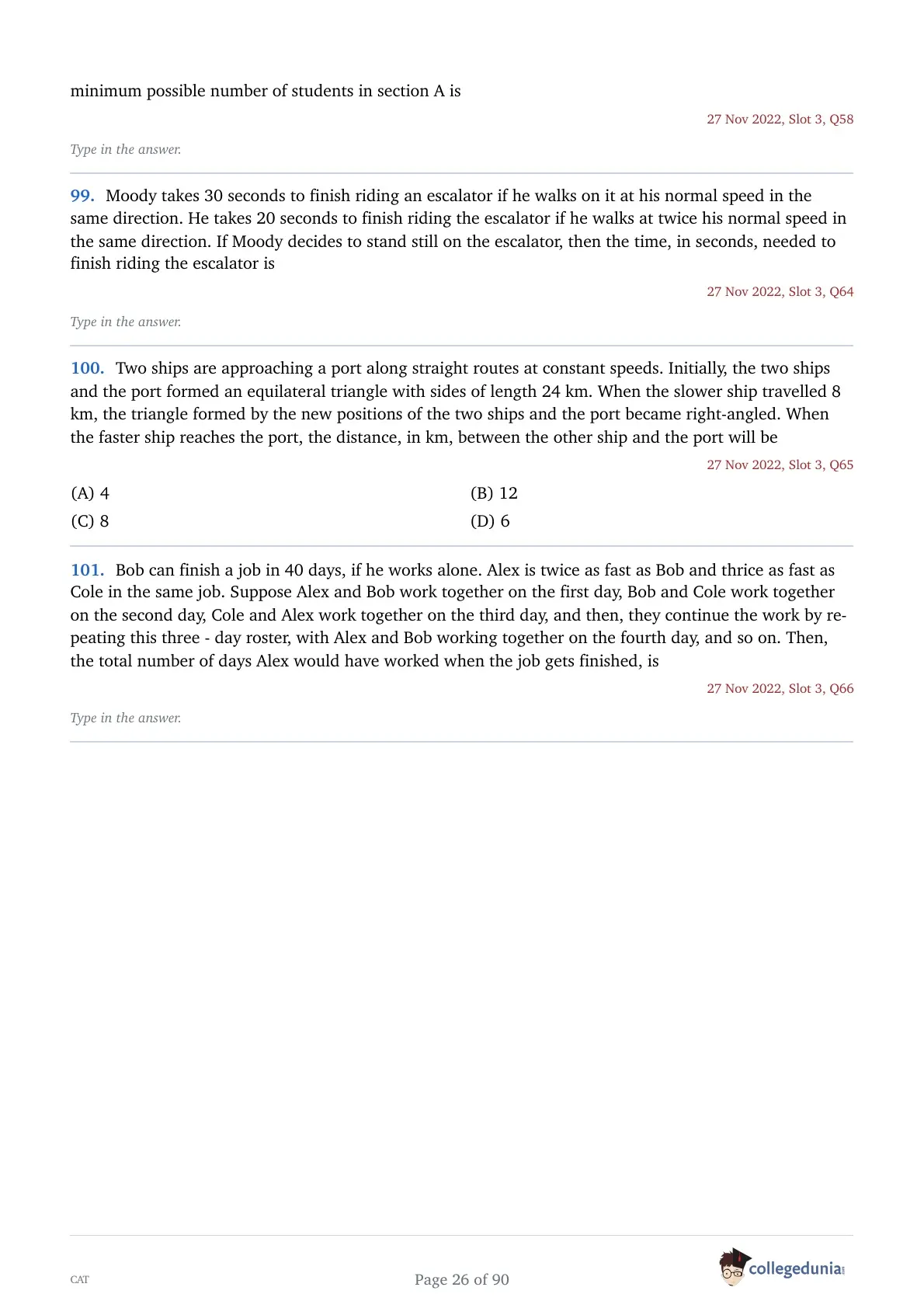
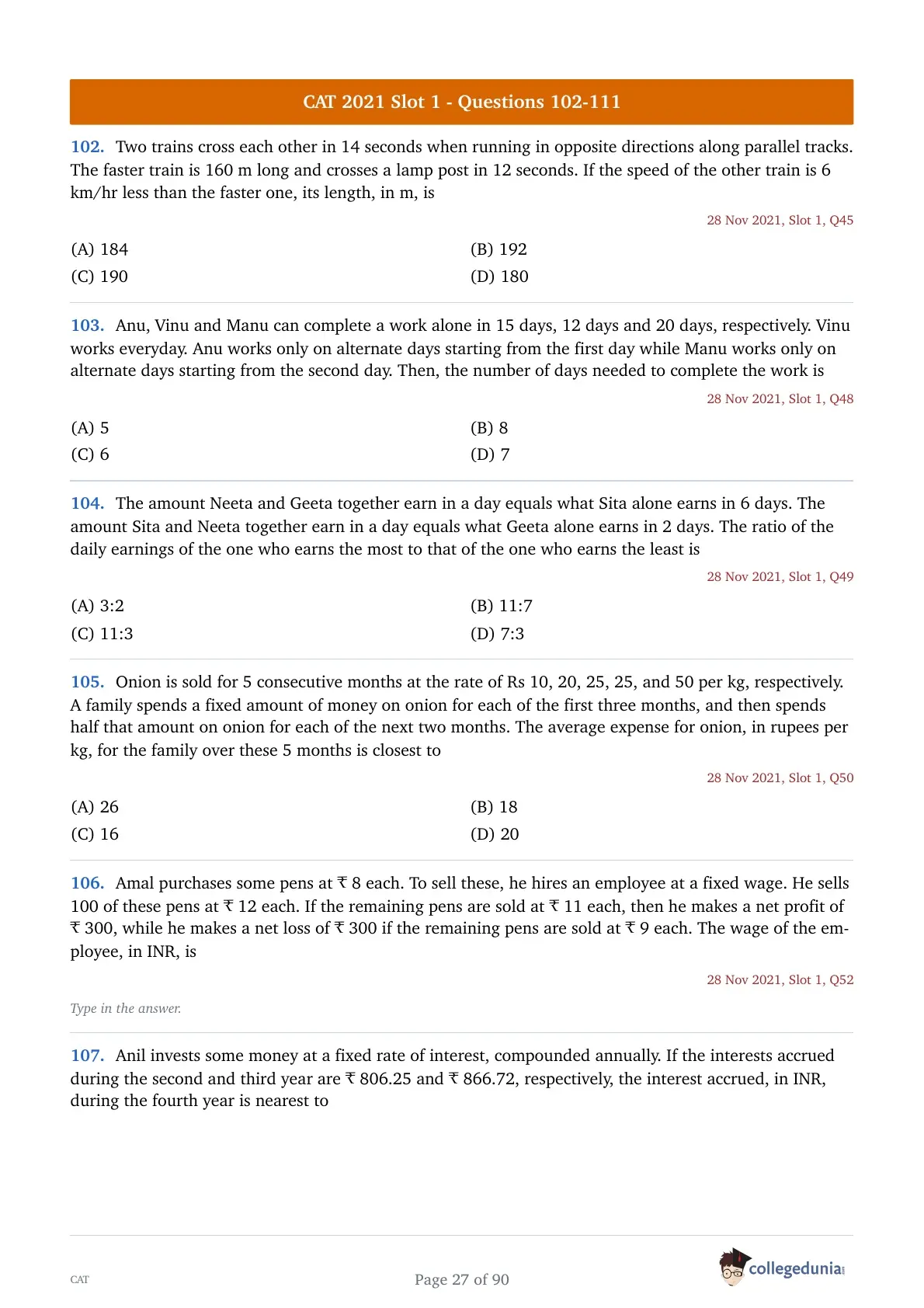
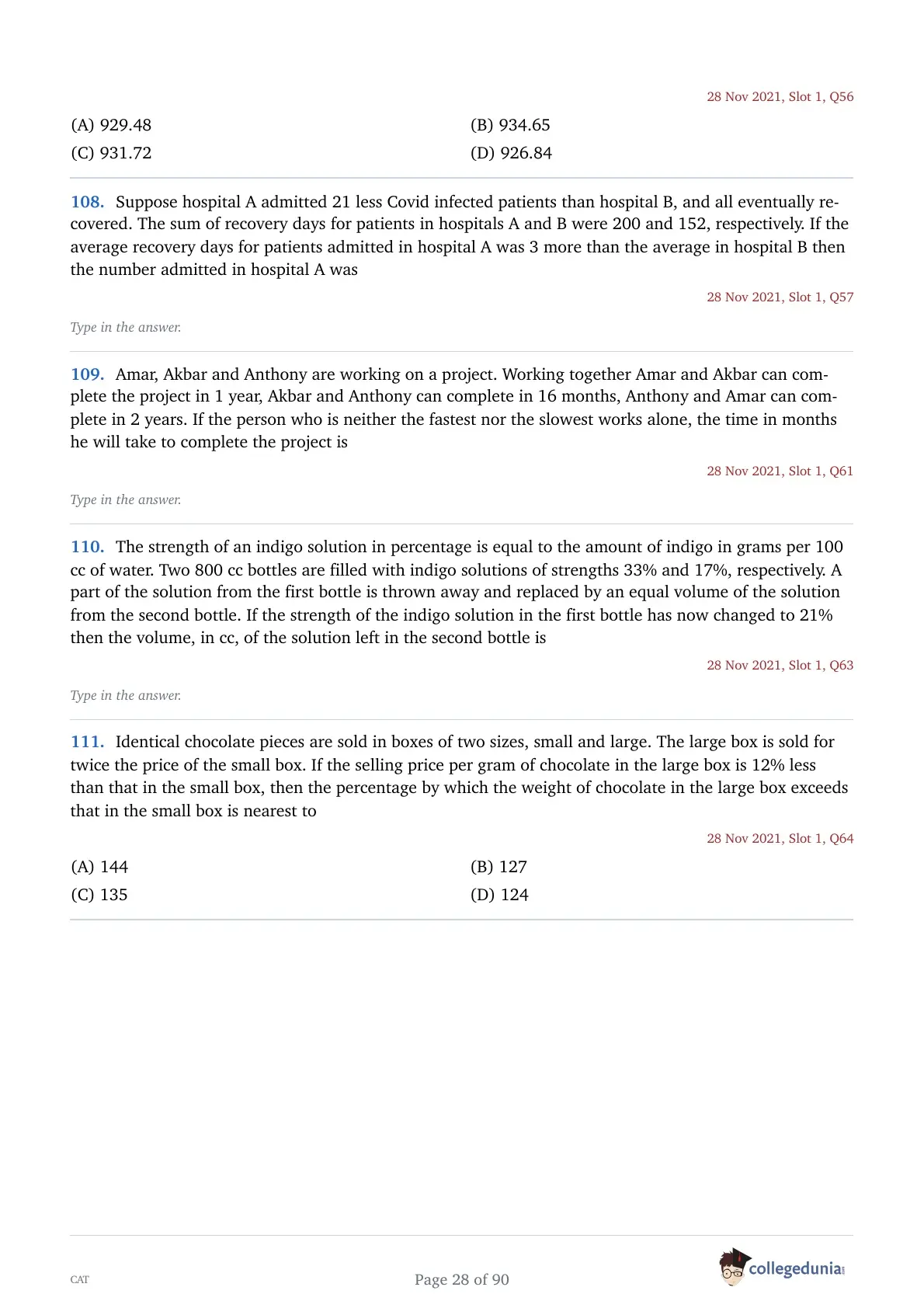
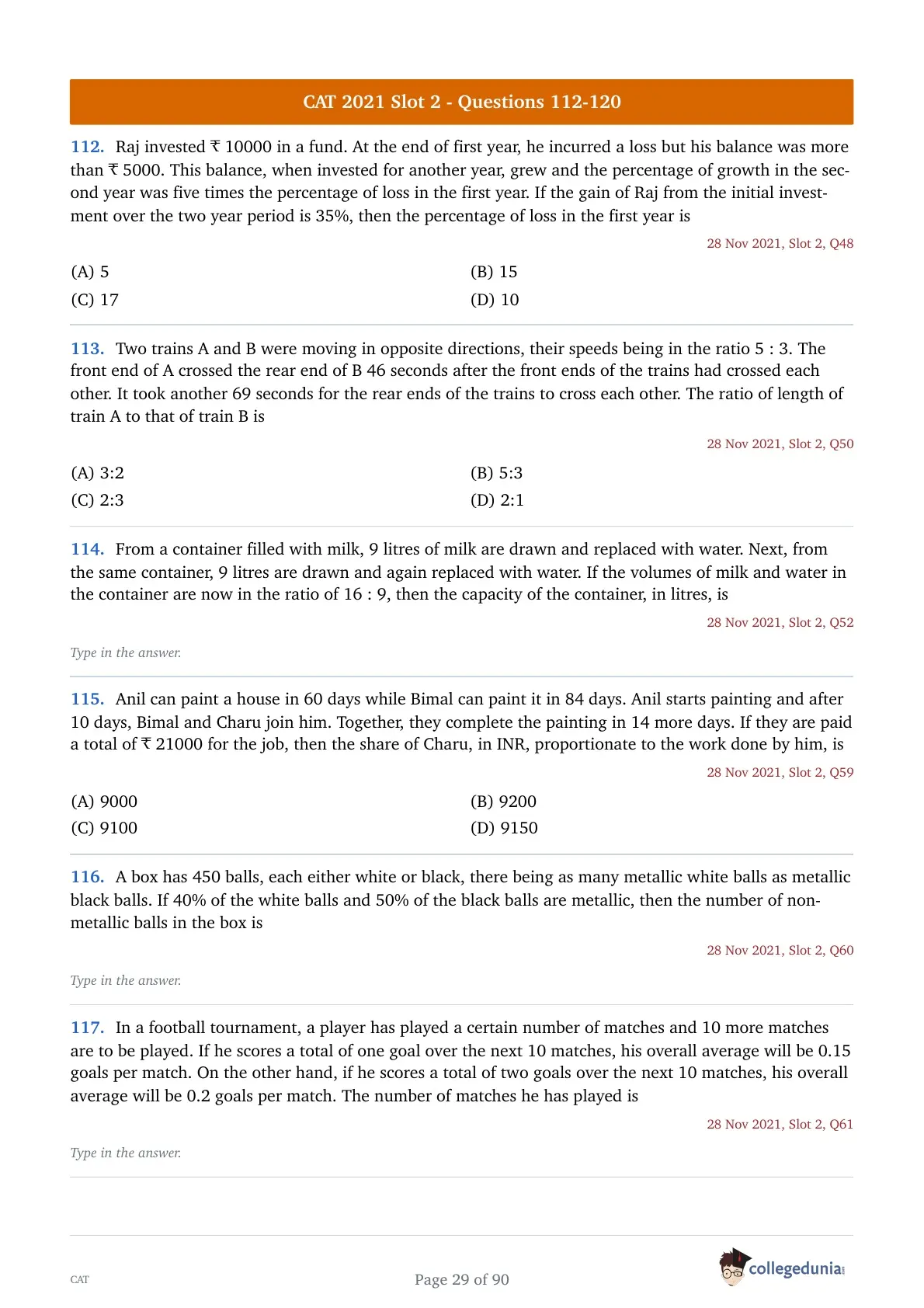
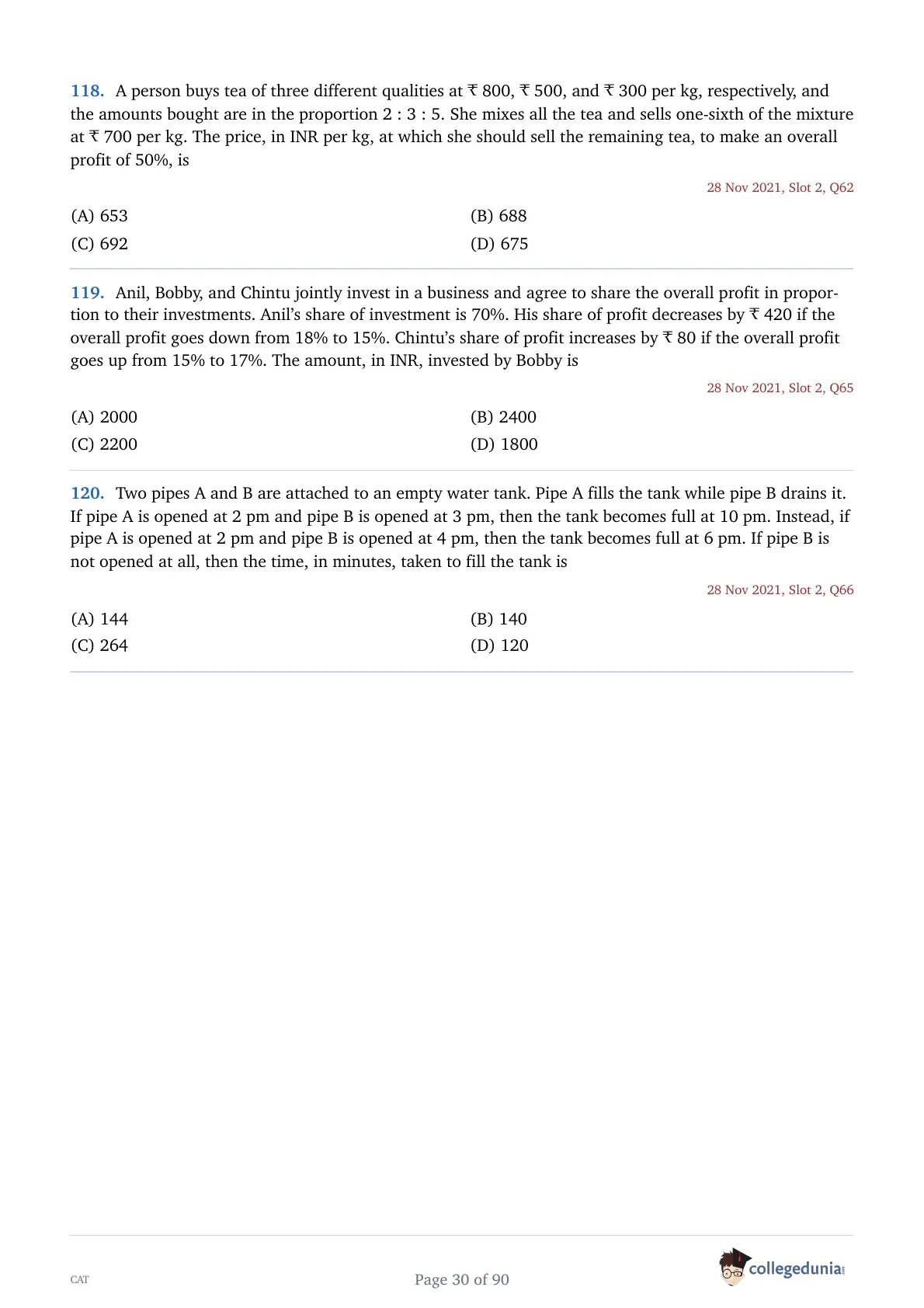
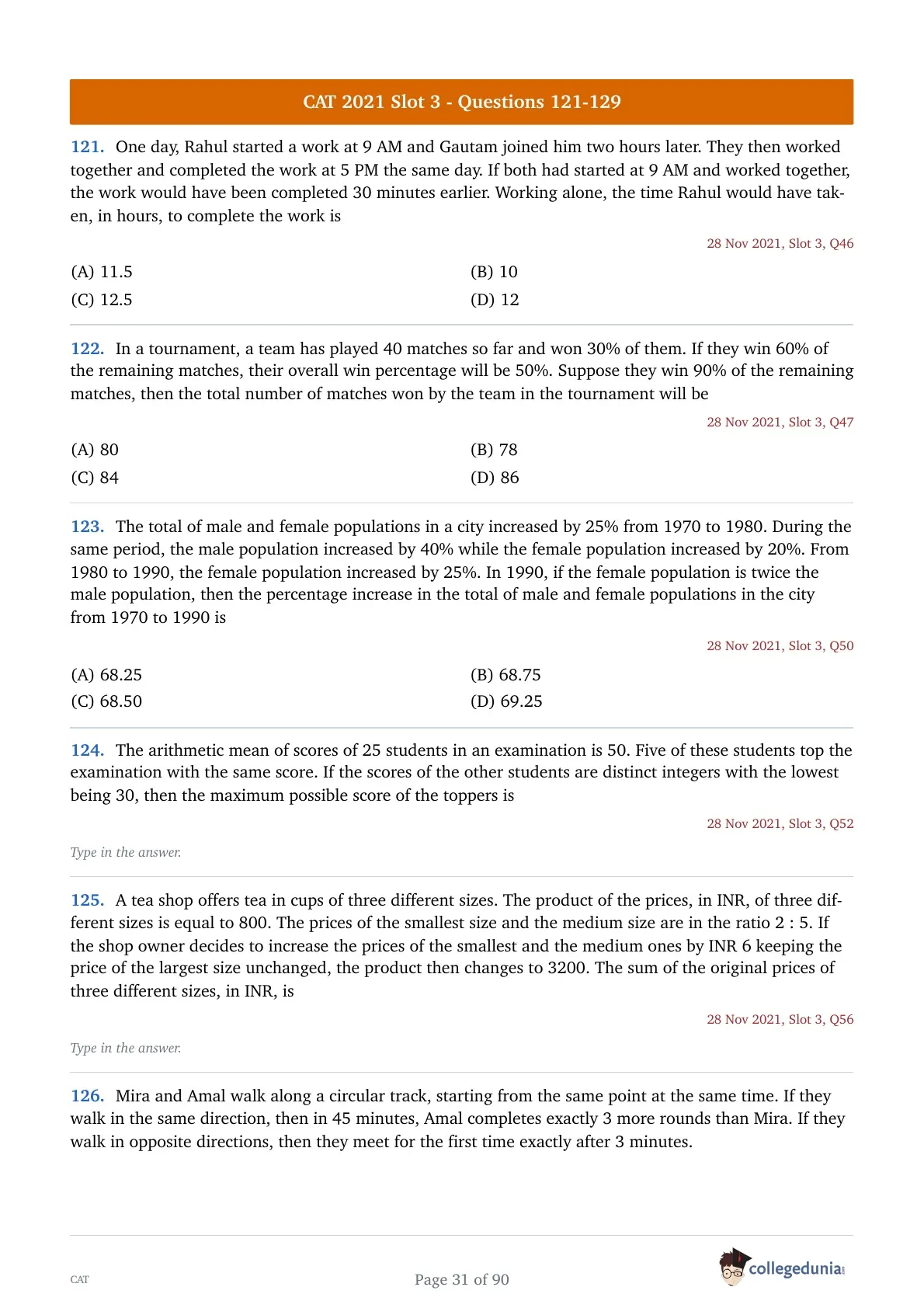
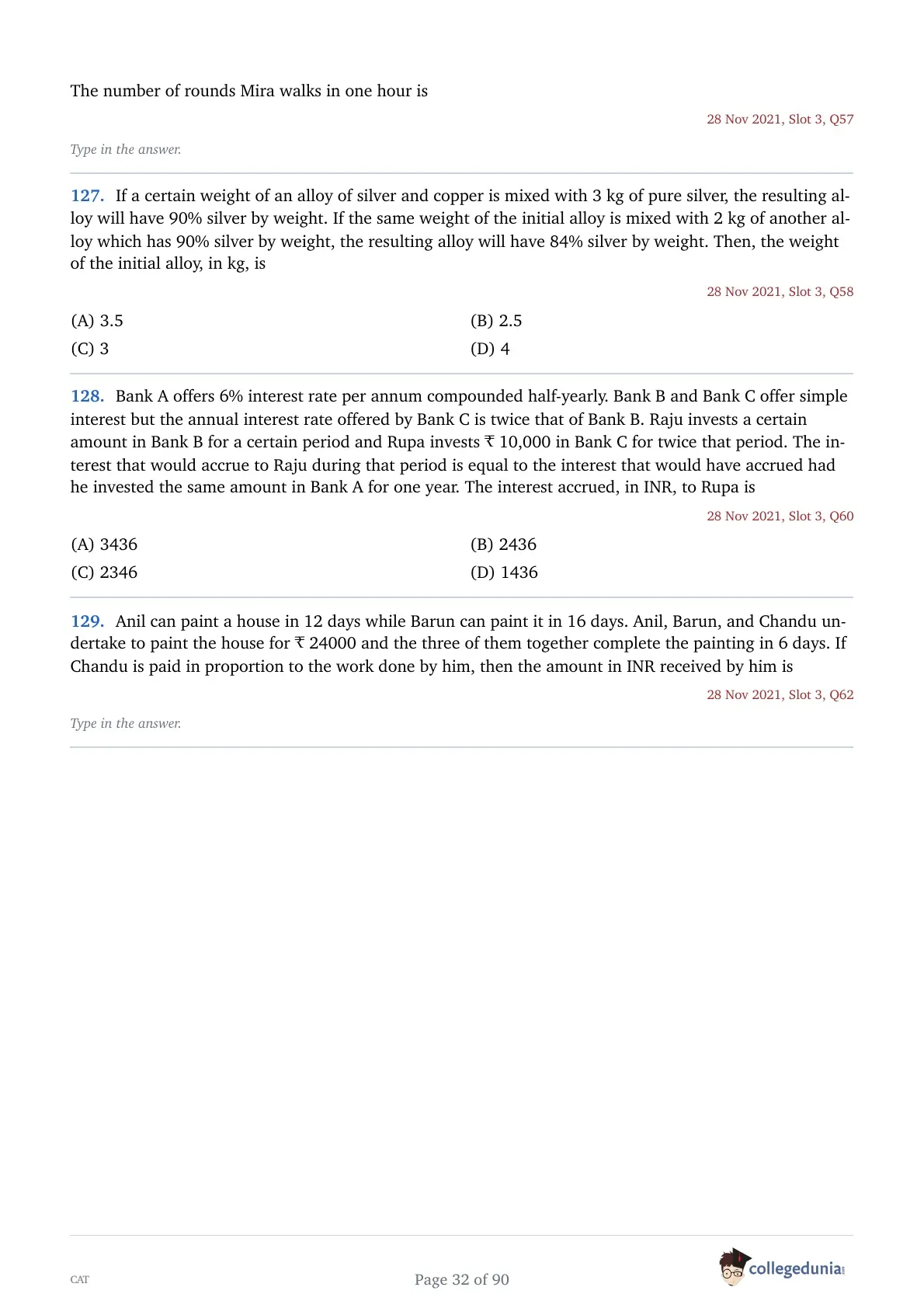
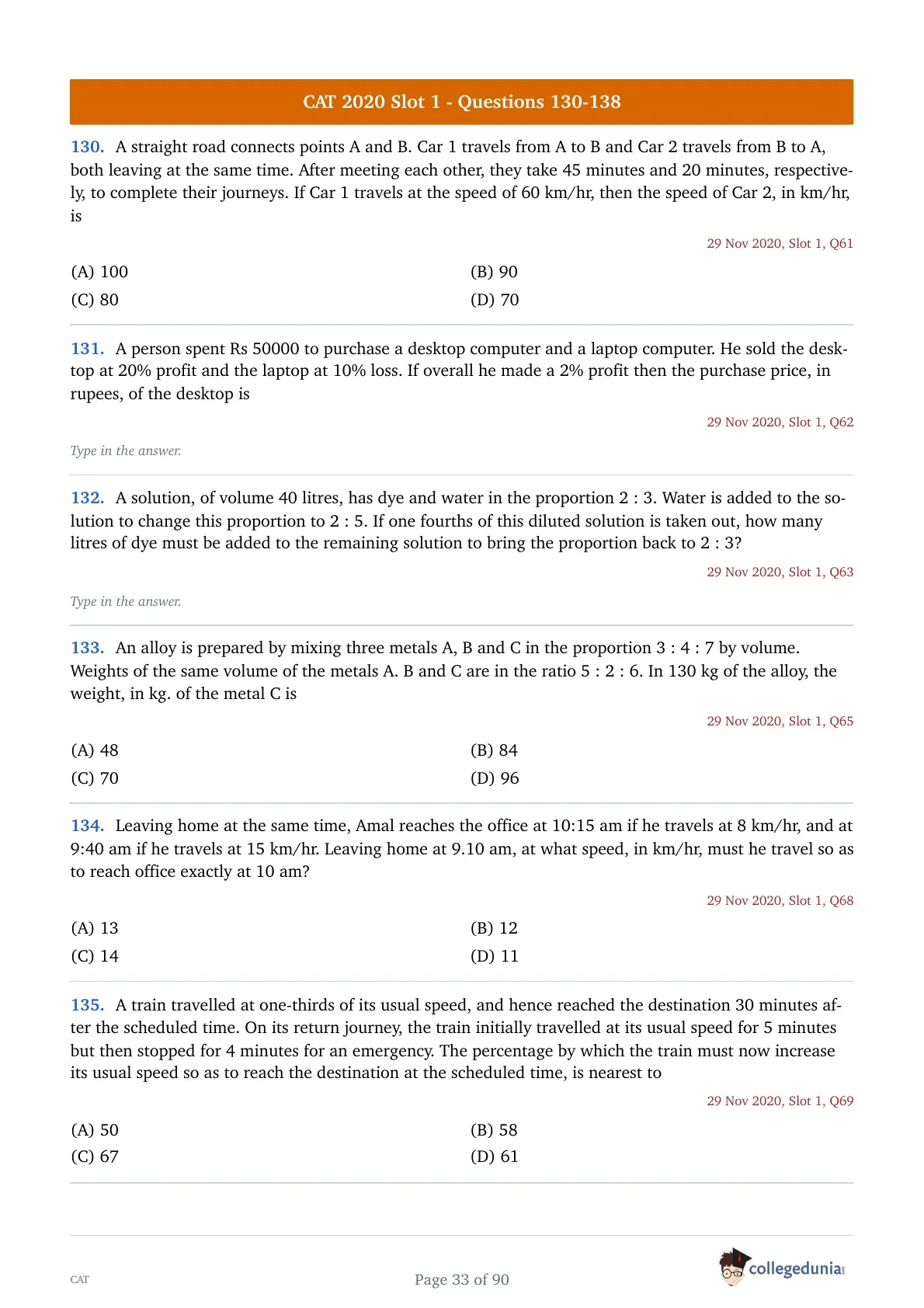
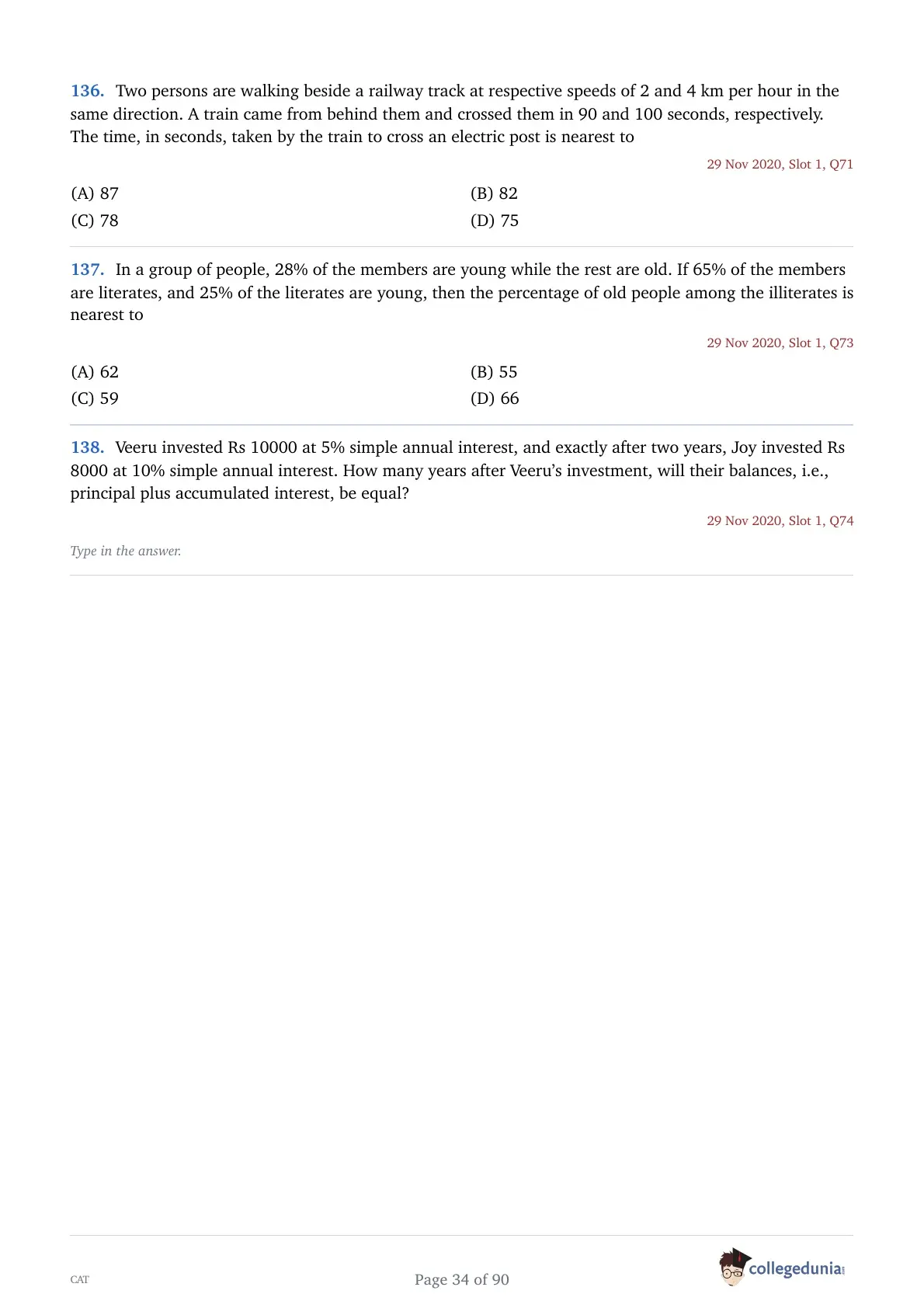
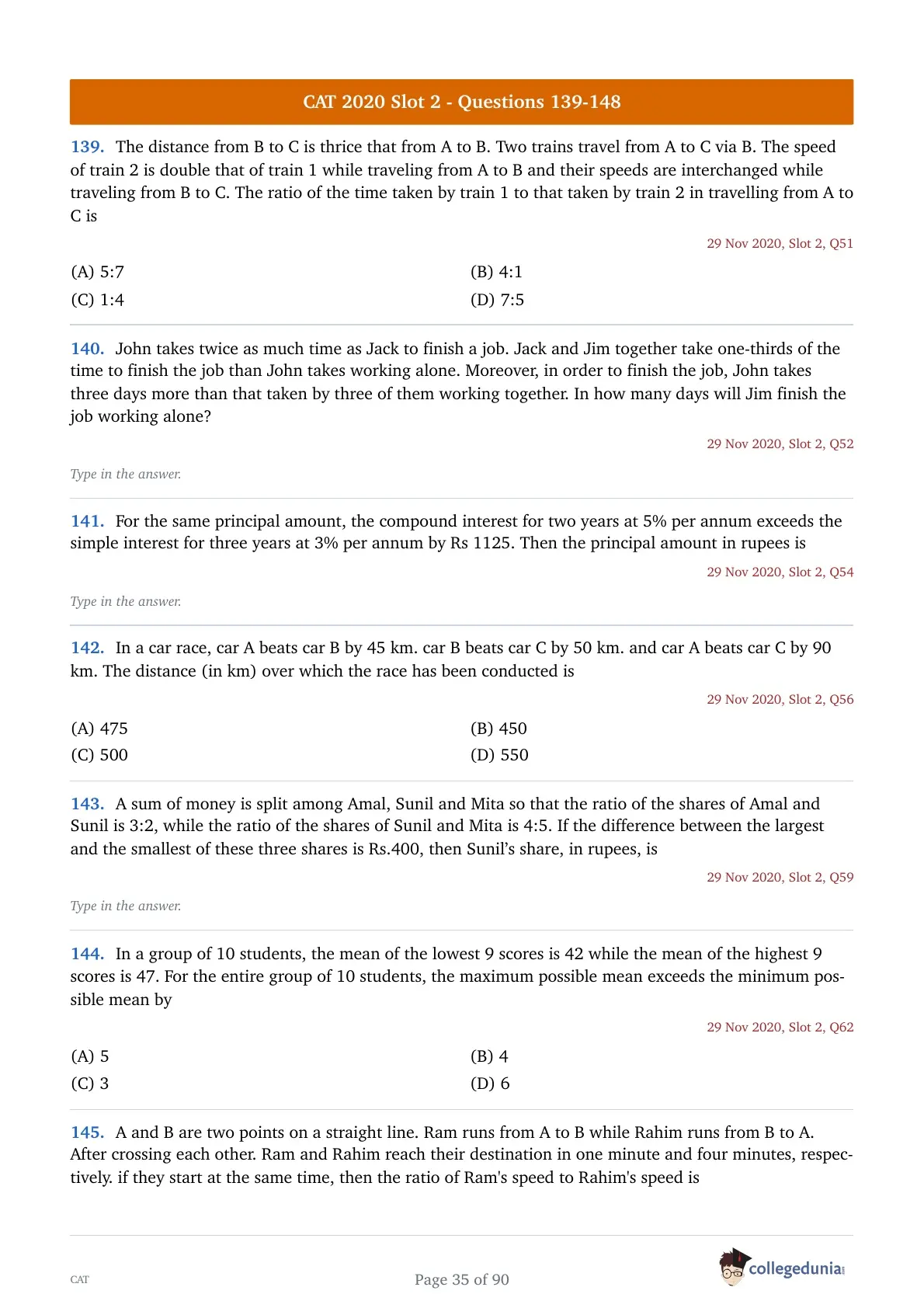
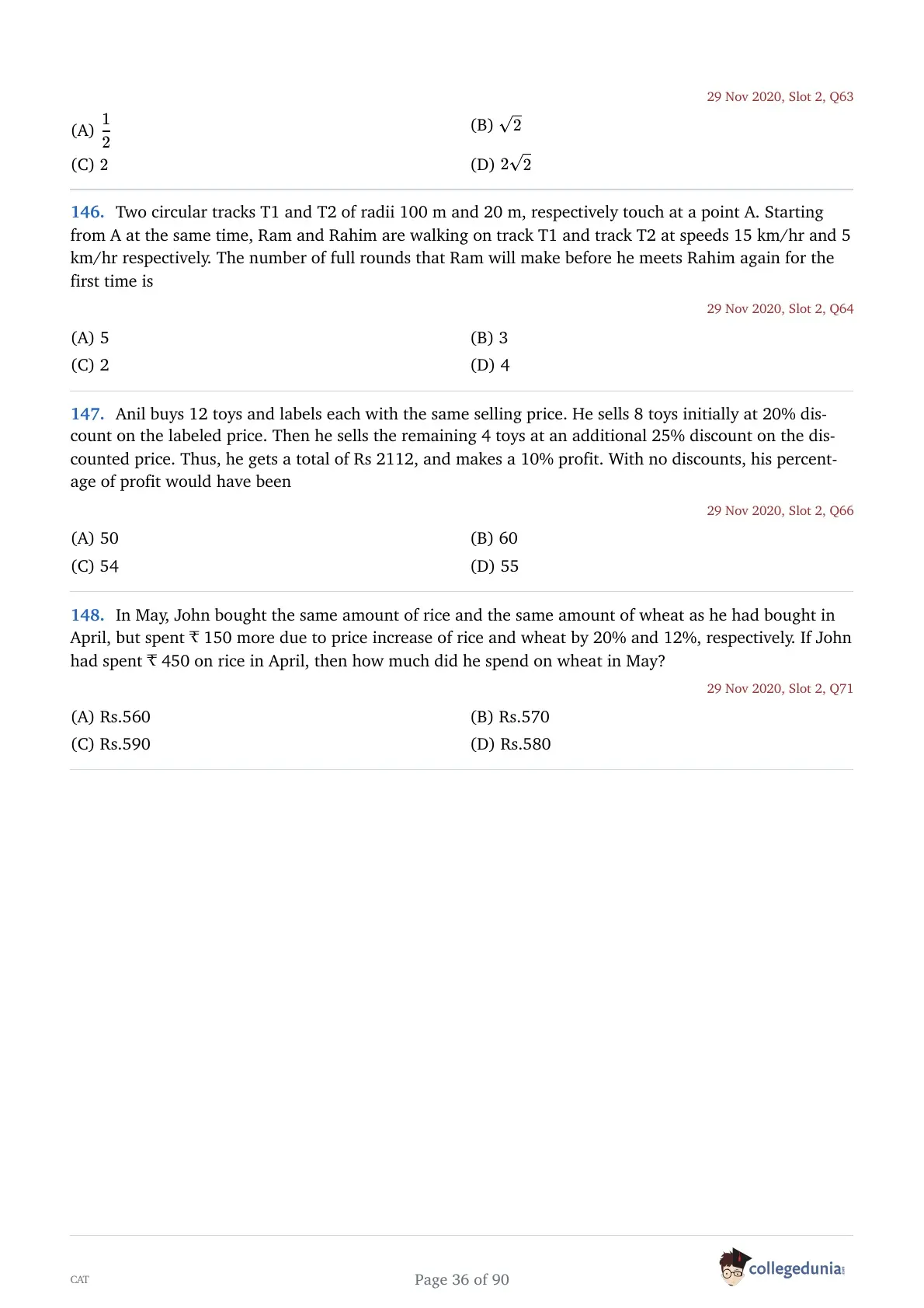
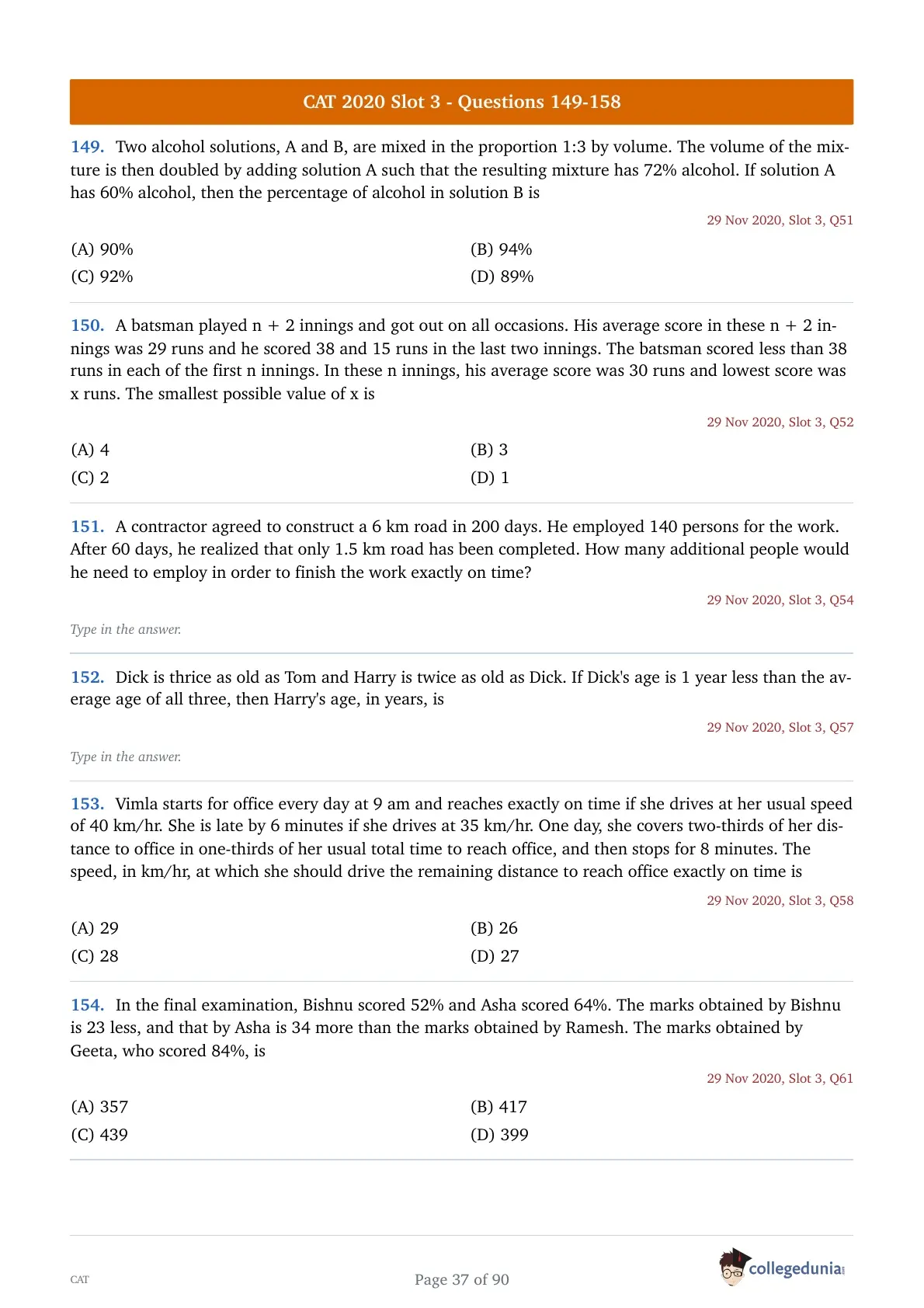
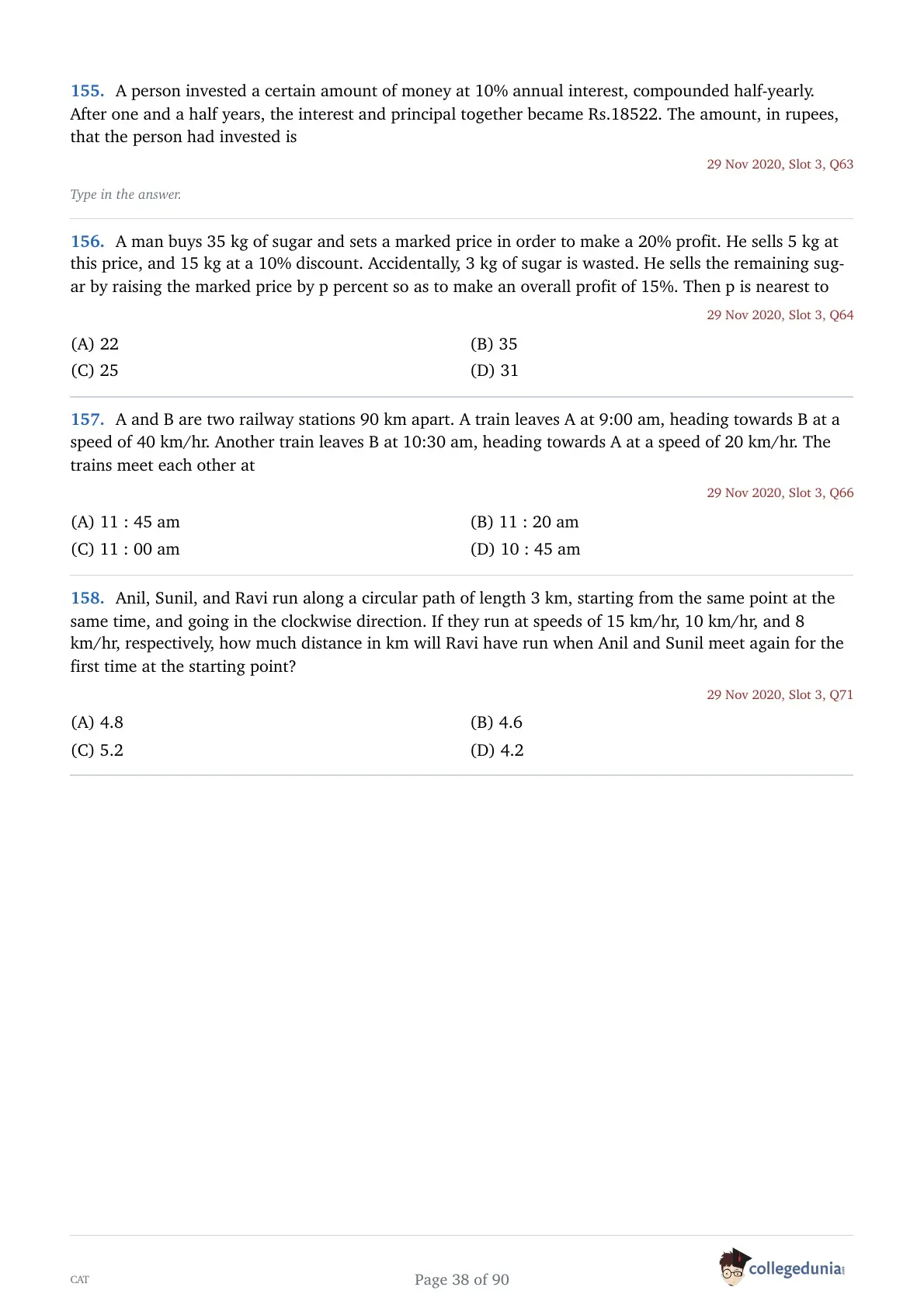
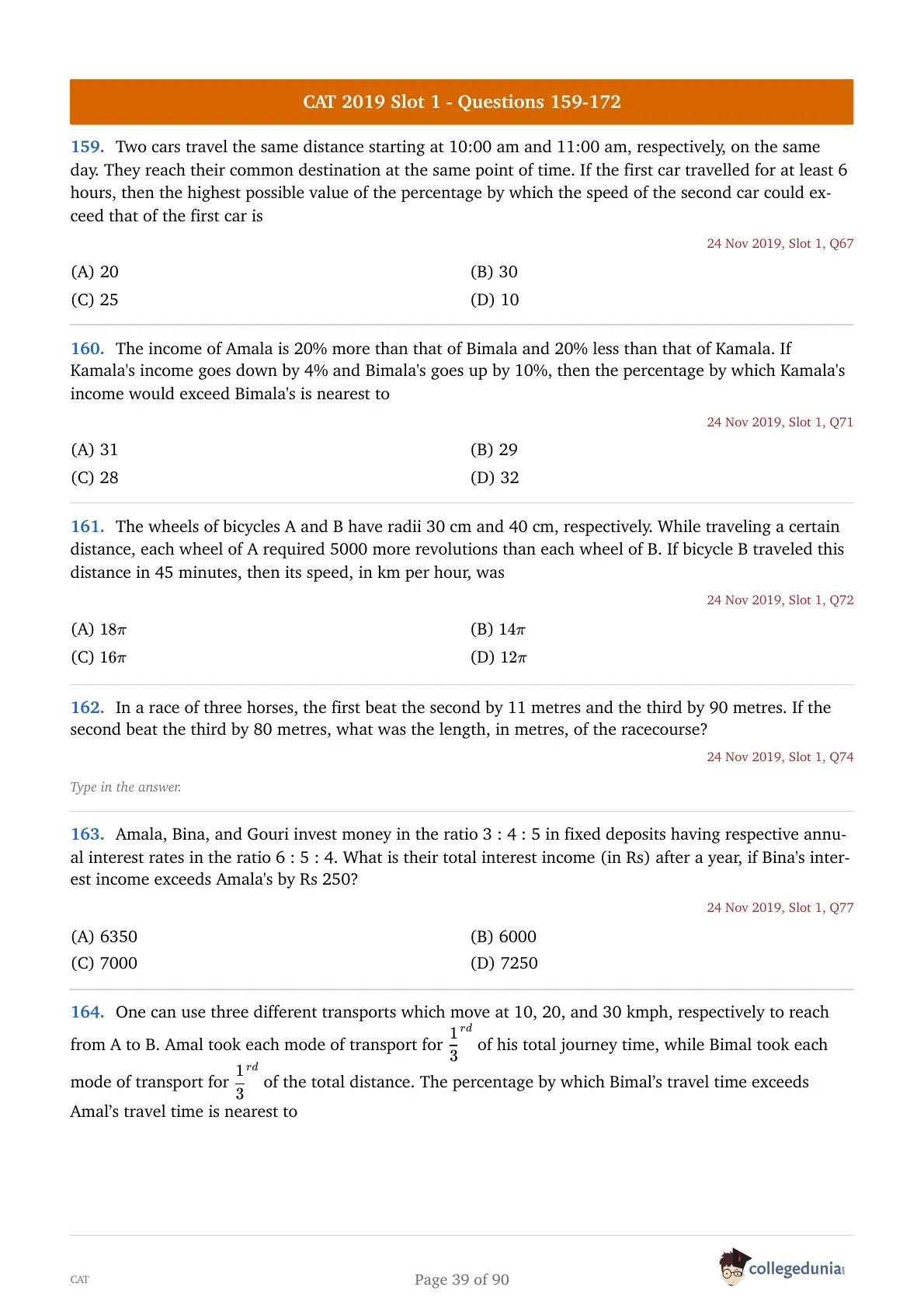
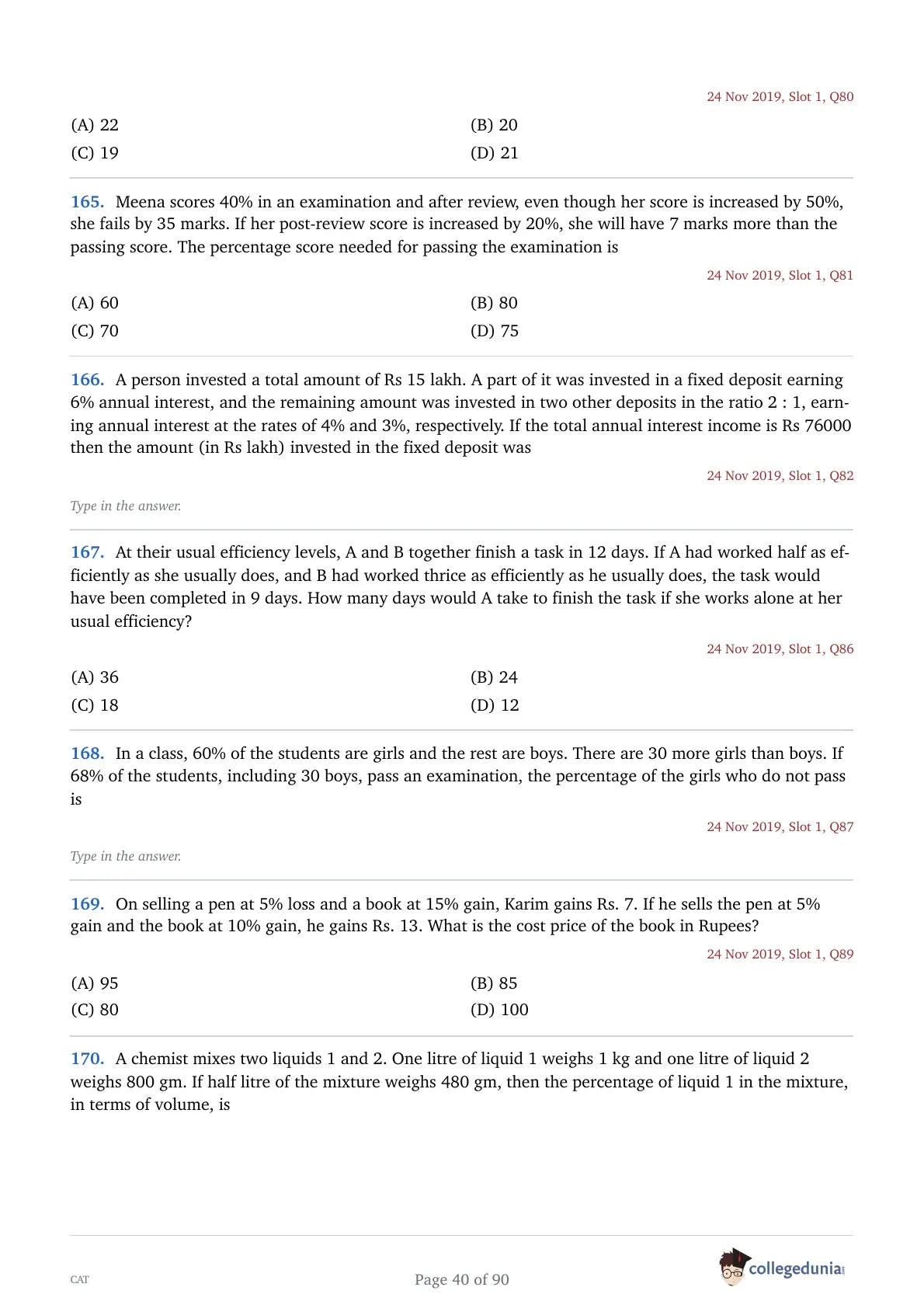
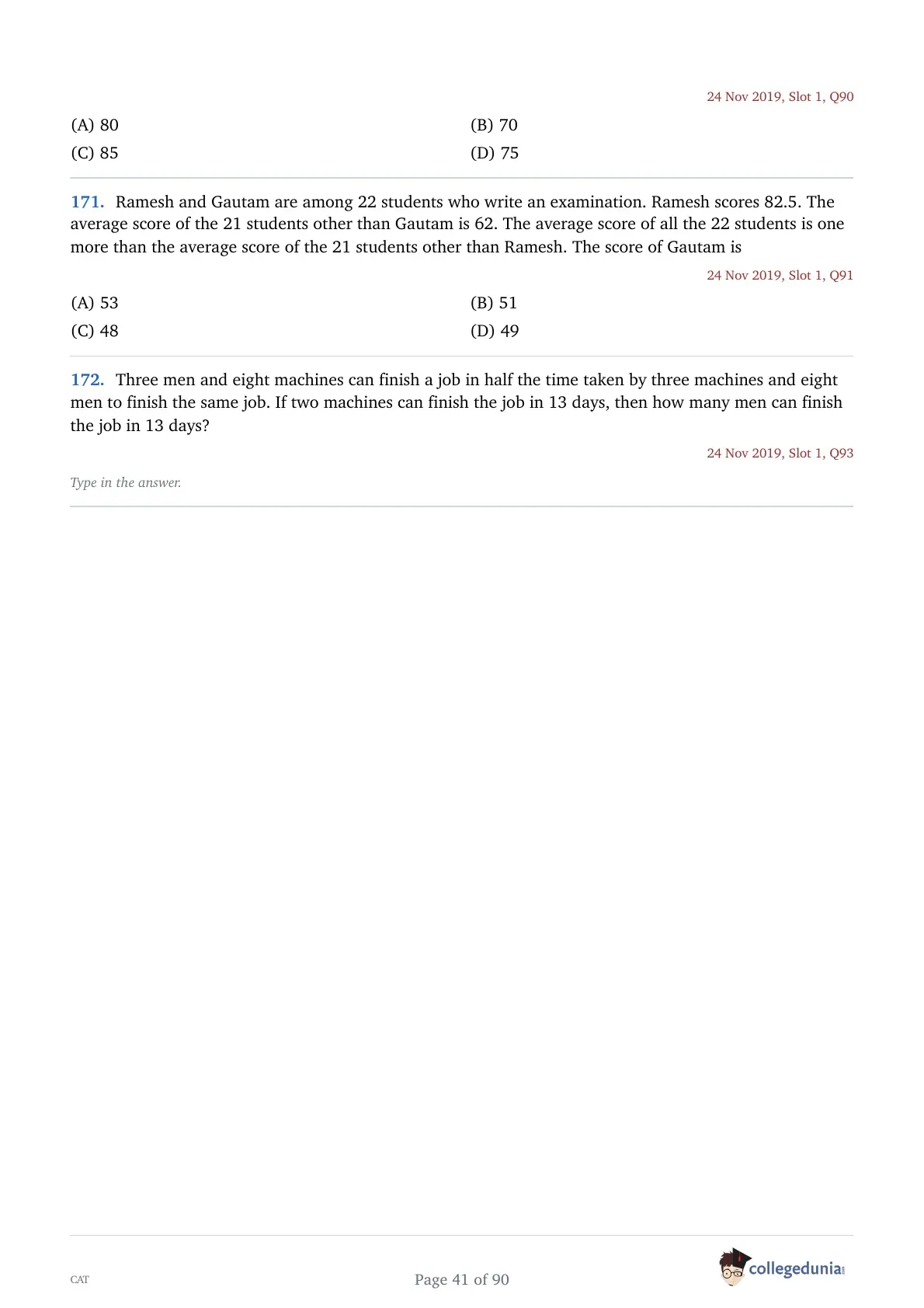
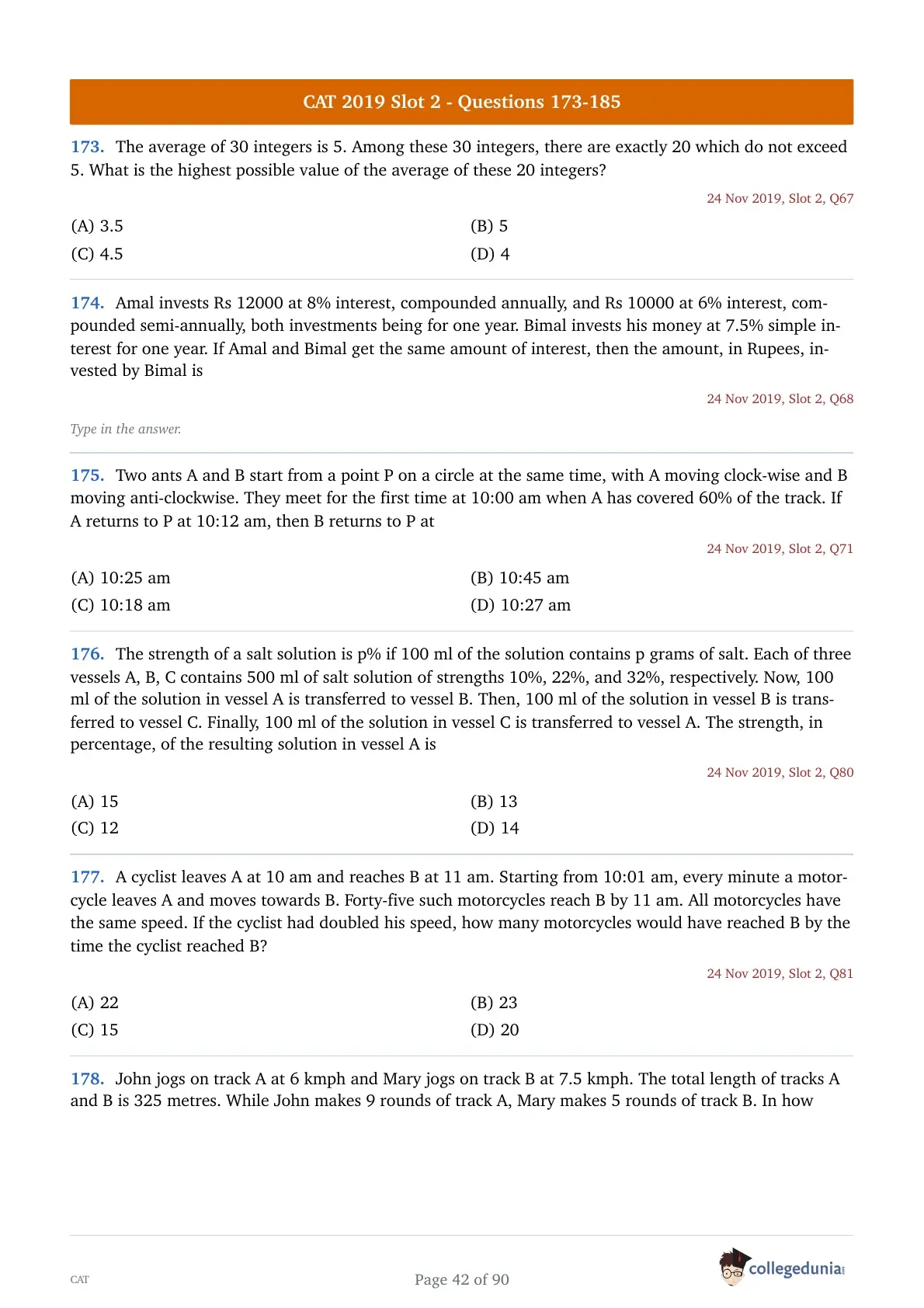
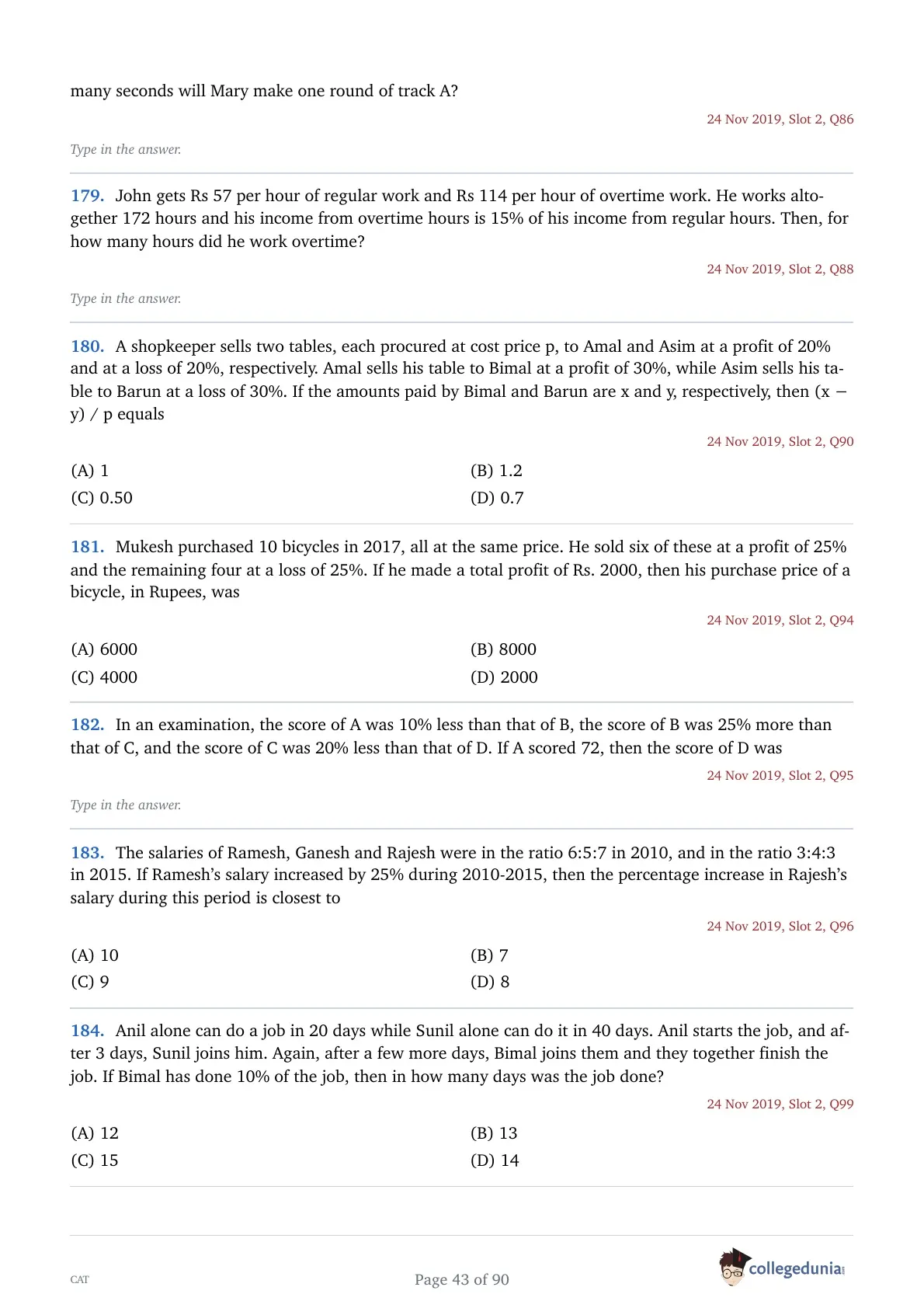
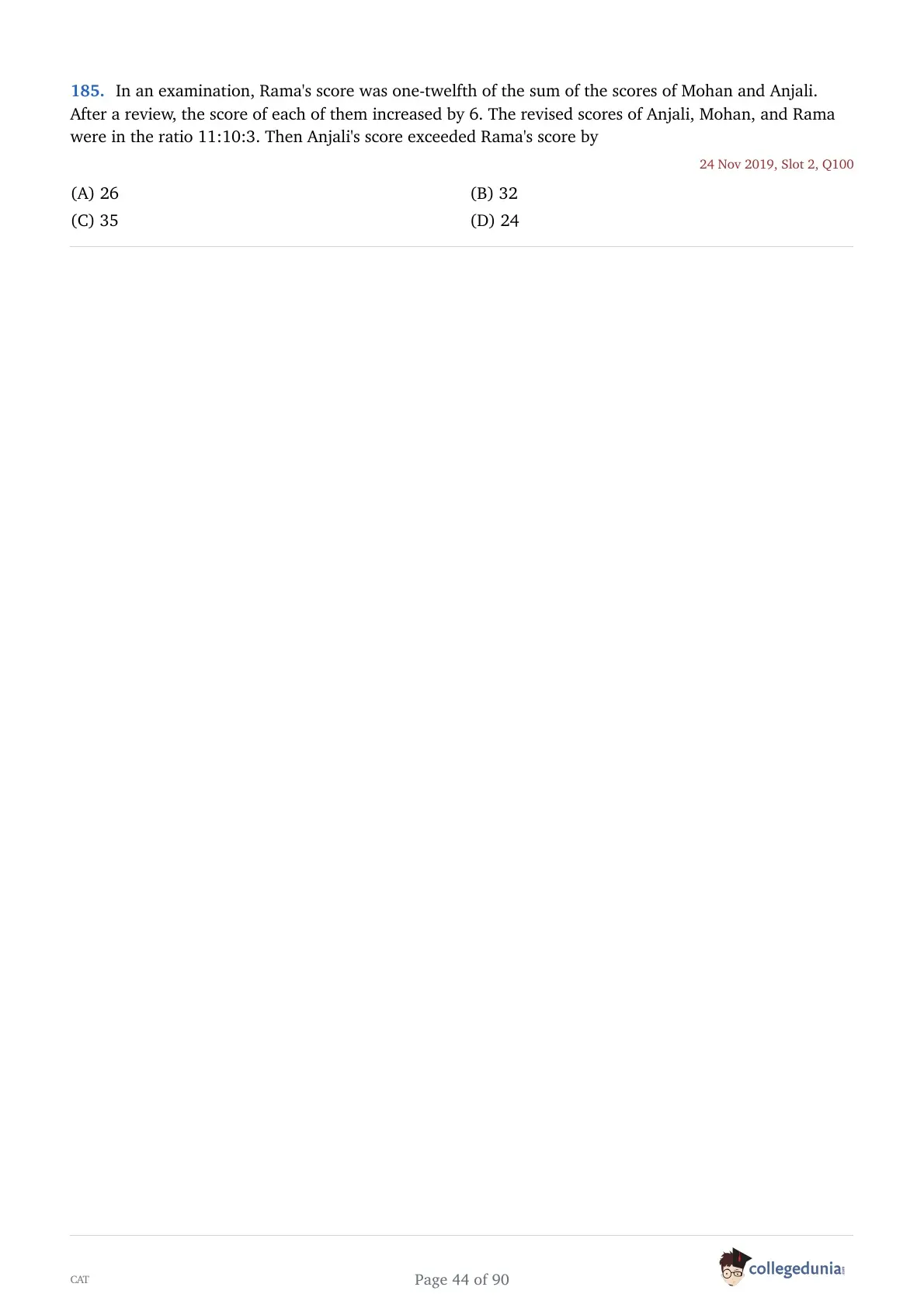
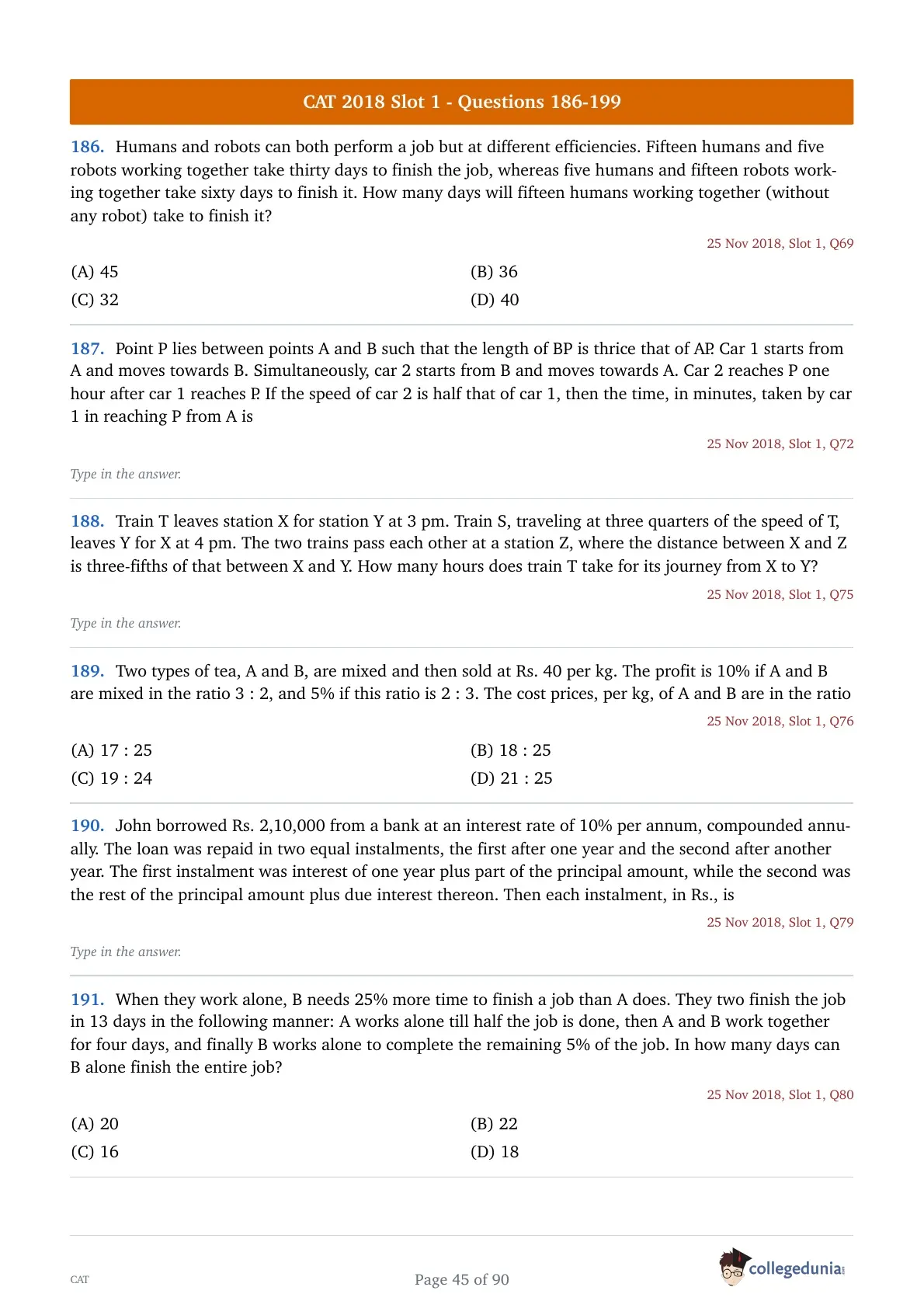
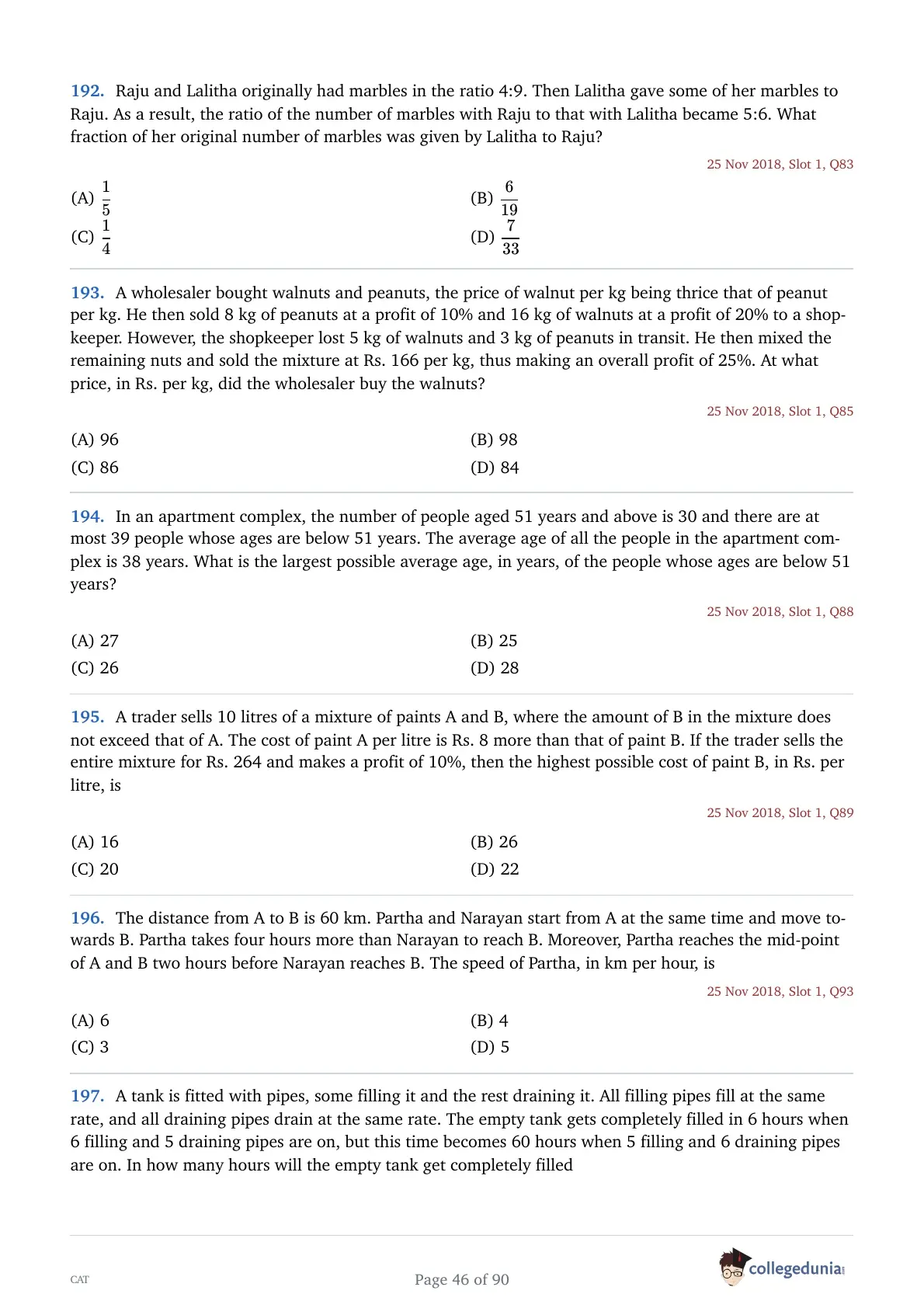
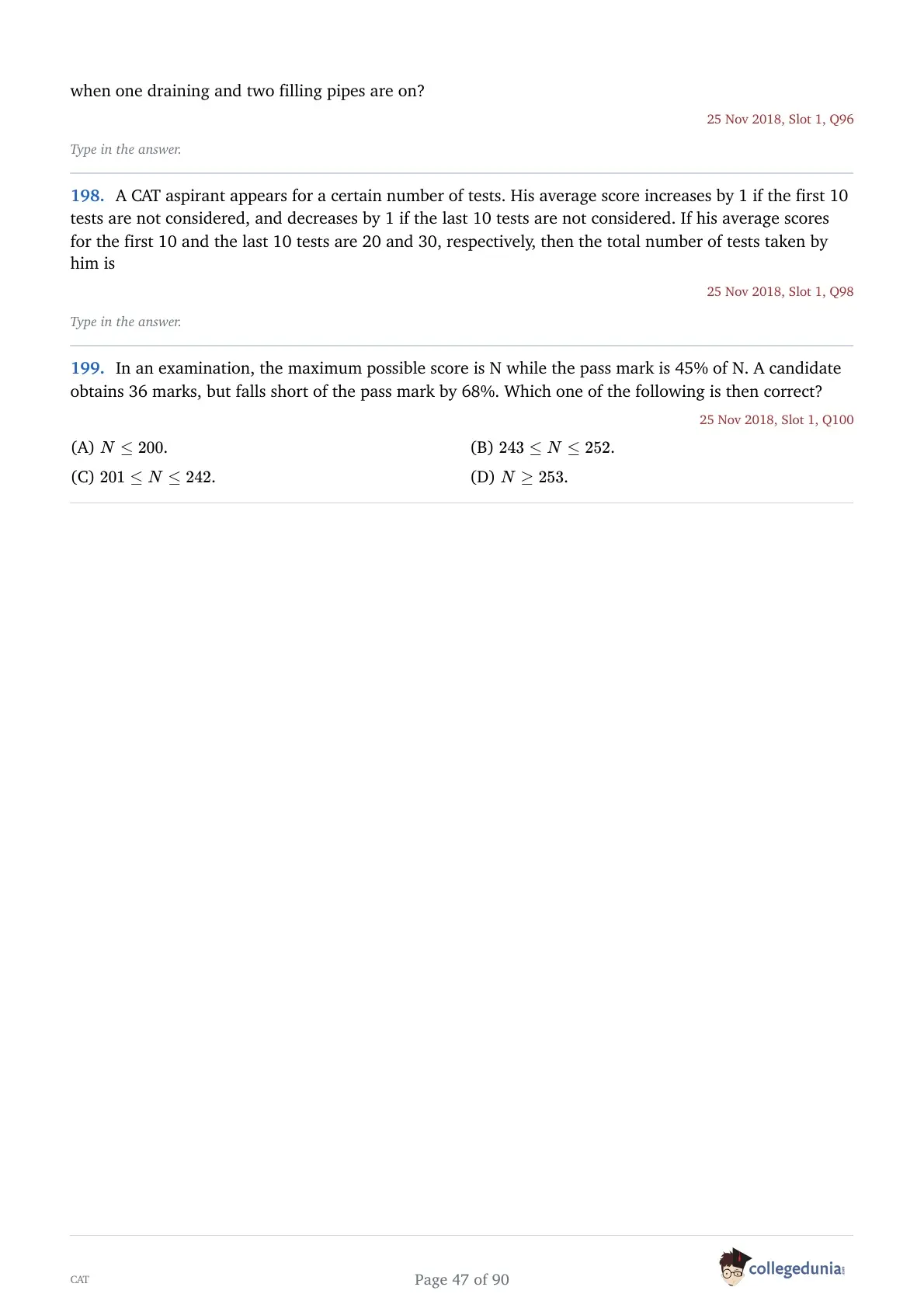
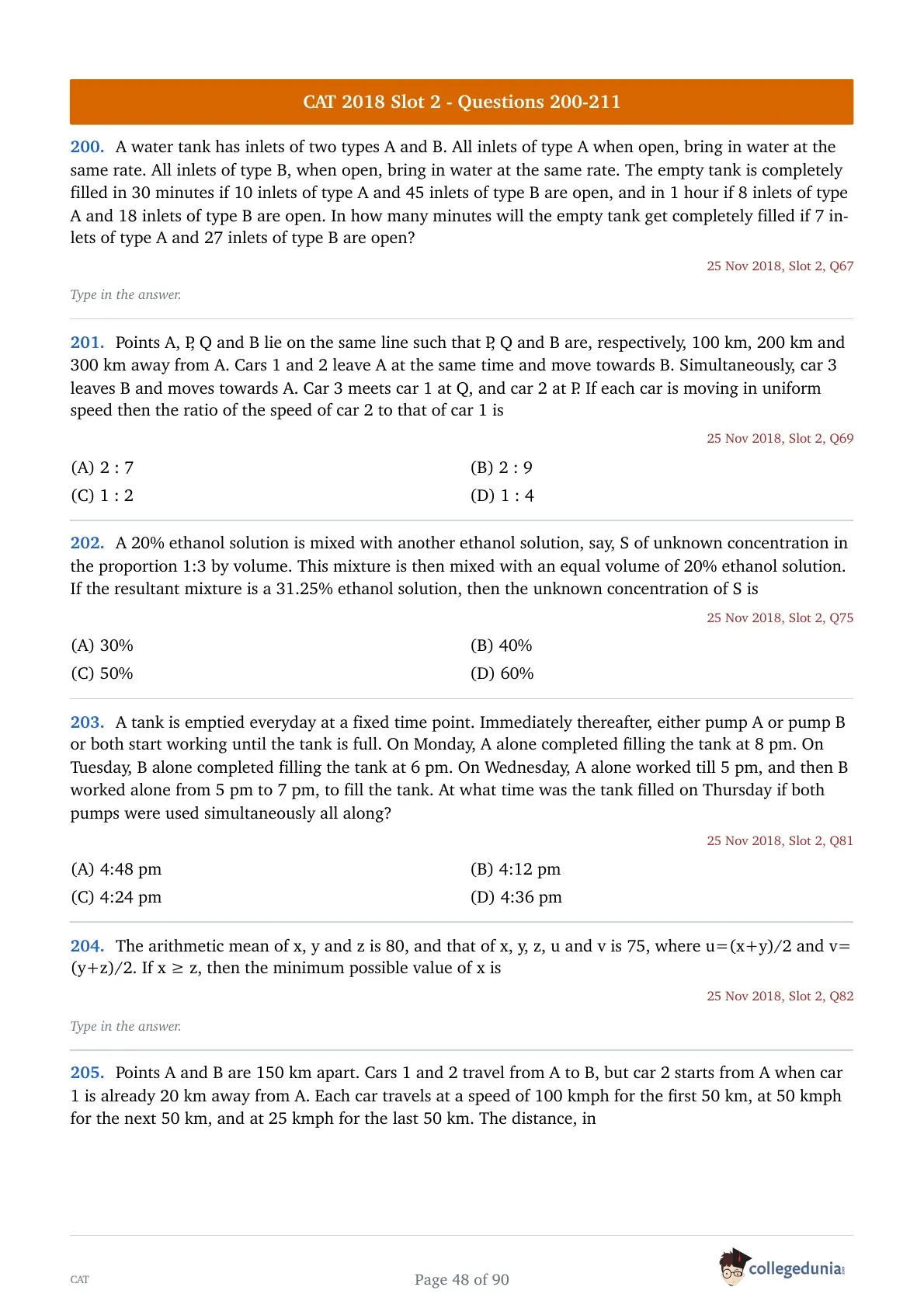
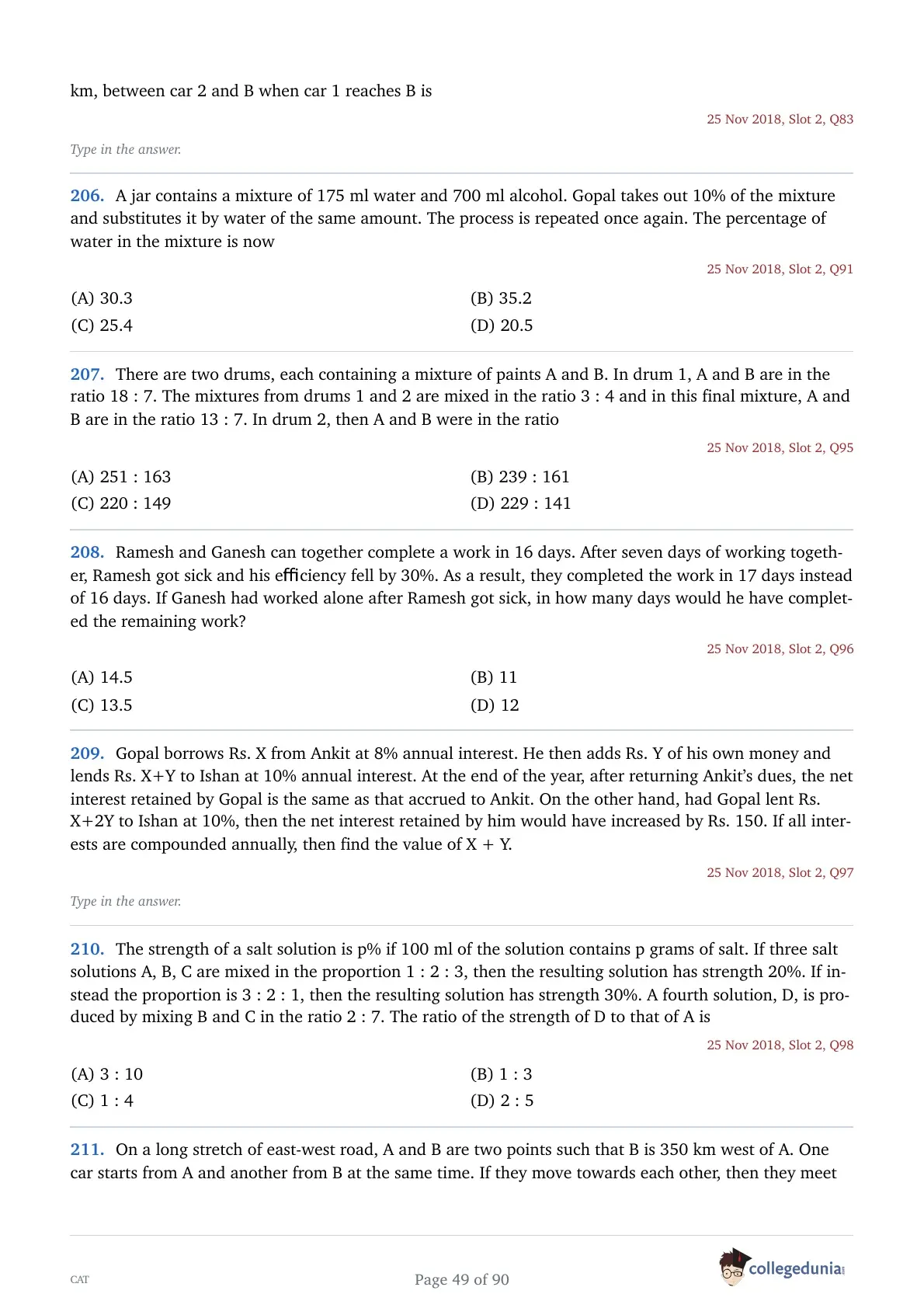

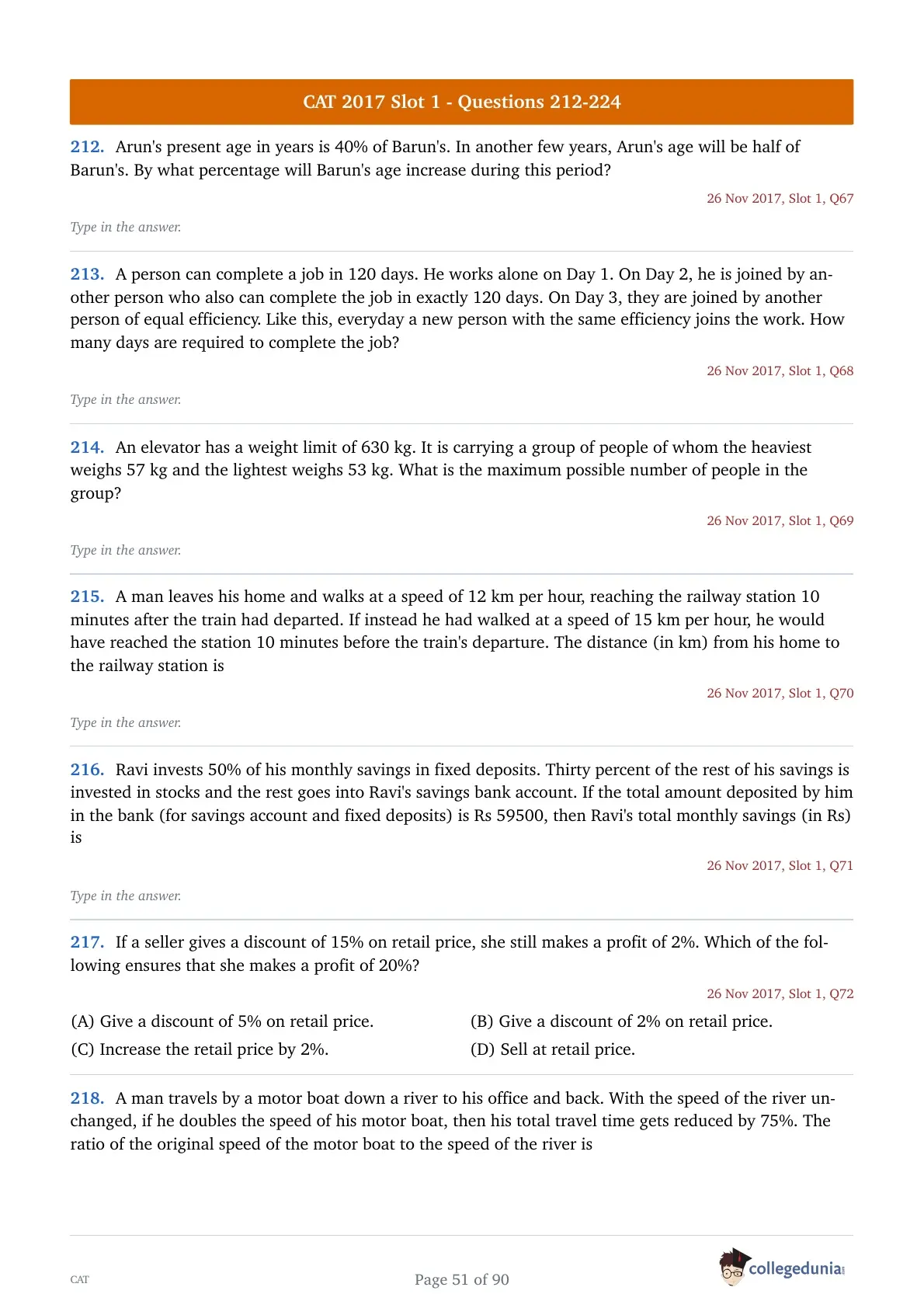
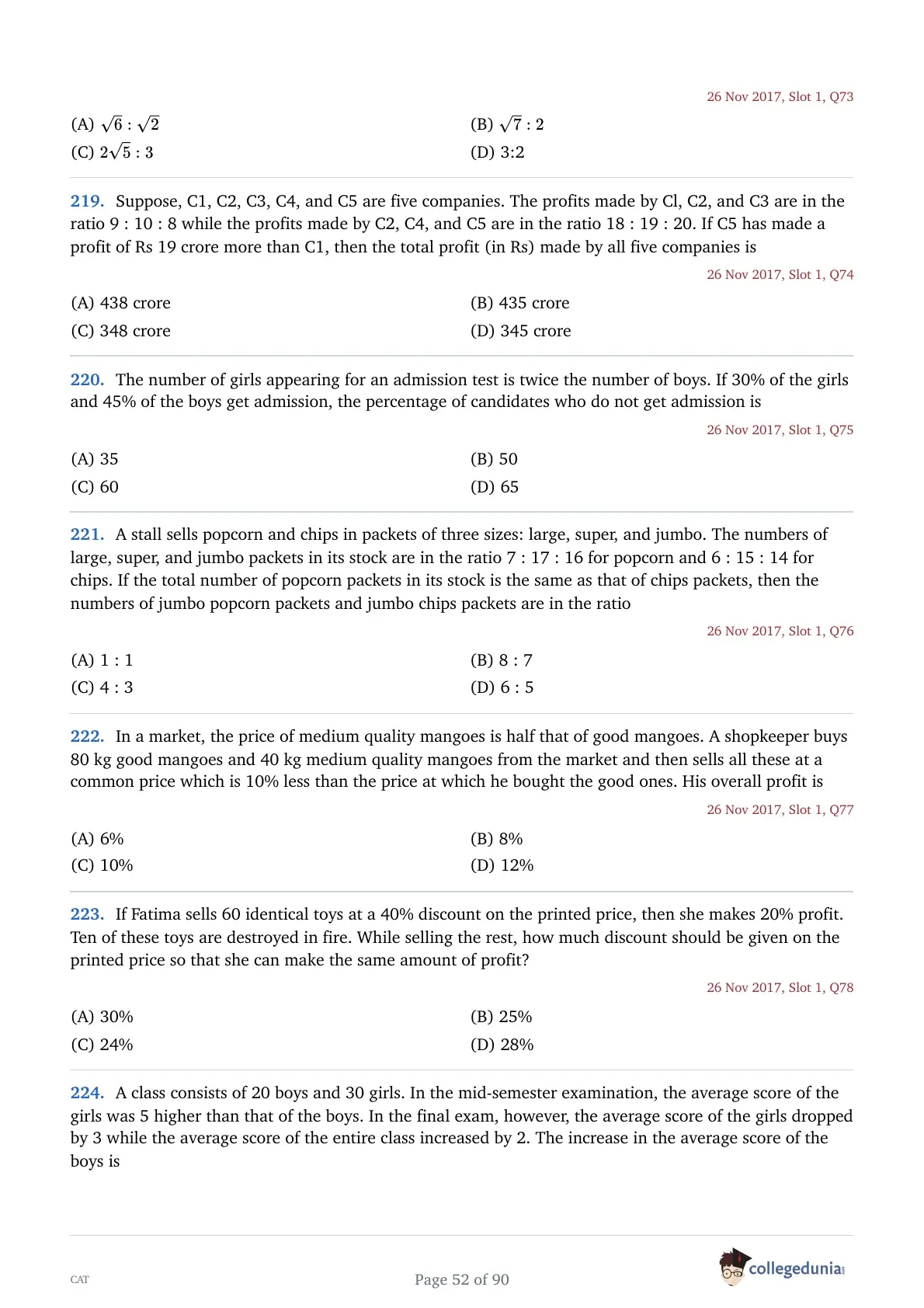

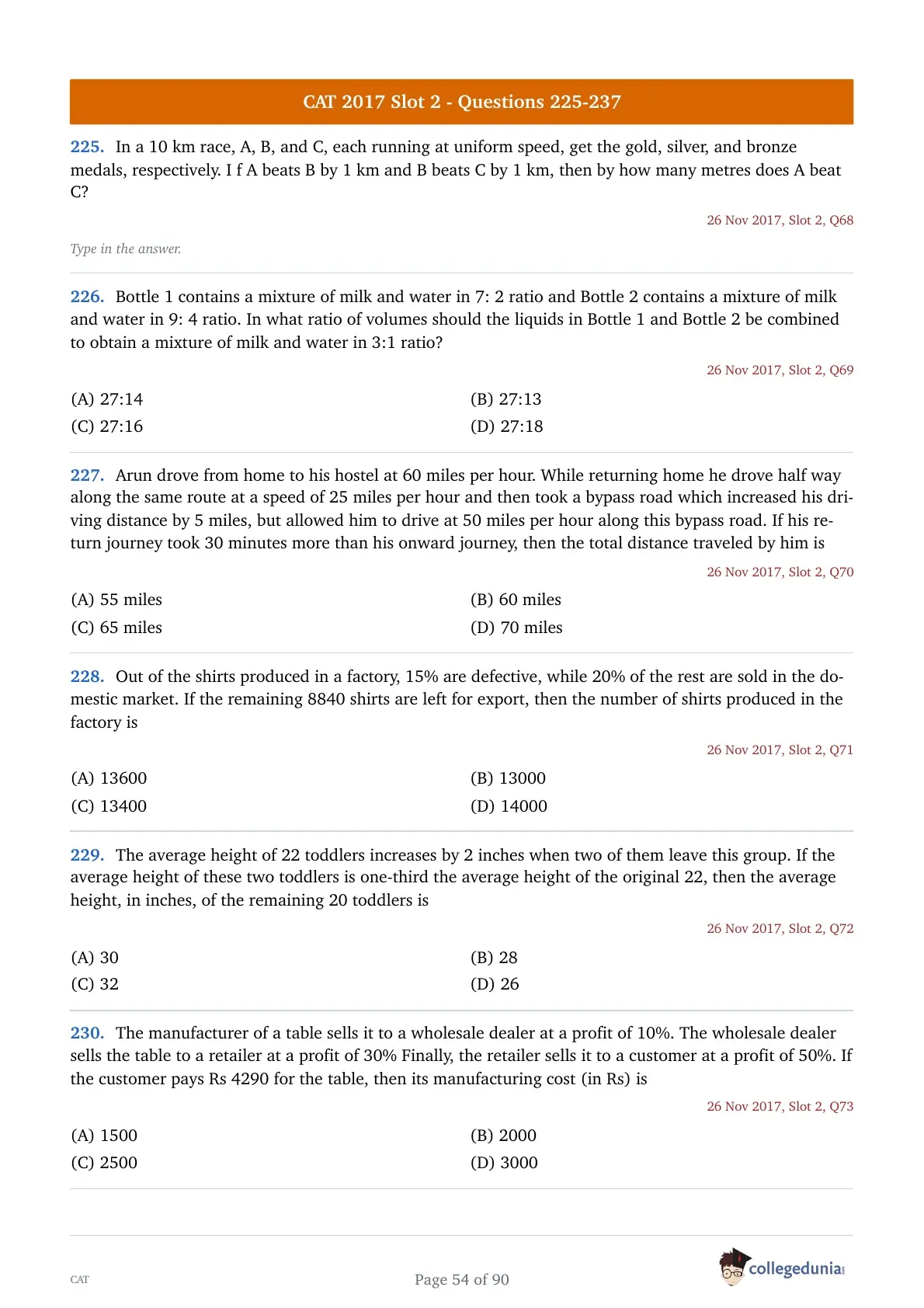
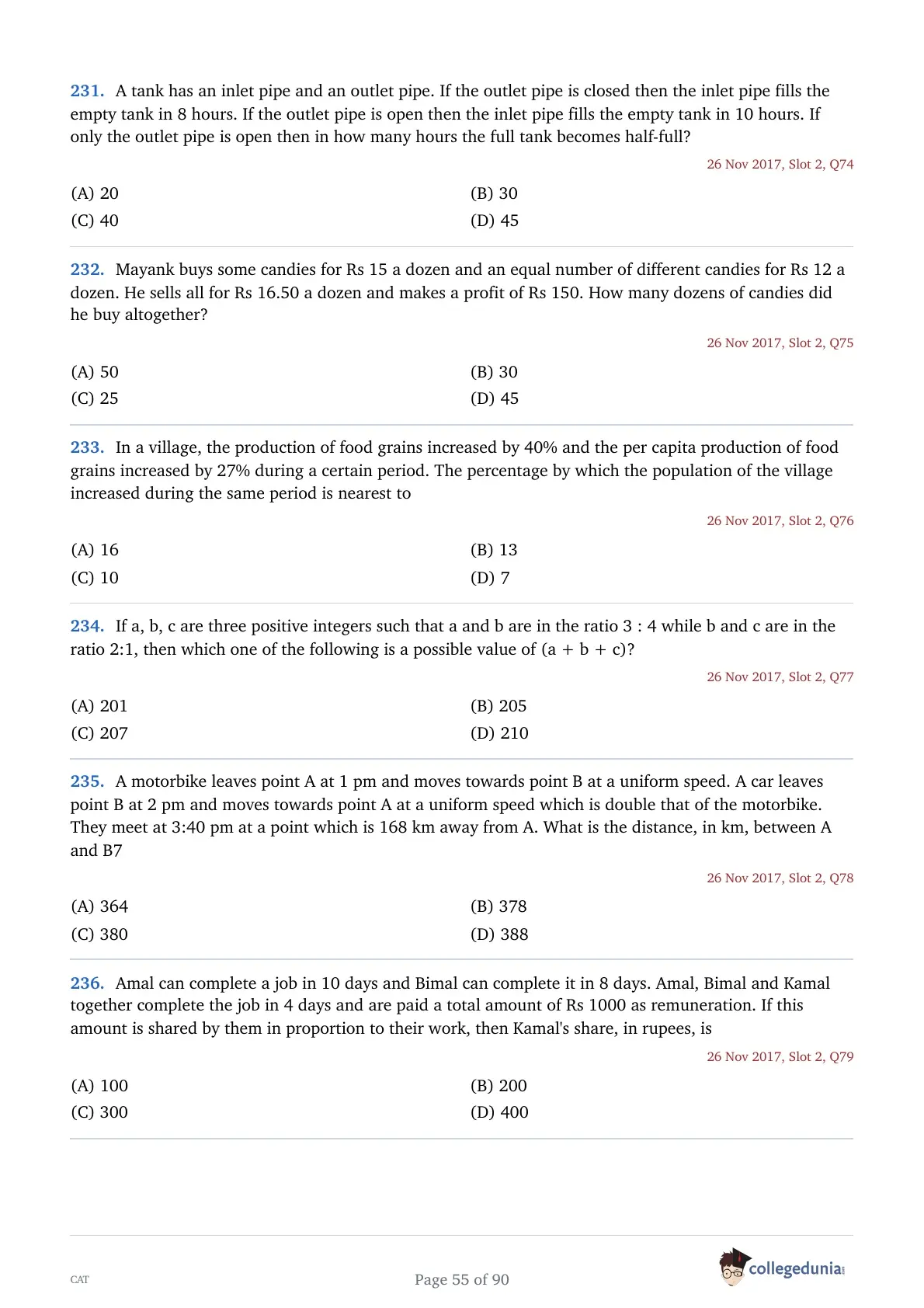
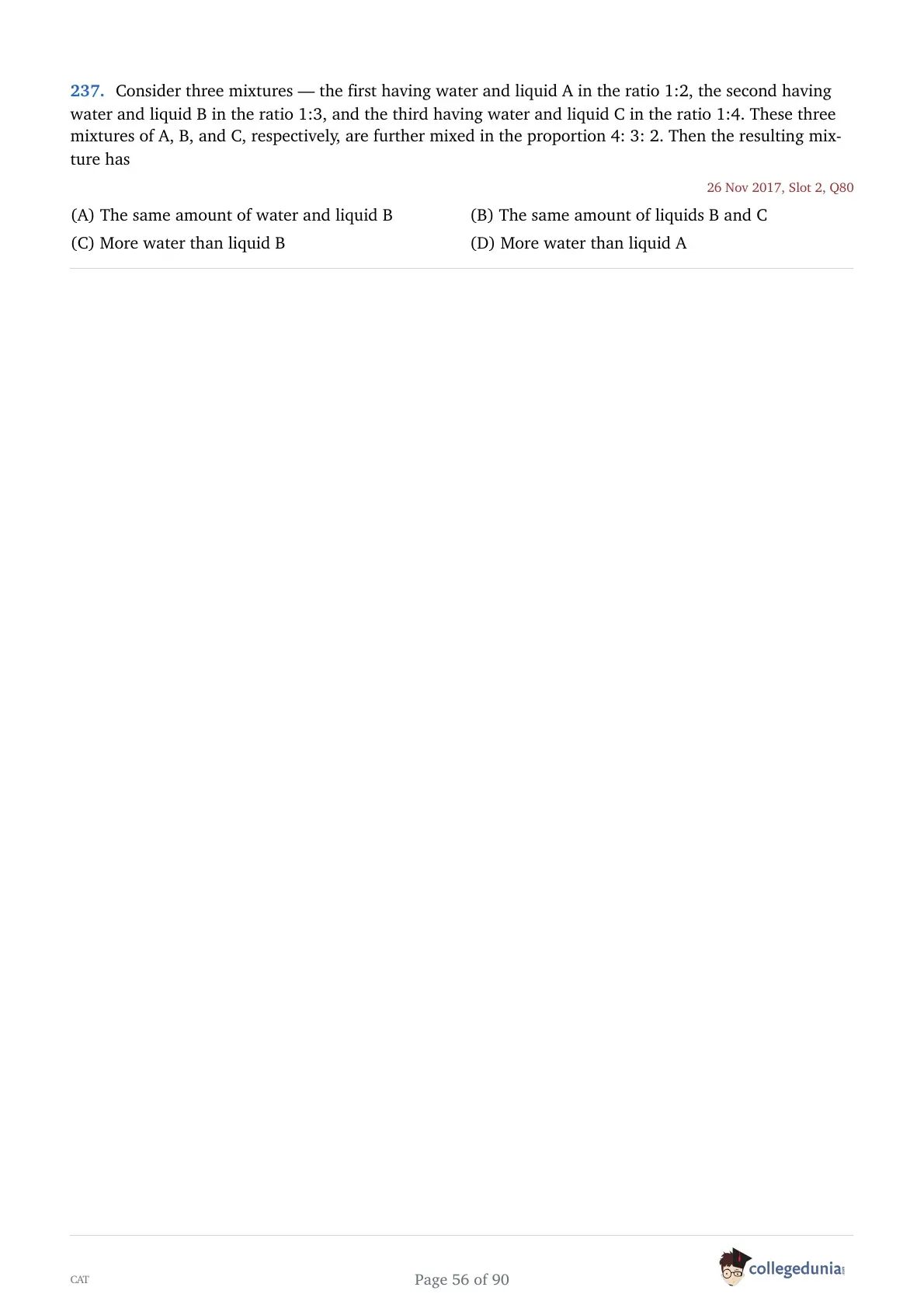
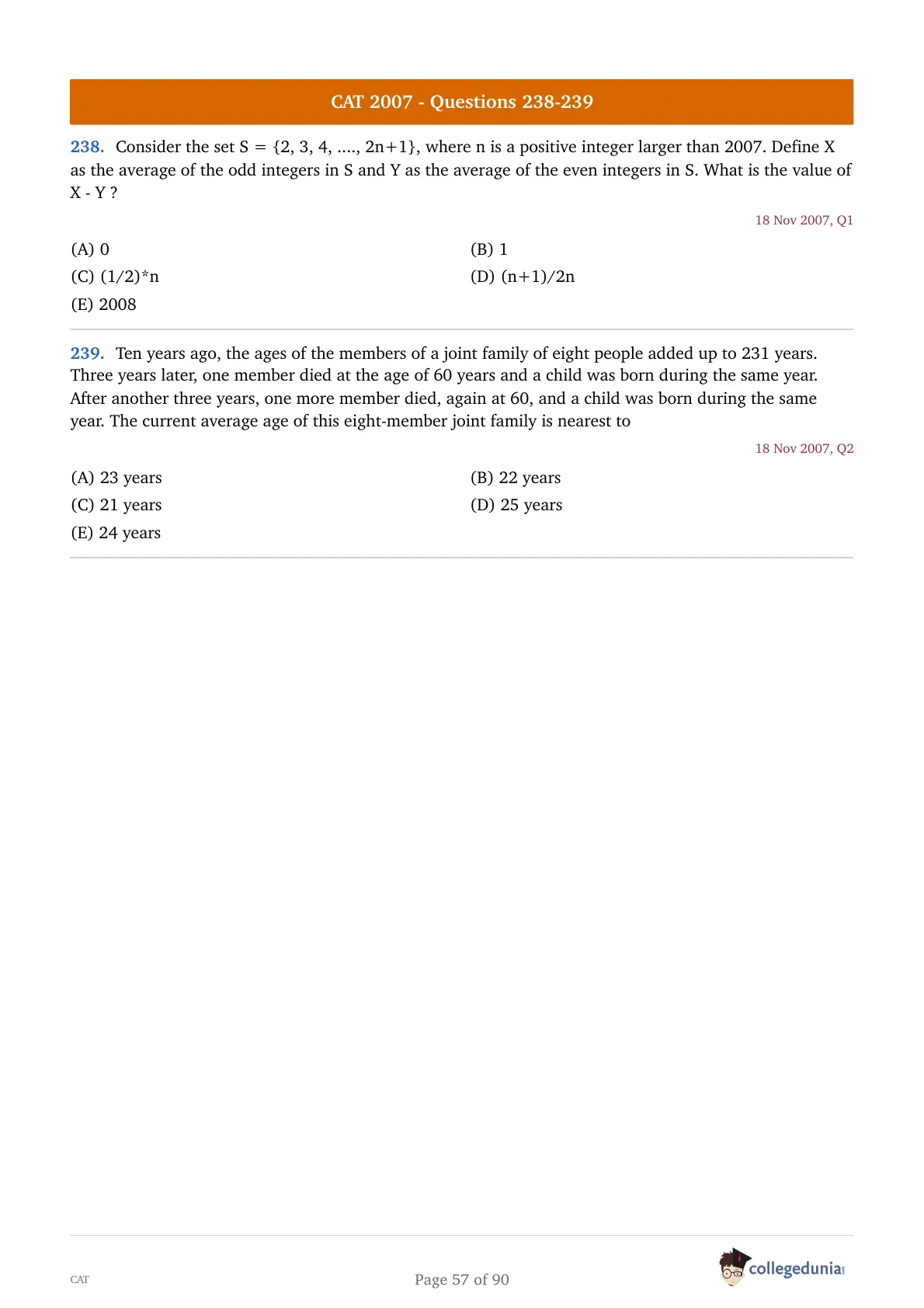
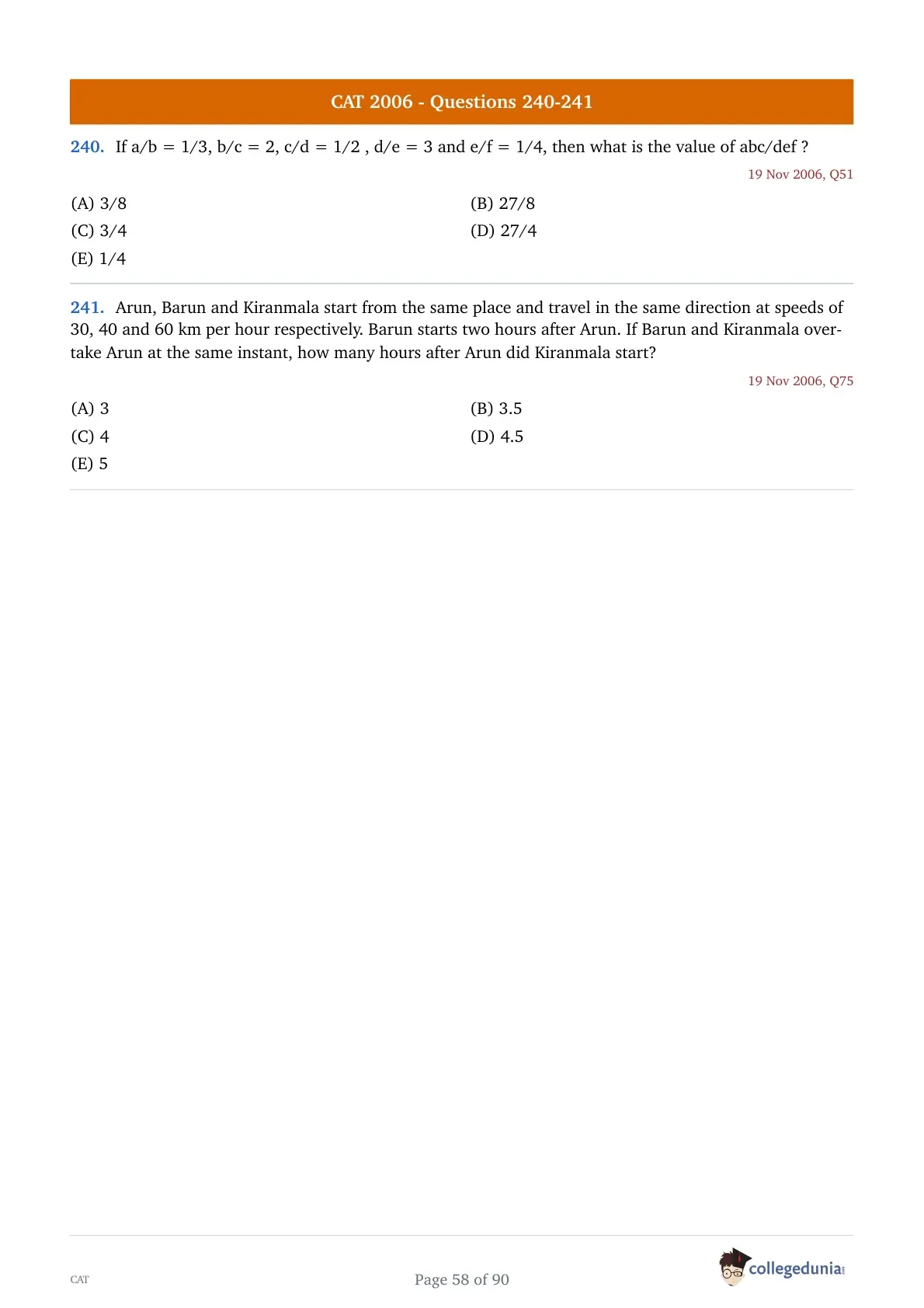
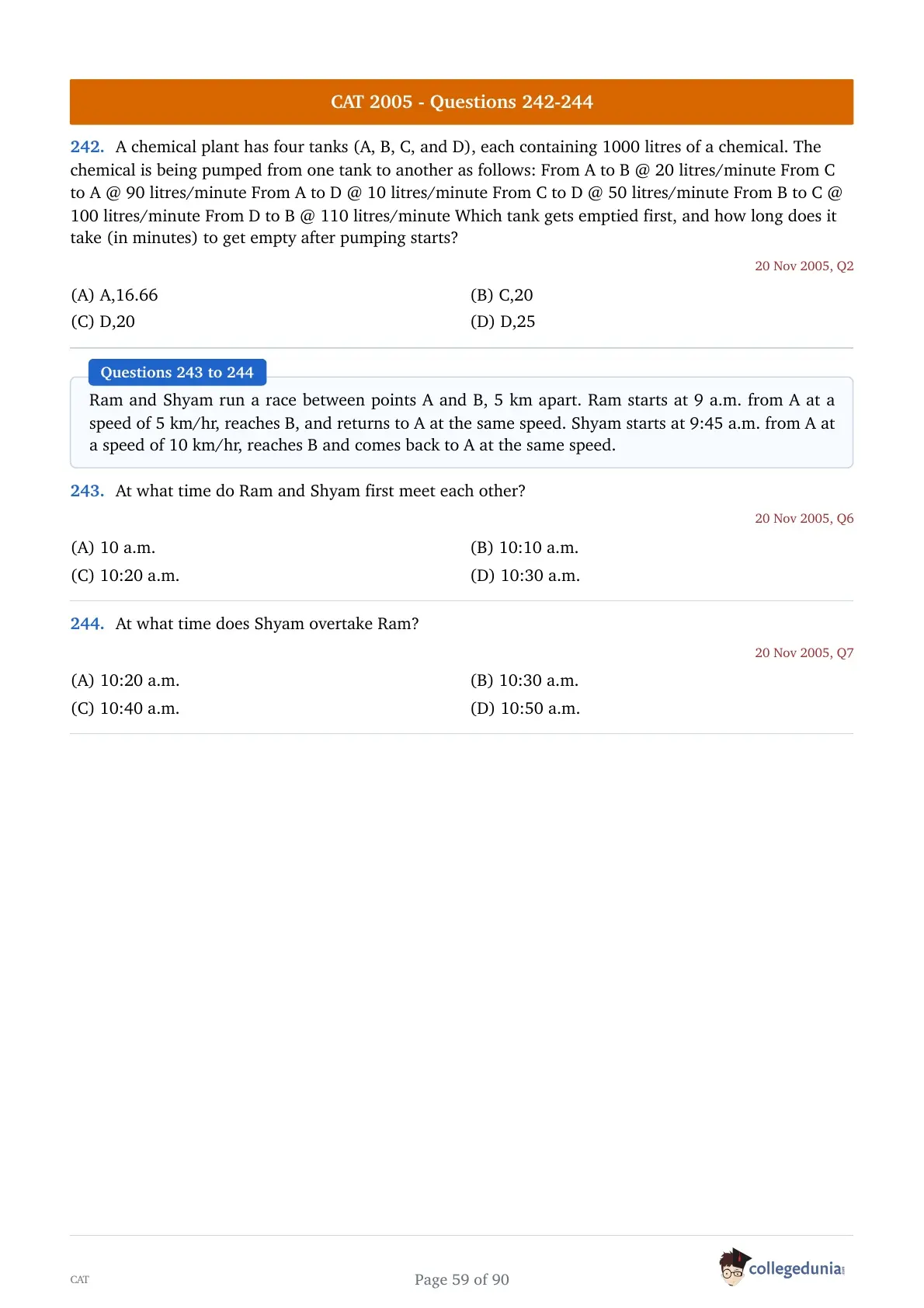
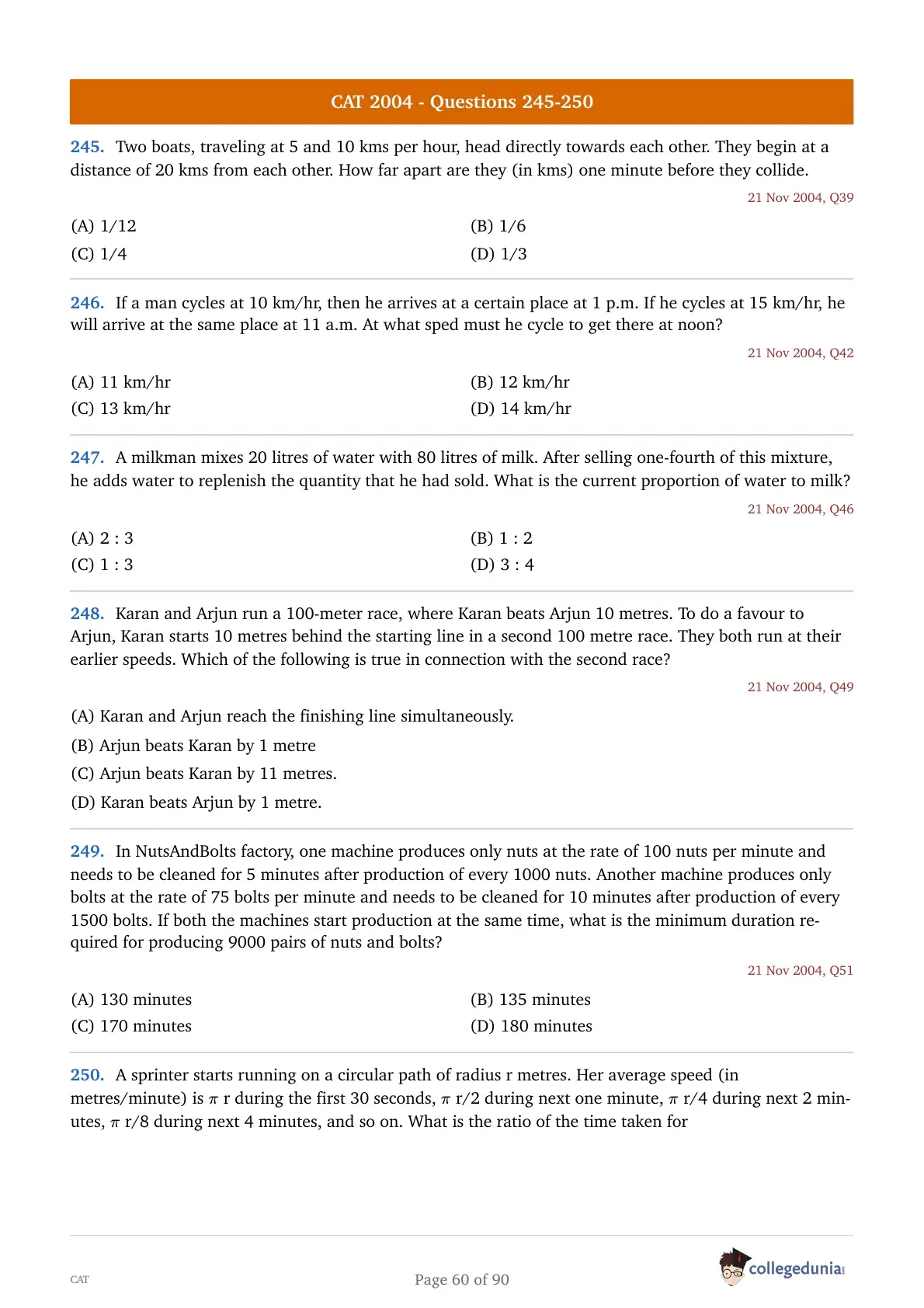
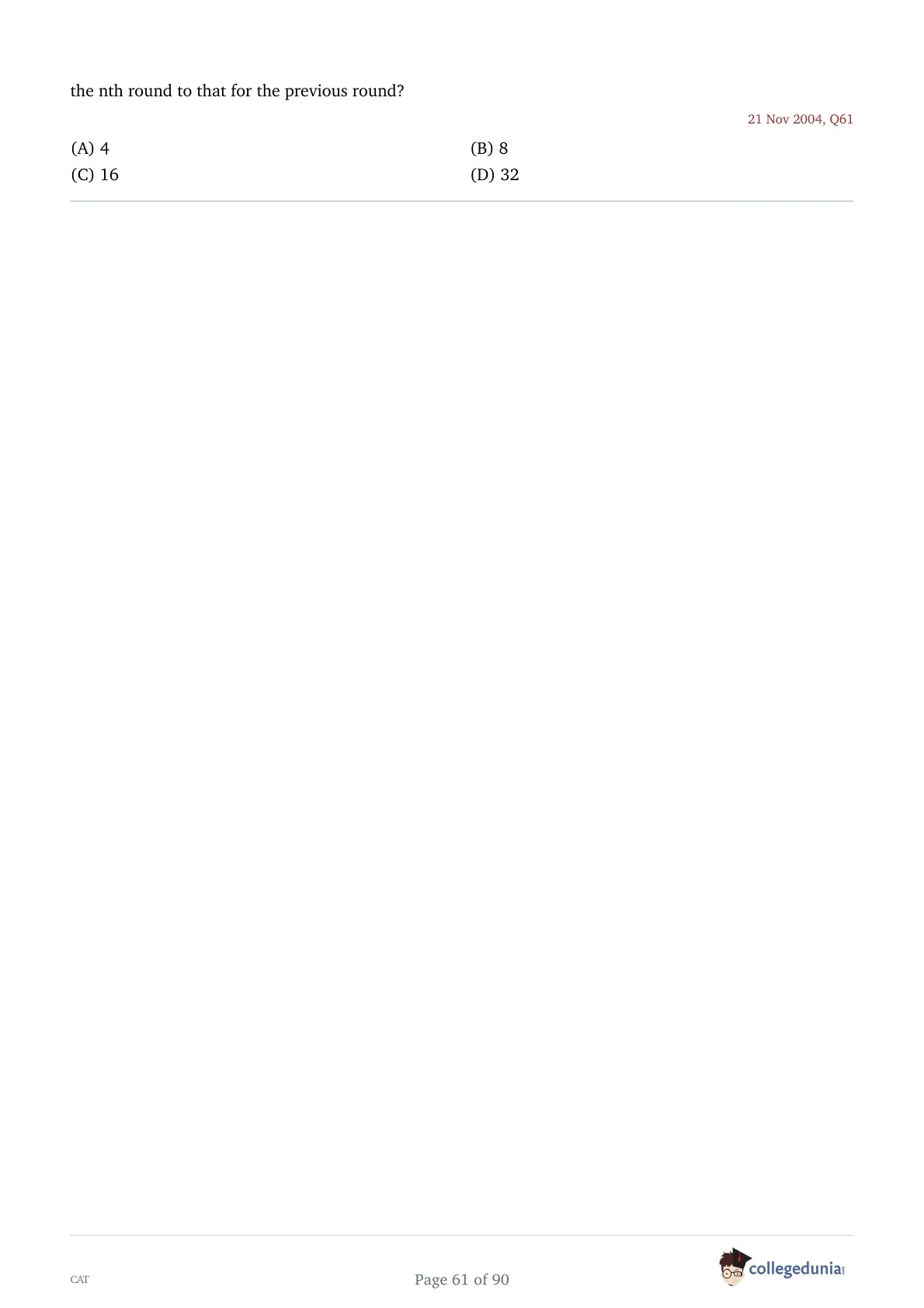
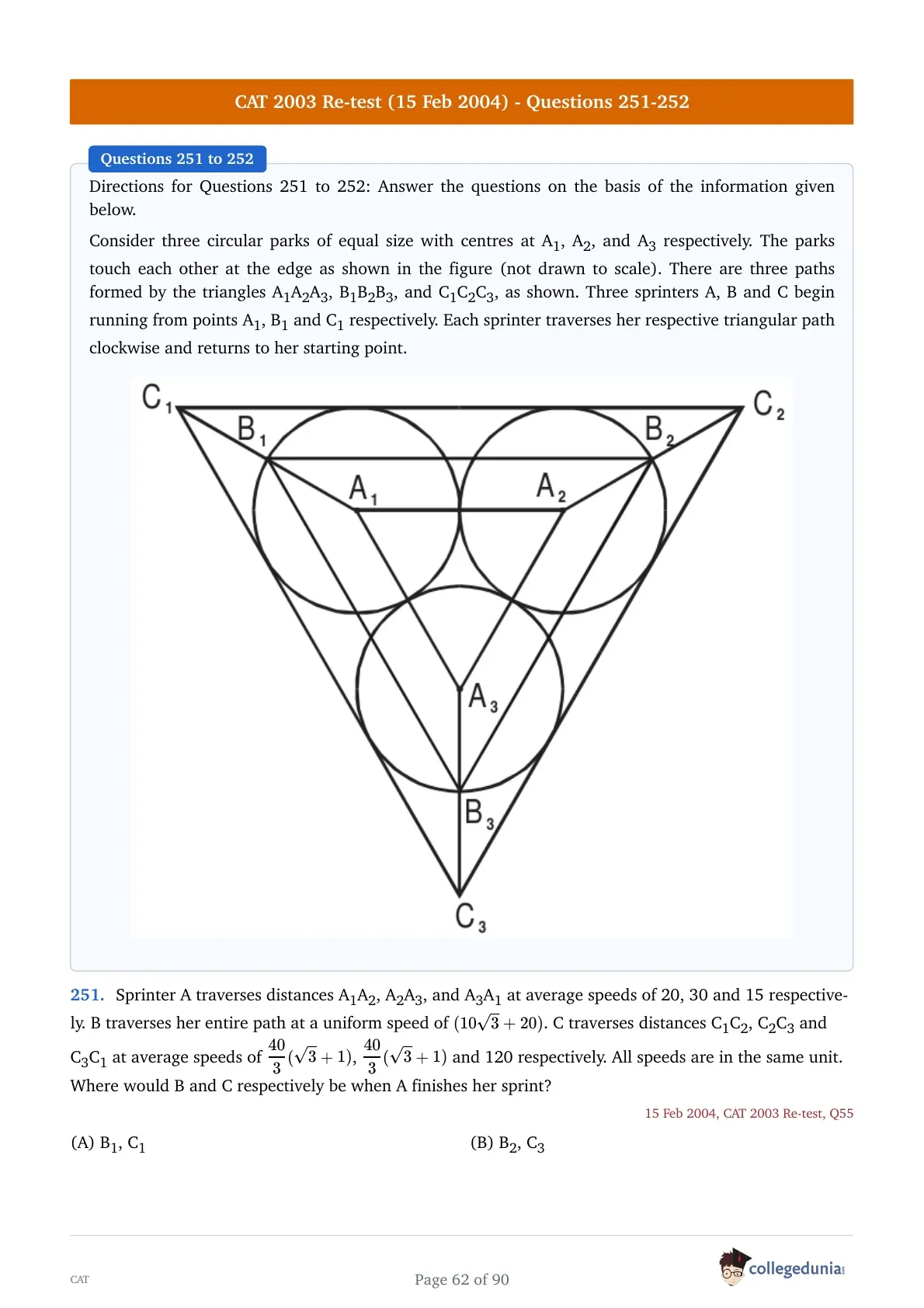
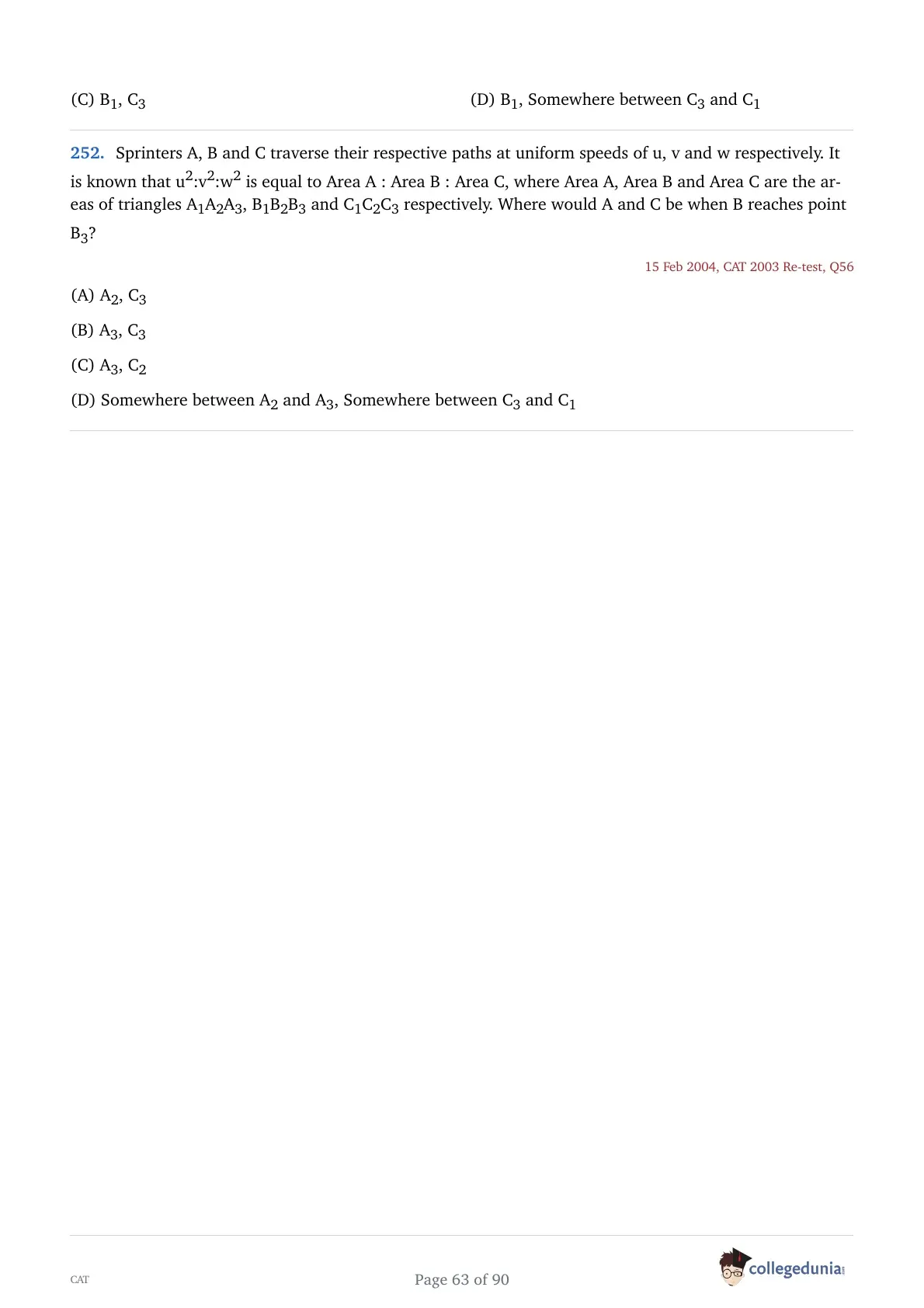
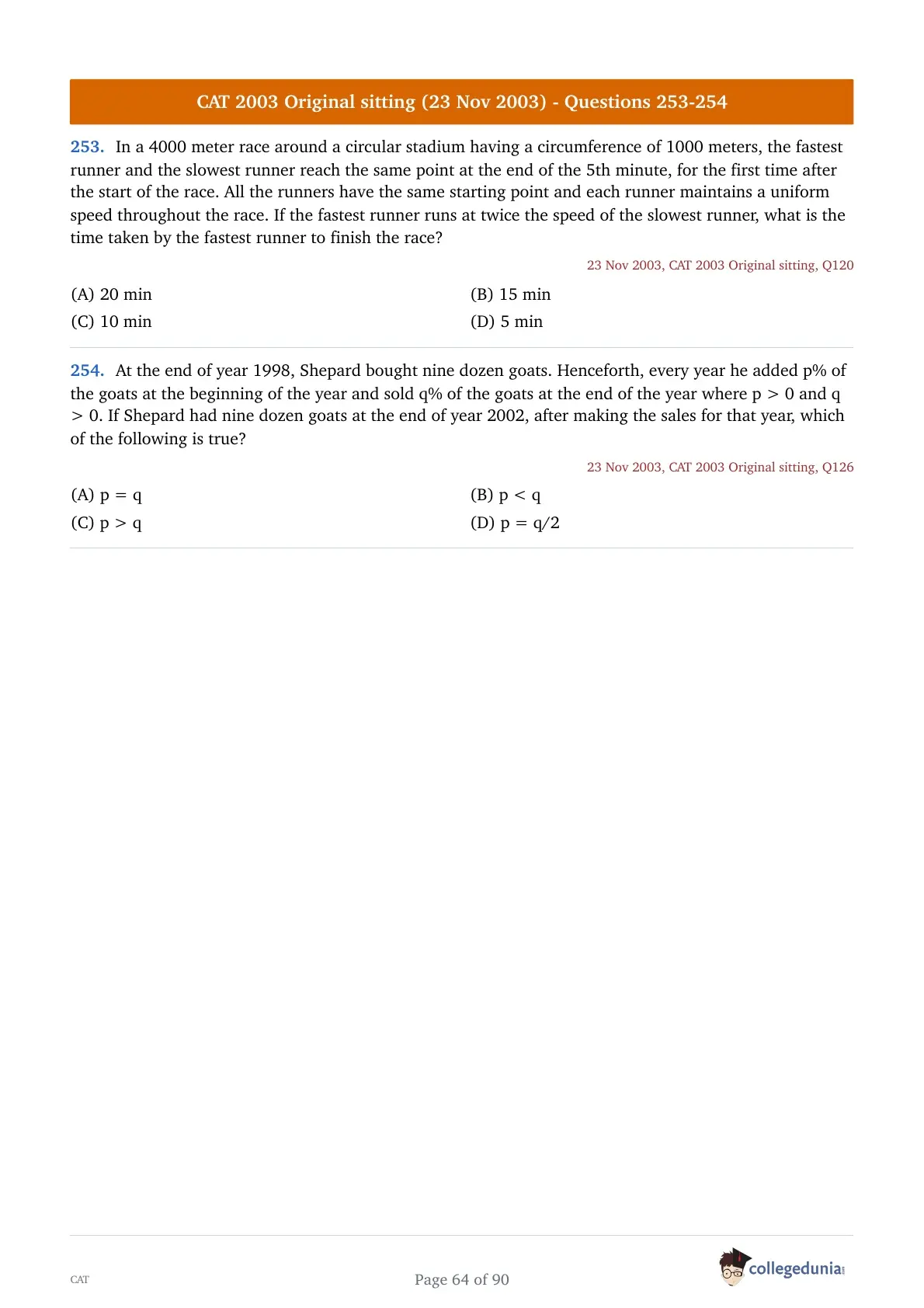
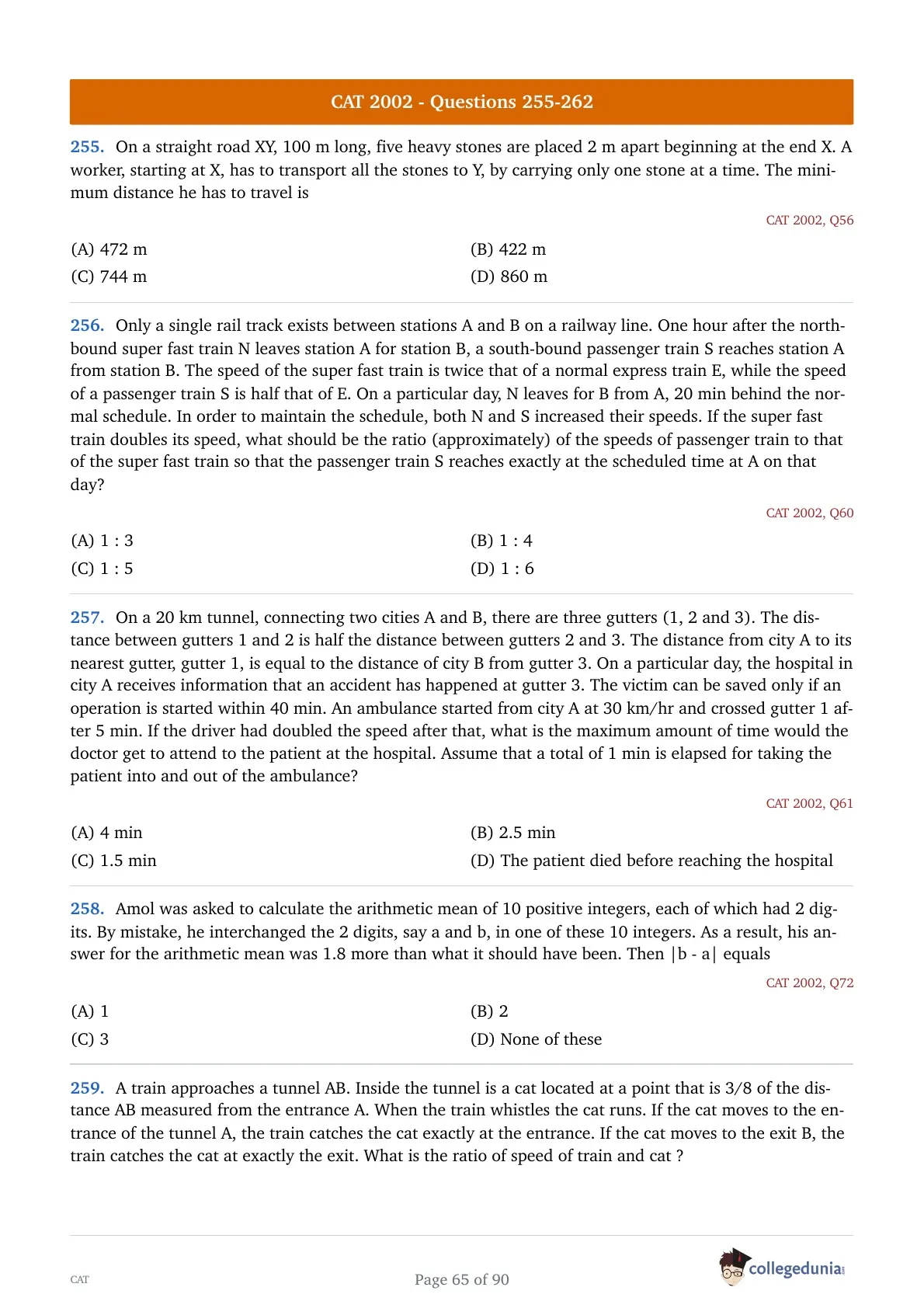
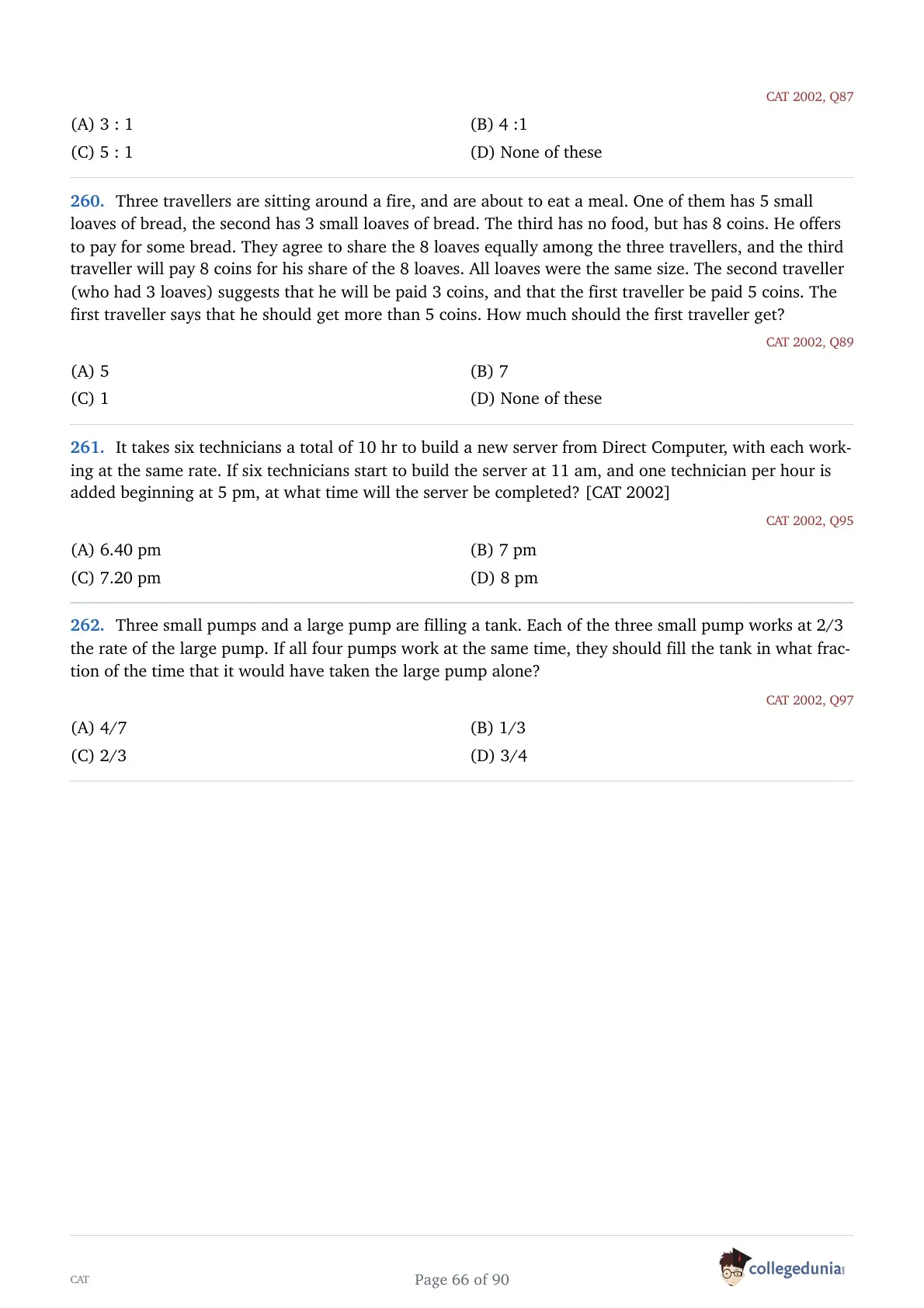
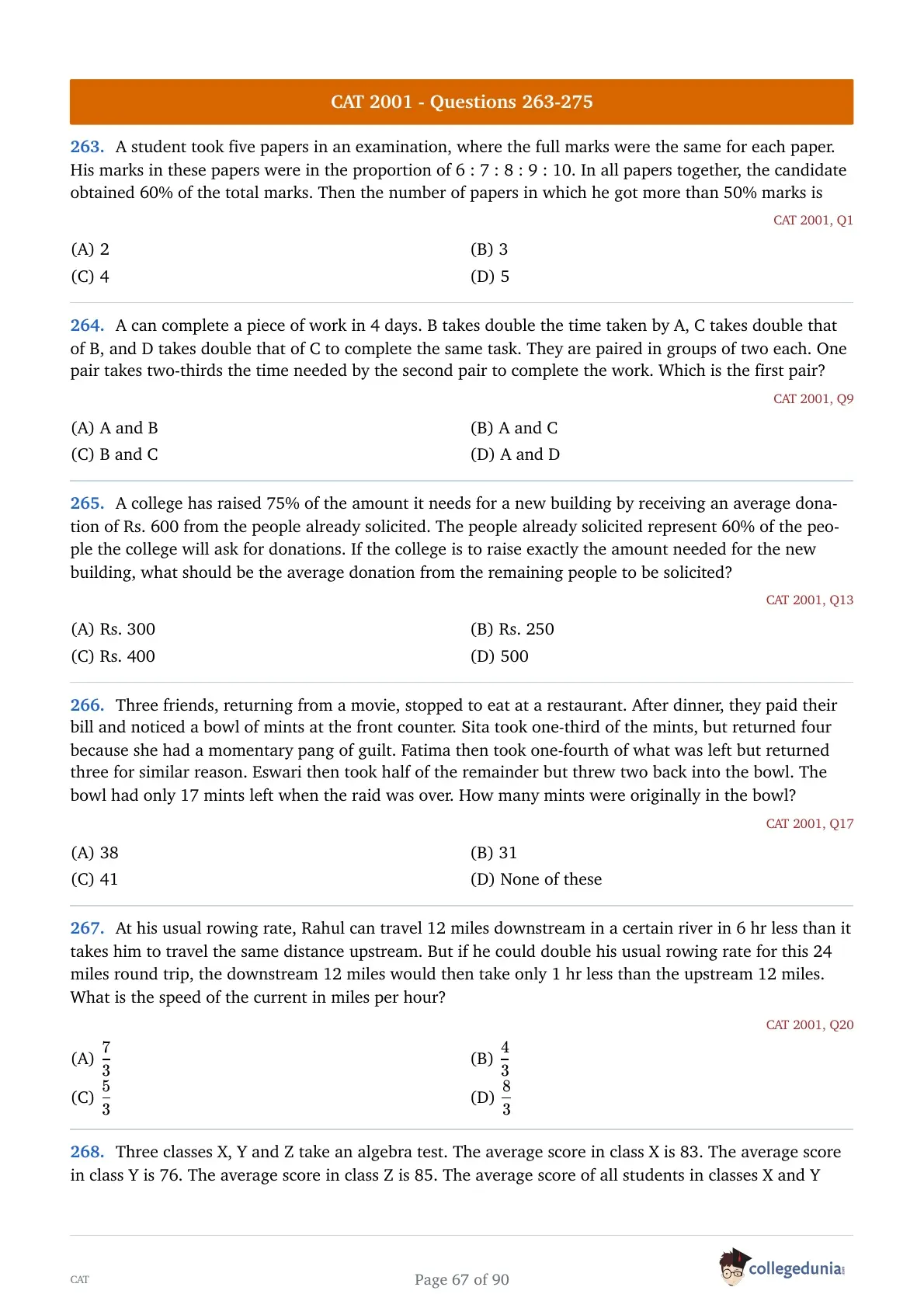
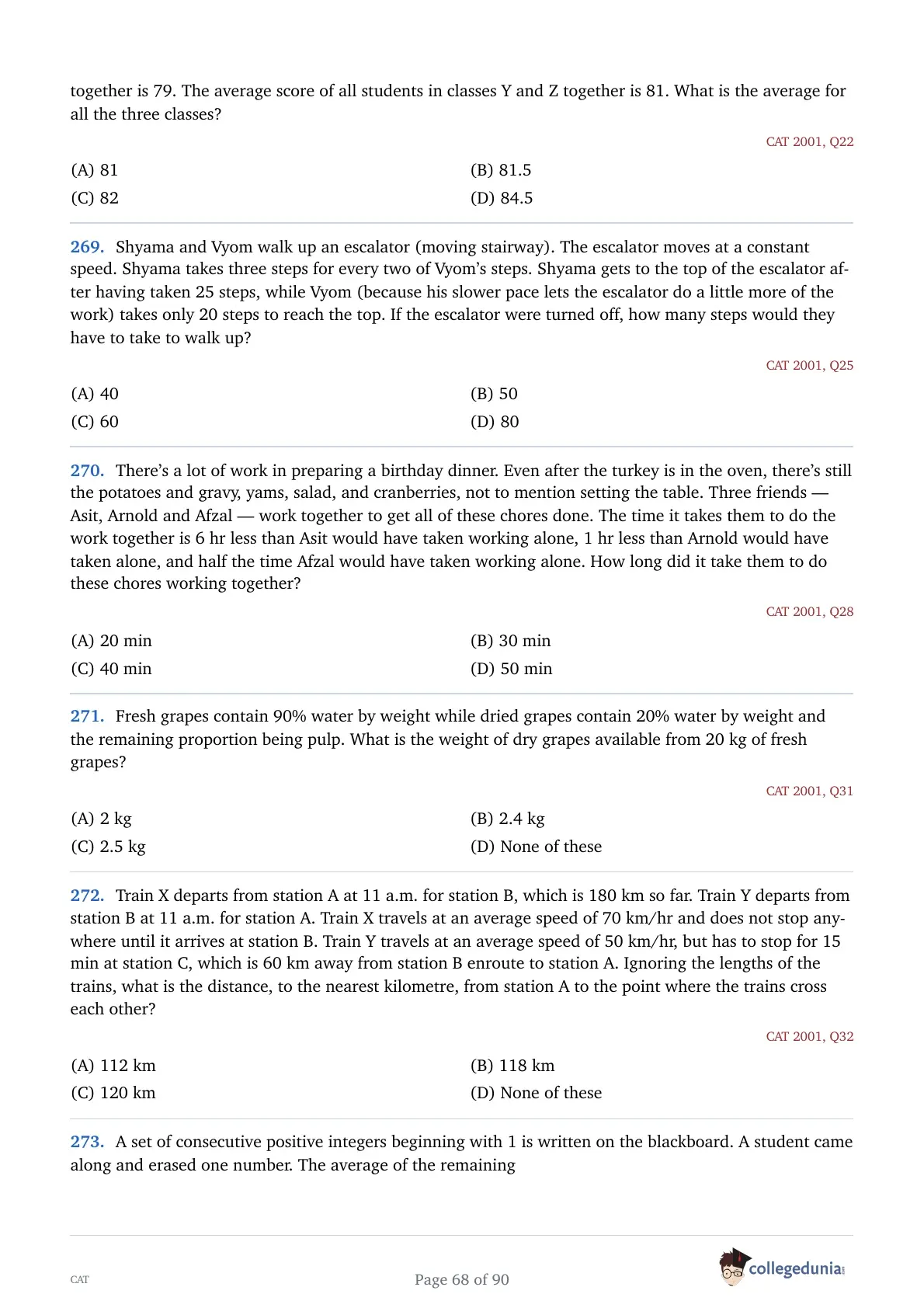
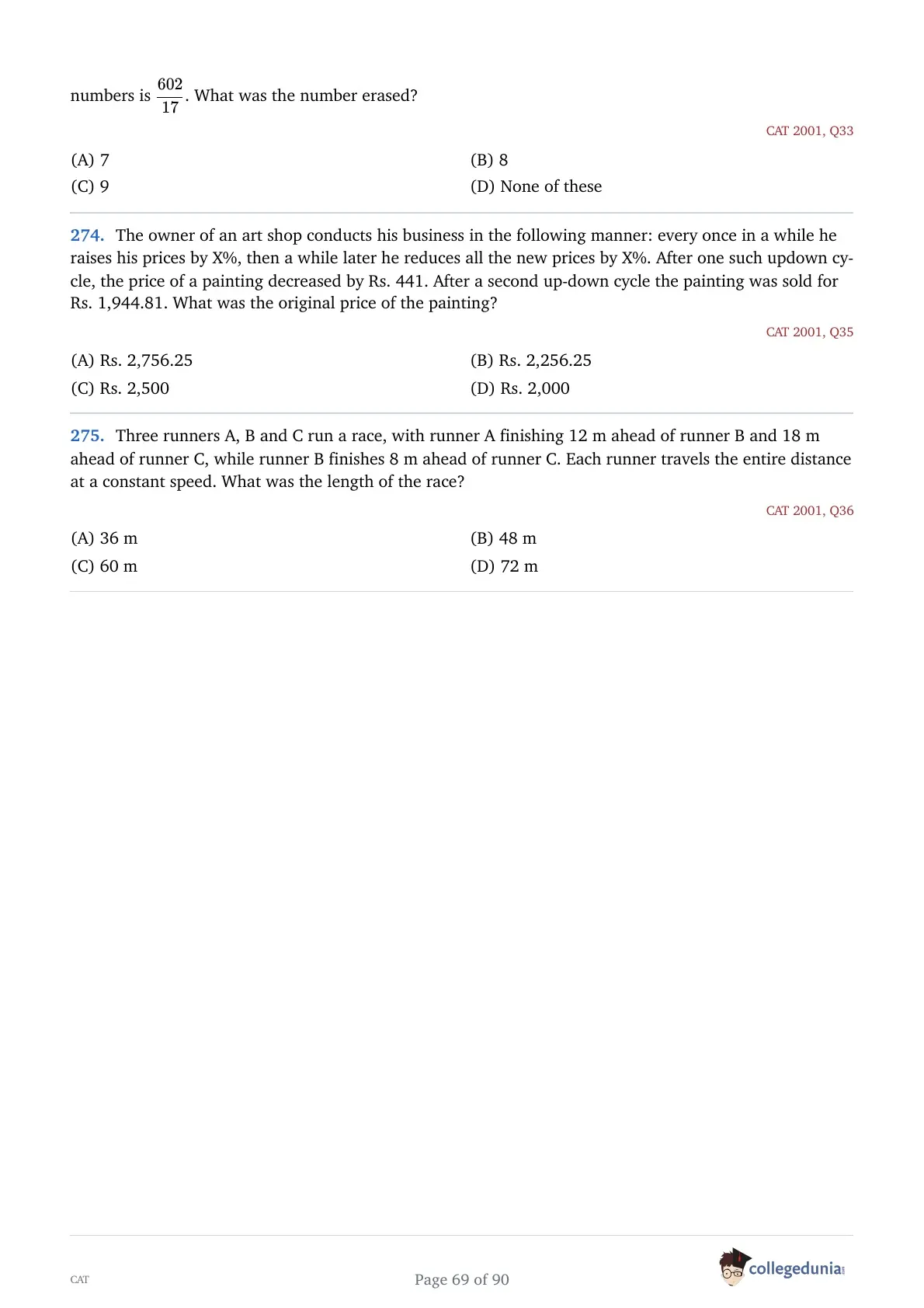
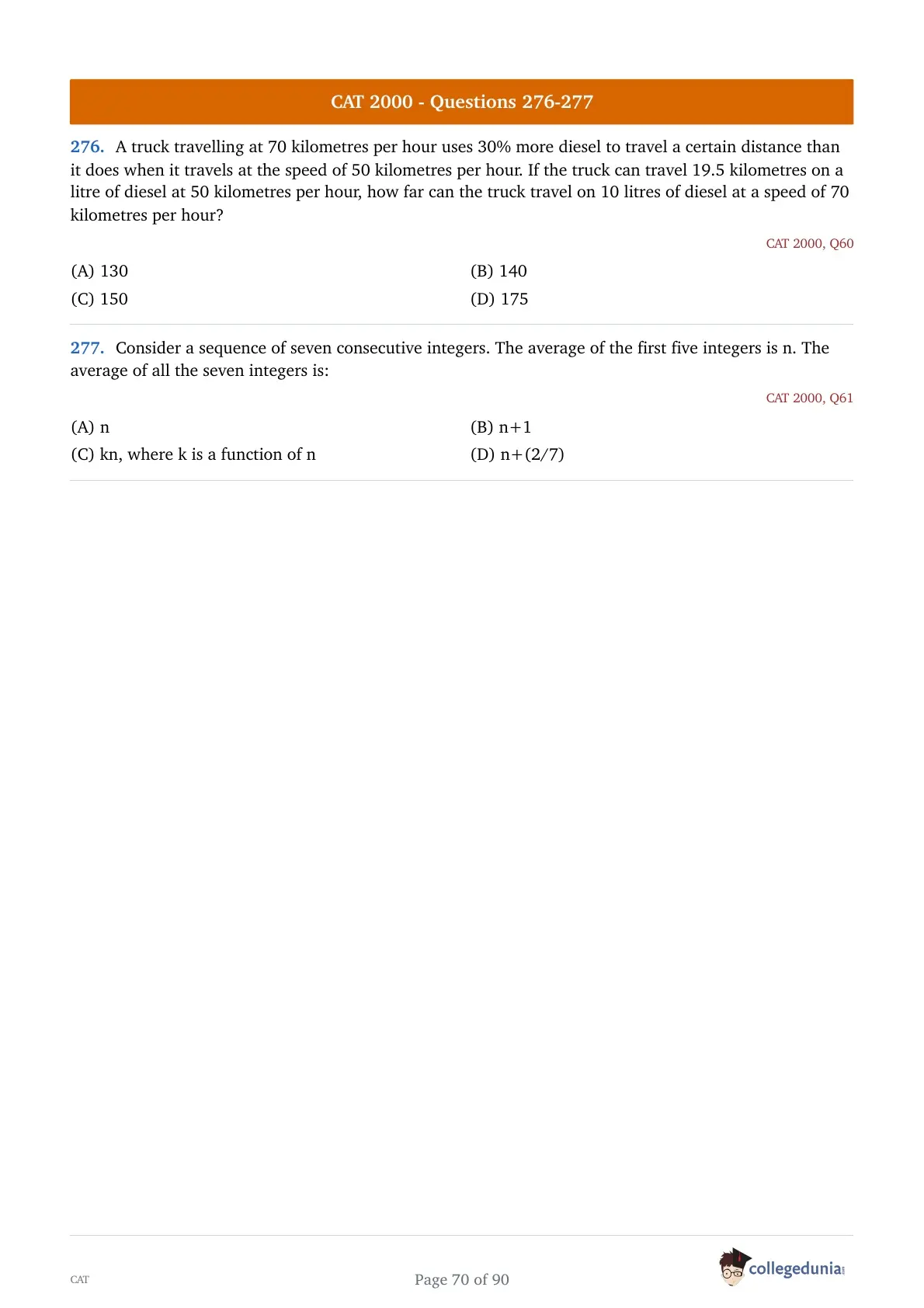
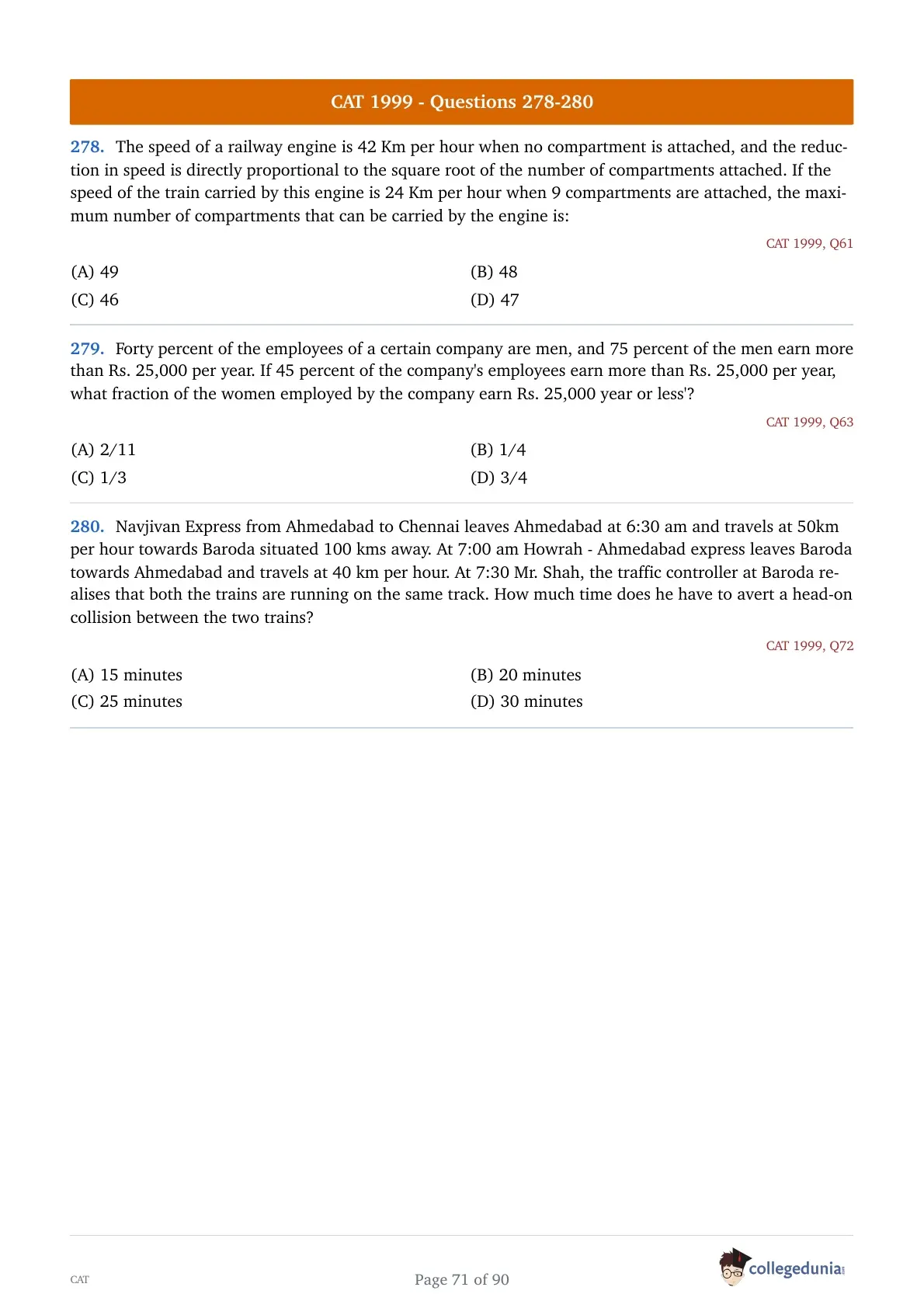
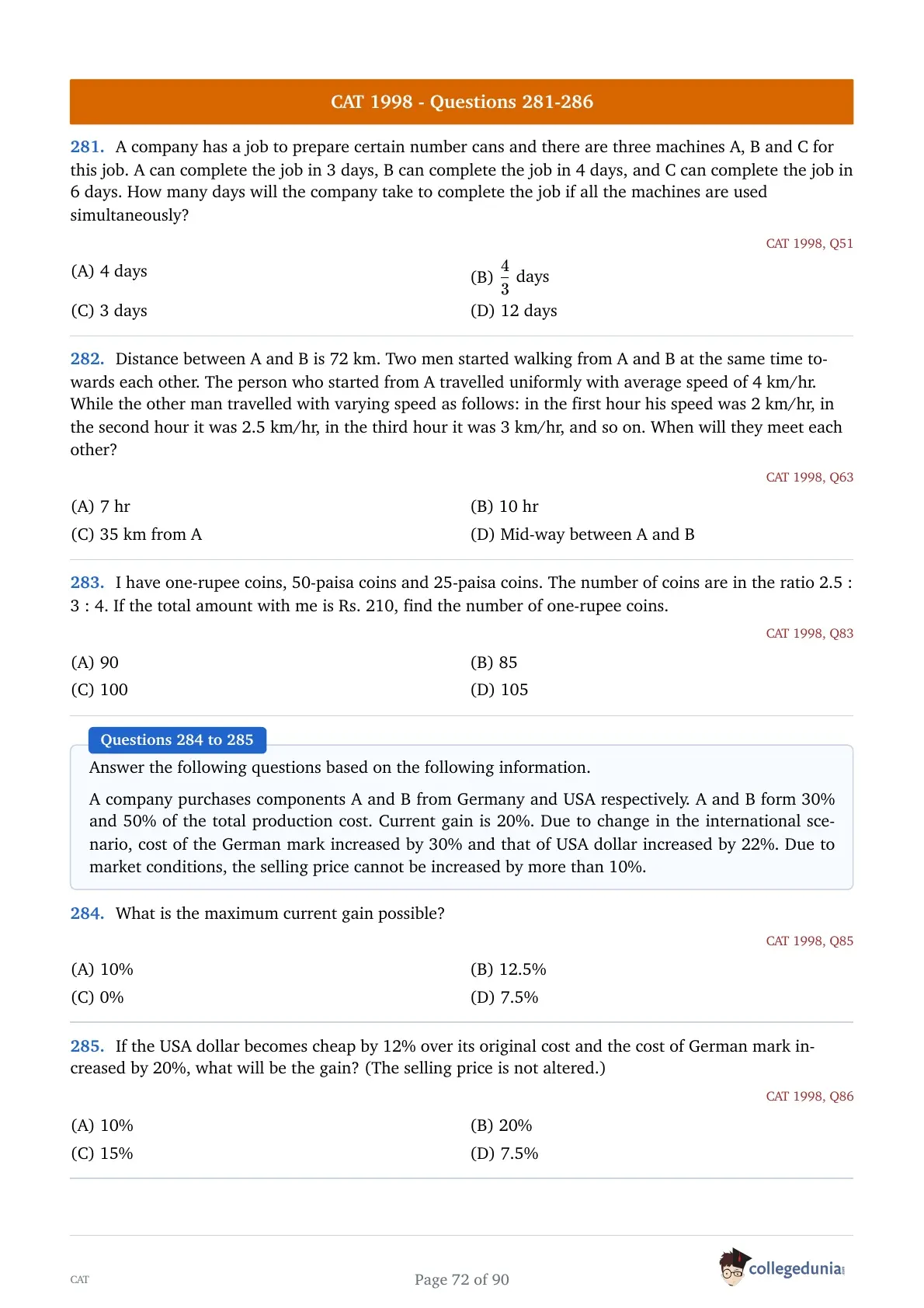
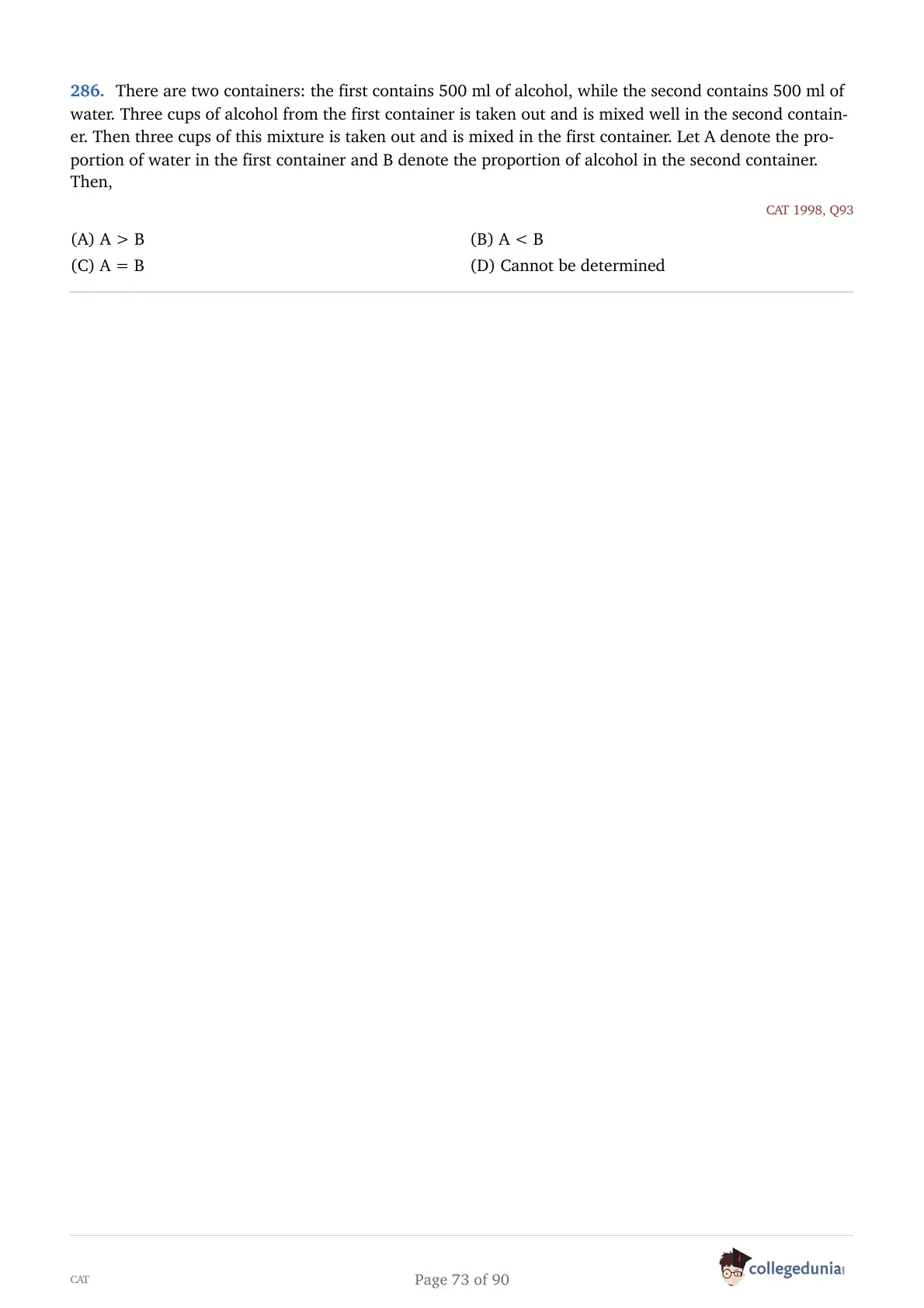
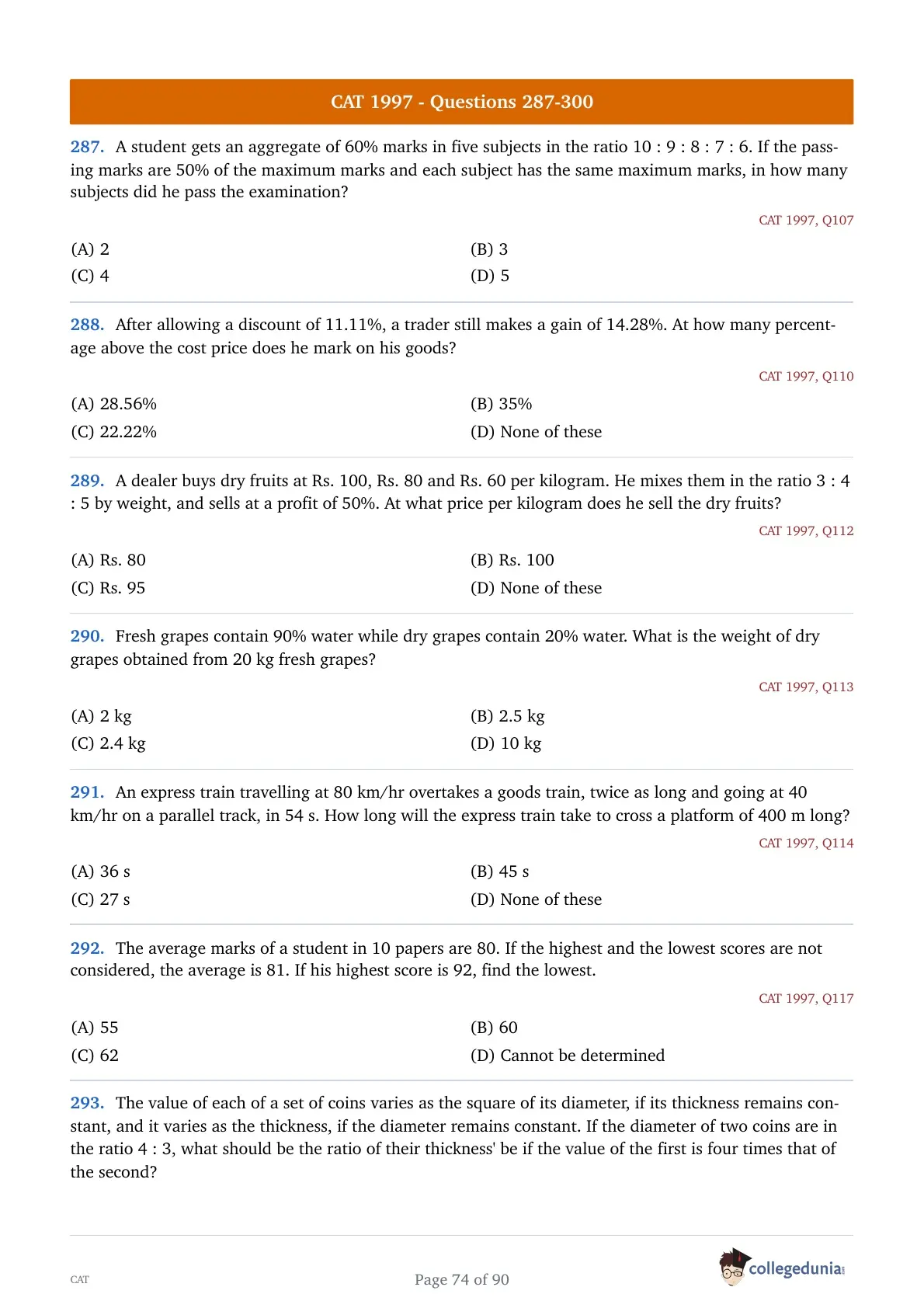
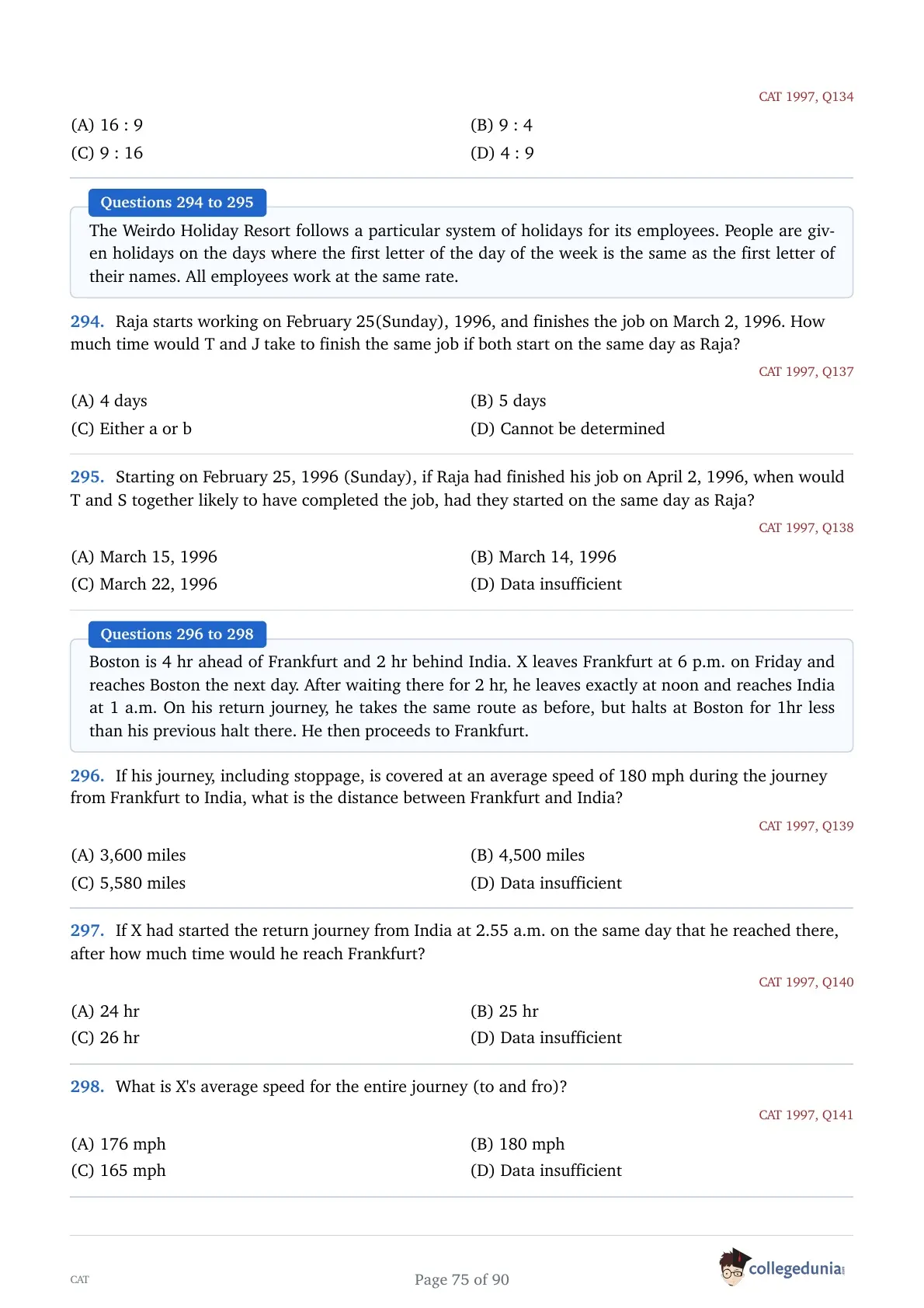
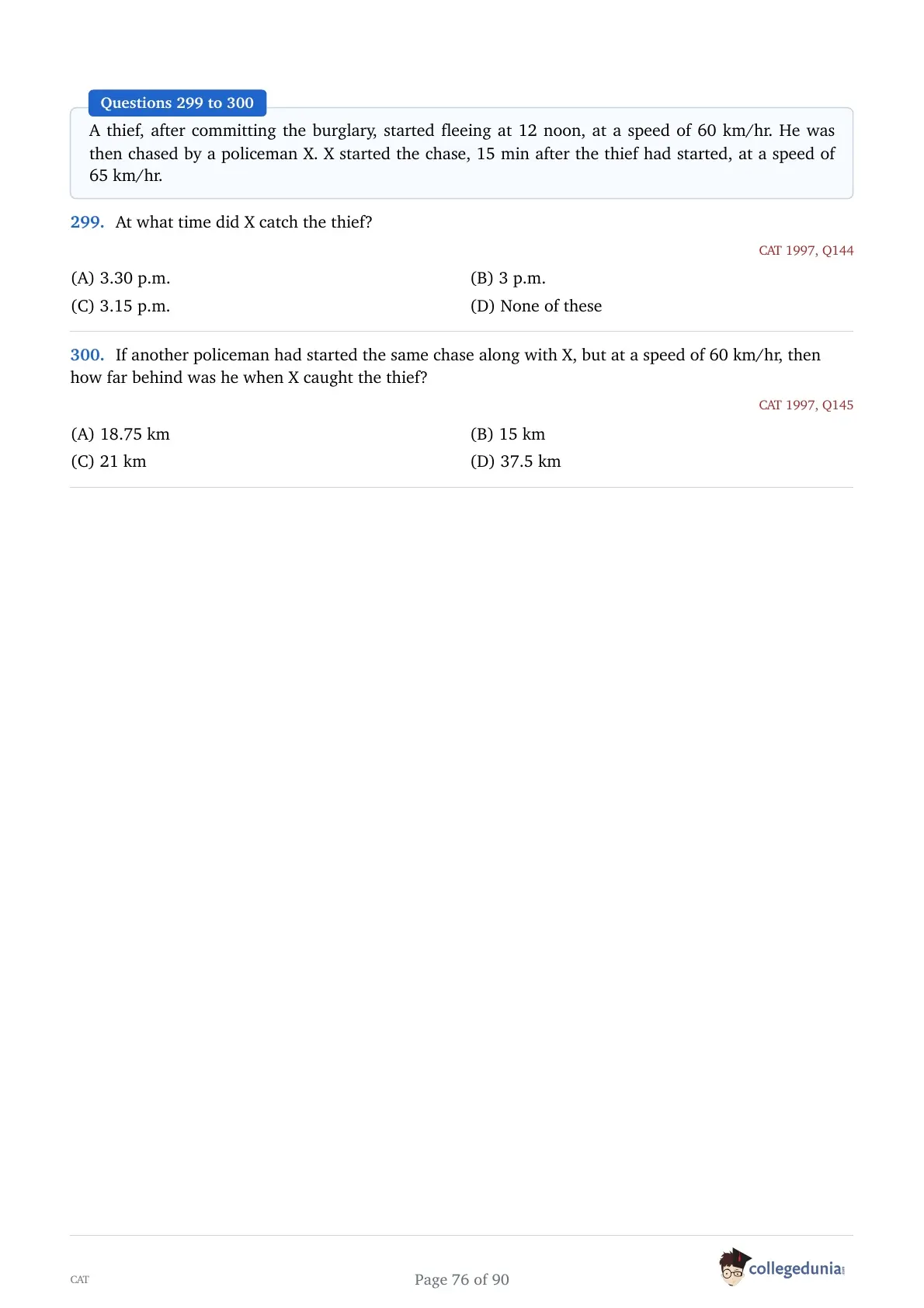
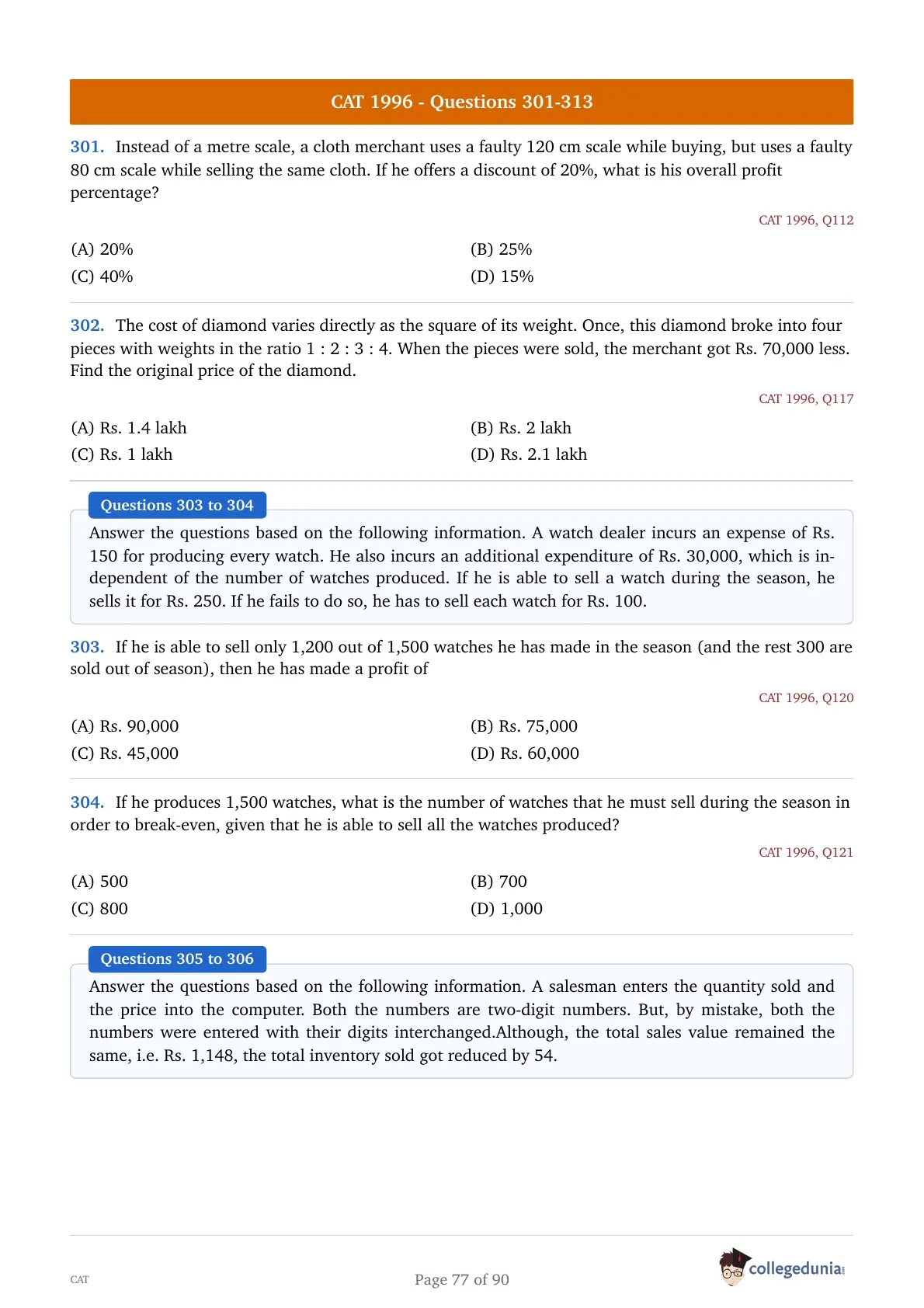
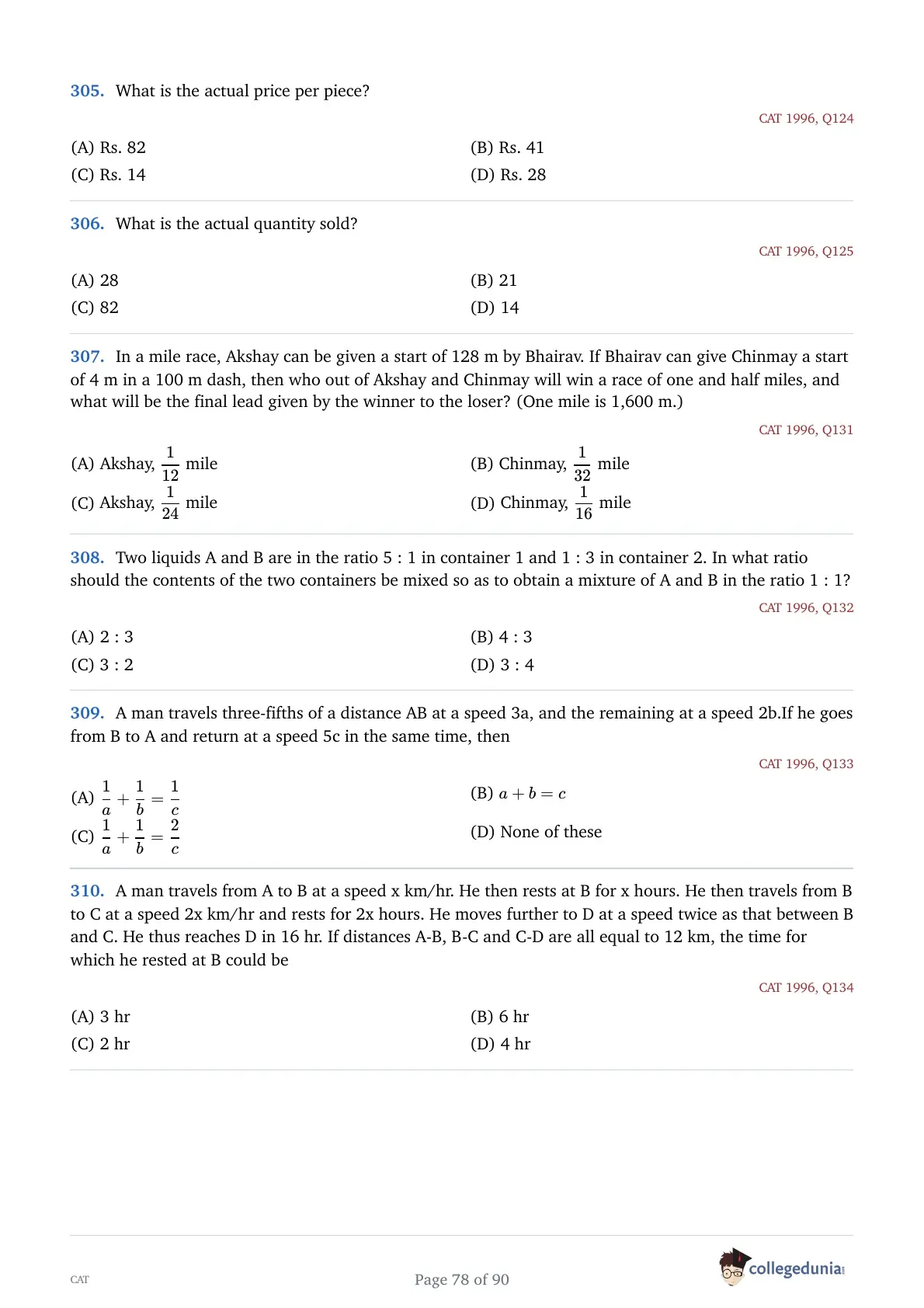
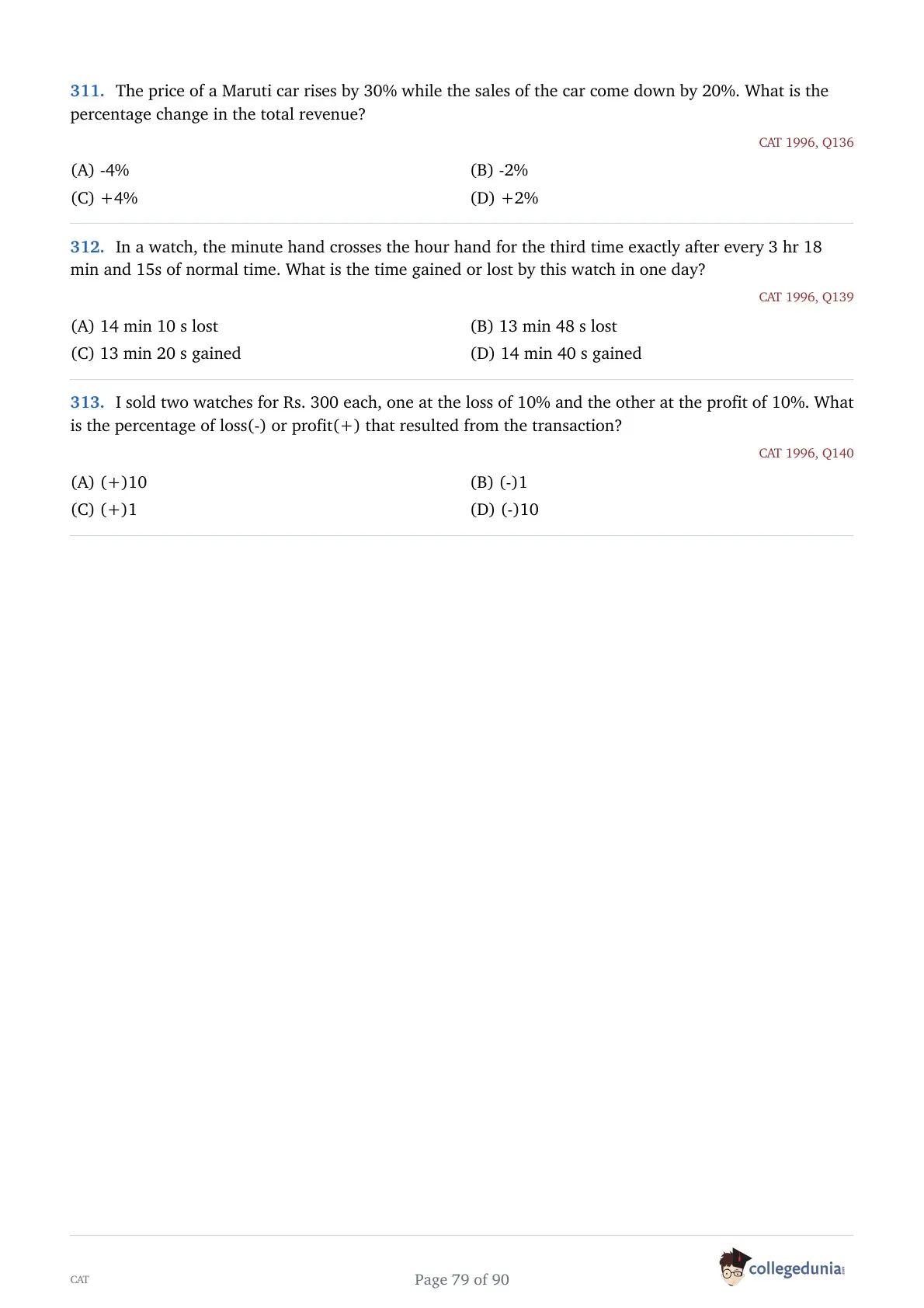
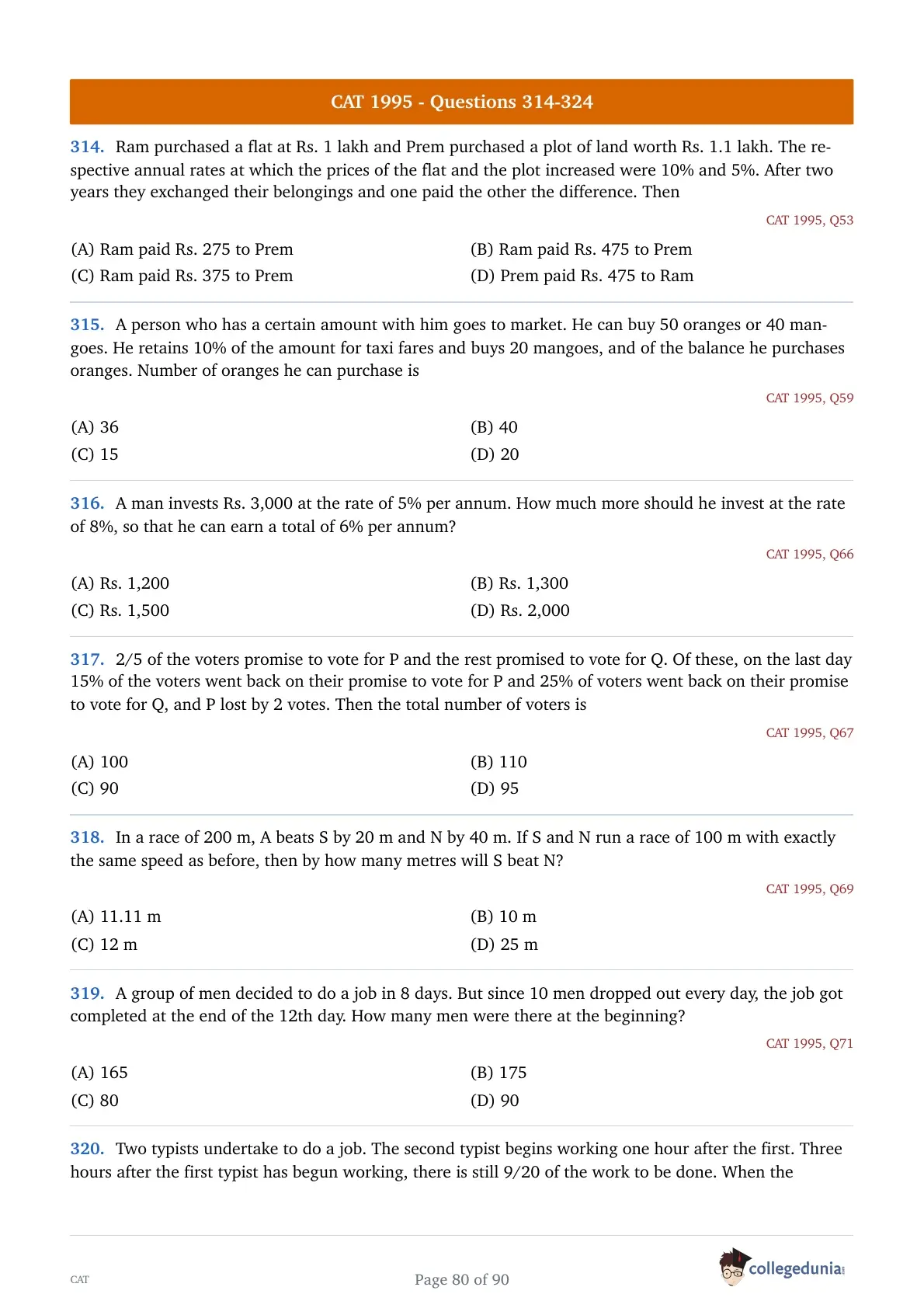
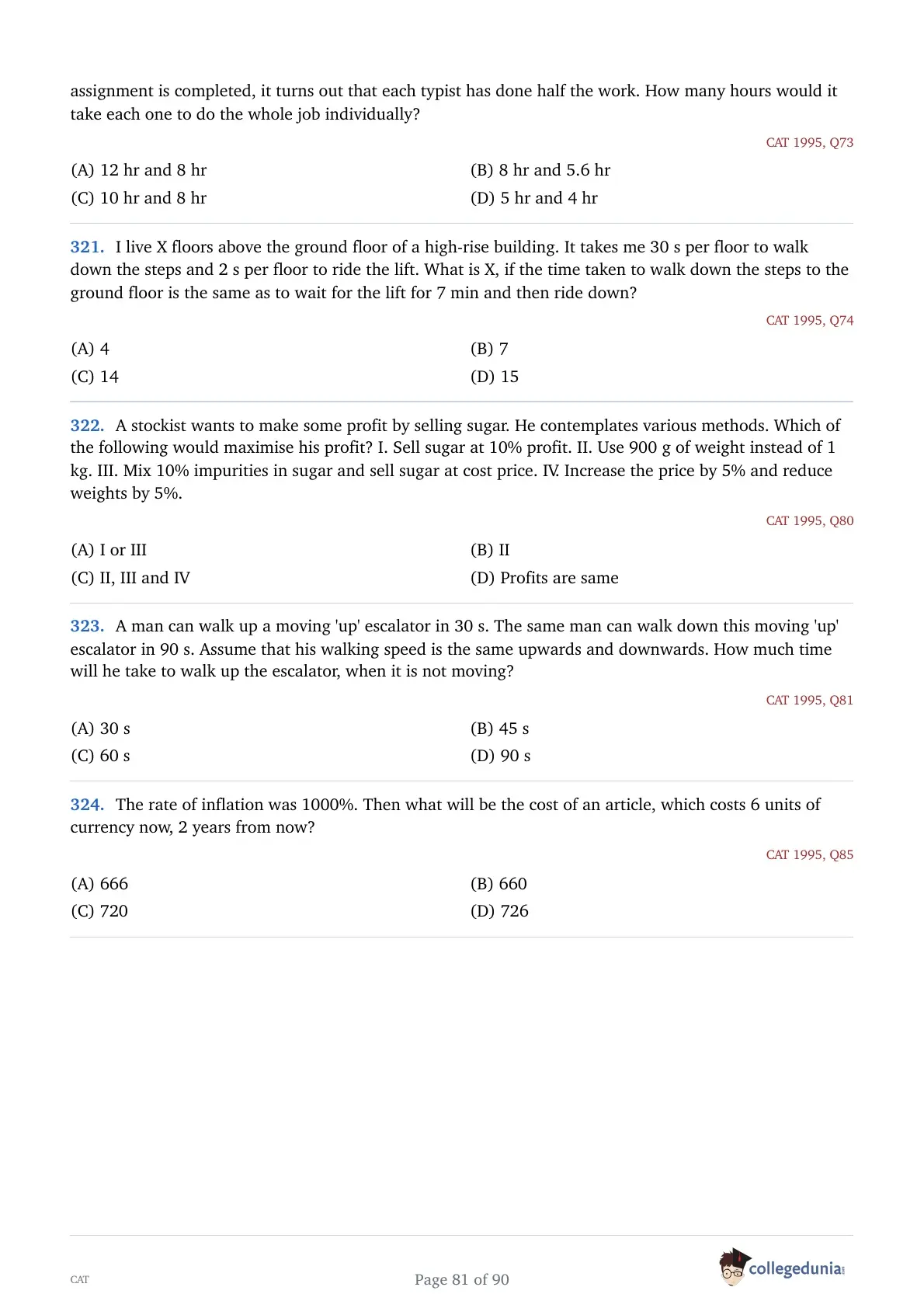
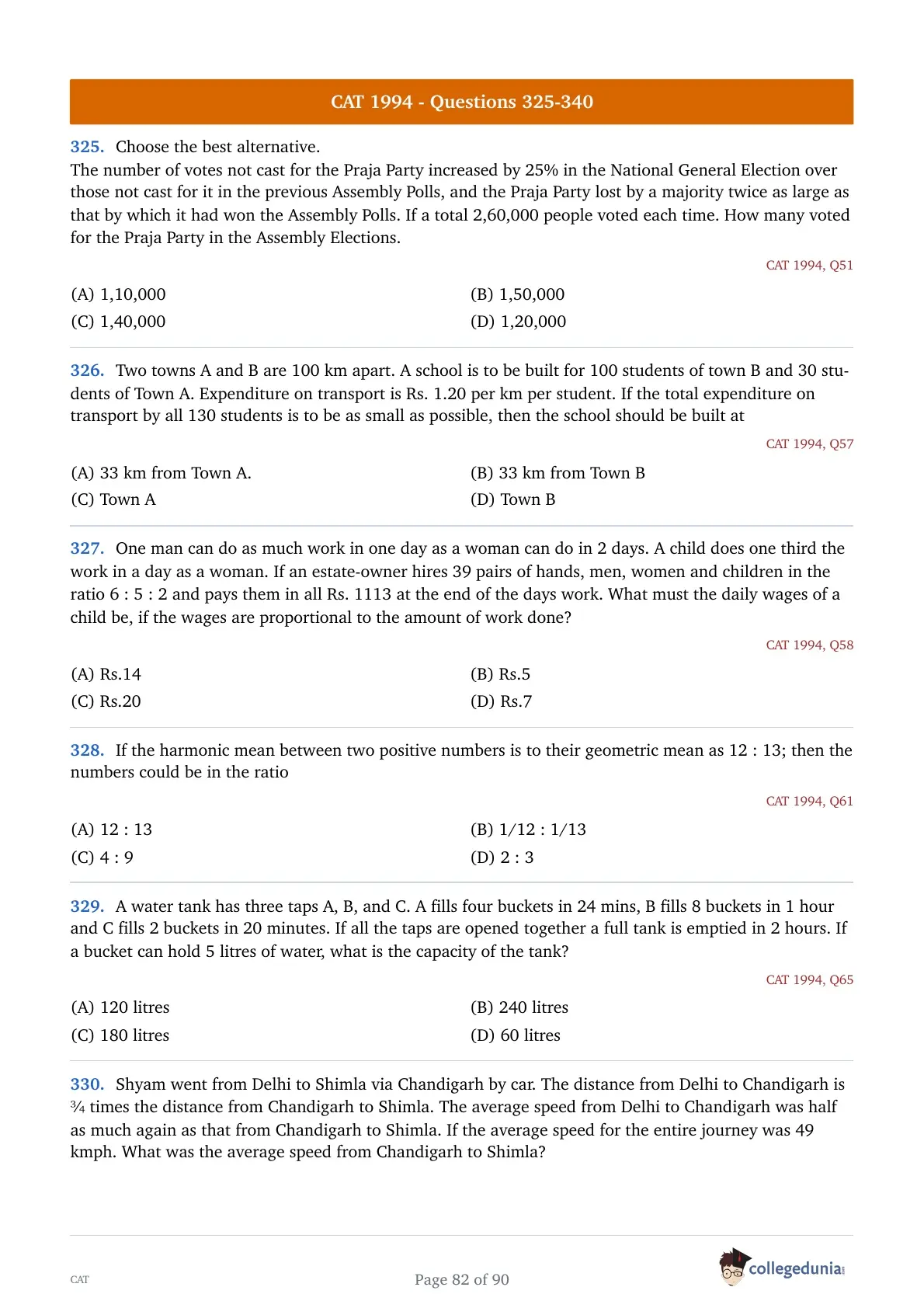
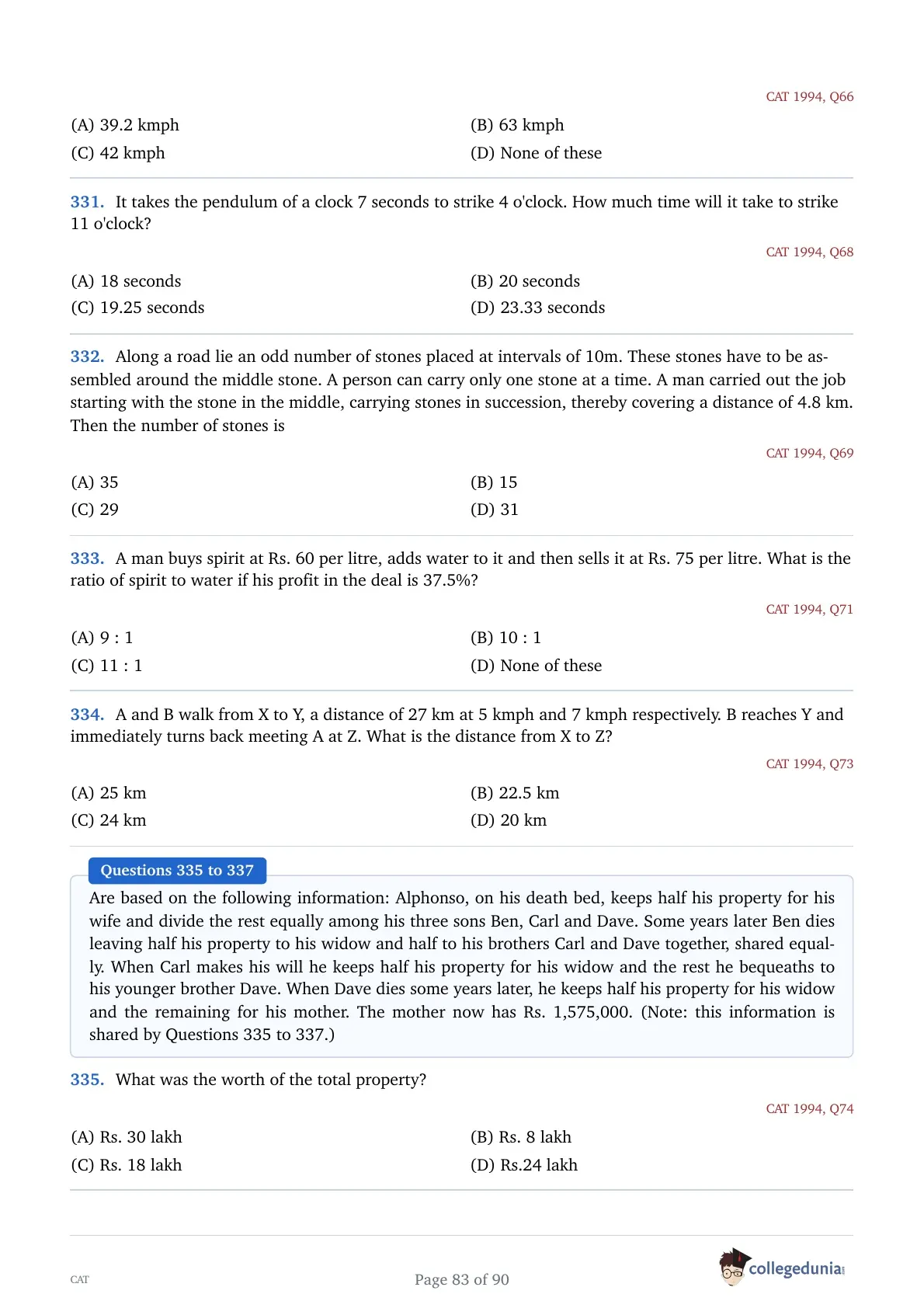
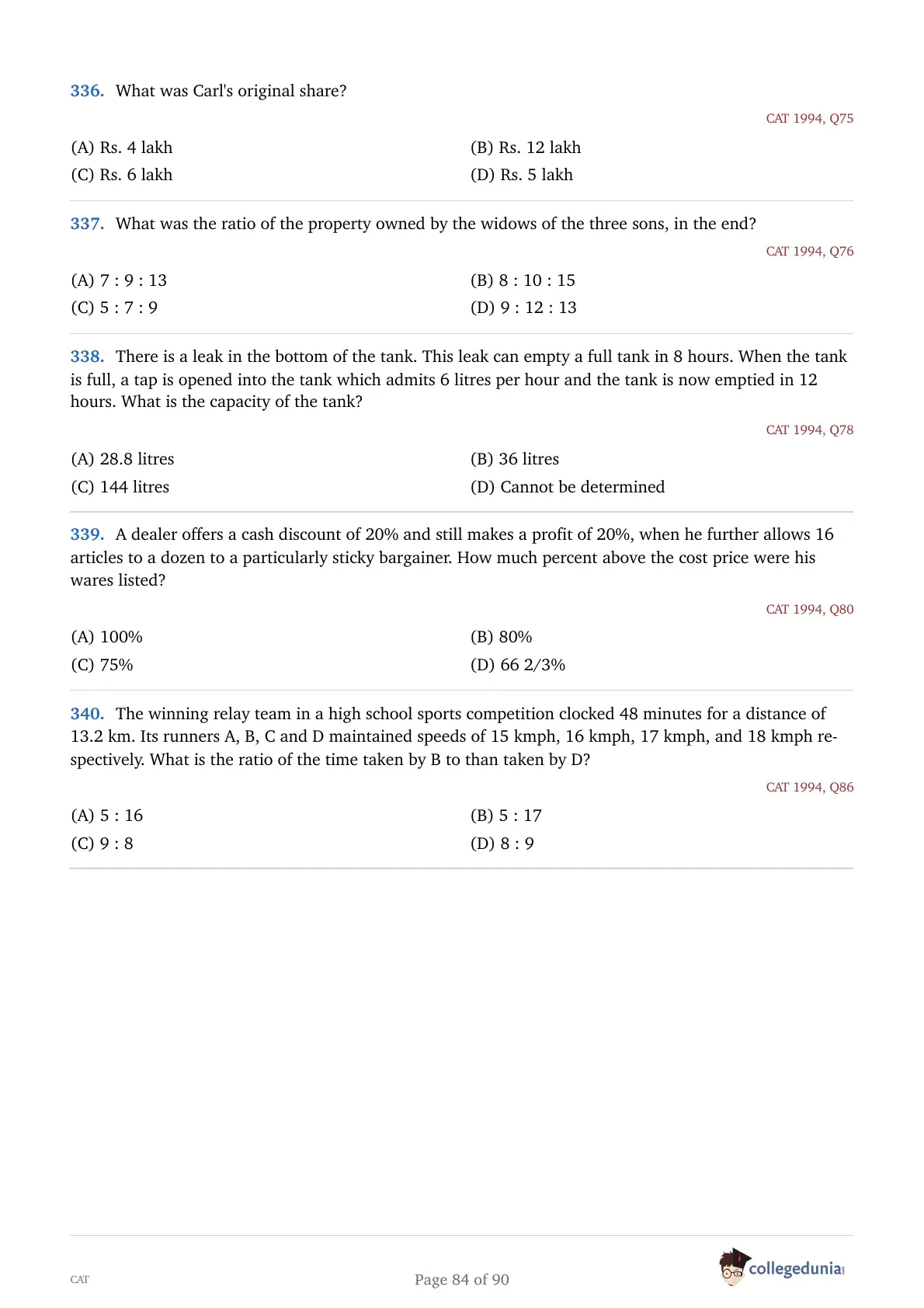
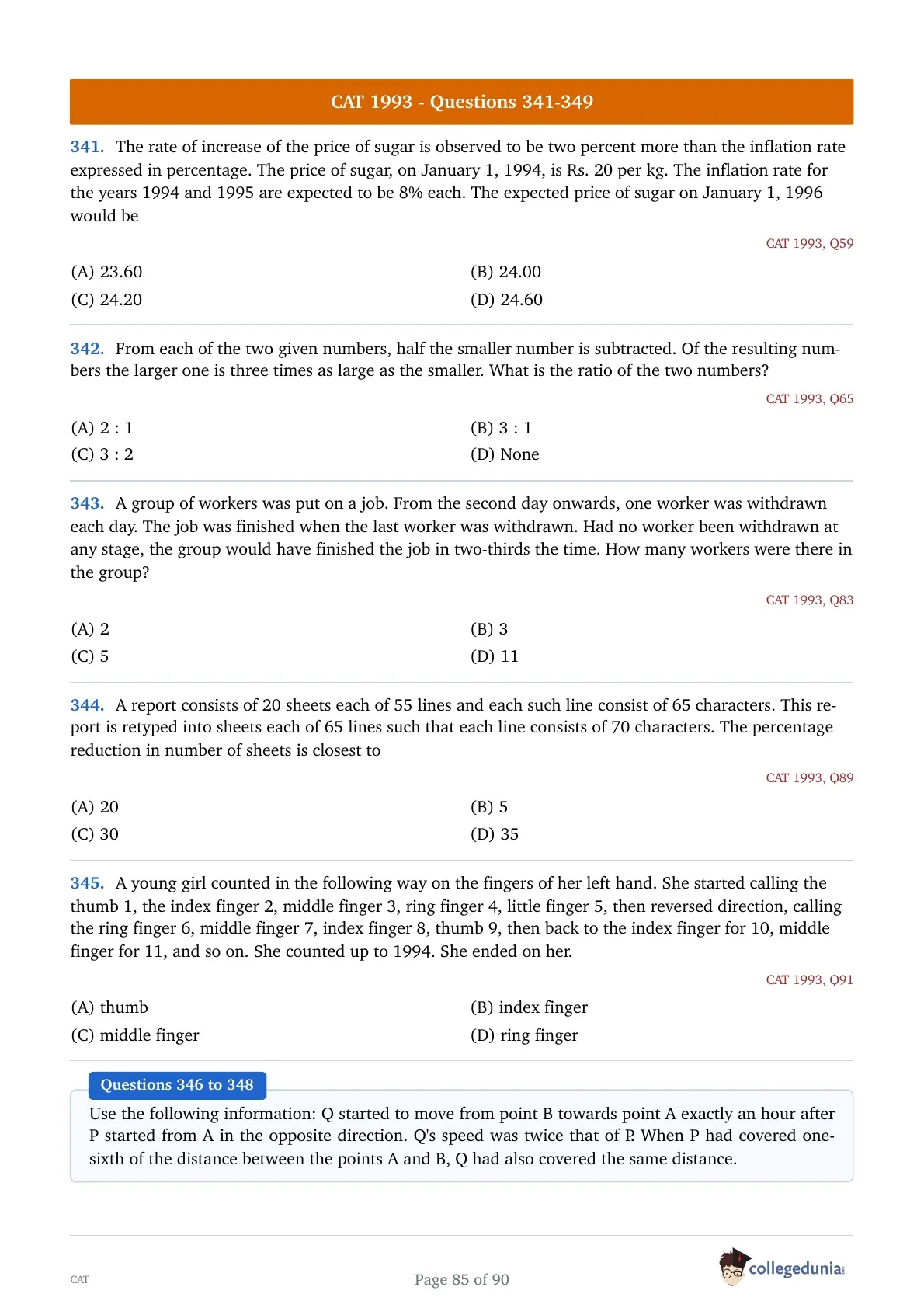
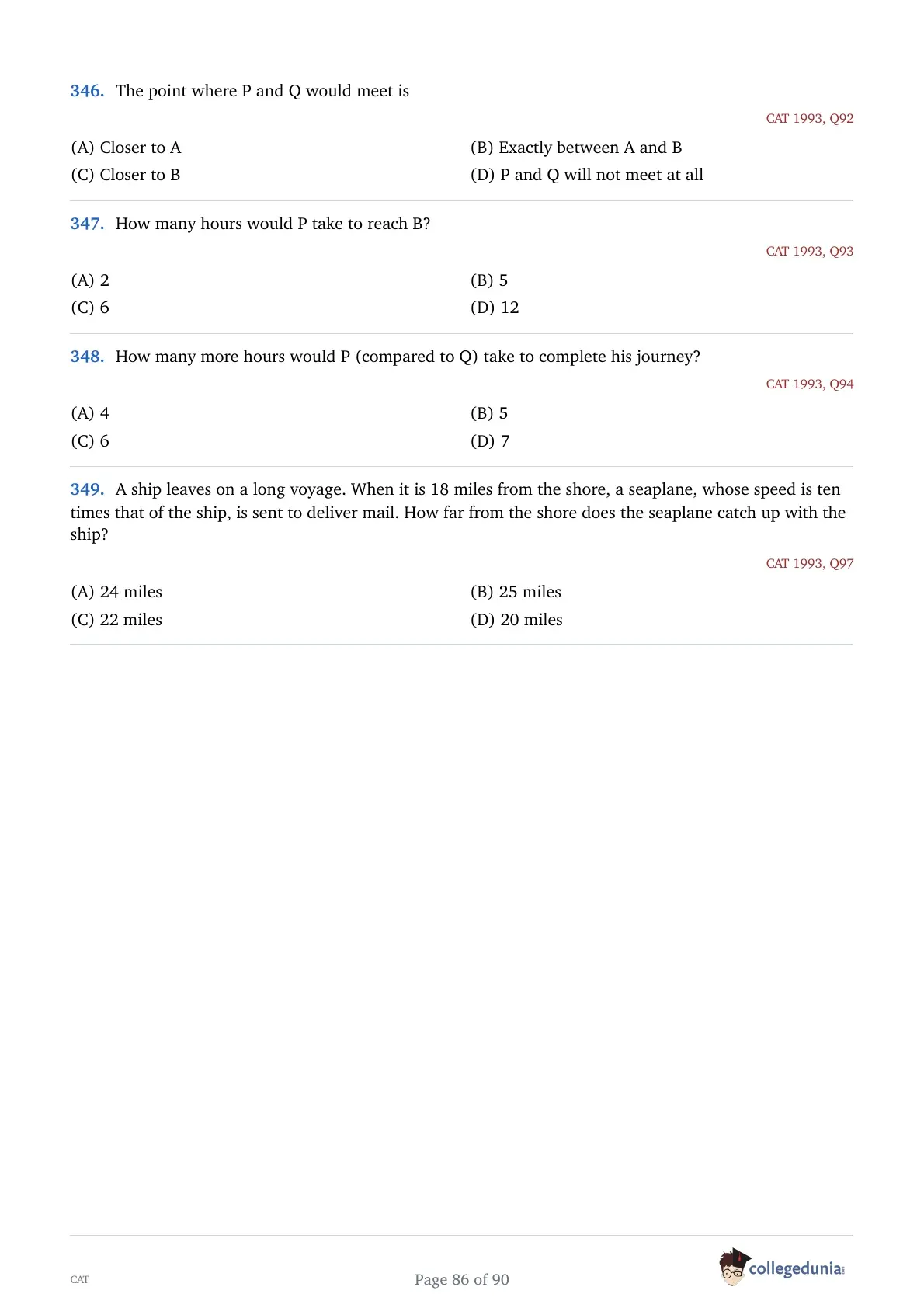
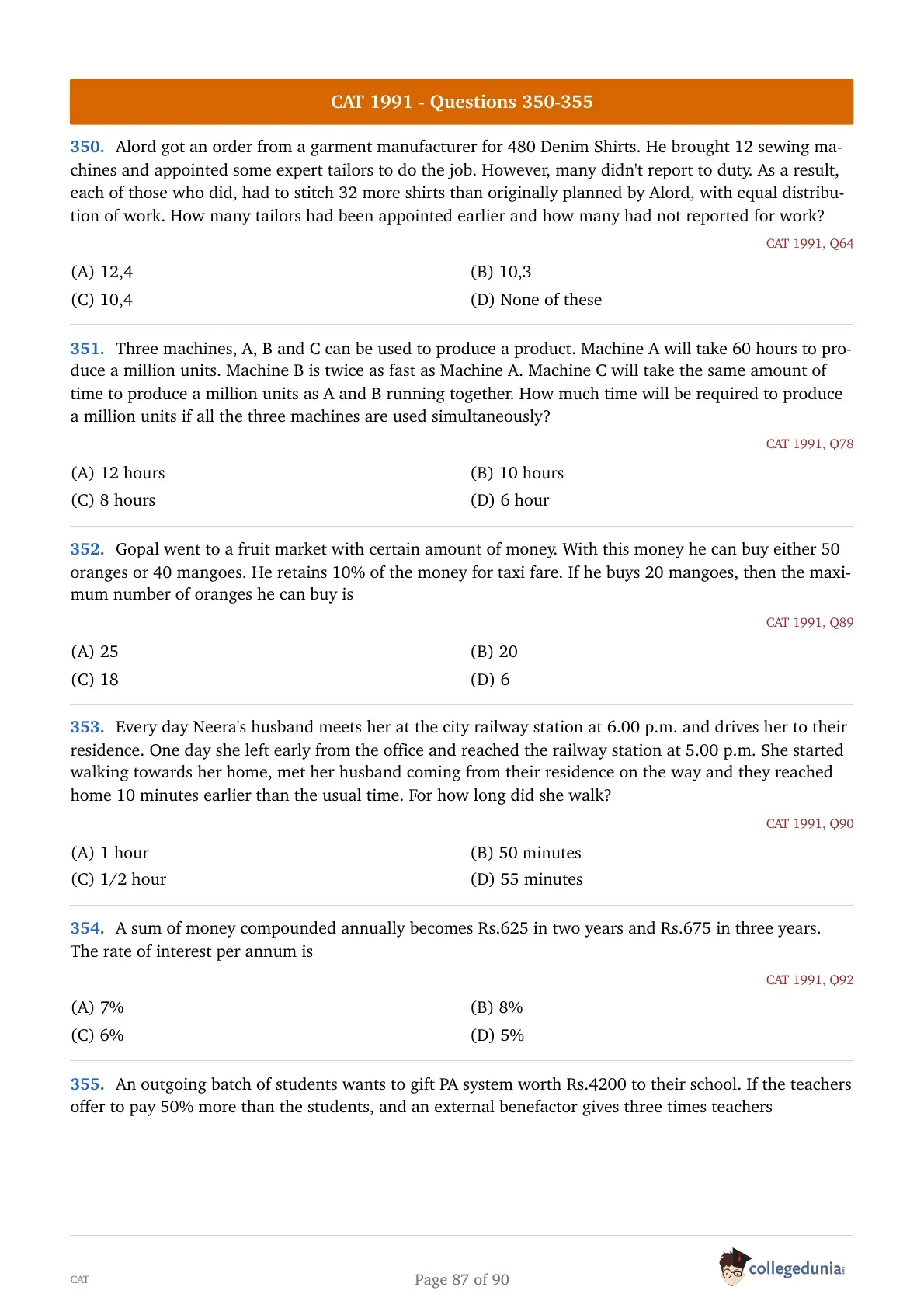

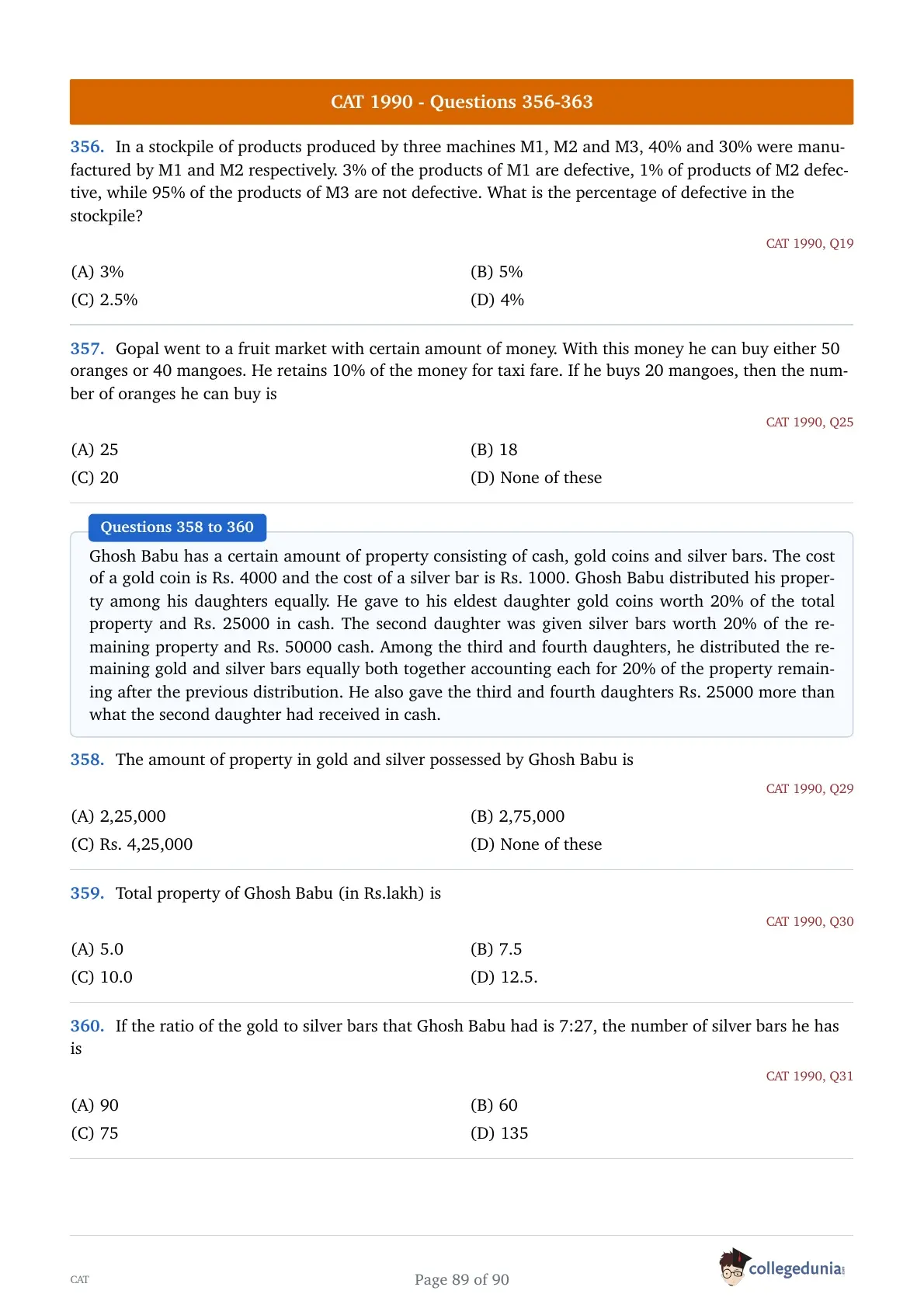
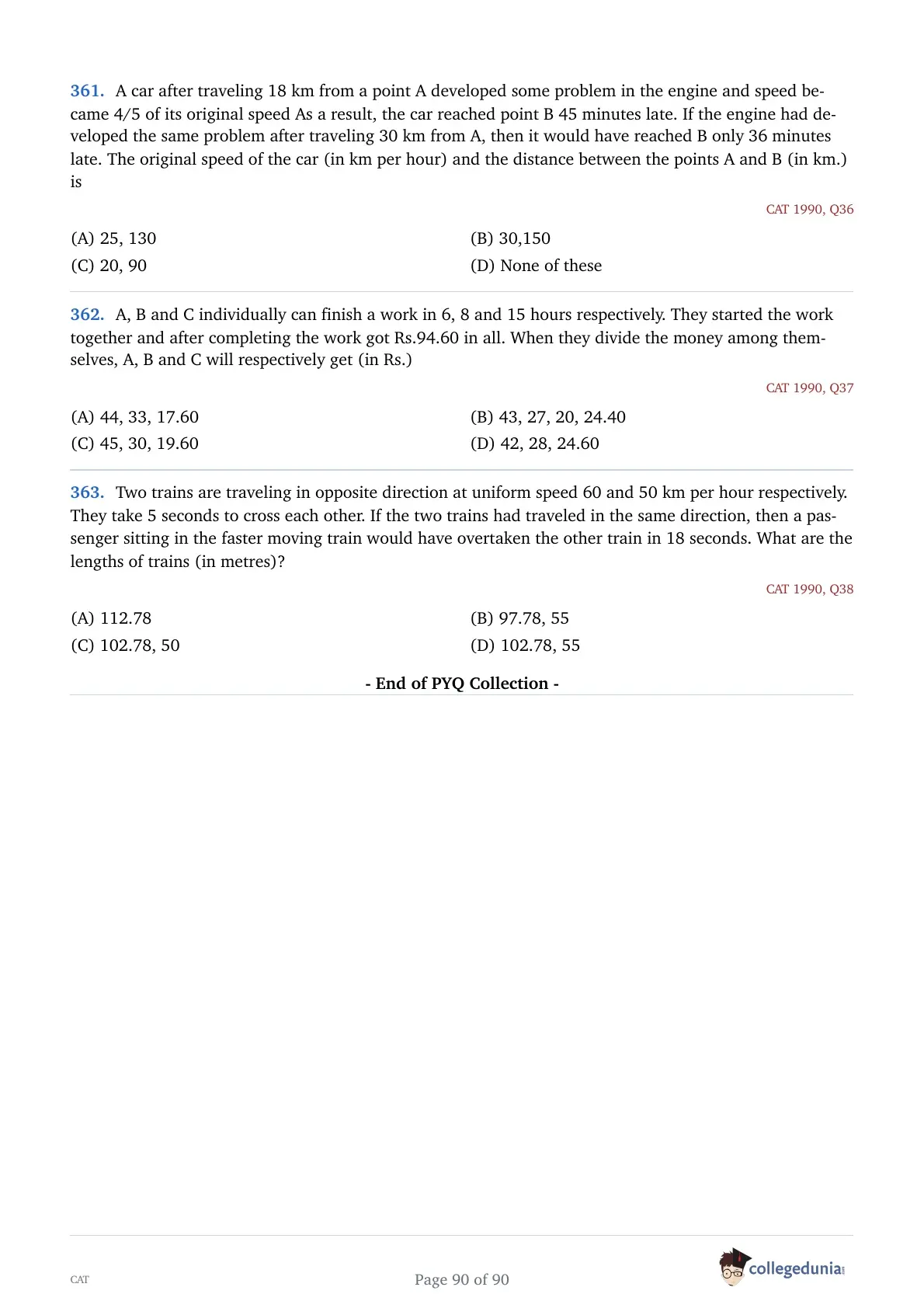
The PDF holds 363 Arithmetic questions from CAT 1990 to 2025, grouped by year and slot. Answer keys and solutions are not included.
CAT Arithmetic PYQ Statistics (2021-2025)
The following figures represent the aggregated number of Arithmetic questions across all three slots of CAT each year, not the count in an individual slot.
| Year | Total Questions (All Slots) | Average per Slot | Weightage in QA | Change in Weightage |
|---|---|---|---|---|
| 2025 | 24 | 8.00 | 36.36% | 0.00% |
| 2024 | 24 | 8.00 | 36.36% | −4.55% |
| 2023 | 27 | 9.00 | 40.91% | +1.52% |
| 2022 | 26 | 8.67 | 39.39% | −3.03% |
| 2021 | 28 | 9.33 | 42.42% | — |
| Total | 129 | 8.60 | 39.09% overall | — |
Weightage is the share of the 66 Quantitative Aptitude questions across the three slots in that year. Change in weightage is the difference in percentage points from the previous year.
CAT Arithmetic PYQ Question-Type Distribution
CAT Arithmetic questions in the Quantitative Aptitude section can appear as Multiple Choice Questions (MCQs) or Type In The Answer (TITA) questions.
Across the 15 slots of CAT 2021-2025, MCQs account for most Arithmetic questions, while TITA questions make up a smaller but significant share. In the full PDF of 363 questions, 283 are MCQs and 80 are TITA.
| Question Type | Number of Questions (Per Slot) | Approx. Share |
|---|---|---|
| MCQs (Multiple Choice Questions) | 5–6 | 56%–67% |
| TITA (Type In The Answer) | 3–4 | 33%–44% |
| Total | 8–10 | — |
CAT Arithmetic Topic-Wise PYQ Distribution
Arithmetic includes several subtopics that test numerical reasoning and the application of mathematical concepts. Time, speed and distance is the largest, with 83 of the 363 questions.
The following areas are covered in the topic-wise PYQ collection, and each has its own PDF.
| Arithmetic subtopic | Concepts to practise | Questions in PDF | Download |
|---|---|---|---|
| Time, Speed and Distance | Relative speed, trains, boats and travel problems | 83 | Download PDF |
| Time and Work | Work efficiency, combined work, pipes and cisterns | 48 | Download PDF |
| Averages | Weighted averages, replacement and combined averages | 40 | Download PDF |
| Ratio, Proportion and Variation | Ratios, proportional relationships and distribution | 37 | Download PDF |
| Mixtures and Alligation | Concentration, replacement and mixture ratios | 36 | Download PDF |
| Percentages | Percentage change, successive changes, expenditure and savings | 36 | Download PDF |
| Profit, Loss and Discount | Cost price, selling price, discounts and profit margins | 29 | Download PDF |
| Simple and Compound Interest | Interest calculations, growth and compounding | 21 | Download PDF |
| Other Arithmetic questions | Number series, clock problems, pipes and cisterns and one-off word problems | 33 | In the full Arithmetic PDF |
Difficulty Level of CAT Arithmetic PYQs
By the difficulty tag in our question bank, 256 of the 363 Arithmetic questions are medium, 92 are hard and 15 are easy.
| Difficulty | Typical question characteristics | Preparation focus | Questions in PDF |
|---|---|---|---|
| Easy | Direct percentage, ratio or average calculations | Formula application and calculation accuracy | 15 |
| Moderate | Multi-step problems involving mixtures, work rates or profit and loss | Concept selection and efficient calculations | 256 |
| Difficult | Questions combining multiple concepts or requiring algebraic reasoning | Case analysis, equation formation and alternative solving methods | 92 |
How to Prepare for CAT Arithmetic Using PYQs
Follow a three-stage preparation plan to get the most out of the question bank.
- Build conceptual clarity: Revise percentages, ratios, averages, profit and loss, time and work, and time-speed-distance before attempting timed practice.
- Practise topic-wise PYQs: Solve CAT questions grouped by subtopic. Record the year and slot, your accuracy, and the time taken.
- Attempt mixed Arithmetic sets: Once individual concepts are clear, solve questions from different Arithmetic topics together. Review incorrect answers and identify whether the mistake came from concept selection, calculation, or time management.
Because Arithmetic contributed 39.1% of the five-year QA dataset analysed, it deserves substantial preparation time. However, candidates should prepare Algebra, Geometry, Number System, and Modern Mathematics as well.
CAT QA Formula Sheet PDF
- CAT Percentages Formula Sheet
- CAT Profit, Loss and Discount Formula Sheet
- CAT Simple and Compound Interest Formula Sheet
- CAT Ratio, Proportion and Variation Formula Sheet
- CAT Averages, Mixtures and Alligation Formula Sheet
- CAT Time, Speed and Distance Formula Sheet
- CAT Races, Circular Tracks and Boats and Streams Formula Sheet
CAT Arithmetic PYQs FAQs
Ques. How many Arithmetic questions are asked in CAT?
Ans. Based on 2021-2025 analysis, Arithmetic accounts for 129 out of 330 QA questions, representing approximately 39.1%. The number varies across exam years and slots, from 24 to 28 a year across the three slots.
Ques. Which topics are covered in the CAT Arithmetic syllabus?
Ans. The CAT Arithmetic syllabus includes percentages, profit and loss, ratios and proportions, averages, mixtures and alligation, time and work, time-speed-distance, and simple and compound interest.
Ques. How can I practise CAT Arithmetic questions PYQ topic-wise?
Ans. Start with one topic at a time, such as percentages or profit and loss. Solve previous-year questions and note the concepts or calculation methods you find difficult. Then practise mixed Arithmetic questions under timed conditions.
Ques. How should I use CAT Arithmetic PYQs for exam preparation?
Ans. Practise questions from different CAT years and slots, and track your accuracy and time per question. Reattempt incorrect questions after revising the relevant concepts. This helps you identify weak areas and improve your problem-solving speed.
Ques. Does the CAT Arithmetic PYQ PDF include solutions?
Ans. No. The PDF contains the 363 questions with their year, slot and source question number, without answer keys or solutions.



Comments