




These GATE EC complete syllabus handwritten notes pull the whole Electronics and Communication paper into one revision notebook, so students can sweep every subject in a single, connected read.
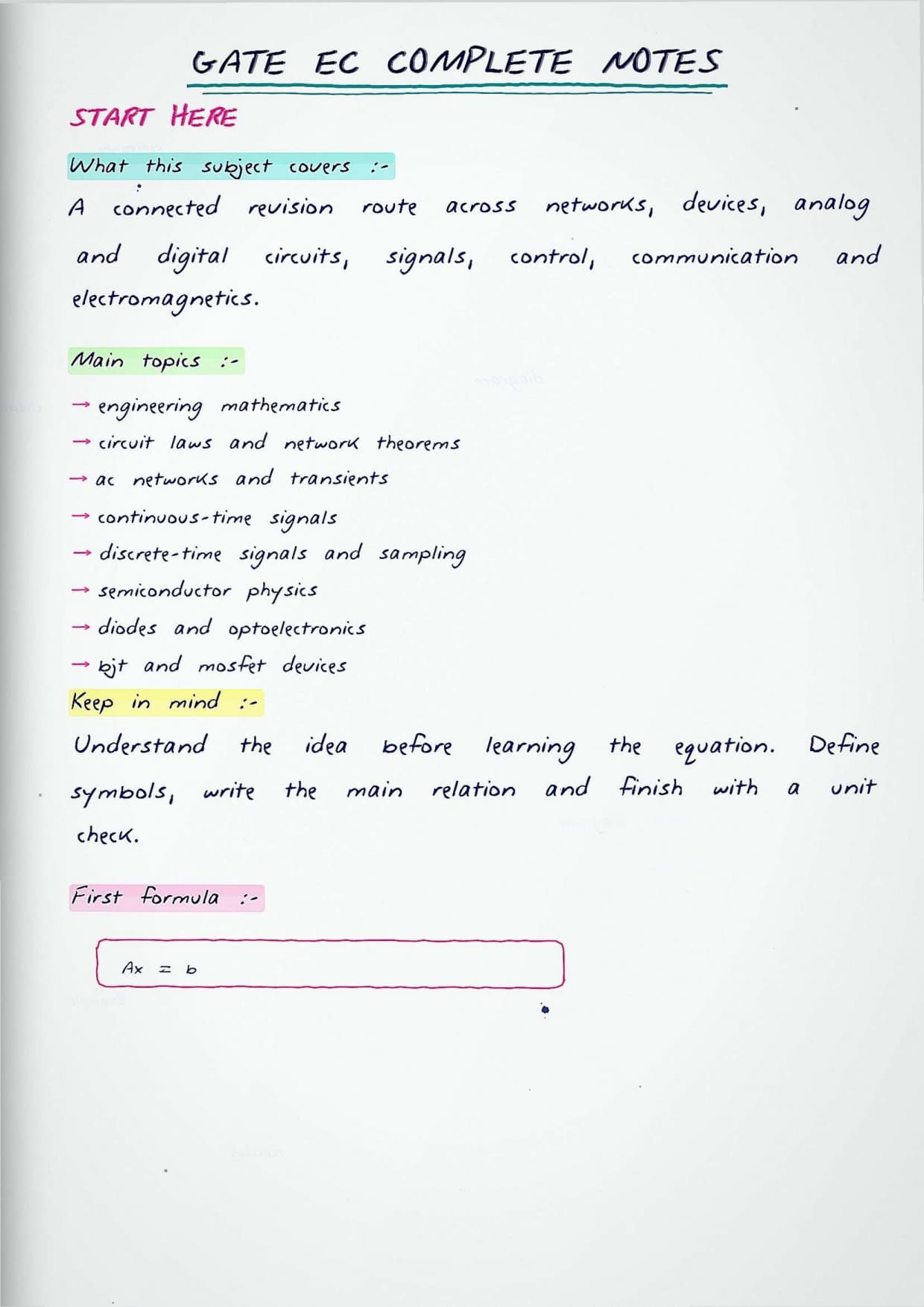
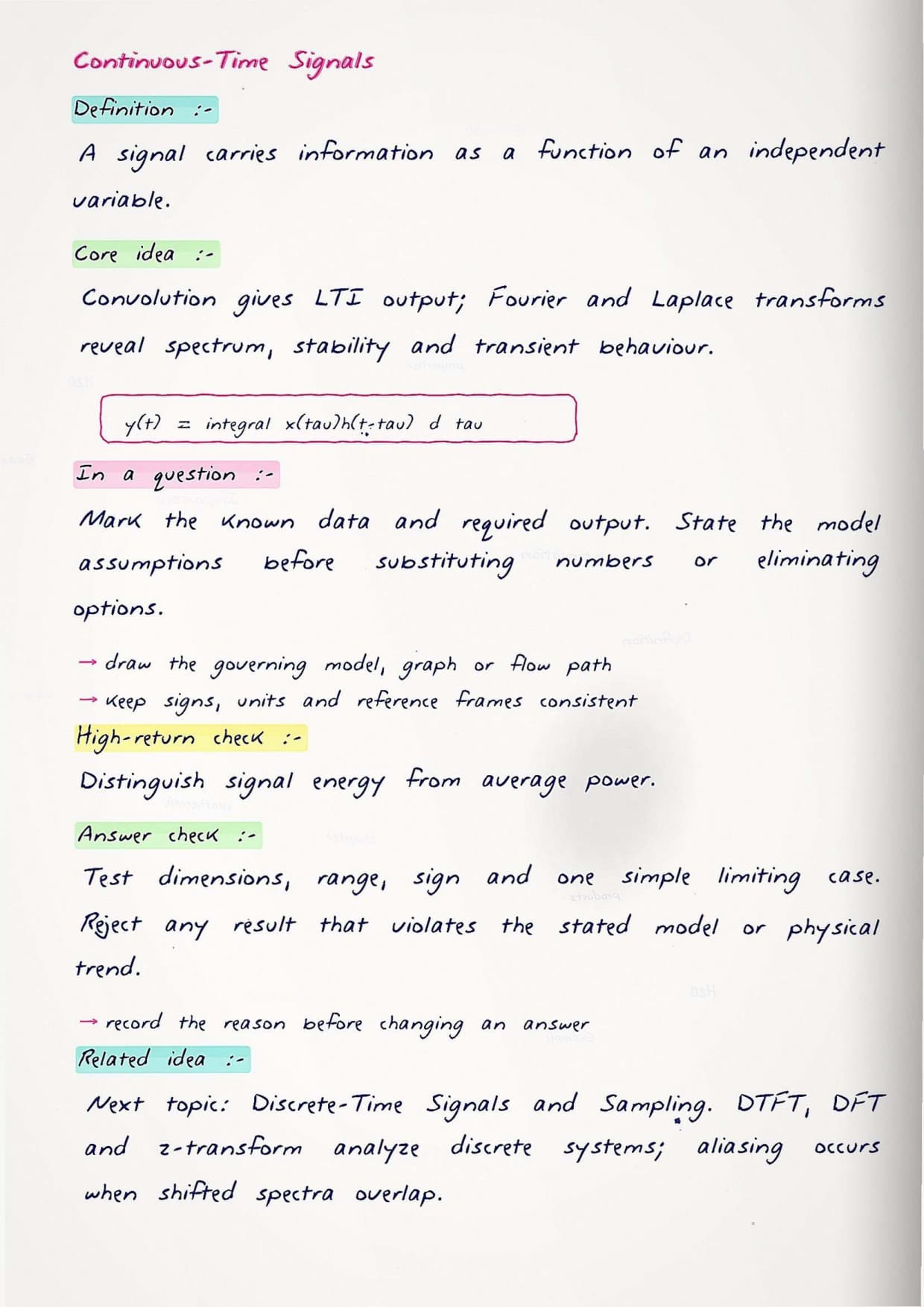
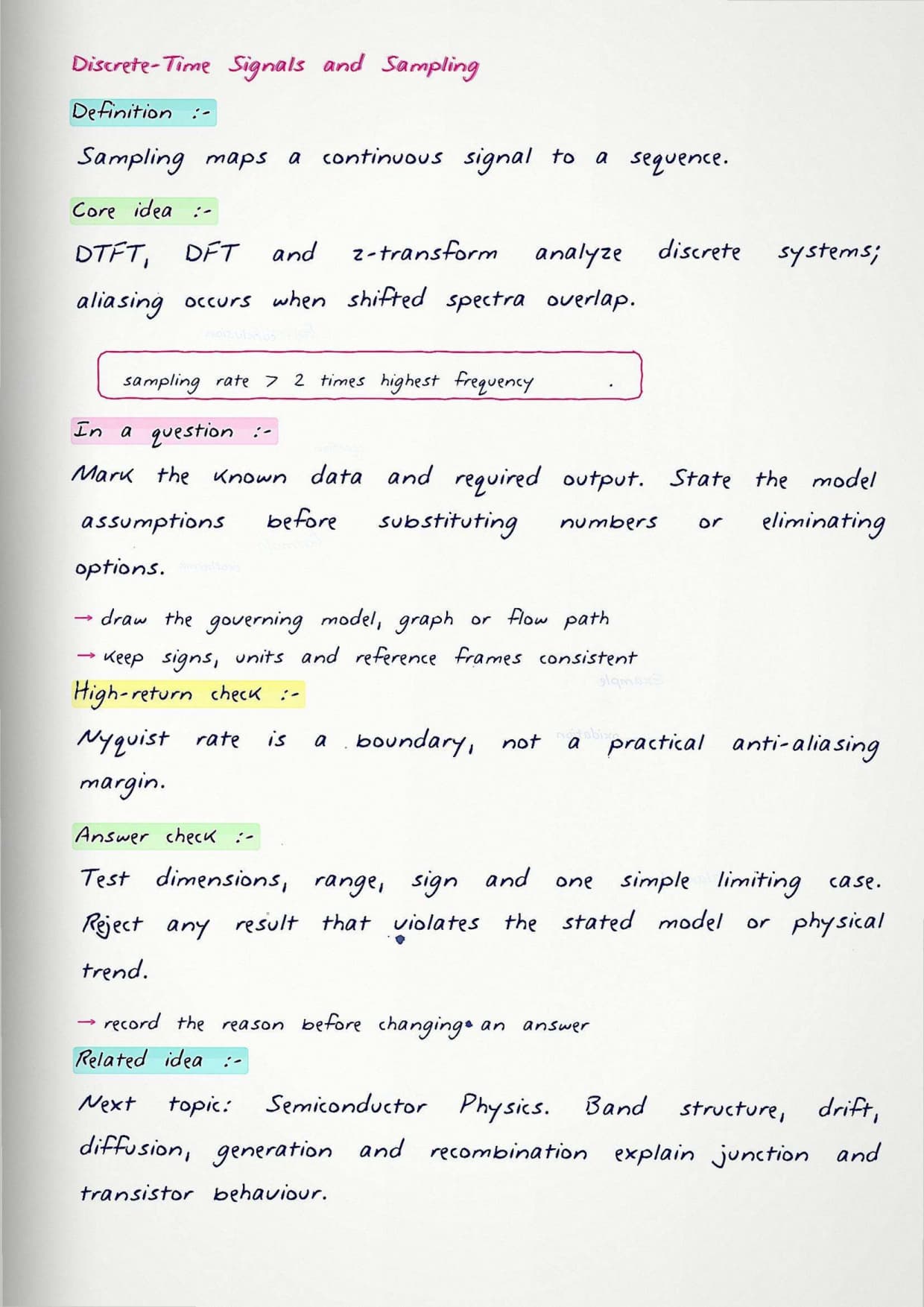
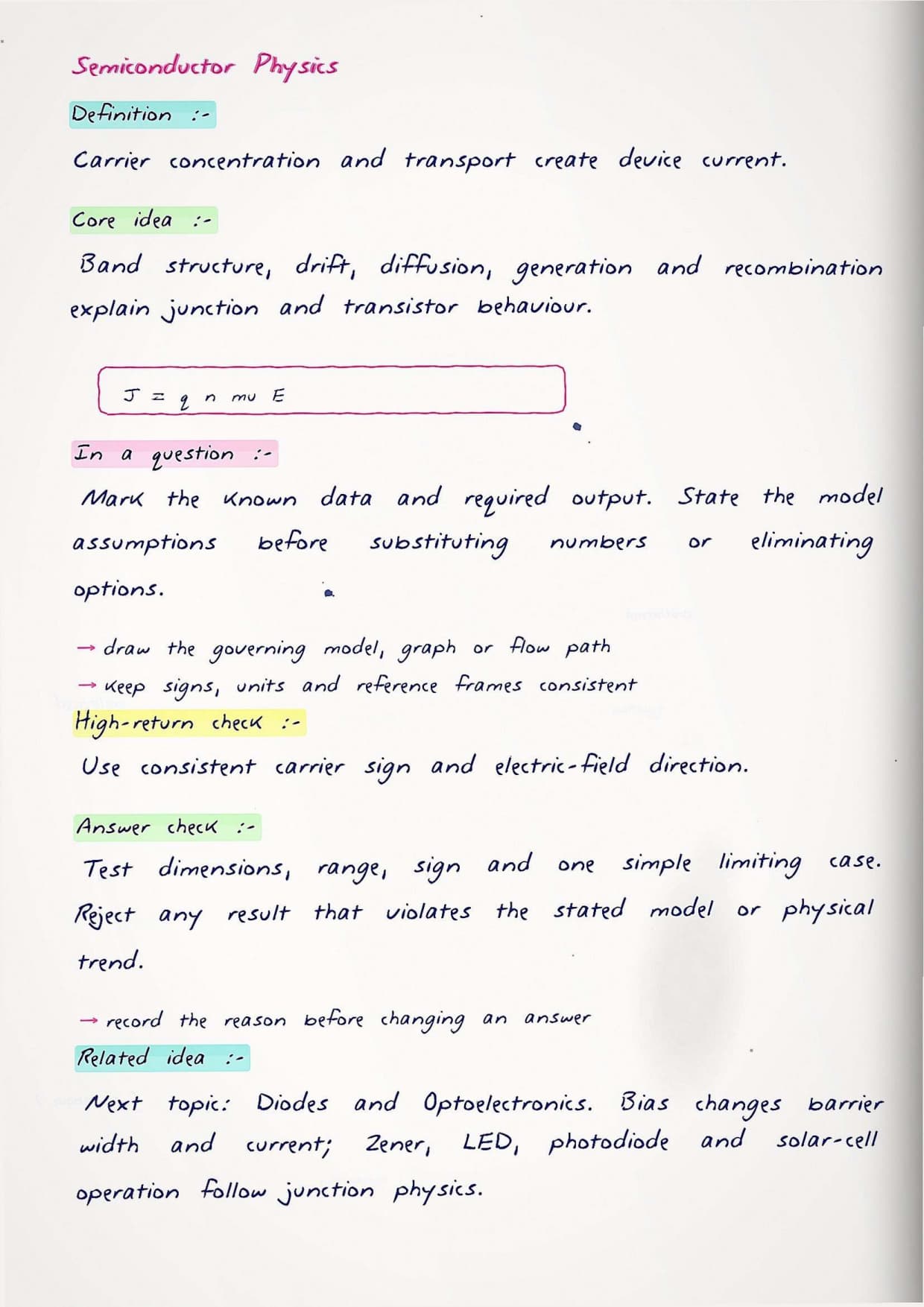
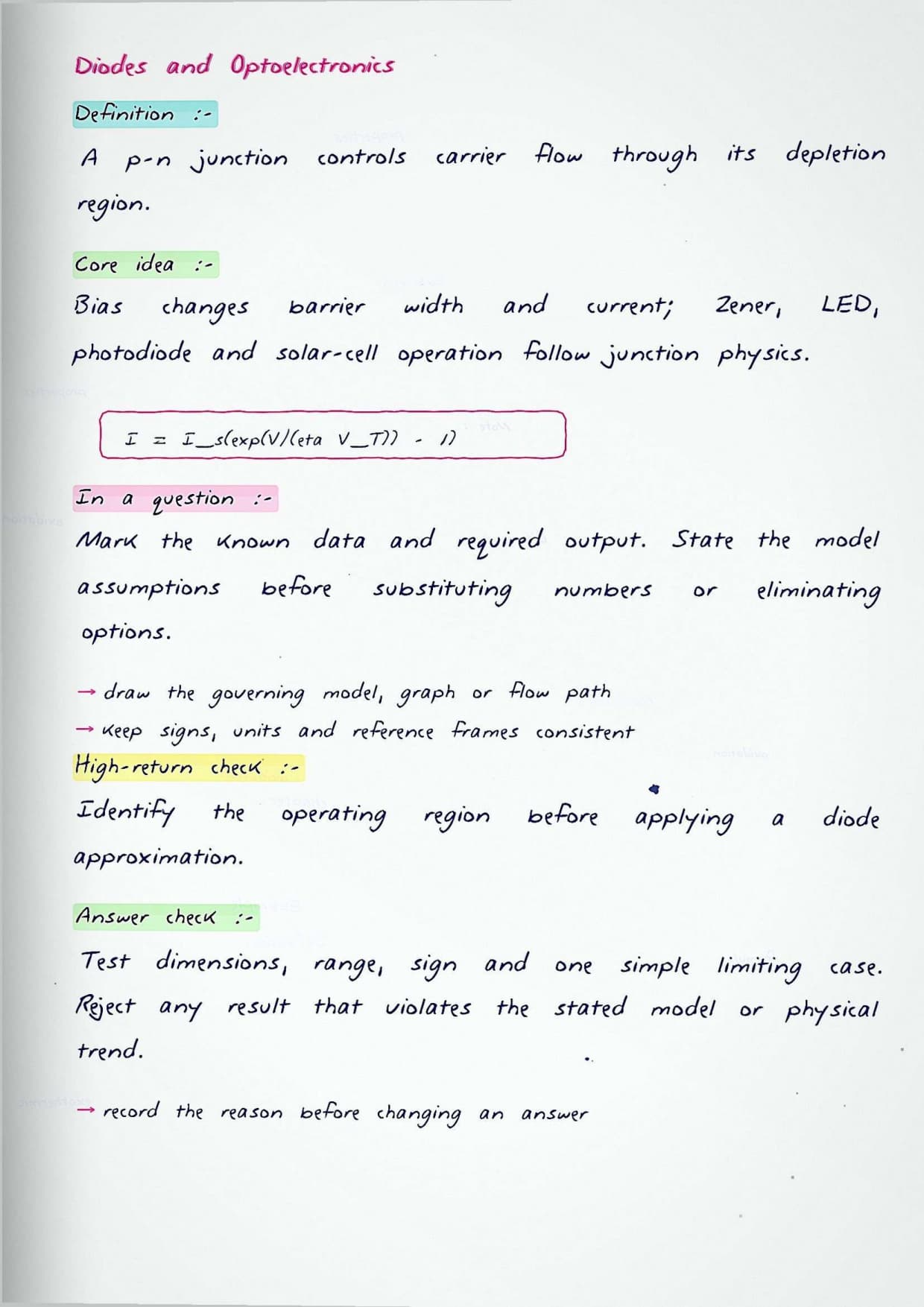
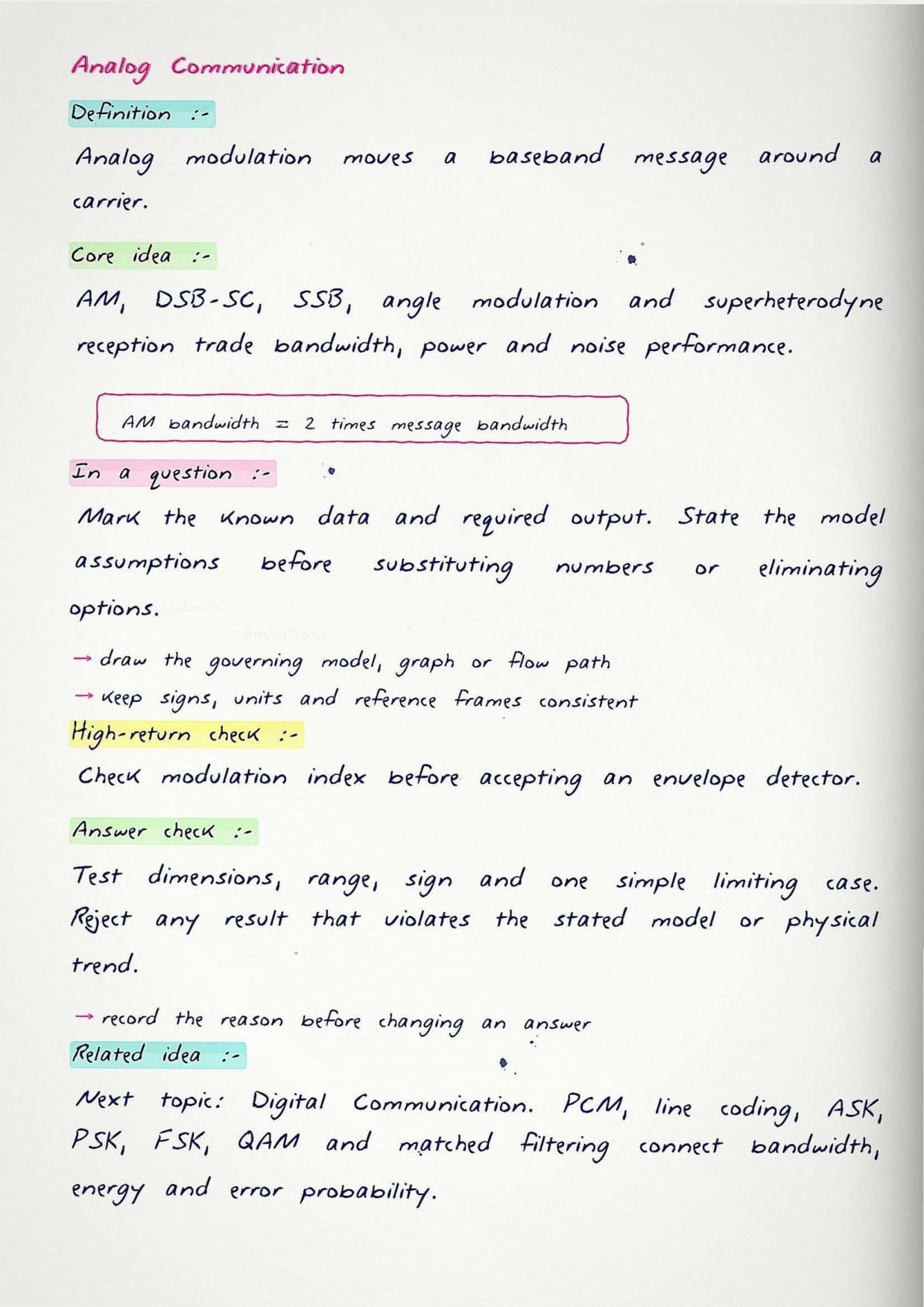
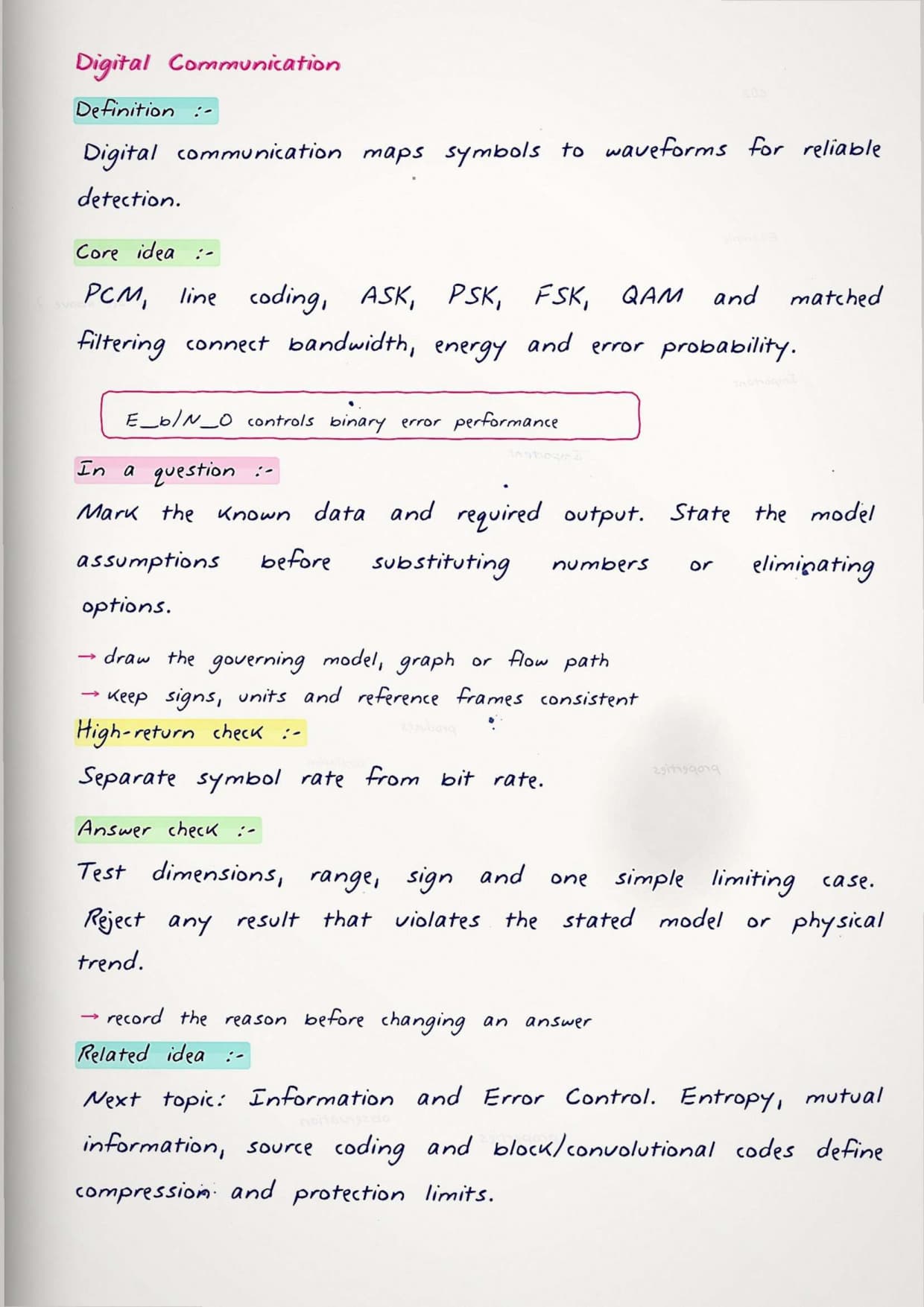
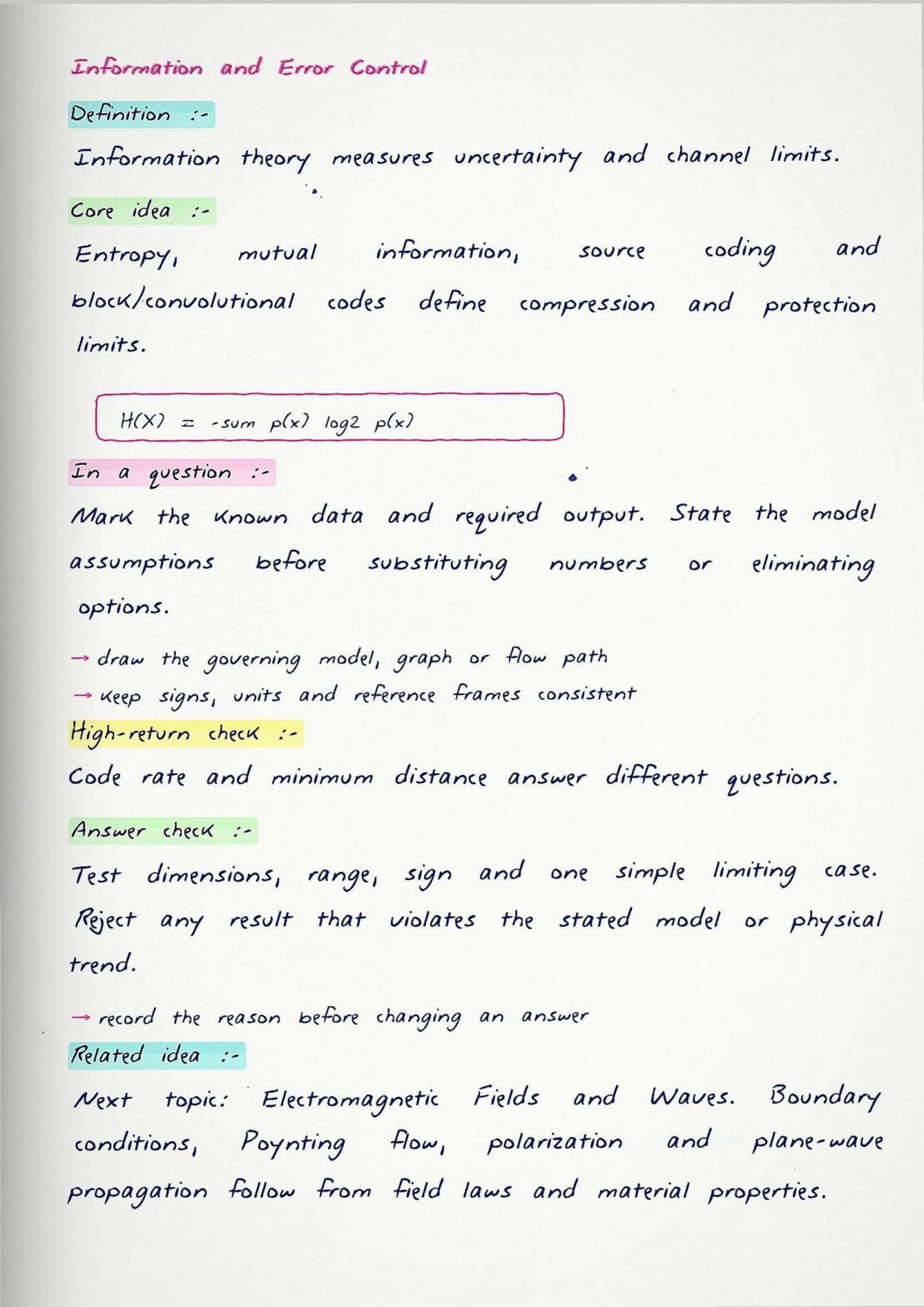
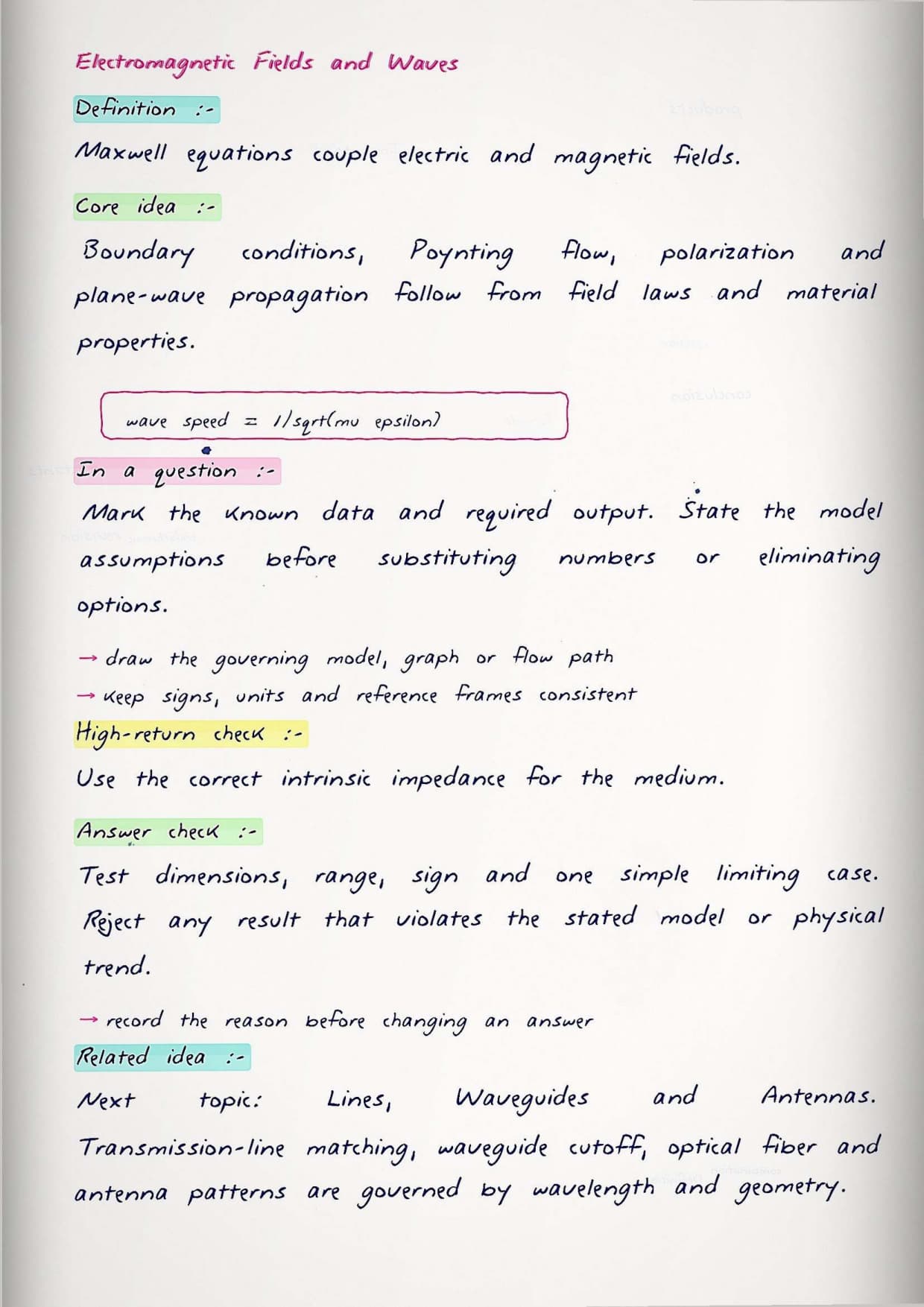
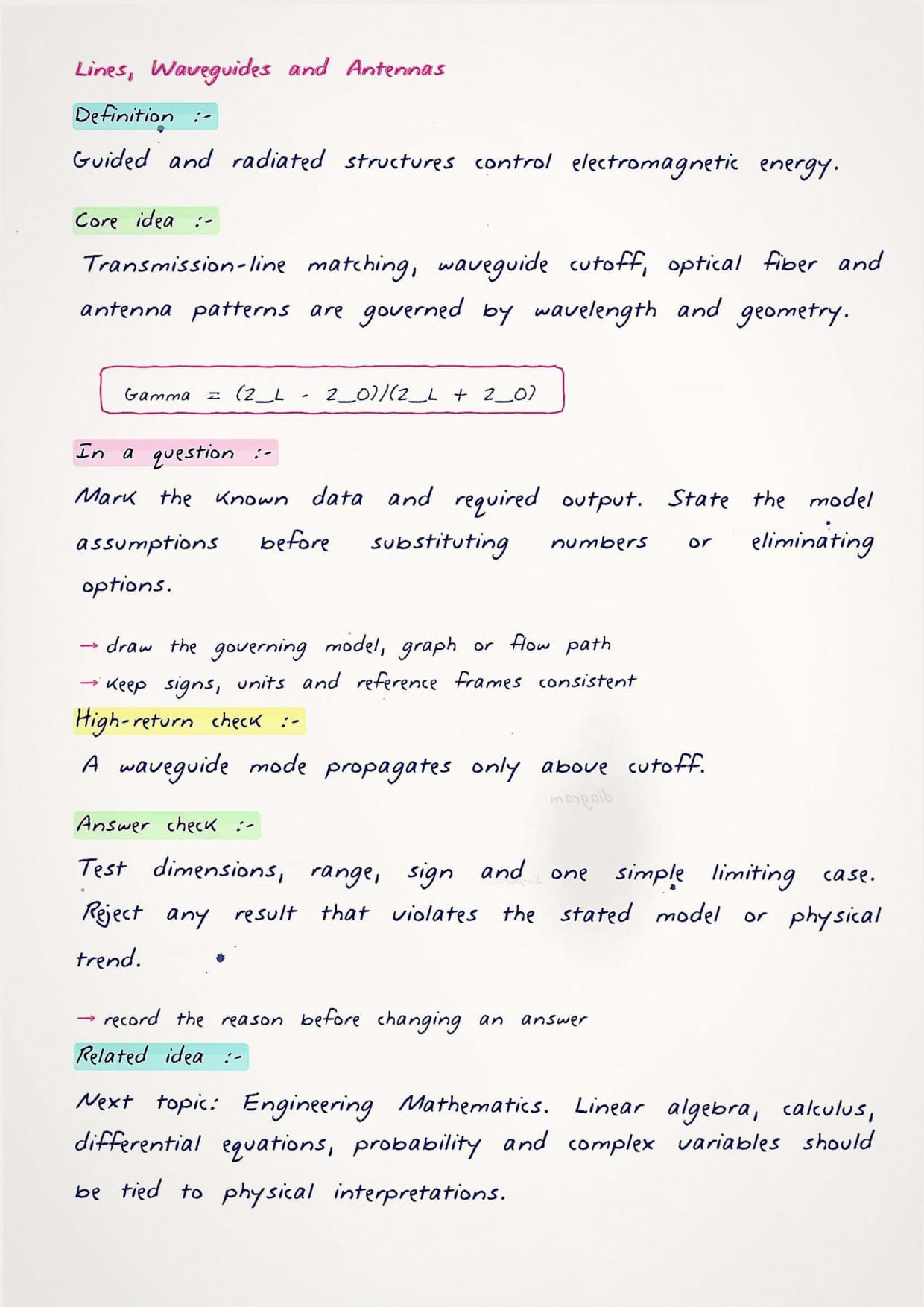
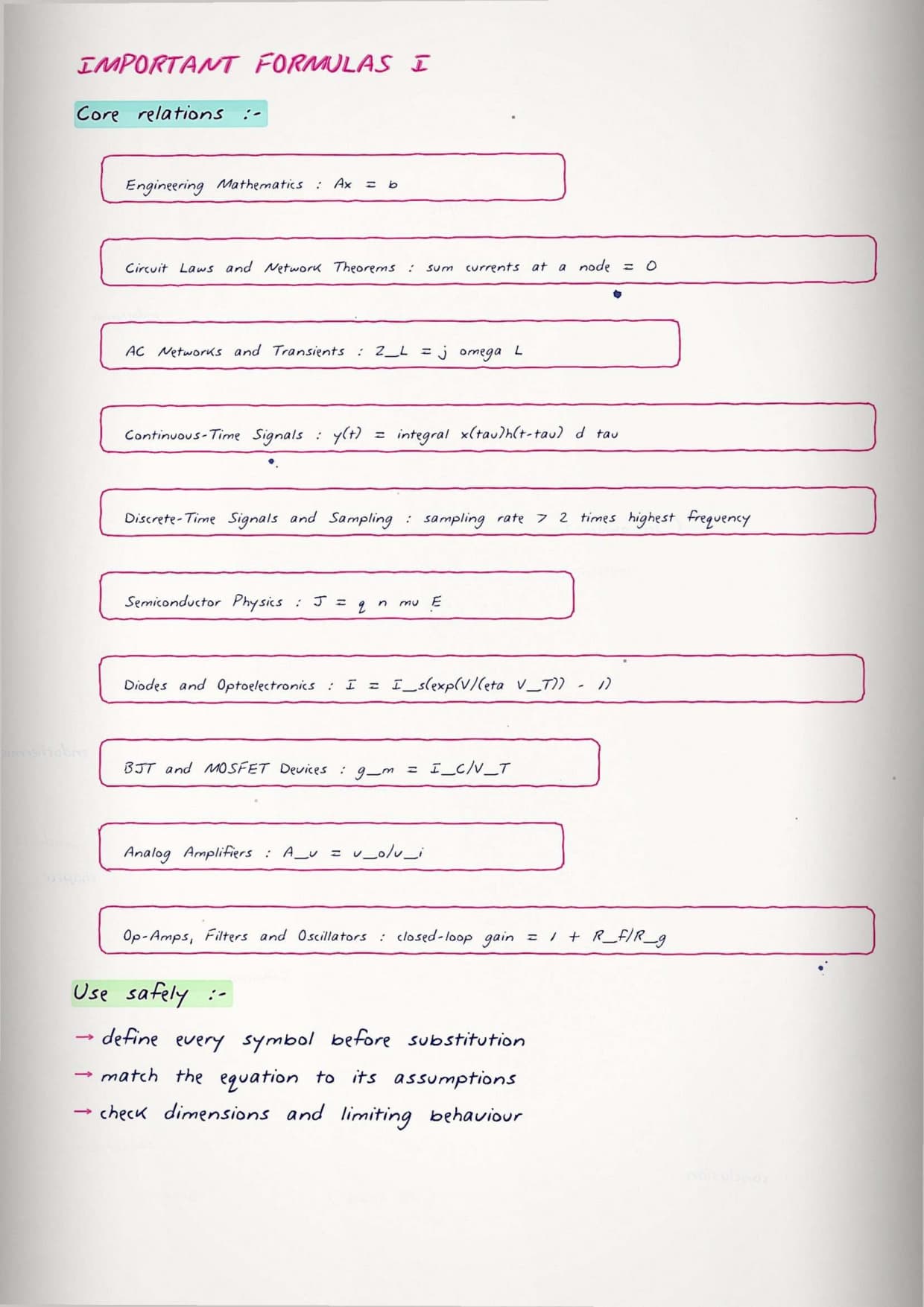
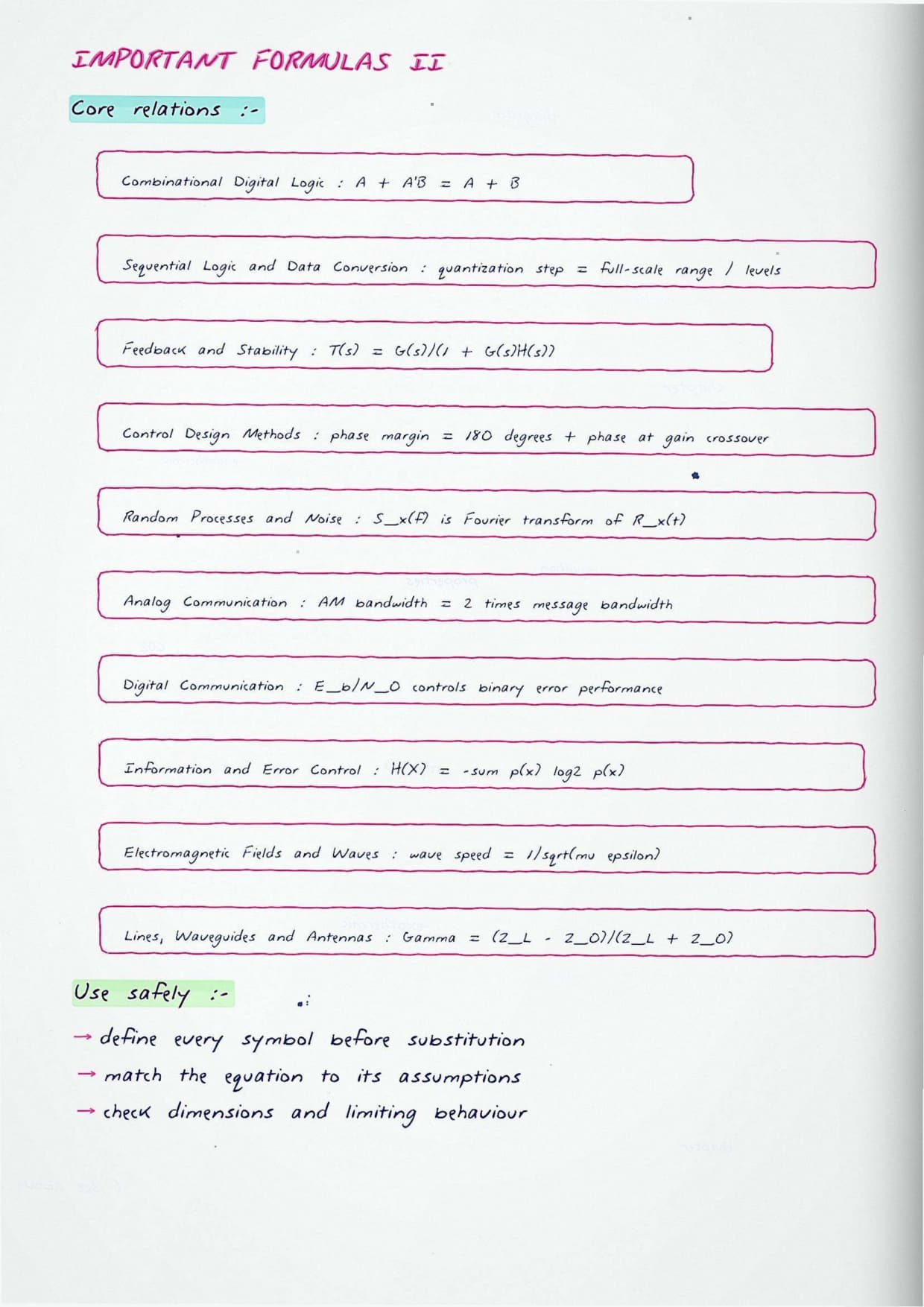
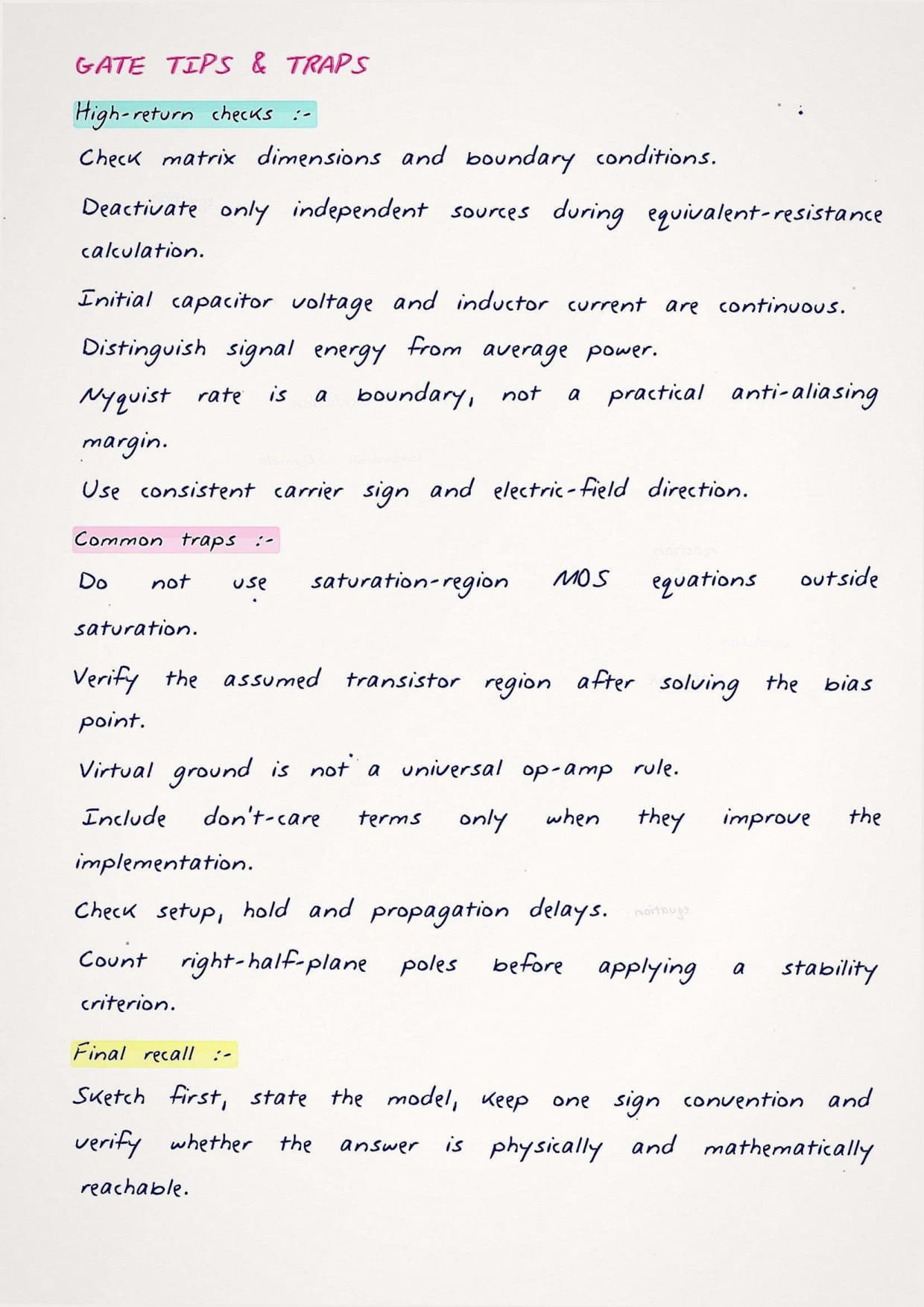
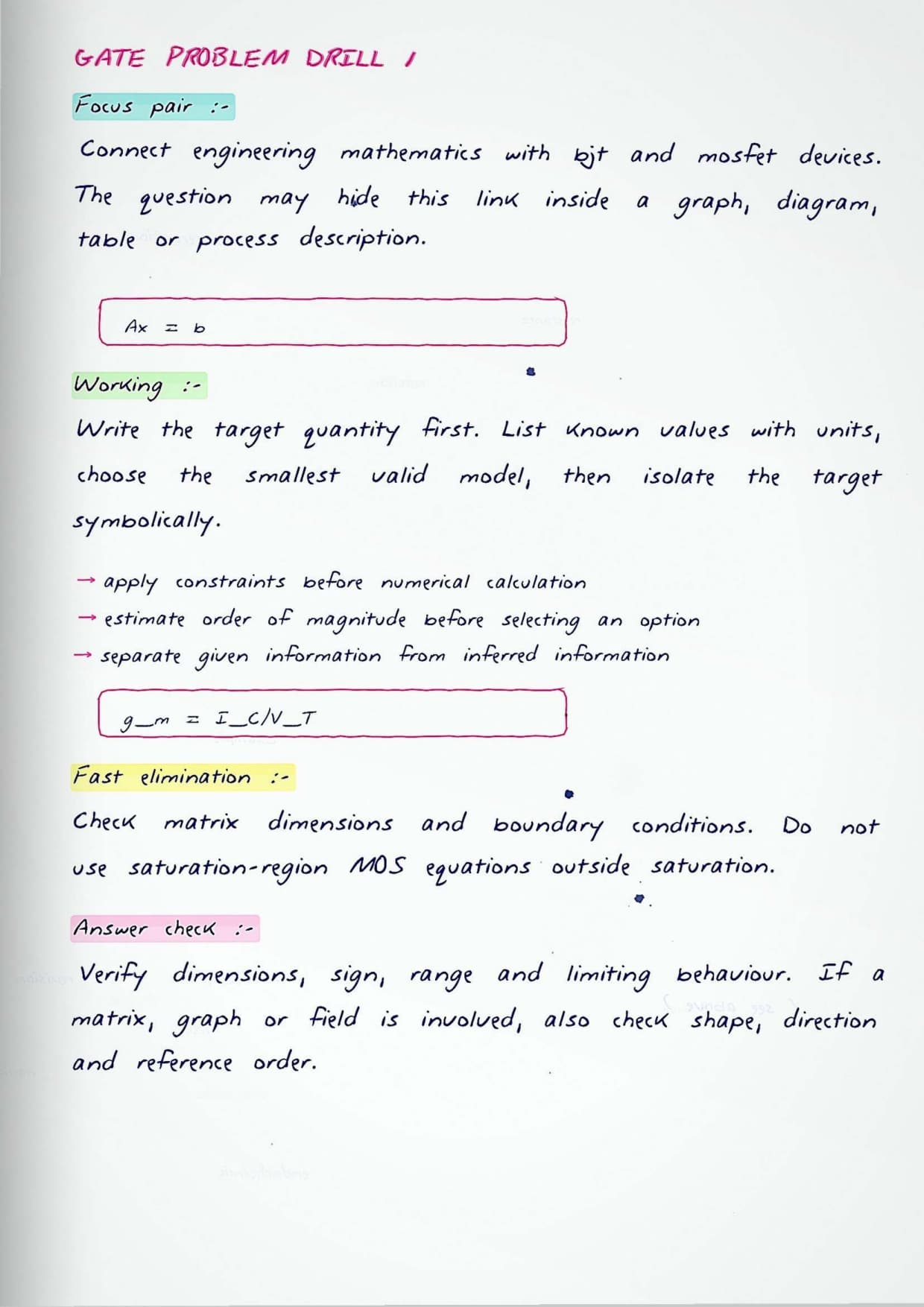
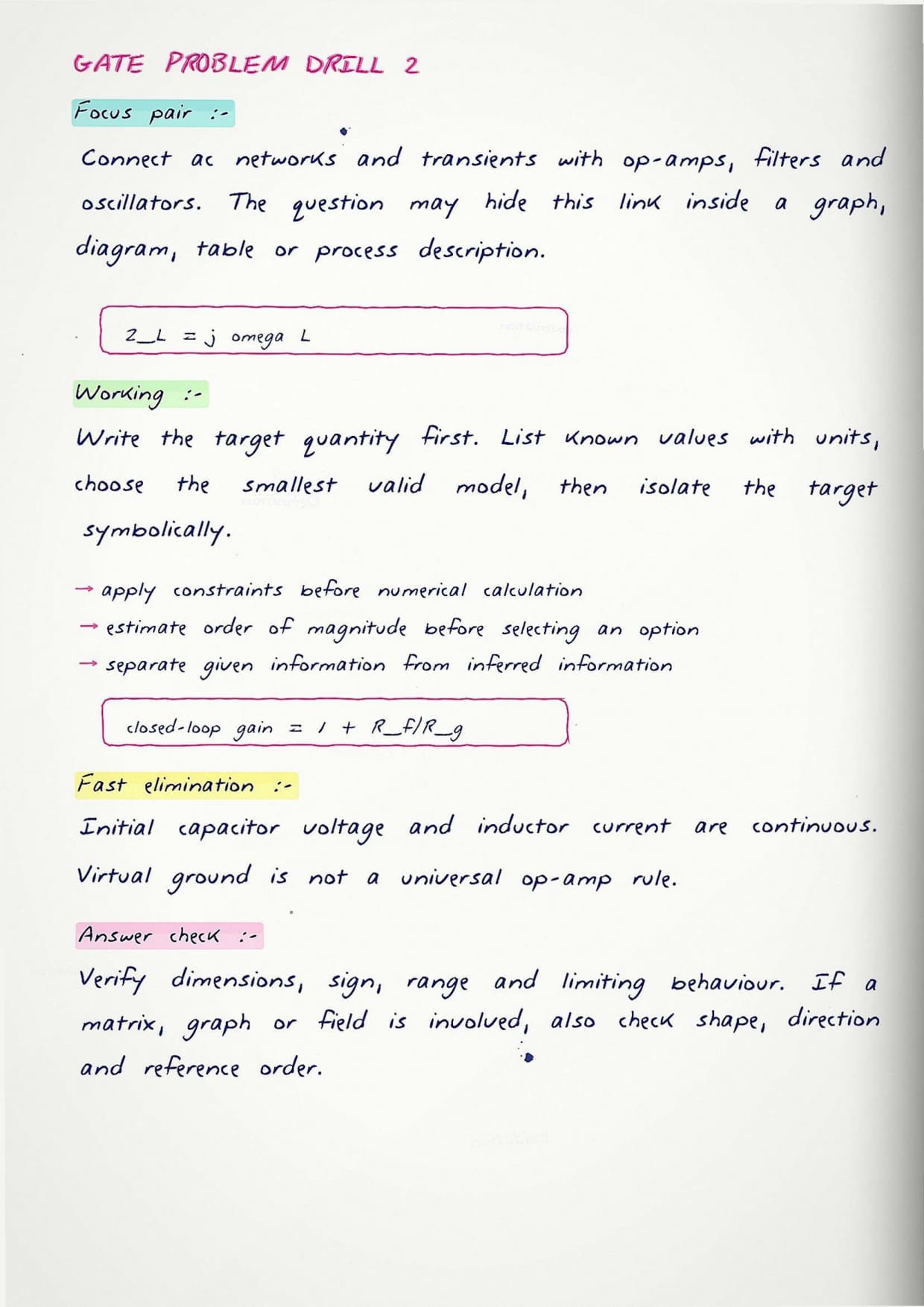
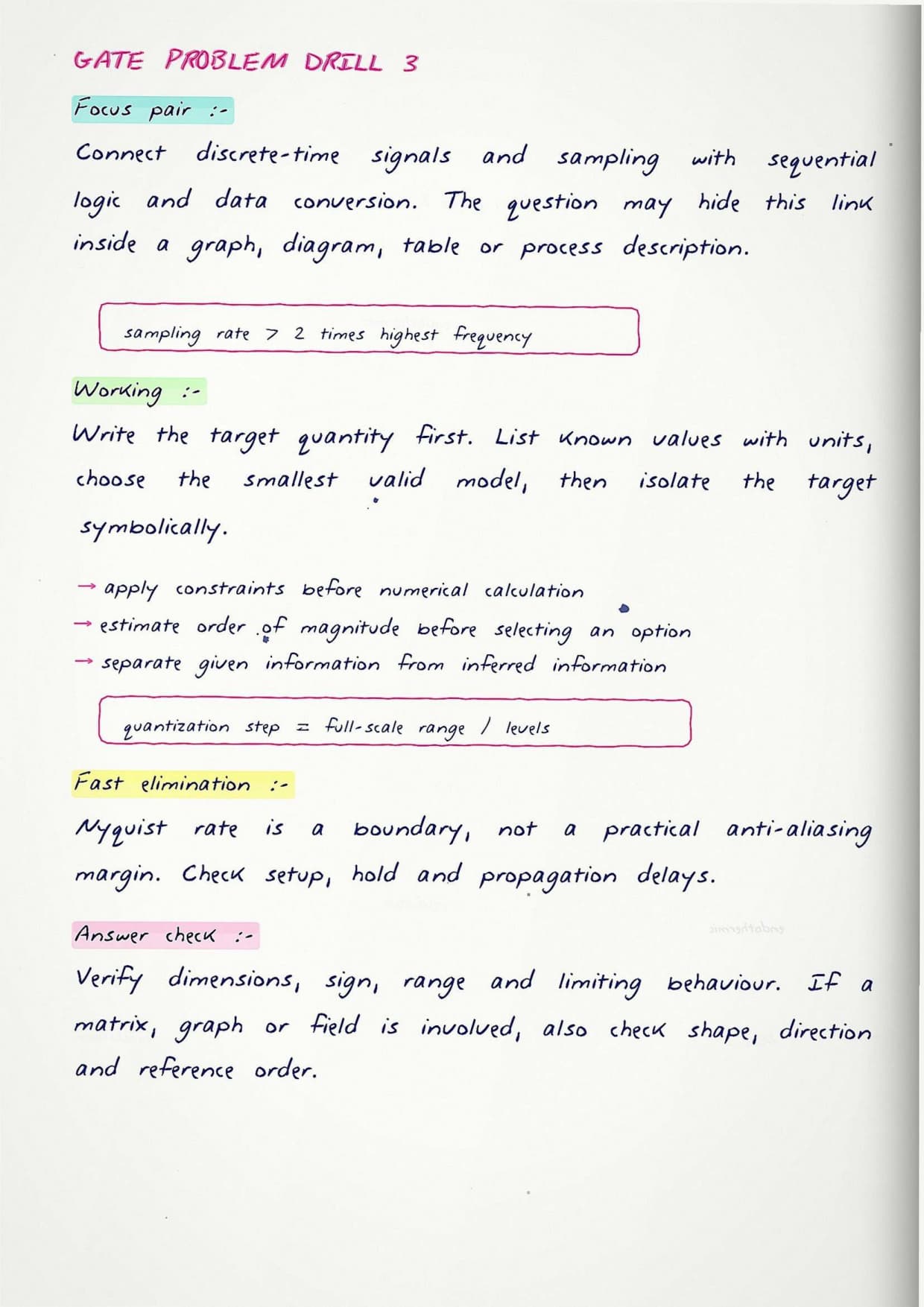
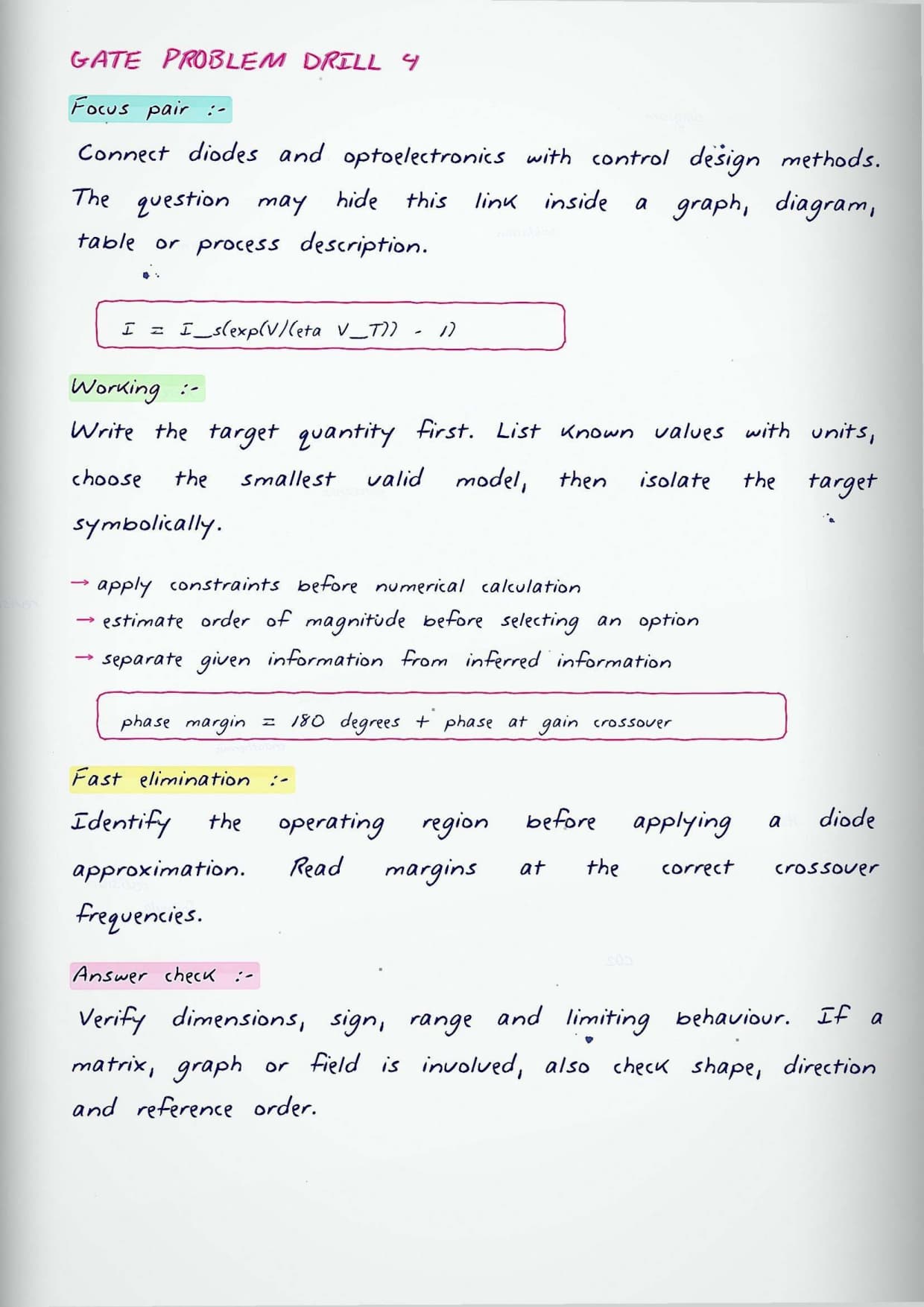
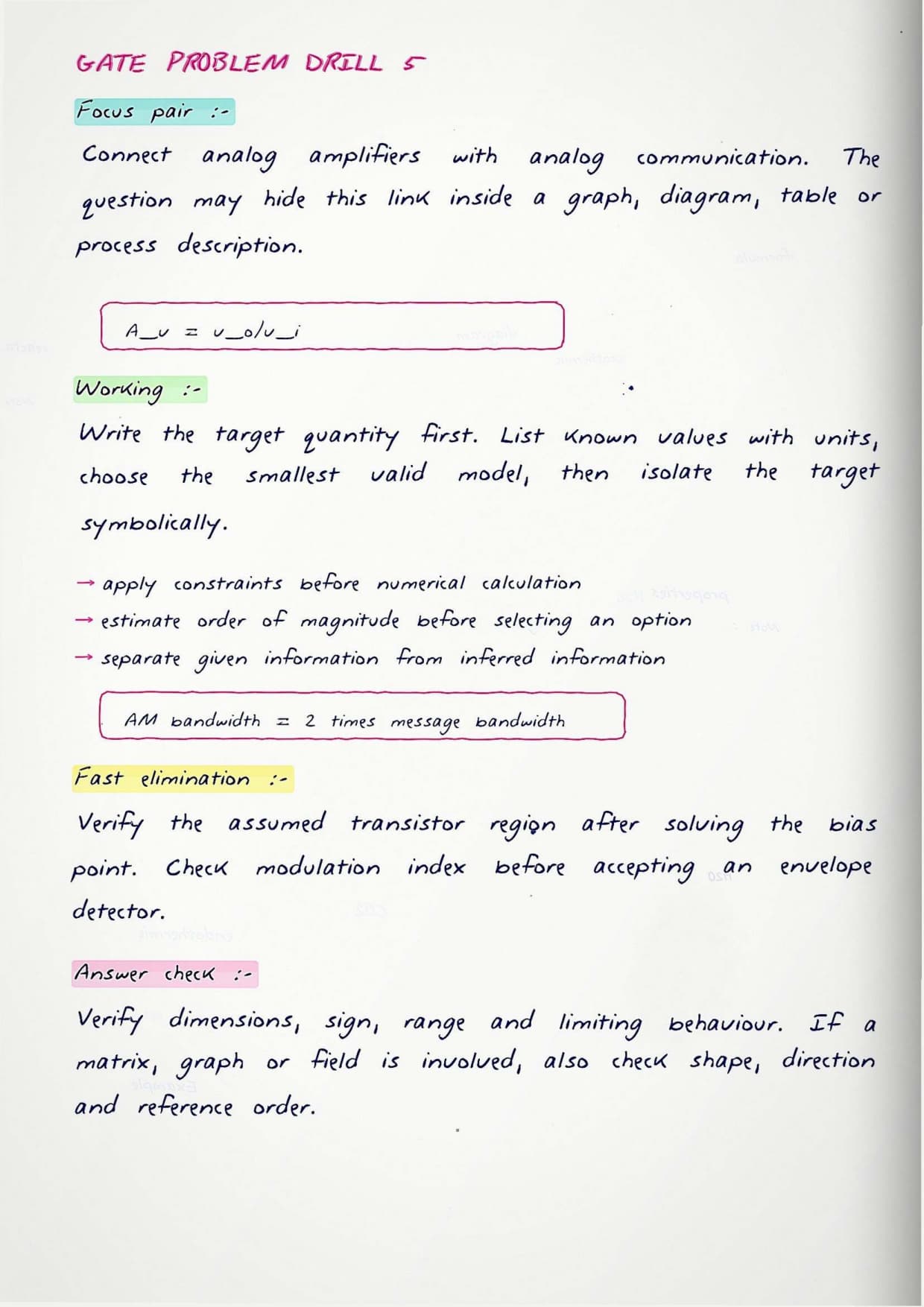
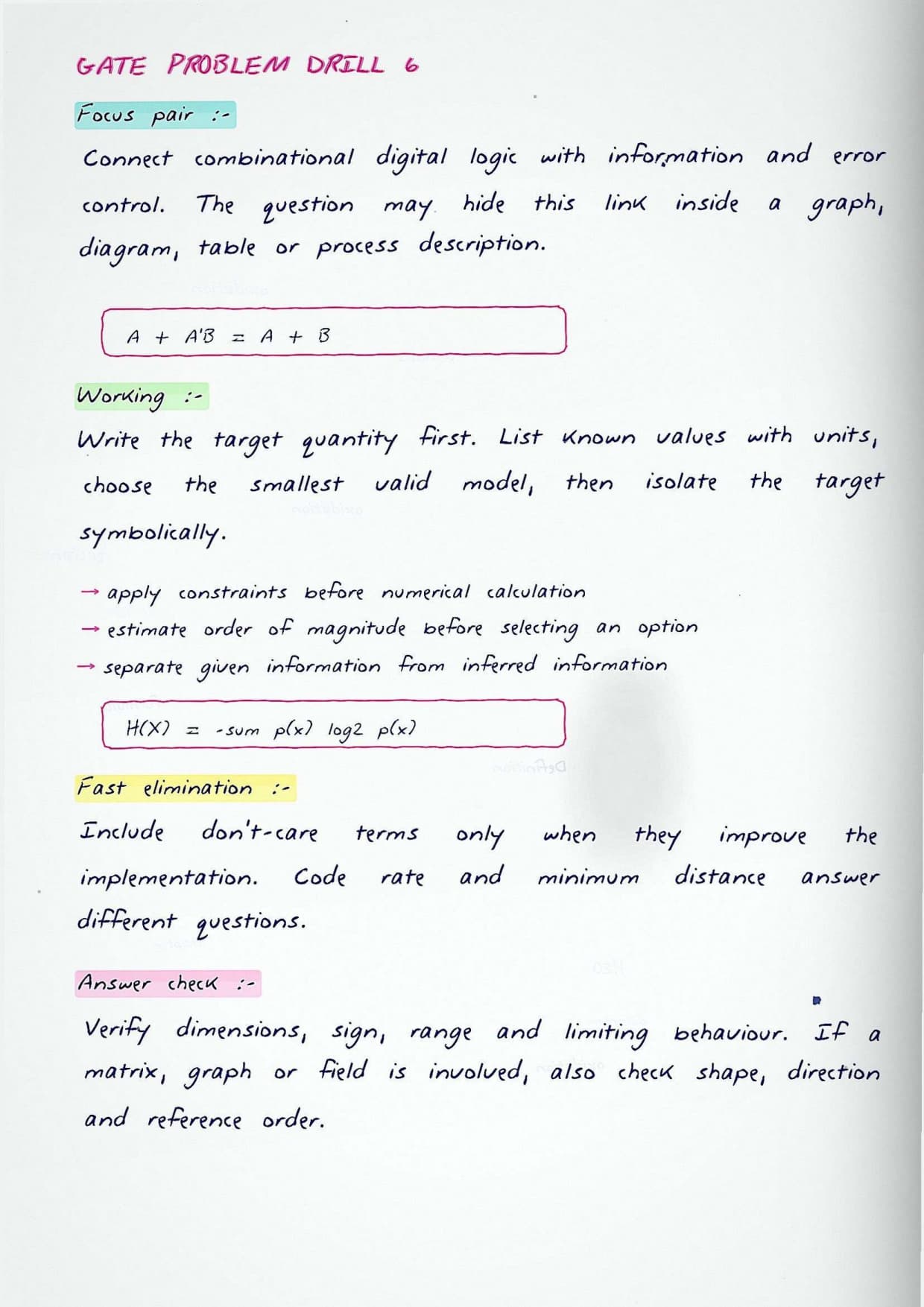
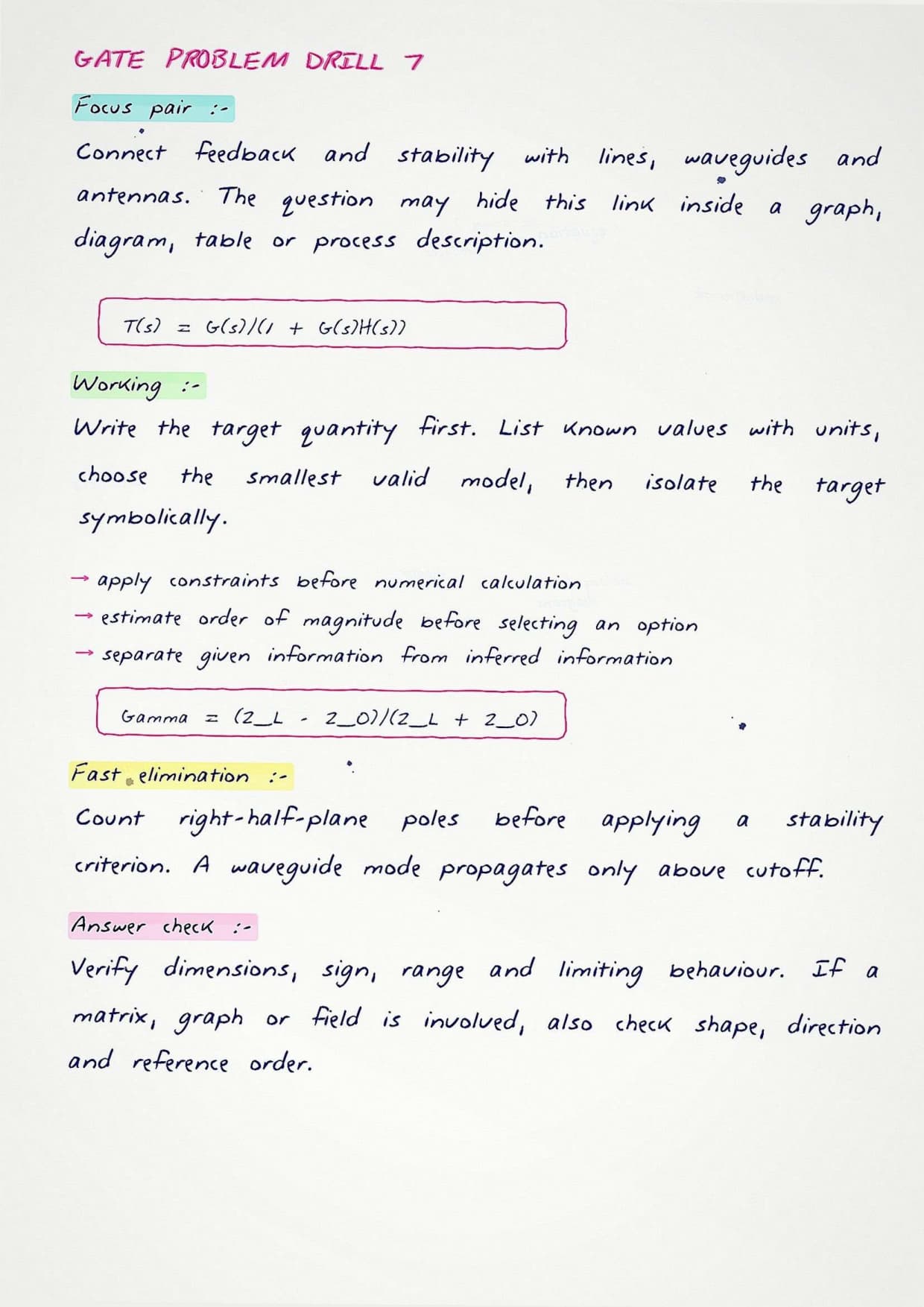
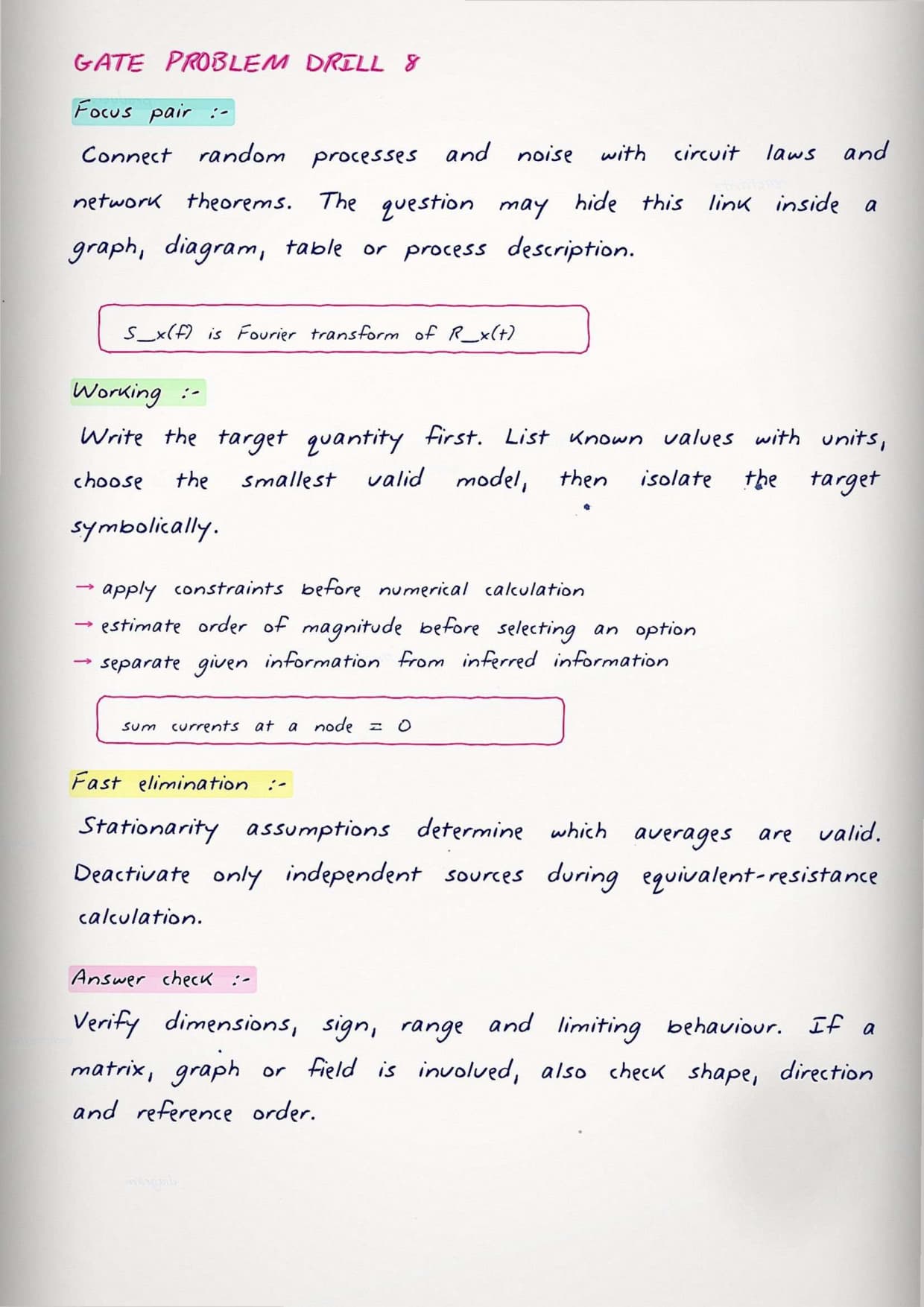
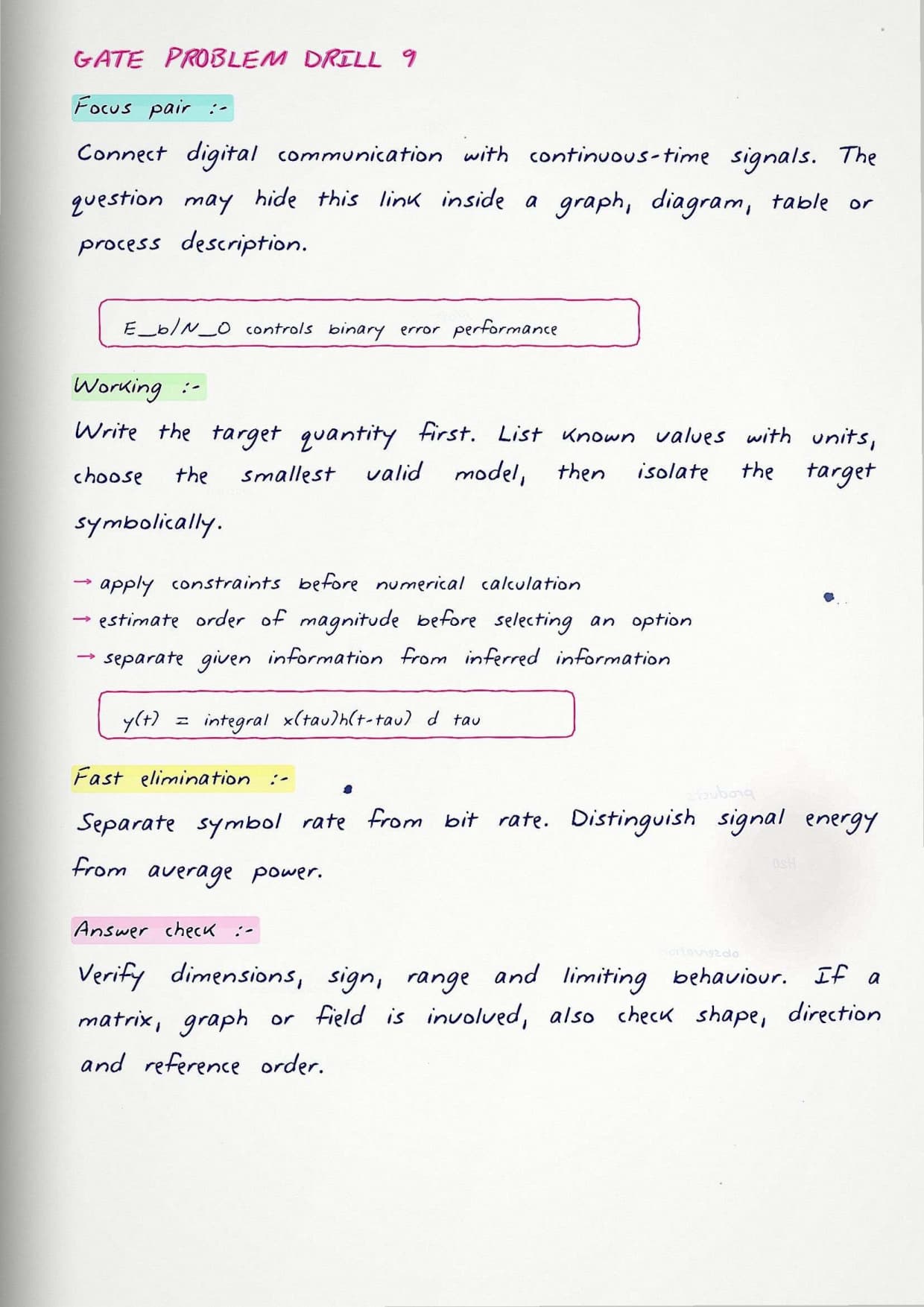
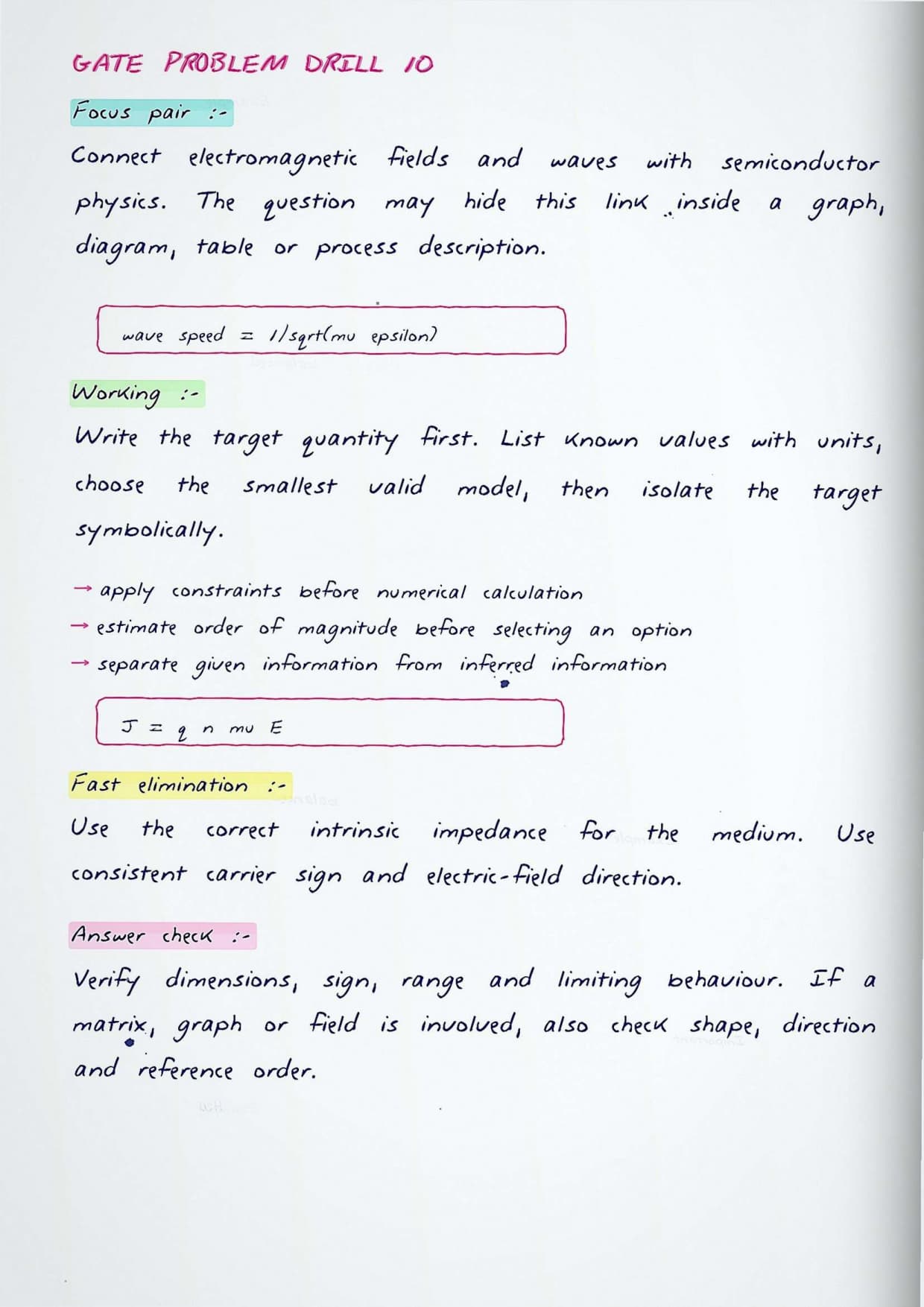
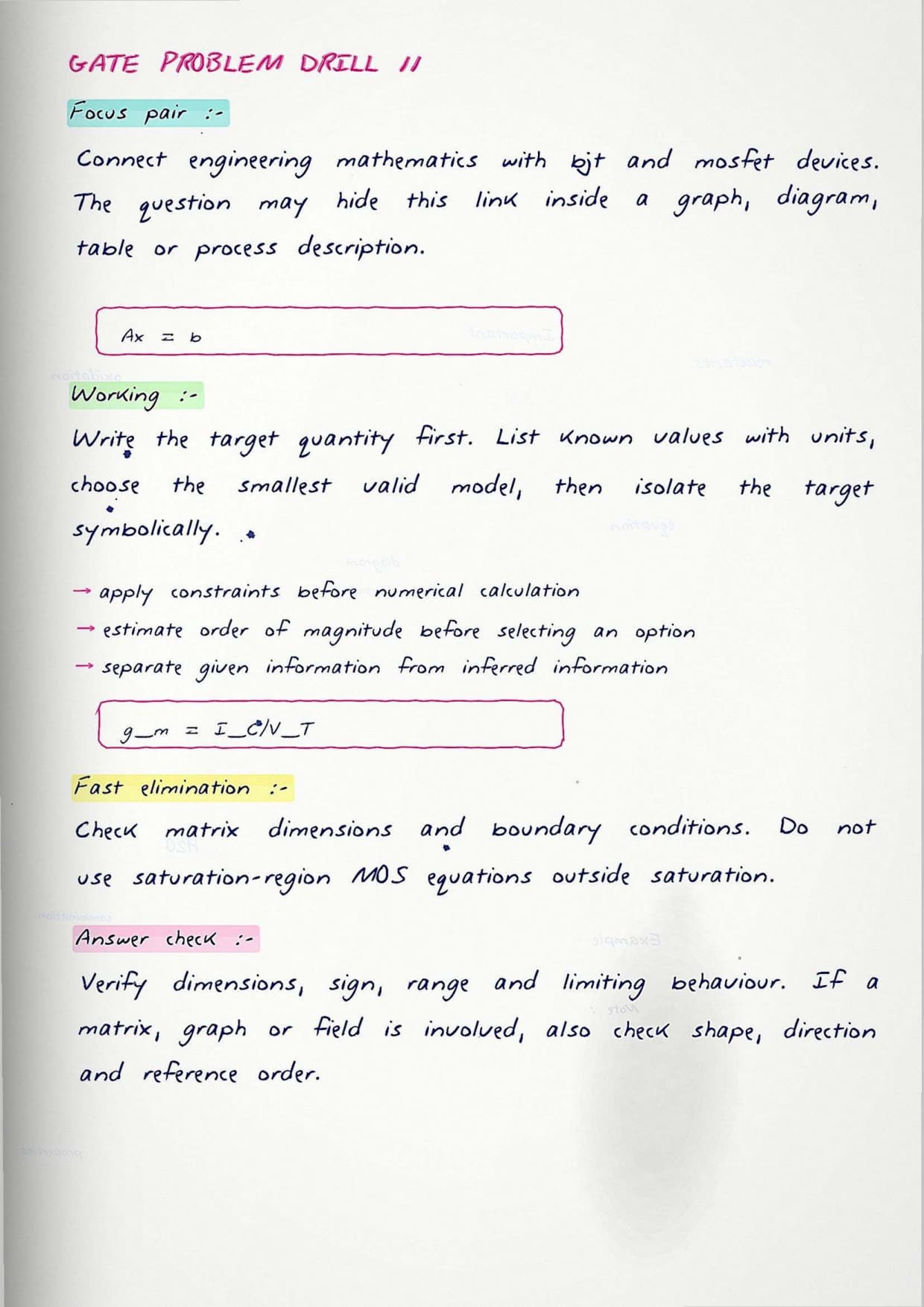
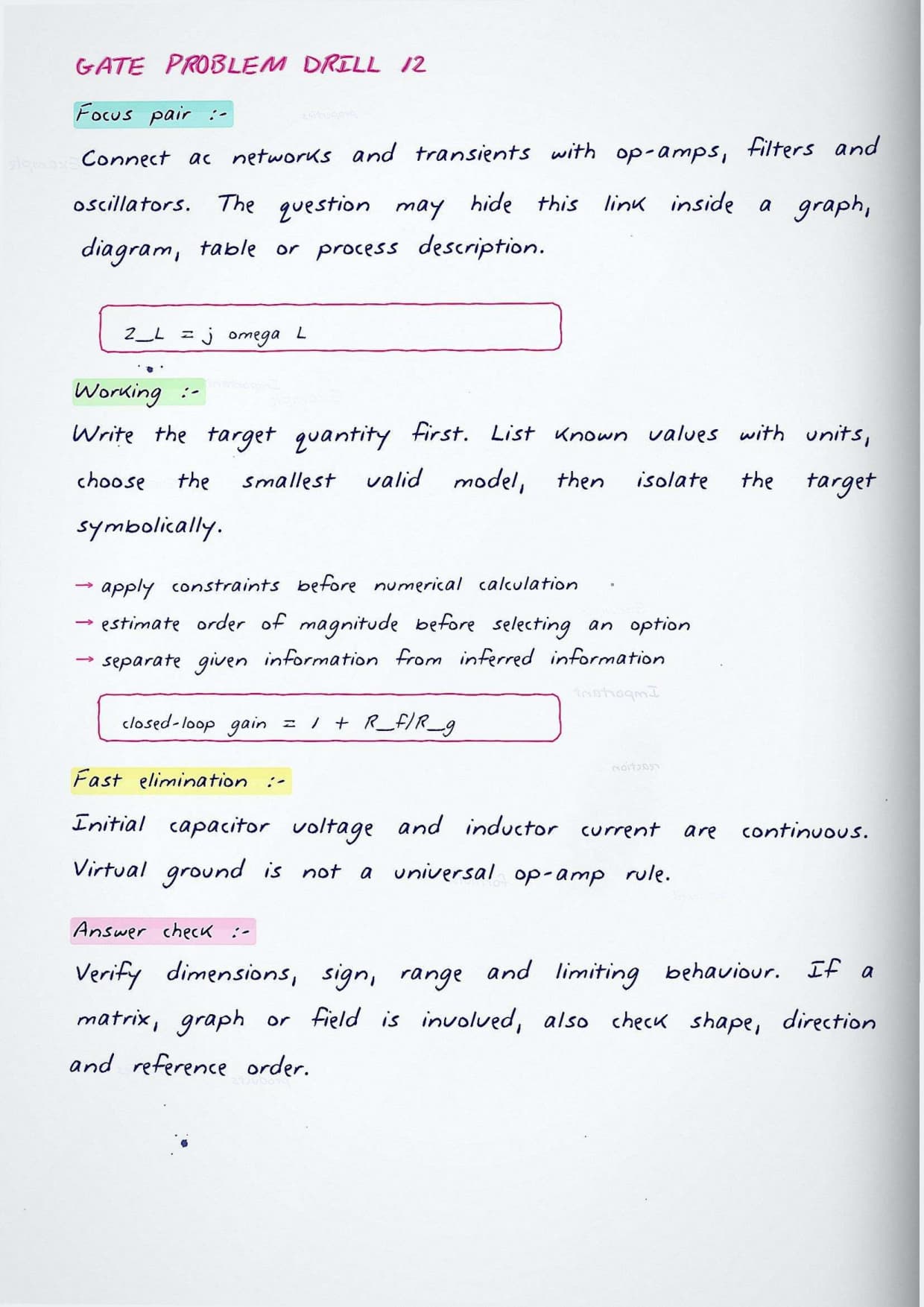
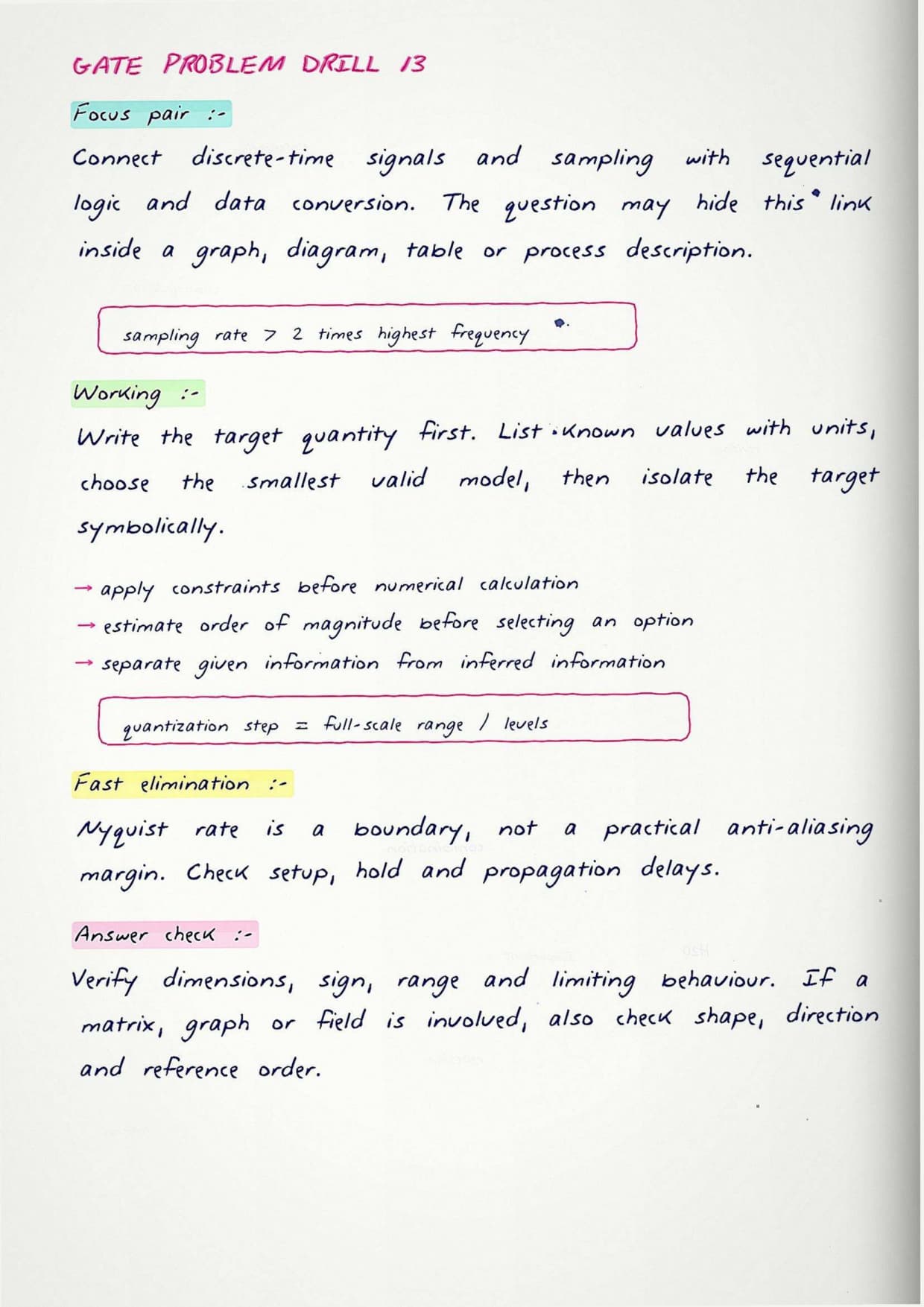
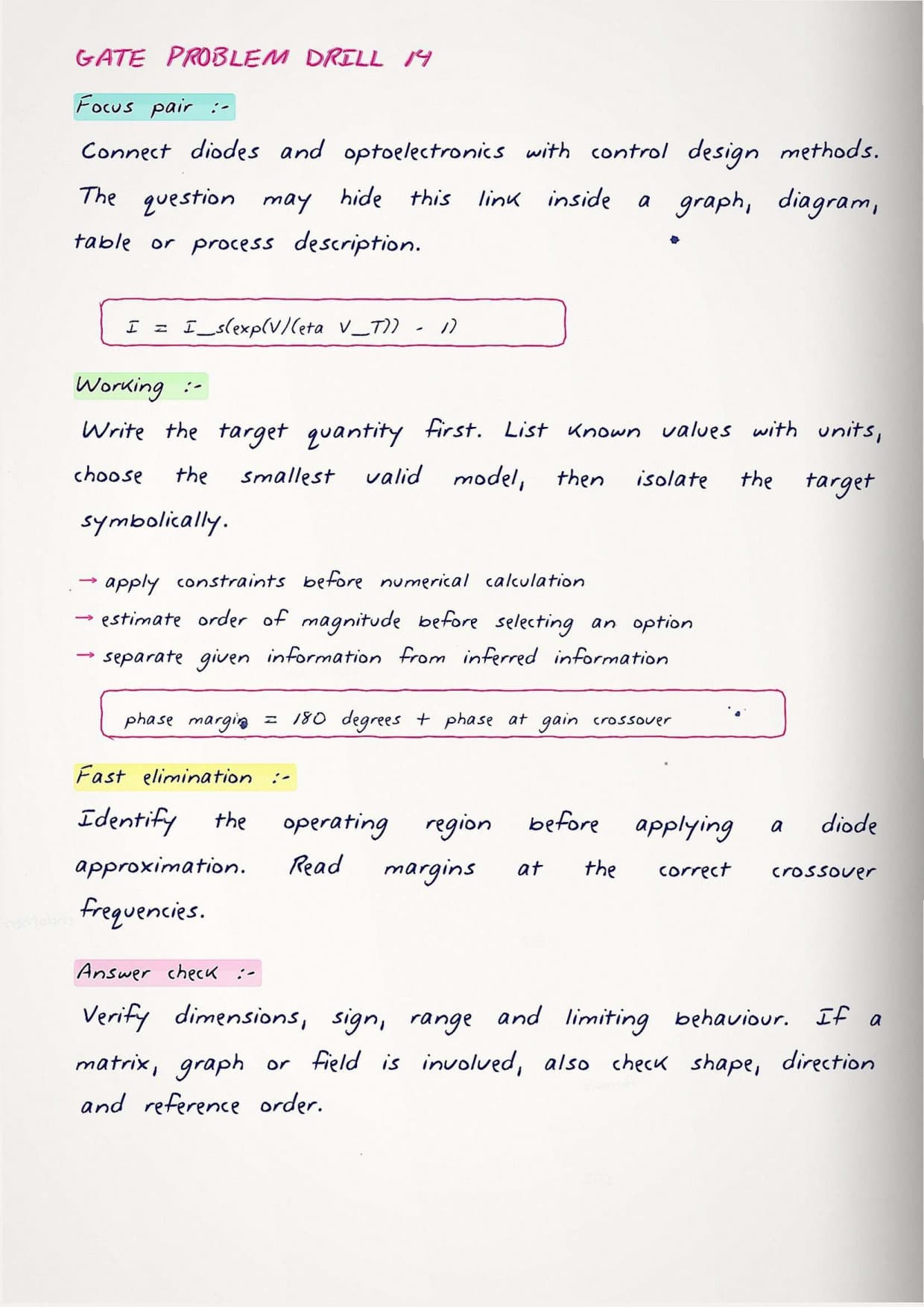
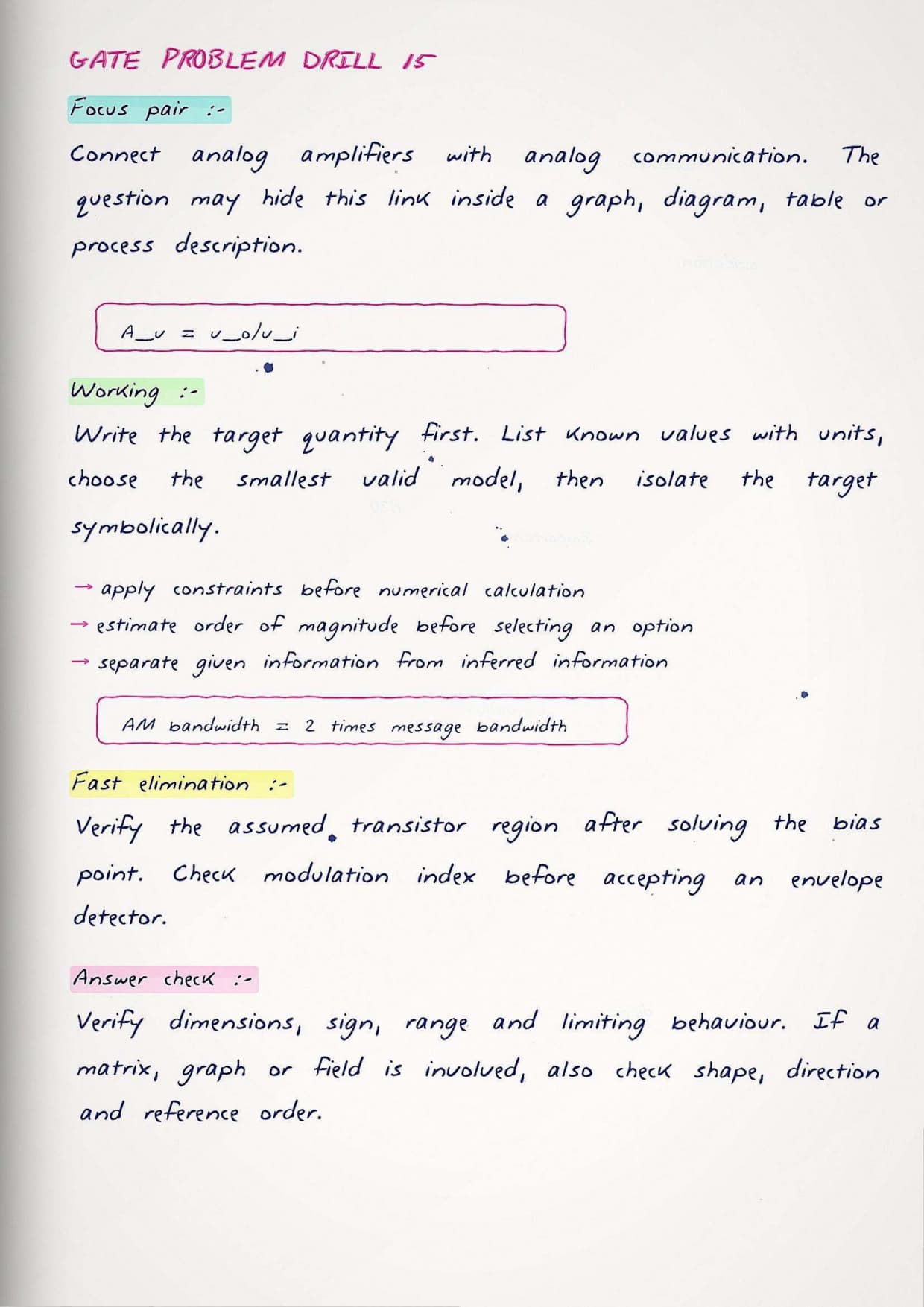
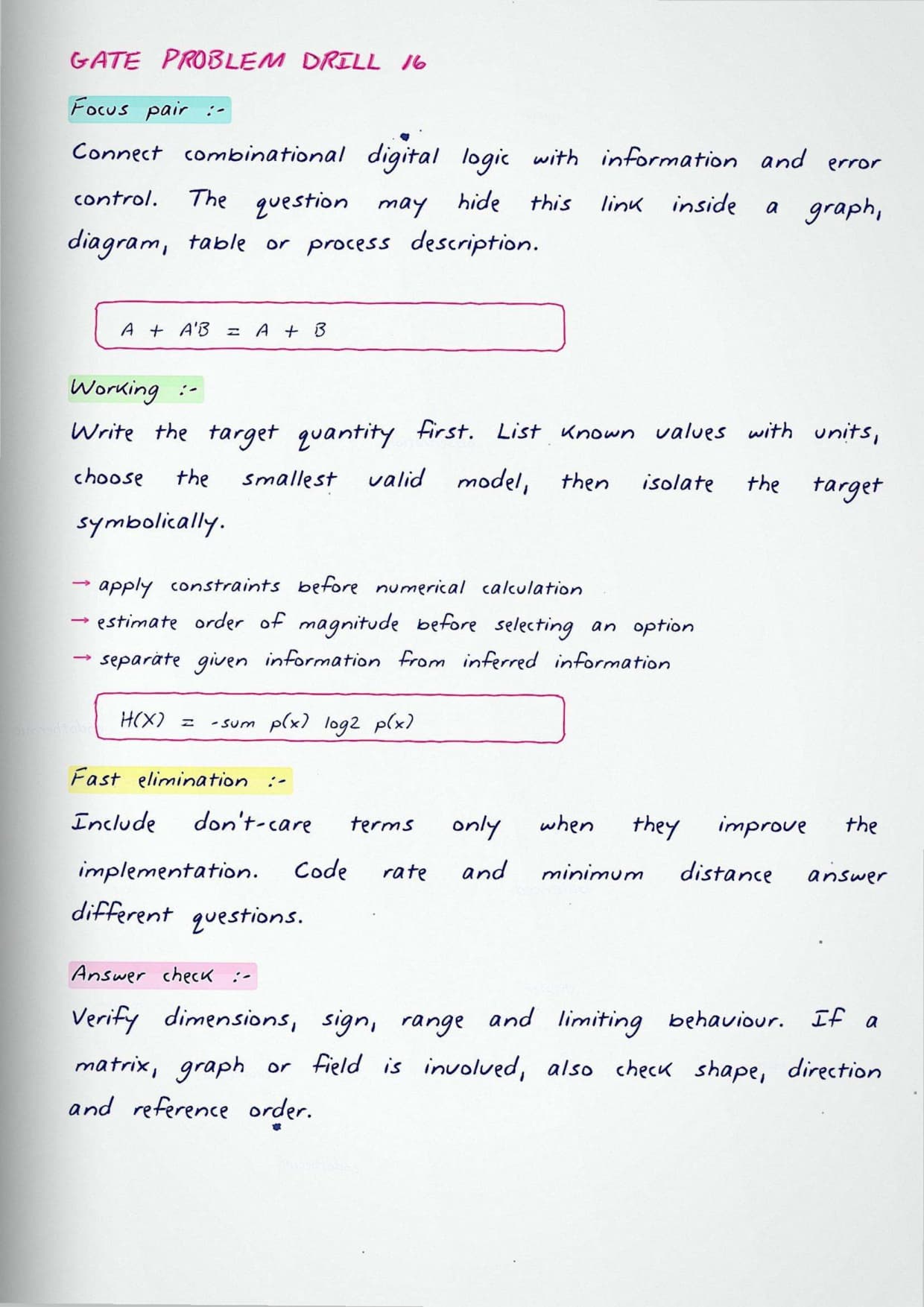
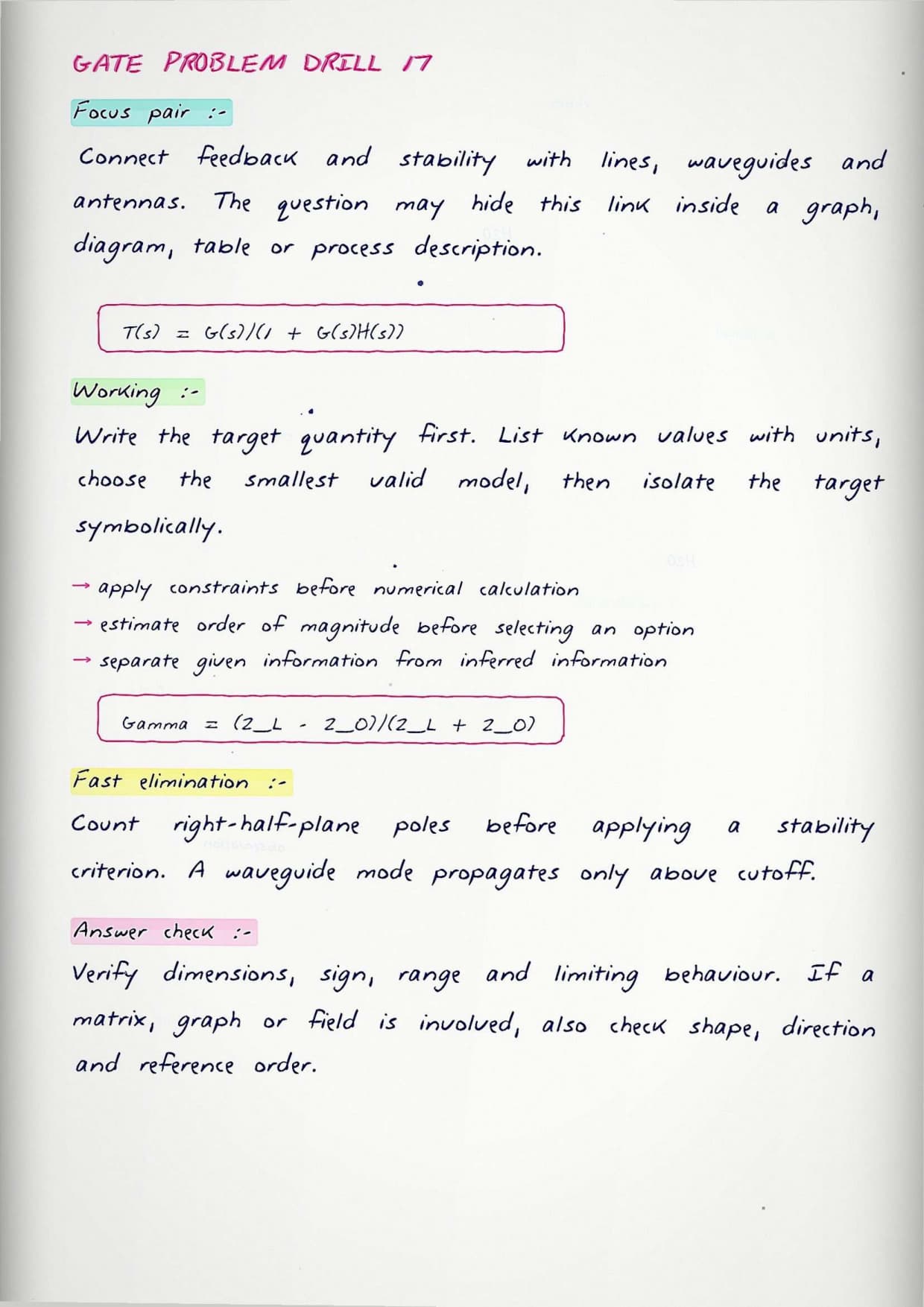
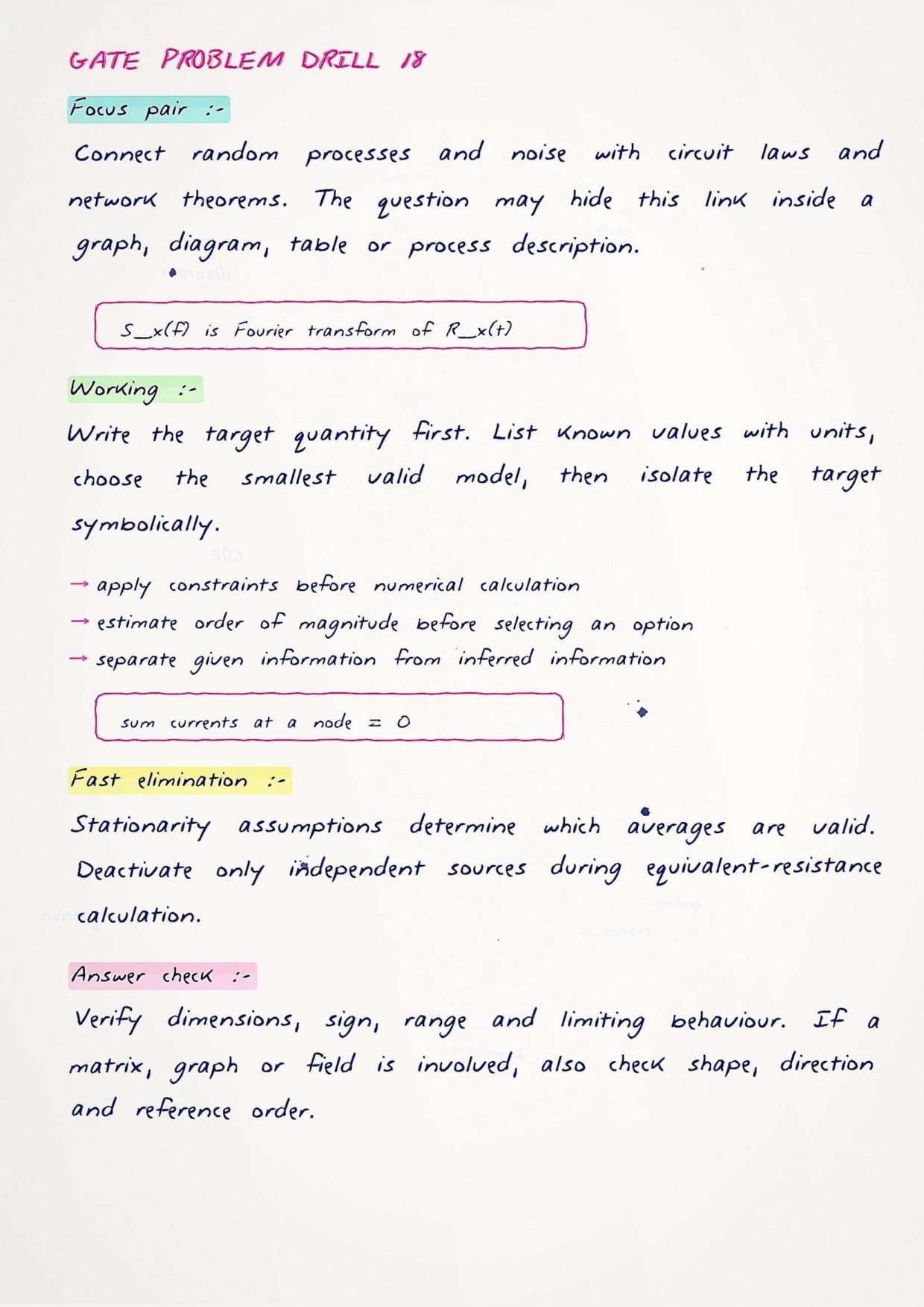
The GATE EC paper is famously wide. It touches devices, circuits, signals, fields and communication in one sitting, and jumping between separate books late in your prep wastes hours. This single notebook keeps the entire syllabus under one cover.
One Notebook for the Entire GATE EC Paper
Instead of a topic-by-topic pile, these pages read as a continuous map of the paper. You see how each subject earns its marks and where it sits in the overall exam.
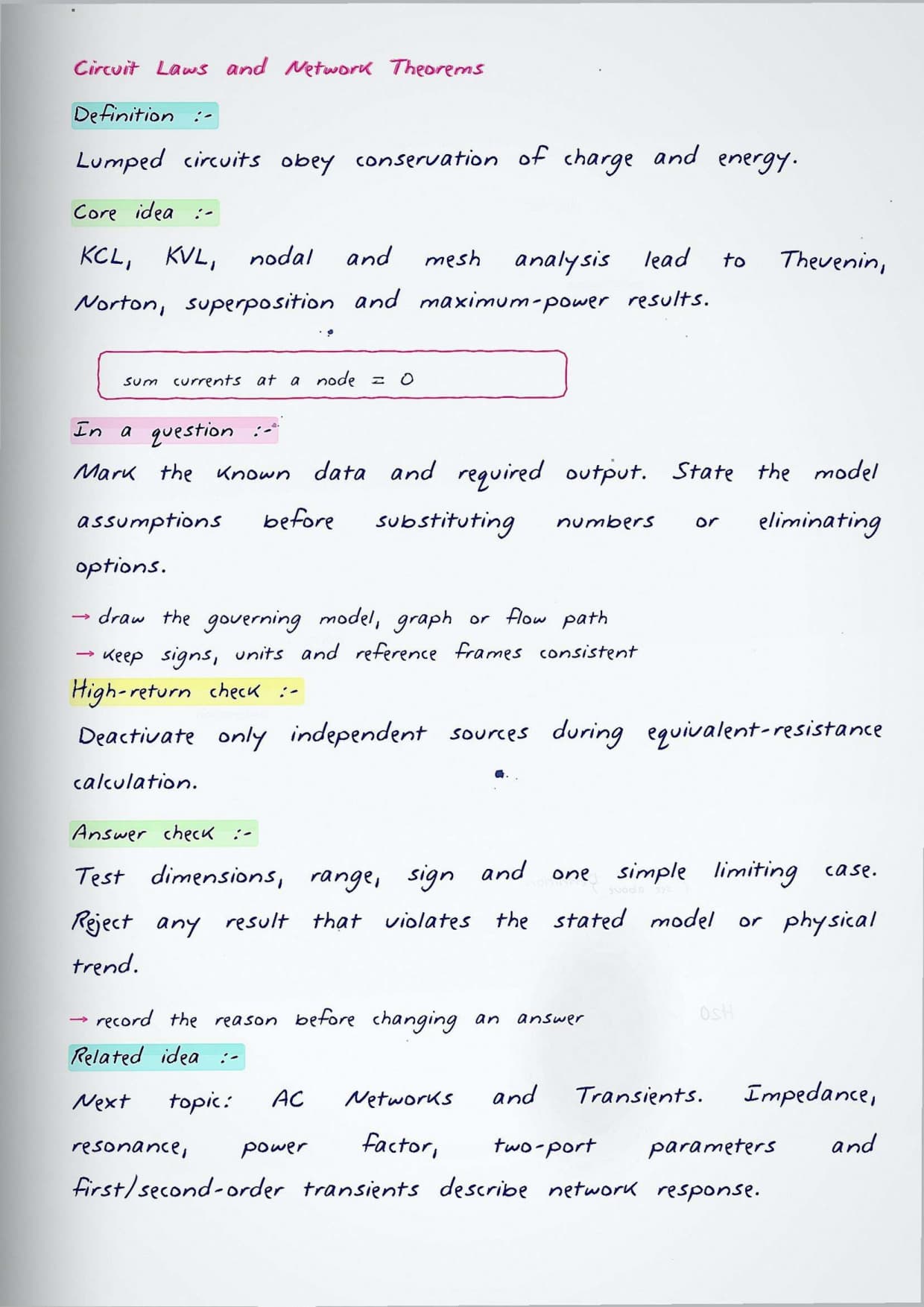
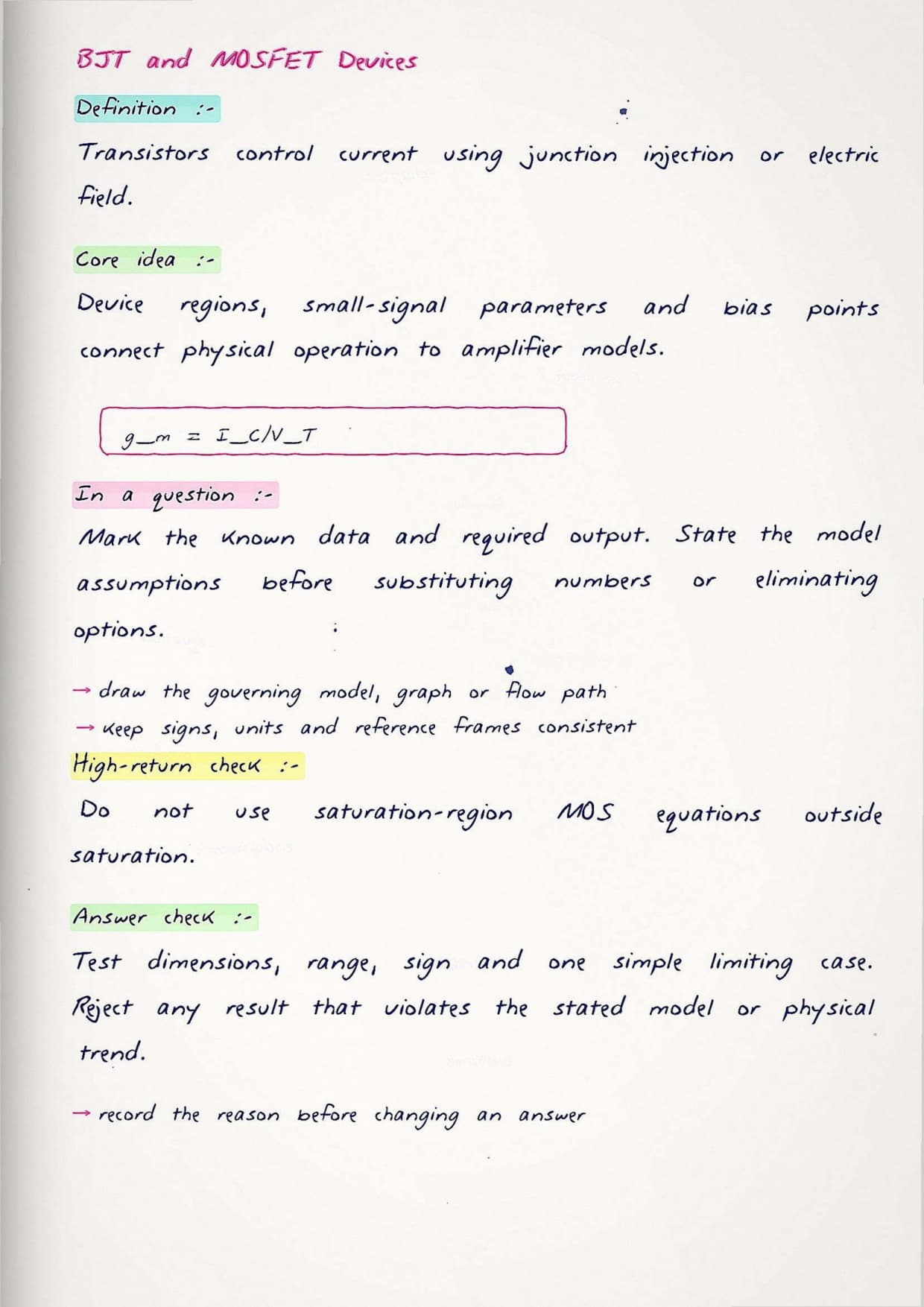
- Electronic Devices and semiconductor basics that feed every circuit chapter.
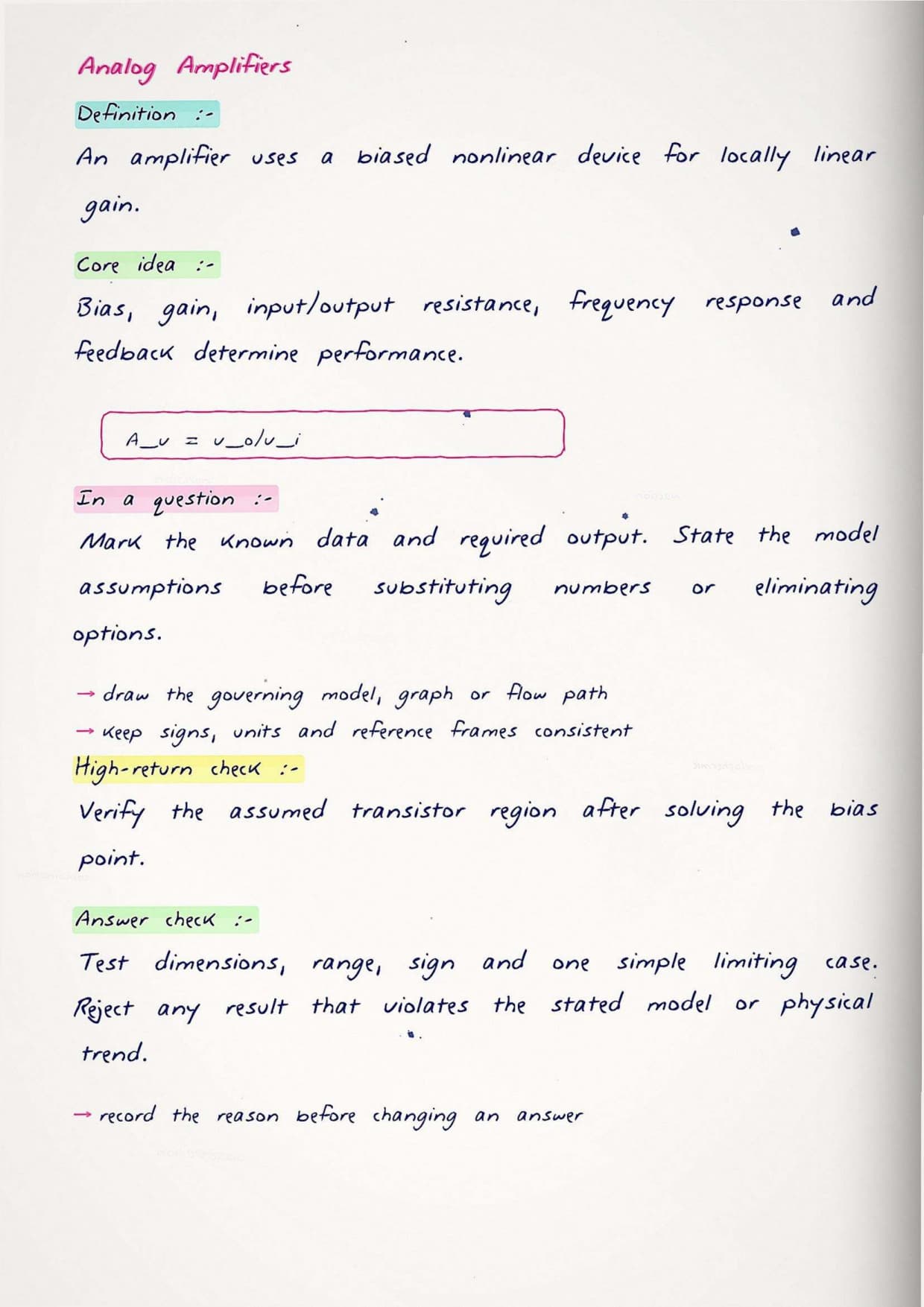
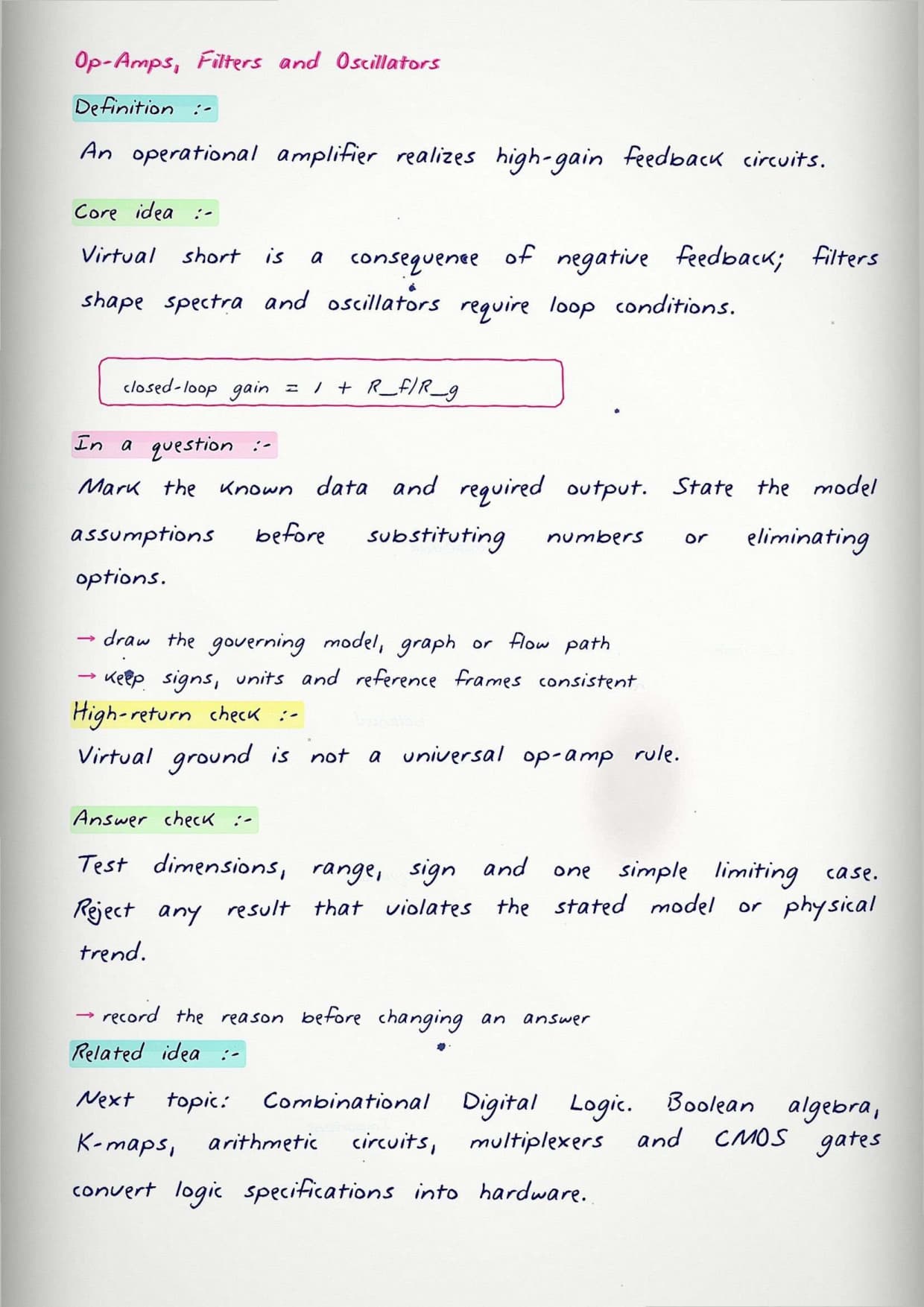
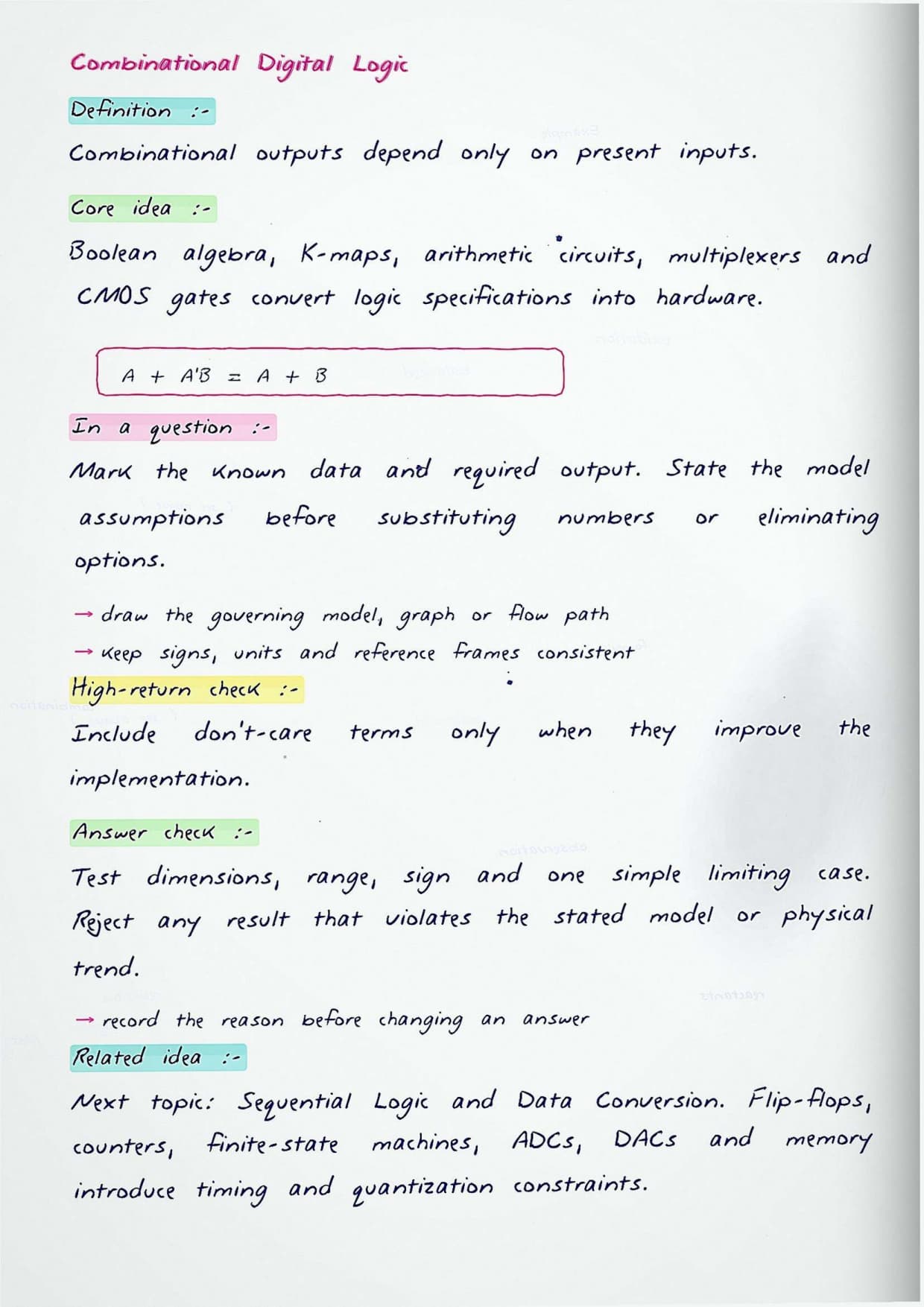
- Analog and Digital Circuits, the amplifier, op-amp and logic backbone.
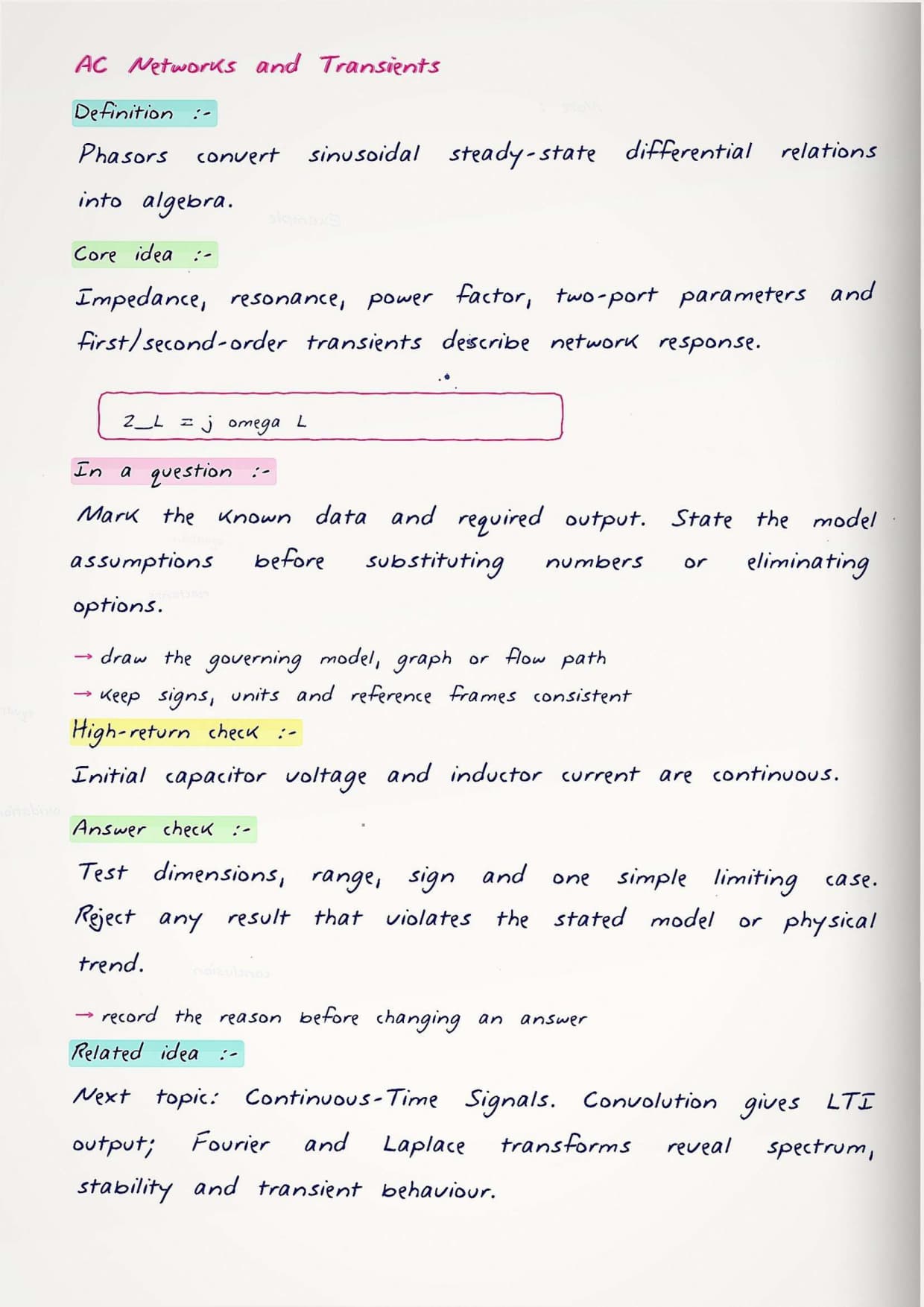
- Signals and Systems plus Networks, the maths-heavy scoring block.
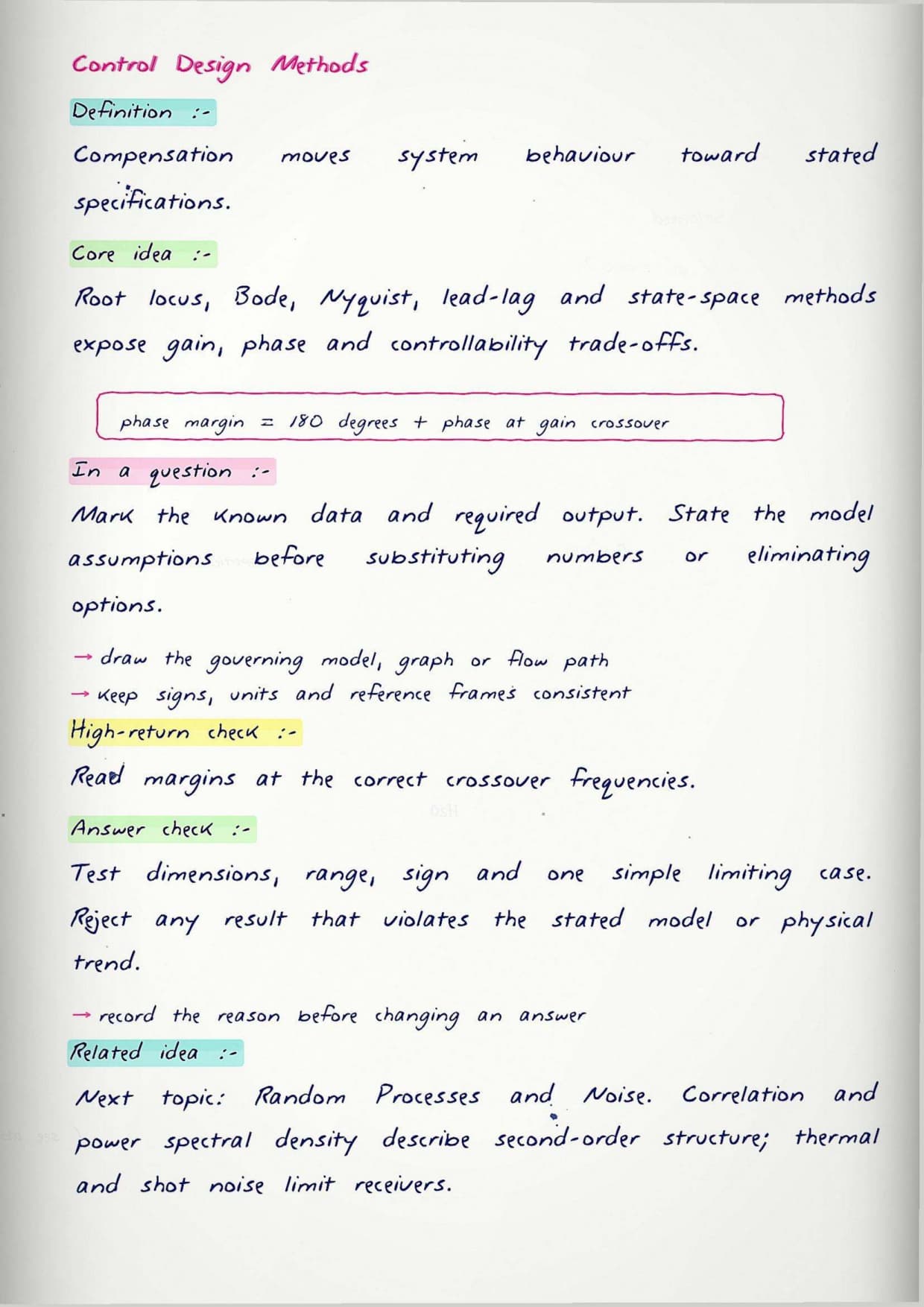
- Control Systems, Communications and Electromagnetics for the applied half.
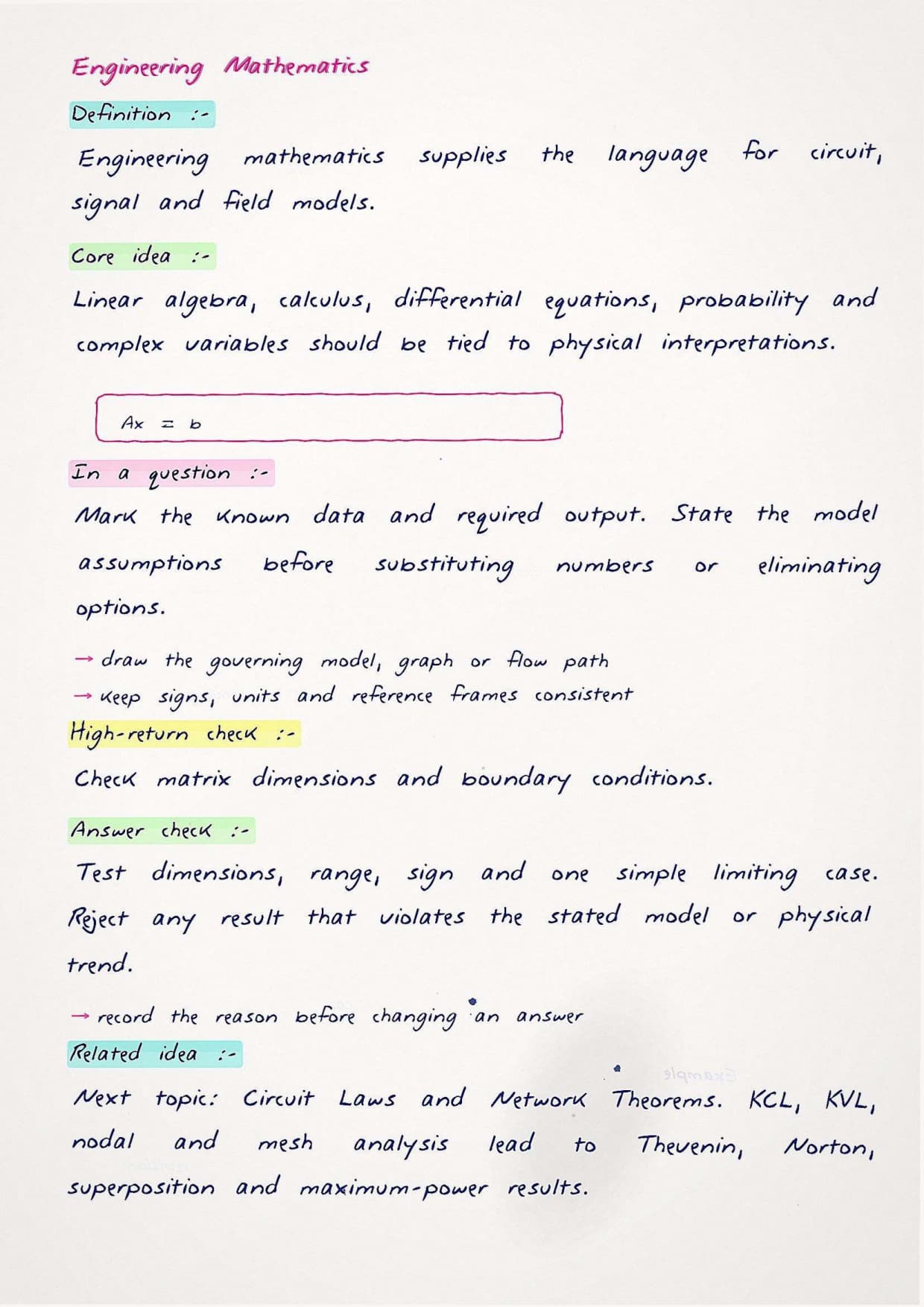
- Engineering Mathematics and the fixed General Aptitude section worth 15 marks.
A Section-by-Section Map of What Is Inside
Each subject gets its own tab in the notebook, ordered the way the syllabus itself flows. Students can open straight to a weak area without hunting.
- Device physics moving into diodes, BJTs and MOSFETs.
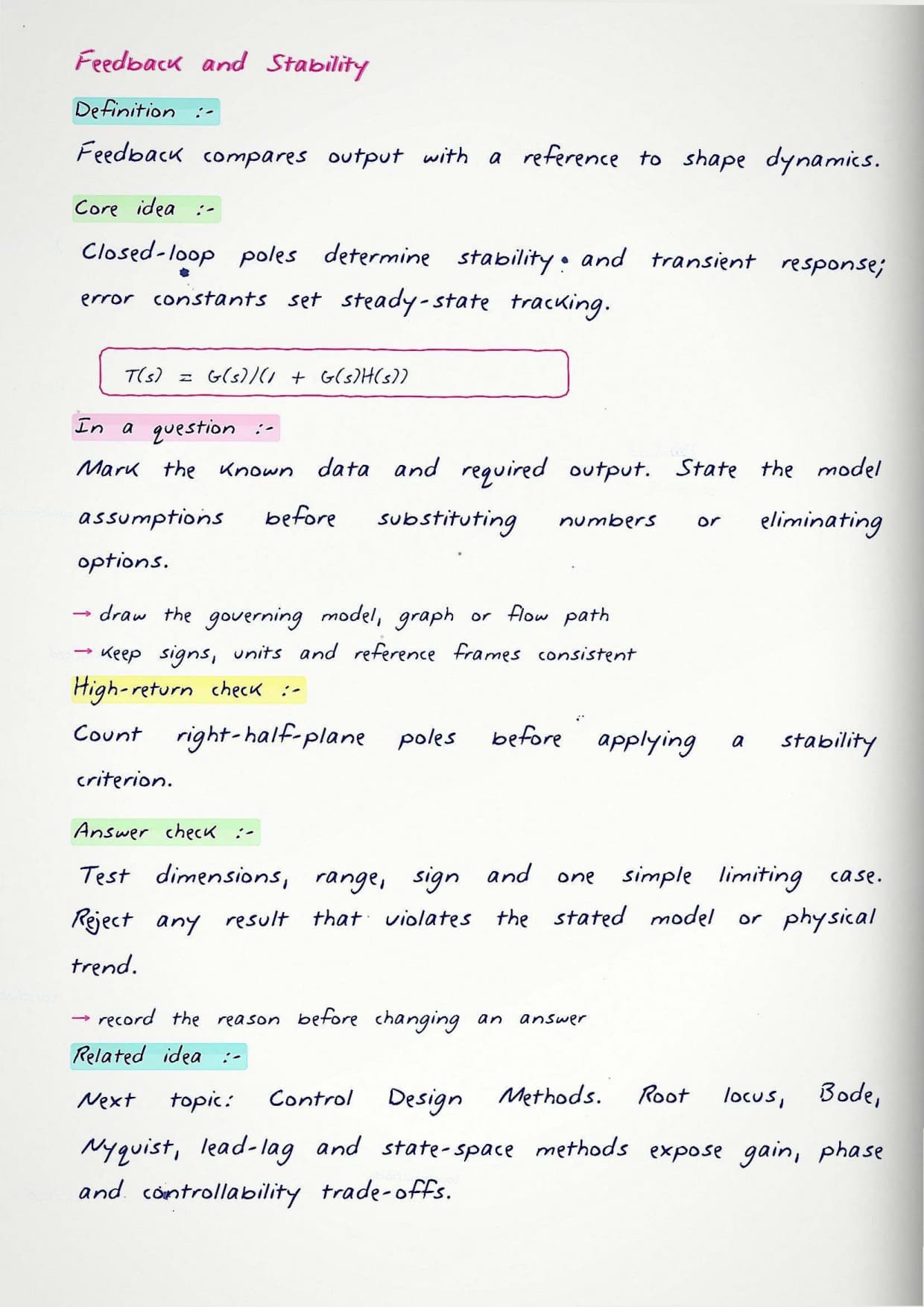
- Small-signal models leading into frequency response and feedback.
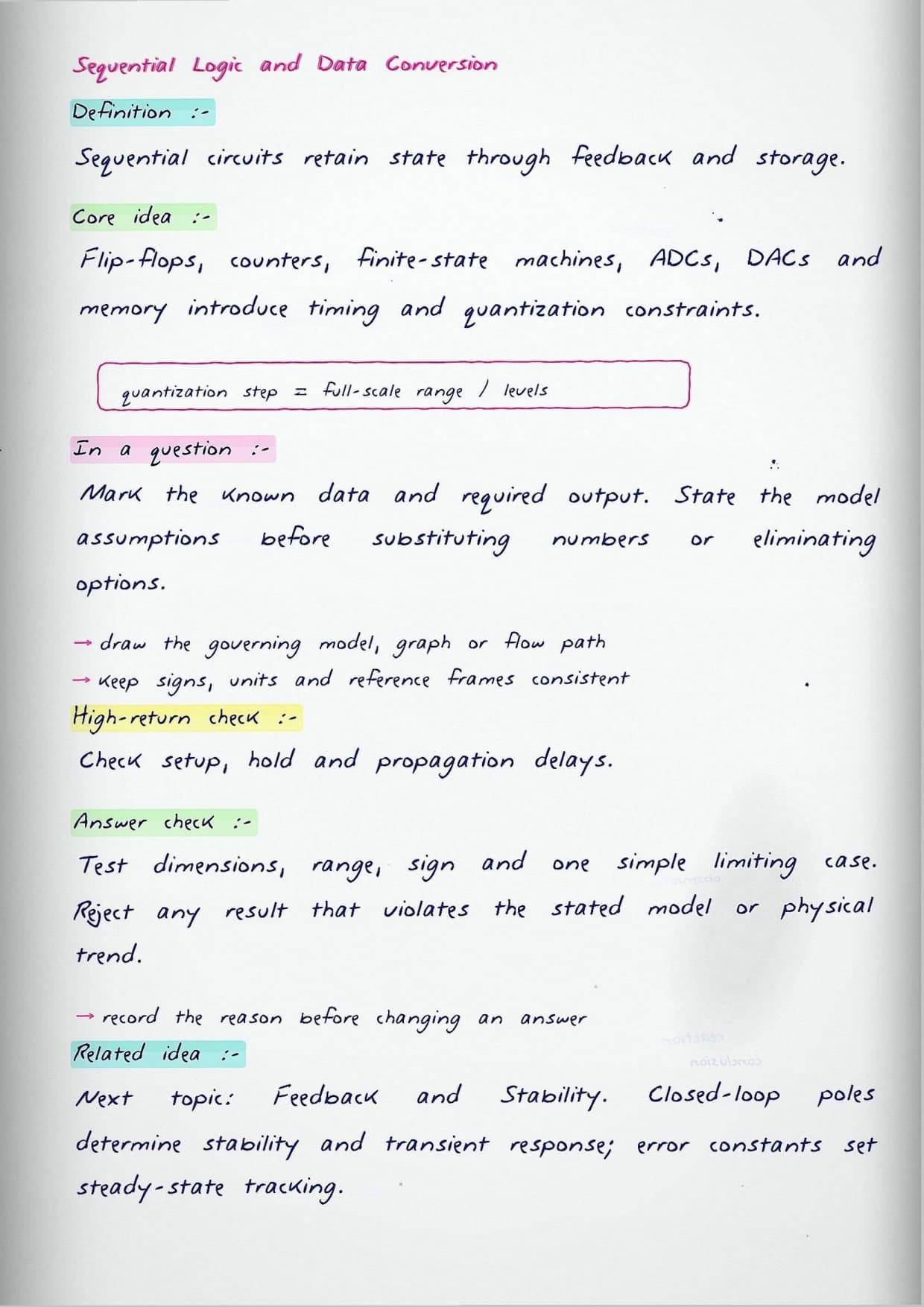
- Number systems, combinational and sequential logic with timing notes.
- Fourier, Laplace and Z-transforms tied back to network analysis.
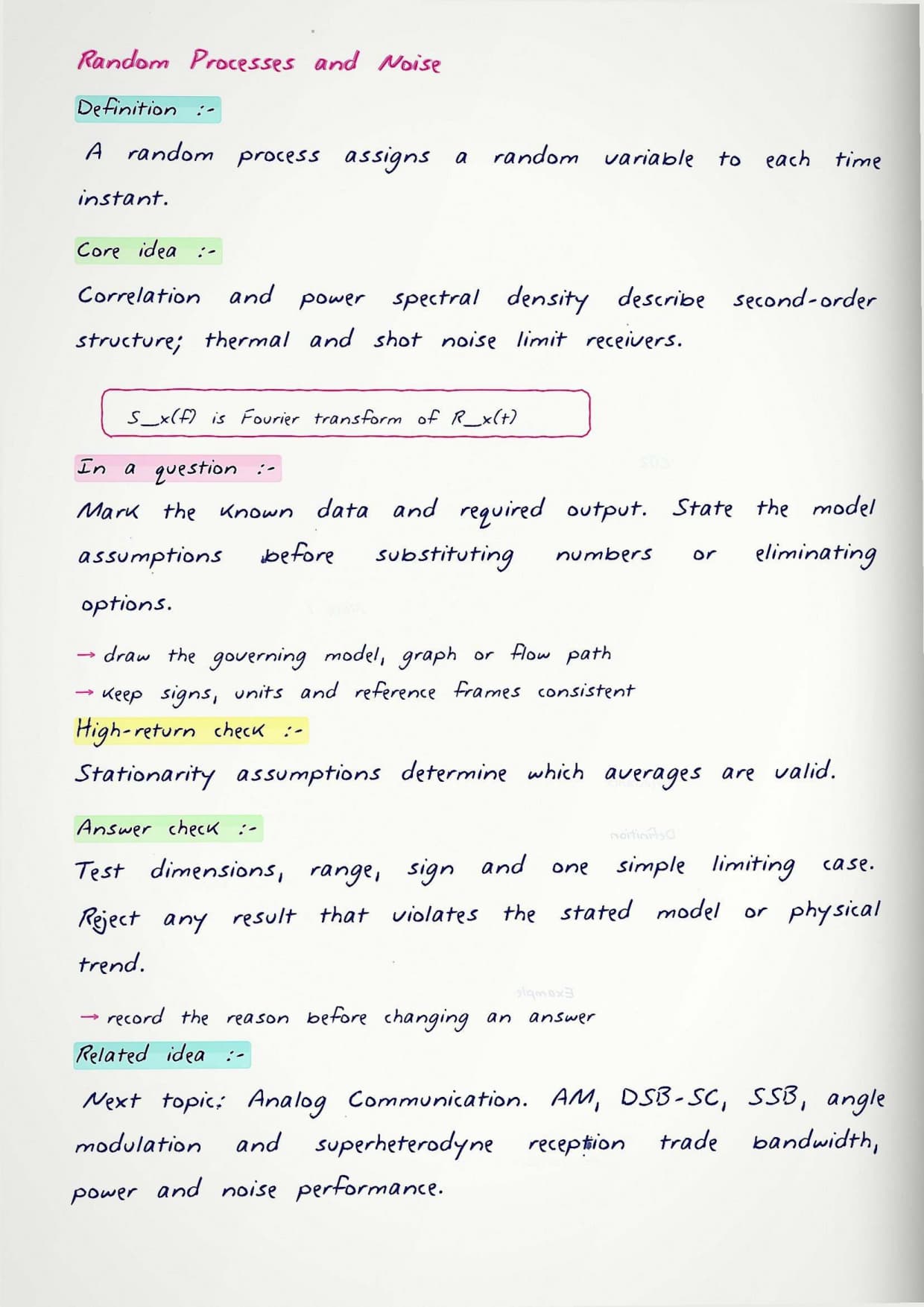
- Modulation, noise, transmission lines and antennas at the applied end.
Which Subjects Pull the Most Weight
Every core subject in GATE EC carries a meaningful share, so no section is safe to skip. The notes flag where returns are highest.
- Signals, Networks and Mathematics together form a large, reliable chunk of marks.
- Analog and Digital Circuits stay heavily tested year after year.
- Communications and Electromagnetics add a strong applied share.
- General Aptitude is a fixed 15 marks and among the easiest to secure.
Treating aptitude and mathematics as guaranteed points, then defending the circuit subjects, is how most rankers build a stable score.
Plan Your Full-Syllabus Revision
This short breakdown pairs well with the notes when you are deciding what to revise first.
Source: GeeksforGeeks- EC, EE & IN
Mistakes That Quietly Cost Marks
Wide syllabus, tight time. A few habits sink scores more than any single hard question does.
- Leaving Electromagnetics for last and never finishing it.
- Memorising circuit results without the underlying device behaviour.
- Ignoring General Aptitude until the exam hall.
- Revising subjects in isolation, missing how signals feed control and communications.
Fitting the Notebook Into Your Final Weeks
In the closing stretch, students should revise only from short notes like these, not fat textbooks. A simple rhythm works well.
- One subject tab per day, ending with a few previous-year questions.
- Star every formula you fumble and revisit those pages the next morning.
- Keep Mathematics and Aptitude in weekly rotation so they stay sharp.
Used this way, the notebook becomes a single trusted source for the whole paper right up to exam day.
GATE EC Complete Syllabus Handwritten Notes FAQs
Ques. Do these notes cover the full GATE EC syllabus?
Ans. Yes. Every core subject is included, from Electronic Devices and Circuits through Signals, Networks, Control, Communications, Electromagnetics, Mathematics and General Aptitude.
Ques. Are handwritten notes enough for last-month revision?
Ans. For revision, yes. In the final weeks students should rely on concise notes and previous-year questions rather than reopening full textbooks.
Ques. Which subjects should students prioritise?
Ans. Signals, Networks and Mathematics offer steady returns, Analog and Digital Circuits are heavily tested, and the 15-mark General Aptitude section is among the easiest to secure.
Ques. Can beginners use this single notebook?
Ans. It works best once students have studied each subject once. As a connected revision map it then ties everything together before the exam.



Comments