




Machine Design is one of the higher-scoring subjects in the GATE Mechanical paper, and it usually carries close to 8 to 12 marks every year. These handwritten notes cover the complete Machine Design syllabus, from the factor of safety and the theories of failure to the design of shafts, joints, and bearings. They are written for revision, so you can go through the whole subject without opening a heavy textbook.
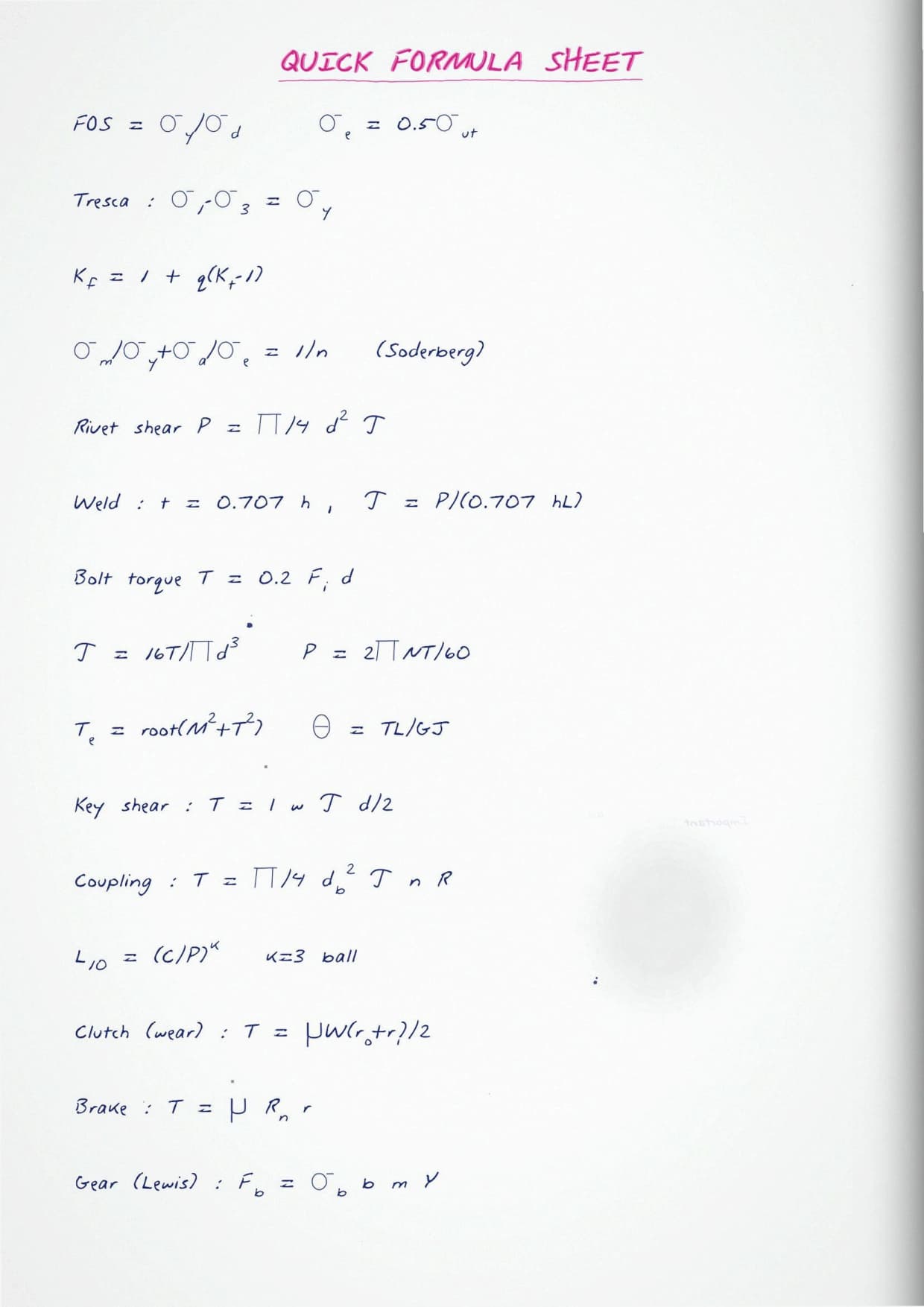
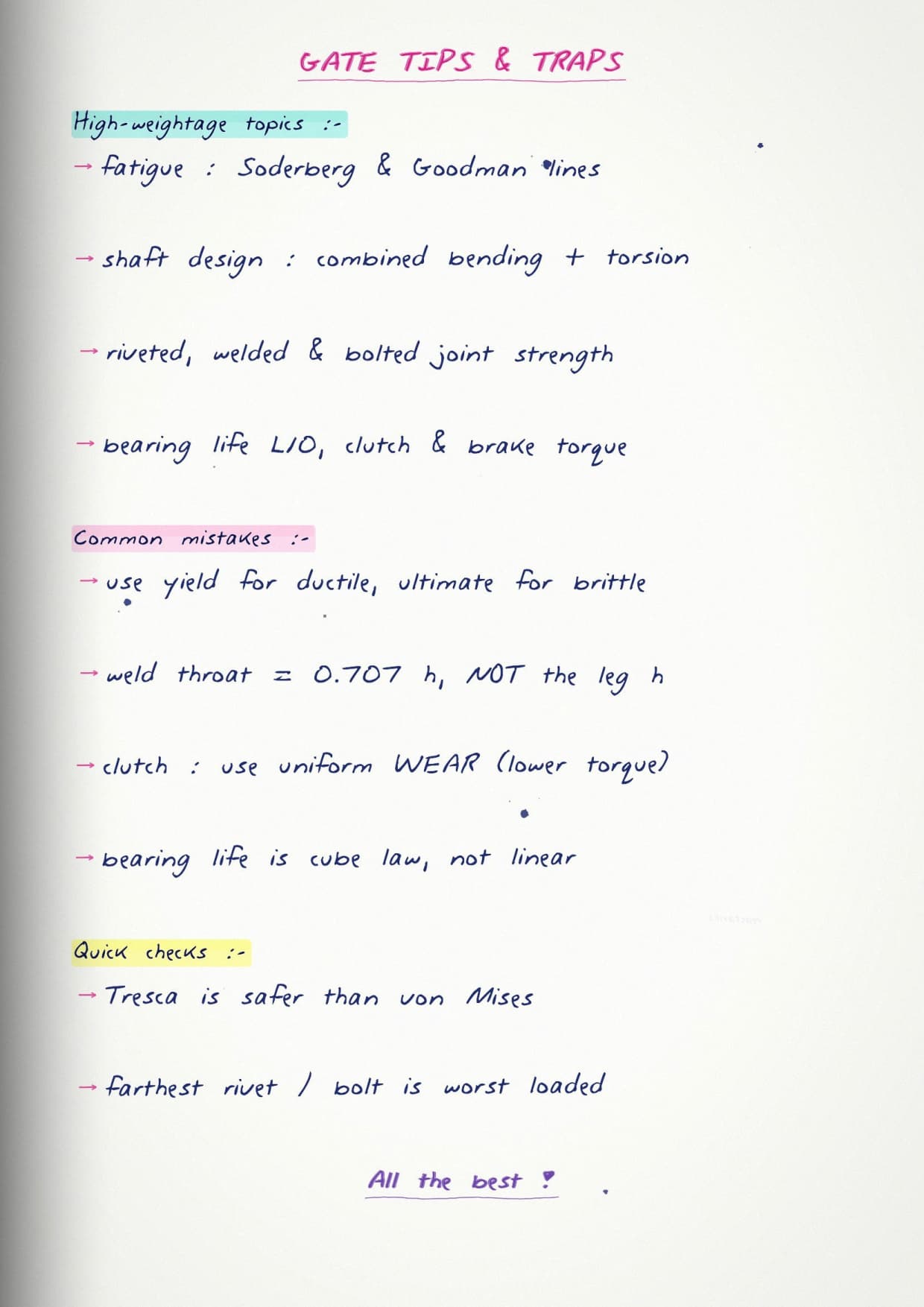
The notes stay close to the way questions are set in the exam, so students can revise the whole subject in one go and return to it in the last week before GATE.
- Full Machine Design syllabus in one PDF.
- Key formula and a one-line meaning for every topic.
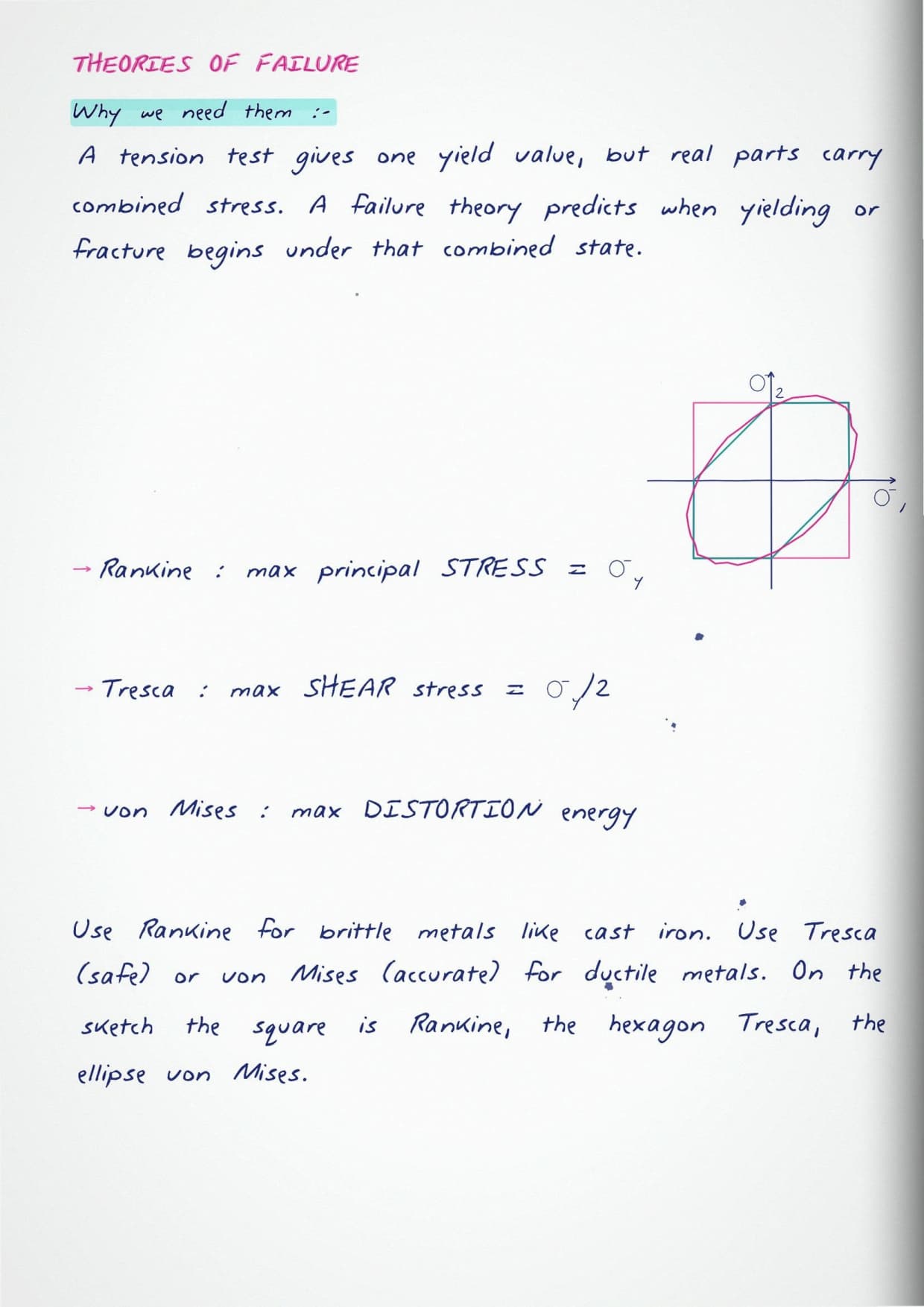
- Hand-drawn diagrams for S-N curves, joints, and failure envelopes.
What These GATE Machine Design Notes Cover
These notes cover the full GATE Mechanical Machine Design syllabus in one place. They move from the basics of design safety and factor of safety to fatigue failure and the design of common machine parts such as shafts, joints, and bearings. Each topic is kept short and practical, with the key result and a brief note on where it is used.
- Full syllabus in a single, easy-to-carry PDF.
- The key formula for each topic, with its meaning in short.
- Hand-drawn diagrams for the tricky topics.
- A quick formula sheet and a common-mistakes page at the end.
GATE Machine Design Quick Revision
Source: Unacademy GATE - ME, PI, XE on YouTube
Topics Covered in GATE Machine Design
The notes follow the official GATE Mechanical Machine Design syllabus and cover every unit the exam tests. Nothing important is left out, and the topics are placed in the order you would usually study them. The main topics are:
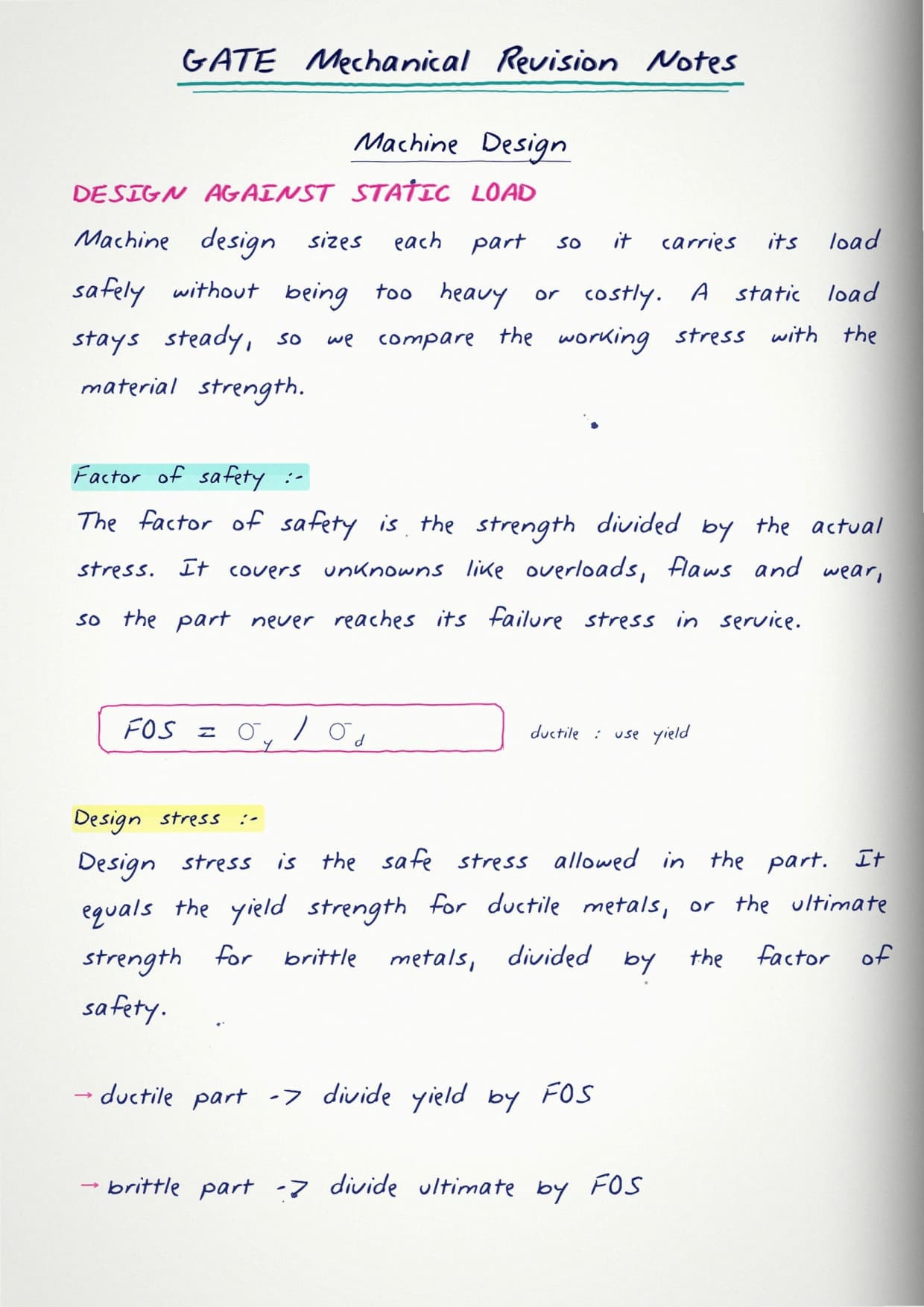
- Design philosophy, factor of safety, and design stress.
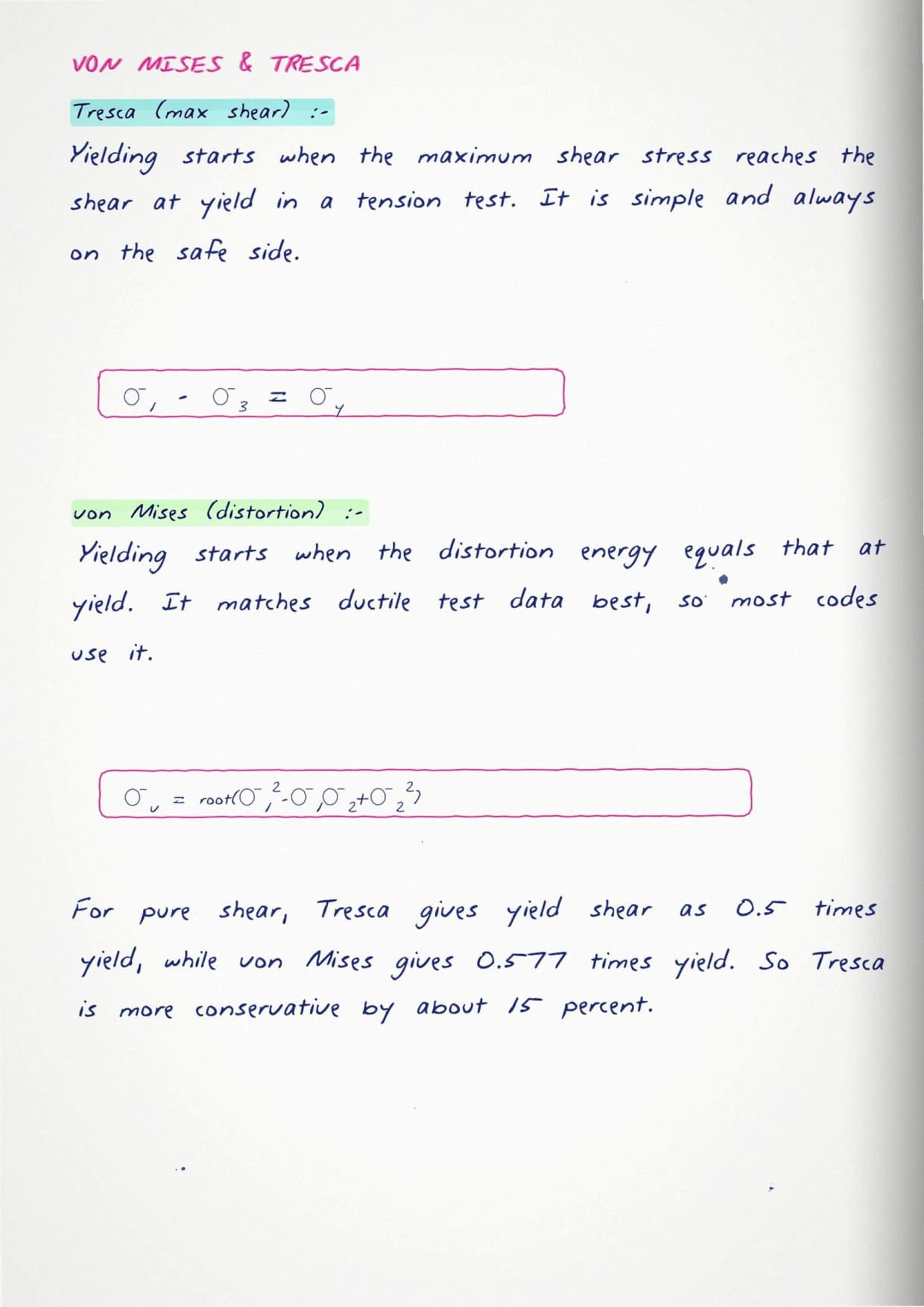
- Static failure theories: Tresca, von Mises, and Rankine.
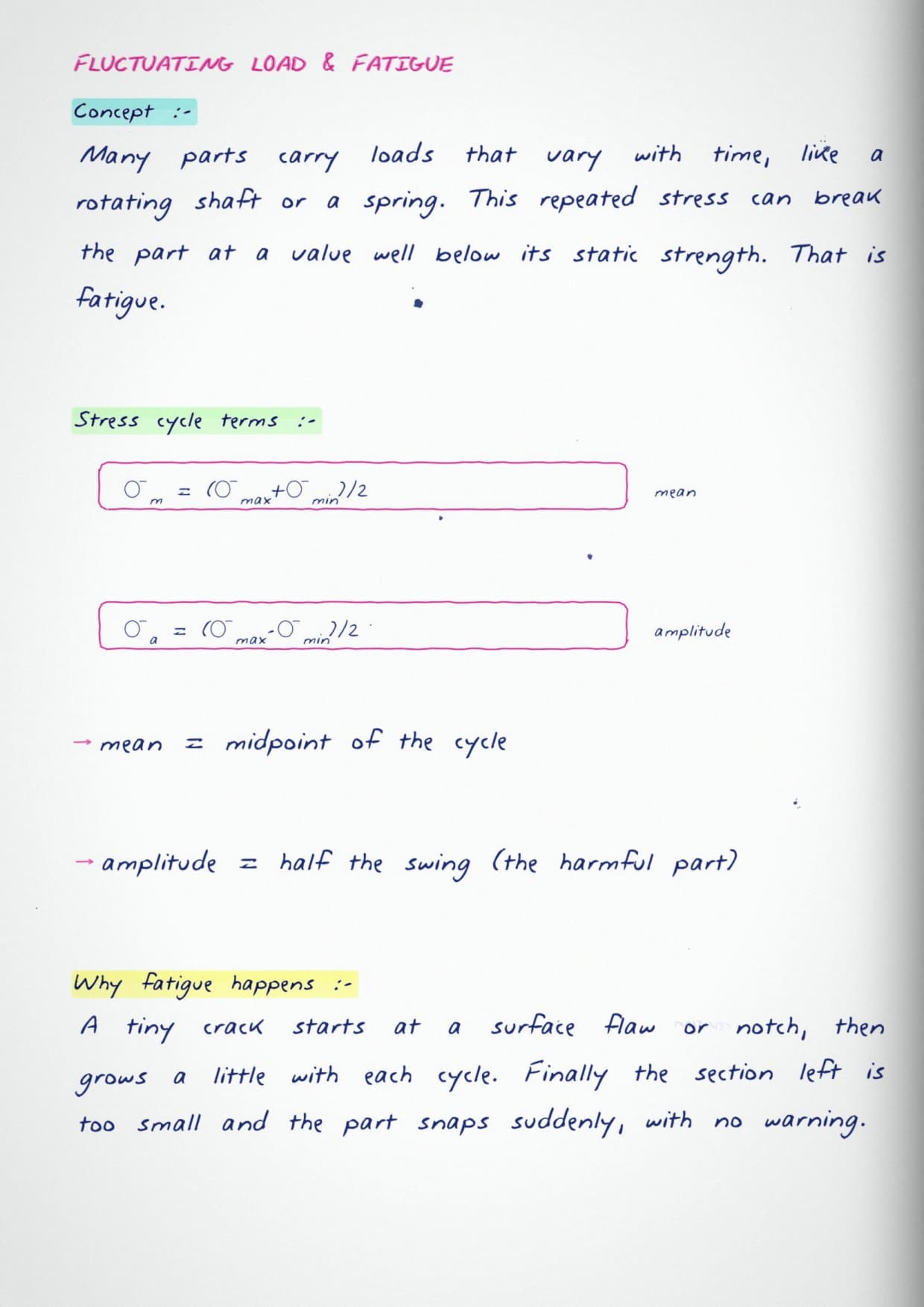
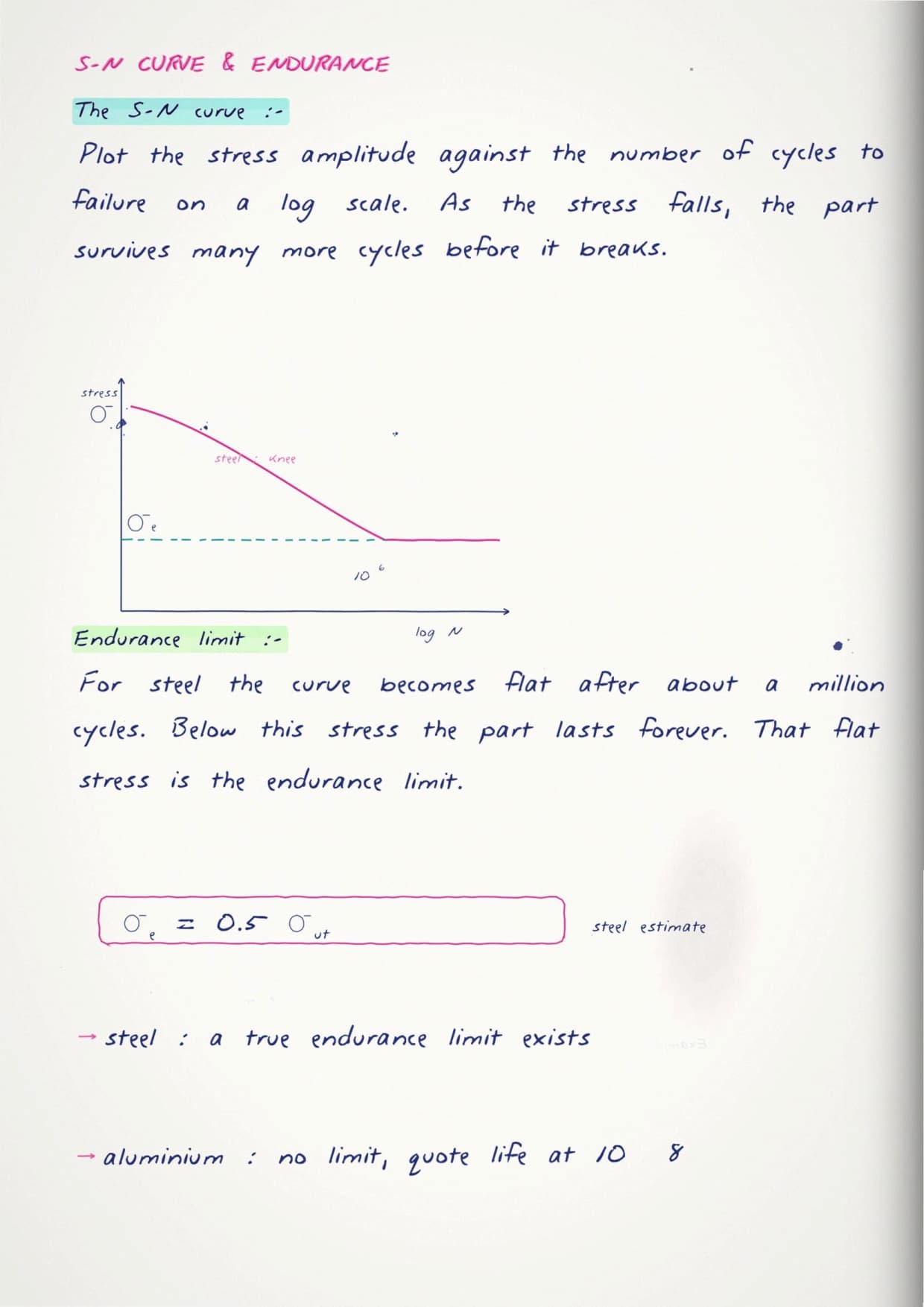
- Fatigue failure, the S-N curve, and endurance limit.
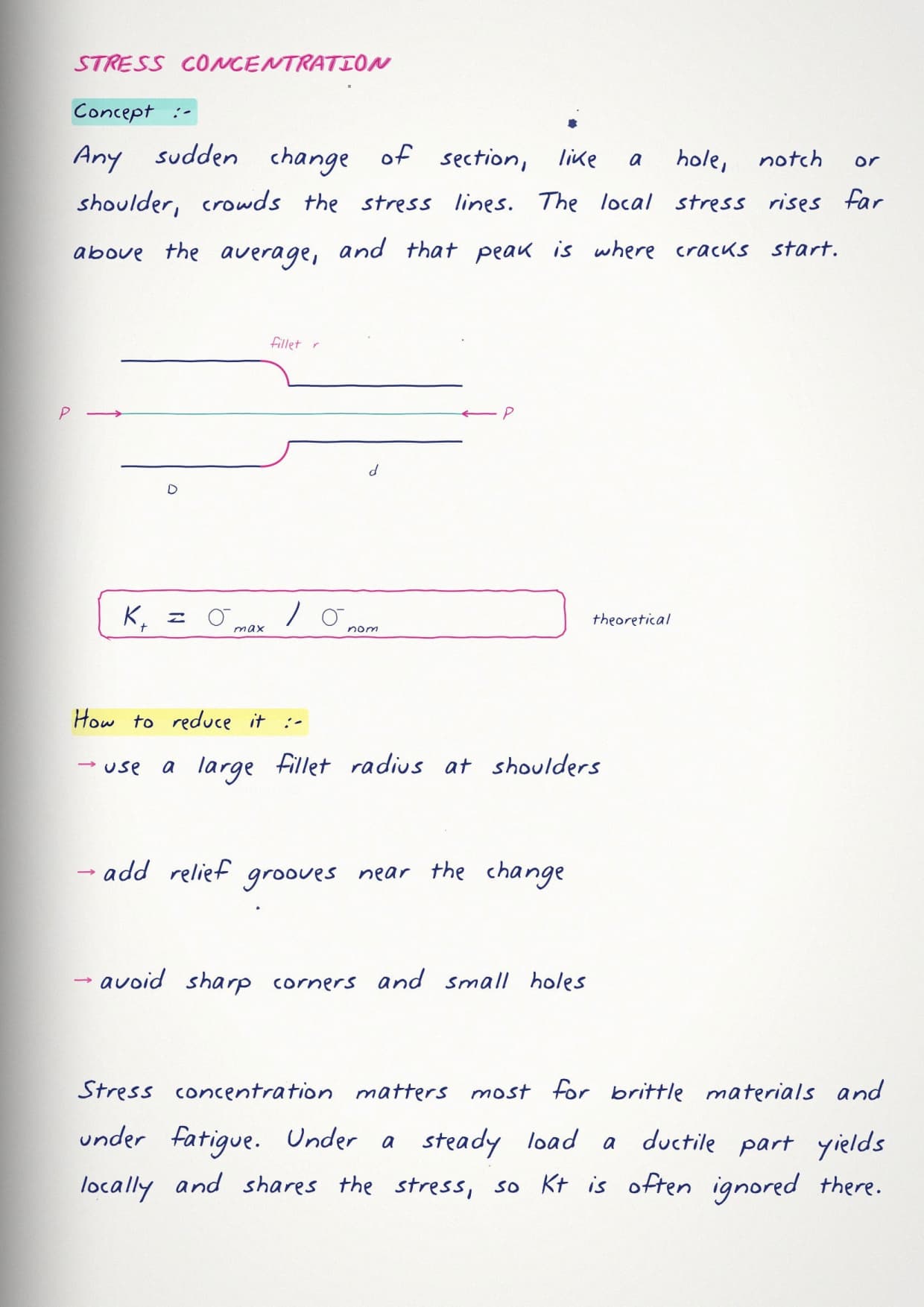
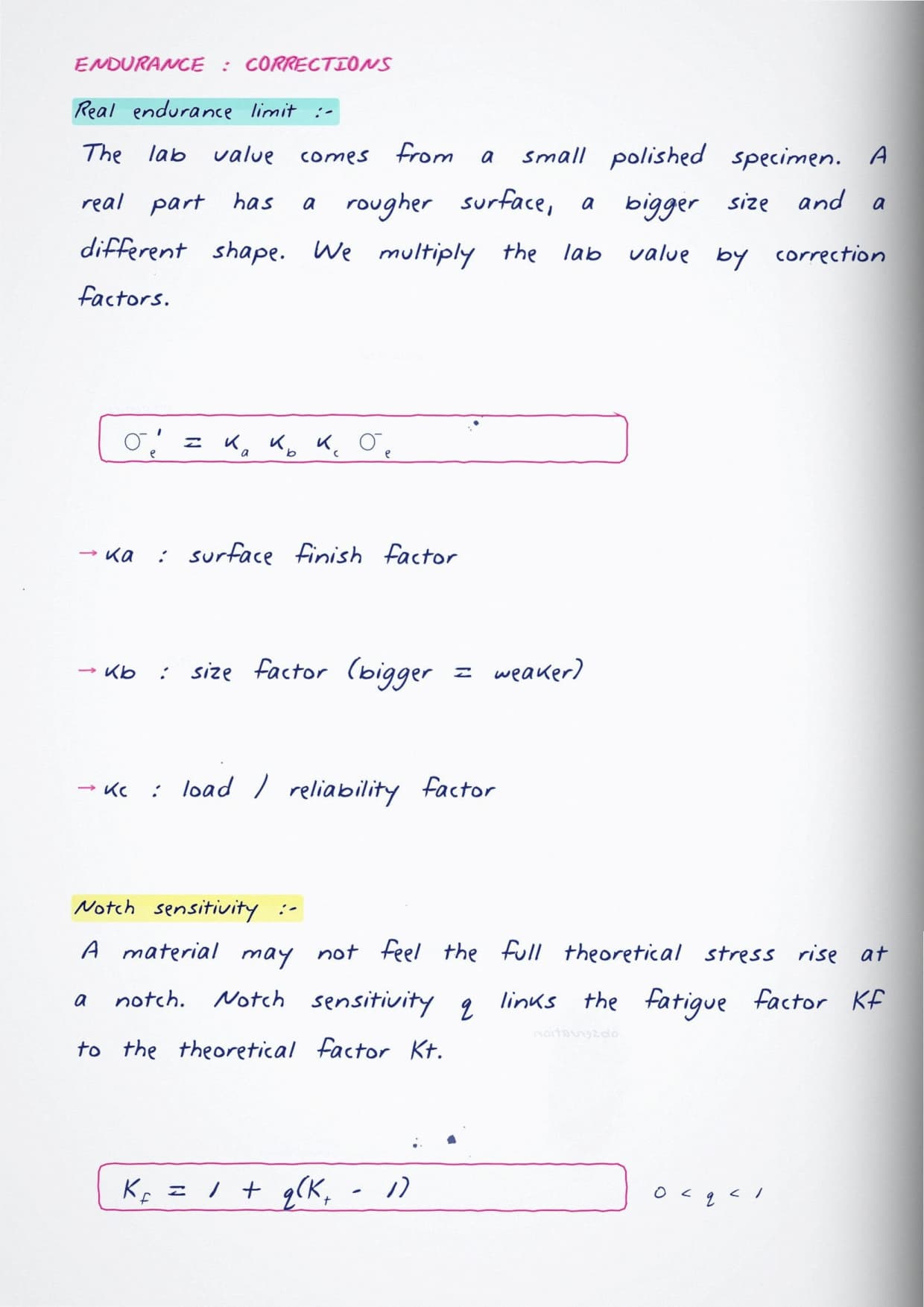
- Endurance limit correction factors and stress concentration.
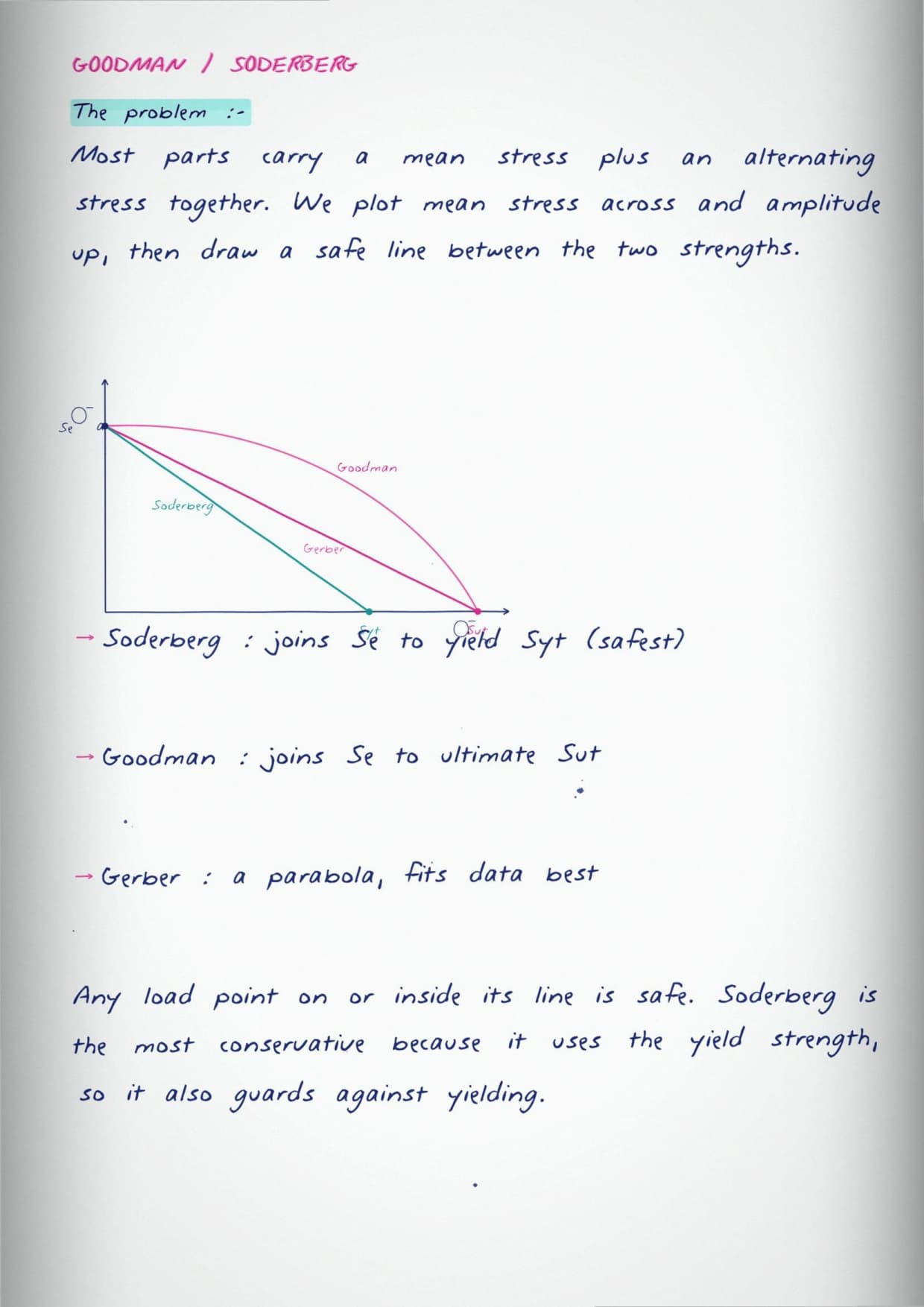
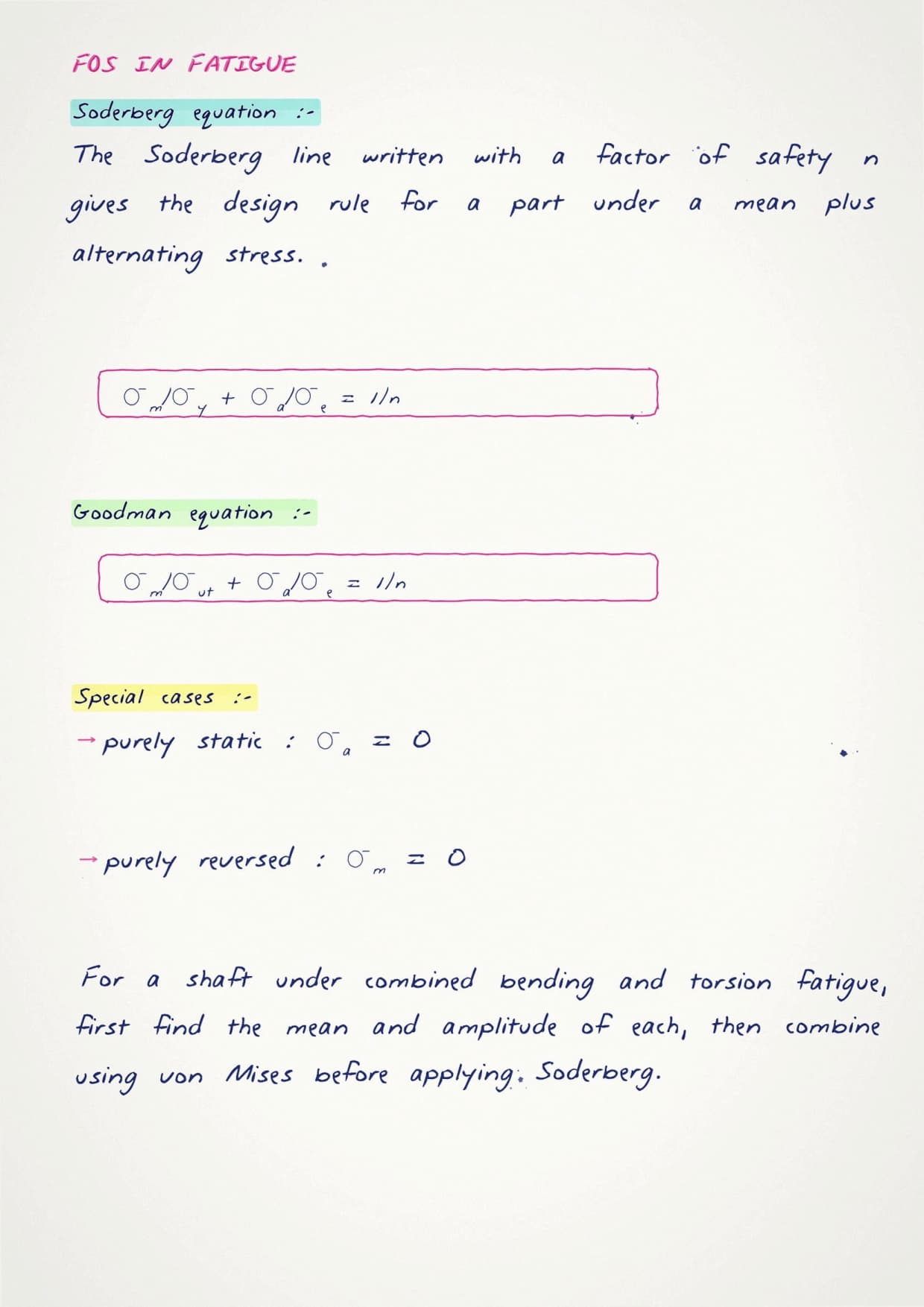
- Fluctuating loads with Soderberg, Goodman, and Gerber criteria.
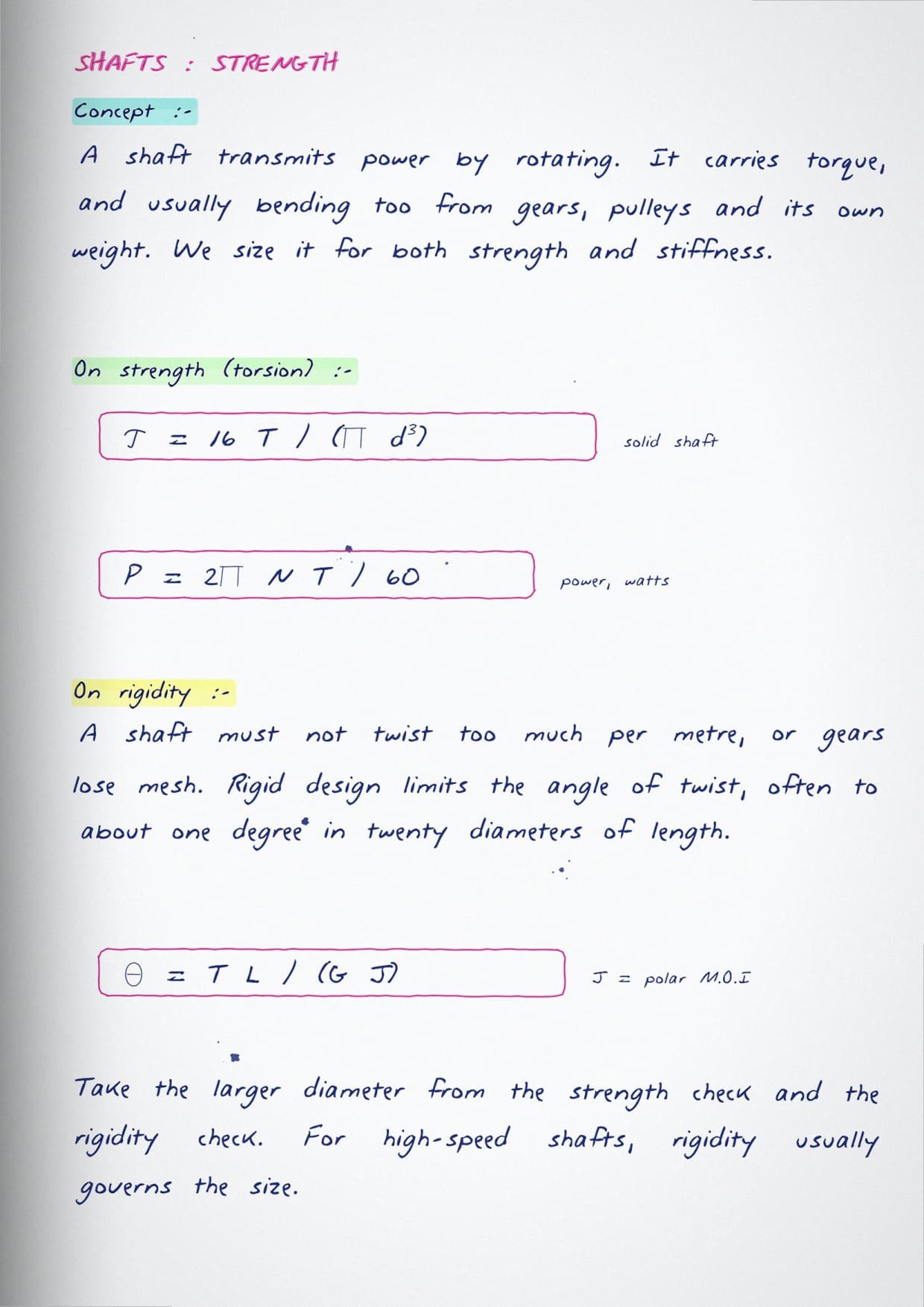
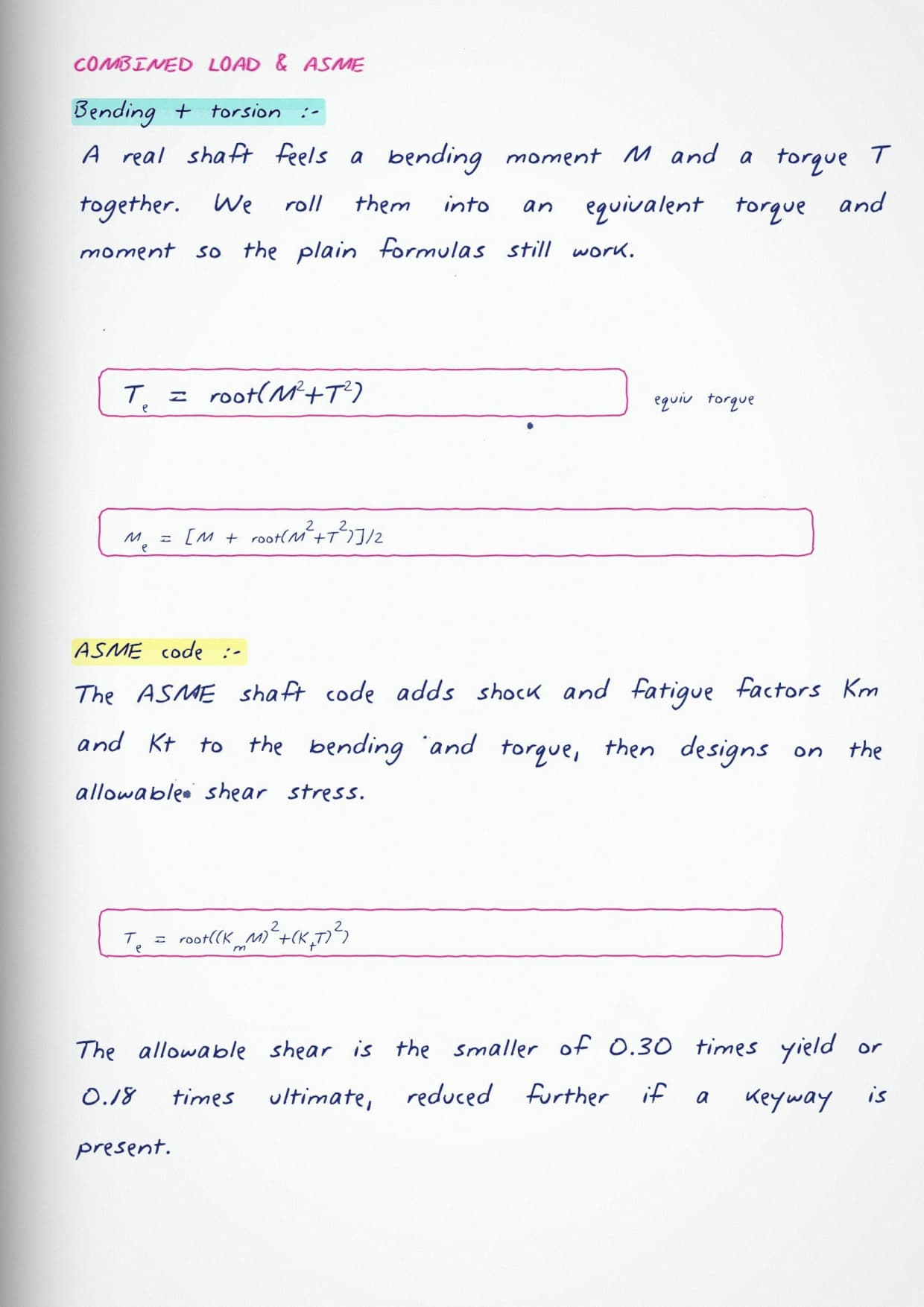
- Shaft design for strength and rigidity, with combined bending and torsion.
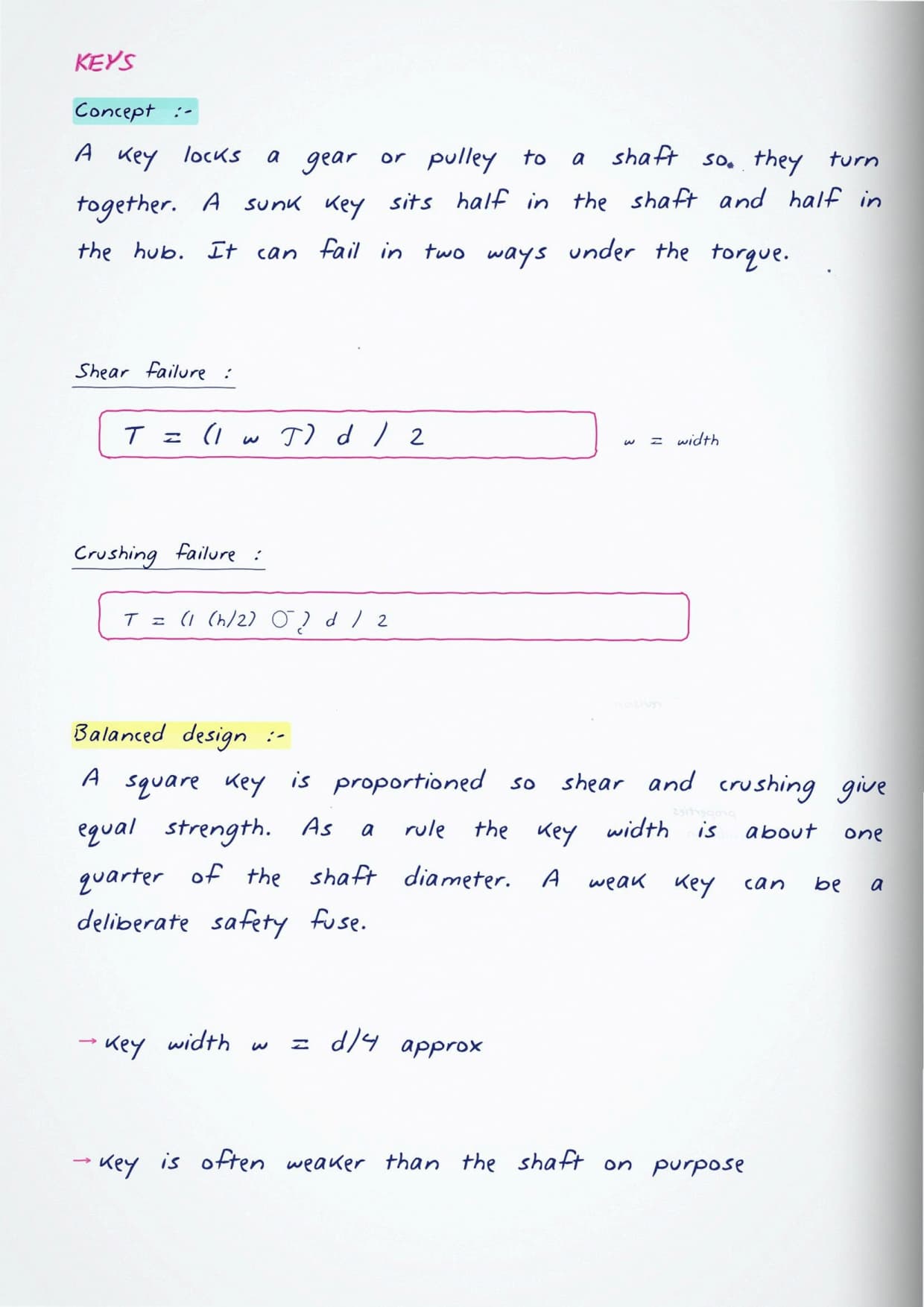
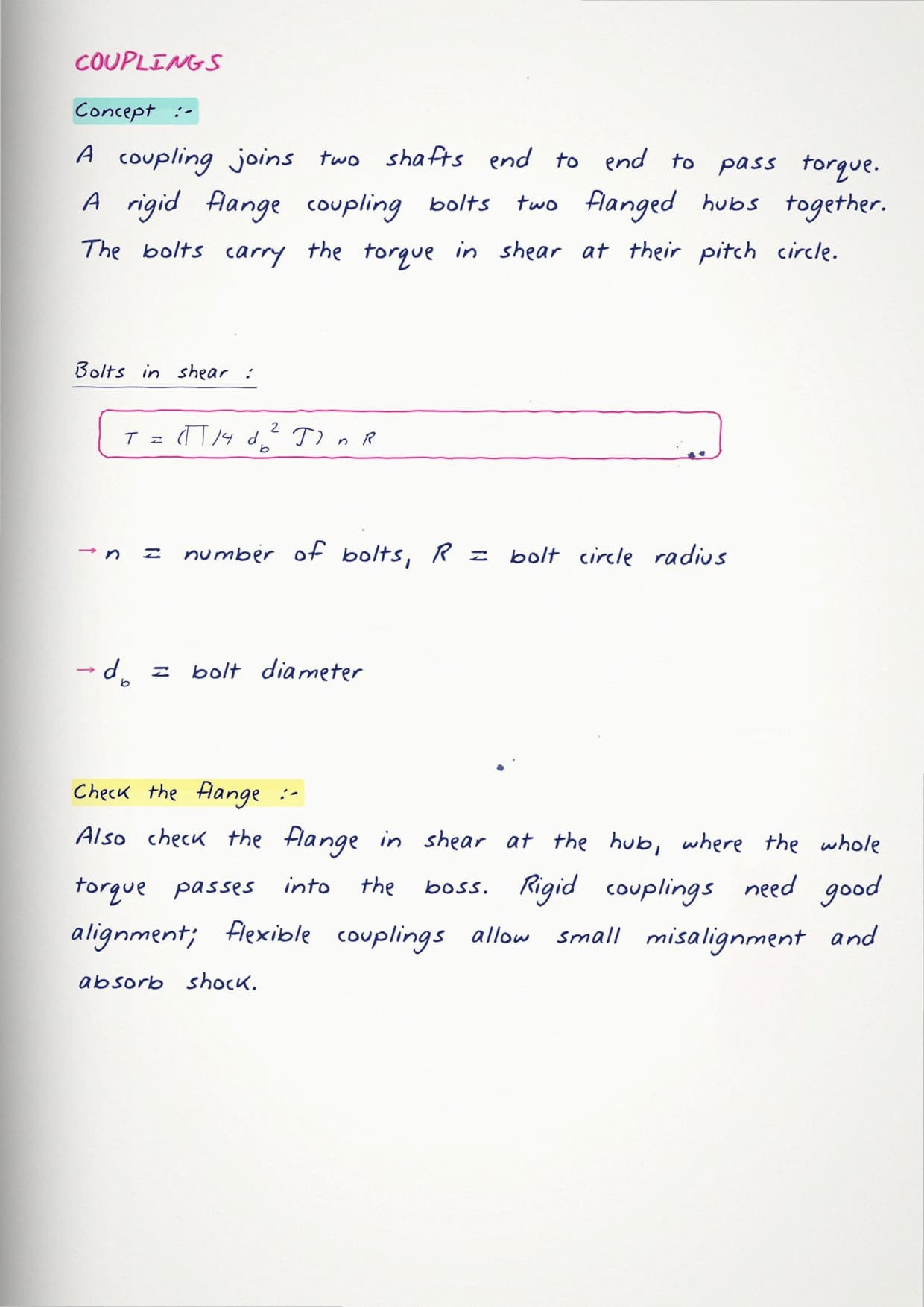
- Keys and couplings for power transmission.
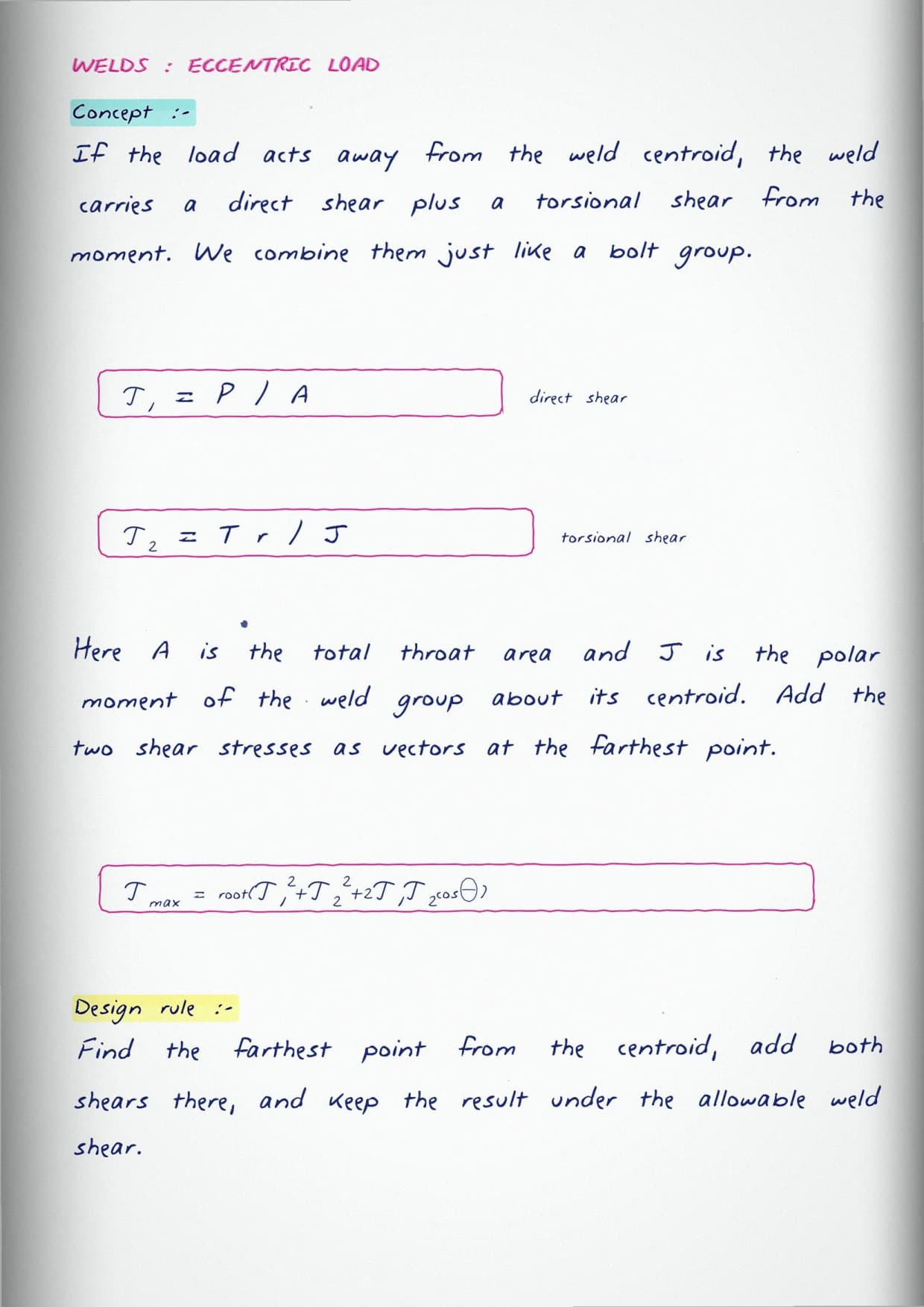
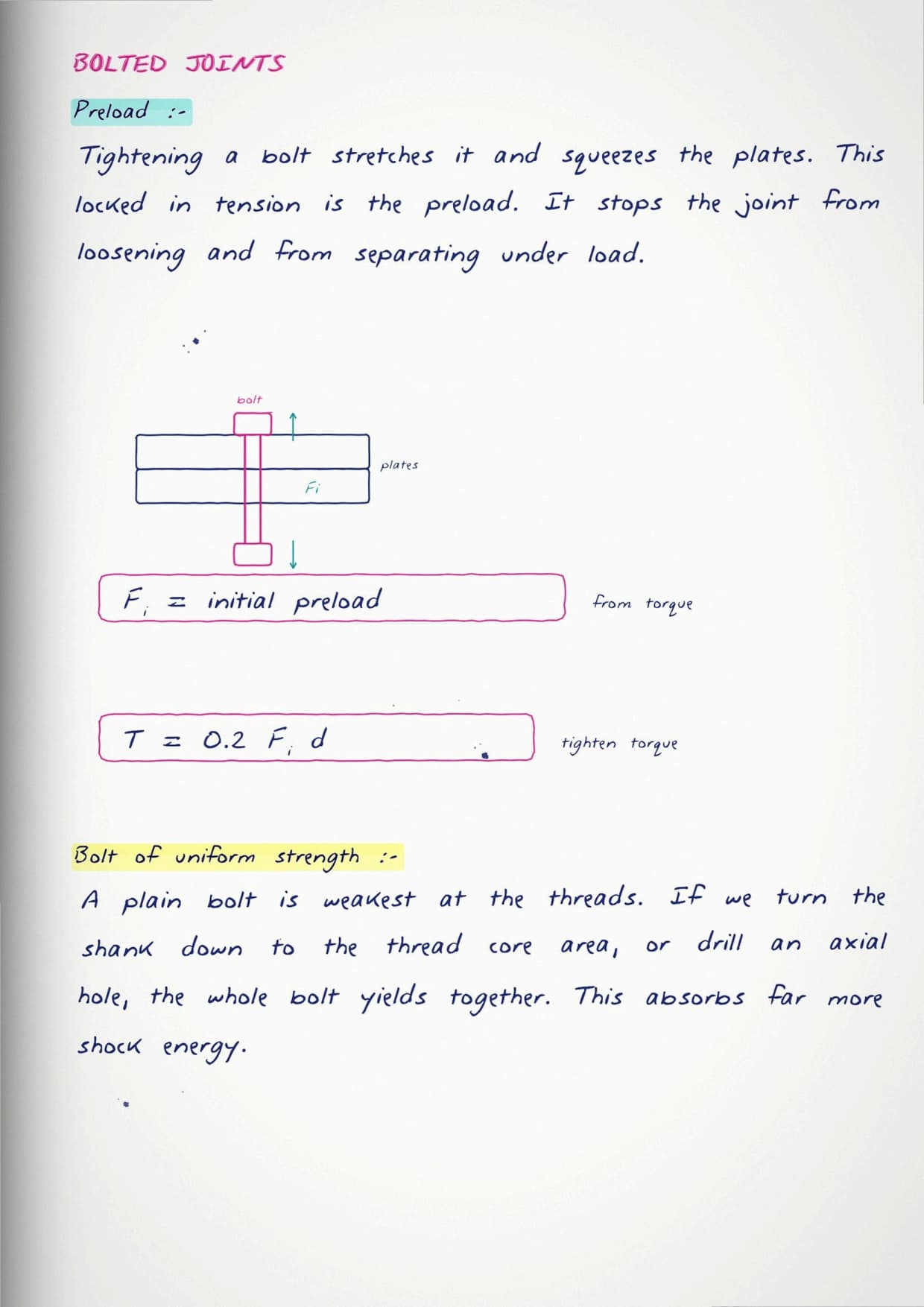
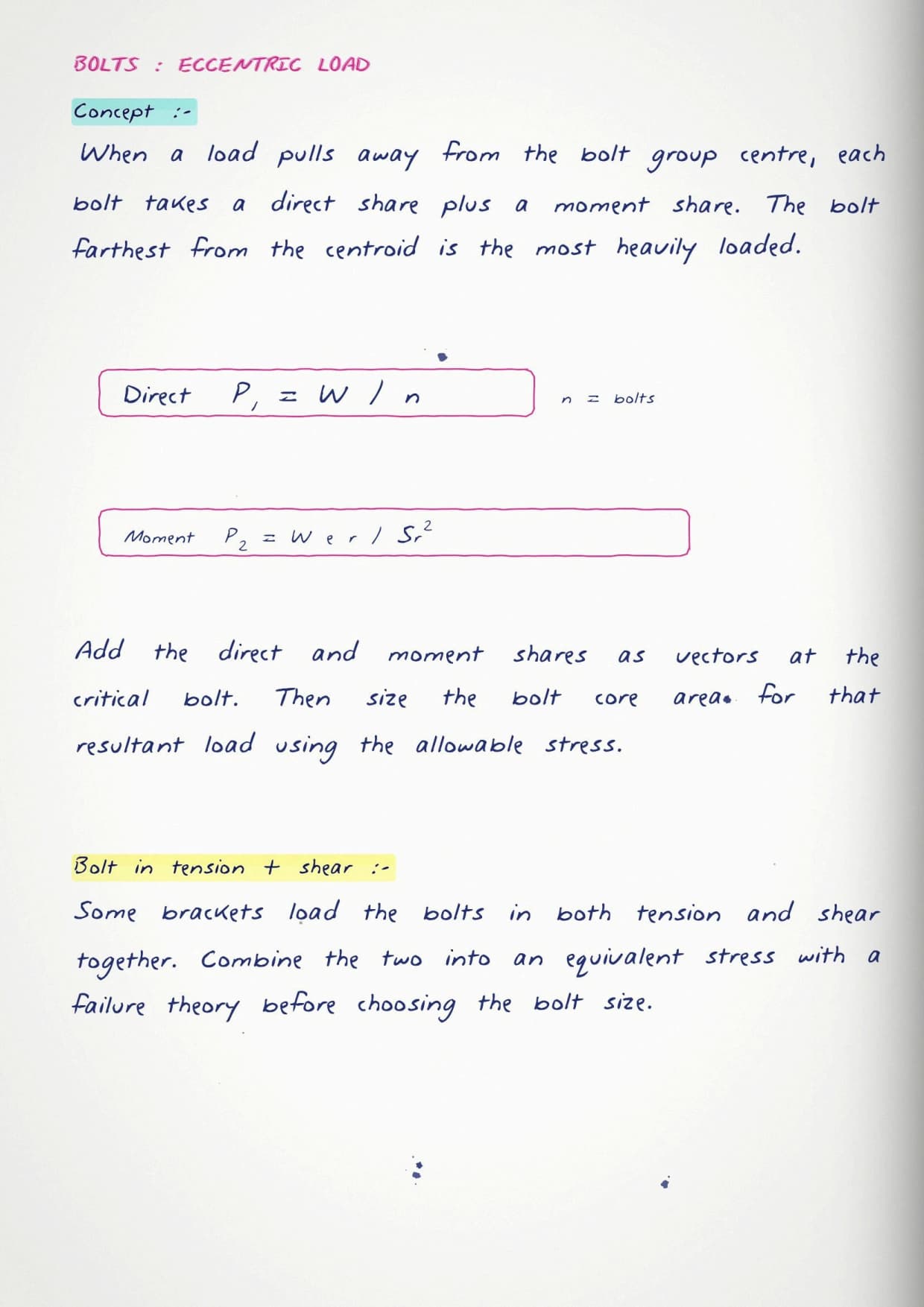
- Bolted joints, including eccentrically loaded bolts.
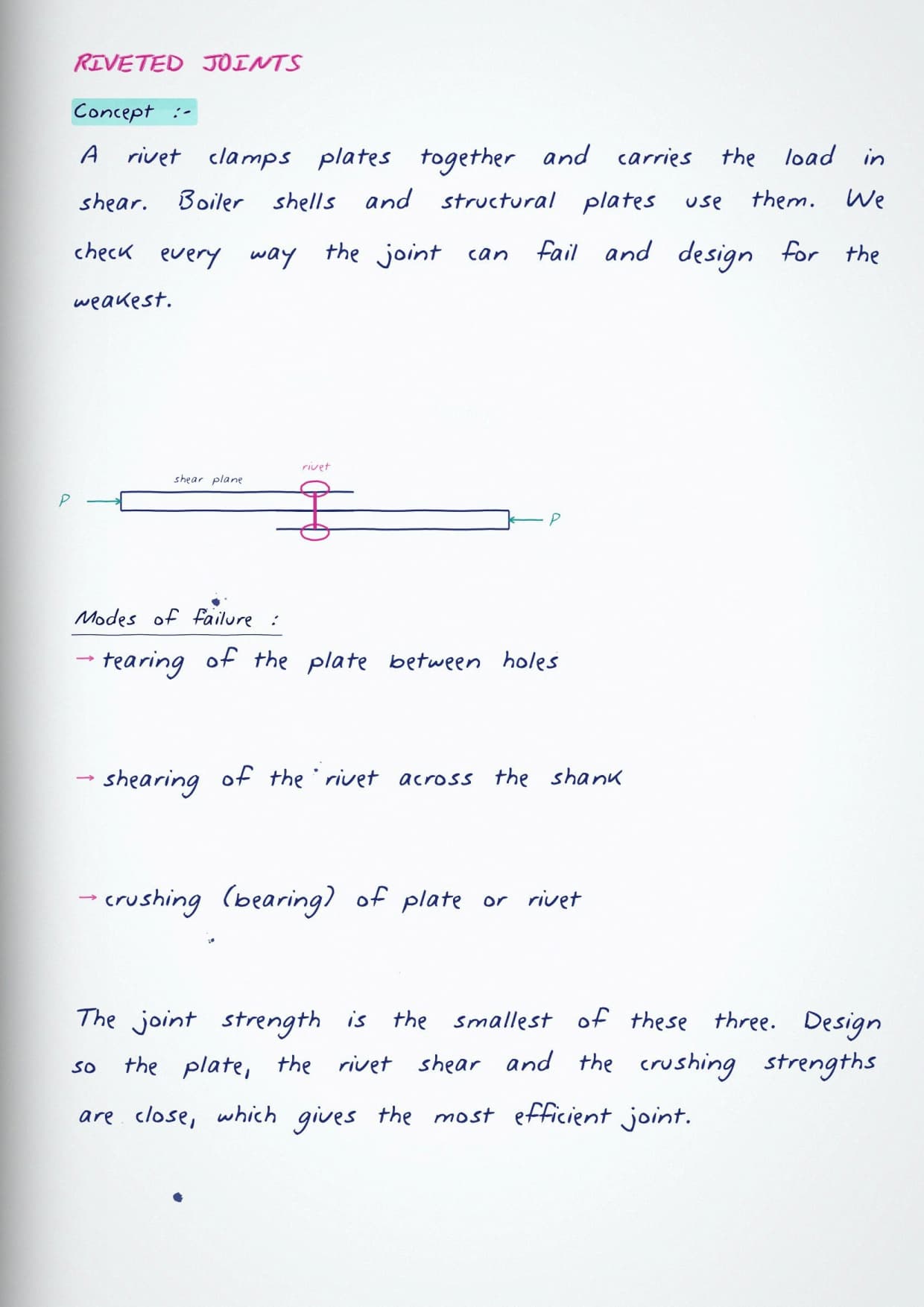
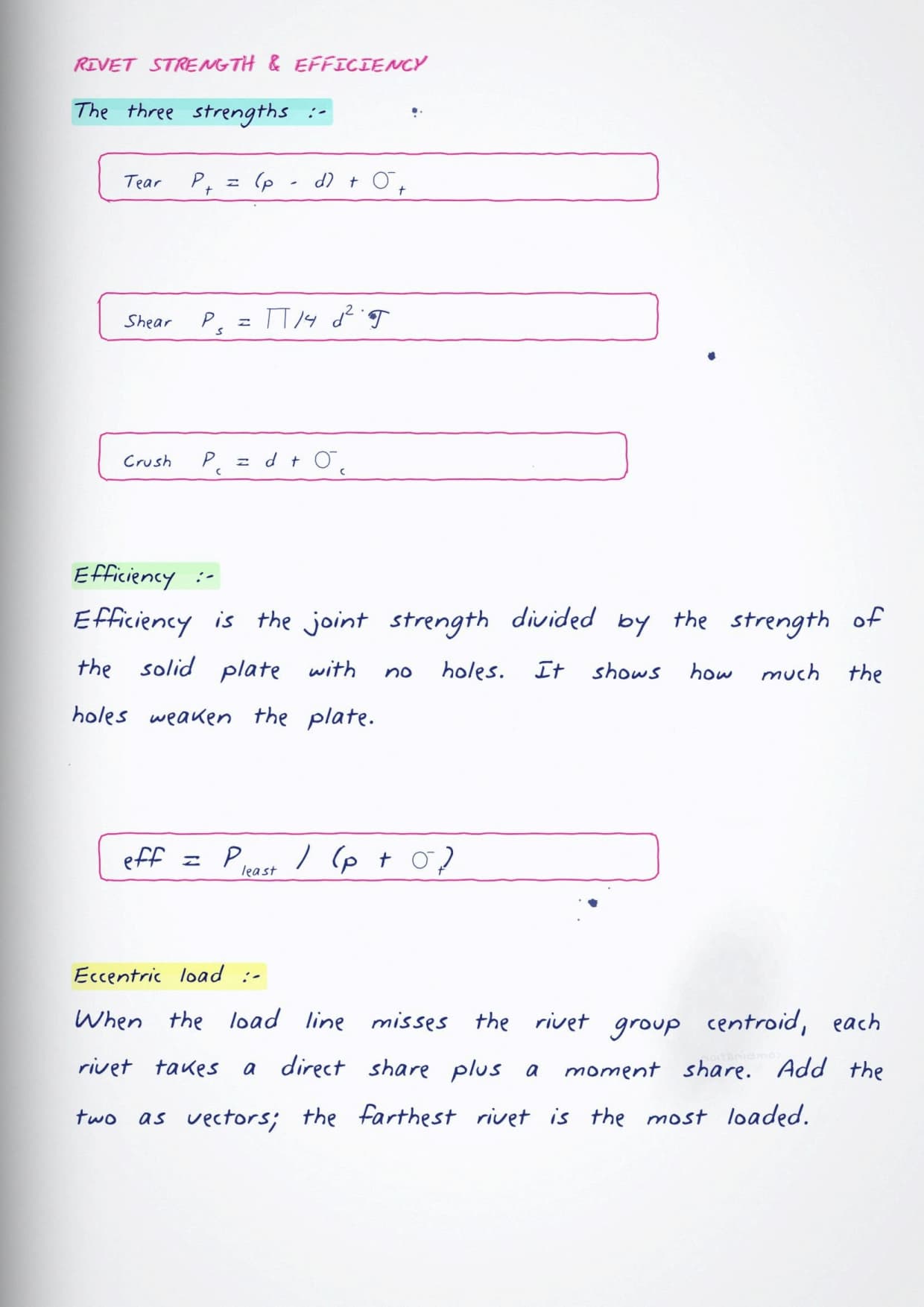
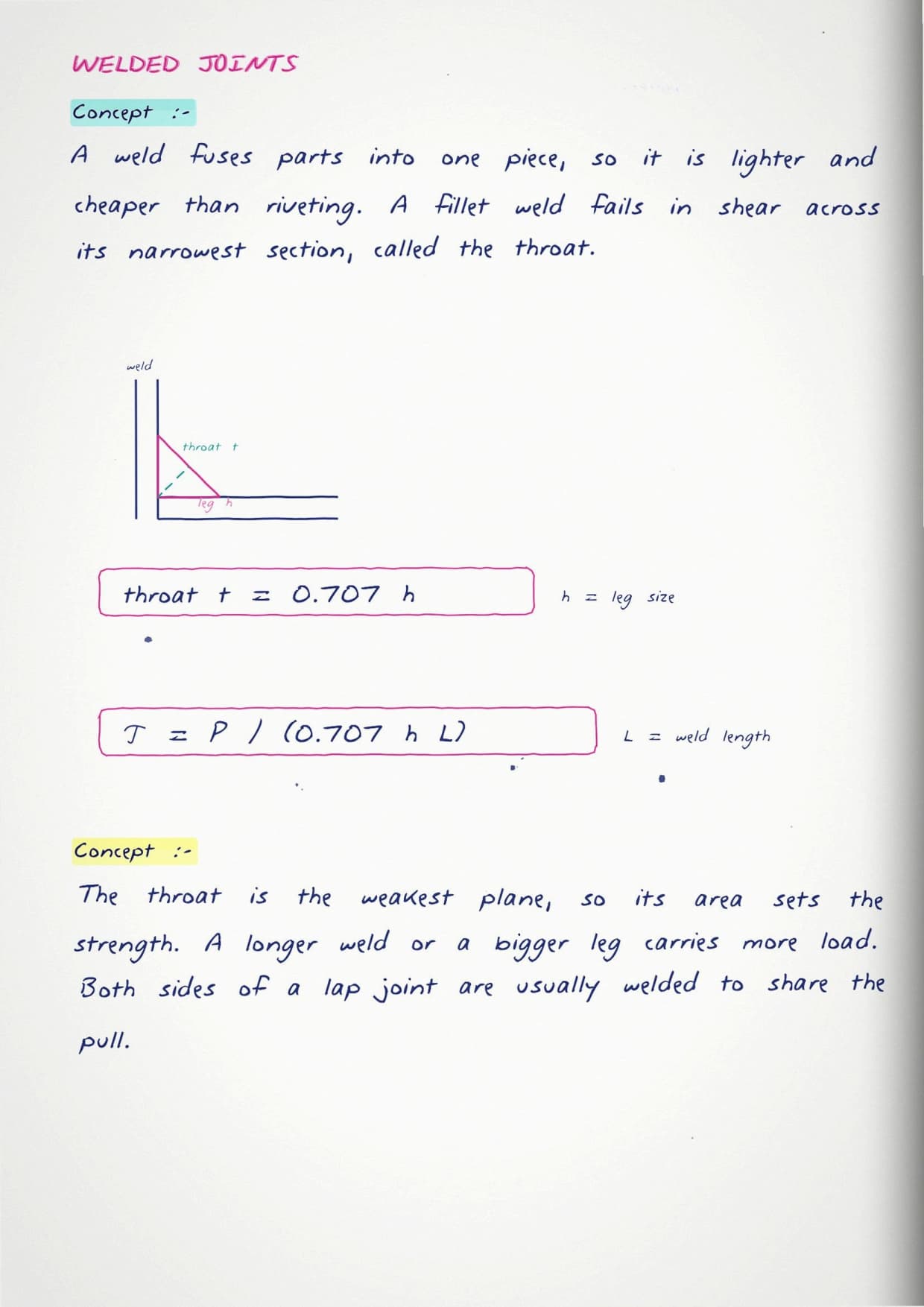
- Welded joints, riveted joints, cotter joints, and knuckle joints.
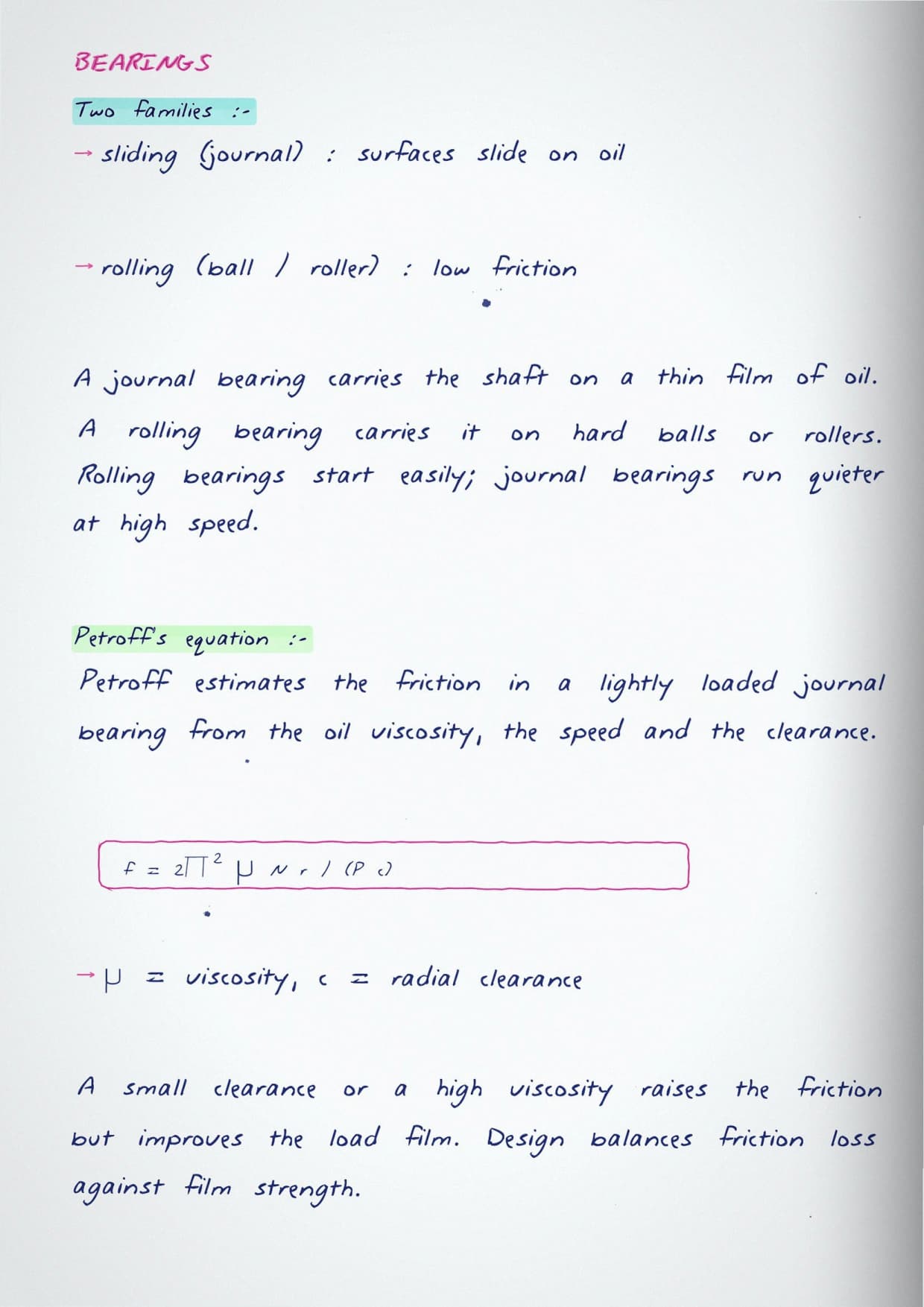
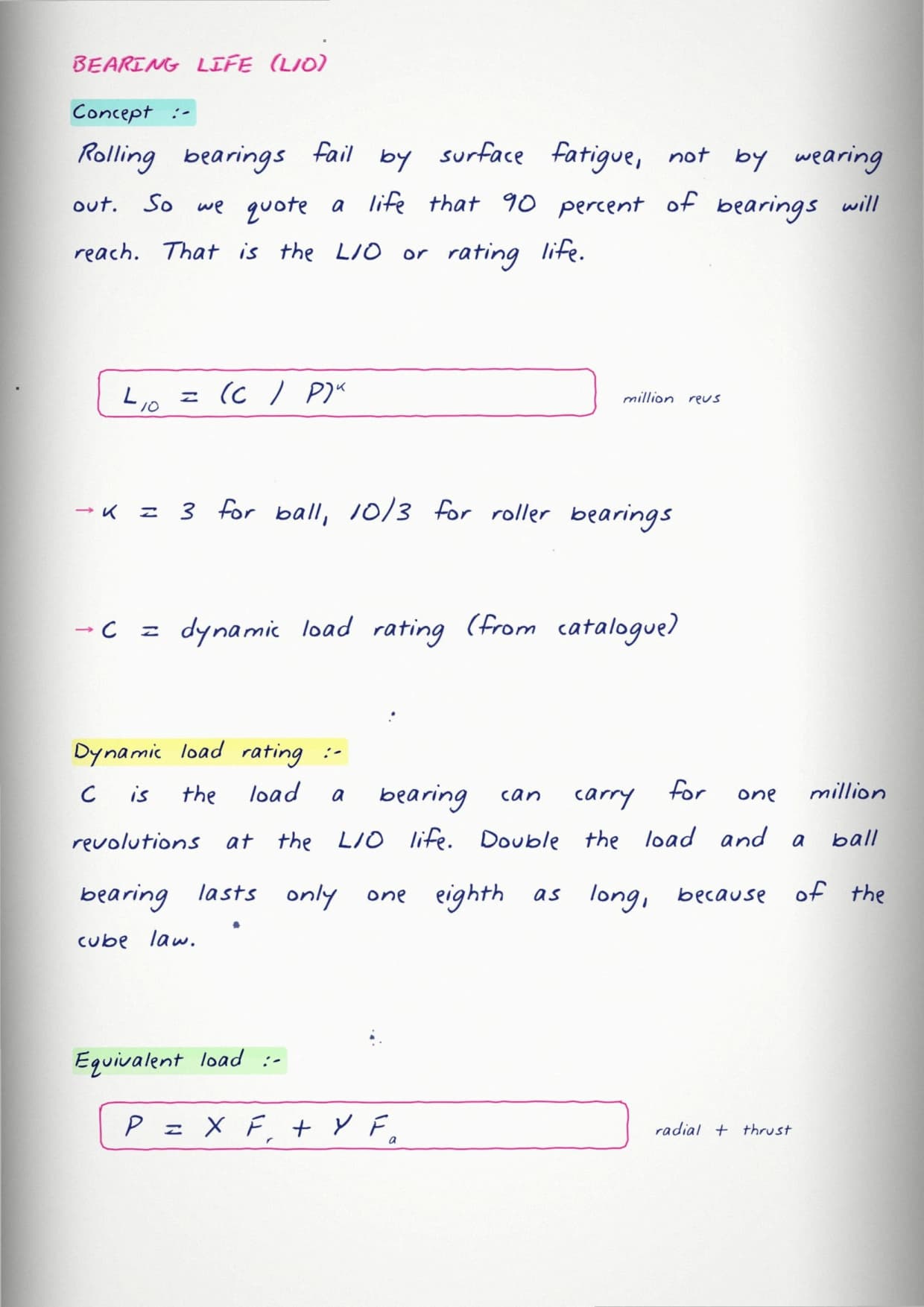
- Bearings (sliding and rolling contact) with L10 bearing life.
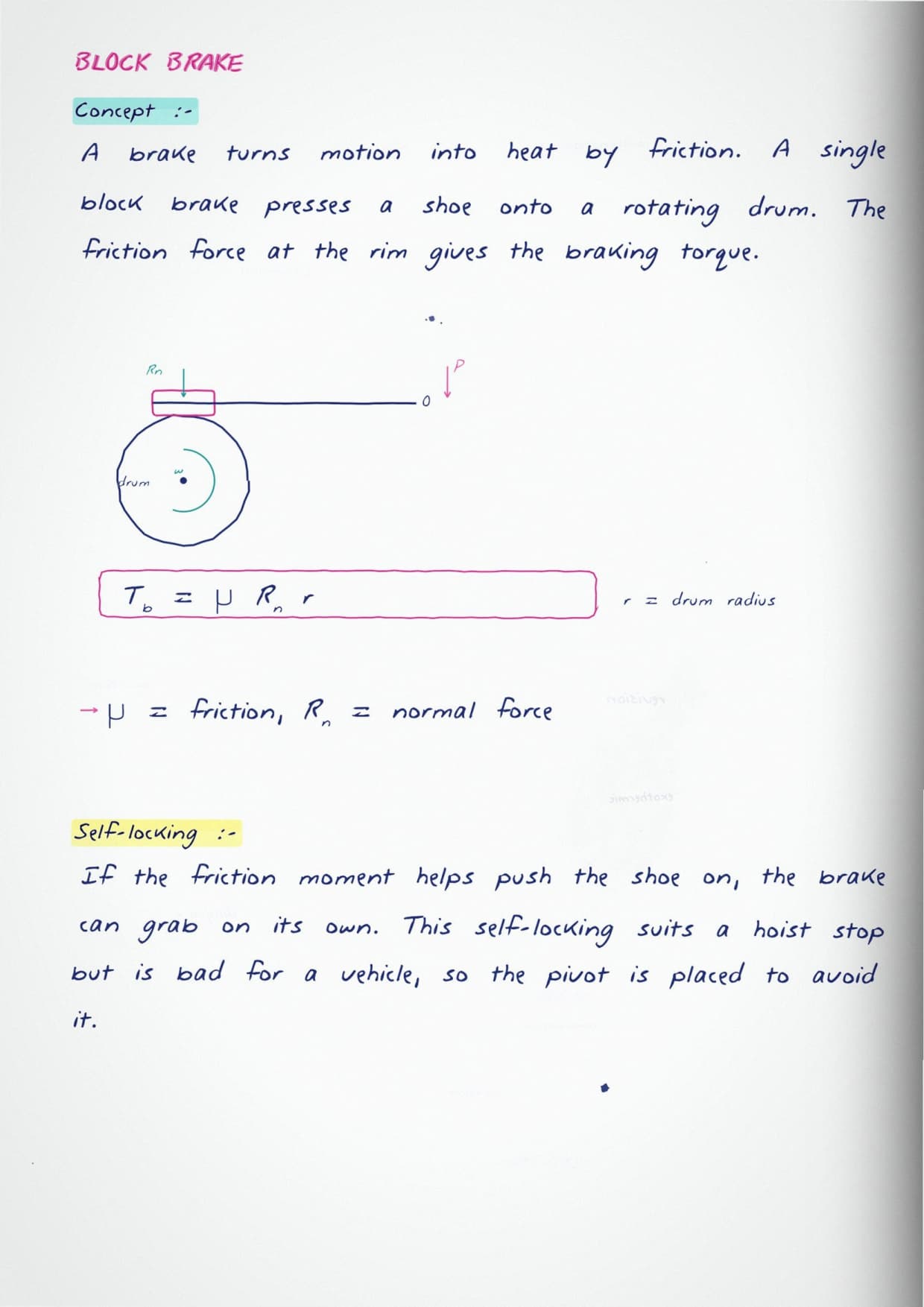
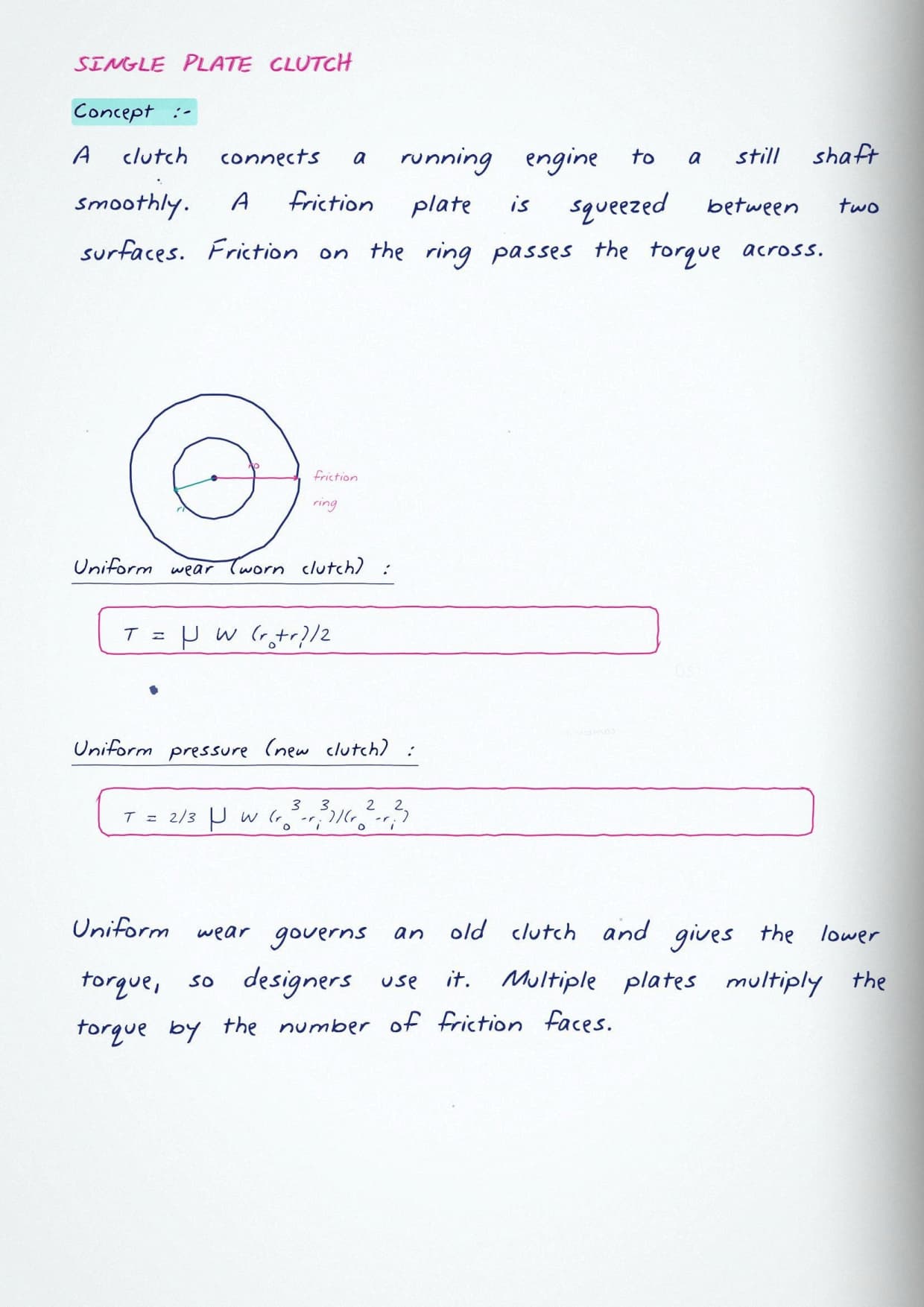
- Brakes and clutches, by uniform pressure and uniform wear theory.
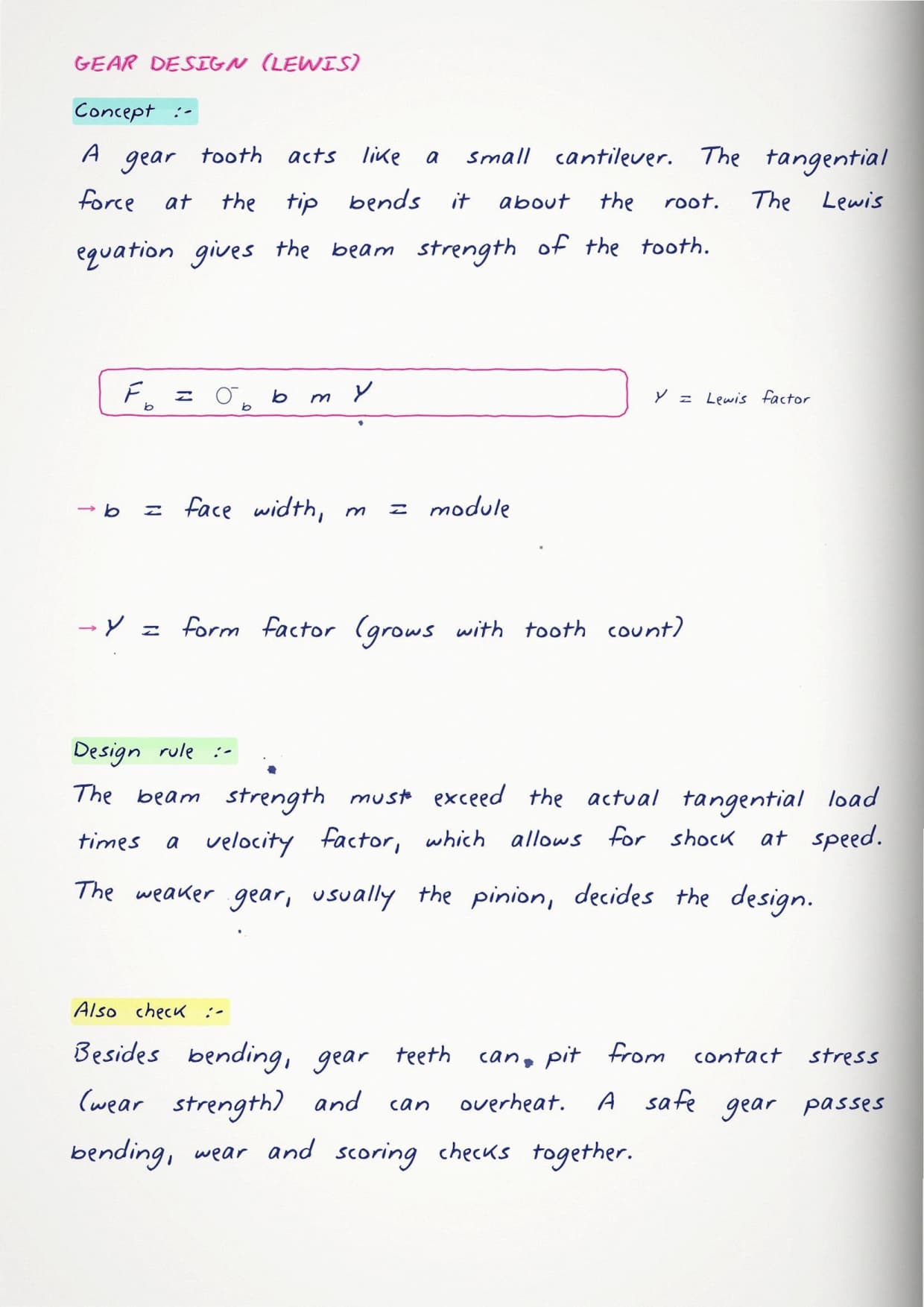
- Springs (with Wahl factor) and a first look at gear design.
How the Notes Are Organised
The notes are arranged by machine element, so related topics stay together and are quick to find. Fatigue theory, joints, shafts, and bearings each get their own block, which makes the subject easier to revise in parts rather than all at once.
The failure theories reappear wherever they apply, for example in both shaft design and joint design, so revising them once helps in several places. Only the key step of each result is shown, not long derivations, and a short trap note is next to the formulas that students most often get wrong.
Important Topics in GATE Machine Design
Some parts of Machine Design appear in the GATE paper almost every year, so they deserve the most attention. If you are short on time, start with the topics below, which give the highest return in the exam. Many of them also build on Strength of Materials, so revising them pays off in more than one subject.
- Theories of failure, both static and fatigue based.
- Fluctuating load design using Soderberg and Goodman lines.
- Shaft design with combined bending and torsion.
- Bolted and welded joints, including eccentric loading.
- Rolling contact bearing life and dynamic load rating.
How to Prepare GATE Machine Design with Handwritten Notes
These notes work best as a revision layer on top of your main study and daily practice. Read a topic, note its key formula, and then solve a few questions on it before moving to the next. In the final week, the formula sheet and the common-mistakes page are enough for a full, quick revision.
- Read each topic once to build a clear base.
- Revise the key formulas in the last week before the exam.
- Practise numericals on fatigue, shafts, and joints beside the notes.
- Read the common-mistakes page for the traps GATE repeats.
Why These Notes Help You Score Better
Handwritten notes are quick to scan and easy to recall under exam pressure. The pages are short and to the point, so a full revision takes far less time than a textbook does.
The diagrams can be copied straight onto the exam rough sheet, and keeping one clear formula per topic saves time when every minute counts. In the last few days before GATE, that speed is often the difference between finishing your revision and running out of time.
GATE Mechanical Machine Design Handwritten Notes FAQs
Ques. Do these notes cover the complete GATE Machine Design syllabus?
Ans. Yes. The notes cover factor of safety, static and fatigue failure theories, shaft design, joints, bearings, brakes, clutches, springs, and gears, which is the full GATE Mechanical Machine Design syllabus.
Ques. Are the notes only formulas or do they explain topics?
Ans. They explain each topic in short and then give the key formula, so students get the idea behind a result, not just the symbols.
Ques. Can I use these notes for last-minute revision?
Ans. Yes. The topic-wise notes, the formula sheet, and the common-mistakes page make revision quick in the final days before GATE.
Ques. Are diagrams included in the notes?
Ans. Yes. The notes include hand-drawn diagrams such as the S-N curve, Goodman and Soderberg envelopes, welded and riveted joints, and the cotter joint.



Comments